Breakfast at Tiffany's
1995
Todd Pipes drew the lyric from Roman Holiday, swapped in a different Hepburn title, and Britain sent it to number one.
★ 1.4
 skopia
Todd Pipes drew the lyric from Roman Holiday, swapped in a different Hepburn title, and Britain sent it to number one.
Estrin mailed Robb an instrumental demo; the lyrics came from scraps in a journal, the strings from Capitol.
Sugar Ray's drummer co-wrote it about touring temptation and a faithful girlfriend; the album title joked about vanishing fame.
Kamin wrote it after a funeral, imagining the widower left behind; it then held Adult Top 40 for twenty-three weeks.
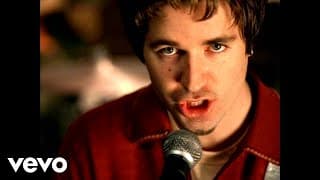
Long Island power pop, written overnight for the girlfriend Hampson later married, cut in Atlanta with Nick DiDia.
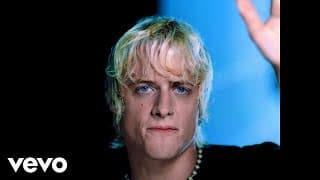
Twelve weeks at number one on Alternative Airplay, with Brett Scallions selling every syllable of Carl Bell's chorus.
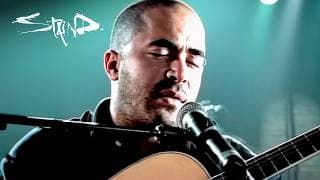
Lewis finished the words onstage in Biloxi with Fred Durst singing along, and that live take became the hit.
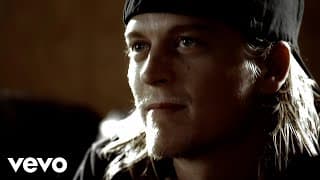
Alone in a Hollywood hotel room missing his son, Scantlin turned the ache into ten weeks atop Mainstream Rock.
Duritz dislikes writing to order, then handed Shrek 2 an Oscar-nominated rush of helpless, hurtling infatuation.
Cut at John Alagia's home studio in Maryland, it topped Adult Pop Songs for nine weeks and became a wedding standard.
Jerry Harrison of Talking Heads produced it, and Roberts sang three verses about strange childhoods in a startling baritone.
Scannell wrote it about a friendship he wanted to be more, and it became Billboard's most-played single of 2000.
Cut at Ardent Studios in Memphis, re-recorded in 1997 for the band's second album, and a number eleven hit.
Roland wrote it about a souring relationship with the band's first manager, then rode nine weeks atop rock radio.
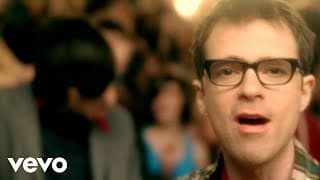
Rick Rubin produced it, the video was shot at the Playboy Mansion, and Cuomo swears the longing was sincere.
Scalzo sang lead from behind the bass, Hammond organ carrying it, and Machine Gun Kelly later borrowed the chorus.
Richards wrote it after a talk with his ten-year-old neighbor, and calling God "her" brought death threats.
Forty-five minutes to an hour, by Kroeger's account, then more US radio plays than any song of the decade.
Death Cab's first number one on alternative radio, and its video was performed live in one unbroken take.
A video at Bethesda Fountain, a six-dollar hat, and a hook that pushed the album past five times platinum.
Mercer sang falsetto for the first time here at Burton's urging; Christina Hendricks plays the android in the video.
Fifty-five weeks on the Hot 100 without ever passing number sixteen, and Sheik got a Grammy nomination out of it.
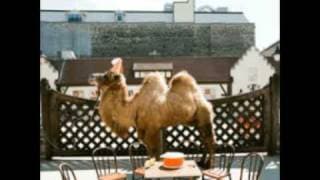
Tweedy and Feist trading a chorus about two people trying to hold it together, Wilco's first album duet.
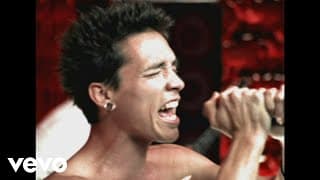
Scott Litt produced it at NRG, and Boyd wrote the lyric amid two deaths and a collapsing relationship.
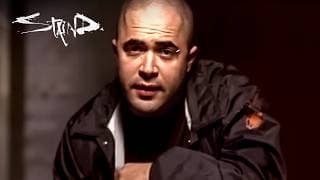
Written in 1996 for an acoustic side project and shelved, it returned to spend twenty weeks atop Mainstream Rock.
Wade wrote it in about five minutes, and it never hit number one yet finished 2001 as America's biggest single.
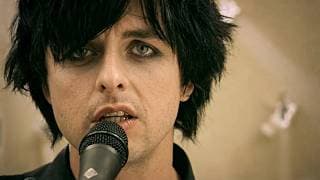
A chorus close enough to All the Young Dudes that Bowie got a writing credit, and Butch Vig produced.
Credited to all four members, it climbed to fifteen; Phillips says it is about how quickly epiphanies vanish.
Codependency as a love song, Serletic producing, and the only Matchbox Twenty record to reach number one.
Ric Ocasek produced it, and the spoken verses lift straight from Gloria Winters' 1964 teenage charm and popularity guide.
Phillips wrote it after a trip to Orcas Island, keeping the placeholder lyrics because nothing he tried afterward worked better.
Kate Pierson's guest vocal, Mark Bingham's waltzing strings, and R.E.M.'s only top ten hit in both Britain and America.
Folds went back to a trio for Songs for Silverman, and made its lead single a phone call home.
Martin called it a blatant Jeff Buckley attempt, cut at Rockfield with Ken Nelson, and the chorus soars anyway.
Patrick's blackouts and a father's disappointment sit behind it, six minutes of guitar haze on Title of Record.
Stroud's guitar over Mast's programming, not a word sung, and a gold single that landed in MLB 07: The Show.
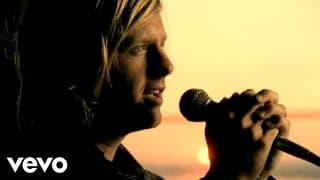
A song Foreman wrote to talk himself into moving, cut twice, the 2003 version the band's biggest hit.
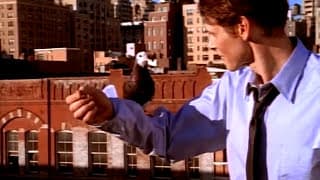
Two hours walking New York on a day off, and Roland returned with four weeks atop album rock.
Romania in February 1990, weeks of upheaval still fresh, and Edwards came home to write pop's happiest history lesson.
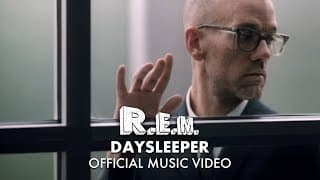
Stipe found the word on a New York apartment door and gave the night shift its lullaby, post-Berry R.E.M.