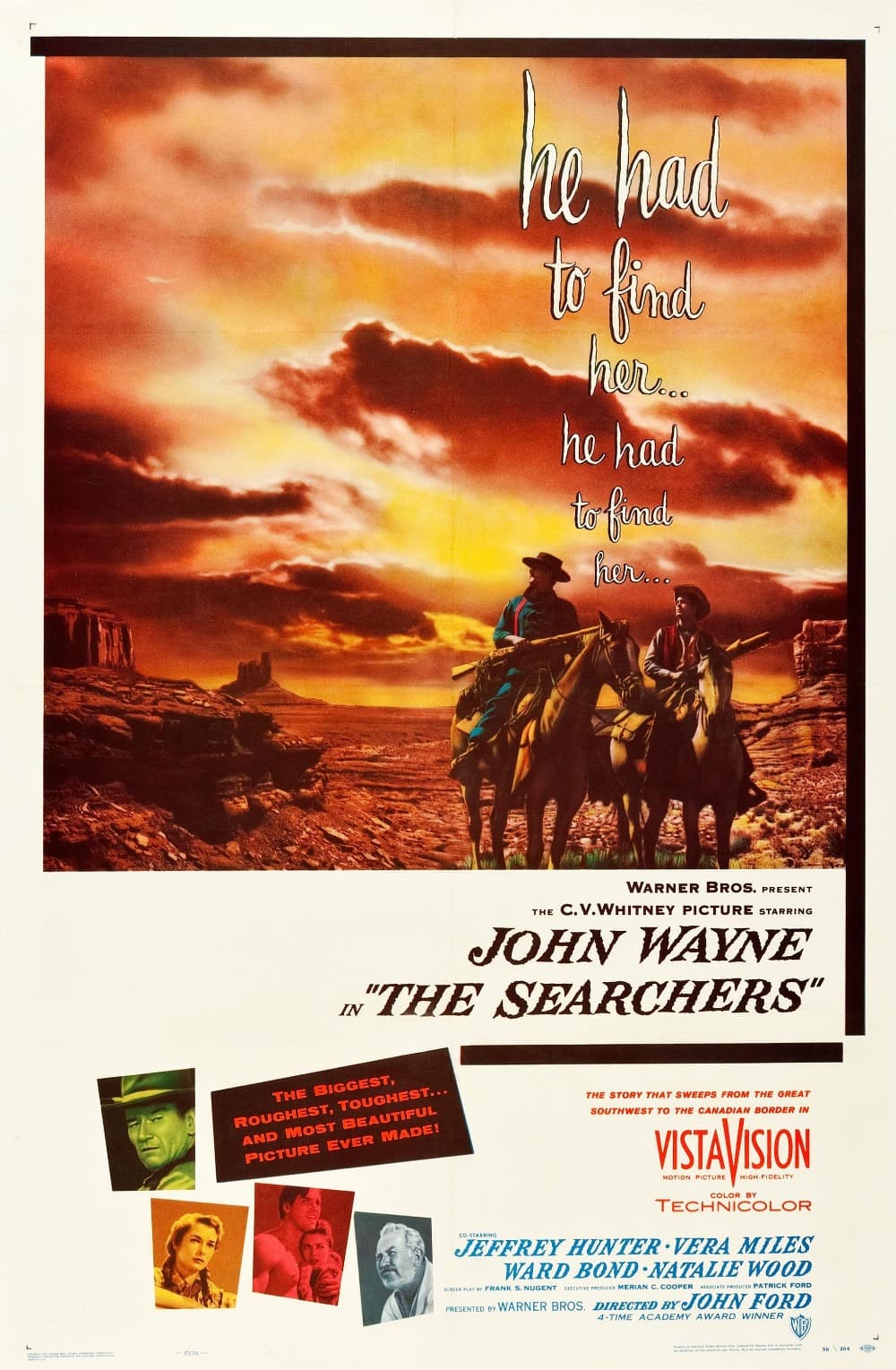
The Searchers
Directed by John Ford
1956
Other directors have been stealing from this western for seventy years: Ford put John Wayne's racism on screen without excusing it, and framed his story in a much-copied doorway.
★ 9.0
 skopia
Other directors have been stealing from this western for seventy years: Ford put John Wayne's racism on screen without excusing it, and framed his story in a much-copied doorway.
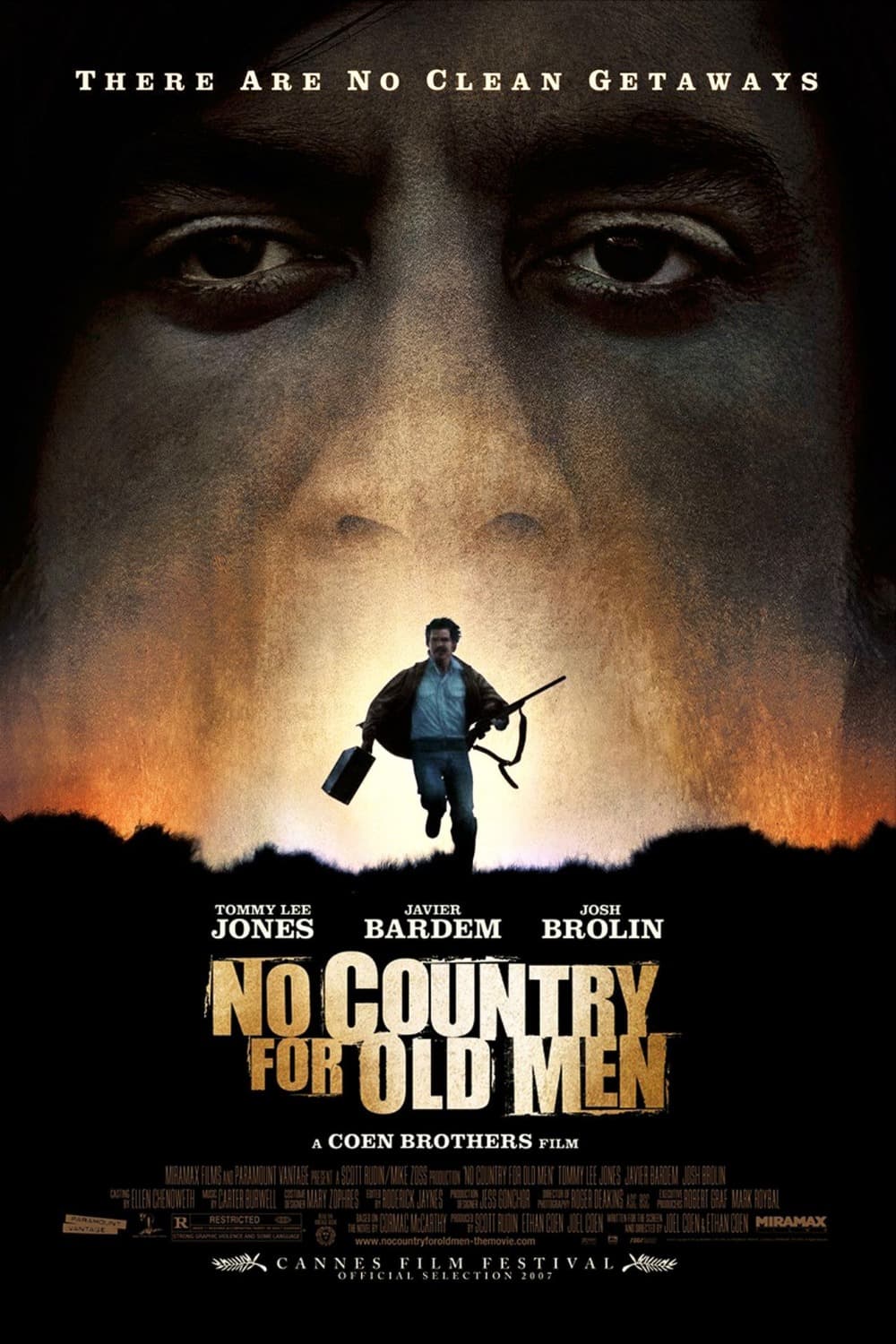
The Coens made a chase film with almost no music in it at all: Javier Bardem's killer with a cattle gun became the most frightening figure of the decade.
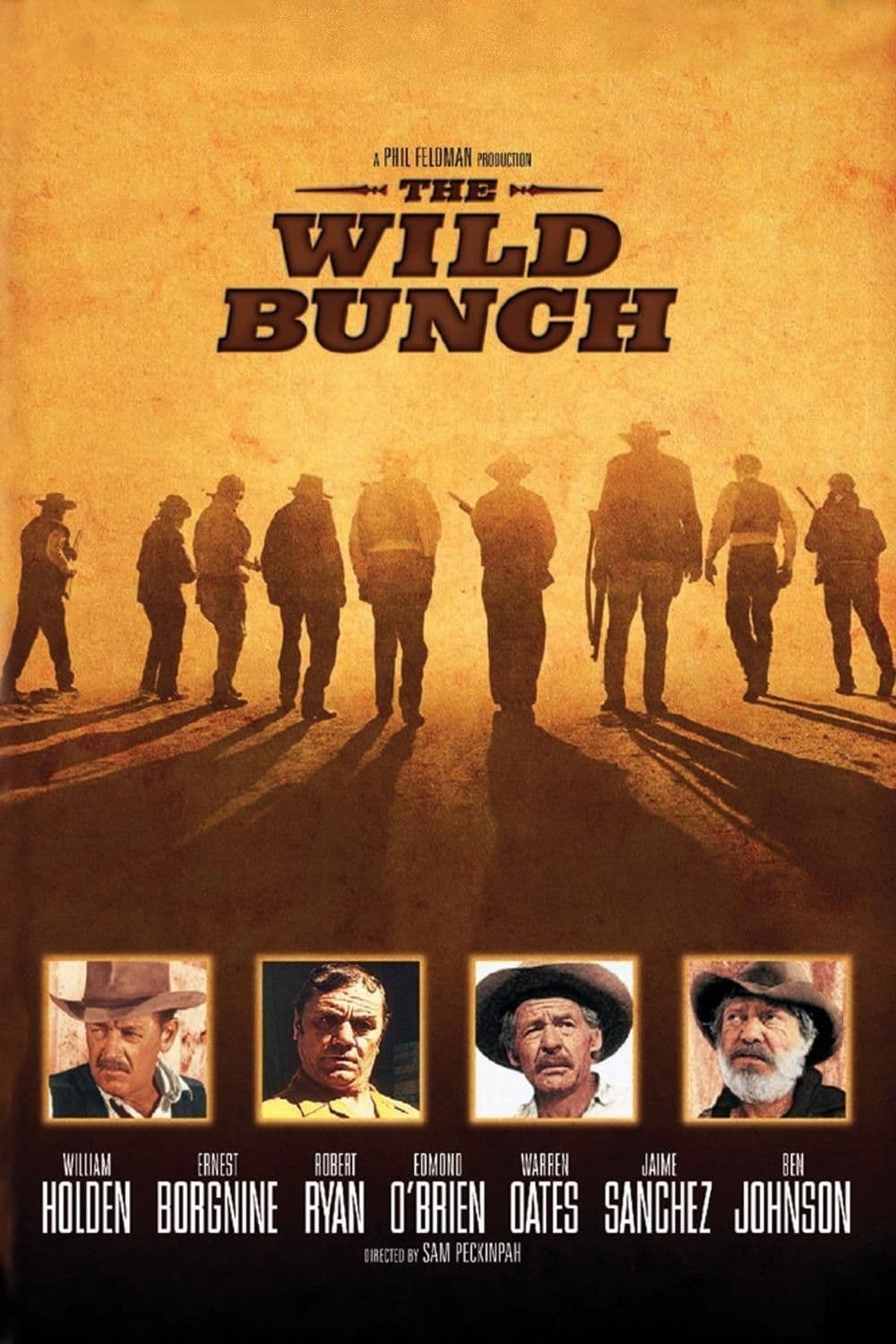
Peckinpah showed at once what the new ratings system had licensed: slow motion, six cameras firing together, and a body count that made every western before it look polite.
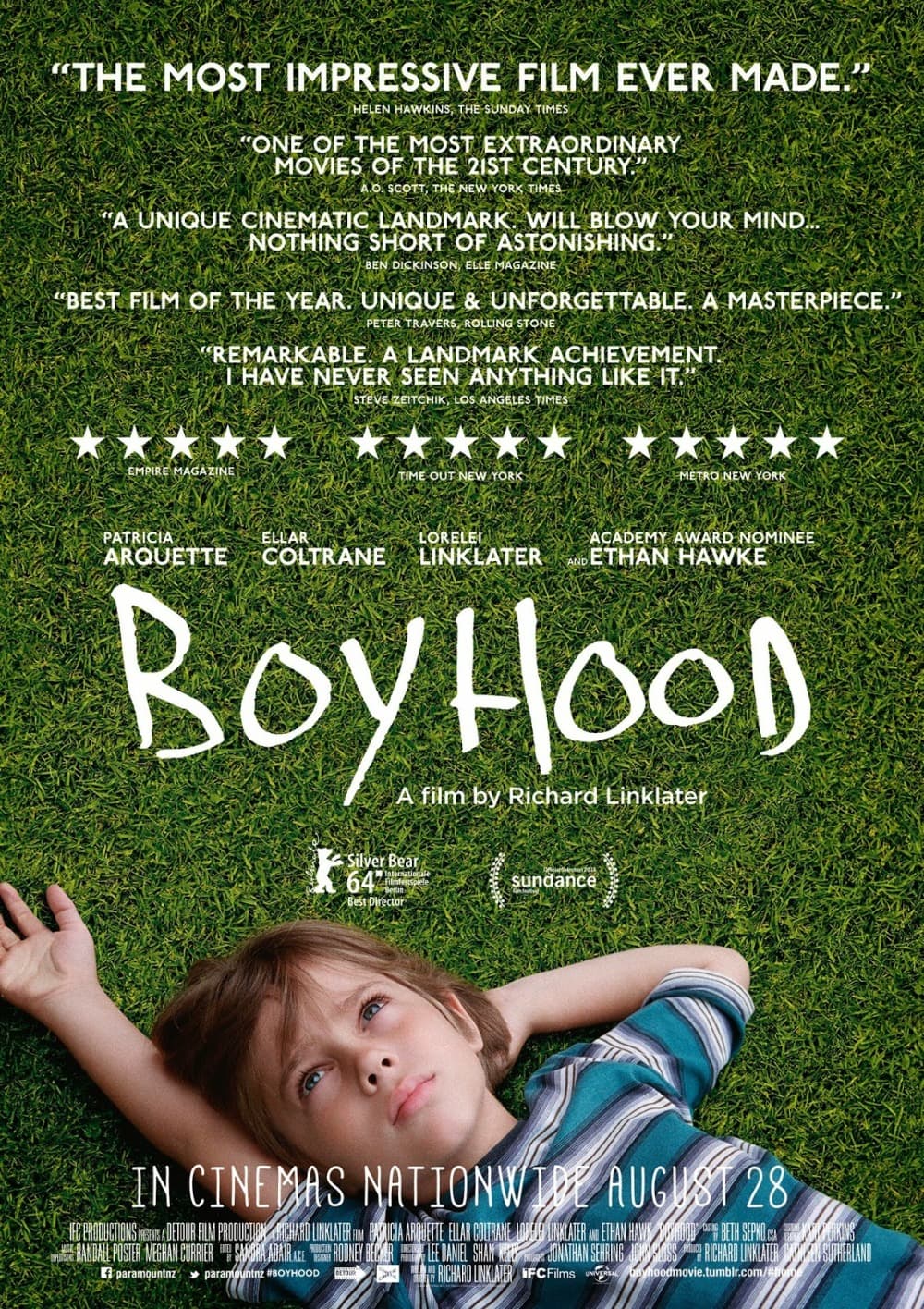
Nobody had tried this before: Linklater filmed the same cast a few days a year for twelve years, so you watch a real child turn into a real adult.
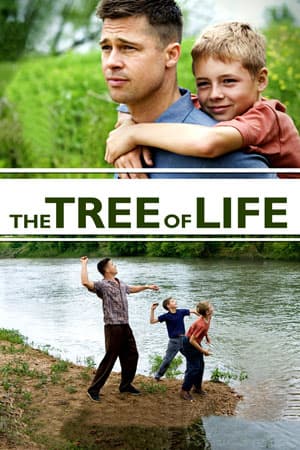
It won the Palme d'Or and audiences walked out of it: Malick set a 1950s Texas boyhood against the formation of the universe and left the connections to you.
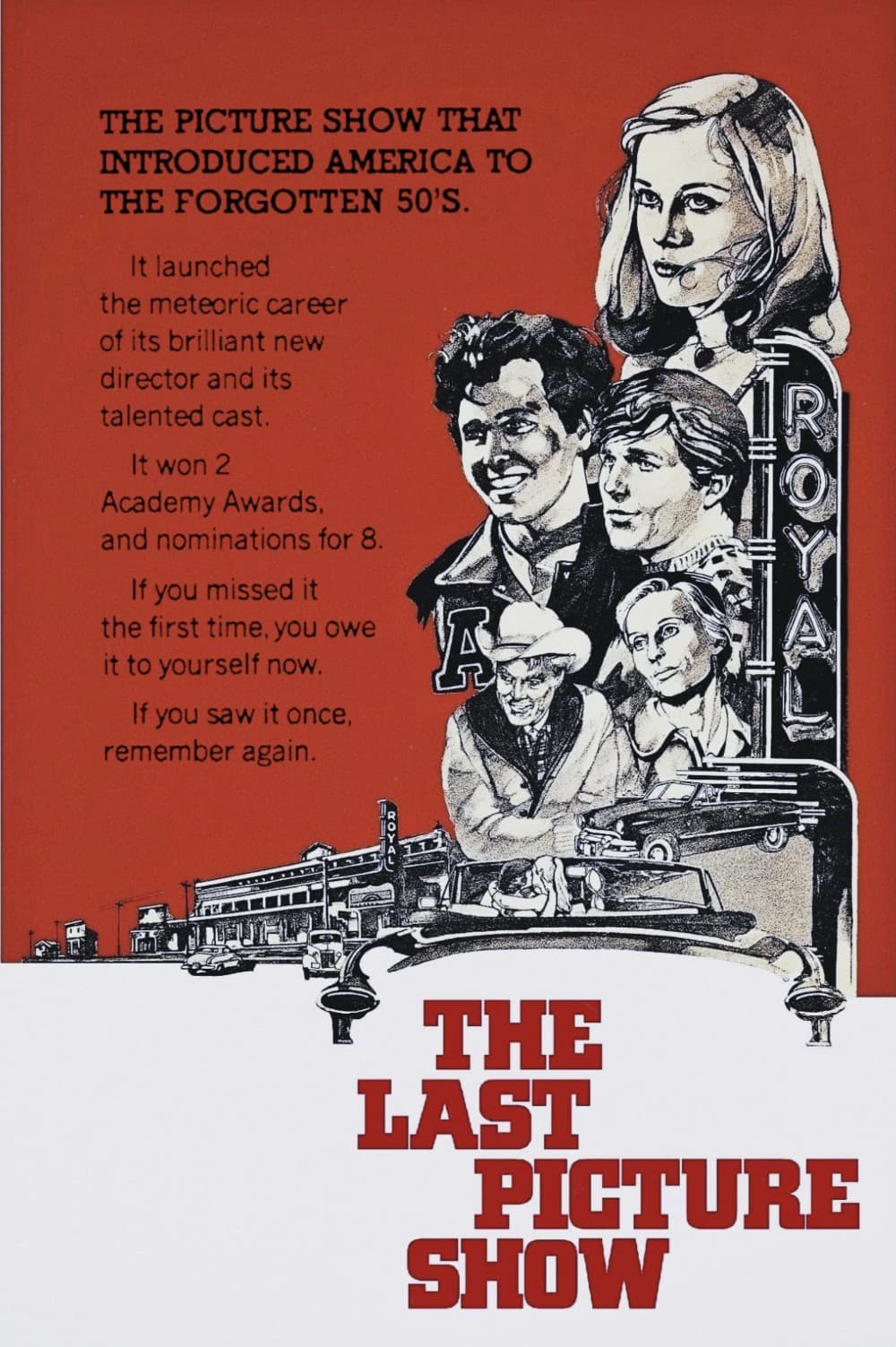
Bogdanovich insisted on monochrome in 1971, when absolutely nobody did that: a Texas town running out of reasons to exist, and the teenagers running out along with it.
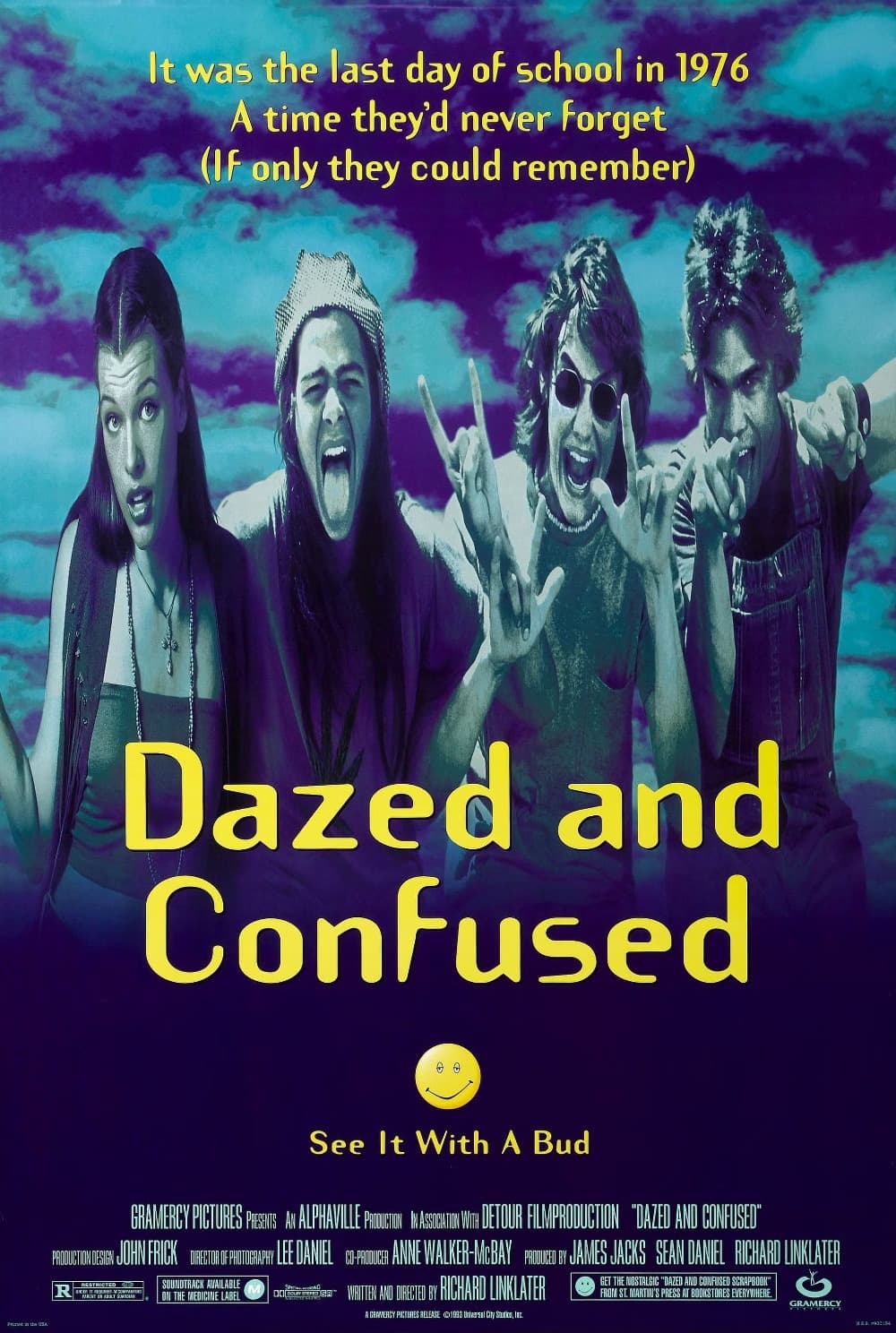
Nothing happens and that is the entire point: Linklater catches the last day of school in 1976 so exactly that people who were not there remember it anyway.
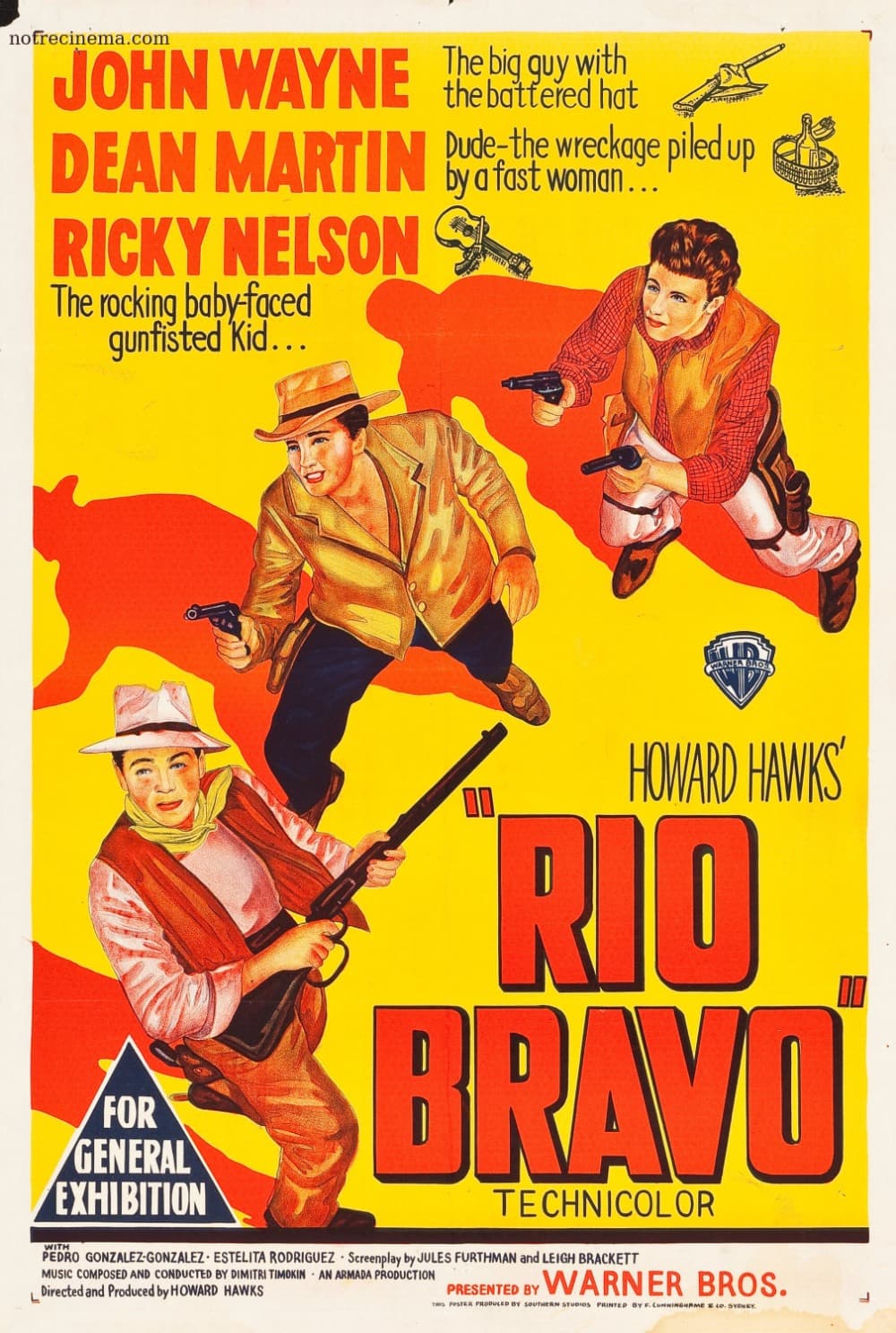
Hawks made it as an argument against High Noon: instead of a marshal begging for help, four flawed men hold a jail and enjoy each other's company doing it.
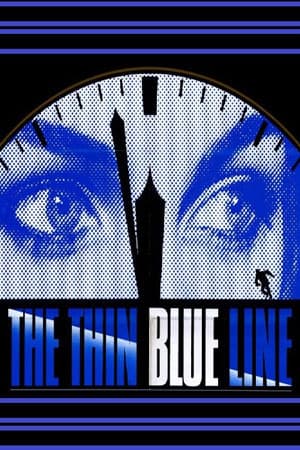
A documentary that overturned a real murder conviction: Morris reconstructed the same killing over and over from contradictory testimony, and the case collapsed within a year of release.
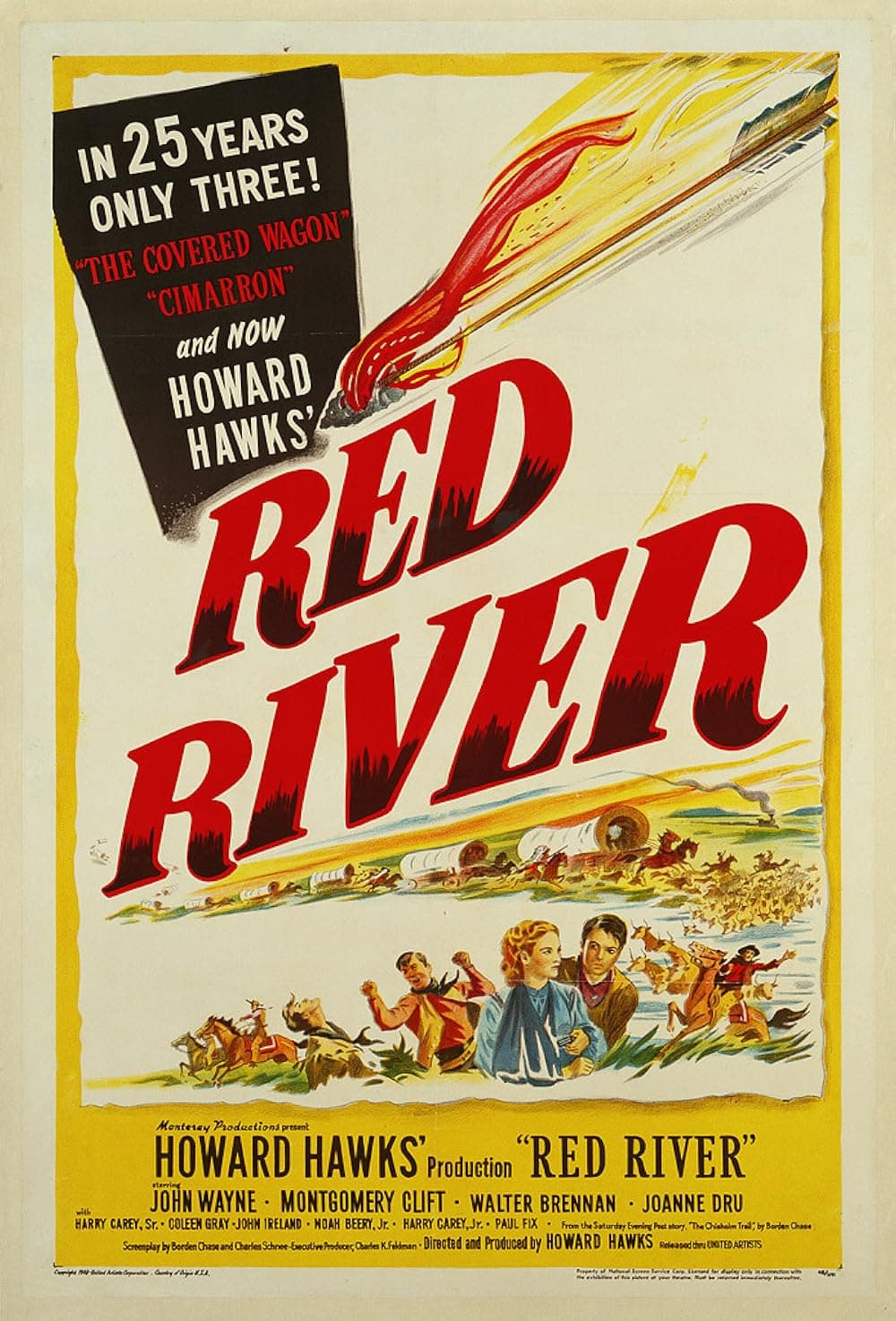
Ford said he never knew Wayne could act until he saw this: a cattle drive turns into a mutiny, and the man in charge becomes the thing to escape.
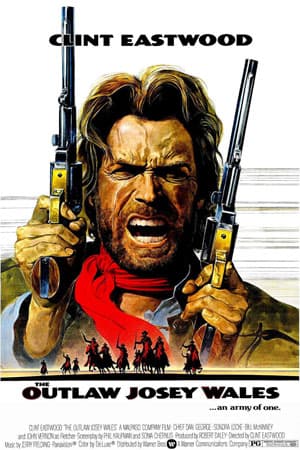
Eastwood fired the director and took over, and the union wrote a rule to stop it happening again: a Missouri farmer rides out after the war and keeps collecting strays he never wanted.
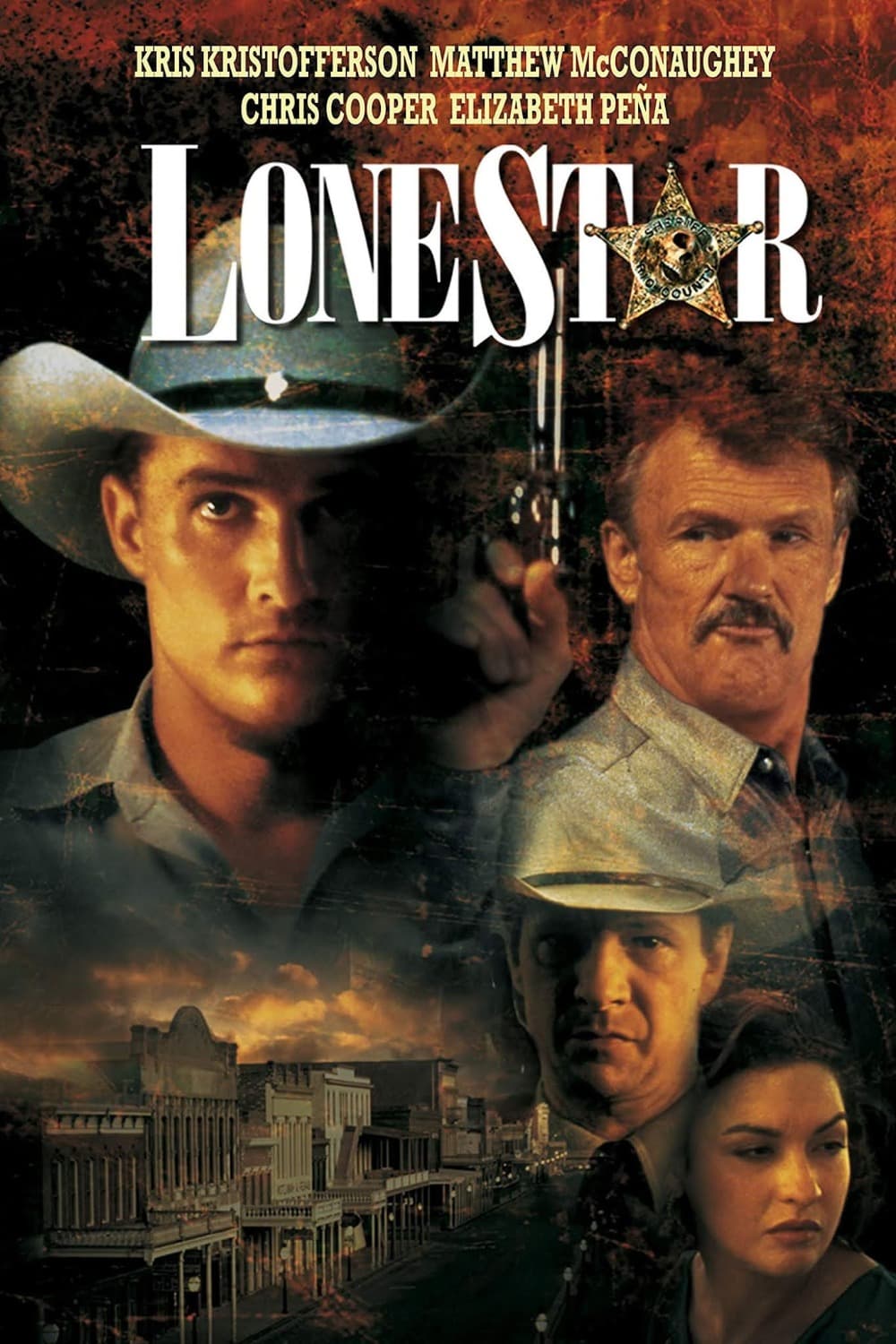
Sayles moves between past and present without a cut, panning from one decade into another: a Texas border town excavates a forty-year-old murder and finds the whole town's history attached.
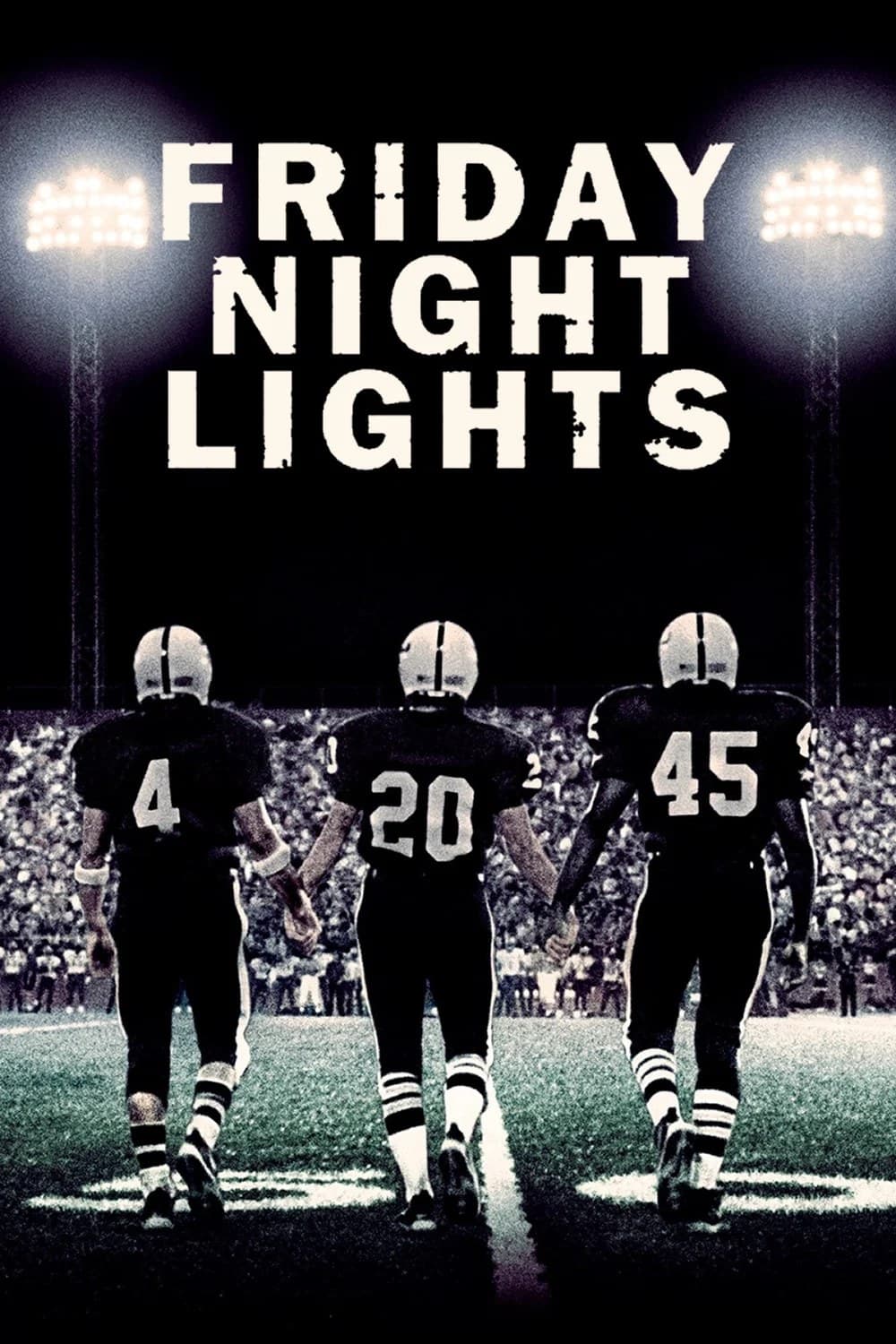
High-school football is the surface; the subject is a town with nothing else: Odessa, Texas in 1988, filmed handheld and close, where a losing season is a civic emergency.
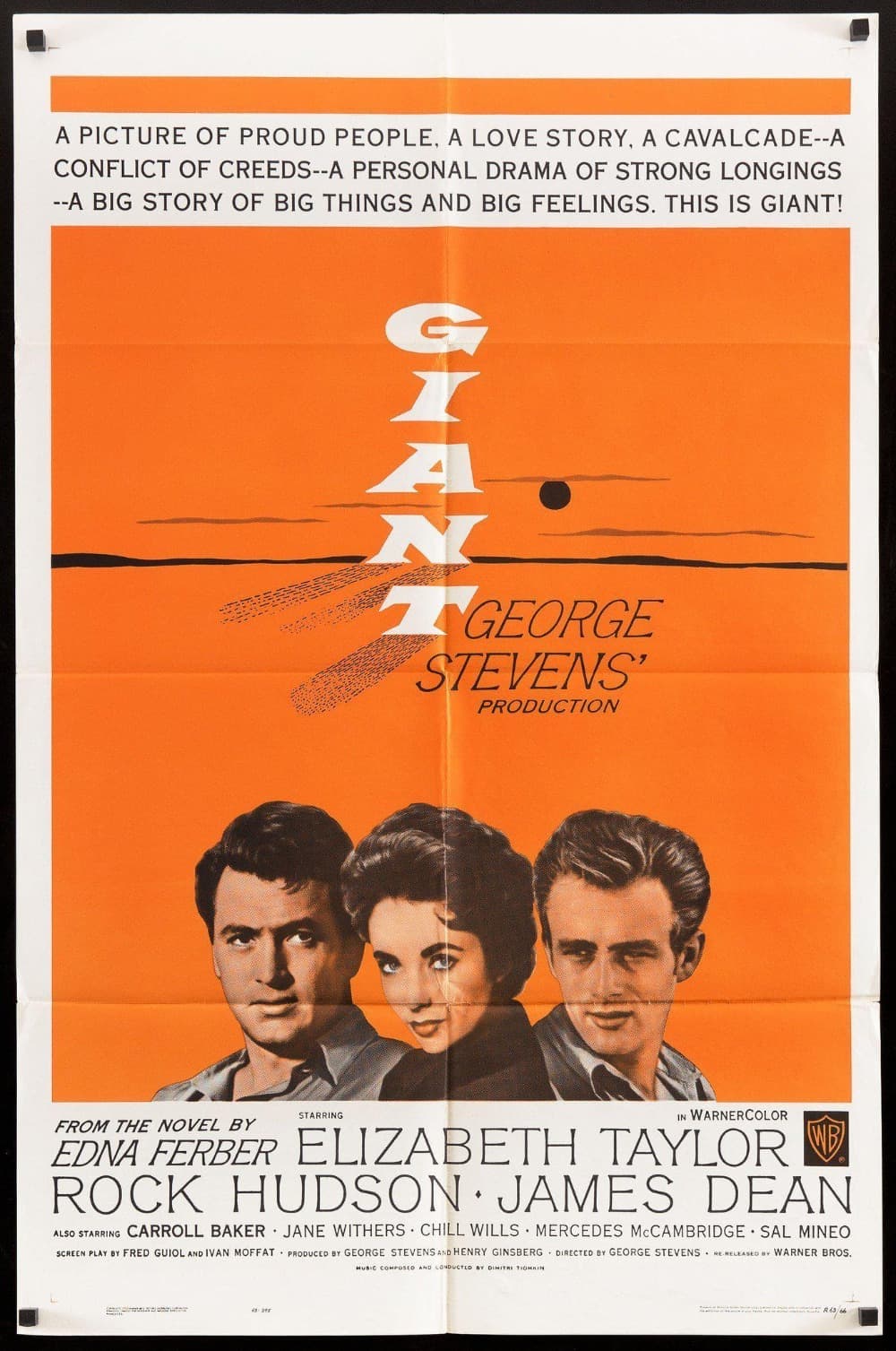
James Dean died before it was finished and his last scenes had to be dubbed: three hours of Texas oil money, filmed as a family argument that runs thirty years.

They shot it in twenty-five days for five million dollars and won two acting Oscars: a Texas electrician starts importing unapproved drugs for himself and ends up supplying half the city.
Robert Duvall wrote and sang his own songs, then took Best Actor for the quietest work of his life: a broken country singer stops drinking at a Texas motel and stays.
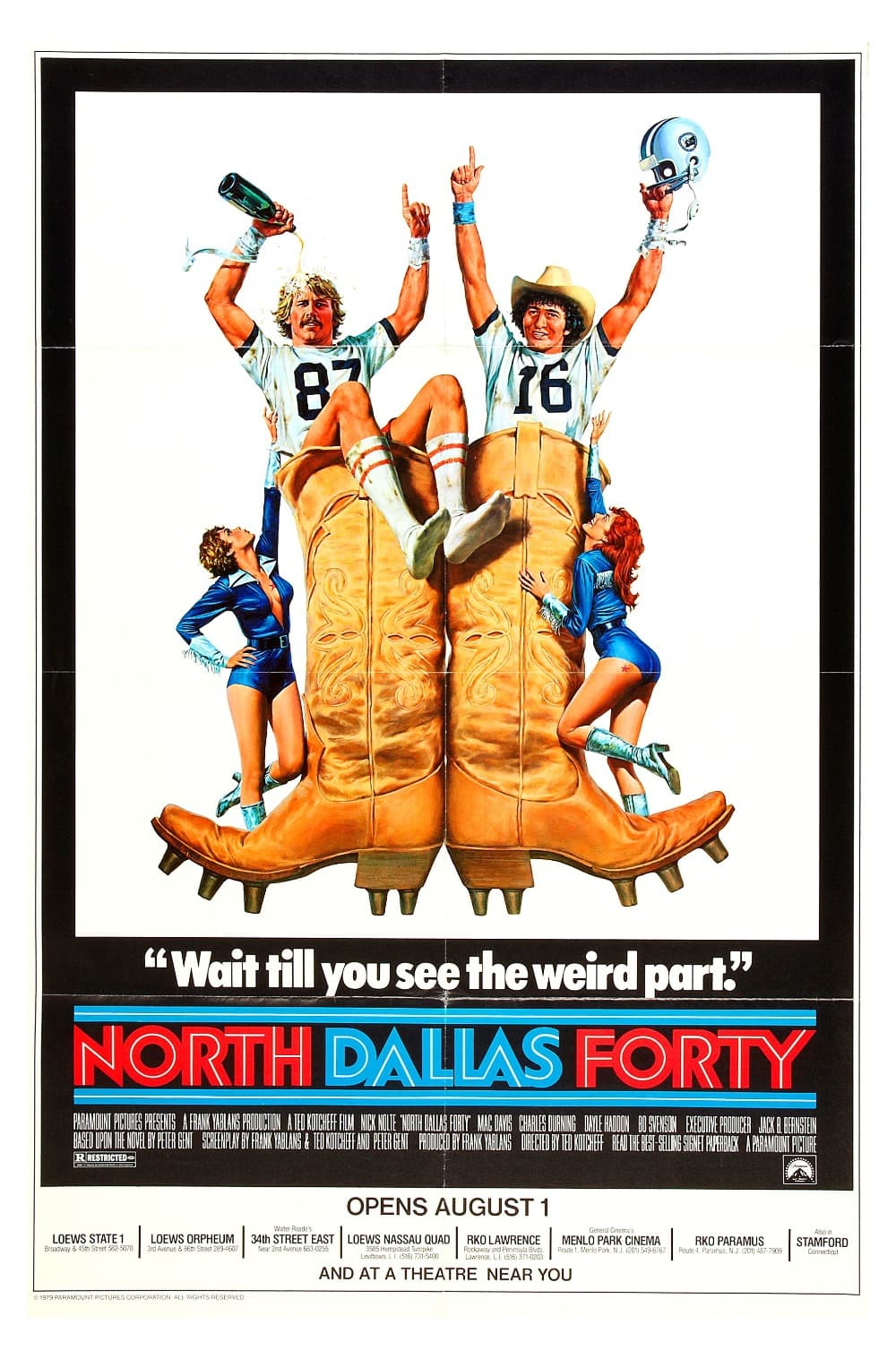
The NFL refused all cooperation and players said it was the only accurate football film ever made: Nick Nolte plays a receiver held together by painkillers and stubbornness for one more season.