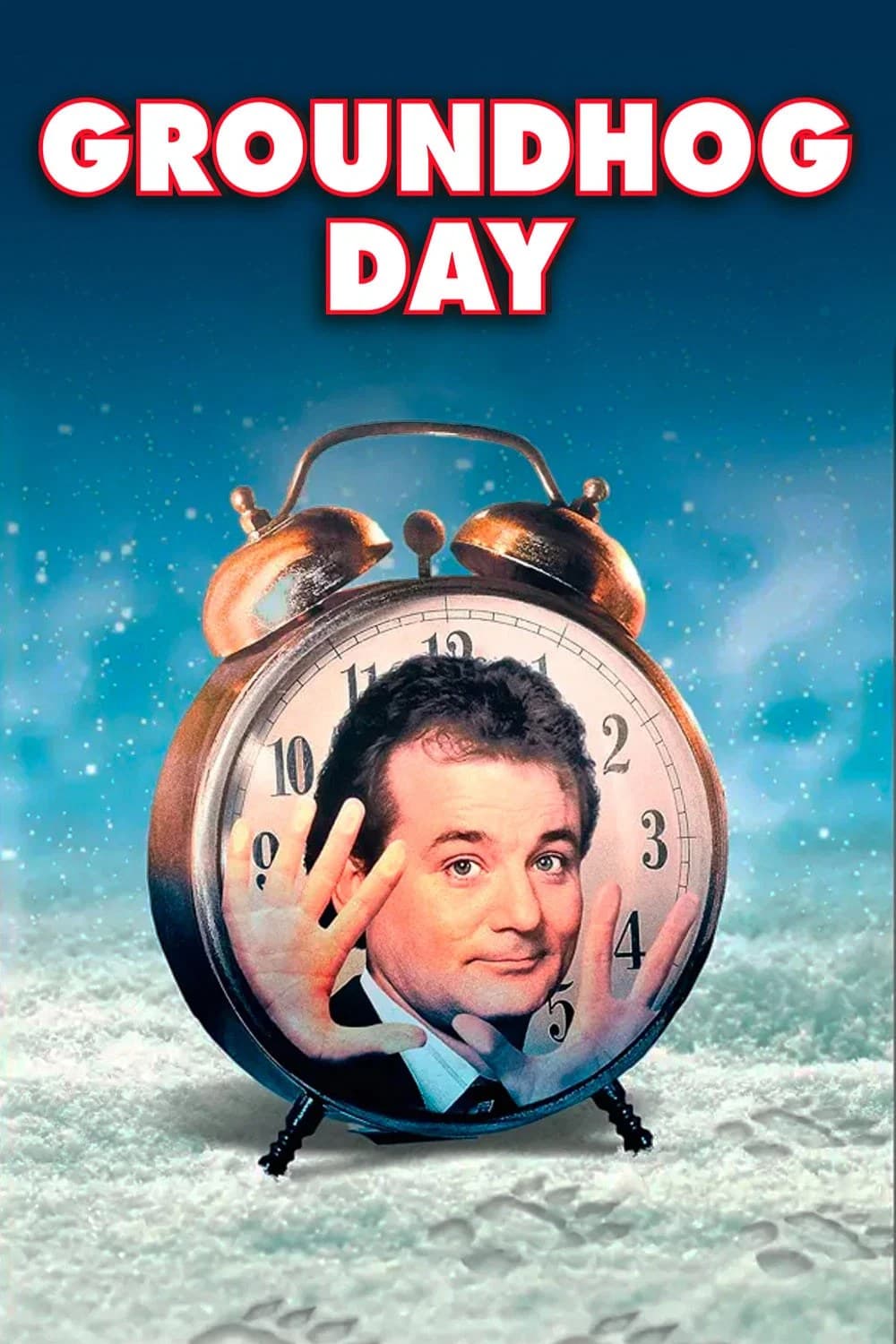
Groundhog Day
Directed by Harold Ramis
1993
The title became a phrase people use without knowing the film: a comedy about repeating one day turned into the most quietly serious argument about how to live.
★ 8.2
 skopia
The title became a phrase people use without knowing the film: a comedy about repeating one day turned into the most quietly serious argument about how to live.
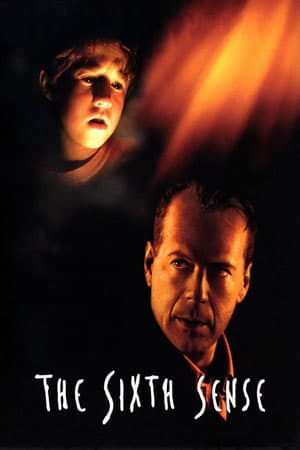
The ending changed how an entire generation watched films, and it is genuinely unguessable: a child psychologist takes on a boy who is frightened of something very specific.
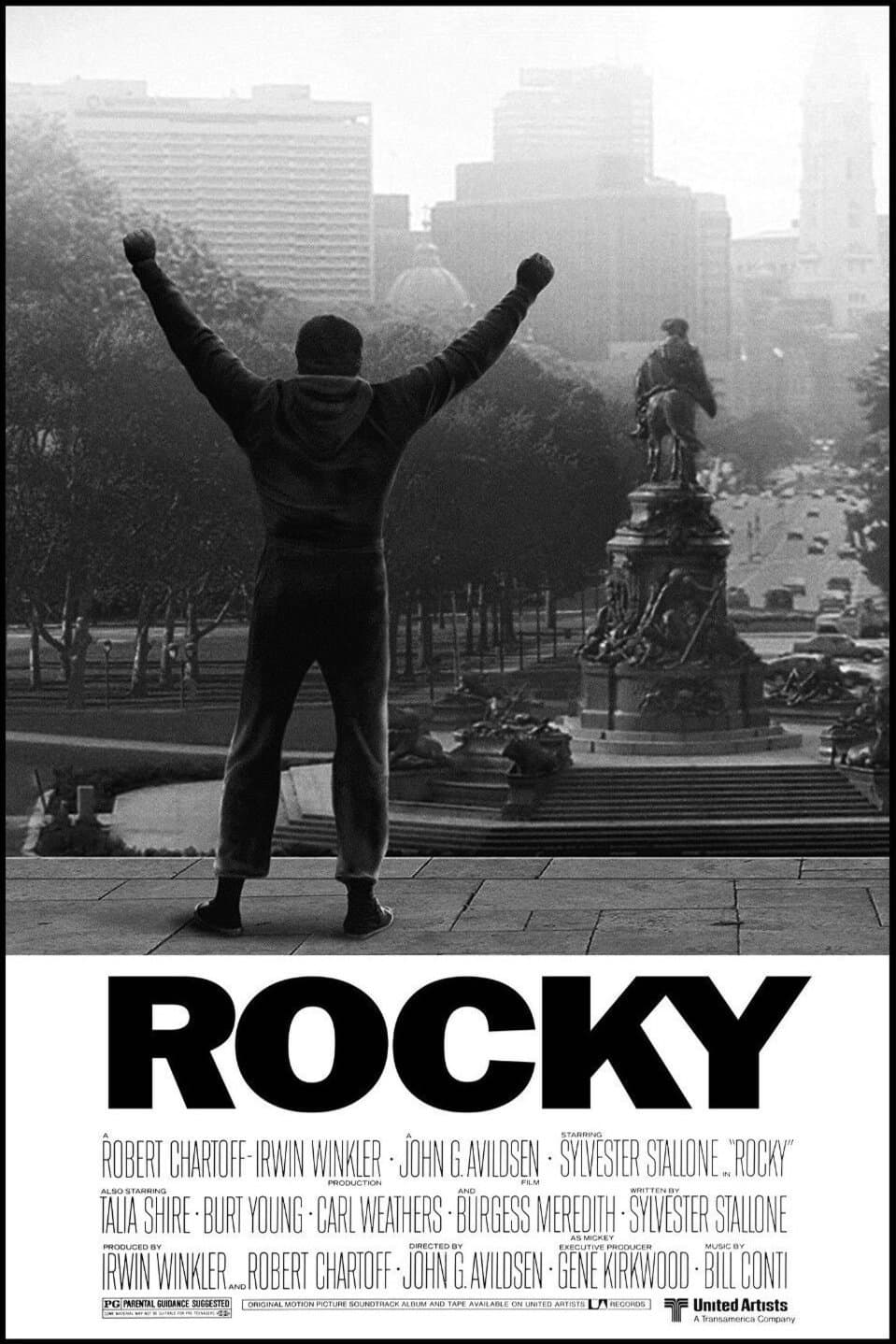
Stallone wrote it himself and would not sell the script unless he could star: a club fighter from Philadelphia is handed a title shot as a publicity stunt, and takes it completely seriously.
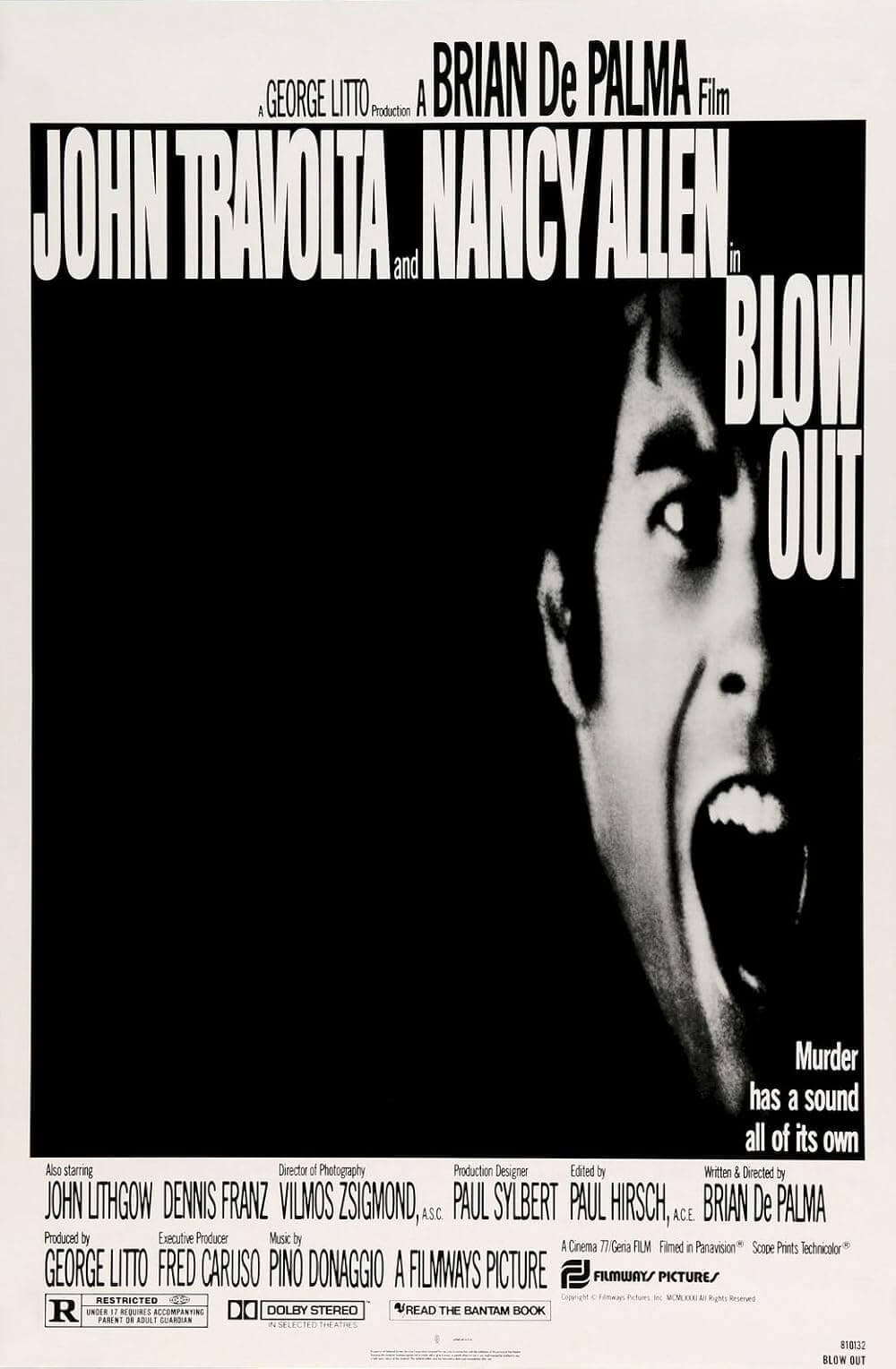
Travolta's best performance is in a thriller that flopped and spent forty years being rediscovered: a movie sound man records an accident and hears something that should not be on the tape.
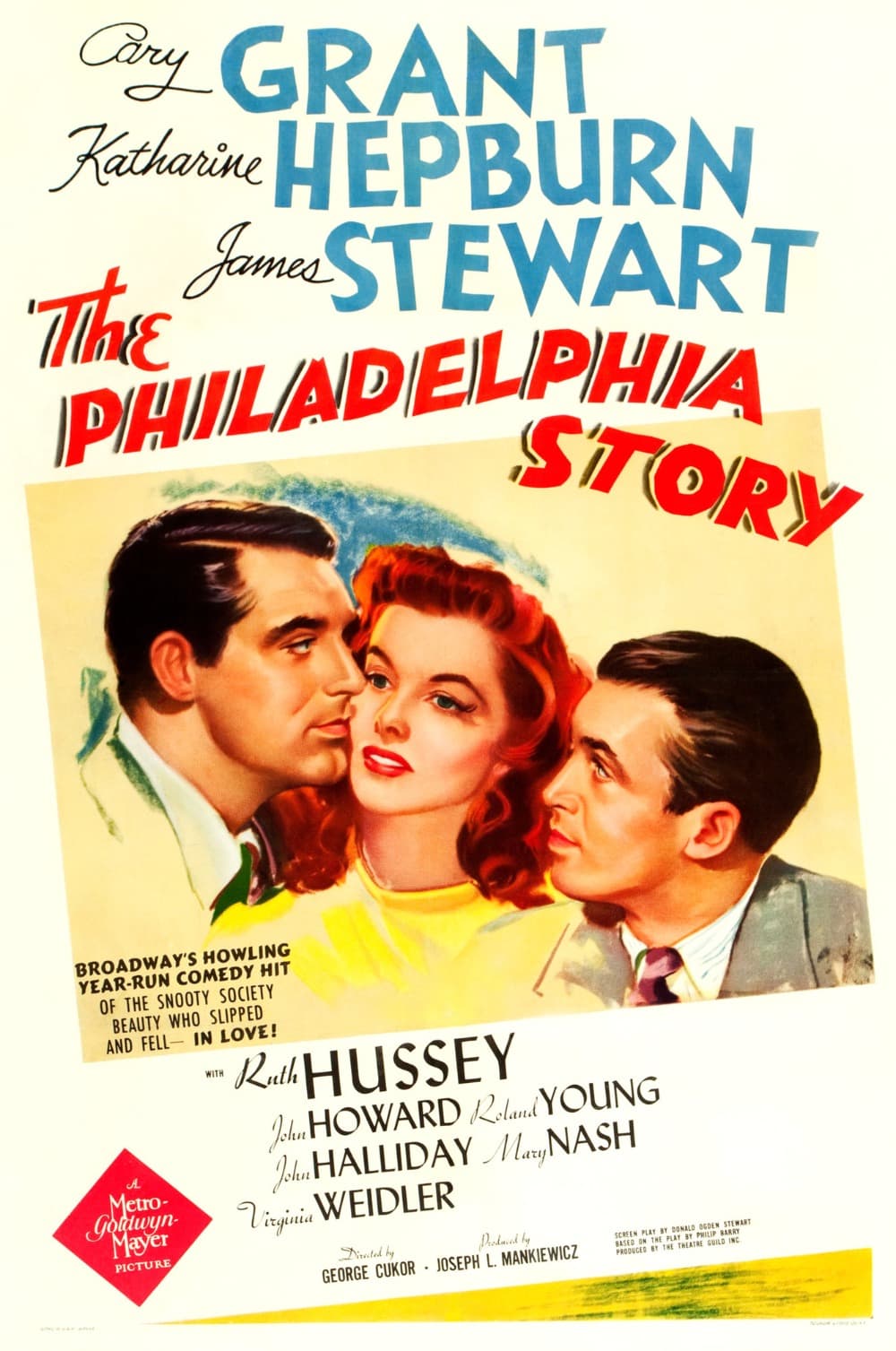
Katharine Hepburn was labeled box-office poison and controlled the rights to her comeback vehicle: she picked the director and approved the cast, then let Cary Grant and James Stewart crash her wedding.
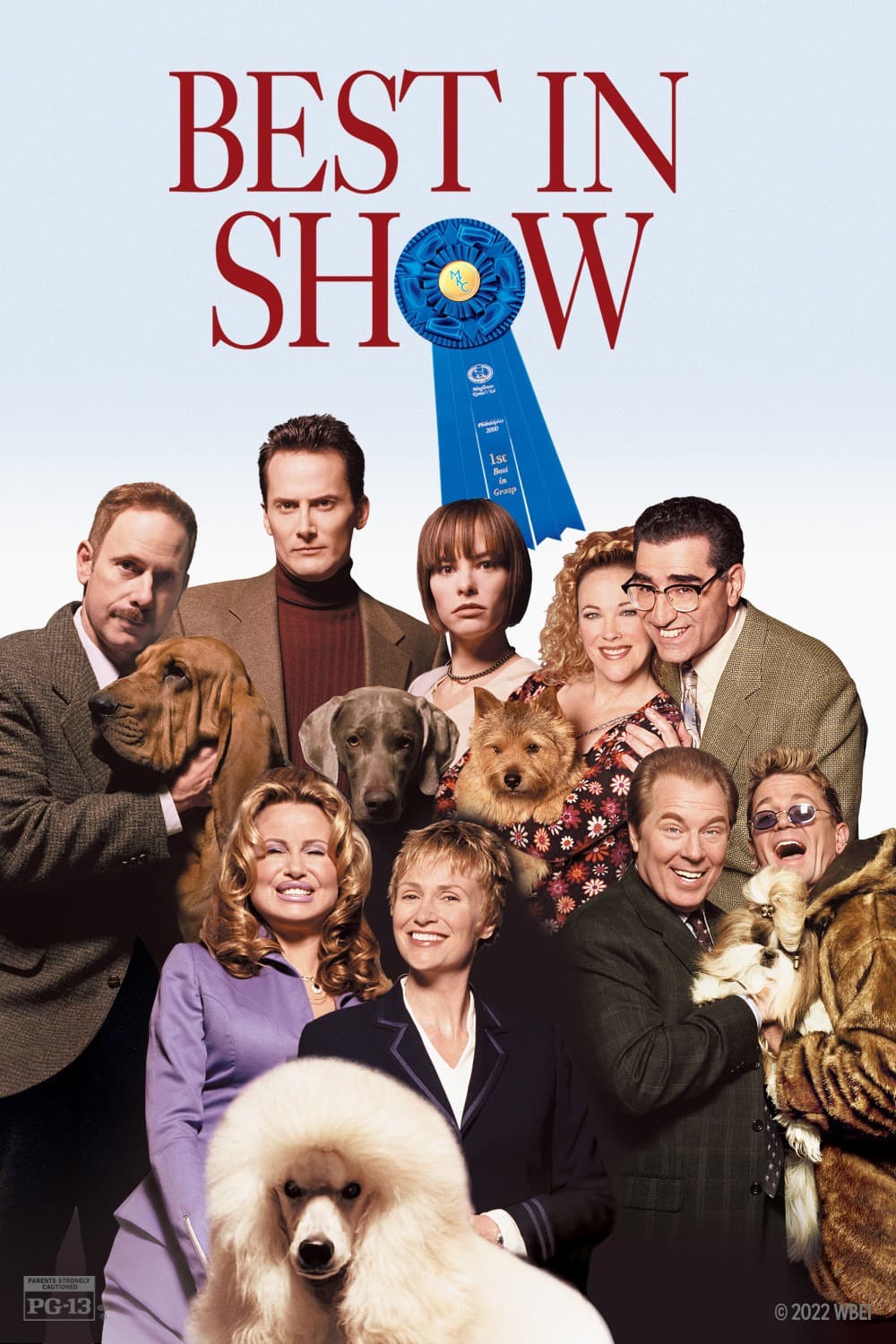
The mockumentary found its permanent subject here, the American hobbyist: five sets of owners take their dogs to a national championship, and each of them reveals far more than intended.
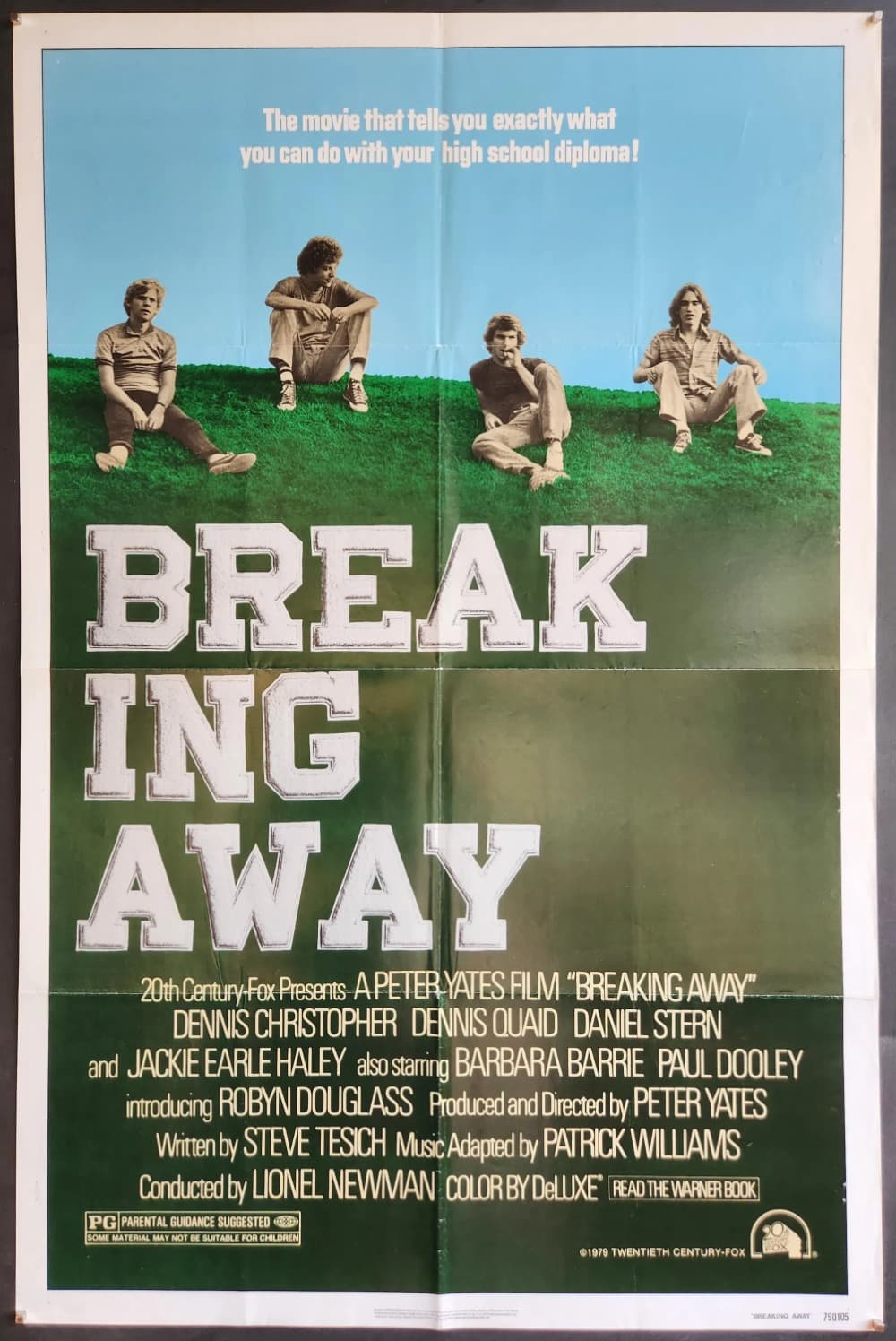
No sports film is sweeter, and the sport barely matters: an Indiana teenager pretends to be Italian because he loves bicycle racing, and the town's class divide does the rest.
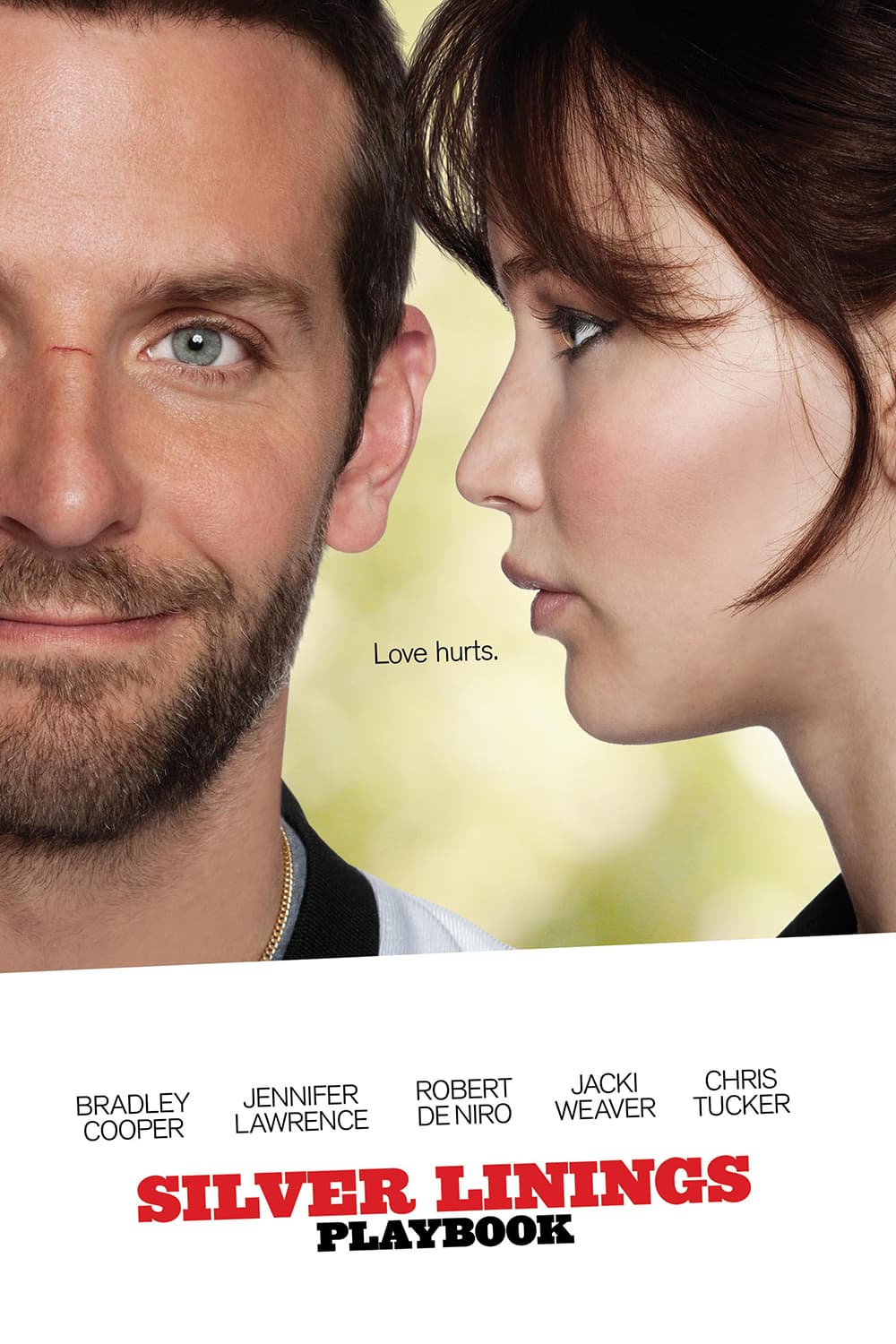
A widow and a man just out of a state hospital strike a deal: David O. Russell keeps the camera close enough to be uncomfortable, and Jennifer Lawrence shot it at twenty-one.
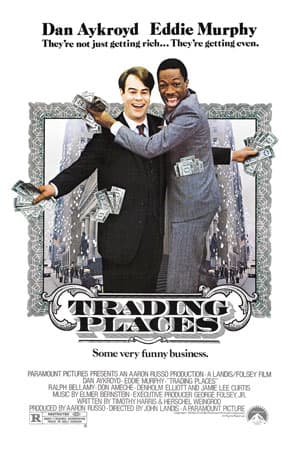
A regulation passed in 2010 is nicknamed after this film: two rich brothers bet a dollar on whether a broker and a hustler can swap lives, and Eddie Murphy runs away with it.
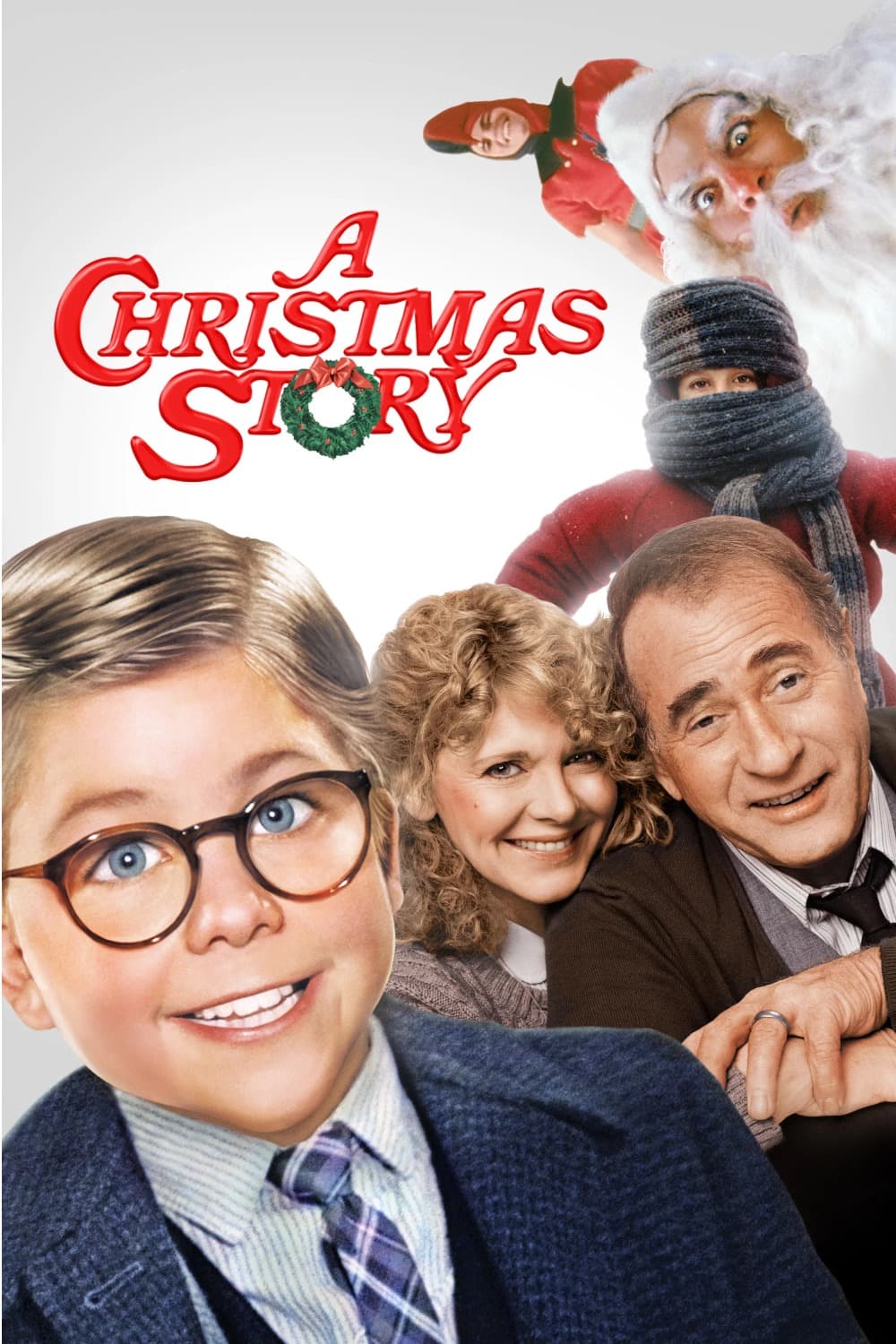
American television runs it for twenty-four straight hours every Christmas: Jean Shepherd narrates his own childhood, and it is honest enough about children to stay genuinely funny.
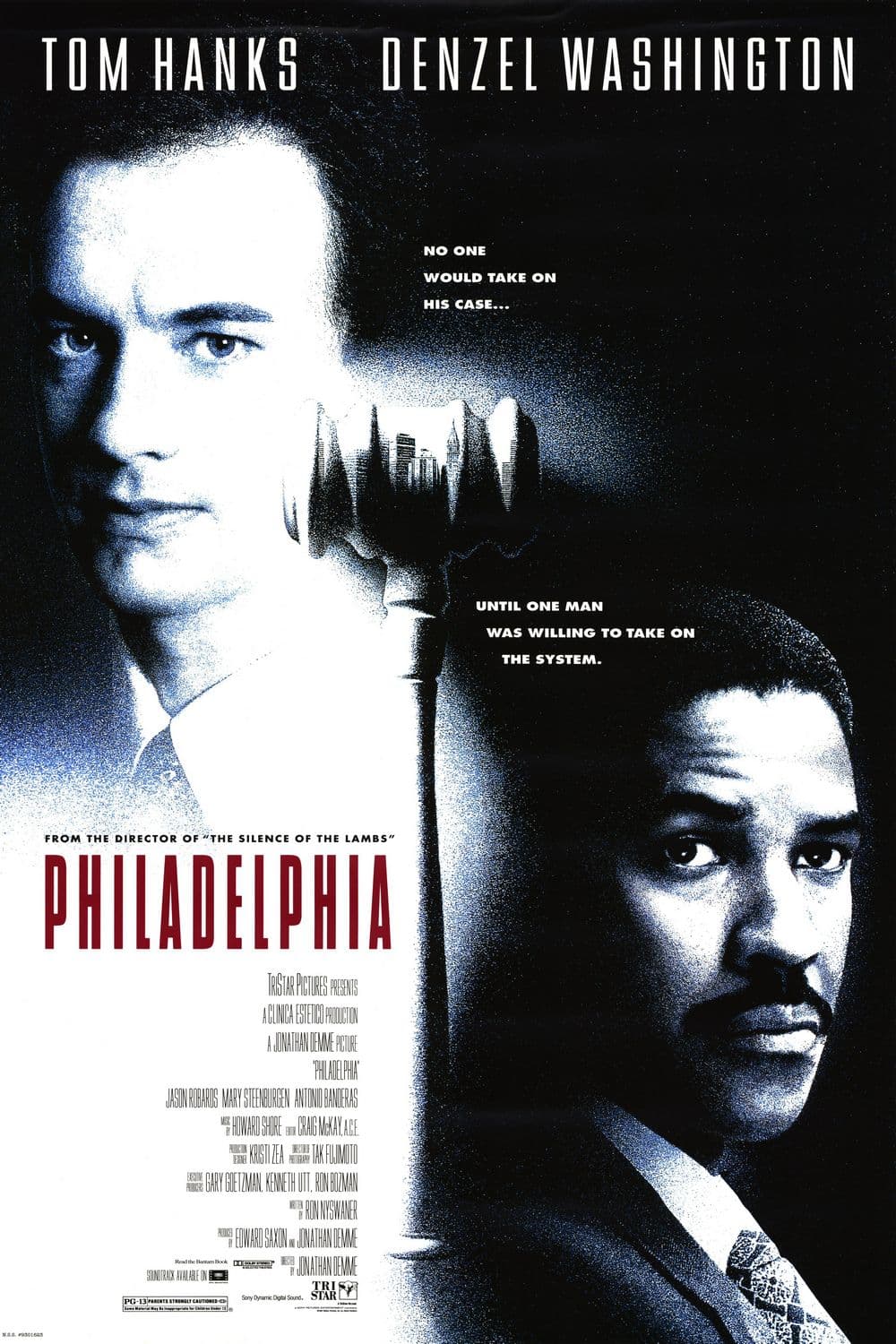
The first major studio film to take AIDS seriously, aimed squarely at people who had not: a lawyer sues the firm that fired him, and Bruce Springsteen wrote the opening song.
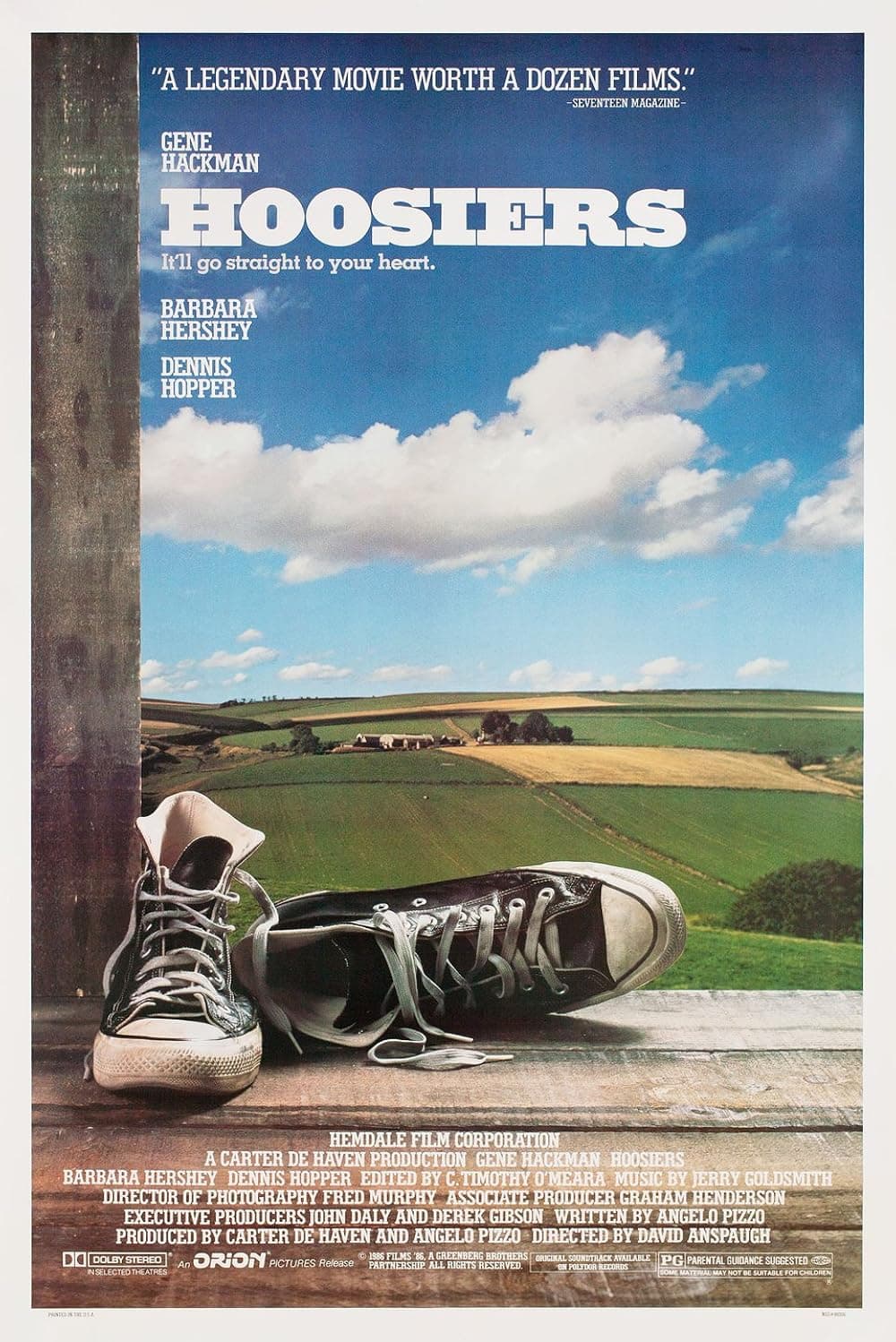
Indiana still argues about how close it is to what actually happened in 1954: Gene Hackman coaches a town of a few hundred people who care about nothing else at all.

Stephen Chbosky wrote the novel, wrote the screenplay and directed it himself, which almost never works: a freshman is taken up by two seniors, and the tunnel scene earned its reputation.
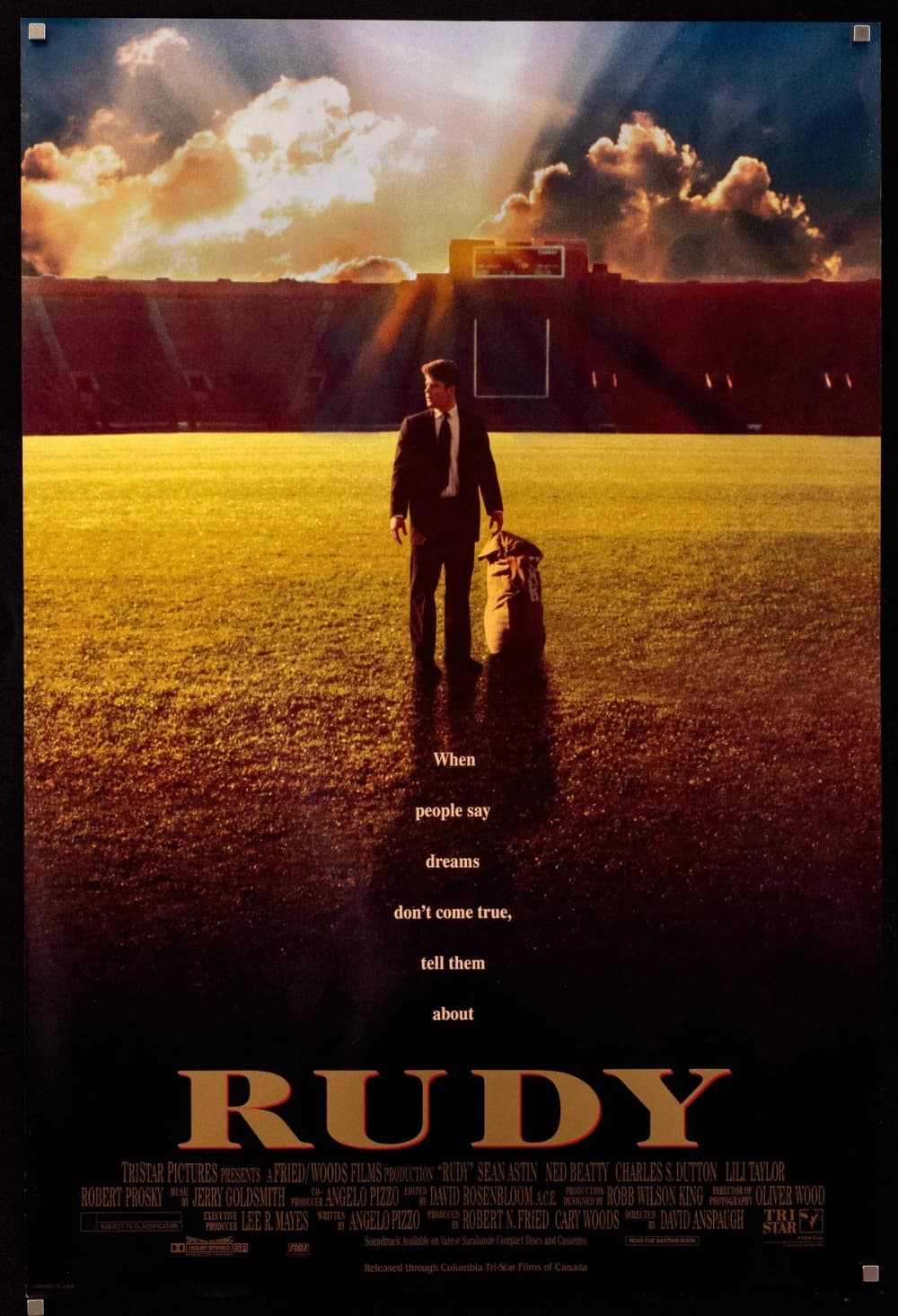
Notre Dame had not allowed a film crew on campus in fifty years: a kid with no size and no grades wants to dress for one game, and everybody tells him no.