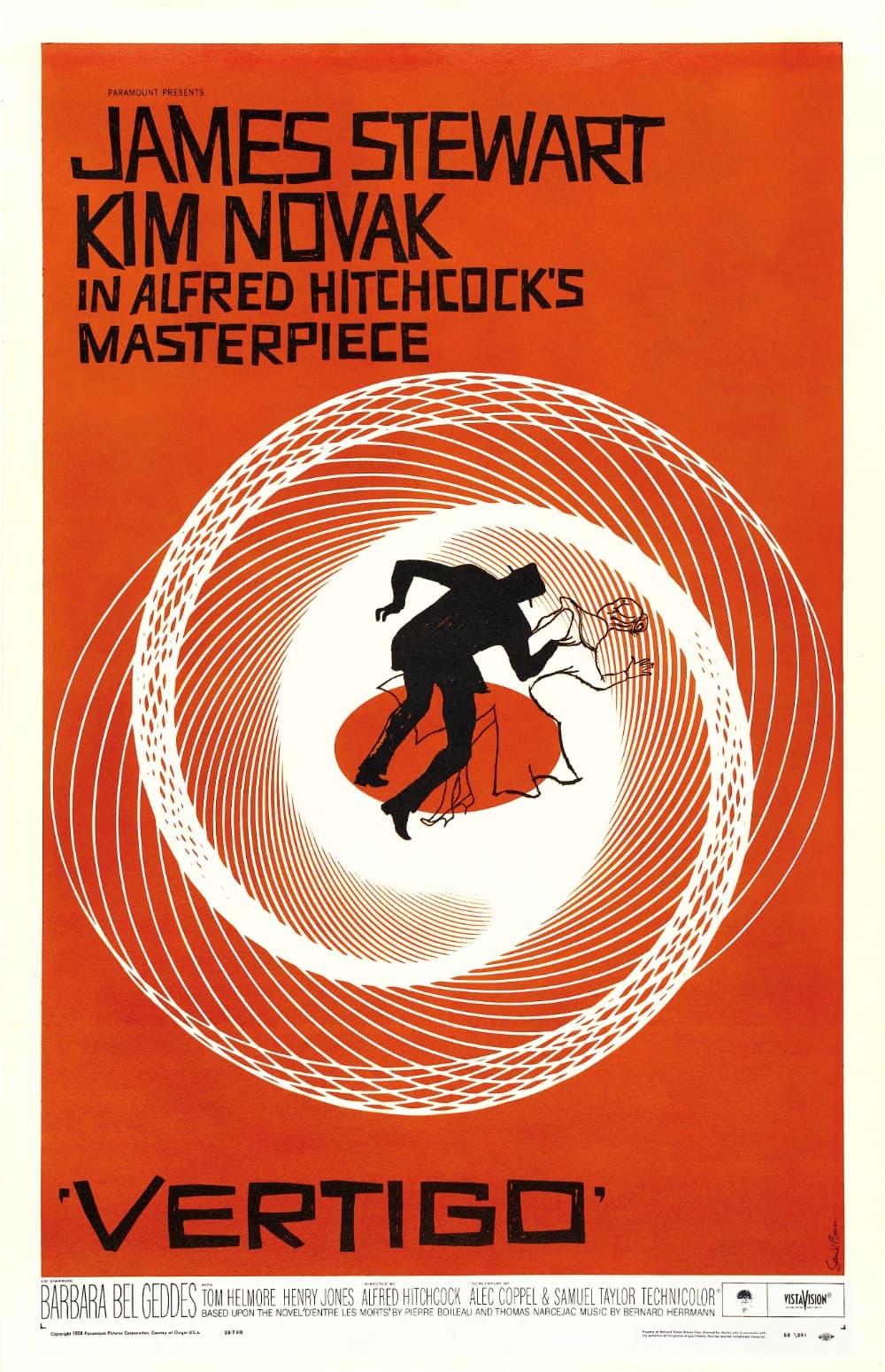
Vertigo
Directed by Alfred Hitchcock
1958
Nobody has ever made obsession look this beautiful or this sick: a man falls for an image instead of a person, and Hitchcock follows him past every point it should stop.
★ 9.9
 skopia
Nobody has ever made obsession look this beautiful or this sick: a man falls for an image instead of a person, and Hitchcock follows him past every point it should stop.
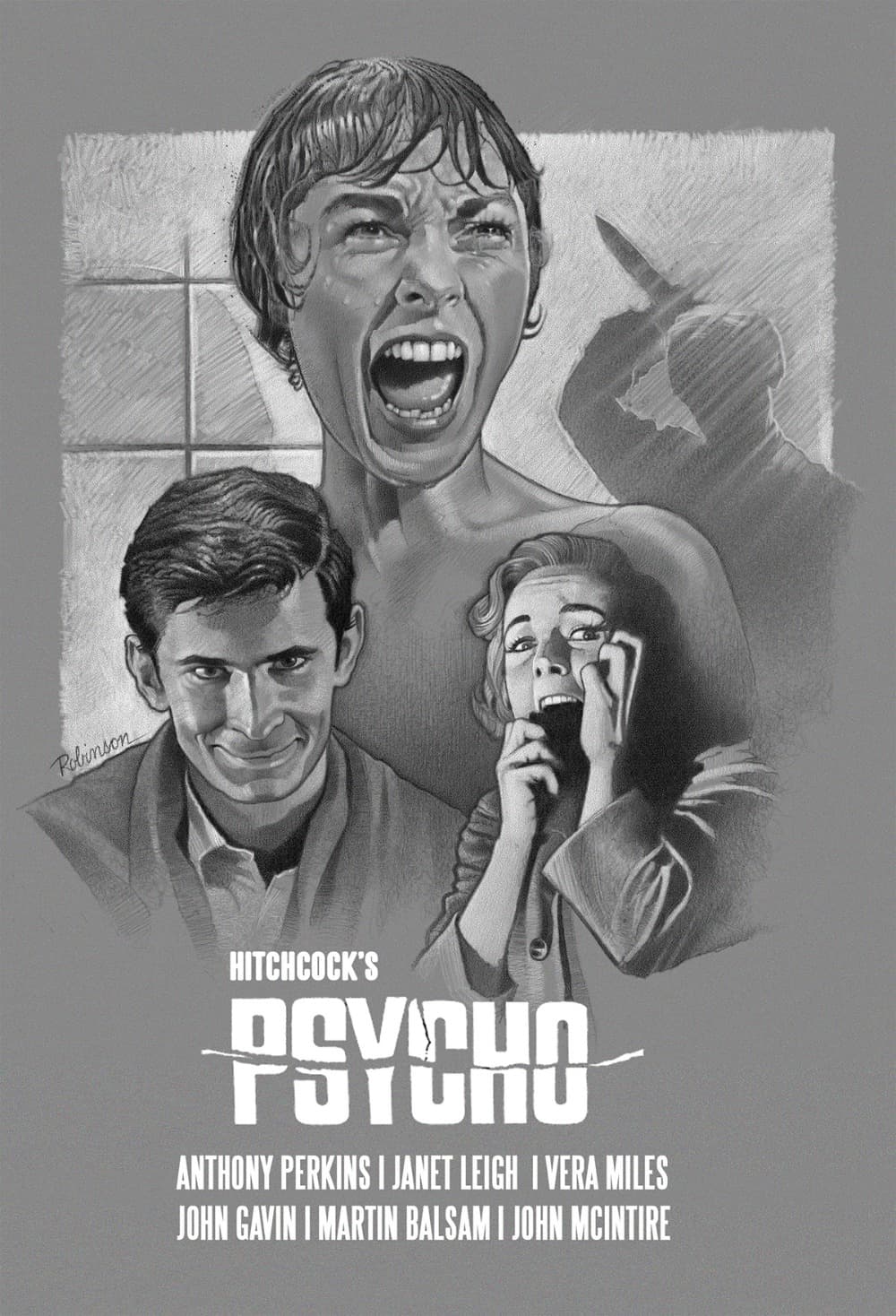
The film that invented modern horror: Hitchcock broke an unspoken rule about how a story is meant to behave, and every thriller since has been working in the space he opened.
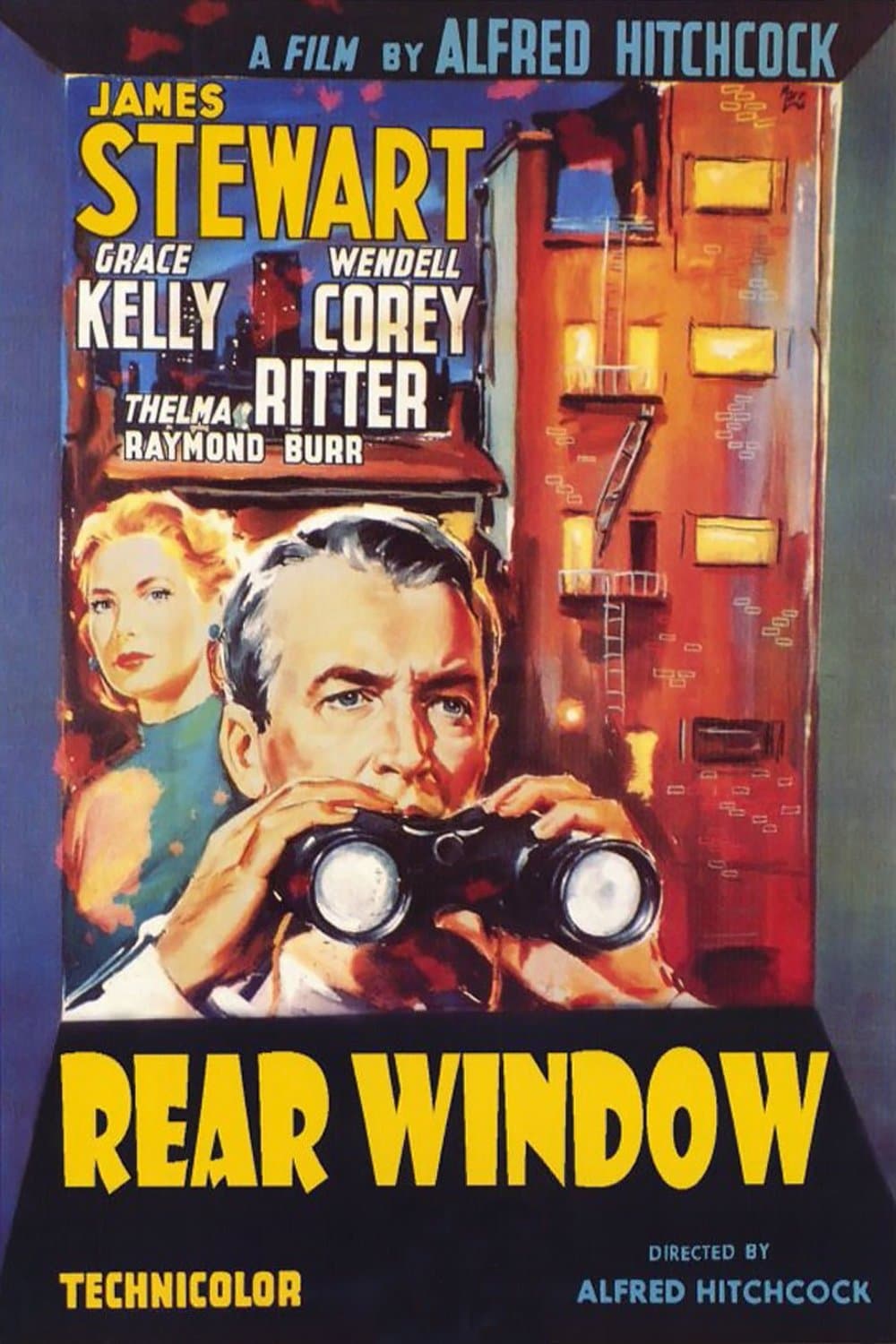
Suspense has never been constructed more purely, and the real subject is the audience: Hitchcock traps you in one room with a man who cannot stop watching his neighbors.
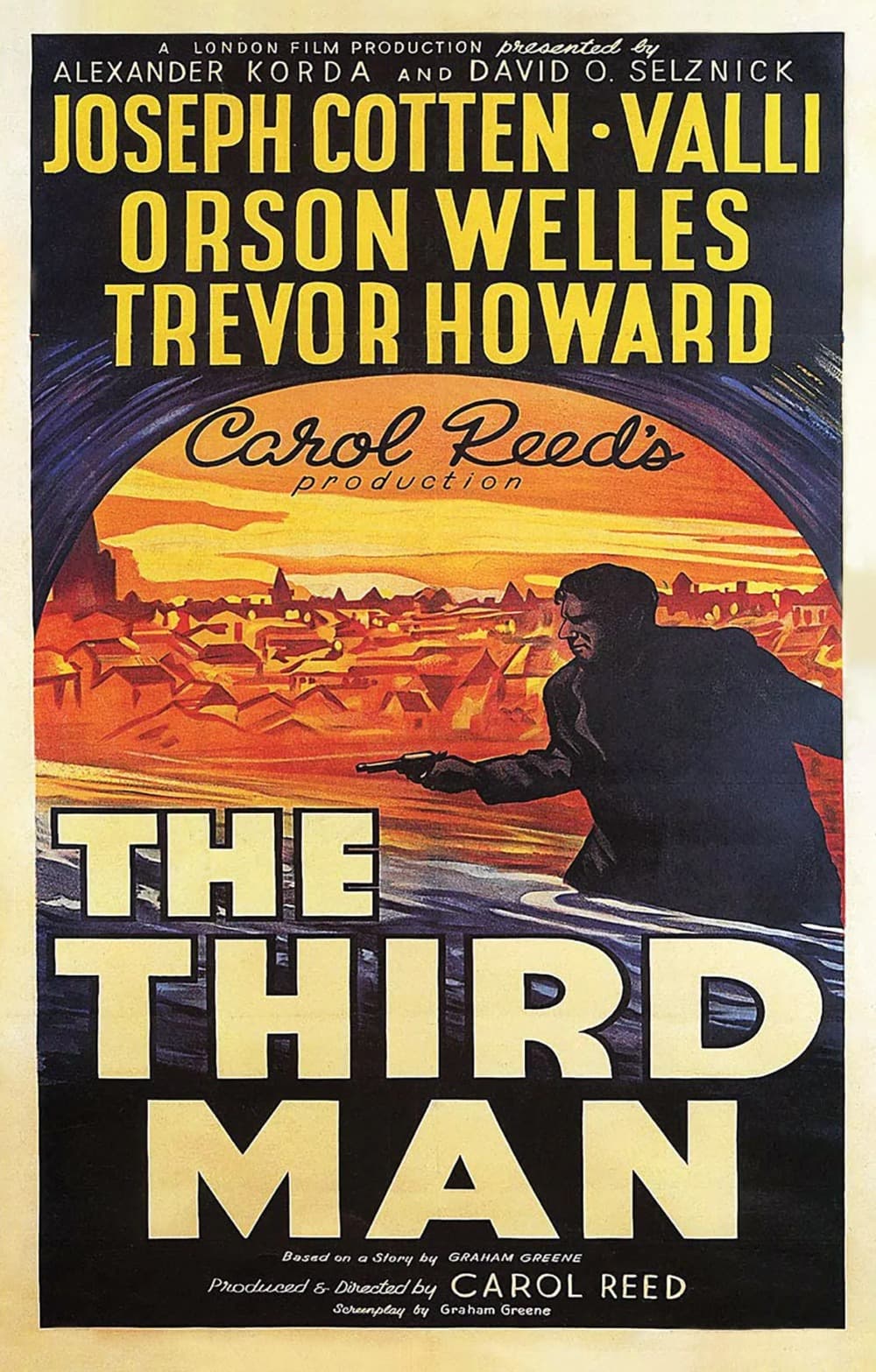
Britain has never made a better one, and nothing else sounds like it: a ruined postwar Vienna, and a zither score by a musician Reed first heard playing for the crew.
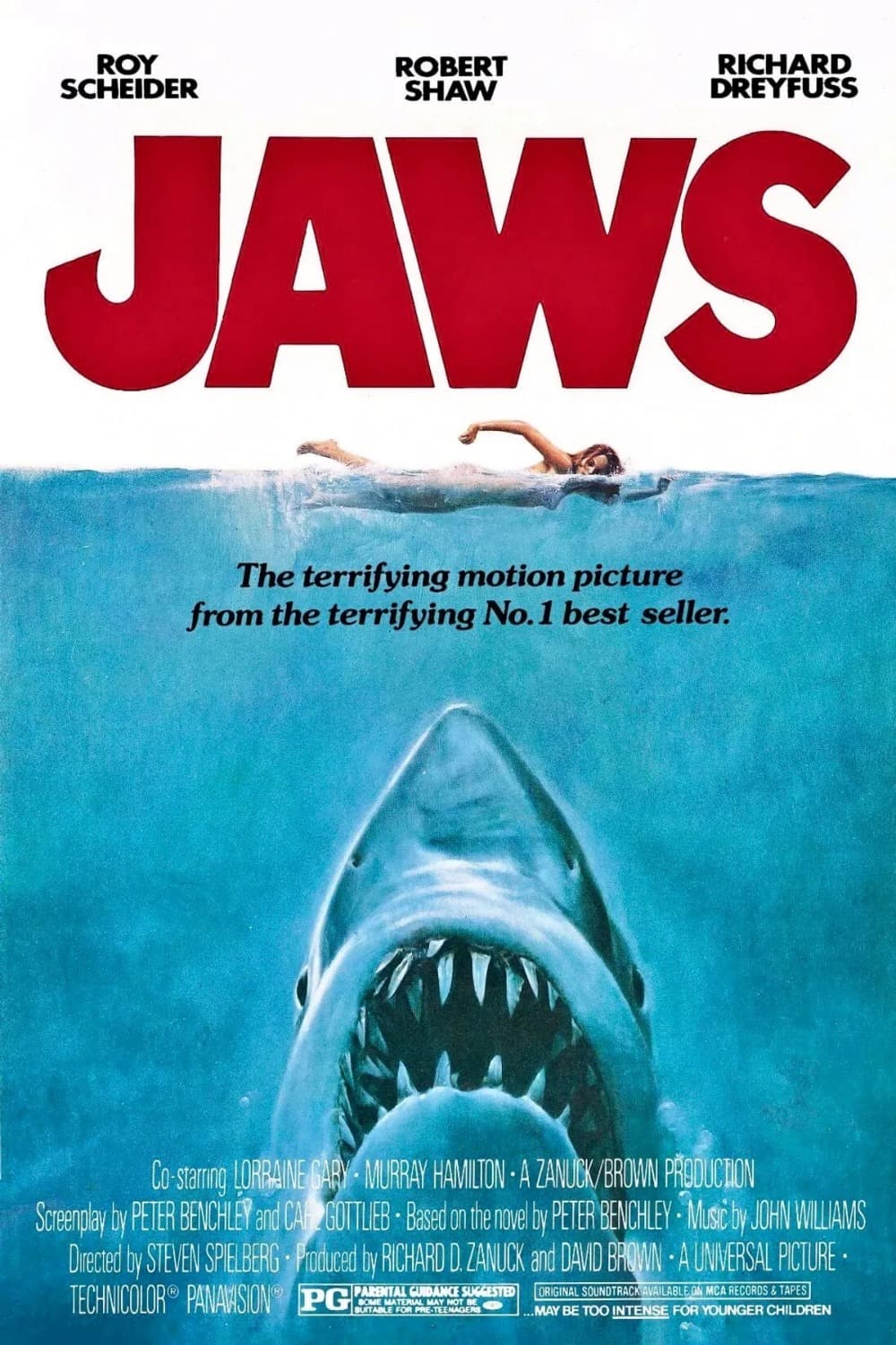
Summer blockbusters start here: the mechanical shark kept breaking, so Spielberg hid it, and accidentally proved that what you cannot see is worse than what you can.
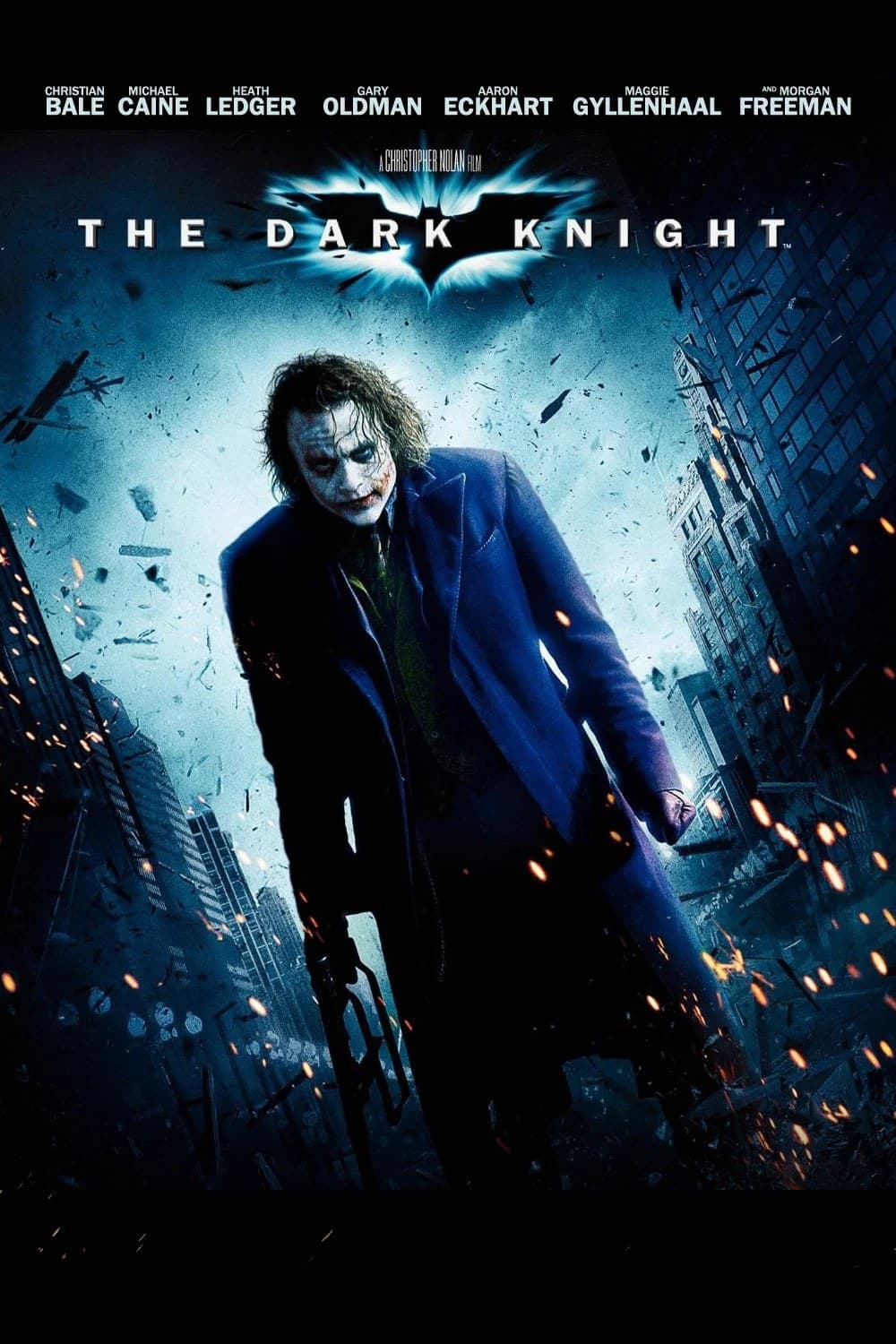
Adults started arguing about superhero films because of this one: Ledger's Joker is so unnerving that the Academy gave a posthumous Oscar to a man in clown makeup.
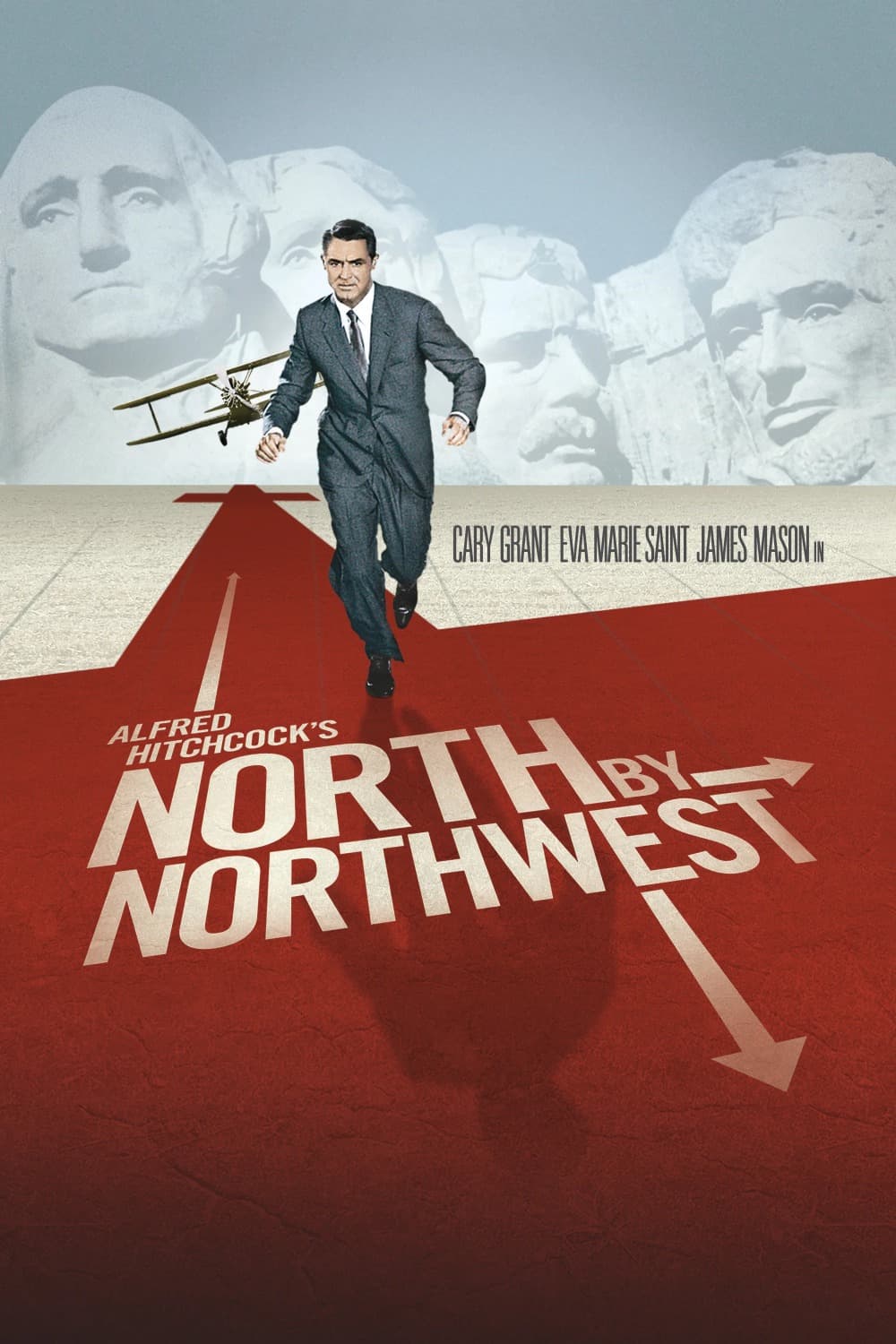
Every spy thriller since owes it something, James Bond most of all: Hitchcock chases an innocent man across America by crop duster and over Mount Rushmore, enjoying himself throughout.
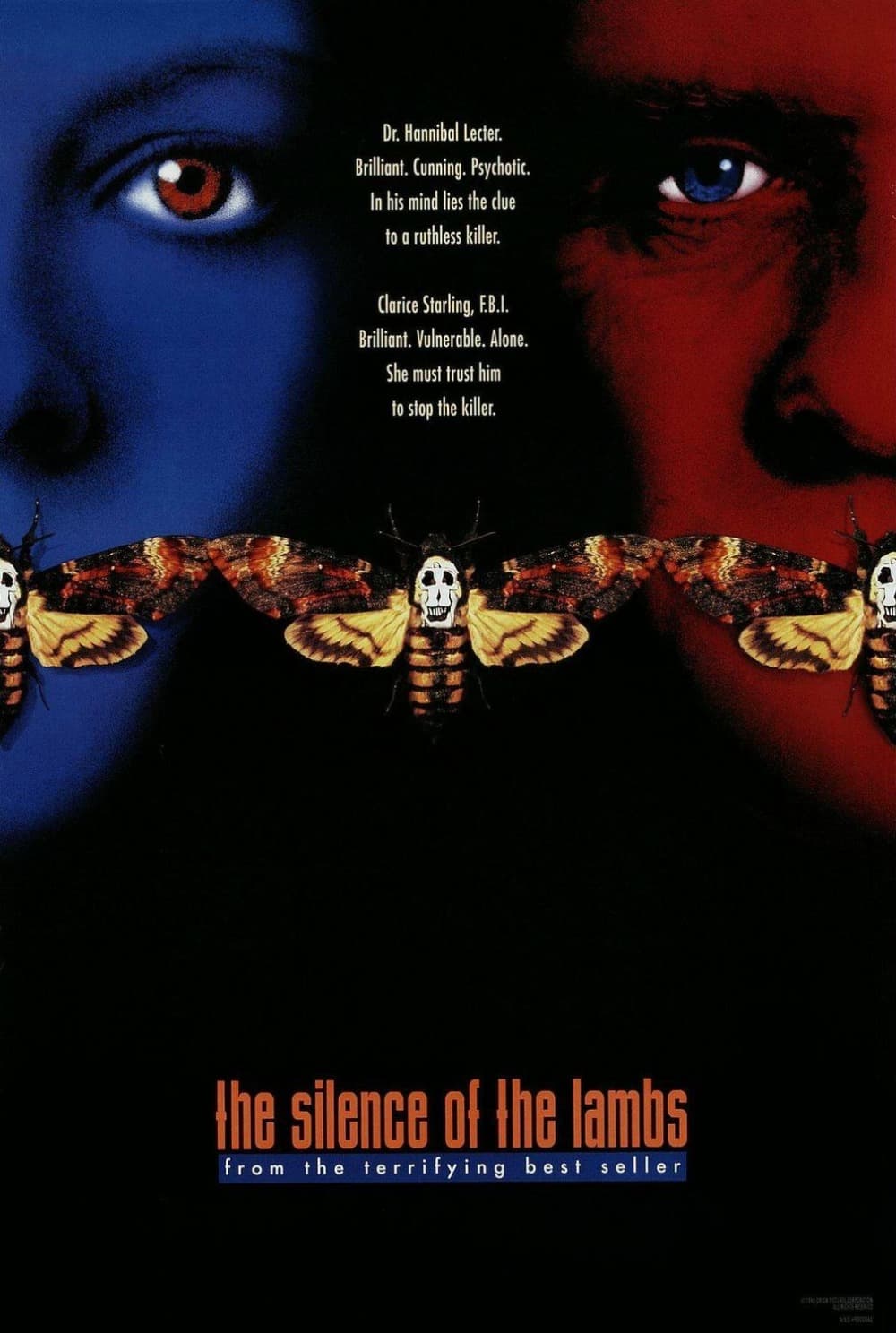
Hopkins is on screen for a fraction of the film and won an Oscar anyway: Demme shot the interviews straight down the lens so Lecter looks directly at you.
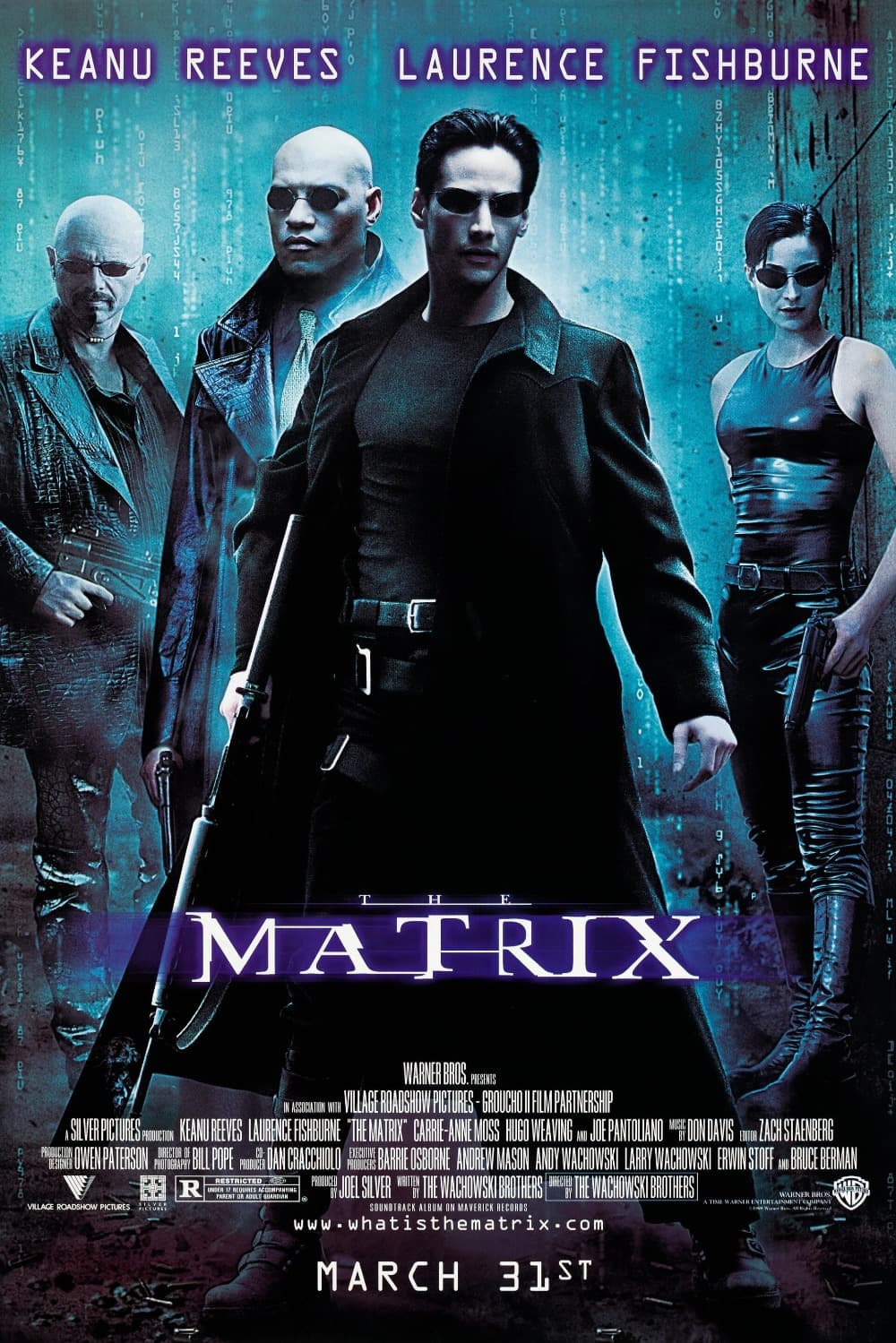
Action filmmaking divides neatly into before and after this one: the Wachowskis fused Hong Kong wire work with a philosophy seminar's premise and everyone spent five years copying it.
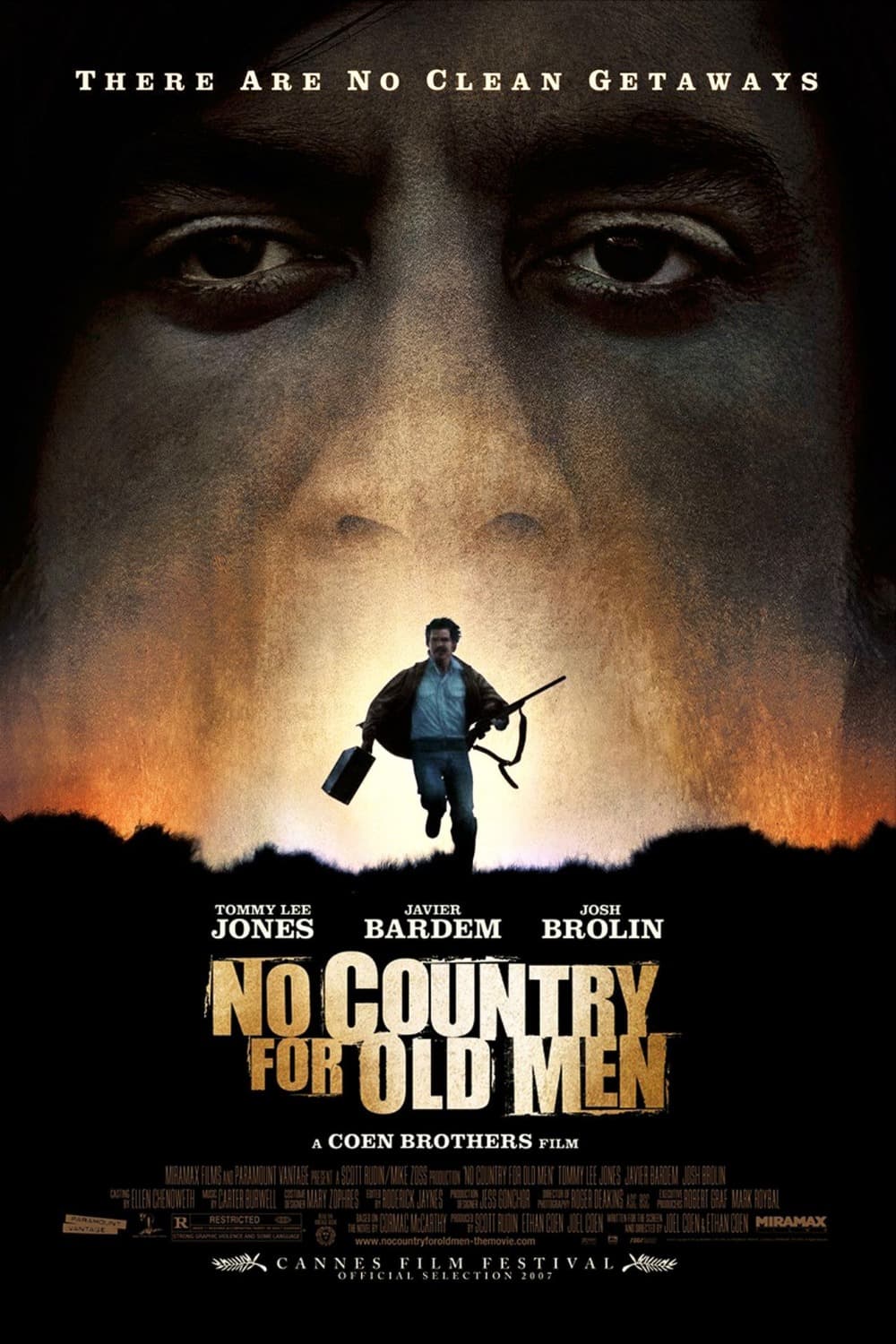
The Coens made a chase film with almost no music in it at all: Javier Bardem's killer with a cattle gun became the most frightening figure of the decade.
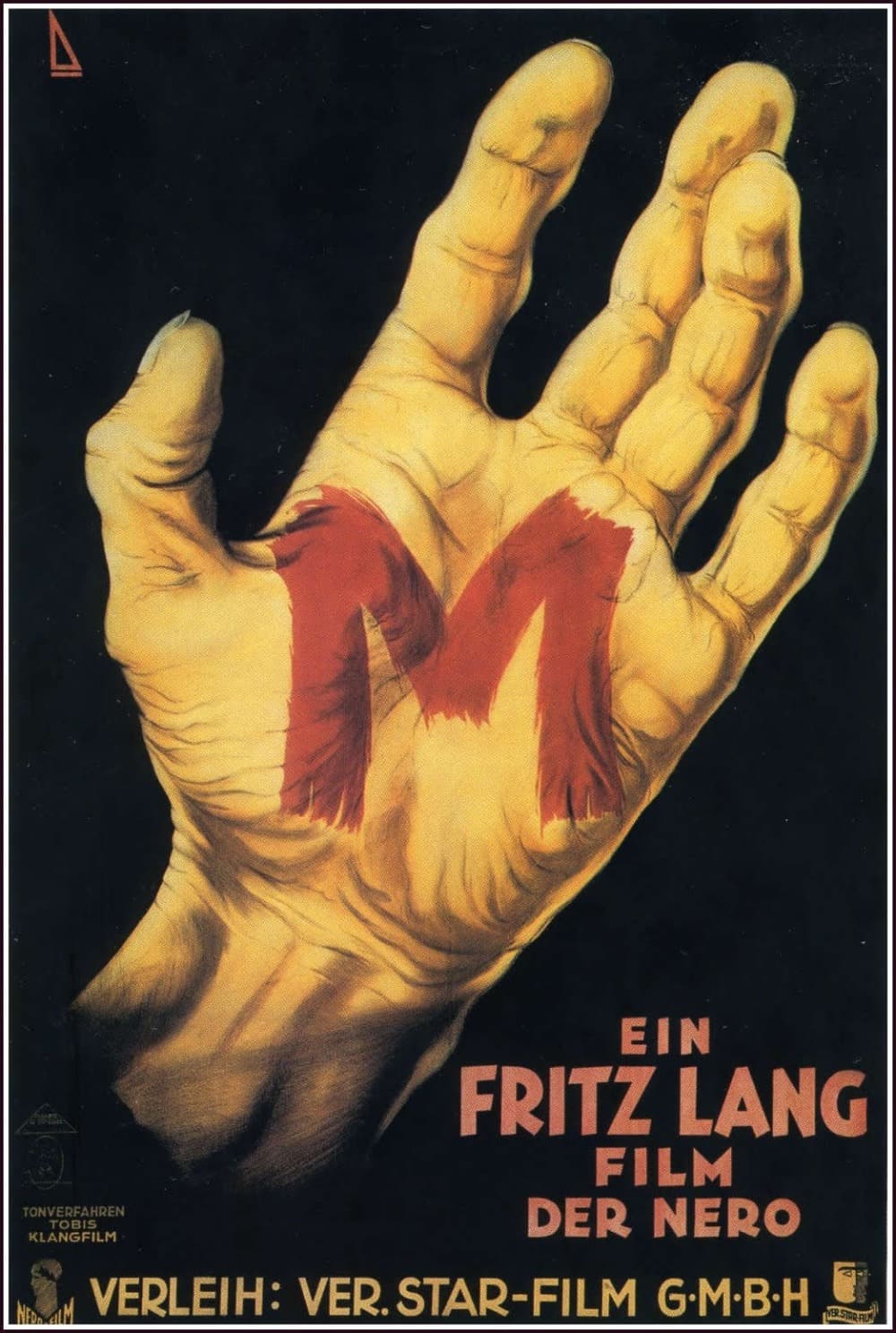
Serial killer films begin here: Lang used sound as a weapon in his first talkie, gave the murderer a whistled tune, and turned a whole city into a trap.
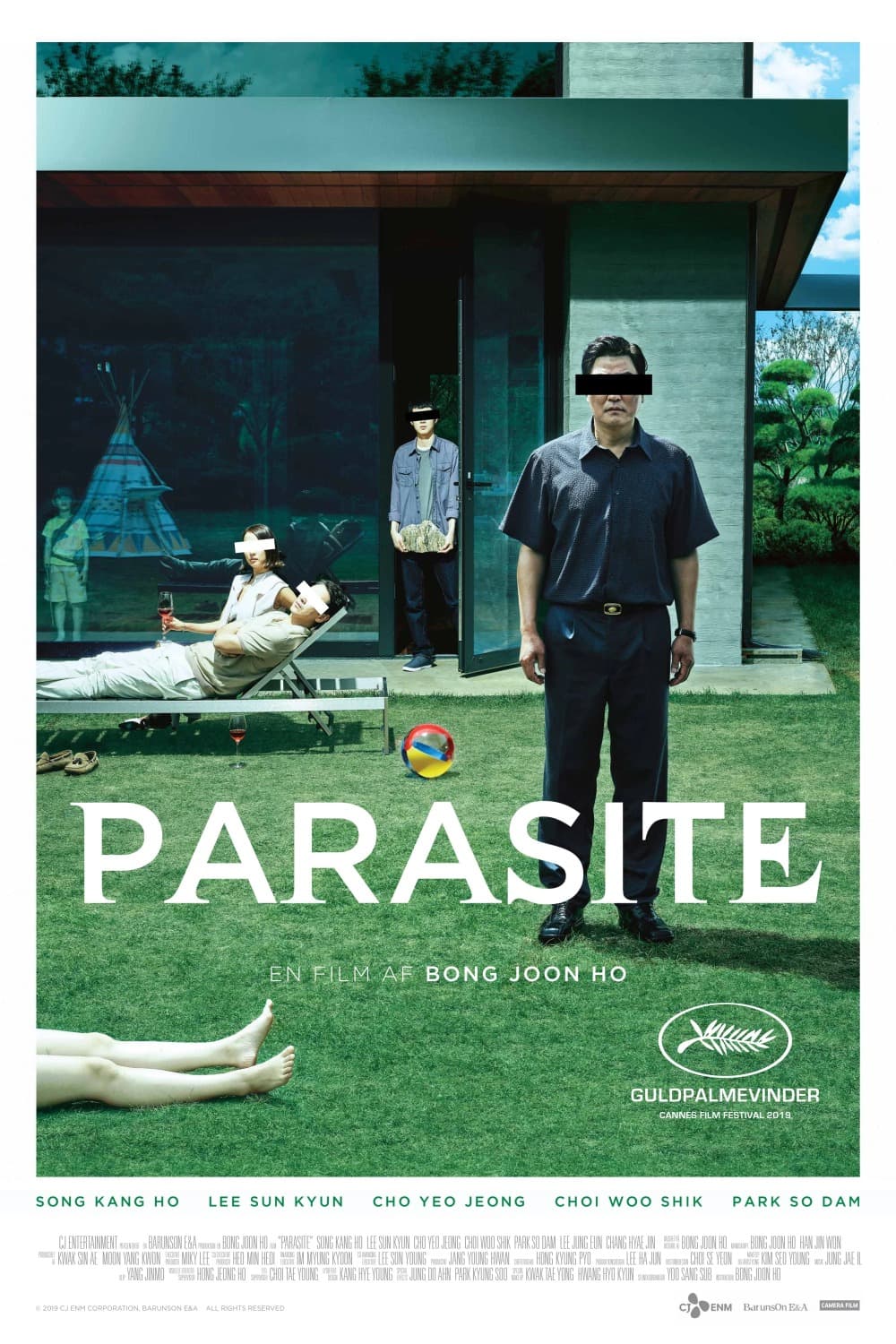
The first film not in English to win Best Picture: Bong turned class rage into something so entertaining that the whole world watched it and then argued about what it meant.
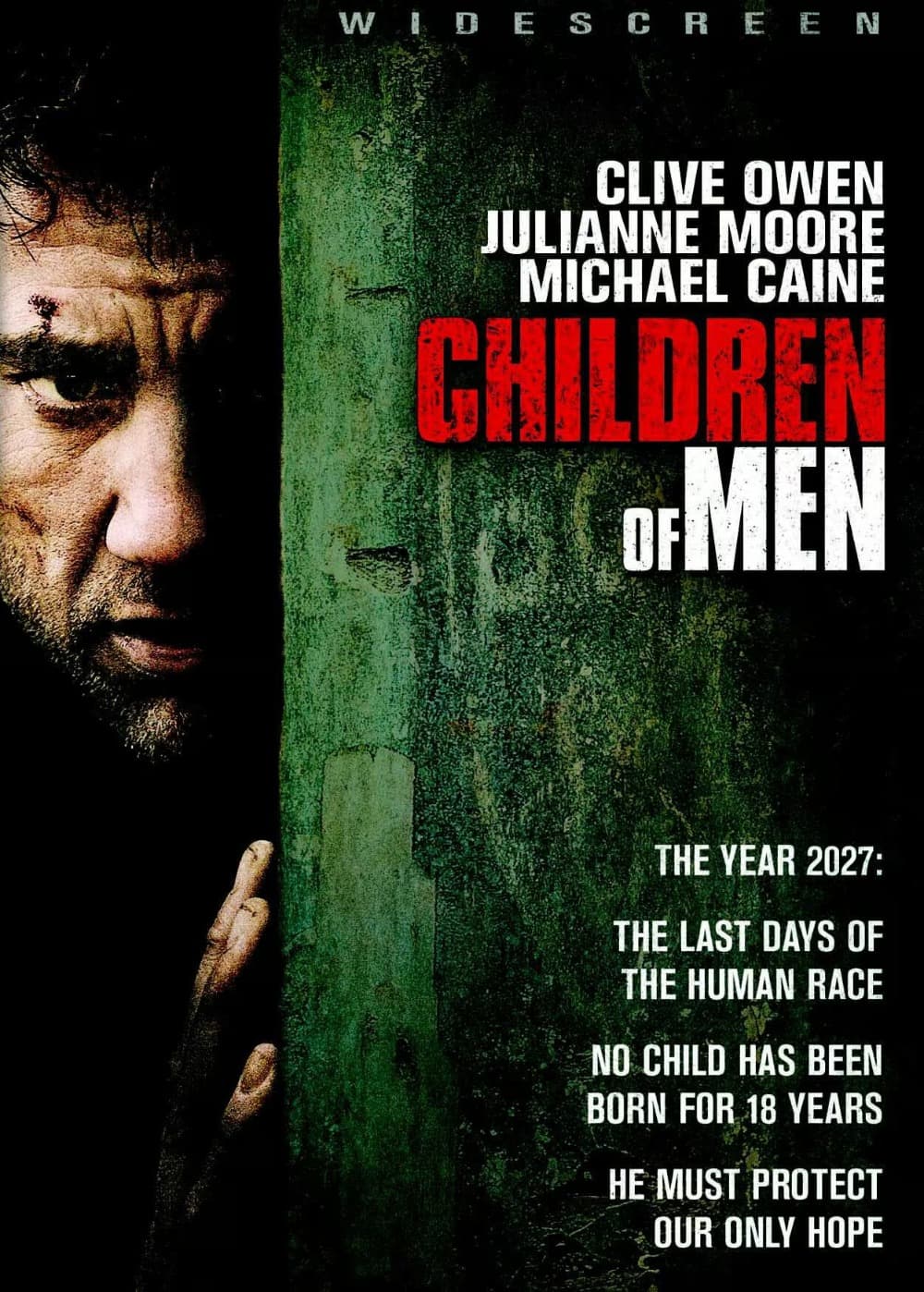
It looked like science fiction in 2006 and looks like the news now: Cuaron's roaming takes put you inside a collapsing Britain, and the ambush in the car is astonishing.
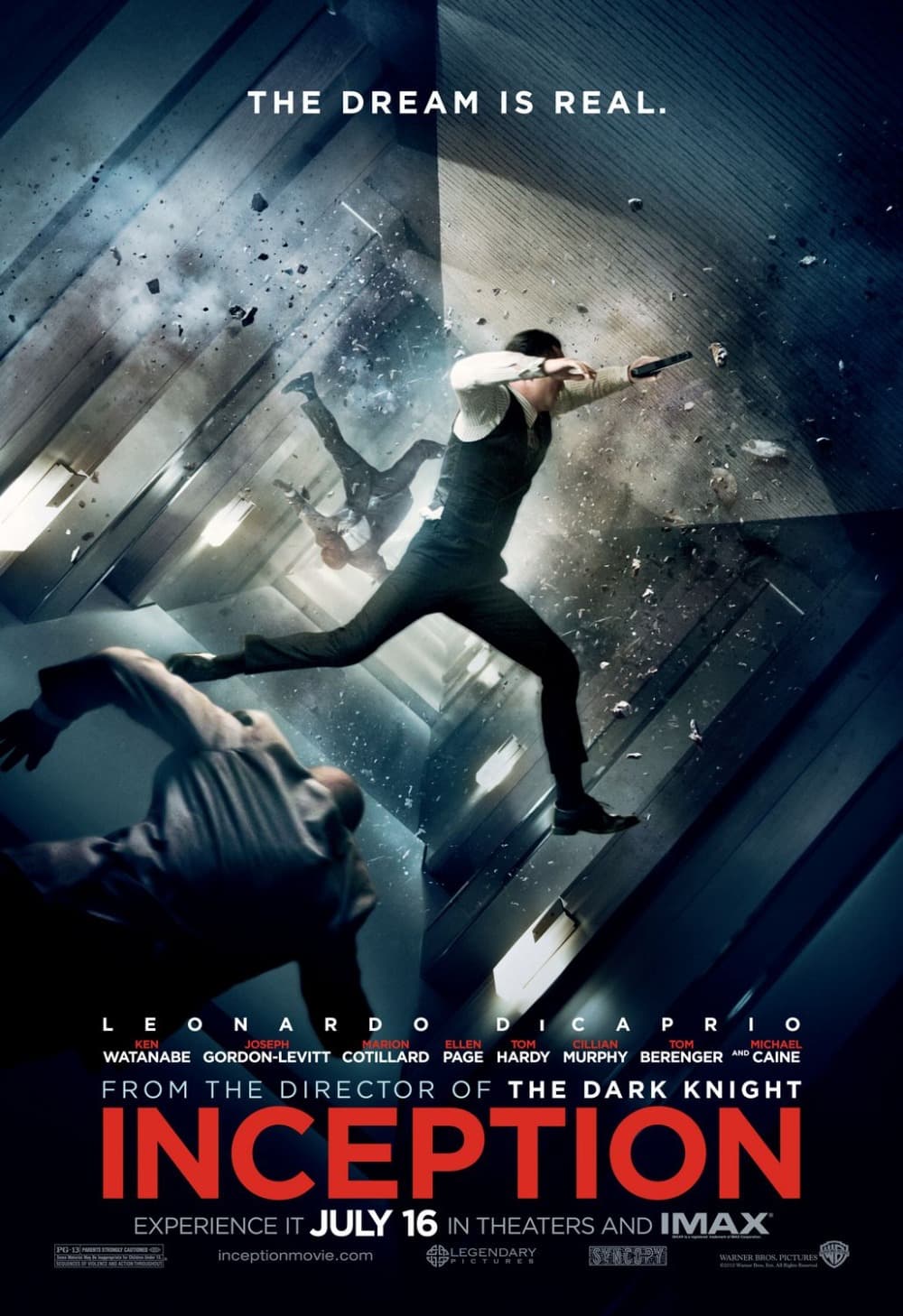
Proof that a summer blockbuster can be genuinely difficult: Nolan stacked four levels of dream on top of each other and audiences argued about the last shot for years.
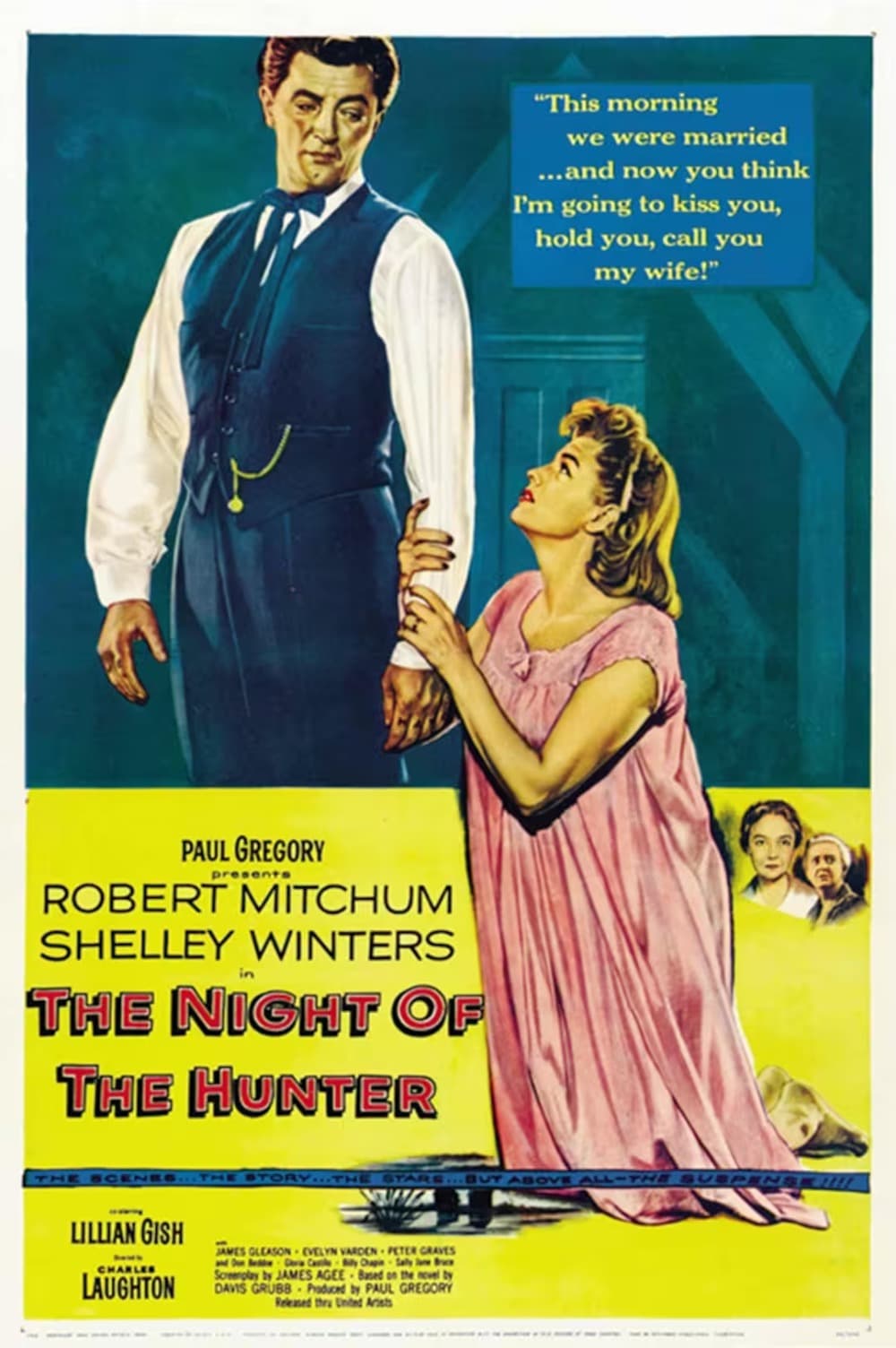
Charles Laughton never directed again after it failed, and critics have spent seventy years calling it a masterpiece: a preacher with tattooed knuckles and two children on a river.
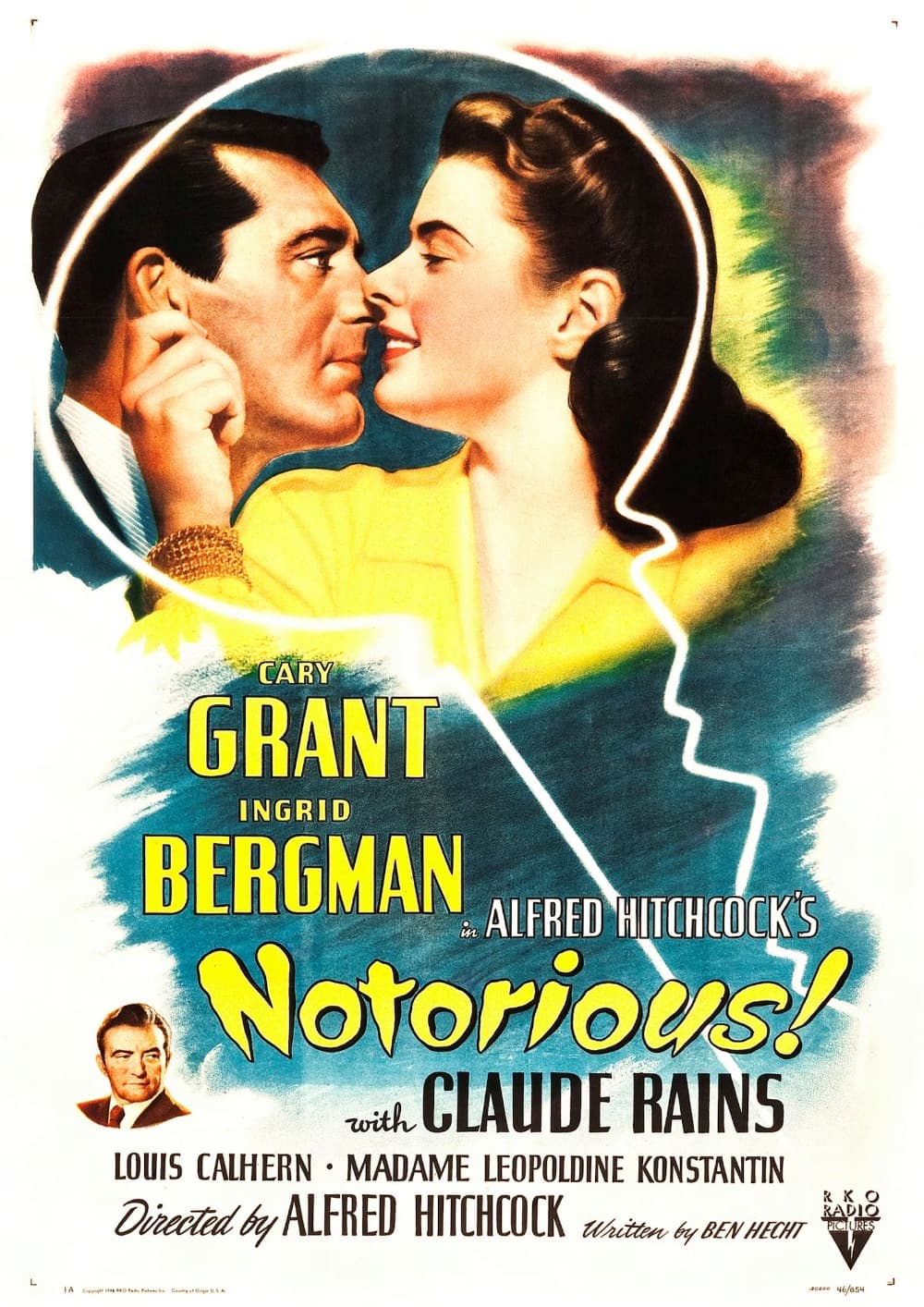
Hitchcock's most grown-up film, and the one where the suspense is entirely about feeling: a woman is sent to seduce a Nazi by the man who loves her.
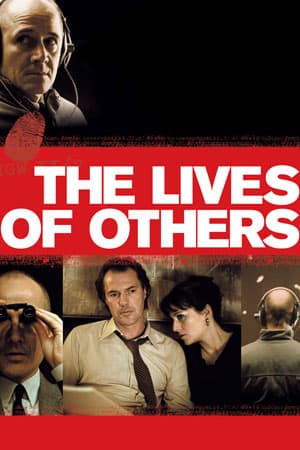
It made an entire country look at its own surveillance state: a Stasi officer listens in on a playwright's apartment, and the last line of the film lands like a blow.
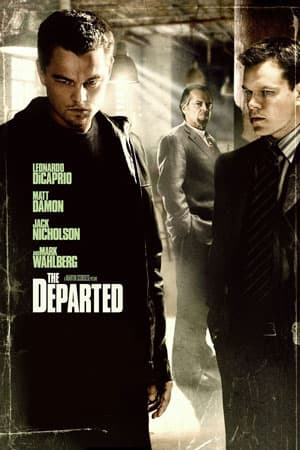
Scorsese remade a Hong Kong thriller and made it entirely his own: a cop inside the mob, a mobster inside the police, and a pitch that never once relaxes.
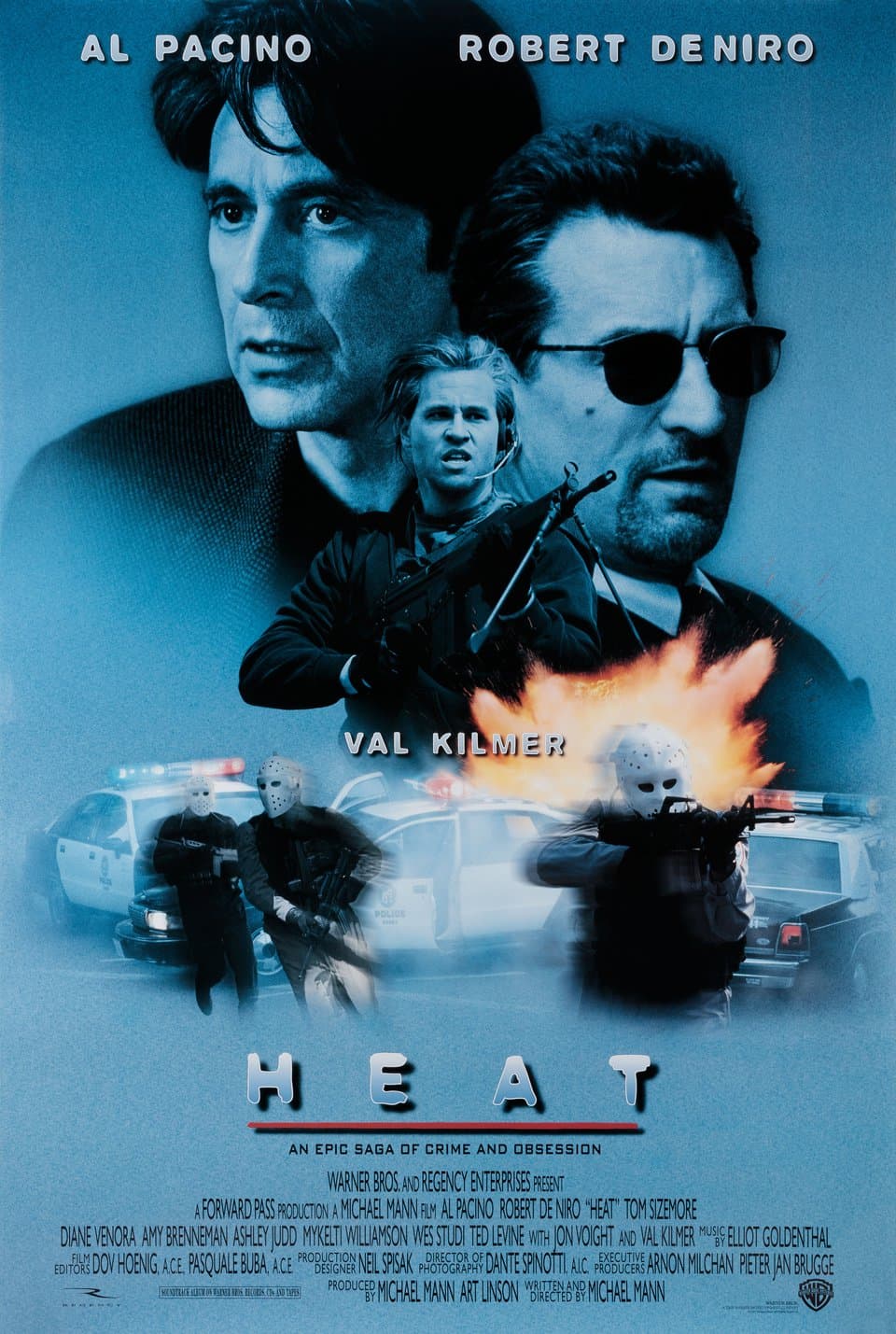
Police forces train on the shootout and every heist film since has copied it: Mann also got De Niro and Pacino into one diner booth for the first time.
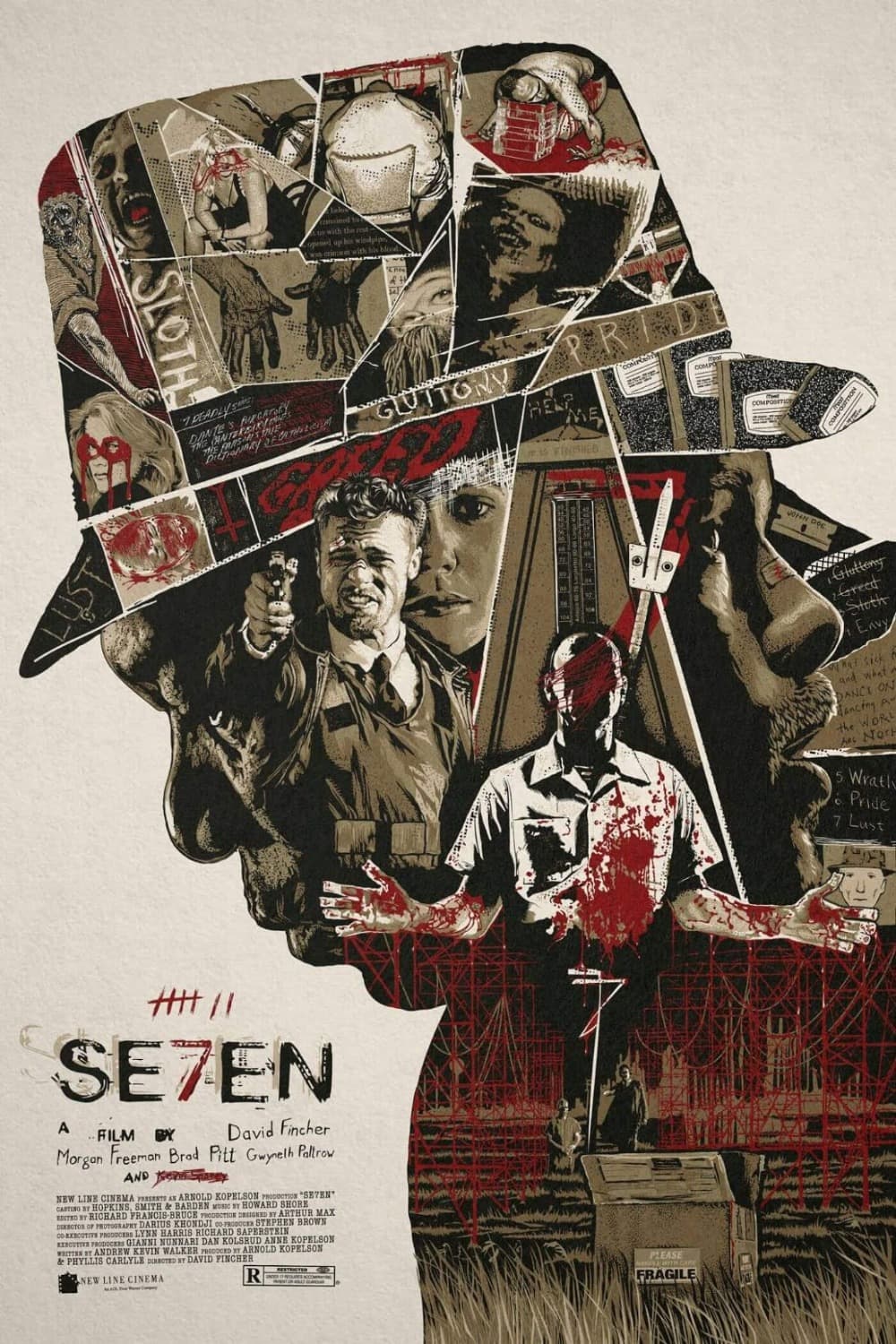
The studio wanted the ending changed and Fincher refused, and studios then spent a decade trying to reproduce the atmosphere: a procedural so bleak the rain never stops.
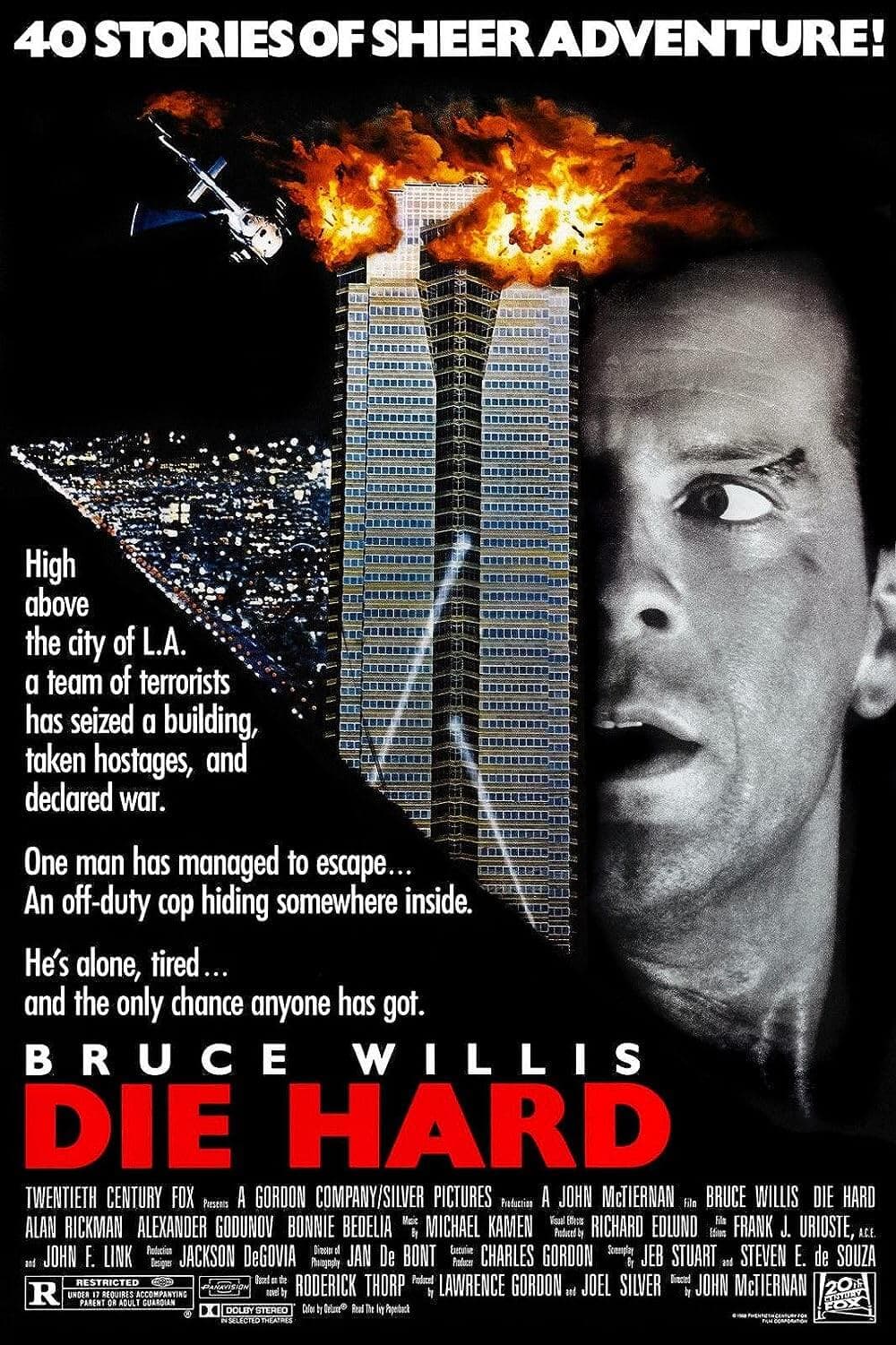
Hollywood spent the next decade pitching films as Die Hard on a boat, a bus, a plane: McTiernan built the action machine everyone has been copying since 1988.
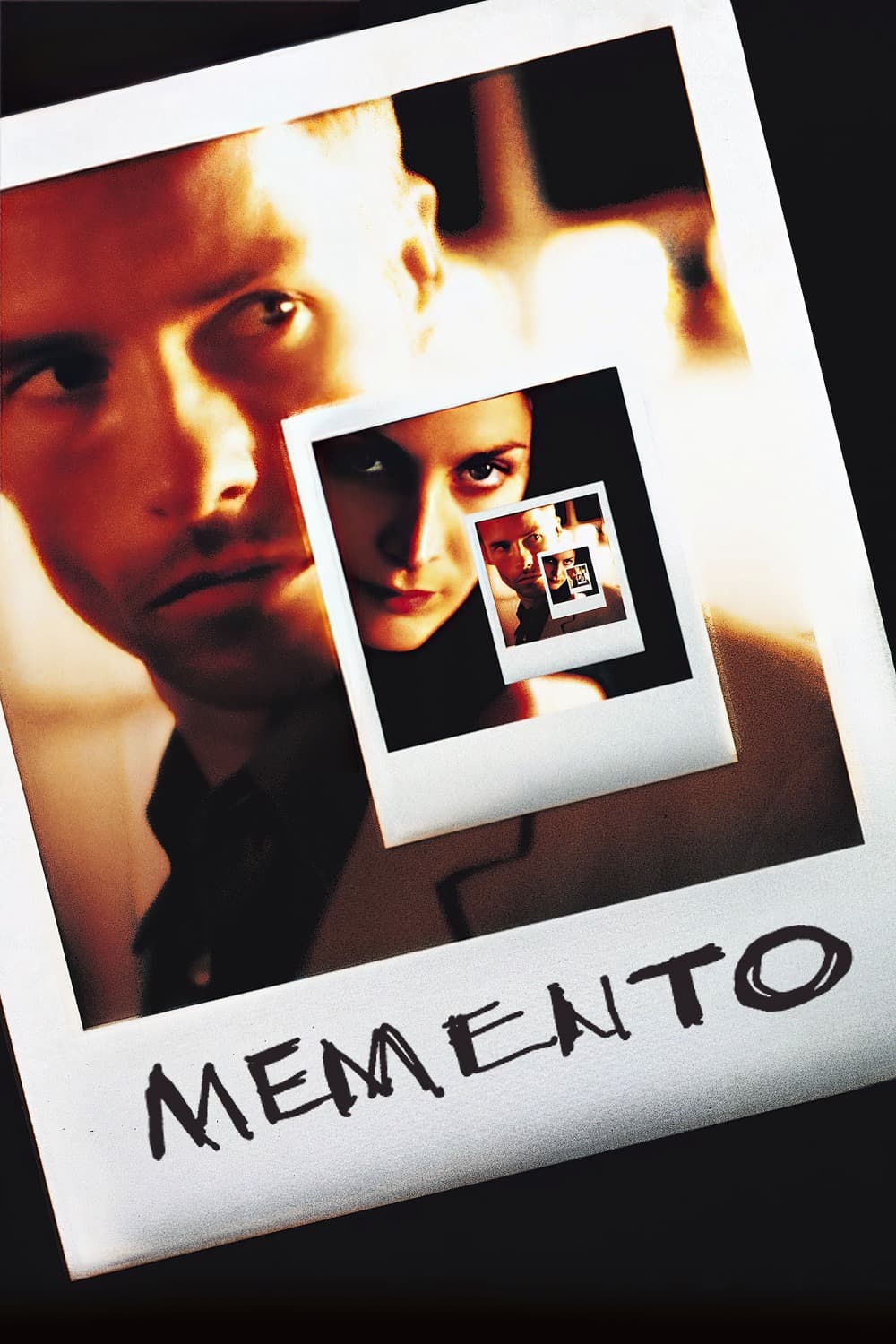
Nolan told it backwards and the trick is not a trick: the reverse order strands you exactly where its amnesiac protagonist lives, knowing only the last five minutes.
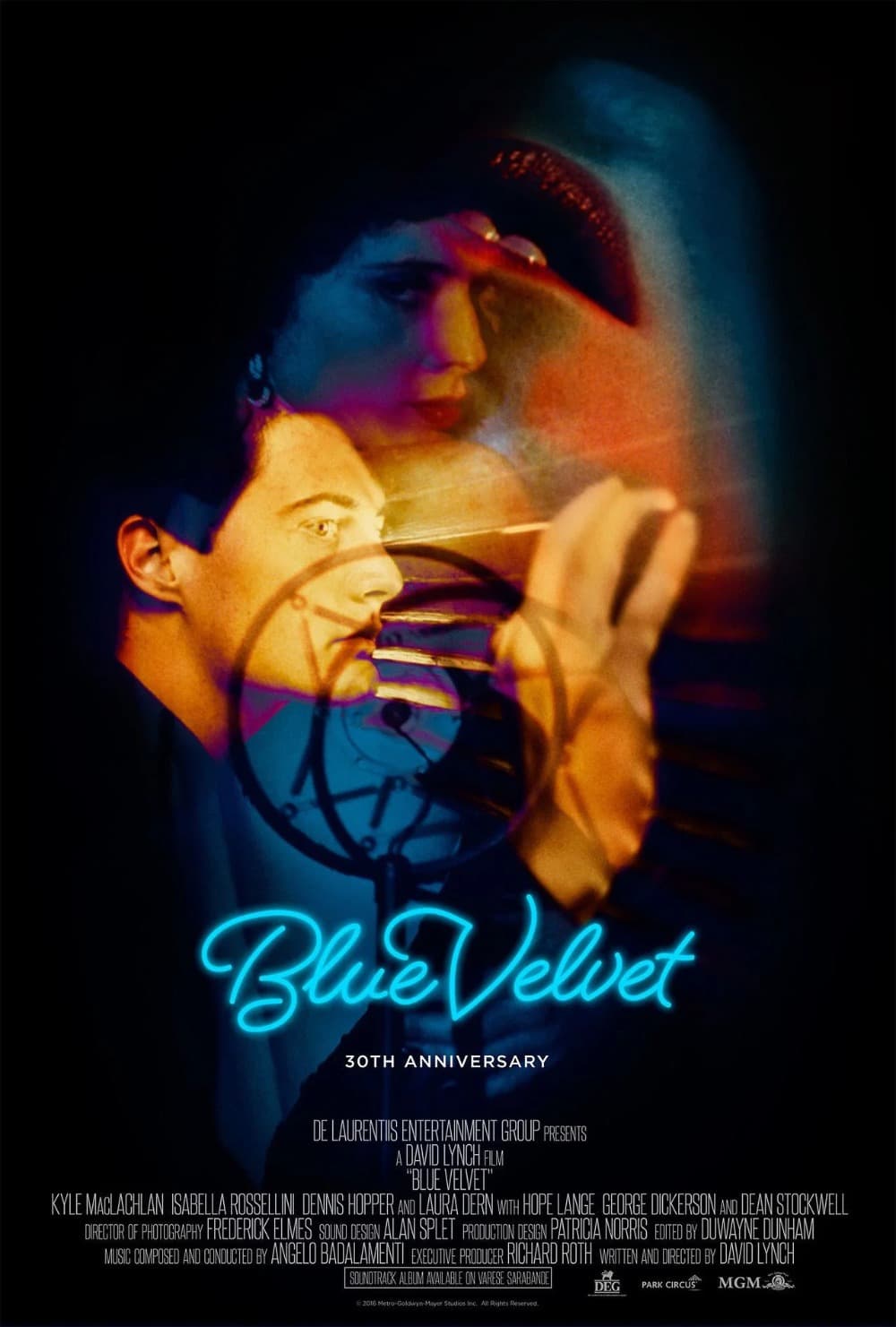
Lynch invented his own genre here and the word Lynchian dates from it: a severed ear in a field leads into the underside of an ordinary American town.
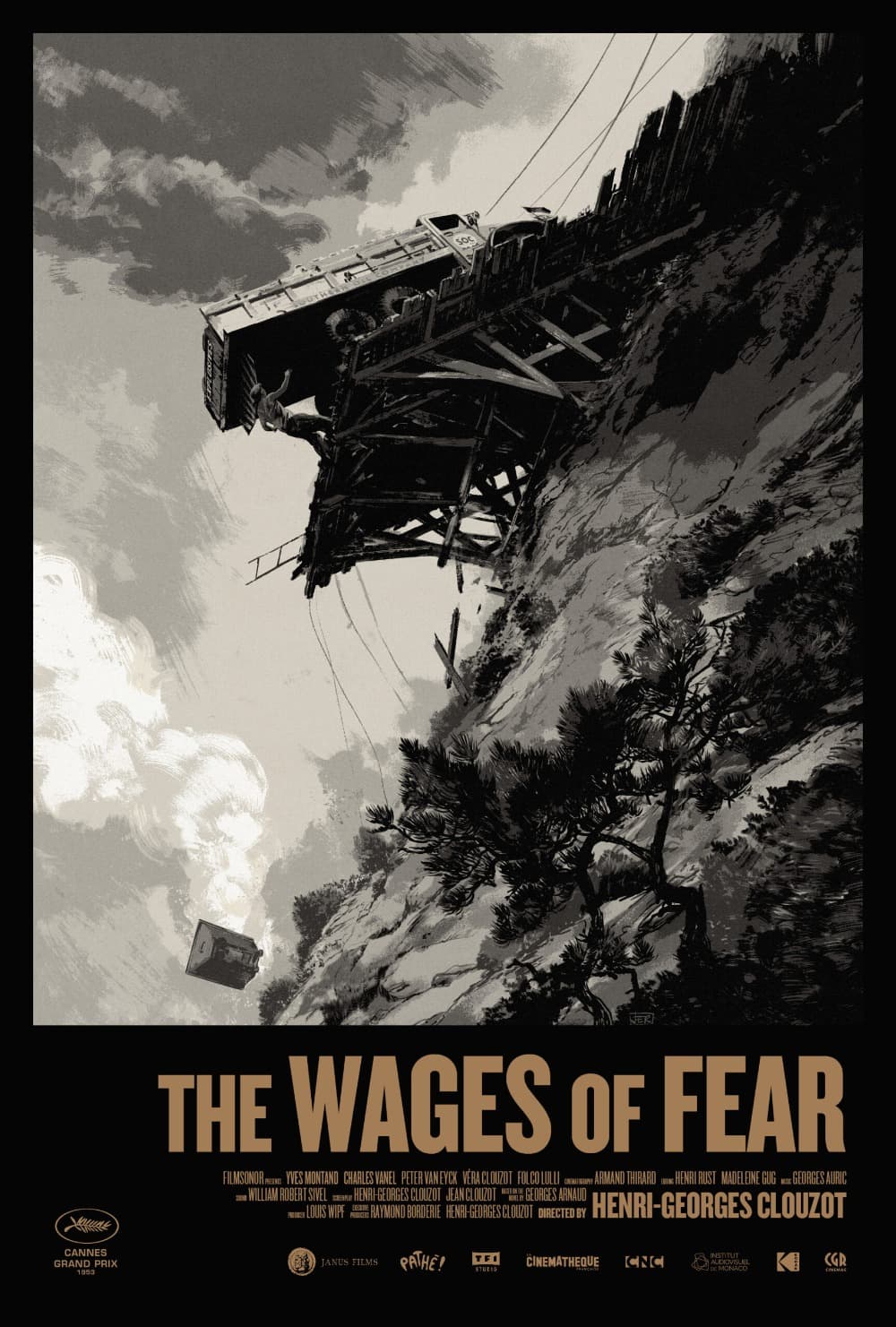
Suspense does not get more physical than this: four desperate men drive truckloads of nitroglycerin over mountain roads, and every rut in the surface becomes an ordeal.
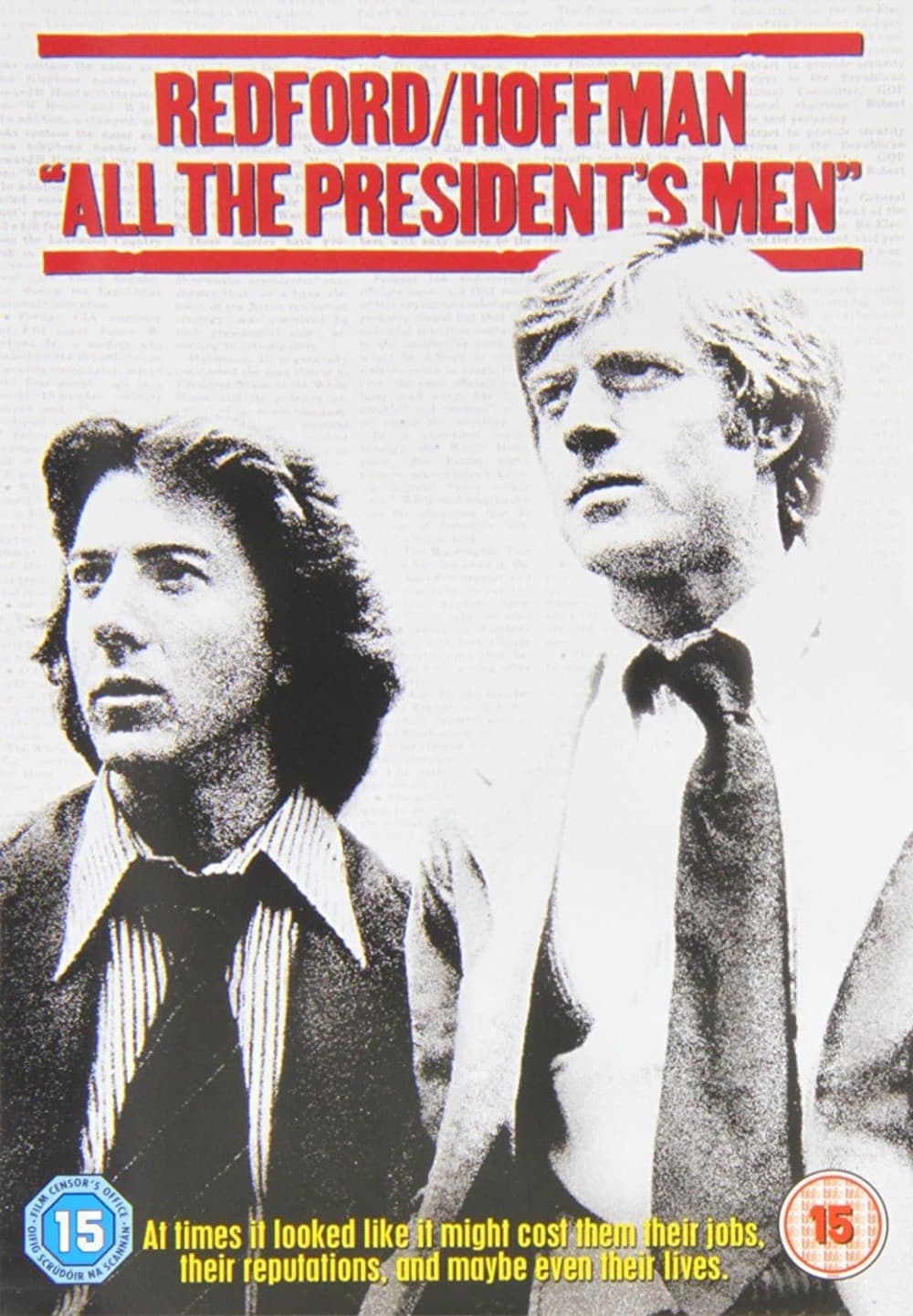
Every journalism film gets held up against this one: two reporters chase Watergate through phone calls and parking garages, and verifying a single fact becomes unbearably tense.
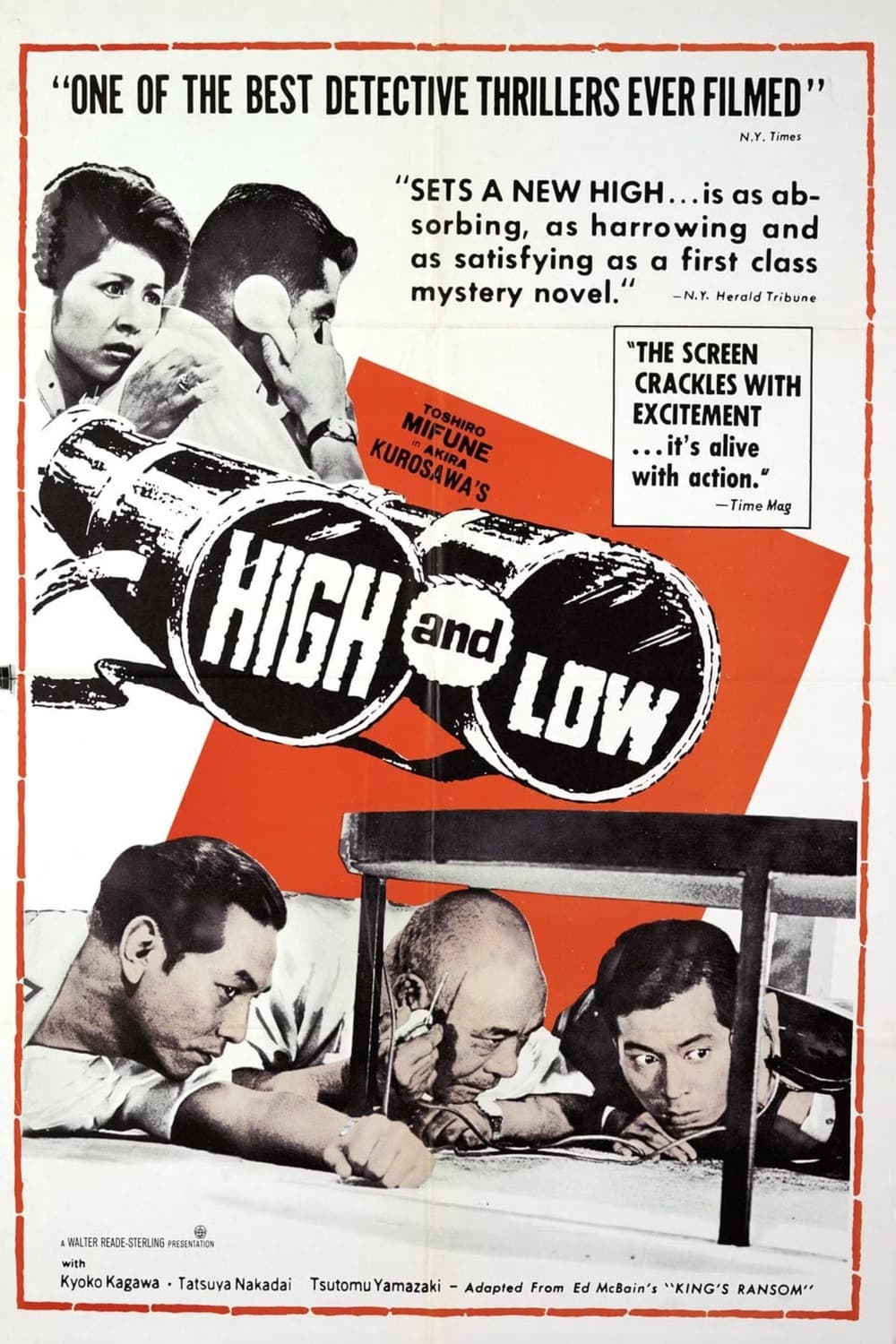
Kurosawa spends the entire first hour inside one house and it is unbearable: a rich man learns the kidnappers took the wrong child and still want his money.
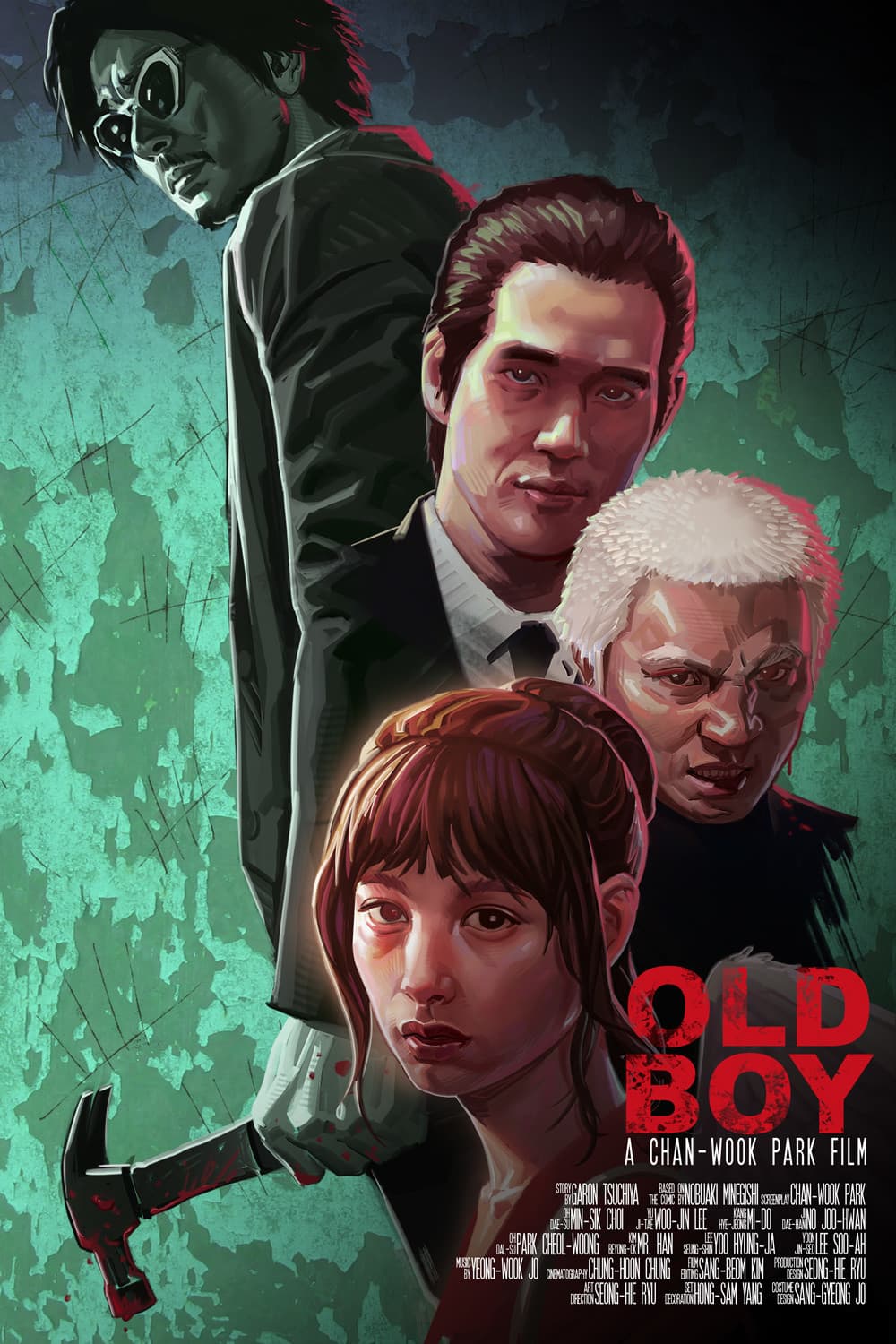
Korean cinema broke through in the West on the strength of this: fifteen years locked in a room without explanation, and a corridor fight staged in one take.
Written years before Watergate and released at its climax, it looked like prophecy: a surveillance expert starts hearing something terrible inside his own recording, and his paranoia does the rest.
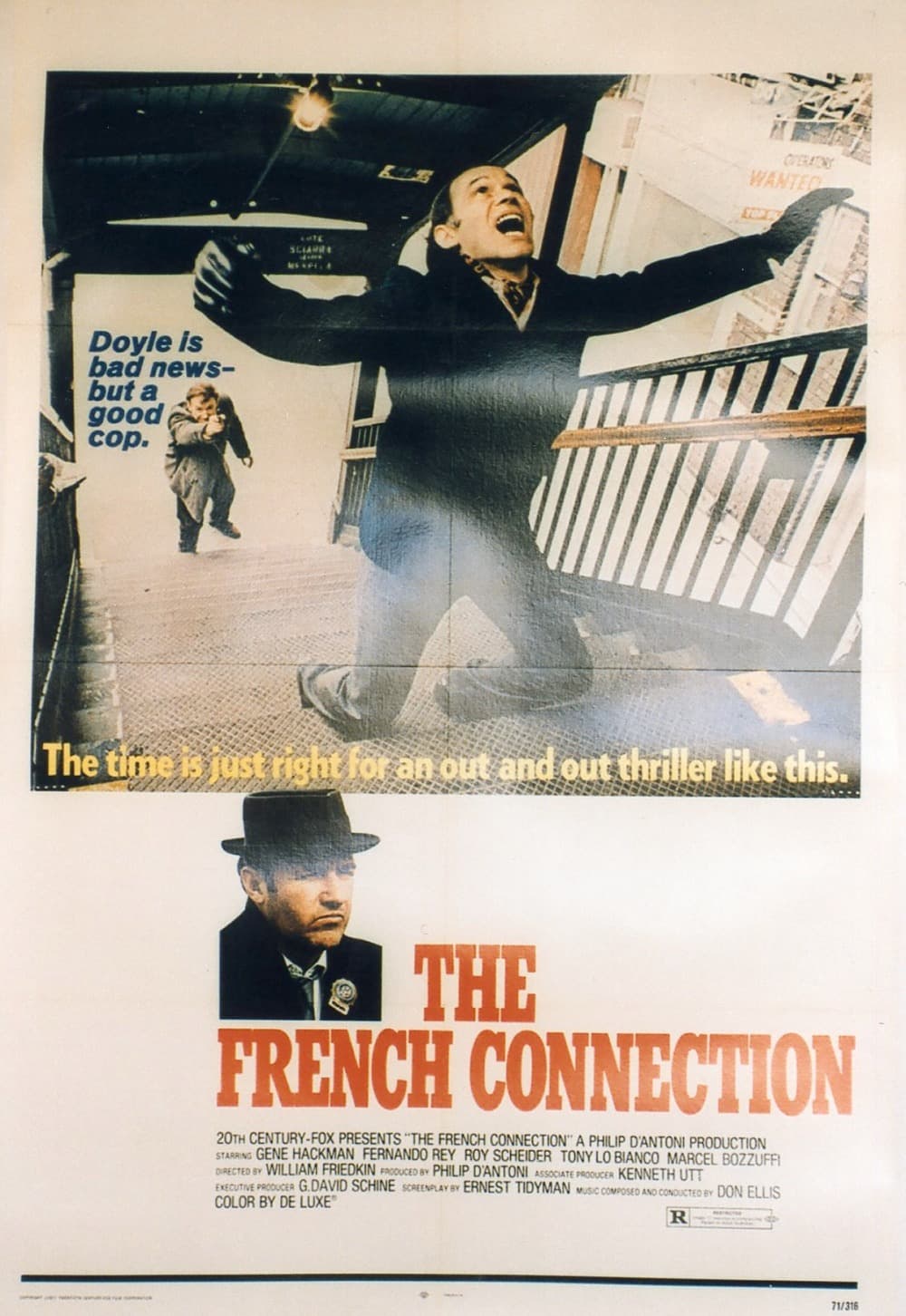
It made the car chase in Bullitt look choreographed: this one was shot without permits, at ninety miles an hour, through real Brooklyn traffic that nobody had cleared.
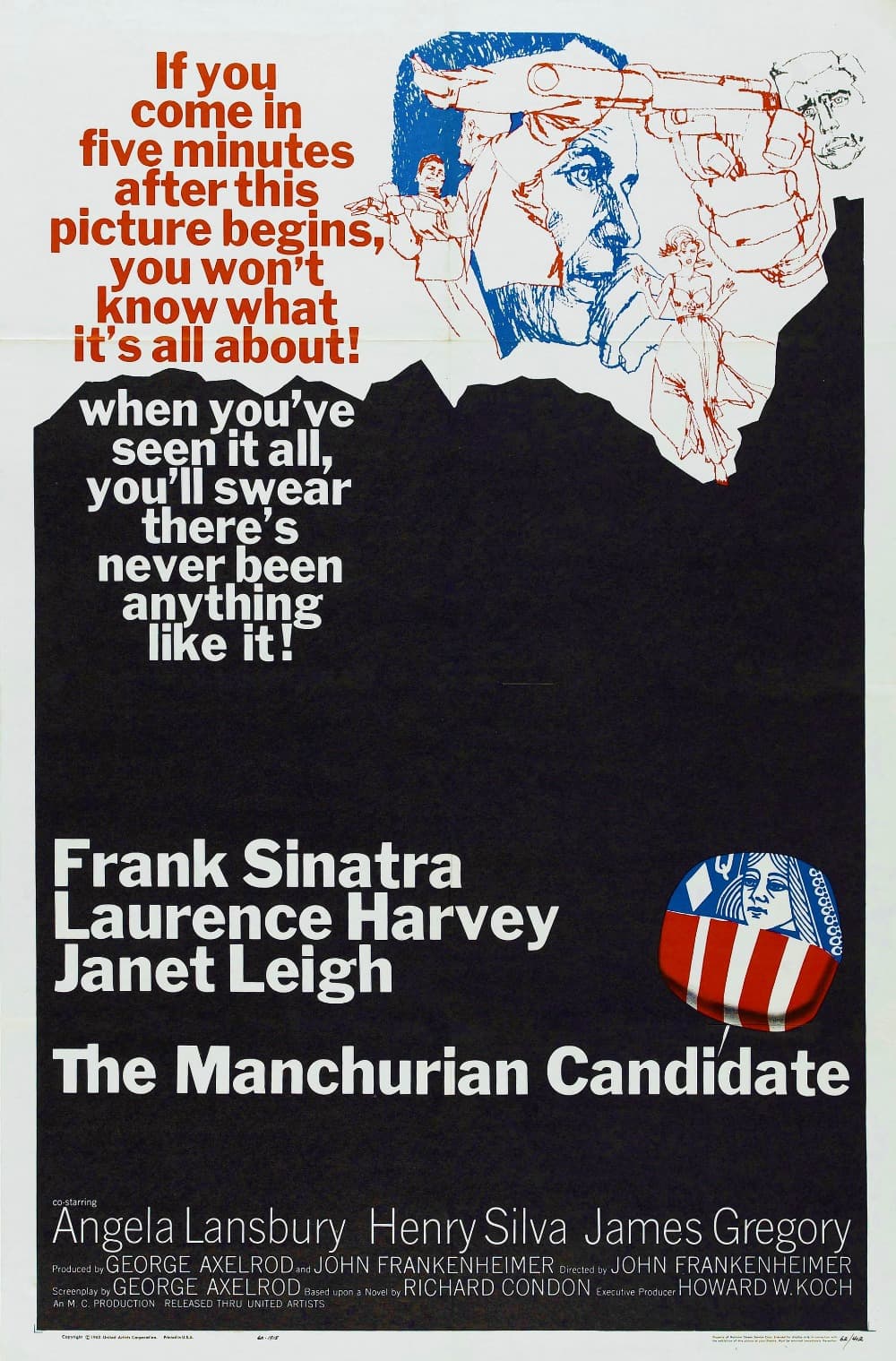
It sat out of circulation for fifteen years over a rights dispute, not the assassination myth people repeat: a Korean War veteran cannot shake a dream about his own platoon.
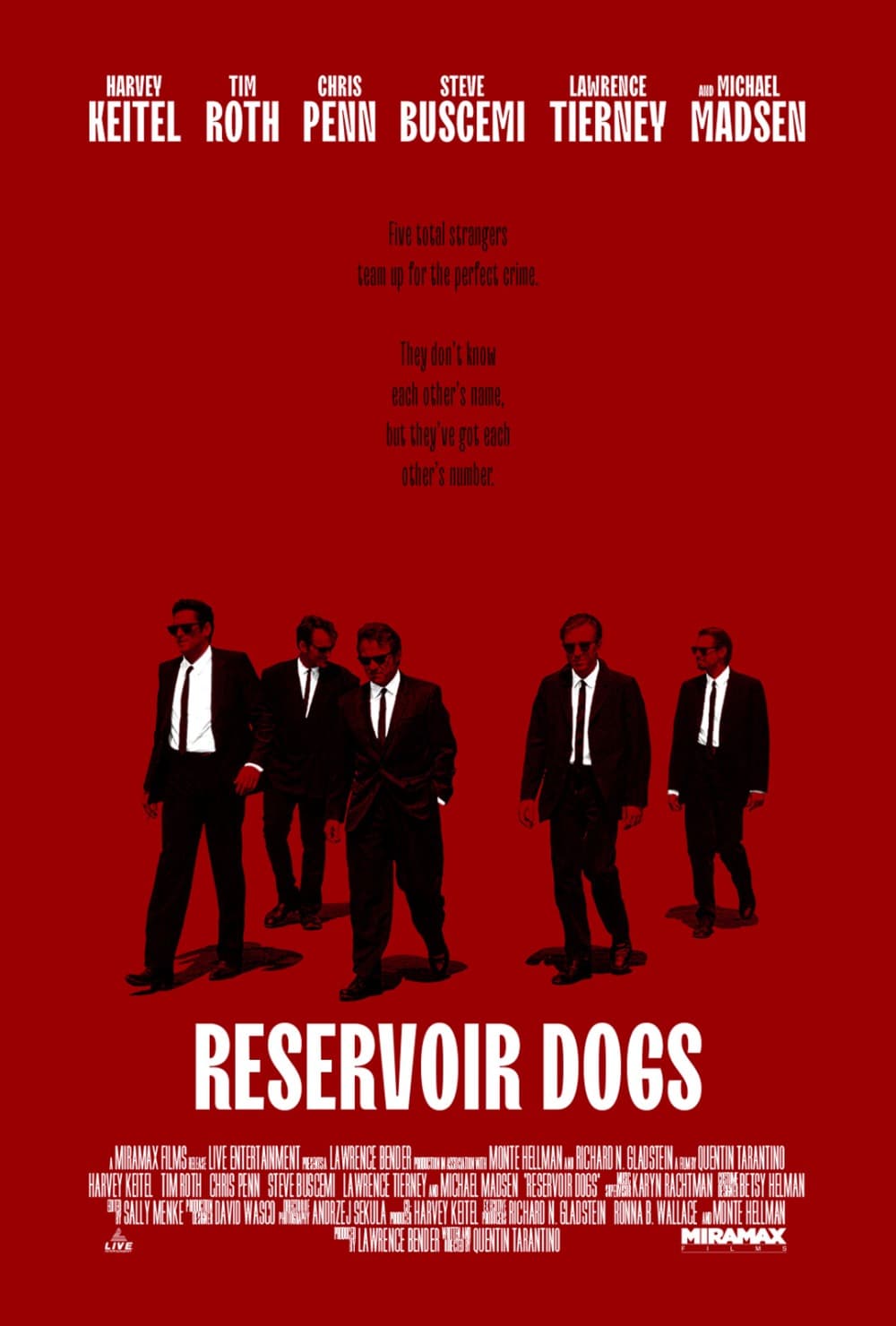
Tarantino arrived fully formed with a heist film that never shows the heist: everyone is in a warehouse afterward, suspecting everyone else and talking far too much.
Bigelow made war feel like an addiction rather than a duty: a bomb disposal sergeant works without much fear, and every defusal is stretched until the room turns physical.
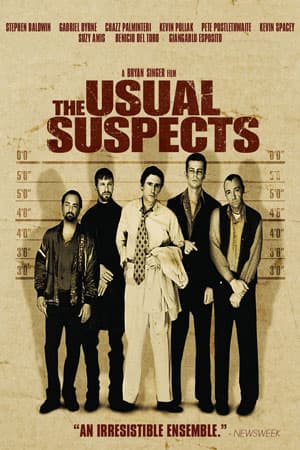
Almost nobody guesses where it is going the first time: five criminals meet in a police lineup, and the whole story reaches you secondhand from an interrogation room.
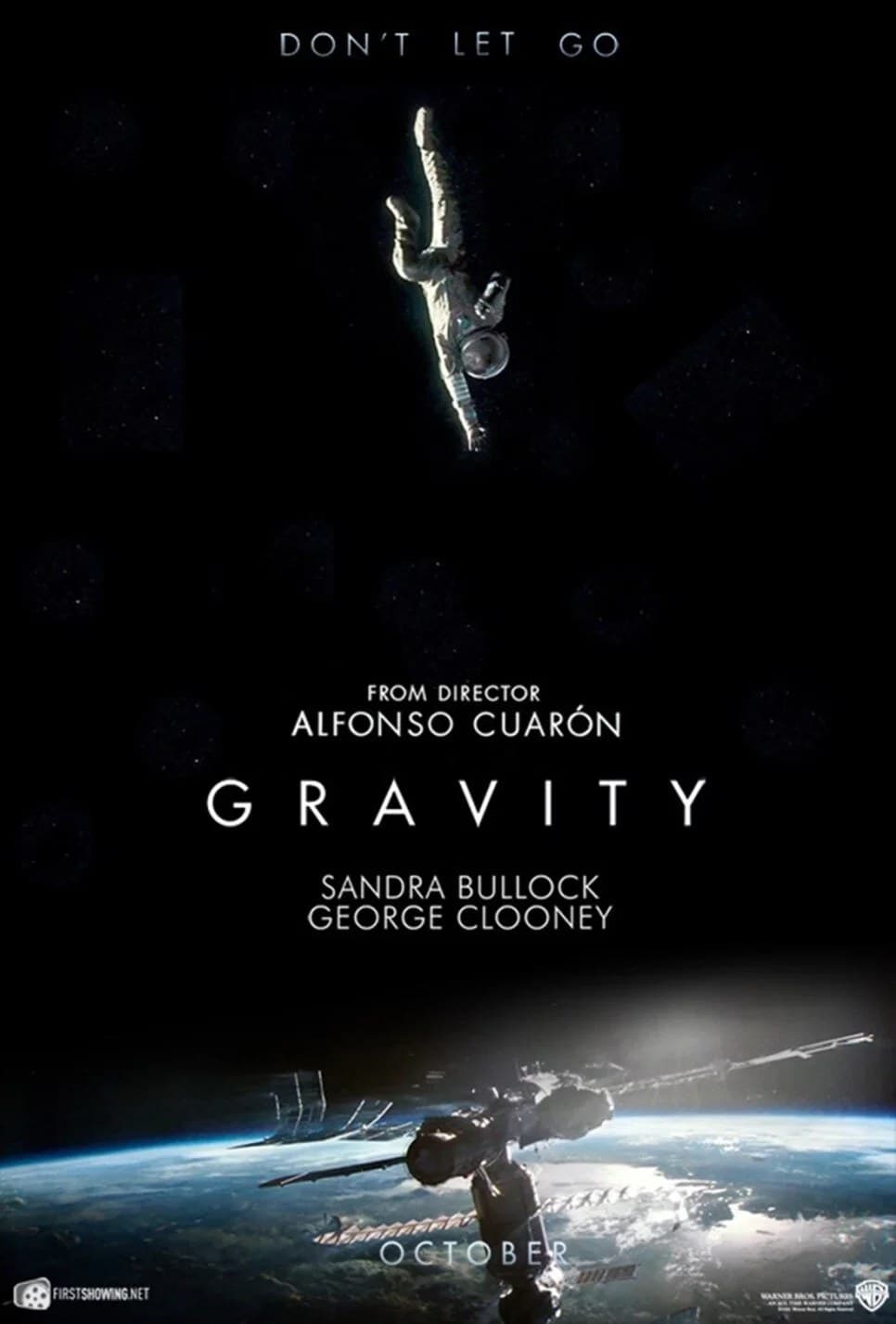
Nothing else has made space feel this physically dangerous: Cuaron opens on a shot running almost thirteen minutes, and ninety minutes later you notice you stopped breathing.

The Romanian New Wave announced itself with this: an illegal abortion arranged across one day in 1987, filmed in long static takes that give you nowhere to look.
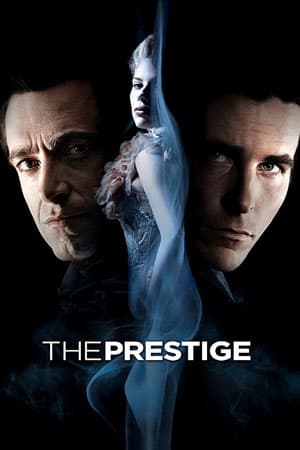
Nolan built a film about magicians the way a magician builds a trick, and tells you so in the first minute: two rivals destroy each other over one illusion.
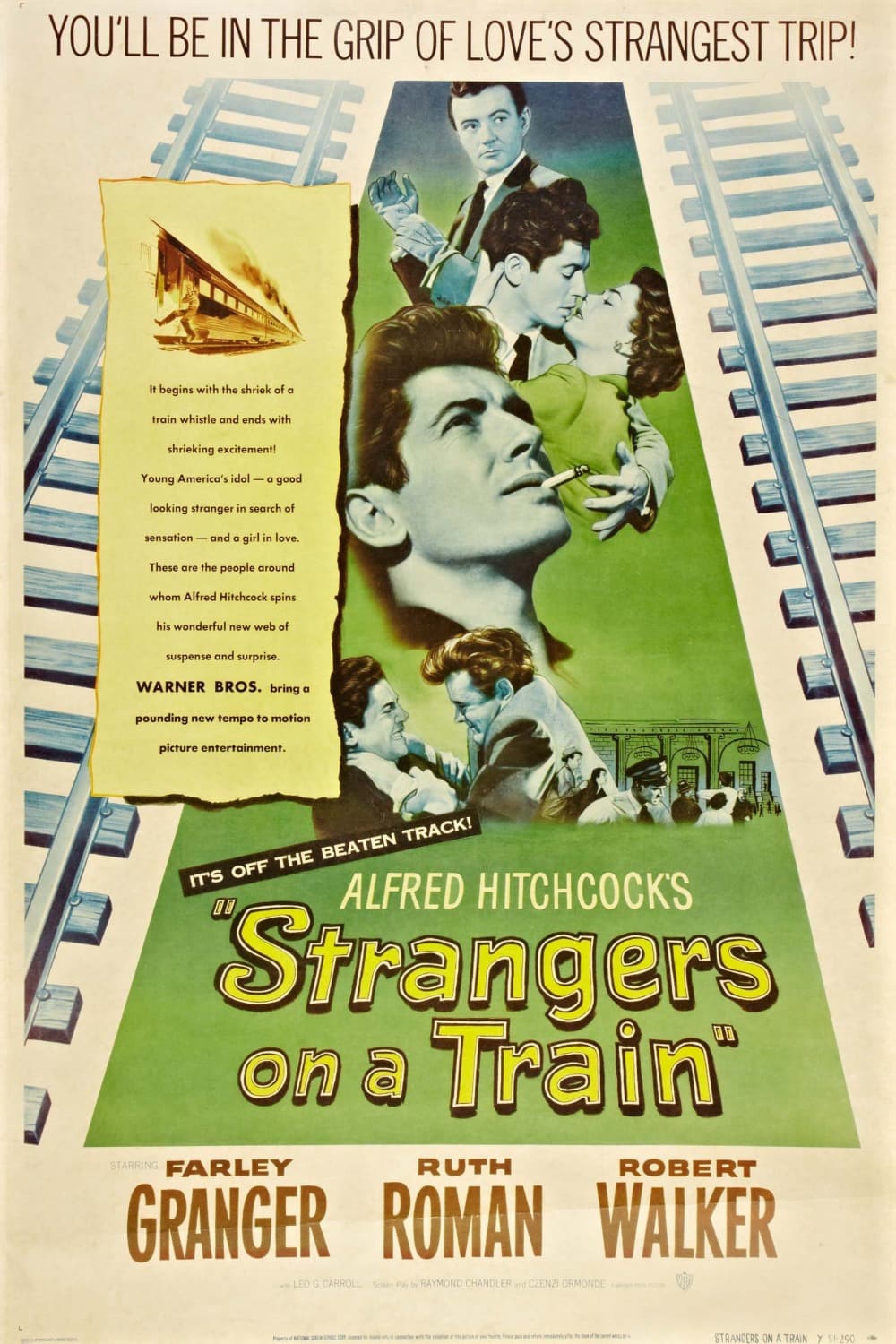
The premise is so clean that thrillers have been borrowing it for seventy years: two men meet on a train and one of them proposes swapping murders.
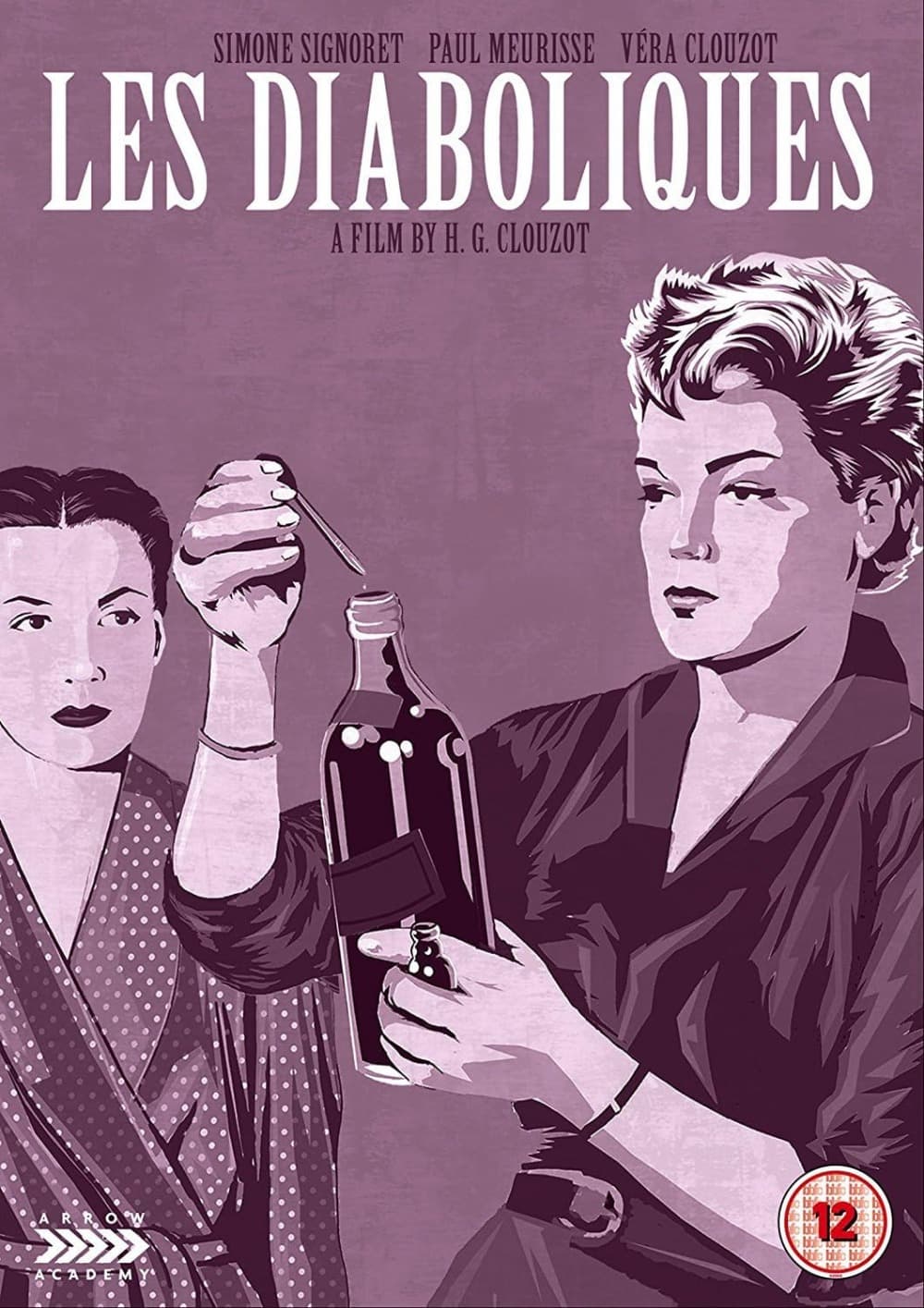
Clouzot got to the material just before Hitchcock could buy it and made the more frightening film: a wife and a mistress conspire against the same terrible man.
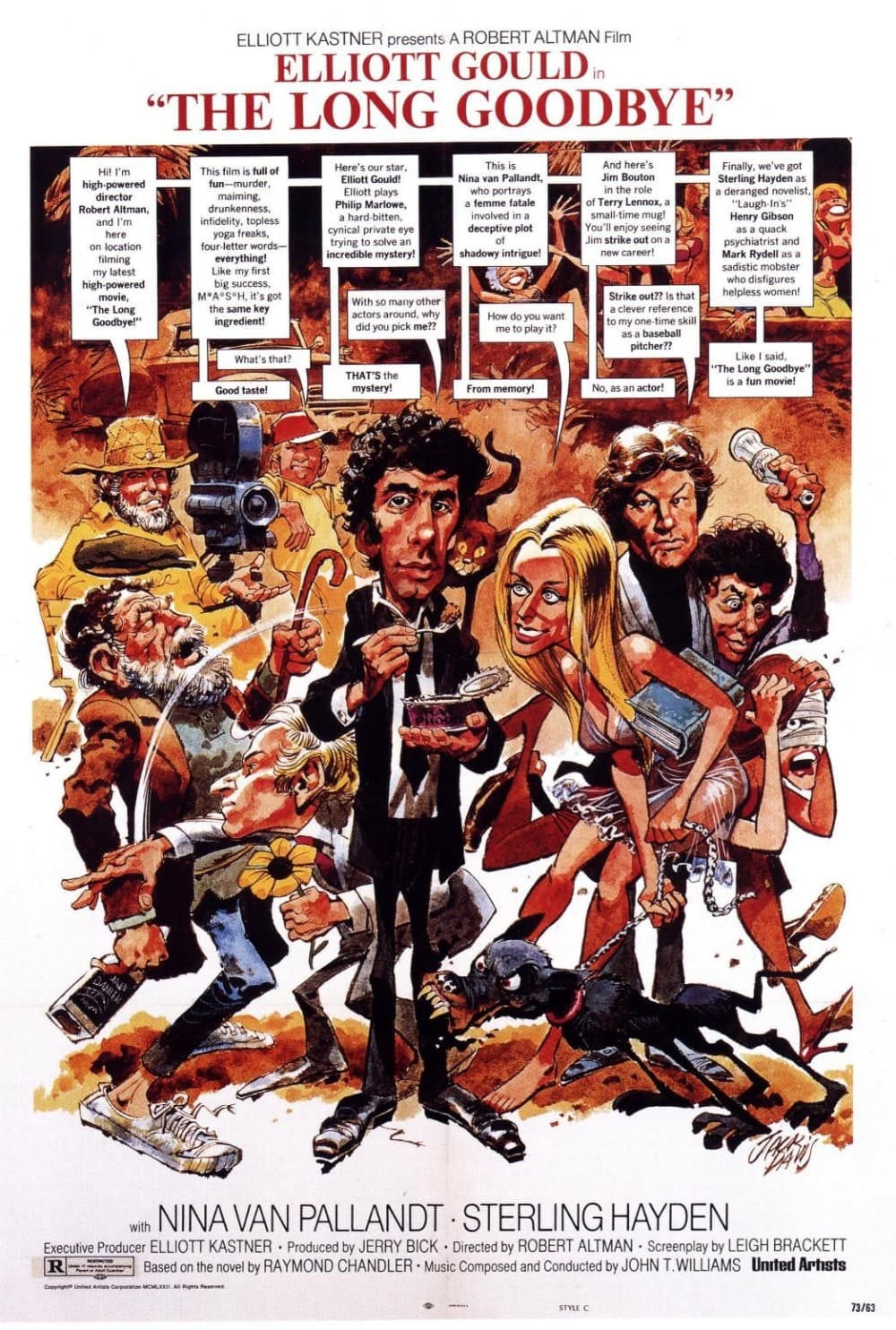
Altman dropped Chandler's detective into 1973 Los Angeles and let him be completely out of step with it: Elliott Gould mumbles through a city that has stopped caring.
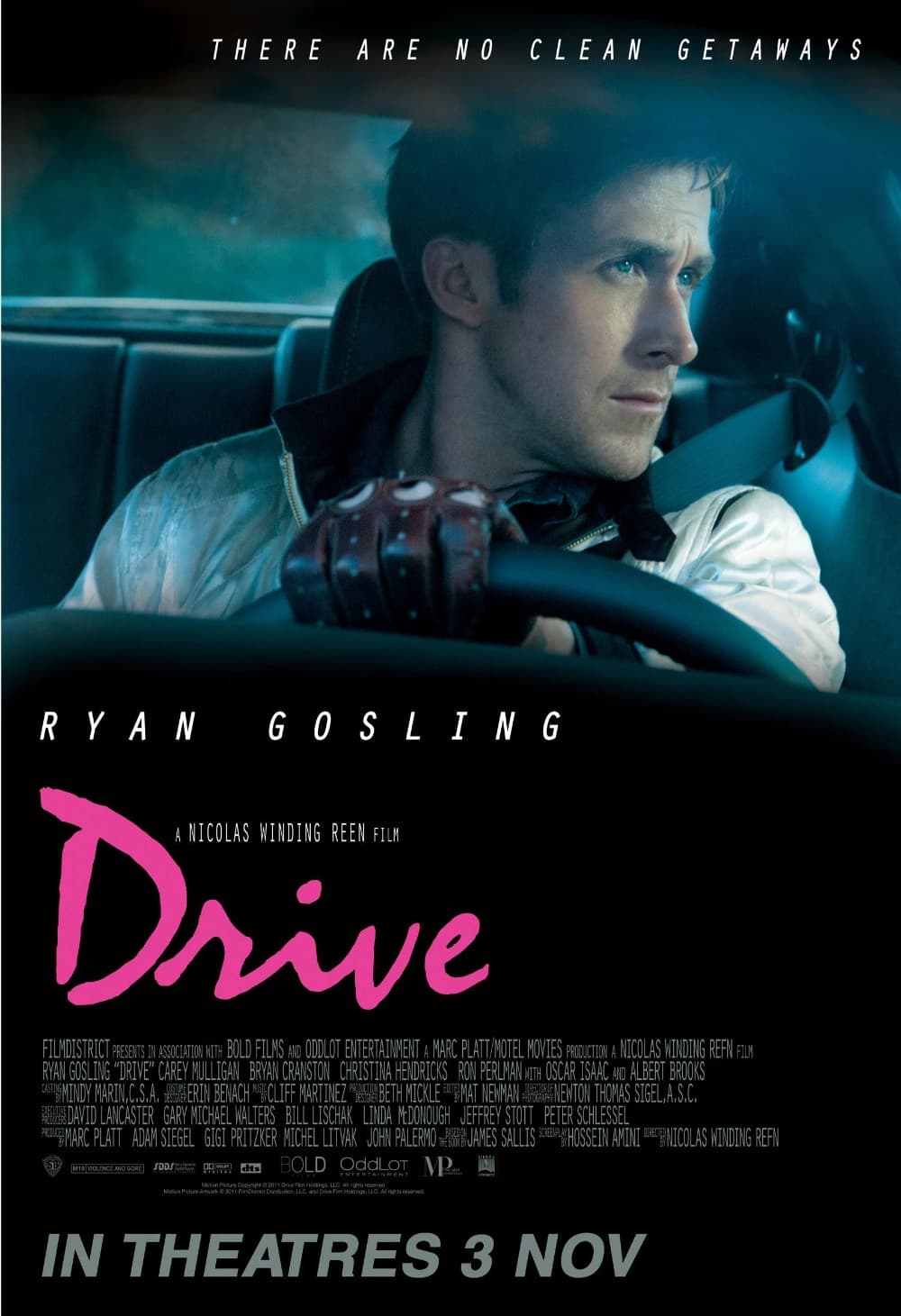
It looks and sounds like nothing else from its decade: neon Los Angeles, a synth score, a driver who barely speaks, and sudden violence that arrives without warning.
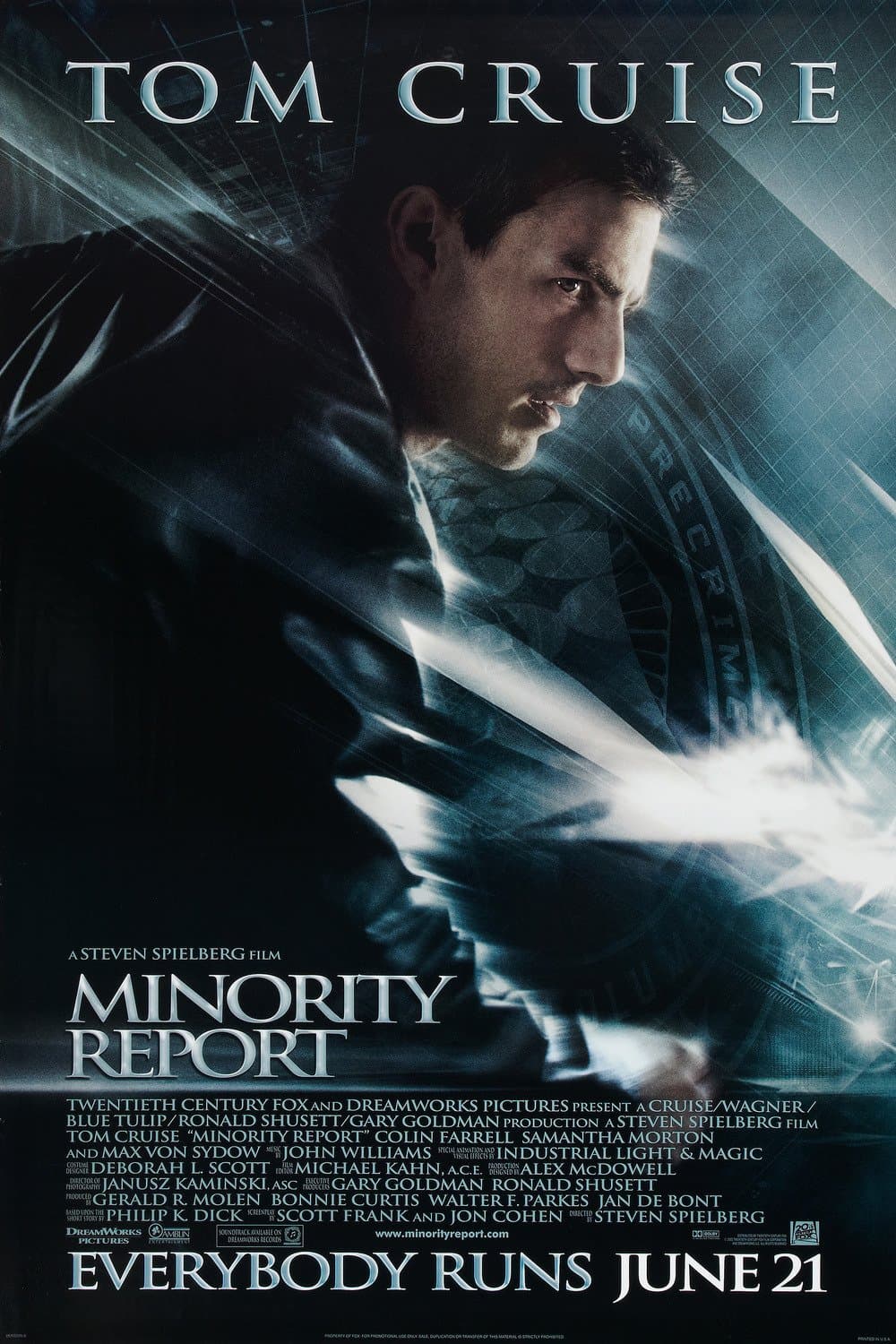
Spielberg hired futurists to design 2054 and most of what they invented has since arrived: gesture screens, targeted advertising, and a police force that arrests you beforehand.
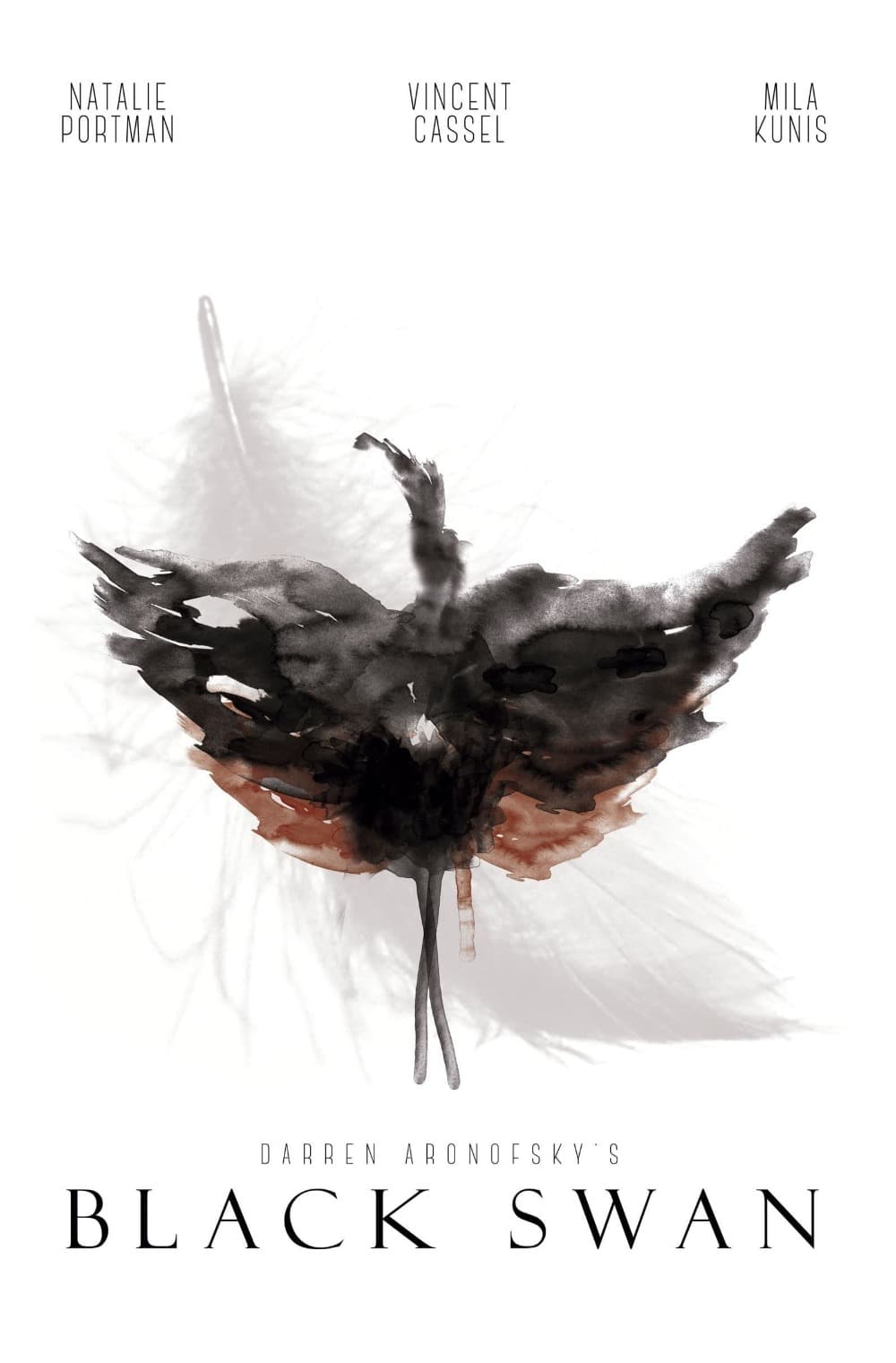
Aronofsky filmed ballet as body horror and somehow made it work: a dancer's discipline turns on her, and Natalie Portman trained for a year to make it convincing.
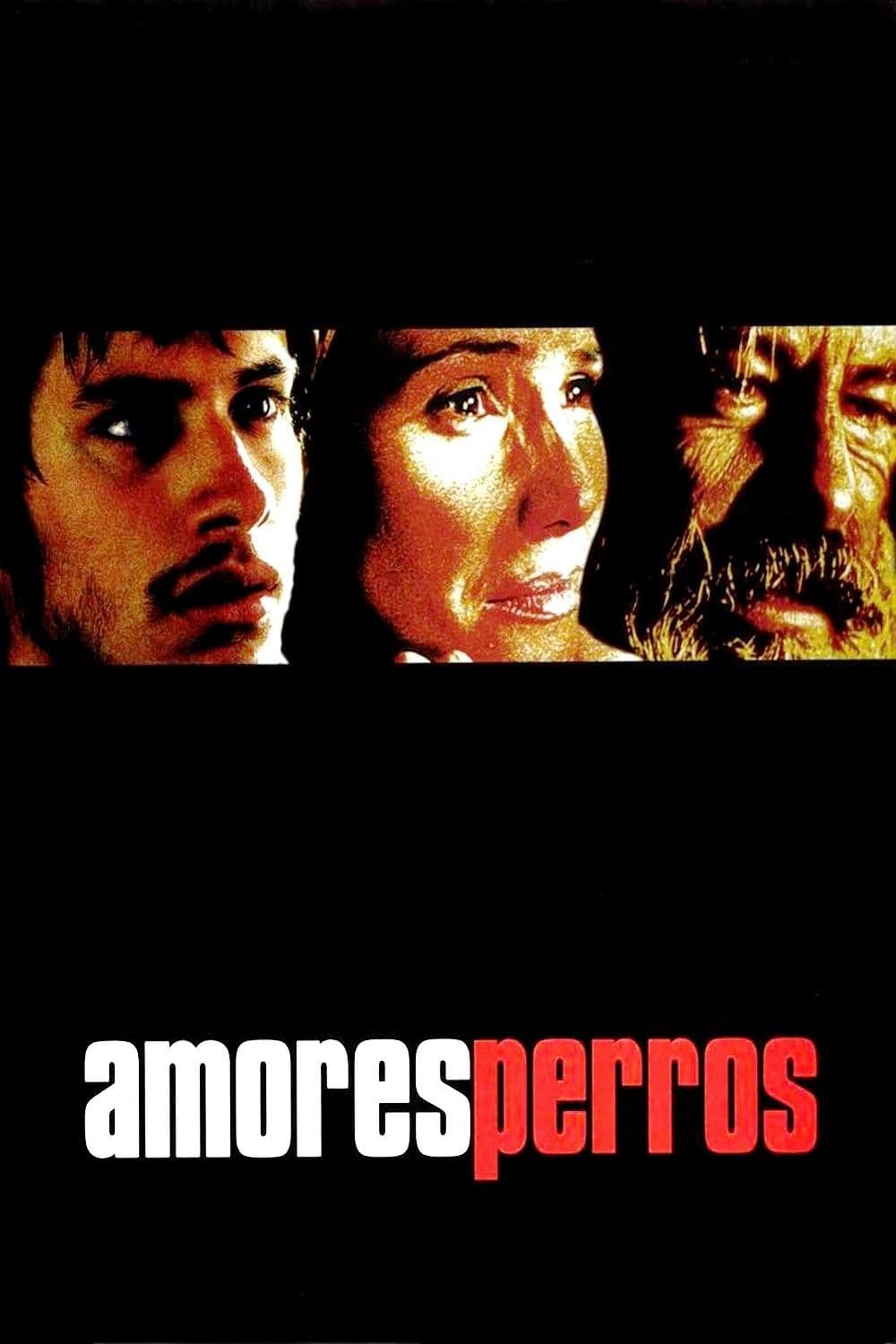
Mexican cinema arrived on the world stage with this: Inarritu's first film braids three Mexico City lives around a single car crash and refuses to soften any of them.
Handheld chases got shakier for a decade because of this film: Greengrass films spying as legwork rather than glamour, and the Waterloo Station chase is the most tightly constructed surveillance sequence ever filmed.
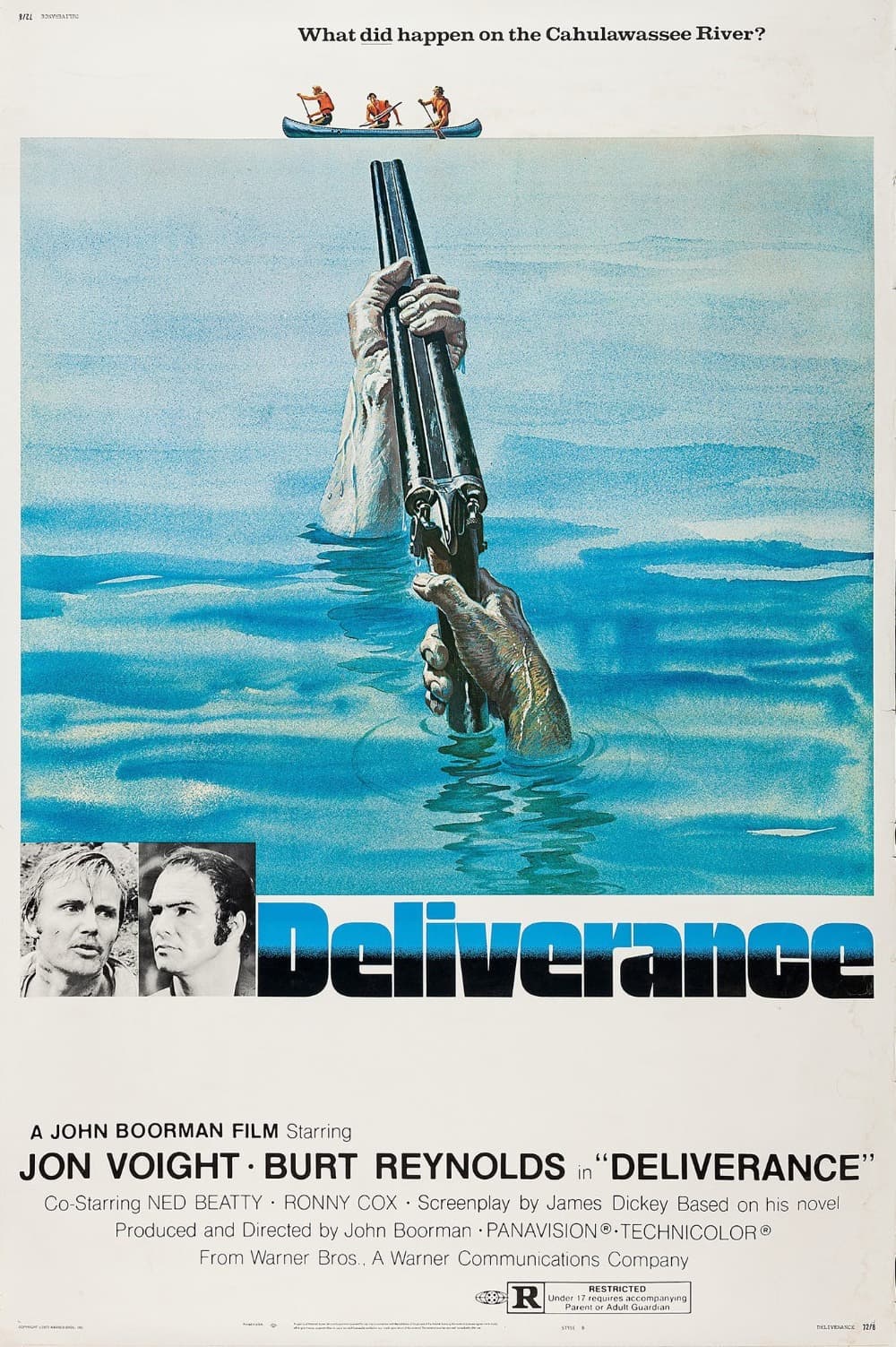
The outdoors has never felt this hostile on film: Boorman shot in sequence and made his actors run the whitewater themselves, and a weekend canoe trip turns into something much older.
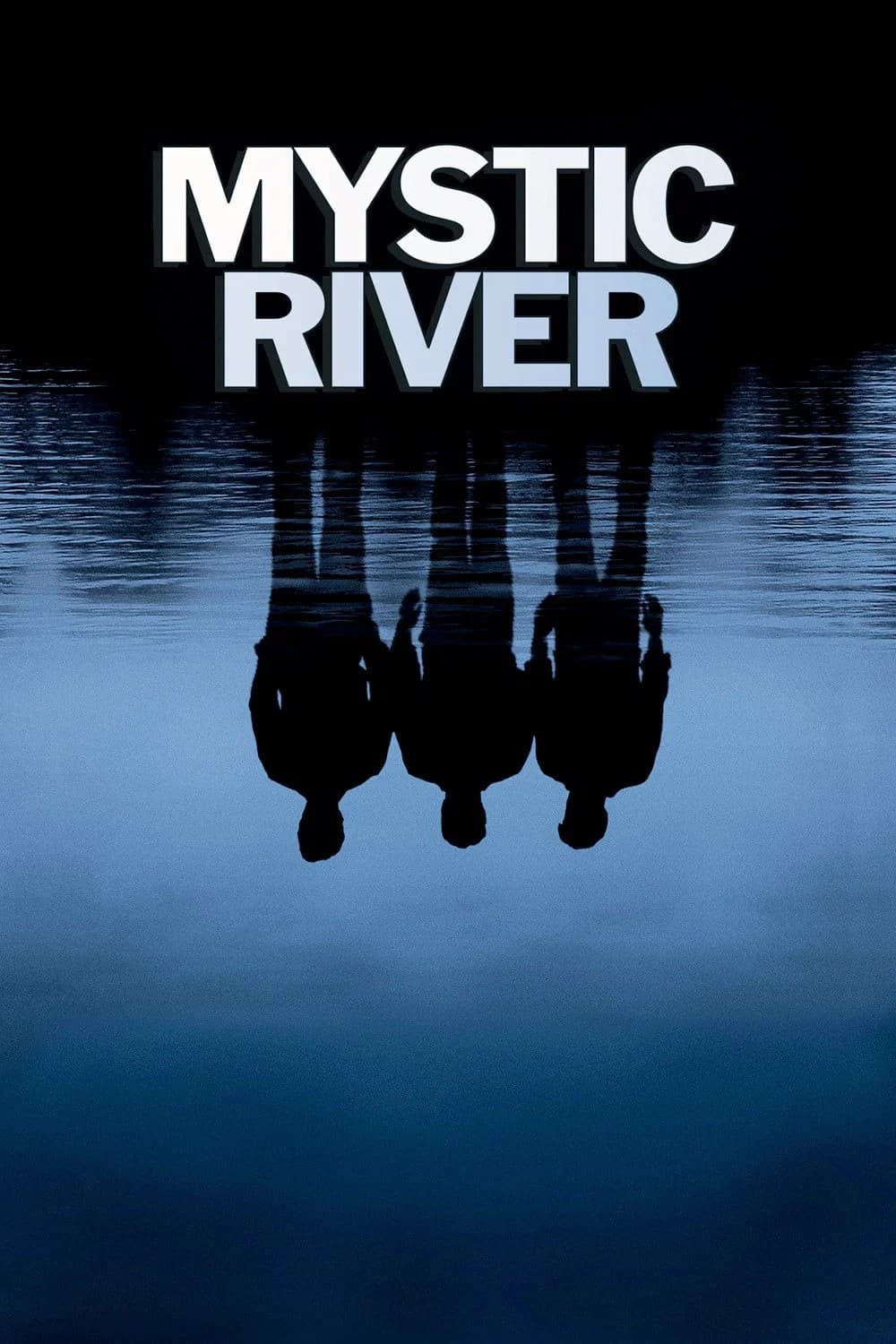
Eastwood's bleakest film: three boys from one Boston block grow into three men, and a murder pulls them back to the afternoon that separated them, with no interest in comforting anyone.
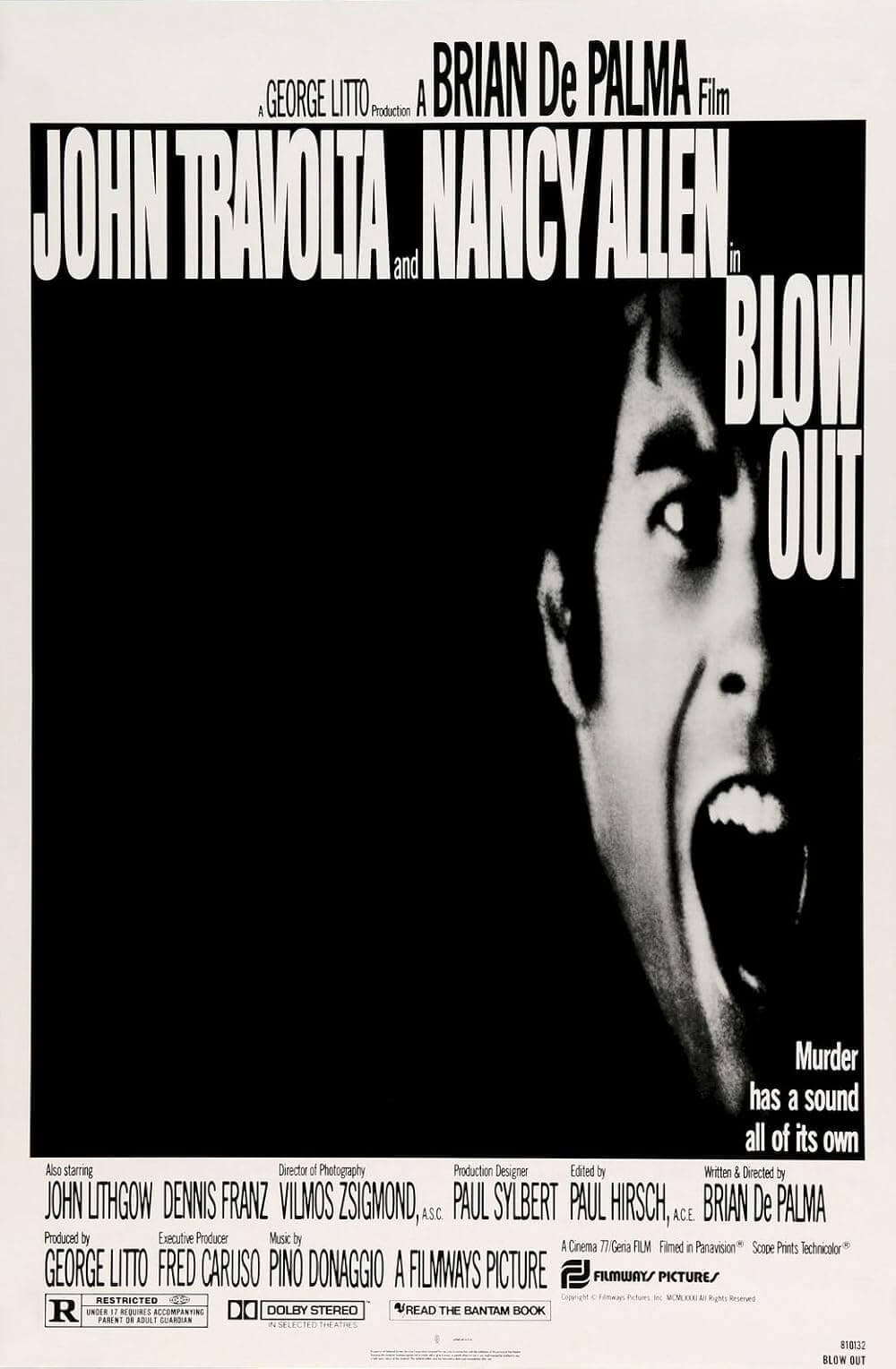
Travolta's best performance is in a thriller that flopped and spent forty years being rediscovered: a movie sound man records an accident and hears something that should not be on the tape.
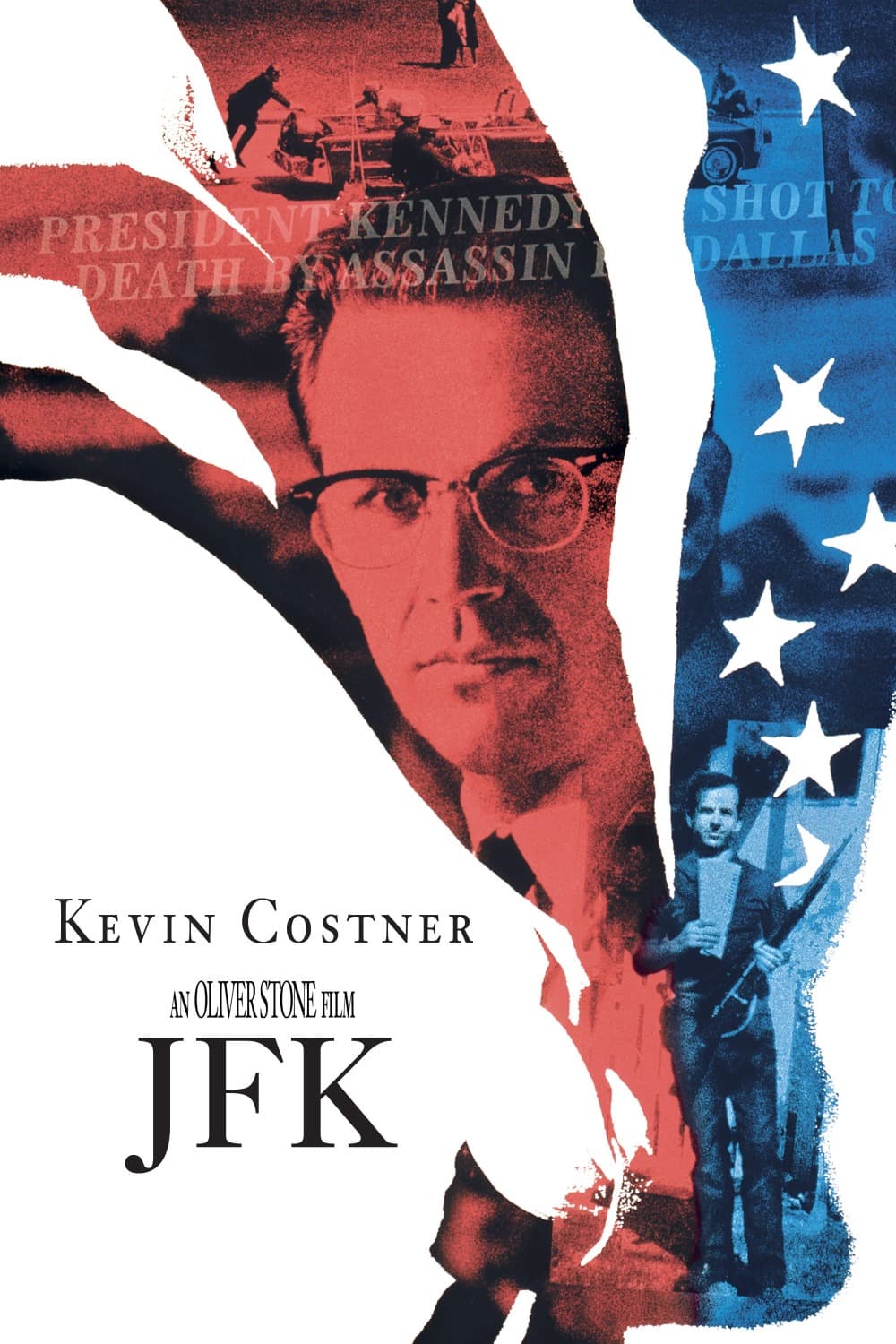
A film that changed federal law: the outcry over Stone's conspiracy case pushed Congress to pass the JFK Records Act, and the editing that sells it remains the most aggressive in American film.
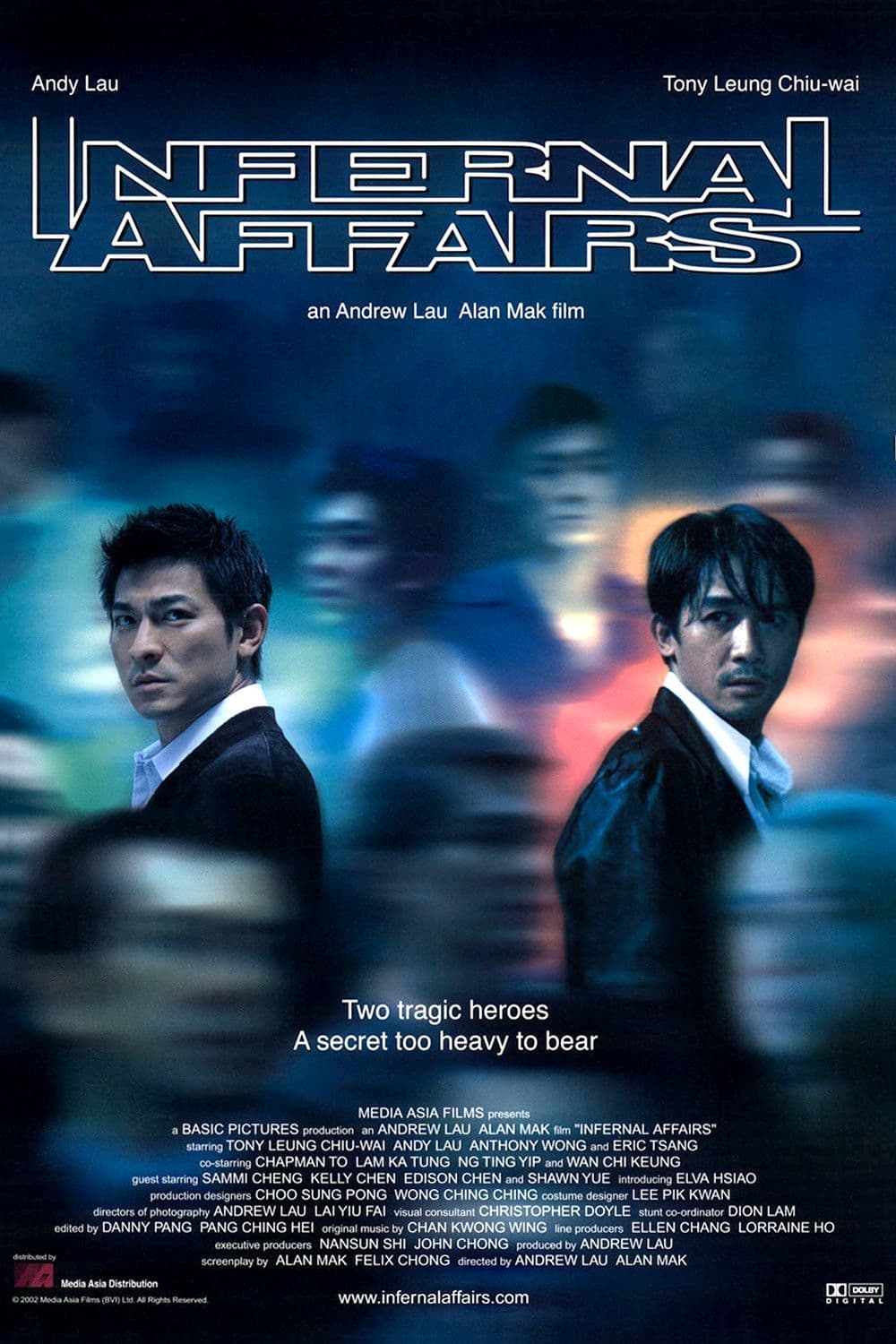
Scorsese's The Departed is a remake of this, and the Hong Kong original is fifty minutes tighter: two moles assigned to find each other, and a plot that never stops to explain itself.
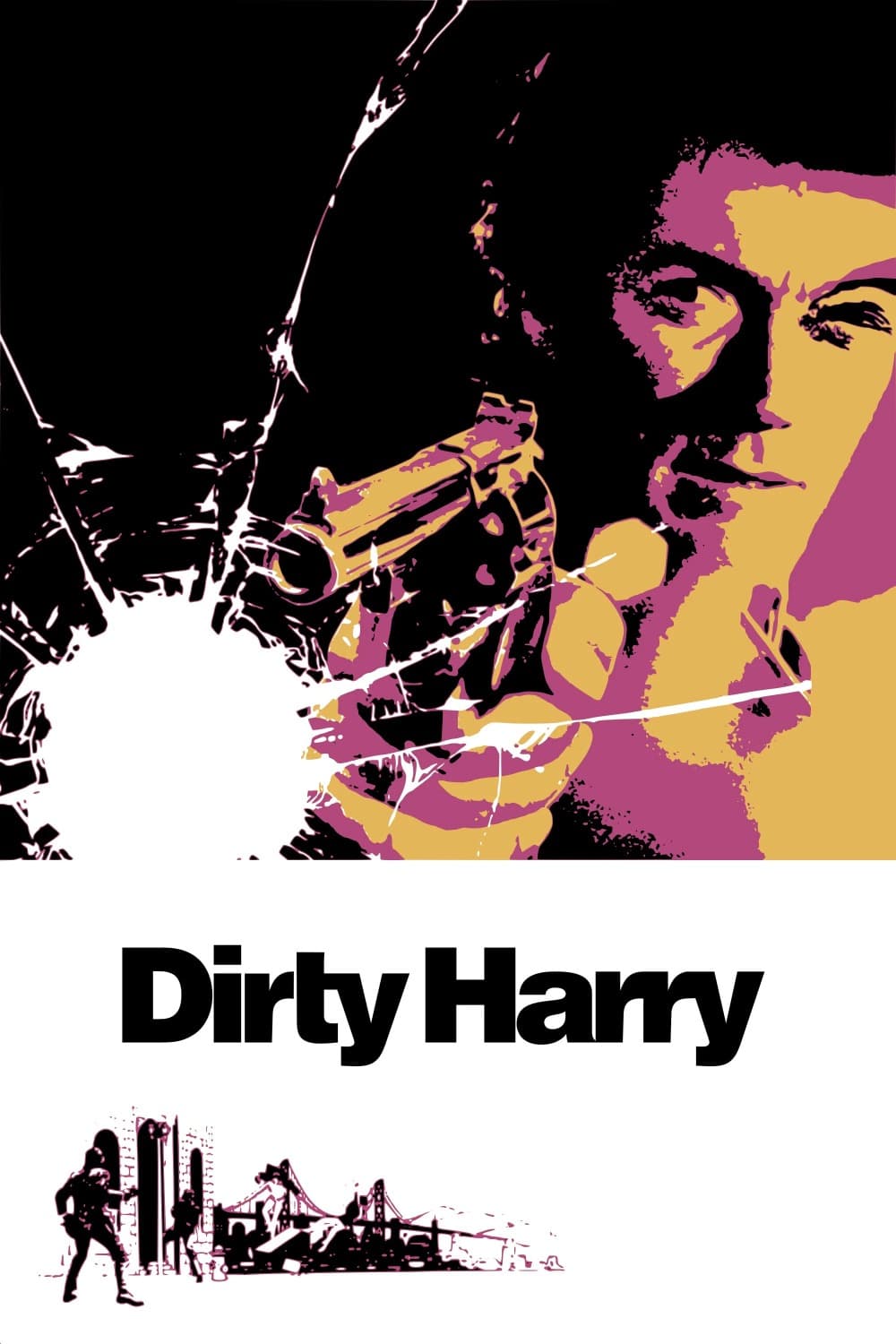
Pauline Kael called it fascist and the argument has never really ended: Eastwood's inspector chases a Zodiac-like killer through San Francisco with a .44 Magnum and open contempt for procedure.
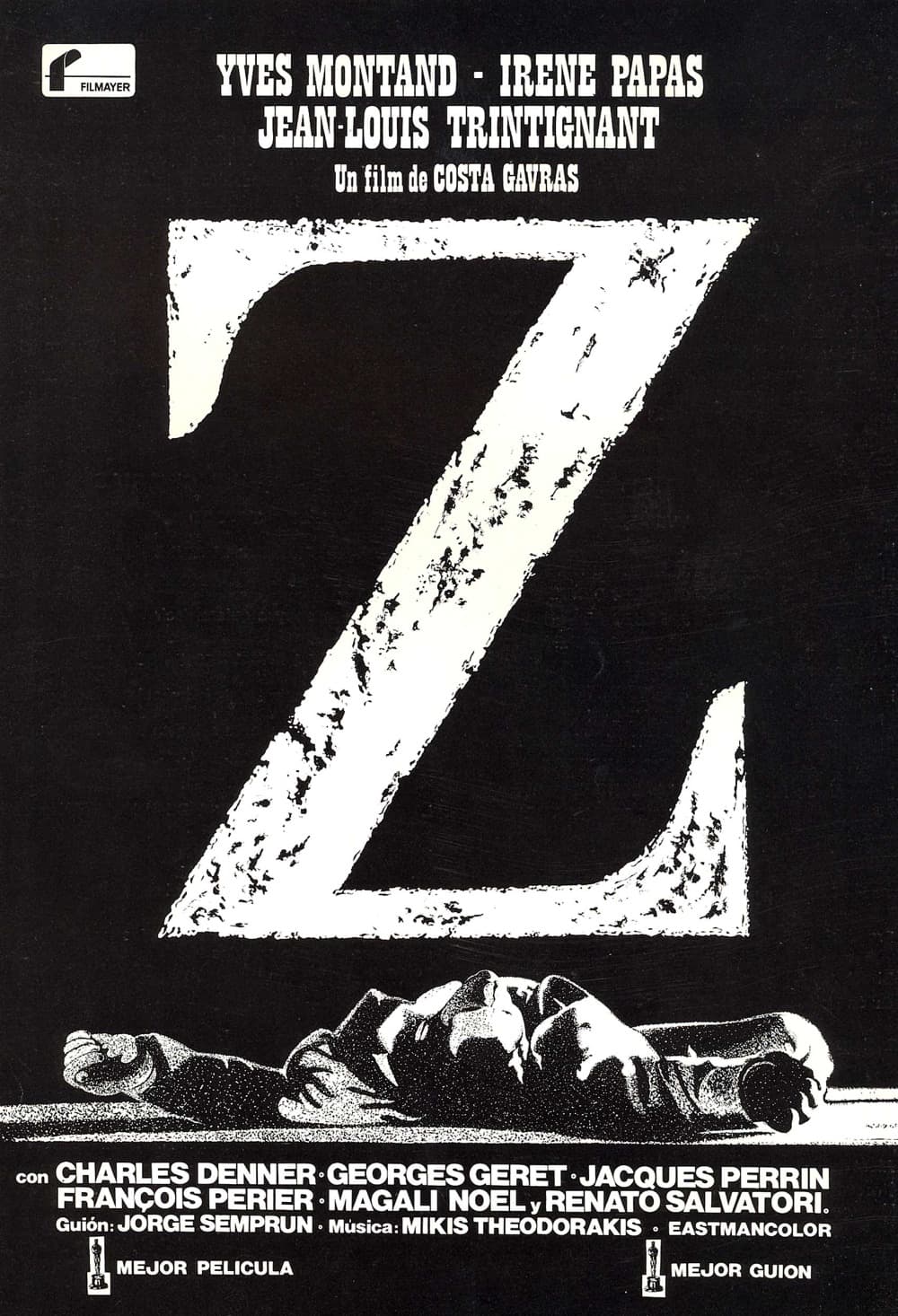
Banned by the Greek junta it was made to indict: Costa-Gavras films a political assassination and its cover-up as a procedural thriller, and the pace never lets the outrage go abstract.
The train wreck was staged for real because it was cheaper than faking it: a surgeon convicted of his wife's murder runs, and Tommy Lee Jones's marshal is better company than the hero.
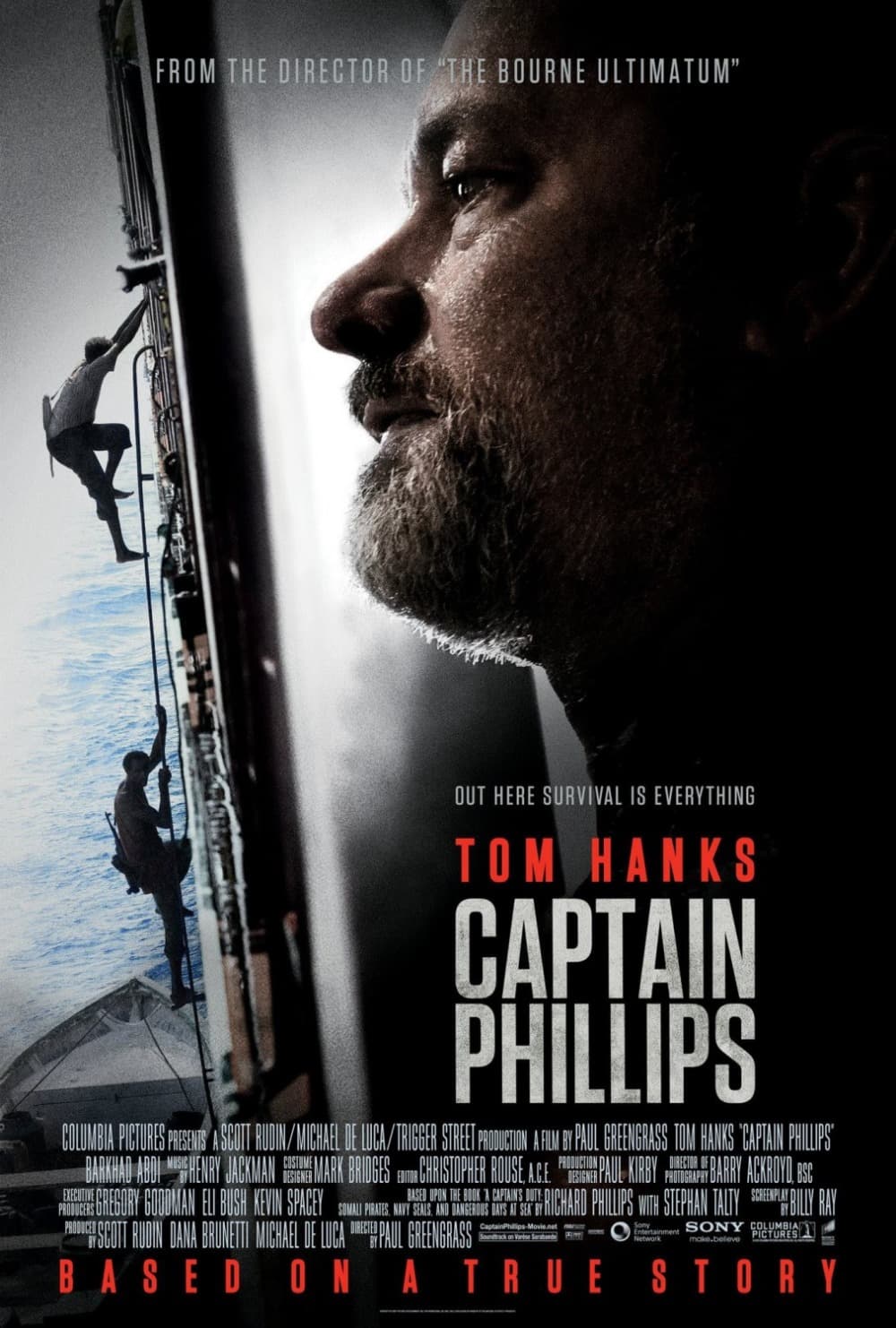
Barkhad Abdi had never acted and was cast out of a Minneapolis open call: he holds the screen against Tom Hanks through the last hour on a lifeboat off Somalia, and never blinks.
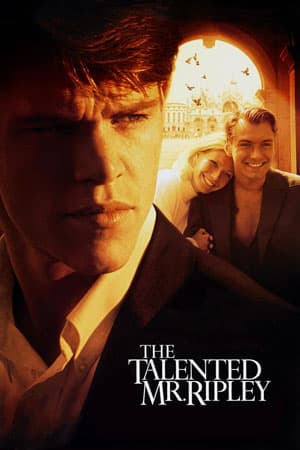
Nothing else captures the pull of wanting somebody else's life this well: Minghella fills the Italian coast with sunlight and good clothes, and lets a young man's envy curdle in plain sight.
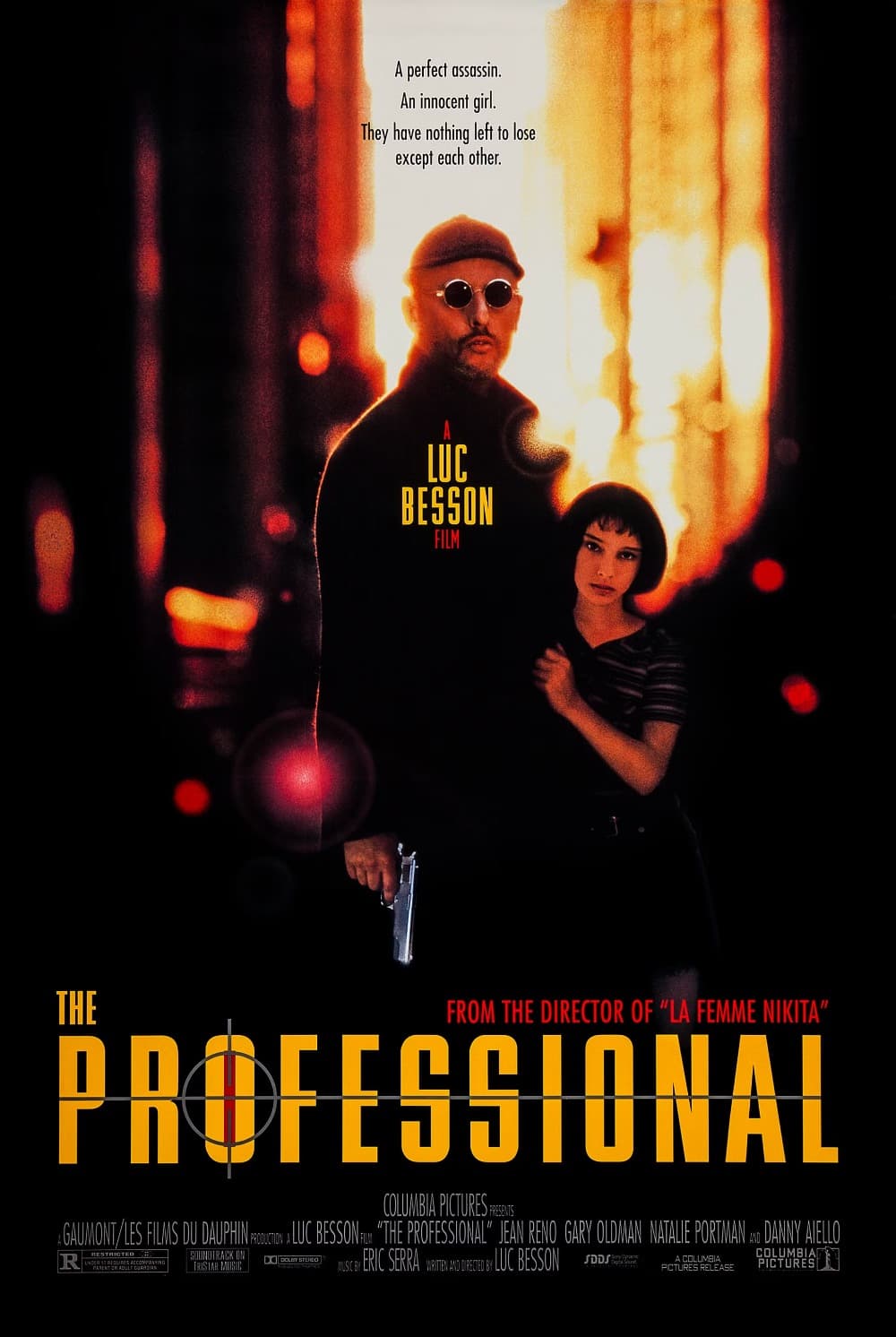
Natalie Portman was twelve and had never acted: Besson pairs her with a hitman who waters his houseplant like a dependent, and the film has been argued about ever since.
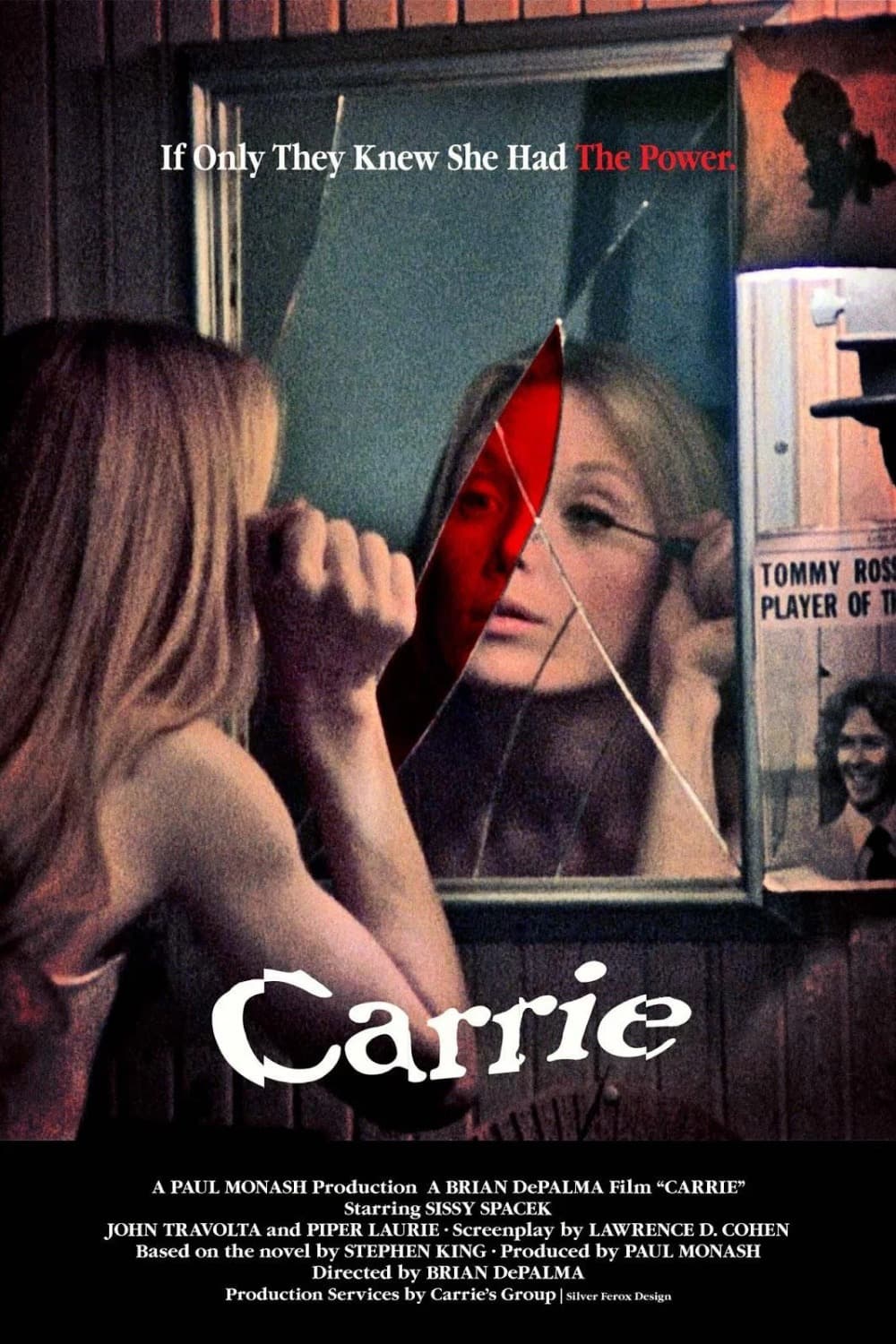
Stephen King's first novel became this, and no adaptation since has been meaner: De Palma films high-school cruelty in slow motion and split screen, and the prom is a fifteen-minute held breath.
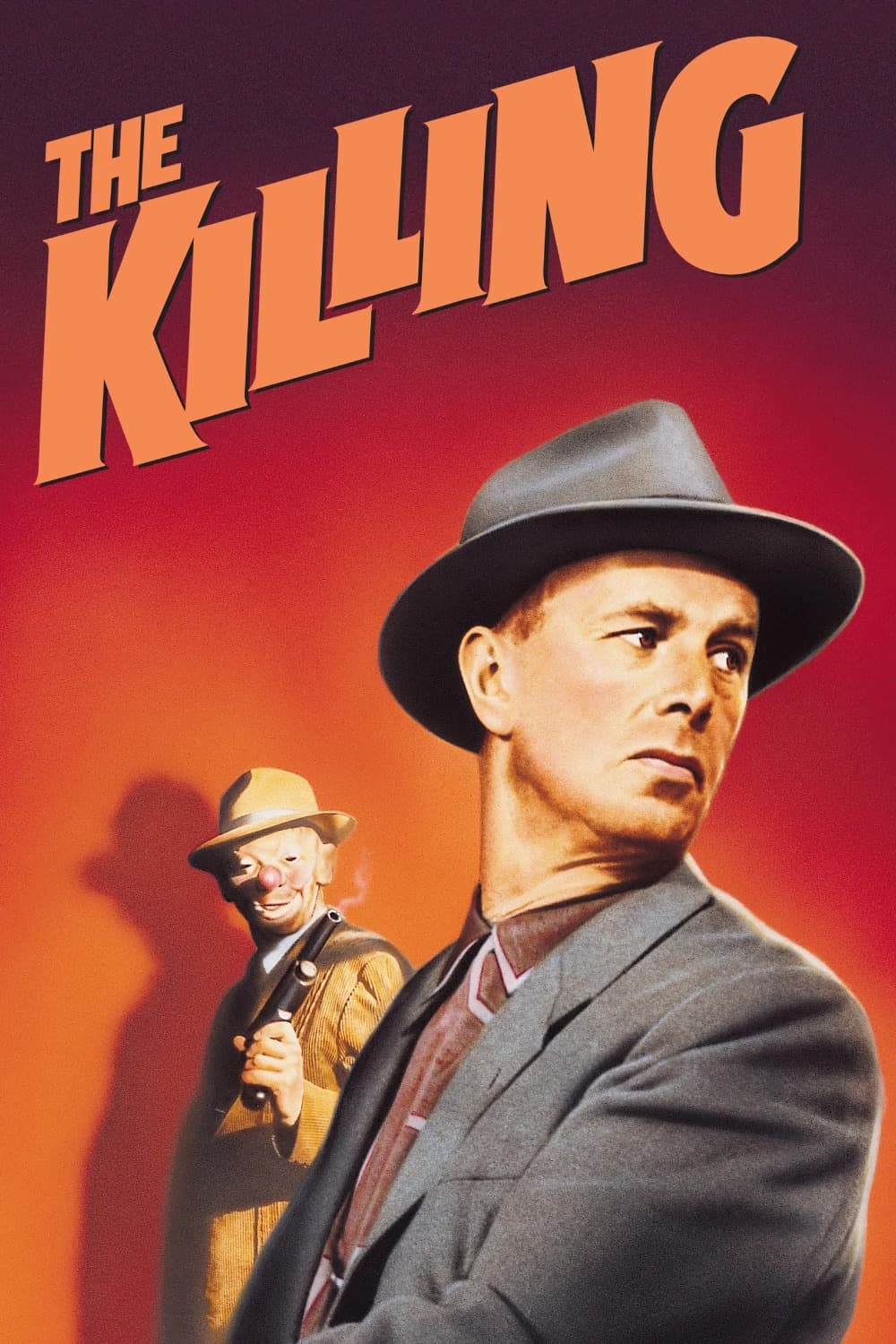
Kubrick was twenty-seven and this is where he became Kubrick: a racetrack robbery told out of order, doubling back to catch each man's hour, thirty years before that felt like a style.
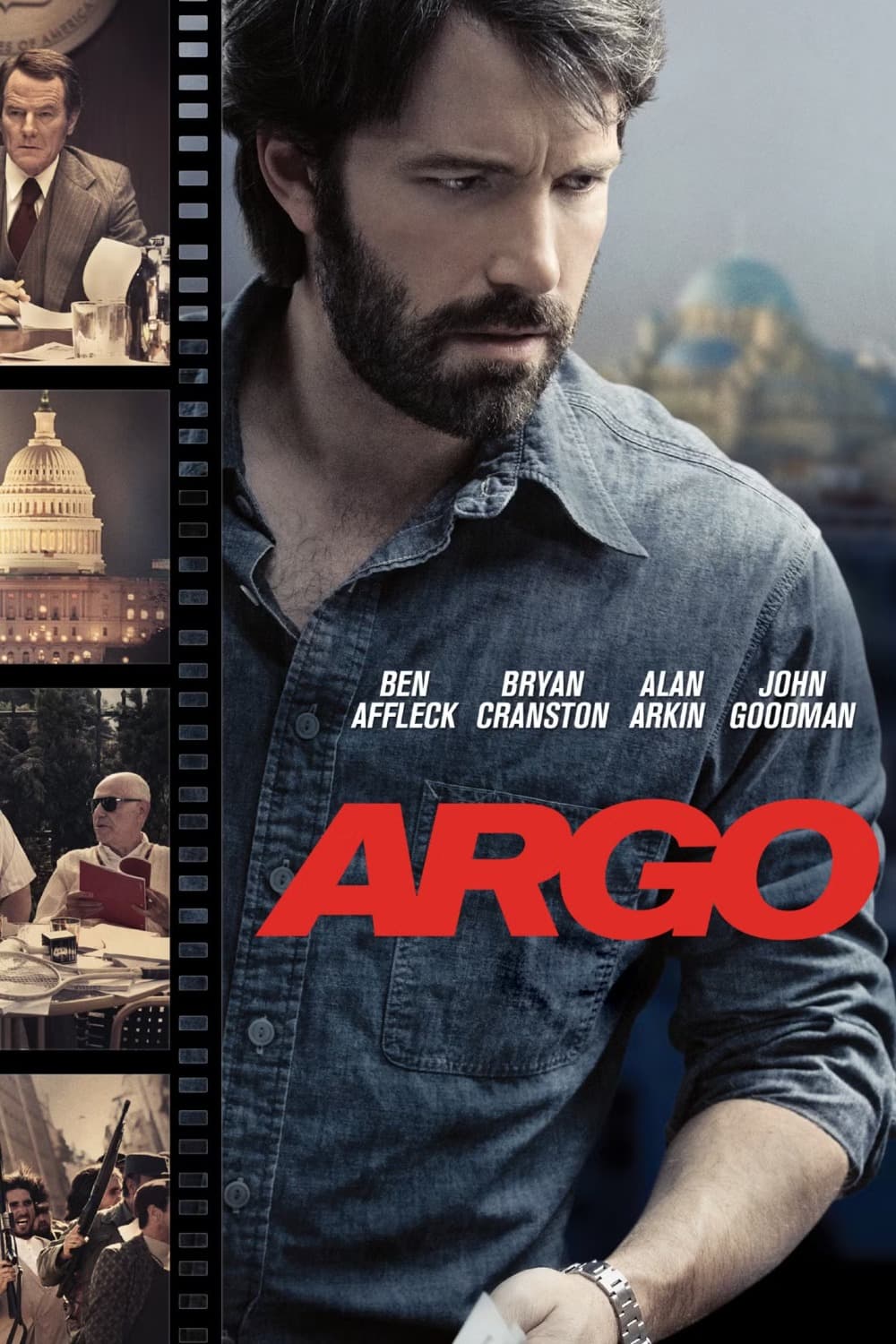
The CIA really did produce a fake science fiction movie to get six Americans out of Tehran, and kept it classified until 1997: Affleck plays the operation completely straight.
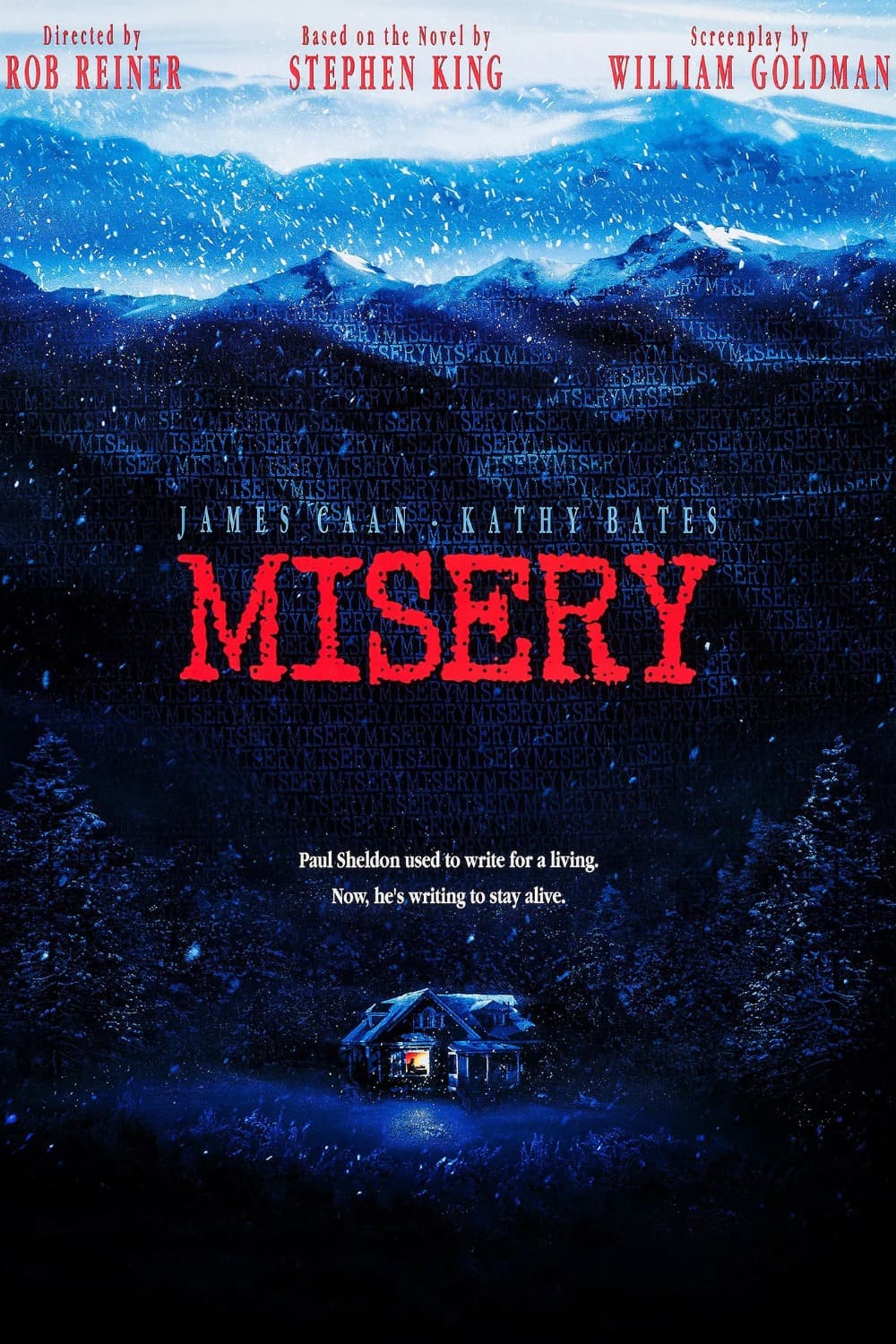
Kathy Bates turned a fan into the most frightening character of the decade: a novelist wakes up in the house of the reader who saved him, and she has opinions about his ending.
John McTiernan solves the language problem with a slow push in on the Russian political officer, and everyone speaks English from then on: submarine cat-and-mouse with almost no violence in it.
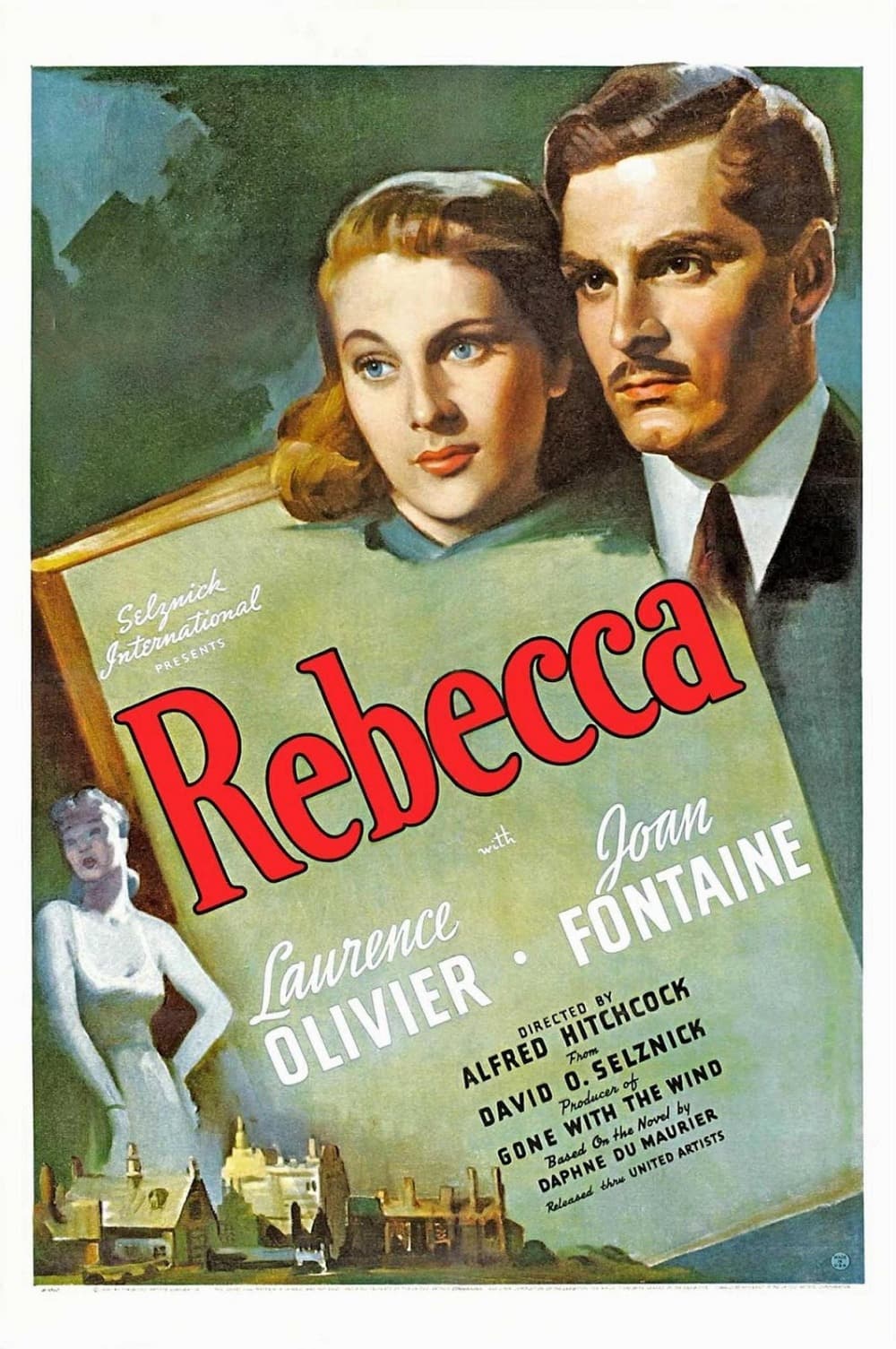
Alfred Hitchcock's only Best Picture, collected by his producer, and the heroine never gets a name: a young bride arrives at an English house where the first wife's housekeeper still rules.
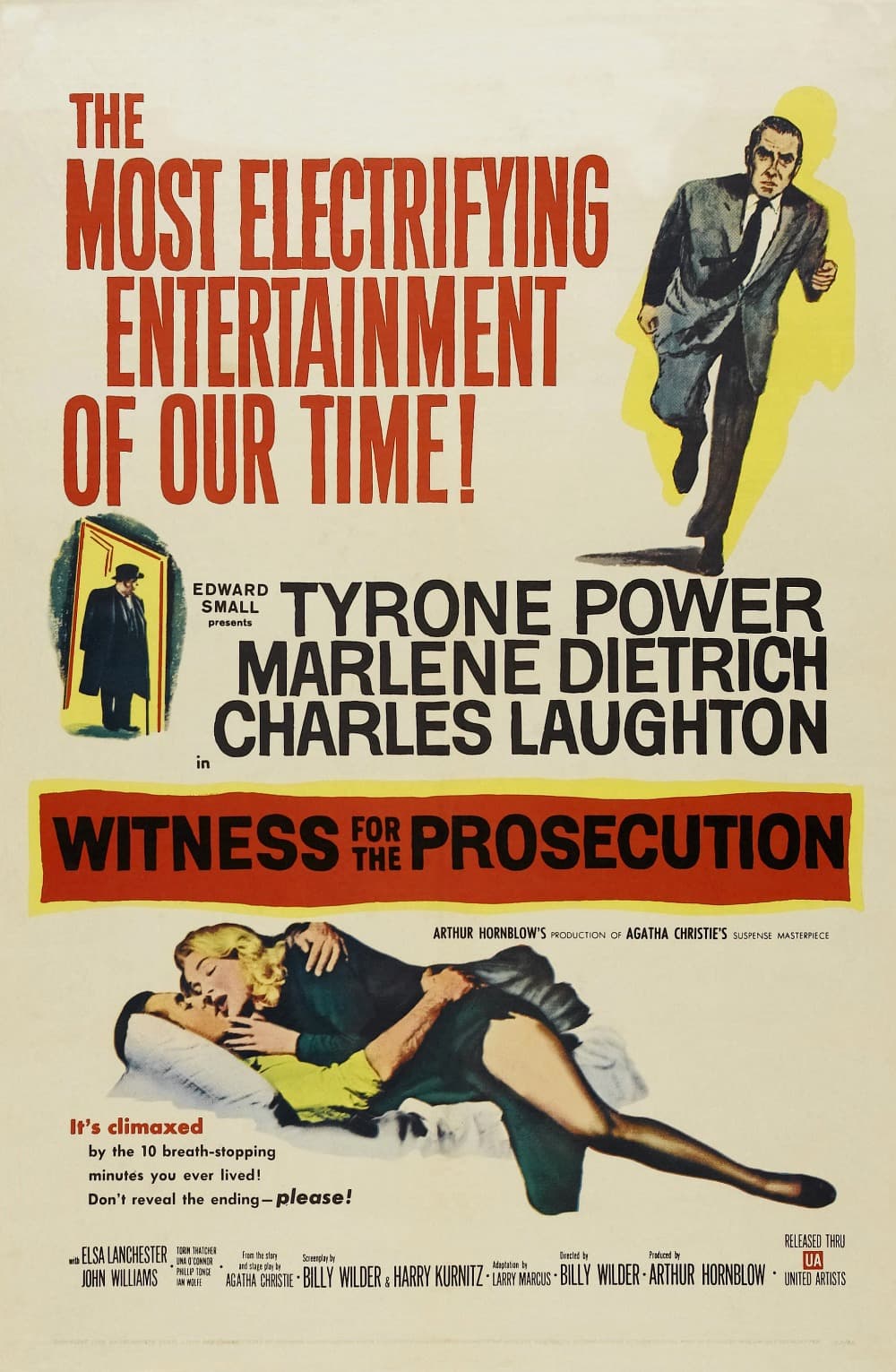
The closing credits ask the audience not to reveal the ending, and audiences mostly obeyed: Wilder turns an Agatha Christie courtroom into a comedy about a barrister who is supposed to be resting.
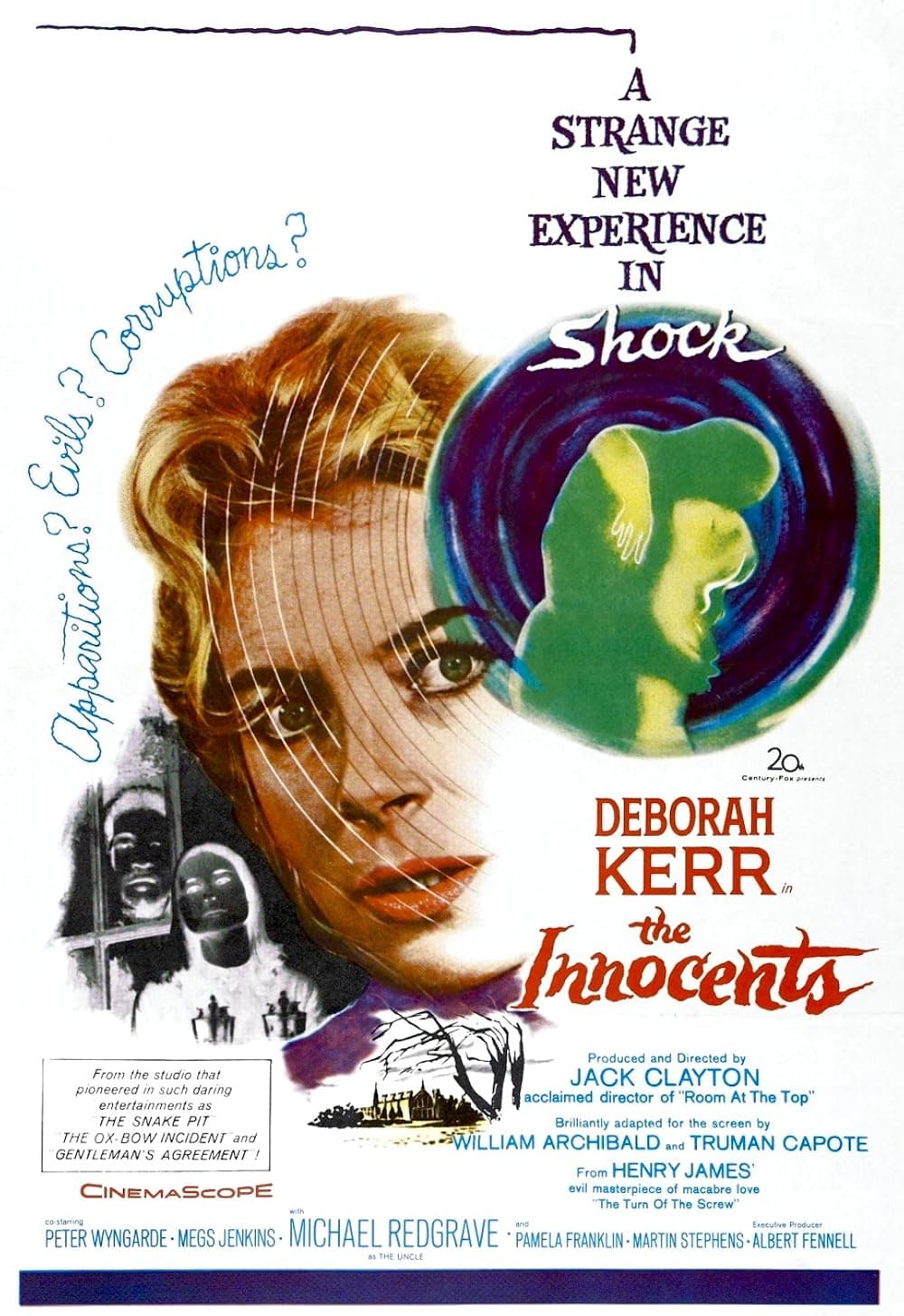
Freddie Francis lit it so the corners of every frame stay dark and you keep looking into them: a governess with two children in a huge house becomes certain they are being visited.
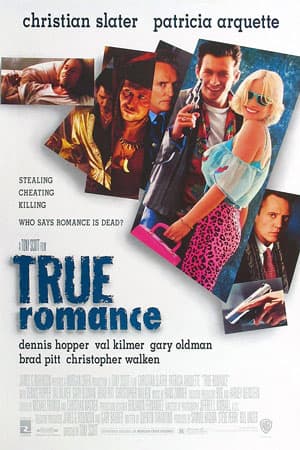
Tarantino sold this script to pay for Reservoir Dogs and Tony Scott shot it with real affection: a comic book clerk and a call girl leave Detroit with the wrong suitcase.
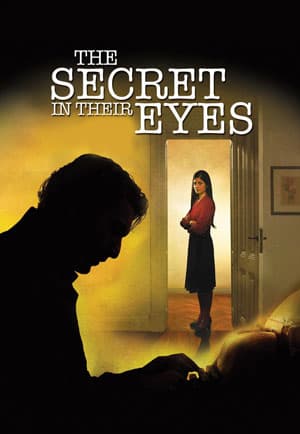
The camera drops out of the sky into a packed football stadium and does not cut for five minutes: an Argentine investigator reopens a case he could never leave alone.
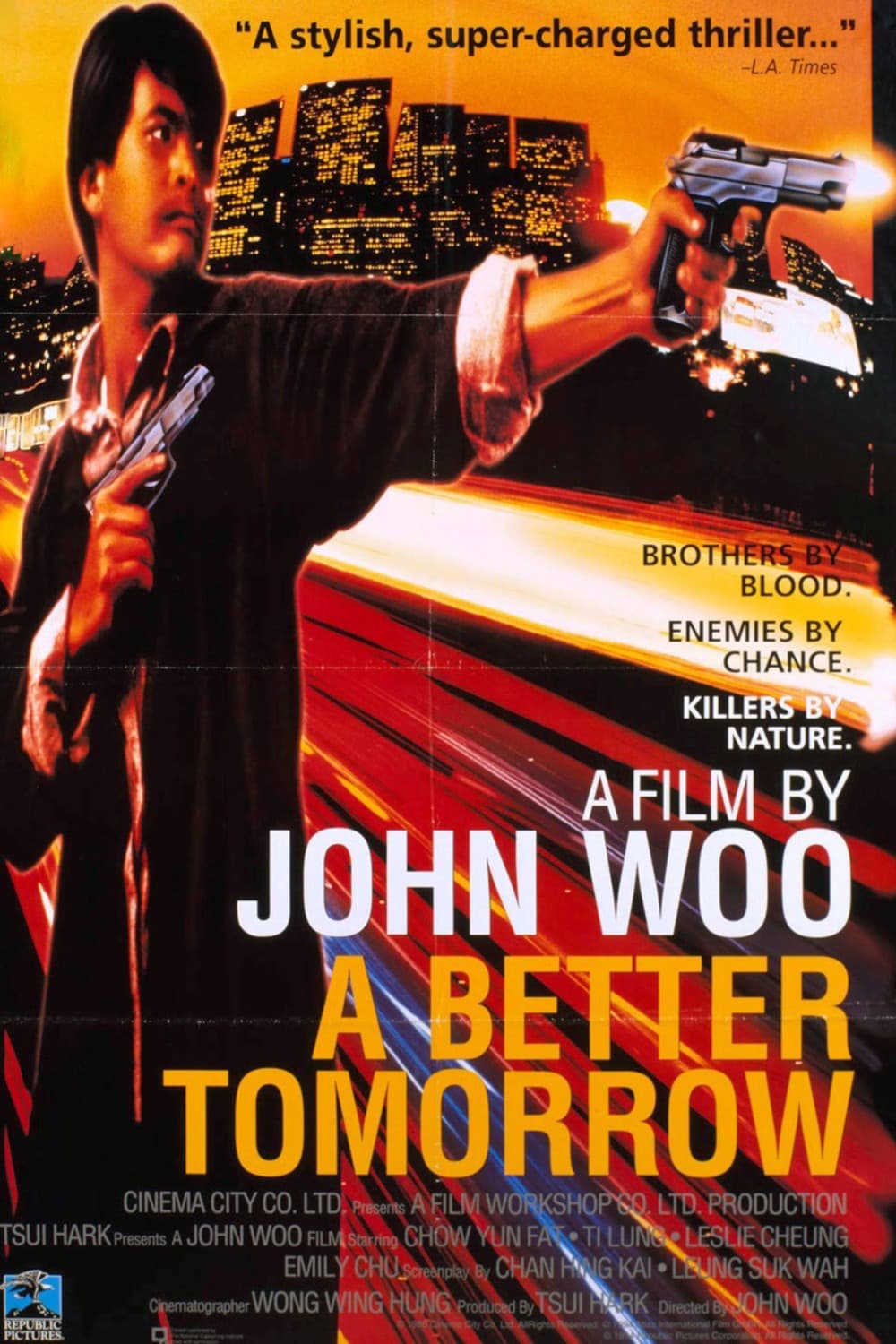
It made Chow Yun-fat a superstar and started an entire Hong Kong genre: two brothers on opposite sides of the law, and a gunman in a trenchcoat lighting a cigarette with money.
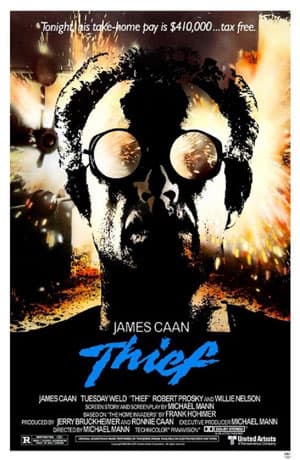
Michael Mann's first theatrical feature, with Tangerine Dream on the score and real ex-burglars advising: a safecracker who has planned his whole future on a diner napkin tries to buy his way out.
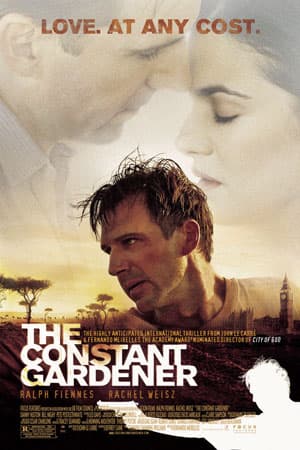
Fernando Meirelles shot Kenya the way he shot Rio, handheld and saturated: a mild British diplomat starts pulling at what his wife was investigating, and Rachel Weisz took the Oscar for playing her.
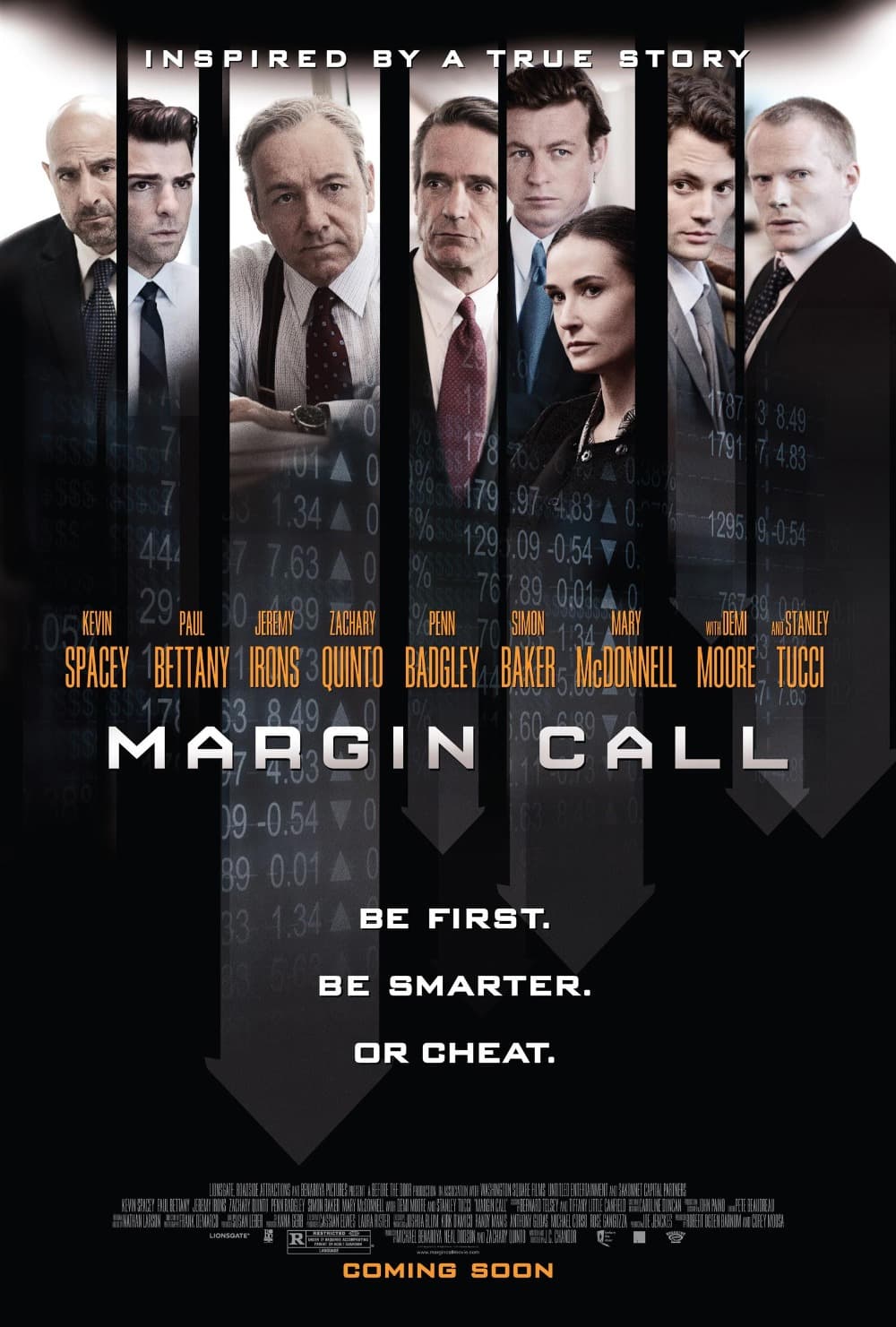
J.C. Chandor shot it in seventeen days on one office floor and got Jeremy Irons and Kevin Spacey anyway: an investment bank works out overnight that it is holding something worthless.
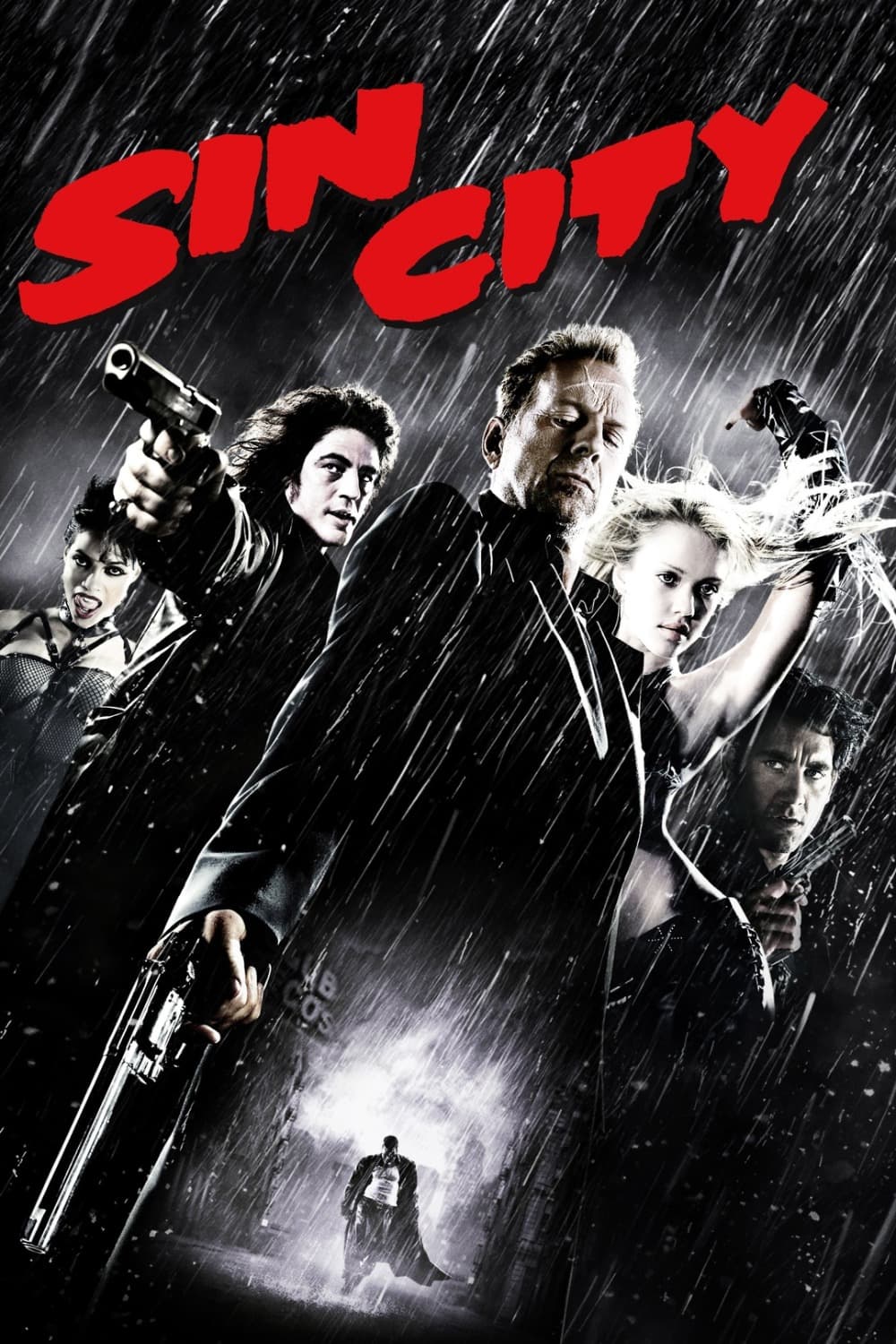
Rodriguez shot the whole thing on green screen and used Frank Miller's comic panels as storyboards: monochrome with single splashes of color, and Miller got a co-director credit for it.

Tarantino took the color-coded aliases straight from this for Reservoir Dogs: four men hijack a subway car under Manhattan and Walter Matthau negotiates with them by radio, entirely deadpan.
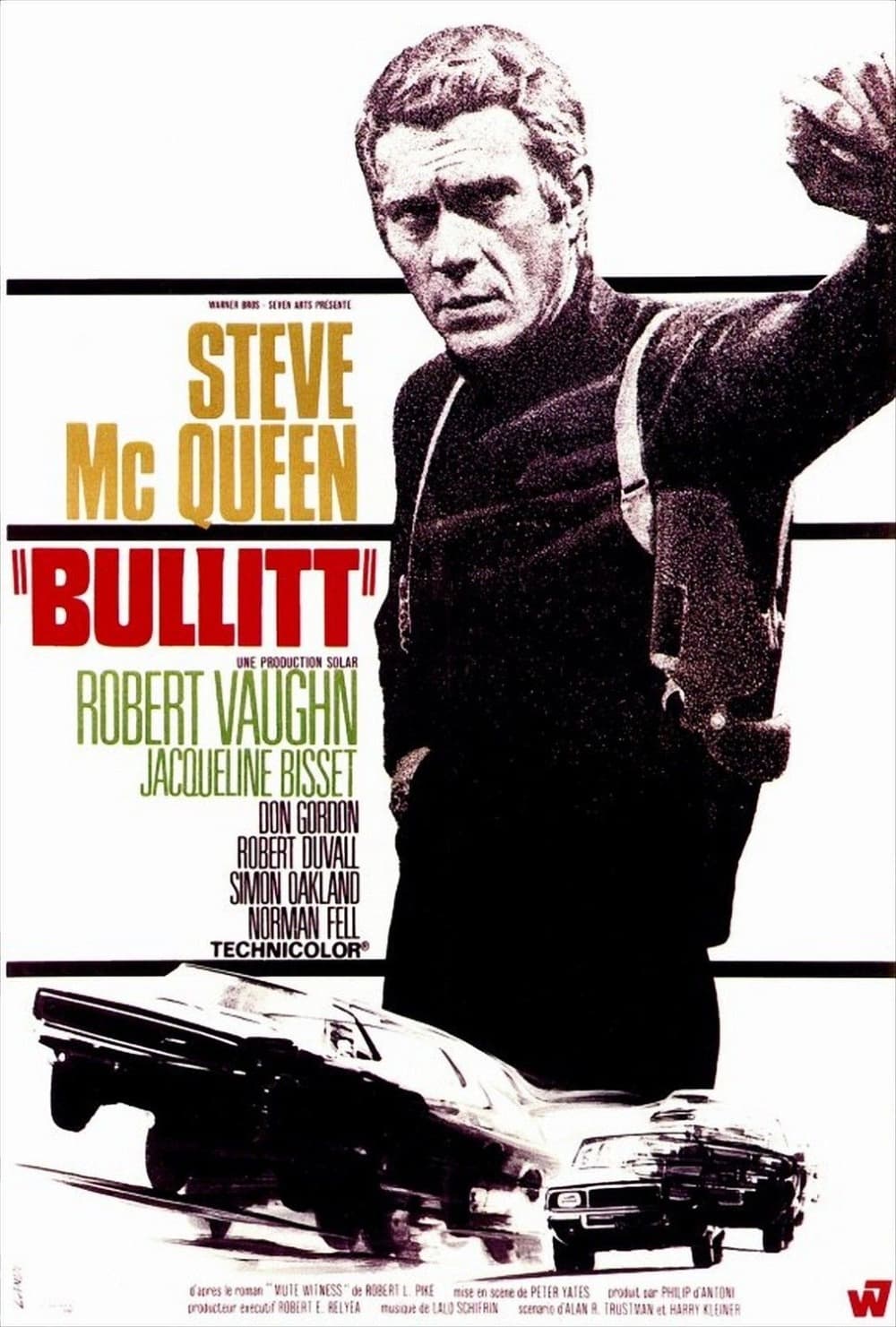
The San Francisco car chase runs almost eleven minutes with no music at all, only engines: everything since has been a response to it, and Steve McQueen keeps his talking to a minimum.
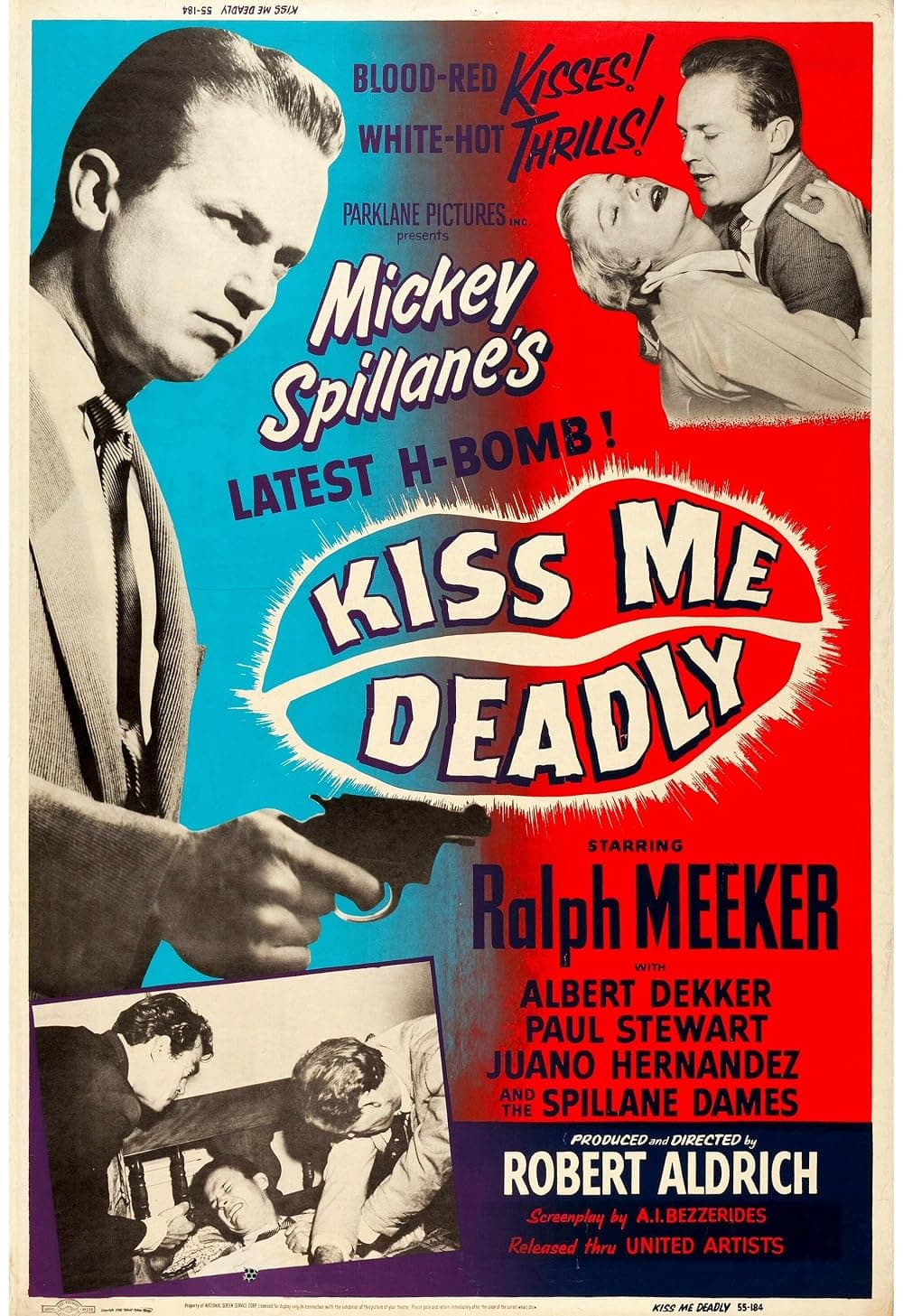
Film noir's meanest specimen: Robert Aldrich turned Mickey Spillane's detective into a thug worse than the criminals he chases, and gave the genre an ending nobody in 1955 was ready for.
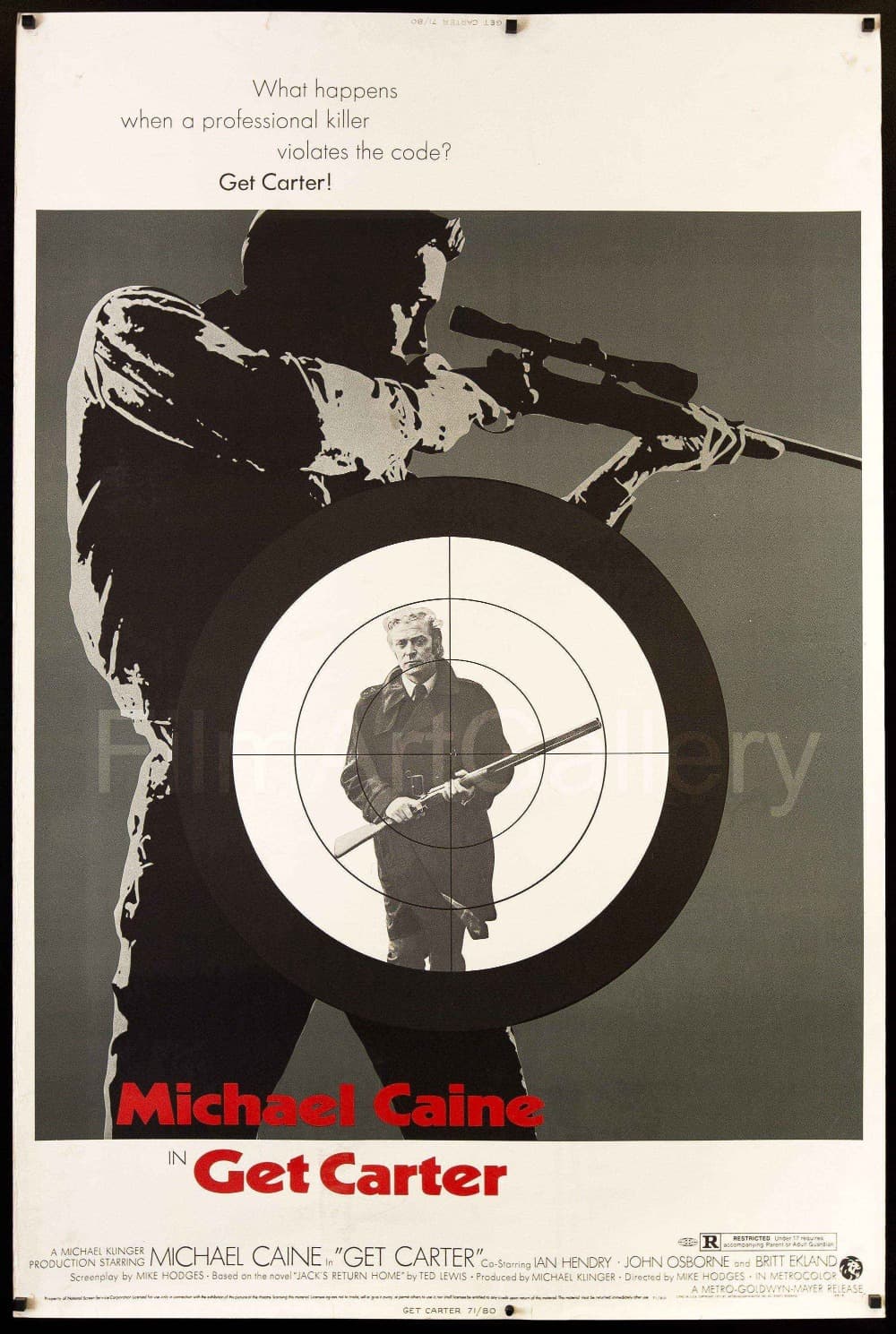
Michael Caine plays a gangster with no charm whatsoever and it is his best performance: Newcastle in 1971 shot as a real place, and every British crime film since has borrowed the tone.
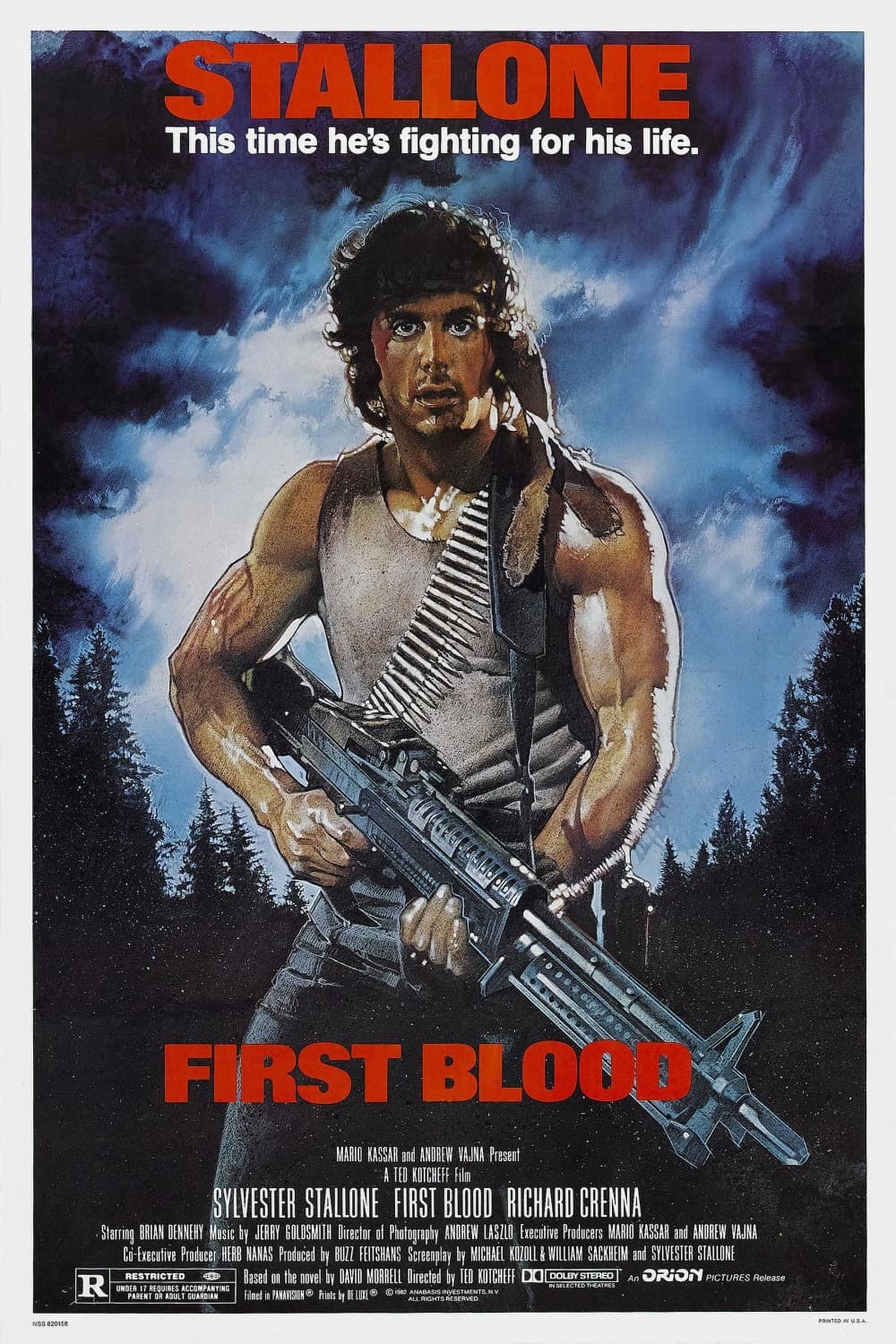
Before the sequels turned him into a cartoon, Rambo was a homeless veteran the police would not leave alone: Ted Kotcheff shot the Pacific Northwest cold and wet, and Stallone barely speaks.
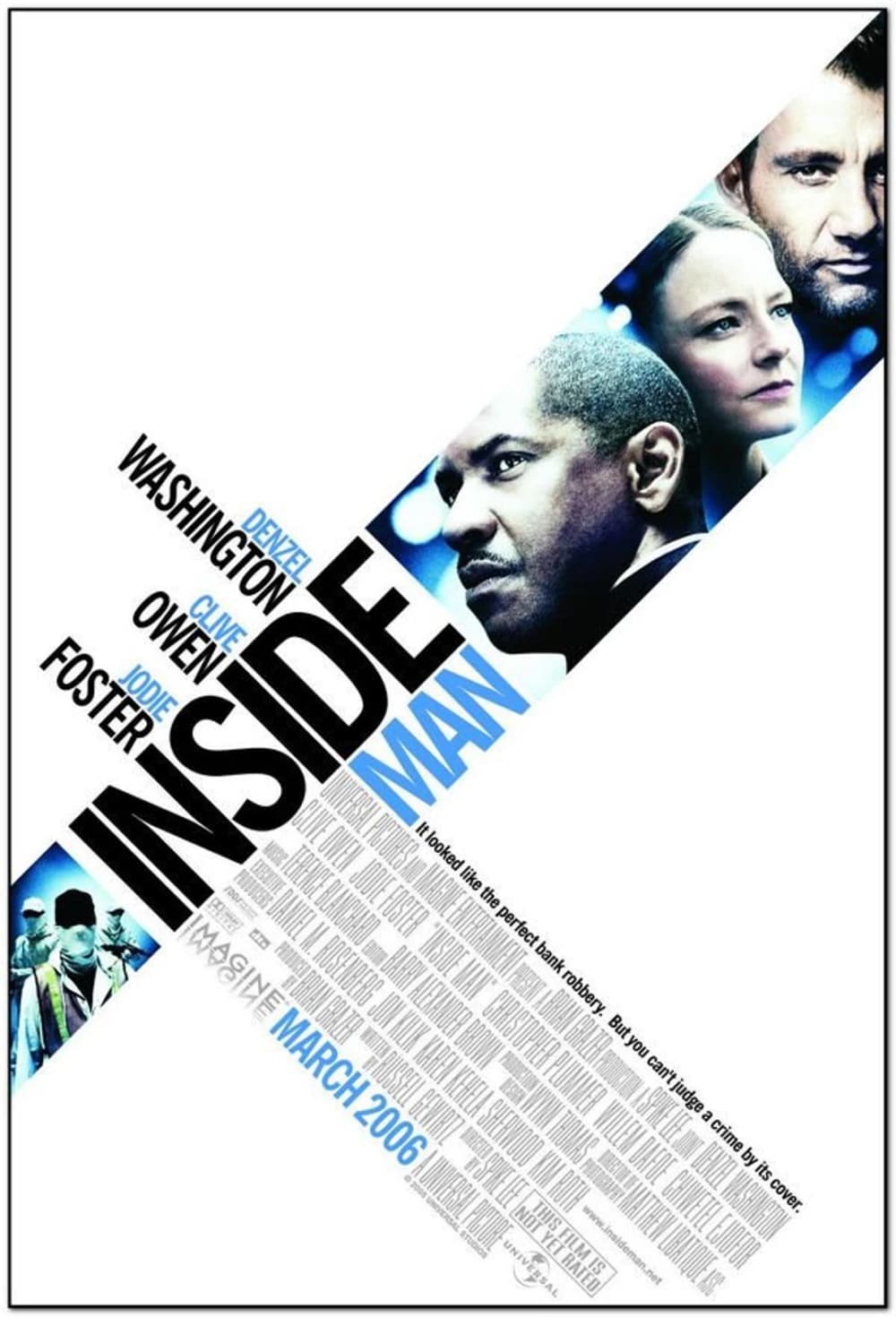
Spike Lee's biggest commercial hit is also his slyest: a rehearsed crew takes hostages inside a Wall Street bank, Denzel Washington negotiates, and Jodie Foster turns up representing somebody nobody can place.
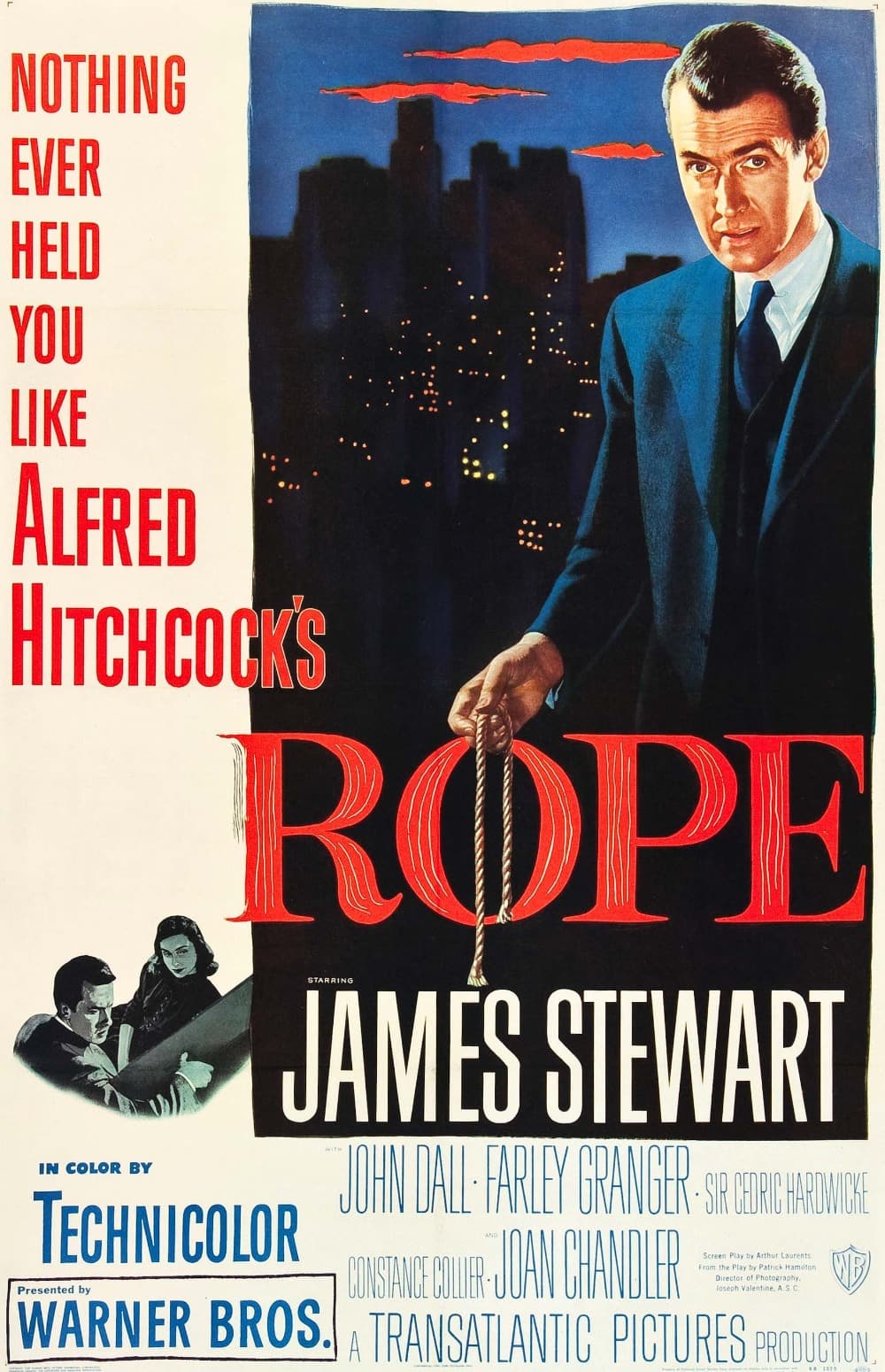
Alfred Hitchcock disguised half the cuts so the film plays like one unbroken take: two students host a dinner party in the apartment where they have done something, and the camera never leaves.
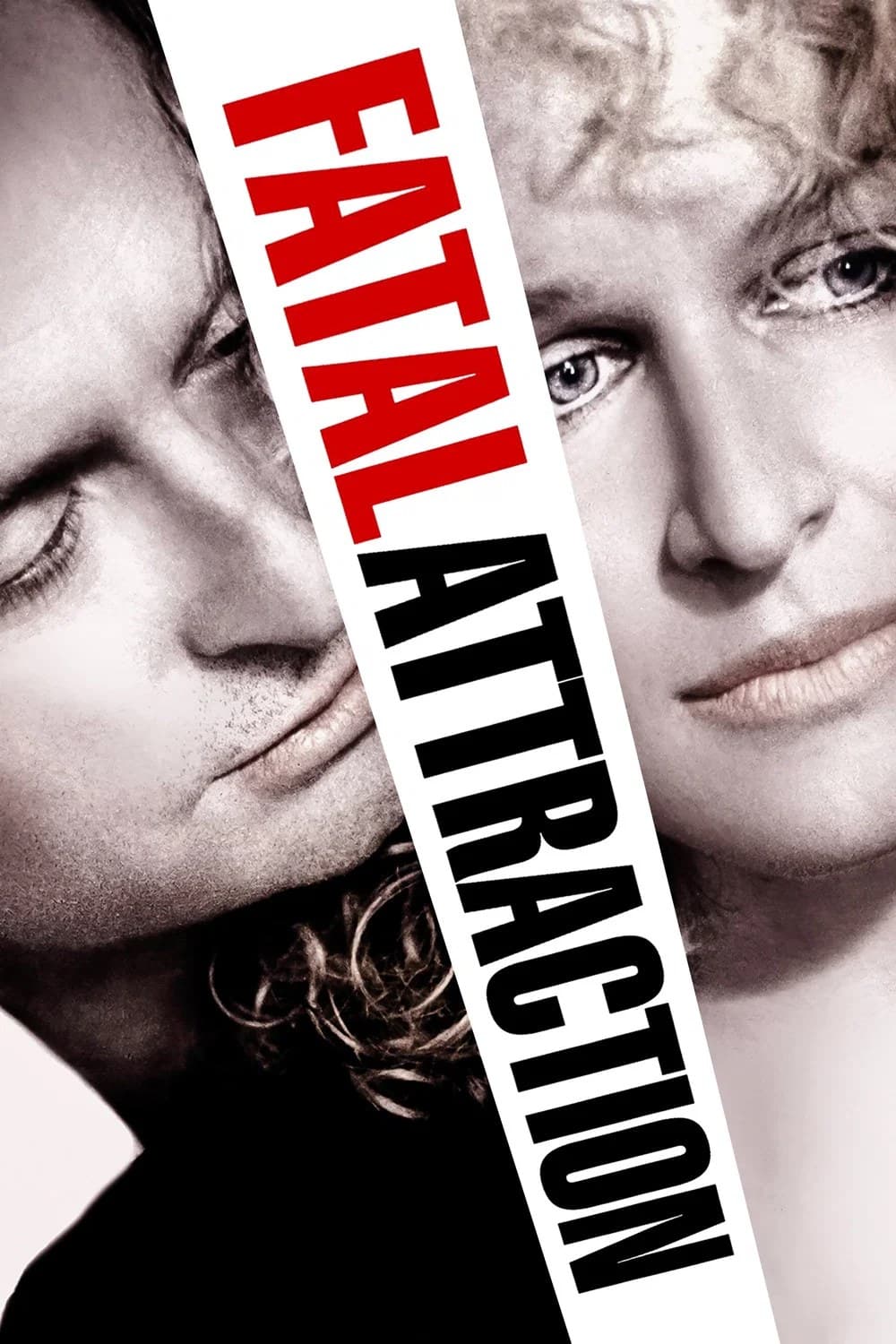
It became a national argument for months and put a phrase into the language: a married man has a weekend affair in Manhattan, and Glenn Close will not let it end there.
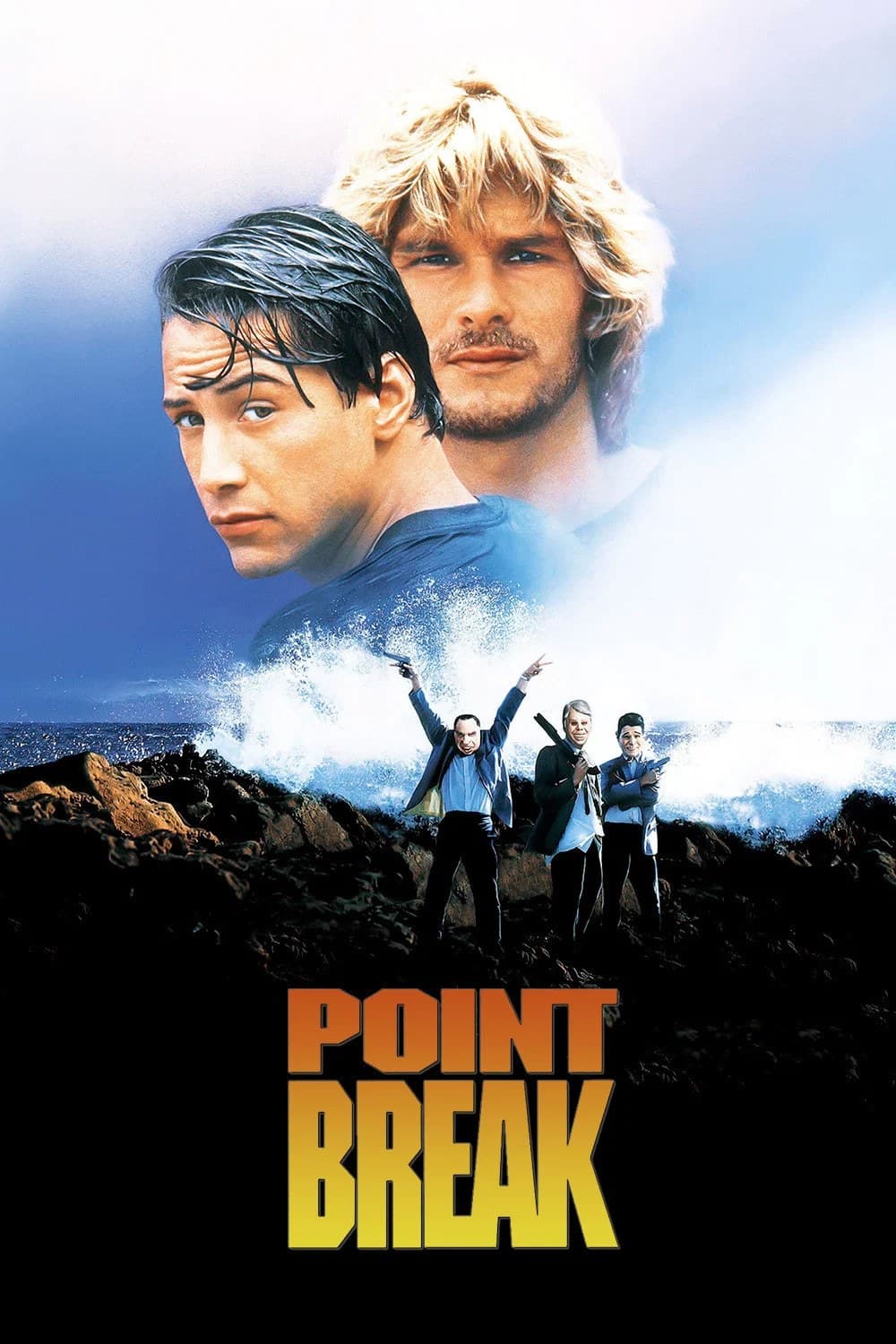
Kathryn Bigelow made the most physically committed action film anyone had attempted: an FBI agent infiltrates a crew of surfers who rob banks in president masks, and starts preferring their company.
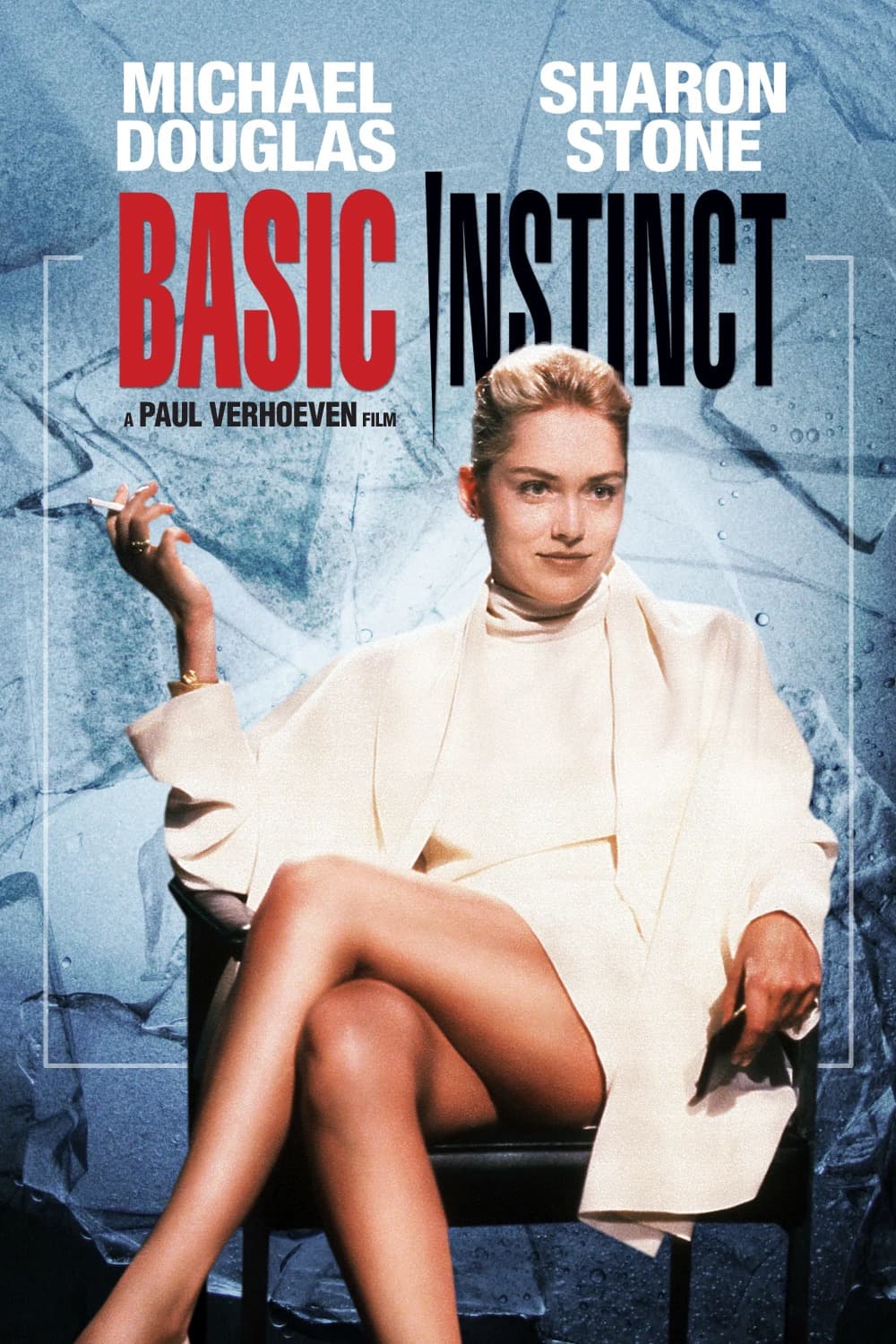
Paul Verhoeven made the decade's most notorious mainstream thriller and never once blinked: an interrogation scene everyone still knows, and a novelist who may be writing what happens next.