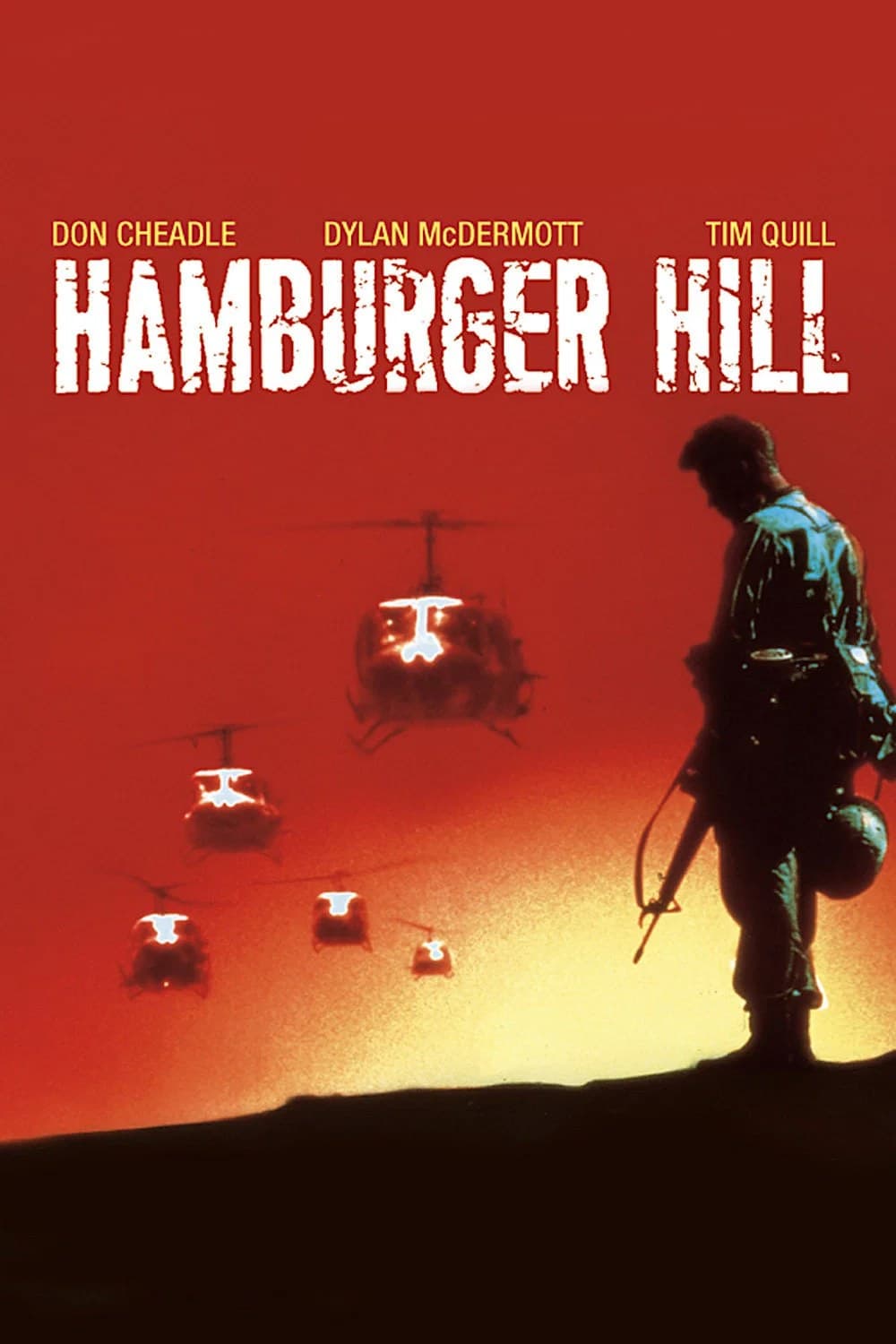
Hamburger Hill
Directed by John Irvin
1987
The least mythologizing Vietnam film anyone made: ten days in May 1969 taking one hill that the army abandoned immediately afterward, filmed as almost pure exhaustion and mud.
★ 2.0
 skopia
The least mythologizing Vietnam film anyone made: ten days in May 1969 taking one hill that the army abandoned immediately afterward, filmed as almost pure exhaustion and mud.
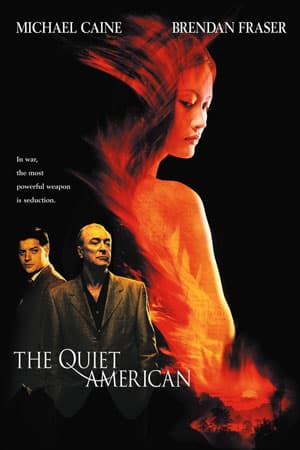
Miramax delayed releasing it after September 11 because the politics looked unpatriotic: Graham Greene's novel about American certainty in 1952 Saigon, with Michael Caine giving his best late performance.
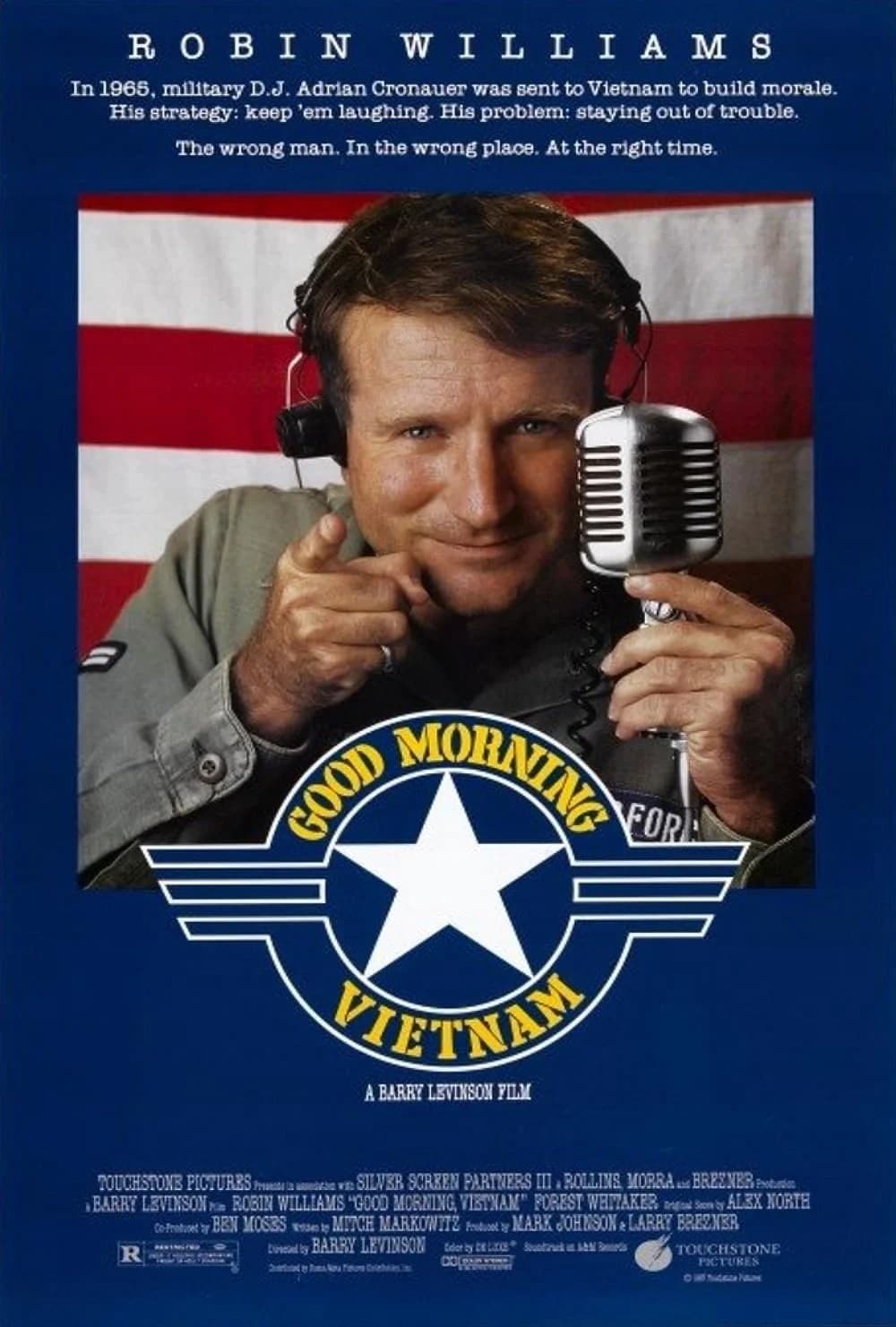
Robin Williams was handed a microphone and the cameras simply ran: an armed forces disc jockey lands in Saigon in 1965, and everyone above him wants the broadcast back the way it was.

Ron Kovic wrote the book and then the screenplay with Oliver Stone, who had been to the same war: a Long Island boy enlists in 1967, and Tom Cruise abandons his own image.
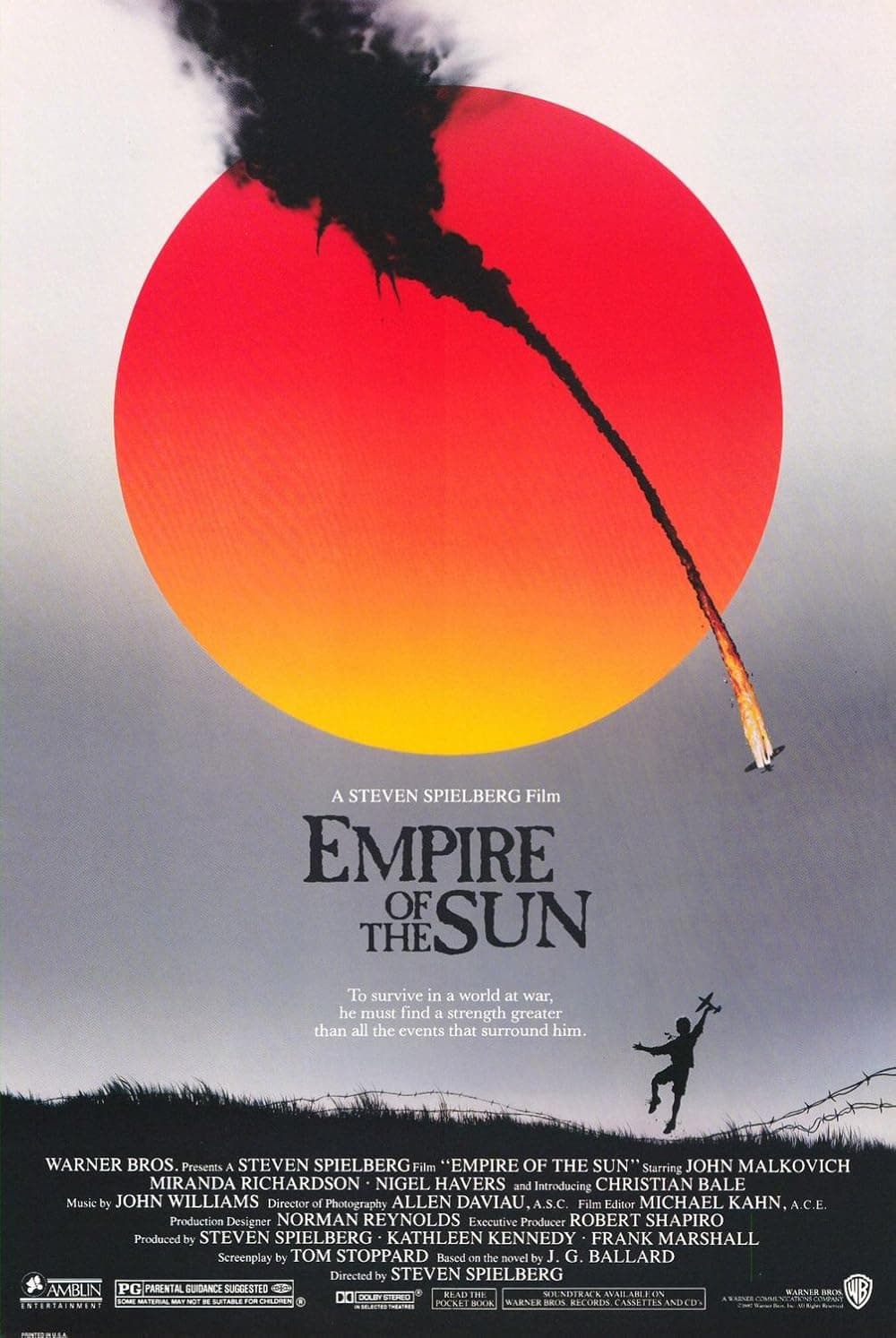
Christian Bale was thirteen and carries the entire film: Spielberg follows an English boy separated from his parents in occupied Shanghai, and never lets the war become an adventure.
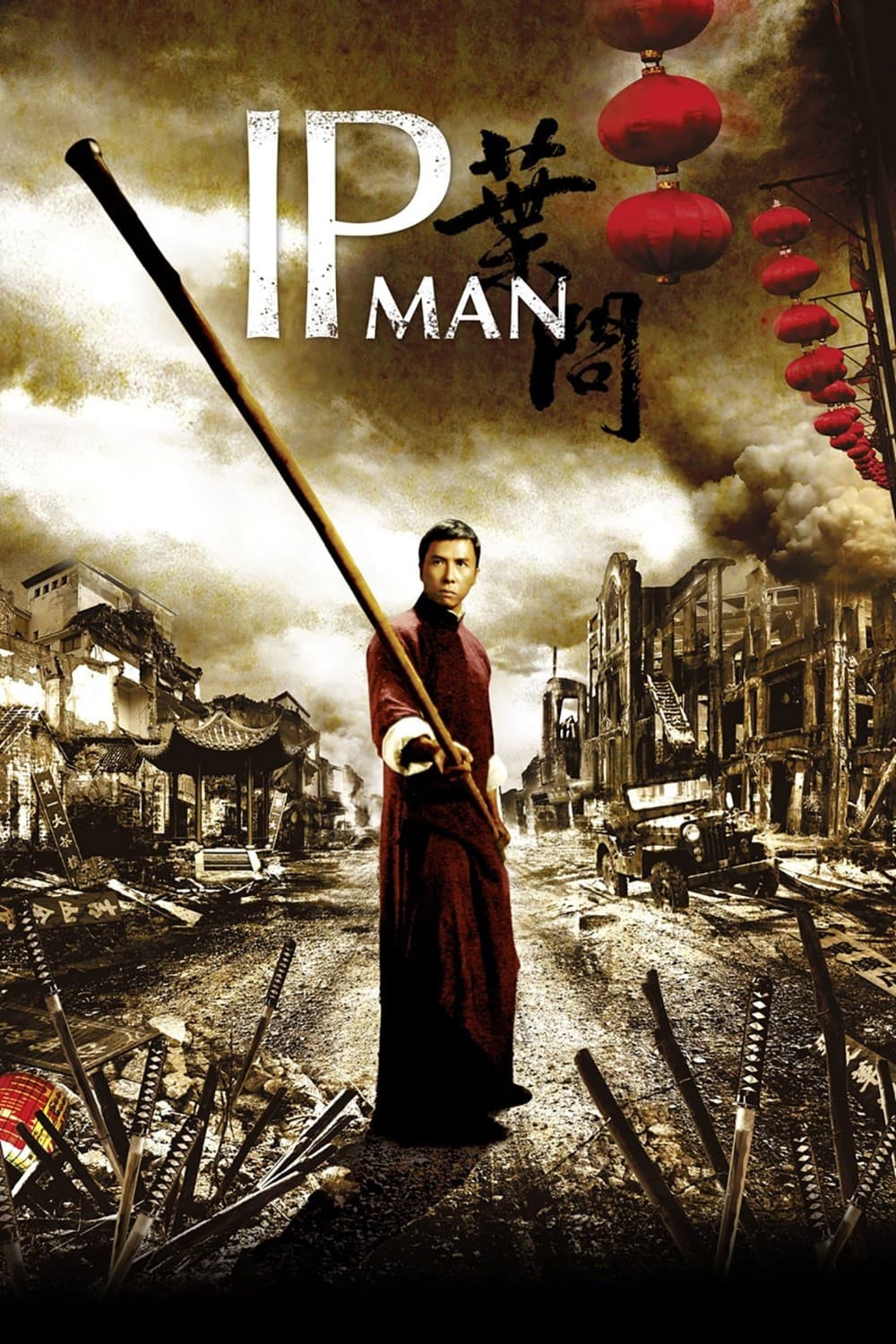
Donnie Yen plays Bruce Lee's future teacher and does his own fighting throughout: Wing Chun filmed at full speed with long takes, in a Foshan under Japanese occupation.
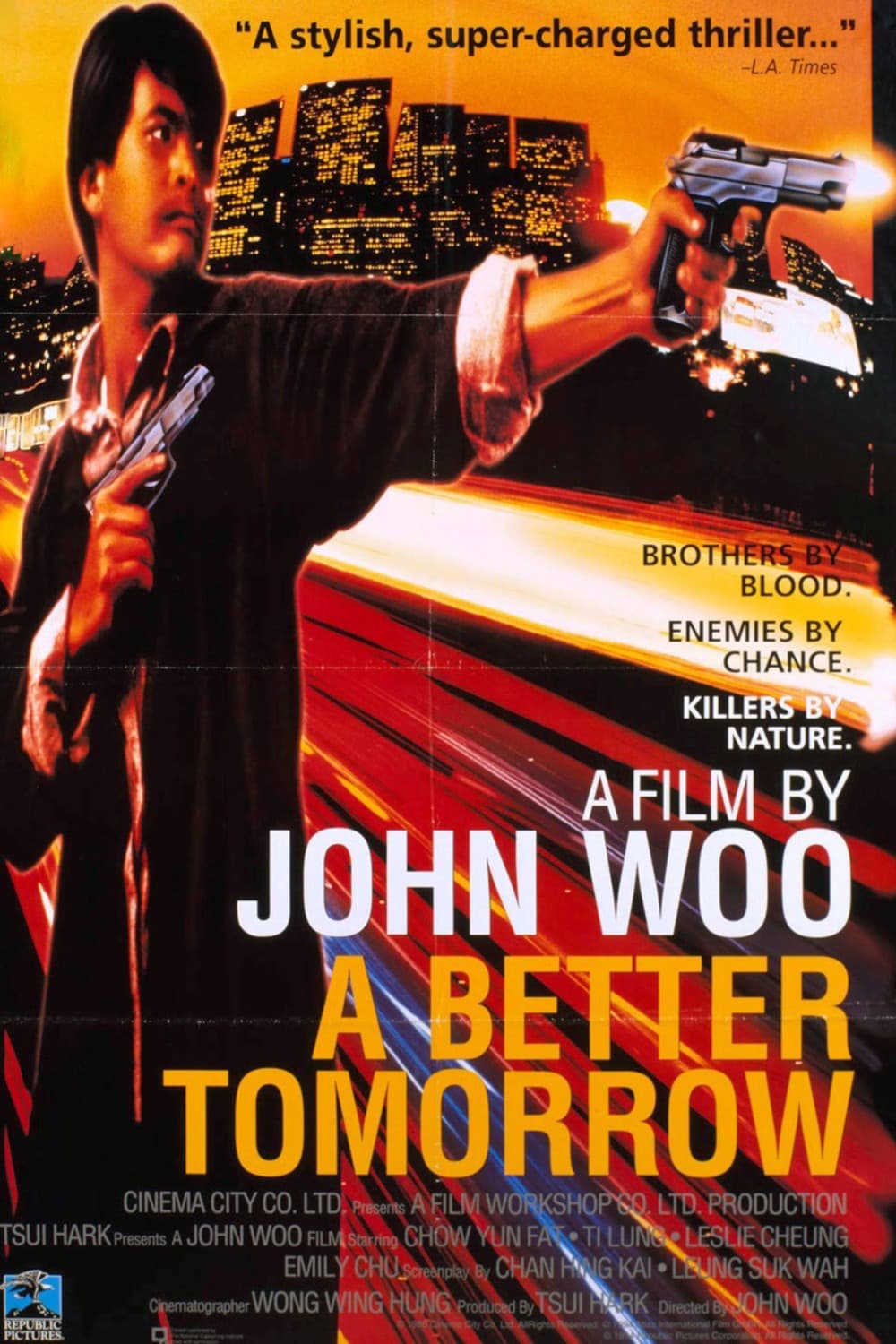
It made Chow Yun-fat a superstar and started an entire Hong Kong genre: two brothers on opposite sides of the law, and a gunman in a trenchcoat lighting a cigarette with money.
The Chinese government let Bertolucci shoot inside the Forbidden City, the first Western production ever allowed in: a child emperor is crowned before thousands and then history keeps rearranging him.
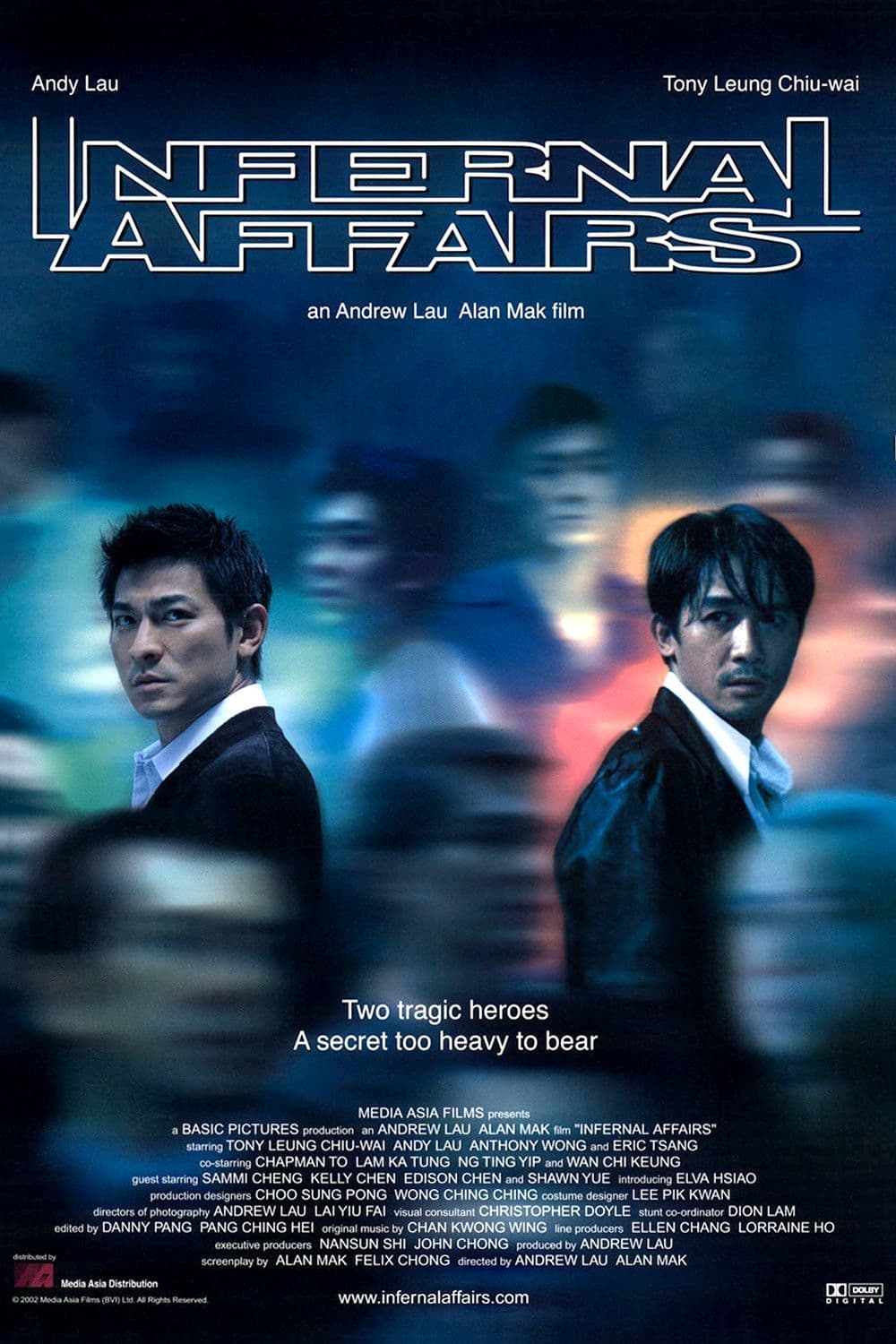
Scorsese's The Departed is a remake of this, and the Hong Kong original is fifty minutes tighter: two moles assigned to find each other, and a plot that never stops to explain itself.
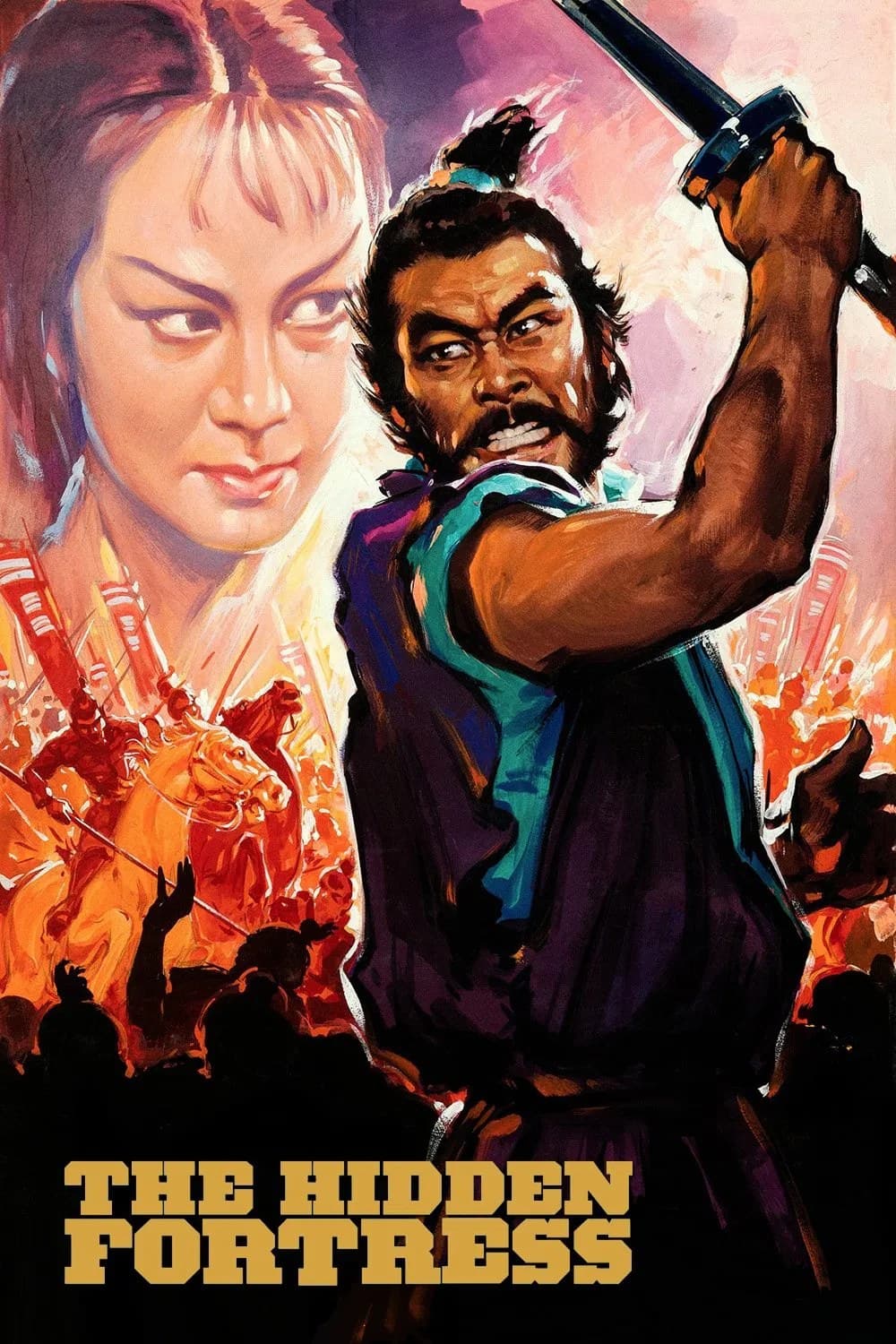
Lucas took the two bickering peasants and turned them into R2-D2 and C-3PO: Kurosawa's first widescreen film tells an escape story from the point of view of its most useless characters.
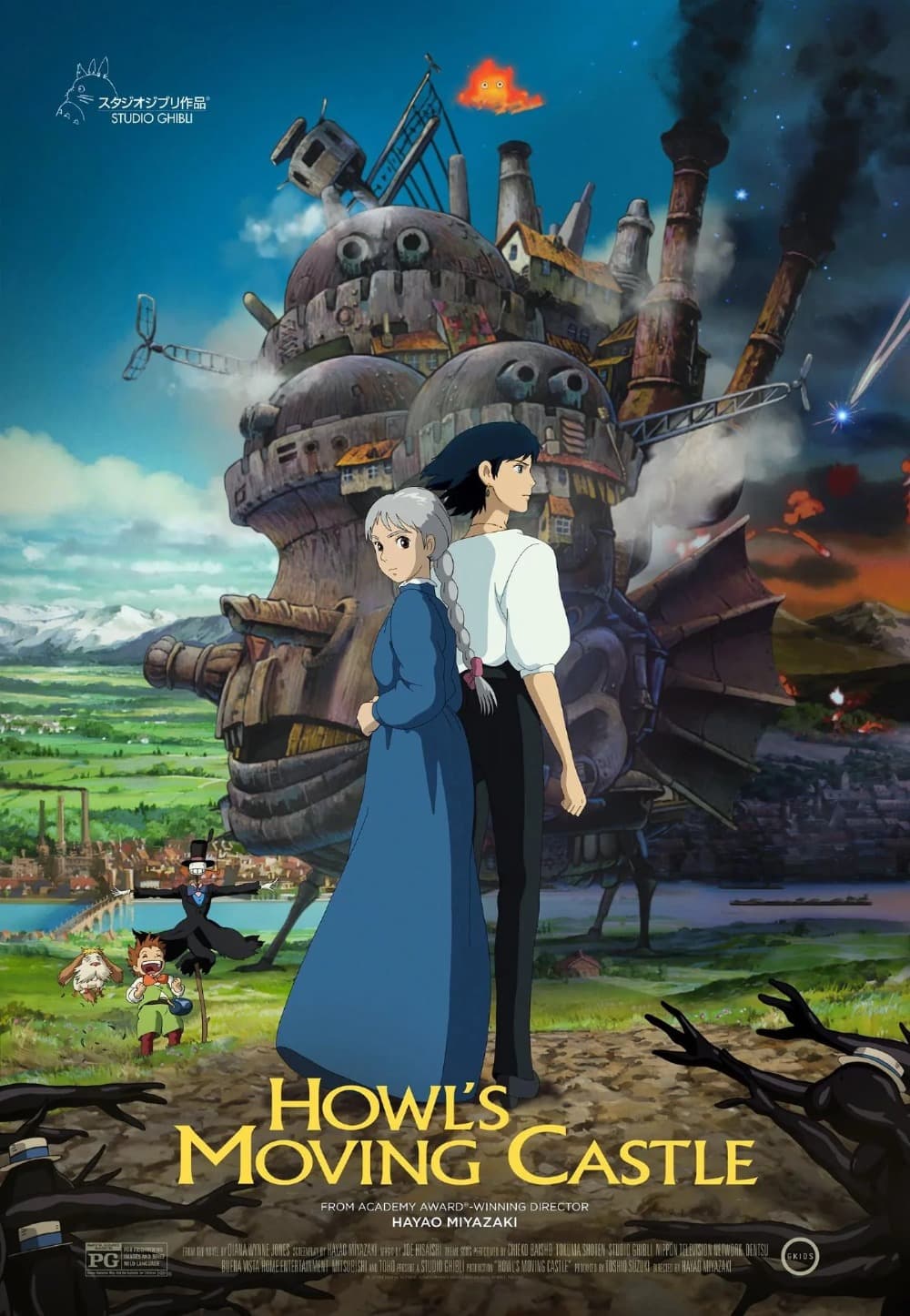
Miyazaki's most beautiful machine is a walking house held together by magic and bad temper: underneath the wonder is an angry anti-war film, made while he watched the invasion of Iraq.
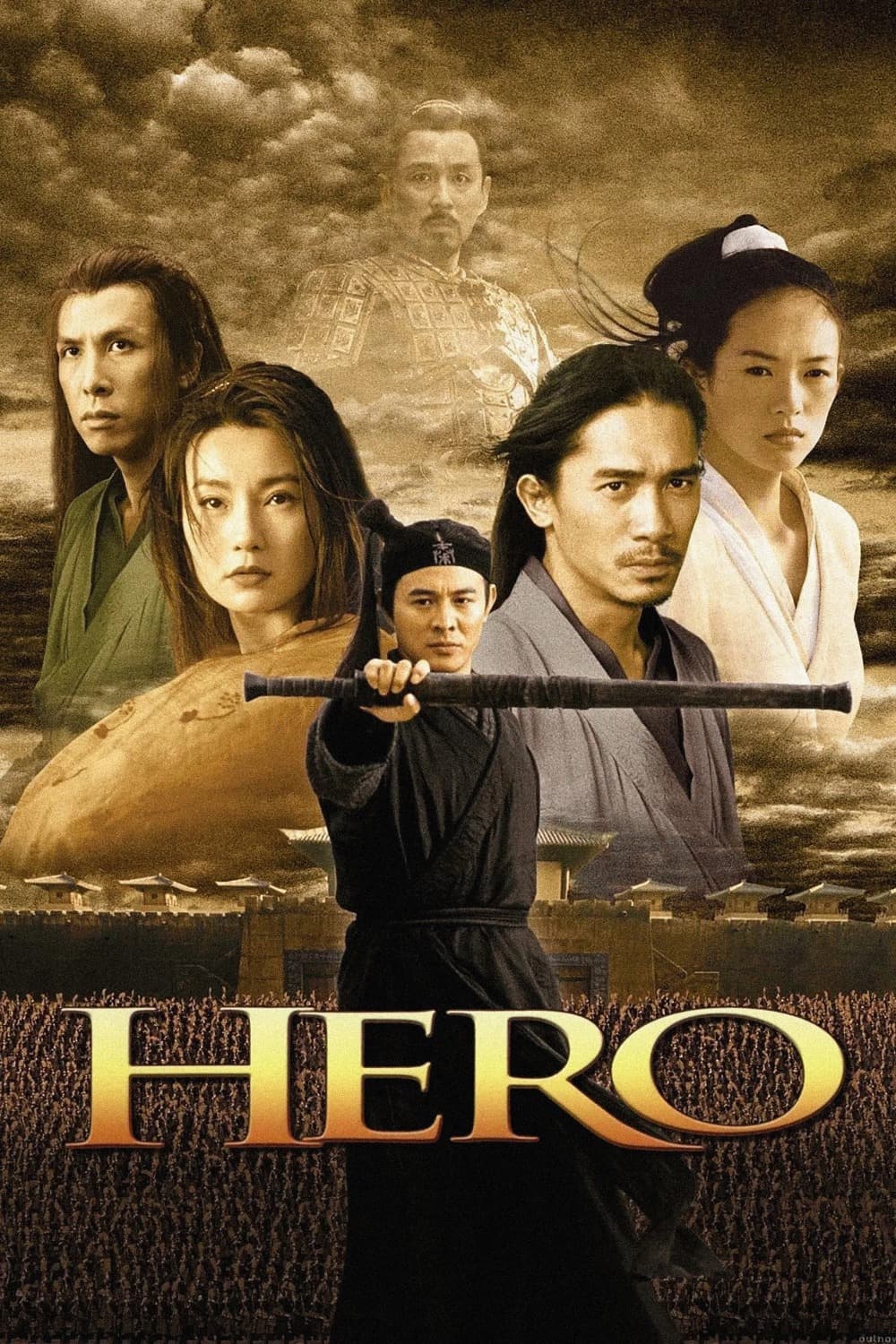
Zhang Yimou shot each retelling of one assassination attempt in a different color: Christopher Doyle's photography is so beautiful that the film's politics start an argument every single time.
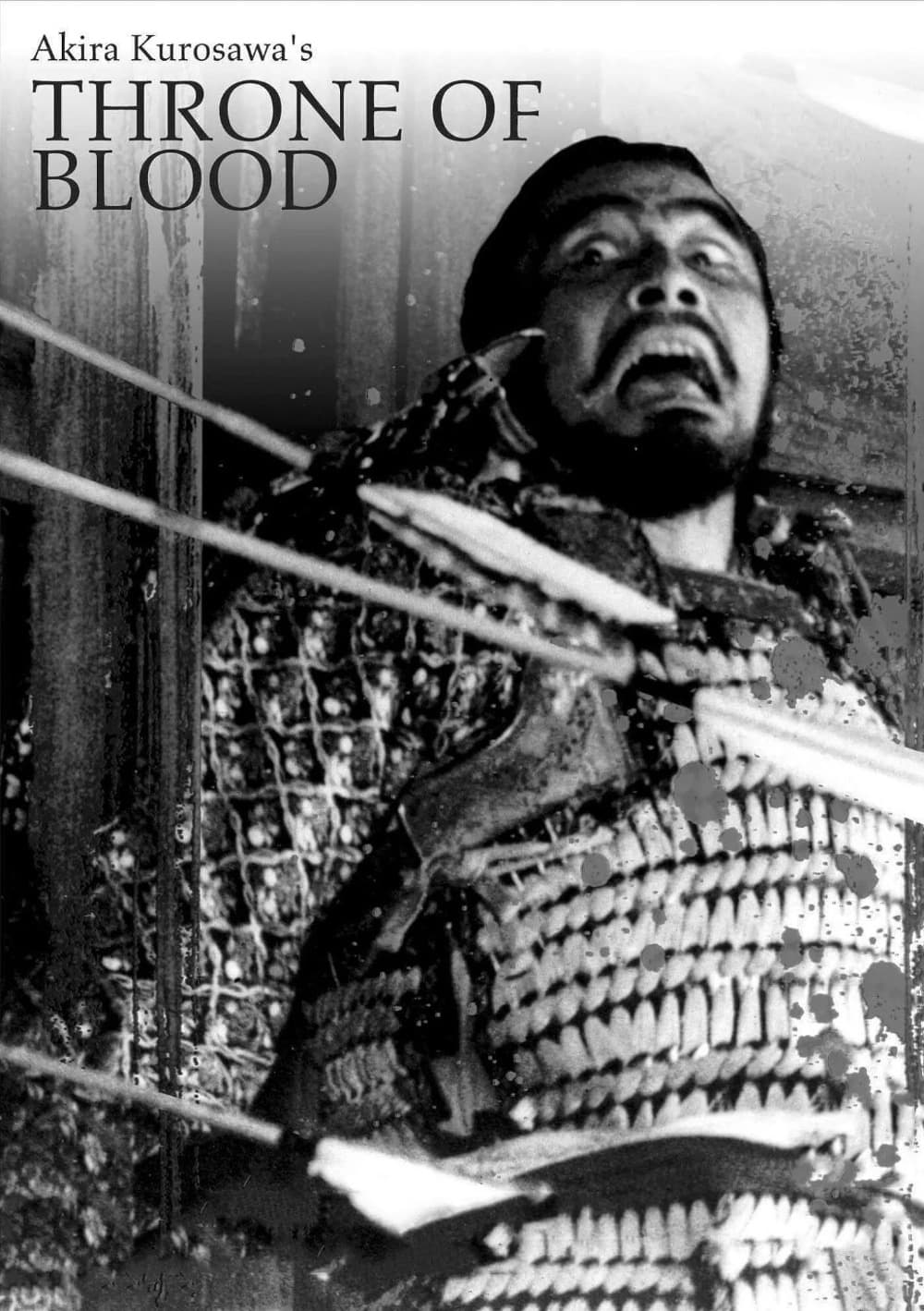
Shakespeare's Macbeth moved to sixteenth-century Japan with every line of the poetry gone: Kurosawa substitutes fog, Noh masks worn as faces, and a forest that seems to be watching the castle.
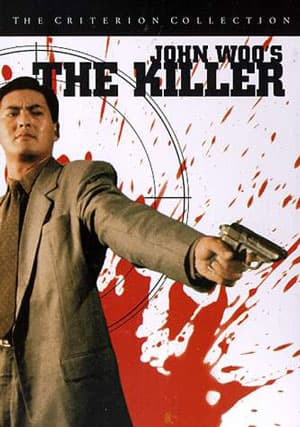
Woo shoots gunfights the way other directors shoot musical numbers: two pistols, slow motion, doves, and underneath it a straight-faced story about honor between a hitman and the cop hunting him.
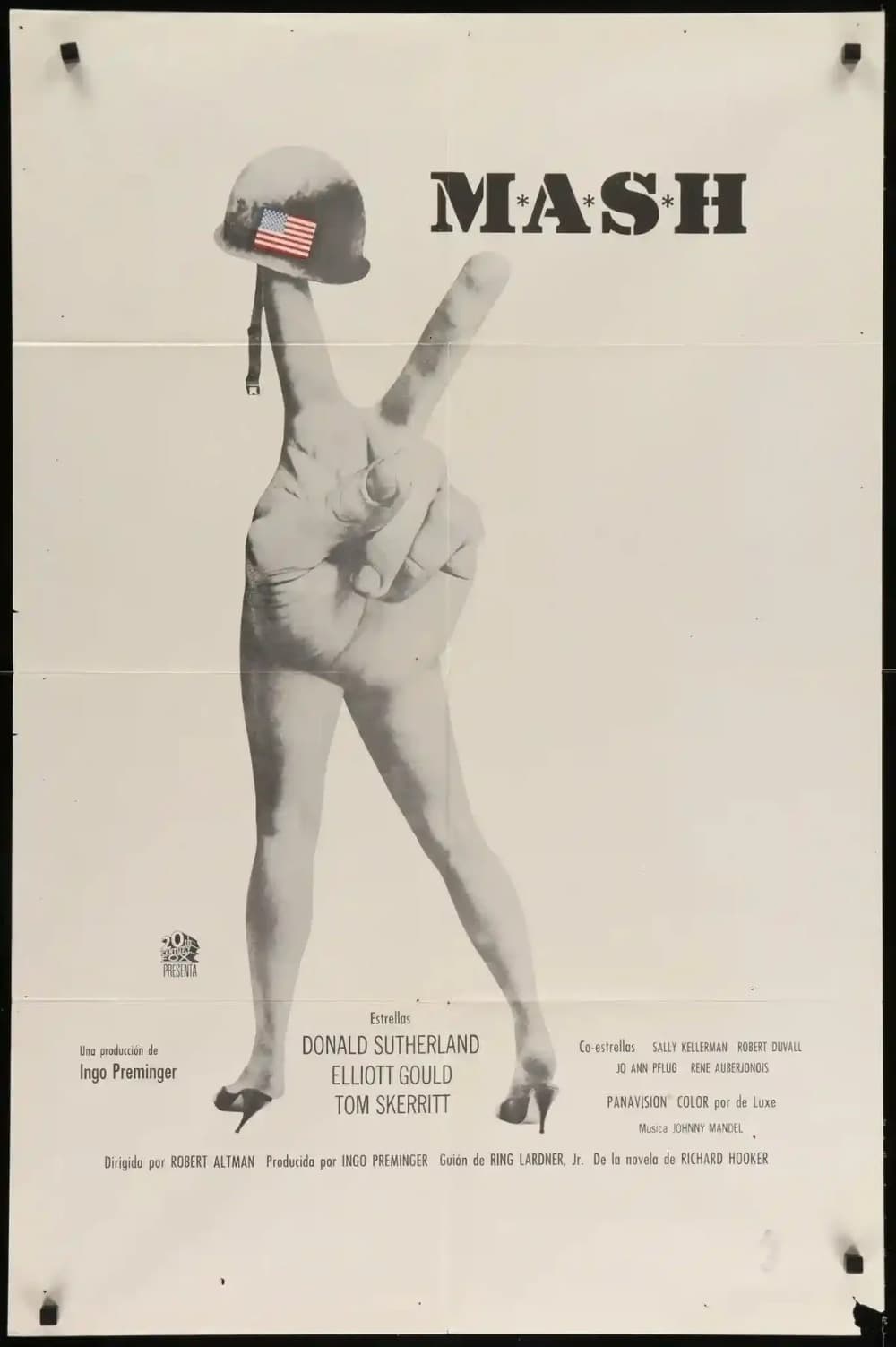
Altman's overlapping dialogue turns up fully formed: army surgeons in Korea behave appallingly in order to stay sane, and the film was really about Vietnam all along.
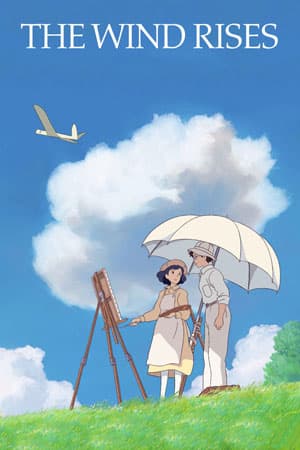
Miyazaki announced his retirement with it, a retirement he later took back: a young man designs beautiful aircraft that become weapons, and nothing about that is resolved.
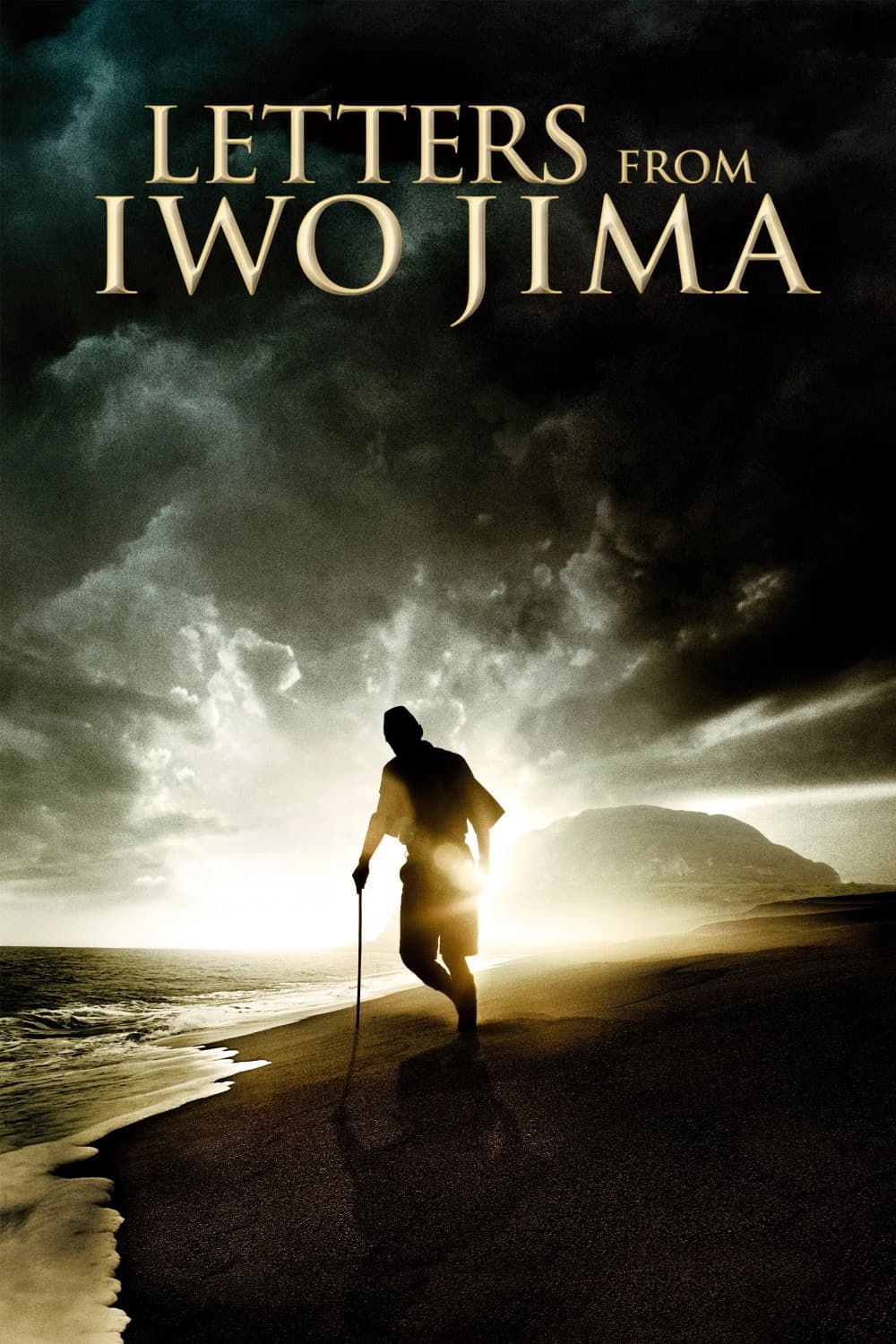
Eastwood made two films about the same battle, and the Japanese one is the better: shot almost entirely in Japanese, with a general nobody in America had heard of.
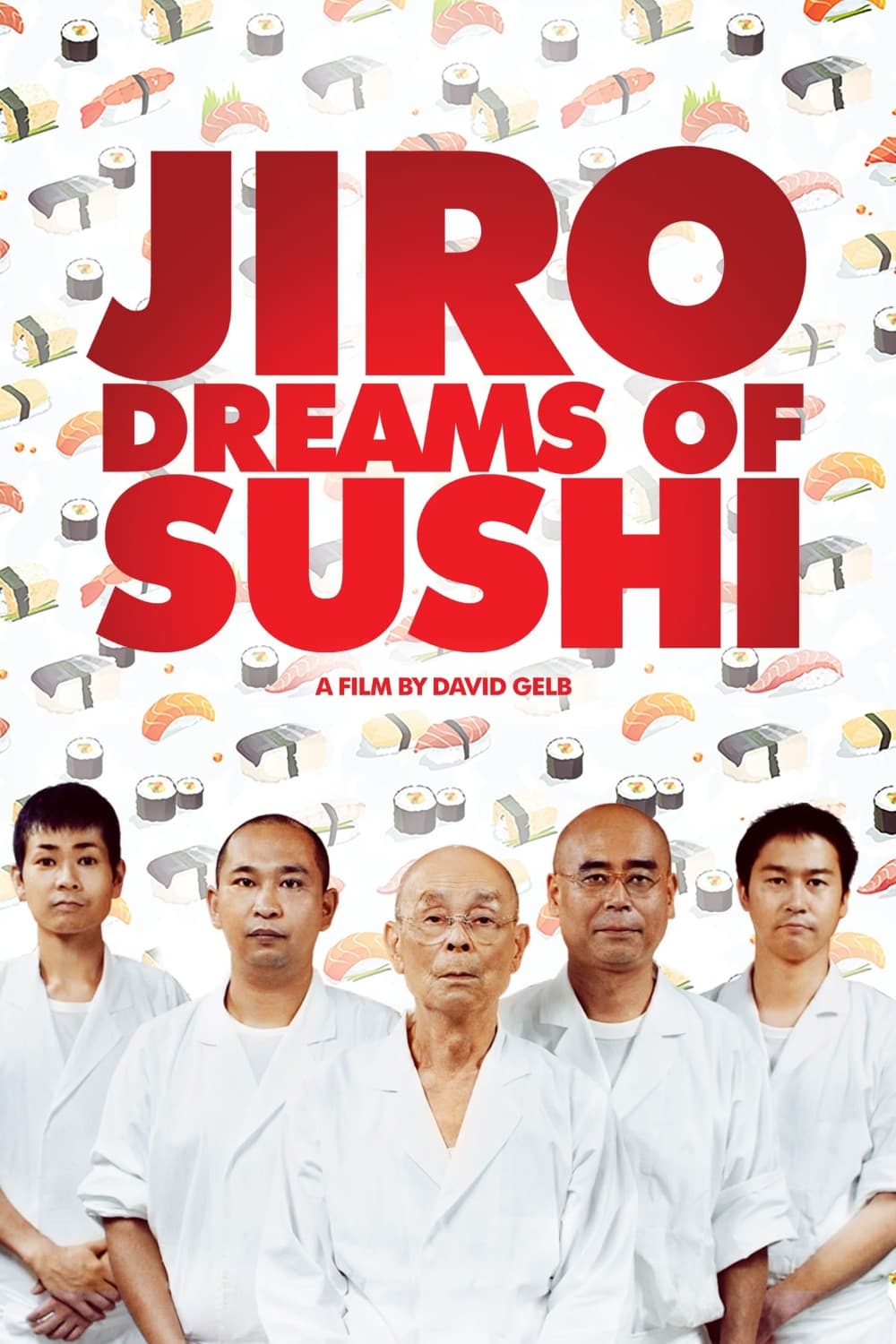
It will alter how you think about doing one thing for an entire lifetime: an eighty-five-year-old sushi master in a Tokyo subway station, still not satisfied with himself.
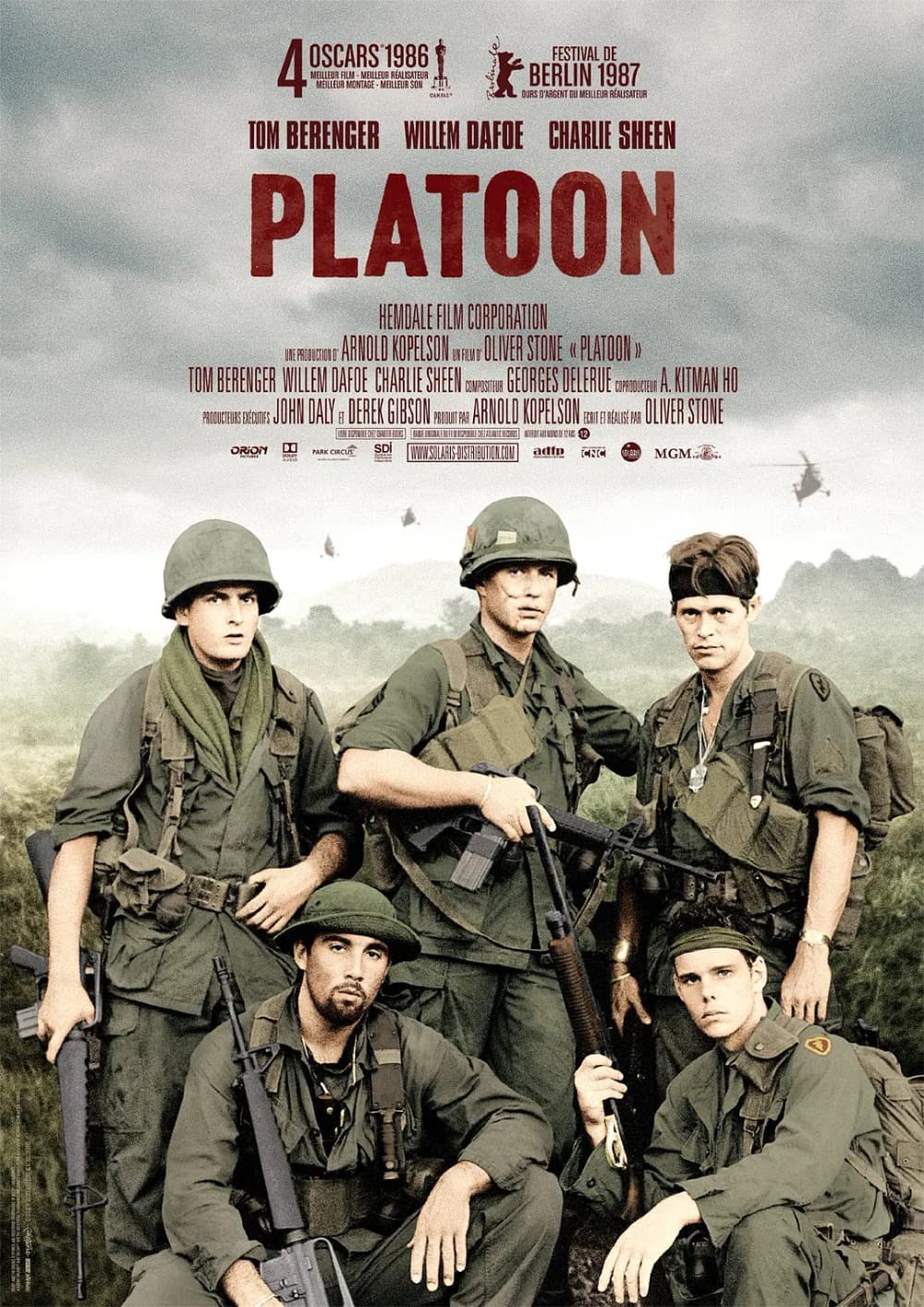
Oliver Stone served in Vietnam and made this to correct everyone else's version: no glamour, no clarity, and a platoon that splits between two sergeants and stays split.
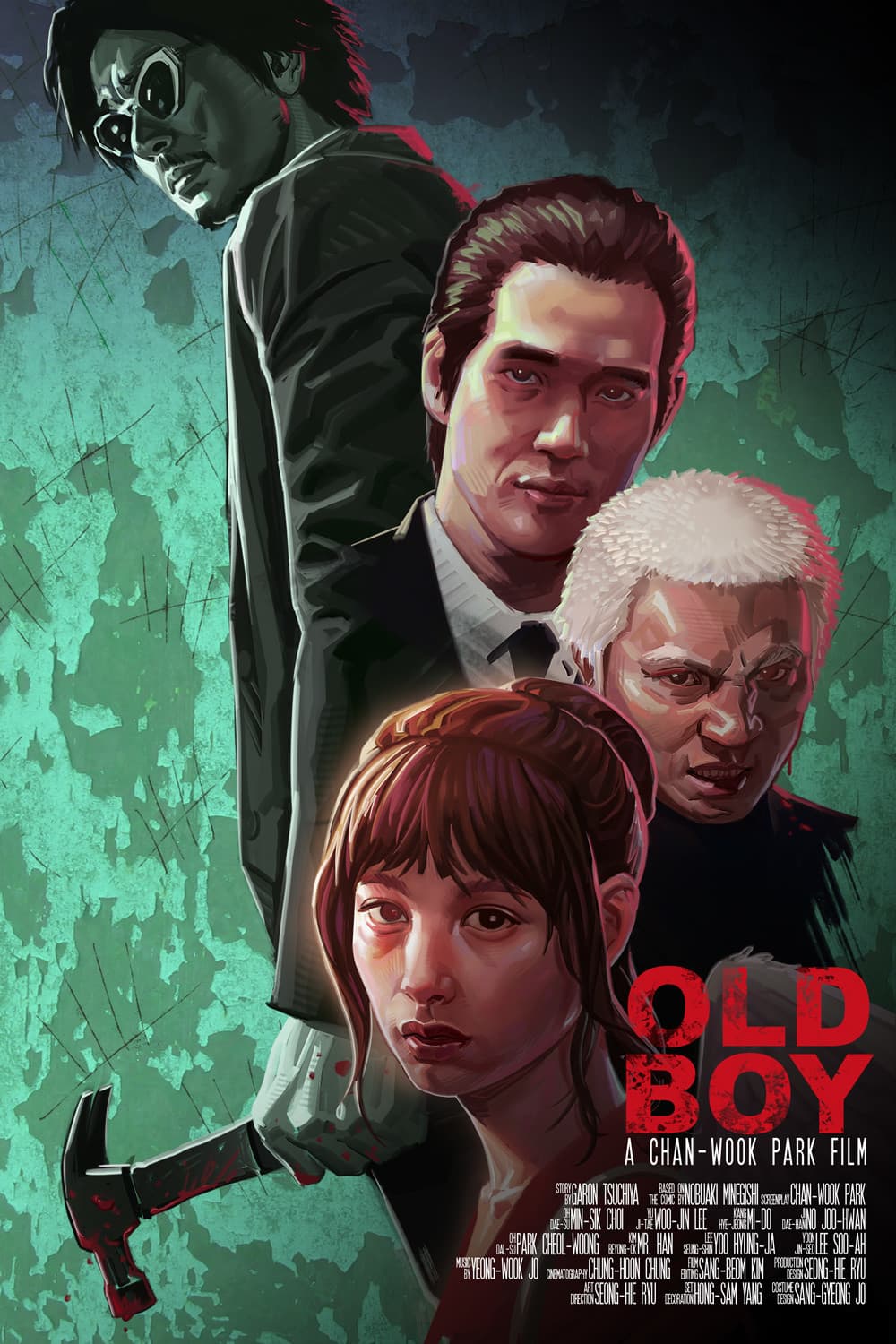
Korean cinema broke through in the West on the strength of this: fifteen years locked in a room without explanation, and a corridor fight staged in one take.