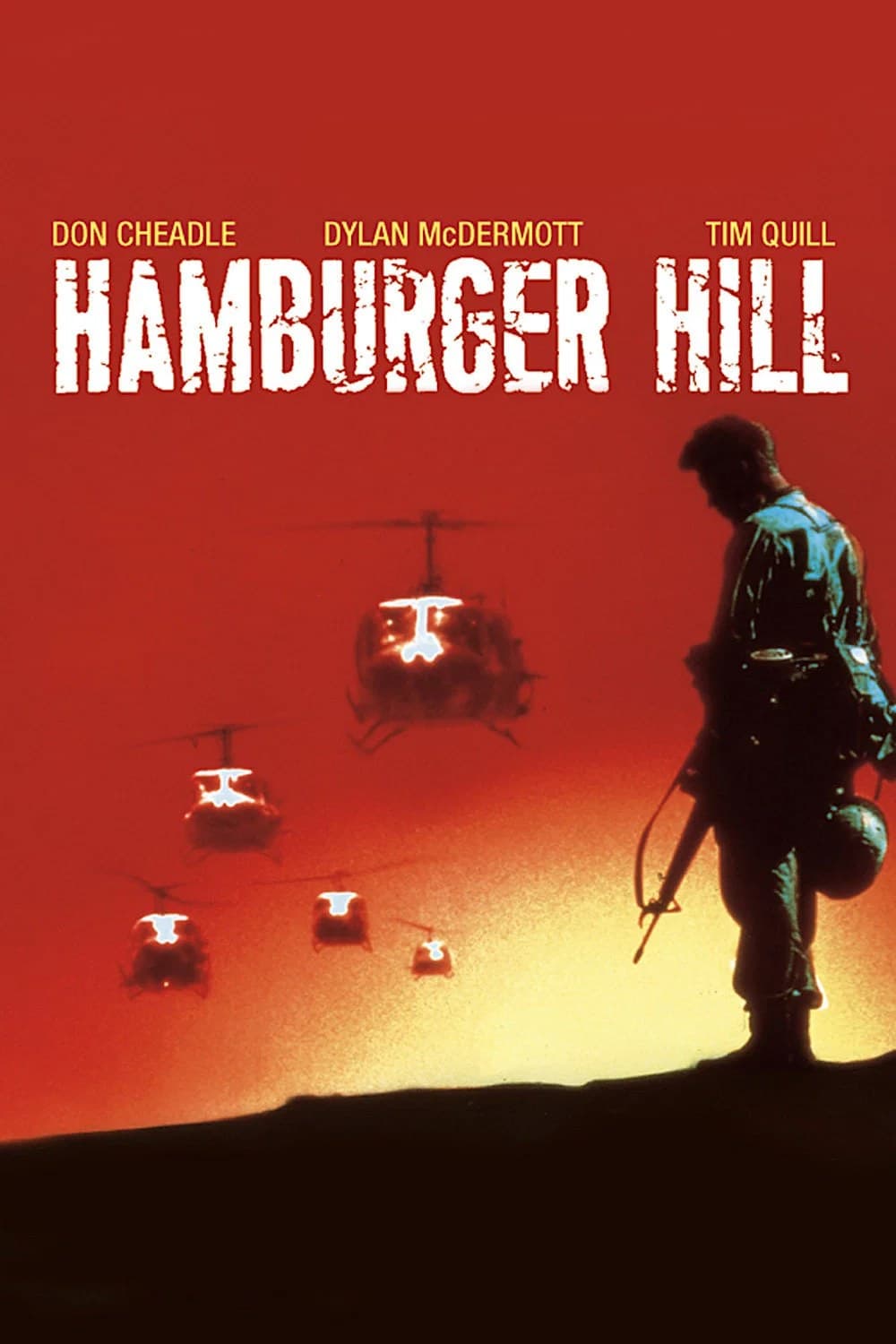
Hamburger Hill
Directed by John Irvin
1987
The least mythologizing Vietnam film anyone made: ten days in May 1969 taking one hill that the army abandoned immediately afterward, filmed as almost pure exhaustion and mud.
★ 2.0
 skopia
The least mythologizing Vietnam film anyone made: ten days in May 1969 taking one hill that the army abandoned immediately afterward, filmed as almost pure exhaustion and mud.
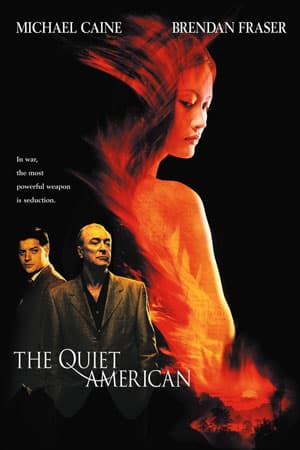
Miramax delayed releasing it after September 11 because the politics looked unpatriotic: Graham Greene's novel about American certainty in 1952 Saigon, with Michael Caine giving his best late performance.
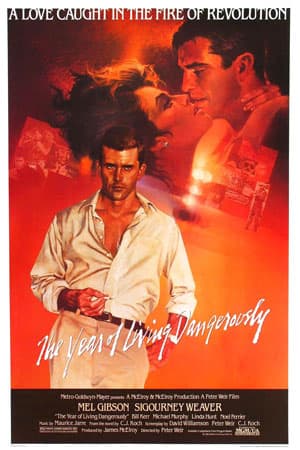
Linda Hunt is the only person ever to win an Oscar for playing someone of another sex: Jakarta in 1965, and an Australian correspondent who understands almost nothing about it.
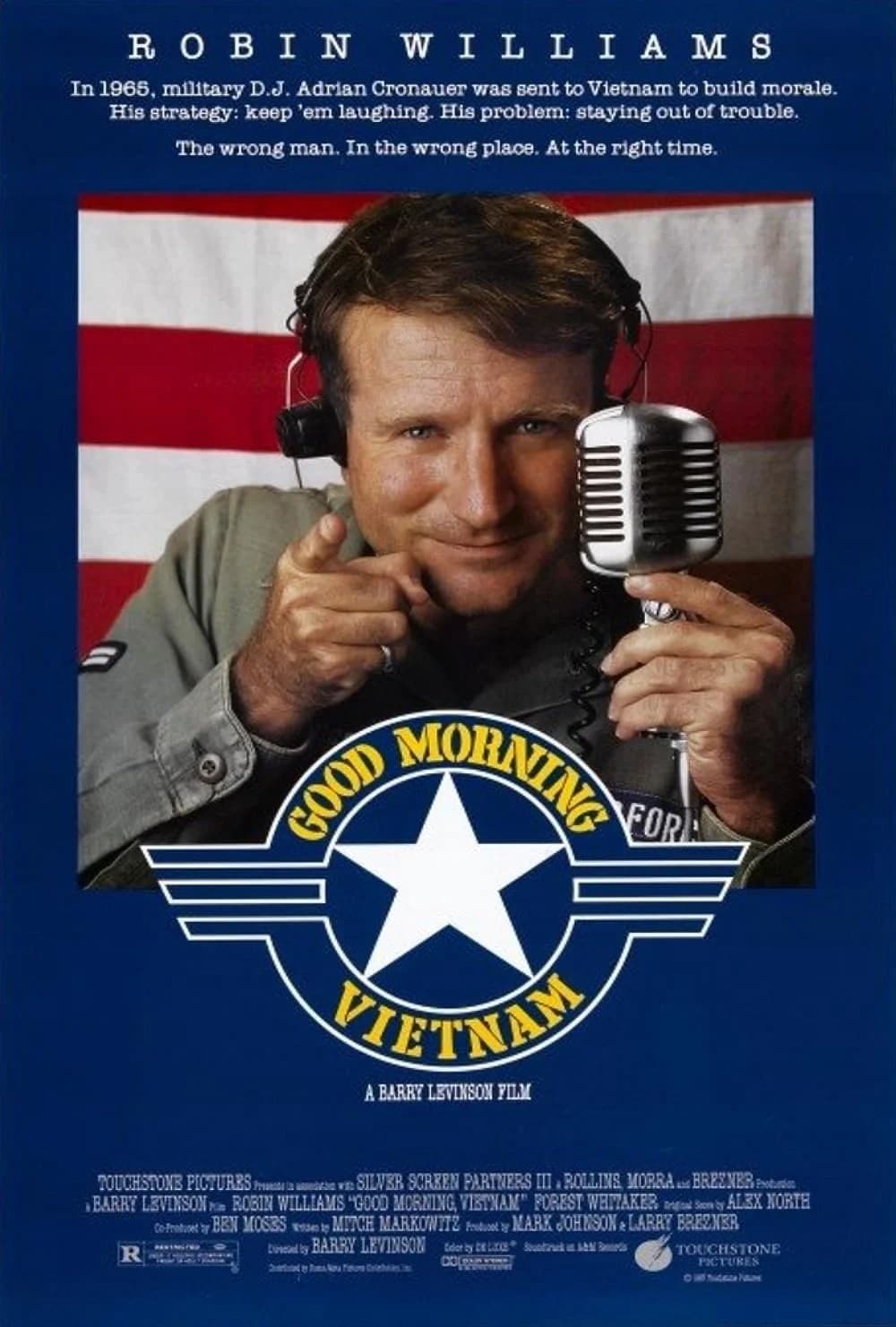
Robin Williams was handed a microphone and the cameras simply ran: an armed forces disc jockey lands in Saigon in 1965, and everyone above him wants the broadcast back the way it was.

Ron Kovic wrote the book and then the screenplay with Oliver Stone, who had been to the same war: a Long Island boy enlists in 1967, and Tom Cruise abandons his own image.
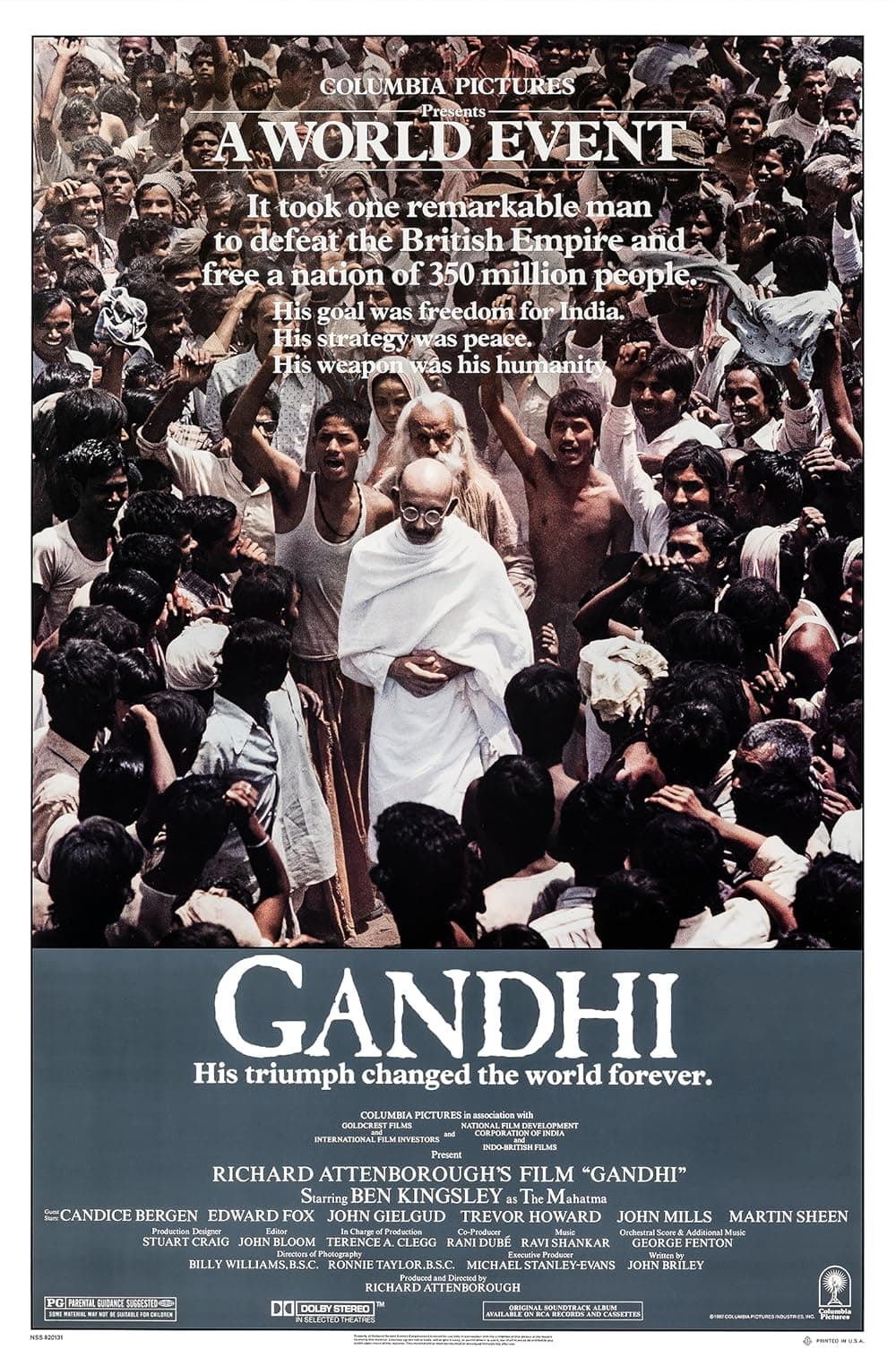
The funeral scene used around three hundred thousand extras, more than any film before or since: Richard Attenborough spent twenty years raising the money, and Ben Kingsley disappears completely.
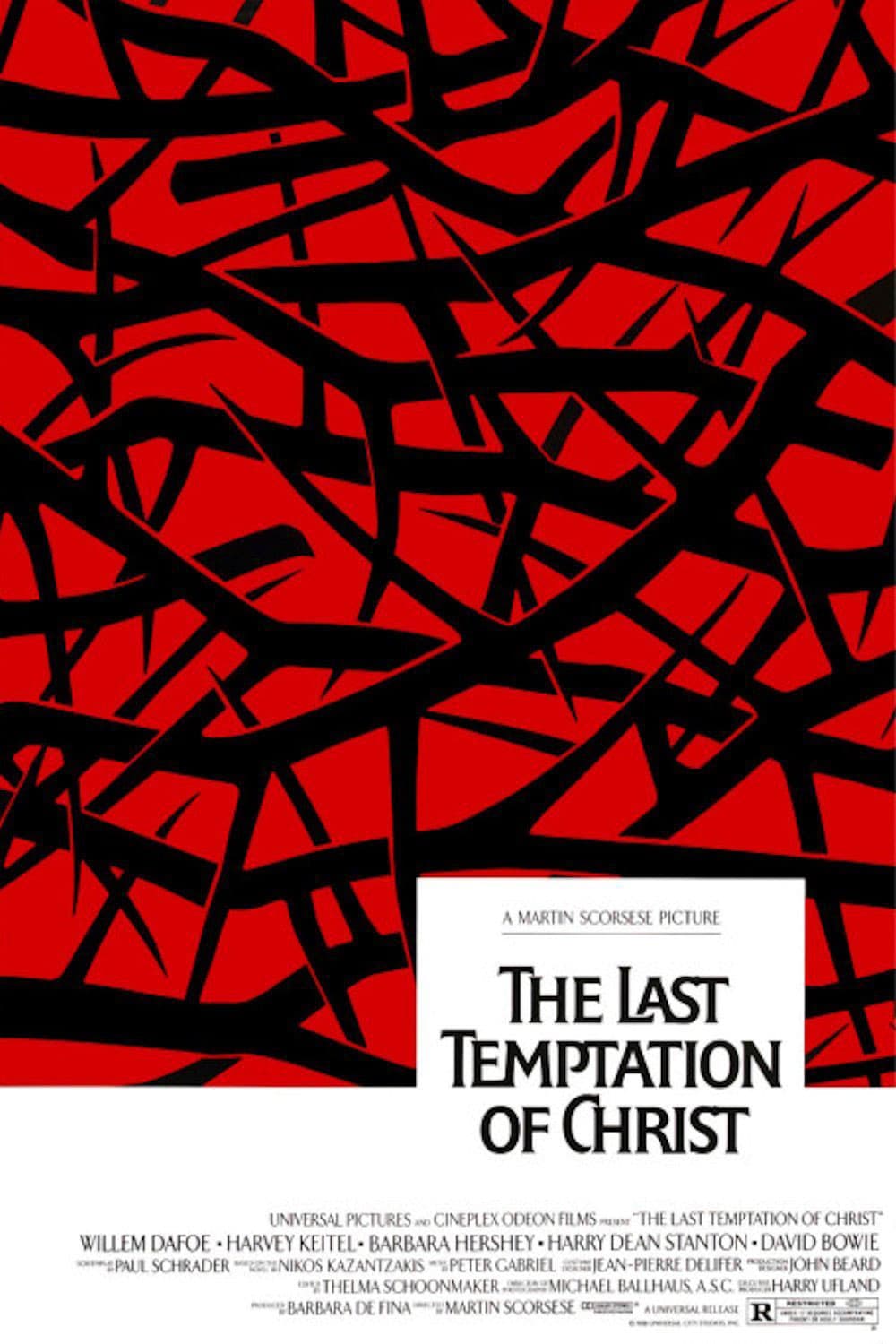
A Paris cinema showing it was firebombed and Scorsese needed years to get it financed: Christ imagined as someone who could refuse, with Peter Gabriel's score sounding like the actual Middle East.
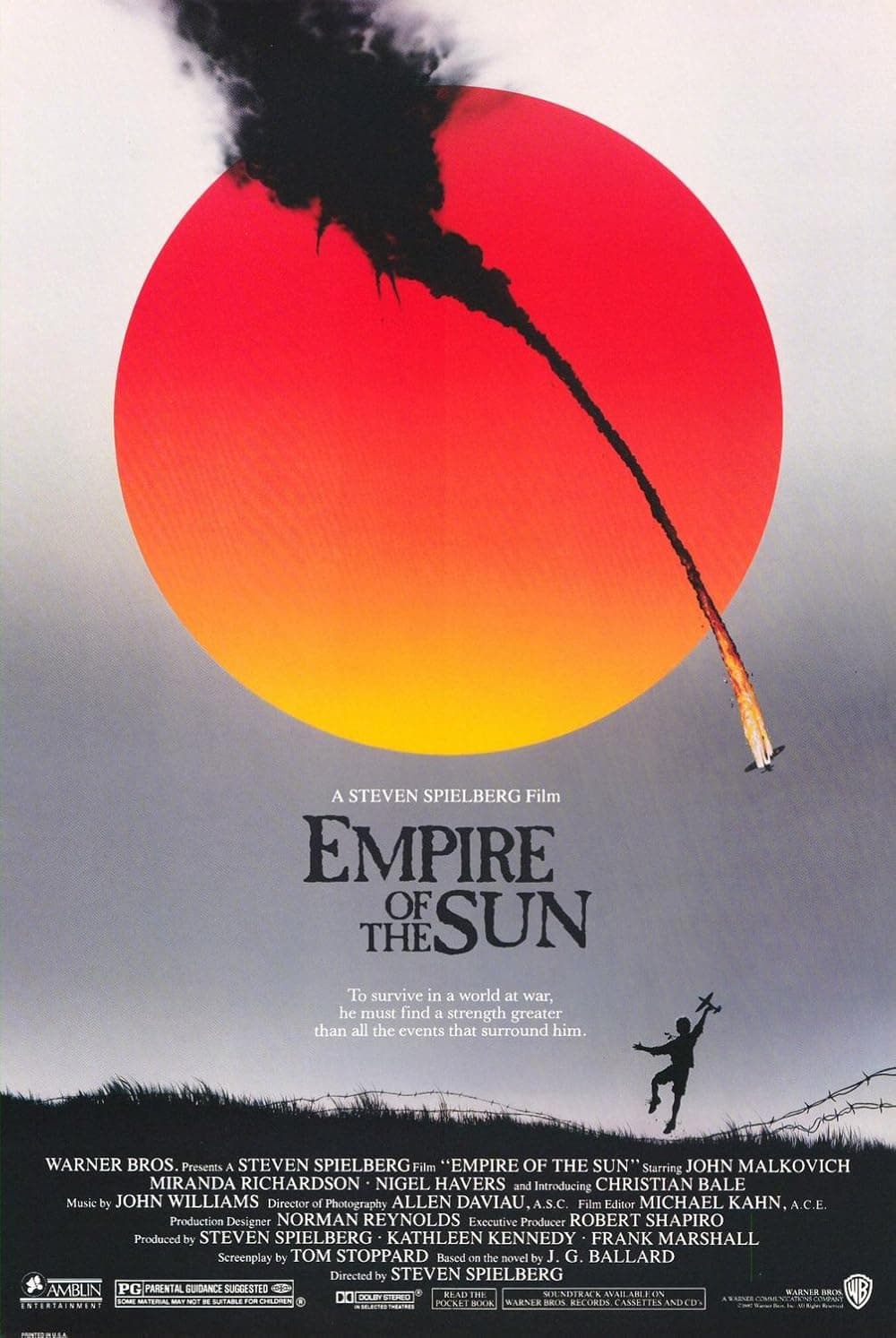
Christian Bale was thirteen and carries the entire film: Spielberg follows an English boy separated from his parents in occupied Shanghai, and never lets the war become an adventure.
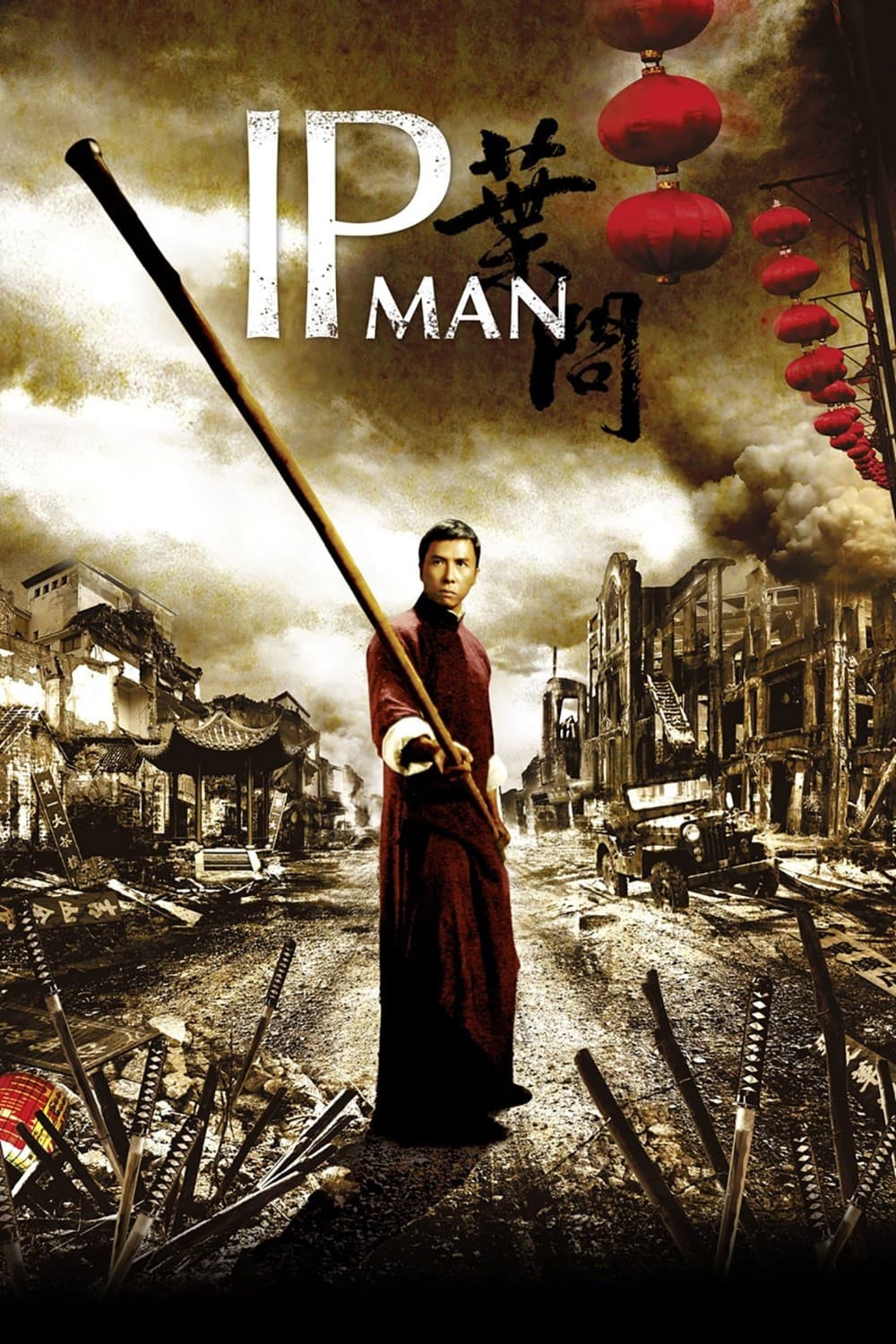
Donnie Yen plays Bruce Lee's future teacher and does his own fighting throughout: Wing Chun filmed at full speed with long takes, in a Foshan under Japanese occupation.
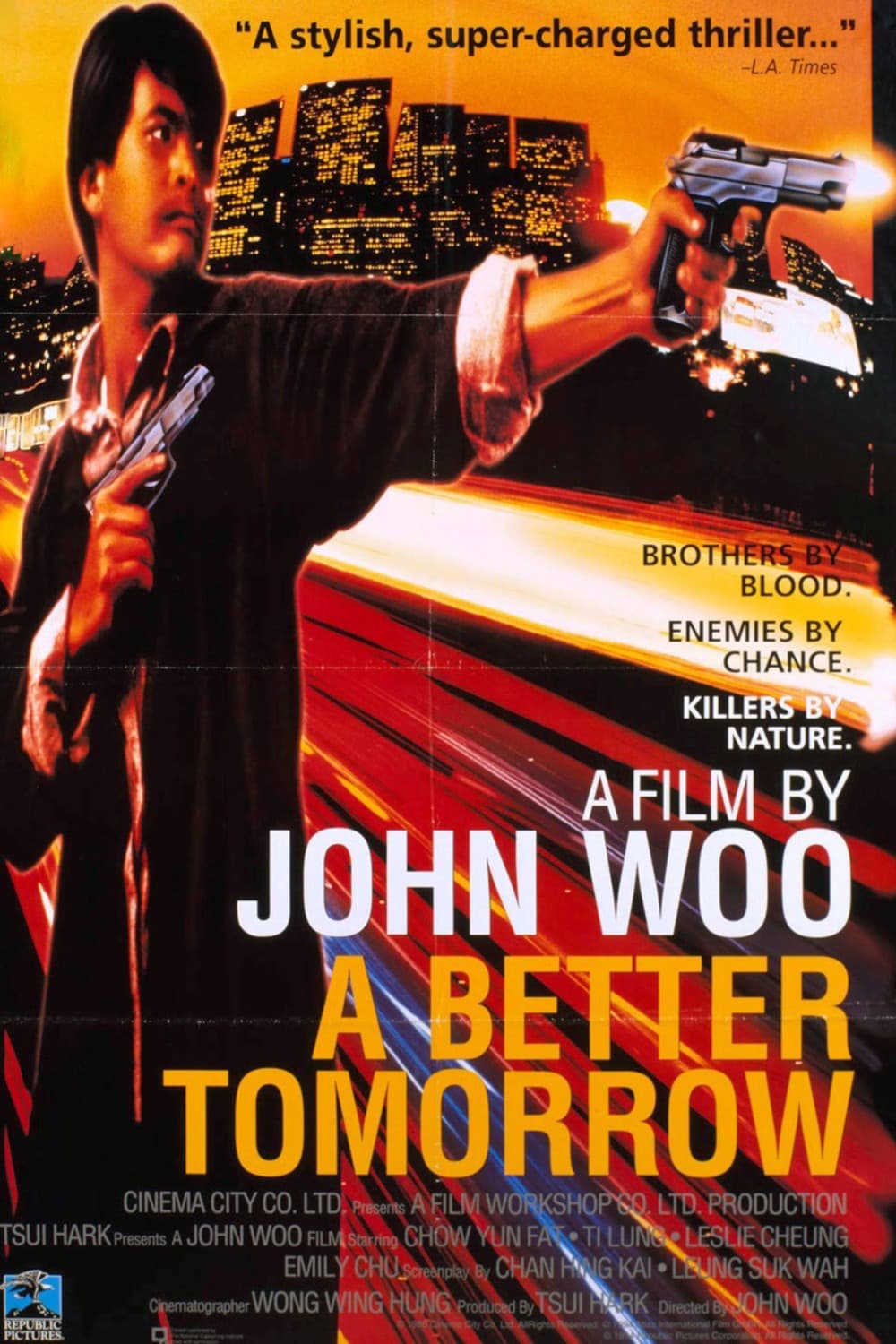
It made Chow Yun-fat a superstar and started an entire Hong Kong genre: two brothers on opposite sides of the law, and a gunman in a trenchcoat lighting a cigarette with money.
Russell shot it on bleached film stock so the desert looks radioactive: four American soldiers go looking for Kuwaiti gold in the days after the Gulf War stops, carrying a stolen map.
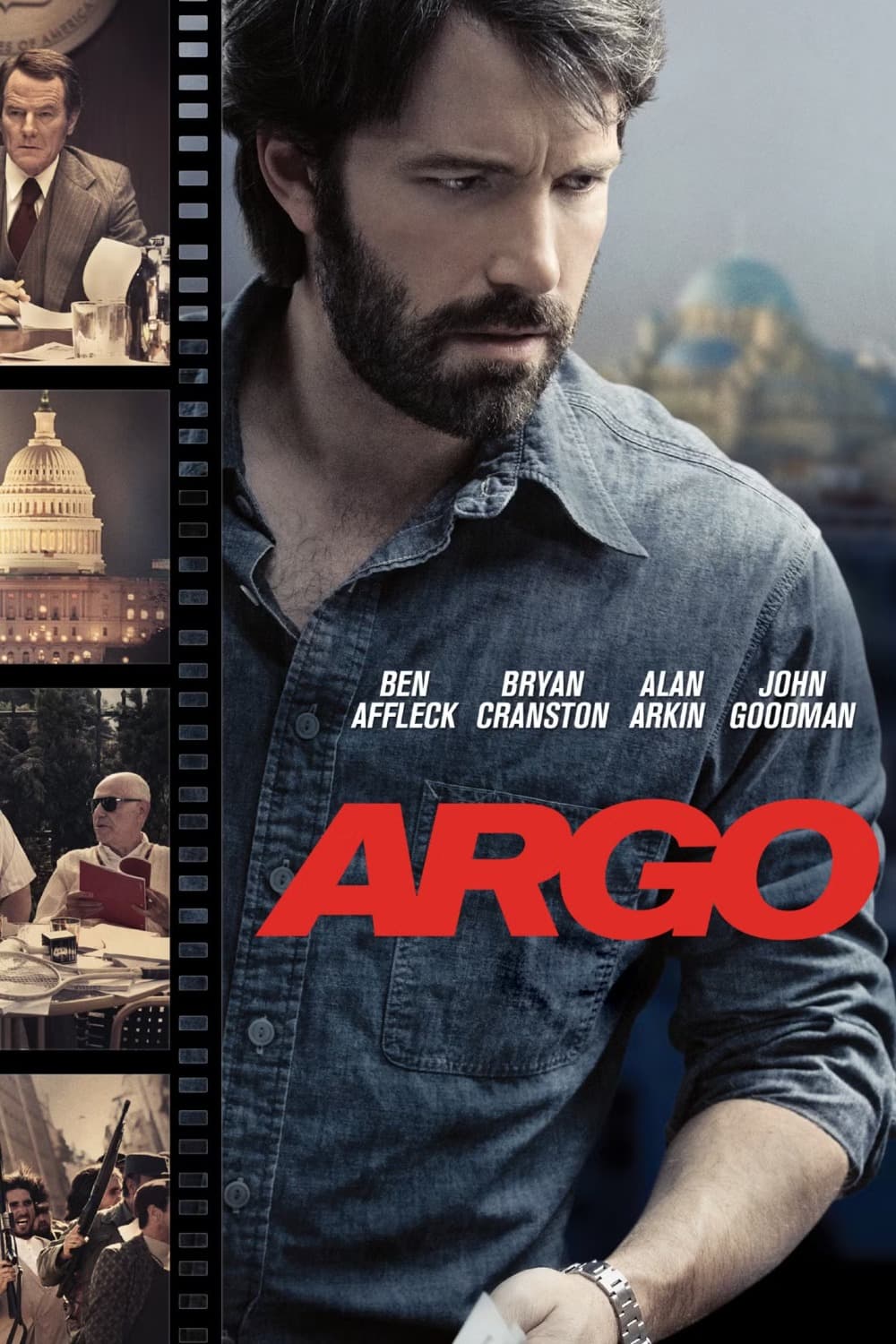
The CIA really did produce a fake science fiction movie to get six Americans out of Tehran, and kept it classified until 1997: Affleck plays the operation completely straight.

Huston tried to make this for twenty years and finally got Connery and Caine: two British soldiers walk into Kafiristan intending to be crowned as gods, and the joke gets serious slowly.
The Chinese government let Bertolucci shoot inside the Forbidden City, the first Western production ever allowed in: a child emperor is crowned before thousands and then history keeps rearranging him.
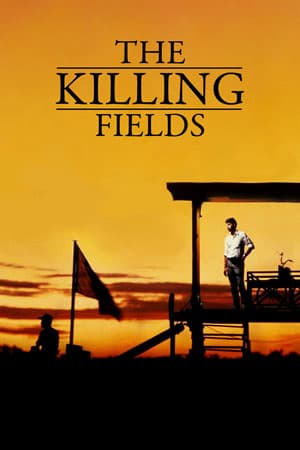
Haing Ngor had never acted in his life and won an Academy Award for this: Roland Joffe films the fall of Phnom Penh through an American reporter and the Cambodian colleague beside him.

Boyle shot Mumbai on small digital cameras in real streets and Rahman's score carried it around the world: a contestant from the slums is detained for cheating, and each question opens a memory.
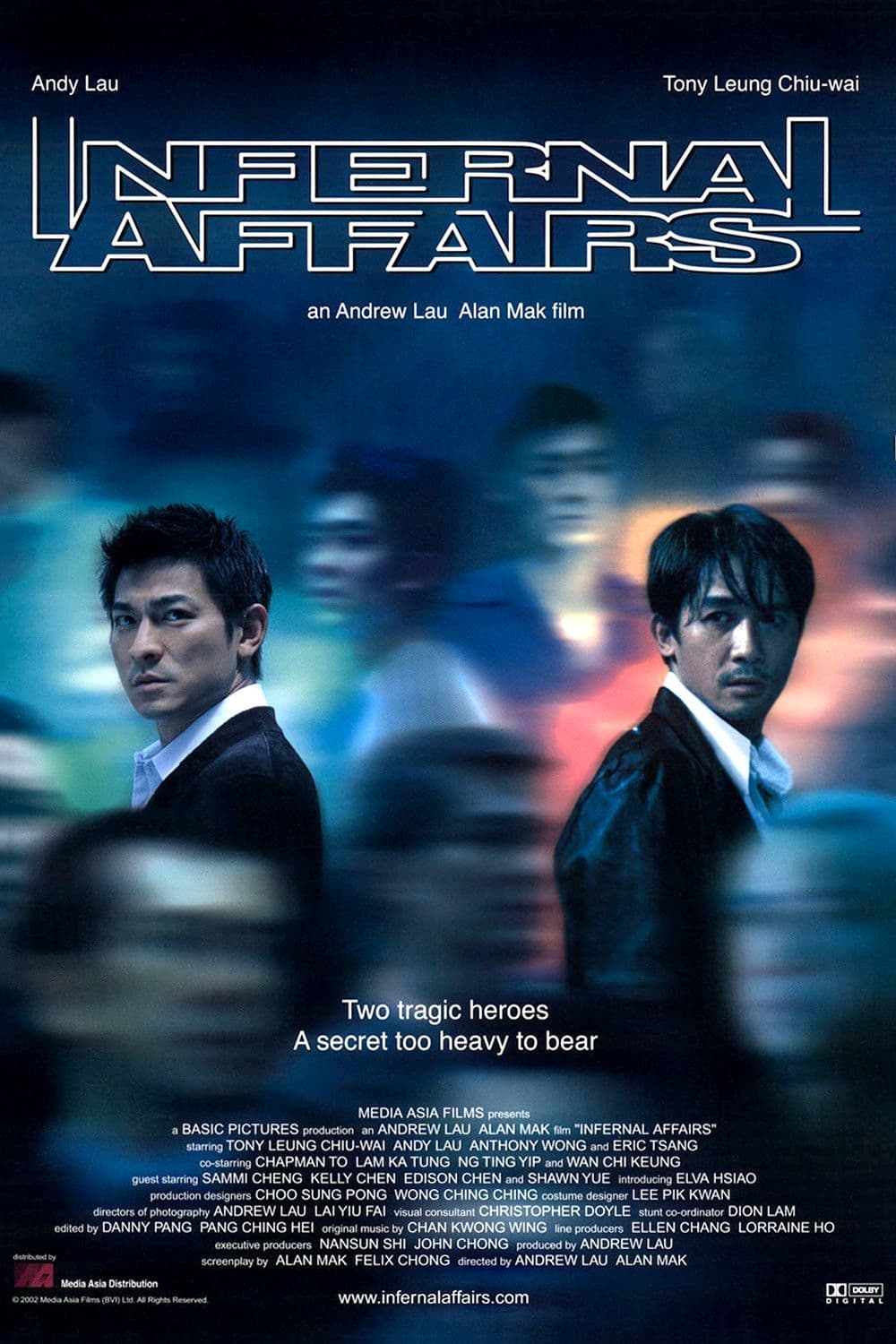
Scorsese's The Departed is a remake of this, and the Hong Kong original is fifty minutes tighter: two moles assigned to find each other, and a plot that never stops to explain itself.
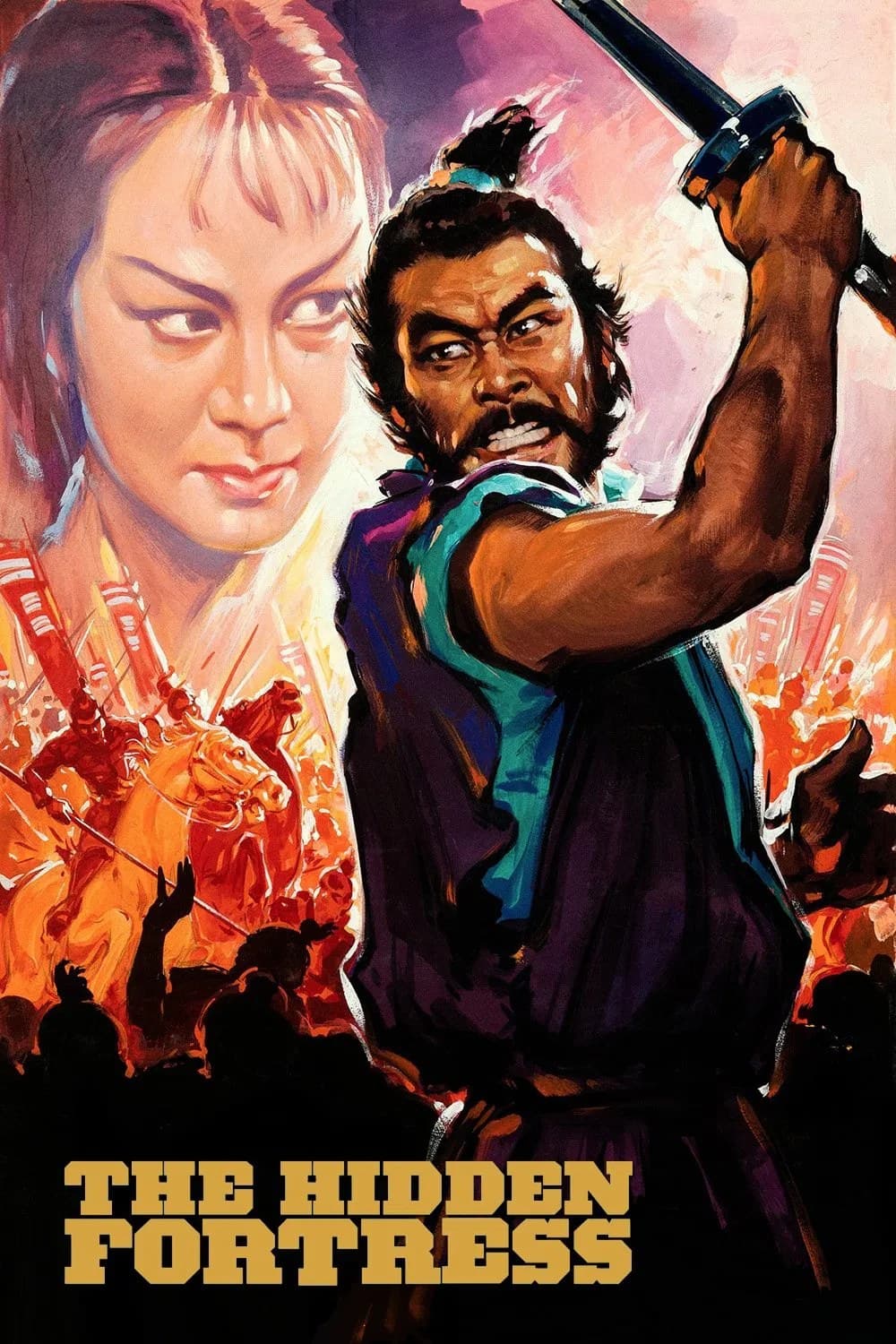
Lucas took the two bickering peasants and turned them into R2-D2 and C-3PO: Kurosawa's first widescreen film tells an escape story from the point of view of its most useless characters.
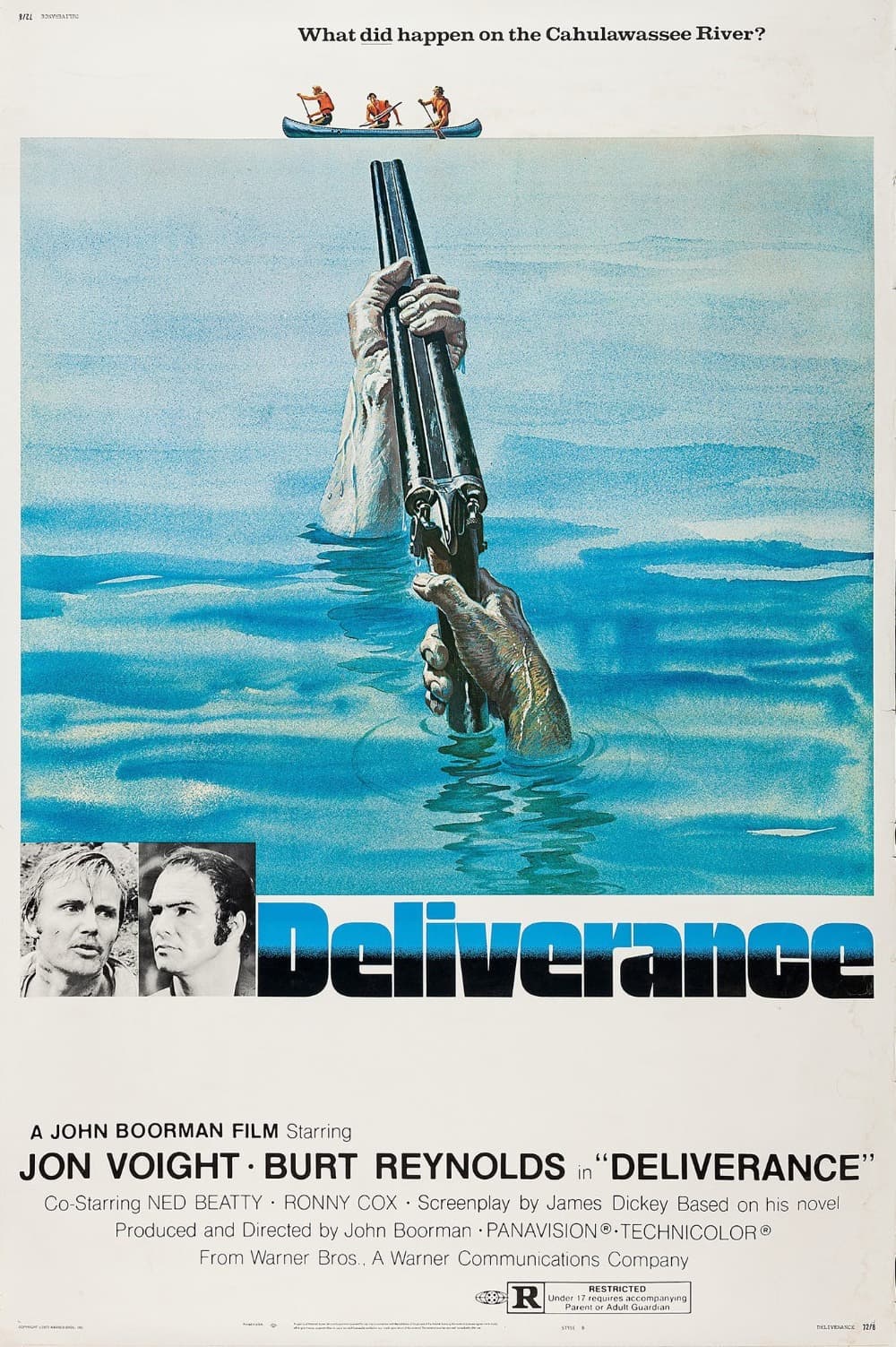
The outdoors has never felt this hostile on film: Boorman shot in sequence and made his actors run the whitewater themselves, and a weekend canoe trip turns into something much older.
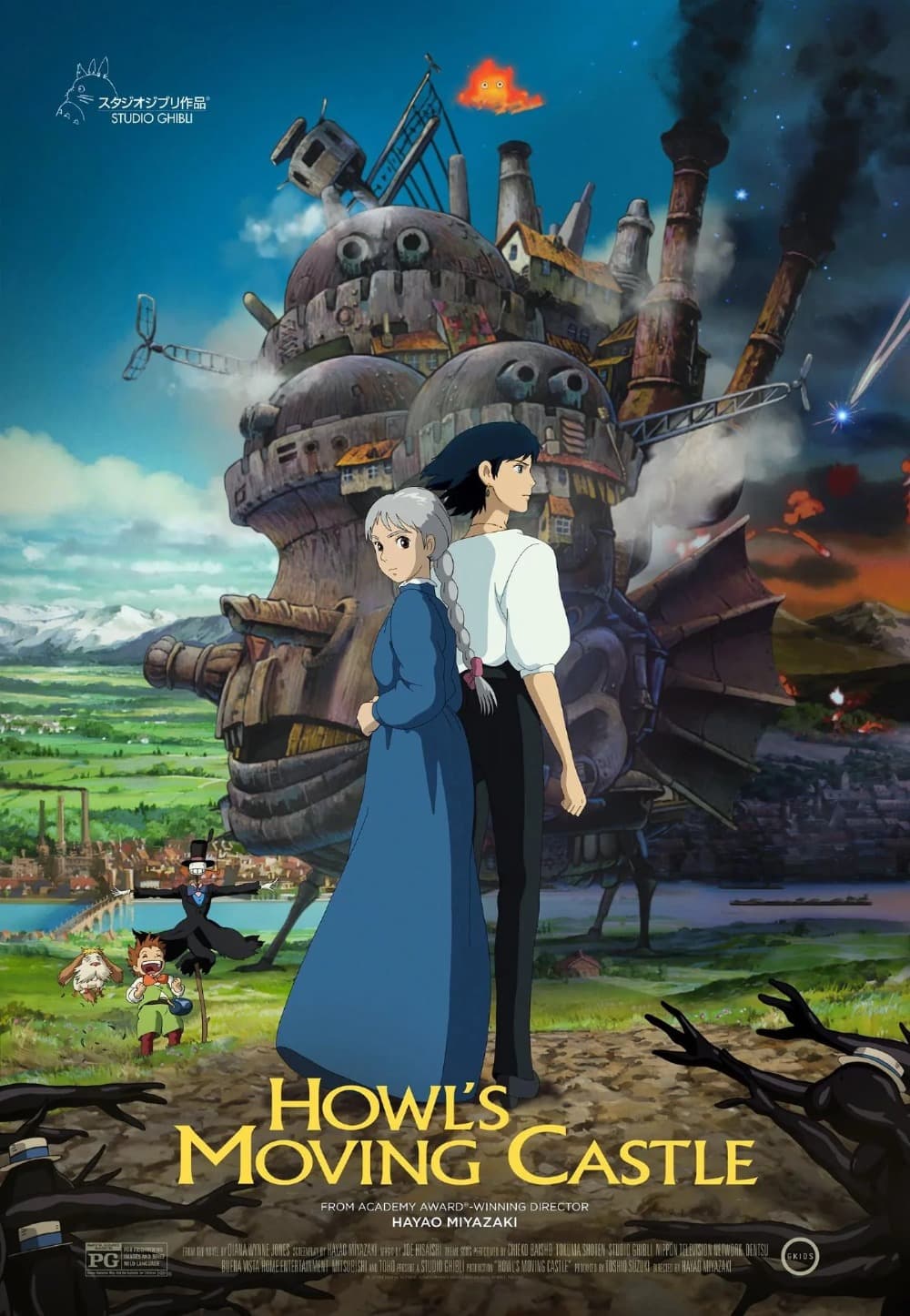
Miyazaki's most beautiful machine is a walking house held together by magic and bad temper: underneath the wonder is an angry anti-war film, made while he watched the invasion of Iraq.