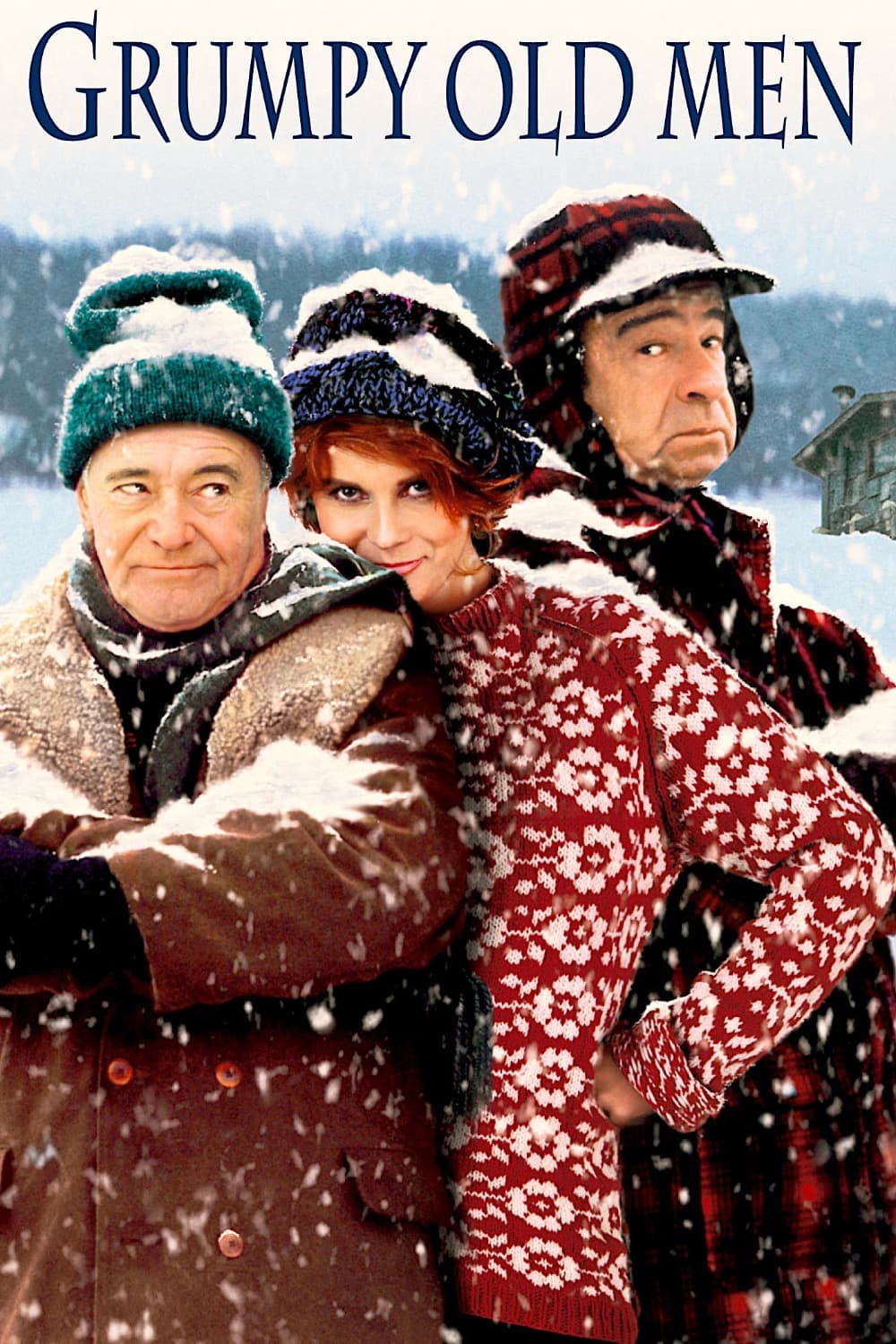
Grumpy Old Men
Directed by Donald Petrie
1993
Walter Matthau and Jack Lemmon had been perfecting this act for twenty-five years and it still lands: two Minnesota neighbors have hated each other since one married the other's girl.
★ 2.2
 skopia
Walter Matthau and Jack Lemmon had been perfecting this act for twenty-five years and it still lands: two Minnesota neighbors have hated each other since one married the other's girl.
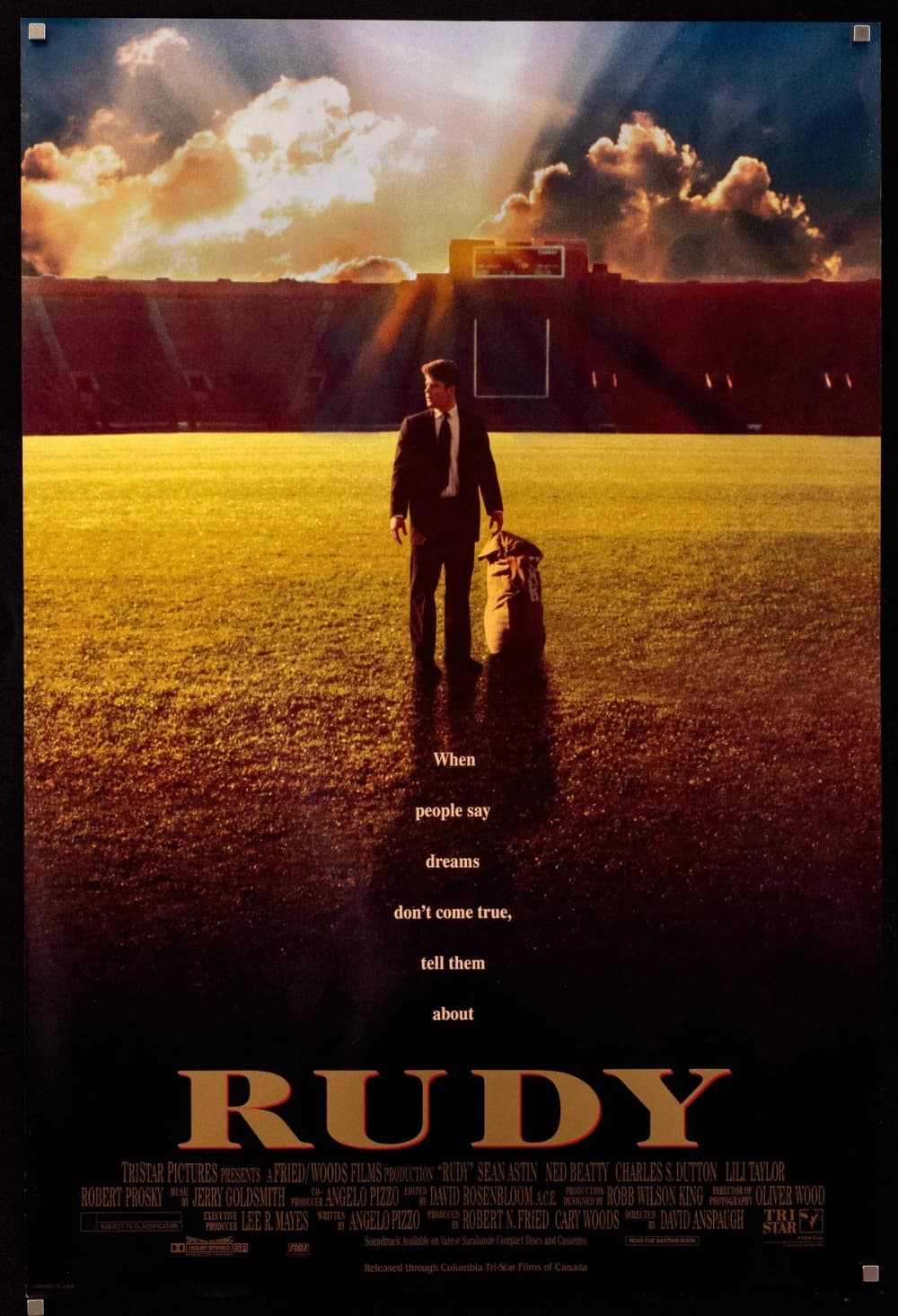
Notre Dame had not allowed a film crew on campus in fifty years: a kid with no size and no grades wants to dress for one game, and everybody tells him no.
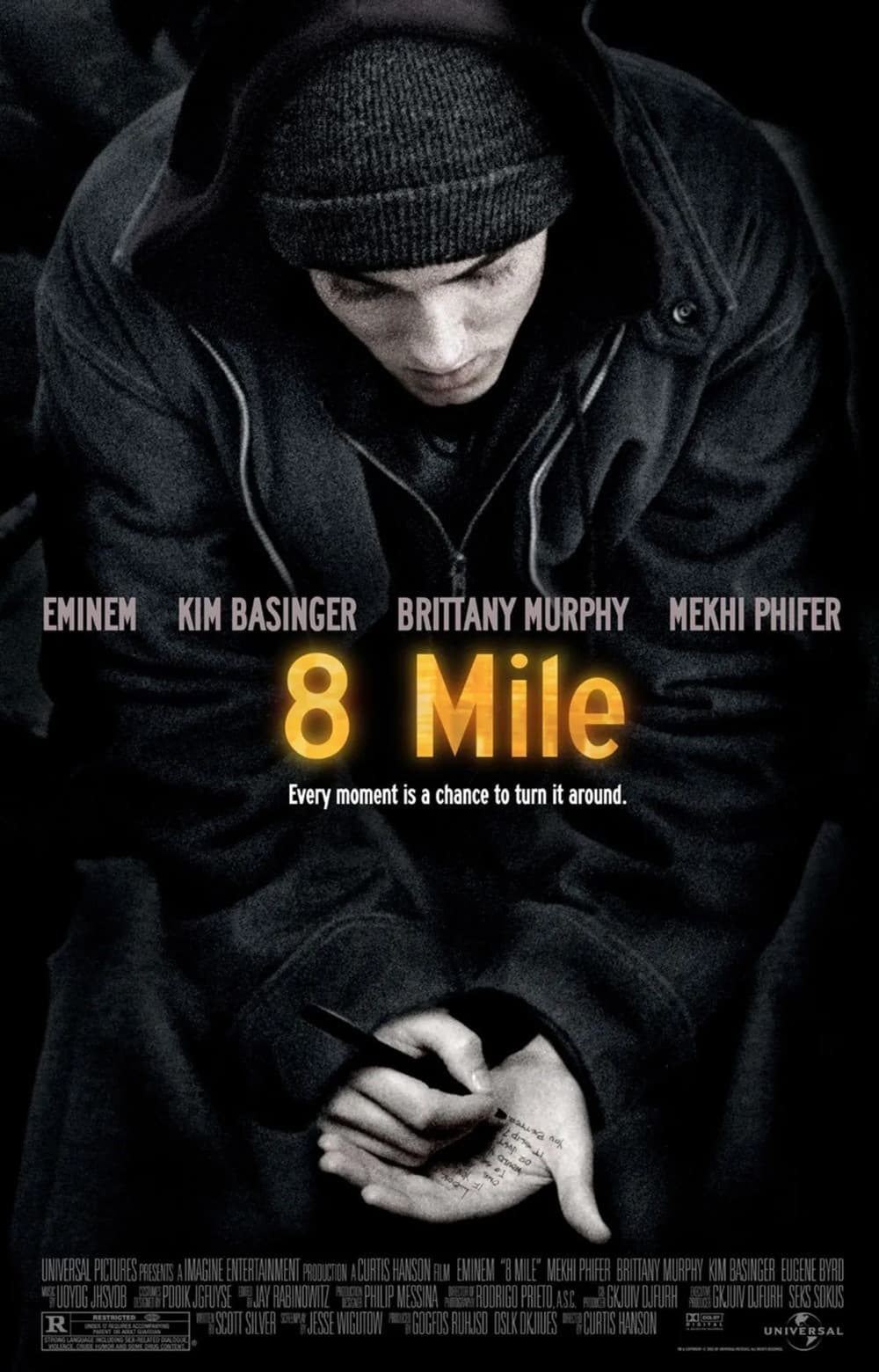
Eminem plays a version of himself and the battle scenes used real crowds: Curtis Hanson films Detroit like a cold documentary, and the first Oscar for a rap song came out of it.
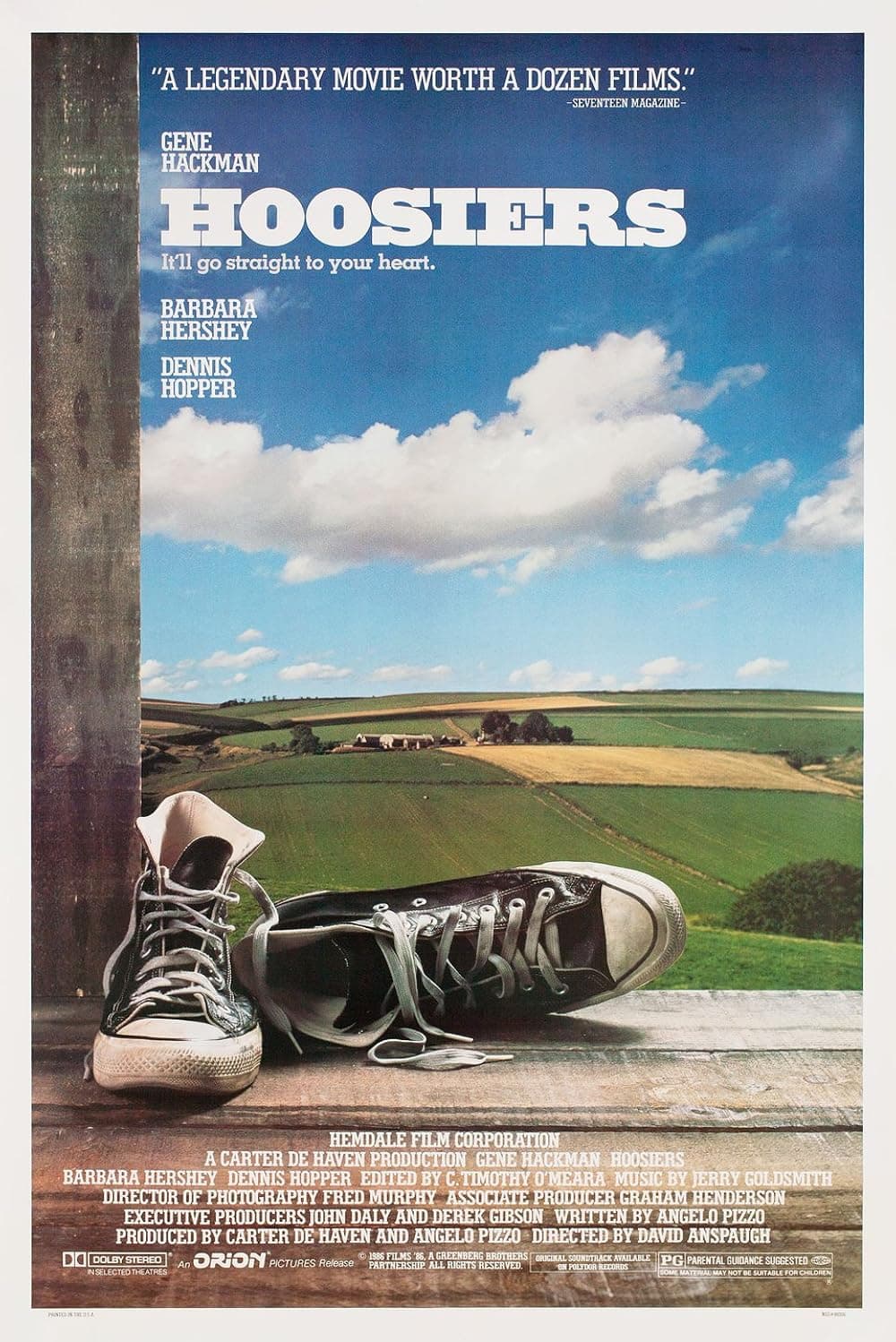
Indiana still argues about how close it is to what actually happened in 1954: Gene Hackman coaches a town of a few hundred people who care about nothing else at all.
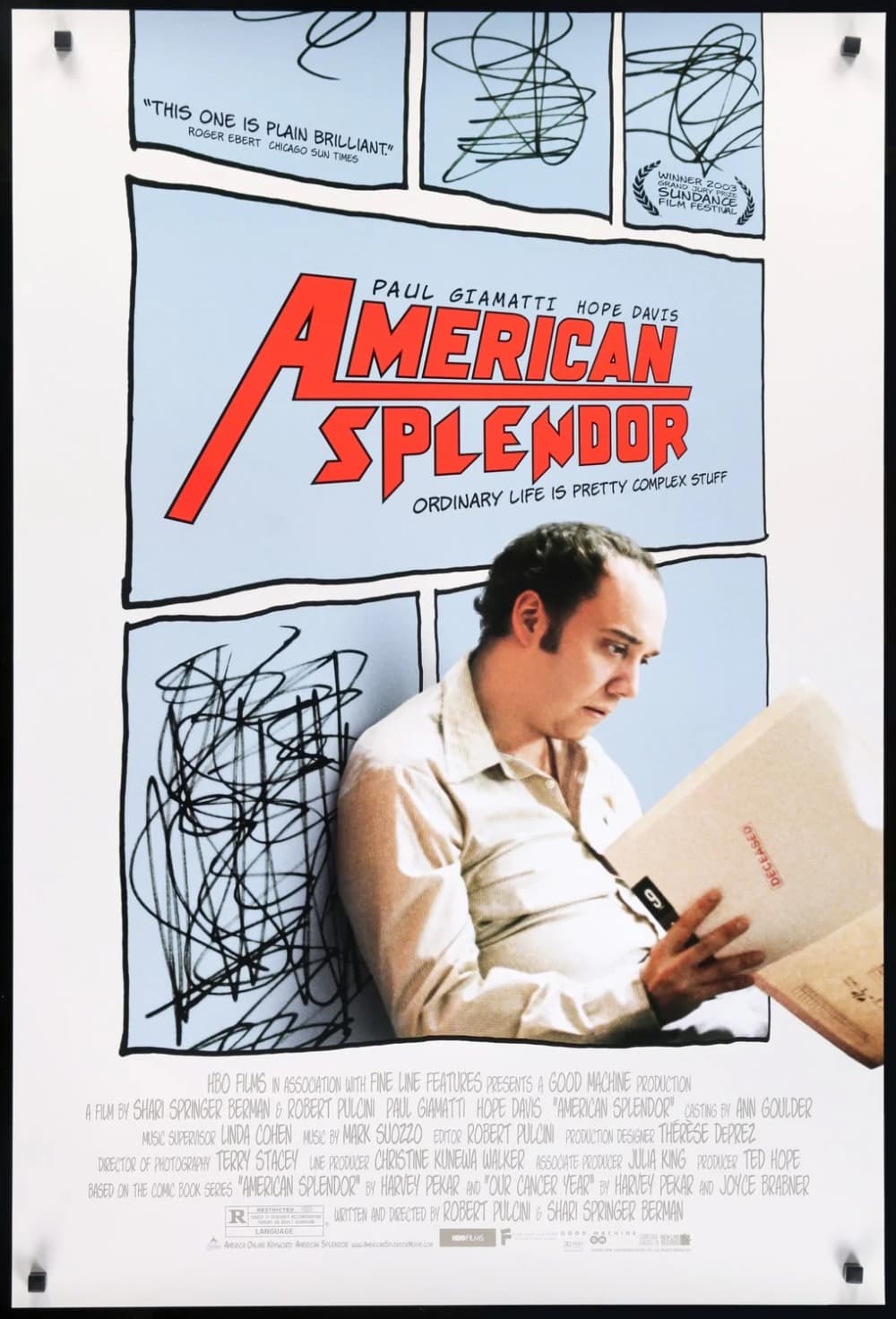
The real Harvey Pekar appears in the film alongside the actor playing him, and they discuss it: a file clerk in Cleveland turned his ordinary life into comics, and stayed a file clerk.
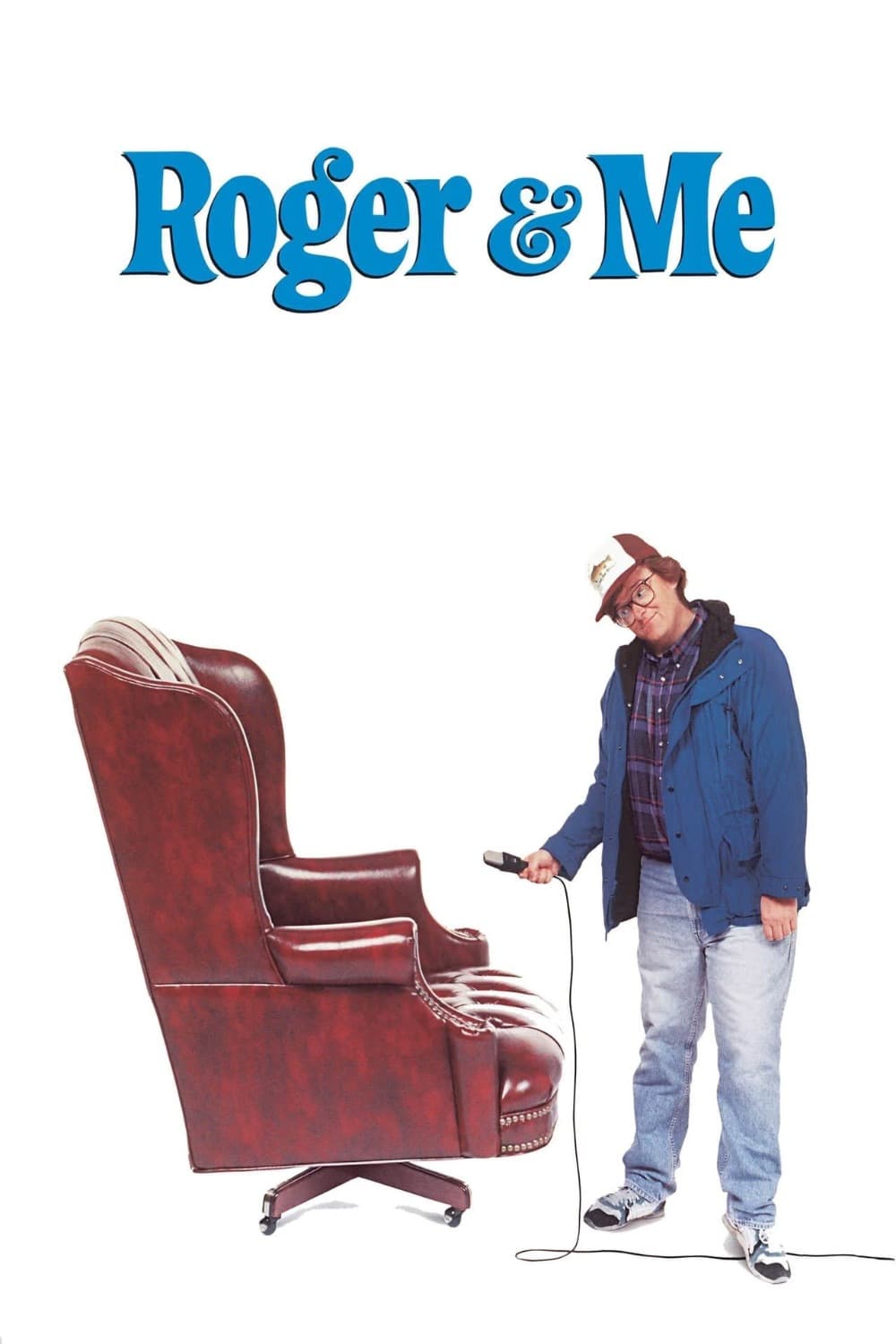
Michael Moore invented a whole documentary style here, himself as the persistent nuisance: Flint, Michigan after General Motors leaves, filmed by someone who grew up in it.
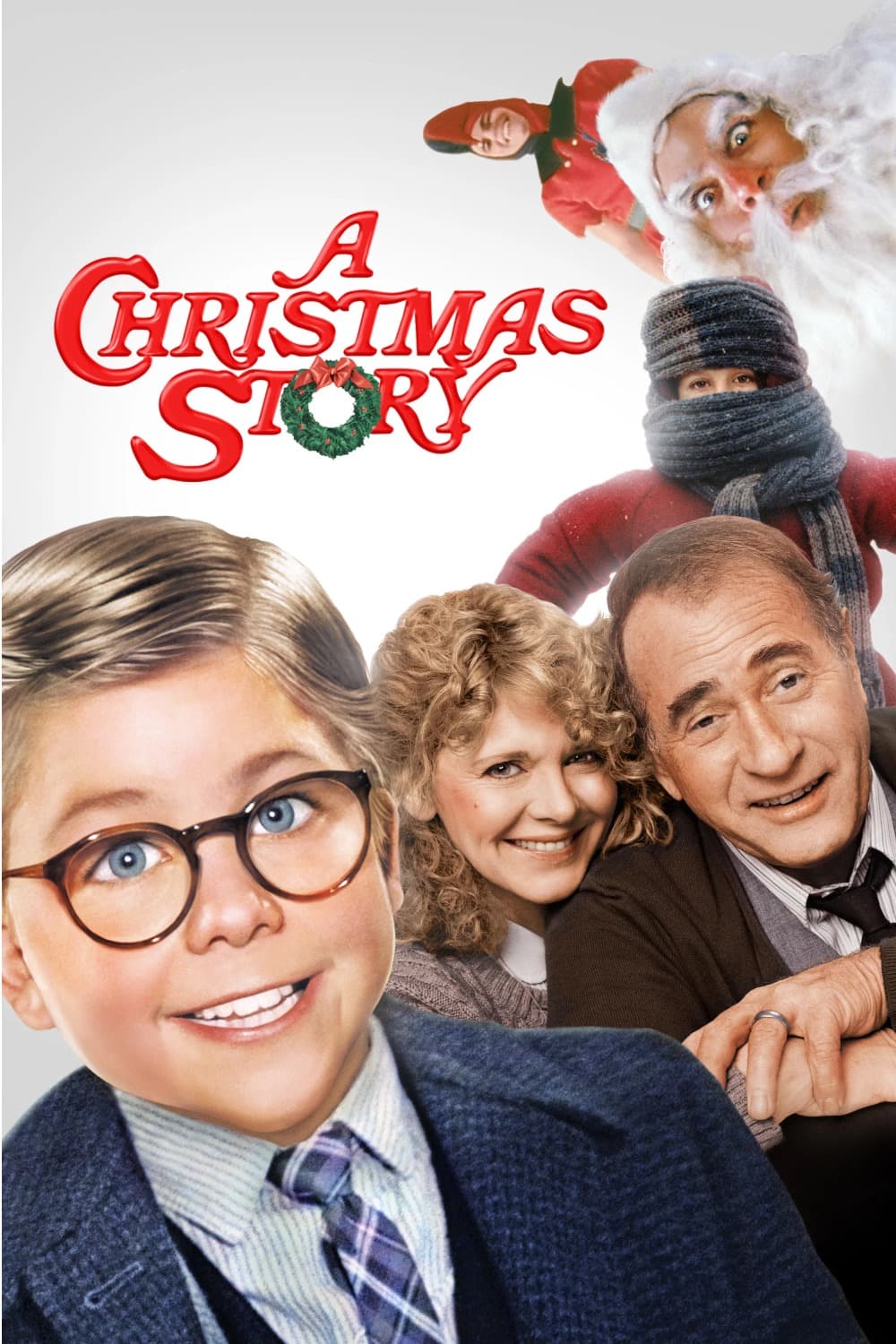
American television runs it for twenty-four straight hours every Christmas: Jean Shepherd narrates his own childhood, and it is honest enough about children to stay genuinely funny.
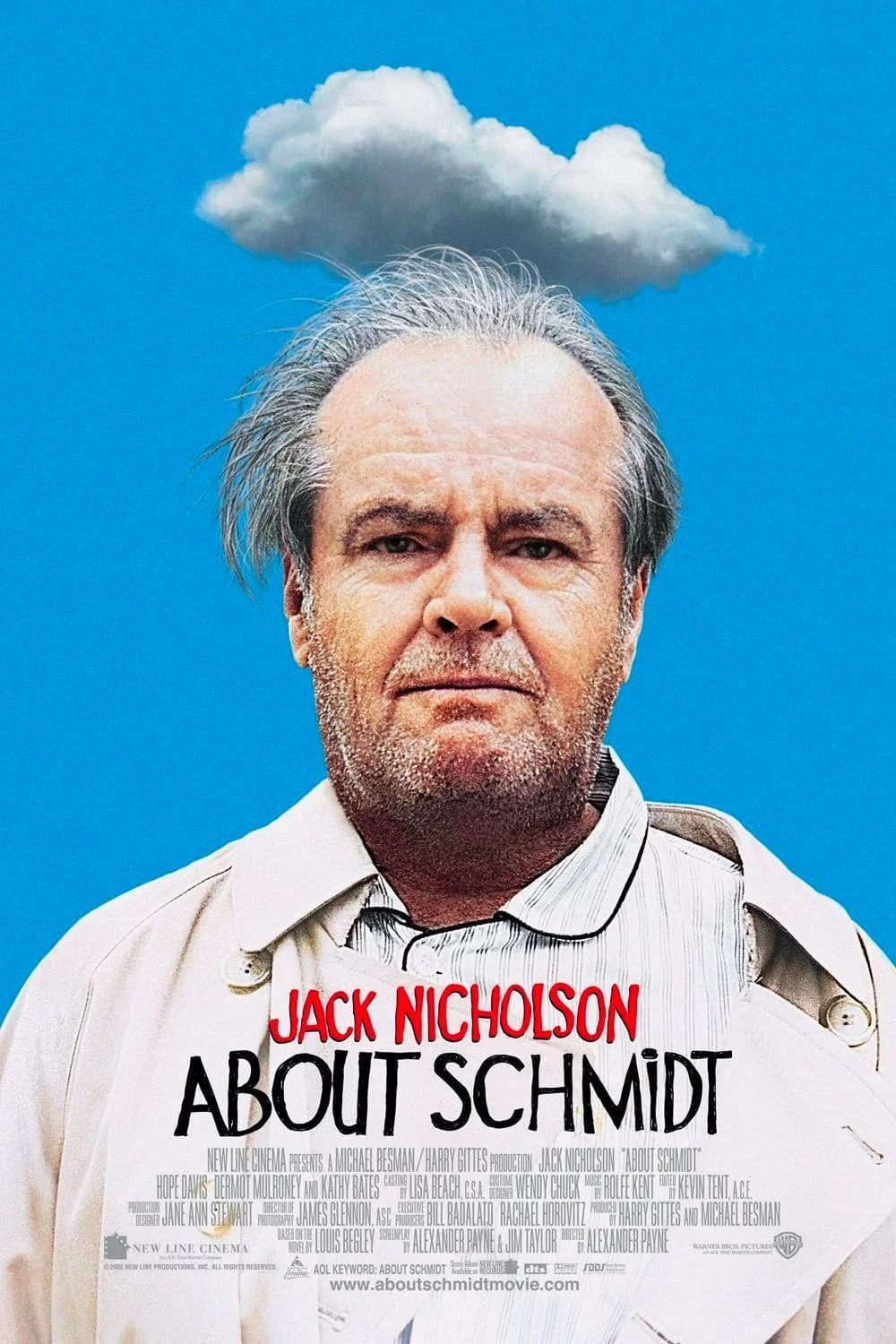
Payne stripped Jack Nicholson of every trick he has: a retired insurance actuary drives a motorhome across Nebraska writing letters to a six-year-old in Tanzania he has never met.
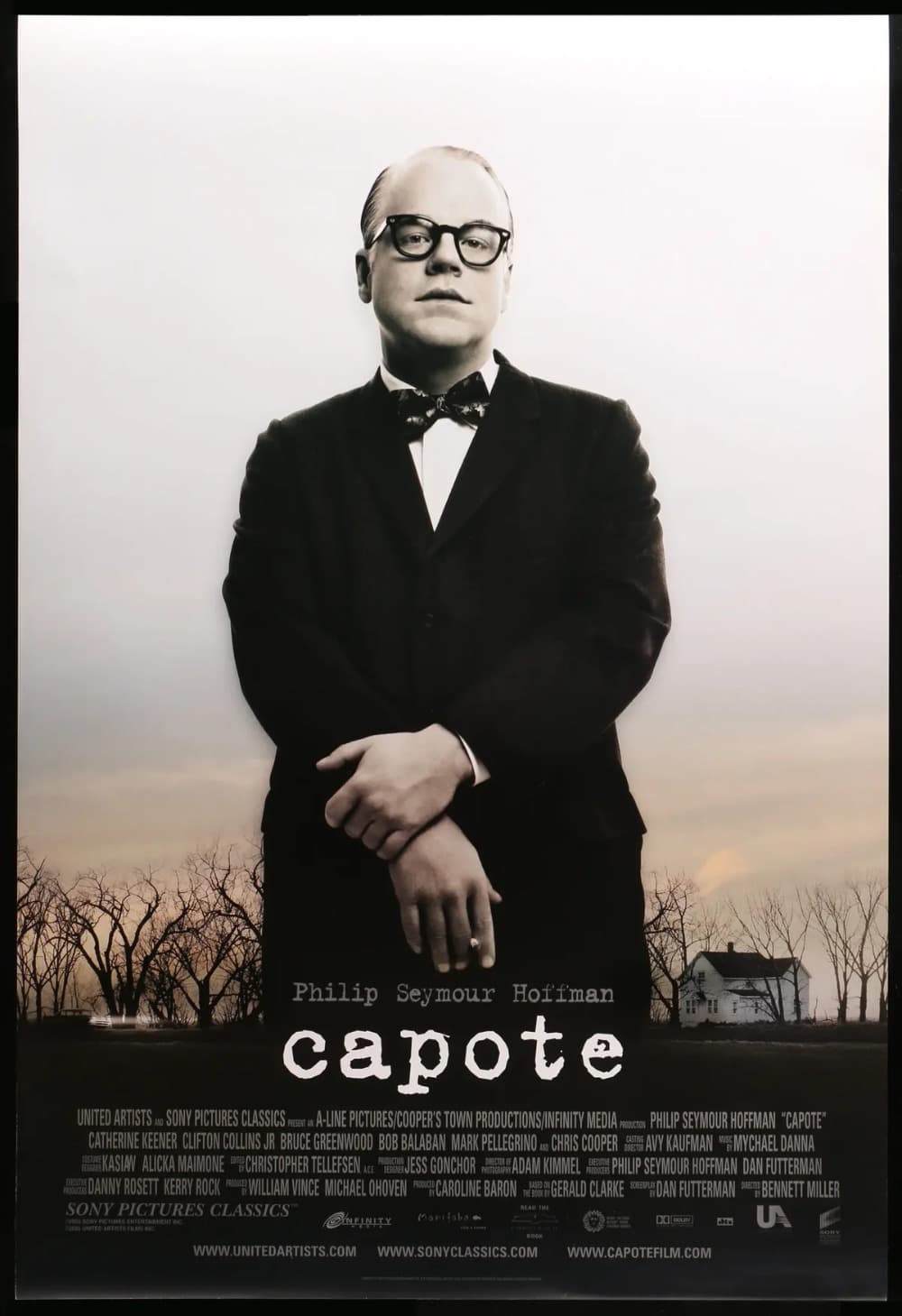
Philip Seymour Hoffman spent months on the voice and it never sounds like an impression: Truman Capote gets the book of his life out of two condemned men, and knows what that costs.
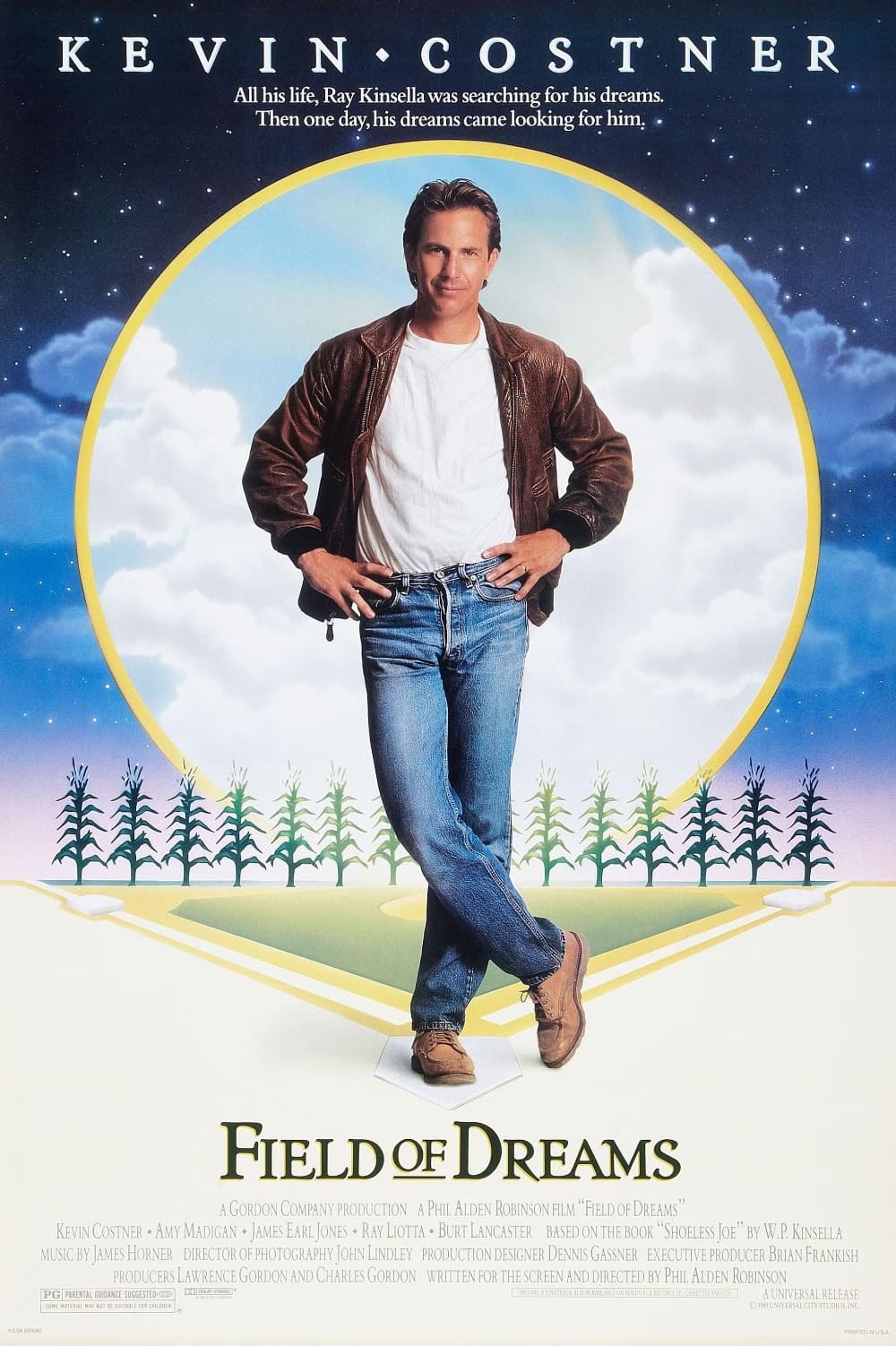
They built the field on an Iowa farm and people still drive to see it: a man plows under his corn because a voice tells him to, and the last reel gets everyone.
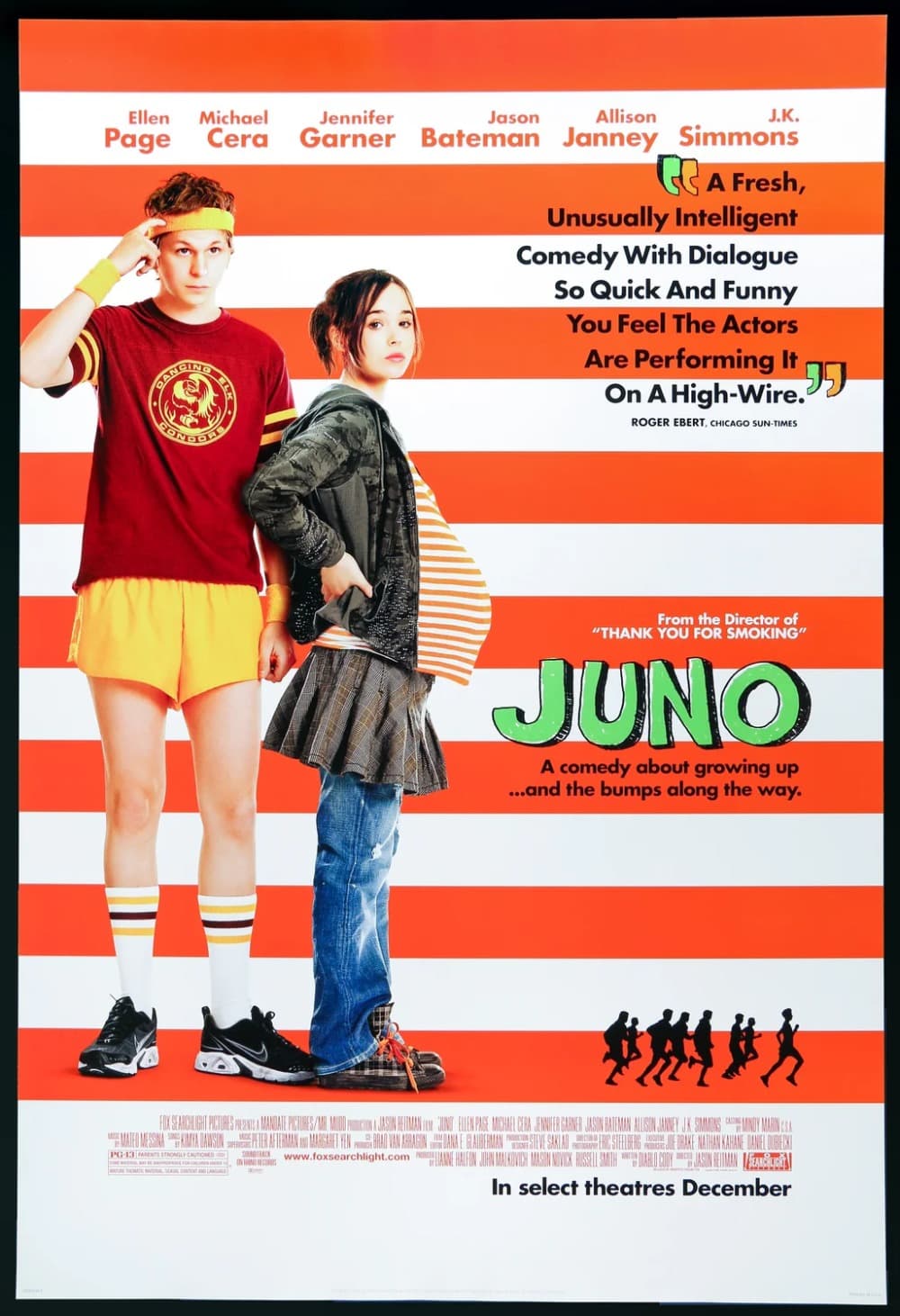
Diablo Cody won an Oscar for dialogue that no teenager has ever spoken, and it works anyway: a sixteen-year-old handles a pregnancy with more composure than every adult around her.
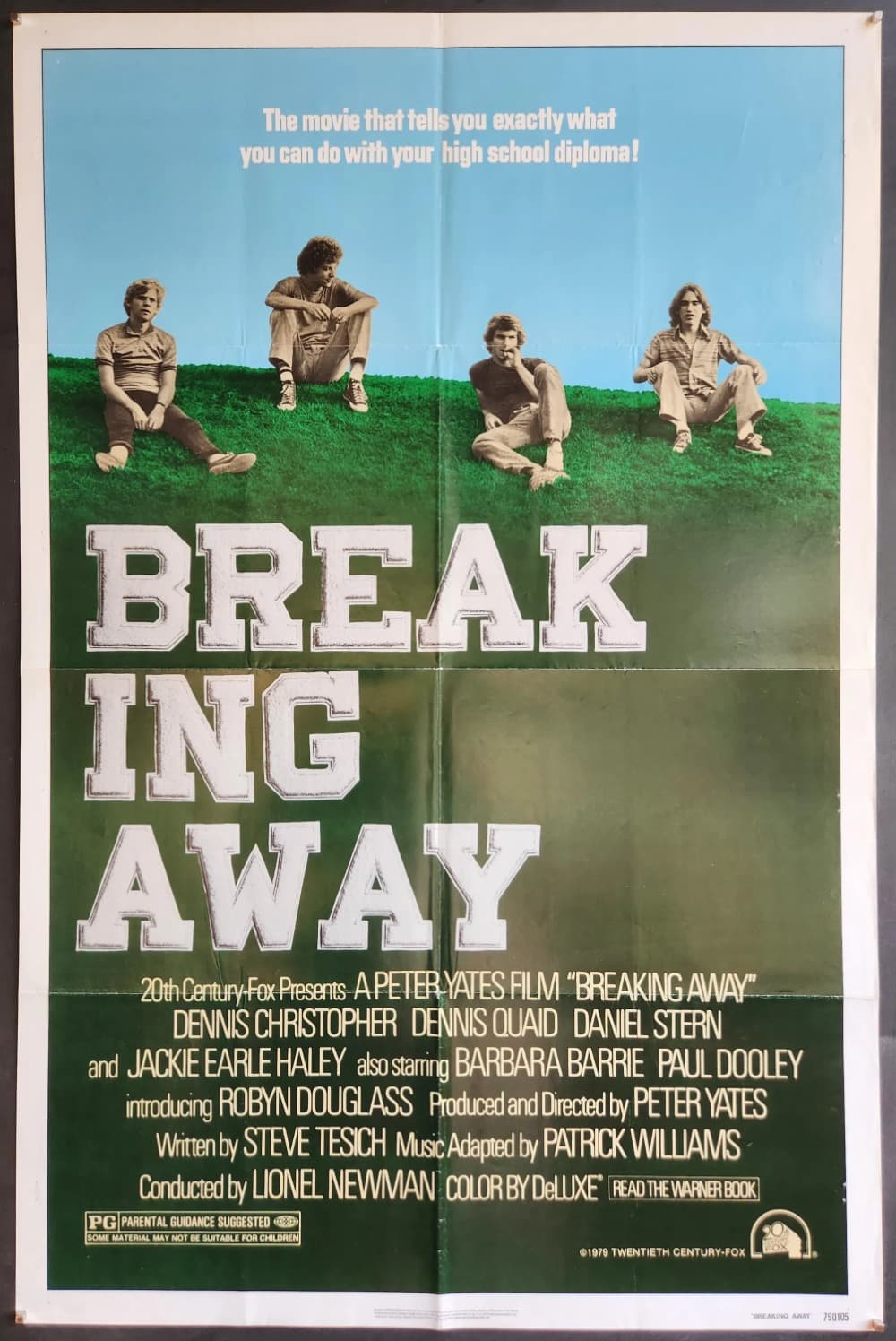
No sports film is sweeter, and the sport barely matters: an Indiana teenager pretends to be Italian because he loves bicycle racing, and the town's class divide does the rest.
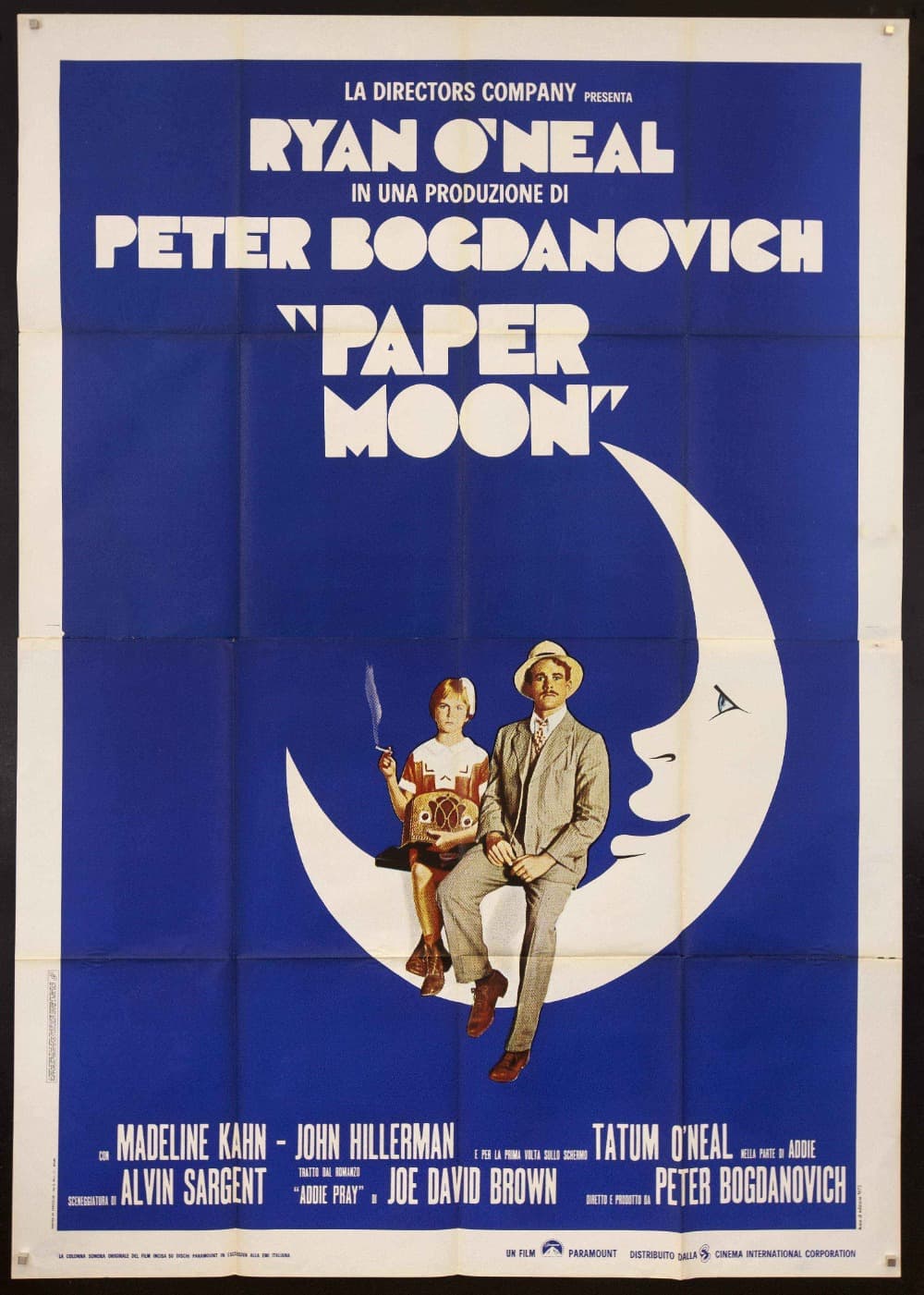
Tatum O'Neal was ten and is still the youngest winner of a competitive Academy Award: a Depression-era orphan running a Bible scam alongside someone who may be her father.
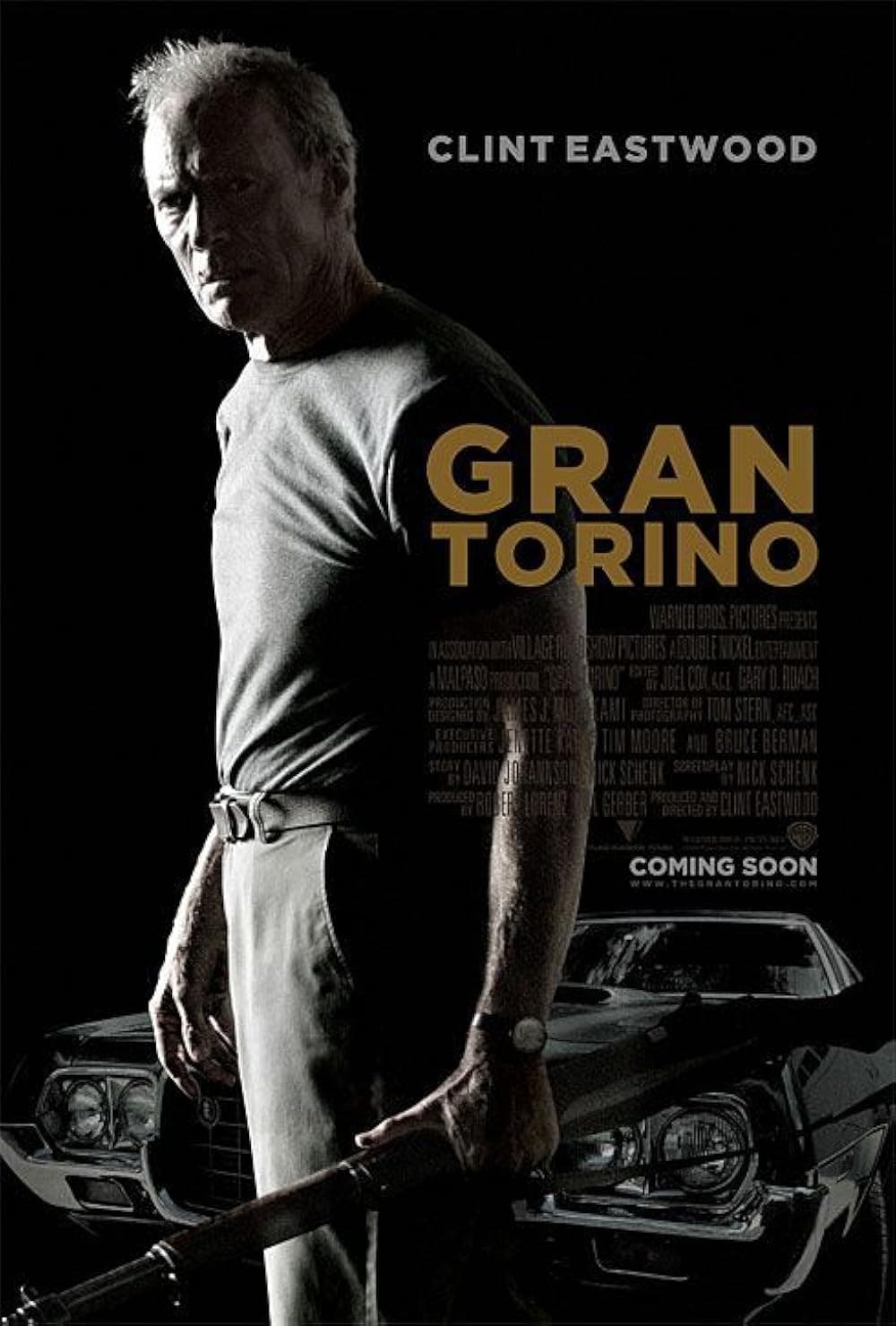
Clint Eastwood cast Hmong non-actors from open auditions across the country and put his own screen history on trial: a widowed Korean War veteran hates his new neighbors and runs out of reasons.
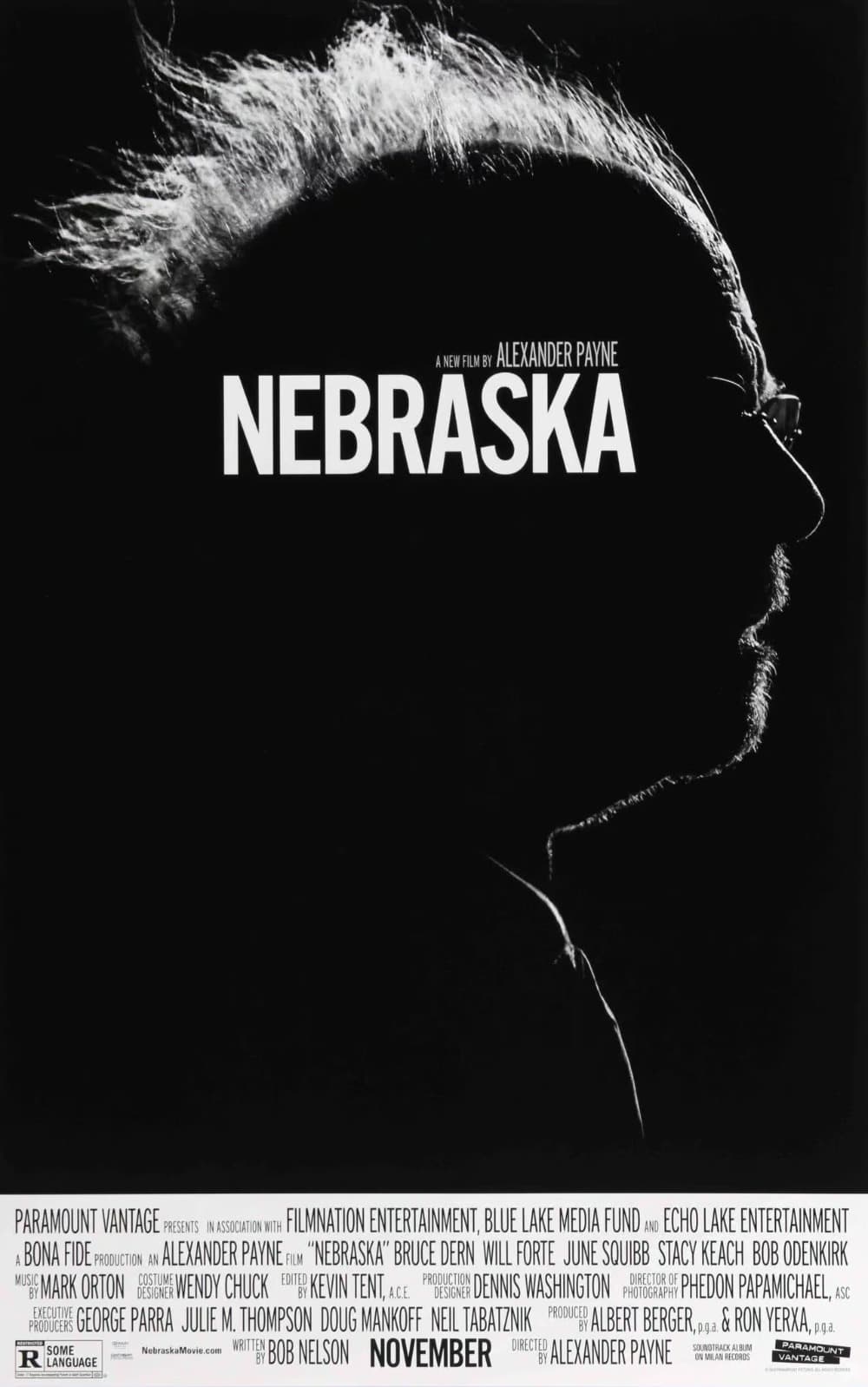
Payne wanted monochrome and the studio fought him over it: an old man believes a sweepstakes letter and sets off walking toward Nebraska, and his son drives him rather than argue.
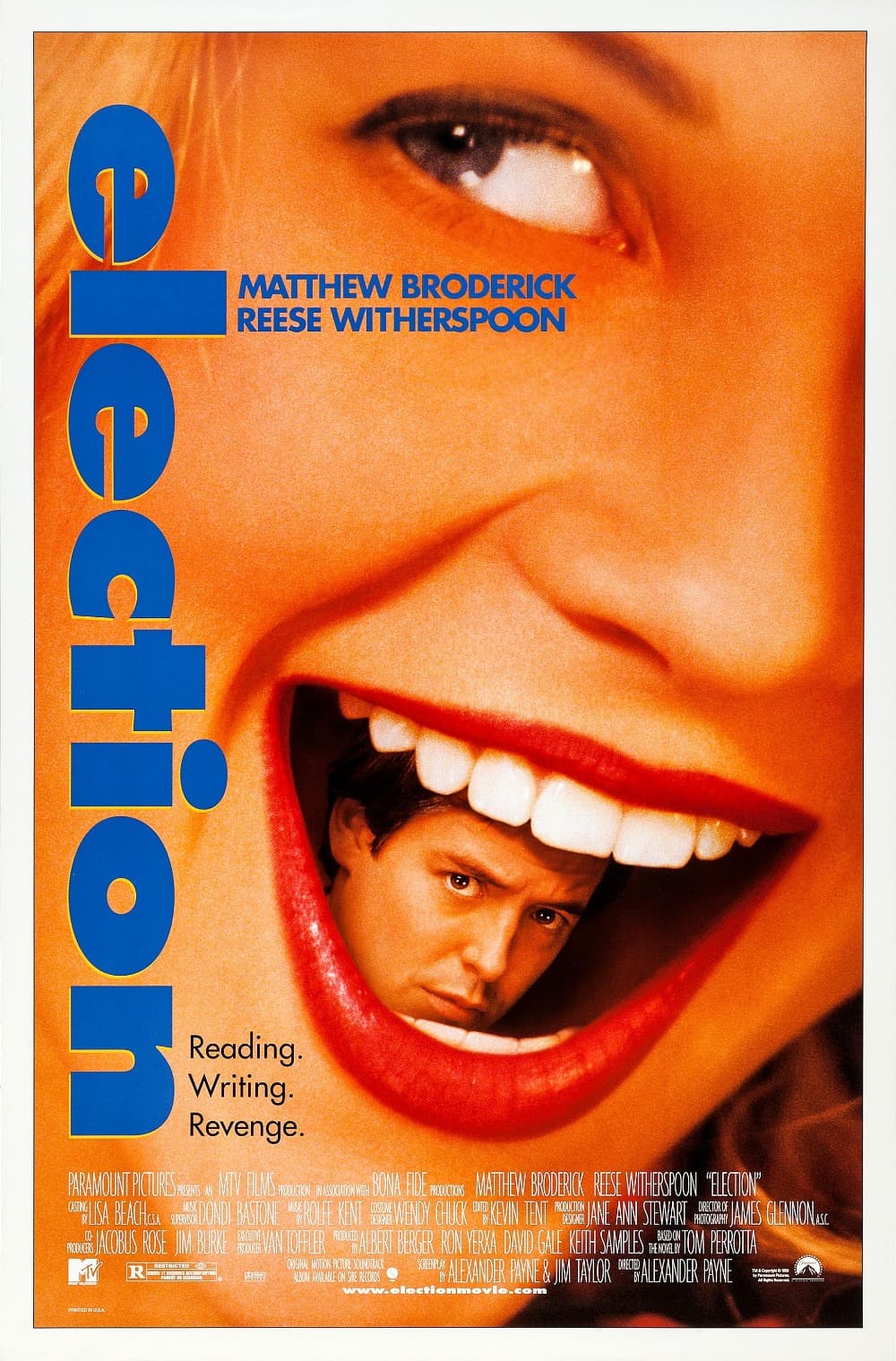
Reese Witherspoon has never been better used: a high-school student council election becomes a study of ambition and resentment, and Payne refuses to let a single character off the hook.
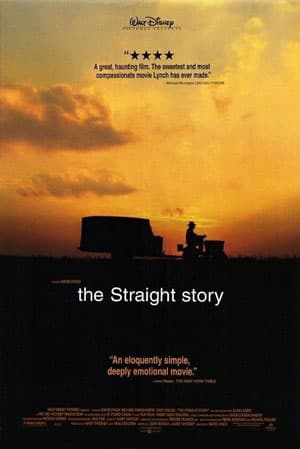
The strangest thing in David Lynch's filmography is this: a G-rated Disney picture in which an old man drives a riding lawnmower from Iowa to Wisconsin to reach his estranged brother.
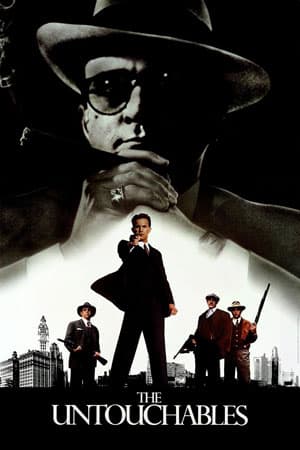
Mamet wrote it and Morricone scored it: De Palma stages a shootout on a station staircase in open tribute to Battleship Potemkin, and turns Prohibition Chicago into pure American myth.

Wyler cast a veteran who had lost both hands to play a veteran who had lost both hands, and audiences in 1946 recognized their own living rooms.
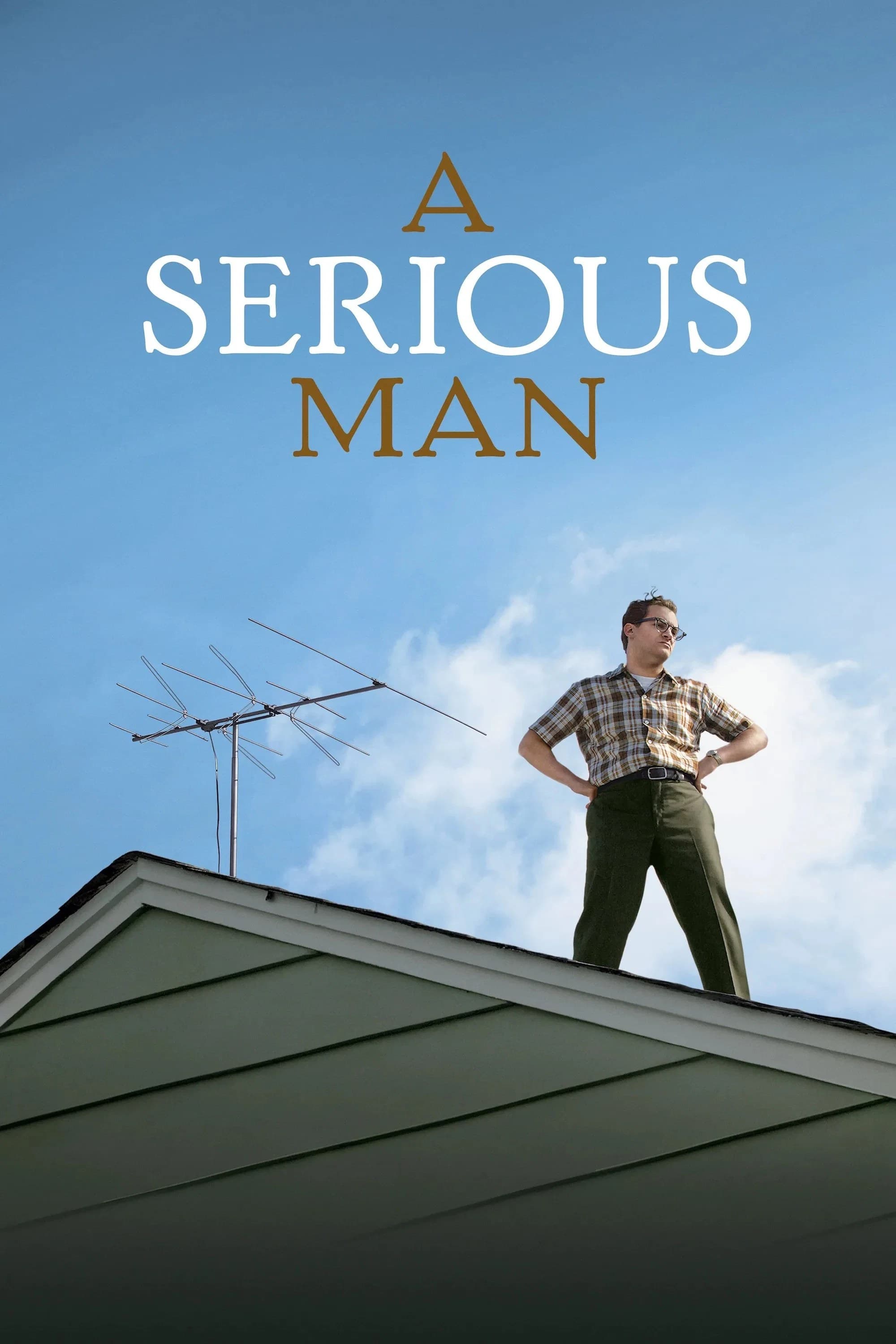
The Coens' most personal film and their least forgiving: a Minnesota physics professor's life comes apart for no reason at all, and nobody in it will explain anything.