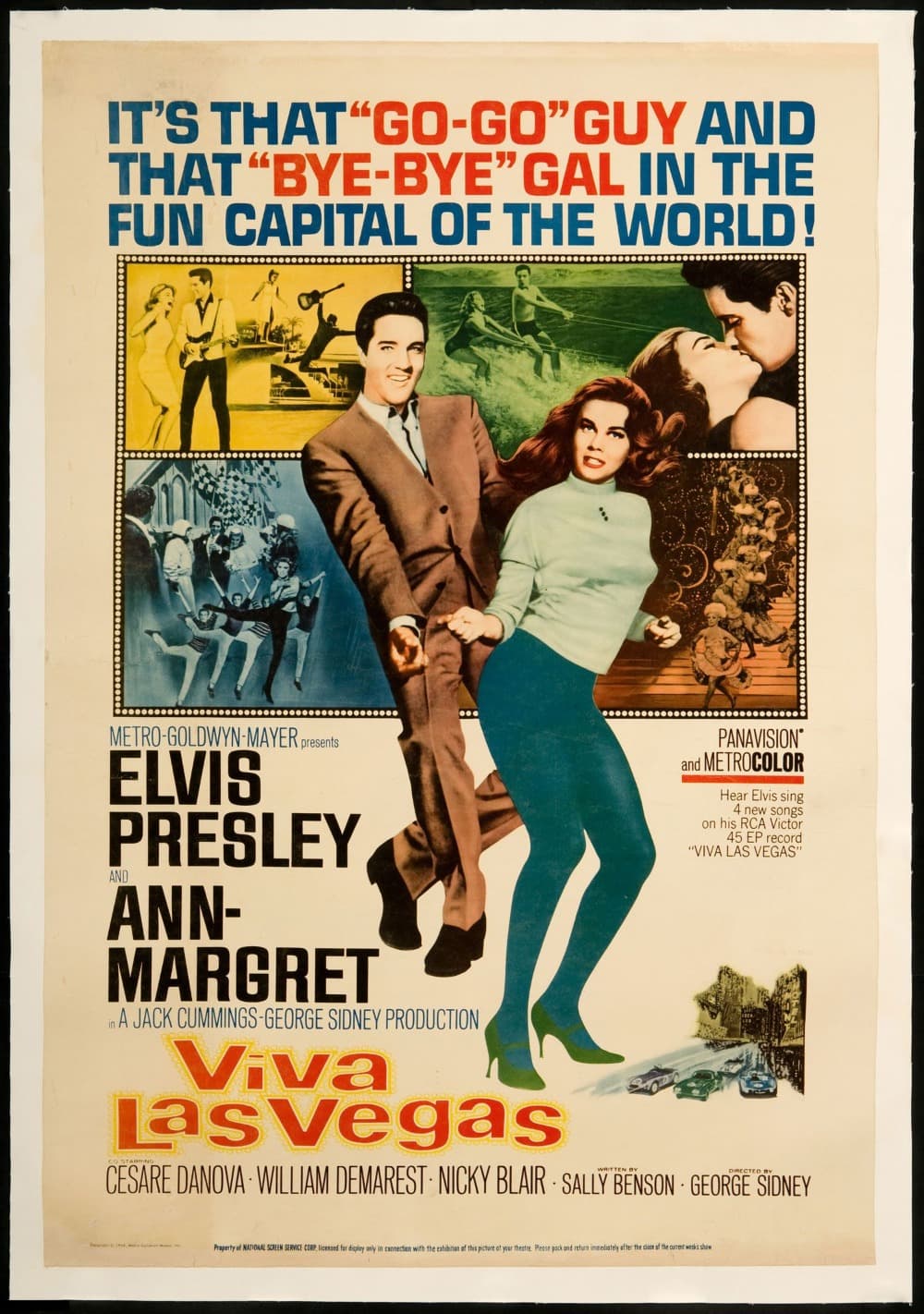
Viva Las Vegas
Directed by George Sidney
1964
Elvis Presley made thirty-one films and only this one holds up: Ann-Margret matches him move for move, the studio got nervous about it, and the title song outlived everything.
★ 1.2
 skopia
Elvis Presley made thirty-one films and only this one holds up: Ann-Margret matches him move for move, the studio got nervous about it, and the title song outlived everything.
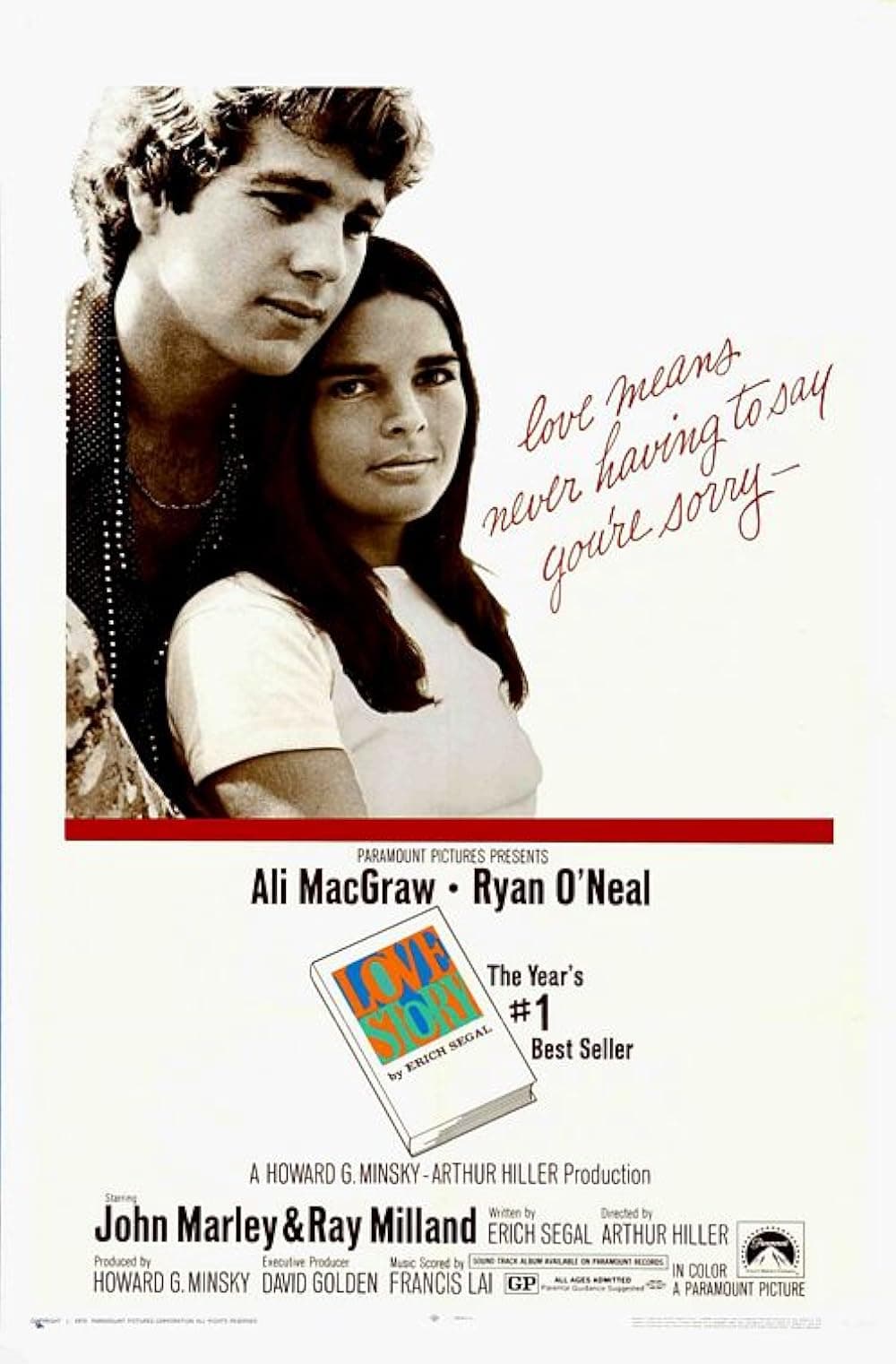
The novel was written from the screenplay and not the other way around: a Harvard hockey player and a Radcliffe music student marry against his father, and one line became inescapable.
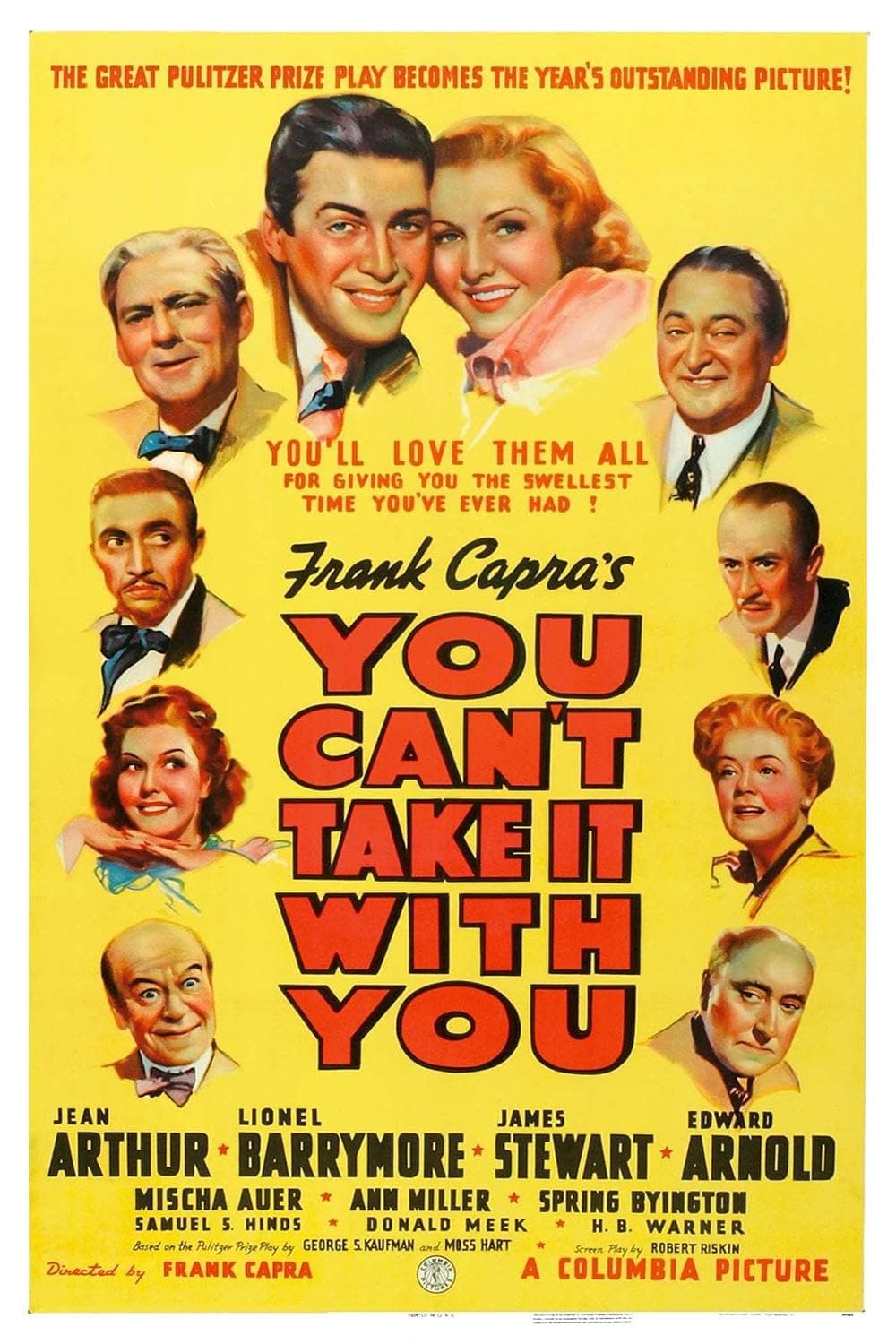
A household where everyone does exactly as they like collides with a banking family: Frank Capra won his third directing Oscar in five years, and the argument is still the one America has.
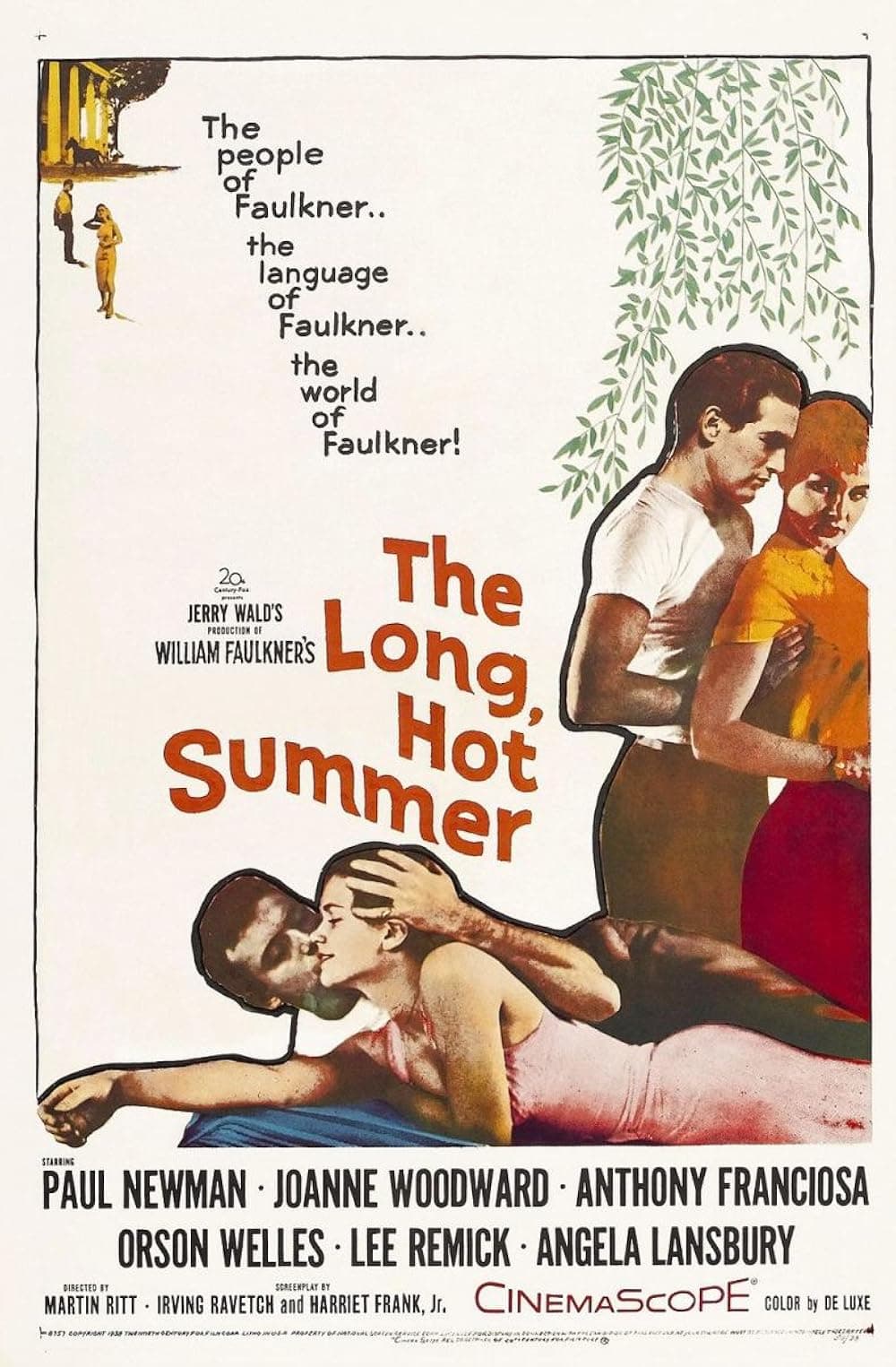
Paul Newman and Joanne Woodward fell in love making this and married before it opened: William Faulkner boiled down into one Mississippi town, and the heat is doing most of the acting.
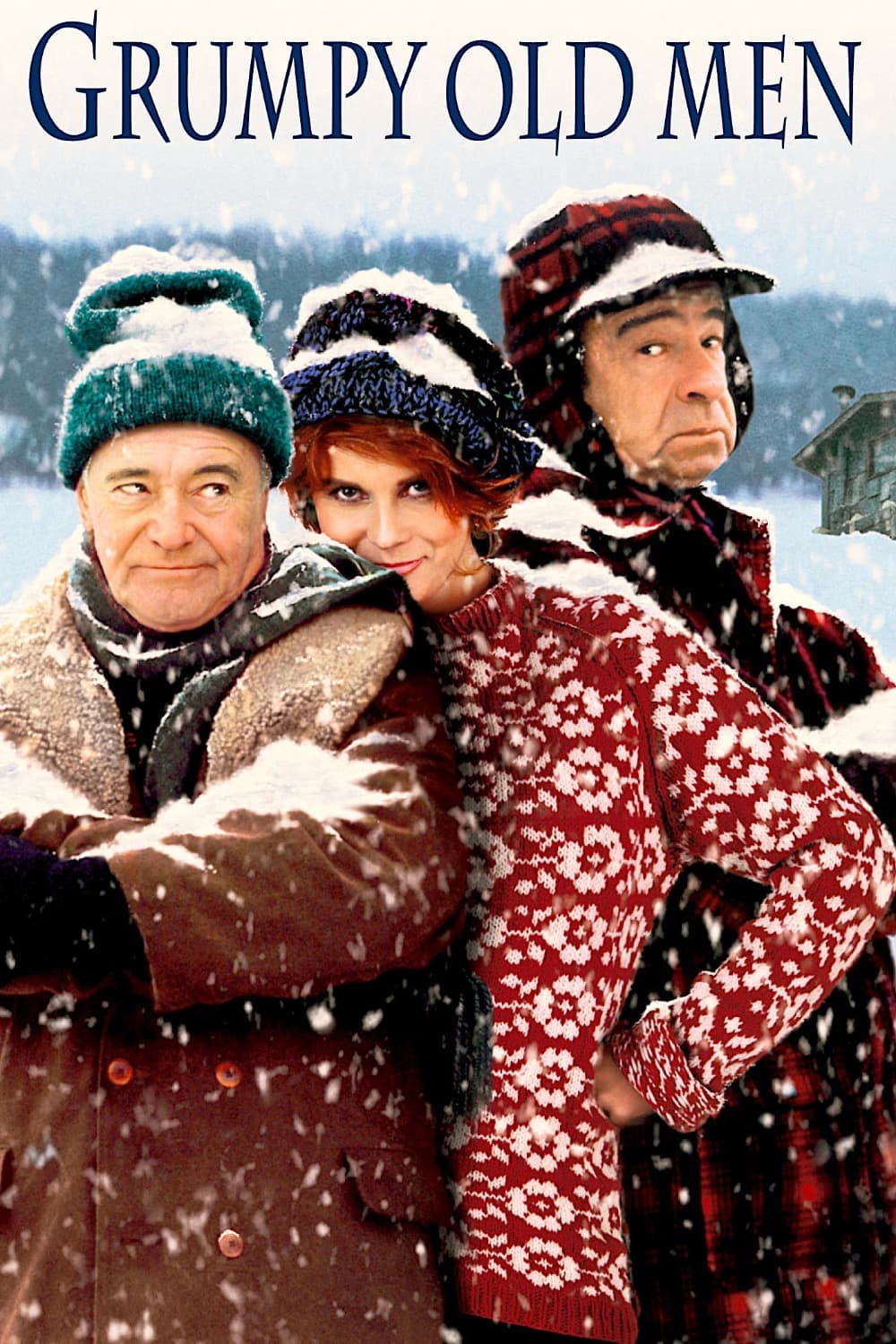
Walter Matthau and Jack Lemmon had been perfecting this act for twenty-five years and it still lands: two Minnesota neighbors have hated each other since one married the other's girl.
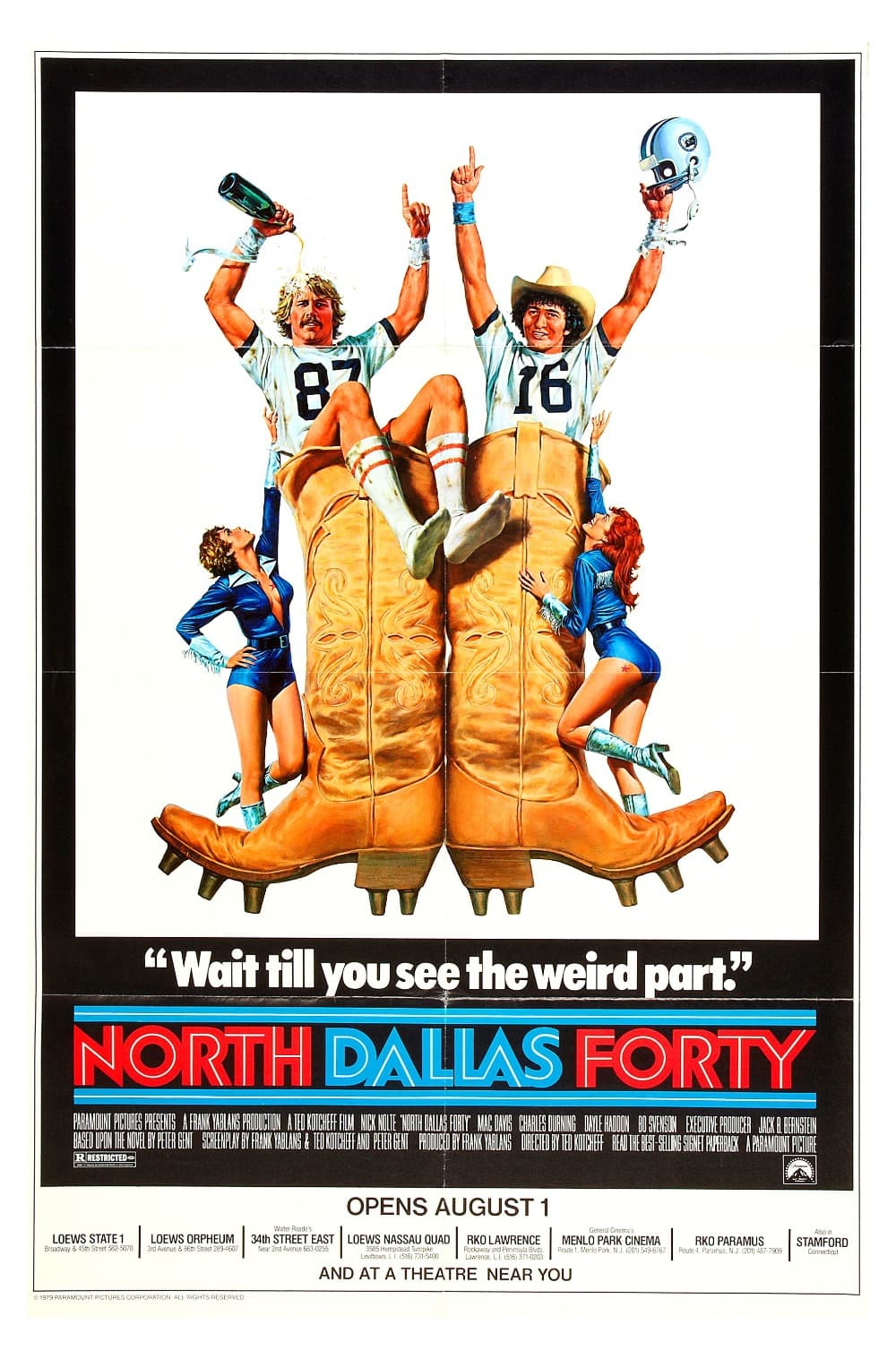
The NFL refused all cooperation and players said it was the only accurate football film ever made: Nick Nolte plays a receiver held together by painkillers and stubbornness for one more season.
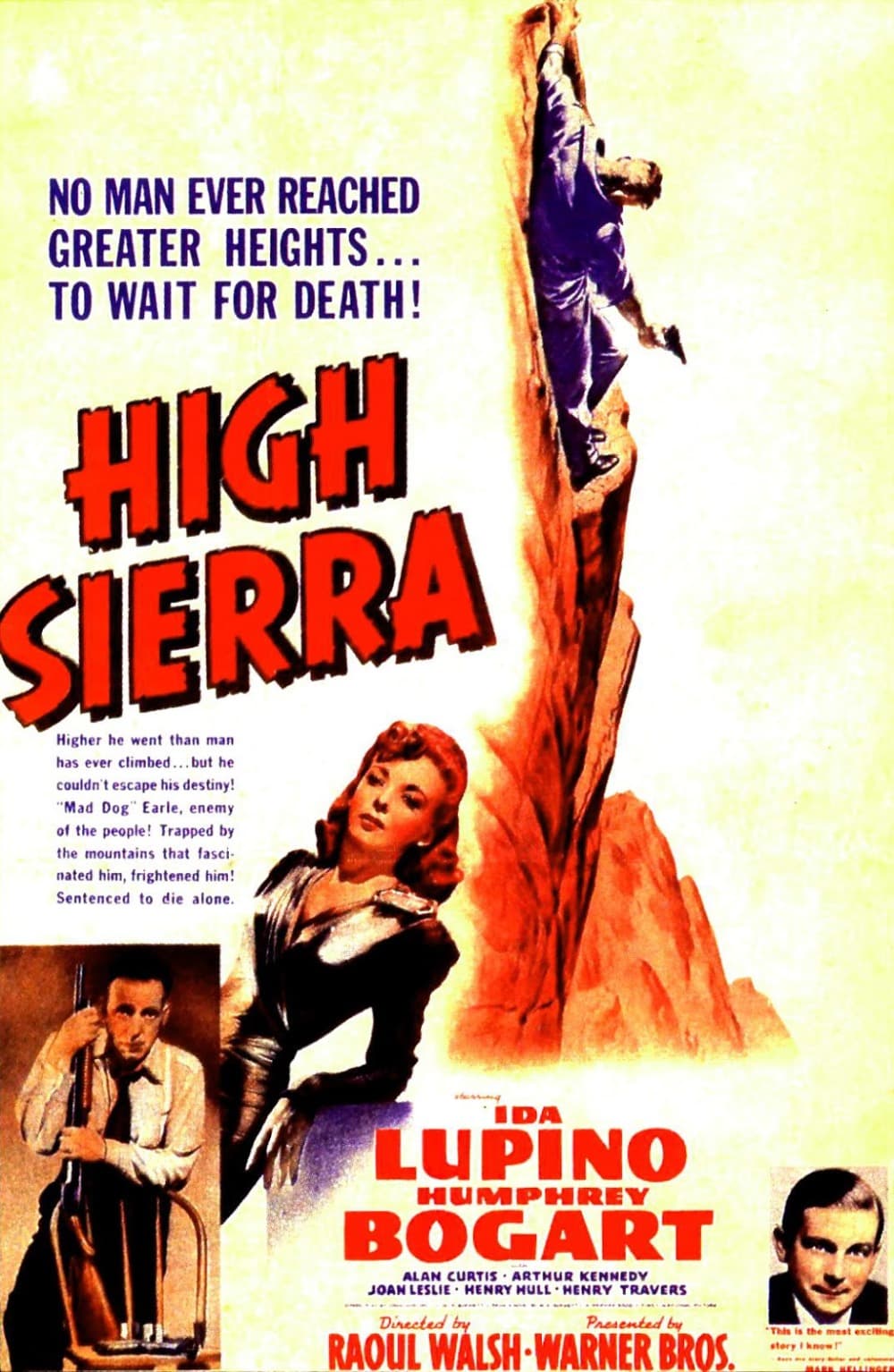
Ida Lupino had top billing and Bogart got the part after George Raft turned it down: John Huston co-wrote it, and an aging gunman takes one last job in the Sierra Nevada.
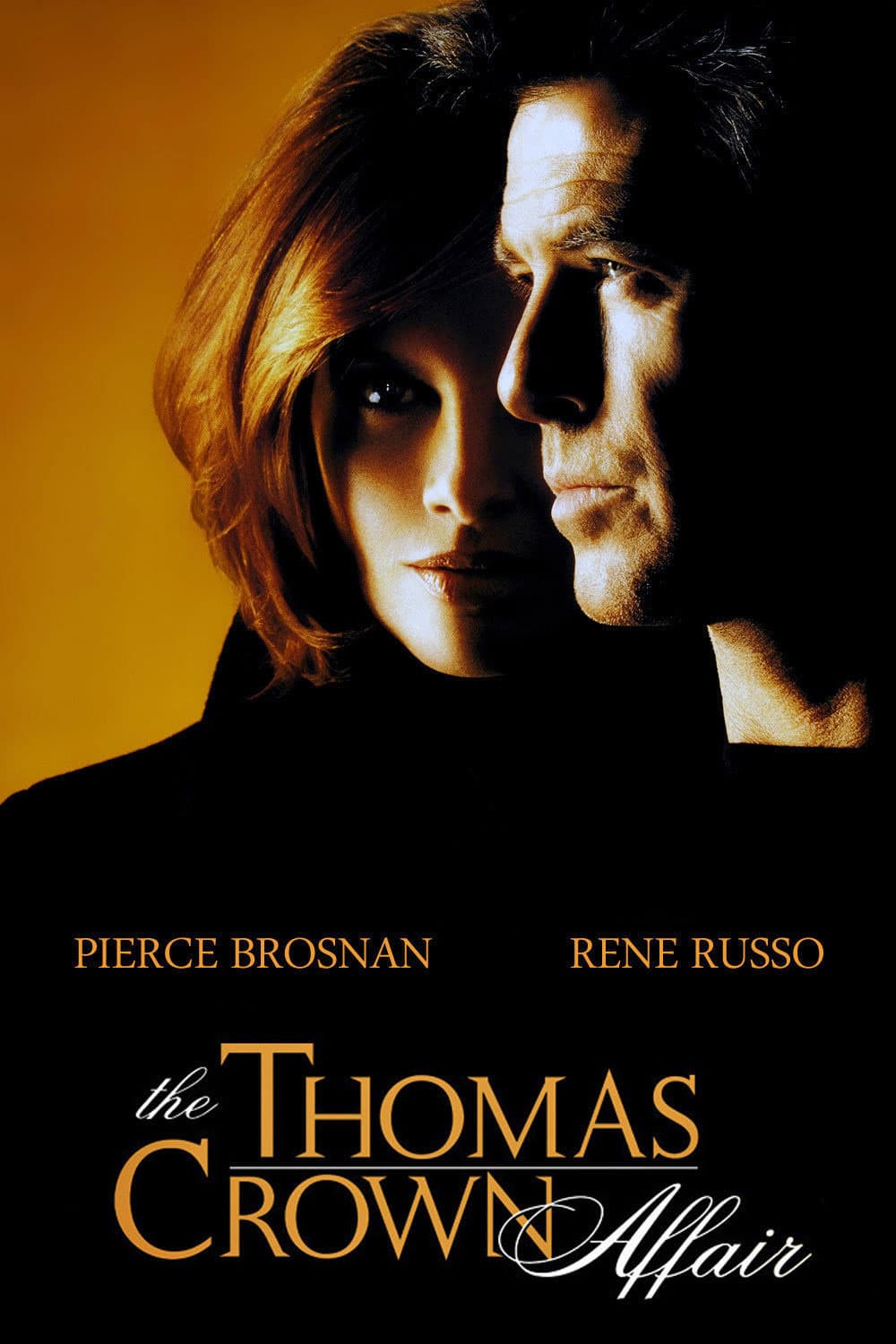
John McTiernan's remake is better than the original and knows how adult it is: a billionaire steals a Monet for entertainment, and the insurance investigator enjoys the chase as much as he does.
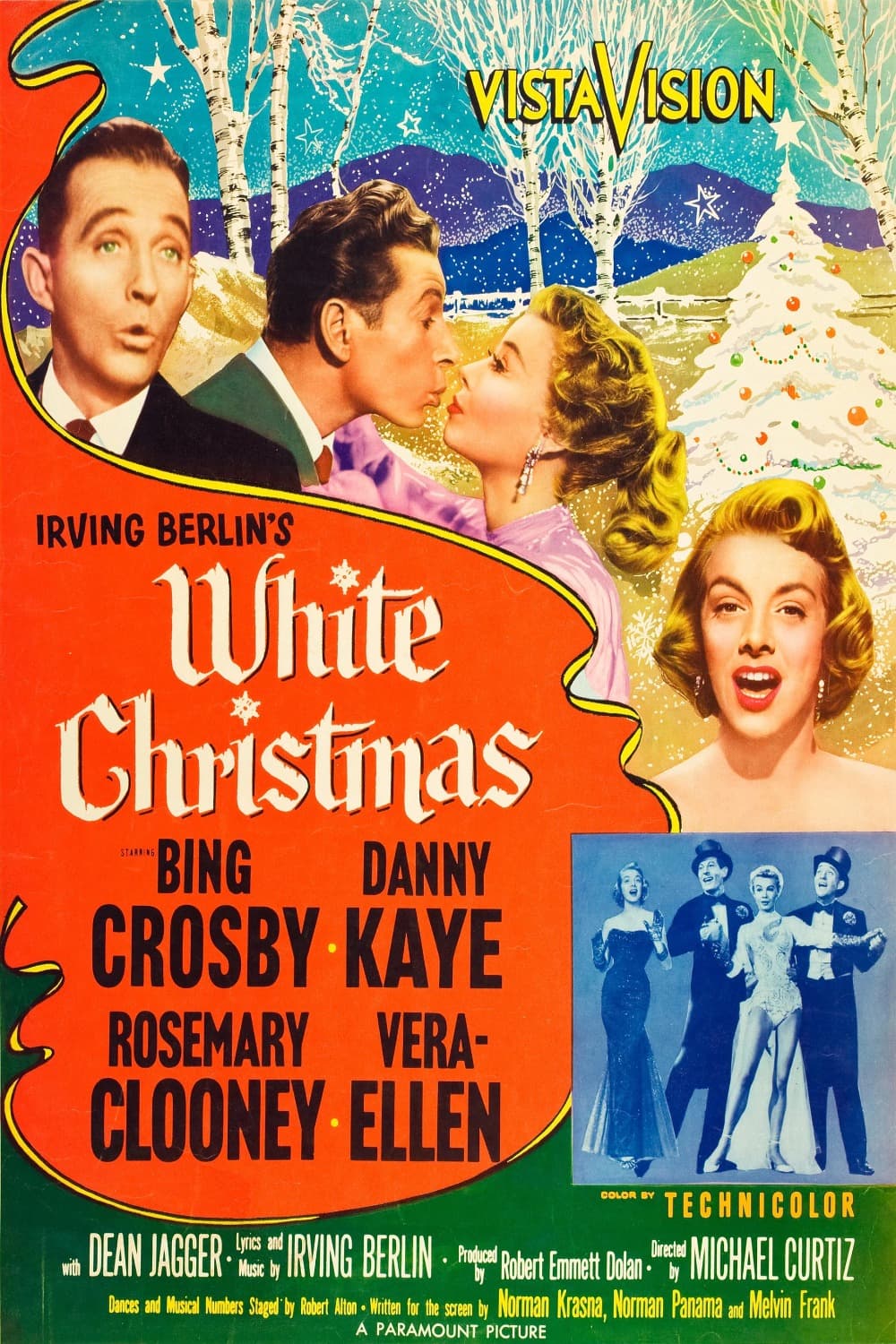
The first film shot in VistaVision, which was invented to compete with CinemaScope: Bing Crosby sings a song he had already made famous twelve years earlier, and it still works.
Robert Duvall wrote and sang his own songs, then took Best Actor for the quietest work of his life: a broken country singer stops drinking at a Texas motel and stays.
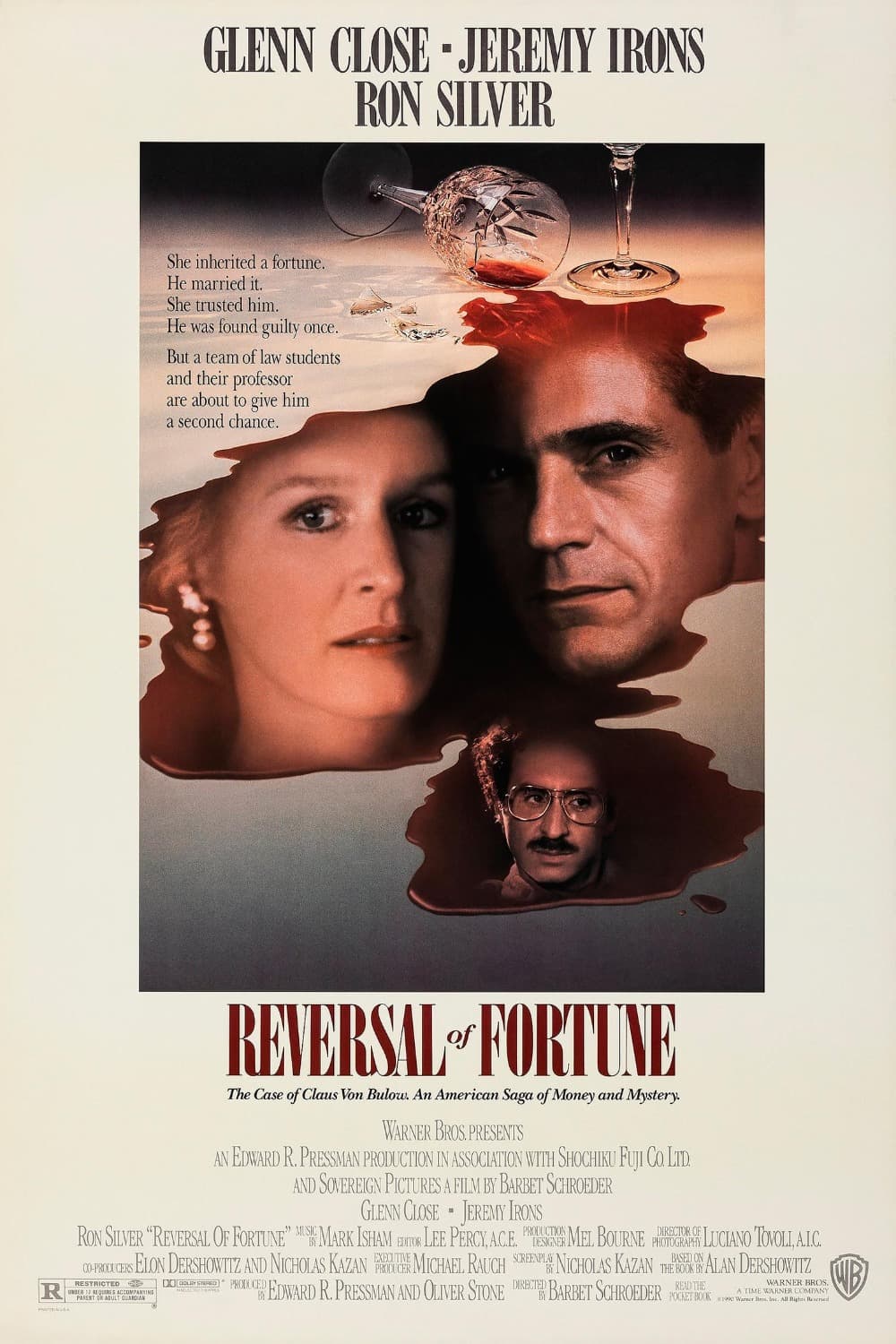
Jeremy Irons plays Claus von Bulow as completely unreadable and was rewarded for it: the film is narrated by his wife from the coma she never woke from, and takes no position.
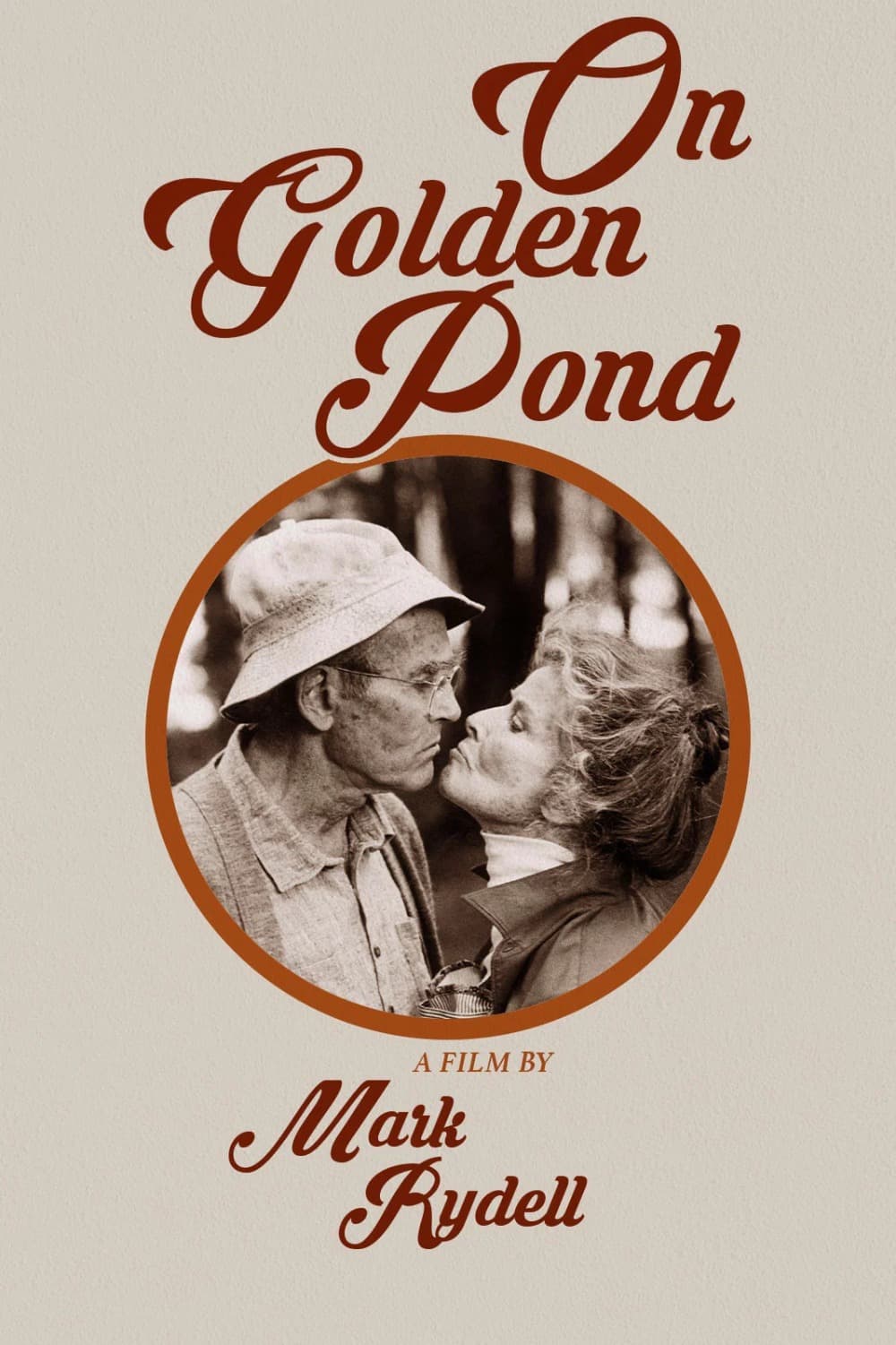
Henry Fonda won his only competitive Oscar at seventy-six and died four months later: he and Jane Fonda play an estranged father and daughter, which was not much of a stretch for either.
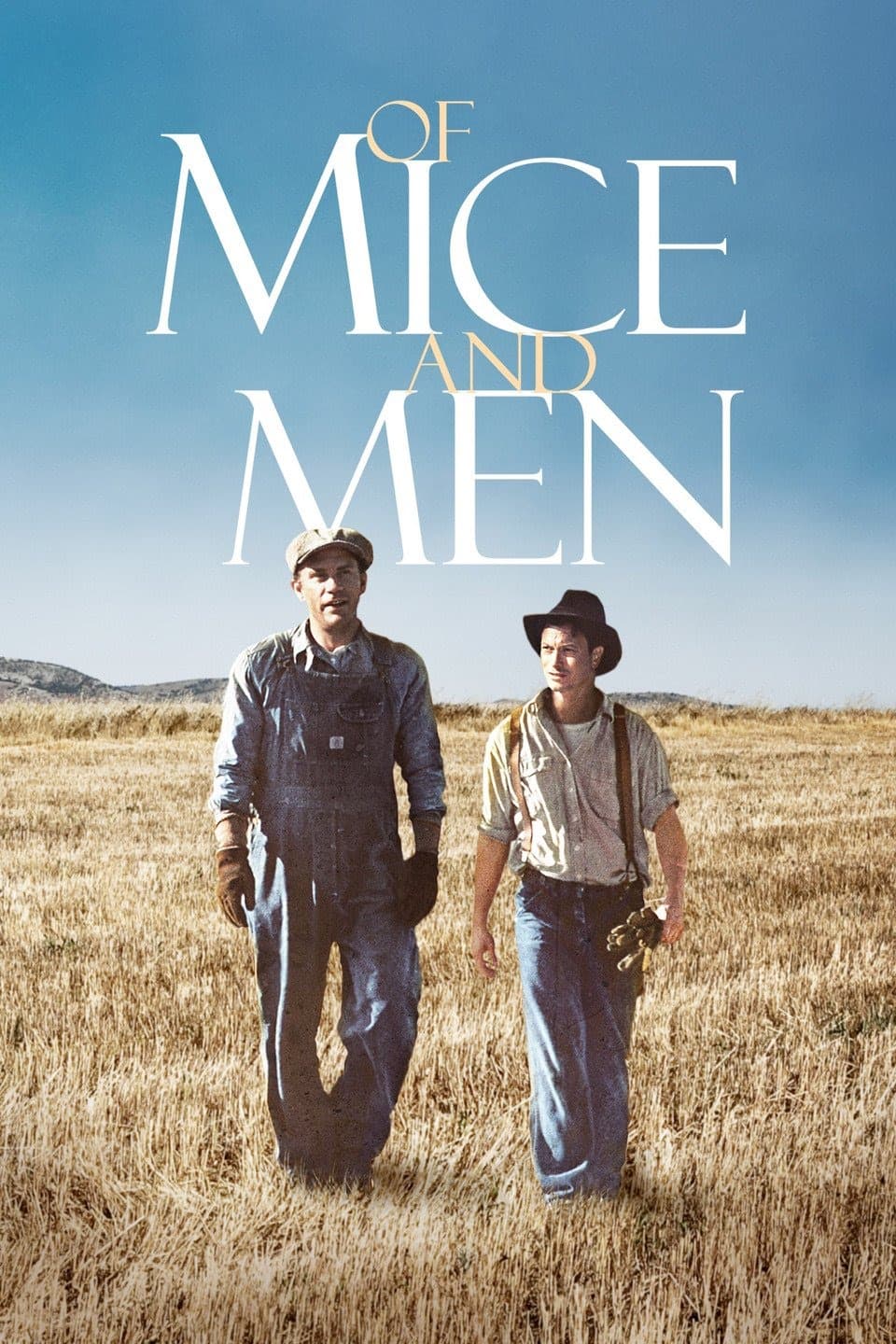
Gary Sinise directed it and played George opposite John Malkovich, the best casting the book has ever had: two migrant workers and one plan they will not stop describing.
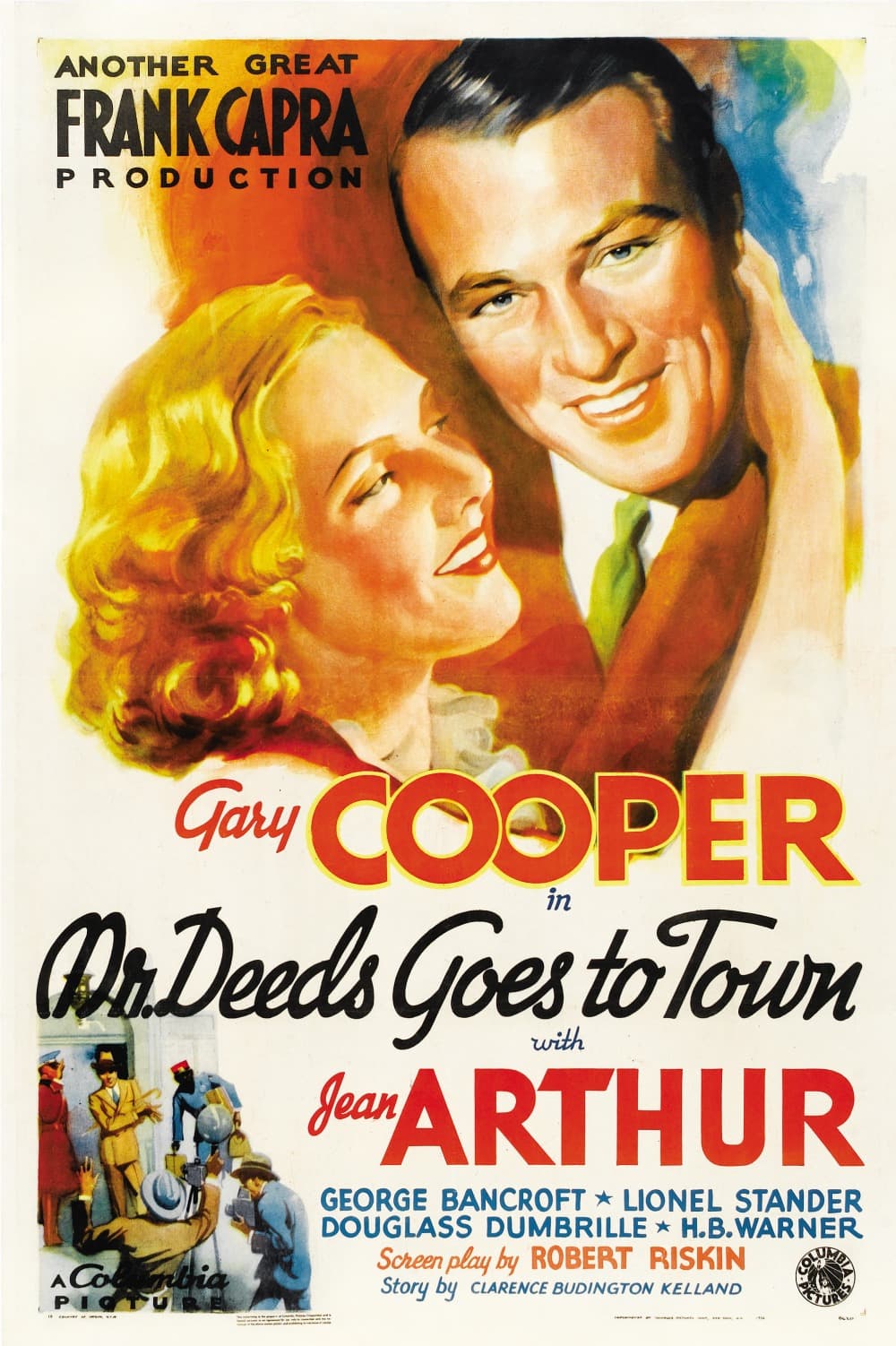
Frank Capra and Gary Cooper at the height of the New Deal: a tuba-playing greeting card poet inherits twenty million dollars and finds out what New York wants from him.
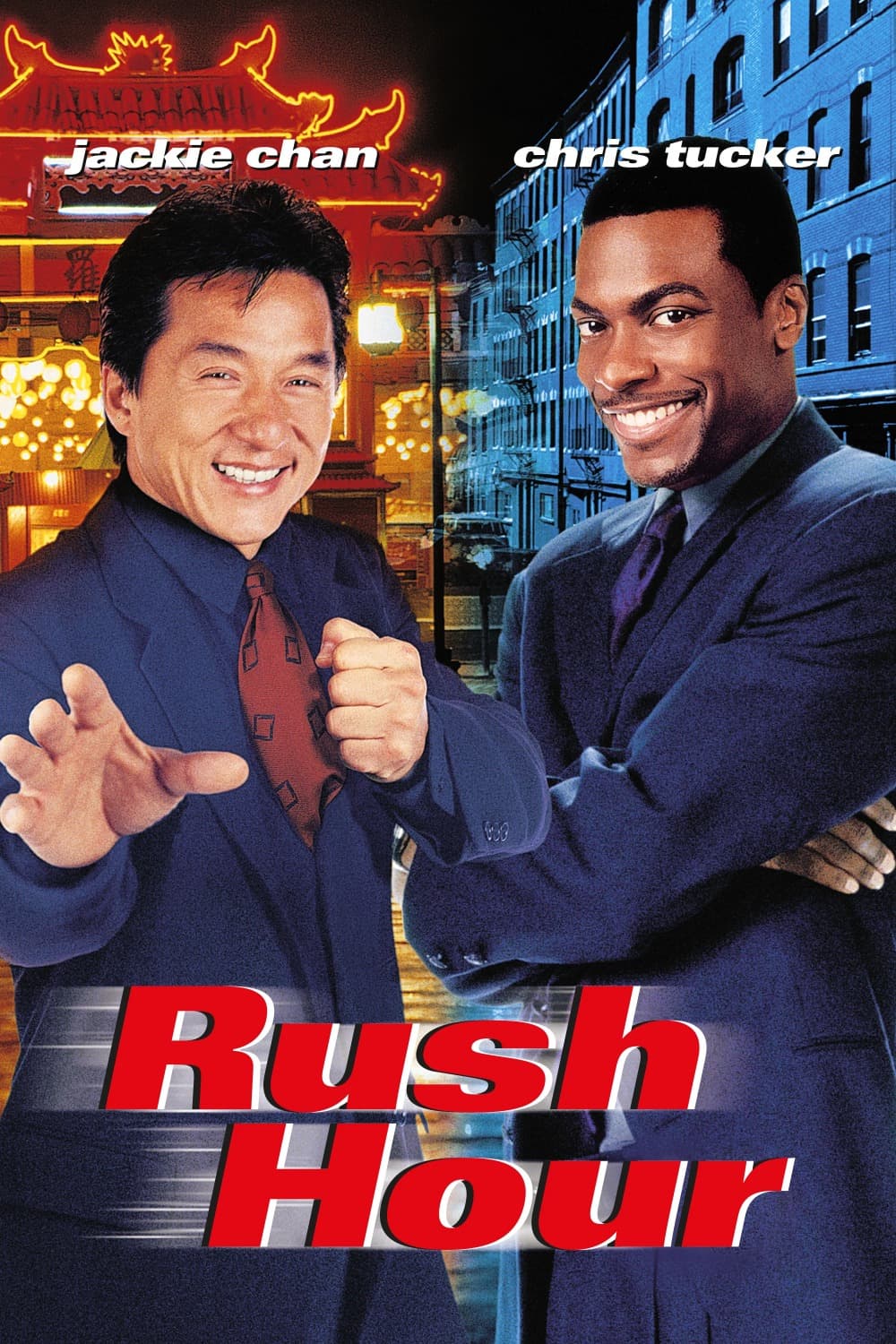
Jackie Chan had been a superstar everywhere except America and this finally fixed that: he does all his own stunts, and Chris Tucker talks at a frequency nobody else reaches.
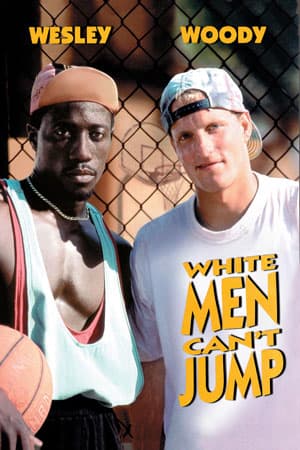
Nobody has ever written trash talk this well: Wesley Snipes and Woody Harrelson hustle Los Angeles playground courts, and the insults are more athletic than the basketball.
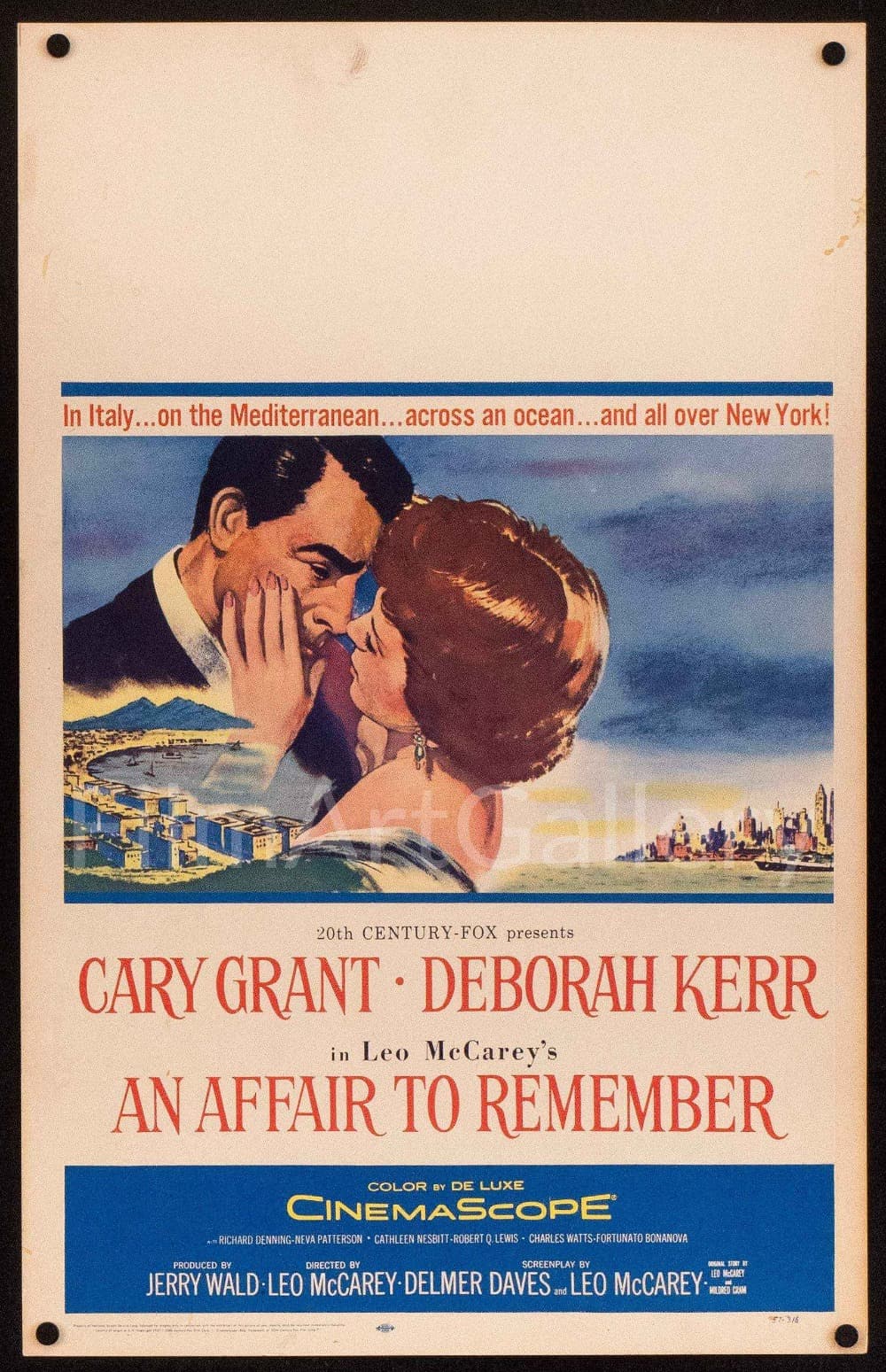
Sleepless in Seattle sent an entire generation back to it: Cary Grant and Deborah Kerr agree to meet on the Empire State Building observation deck in six months, and then wait.
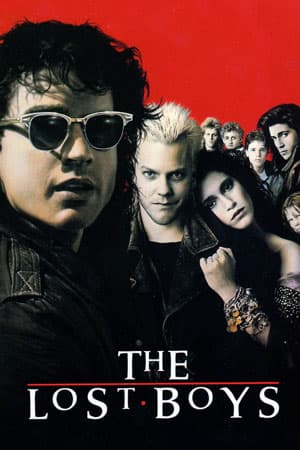
Vampires got young, good-looking and sold on a soundtrack here: Joel Schumacher put them on a California boardwalk in 1987, and the horror genre never went back to castles.
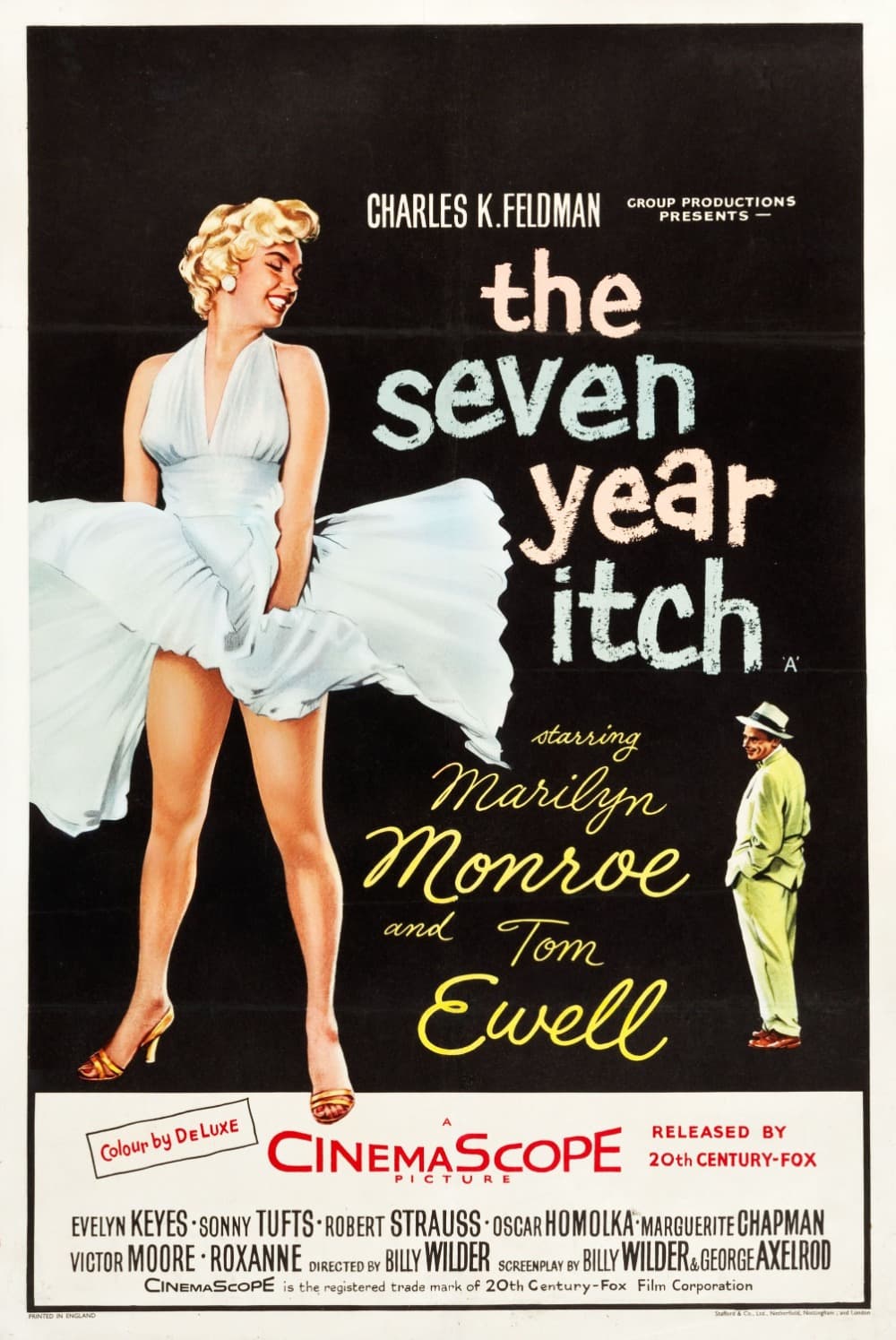
The subway grate photograph is more famous than the film: Billy Wilder strands a Manhattan husband alone for the summer, Marilyn Monroe moves in upstairs, and the fantasies start immediately.
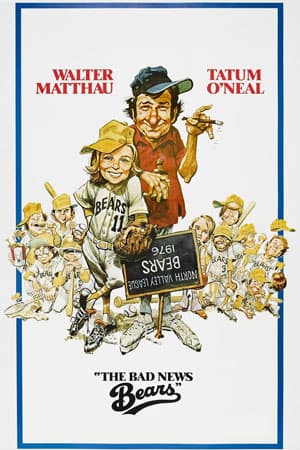
The children swear constantly, the coach drinks in the dugout, and nobody learns very much: Walter Matthau took a Little League team and made the least sentimental sports film ever released.
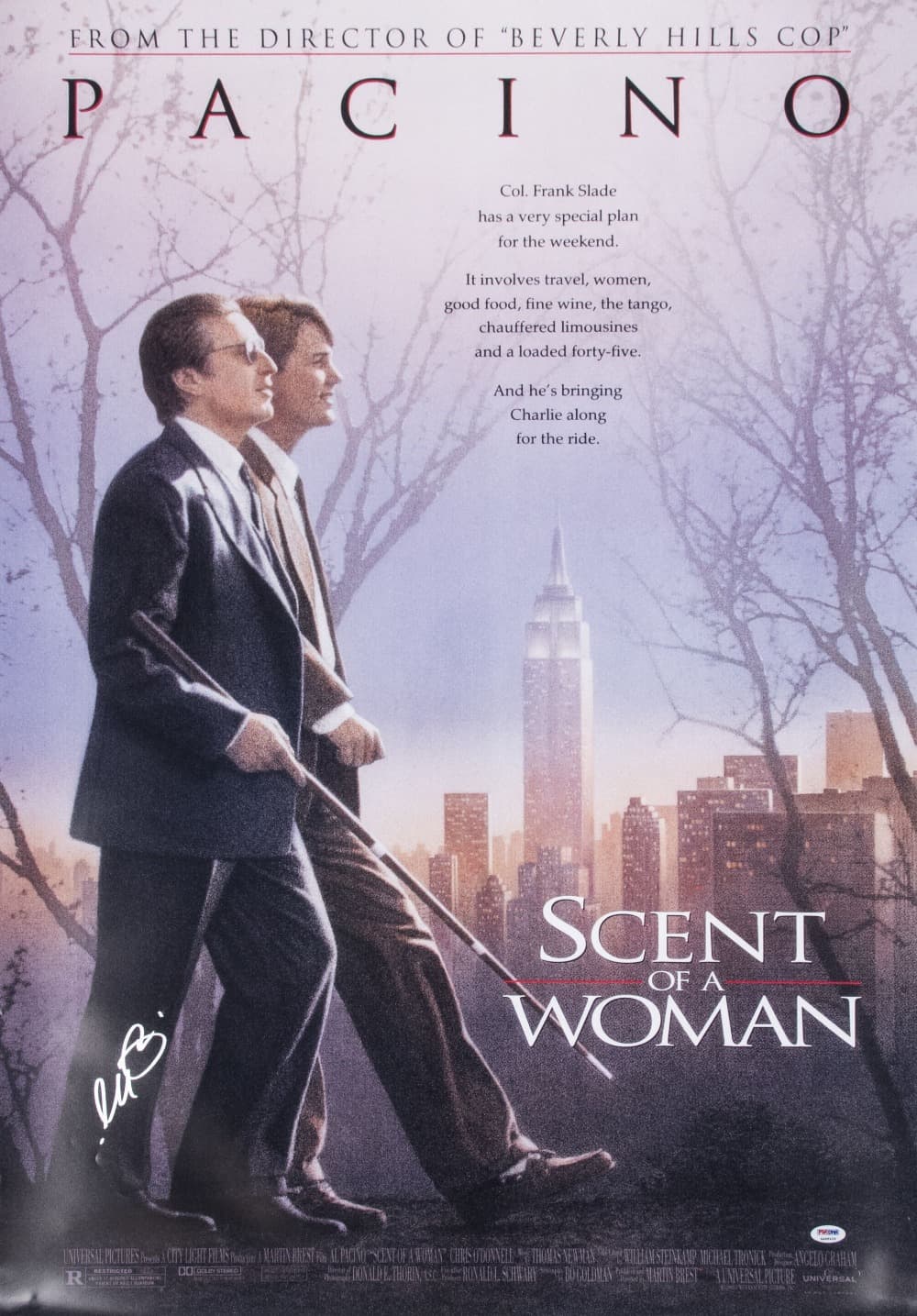
Al Pacino spent months learning to hold his eyes unfocused and never once looks at anything: a blind retired colonel hires a prep school student for one enormous weekend in New York.
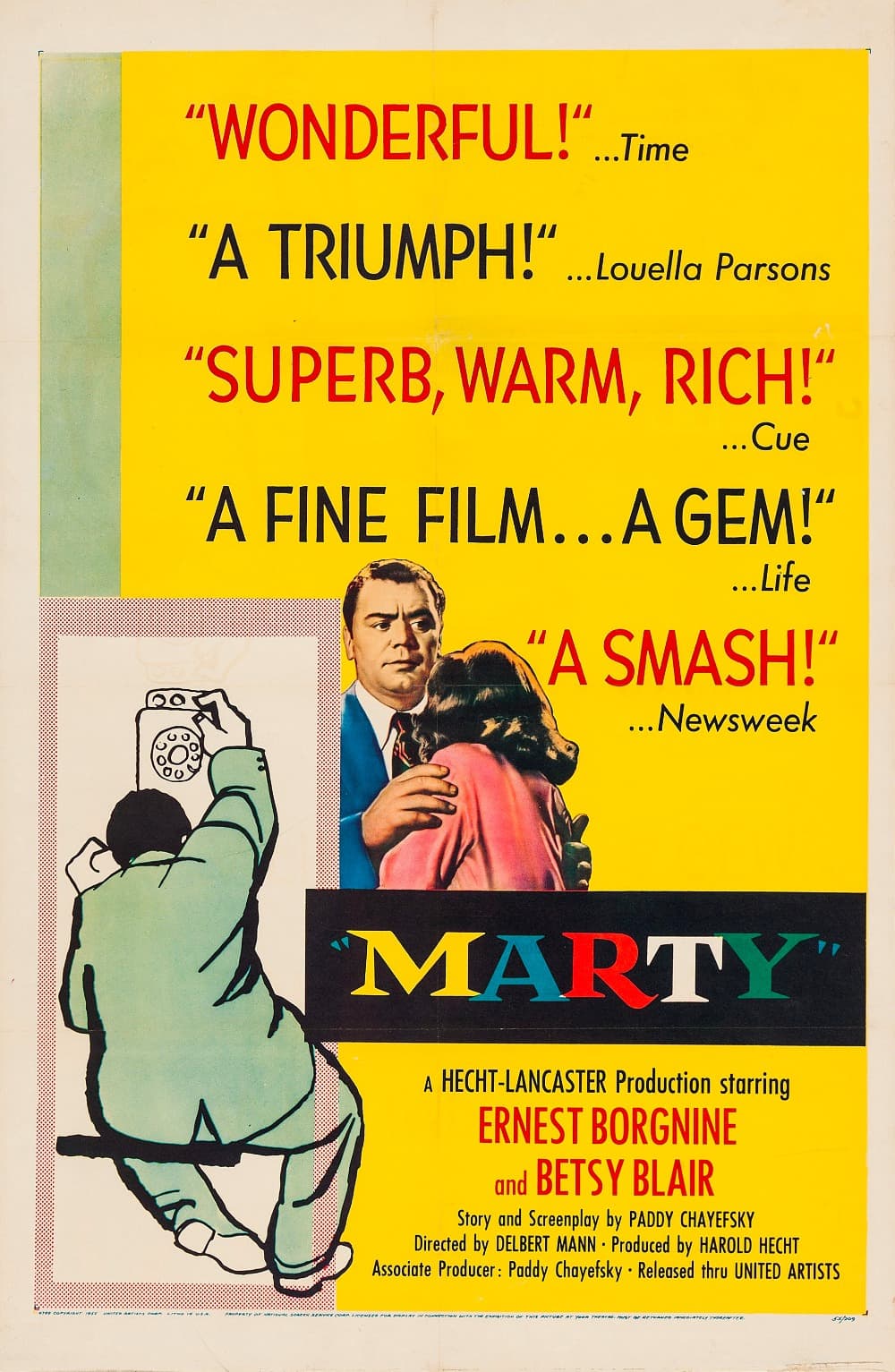
It holds both Best Picture and the Palme d'Or, which only three other films manage: a Bronx butcher who has given up on meeting anybody meets somebody, and it runs ninety-three minutes.
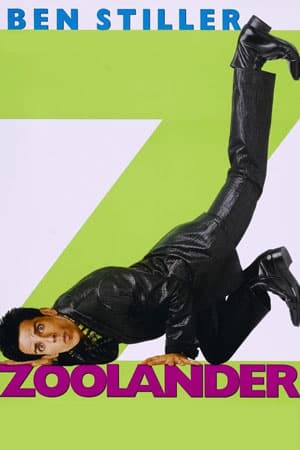
The World Trade Center had to be digitally erased from the skyline two weeks before release: an idiot male model, and Ben Stiller commits to the stupidity absolutely and without apology.
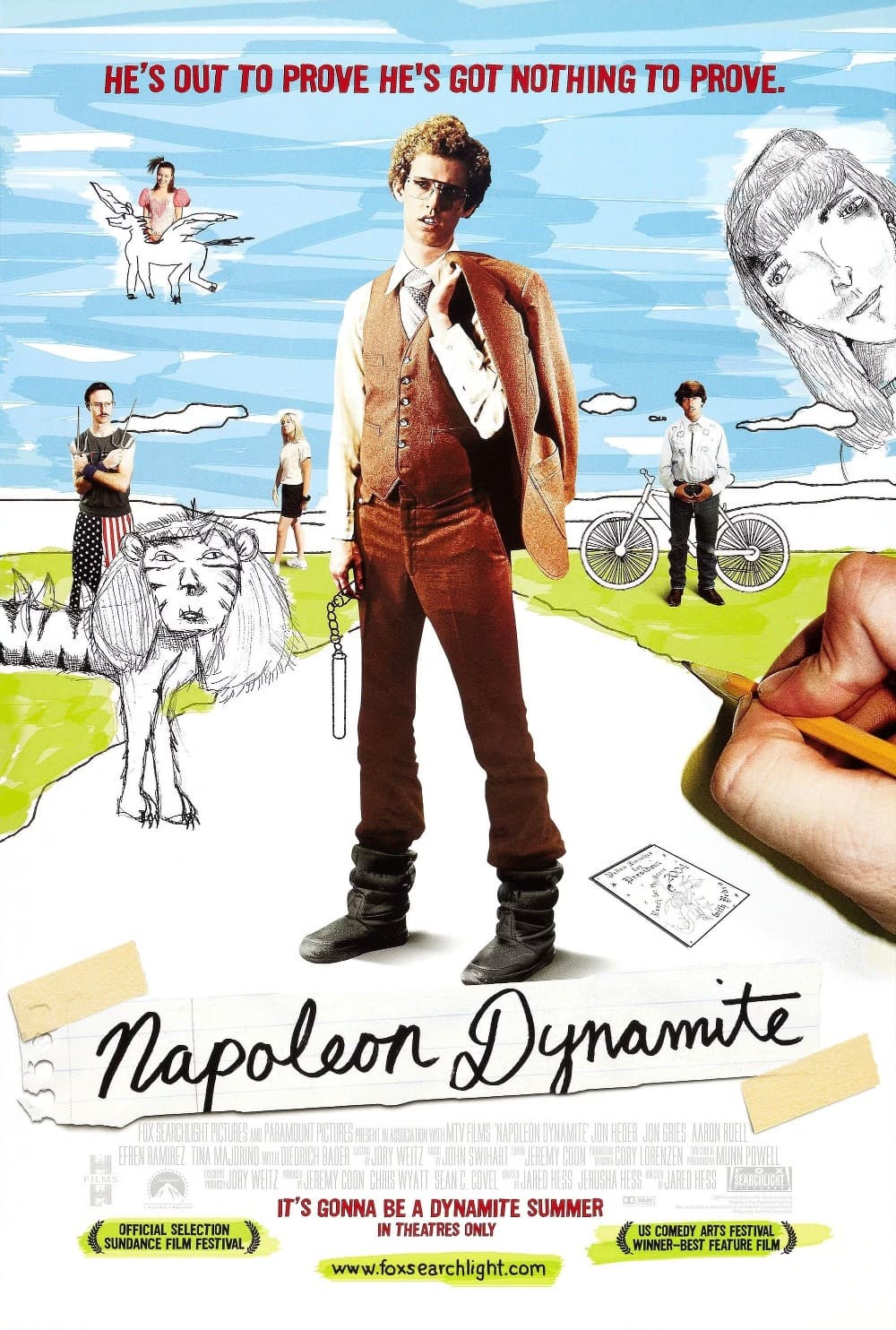
It cost under half a million and grossed a hundred times that: an Idaho teenager, his brother's internet girlfriend, and a deadpan rhythm nobody has successfully copied.

Bob Dylan wrote the score, appears in it, and gave the world Knockin on Heaven's Door: MGM cut Peckinpah's version to pieces, and the restoration is a great elegiac western.
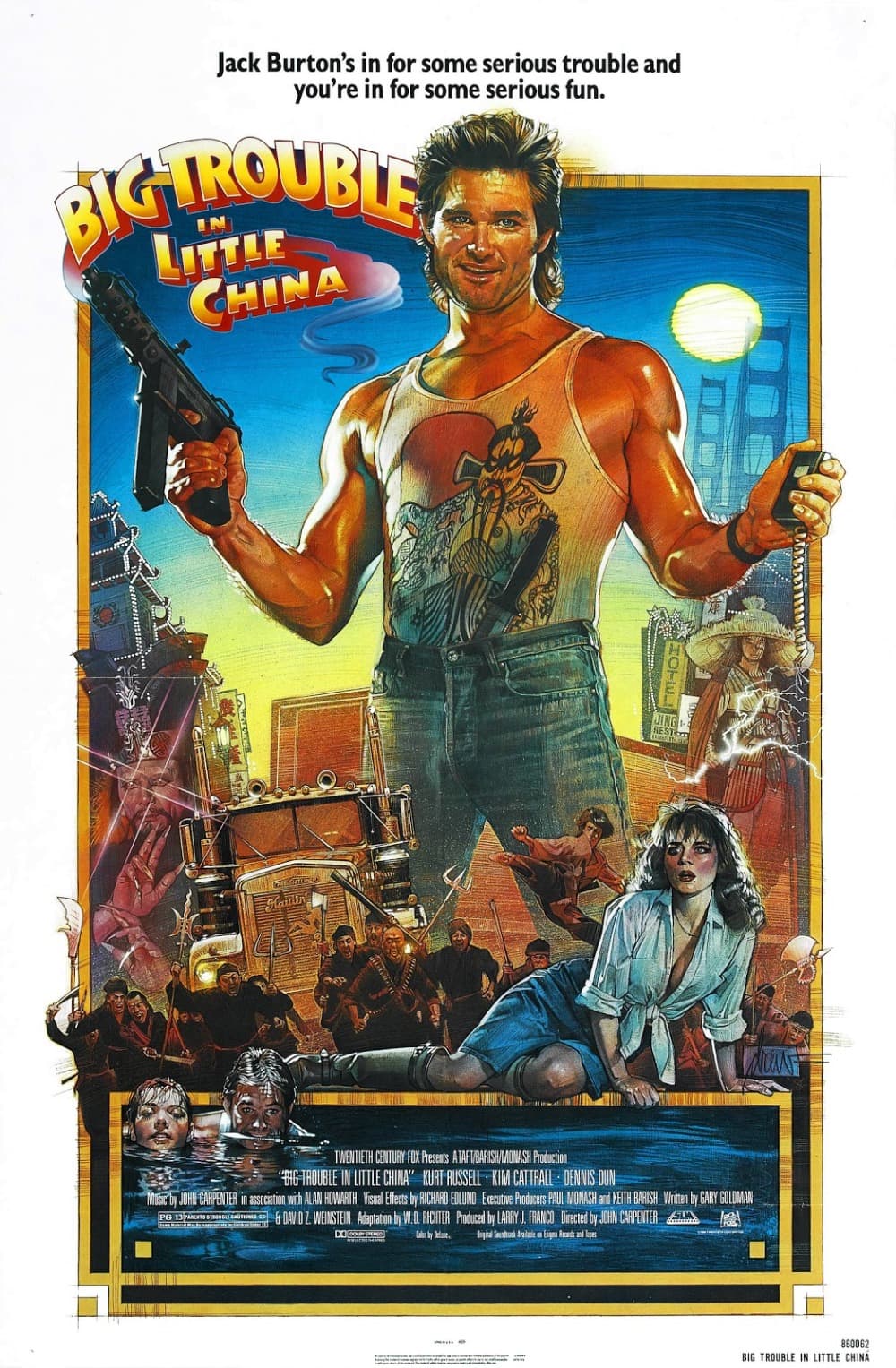
It flopped completely and then found everybody on video: Kurt Russell's swaggering trucker is really the useless sidekick, and nothing in it is ever explained to anyone.
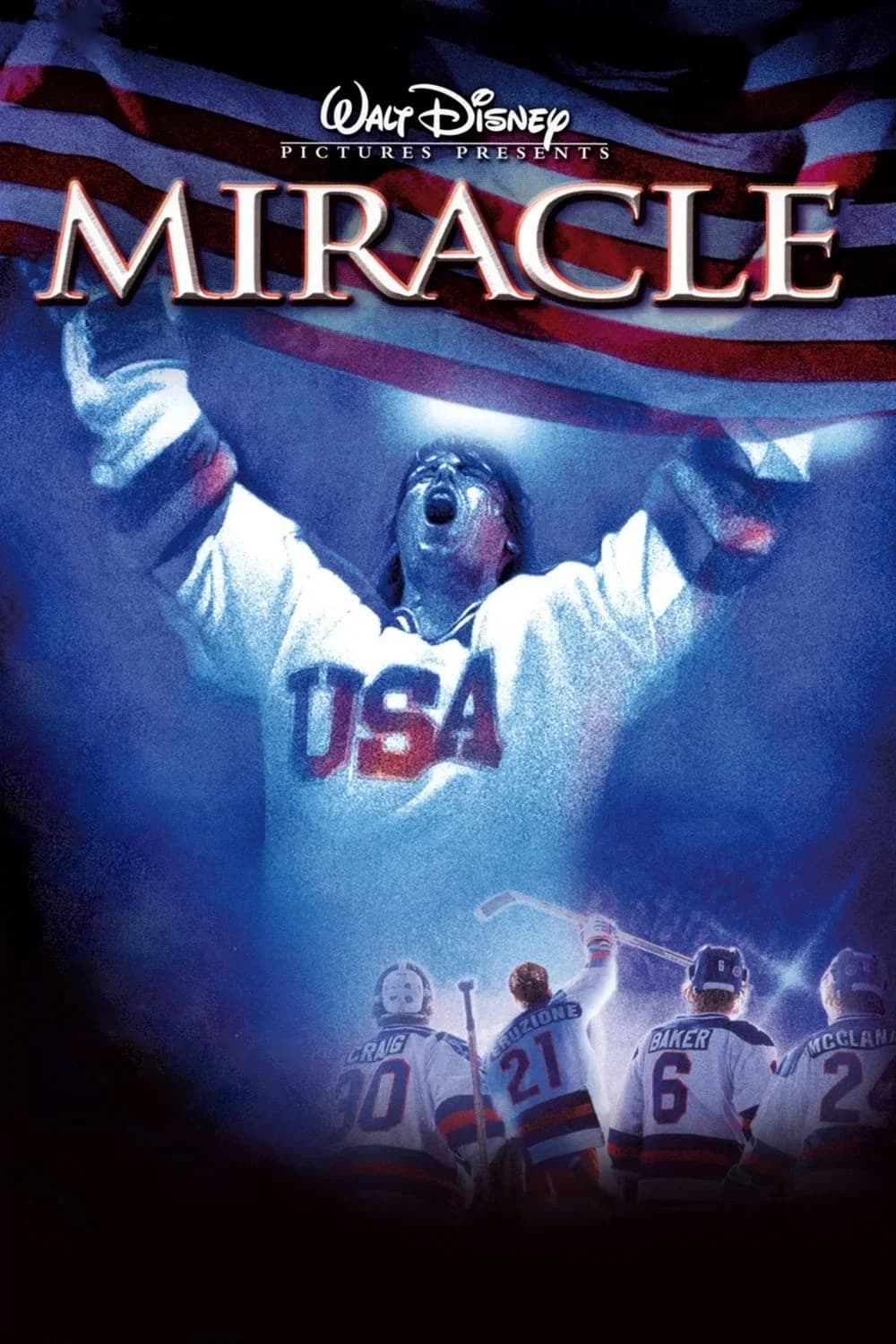
They cast hockey players and taught them to act rather than the reverse: Kurt Russell plays Herb Brooks skating his young Olympic squad into the ground before Lake Placid in 1980.
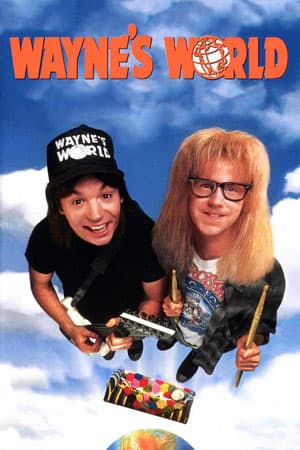
The car scene put Bohemian Rhapsody back in the American top ten seventeen years after its release: two men broadcast a public access show from a basement and address the camera constantly.
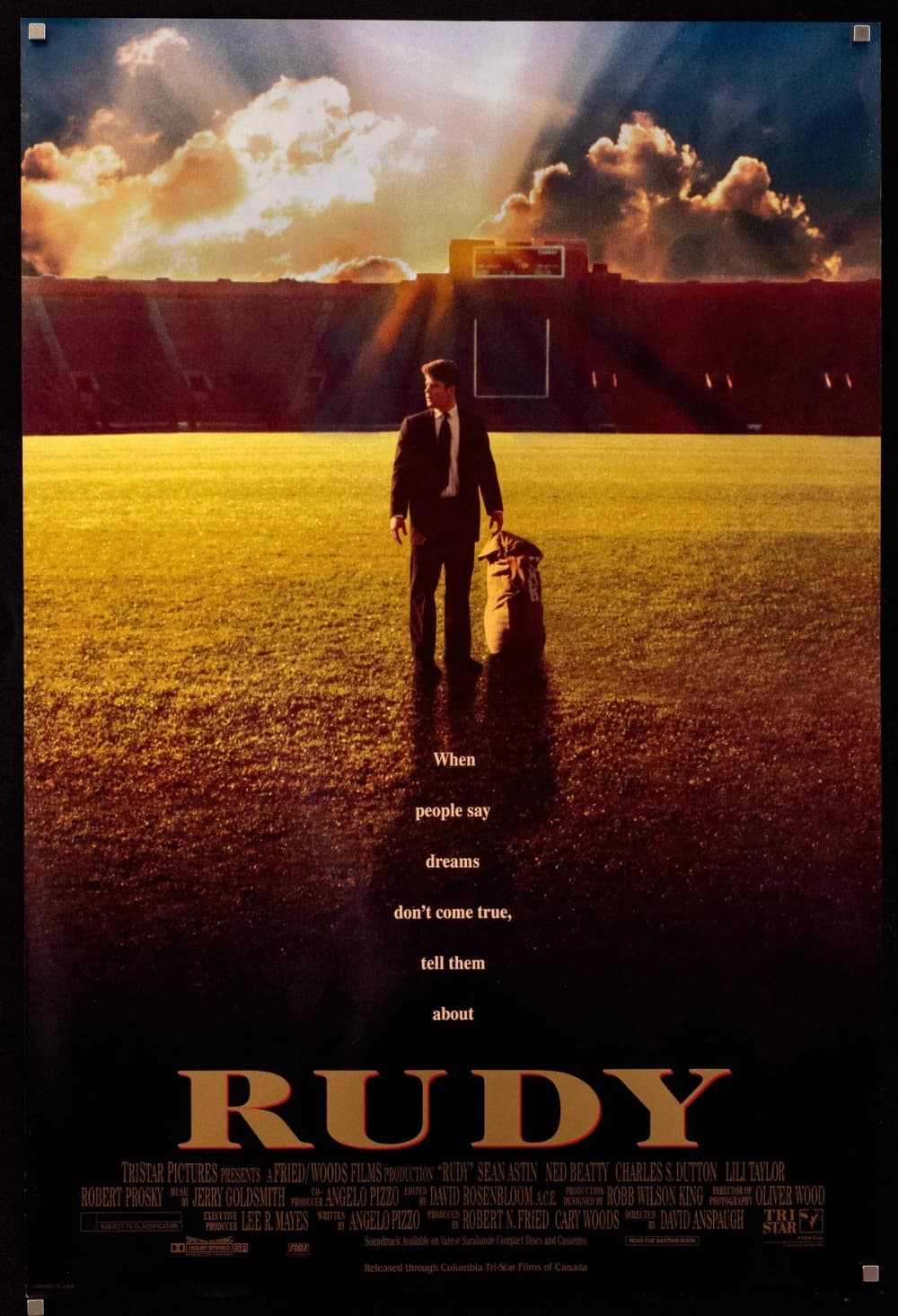
Notre Dame had not allowed a film crew on campus in fifty years: a kid with no size and no grades wants to dress for one game, and everybody tells him no.
John Wayne's last film has him playing a gunfighter running out of time, which he knew he was: Don Siegel shot it plainly, and the whole genre says goodbye at once.
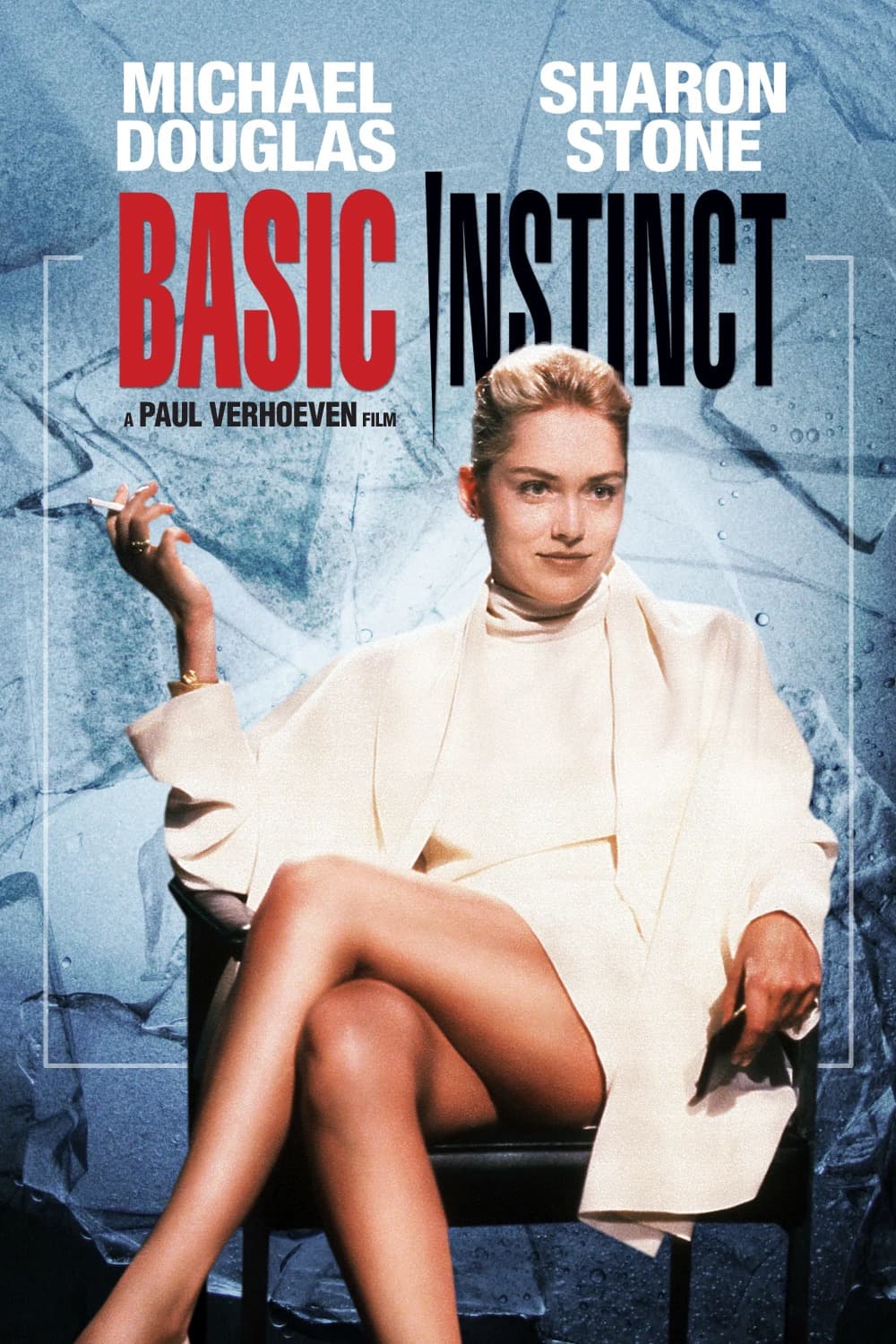
Paul Verhoeven made the decade's most notorious mainstream thriller and never once blinked: an interrogation scene everyone still knows, and a novelist who may be writing what happens next.

Written by John Hughes, with Chevy Chase back as the same hapless father a third time: a man books two weeks off to build the perfect family Christmas out of things that break.
Coppola cast almost every young male star of the coming decade before any of them were famous: Tom Cruise, Patrick Swayze, Matt Dillon and Rob Lowe, filmed in Tulsa like a fever dream.
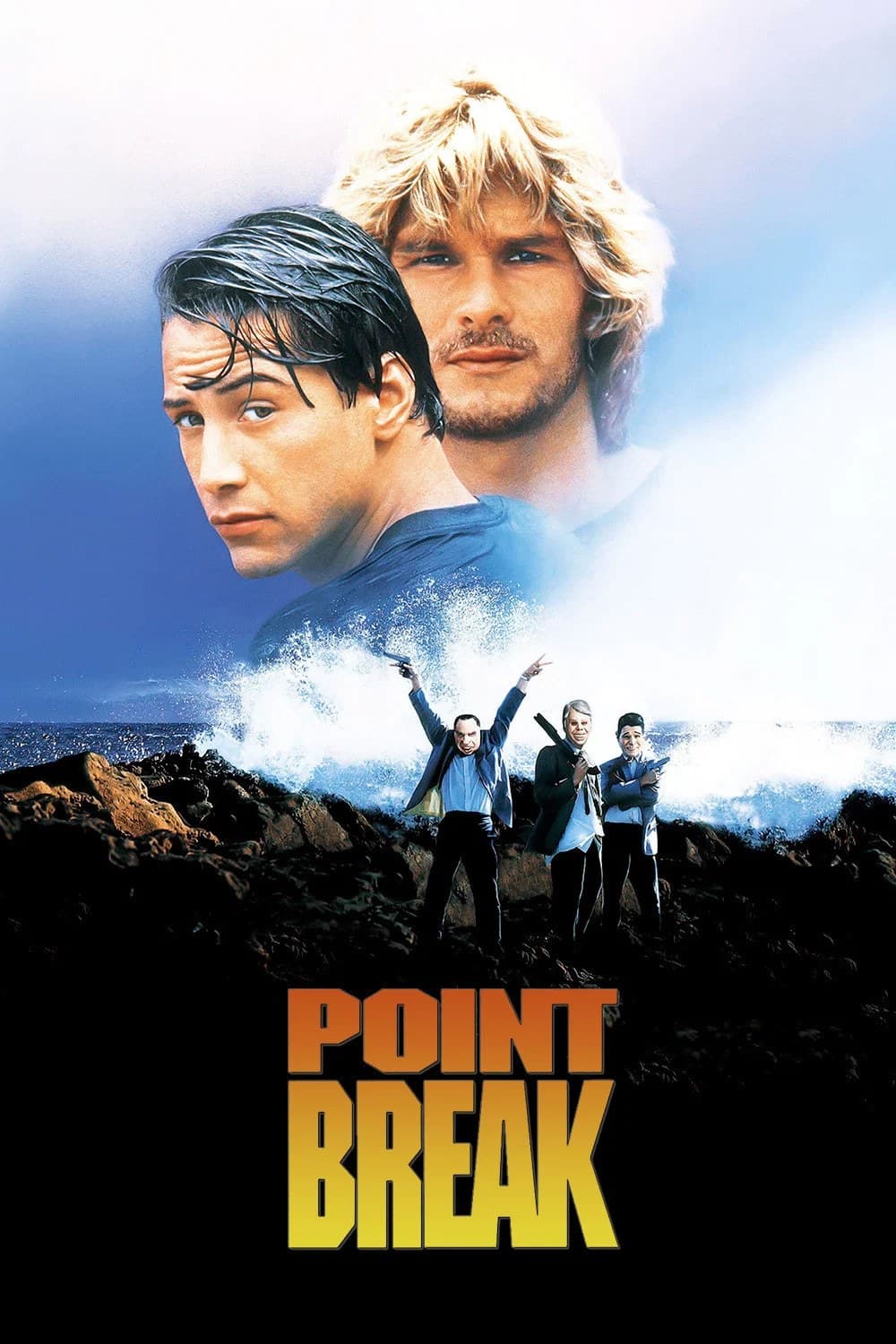
Kathryn Bigelow made the most physically committed action film anyone had attempted: an FBI agent infiltrates a crew of surfers who rob banks in president masks, and starts preferring their company.
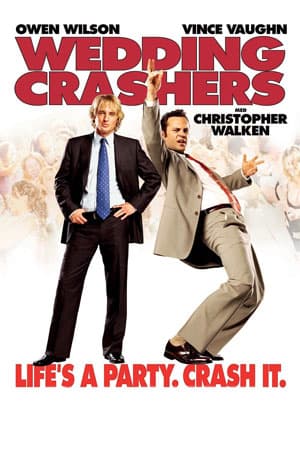
Owen Wilson and Vince Vaughn talk across each other at speed and the rhythm carries the film: two divorce lawyers crash strangers' weddings as a hobby, with rules they have written down.
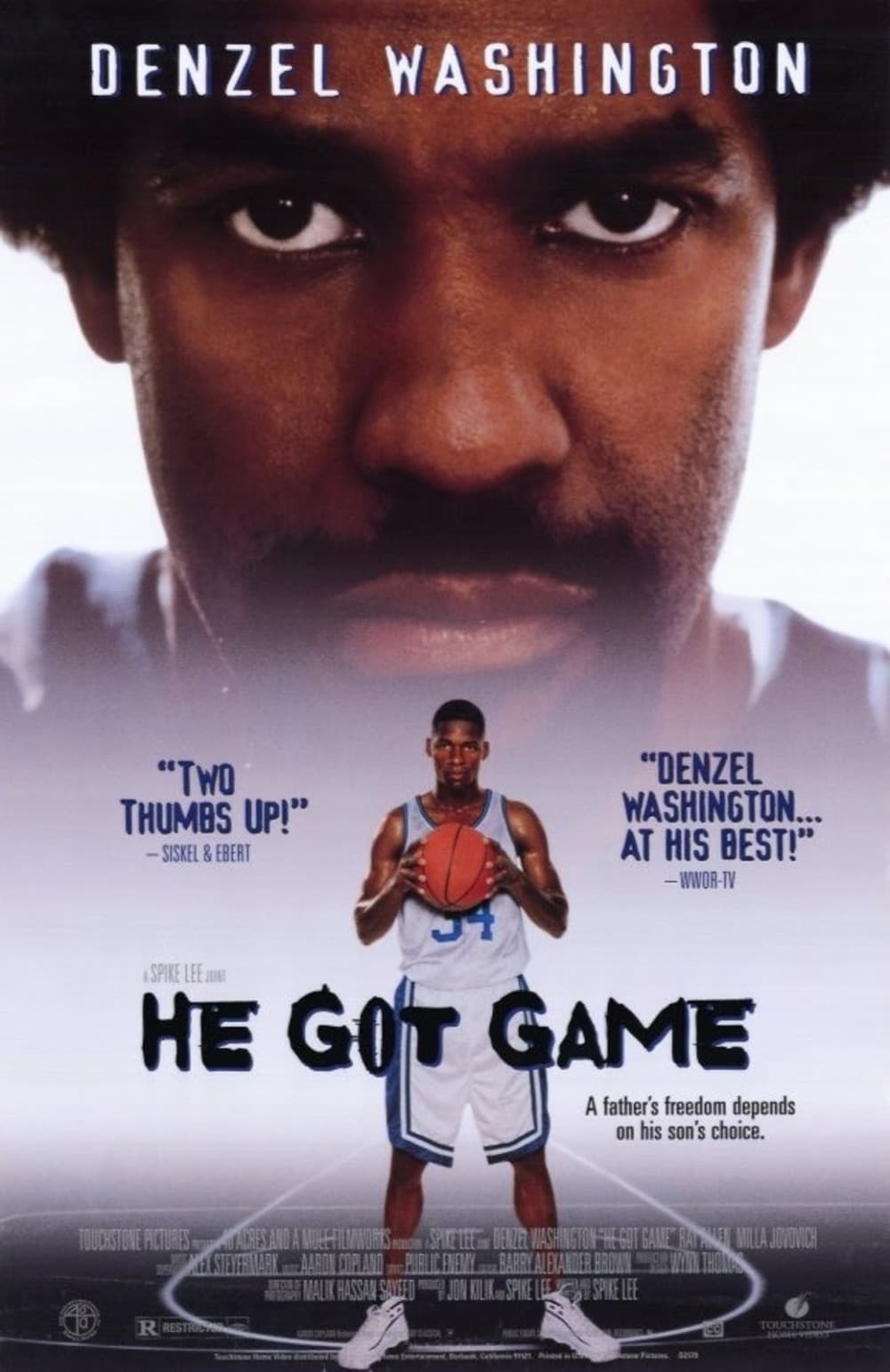
Spike Lee scored a basketball film with Aaron Copland and cast an NBA guard in the lead: a father is released from prison for a week to talk his son into a school.
It opened a month before the Lewinsky scandal broke and eight months before Bill Clinton bombed Sudan, and the title became shorthand: a spin doctor and a producer fabricate a war.
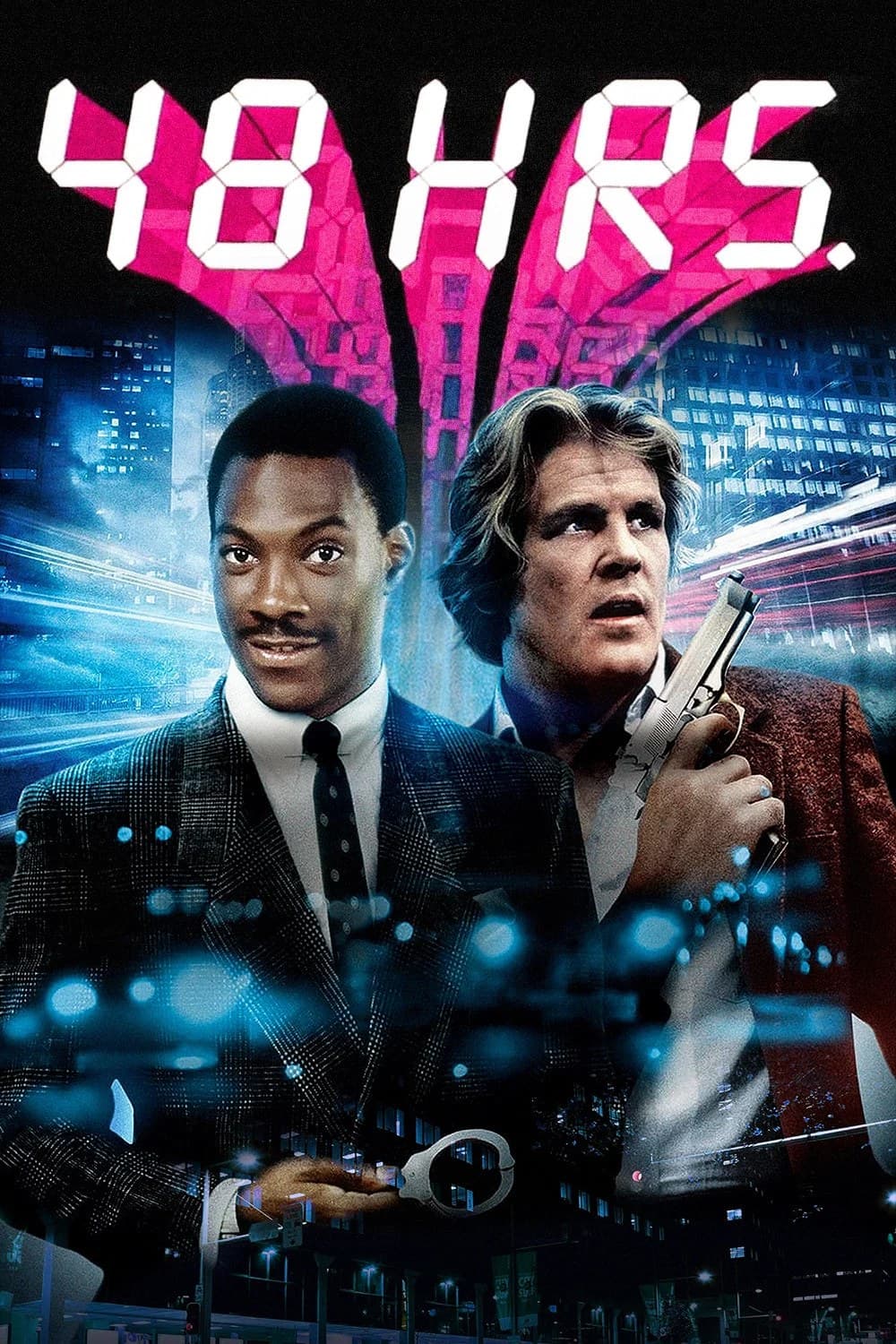
Eddie Murphy's first film role and he takes the whole thing over: Walter Hill built the interracial buddy-cop formula here, and the bar scene made a twenty-one-year-old a movie star overnight.
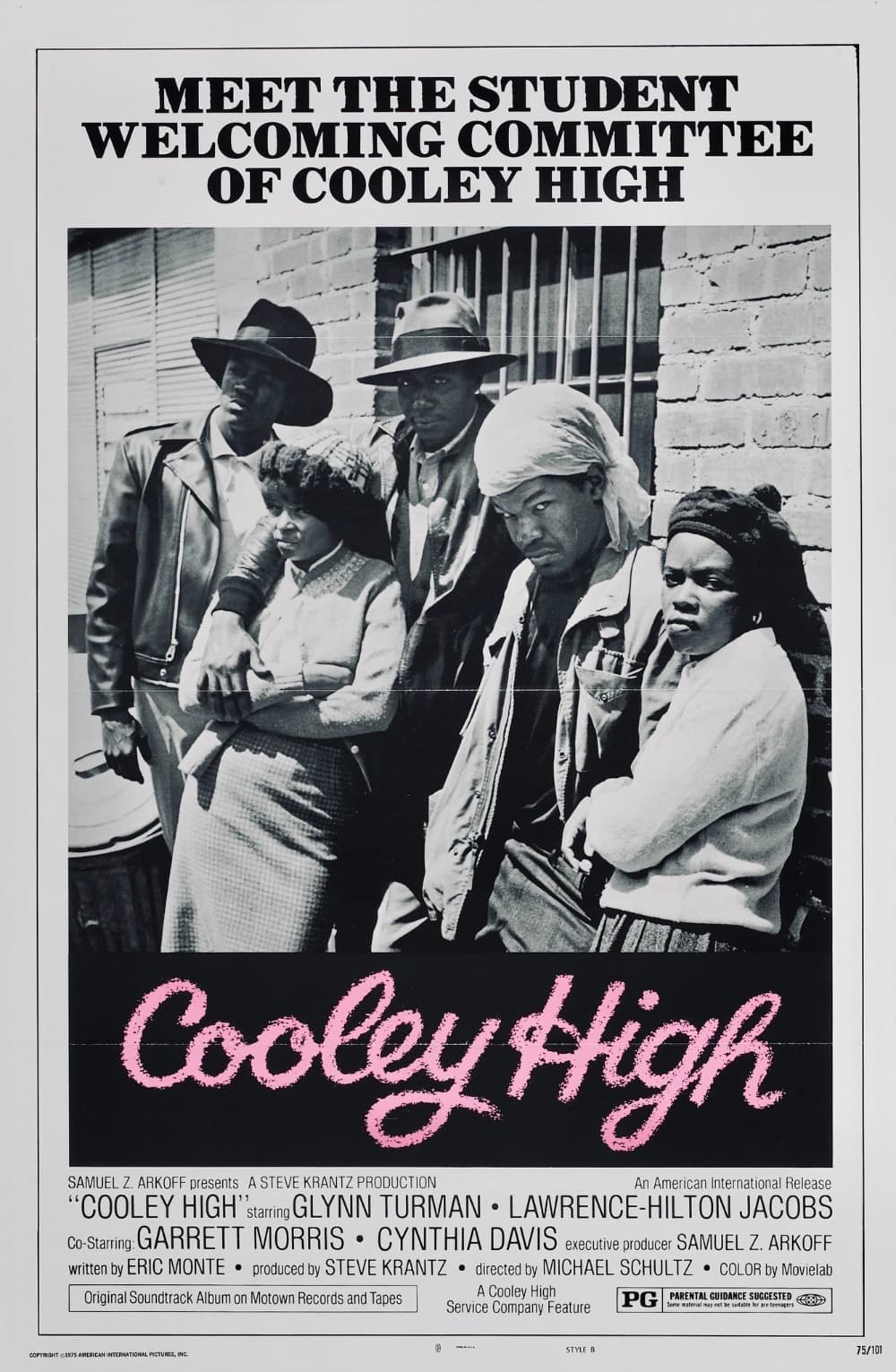
The Black American Graffiti, and better: Chicago teenagers in 1964 with a wall-to-wall Motown soundtrack, and Michael Schultz films a few days of hanging around as if nothing mattered more.