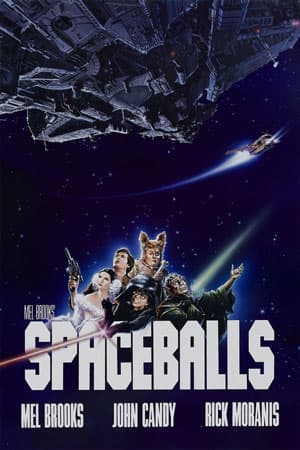
Spaceballs
Directed by Mel Brooks
1987
George Lucas allowed it on condition that no merchandise be sold, so Mel Brooks put a merchandising joke in the film: Star Wars parodied by someone who clearly loves it.
★ 3.0
 skopia
George Lucas allowed it on condition that no merchandise be sold, so Mel Brooks put a merchandising joke in the film: Star Wars parodied by someone who clearly loves it.
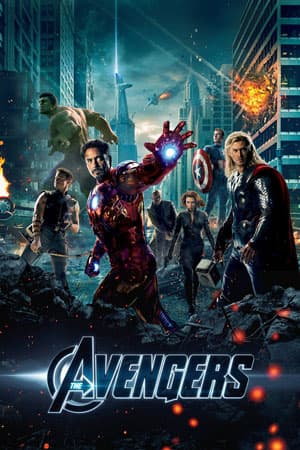
Five years of separate films paid off in one: nobody had tried a shared universe at this scale, and the circling shot of the assembled team explains why every studio copied it.
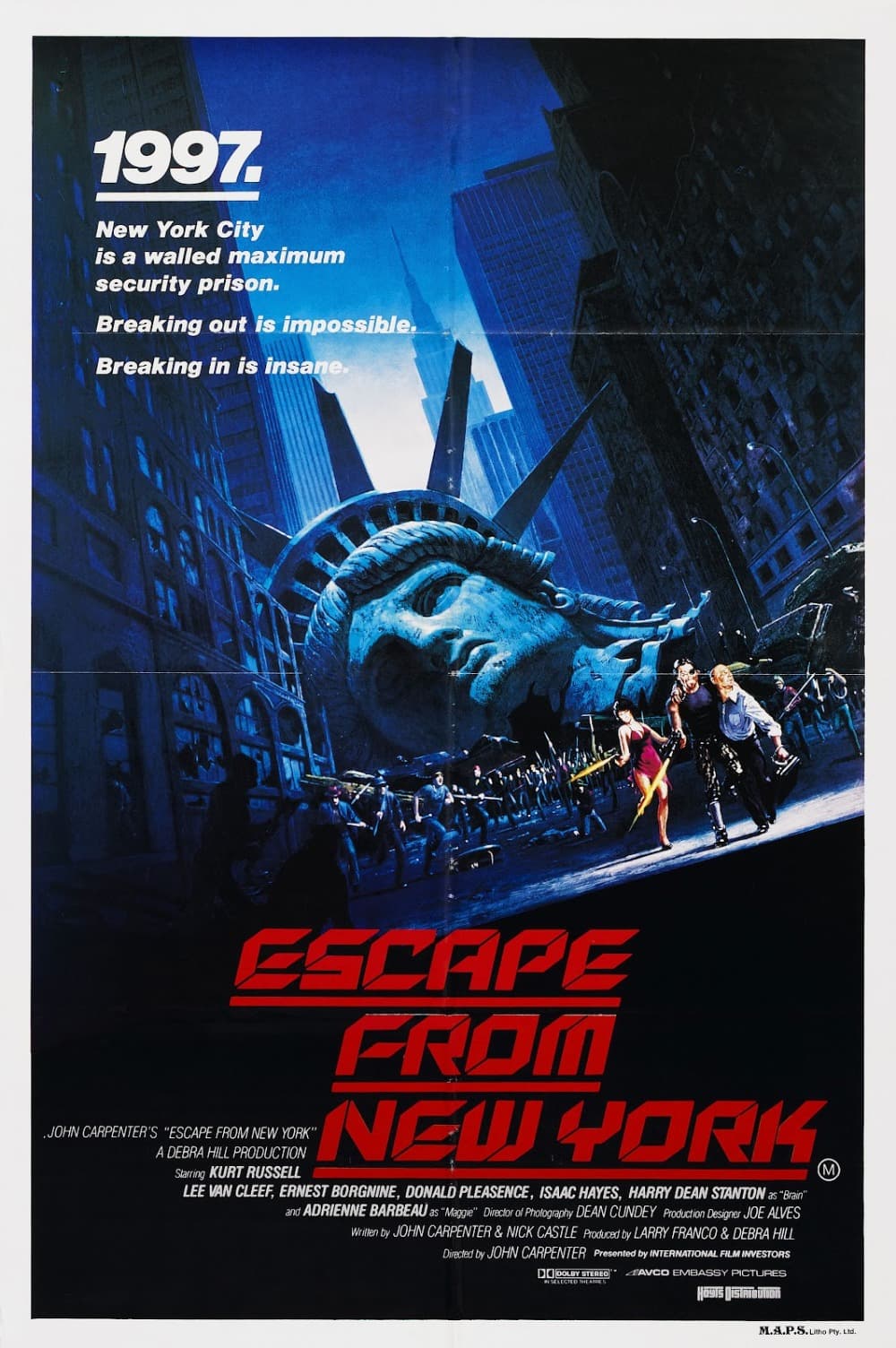
John Carpenter turned Manhattan into a prison on a shoestring and it still looks right: Kurt Russell plays a convict given twenty-two hours to retrieve the president, and enjoys none of it.
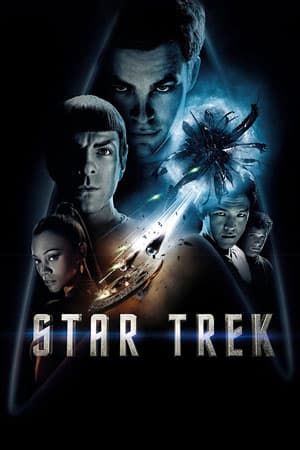
J. J. Abrams solved the reboot problem by making the new timeline canon rather than a replacement: the crew meets young, the casting is uncanny, and Star Trek became a summer action film.
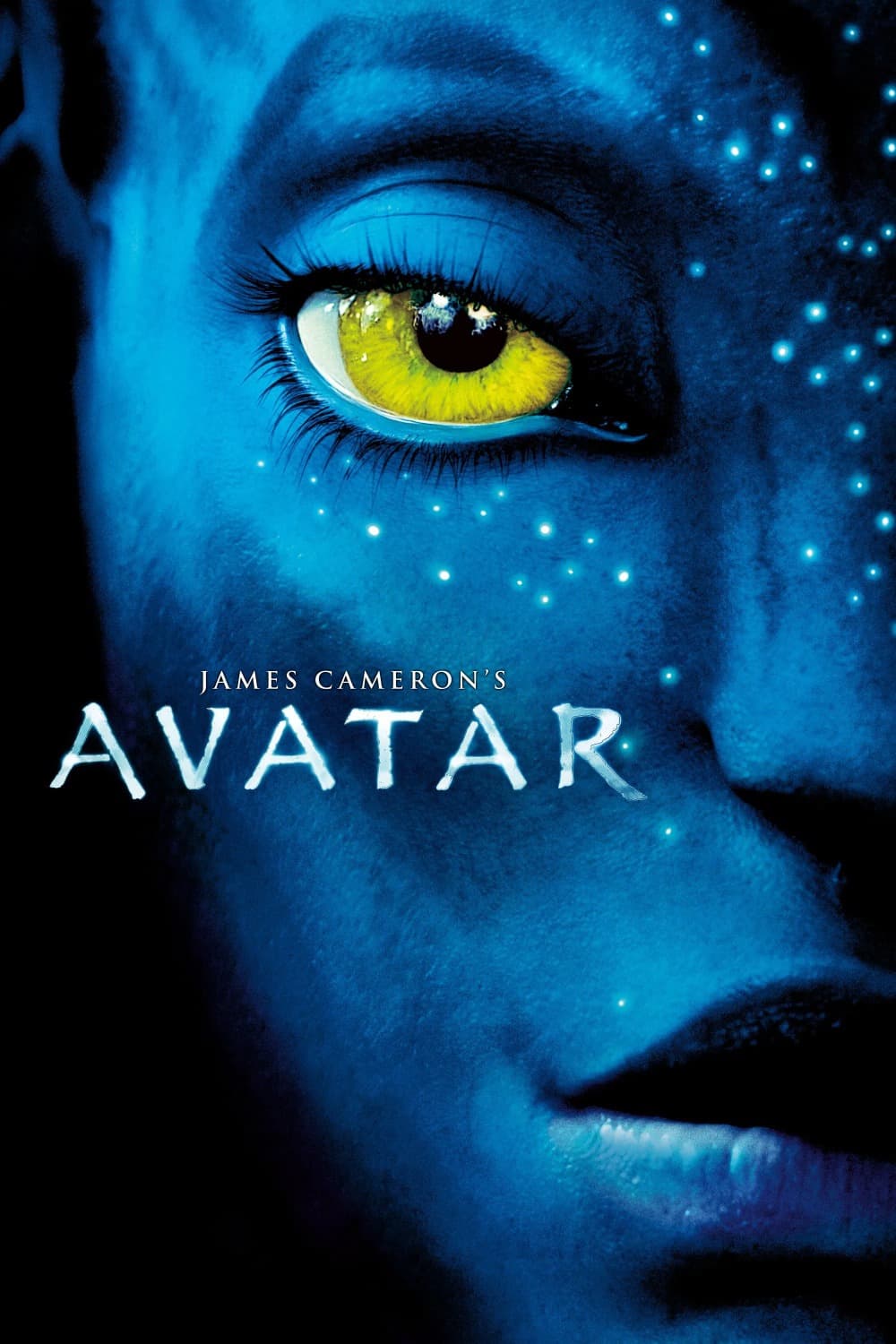
Cameron waited more than a decade for the technology to catch up to his script, then made the highest-grossing film ever released: whatever you make of the story, nothing had looked like this.
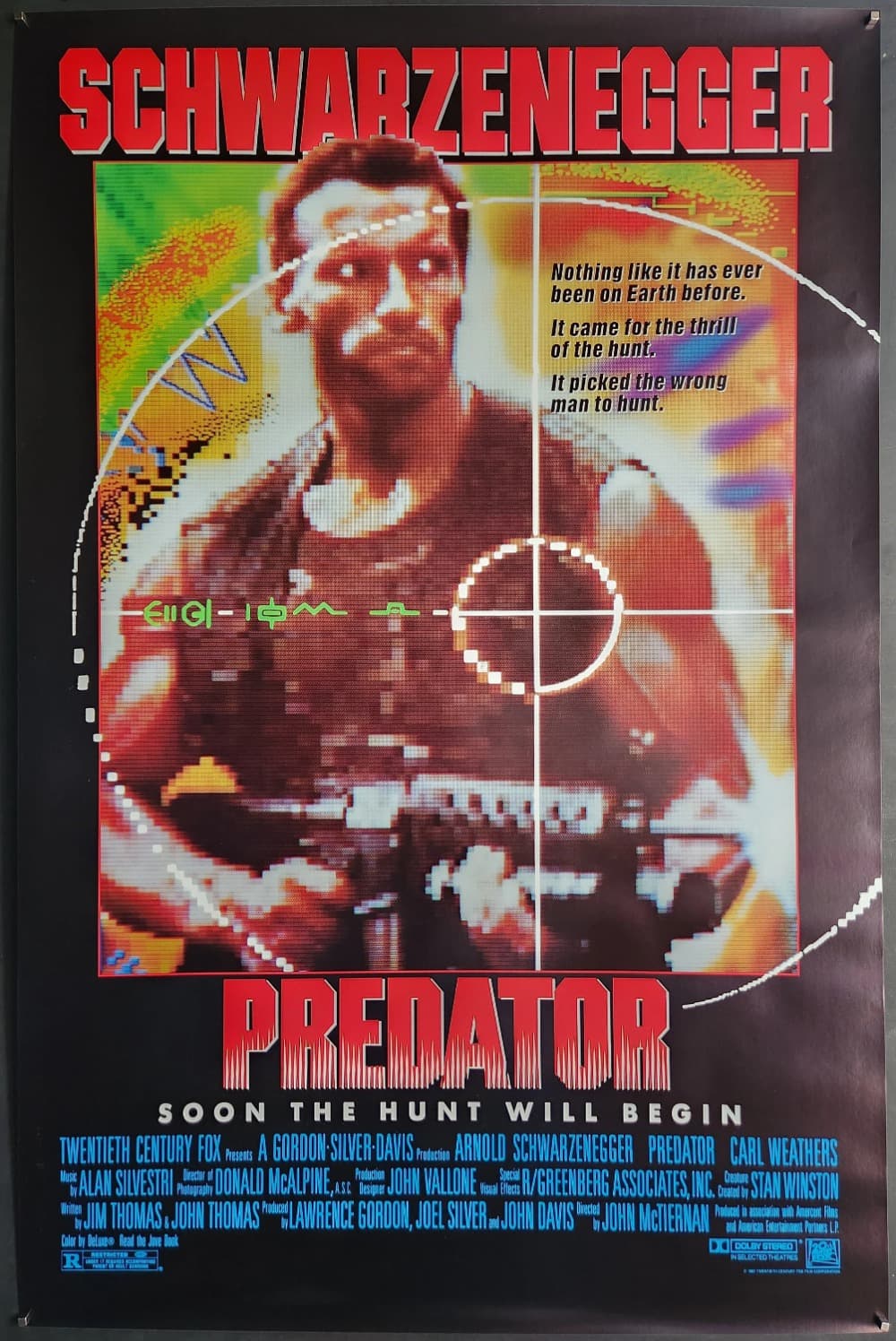
The original creature suit was so bad they scrapped it mid-shoot and had Stan Winston build another: a commando squad in the jungle slowly works out that something is hunting them.
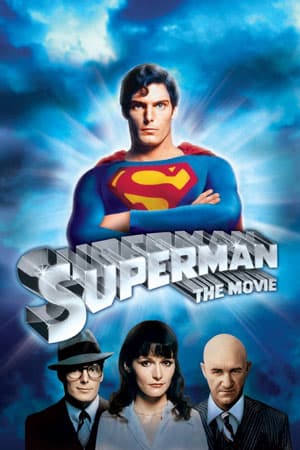
Warner promised audiences they would believe a man could fly, and they did: Christopher Reeve plays both halves so completely that a pair of glasses becomes a plausible disguise.
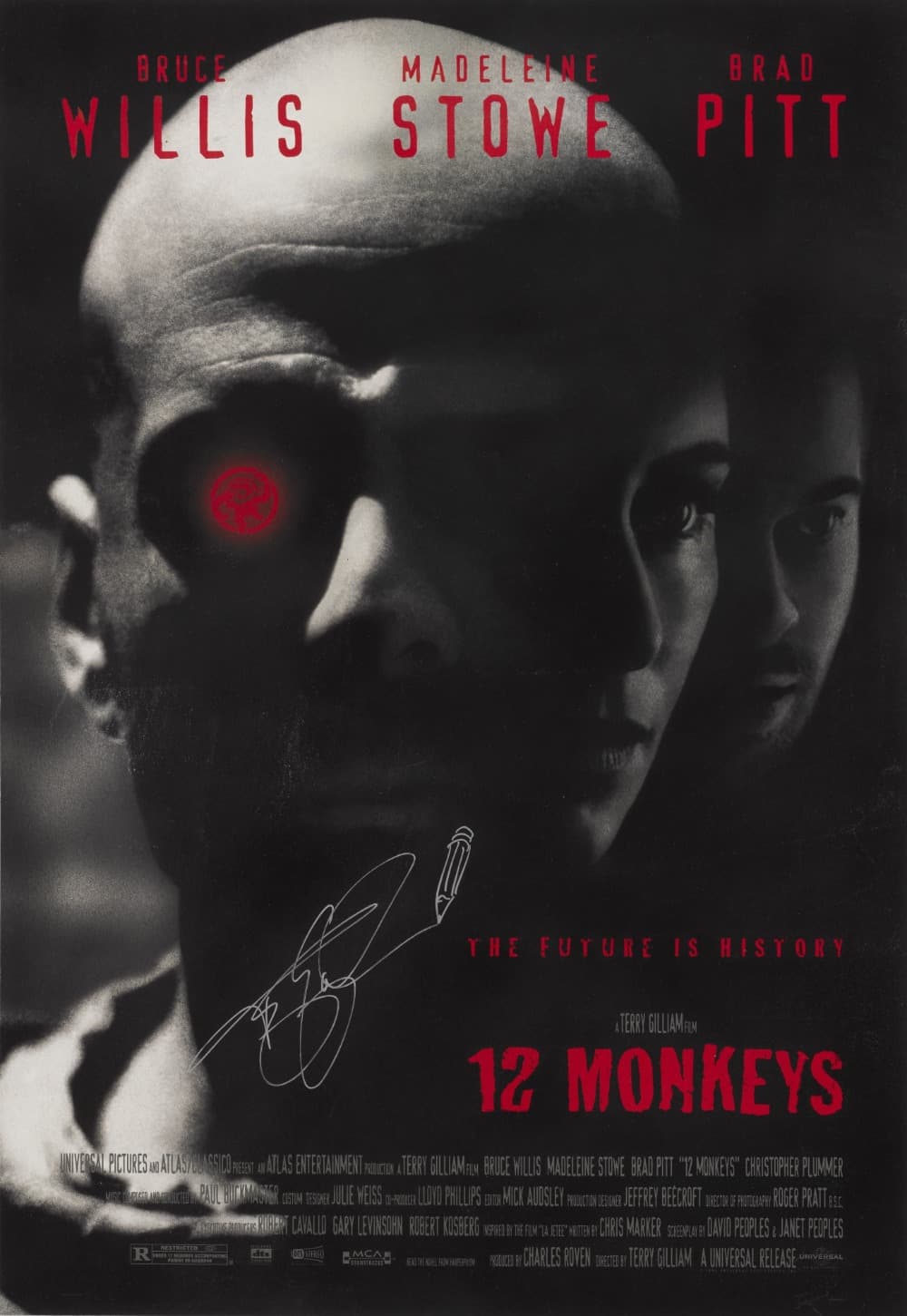
Gilliam built it from La Jetee, a French short told in still photographs: a prisoner is sent up from an underground future to trace a plague, and nobody in 1990 believes a word.

The trilogy sticks its landing: the speeder chase through Endor still moves better than most digital work made since, and the whole climax runs on puppets, models and matte paintings.
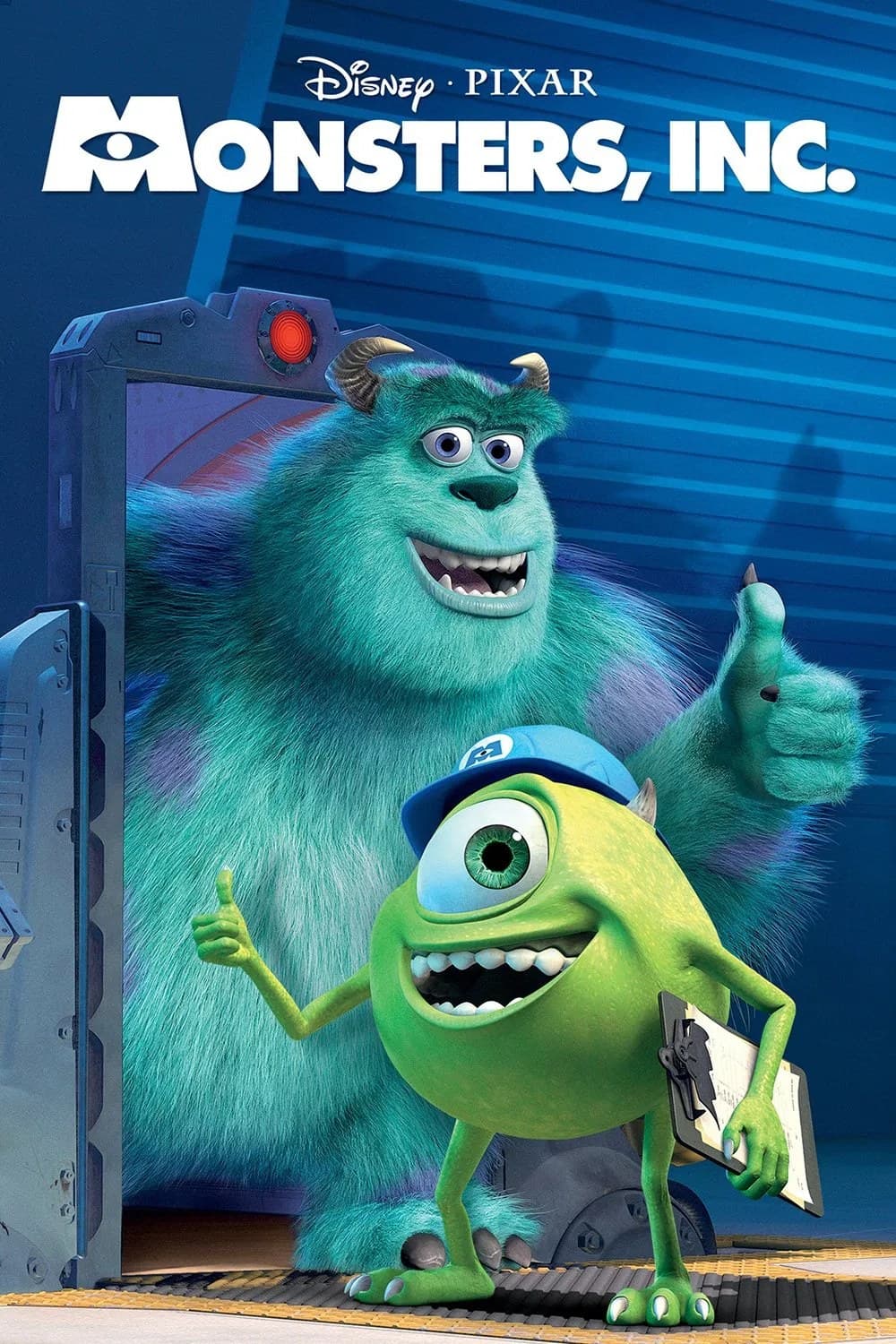
Pixar built an entire energy economy out of children's nightmares: the joke is that the monsters are salaried professionals, and the film turns on one of them being frightened of a toddler.
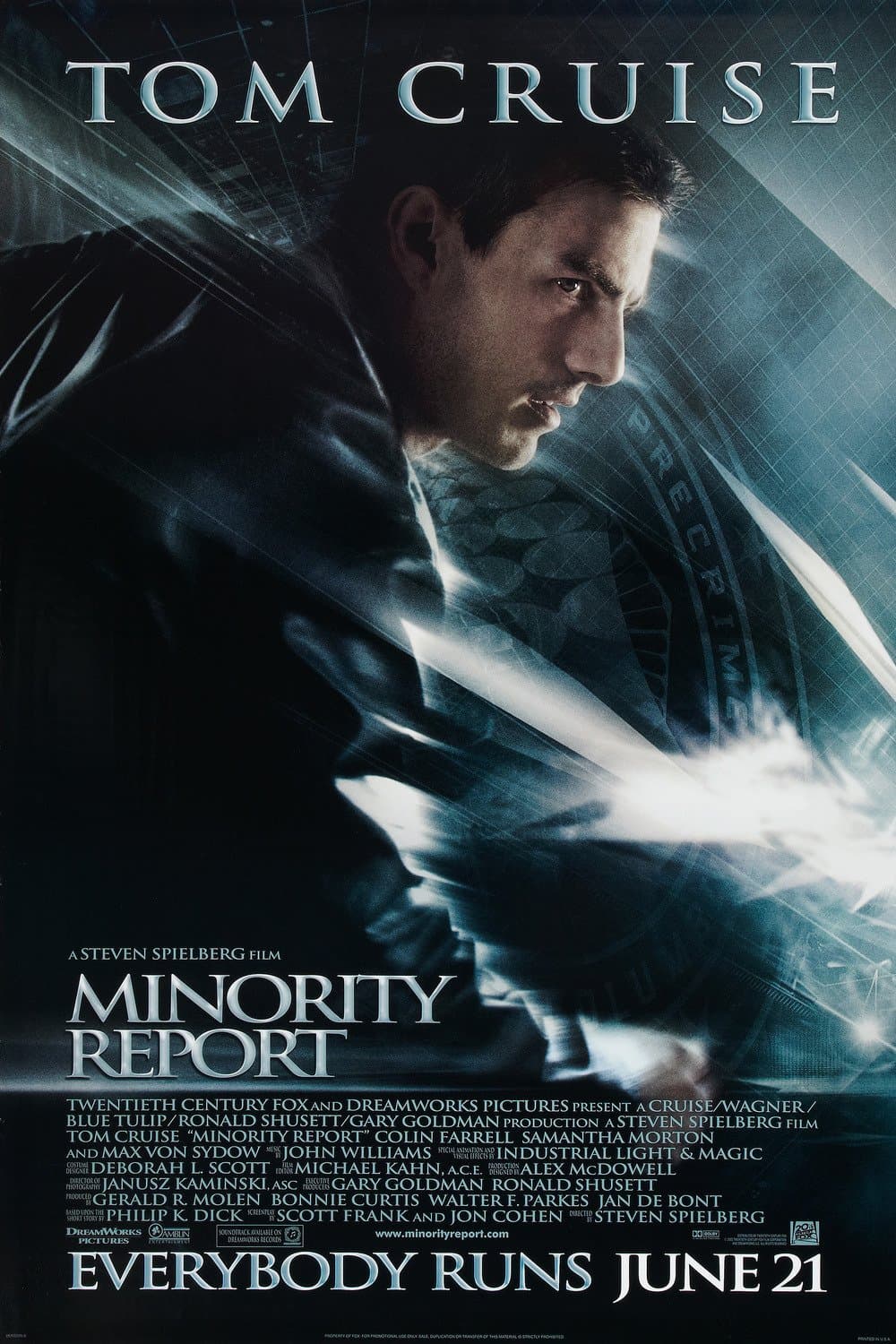
Spielberg hired futurists to design 2054 and most of what they invented has since arrived: gesture screens, targeted advertising, and a police force that arrests you beforehand.
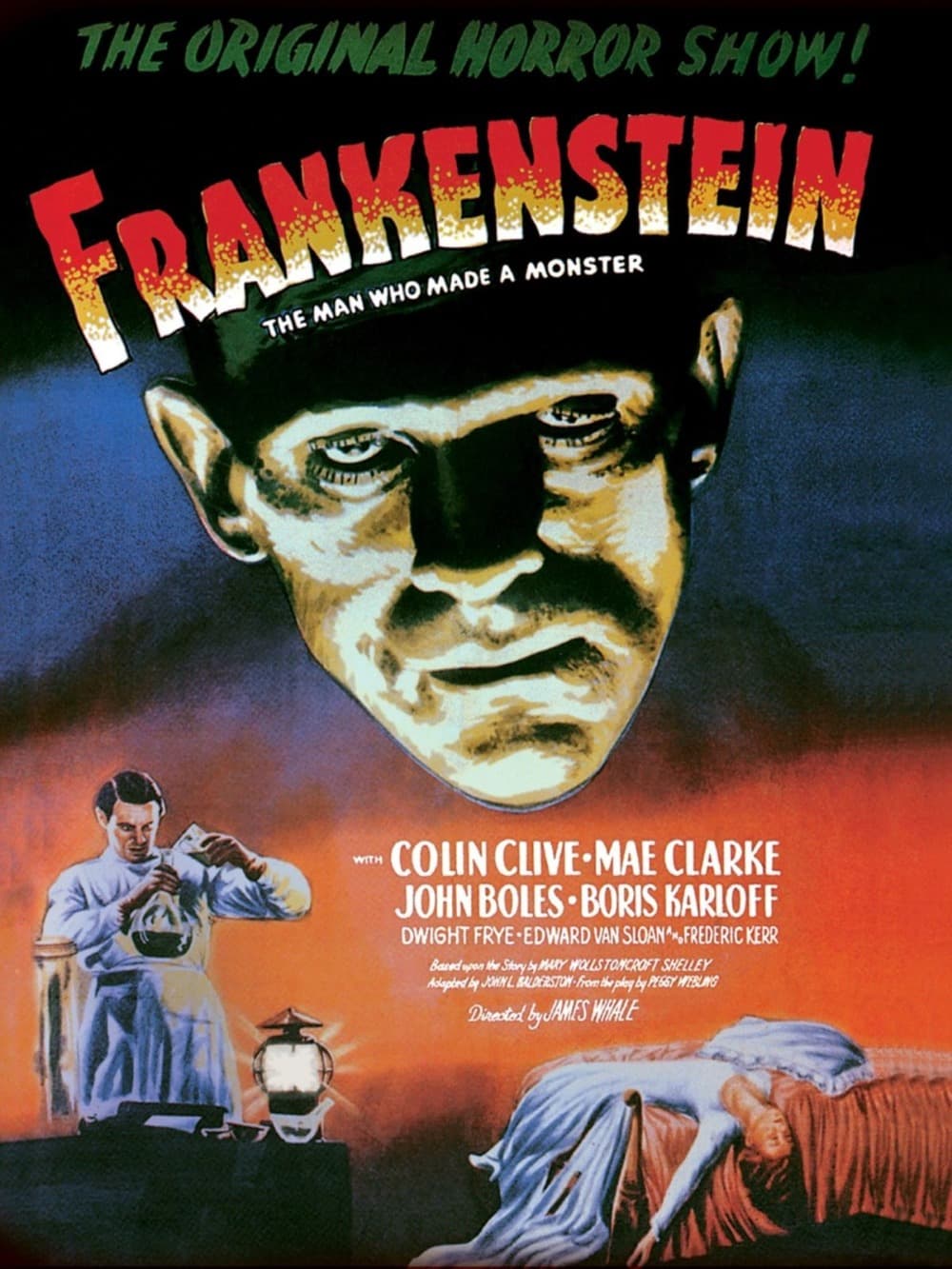
Karloff's monster became the face everyone pictures, which is not what Mary Shelley wrote: Whale made a horror film that keeps asking who the actual monster is.
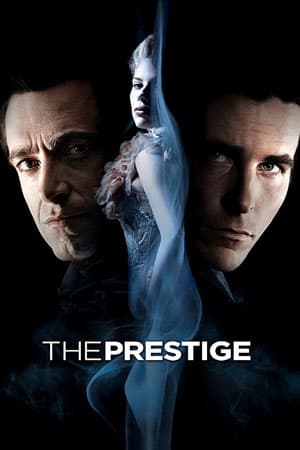
Nolan built a film about magicians the way a magician builds a trick, and tells you so in the first minute: two rivals destroy each other over one illusion.
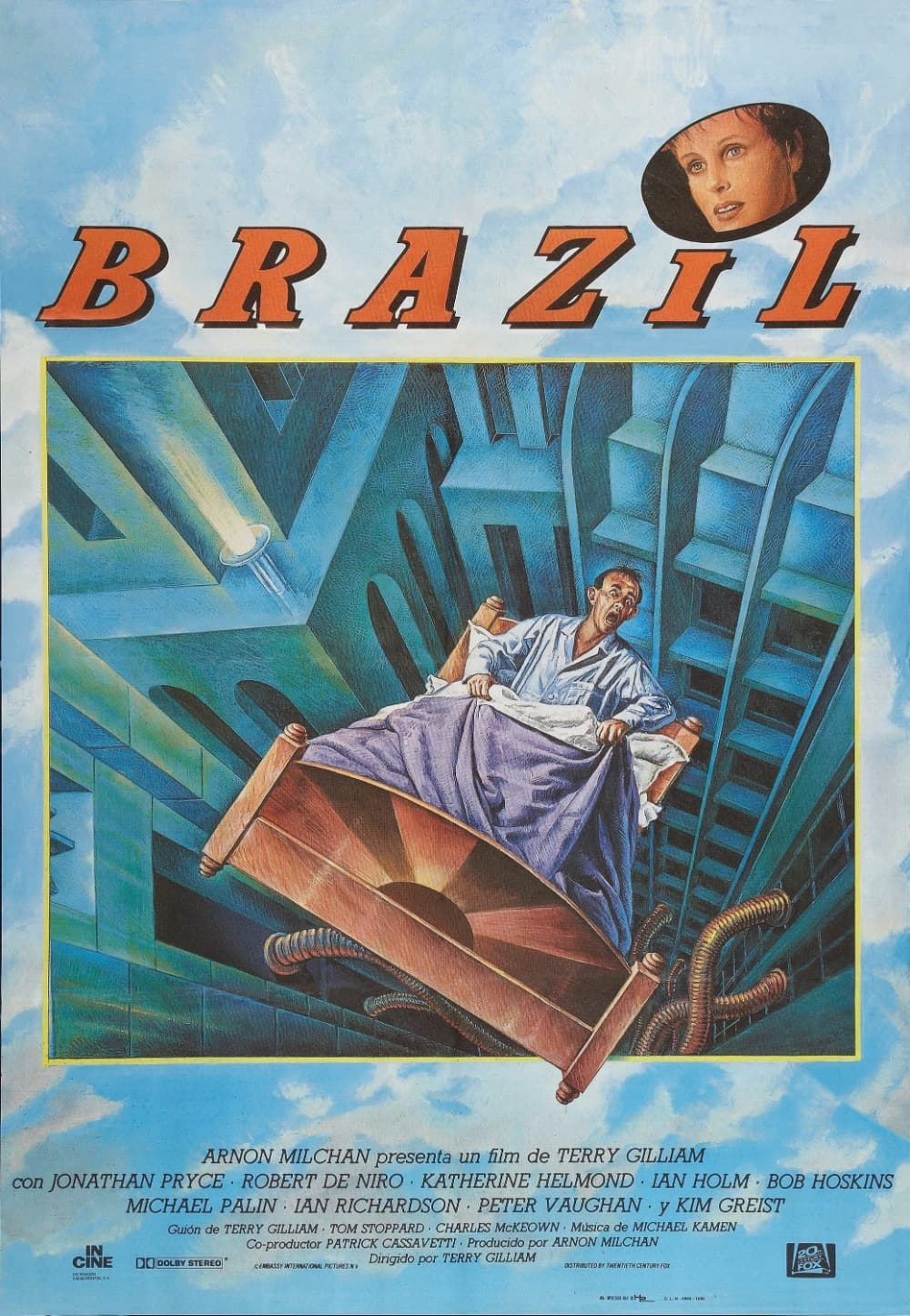
The bleakest comedy ever made about paperwork: Gilliam imagined a state that tortures you politely and misfiles the forms afterward, and had to fight his own studio to release it.
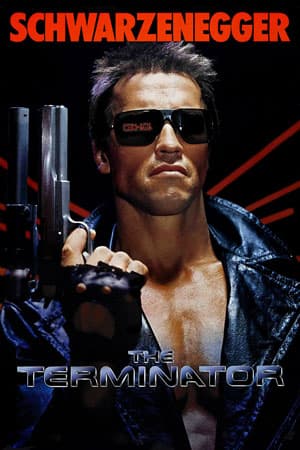
Cameron made it for six million dollars and launched two careers and a franchise: a machine that cannot be bargained with, cannot be reasoned with, and absolutely will not stop.

Spielberg made the rare first-contact film that treats the aliens as something to hope for: an ordinary man starts building a mountain in his living room and cannot say why.
The moment the first dinosaur appears is the moment audiences stopped trusting their own eyes: Spielberg mixed puppets and computers so well that the seams still do not show.
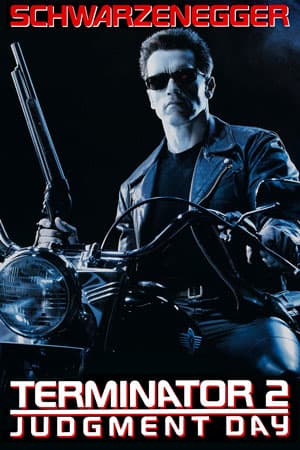
Computer effects became believable overnight: Cameron spent more money than anyone ever had, put a liquid metal killer on screen, and every studio in town immediately started writing checks.
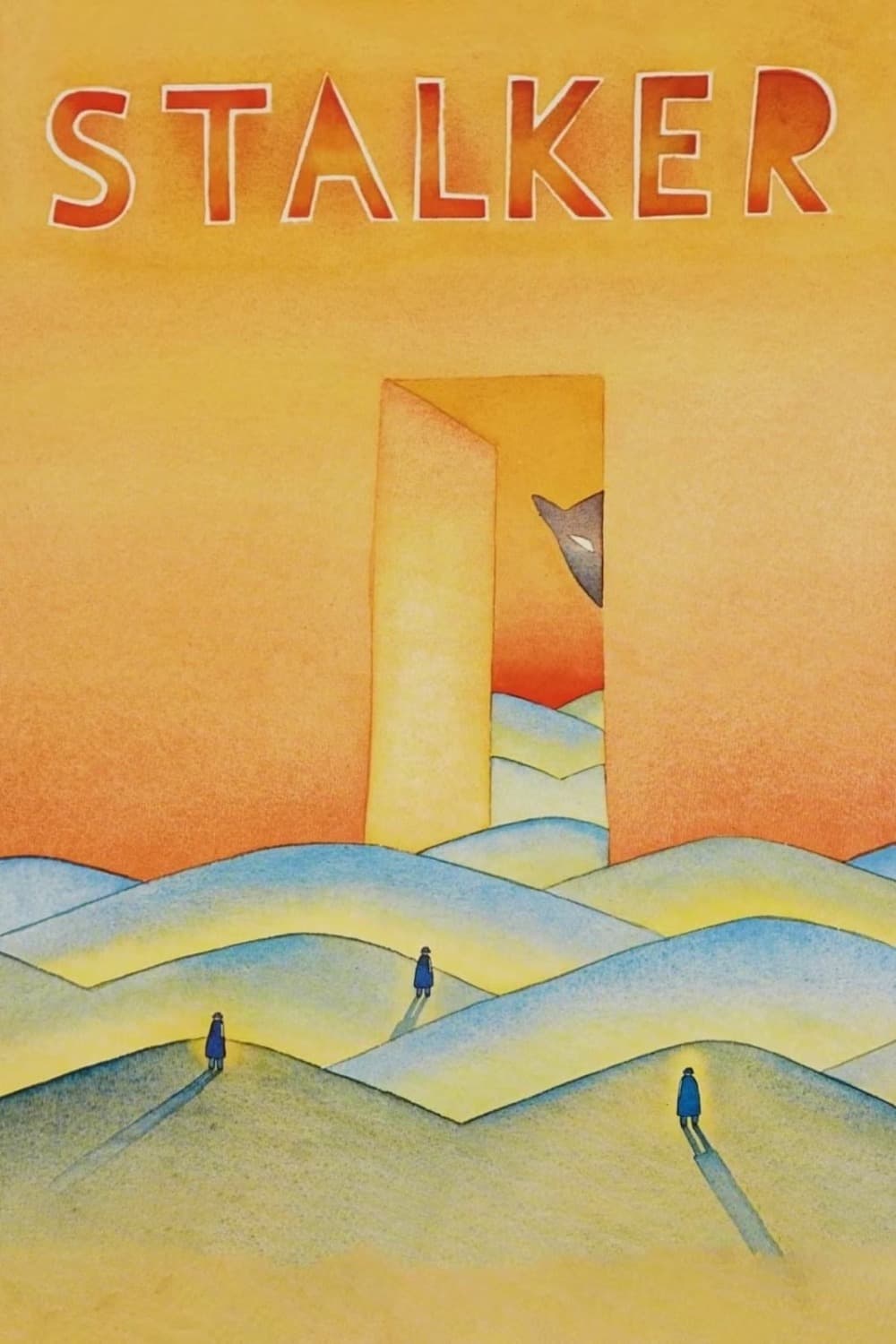
Nothing else in cinema moves this slowly and holds this completely: Tarkovsky walks three men into a forbidden zone for nearly three hours, and almost nothing happens.