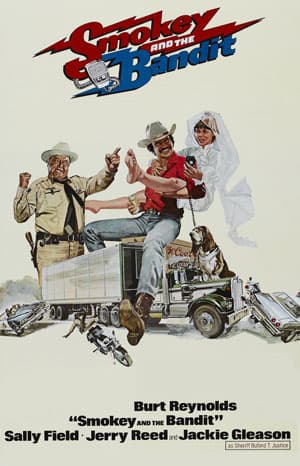
Smokey and the Bandit
Directed by Hal Needham
1977
It was the second biggest film of 1977 behind Star Wars, which nobody remembers: Burt Reynolds runs beer across state lines in a black Trans Am and grins at the camera throughout.
★ 1.9
 skopia
It was the second biggest film of 1977 behind Star Wars, which nobody remembers: Burt Reynolds runs beer across state lines in a black Trans Am and grins at the camera throughout.
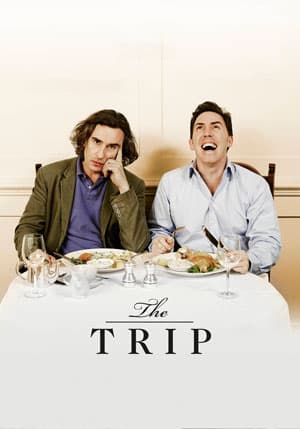
Two comedians play unpleasant versions of themselves and improvise the whole thing: Steve Coogan and Rob Brydon drive around northern England eating well and competing over Michael Caine impressions.
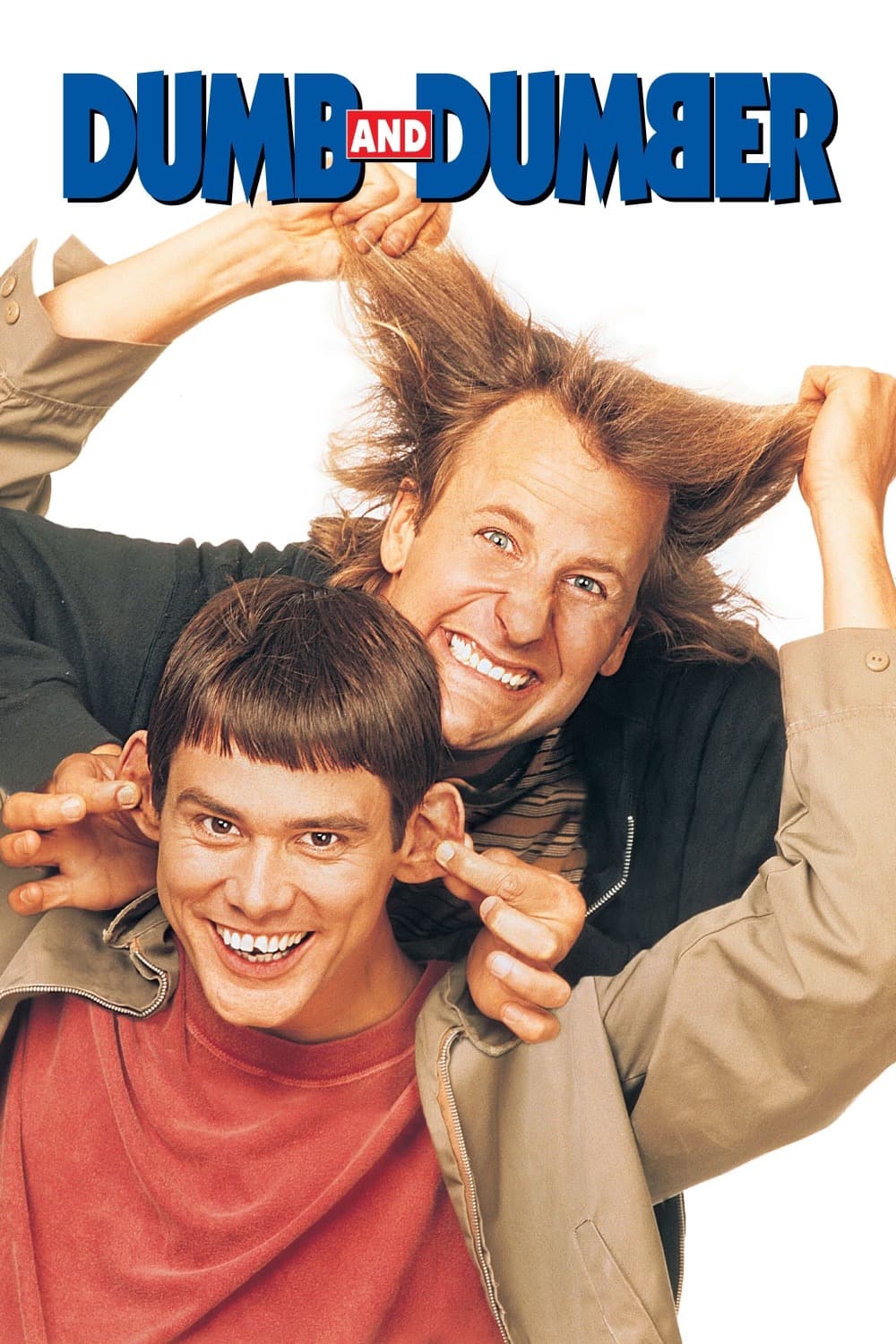
Jim Carrey had three hits in a single year and this one has aged best: two men drive to Aspen to return a briefcase, understanding nothing about anything at any point.
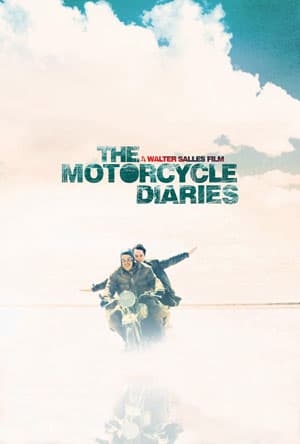
Before he was a poster, Ernesto Guevara was a medical student on a broken motorcycle: Walter Salles shot the actual route through South America, and the politics arrive as things seen.
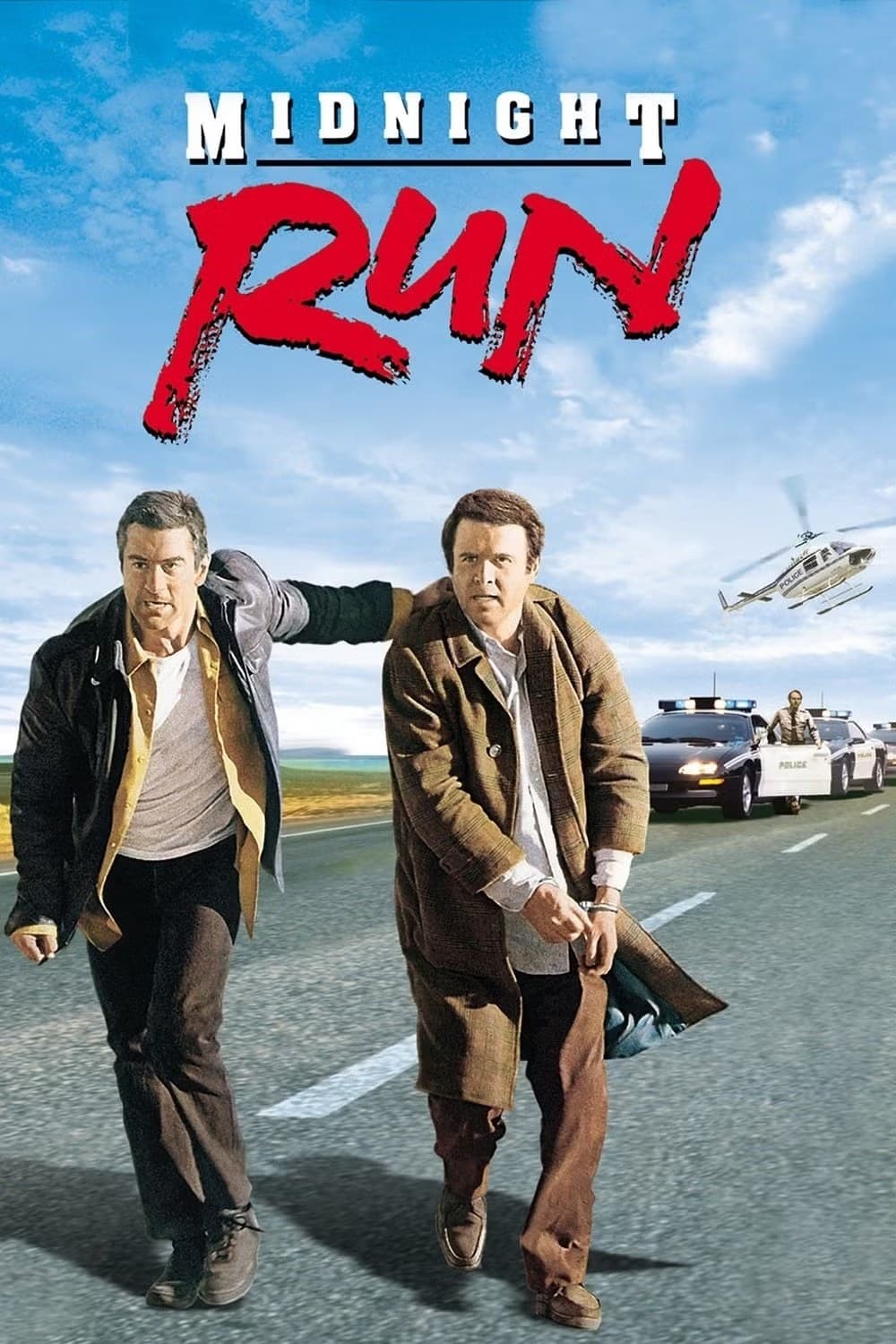
De Niro is funnier here than in any comedy he tried to be funny in: a bounty hunter has to move an embezzling accountant coast to coast, and the accountant never stops talking.
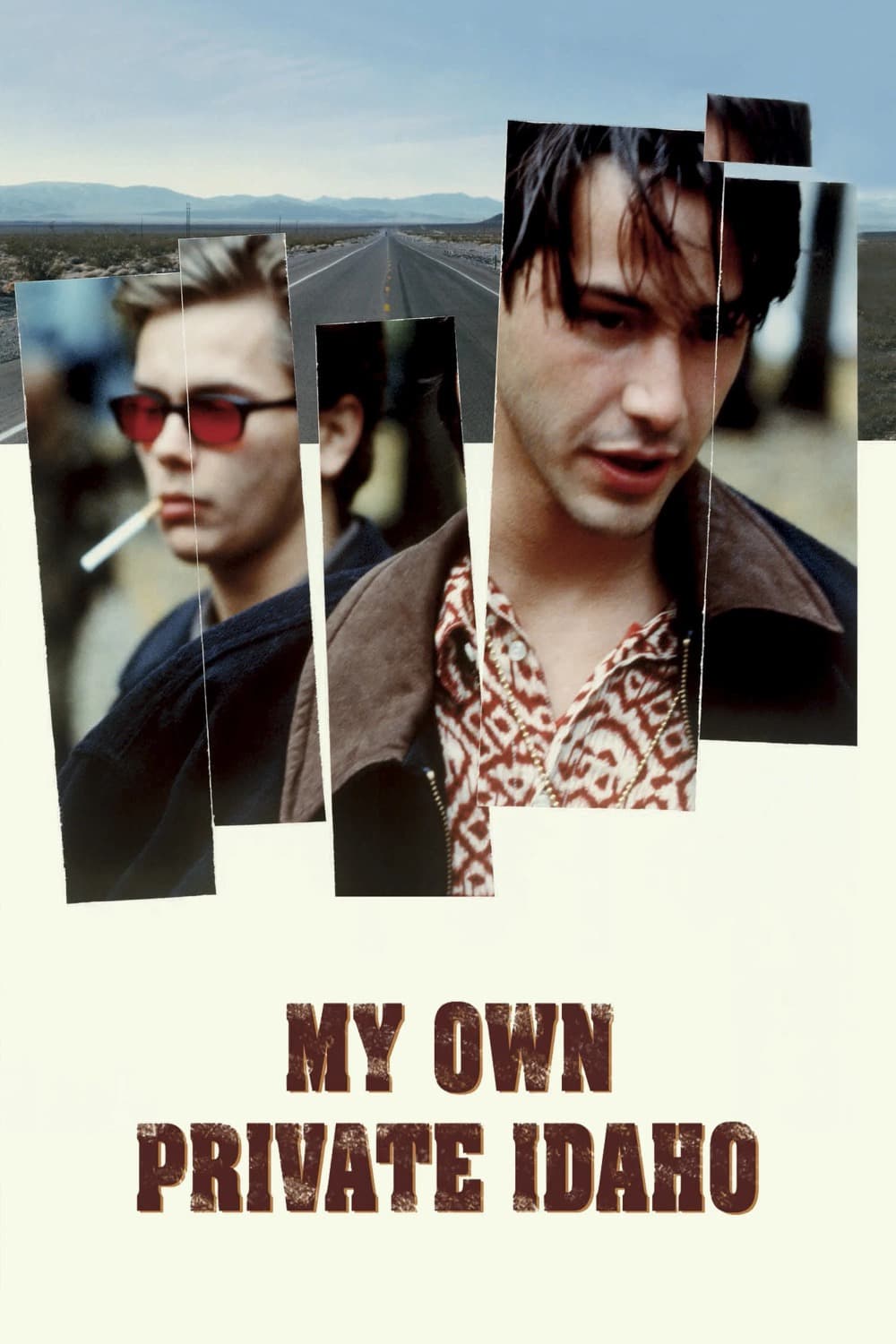
River Phoenix wrote the campfire scene himself and nothing else in the film touches it: Van Sant runs Shakespeare's Henry plays through two street hustlers on the Pacific Northwest road.
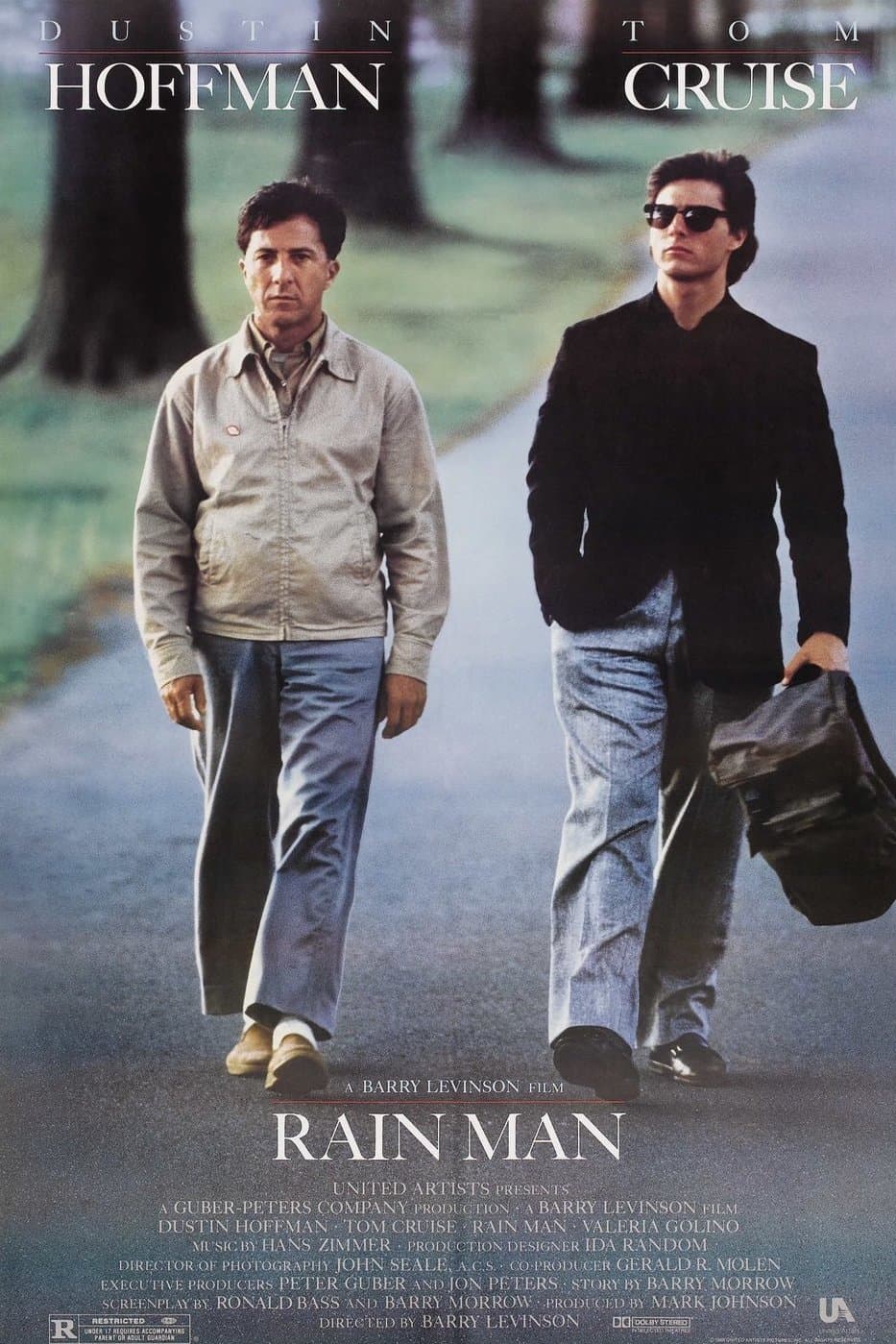
Hoffman spent a year with autistic men before shooting and the film changed what most people thought autism was: two brothers, one Buick, and a drive across America neither of them wanted.
Tarantino sold this script to pay for Reservoir Dogs and Tony Scott shot it with real affection: a comic book clerk and a call girl leave Detroit with the wrong suitcase.
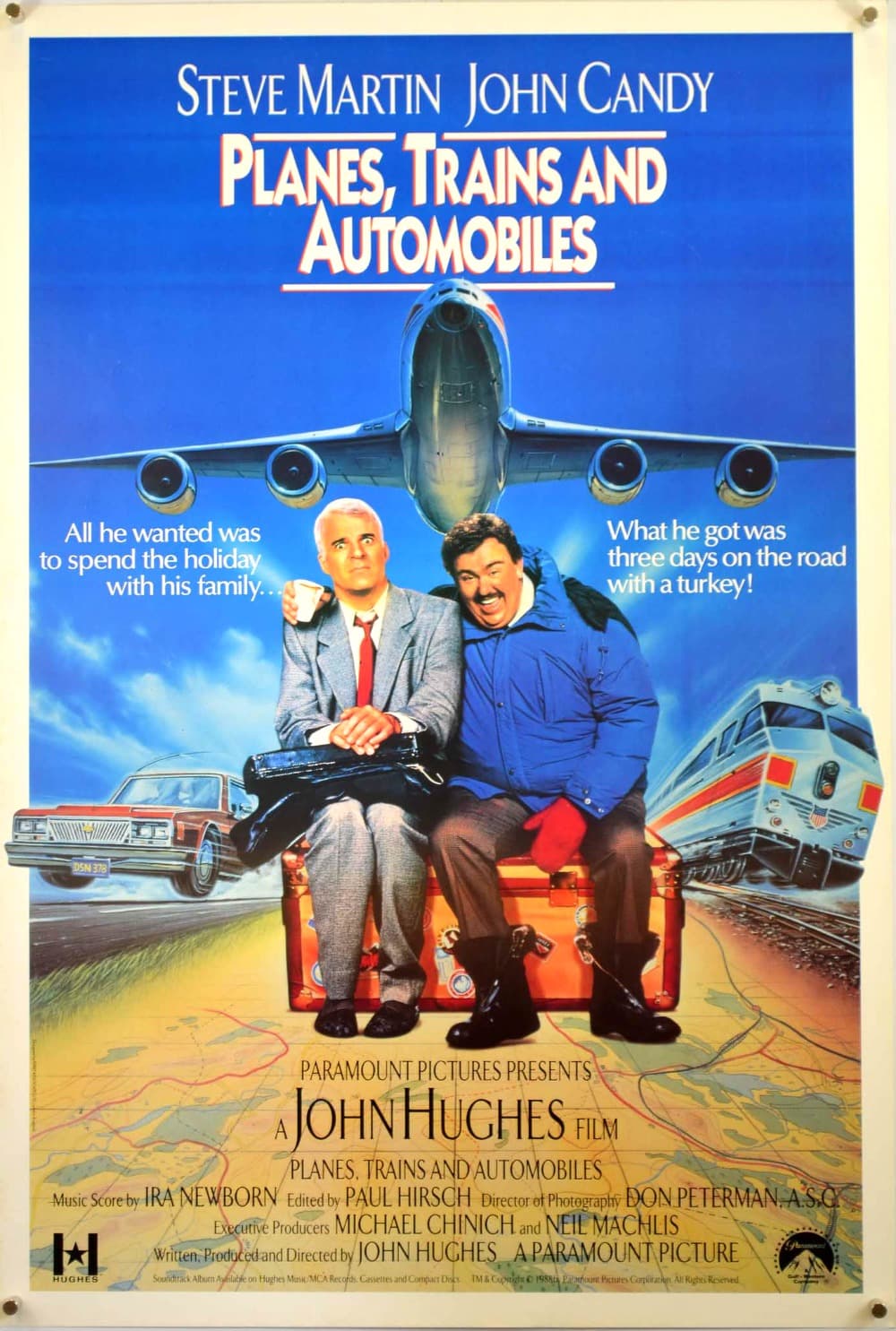
John Hughes wrote it in three days: two men try to get home for Thanksgiving, and John Candy turns what starts as a comic irritant into the most devastating performance of his career.
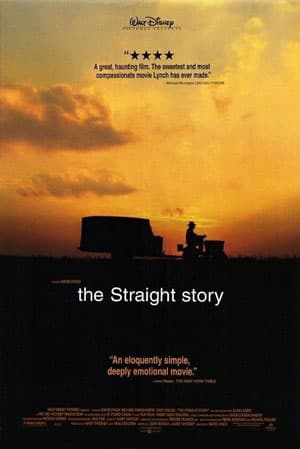
The strangest thing in David Lynch's filmography is this: a G-rated Disney picture in which an old man drives a riding lawnmower from Iowa to Wisconsin to reach his estranged brother.
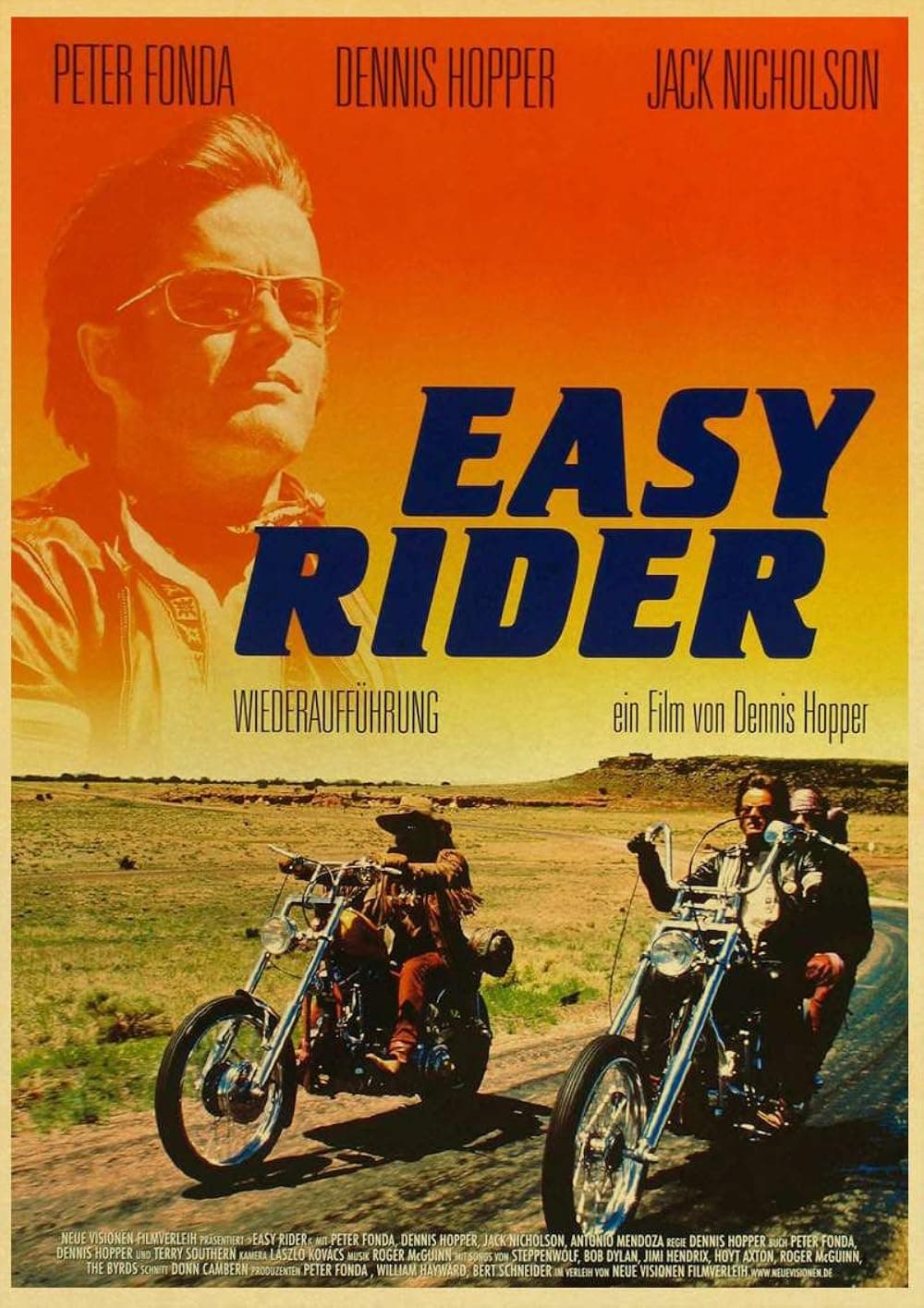
New Hollywood found its proof here: two bikers ride east on drug money, a four-hundred-thousand-dollar film outgrossed studio pictures, and the men who had run the studios for forty years lost the argument.
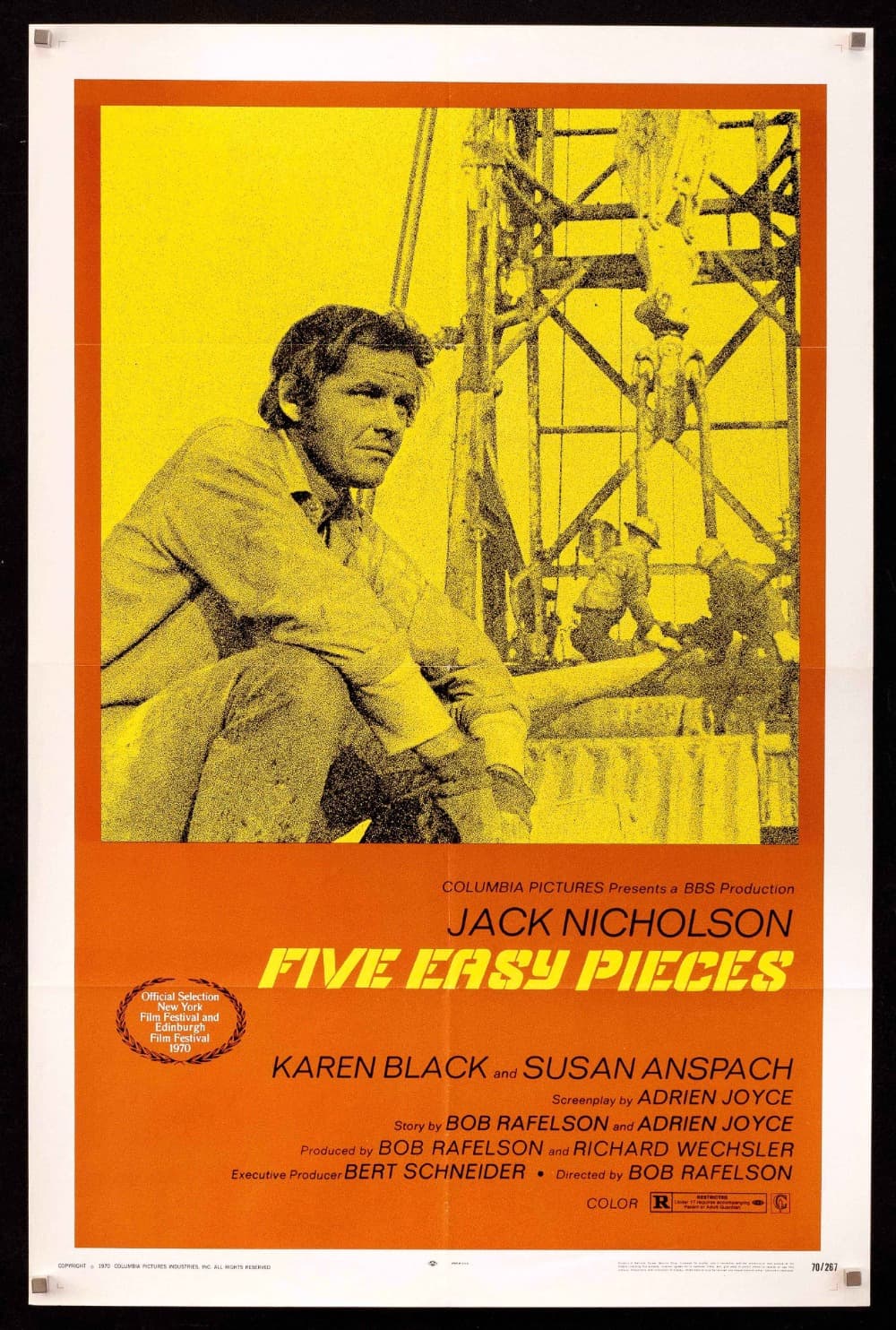
The diner scene has outlived the film's whole era: a classical pianist walked away from his family to work oil rigs, and nobody here will explain him or forgive him.
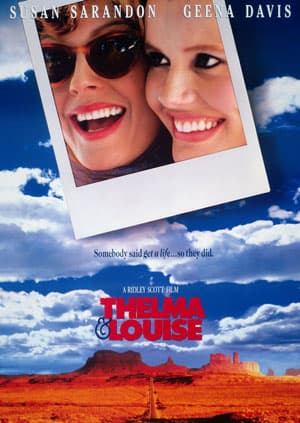
Callie Khouri's script did something no American road movie had done: put two women in the car and let the country outside it turn hostile, while the friendship becomes the only reliable thing.
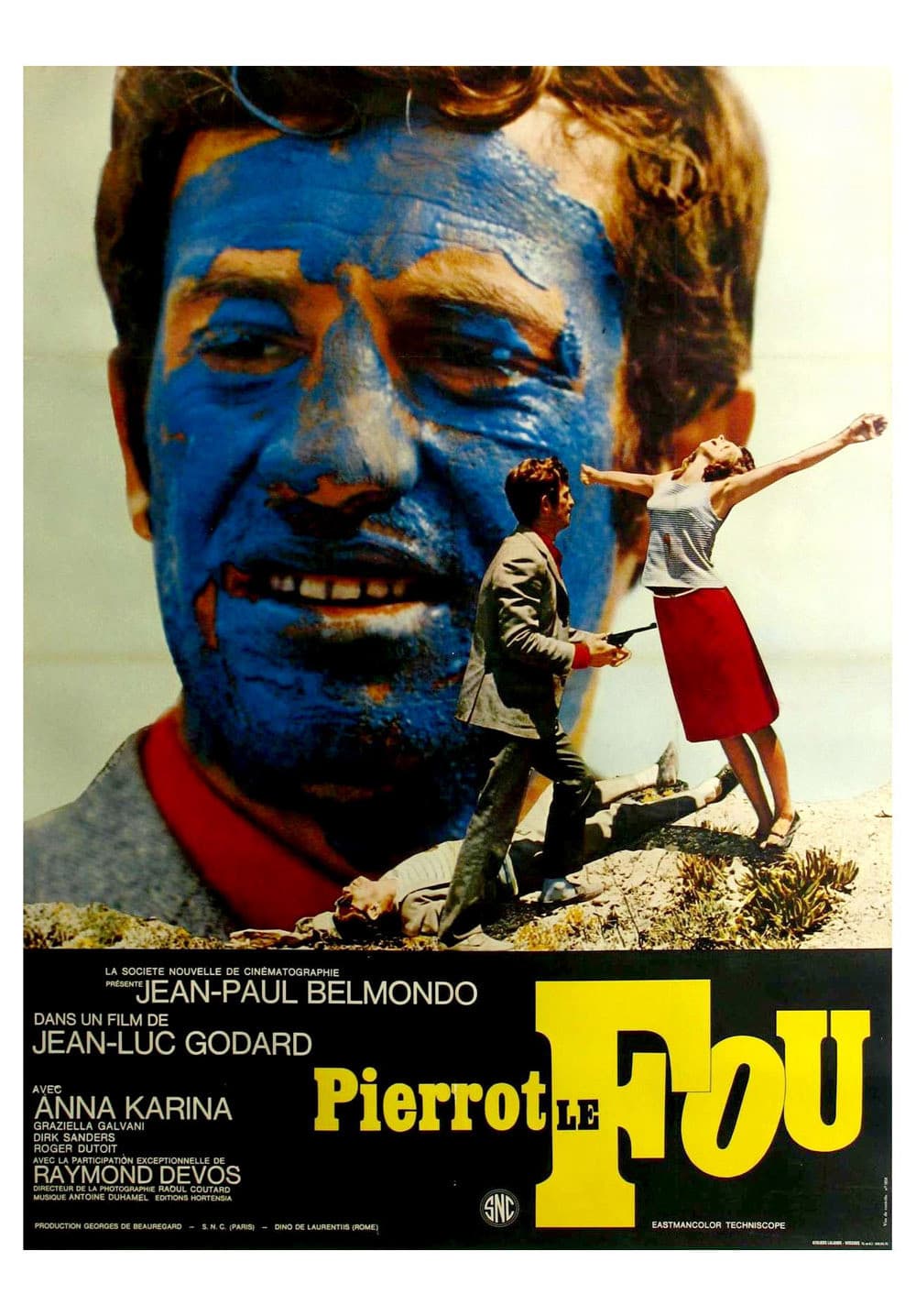
Godard at his most beautiful and least patient: Belmondo walks out of a party and drives south with Anna Karina, and the film keeps dissolving into color, quotation and pure play.
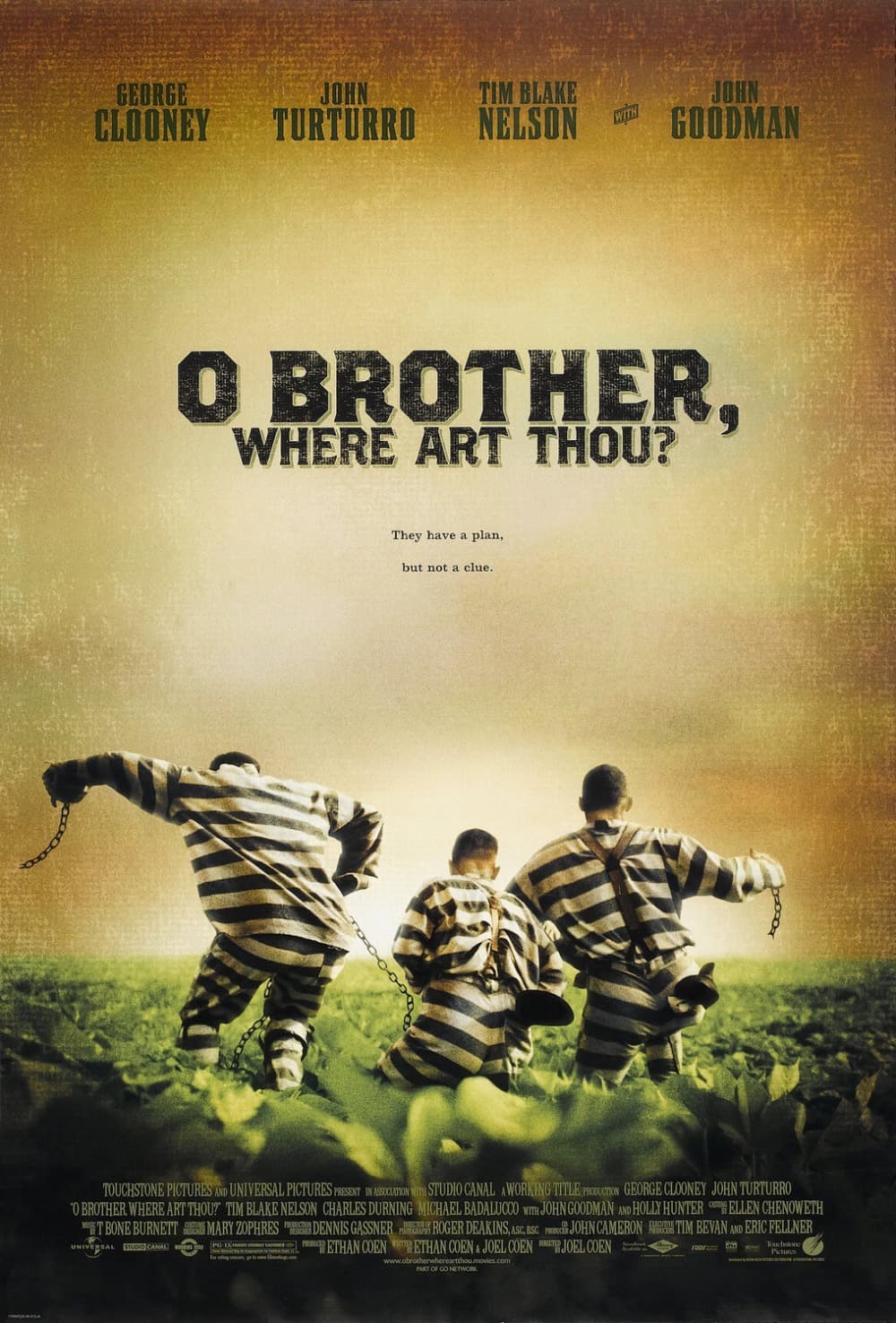
Homer's Odyssey rerouted through Depression-era Mississippi: the soundtrack of gospel and bluegrass sold eight million copies and sent a mass audience back to music first recorded in the 1920s.
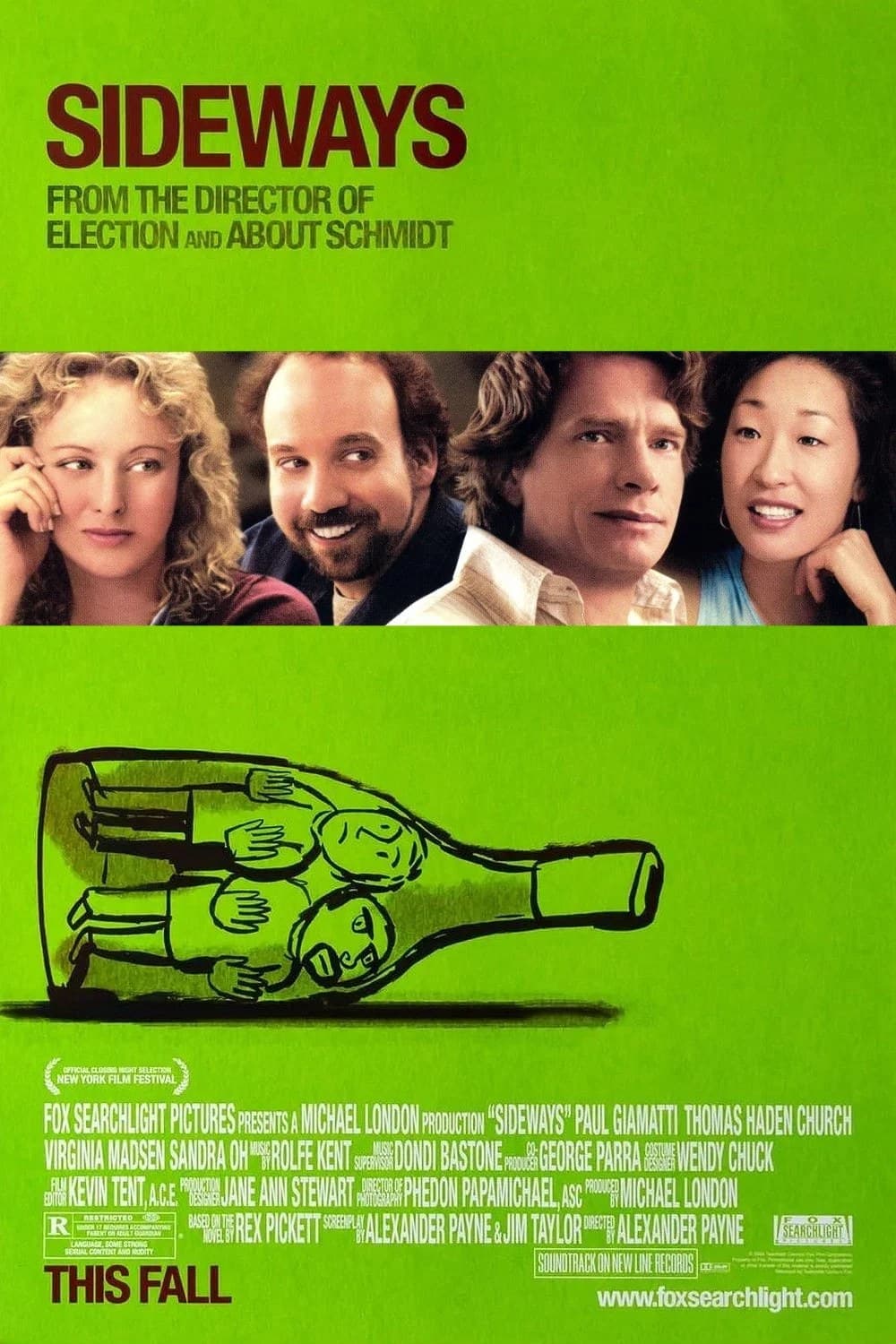
It measurably dented cheap merlot sales and sent pinot noir soaring: two middle-aged men drive through wine country, one about to be married and one unable to move on.
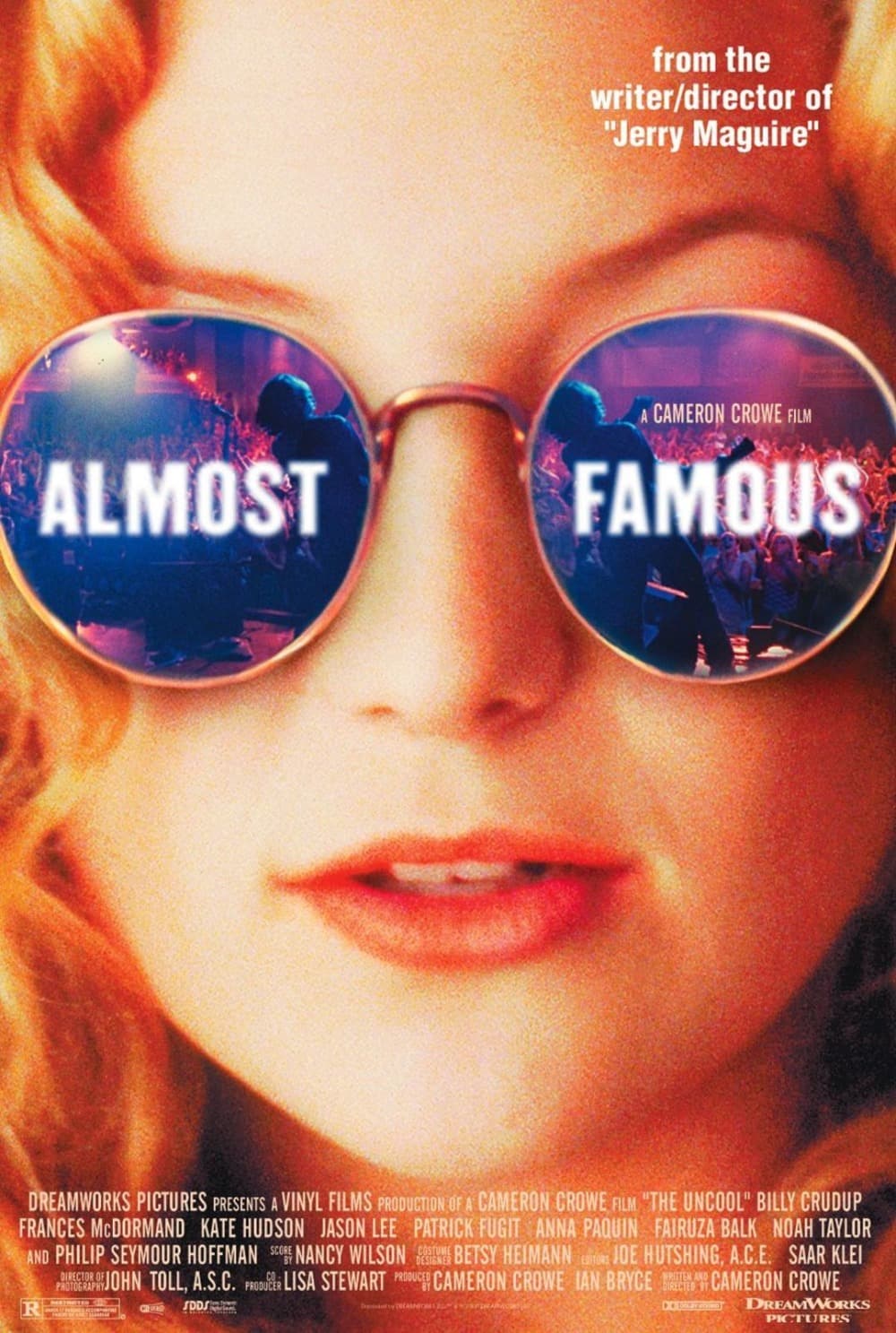
Cameron Crowe was writing for Rolling Stone at fifteen and on the road with the Allman Brothers at sixteen: the film gets every detail right, including the boredom.
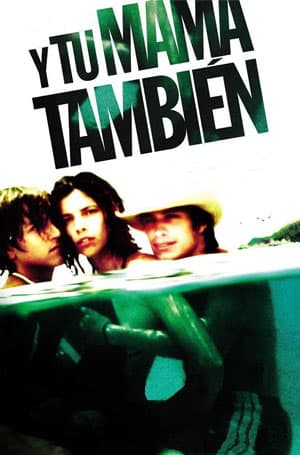
A road trip with a narrator who keeps interrupting to tell you things the characters will never know: Cuaron slips a portrait of Mexico under a teenage sex comedy.
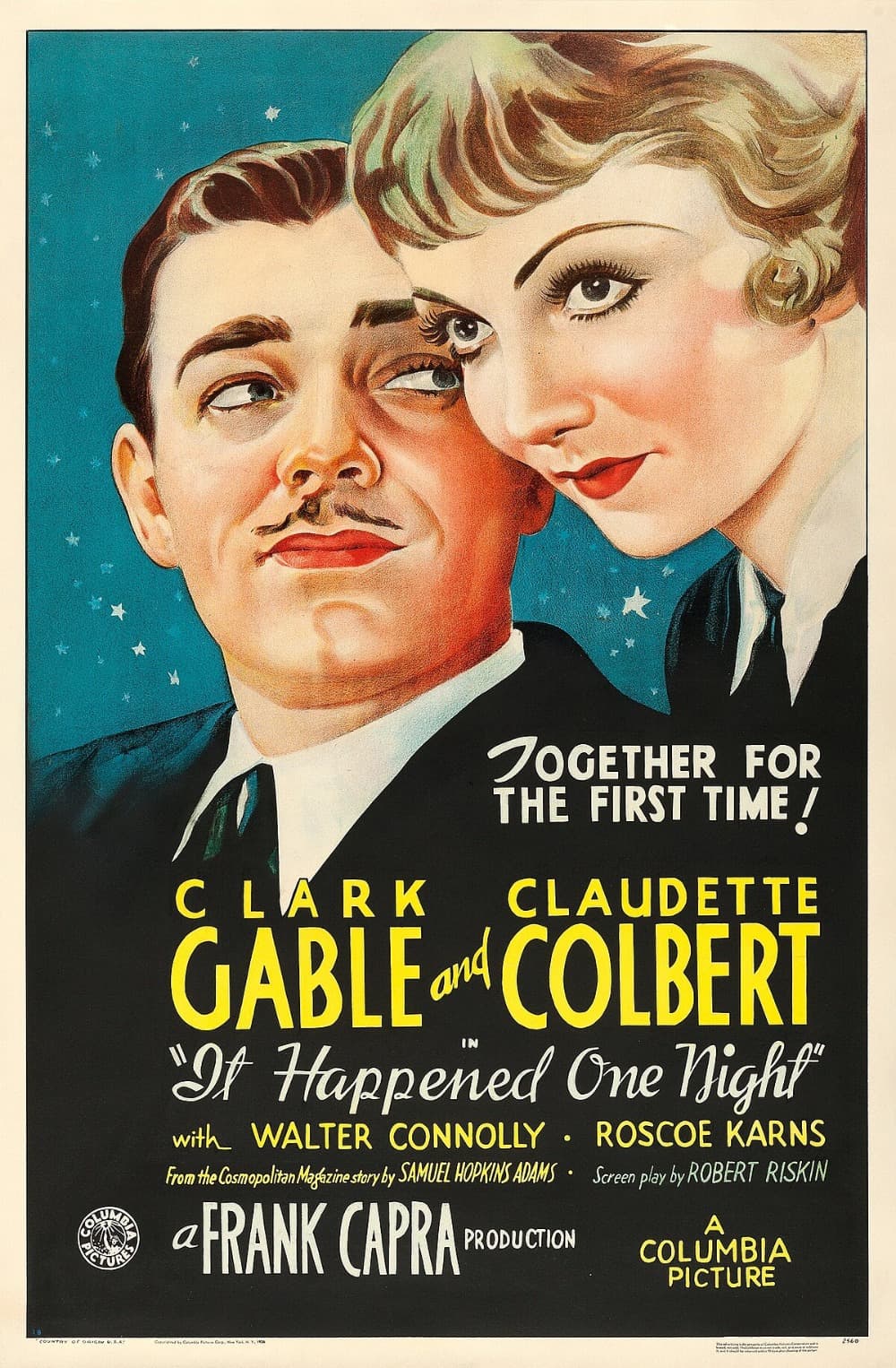
It helped launch the screwball comedy and left fingerprints on every romance that followed: a runaway heiress, a broke reporter, a night bus, and a blanket hung between two beds.
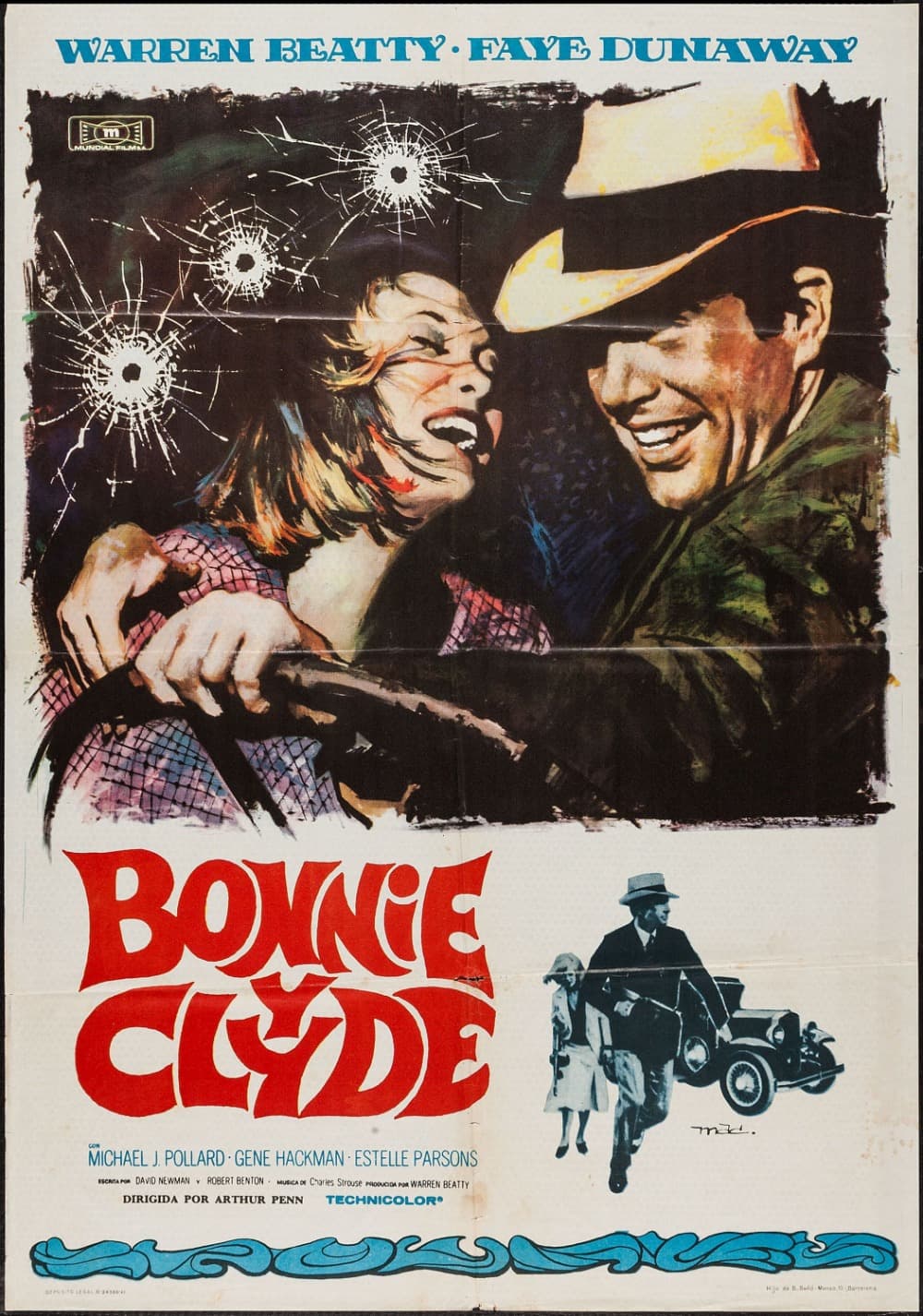
New Hollywood starts here: the violence was unlike anything American films had shown, the Newsweek critic who panned it printed a retraction a week later, and the studio system collapsed.