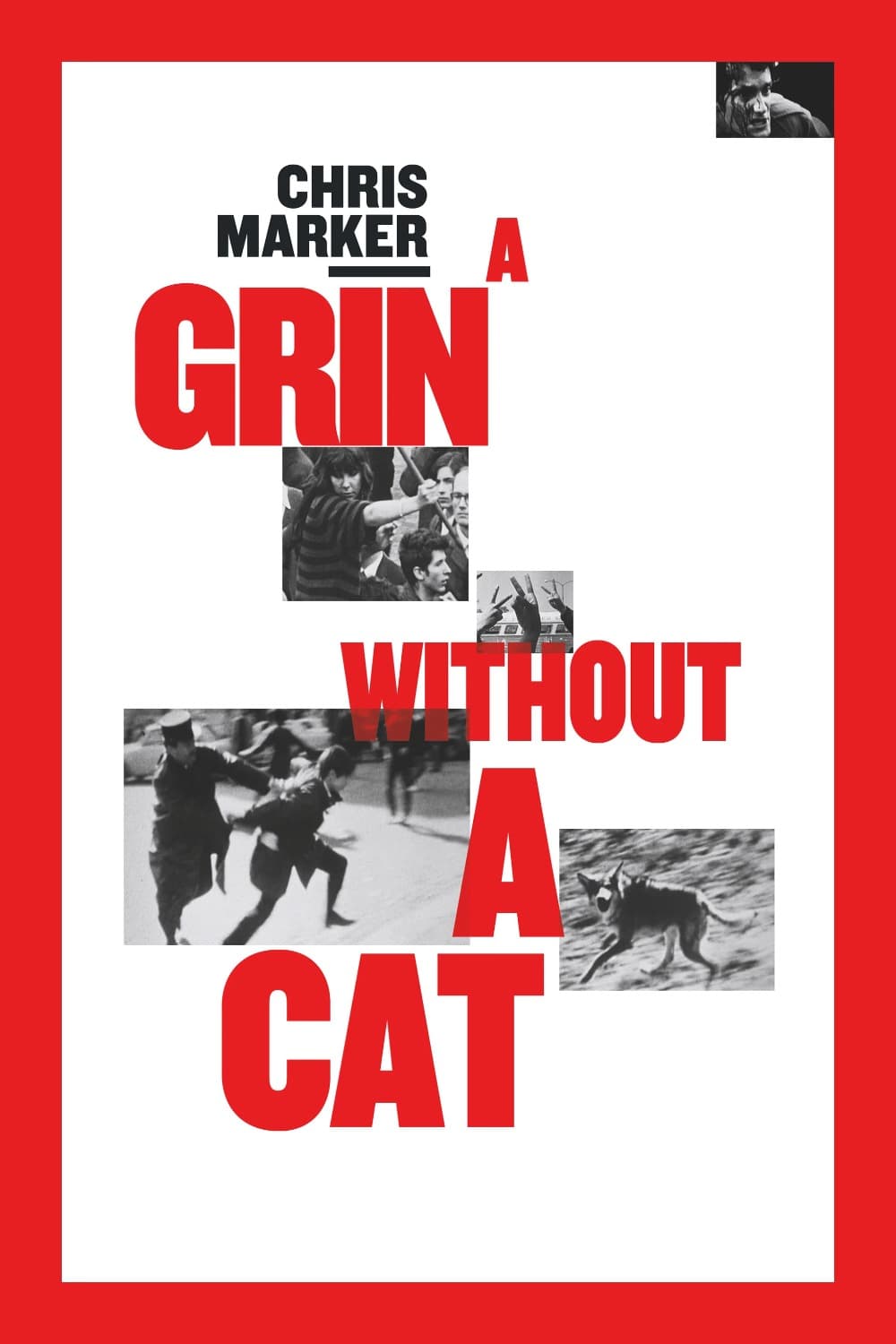
A Grin Without a Cat
Directed by Chris Marker
1977
Chris Marker assembled hours of the global left arguing with itself between 1967 and 1977: a chorus of narrators reads his commentary, and none of them is given the last word.
★ 2.0
 skopia
Chris Marker assembled hours of the global left arguing with itself between 1967 and 1977: a chorus of narrators reads his commentary, and none of them is given the last word.
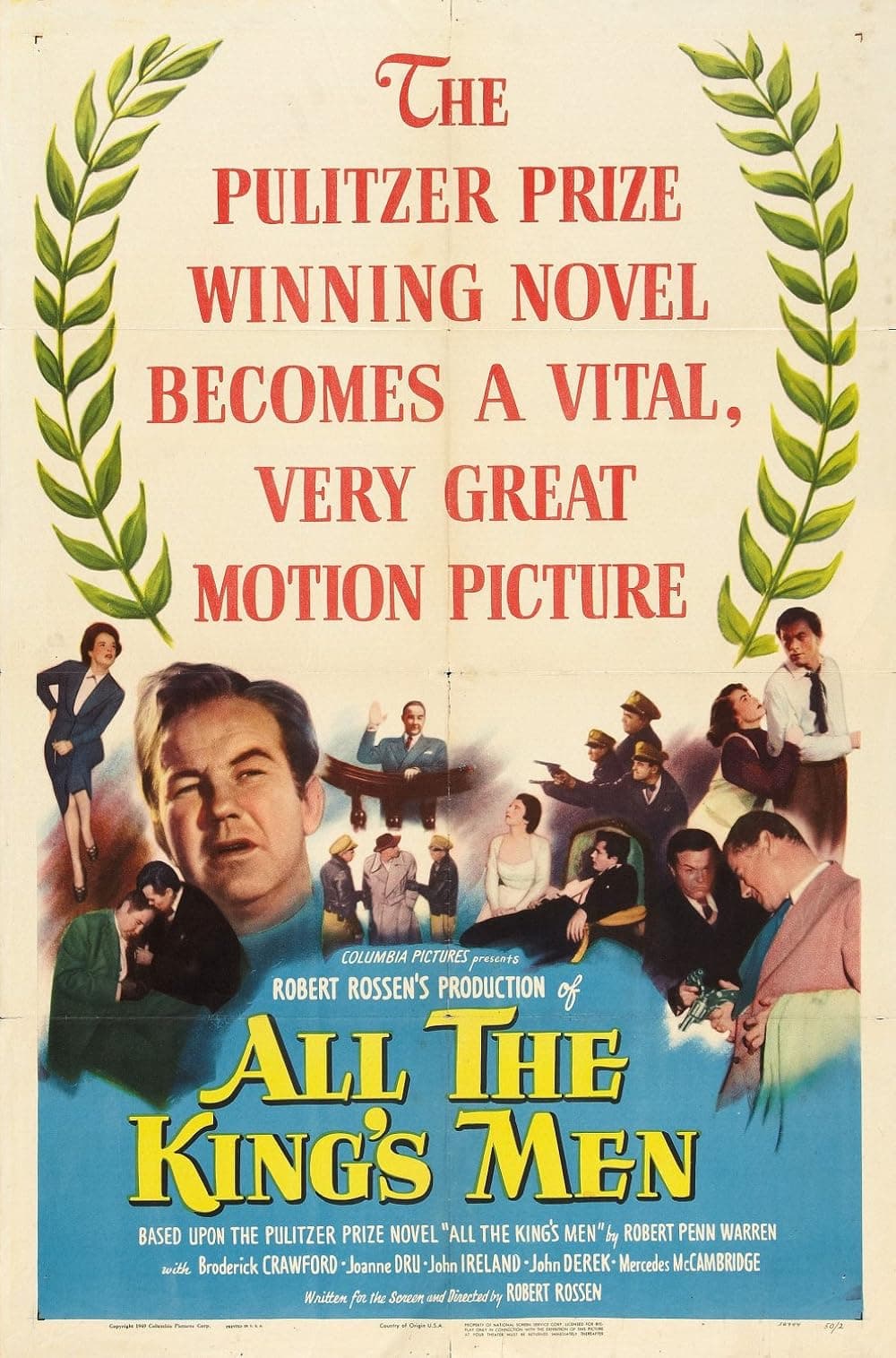
Robert Penn Warren's novel about Huey Long, filmed with real Californians pulled off the street as extras: a country lawyer discovers what he can do with a crowd.
Alex Gibney's father was a naval interrogator and told him to make it: an Afghan taxi driver died in American custody at Bagram, and the film follows the policy up the chain.
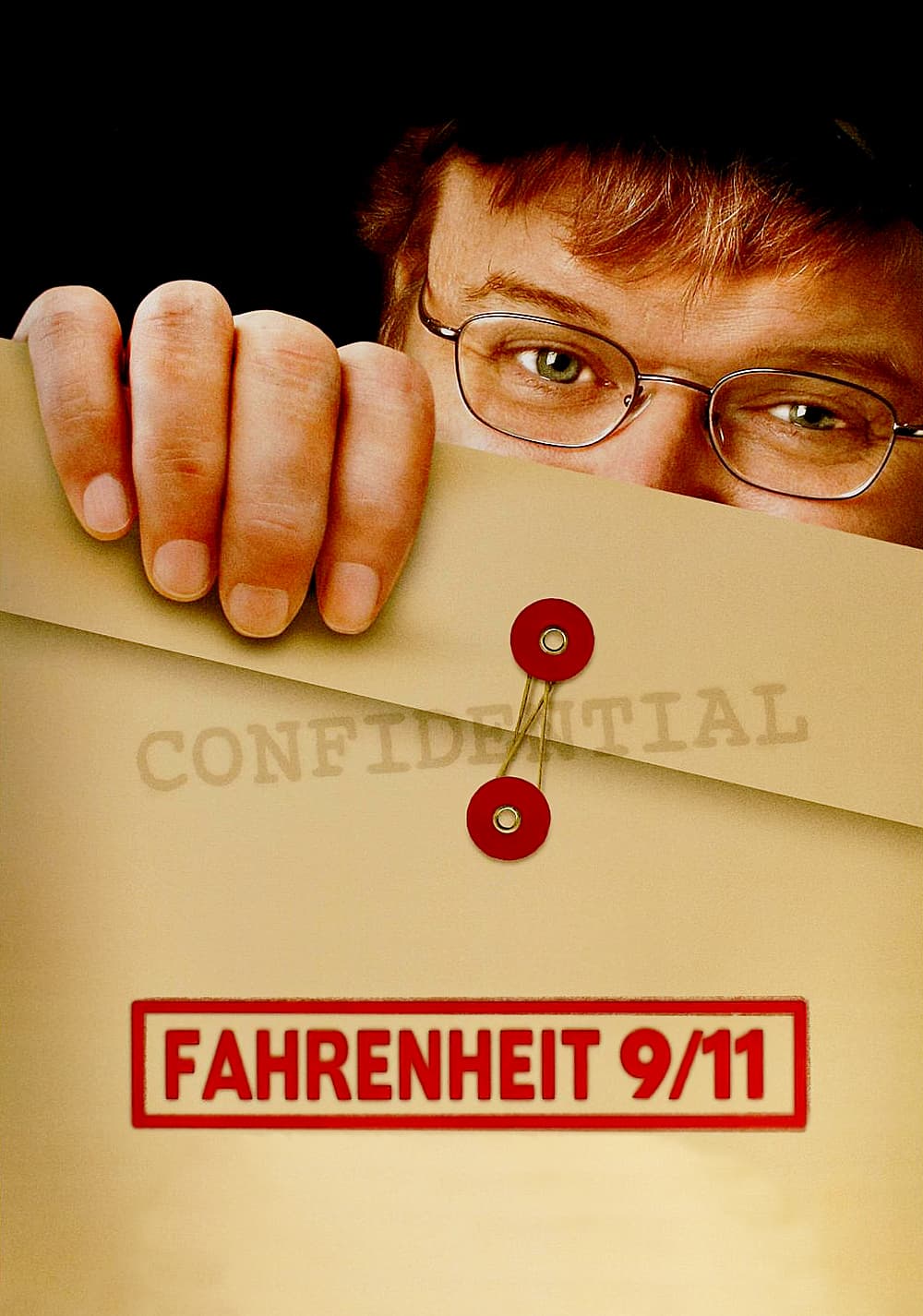
Disney refused to release it and it held the documentary box office record for five years: Michael Moore won at Cannes with an argument aimed squarely at an election five months away.
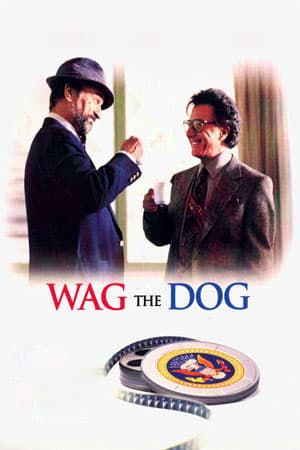
It opened a month before the Lewinsky scandal broke and eight months before Bill Clinton bombed Sudan, and the title became shorthand: a spin doctor and a producer fabricate a war.
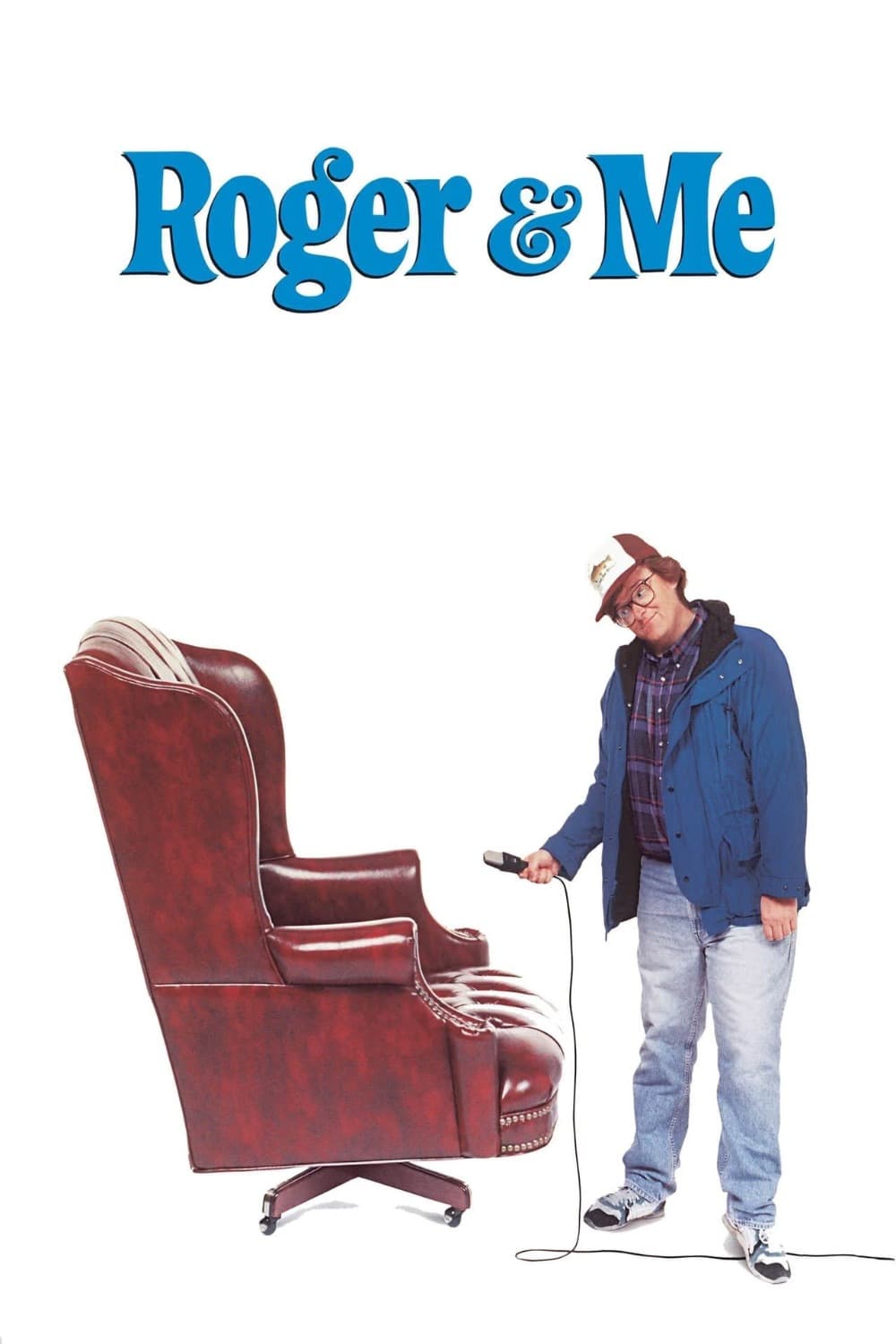
Michael Moore invented a whole documentary style here, himself as the persistent nuisance: Flint, Michigan after General Motors leaves, filmed by someone who grew up in it.
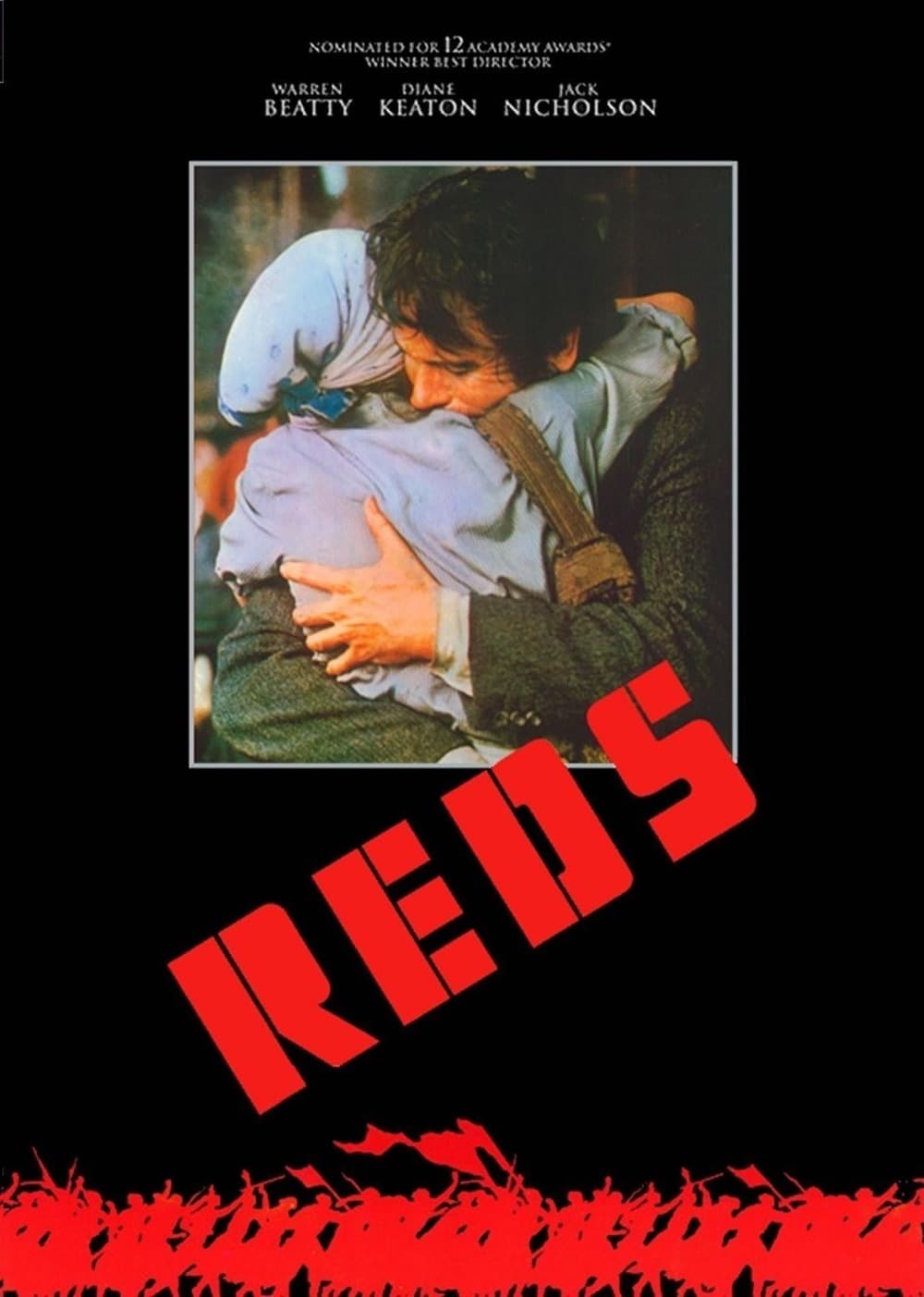
Beatty tracked down dozens of surviving witnesses and cut their interviews straight into the film: the Russian Revolution seen through two American radicals who cannot stop arguing.
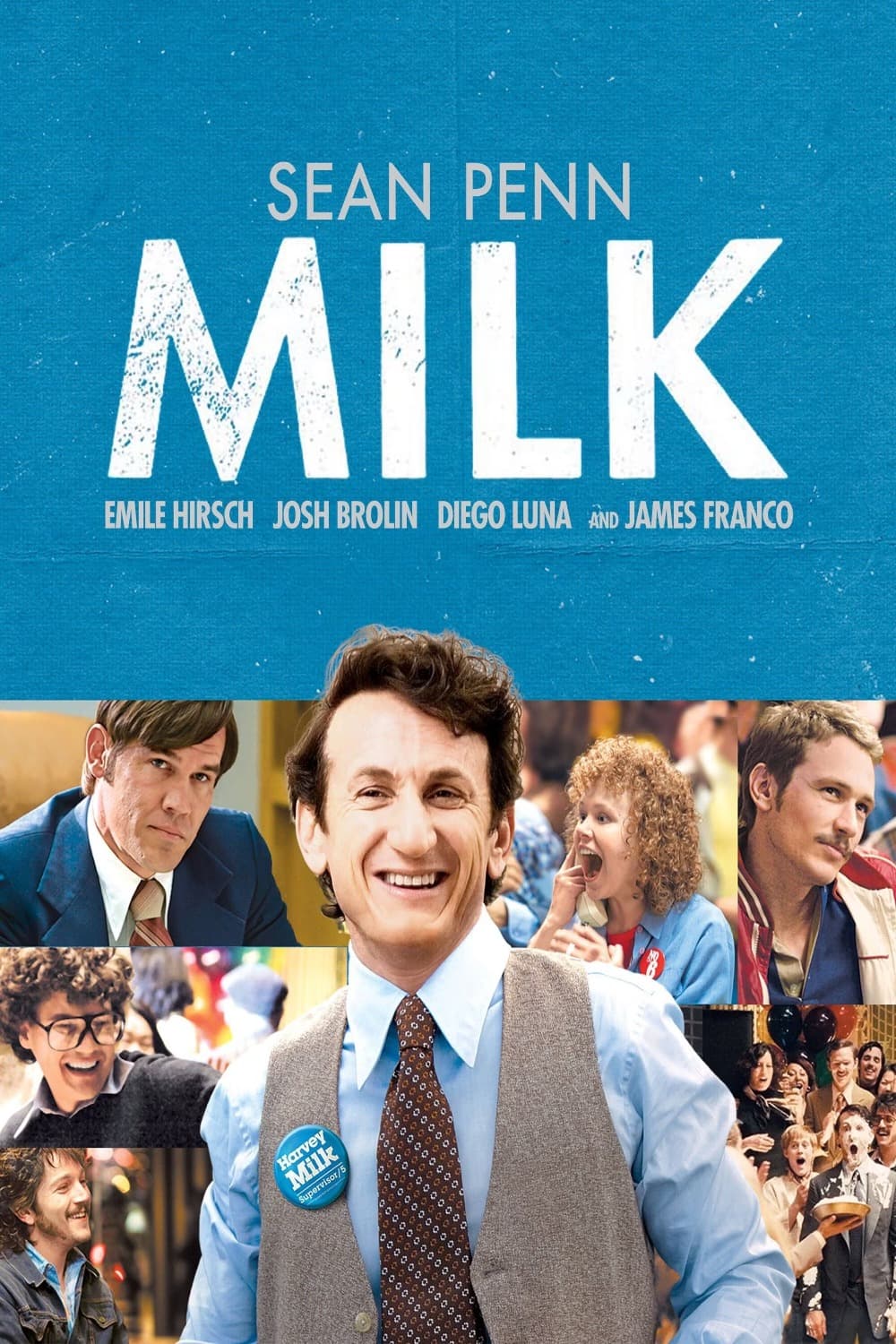
Van Sant shot in the actual Castro Street storefront where Harvey Milk ran his campaigns: Sean Penn plays the first openly gay man elected to major office in California, and plays him delighted.
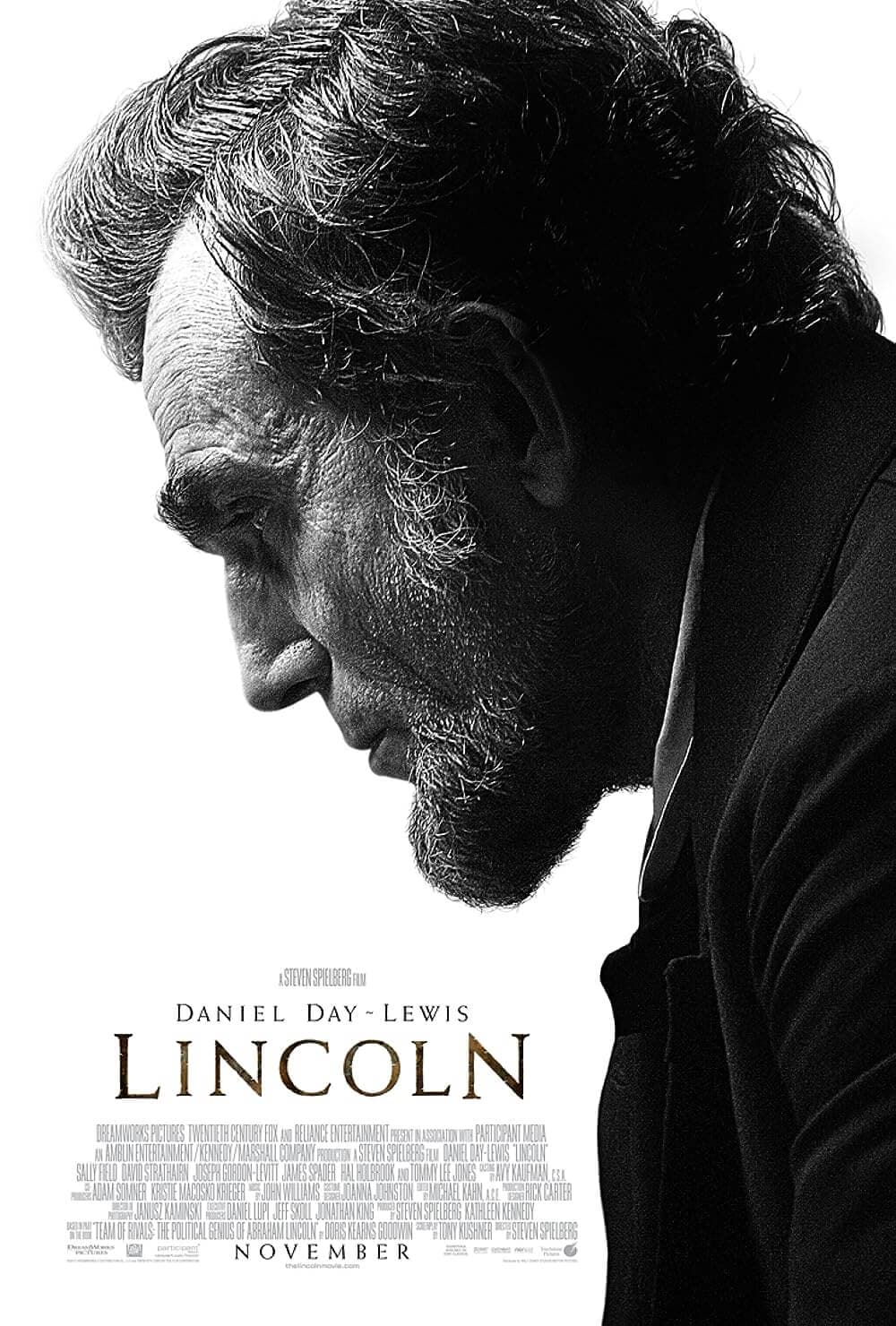
Day-Lewis found a high, reedy voice for Lincoln because the historical accounts describe one: Spielberg and Tony Kushner build a whole film out of counting votes for the Thirteenth Amendment.
John McTiernan solves the language problem with a slow push in on the Russian political officer, and everyone speaks English from then on: submarine cat-and-mouse with almost no violence in it.
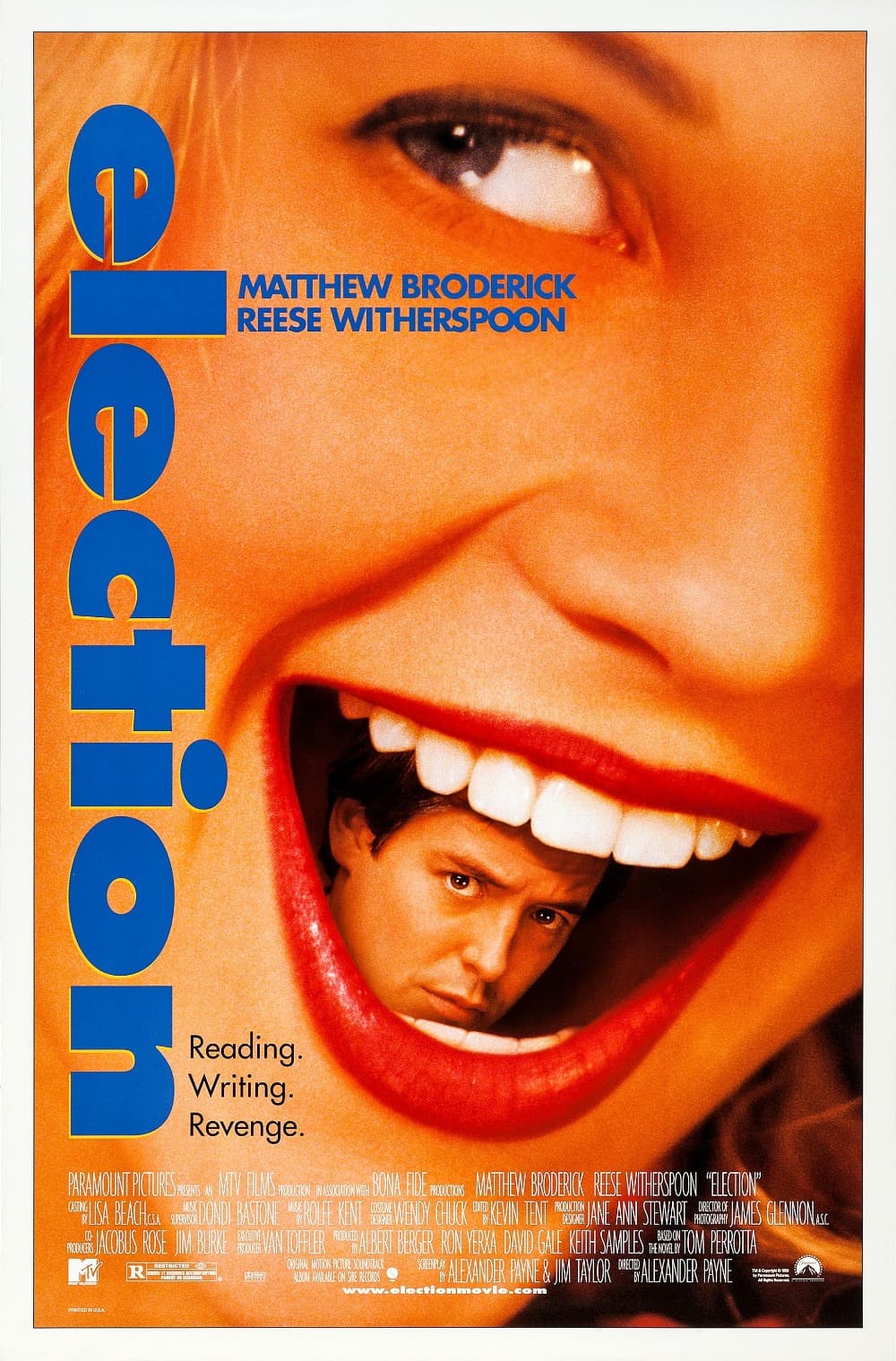
Reese Witherspoon has never been better used: a high-school student council election becomes a study of ambition and resentment, and Payne refuses to let a single character off the hook.
Haing Ngor had never acted in his life and won an Academy Award for this: Roland Joffe films the fall of Phnom Penh through an American reporter and the Cambodian colleague beside him.
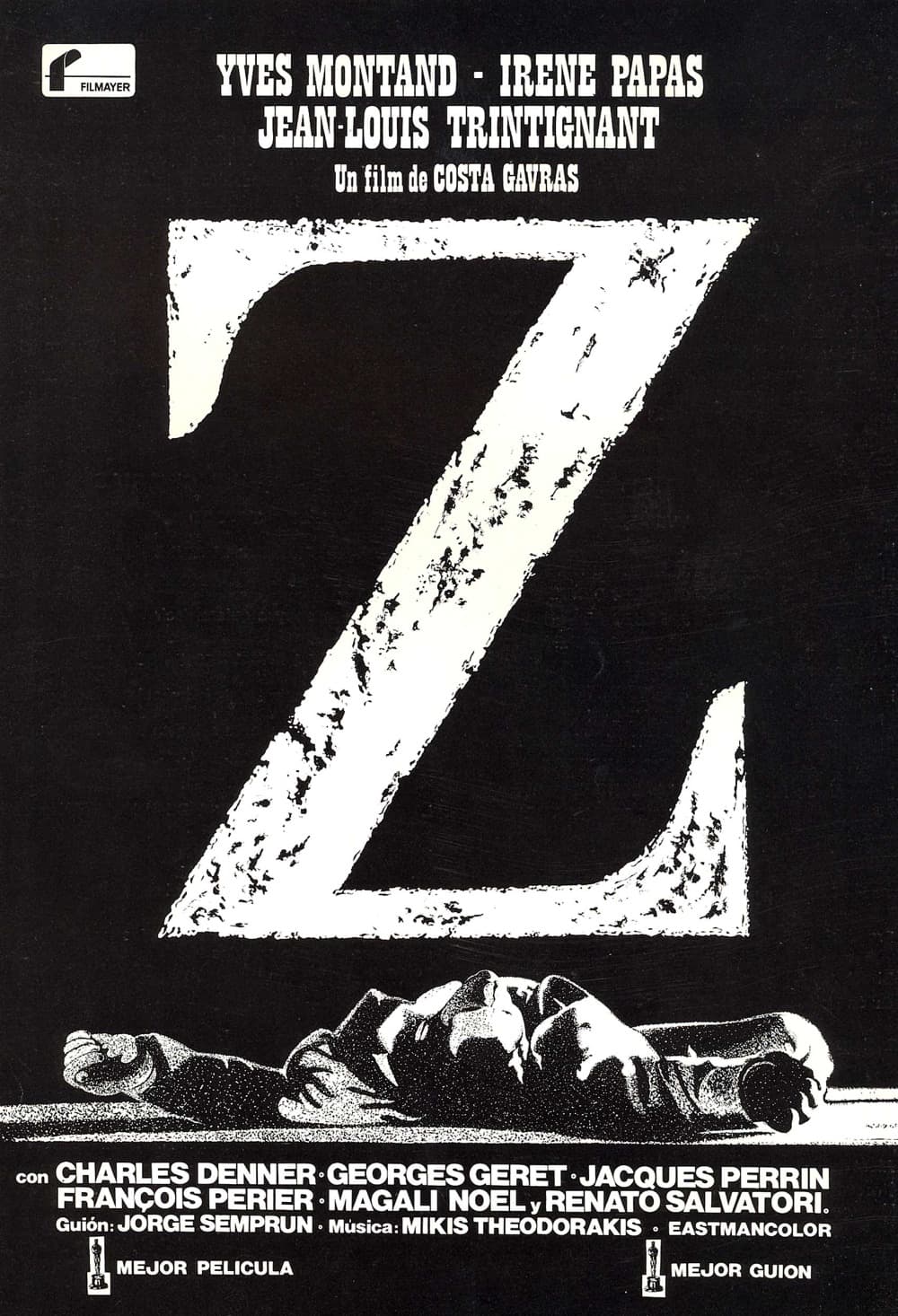
Banned by the Greek junta it was made to indict: Costa-Gavras films a political assassination and its cover-up as a procedural thriller, and the pace never lets the outrage go abstract.
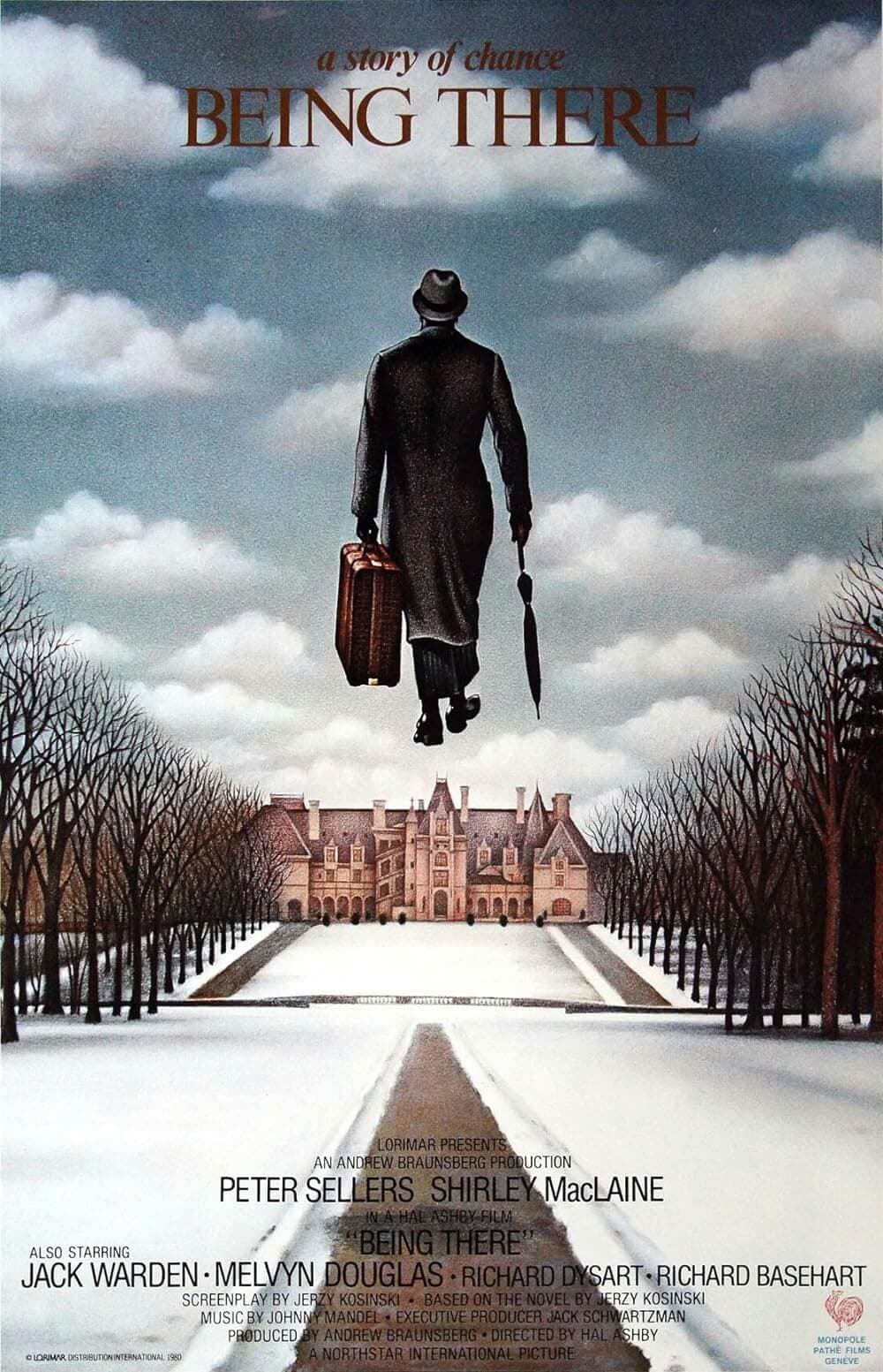
Peter Sellers chased this part for years and considered it the best work he ever did: a gardener who has only ever watched television is mistaken for a sage.
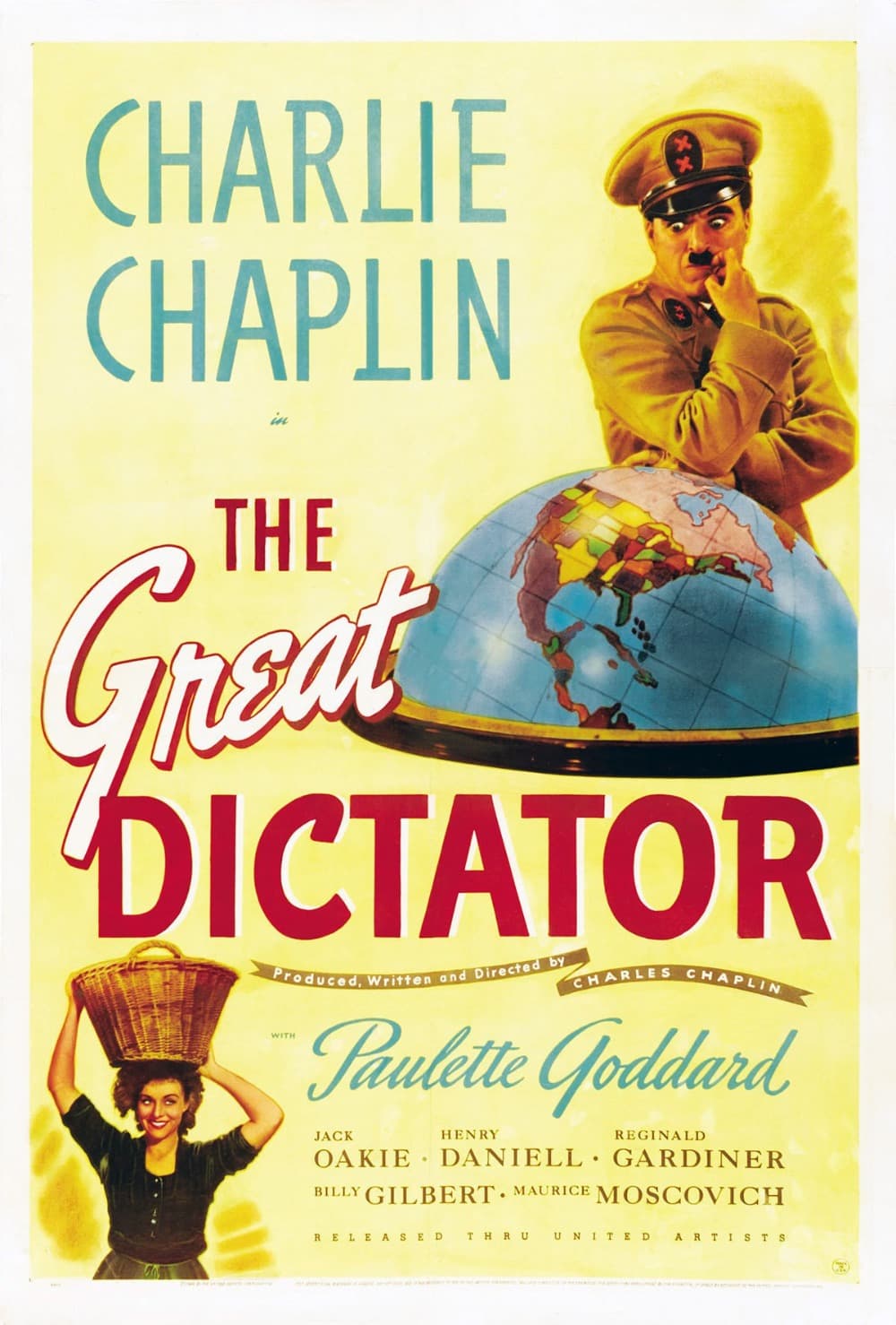
Chaplin attacked Hitler while America was still neutral, in his first talking picture: the two men were born four days apart, and the globe dance is the cruelest joke he ever staged.
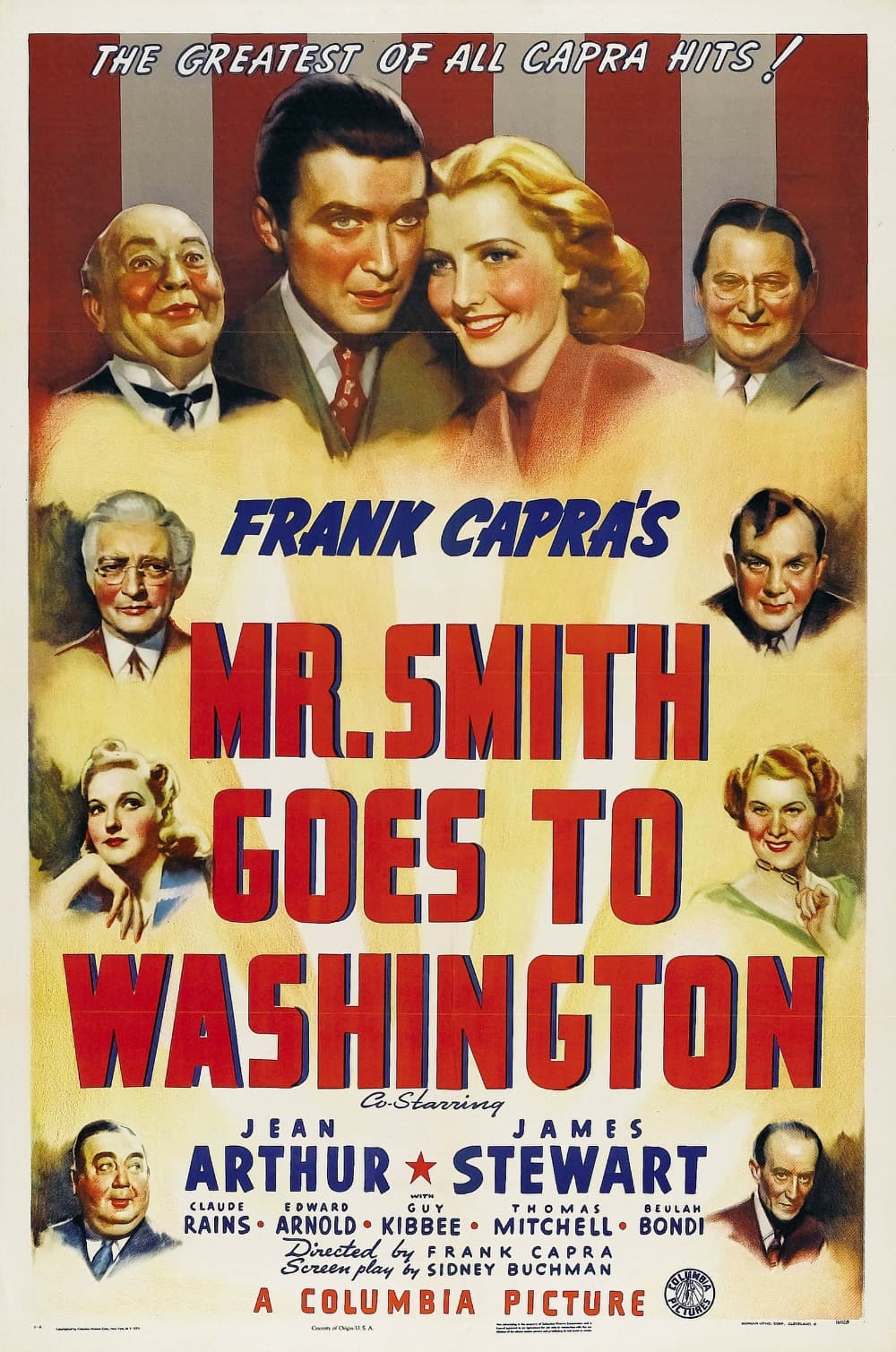
Capra built the most stirring film ever made out of parliamentary procedure: an amateur senator holds the floor with nothing but his voice and the rulebook, and Washington's press corps hated it.
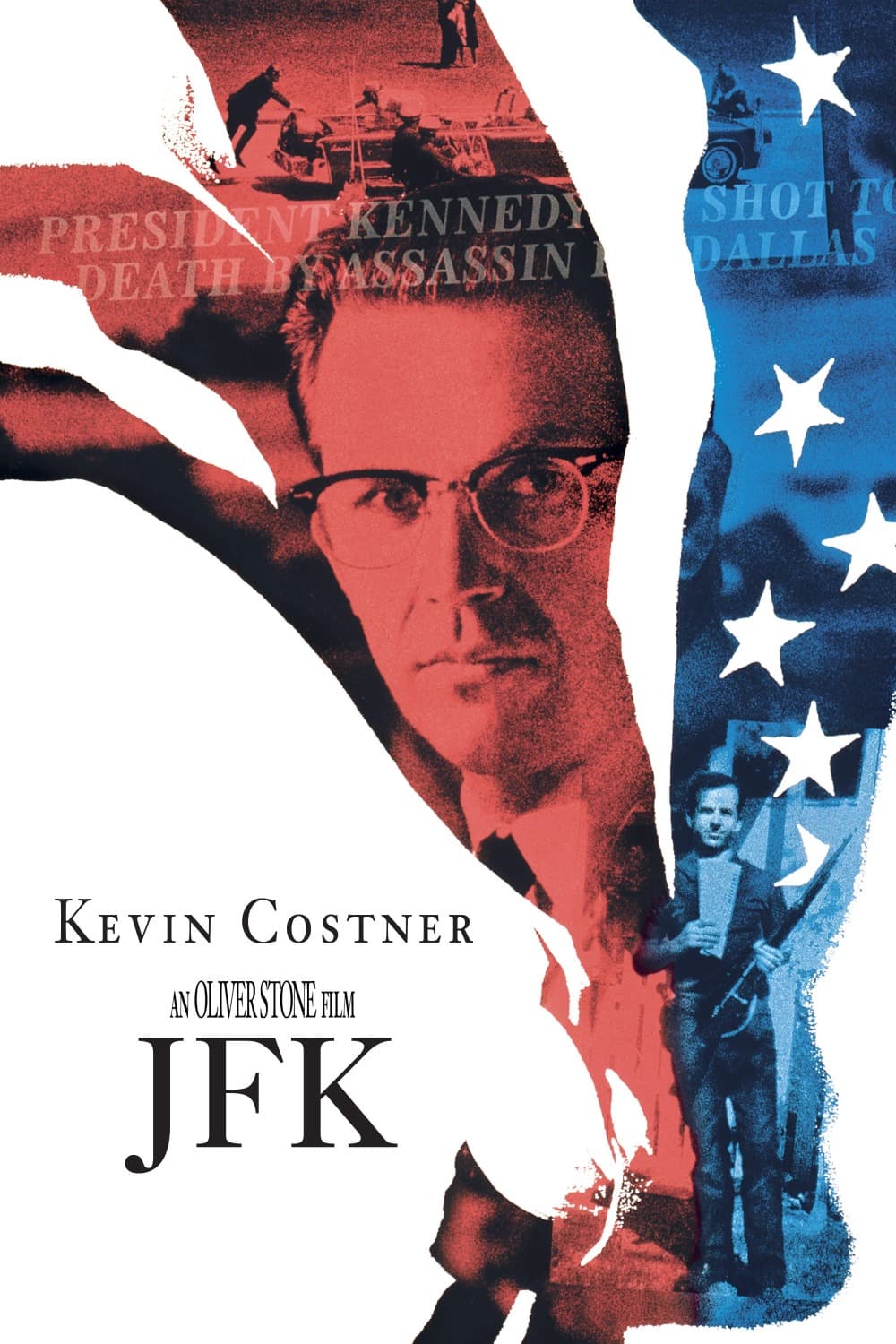
A film that changed federal law: the outcry over Stone's conspiracy case pushed Congress to pass the JFK Records Act, and the editing that sells it remains the most aggressive in American film.
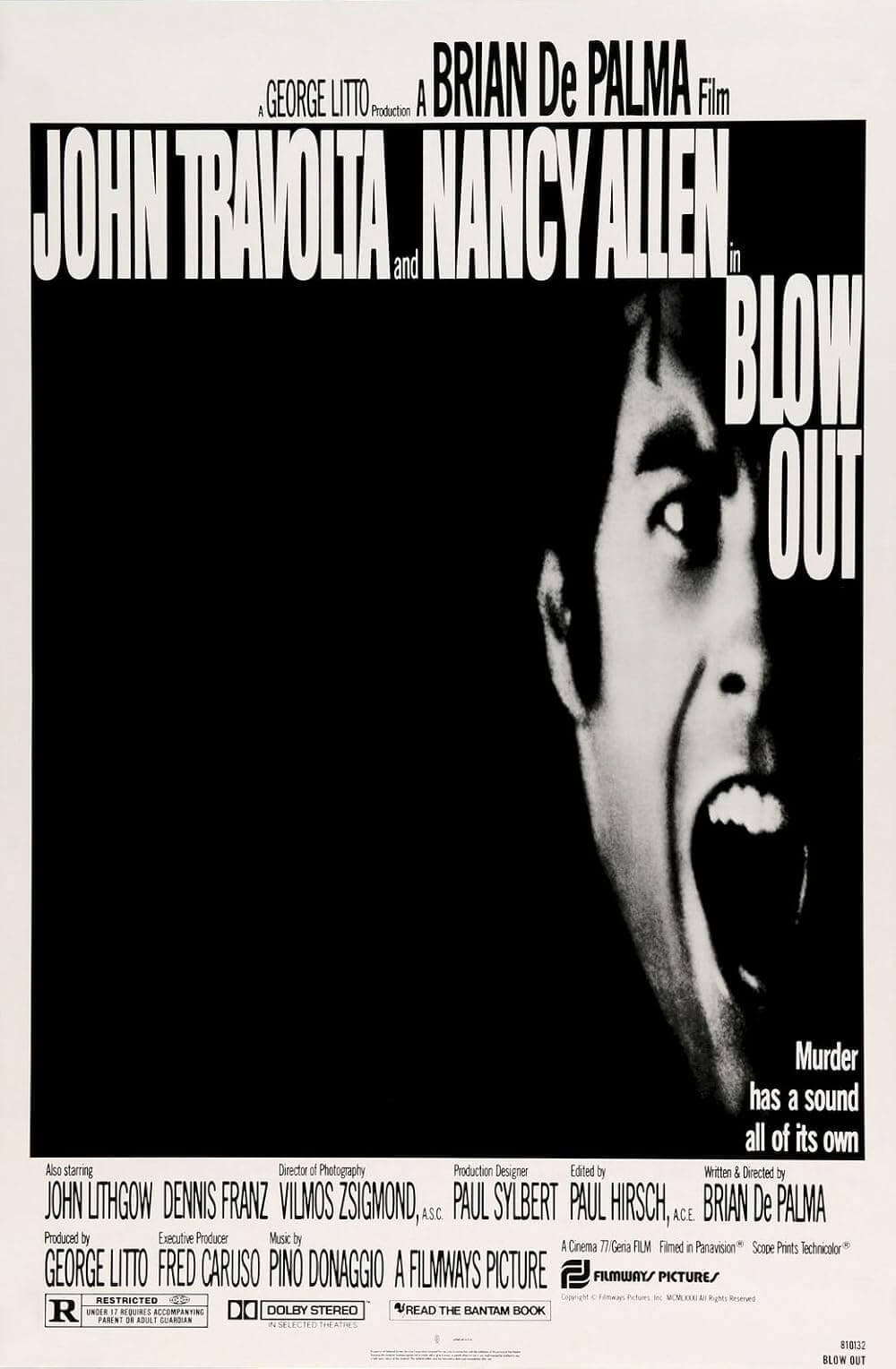
Travolta's best performance is in a thriller that flopped and spent forty years being rediscovered: a movie sound man records an accident and hears something that should not be on the tape.
Handheld chases got shakier for a decade because of this film: Greengrass films spying as legwork rather than glamour, and the Waterloo Station chase is the most tightly constructed surveillance sequence ever filmed.
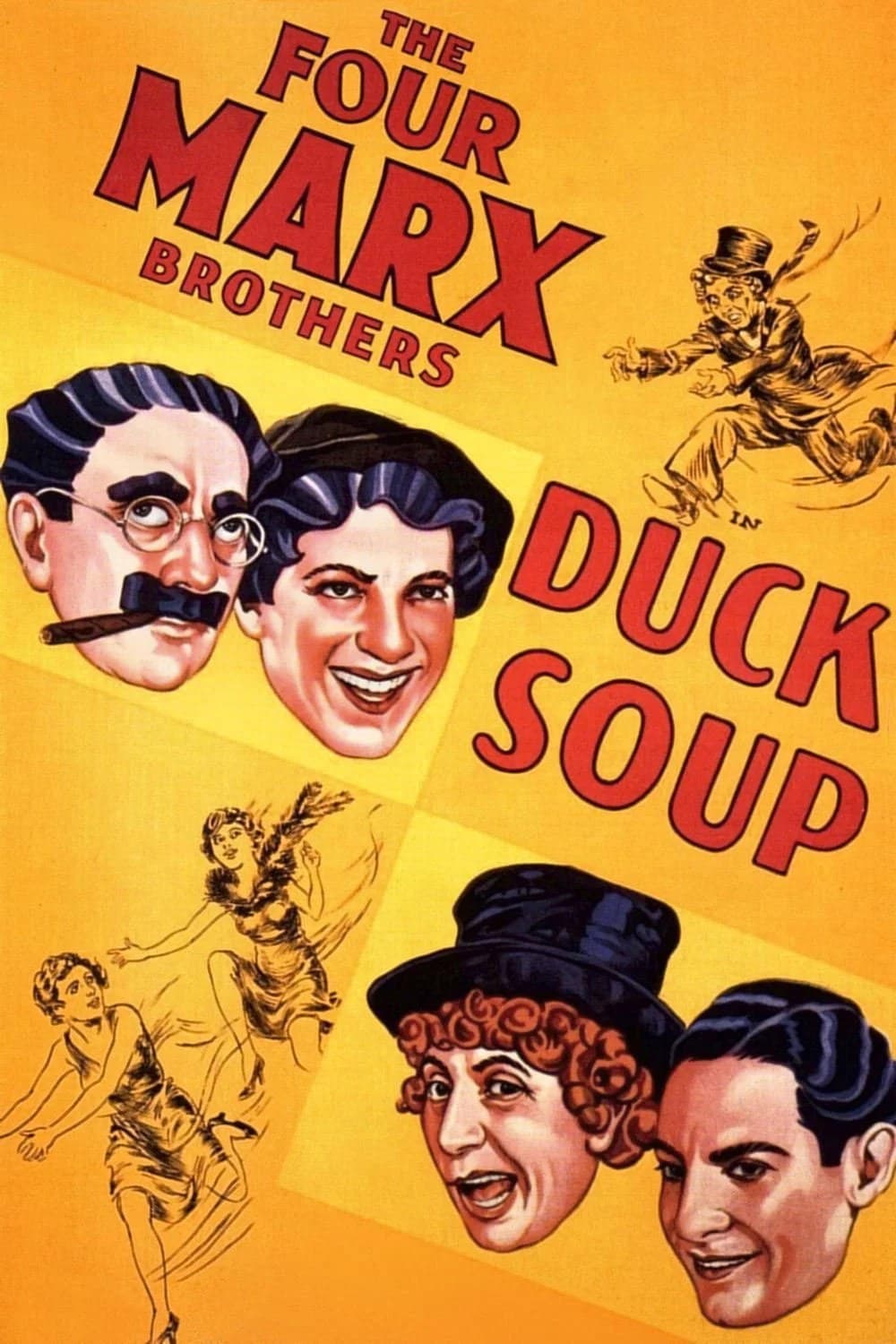
The Marx Brothers at their fastest and most anarchic, and they left Paramount soon after it underperformed: the mirror sequence has been stolen by everybody in comedy since.