Nevermind
1991
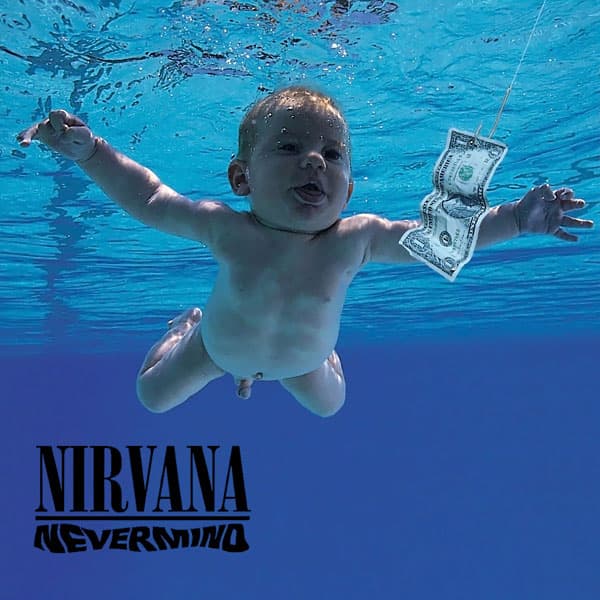
The baby on the cover was paid two hundred dollars. Four months after release it knocked Michael Jackson off the top of the chart.
★ 9.7
 skopia
The baby on the cover was paid two hundred dollars. Four months after release it knocked Michael Jackson off the top of the chart.
Recorded in a fifteenth-century mansion the band rented from an actress, with one track narrated entirely by the computer voice on a Macintosh.
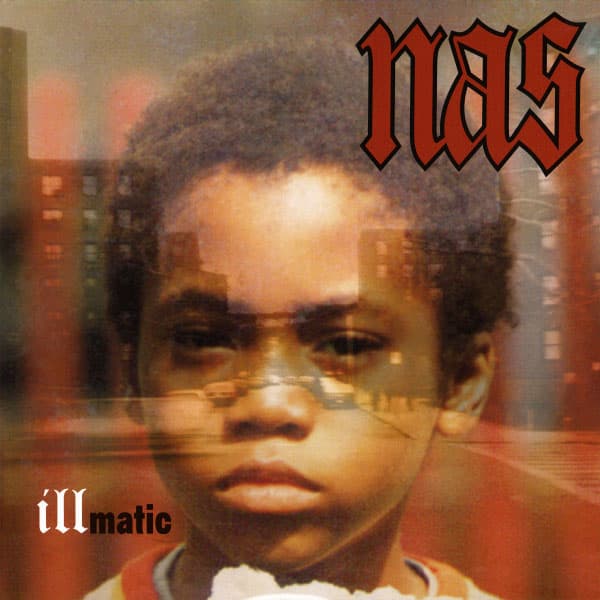
Ten tracks, under forty minutes, made by a twenty-year-old with the best producers in New York each giving him one beat.

The opening traces his life from the delivery room to prison in about three minutes. Puffy made him rewrite half of it for radio.
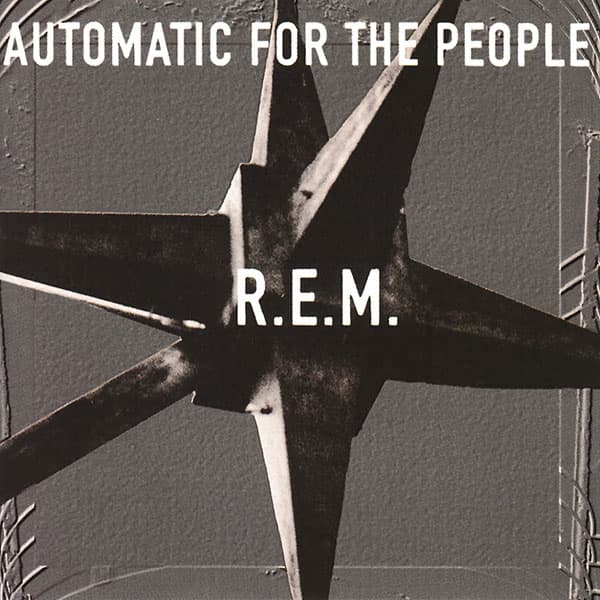
They set out to make a loud record and ended up with a quiet one. John Paul Jones of Led Zeppelin wrote the string parts.

RZA negotiated a deal letting every member sign solo elsewhere, then recorded the group in a basement on deliberately cheap, muddy equipment.
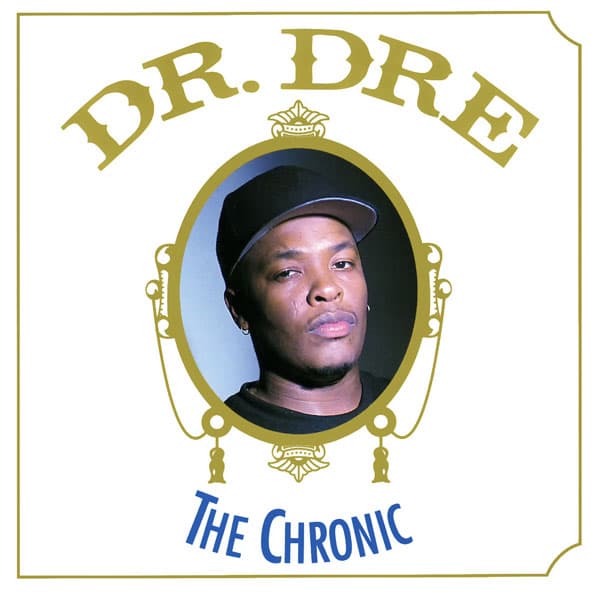
Dre had session players replay the funk records rather than sample them, which sidestepped clearance and made everything sound warmer and slower.

Ron Carter, who played bass with Miles Davis, appears on one track and made them promise there would be no swearing on it.
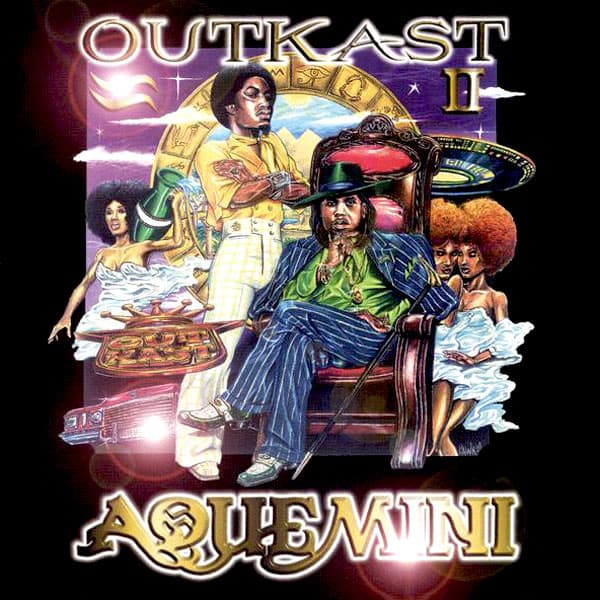
Rosa Parks sued them over the song named after her, and the case ran for a decade. The record itself goes everywhere at once.

It came out sixteen days after Biggie was shot dead in Los Angeles, a double album he had finished and titled beforehand.
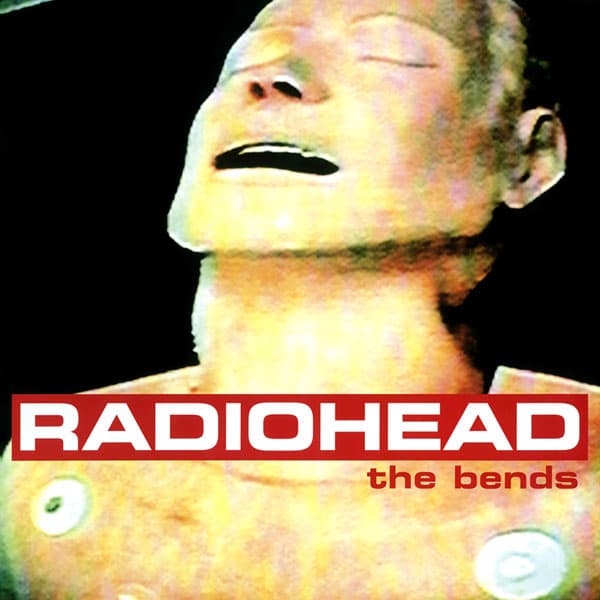
They were exhausted and sick of being the Creep band, and nearly fell apart making it. Nothing on it sounds anything like Creep.

Producer Rick Rubin moved the band into a Hollywood mansion they were convinced was haunted. Guitarist John Frusciante quit within a year of its release.
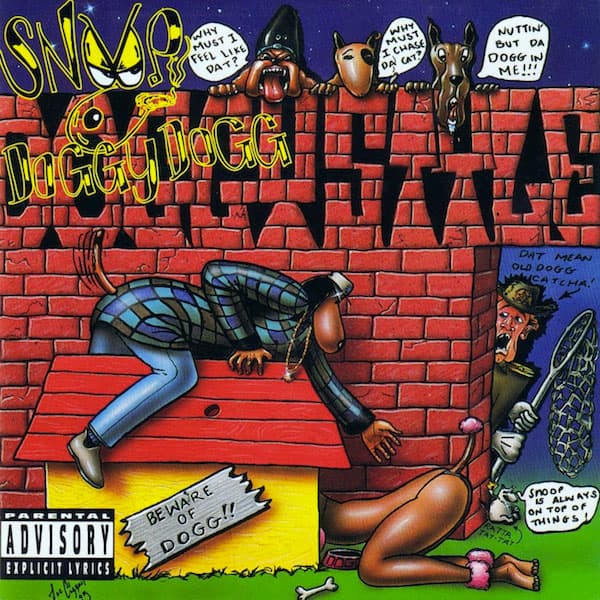
Snoop was on trial for murder while promoting it. It was the first debut album in history to enter the chart at number one.

Their production team piled so many samples into each track that the record could not legally be made today. Nothing since sounds this crowded.
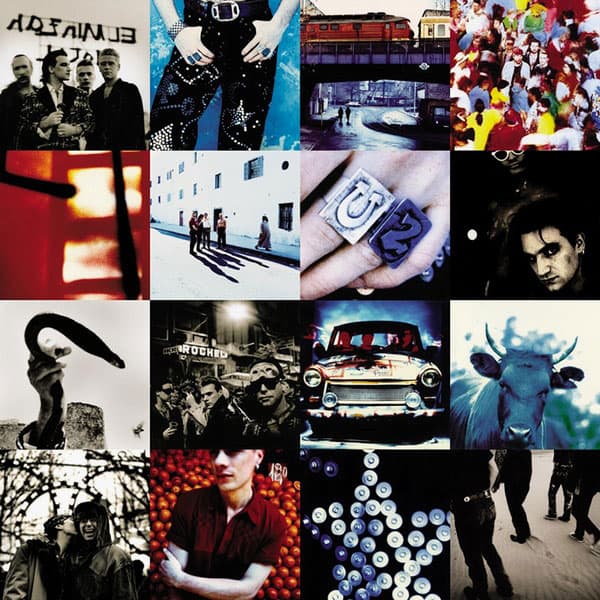
They went to Berlin just after the Wall came down, argued badly enough to nearly break up, and got the song One out of it.
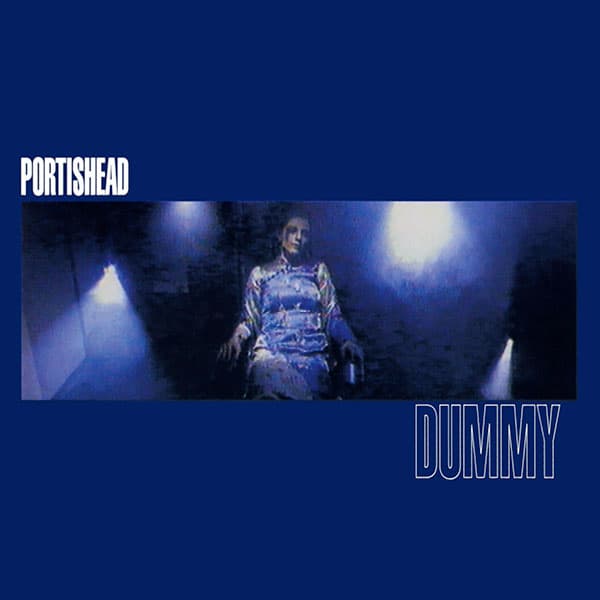
They recorded their own samples, pressed them onto vinyl, and scratched the records up so the finished album would crackle like something older.
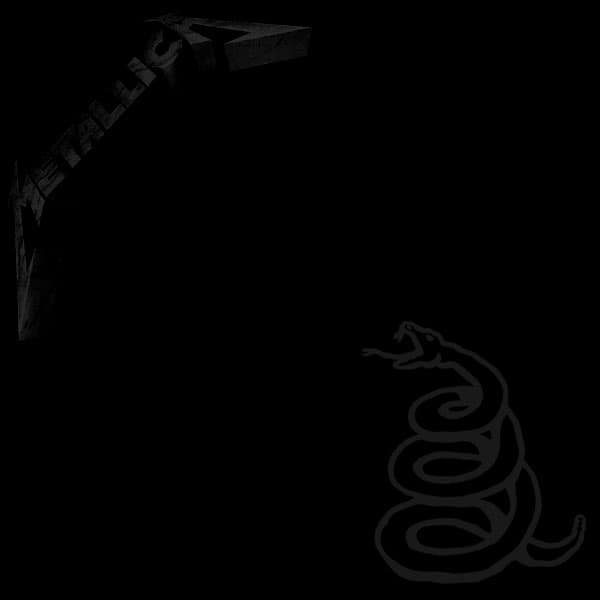
The producer Bob Rock made them play together in one room instead of tracking separately, which took a year and nearly ended the band.

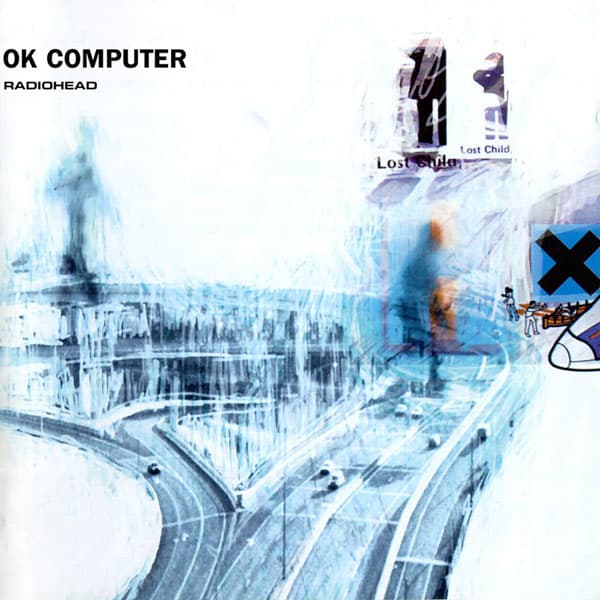
A synthesized voice introduces the tracks like a museum tour guide, and the cover is a grid of about seventy other rappers' faces.
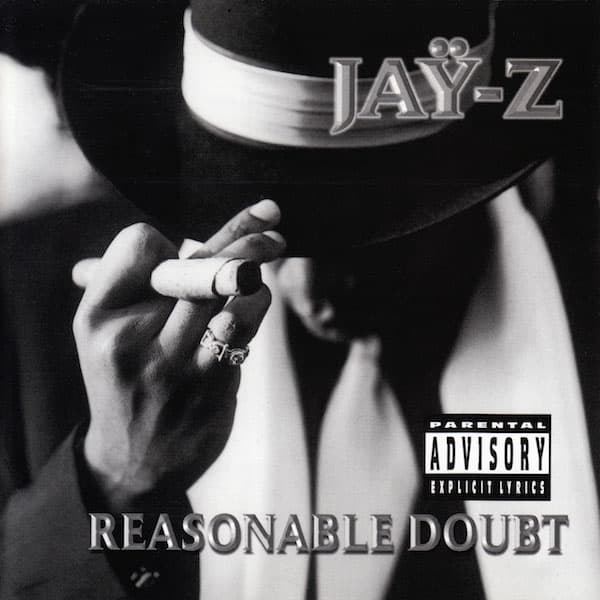
No label would sign him, so Jay-Z started his own with two friends and sold the CDs out of the trunk of a car.
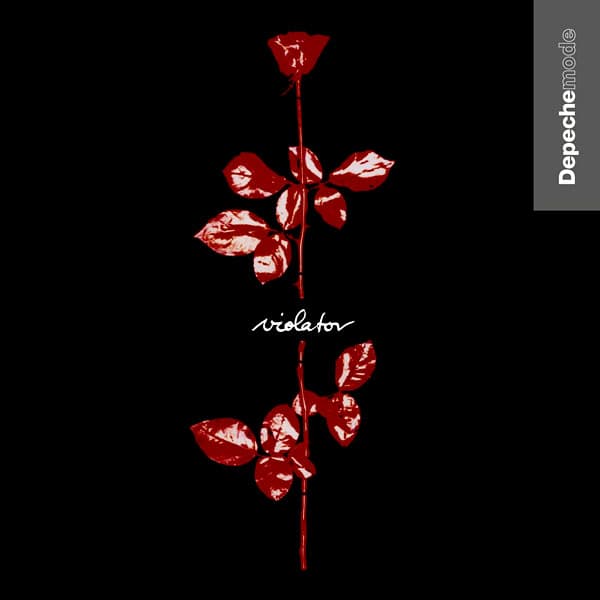
The band announced a signing at a Los Angeles record shop and around seventeen thousand people came, which ended with riot police.
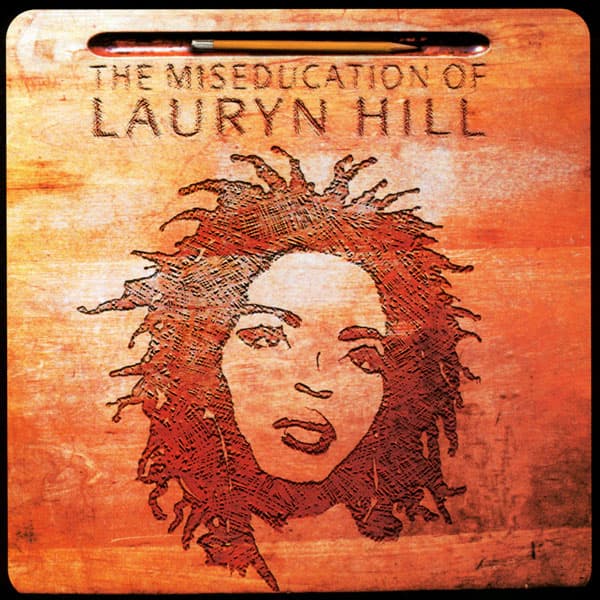
Hill recorded much of it in Bob Marley's old studio in Kingston, and the classroom scenes between songs use actual schoolchildren.
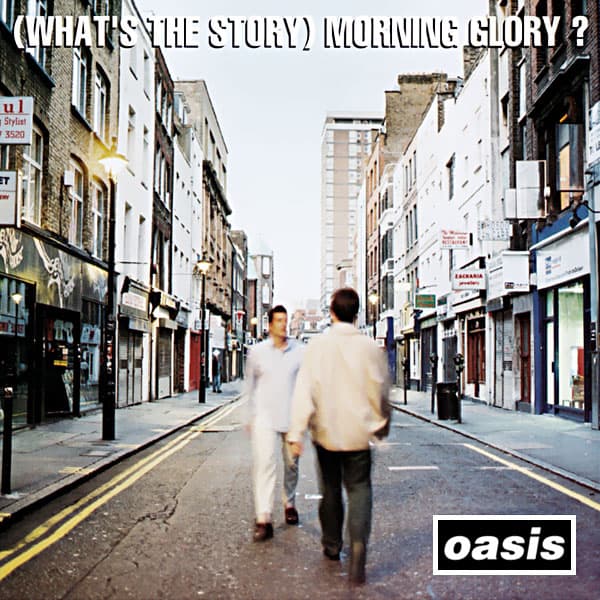
Noel Gallagher wrote most of these songs in a fortnight. A year later, two and a half million people applied to see the band at Knebworth.
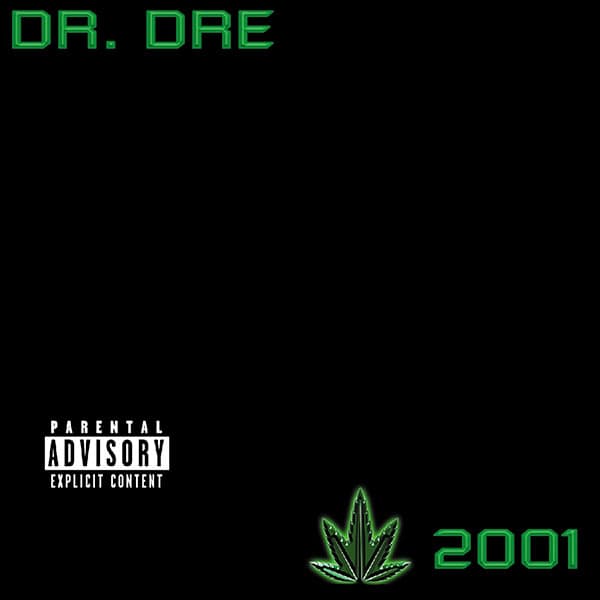
Dre hired live musicians instead of sampling, and had Jay-Z write the words to Still D.R.E. for him. Eminem turns up throughout.
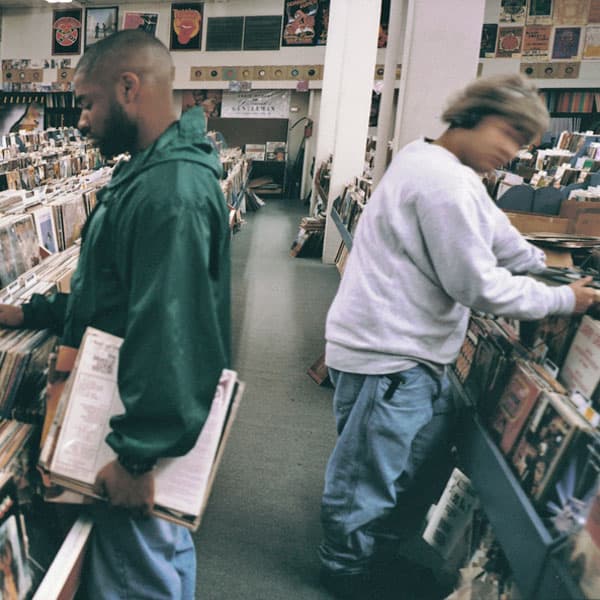
Built entirely out of other people's records, on a single sampler, in the basement of a Sacramento record shop full of unsorted vinyl.
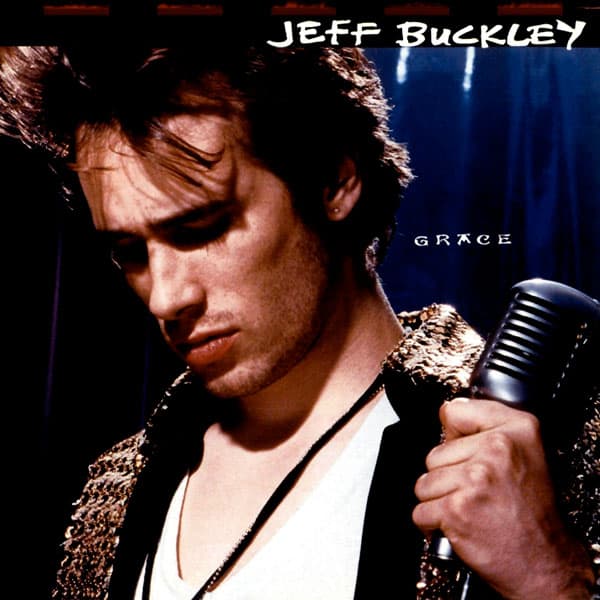
Buckley's voice covers about four octaves and he uses most of them. He drowned in the Mississippi three years later, aged thirty.

Jeff Mangum wrote it after reading Anne Frank's diary, played a musical saw on it, and then more or less disappeared for a decade.
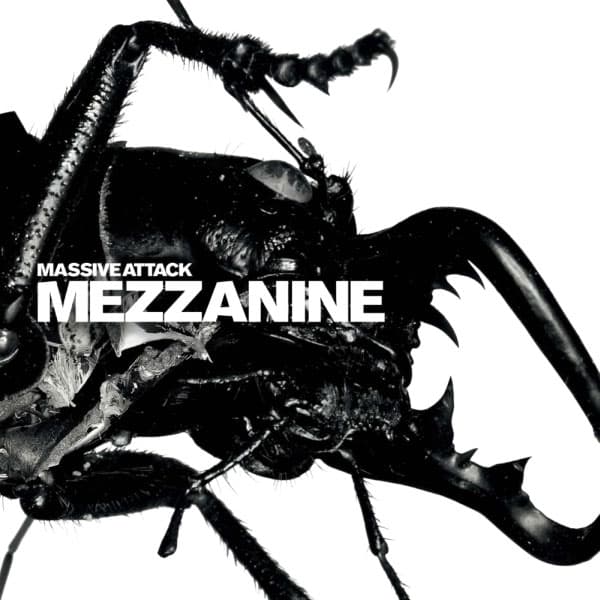
The three of them fell out badly making it, and Elizabeth Fraser sang Teardrop while grieving for Jeff Buckley, who had just drowned.

Cobain asked for lilies and candles on the set, refused to play the hits, and was dead five months later.
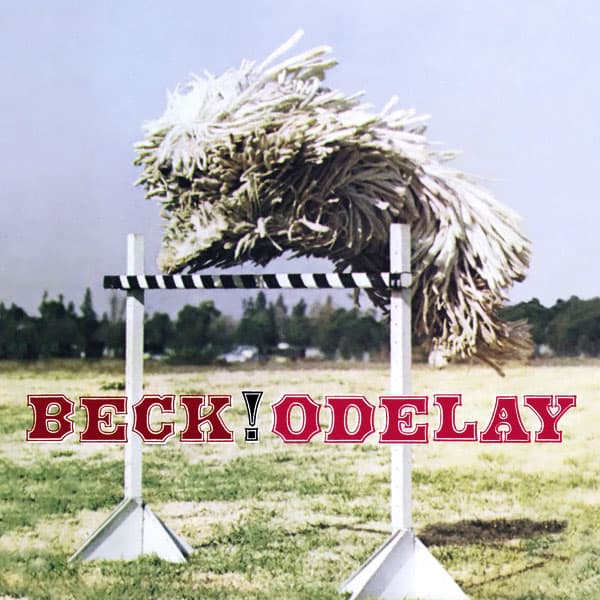
The Dust Brothers spent two years layering it out of junk-shop records. The dog on the cover is a Komondor caught mid-jump.
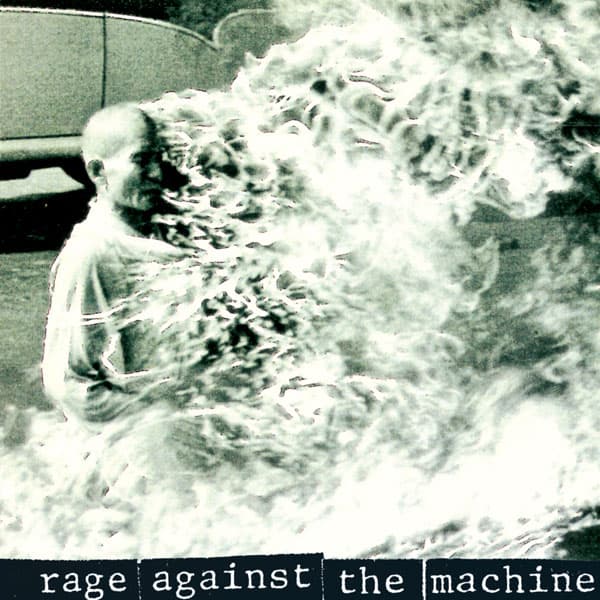
The sleeve insists there are no samples or keyboards anywhere. Every strange noise is Tom Morello working the pickup switch and scraping the strings.
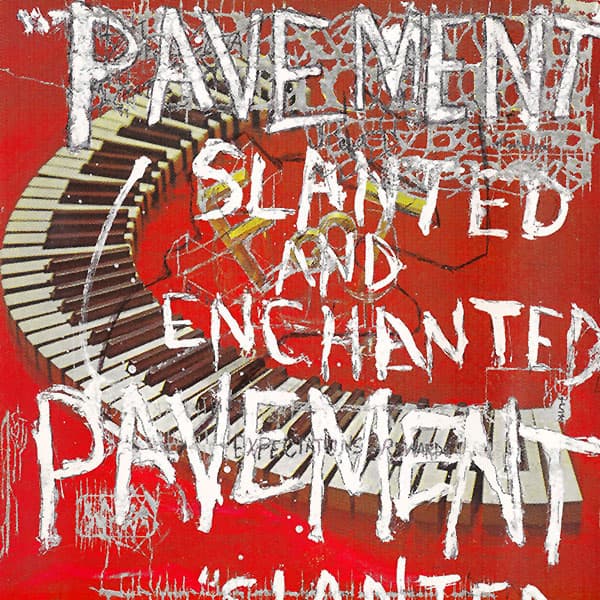
Recorded for about eight hundred dollars in the drummer's garage in Stockton. He later took to greeting the audience with handstands.
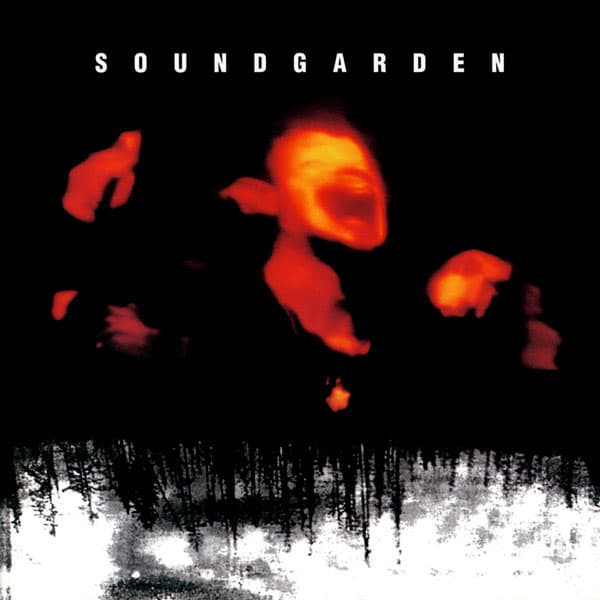
Singer Chris Cornell wrote Black Hole Sun in about fifteen minutes. Much of the rest is in time signatures that make nodding along hard.
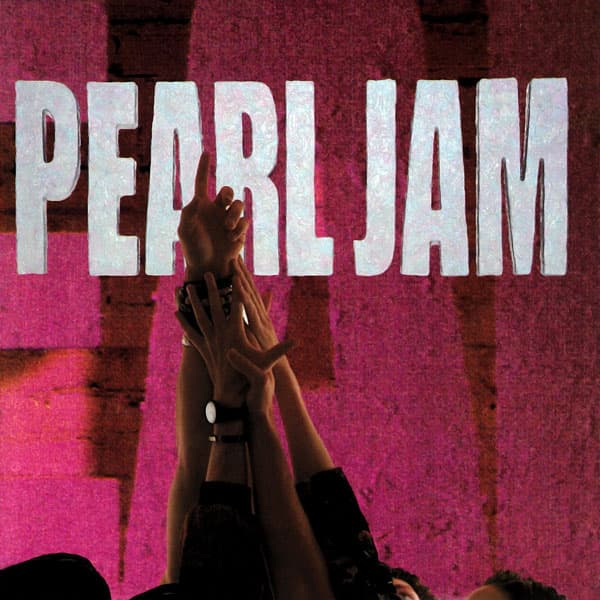
The band were called Mookie Blaylock after a basketball player until the label objected, and the album is named for his shirt number.

Trent Reznor made almost all of it alone. Johnny Cash covered Hurt nine years later and Reznor said the song no longer felt like his.
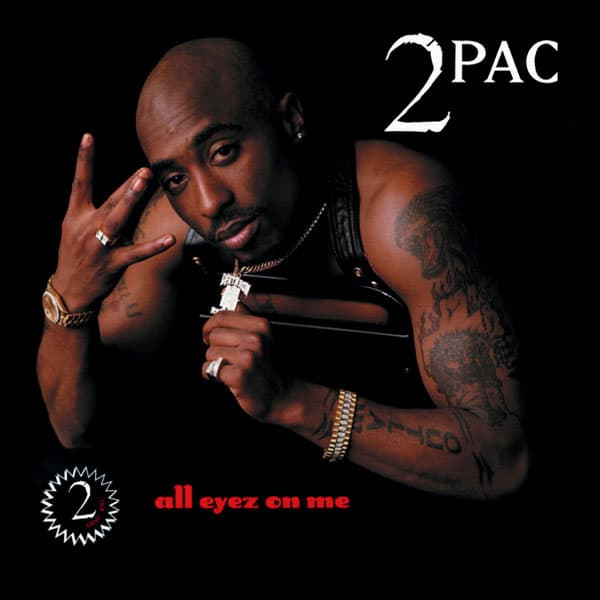
Recorded in a hurry after Suge Knight bailed him out of prison, hip hop's first great double album. He was dead within the year.
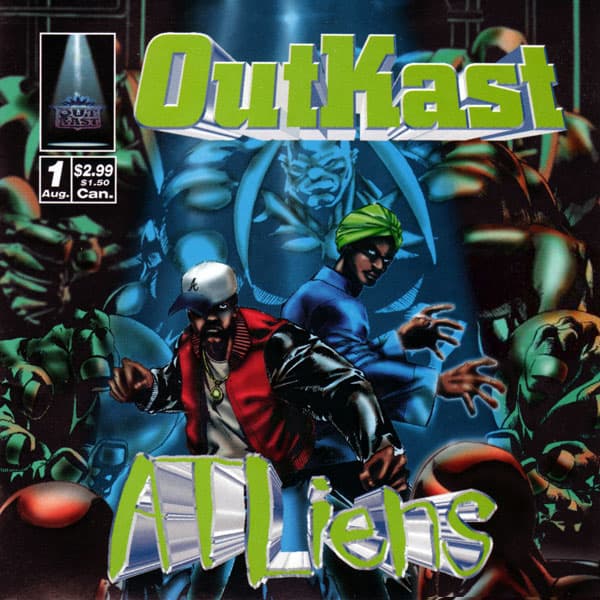
André 3000 had stopped drinking and eating meat, and the change shows: the record is cooler and stranger than anything Atlanta had made before.
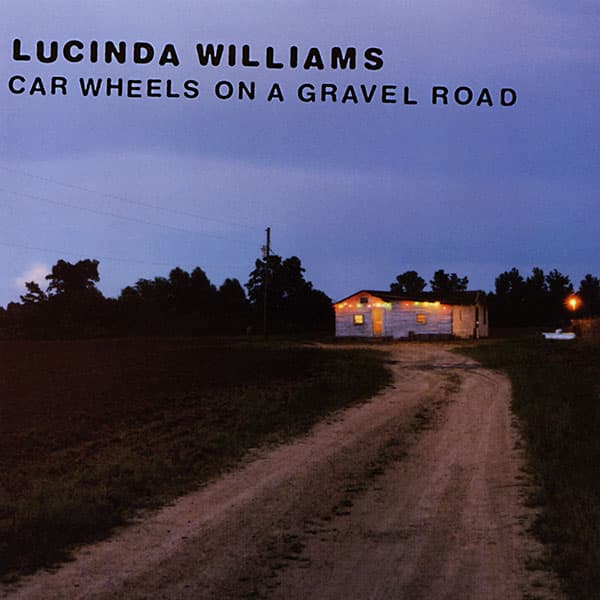
Williams spent six years on it, scrapped a finished version, and fell out with two producers before she would let anyone release it.
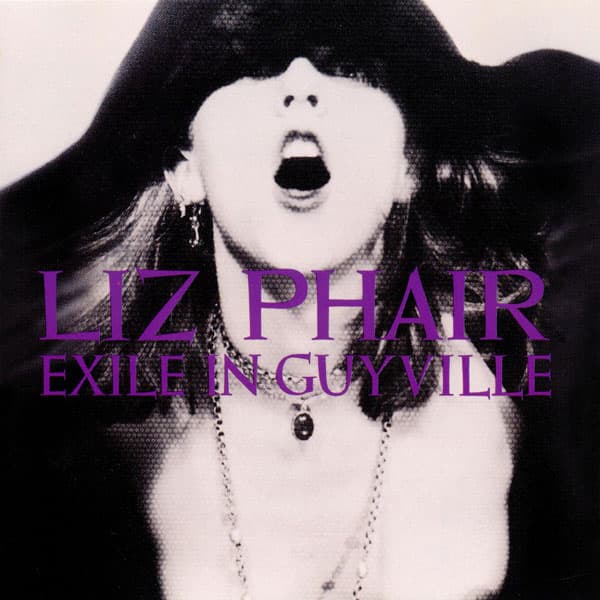
Phair wrote it as a song-by-song answer to Exile on Main St., in the same running order, from home cassettes she had made alone.
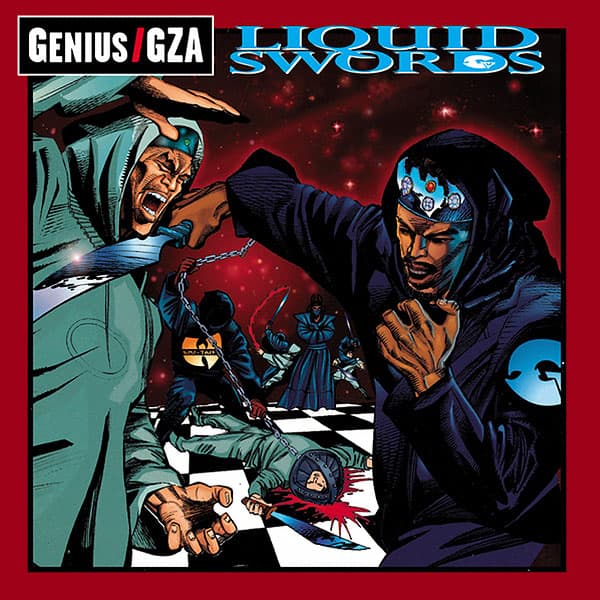
Dialogue from a dubbed samurai film runs between the tracks, spoken by a child, which is where the record gets its atmosphere.
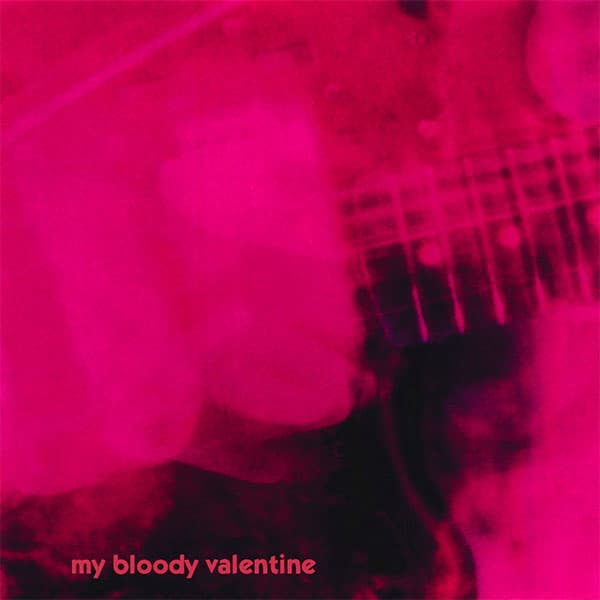
Kevin Shields plays with the tremolo arm held bent while he strums, which is what makes the chords sag. It nearly bankrupted the label.
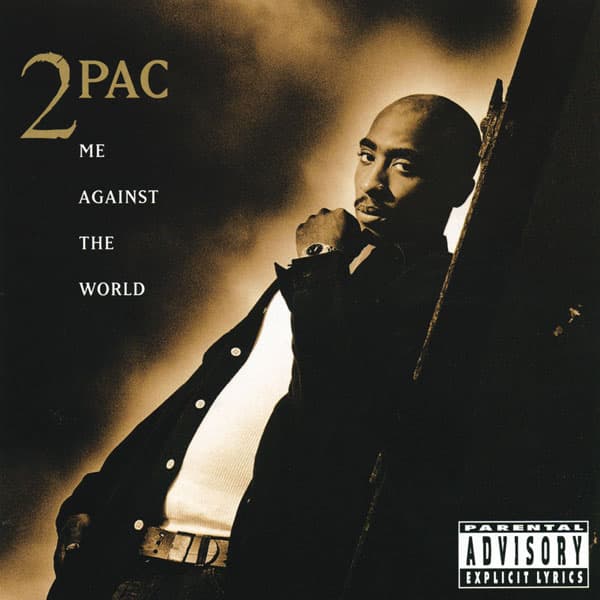
He was in prison when it reached number one, the first artist that had ever happened to. He recorded it before going in.

It came out on a purple cassette, and Ghostface Killah appears on so much of it that people argue whose album it really is.
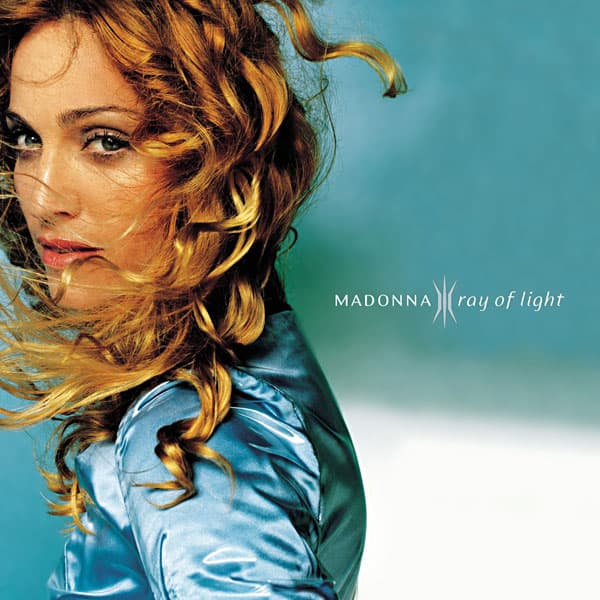
Madonna had trained her voice for a year to play Evita, which is why she suddenly sounds like she can sing. William Orbit did the rest.
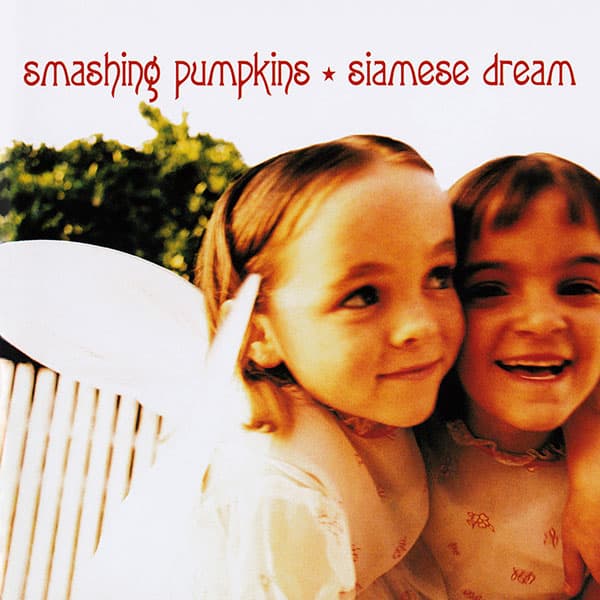
Billy Corgan played nearly all the guitar and bass himself, and some songs carry dozens of layered guitar tracks stacked on top of each other.

Dylan had not released an album of new songs in seven years, and recorded these in Miami with a dozen musicians playing at once.
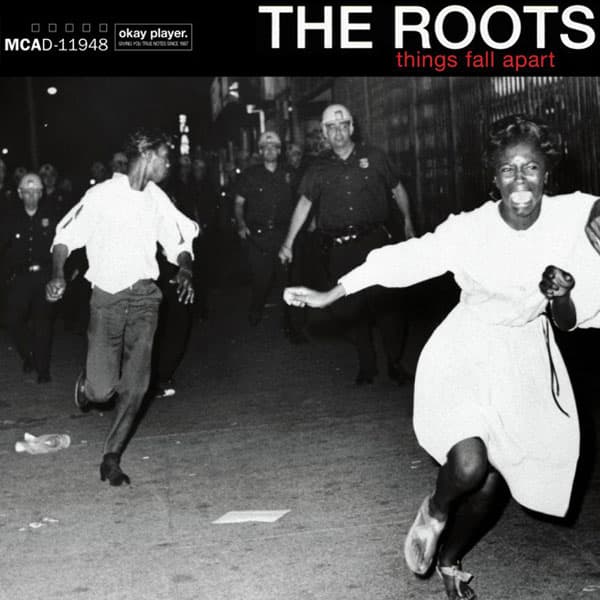
Questlove and Black Thought began by busking on Philadelphia street corners, which is why a live band plays everything here rather than a sampler.
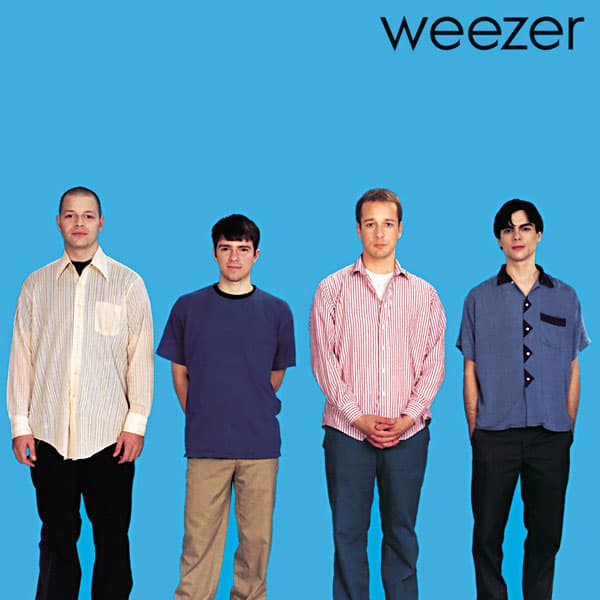
Ric Ocasek of the Cars produced it, and Spike Jonze cut the Buddy Holly video into an old episode of Happy Days.
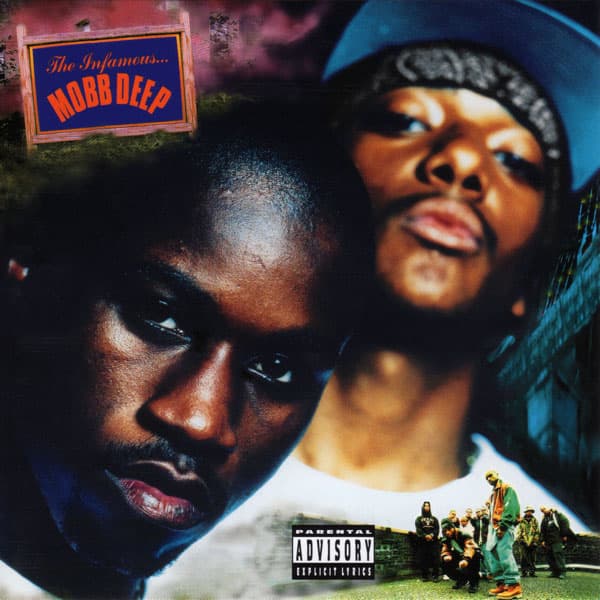
Havoc and Prodigy were nineteen when they made it. Q-Tip helped with the production and is credited on the sleeve under a false name.
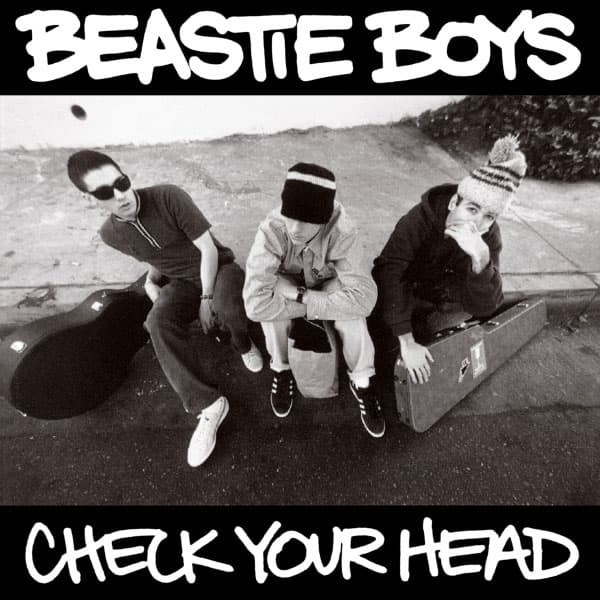
They picked their instruments back up and built a studio with a skate ramp in it, which is roughly how the record sounds.
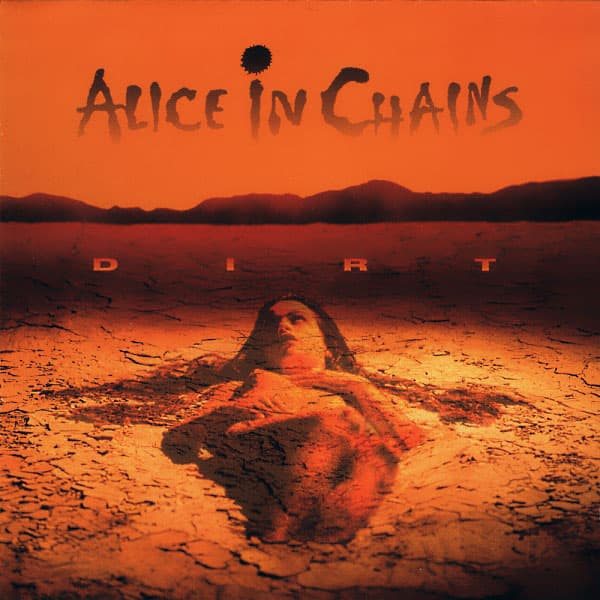
Singer Layne Staley wrote most of it about his own heroin addiction, and the band recorded it in Los Angeles while the city was burning.
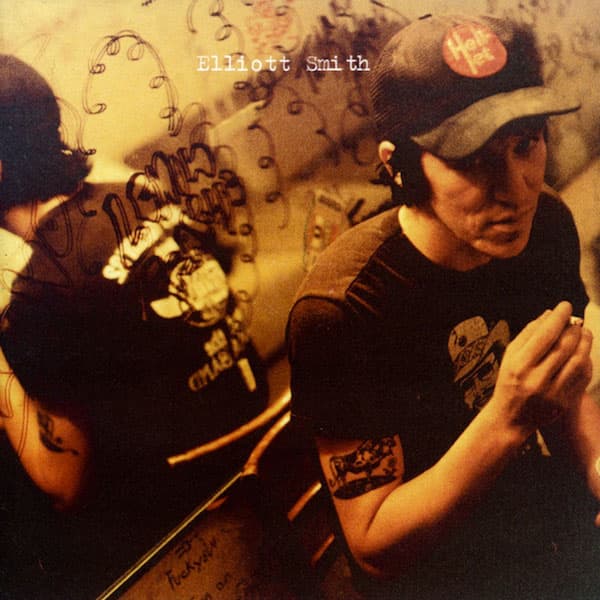
Smith doubles his own voice on almost every song, which is why it sounds like two people whispering the same thing slightly apart.
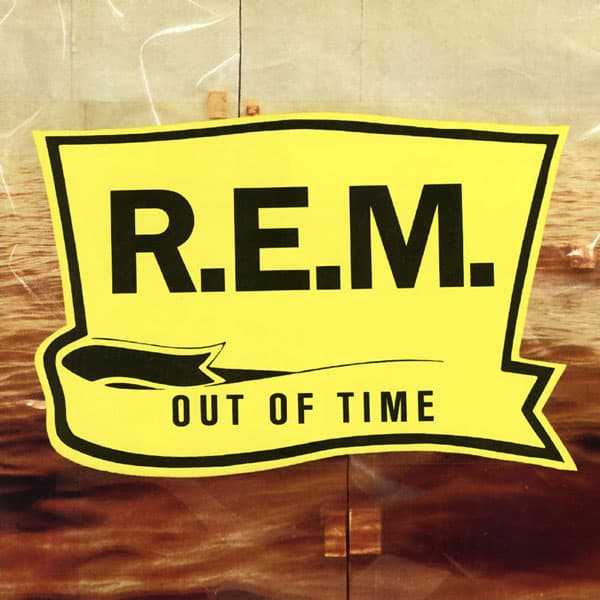
Losing My Religion is built on a mandolin guitarist Peter Buck had just bought and was learning. They refused to tour the album at all.
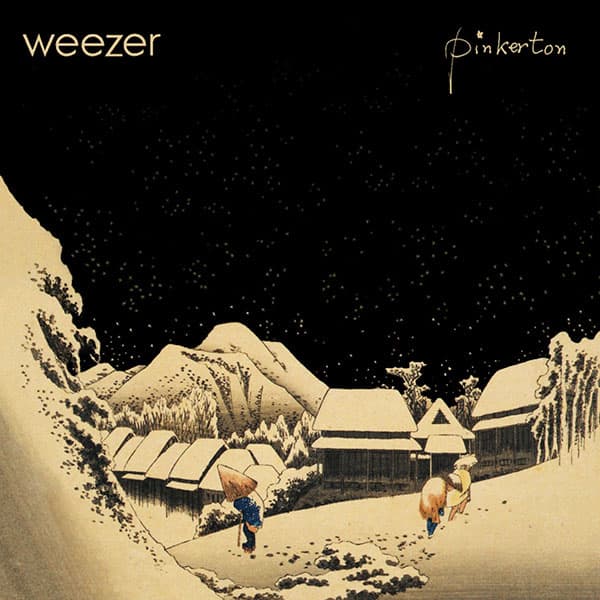
Named after a character in Madame Butterfly. It failed so badly that Rivers Cuomo disowned it for a decade before everyone decided it was great.
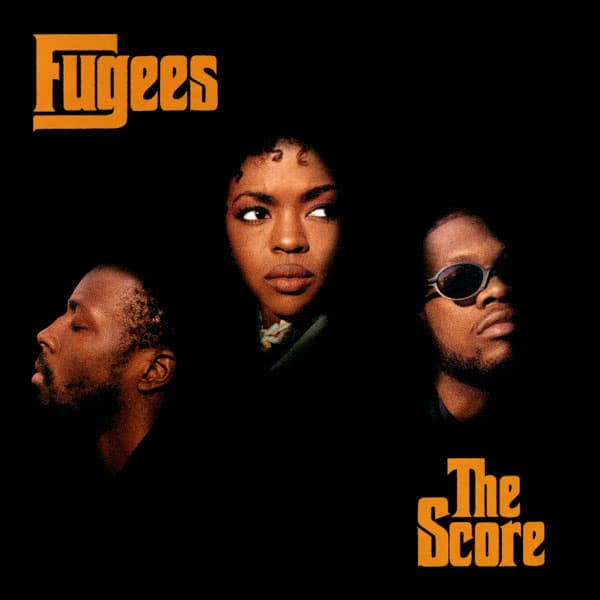
Recorded in a basement studio in New Jersey for about a hundred thousand dollars, and Killing Me Softly was a Roberta Flack hit from 1973.
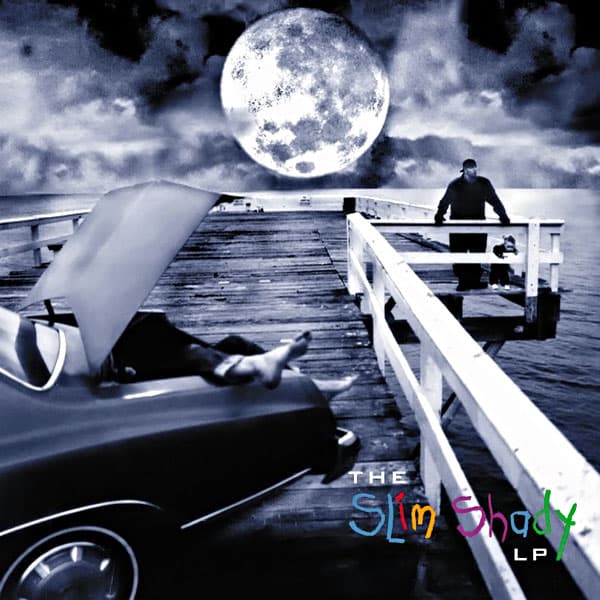
Dr. Dre heard the demo through Jimmy Iovine and signed him within days. Eminem had been washing dishes in a Detroit restaurant.
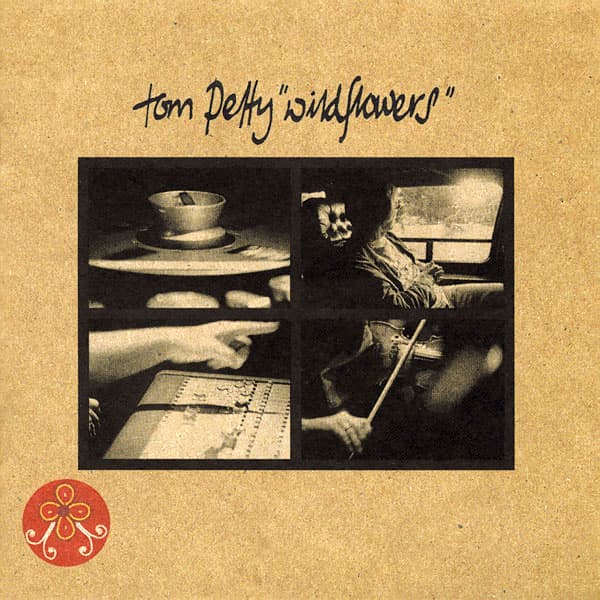
Petty recorded far more than would fit and left around fifteen songs off, some of which stayed unreleased for another twenty-five years.
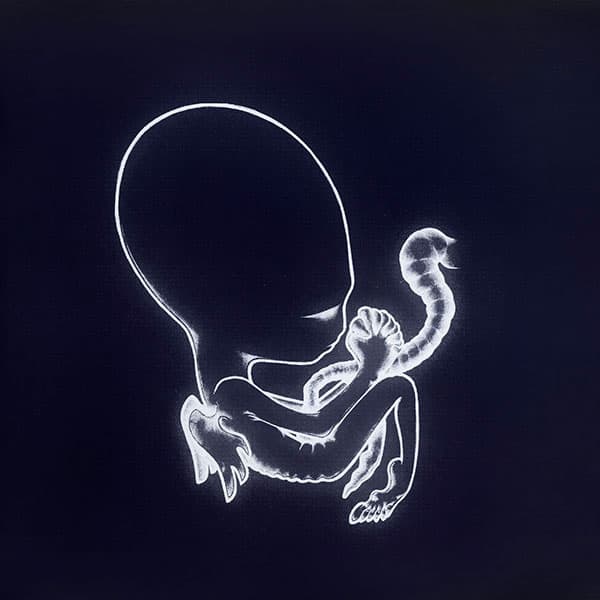
The singer, Jónsi, plays his guitar with a cello bow and sings in a language he invented. The title means, roughly, a good beginning.

Mos Def plays several of the instruments himself, and opens by pointing out that hip hop cannot be doing well if its people are not.
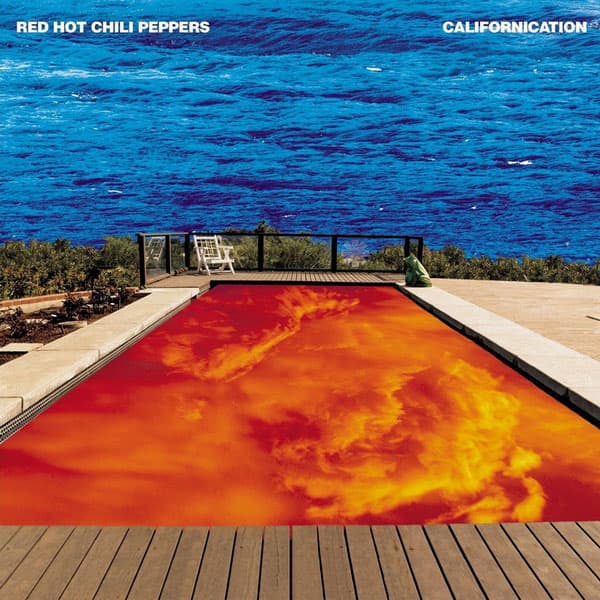
Guitarist John Frusciante rejoined after years of addiction, having to relearn how to play, and wrote the melodies that sold fifteen million copies.
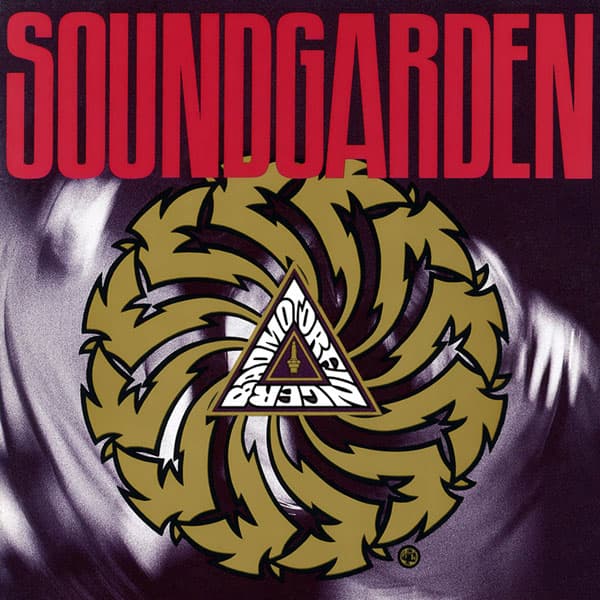
It came out two weeks after Nevermind and got buried. Soundgarden spent the tour opening for Guns N' Roses instead.
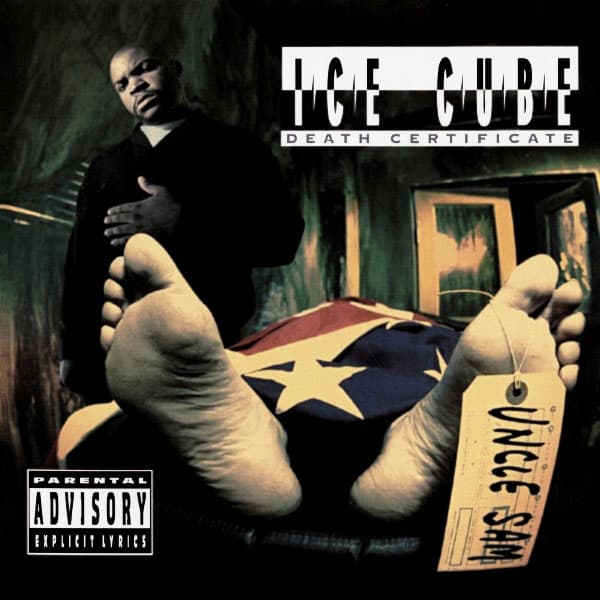
Cube split it into a death side and a life side. Several chains refused to stock it and Billboard ran an editorial against it.
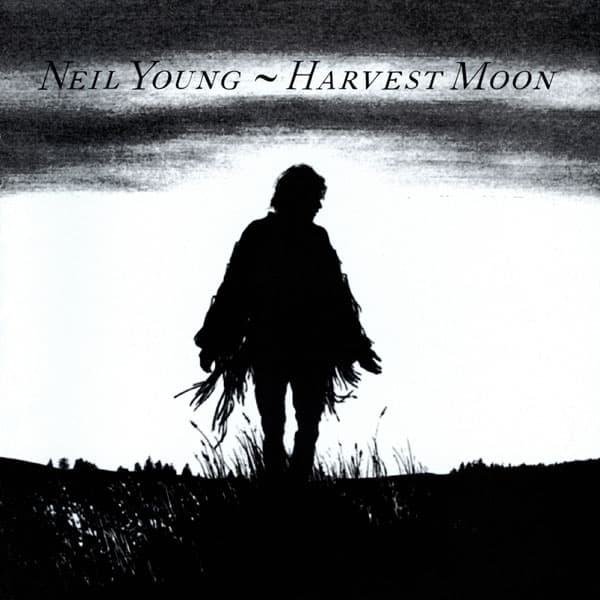
Ringing ears from his previous, much louder album meant Young had to play quietly, so he called the band back and made a sequel.
Made in a bedroom on borrowed equipment and never meant to be an album, just a run of tracks that kept getting finished.

Jay-Z sampled children singing from the musical Annie for the title track, an idea nobody around him thought would work until it did.
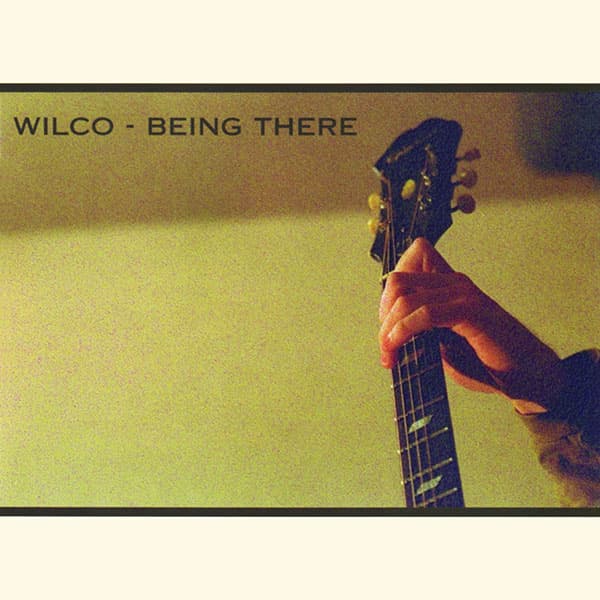
Singer Jeff Tweedy asked the label to sell the double album at single-album price and took the royalty cut himself so people could afford it.
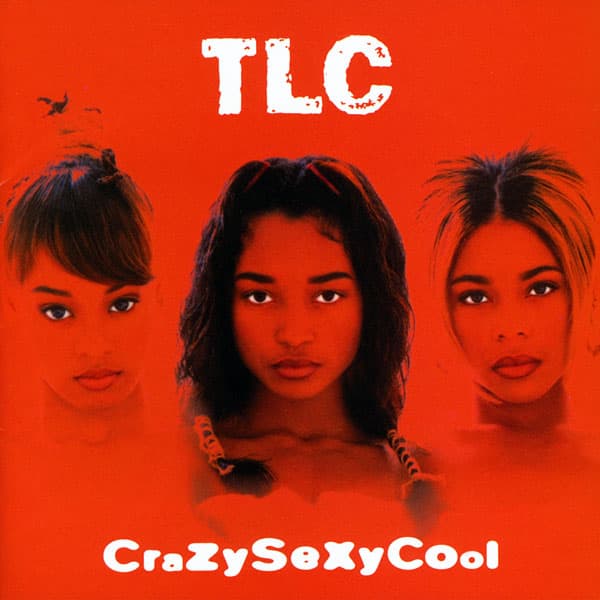
Lisa Lopes burned down her boyfriend's house while they were making it. The album sold over twenty million and the group still went bankrupt.
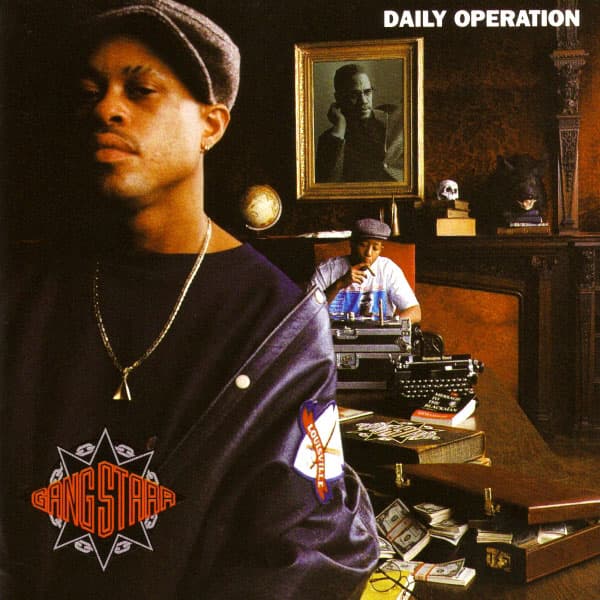
DJ Premier chopped the loops so short they barely repeat, and Guru delivers everything in the same flat voice, which somehow makes it land harder.

The title is what his grandmother told him when critics said he was finished. Marley Marl produced it and the comeback worked.
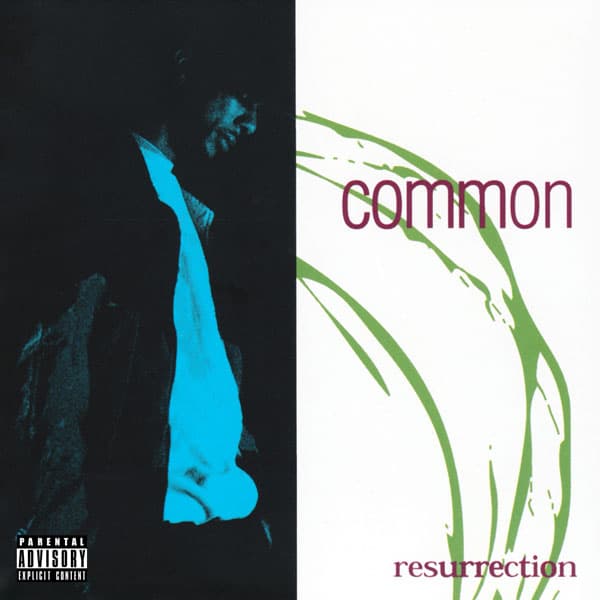
The famous song describes hip hop as a woman he has known since childhood. Ice Cube took it personally and started a feud.
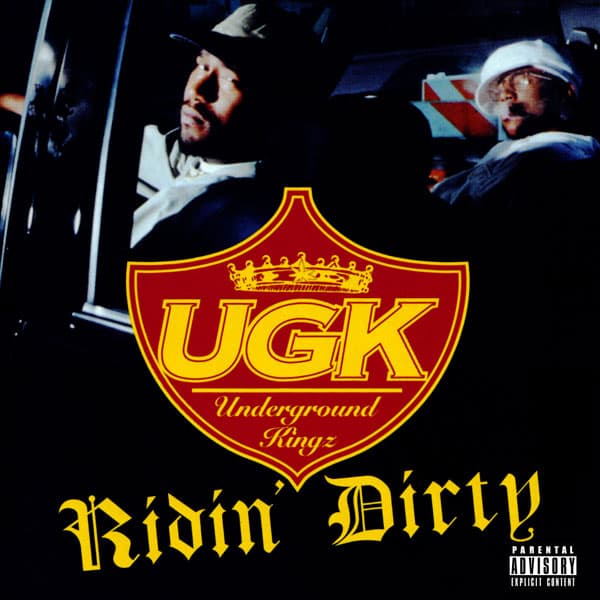
There were no singles and no videos, and it sold on word of mouth across the South while nobody in New York noticed.

This is where DJ Premier worked out his method of chopping a record into single notes and rebuilding the melody from the pieces.

Both volumes were recorded together and released the same day, because the band could not agree on what to leave off a single album.

Knockin' on Heaven's Door is a Bob Dylan song written for a western. The video for Estranged cost around four million dollars to make.
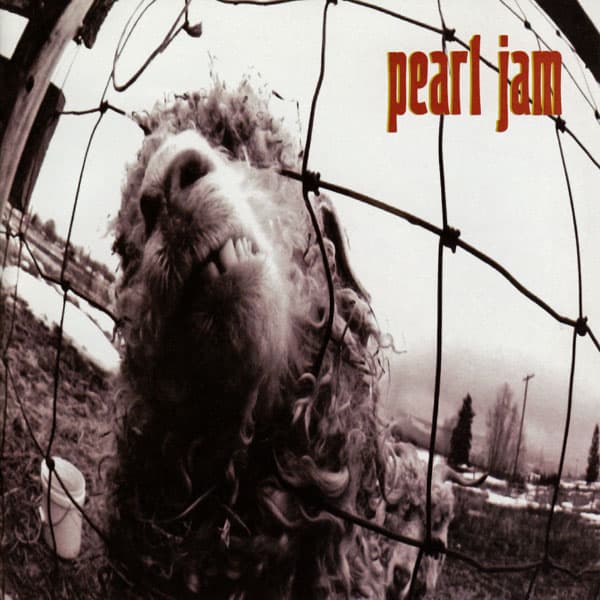
The band refused to make videos for any of it, and it sold nearly a million copies in five days anyway.
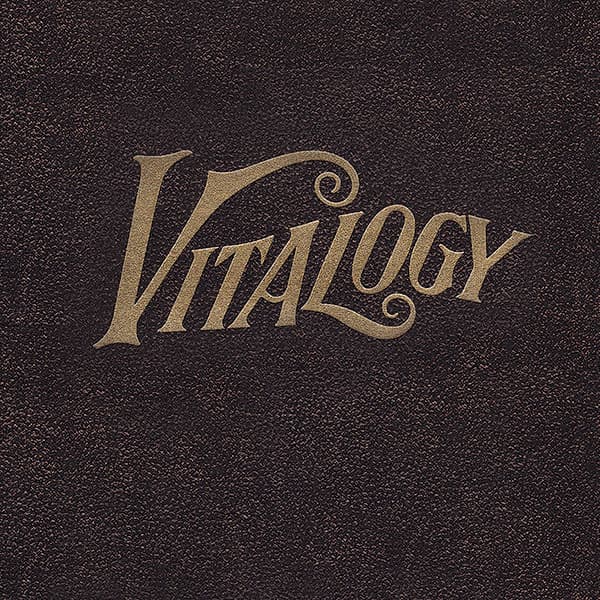
It came out on vinyl two weeks before the CD, and the sleeve reproduces an 1899 medical book the band found and liked.
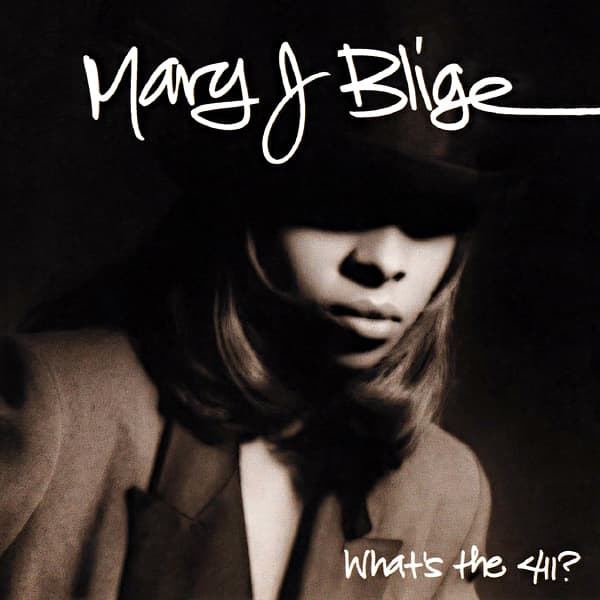
Blige was discovered from a karaoke tape recorded in a shopping mall, and the title comes from the phrase for asking someone's business.
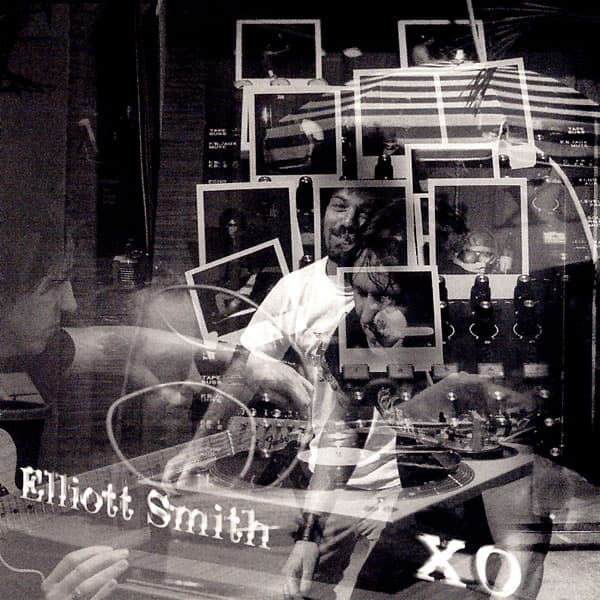
Smith had just played the Academy Awards in a white suit, in front of an audience that had no idea who he was.

They were teenagers when they made it, rapping fast over a Billy Cobham loop about doing very little on a warm Oakland afternoon.
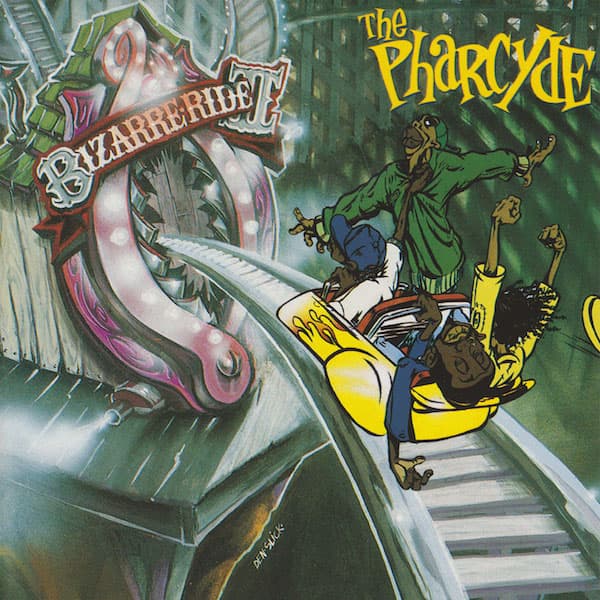
They started out as dancers, and it shows in how loose the record is. Their producer J-Swift built the beats out of jazz records.
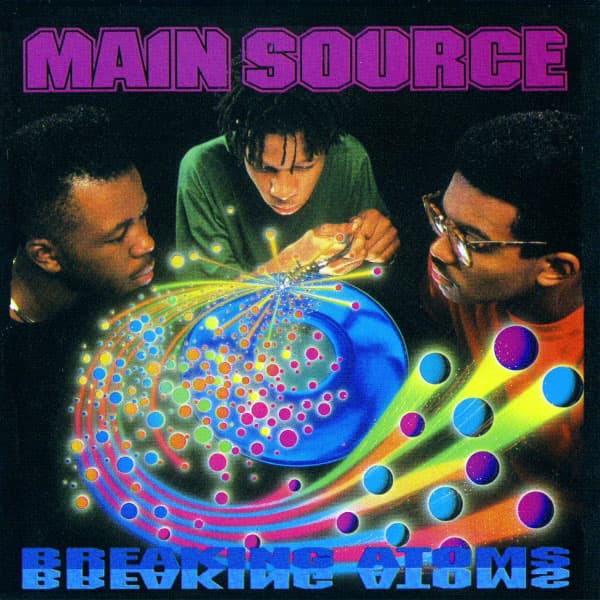
Nas was seventeen and turns up for one verse near the end, which is where most people first heard him.
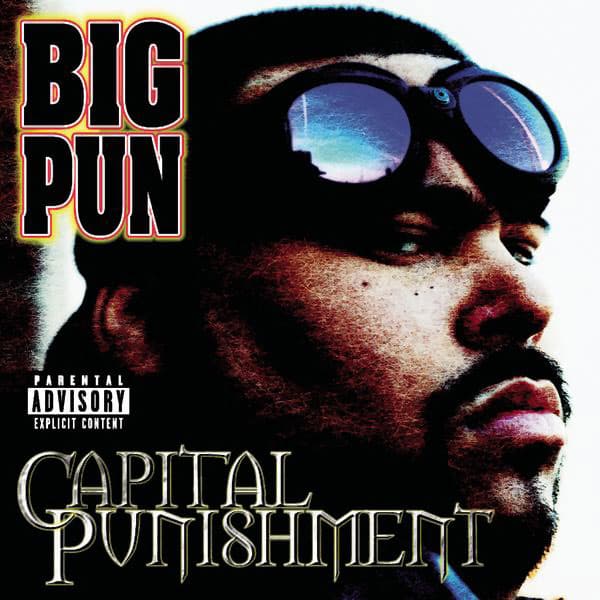
The first solo album by a Latino rapper to go platinum. Big Pun was dead of a heart attack two years later, at twenty-eight.
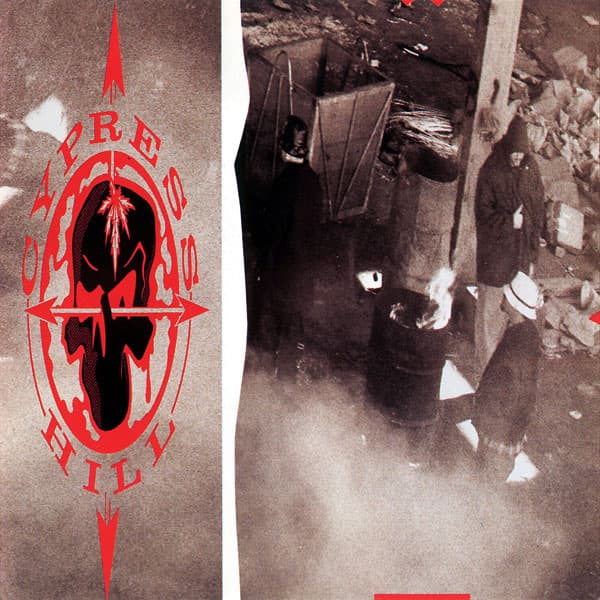
B-Real pitched his voice up into that nasal whine on purpose, because he thought his normal one was too easy to ignore.

The hit is built on a Michael McDonald song from 1982. Warren G is Dr. Dre's stepbrother and got nowhere near his budget.
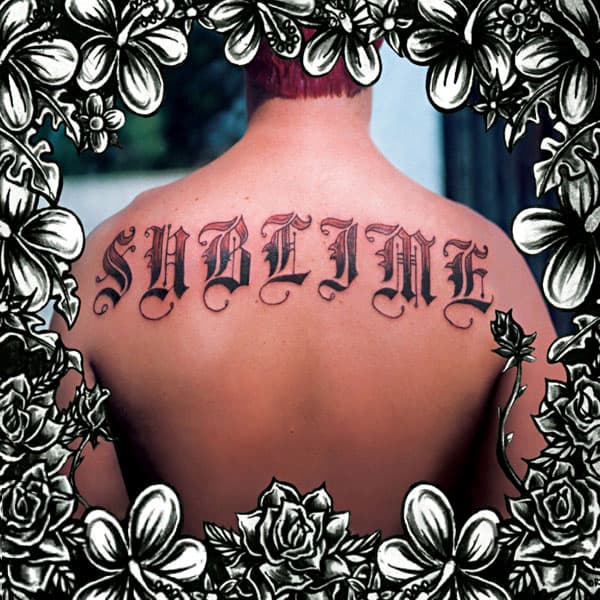
Bradley Nowell's dalmatian appears on the cover and in half the songs. He died two months before the record came out.
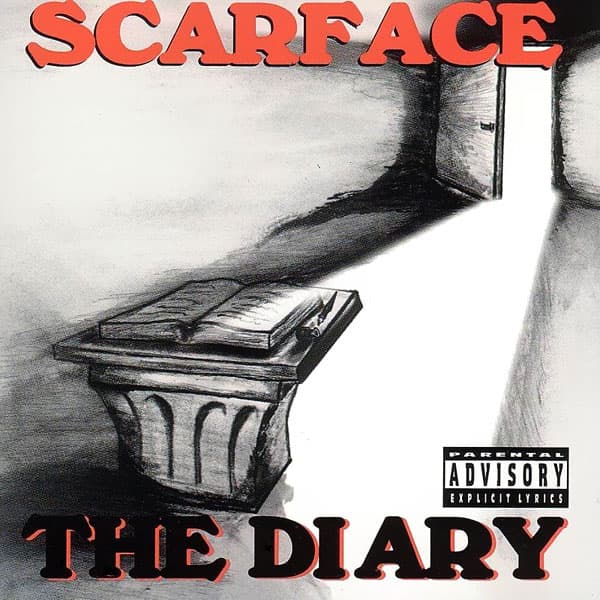
Scarface came out of the Geto Boys and produced much of this himself. He talks over the beats as often as he raps.
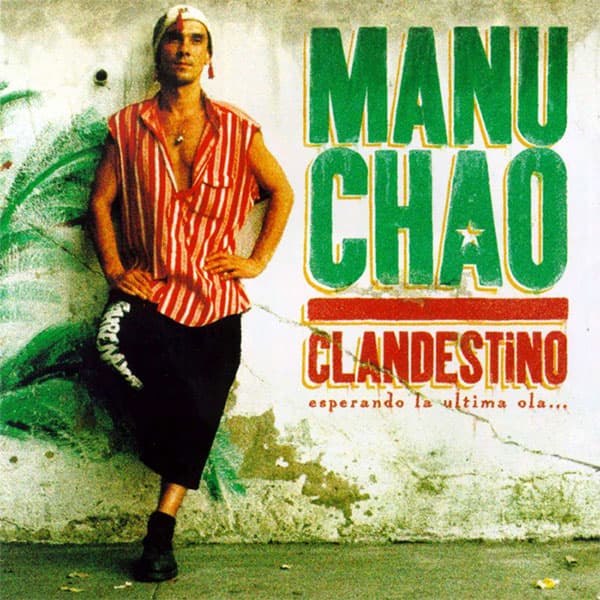
Chao recorded it on a portable eight-track while moving around Latin America, singing in five languages about people crossing borders without papers.
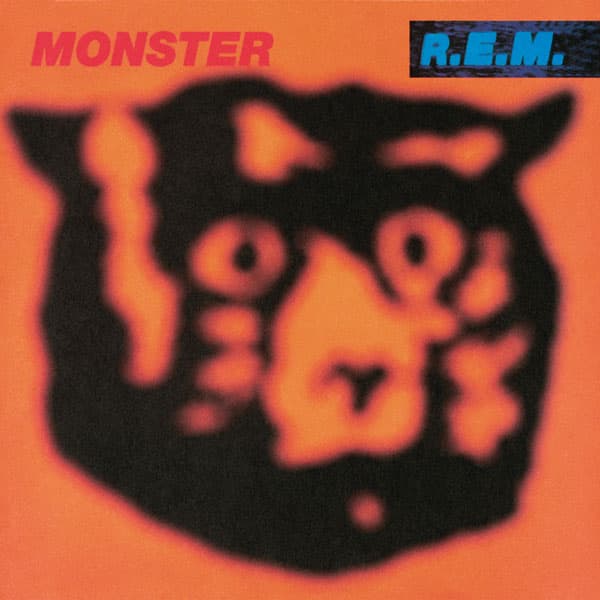
They plugged back in on purpose after two quiet albums, and for years it was the record most often found in second-hand shops.
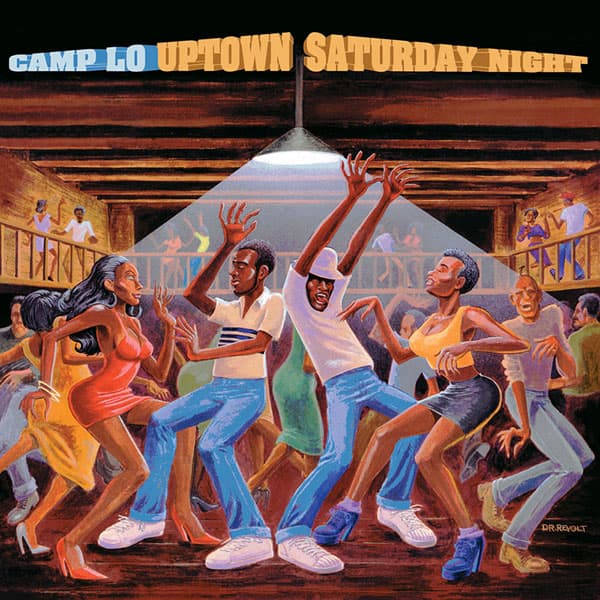
Named after a 1974 Sidney Poitier film. Luchini is built on a Dynasty record, and the pair's slang was obscure enough that listeners traded translations.

Fleck plays banjo in styles bluegrass had no name for, surrounded by the best acoustic players alive, none of whom show off.