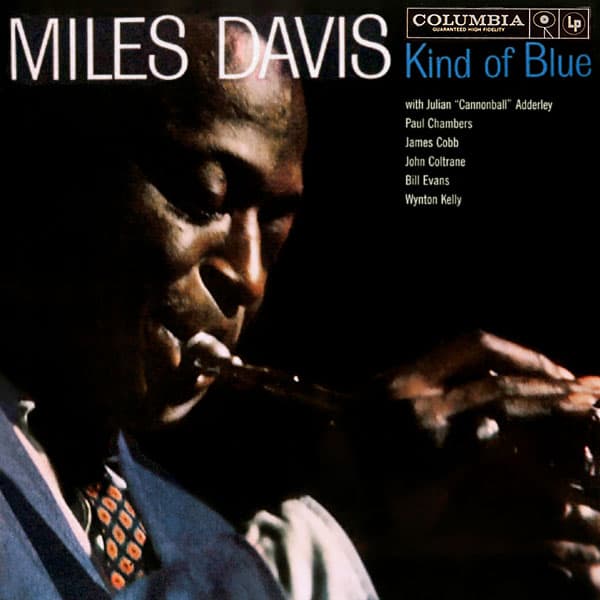
Kind of Blue
1959
Davis handed the players sketches on the day and most of what you hear is a first take. Two sessions, and it was done.
★ 9.8
 skopia
Davis handed the players sketches on the day and most of what you hear is a first take. Two sessions, and it was done.
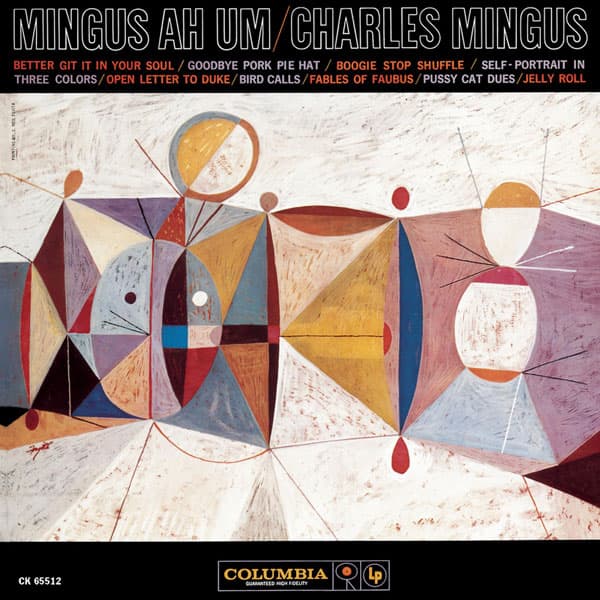
Columbia refused to let him record the words to Fables of Faubus, an attack on a segregationist governor, so it appears as an instrumental.

Coleman played a white plastic saxophone because it was what he could afford, and half the musicians in New York thought he was a fraud.

Every piece is in an unusual meter. Take Five is in five beats to the bar and was written by the saxophonist, Paul Desmond, not Brubeck.
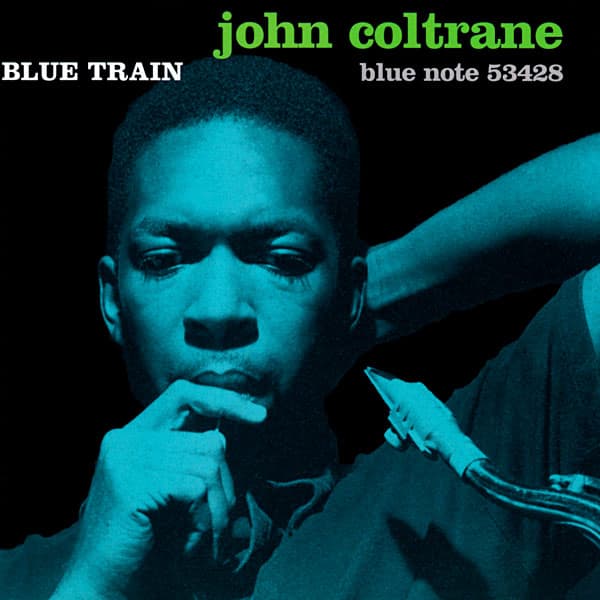
Coltrane's only record as a leader for Blue Note, made as a favor to the label's founder while he was under contract elsewhere.

Sixteen ballads in one unbroken mood, recorded after his marriage to Ava Gardner fell apart, and built to be heard in order.

Berry trained as a beautician and worked on a car assembly line in St. Louis when Muddy Waters told him which Chicago label to try.

Recorded in 1949 and 1950 by a nine-piece band with a tuba and a French horn, and not gathered onto one record until 1957.

The words to Tutti Frutti were too obscene to record, so a local songwriter rewrote them in fifteen minutes over a lunch break.
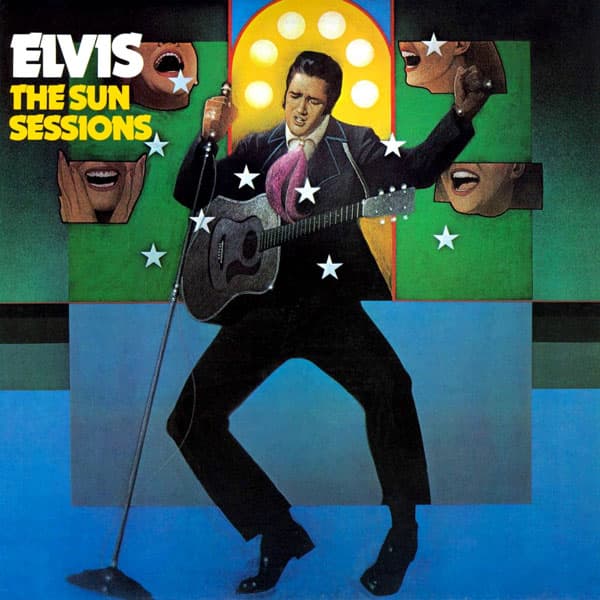
Elvis was a nineteen-year-old truck driver. That's All Right came out of the three of them messing about during a break Sam Phillips had called.

The title track was so hard to play that after twenty-five attempts they gave up and spliced a version together from pieces.
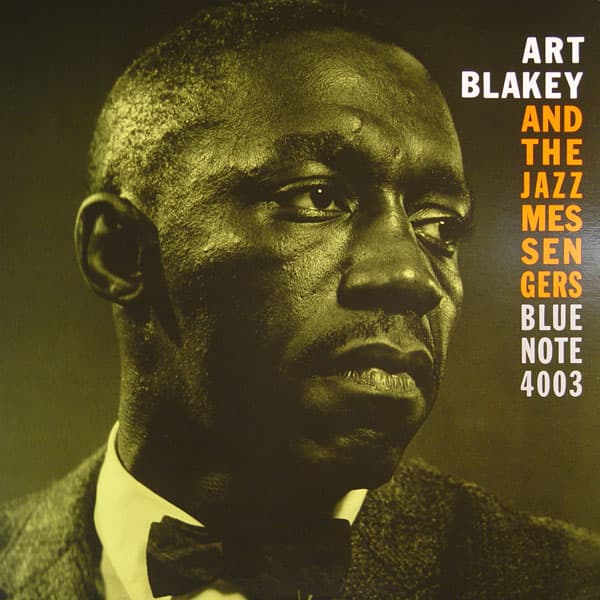
The pianist Bobby Timmons wrote the title tune as a joke riff the band kept asking him to finish. It answers itself like a hymn.
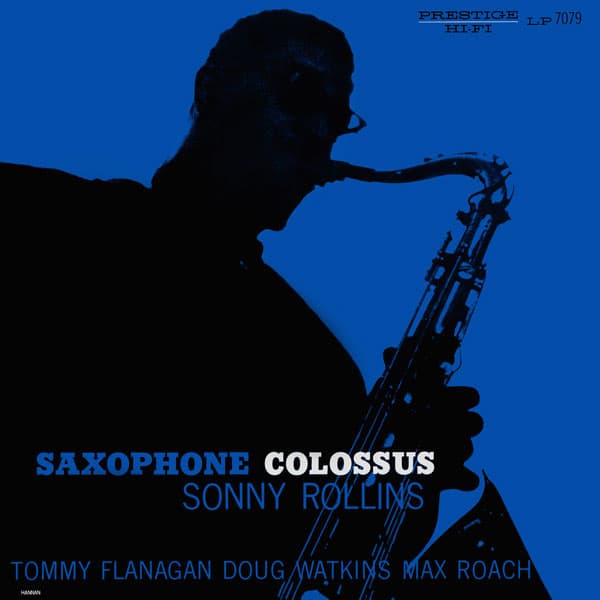
St. Thomas is a calypso his mother sang him as a child. A critic later analyzed one solo bar by bar to show it was composed.

The trombone solo in I've Got You Under My Skin was played by a man standing on a box to reach the microphone.

Nearly every song is built on the same jarring interval, a tritone, which Bernstein threads through the whole score from the opening bars.
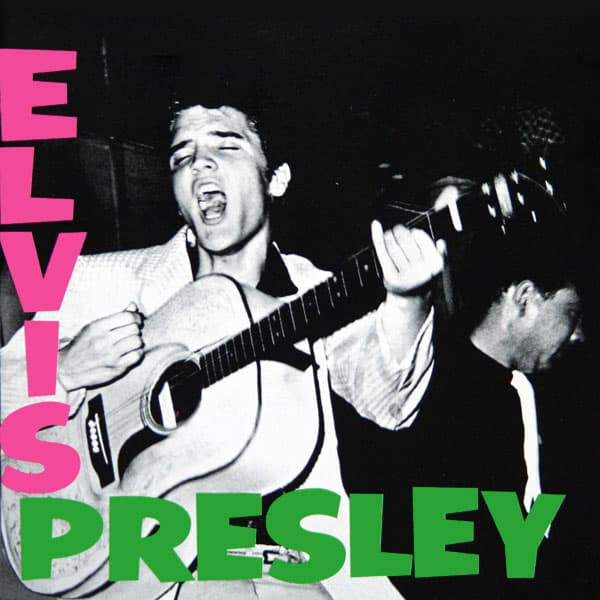
Five of the tracks were leftovers from his Sun sessions. The Clash copied the sleeve, pink and green lettering and all, twenty-three years later.

Miles Davis plays as a sideman here, on someone else's record, which he almost never did before or after.
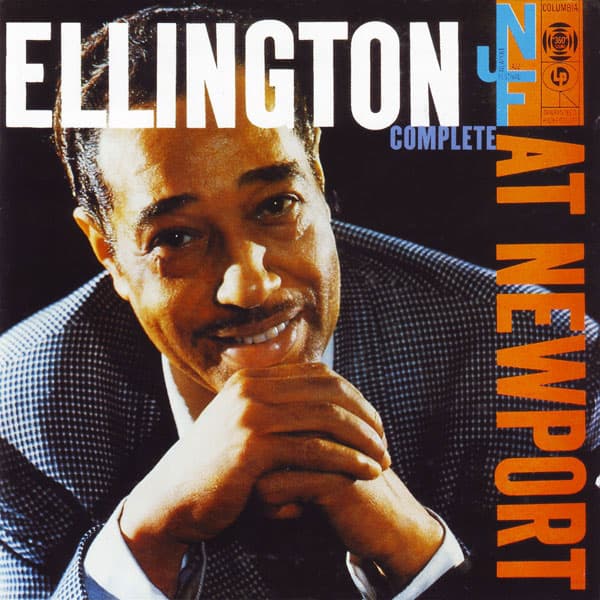
The tenor player Paul Gonsalves took twenty-seven choruses in a row and the crowd nearly rioted. Much of the record was quietly redone afterward.
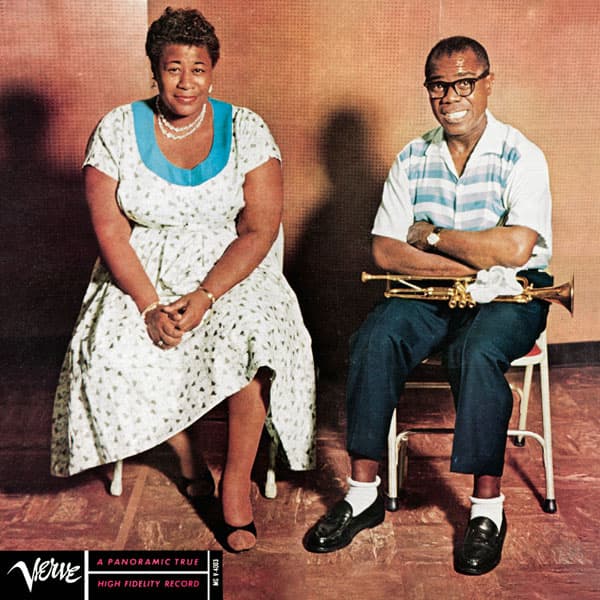
Two voices at opposite ends of everything, one crystalline and one like gravel, backed by the Oscar Peterson quartet with no written arrangements.

Wolf did not make a record until he was past forty, having farmed until then. This gathers the singles that followed.
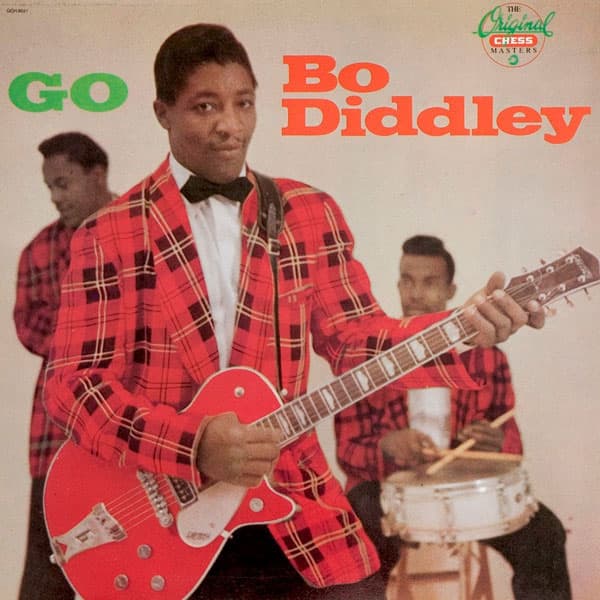
The beat he hammered out here has been borrowed ever since, by Buddy Holly, the Stones and everyone after. He built his own square guitars.

Her voice had gone by then, and she sings behind the beat and around the notes, which turns out to be the whole point.
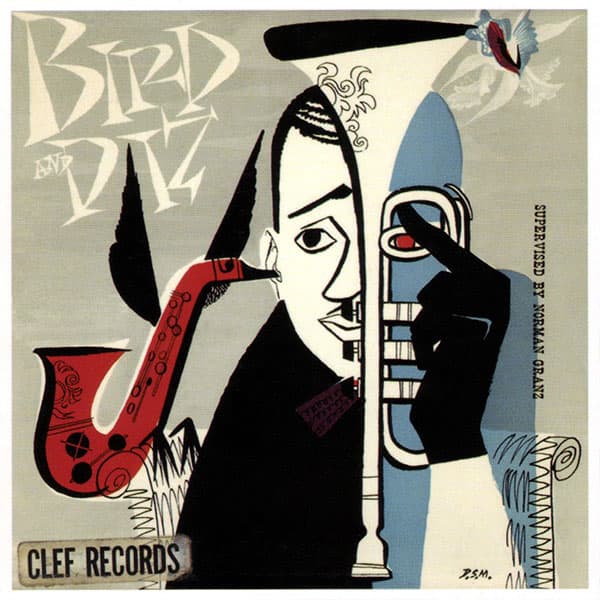
Parker and Gillespie's last studio meeting, with Monk on piano, playing fast enough that the rest of jazz spent a decade catching up.
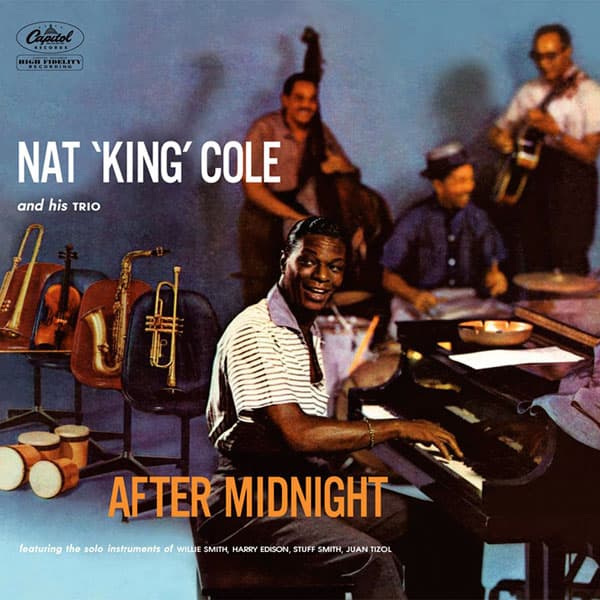
By 1956 Cole was a pop star who rarely played piano. Here he sits back down at it, with a small group, after hours.

Garner could not read music, and the tape came from an amateur recorder someone happened to be running at the back of the hall.
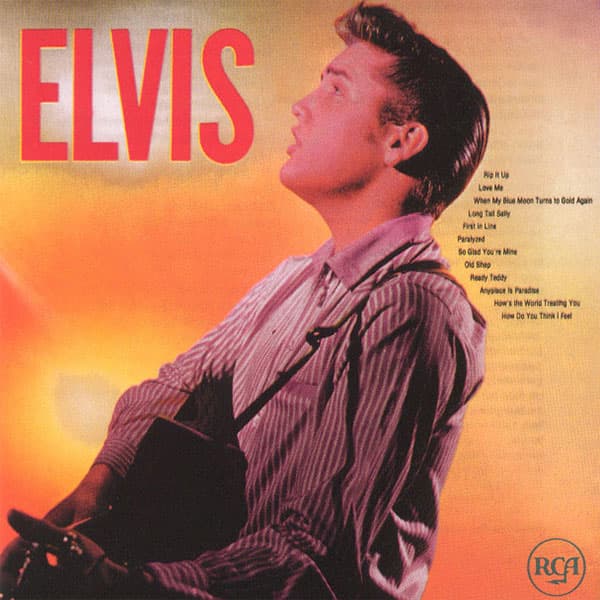
His second number one album in a single year, cut in Hollywood between films, with Elvis himself at the piano on several tracks.