
The Brothers Karamazov
1880 · 832 pages
Old Karamazov is murdered and each of his three sons had reason. Around the crime Dostoevsky stages the fiercest argument fiction has ever made about God and the suffering of children.
★ 9.7
 skopia
Old Karamazov is murdered and each of his three sons had reason. Around the crime Dostoevsky stages the fiercest argument fiction has ever made about God and the suffering of children.

Huck runs off down the Mississippi with Jim, who is escaping slavery, and the moment he decides he would rather go to hell than turn him in is the hinge of American fiction.

Dickinson wrote nearly eighteen hundred poems in a Massachusetts bedroom, on death, God, and her own mind, and remade the English lyric. Begin with "Because I could not stop for Death."

Philosophers smuggle their own prejudices in as truth, Nietzsche says, and the morality they defend was invented by the weak. He writes in short bursts aimed straight at the reader.

Isabel Archer, an American with opinions and a sudden fortune, turns down good proposals and marries badly in Italy. James stays so close inside her mind that her mistakes feel like your own.
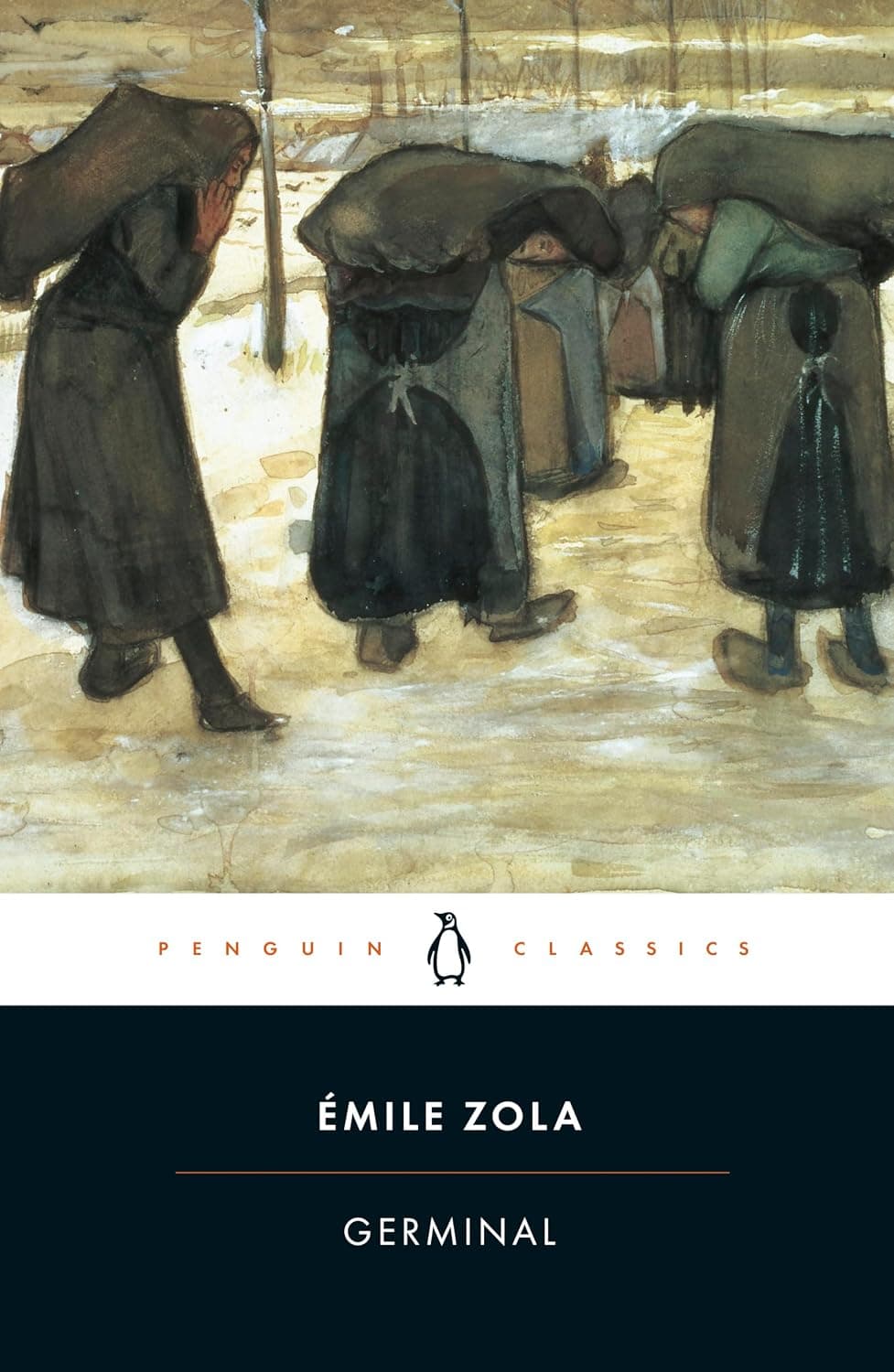
Etienne Lantier takes work in a French coal pit and talks the starving miners into striking. Zola went down a real mine to write this, and you feel the rock overhead.

Nothing in fiction gets nearer to dying. Ivan Ilyich knocks his side hanging a curtain, and his family and his doctors keep up the pretense while a peasant servant tells the truth.

Guilt began as unpaid debt, Nietzsche argues, and conscience is cruelty turned inward for want of anyone else to hurt. Three essays dig up where good and evil came from.

Dying of throat cancer and ruined by a swindler, Grant set down the Mexican War and the Civil War in short exact sentences that never boast. He finished days before his death.

Drunk at a country fair, a farm laborer sells his wife and baby to a sailor for five guineas. Years later he is mayor of Casterbridge, and Hardy lets the past collect.

Stevenson handed psychology its permanent image of the divided self. A respectable London doctor admits a brutal little stranger to his house, and the lawyer who investigates finds the truth worse than blackmail.

Trust thyself, Emerson writes, and every heart vibrates to that iron string. The poet Oliver Wendell Holmes called his Harvard address the declaration of independence of American intellectual life.

Des Esseintes, the last of a spent aristocratic line, retreats to a house outside Paris filled with perfumes, poisonous flowers, and a jeweled tortoise. Wilde and the English aesthetes read it as scripture.
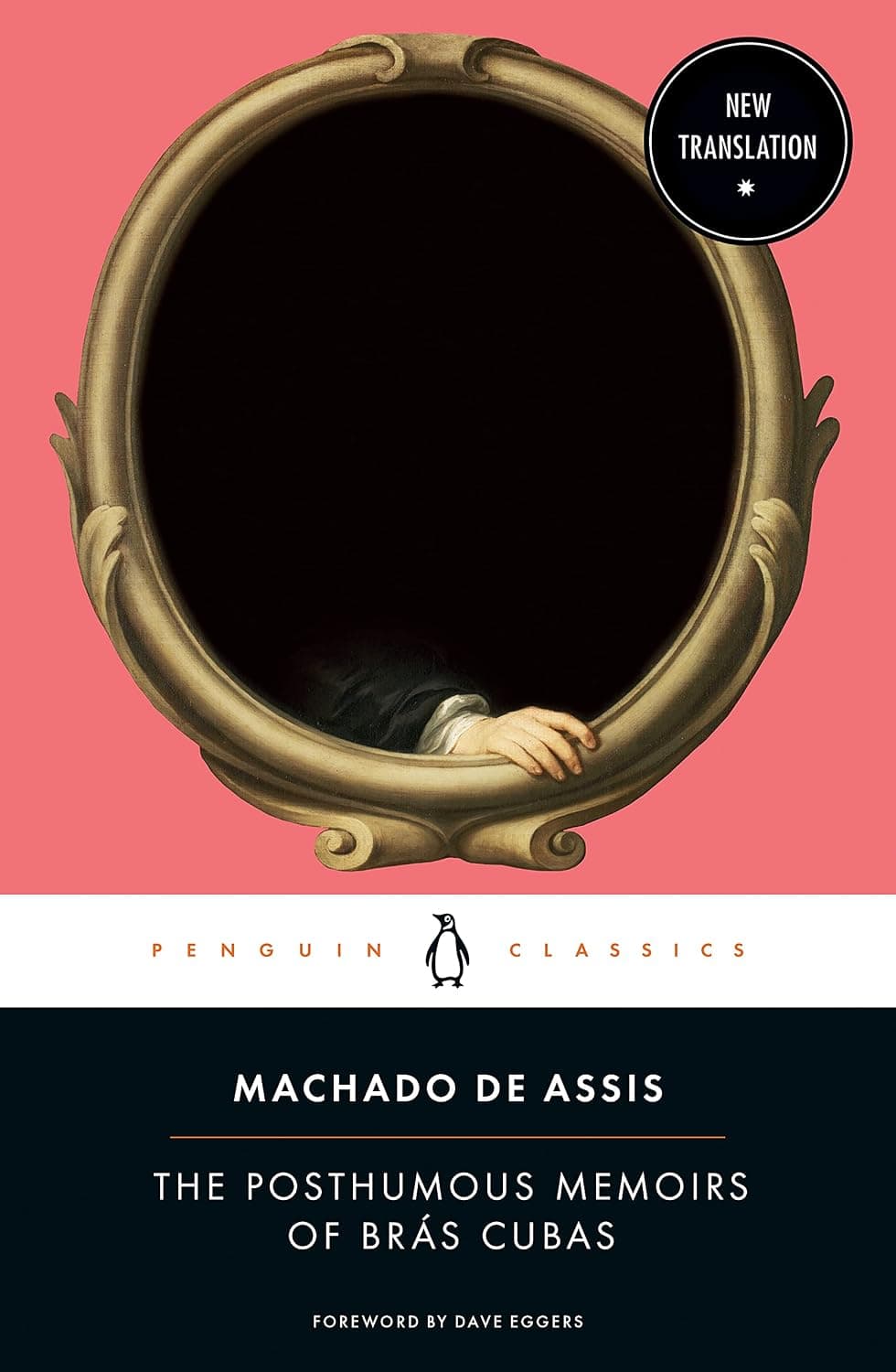
Bras Cubas writes from beyond the grave, dedicating his memoirs to the first worm that gnawed his corpse. A rich Brazilian idler tallies a wasted life with wit, malice, and zero remorse.

Hiding in an apple barrel, a boy overhears the ship's cook planning mutiny. Stevenson invented the pirate everyone pictures: Long John Silver's parrot and missing leg, the treasure map marked with crosses.
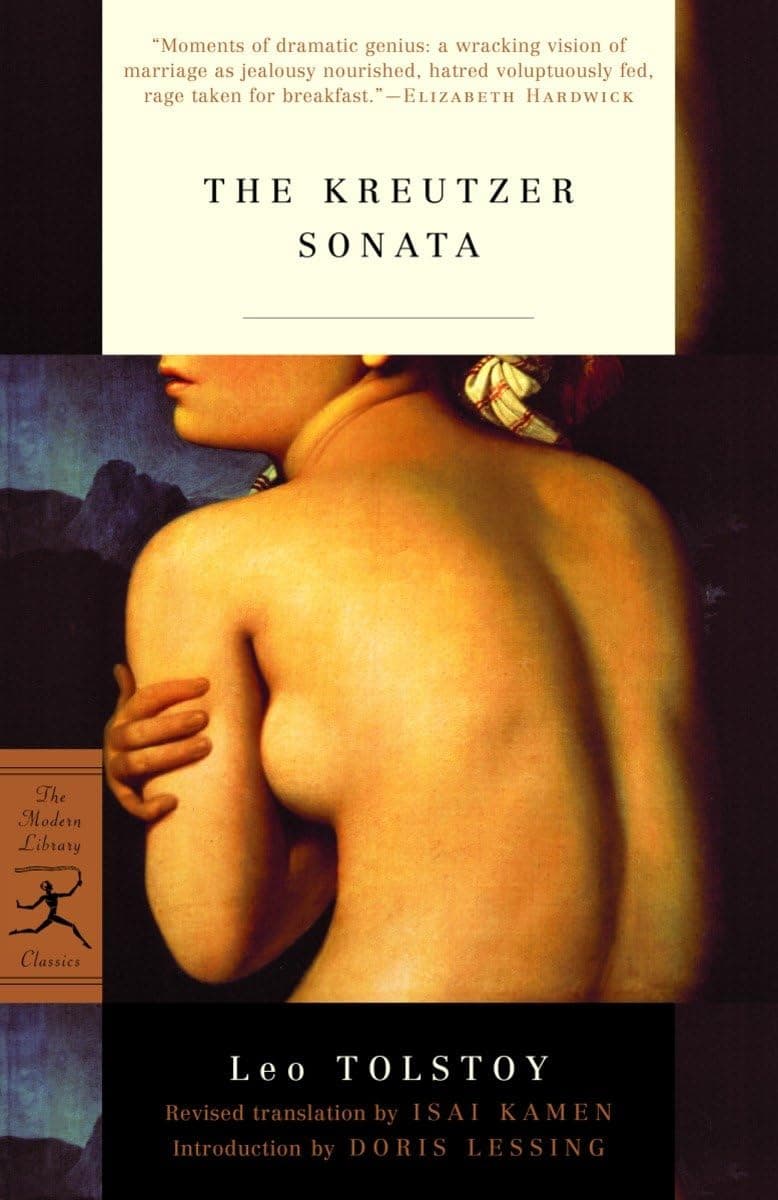
On a night train, a man tells strangers how he came to kill his wife, then turns the confession into an assault on marriage and desire itself. Russia's censors suppressed it.

Ibarra returns from Europe to build a school and finds the friars who destroyed his father waiting. Spain banned the book, Filipinos smuggled it in anyway, and Rizal faced a firing squad.
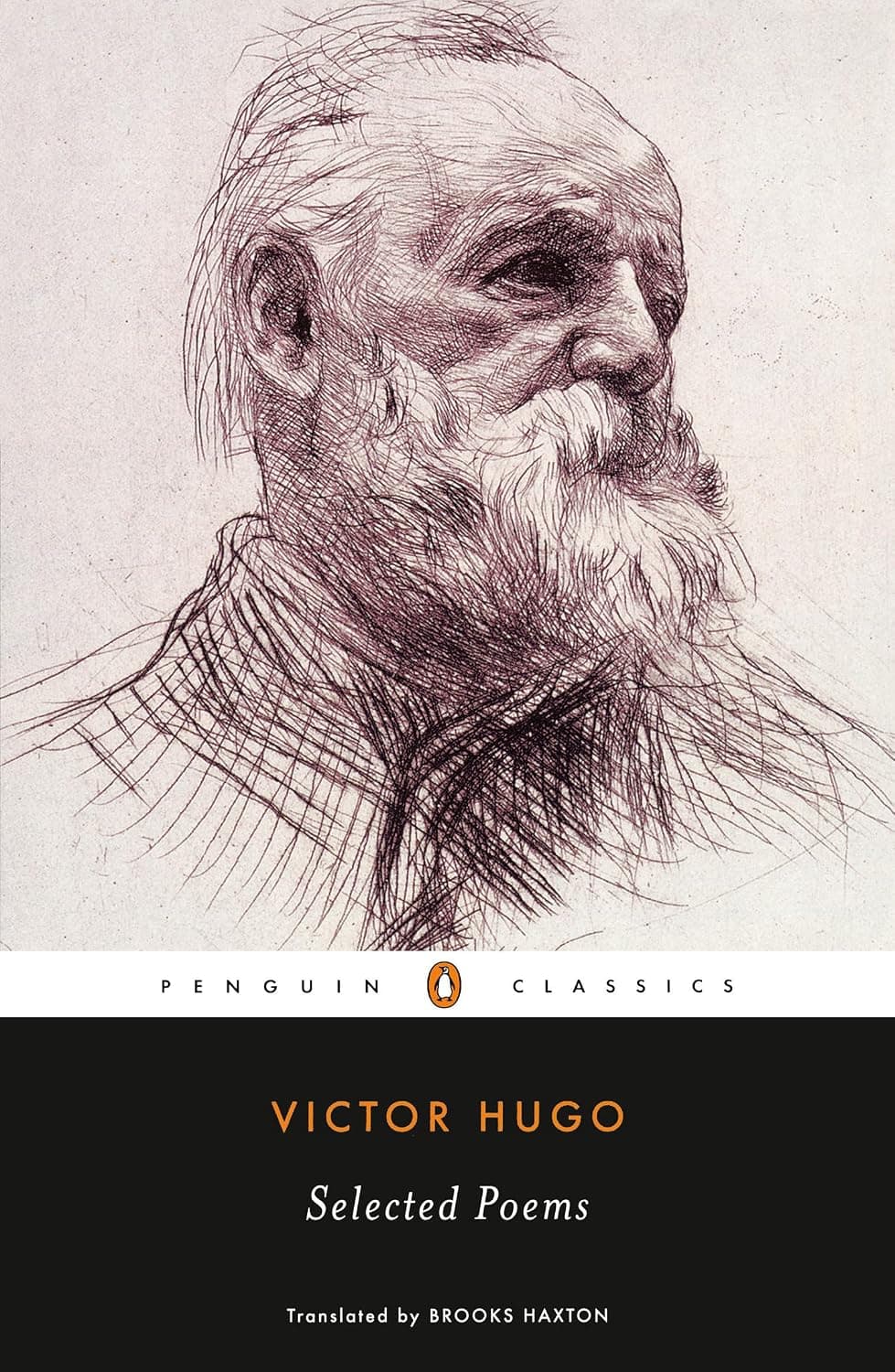
Hugo was the largest voice in French poetry, and the range astonishes: political fury from exile against Napoleon III, and “Demain, dès l'aube,” a walk that ends at his drowned daughter's grave.

Knocked cold in a Hartford arms factory, Hank Morgan wakes in Camelot and sets about industrializing it. The comedy runs a long way before Twain turns it into mechanized slaughter.

Allan Quatermain, an aging elephant hunter, follows an old map into unmapped Africa and finds a lost kingdom ruled by a tyrant. Hidden-city adventure from Tarzan to Indiana Jones runs on Haggard's machinery.

Three Victorians and a fox terrier row up the Thames, and Jerome turns the holiday into English comedy: a tin of pineapple nobody can open, a Hampton Court maze that traps everyone.