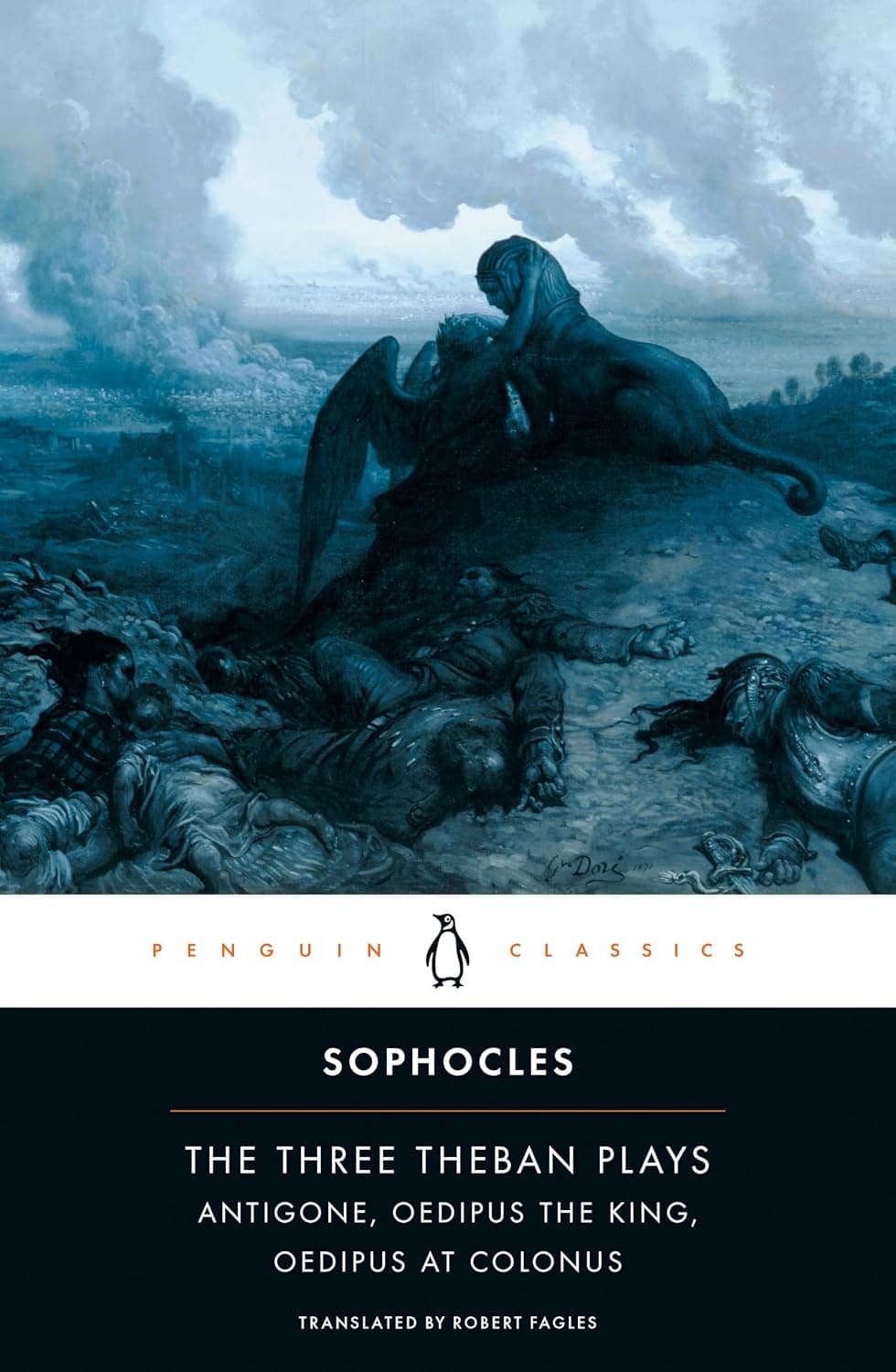
The Three Theban Plays
429 BC · 430 pages
No drama has matched the moment Oedipus understands. He investigates the crime poisoning his city and the trail turns toward him. His daughter later defies the state to bury her brother.
★ 8.8
 skopia
No drama has matched the moment Oedipus understands. He investigates the crime poisoning his city and the trail turns toward him. His daughter later defies the state to bury her brother.
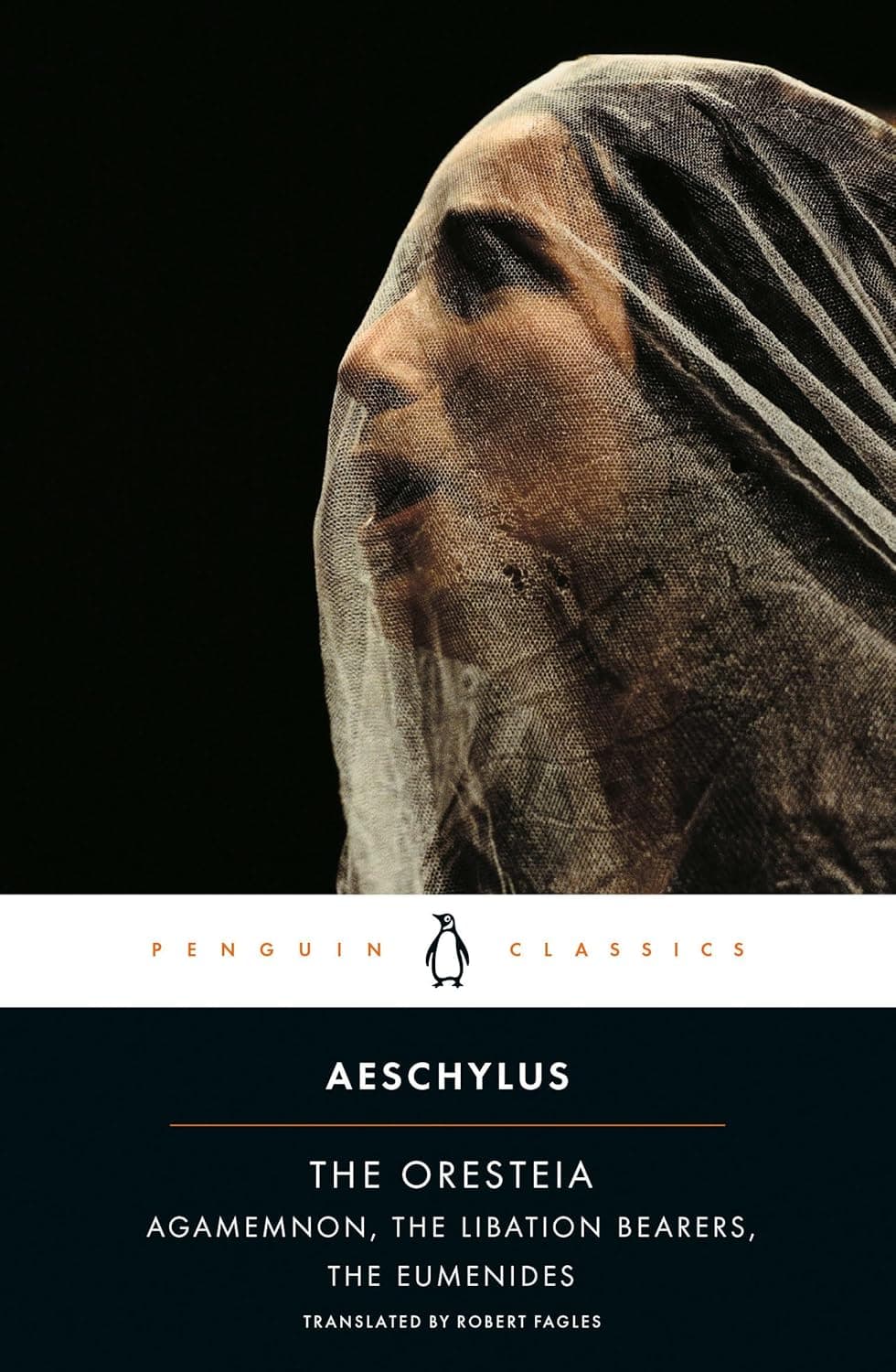
Agamemnon comes home from Troy to a wife who has spent ten years planning her welcome, and the killing runs down the generations until Athena stops it by seating the first jury.

Exiled after losing a city, Thucydides wrote the war that ruined Athens, explaining it by fear and self-interest, not the gods. At Melos his Athenians say the strong do what they can.
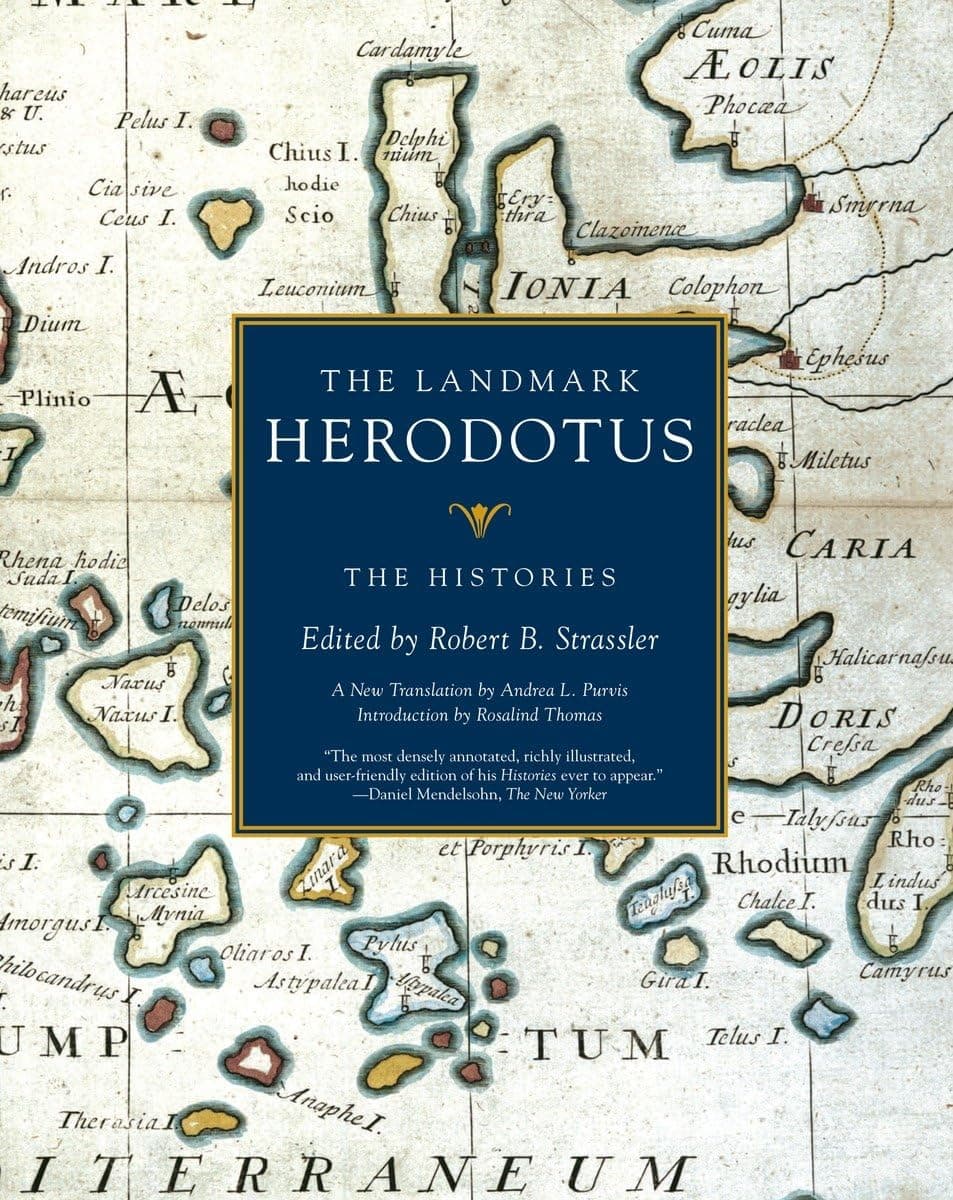
History begins with Herodotus asking why Greeks and Persians fought, and reaching Thermopylae by way of Egyptian mummies and gold-digging ants. He reports the rumors too, and lets you judge.
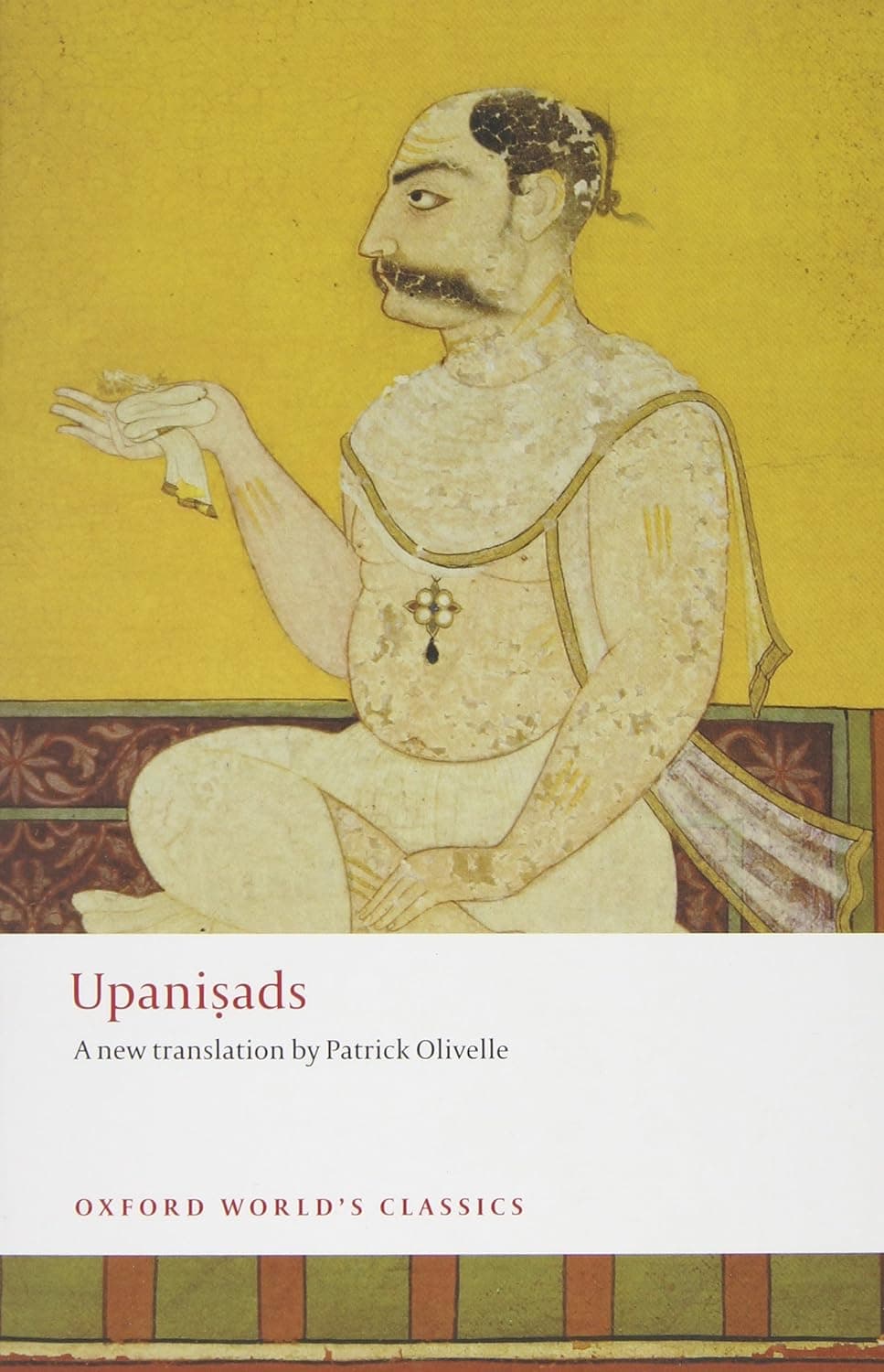
You are that, an Indian sage tells his son: the self inside you and the power holding up the universe are one thing. Elsewhere a boy corners Death and demands answers.
Win without fighting, Sun Tzu writes, and he means it literally. Twenty-five centuries ago this Chinese general reduced war to deception, terrain, and knowing the enemy as thoroughly as you know yourself.
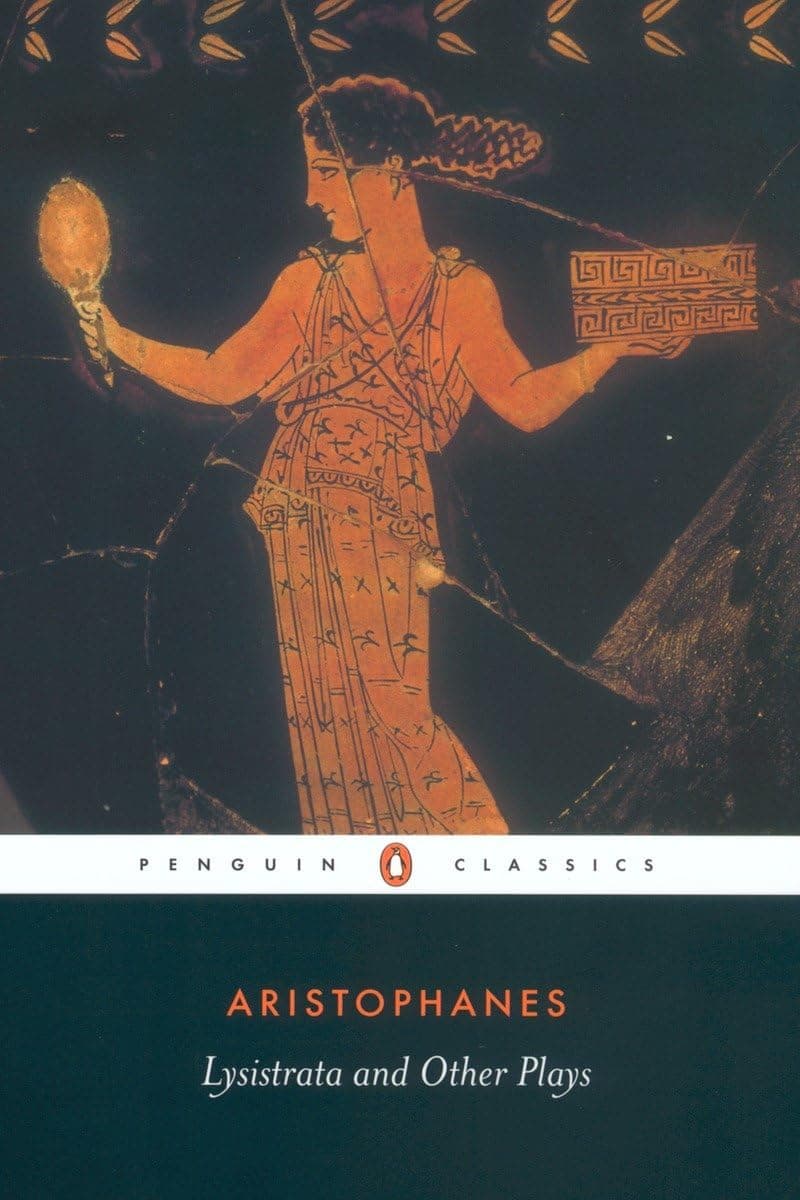
Twenty years into a war they never voted for, the women of Greece refuse their husbands until the men make peace. Aristophanes also hoists Socrates over the stage in a basket.
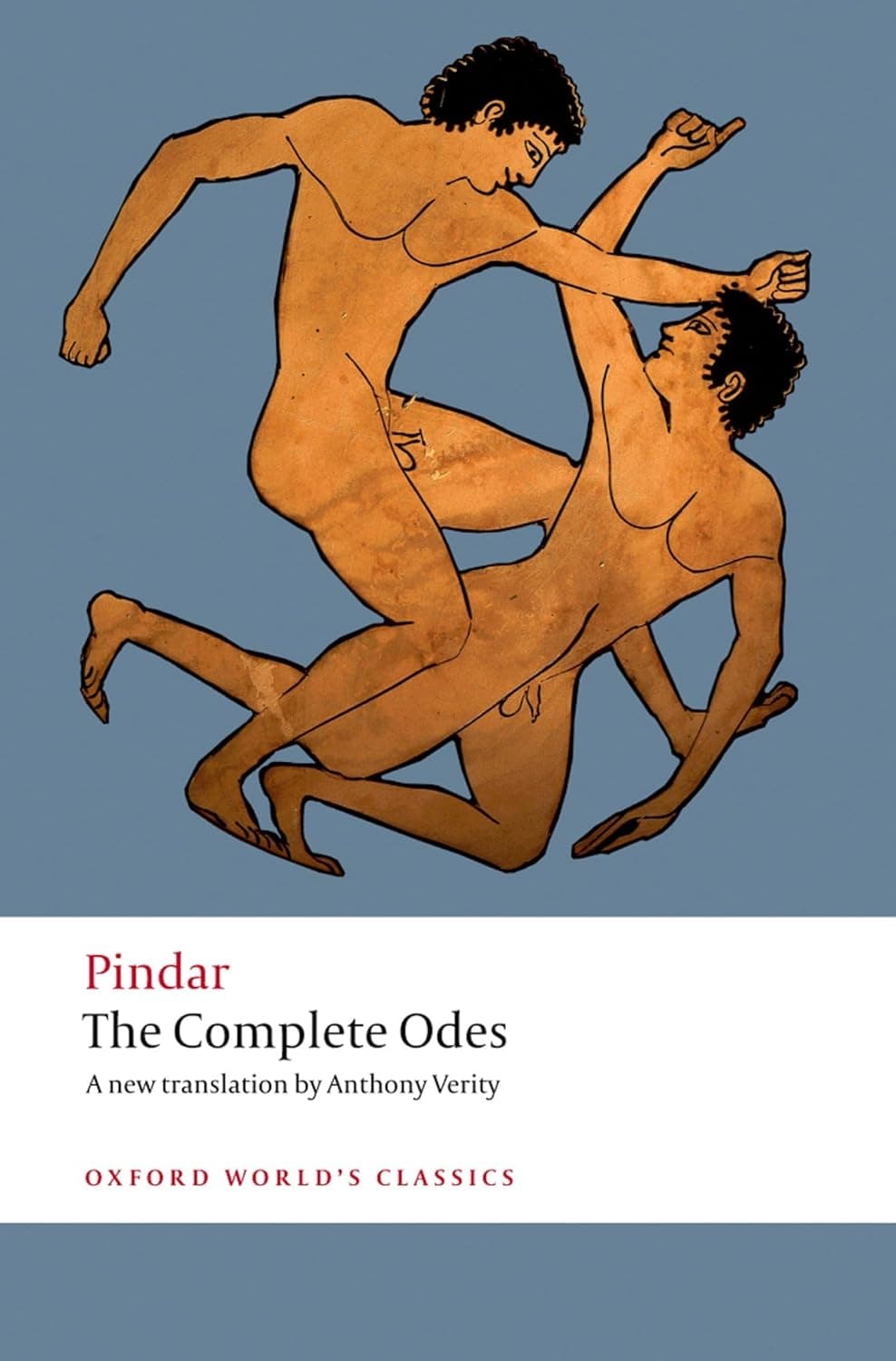
Water is best, the first ode opens, then praises a Sicilian king whose horse won at Olympia. Pindar makes athletic victory an occasion for myth and for warnings about mortal limits.
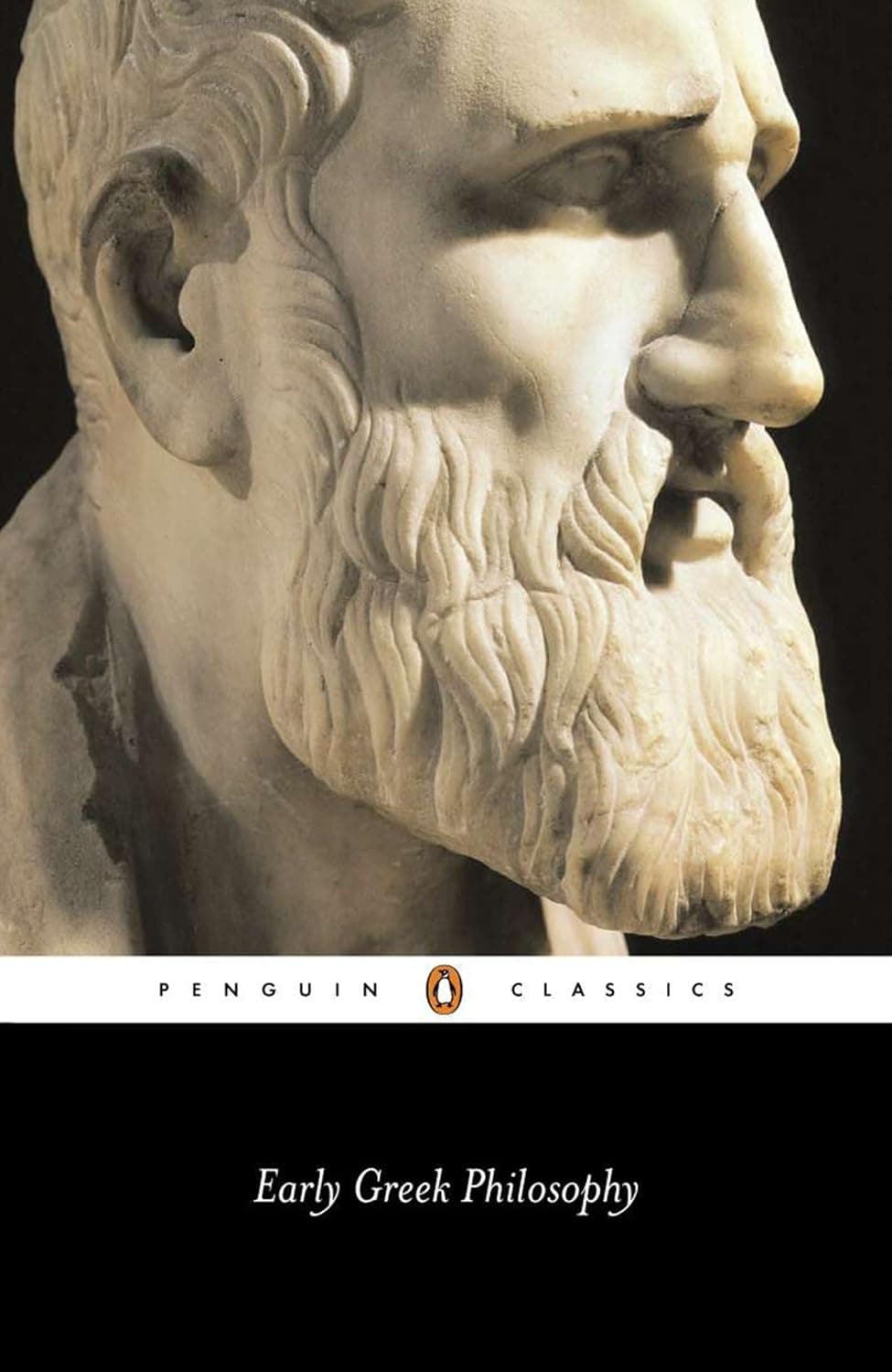
Heraclitus said you cannot step into the same river twice. Parmenides said nothing changes at all. Before Socrates, Greek thinkers asked what the world is made of and answered without appeal to gods.
One hundred fifty poems of praise, terror, and rage at God, restored to their Hebrew compression by the translator Robert Alter. The shepherd psalm sits beside one ending with infants dashed on rocks.
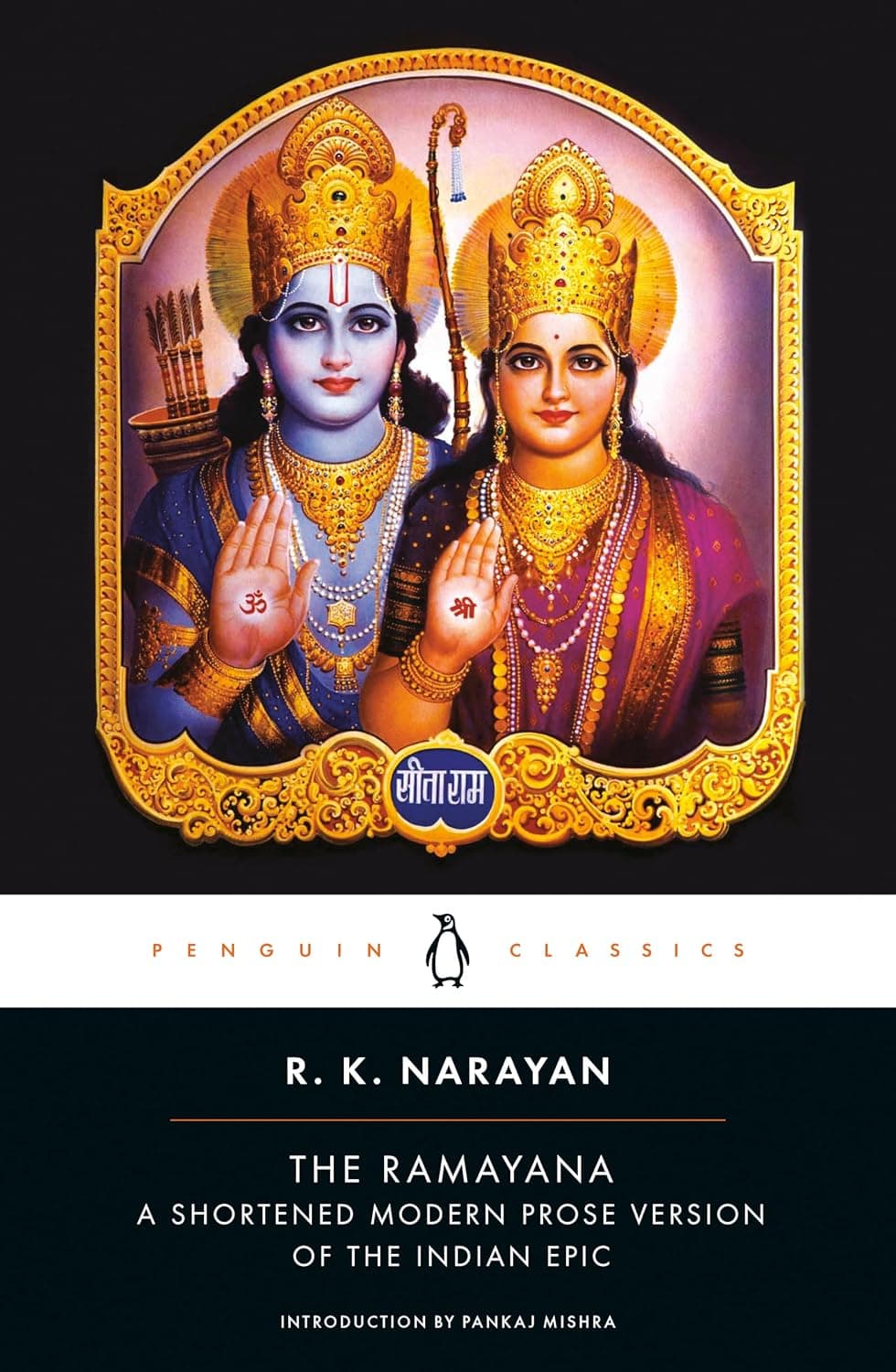
Rama accepts fourteen years of exile to keep his father's promise, and the demon king of Lanka carries off his wife. Indian towns still act the story out in the streets each autumn.