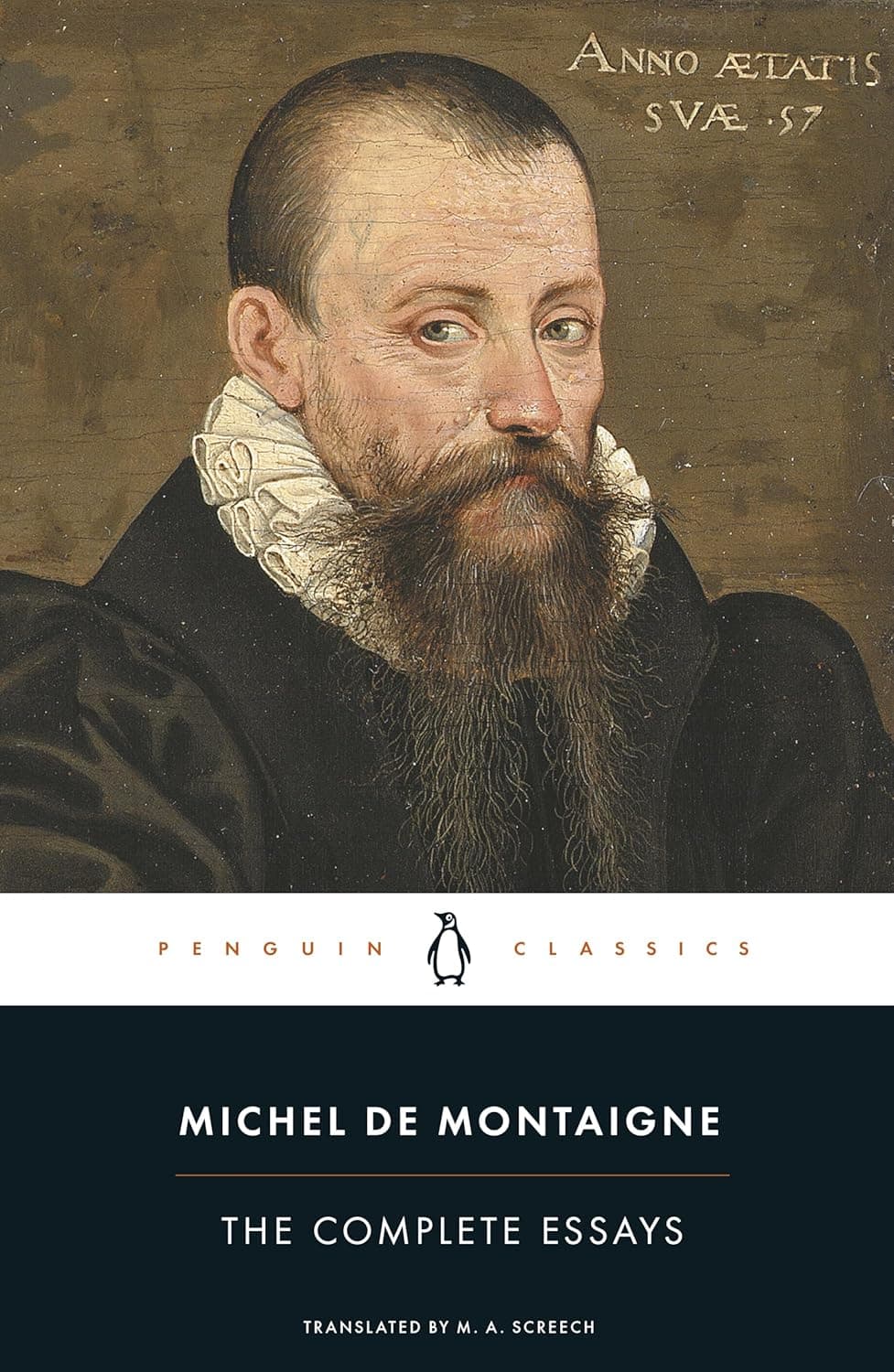
Essays
1580 · 1283 pages
Montaigne wrote short pieces on friendship, fear, sleep, and his kidney stones, and invented the essay doing it. As company on the page he remains unmatched in four centuries.
★ 9.3
 skopia
Montaigne wrote short pieces on friendship, fear, sleep, and his kidney stones, and invented the essay doing it. As company on the page he remains unmatched in four centuries.
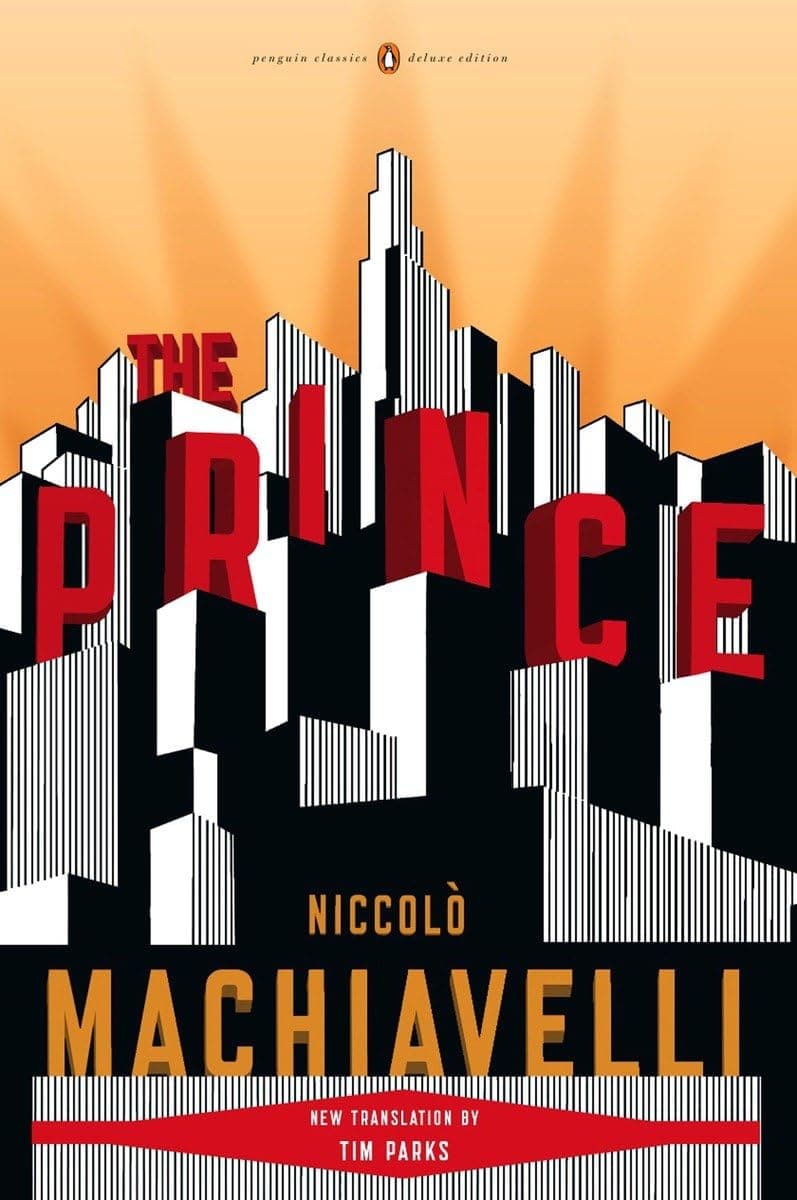
Machiavelli threw out the question of how a ruler ought to behave and asked how power is taken and kept. His answer, that a prince does better feared than loved, still unsettles people.

At a party in Verona two teenagers from feuding families meet, marry the next day, and are gone inside a week. Everything they say to each other still sounds newly invented.
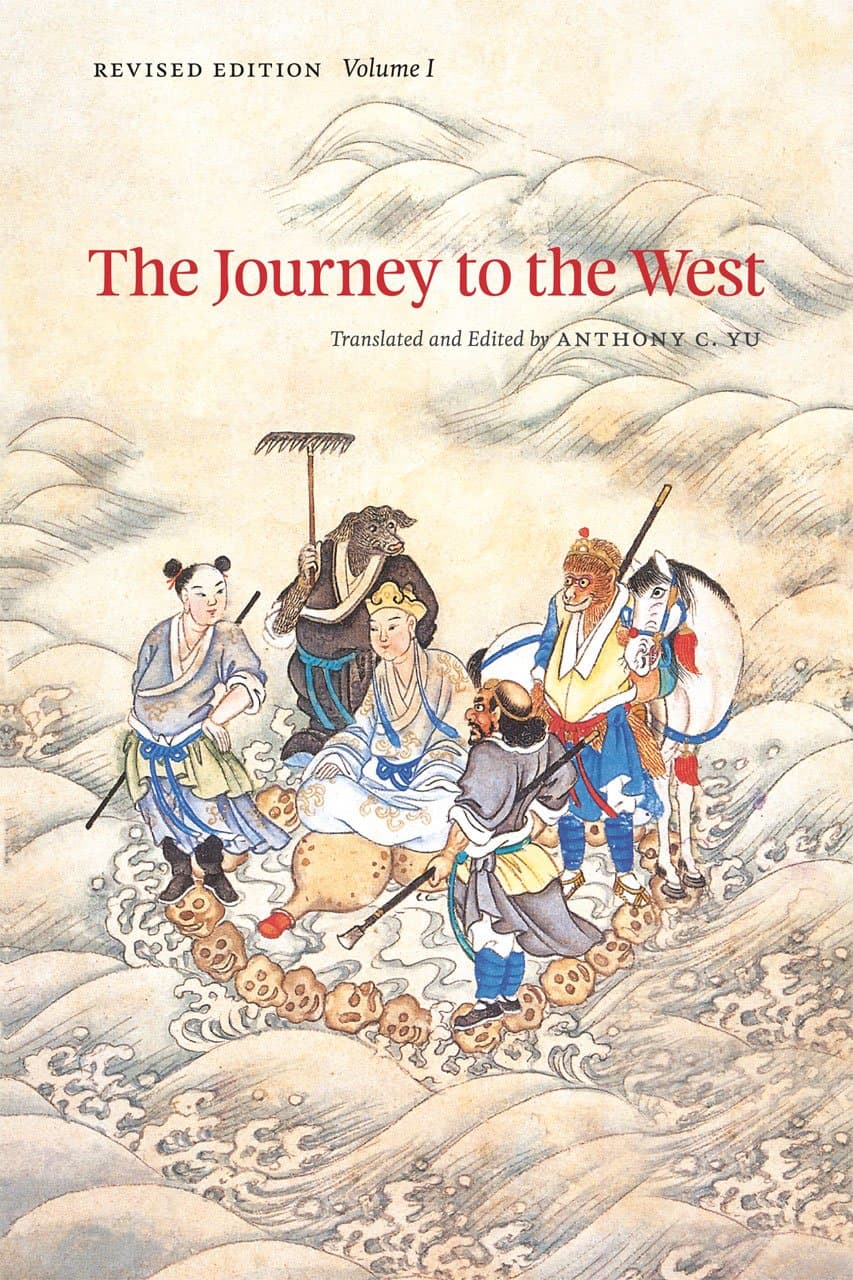
A monkey born from stone storms heaven, is pinned under a mountain for five hundred years, then escorts a monk to India for Buddhist scriptures. Eighty-one disasters later it is still funny.
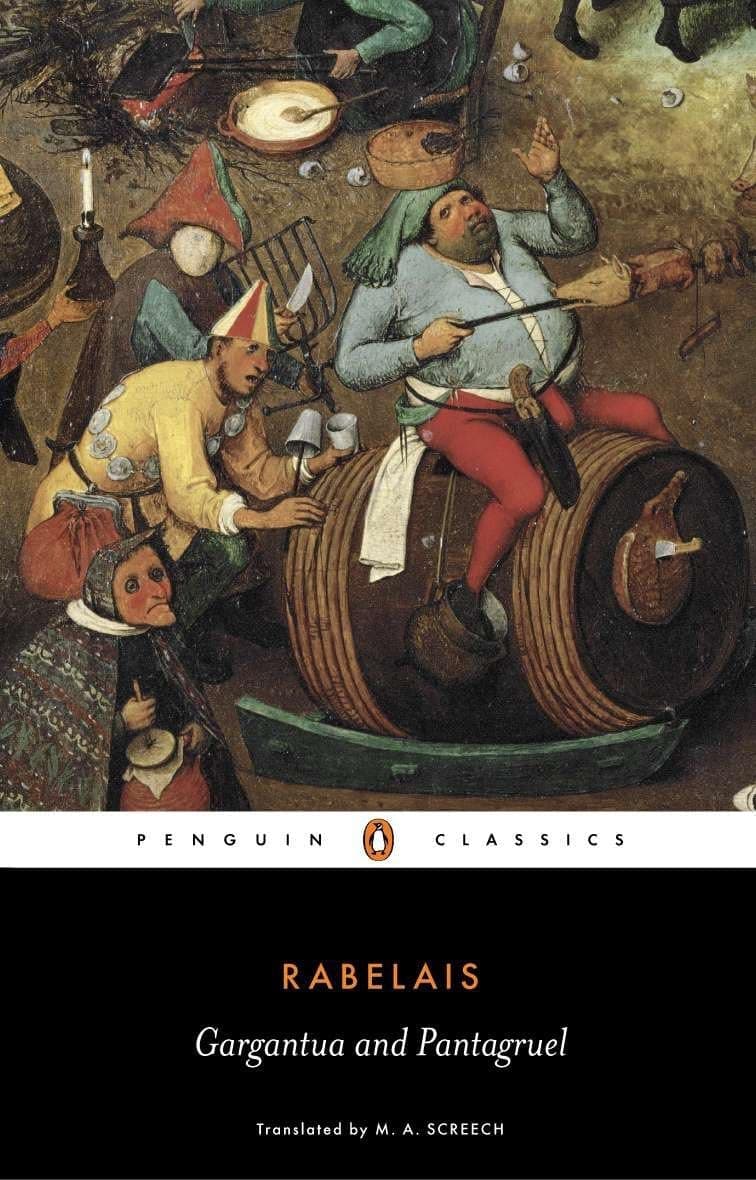
Two giants eat, drink, and study their way across Renaissance France while a monk and a scoundrel debate marriage. Rabelais packed in so much filth and learning that his name became an adjective.

Four Athenians run into the woods to escape a forced marriage, a fairy potion lands on the wrong eyelids, and a weaver acquires a donkey's head. Shakespeare makes desire look gloriously stupid.
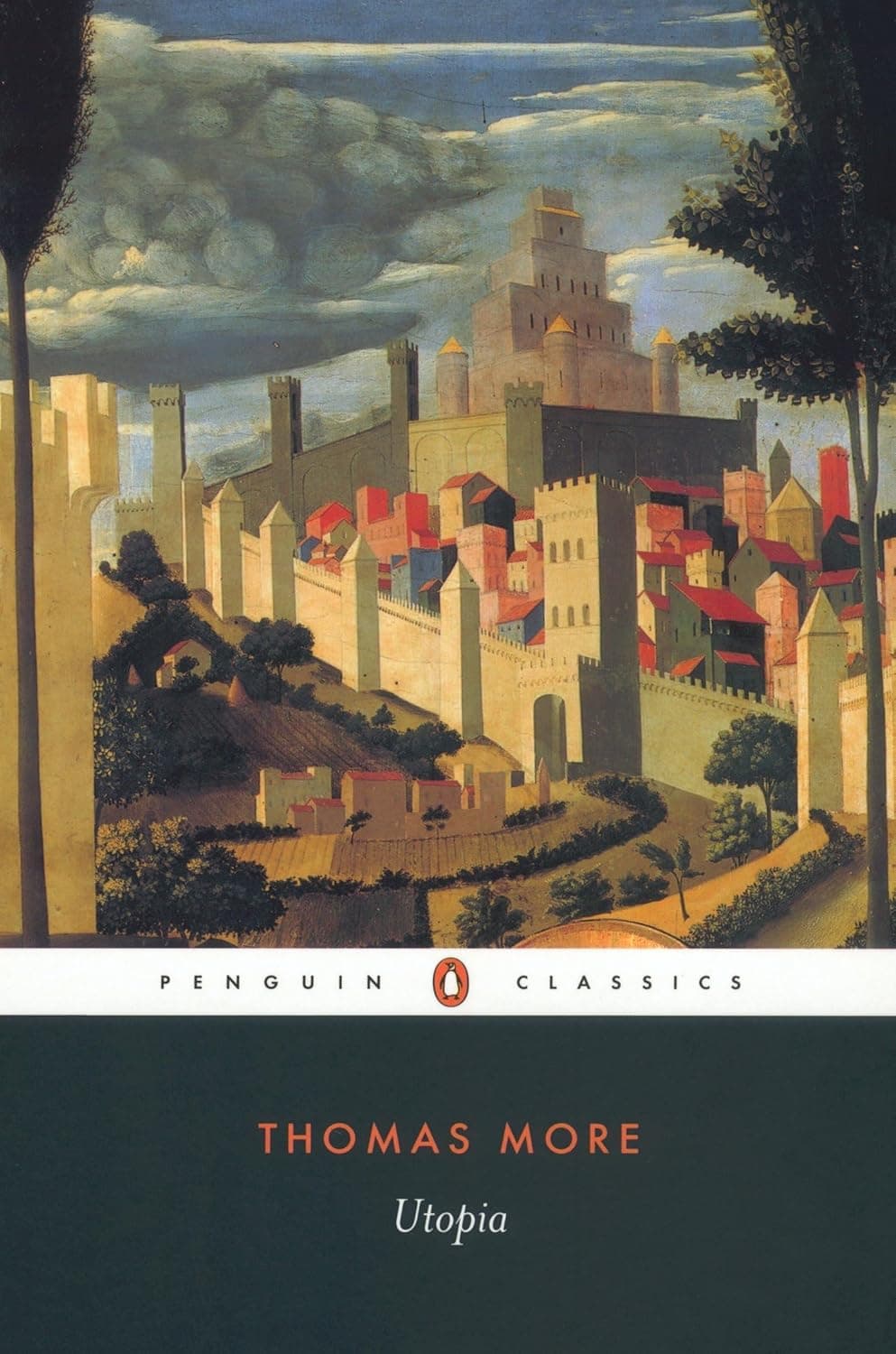
On More's island nobody owns anything, everyone works six hours a day, and gold goes into chamber pots. More invented the word utopia for it and the literature of the ideal society followed.

Vasari was a working painter who knew Michelangelo. His lives of the Italian artists, from Cimabue onward, mix workshop technique with pure gossip, and gave us most of what we believe about genius.
Outnumbered in France, a young king talks his army into fighting at Agincourt, promising that whoever survives will remember the day forever. After the battle he reads out the names of the dead.

Fifty years on, writing in Guatemala, one of Cortés's foot soldiers set down the conquest of Mexico as the ranks saw it. He never got over his first sight of Tenochtitlan.

Falstaff is the greatest comic creation in English, a fat knight who lies about everything, and Prince Hal wastes his youth drinking with him while rebellion gathers against his father the king.

In Venice a merchant borrows from Shylock, a Jewish moneylender he has spat on, pledging a pound of his flesh. Shylock asks whether a Jew does not bleed, and the comedy never recovers.

Banished from court, Rosalind hides in the Forest of Arden in men's clothes and coaches the man she loves in how to court her. She talks rings around everyone in Shakespeare.
Beatrice and Benedick insult each other so expertly that their friends trick each into believing the other is secretly in love. Their war of words gave English comedy its model for courtship.

Falstaff ages and the king dies while Prince Hal waits for the crown. Shakespeare wrote no colder scene than the new king telling his old tavern friend that he does not know him.

Faustus signs away his soul for twenty-four years of power, Tamburlaine the shepherd burns his way across Asia, and Barabas poisons a convent. Marlowe gave English drama its first tragic grandeur.
Brutus is persuaded that killing his friend will save the republic. Antony stands over the body, says he comes to bury Caesar and not to praise him, and turns Rome around.

Calvin set all of Protestant belief in order: who God is, what humanity became, and how grace arrives unearned to those God has chosen. Reformed churches have run on this book ever since.
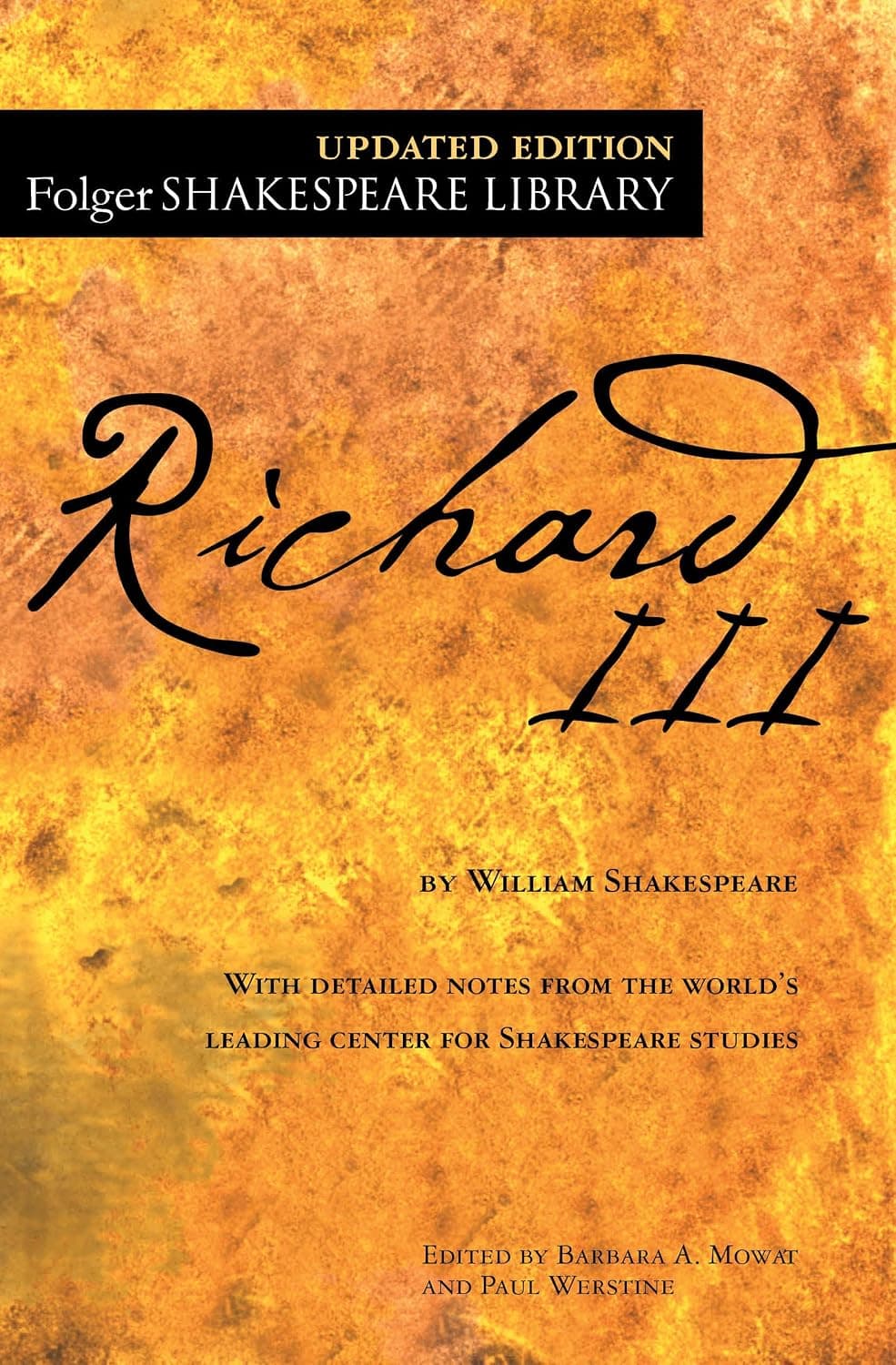
Richard tells the audience in his first speech that he means to be a villain, then makes them accomplices. He courts a widow beside the corpse of the king he murdered.

Erasmus said the will helps choose salvation. Luther answered that it is a beast ridden by God or Satan, never choosing its rider. Protestants have argued about grace on his terms ever since.