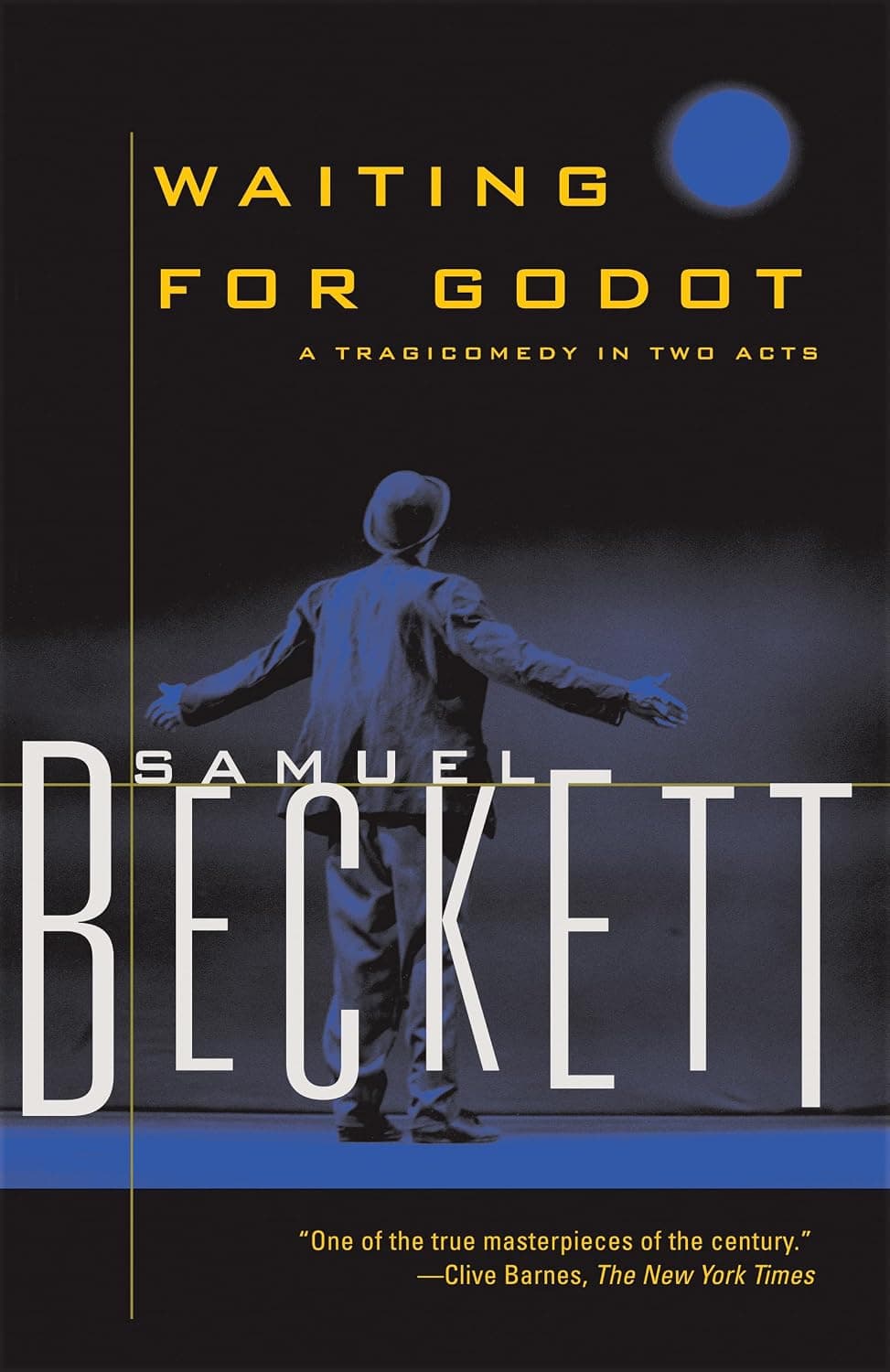
Waiting for Godot
1953 · 85 pages
Two tramps wait by a tree on a country road for a man who sends word each evening that he will come tomorrow. Beckett stripped drama to this and it never went back.
★ 9.0
 skopia
Two tramps wait by a tree on a country road for a man who sends word each evening that he will come tomorrow. Beckett stripped drama to this and it never went back.
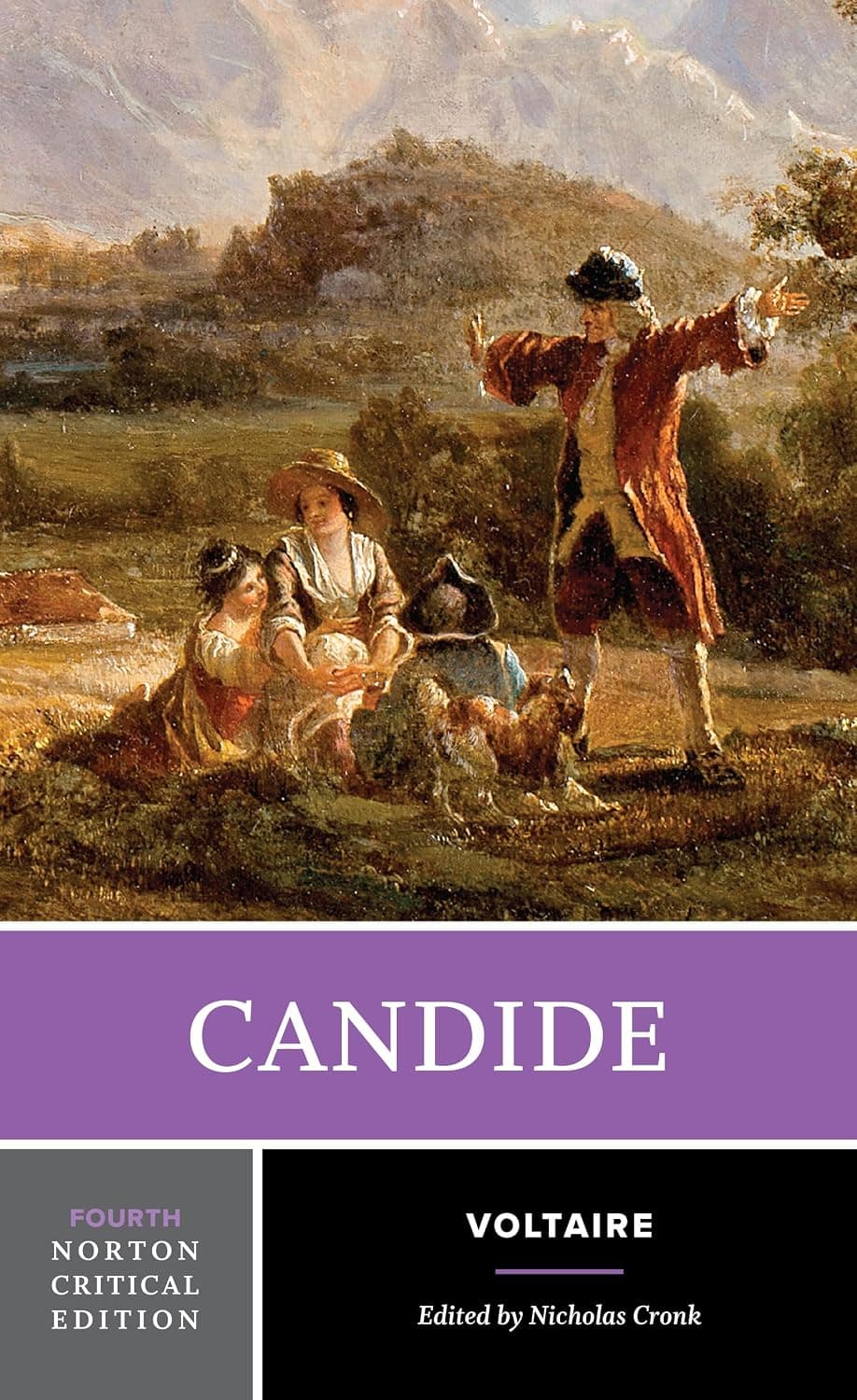
Voltaire sends an innocent young man taught that this is the best of all possible worlds through war, earthquake, and the Inquisition. The comedy is savage and the optimism does not survive.
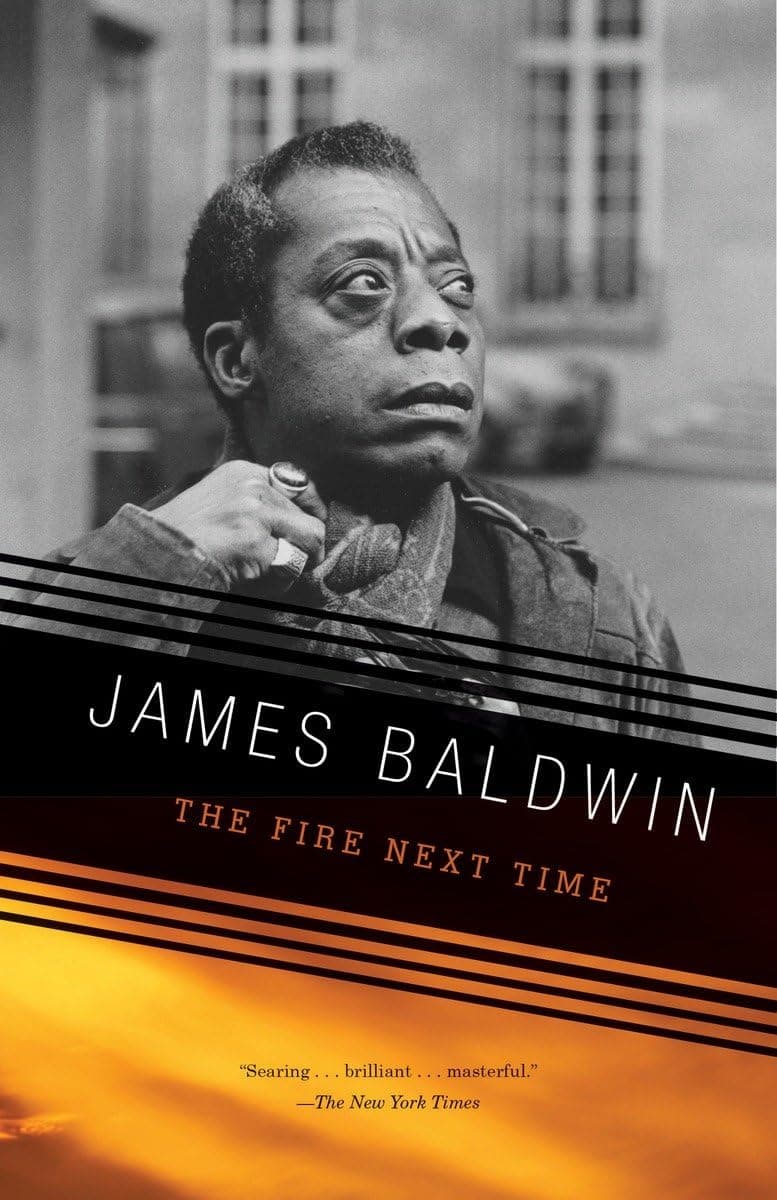
Writing to his teenage nephew, Baldwin remembers preaching in Harlem and dining with the leader of the Nation of Islam. He spares white America nothing and refuses to hate it.

Rome fell to the Goths in 410 and pagans blamed the Christians. Augustine answers by sorting all history into two cities, one built on love of God and one on love of self.

Three friends argue over whether the order of the world proves a designer. Philo grants the comparison, then dismantles it, asking why a competent god would build this much suffering into the machine.

The method that would break an empire took shape over twenty years in South Africa, and Gandhi sets it down beside his vows, his diets, and his failures, with disarming candor.
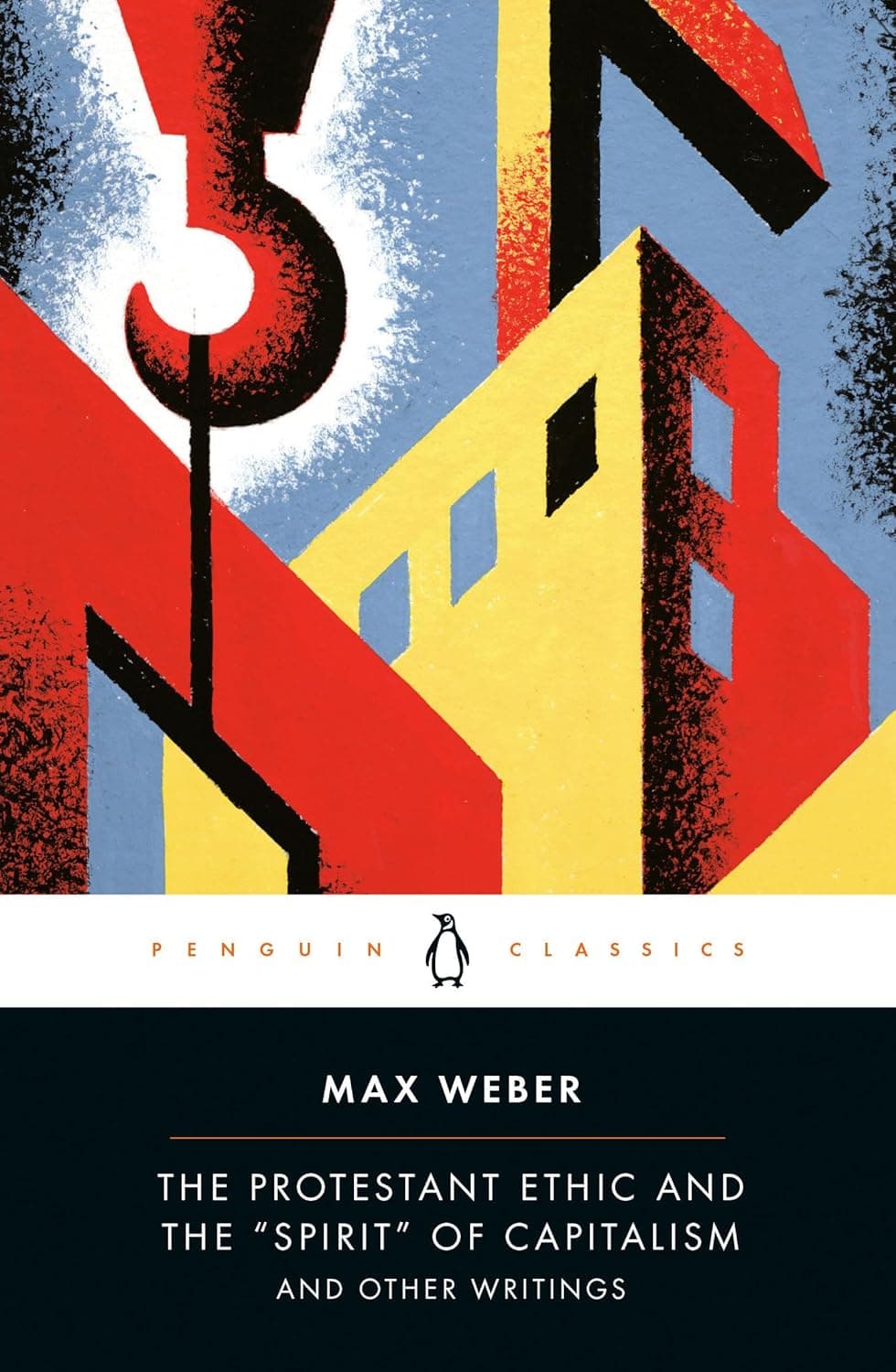
Calvinists could not know whether they were saved, so they worked without rest and spent nothing. Capitalism grew out of that anxiety, Weber argues, then shed the faith and kept the iron cage.

Don Juan seduces, dodges his creditors, and believes in nothing, while his servant argues feebly for God and a stone statue accepts an invitation to dinner. Moliere never wrote anything more dangerous.

James set aside doctrine and asked what religion does to a person. Gathering testimony from converts and mystics, he separates the healthy-minded soul from the sick one and judges belief by its fruits.

Lucy Honeychurch is kissed among violets on a hillside outside Florence, and Forster makes the rest a sunlit comedy about whether English respectability is worth the lie it demands of her.

One Cairo alley holds human history entire. Its founder withdraws into a great house, and each generation raises a redeemer, Adam then Moses then Jesus then Muhammad, defeated by the same protection racket.

A sixteenth-century Italian miller told the Inquisition that the world formed as cheese forms from milk, and the angels were worms in it. From that file Ginzburg reconstructs an entire peasant mind.
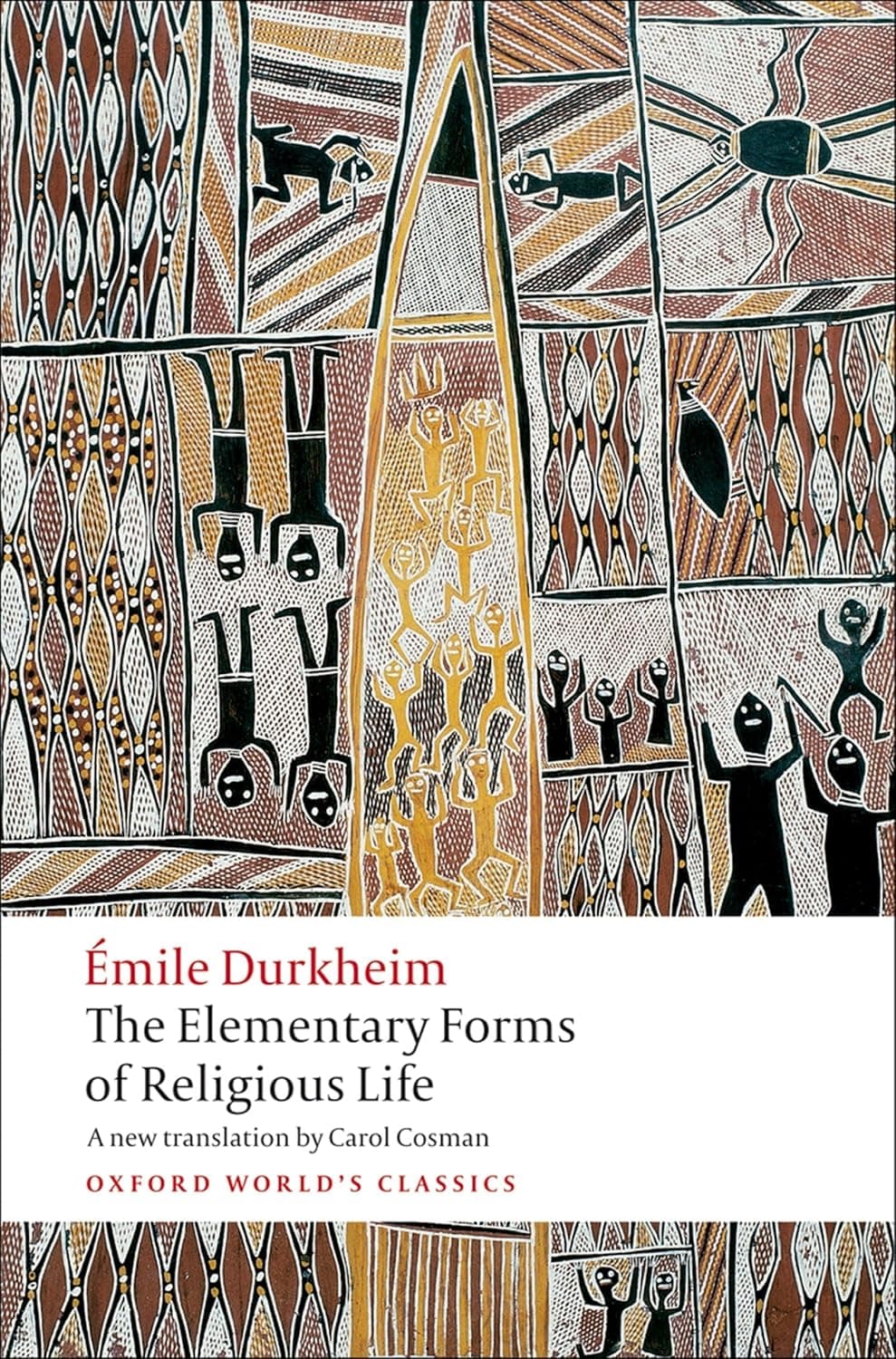
Religion is society worshiping itself. Durkheim builds the case from Australian Aboriginal totemism: a clan gathers, works itself into collective frenzy, feels a force greater than any member, and calls it a god.
In 1500 disbelief in God was barely possible. By 2000 it is ordinary. Taylor explains the shift not as science clearing away superstition but as Christian reform building a self sealed against transcendence.
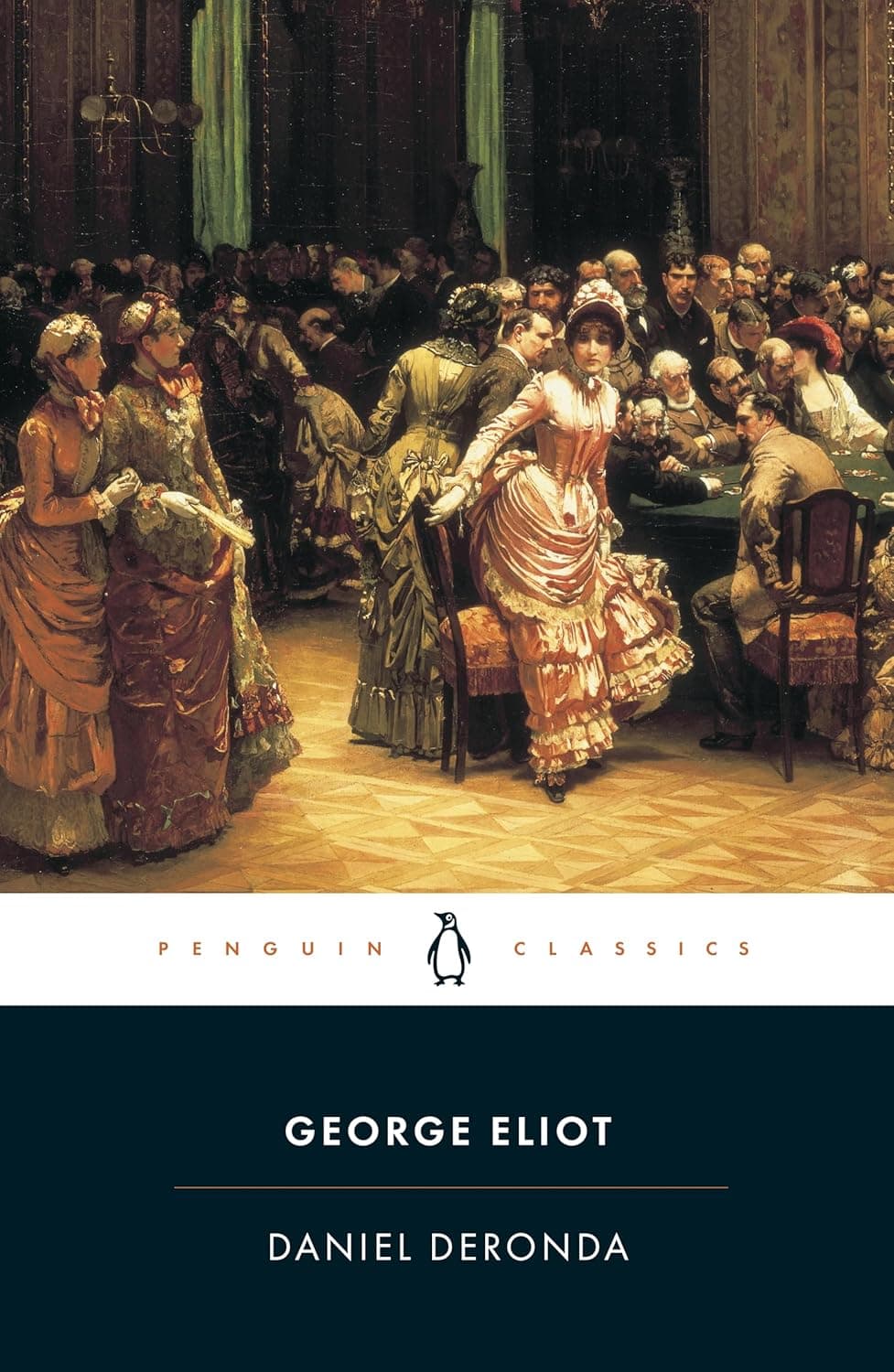
Gwendolen Harleth sells herself into marriage with a cold, cruel man, and beside her Eliot sets an Englishman finding out he is a Jew. Early Zionists dated their conviction to this book.

John Grimes turns fourteen in Harlem in 1935 and spends the night on a storefront church floor, fighting for salvation. Baldwin pours the sins of three adults into that one boy's conversion.
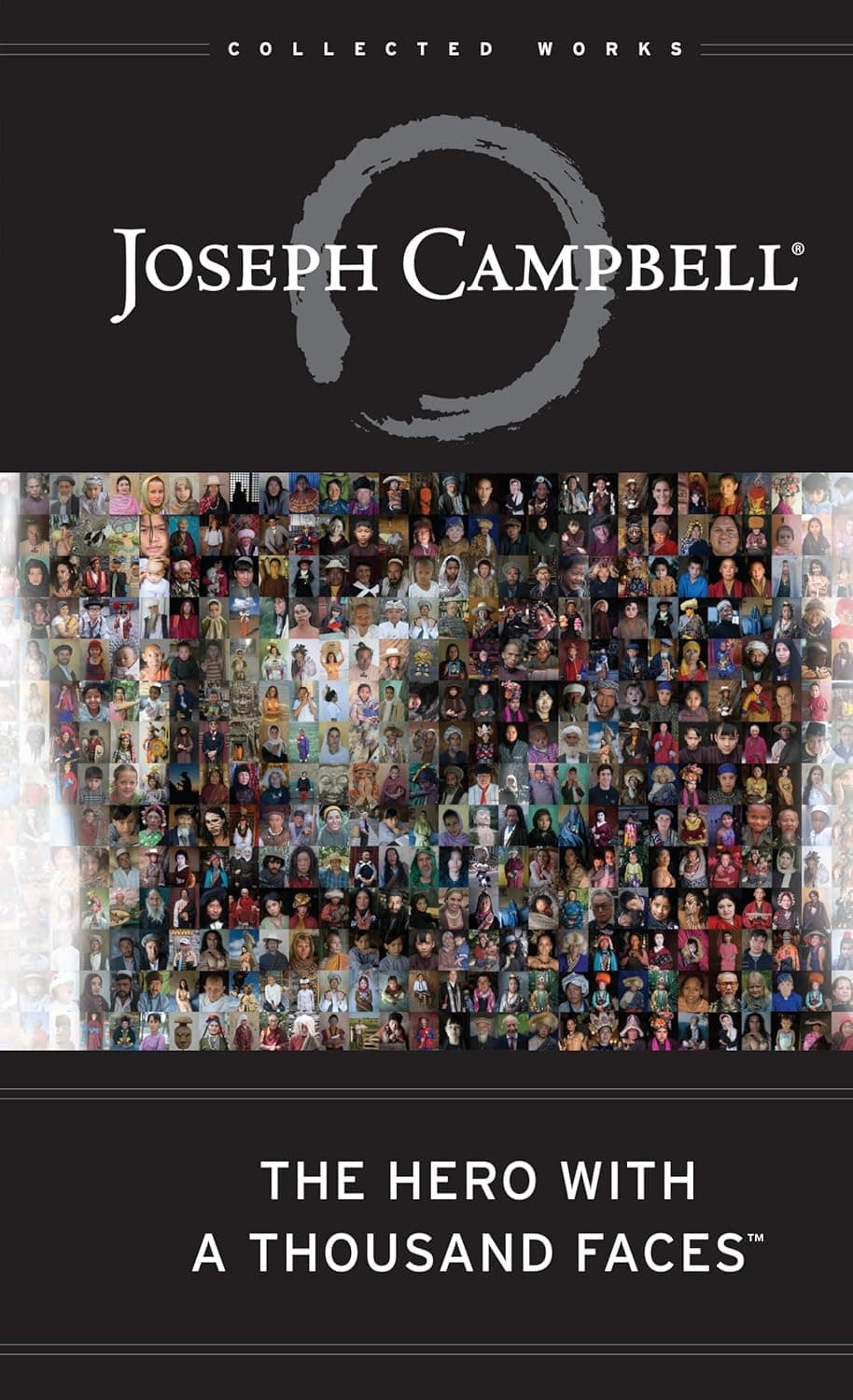
Campbell read the world's myths and found one story under them: a hero leaves home, survives an ordeal, returns changed. Hollywood took the pattern wholesale, from Star Wars to Disney's animated features.

In 1714 a rope bridge in Peru snaps and five travelers fall to their deaths. A Franciscan who witnessed it spends six years reconstructing their lives to prove God chose them.

At twenty-eight Wedgwood narrated Europe's most ruinous pre-modern war whole, thirty years of armies eating Germany alive, and her verdict of meaningless conflict still has to be argued with.