
King Lear
1607 · 316 pages
An old king divides his kingdom by asking his daughters how much they love him, and the truthful one says least. Shakespeare wrote nothing bleaker, and the last scene is unbearable.
★ 9.8
 skopia
An old king divides his kingdom by asking his daughters how much they love him, and the truthful one says least. Shakespeare wrote nothing bleaker, and the last scene is unbearable.

Old Karamazov is murdered and each of his three sons had reason. Around the crime Dostoevsky stages the fiercest argument fiction has ever made about God and the suffering of children.

Anna leaves her husband for a young officer while, in the other half of the book, Levin farms and marries and worries about God. Tolstoy gives both lives the same total sympathy.

Sethe escaped slavery years ago and cannot escape the daughter she lost, who comes back to the house as a young woman. Morrison writes American history's worst chapter with unbearable tenderness.

At a summer house by the sea a trip to the lighthouse keeps being postponed, and Woolf gets so close to how a mind works that years pass and grief arrives in passing.

Four sections circle one Mississippi family's ruin, and the first belongs to a brother who cannot speak or keep time in order. Faulkner makes confusion itself carry the weight of grief.
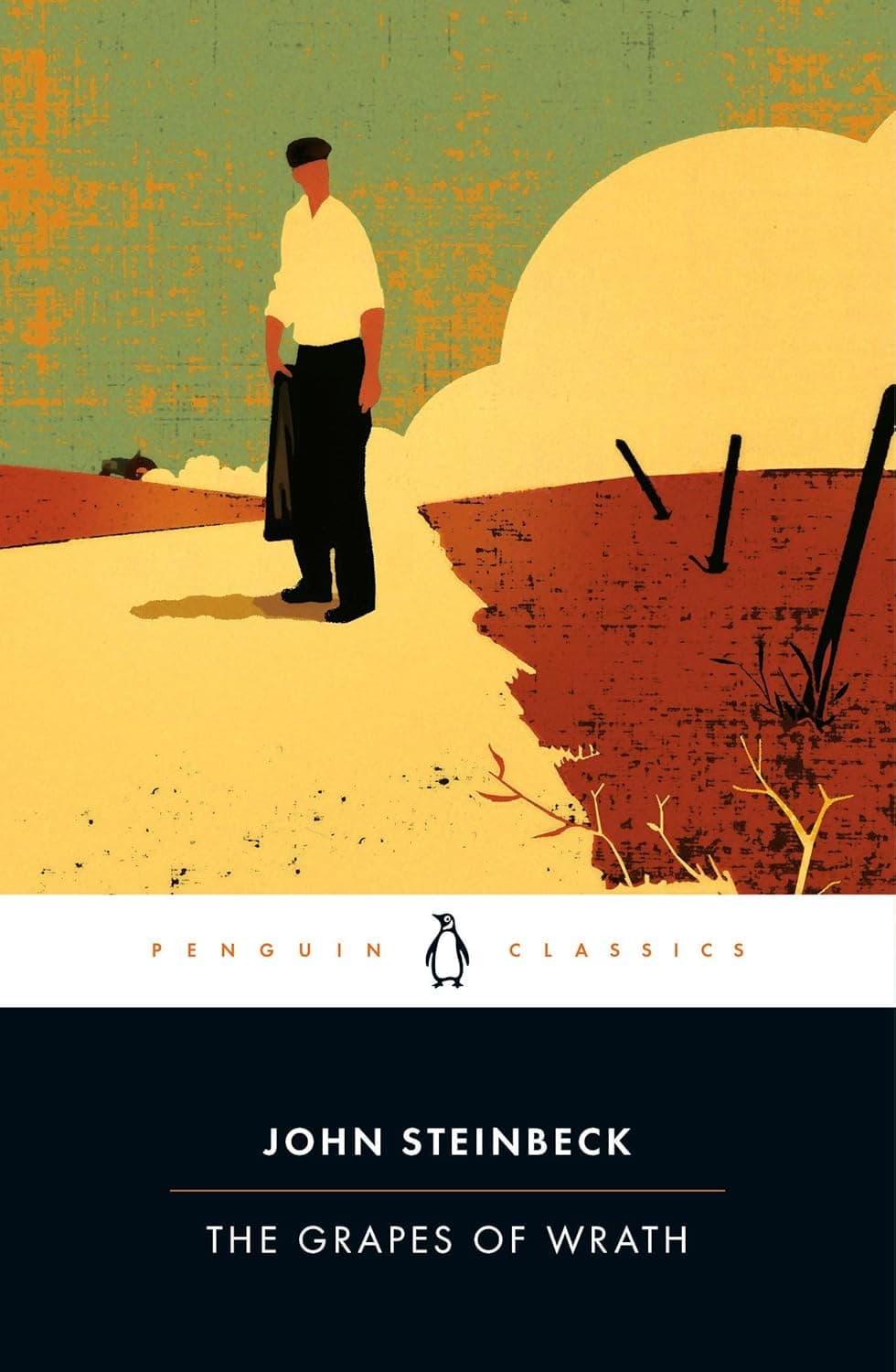
The Joads lose their Oklahoma farm and drive west to California, where the promised work is a lie. Steinbeck's fury at what was done to them still comes off the page.
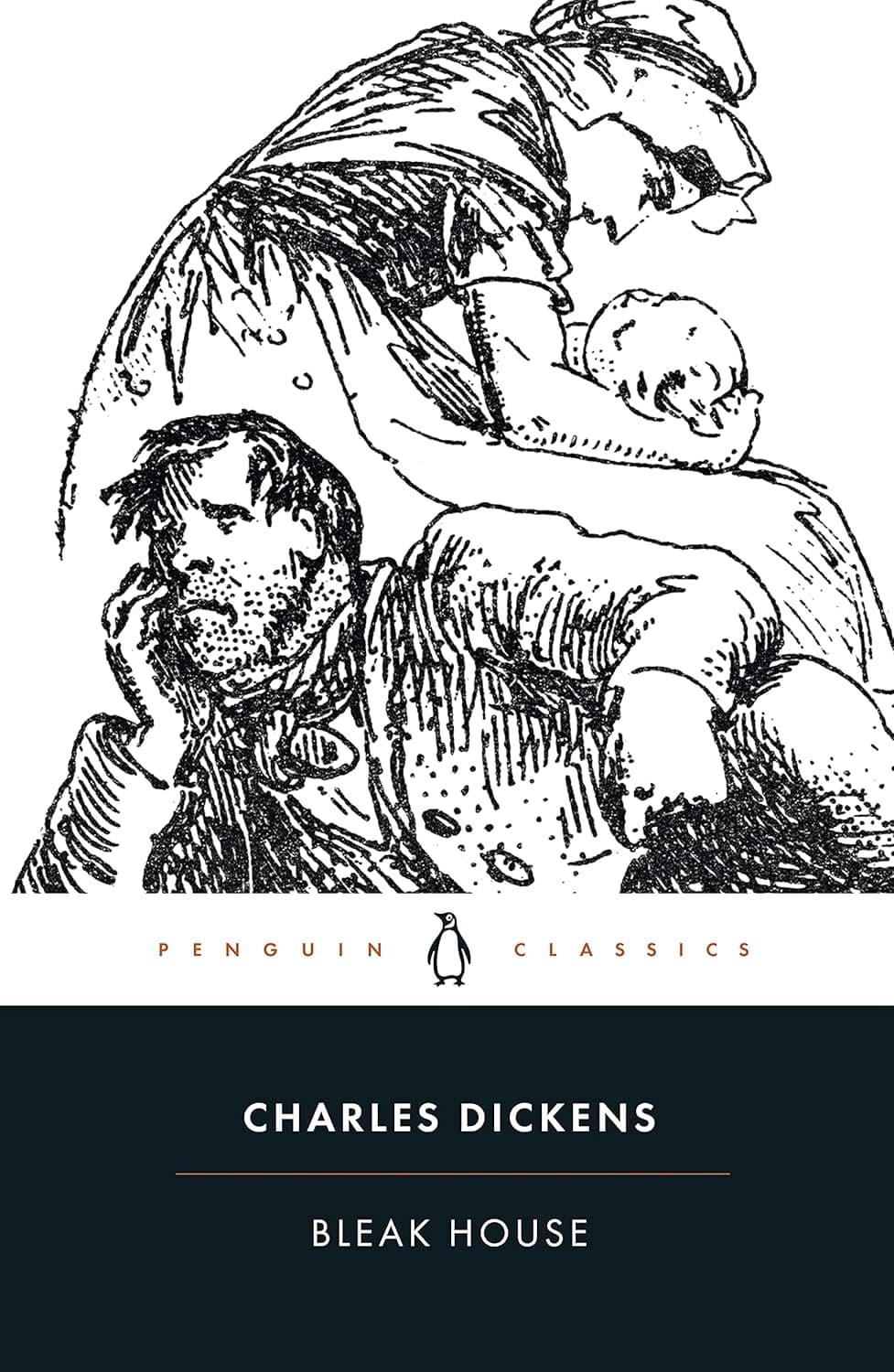
Dickens's supreme achievement, and his angriest. A lawsuit over a will has dragged through the courts so long that nobody alive understands it, and its fog settles over every life in England.
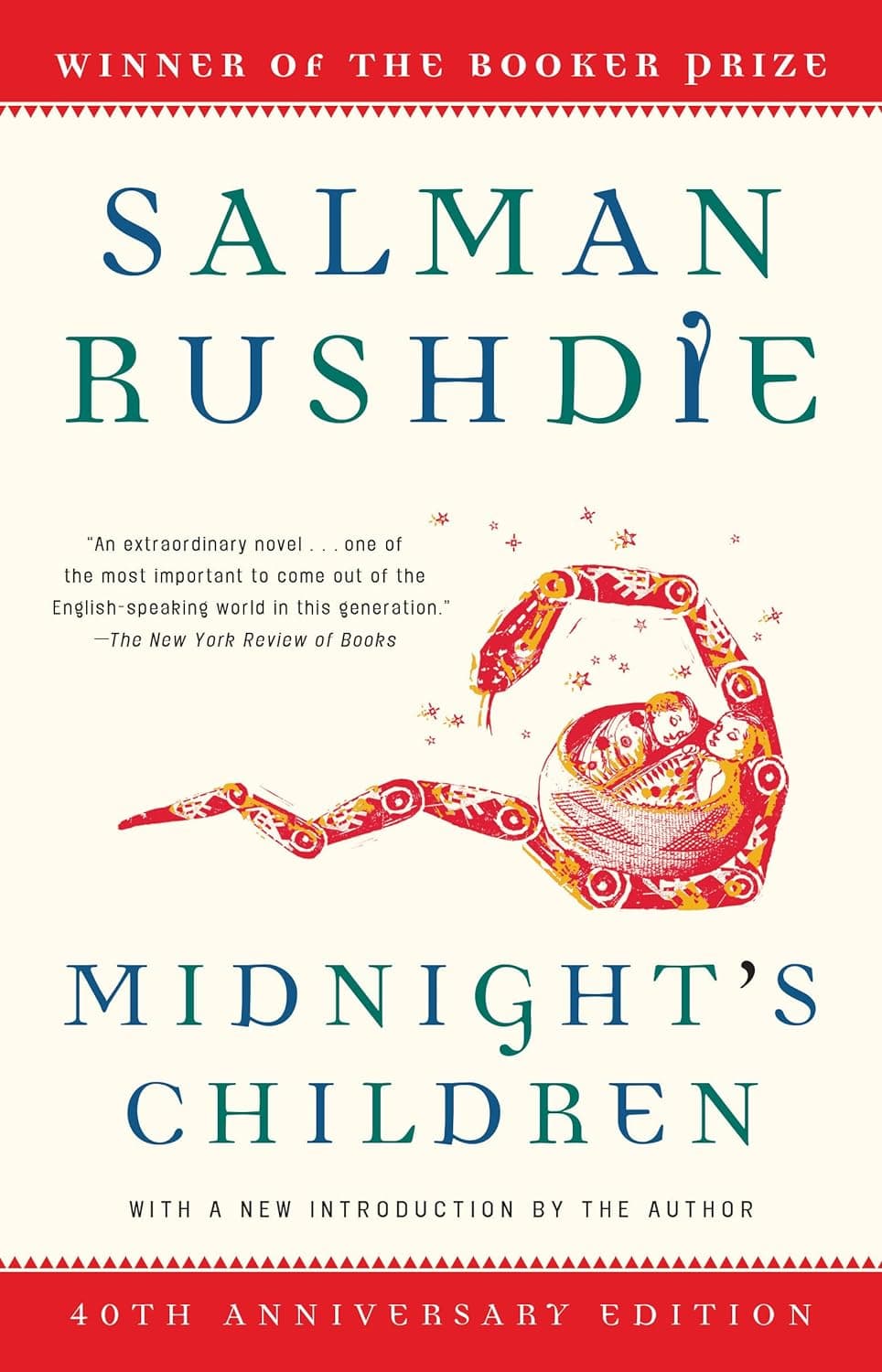
Saleem Sinai is born at the exact midnight India becomes independent, which gives him telepathy and welds his life to the country's. Sixty years of history arrive as one unreliable, delighted confession.

Willy Loman, a traveling salesman worn down to nothing, argues with his grown sons and with people who are not in the room. Audiences have recognized their own fathers in him since 1949.

Blanche DuBois arrives at her sister's New Orleans apartment with nothing left, and her brother-in-law Stanley sets about destroying what remains. No American play has staged desire and cruelty this nakedly.

At a party in Verona two teenagers from feuding families meet, marry the next day, and are gone inside a week. Everything they say to each other still sounds newly invented.

Put to work in a warehouse as a boy, David escapes to an aunt he has never met. Dickens gave him his own childhood, and loved this novel above all the others.
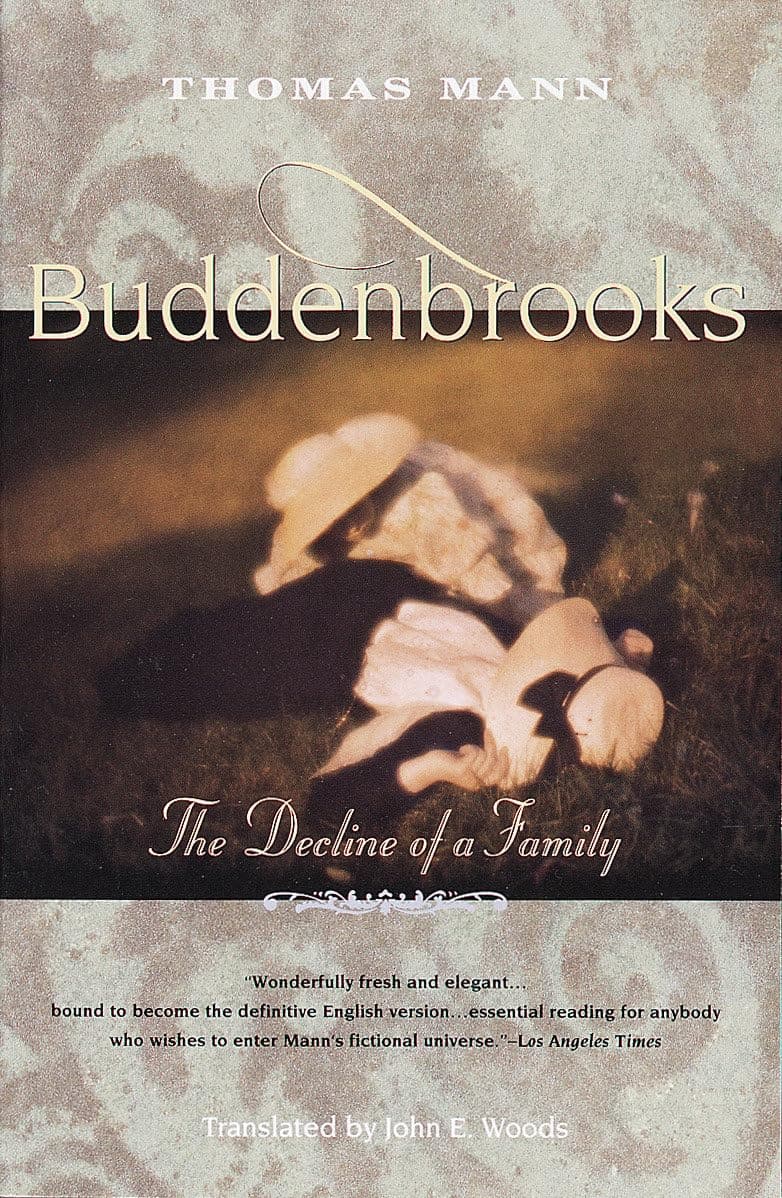
Four generations of a north German grain family run the firm, growing more refined and less fit to survive. Mann counts every dinner and funeral until the decline turns personal.

Addie Bundren dies and her family hauls the coffin across Mississippi through flood and fire. Fifteen voices tell it, and you laugh at people whose misery you can feel.
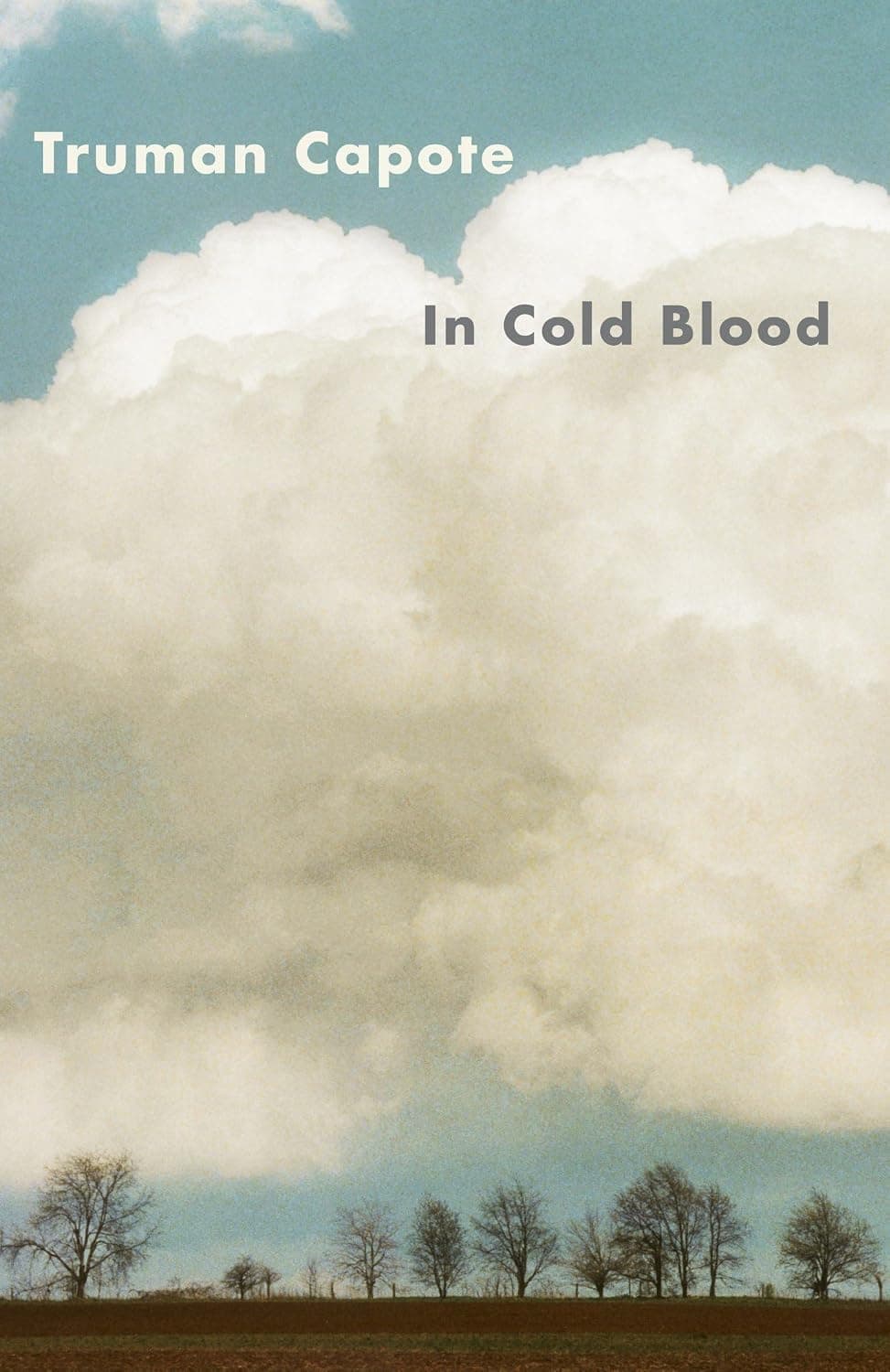
In 1959 two ex-convicts murdered a Kansas farm family of four they had never met. Capote spent years with the killers and turned reporting into a novel, patient and entirely without comfort.

A Cairo merchant rules his household as a tyrant and drinks his nights away with singers while his wife may not step outside. Over three generations, revolution and war reach inside that house.

Mohun Biswas is born unlucky in rural Trinidad, marries into a large domineering family, and spends his life trying to own a house. Naipaul makes those small defeats as large as any tragedy.

Somewhere there is a film so entertaining that anyone who watches it stops eating. Wallace chases it through a tennis academy and a halfway house full of addicts he writes with real love.

Five brothers gamble away a kingdom and their wife, then return from exile to a war that swallows their world. Carole Satyamurti's English verse holds the whole Sanskrit epic, Krishna's counsel included.