
The Great Gatsby
1925 · 208 pages
Gatsby throws enormous parties hoping the woman he loved will wander into one. Fitzgerald made the Jazz Age America's myth of itself, and the last page is the most beautiful in American writing.
★ 9.4
 skopia
Gatsby throws enormous parties hoping the woman he loved will wander into one. Fitzgerald made the Jazz Age America's myth of itself, and the last page is the most beautiful in American writing.
Thrown out of college, then used by a Harlem political movement, a nameless Black man ends up living in a cellar on stolen light. Ellison writes American rage with jazz timing.
Robert Moses was never elected to anything and remade New York for forty years, throwing up bridges and expressways and flattening the neighborhoods in their way. Caro shows exactly how it was done.

Holden Caulfield is thrown out of prep school and spends three days loose in New York, telling you about it. Salinger got the voice so exact that teenage fiction has echoed it since.

Janie comes home to a Black town in Florida and tells a friend about her three marriages and how she found her own voice. Hurston writes porch talk exactly as it sounded.

Newland Archer, engaged to the right New York girl, falls for her cousin the Countess Olenska, back from a ruinous European marriage. Old New York moves against them without ever raising its voice.

Hired to copy documents in a Wall Street office, a clerk answers every request with "I would prefer not to." He explains nothing, and quiet refusal turns out to be unanswerable.

Lily Bart is beautiful, twenty-nine, and unmarried, which in Old New York is a countdown. Wharton tracks her slide from ballroom to boarding house without once softening the arithmetic.
Lutie Johnson believes what Benjamin Franklin promised about work and thrift, and rents an apartment on 116th Street to raise her son. The men who watch her climb the stairs have other plans.
Roth put the immigrant Lower East Side inside a child's skull. David Schearl is six, terrified of his father, safe only in his mother's kitchen, and the street reaches him as raw sensation.

John Grimes turns fourteen in Harlem in 1935 and spends the night on a storefront church floor, fighting for salvation. Baldwin pours the sins of three adults into that one boy's conversion.
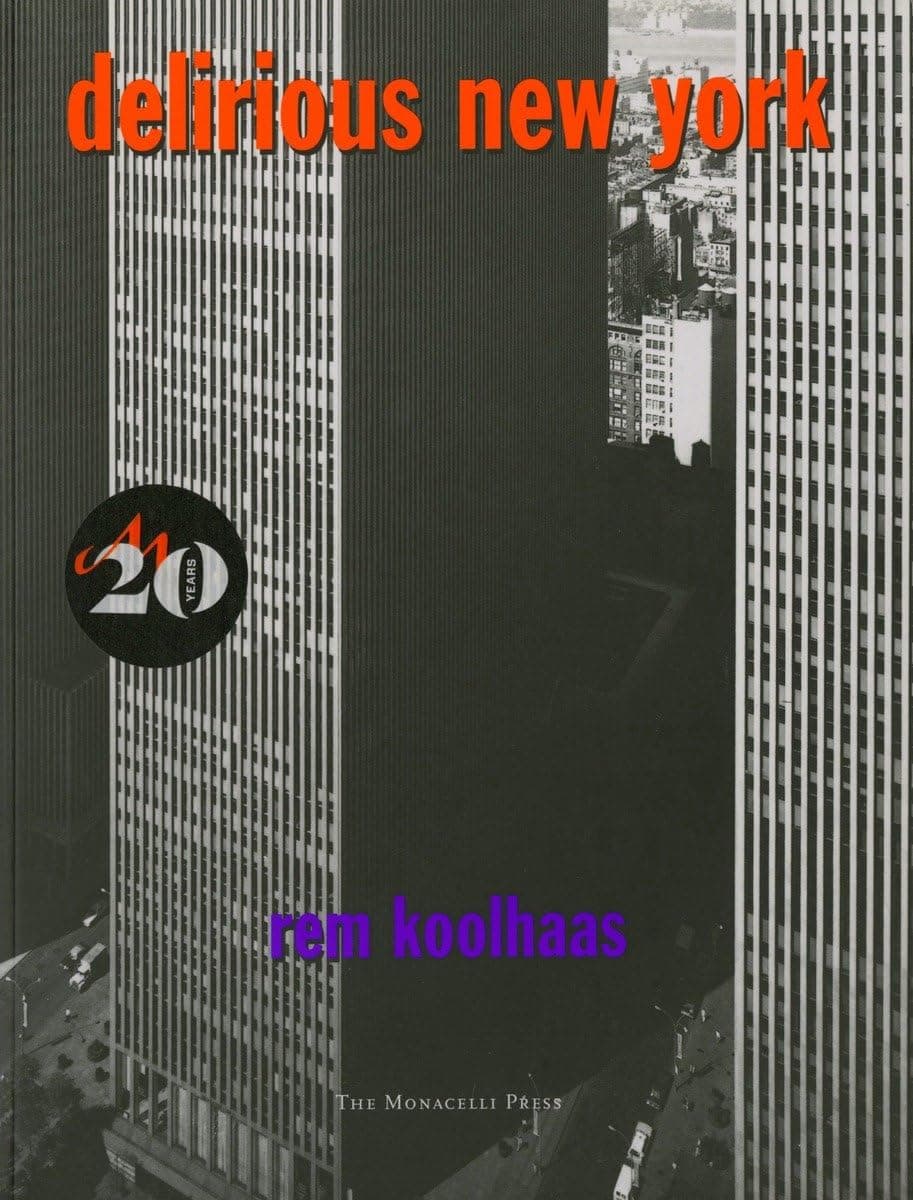
Manhattan built itself without a theory, so Koolhaas supplied one afterward: the grid, the skyscraper, and Coney Island as a culture of congestion. He turned density from planning's disease into architecture's ambition.
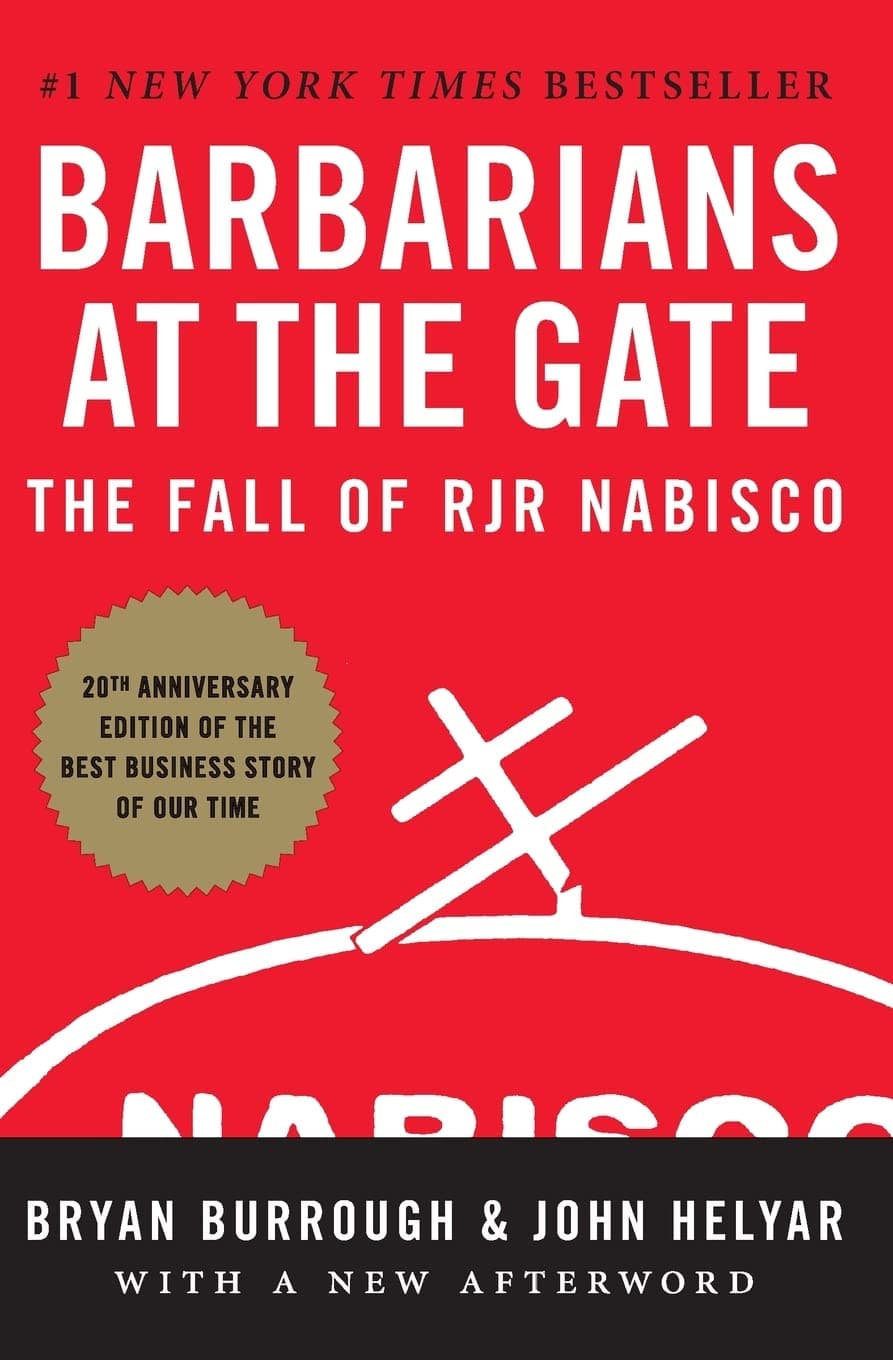
In 1988 the chief executive of RJR Nabisco moved to buy his own company and set off a bidding war that closed at $25 billion. Burrough and Helyar put you inside every meeting.

Two decades after covering the Brooklyn Dodgers for a newspaper, Kahn found the same men in middle age, one paralyzed. What began as a baseball book becomes an elegy for everyone's youth.

Holly Golightly, born Lulamae Barnes in rural Texas, charms money out of men in wartime New York and belongs to nobody. Norman Mailer said he would not have changed two words in it.

Galbraith reconstructs how a country talked itself into buying stock with borrowed money, from the Florida land boom onward, and names the bezzle: the embezzlement a rising market hides and a crash exposes.
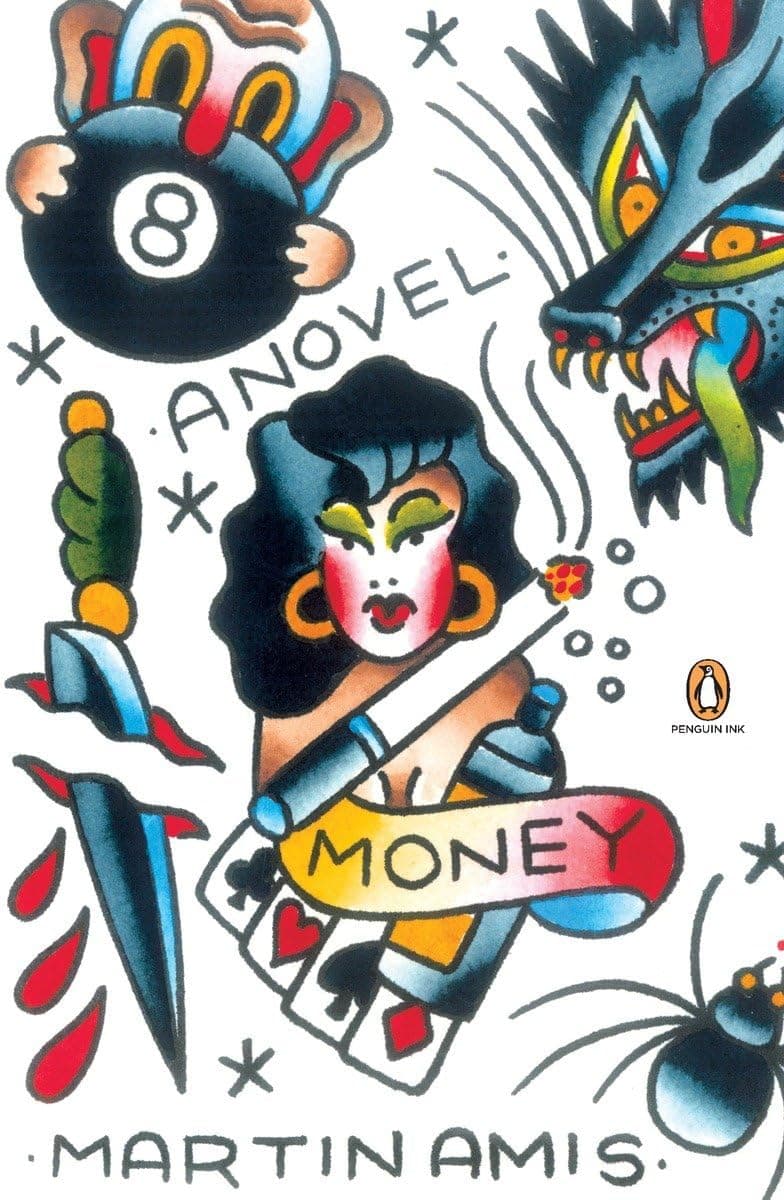
John Self drinks and spends himself toward ruin between London and New York while his first film falls apart. Amis gave the decade's greed a voice English comic fiction spent years imitating.

Gornick walks Manhattan with her widowed mother, arguing the argument they have had since the Bronx tenement of her girlhood. Writing programs teach it as how a memoir is built.
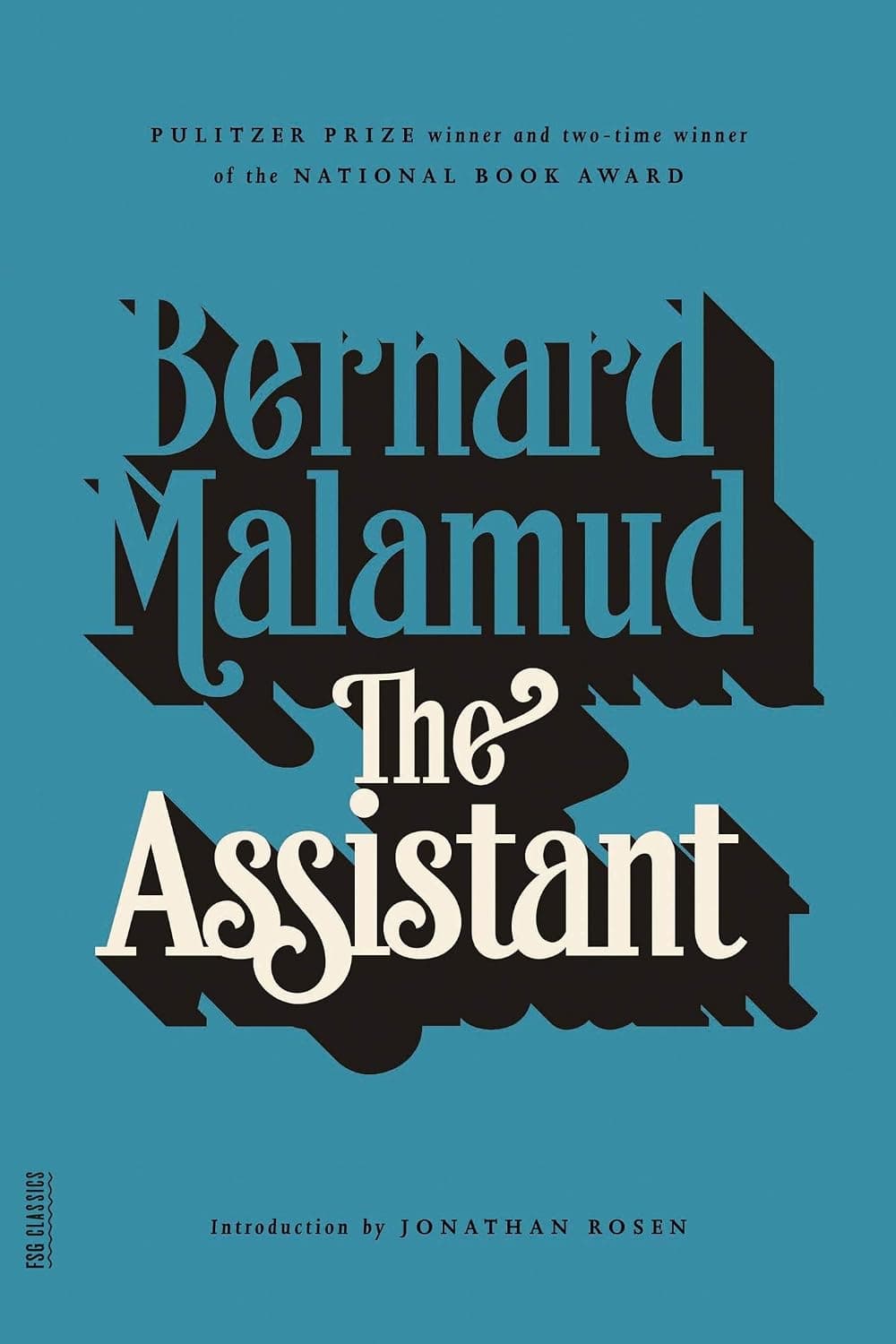
In a failing Brooklyn grocery, the drifter who helped rob the place returns to work for the Jewish owner without pay. Malamud turned that store into the moral center of Jewish American fiction.
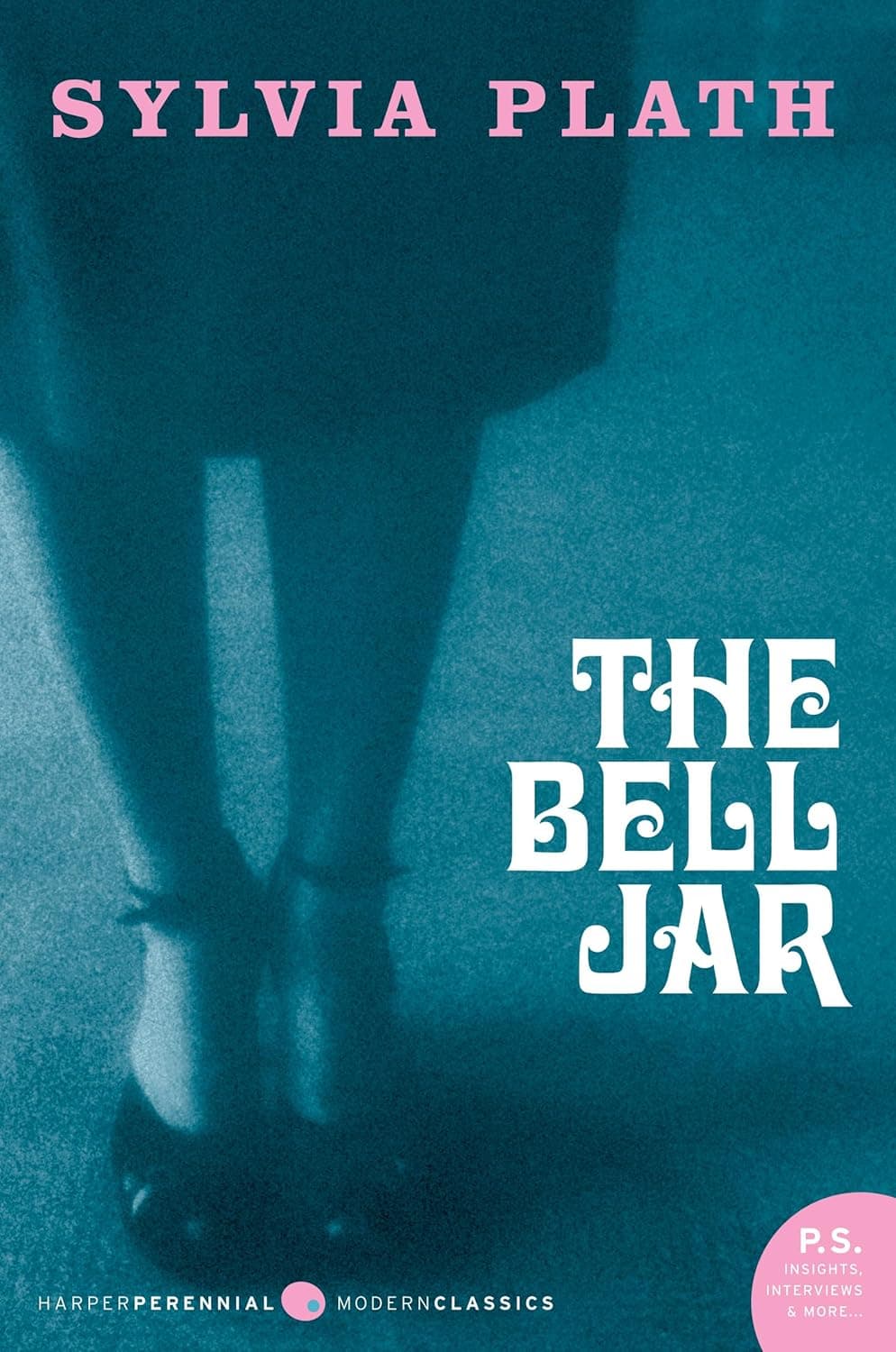
Esther Greenwood wins a month at a New York fashion magazine and comes home unable to want anything. Plath writes breakdown from the inside, down to the fig tree of futures rotting unchosen.