King Lear
1607 · 316 pages
An old king divides his kingdom by asking his daughters how much they love him, and the truthful one says least. Shakespeare wrote nothing bleaker, and the last scene is unbearable.
★ 9.8
 skopia
An old king divides his kingdom by asking his daughters how much they love him, and the truthful one says least. Shakespeare wrote nothing bleaker, and the last scene is unbearable.
Dorothea Brooke marries a dry scholar for the wrong reasons and a gifted doctor lets small compromises close around him. Eliot knows more about how people actually fail than any English novelist.
Elizabeth Bennet and Darcy dislike each other on sight and spend the novel being wrong. Austen wrote conversation better than anyone in English, and readers return to it their whole lives.

Chaucer's thirty pilgrims ride to Canterbury swapping stories, the knight a courtly romance and the miller a filthy joke, and he wrote them in English when serious poetry meant Latin or French.
Heathcliff, a foundling on a Yorkshire farm, spends his life destroying two families over the girl he loves. The poet Rossetti called it a fiend of a book, its action laid in hell.
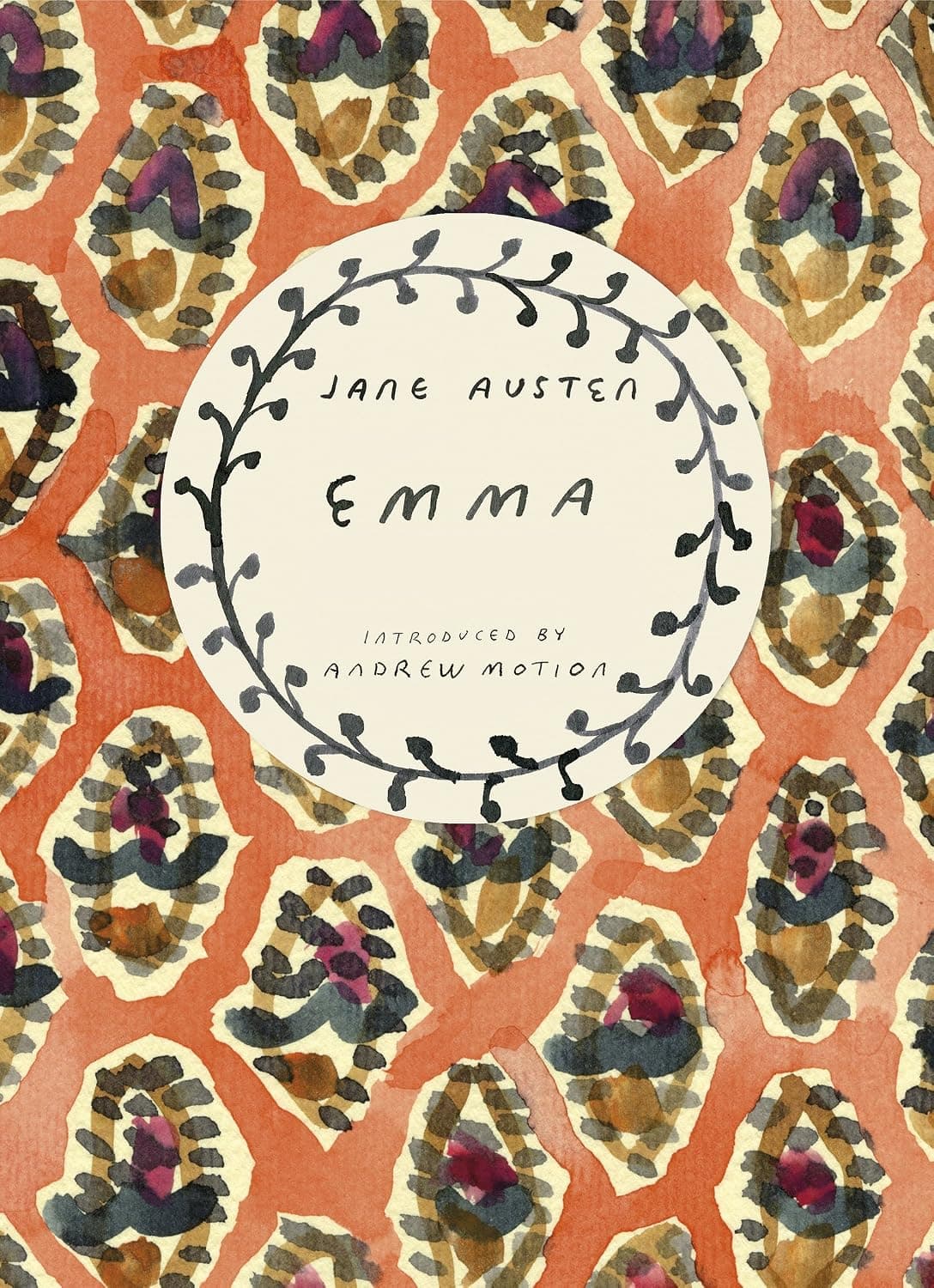
Emma Woodhouse is rich, clever, and sure she knows what everyone needs, so she arranges marriages and ruins them. Austen puts you inside her head until you miss what she misses.

Tess, a poor farm girl, is sent to claim kinship with rich relatives, and what happens there decides the rest of her life. Hardy called her a pure woman and Victorian England erupted.
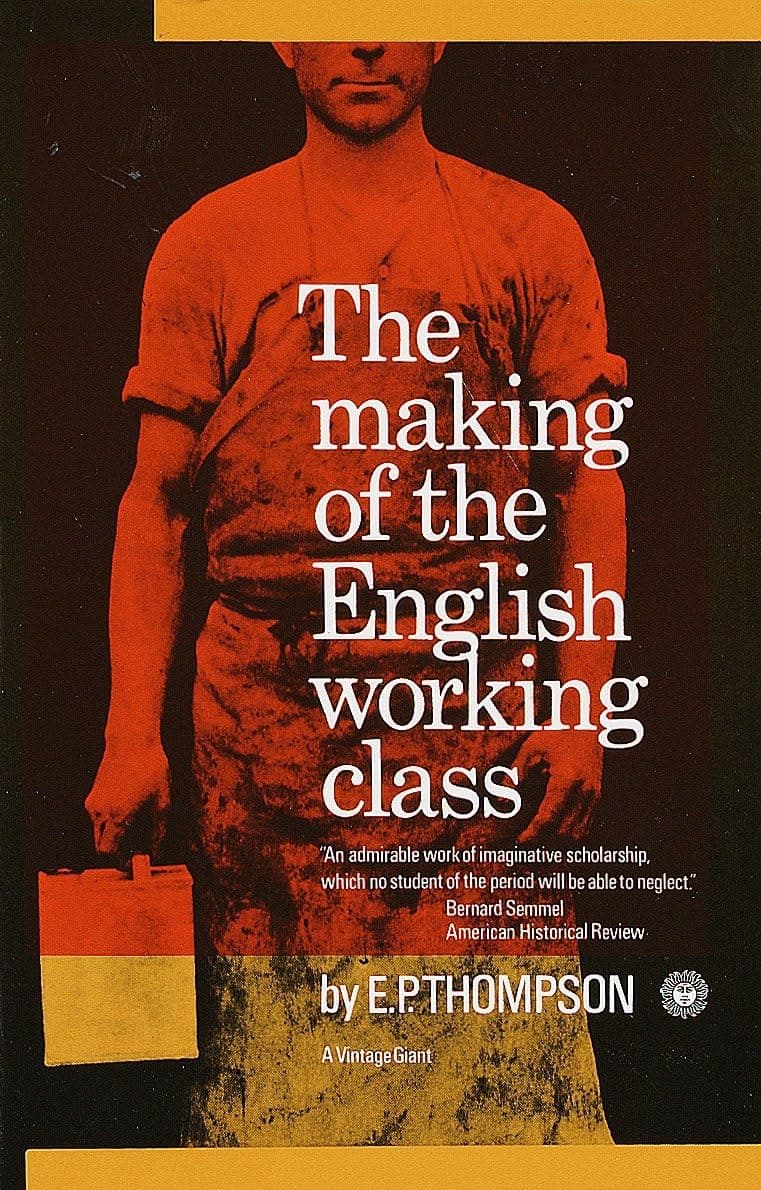
Thompson follows English weavers, artisans, and radicals from the 1780s to the 1830s and shows them making themselves into a class. He wrote to rescue them from the enormous condescension of posterity.

Driving across England in 1956 to see the housekeeper he worked beside, a butler remembers the Nazi sympathizer he served with pride. What he cannot bring himself to say is the whole novel.
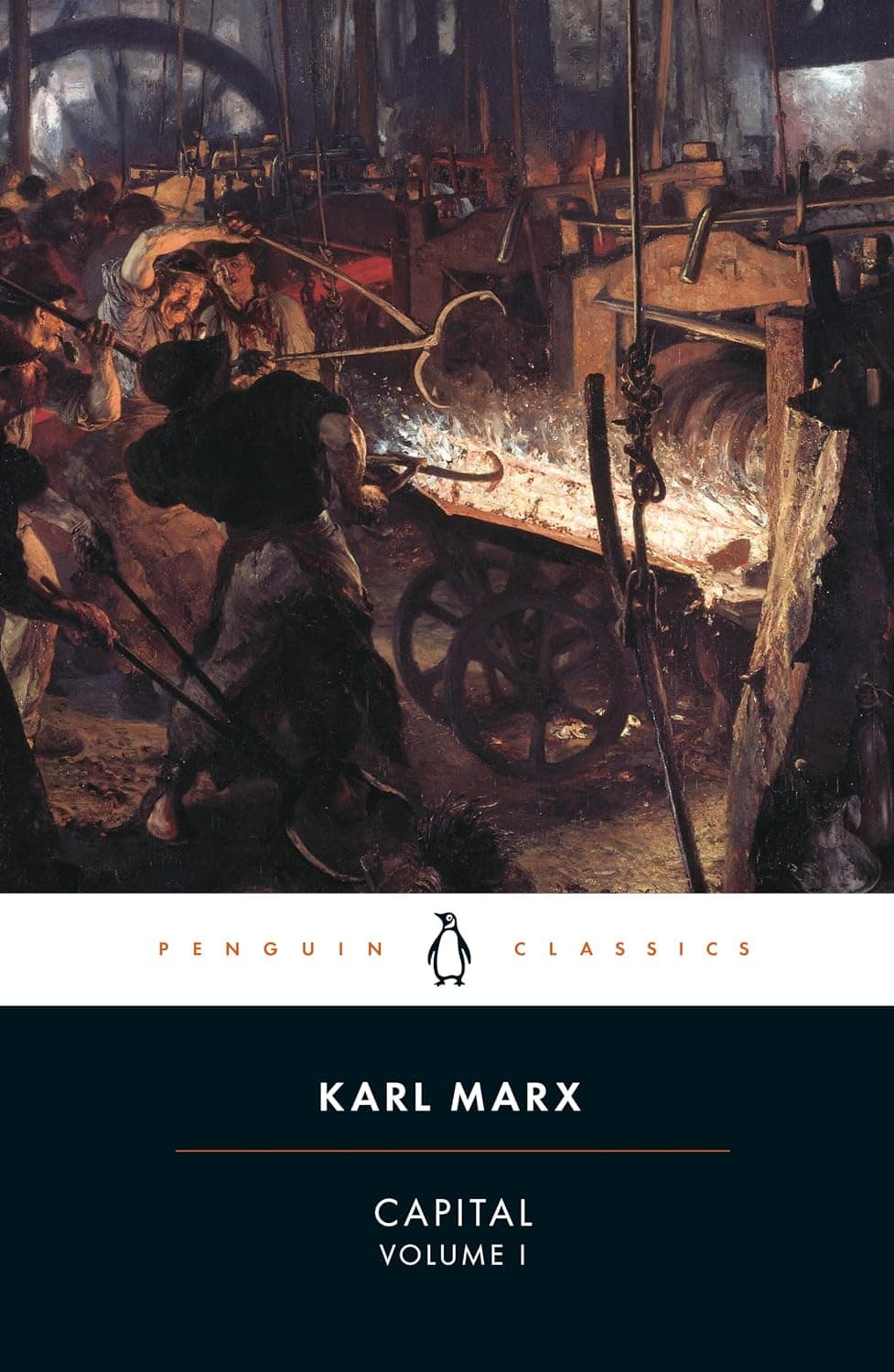
Workers create more value than their wages return, Marx argues, and that gap is profit. No economic book has reshaped politics more, and the chapter on the working day still burns.

At Arthur's Christmas court a huge green man offers his neck to anyone willing to take the same blow a year later. Gawain swings, and the real test waits in a bedroom.
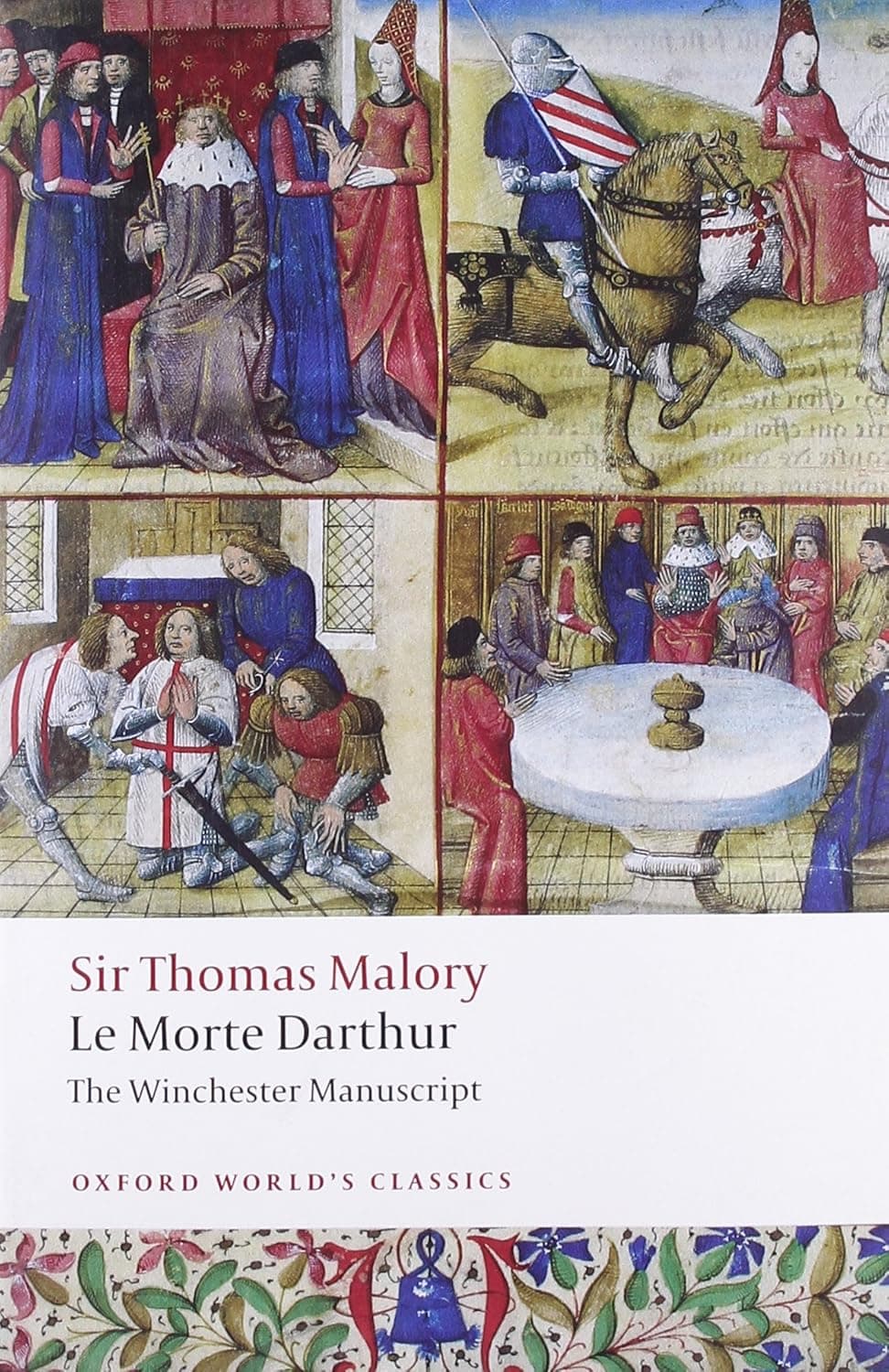
Arthur pulls the sword from the stone and the finest knights come to his table, until his wife's love for Lancelot brings it down. Every Camelot since comes from Malory.

In a Northumbrian monastery in 731, Bede gave the English an origin story, telling their conversion through scenes like the sparrow that flies through a warm hall and back out into the dark.

Found as a baby in a squire's bed, Tom grows up generous and reckless, loses his home, and follows Sophia Western to London. Coleridge ranked the plot beside that of Oedipus.

Boswell met Samuel Johnson, who had written the English dictionary, in 1763 and wrote down his talk for twenty years. Johnson steps off the page as somebody you have actually met.
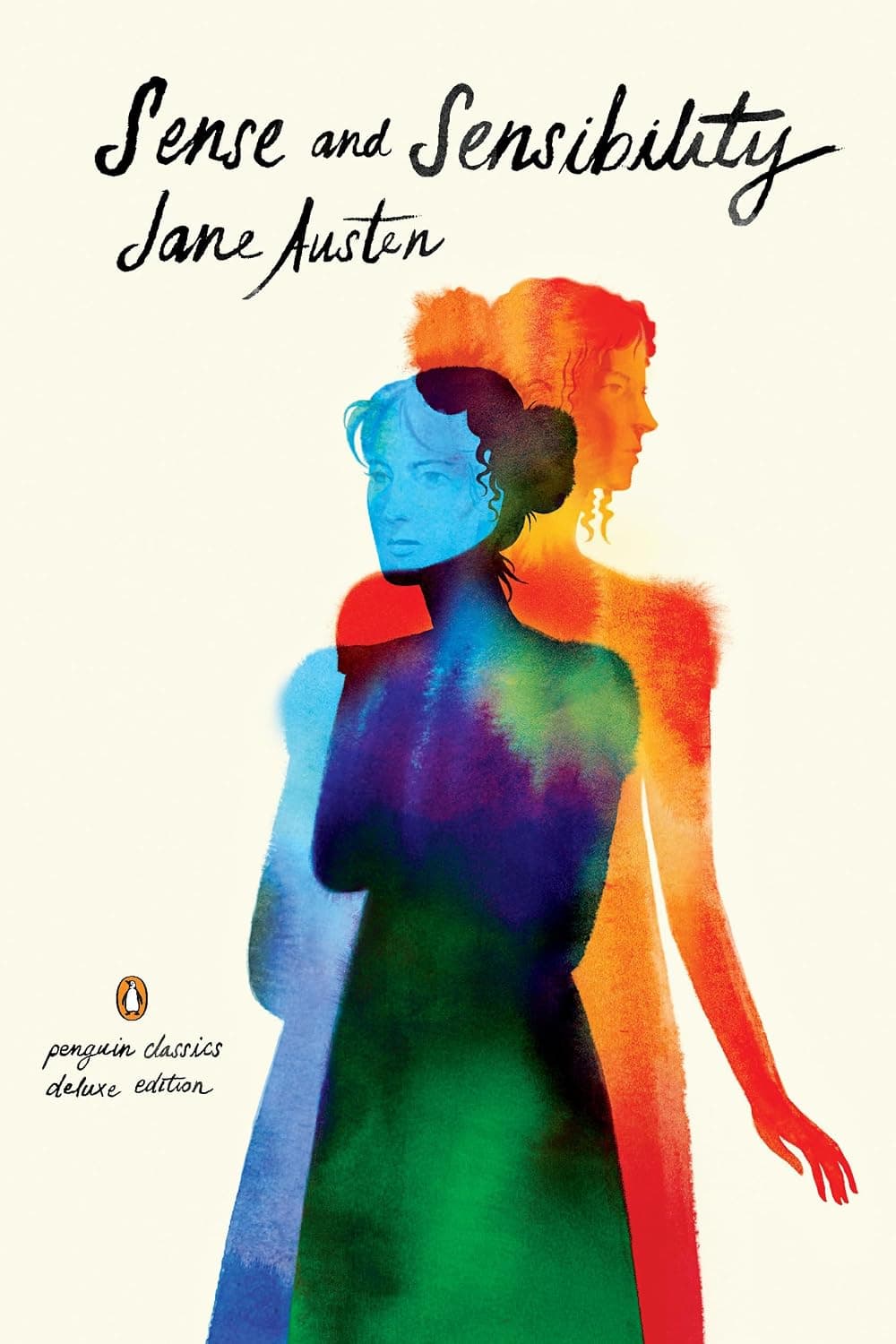
Left poor by their father's death, Elinor Dashwood hides her heartbreak while her sister Marianne broadcasts hers. Austen weighs the two ways of feeling and gives the sisters the real love story.

Becky Sharp leaves school with no money and claws her way through English society while her friend Amelia wastes her love on a worthless man. Thackeray spares nobody, and Becky is magnificent company.

Lucy Honeychurch is kissed among violets on a hillside outside Florence, and Forster makes the rest a sunlit comedy about whether English respectability is worth the lie it demands of her.

Four Victorian idols go under Strachey's scalpel: Cardinal Manning, Florence Nightingale, the headmaster Thomas Arnold, and General Gordon at Khartoum. The malice is so elegant that English biography never went back to reverence.
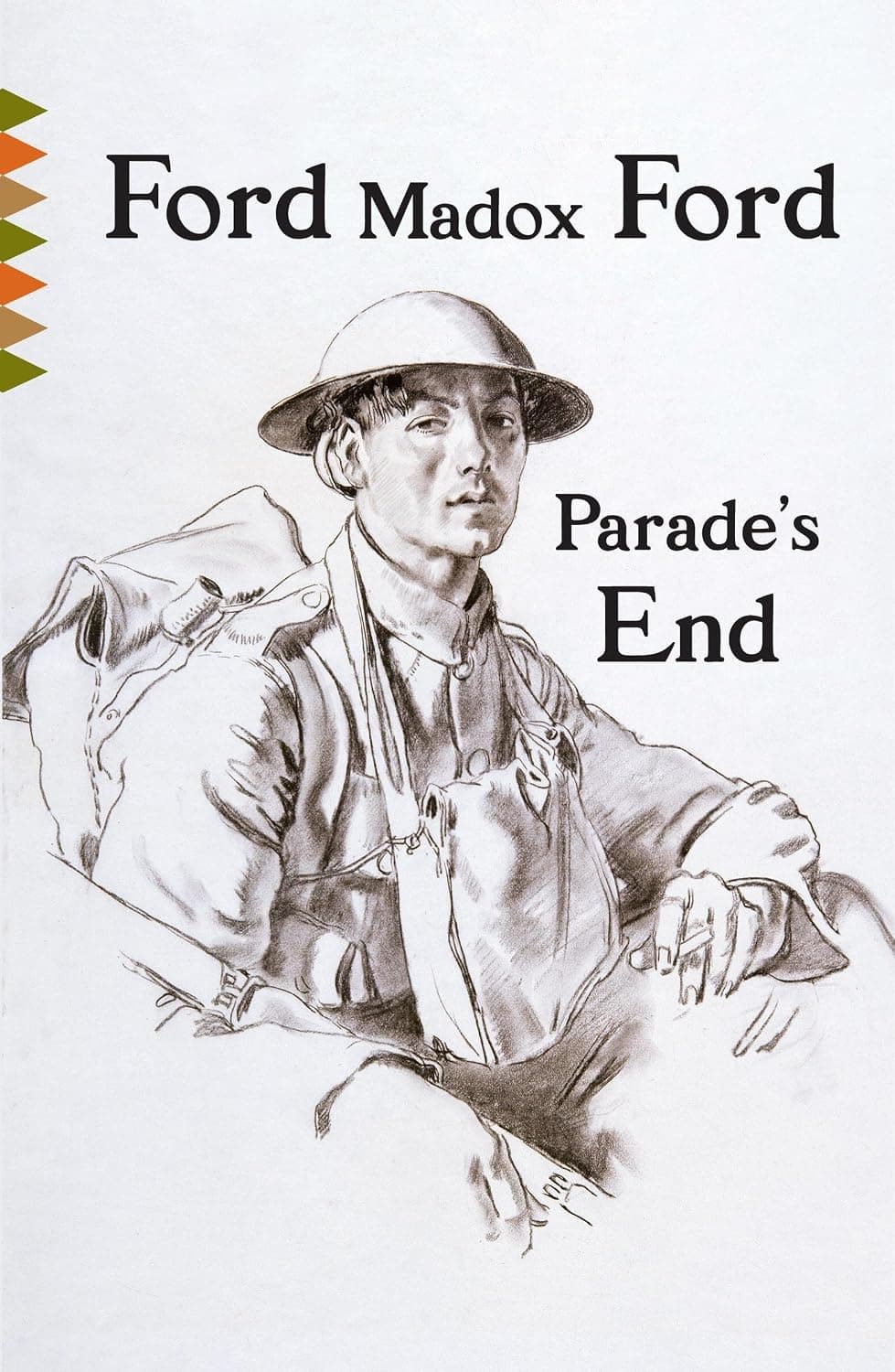
Christopher Tietjens, a government statistician called the last Tory, endures a wife bent on ruining him and a war in France that takes apart the England he was raised to defend.