Hamlet, Prince of Denmark
1603 · 406 pages
Hamlet's father appears as a ghost and demands revenge, and the prince spends the play failing to take it. Four centuries of readers have found their own divided minds in his hesitation.
★ 9.9
 skopia
Hamlet's father appears as a ghost and demands revenge, and the prince spends the play failing to take it. Four centuries of readers have found their own divided minds in his hesitation.
An old king divides his kingdom by asking his daughters how much they love him, and the truthful one says least. Shakespeare wrote nothing bleaker, and the last scene is unbearable.
Witches promise a soldier the crown, and he and his wife murder their way to it. Shakespeare's shortest tragedy moves like a nightmare, and the guilt arrives before the blood dries.
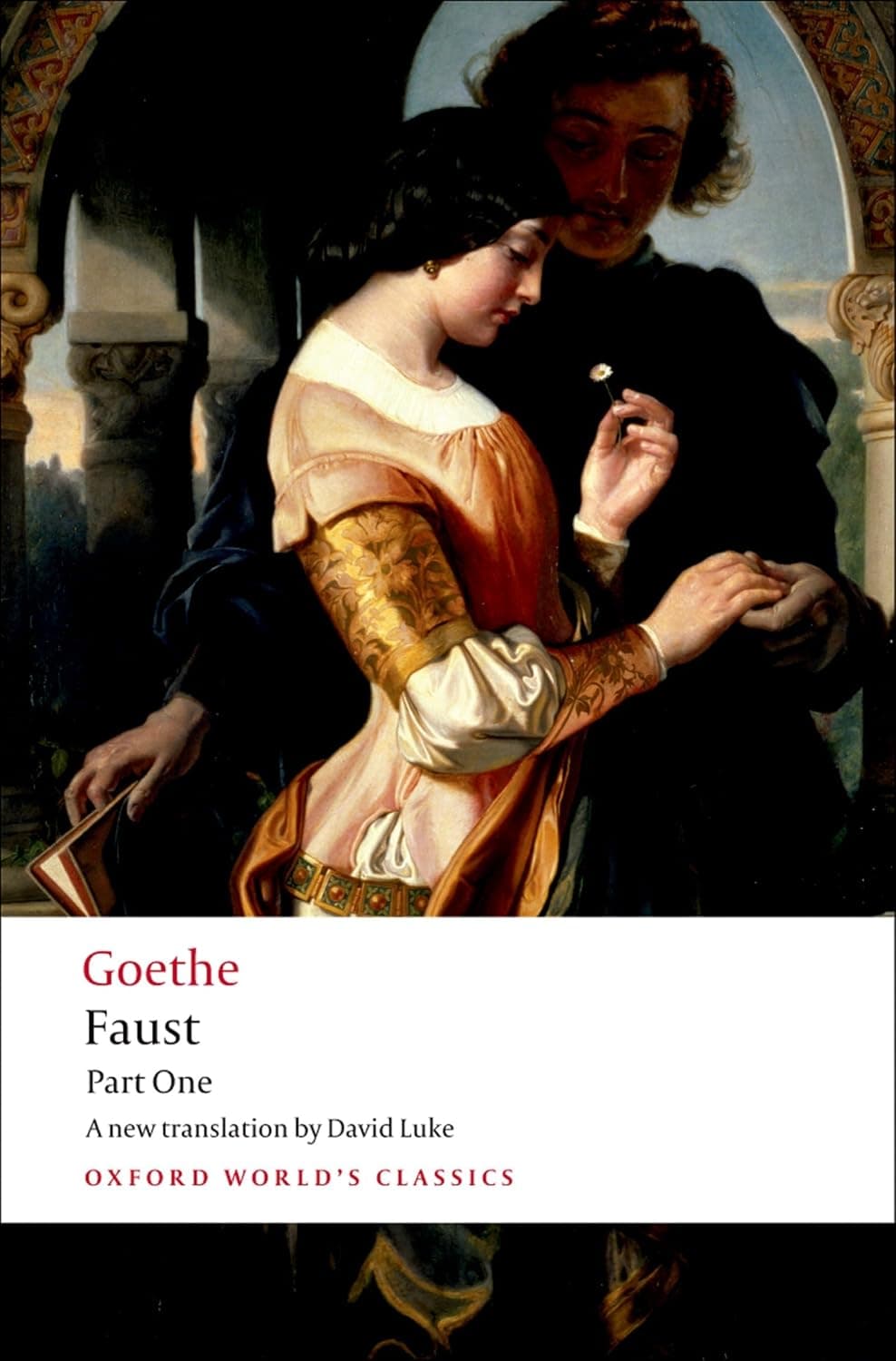
Having learned everything and felt nothing, a scholar bets the devil that no moment will ever satisfy him. Then Mephistopheles introduces him to a girl named Gretchen, and Goethe follows the damage down.

Three sisters long for Moscow, a family loses its cherry orchard, and everyone talks around what hurts. Chekhov made the unspoken the real action, and modern theater took its shape from him.
Iago tells the audience exactly how he will destroy his general, then does it with a handkerchief and patient lying. His reasons never explain it, and watching Othello believe him is agony.
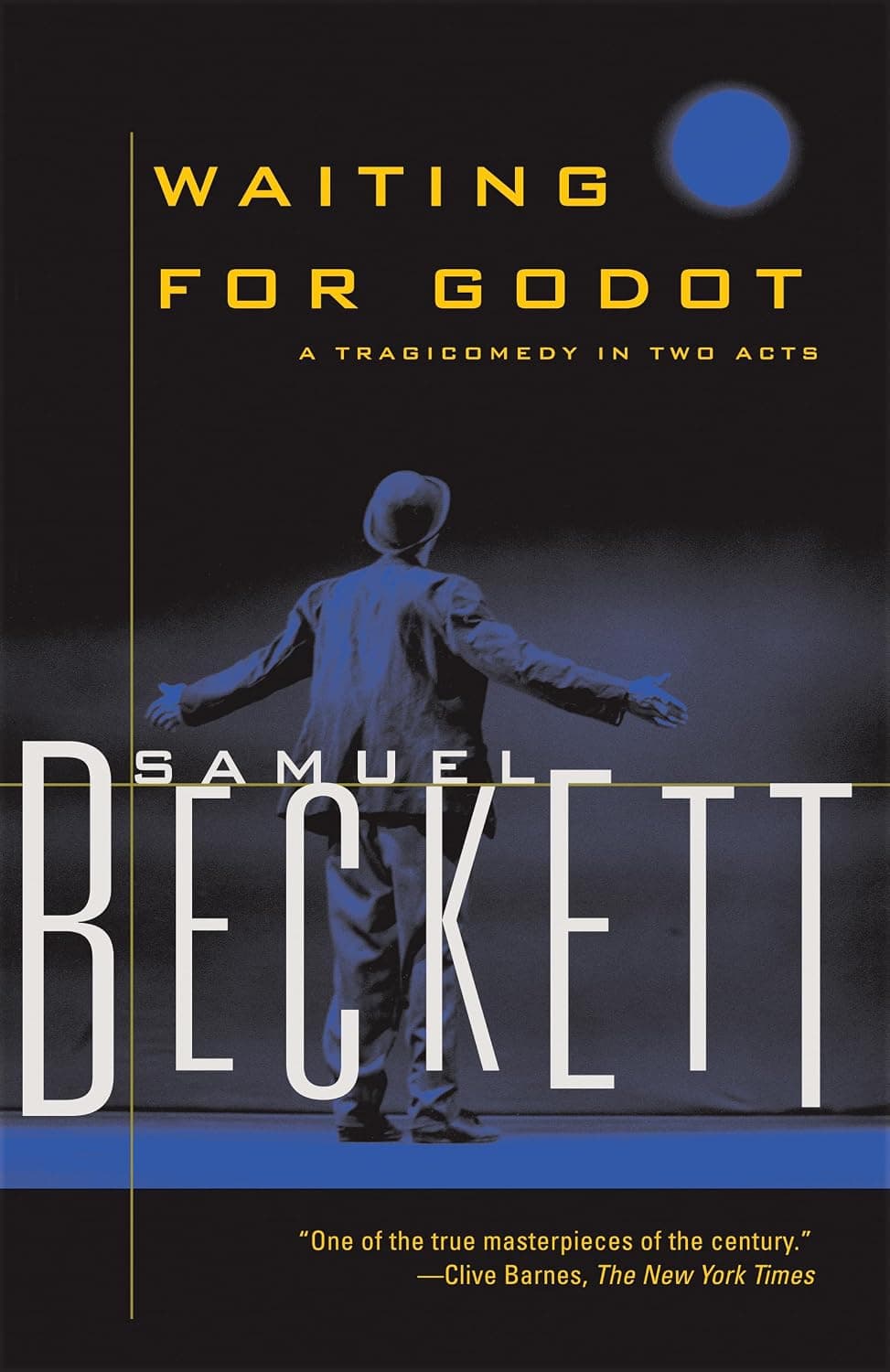
Two tramps wait by a tree on a country road for a man who sends word each evening that he will come tomorrow. Beckett stripped drama to this and it never went back.
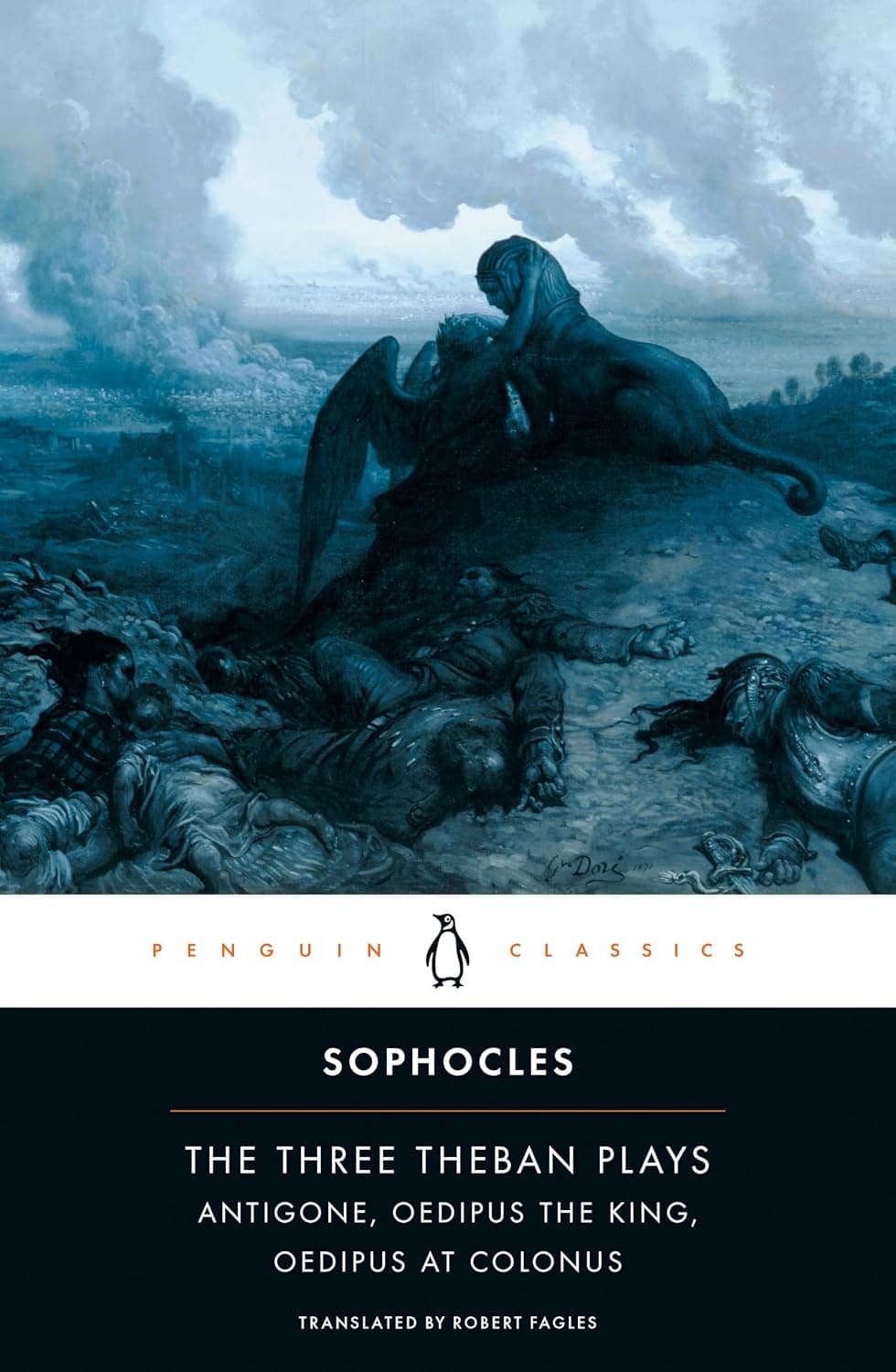
No drama has matched the moment Oedipus understands. He investigates the crime poisoning his city and the trail turns toward him. His daughter later defies the state to bury her brother.

Willy Loman, a traveling salesman worn down to nothing, argues with his grown sons and with people who are not in the room. Audiences have recognized their own fathers in him since 1949.

Blanche DuBois arrives at her sister's New Orleans apartment with nothing left, and her brother-in-law Stanley sets about destroying what remains. No American play has staged desire and cruelty this nakedly.
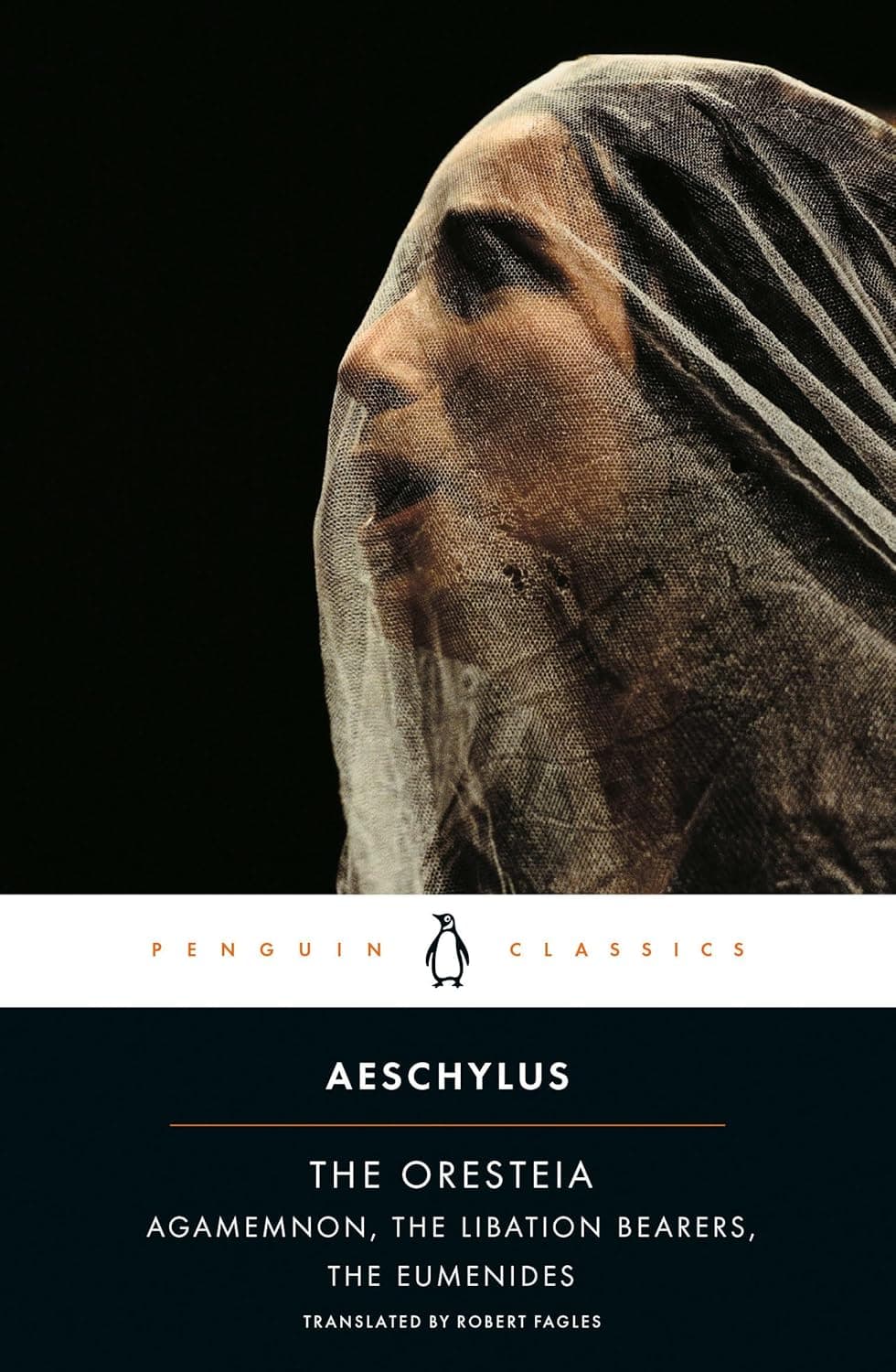
Agamemnon comes home from Troy to a wife who has spent ten years planning her welcome, and the killing runs down the generations until Athena stops it by seating the first jury.
Prospero raises a storm to strand the men who stole his dukedom on an island where a spirit and a monster obey him. What he does with that power reads as Shakespeare's farewell.

At a party in Verona two teenagers from feuding families meet, marry the next day, and are gone inside a week. Everything they say to each other still sounds newly invented.
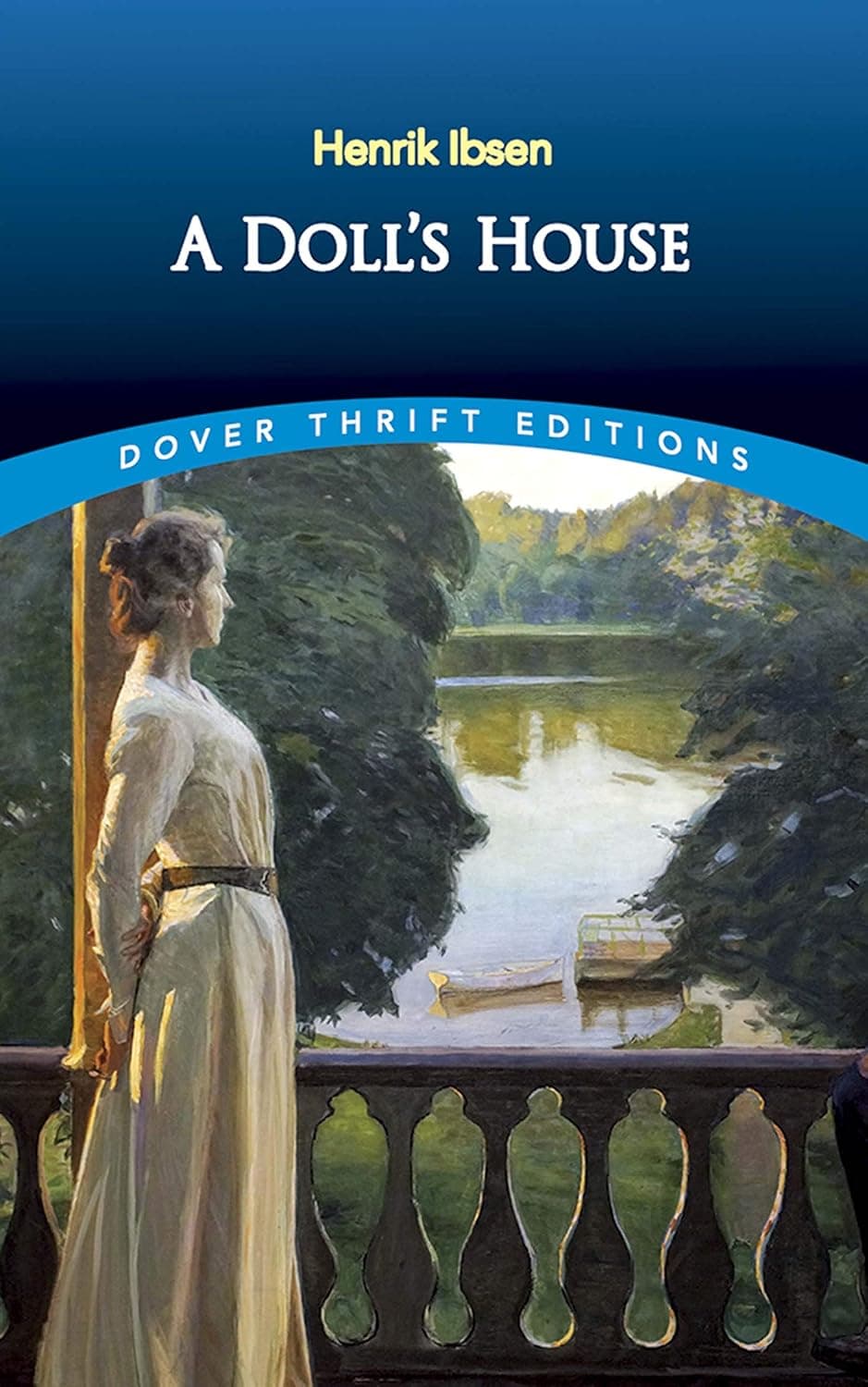
Nora Helmer forged a signature to save her husband's life and has been paying the debt in secret ever since. The play ends on a closing door that modern theater still hears.

Wilde gives two idle men imaginary people, a wicked brother and an invalid friend, to escape their obligations, then sets them courting women who will marry no one but a man named Ernest.

Four Athenians run into the woods to escape a forced marriage, a fairy potion lands on the wrong eyelids, and a weaver acquires a donkey's head. Shakespeare makes desire look gloriously stupid.
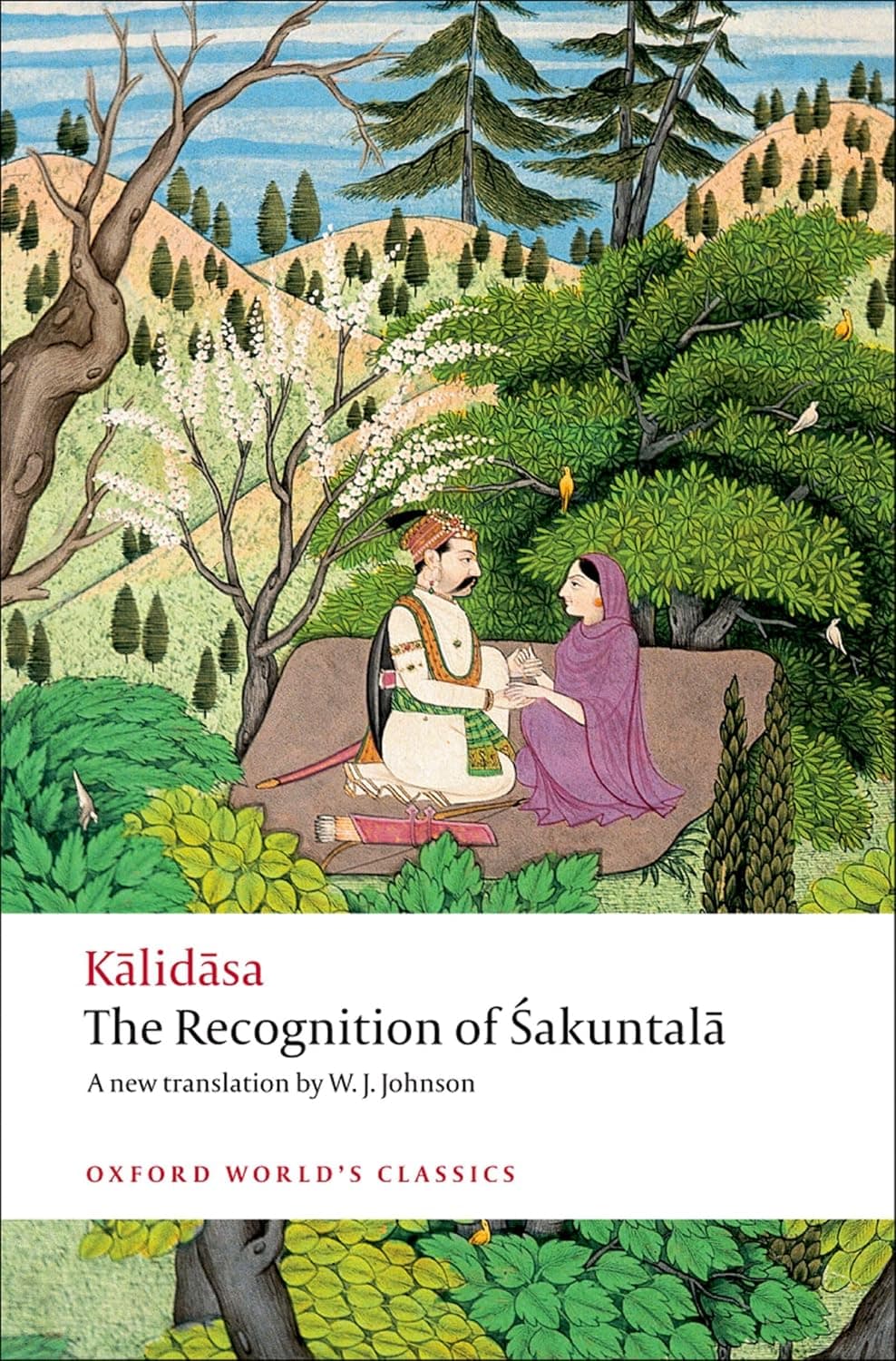
King Dushyanta secretly marries a girl raised in a forest hermitage, then a curse erases her from his memory. Kalidasa writes the forest so beautifully that Goethe borrowed the play's prologue for Faust.
Outnumbered in France, a young king talks his army into fighting at Agincourt, promising that whoever survives will remember the day forever. After the battle he reads out the names of the dead.

Falstaff is the greatest comic creation in English, a fat knight who lies about everything, and Prince Hal wastes his youth drinking with him while rebellion gathers against his father the king.

Phaedra confesses she wants her stepson, a father is ordered to sacrifice his daughter for a favorable wind, and a hidden boy threatens a usurping queen. Racine packs this into polite rhymed couplets.

In Venice a merchant borrows from Shylock, a Jewish moneylender he has spat on, pledging a pound of his flesh. Shylock asks whether a Jew does not bleed, and the comedy never recovers.

Banished from court, Rosalind hides in the Forest of Arden in men's clothes and coaches the man she loves in how to court her. She talks rings around everyone in Shakespeare.
Beatrice and Benedick insult each other so expertly that their friends trick each into believing the other is secretly in love. Their war of words gave English comedy its model for courtship.
Twenty years into a war they never voted for, the women of Greece refuse their husbands until the men make peace. Aristophanes also hoists Socrates over the stage in a basket.

Don Juan seduces, dodges his creditors, and believes in nothing, while his servant argues feebly for God and a stone statue accepts an invitation to dinner. Moliere never wrote anything more dangerous.
Tom narrates the St. Louis apartment he escaped, where his mother relives the seventeen gentlemen callers of her girlhood and his limping sister tends her glass animals. Everything turns on one visitor.

Alceste cannot tell a lie and is destroying himself over a woman who lives on flattery. Tartuffe, the fake holy man eating his host's house, is hypocrisy caught whole and played for laughs.

Salem, 1692: girls caught dancing in the woods begin naming witches, and the town learns that an accusation cannot be answered. Miller wrote it while Congress hunted Communists, and audiences understood immediately.

Spanish Golden Age drama peaks here. King Basilio locks his newborn son in a tower to outrun a prophecy, then has him drugged, brought to court, and told it was a dream.
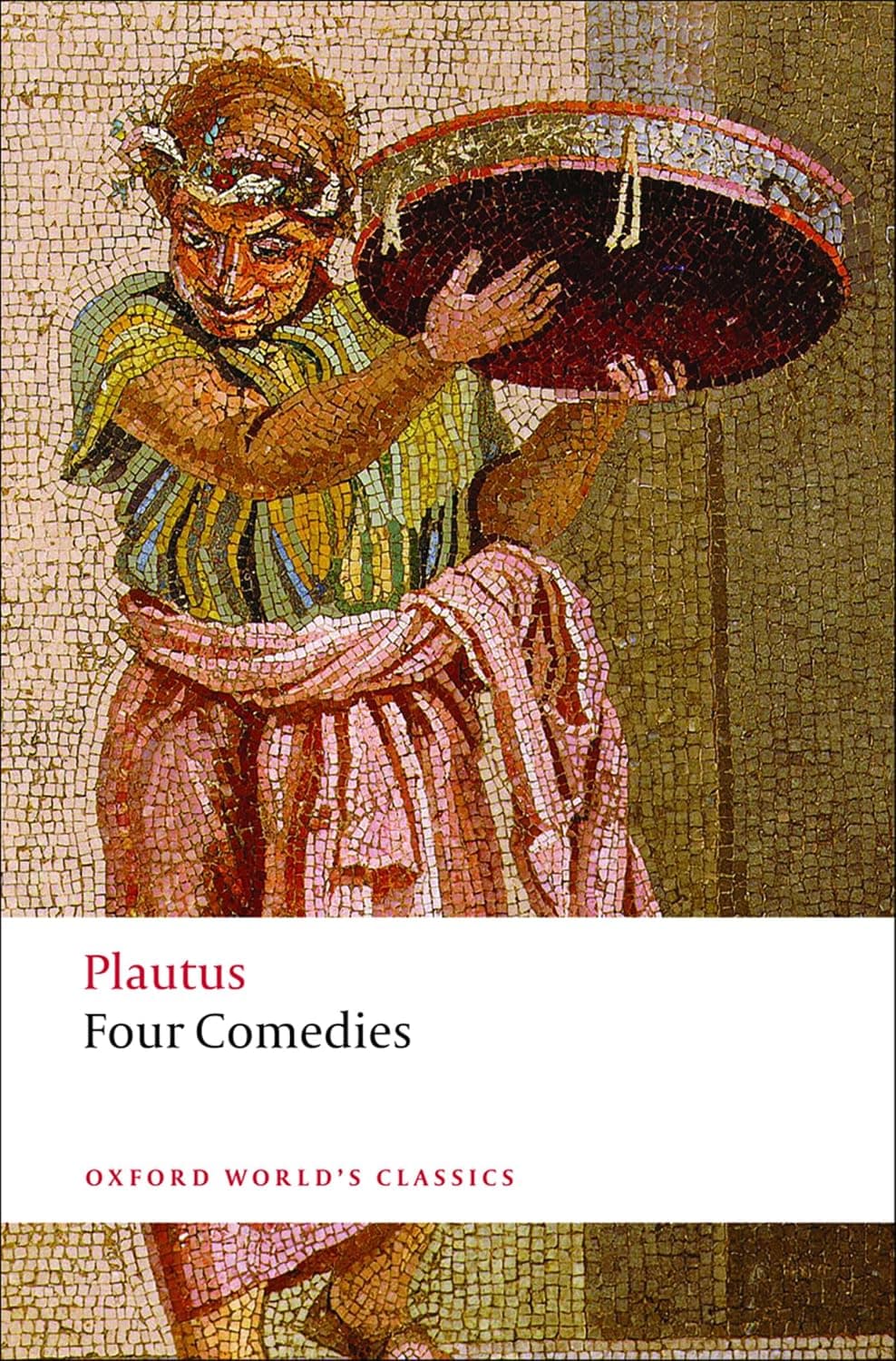
Plautus stole Greek plots and made them Roman, vulgar and fast. Shakespeare lifted his mistaken twins for The Comedy of Errors, Moliere lifted his miser, and farce has run on that machinery since.

Falstaff ages and the king dies while Prince Hal waits for the crown. Shakespeare wrote no colder scene than the new king telling his old tavern friend that he does not know him.

Faustus signs away his soul for twenty-four years of power, Tamburlaine the shepherd burns his way across Asia, and Barabas poisons a convent. Marlowe gave English drama its first tragic grandeur.

The greatest of the epic-theater plays follows Anna Fierling, a canteen woman hauling her wagon through the Thirty Years' War, selling to whichever army is winning and losing all three children to it.
Brutus is persuaded that killing his friend will save the republic. Antony stands over the body, says he comes to bury Caesar and not to praise him, and turns Rome around.
Richard tells the audience in his first speech that he means to be a villain, then makes them accomplices. He courts a widow beside the corpse of the king he murdered.

Two in the morning, a history professor and his wife receive a younger couple after a faculty party, and the drinking turns into a night of games designed to strip them bare.
Hell is other people, and Sartre proves it by locking a coward, a seducer, and a mother who drowned her baby in one bright room with no mirrors and no sleep.
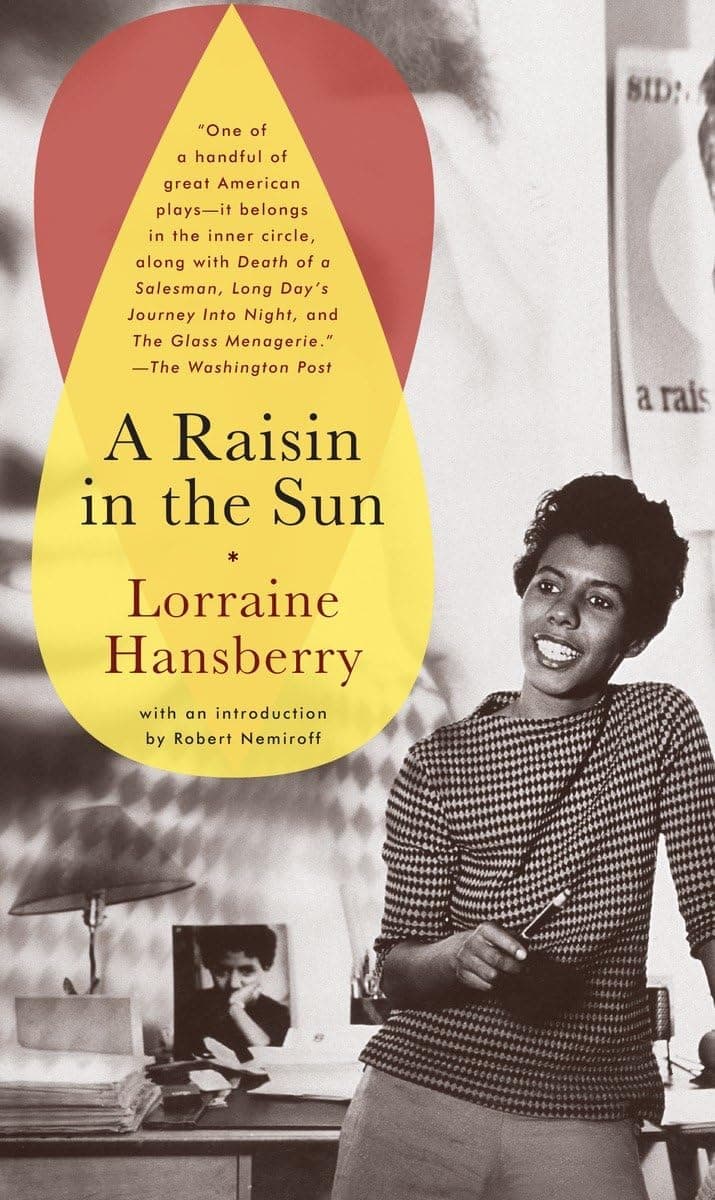
Ten thousand dollars of insurance money reaches a Chicago apartment and a Black family goes to war over what it is for. Broadway had never staged a play by a Black woman before.

Two minor courtiers from Hamlet wait in the wings of a play they cannot follow, flipping a coin that lands heads ninety two times running. Stoppard wrings comedy and dread from their helplessness.
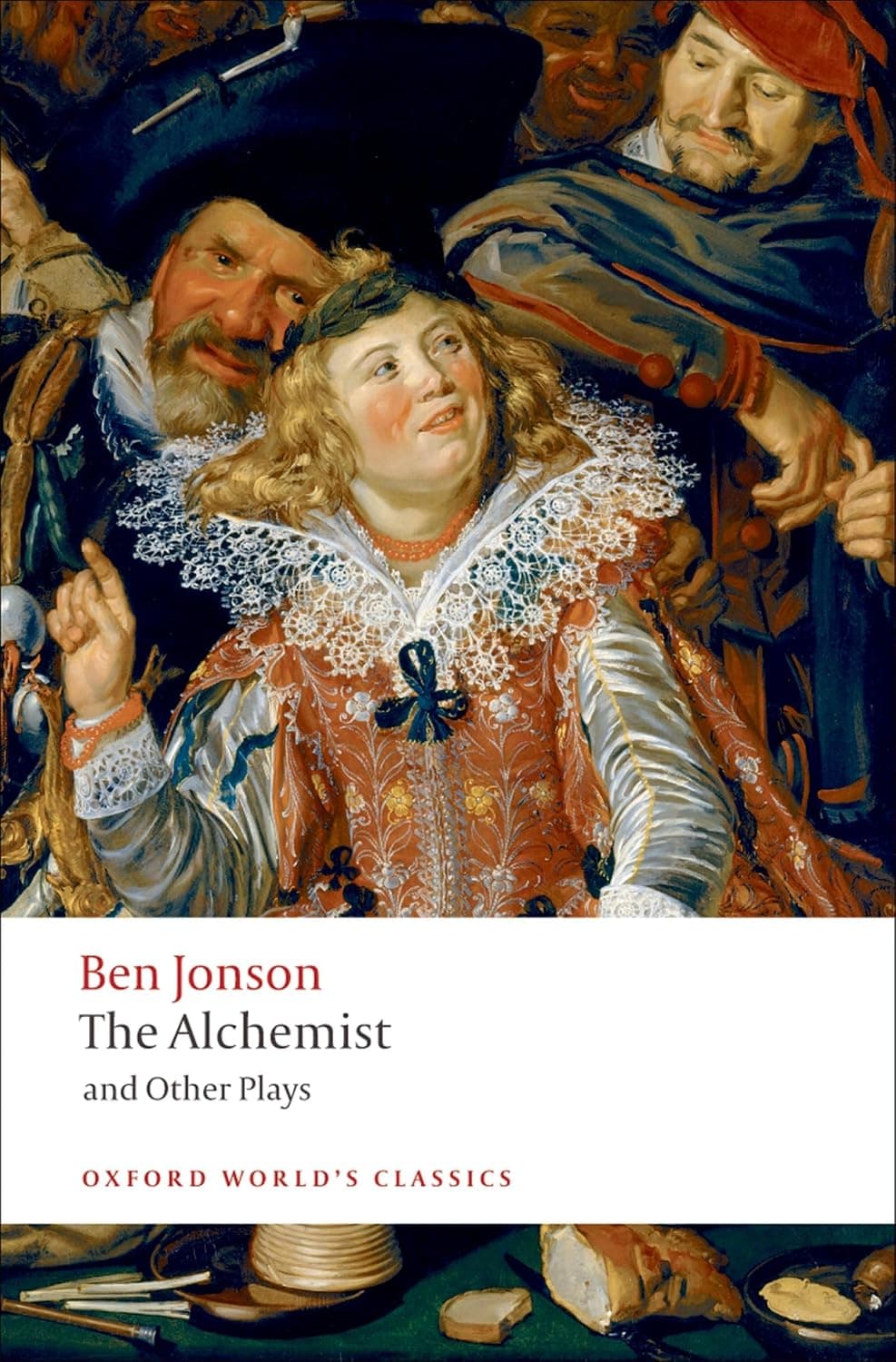
Plague empties London, a master flees, and his butler turns the house into a con shop, selling the philosopher's stone to every greedy fool who knocks. Jonson built the swindle like clockwork.

Harpagon keeps a cash box buried in his garden, intends to marry his son's beloved himself, and gives his daughter to whoever asks no dowry. Moliere made him Europe's byword for greed.

Lope de Vega wrote hundreds of plays and handed Spain a national theater. In Fuente Ovejuna a village murders its tyrant lord, and under torture every villager claims the killing for the town.
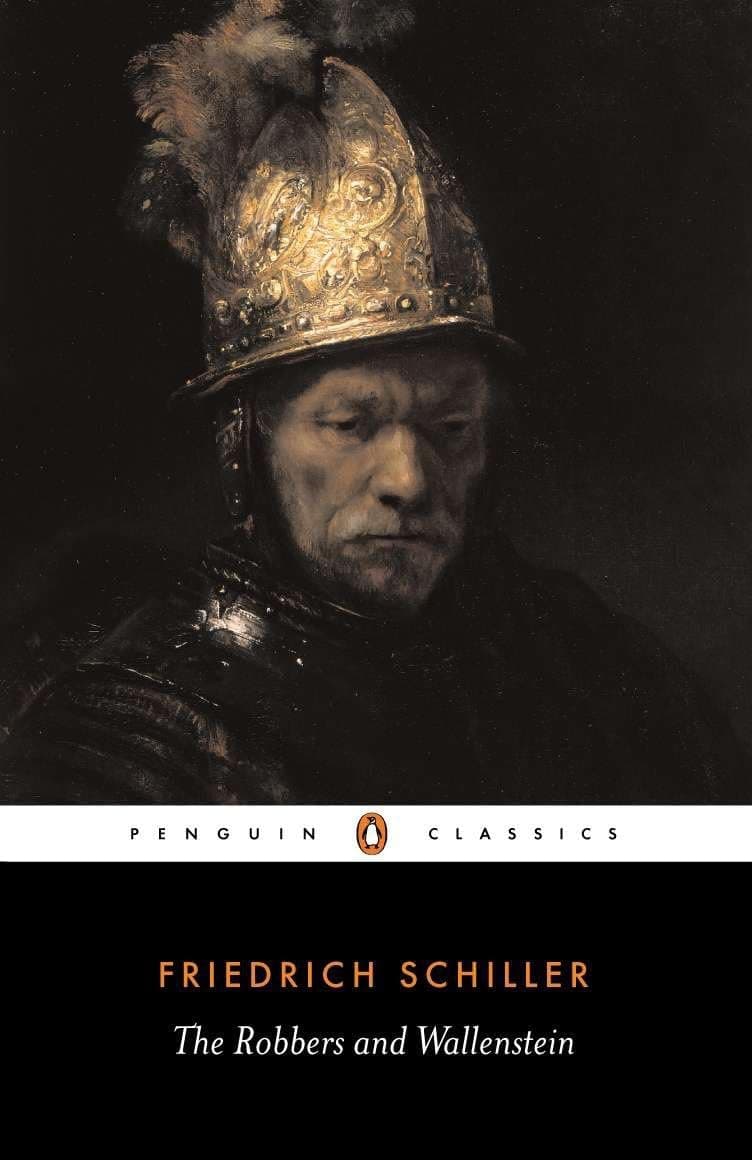
Karl Moor, disinherited by his brother's forged letter, takes a robber band into the Bohemian forests and learns that idealism under arms turns to butchery. Romantic literature has been rewriting him ever since.