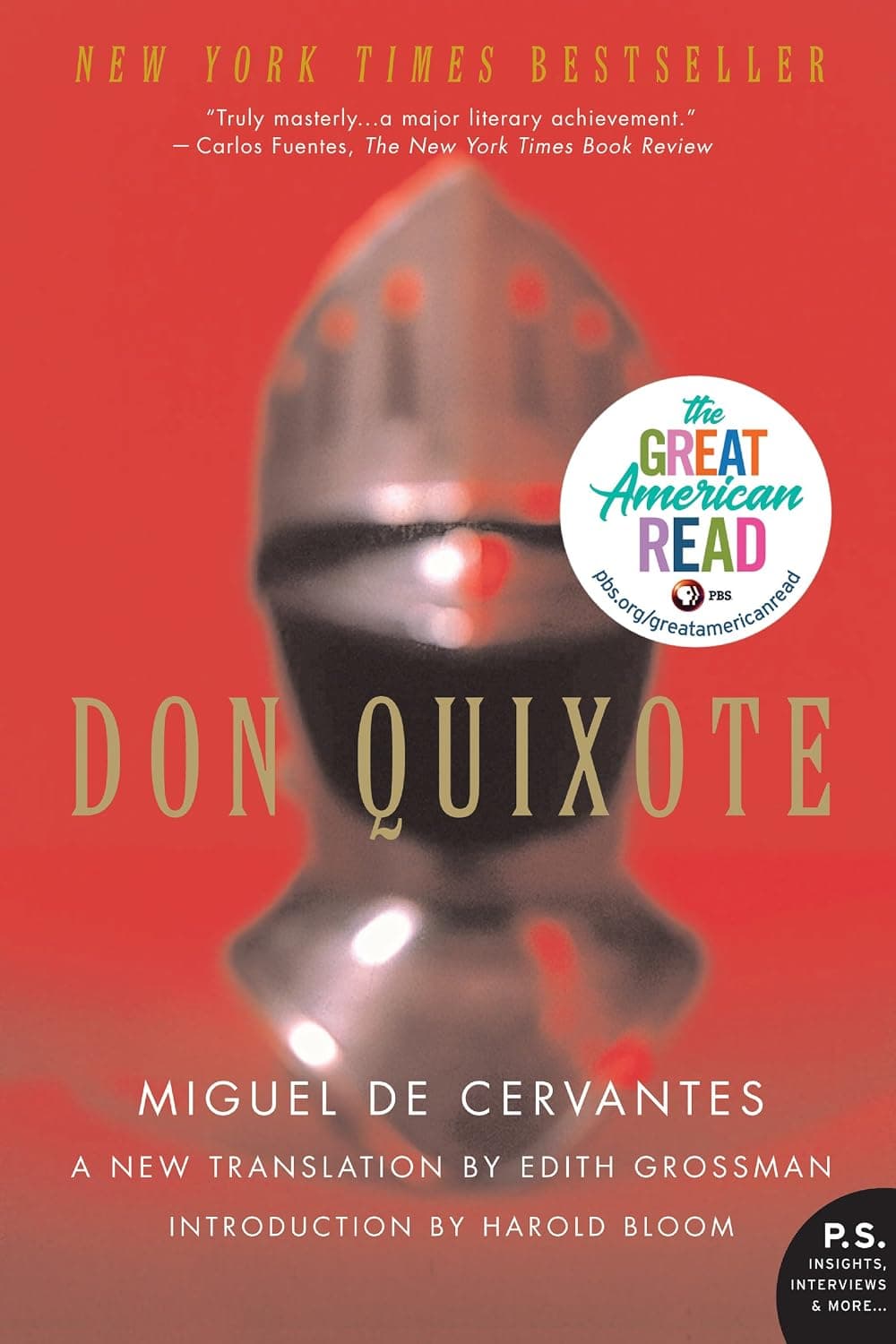
Don Quixote
1605 · 940 pages
An old man reads himself mad on chivalry, names himself a knight, and rides out with a farmer for a squire. Four hundred years on the book is still hilarious and still heartbreaking.
★ 9.7
 skopia
An old man reads himself mad on chivalry, names himself a knight, and rides out with a farmer for a squire. Four hundred years on the book is still hilarious and still heartbreaking.
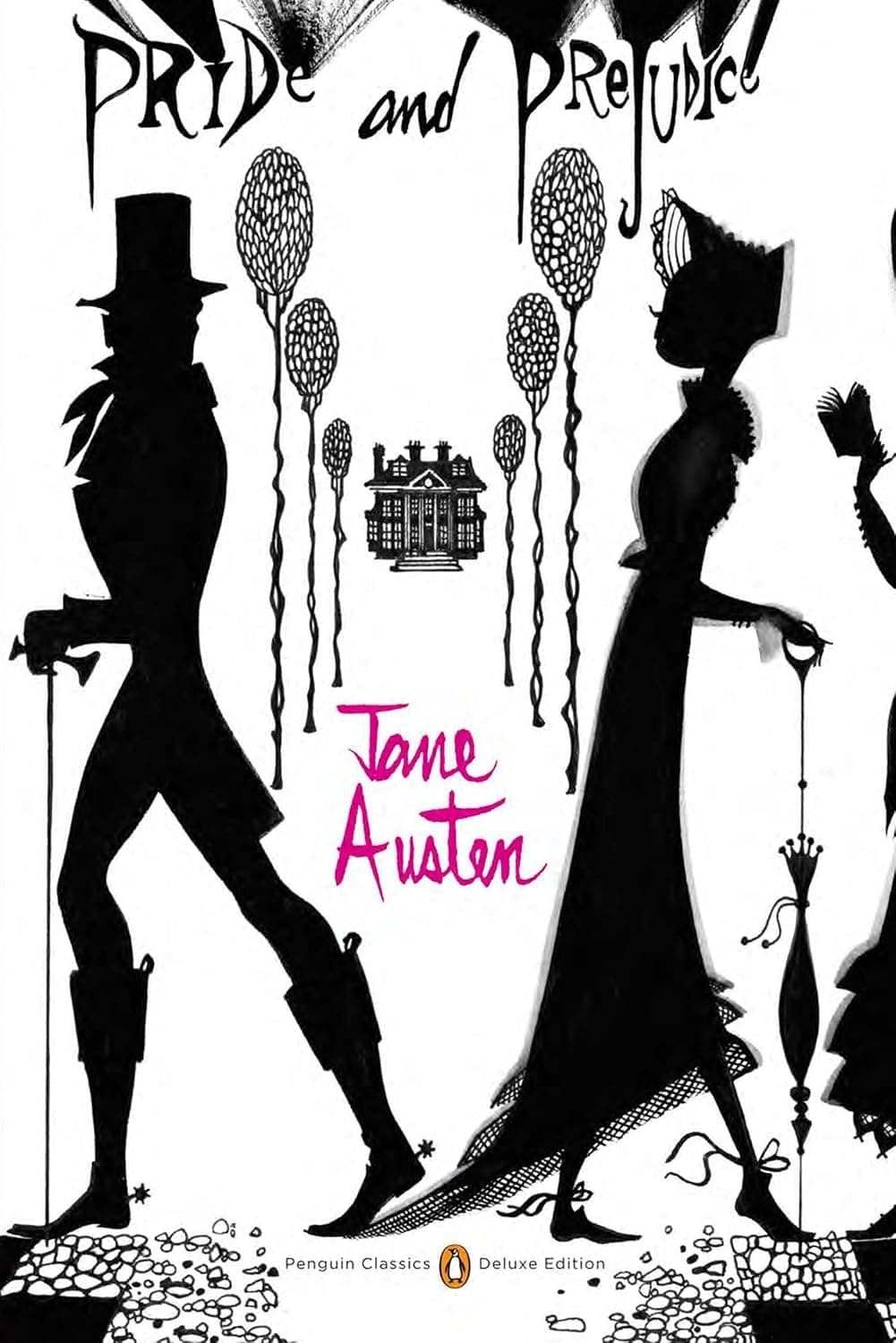
Elizabeth Bennet and Darcy dislike each other on sight and spend the novel being wrong. Austen wrote conversation better than anyone in English, and readers return to it their whole lives.

Huck runs off down the Mississippi with Jim, who is escaping slavery, and the moment he decides he would rather go to hell than turn him in is the hinge of American fiction.
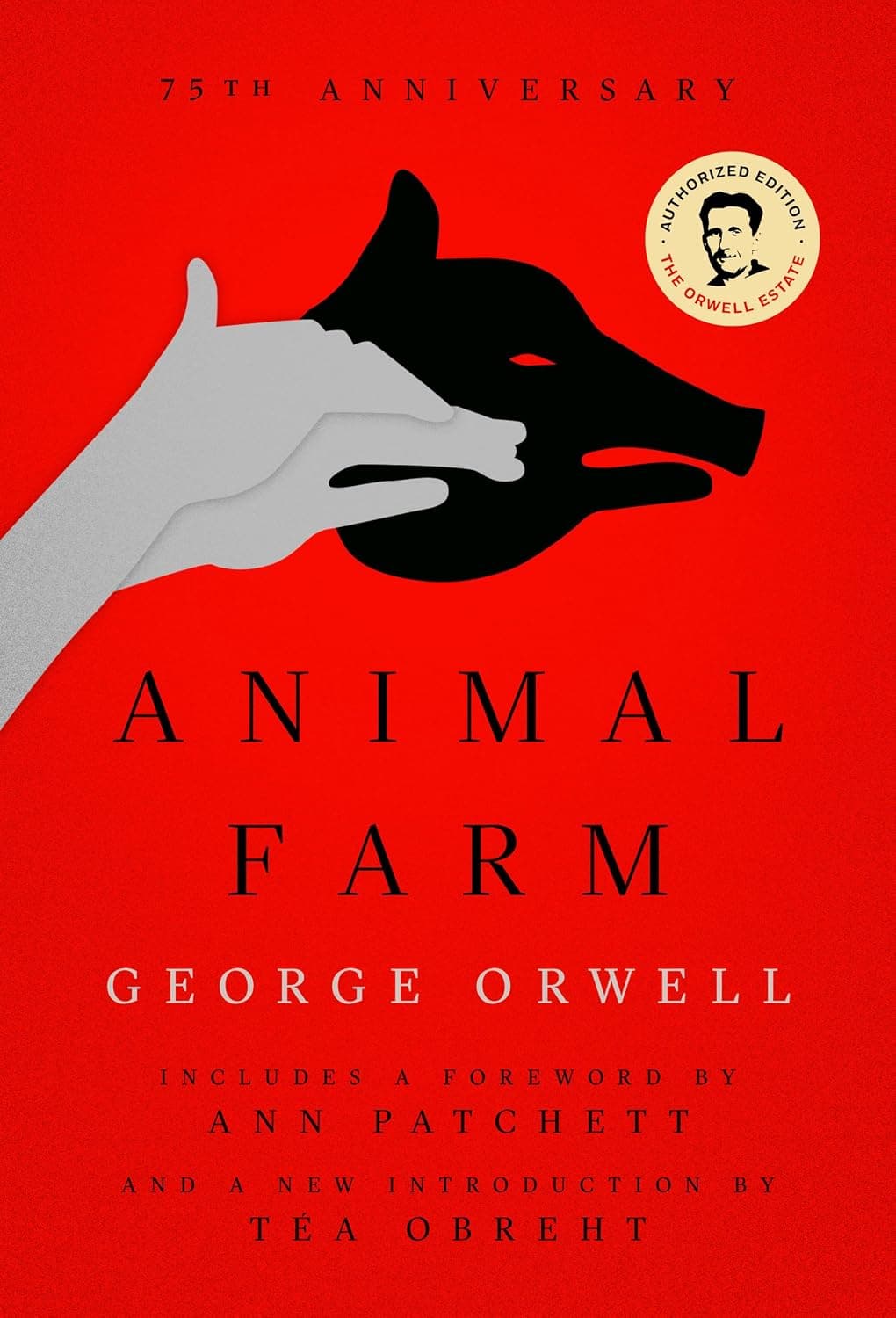
The animals drive out the farmer and run the place themselves, until the rules painted on the barn wall start changing. Orwell reduced the Russian Revolution to a fable no adult forgets.

The devil arrives in Stalin's Moscow with a retinue that includes an enormous talking cat, and the literary bureaucrats never recover. Threaded through it runs a stark short novel about Pontius Pilate.
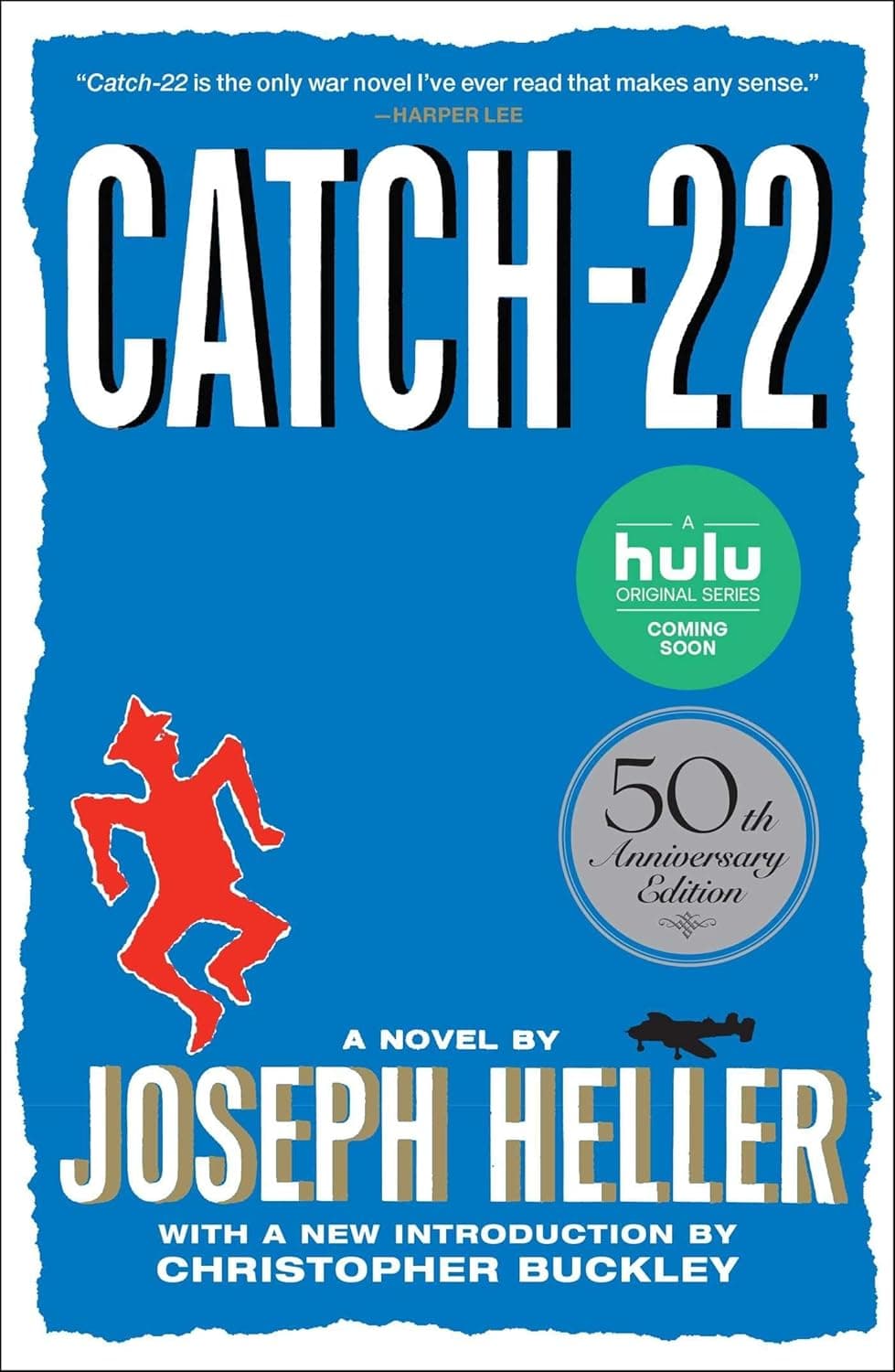
Trying to get grounded for insanity, a bombardier learns that asking to be grounded proves he is sane. Heller runs that loop through a whole war until the deaths stop being funny.
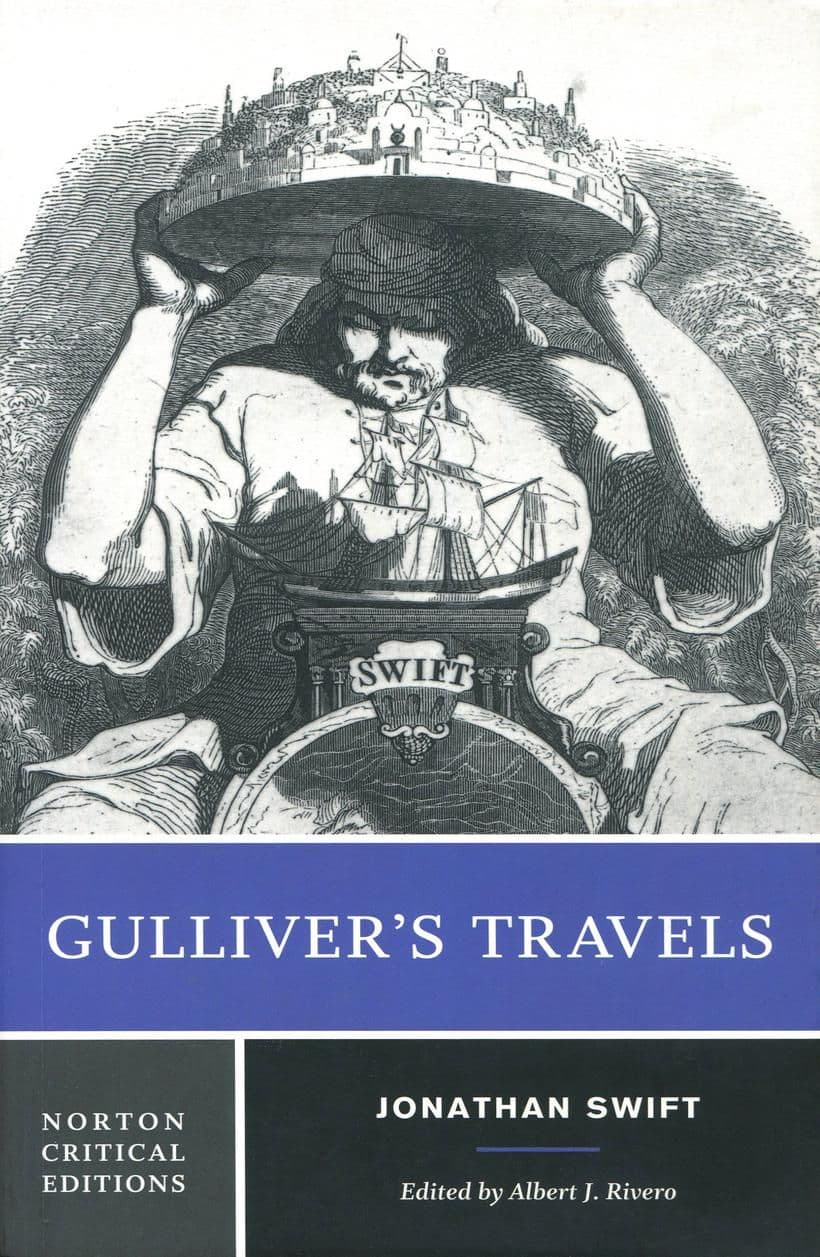
Swift's ship's surgeon washes up among people six inches tall, then among giants, then among rational horses who find humans repulsive. Each voyage is funnier than the last and angrier about us.
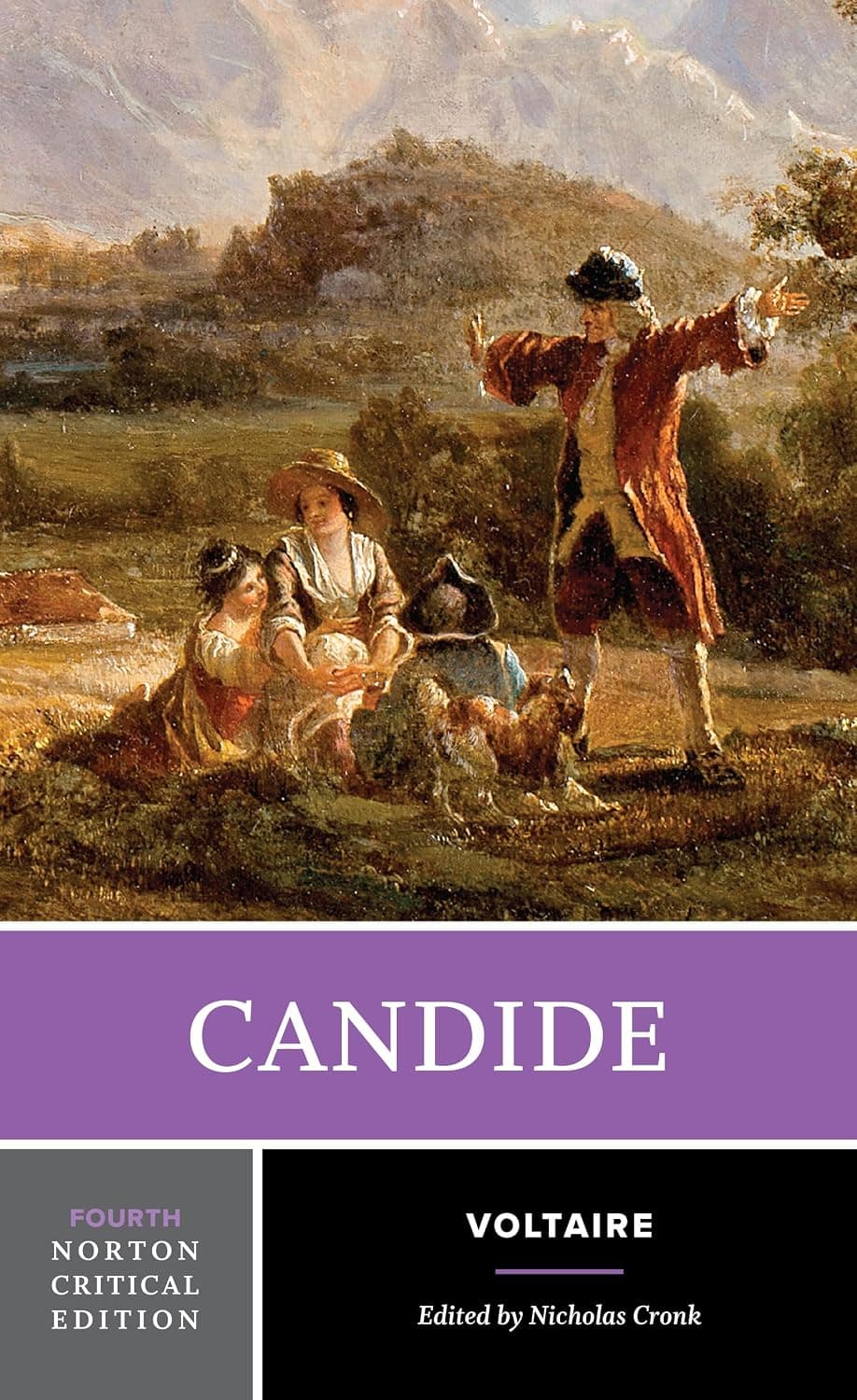
Voltaire sends an innocent young man taught that this is the best of all possible worlds through war, earthquake, and the Inquisition. The comedy is savage and the optimism does not survive.
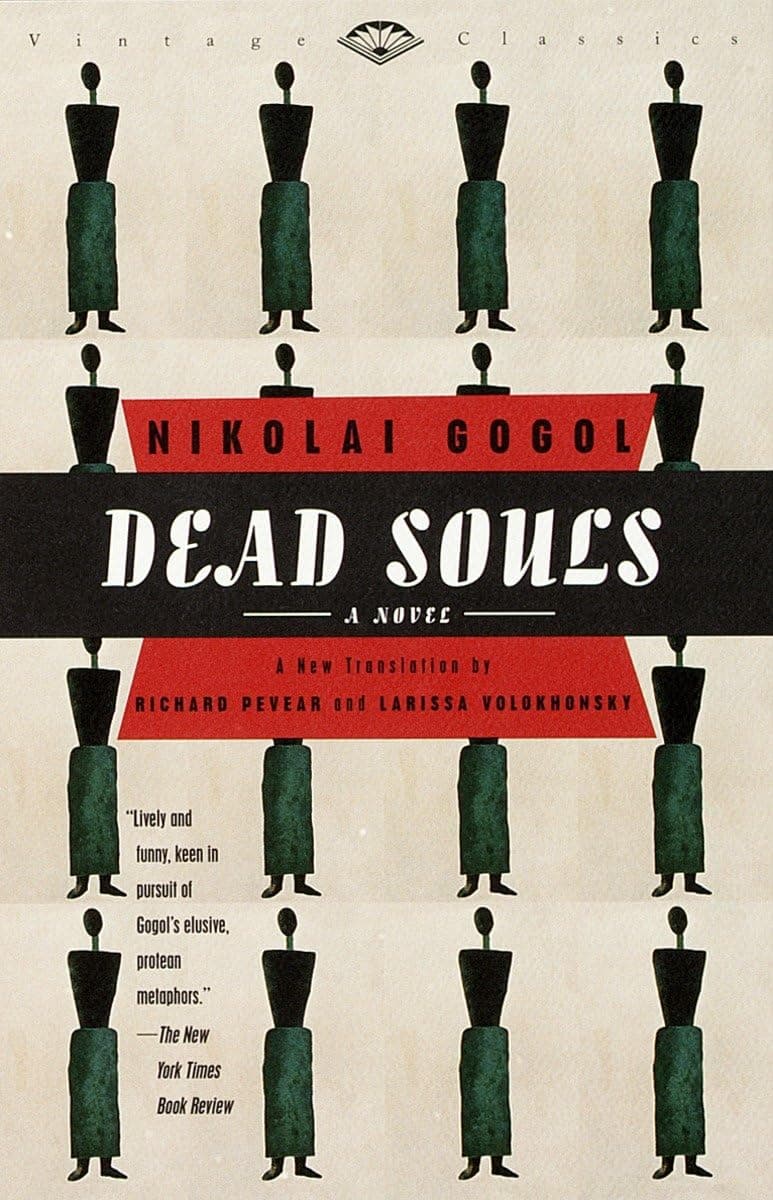
Traveling the Russian provinces, a charming stranger buys serfs who have died but still count on the tax rolls. Gogol's landowners are grotesque and hilarious, and then the laughter turns on you.

Wilde gives two idle men imaginary people, a wicked brother and an invalid friend, to escape their obligations, then sets them courting women who will marry no one but a man named Ernest.

Somewhere there is a film so entertaining that anyone who watches it stops eating. Wallace chases it through a tennis academy and a halfway house full of addicts he writes with real love.
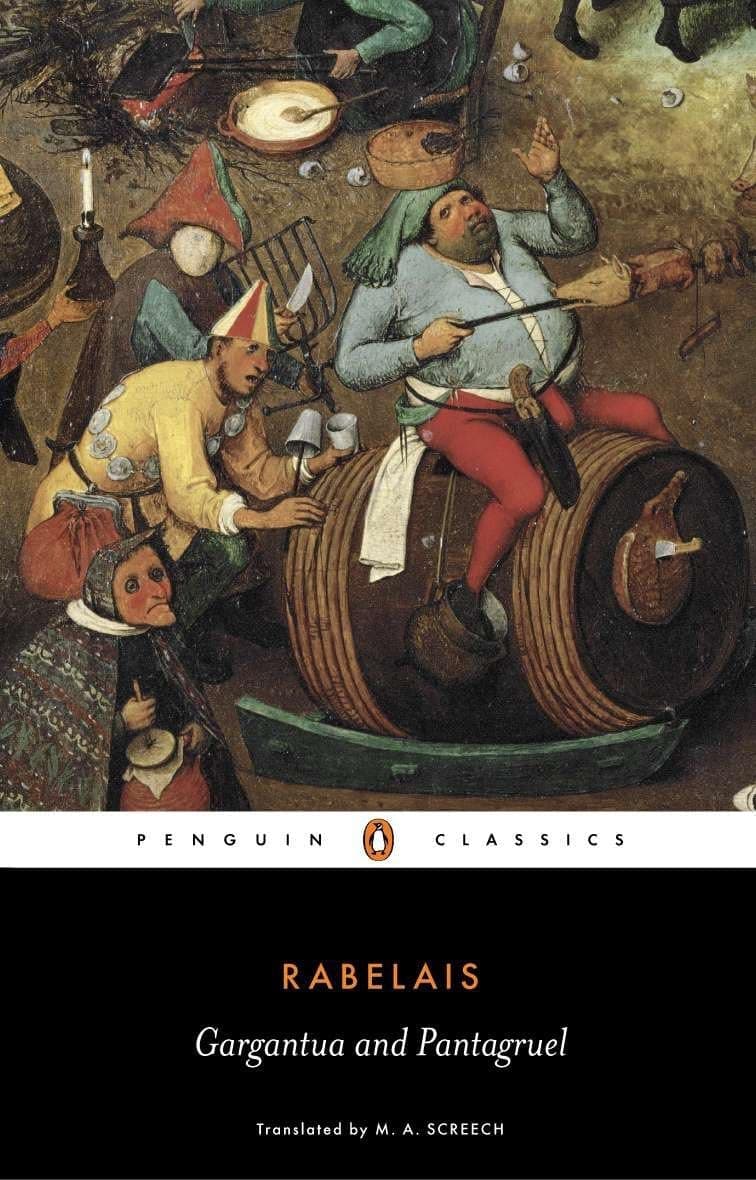
Two giants eat, drink, and study their way across Renaissance France while a monk and a scoundrel debate marriage. Rabelais packed in so much filth and learning that his name became an adjective.

Nothing in fiction gets nearer to dying. Ivan Ilyich knocks his side hanging a curtain, and his family and his doctors keep up the pretense while a peasant servant tells the truth.

Samuel Johnson pronounced this book already dead. Two hundred and sixty years on, Tristram is still failing to get himself born, derailed by his father's theories and his uncle's toy fortress.

Becky Sharp leaves school with no money and claws her way through English society while her friend Amelia wastes her love on a worthless man. Thackeray spares nobody, and Becky is magnificent company.

George Babbitt sells real estate in a booming midwestern city, loves his car, and believes whatever his club believes. When he finally tries to break out, Lewis is merciless and then unexpectedly kind.

Modern Chinese literature begins here. Ah Q, a village laborer, turns every beating into a spiritual victory, and a madman reads the Confucian classics until the words eat people surface between the lines.
Bread and circuses came from here, and so did the line about guarding the guards. Juvenal turns sixteen poems of fury on imperial Rome, where an honest man cannot afford to live.

Alceste cannot tell a lie and is destroying himself over a woman who lives on flattery. Tartuffe, the fake holy man eating his host's house, is hypocrisy caught whole and played for laughs.
No other satire cuts this cleanly. A reasonable gentleman proposes that the infants of the Irish poor be fattened and sold as food to landlords, and calculates the savings to the shilling.

A governess at a country house becomes certain that two dead servants are working on the children in her care. James engineered the ambiguity so precisely that critics have argued for a century.

Tom cons the neighborhood boys into whitewashing his aunt's fence, then witnesses a graveyard murder and attends his own funeral. Twain gave America the childhood it has claimed to remember ever since.

Josef Svejk, a Prague dealer in stolen dogs officially certified an idiot, is swept into the Austro-Hungarian army and obeys every order so eagerly that the whole war machine looks ridiculous.
Fang Hongjian returns to wartime China with a mail-order diploma and no plan. Qian gave Chinese its image of the besieged life: those outside the fortress want in, those inside want out.
Tony Last loves his ugly Gothic house and believes his wife Brenda is content. Waugh gives her a dull London lover, kills the thing Tony cannot lose, and strands him far from England.
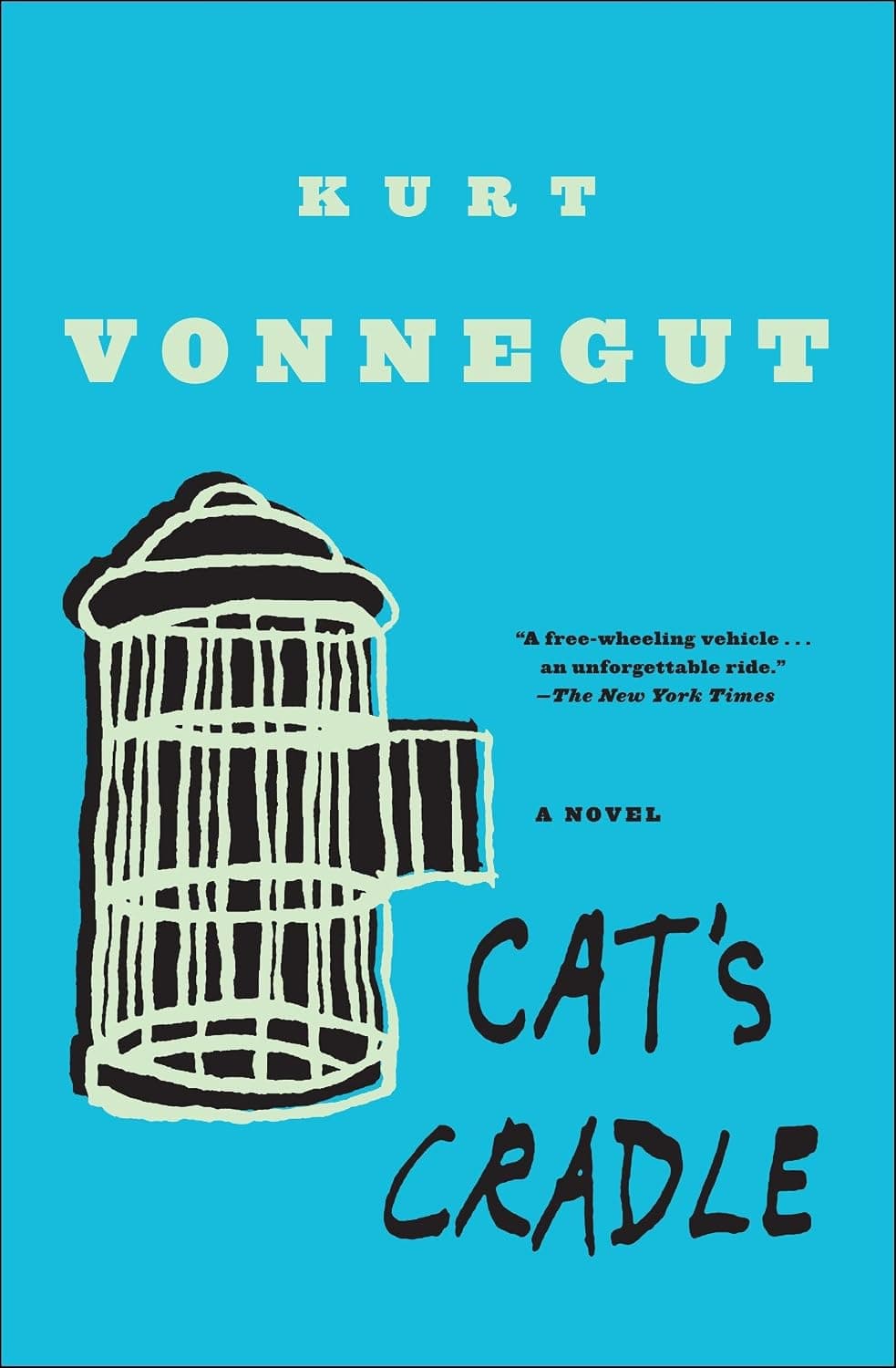
Ice-nine, a crystal left by a father of the atomic bomb, freezes any water it touches. Vonnegut sets the scramble for it on an island whose religion is founded on comforting lies.

Two minor courtiers from Hamlet wait in the wings of a play they cannot follow, flipping a coin that lands heads ninety two times running. Stoppard wrings comedy and dread from their helplessness.

Alex is fifteen and narrates his nights of assault in Nadsat, a slang welded from Russian and Cockney. The state conditions the violence out of him, and Burgess asks whether forced goodness counts.

Carol Milford marries a doctor and moves to Gopher Prairie, Minnesota, determined to civilize it. The town wins, and Lewis made Main Street a byword for everything narrow and self-satisfied in American life.
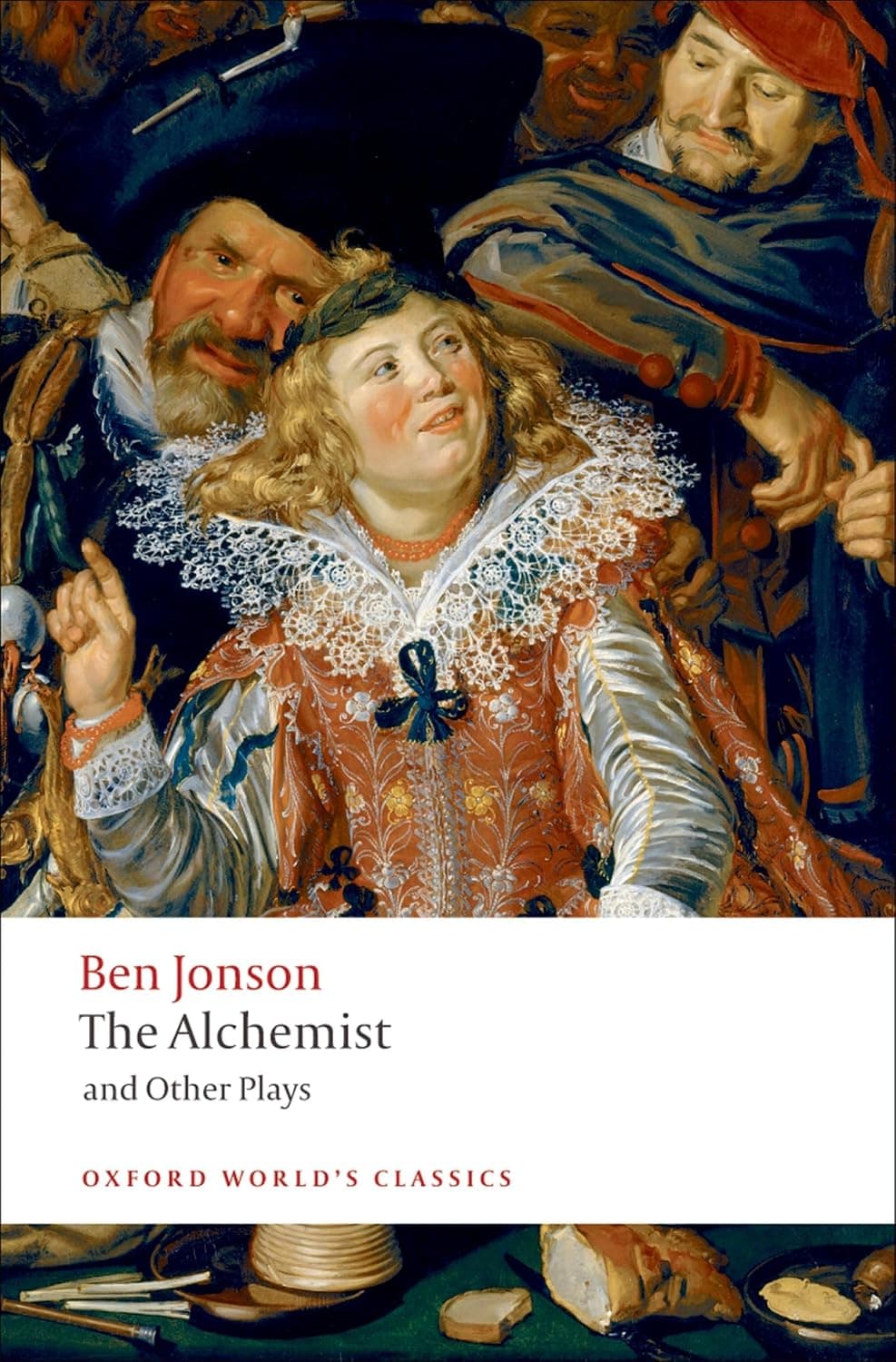
Plague empties London, a master flees, and his butler turns the house into a con shop, selling the philosopher's stone to every greedy fool who knocks. Jonson built the swindle like clockwork.

Harpagon keeps a cash box buried in his garden, intends to marry his son's beloved himself, and gives his daughter to whoever asks no dowry. Moliere made him Europe's byword for greed.
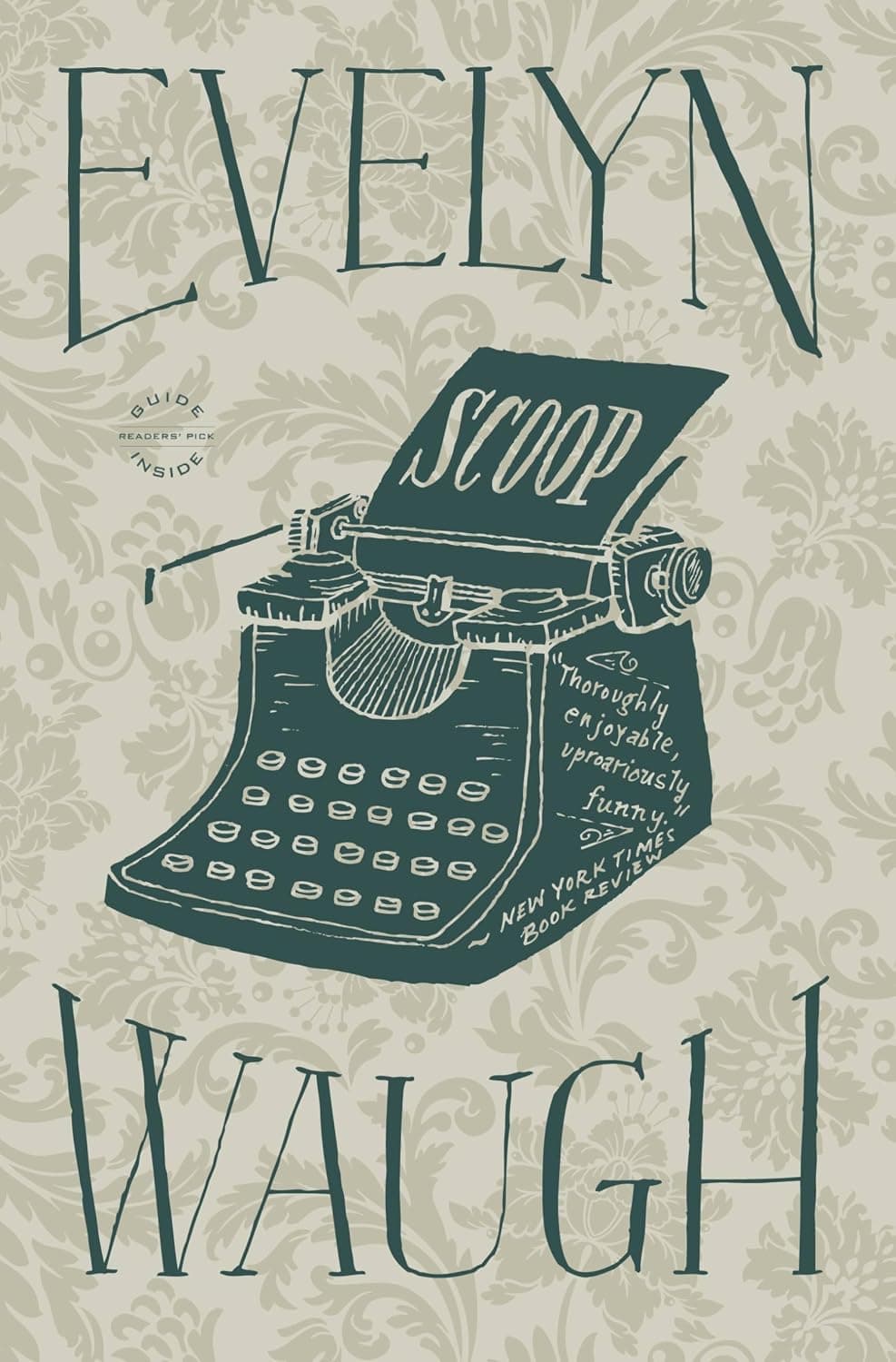
Mistaken for a famous novelist with the same surname, a nature columnist who writes about questing voles is shipped off to cover an African war. Reporters still quote Waugh's newsroom to each other.

Theobald Pontifex beats piety into his son with perfect Christian conviction, and Ernest spends the novel working free of him. Butler handed the revolt against Victorian respectability its sharpest and funniest weapon.

Knocked cold in a Hartford arms factory, Hank Morgan wakes in Camelot and sets about industrializing it. The comedy runs a long way before Twain turns it into mechanized slaughter.
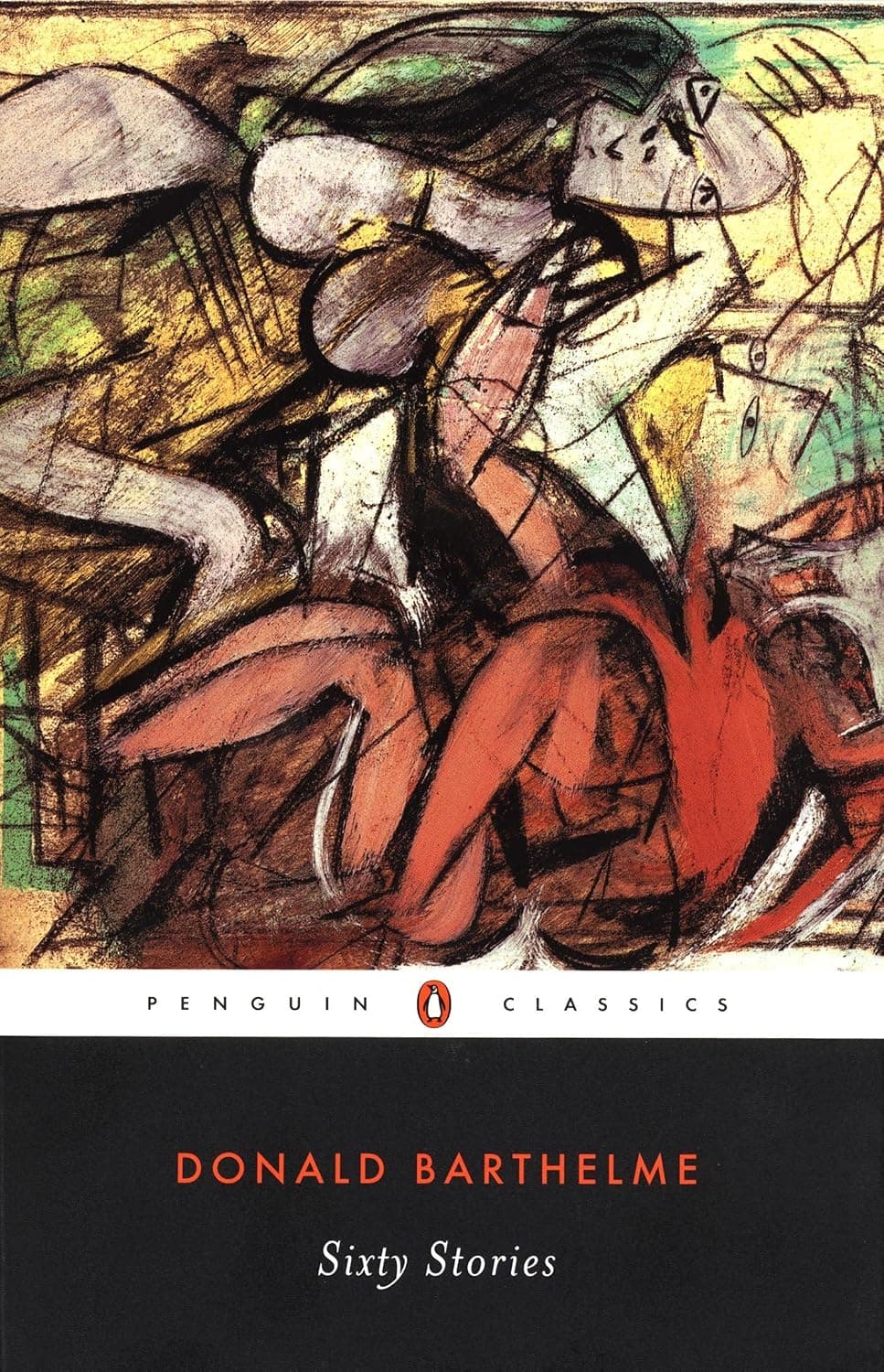
A balloon settles over forty-five blocks of Manhattan and New Yorkers read meanings into it. Barthelme's deadpan collages taught two generations of American writers that a story need not make ordinary sense.

Patrick Bateman works mergers and acquisitions, agonizes over the typeface on a colleague's business card, and narrates atrocities in the voice he uses for Huey Lewis albums. Reagan's Wall Street becomes horror comedy.

Sherman McCoy, a Park Avenue bond trader who calls himself a Master of the Universe, takes a wrong turn into the Bronx. A boy is struck, and Wolfe feeds him to New York.
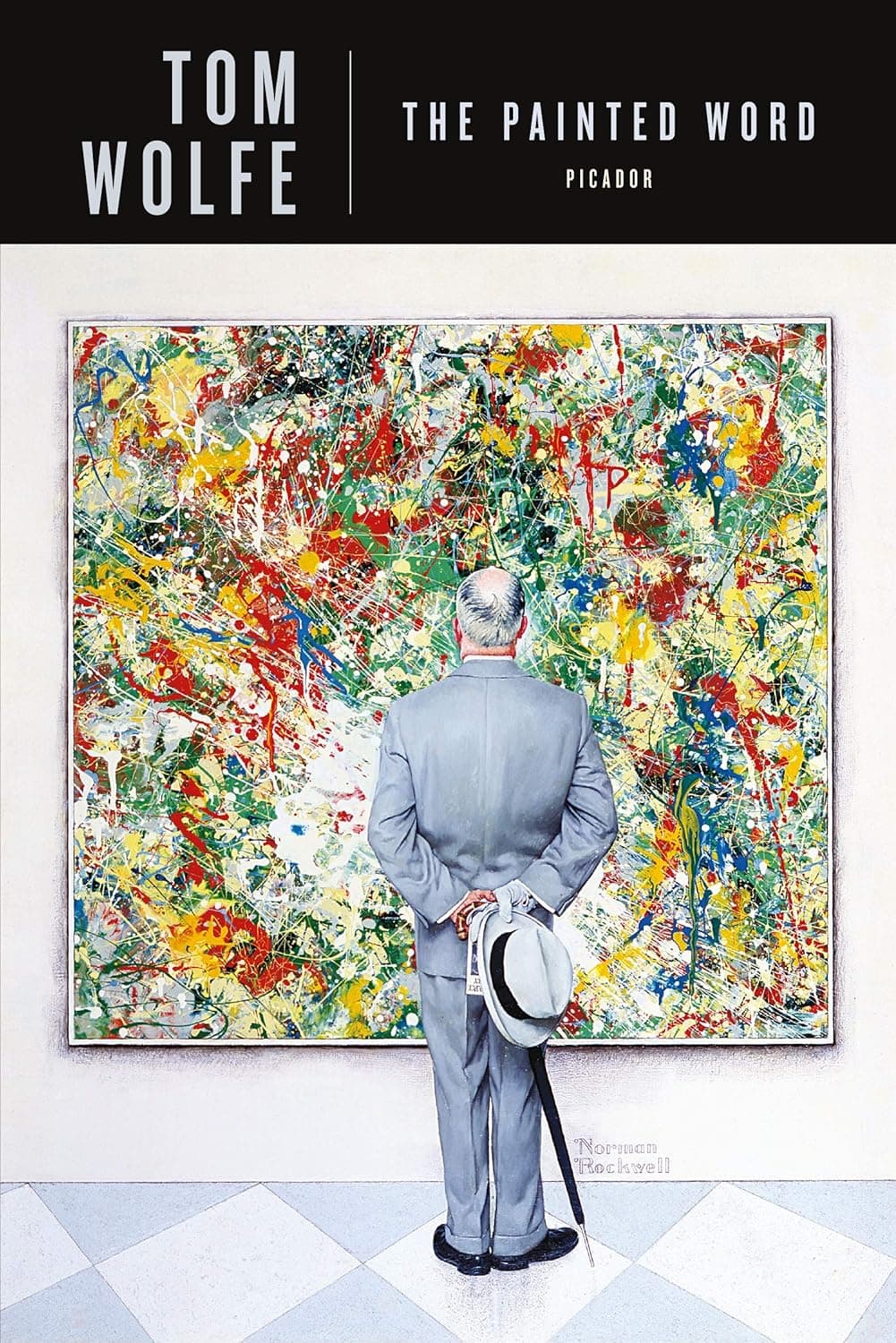
Modern painting had become an illustration of theory, Wolfe argued, invisible without the words. He named the three critics who ruled taste in New York, and the art world came after him howling.

The comic cycle that became Italian folklore sets a hot-tempered priest against the Communist mayor of a Po Valley village, with the crucifix above the altar talking Don Camillo down from revenge.

Charles Pooter, a London clerk of vast unearned dignity, records every slight from tradesmen and every dinner-party triumph. He paints his bath red with enamel and mistakes the dissolving water for blood.
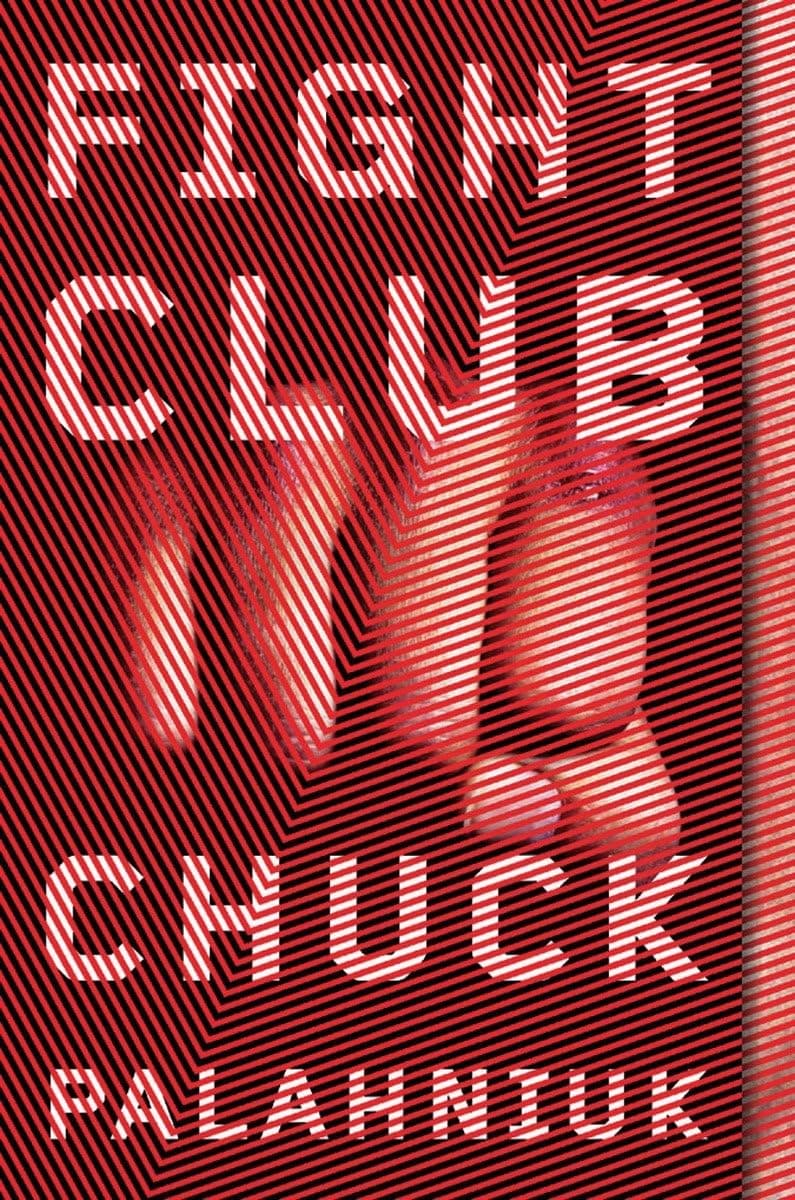
Men beat each other in basements because nothing else in their lives is real. Palahniuk's narrator fakes illness for the support groups, meets the soap salesman Tyler Durden, and builds an army.

Lorelei Lee, a blonde from Arkansas, keeps a diary about the men who buy her diamonds and gives away far more than she knows. Edith Wharton called it the great American novel.