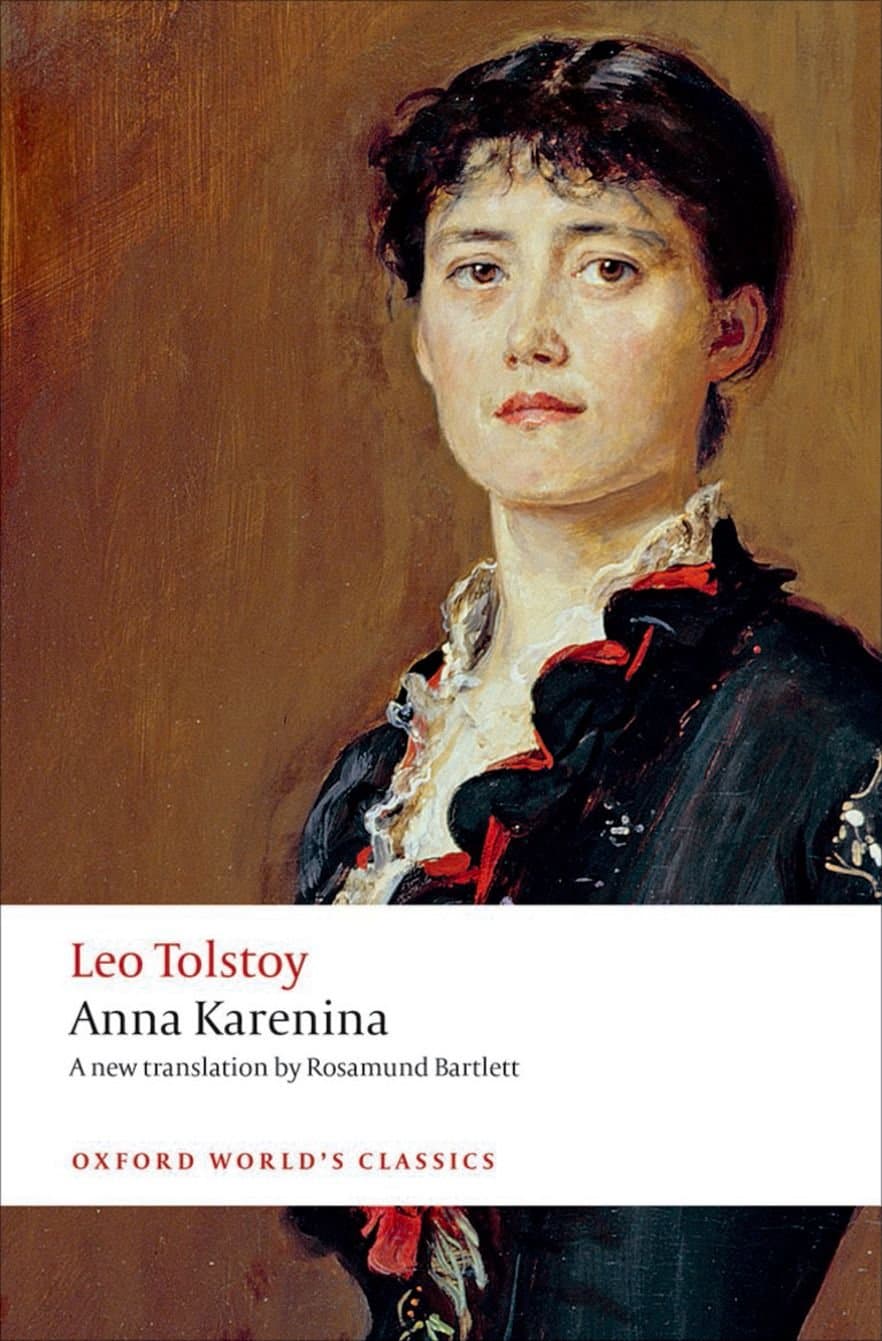
Anna Karenina
1877 · 896 pages
Anna leaves her husband for a young officer while, in the other half of the book, Levin farms and marries and worries about God. Tolstoy gives both lives the same total sympathy.
★ 9.6
 skopia
Anna leaves her husband for a young officer while, in the other half of the book, Levin farms and marries and worries about God. Tolstoy gives both lives the same total sympathy.
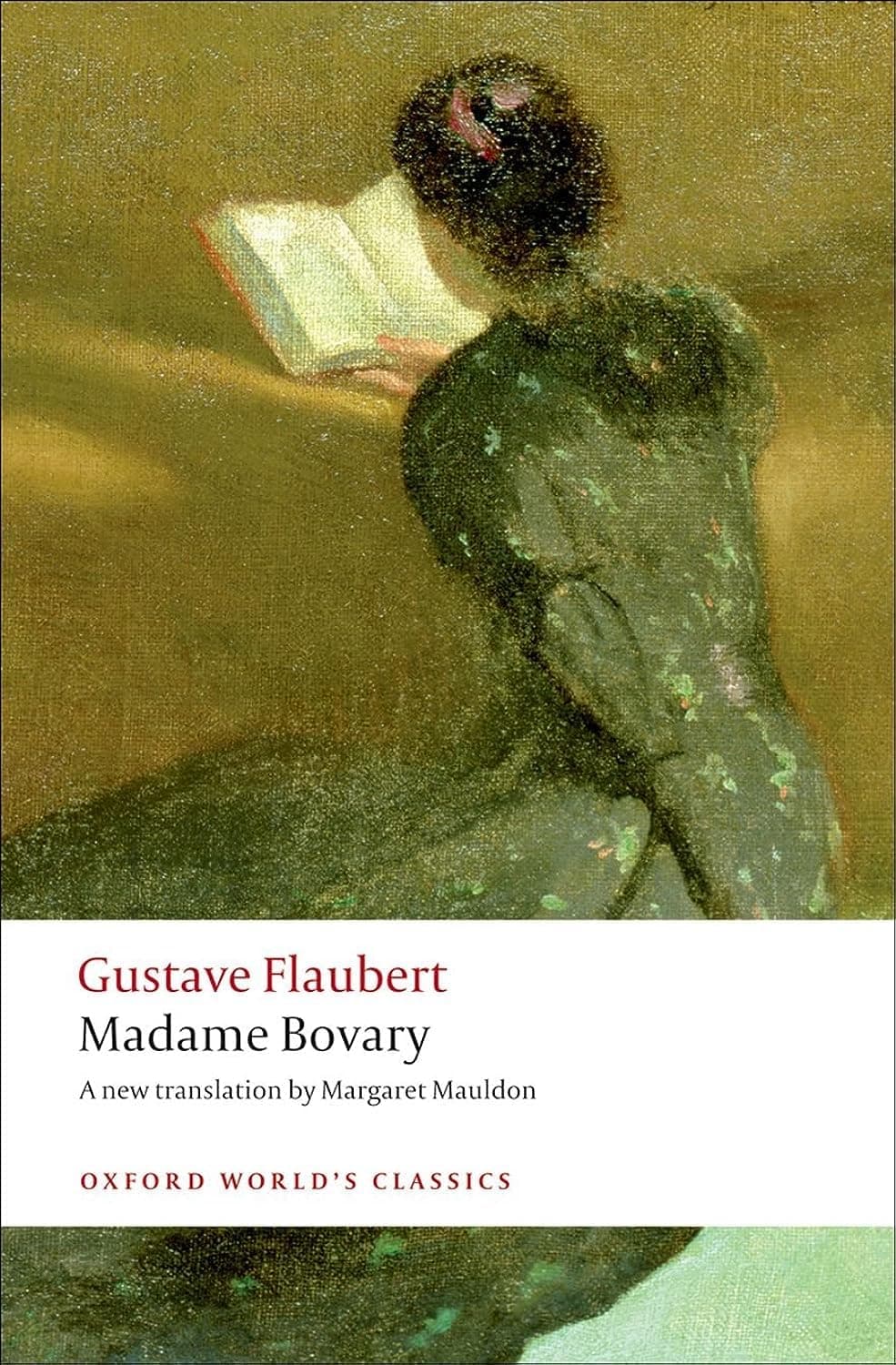
Emma Bovary reads romances, takes lovers, and runs up debts trying to feel something in a provincial town. Flaubert weighed every sentence, and modern fiction's idea of style begins with him.

Murasaki Shikibu, a lady at the Japanese imperial court, wrote a thousand pages about a prince, his loves, and his decline, reaching a psychological depth Europe would not manage for six hundred years.

Julien Sorel, a carpenter's son with a memorized Bible and enormous nerve, climbs out of provincial France into Paris society by way of two women. Stendhal reports each calculation without excusing him.

Puritan Boston fastens a red letter to Hester Prynne's dress for adultery, and she refuses to name the child's father. Hawthorne turns public shame into something you feel in your body.

From the cafes of Paris to the bullring at Pamplona, expatriates drink and travel and love the wrong people. Hemingway leaves the wound unnamed, and what nobody says sits under every line.

Driving ambulances for the Italian army, an American falls in love with an English nurse while the front collapses around them. Hemingway's plain sentences leave you completely undefended by the last page.
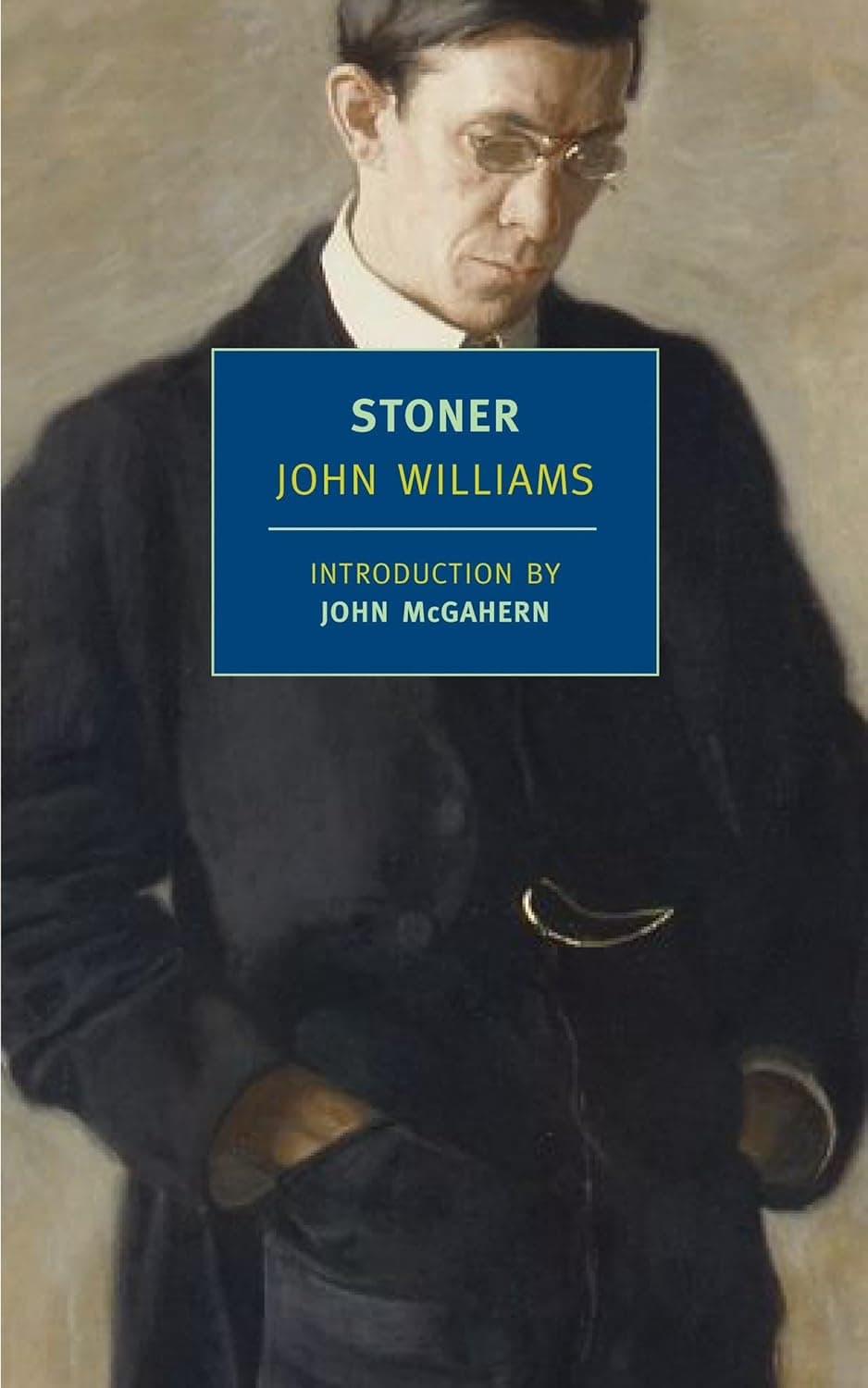
Sent to study agriculture, a Missouri farm boy falls for English literature instead and never leaves the university. Williams makes an unremarkable life, badly used by everyone in it, hold you completely.

Kundera puts a Prague surgeon who cannot stop having affairs, the woman who loves him, and the Soviet tanks of 1968 together, then asks whether a life lived once can weigh anything.

Newland Archer, engaged to the right New York girl, falls for her cousin the Countess Olenska, back from a ruinous European marriage. Old New York moves against them without ever raising its voice.

Banished from court, Rosalind hides in the Forest of Arden in men's clothes and coaches the man she loves in how to court her. She talks rings around everyone in Shakespeare.
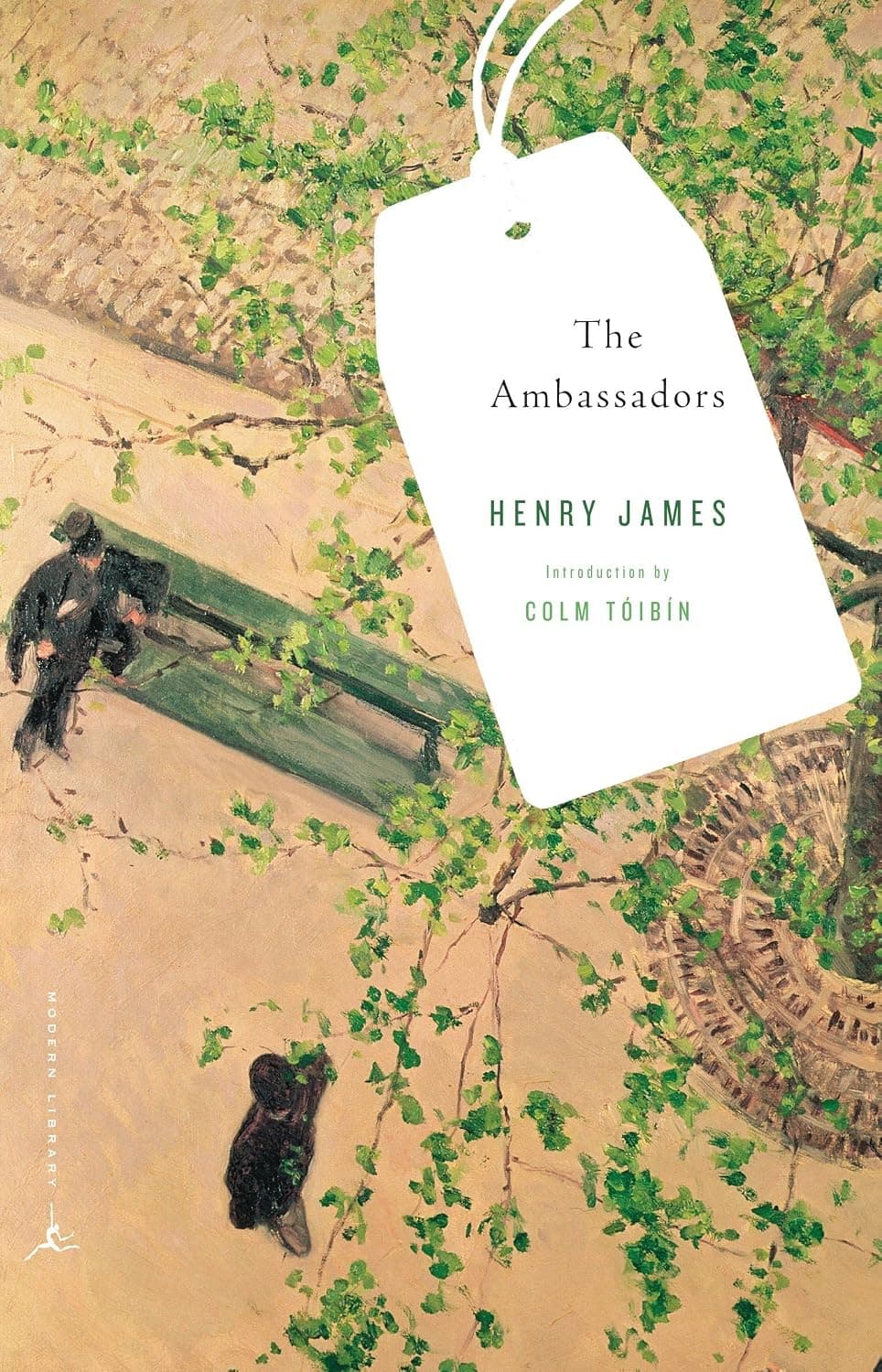
Sent to Paris to pry a young American away from a Frenchwoman, a middle-aged emissary looks around and tells a young painter to live all he can. James called it his best novel.

Jacques and his master ride along while Jacques tries to tell his love story. Everyone interrupts, the narrator taunts you, and the interruptions become Diderot's case against free will.

Frédéric Moreau spends his youth in Paris loving a married woman he will never have and drifting through the 1848 revolution. Flaubert made wasted life a permanent subject for the novel.

Lucy Honeychurch is kissed among violets on a hillside outside Florence, and Forster makes the rest a sunlit comedy about whether English respectability is worth the lie it demands of her.
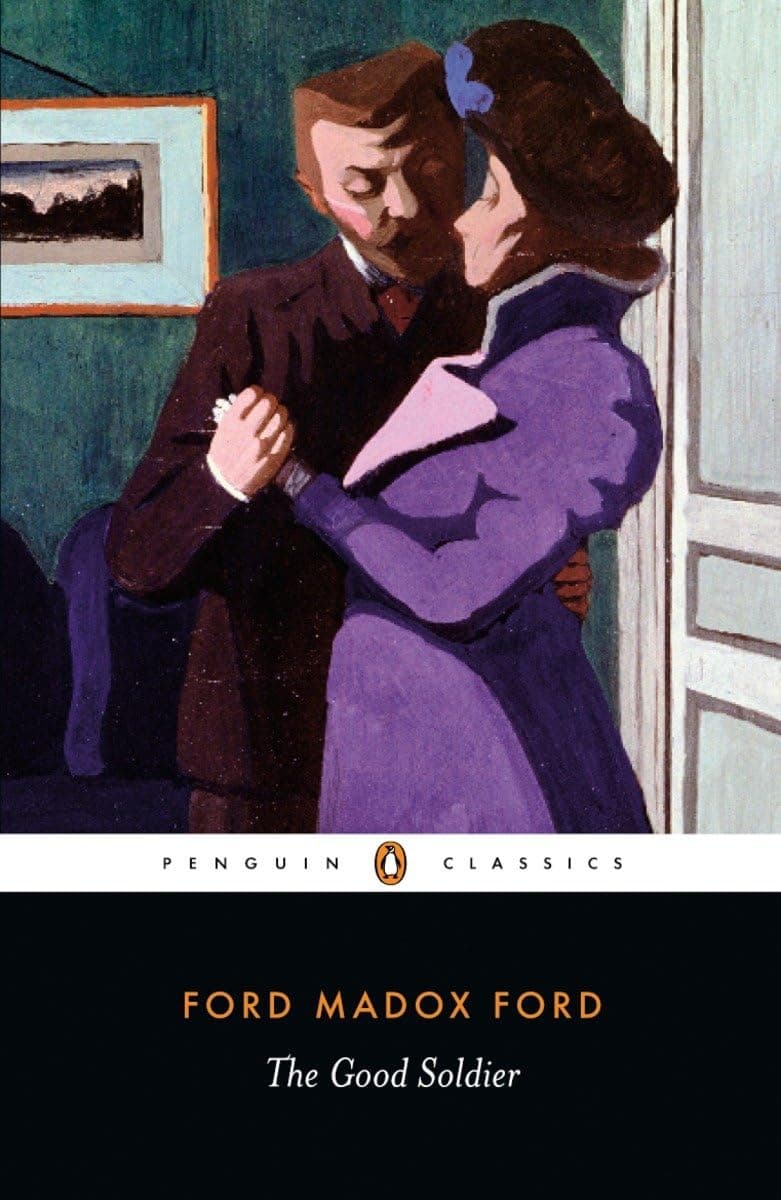
This is the saddest story I have ever heard, an American begins, then tells it out of order, circling two couples whose friendship at a German spa hid adultery, debt, and ruin.
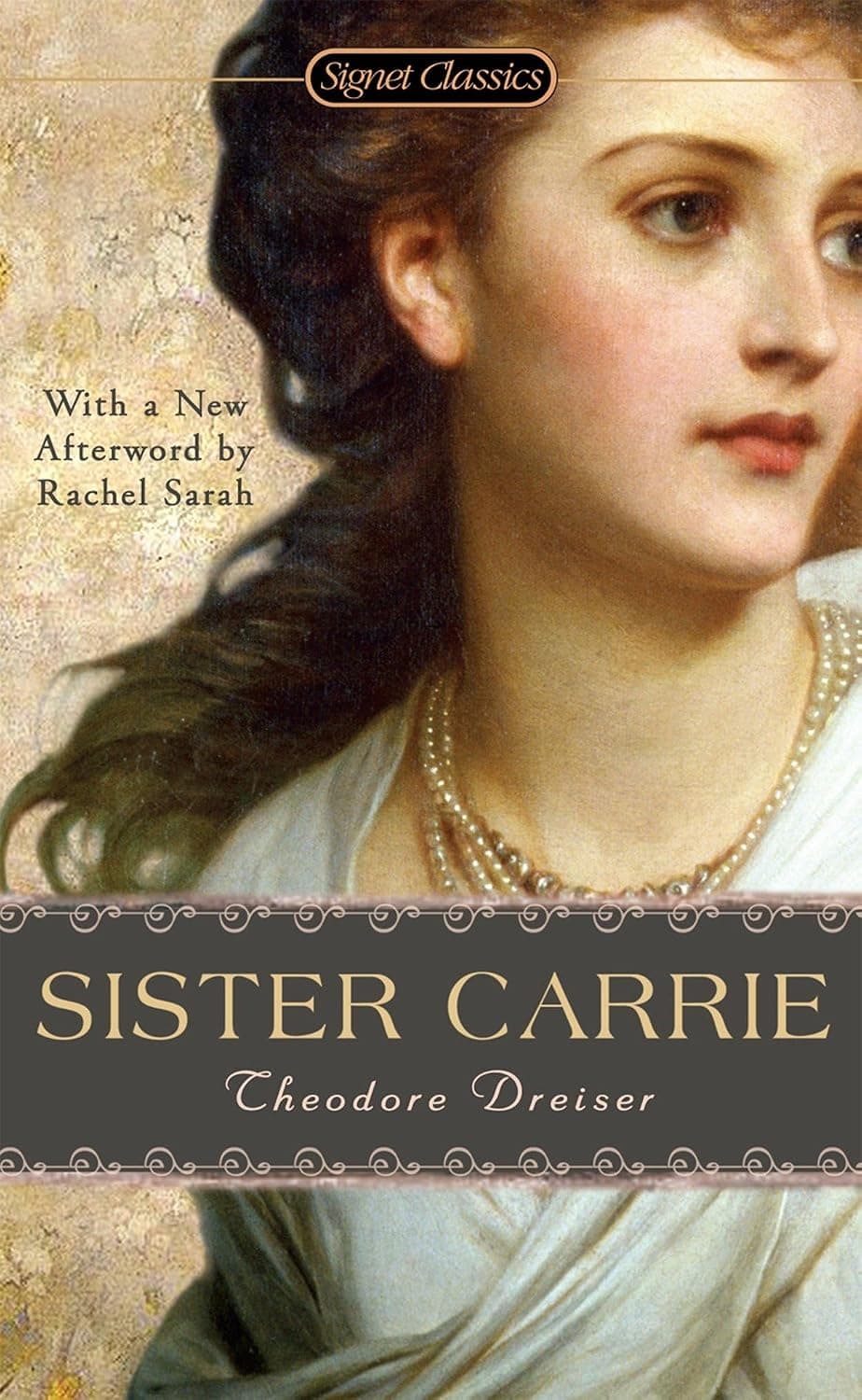
Carrie Meeber leaves Wisconsin for Chicago and rises through two men to the New York stage. Dreiser lets her prosper without remorse or retribution, and American fiction has been freer ever since.
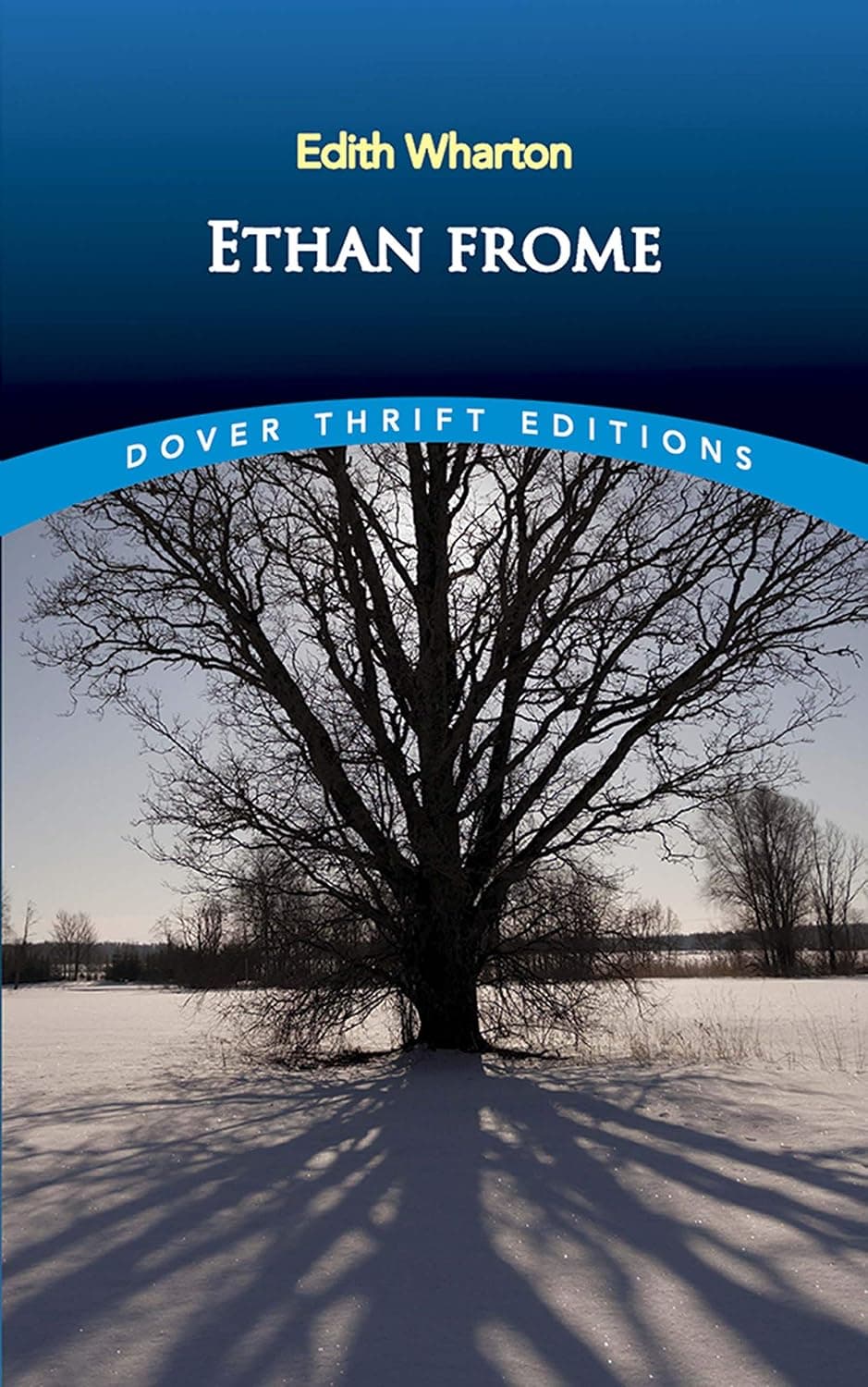
Snowbound on a failing Massachusetts farm, Ethan Frome works beside a wife who is perpetually ill and the young cousin he has fallen for. Wharton makes poverty and duty feel like weather.

Orlando starts as a boy at Queen Elizabeth's court and ends as a woman in 1928 London, changing sex without fuss. Woolf wrote it for her lover Vita Sackville-West, and the joy shows.

Dick Diver, a young psychiatrist, marries the rich patient he treated and spends her money charming the French Riviera. Fitzgerald tracks the exact cost of being the most delightful man in the room.