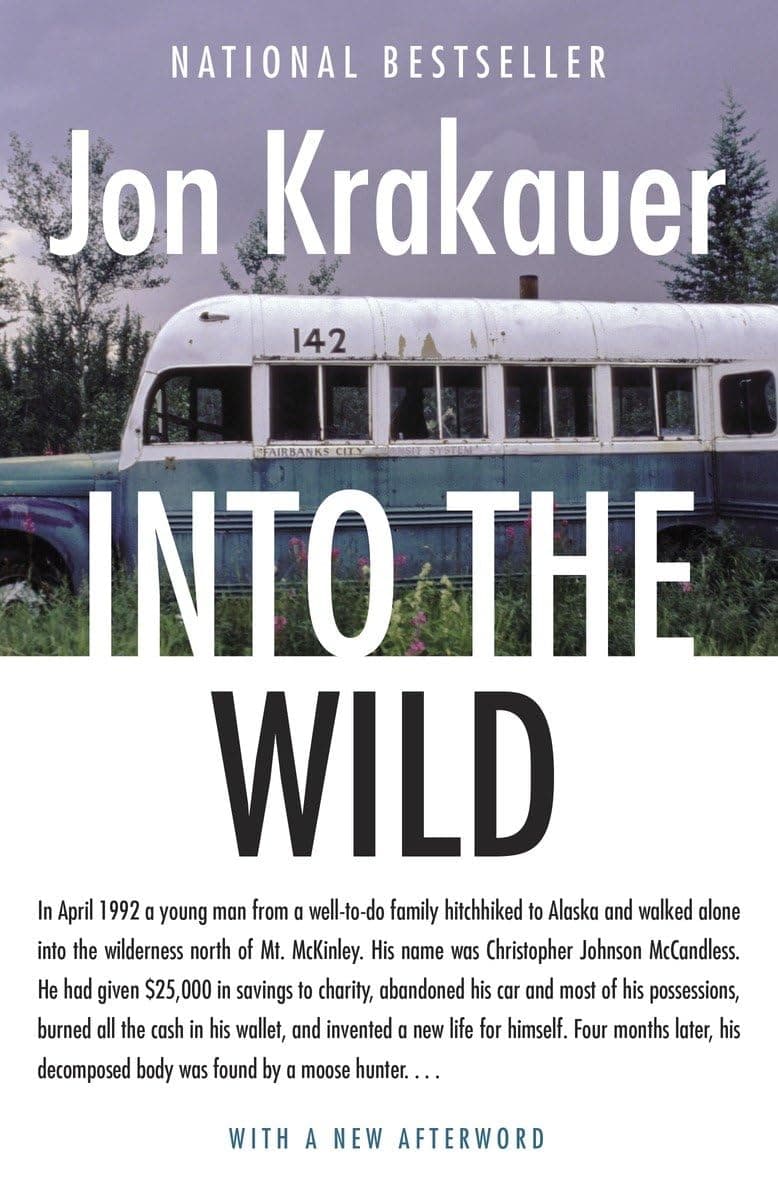
Into the Wild
1996 · 207 pages
Chris McCandless gave his savings to charity, burned the cash in his wallet, and walked into the Alaskan bush in April 1992. Krakauer refuses to file him under either fool or saint.
★ 5.0
 skopia
Chris McCandless gave his savings to charity, burned the cash in his wallet, and walked into the Alaskan bush in April 1992. Krakauer refuses to file him under either fool or saint.
Occupied Naples, 1944: soldiers and civilians trading cigarettes, sex, and rumor under the arcade. Burns writes Americans who understand nothing of the country they hold, and a bar where gay soldiers breathe.
The people who keep the world running go on strike. Dagny Taggart holds her railroad together as the competent vanish, and Rand's case that selfishness is a virtue still powers American libertarianism.
Howard Roark would rather break rock in a quarry than compromise a design, and when his housing project is altered he dynamites it. American individualism has had no more seductive hero.
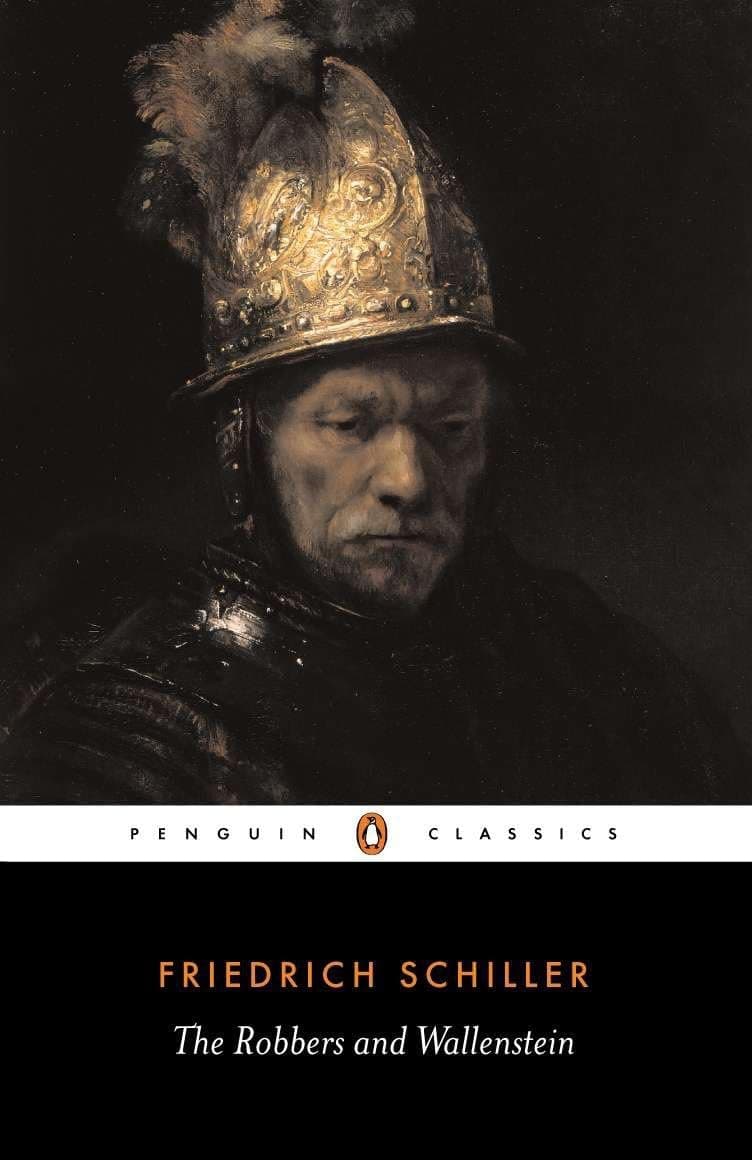
Karl Moor, disinherited by his brother's forged letter, takes a robber band into the Bohemian forests and learns that idealism under arms turns to butchery. Romantic literature has been rewriting him ever since.

Shinji fishes off a Japanese island and loves Hatsue, the pearl diver whose father owns the boats. Mishima set the Greek romance Daphnis and Chloe in postwar Japan and left the darkness out.

Centuries from now, scholars in the cloistered province of Castalia play a game fusing music, mathematics, and all learning. Joseph Knecht rises to master it, then asks what the world outside is owed.

Des Esseintes, the last of a spent aristocratic line, retreats to a house outside Paris filled with perfumes, poisonous flowers, and a jeweled tortoise. Wilde and the English aesthetes read it as scripture.

Desire is not lack but production, and psychoanalysis crushes it into the triangle of daddy, mommy and me. Foucault proposed retitling Deleuze and Guattari's book Introduction to the Non-Fascist Life.

One hundred fifty-three fragments on private life inside a ruined civilization: how we give gifts, keep house, and speak to friends. Adorno's verdict is that wrong life cannot be lived rightly.

At twelve, refusing a plate of snails his father demands he eat, Cosimo climbs into an oak and never touches ground again. He reads, loves, and fights the eighteenth century from the branches.

Faustus signs away his soul for twenty-four years of power, Tamburlaine the shepherd burns his way across Asia, and Barabas poisons a convent. Marlowe gave English drama its first tragic grandeur.

Freud's answer to why we are unhappy: civilization survives only by making us surrender aggression and desire, and the aggression we cannot spend outward turns inward as a permanent, unpayable sense of guilt.
Three generations of one Nottinghamshire family, and Lawrence writes their marriages from inside the body: what draws two people together, what turns cold, and what the granddaughter Ursula cannot find.
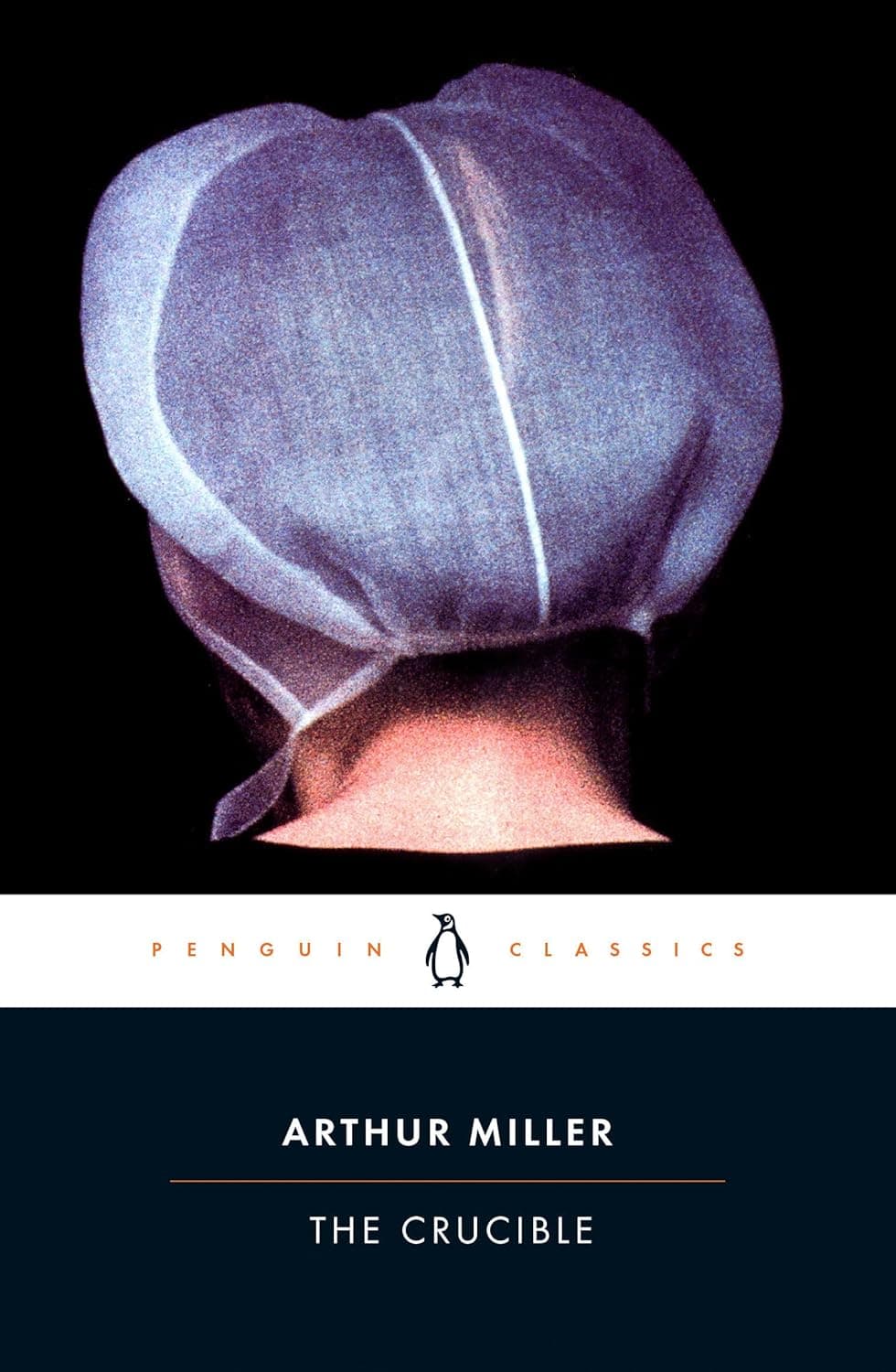
Salem, 1692: girls caught dancing in the woods begin naming witches, and the town learns that an accusation cannot be answered. Miller wrote it while Congress hunted Communists, and audiences understood immediately.

In Venice a merchant borrows from Shylock, a Jewish moneylender he has spat on, pledging a pound of his flesh. Shylock asks whether a Jew does not bleed, and the comedy never recovers.

Raising an imaginary boy from infancy to marriage, Rousseau insists children learn from things rather than books and should not be reasoned with too early. Our whole picture of childhood descends from it.

English schoolboys are marooned on an island without adults, hold a vote, and are soon hunting each other. Golding tells it so plainly that you believe every step of the descent.
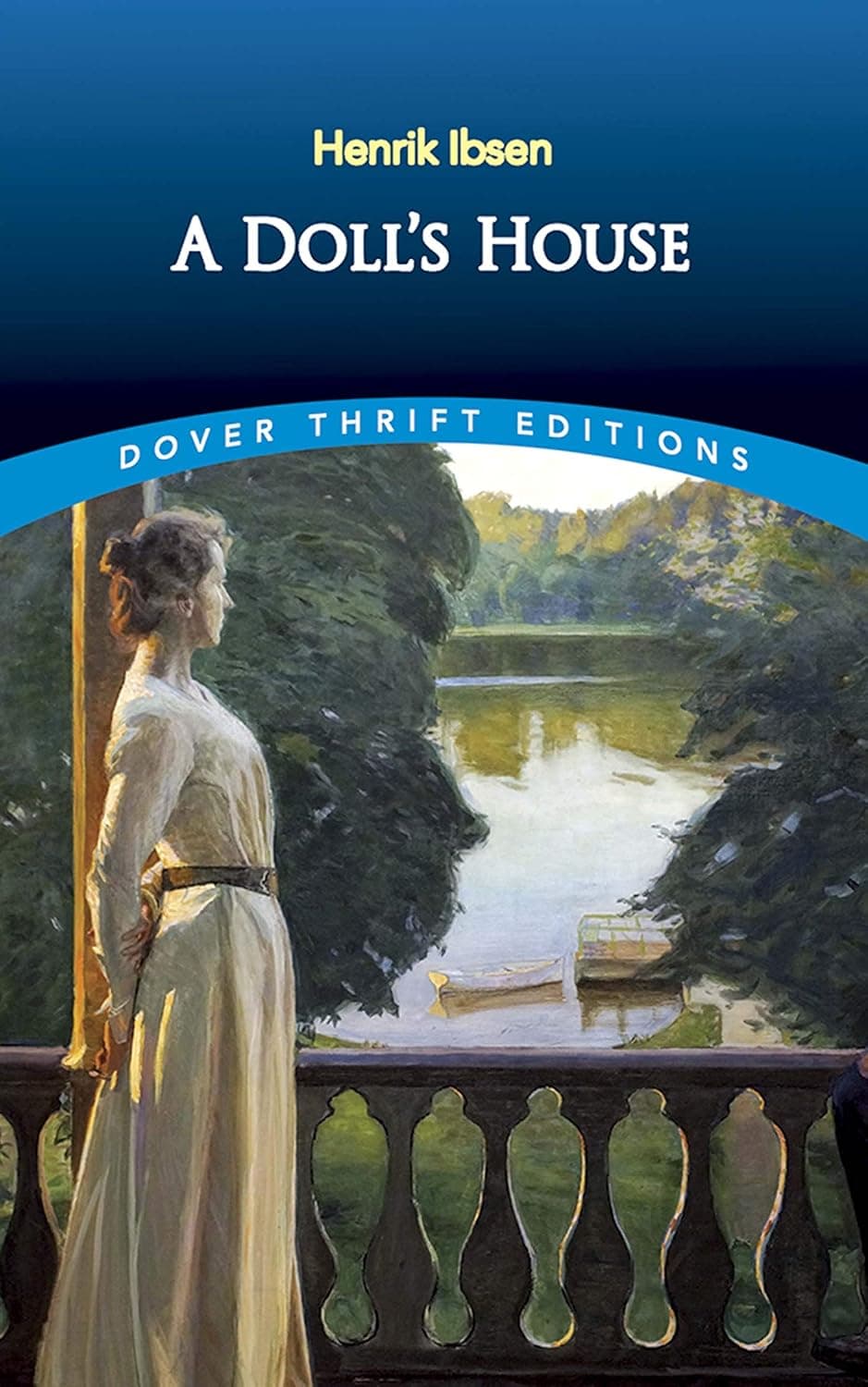
Nora Helmer forged a signature to save her husband's life and has been paying the debt in secret ever since. The play ends on a closing door that modern theater still hears.
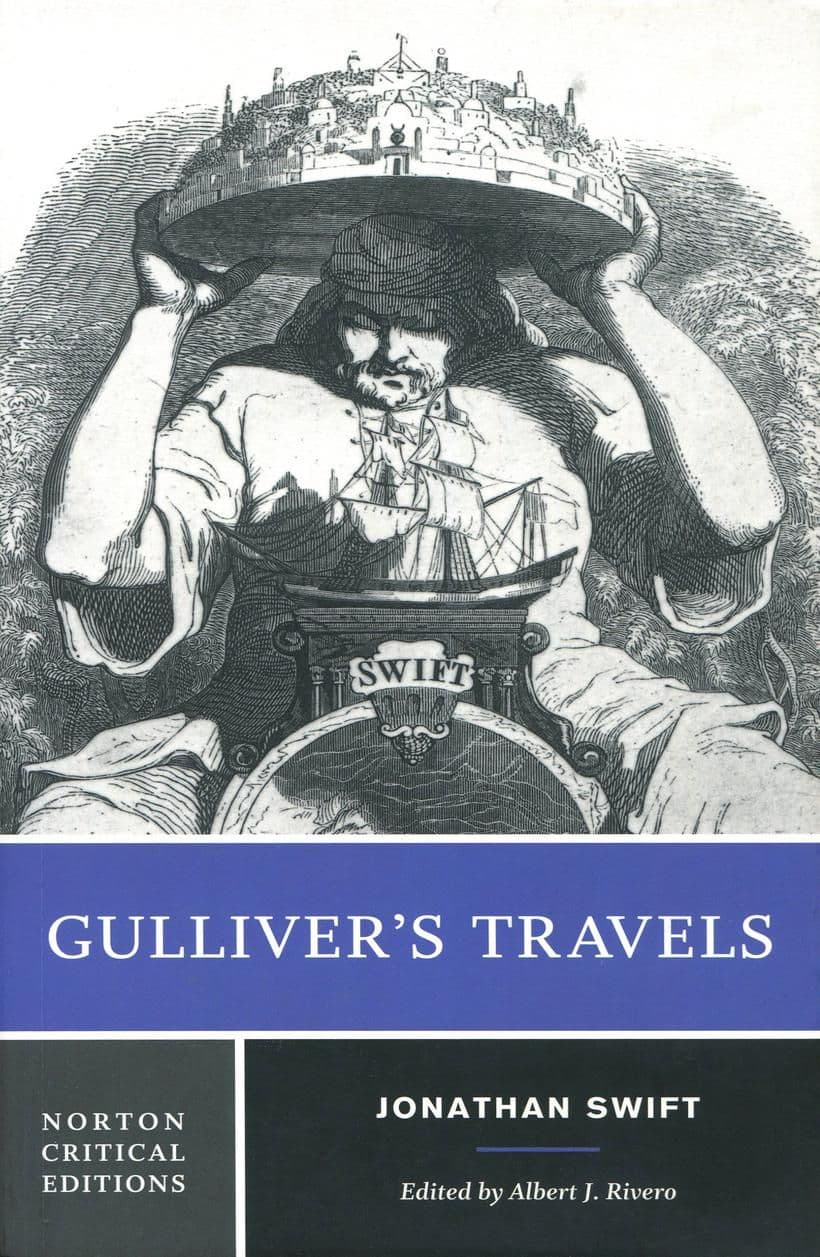
Swift's ship's surgeon washes up among people six inches tall, then among giants, then among rational horses who find humans repulsive. Each voyage is funnier than the last and angrier about us.