The Zone of Interest
2014 · 306 pages
At Auschwitz a Nazi officer courts the commandant's wife while the commandant, a preening drunk, complains about his workload. The third narrator is a Jewish prisoner made to burn the bodies.
★ 5.0
 skopia
At Auschwitz a Nazi officer courts the commandant's wife while the commandant, a preening drunk, complains about his workload. The third narrator is a Jewish prisoner made to burn the bodies.
What holds men to war, Gray decided, is the spectacle, the comradeship, and a delight in destruction nobody admits to. The day his Columbia doctorate arrived, so did his draft notice.
Genes, not organisms, are what selection acts on, and bodies are the machines genes build to carry themselves forward. Dawkins turned that inversion into how biologists think, and gave us the word meme.

Smith argues that conscience is imagined company: we judge ourselves by picturing an impartial spectator and wanting his approval. The economist famous for self-interest built his moral system on fellow feeling.
Writing in fourteenth-century Japan, the monk Kenko set down fragments on manners, boredom, and death, asking why we look at cherry blossoms only in full bloom. Impermanence makes attention urgent.
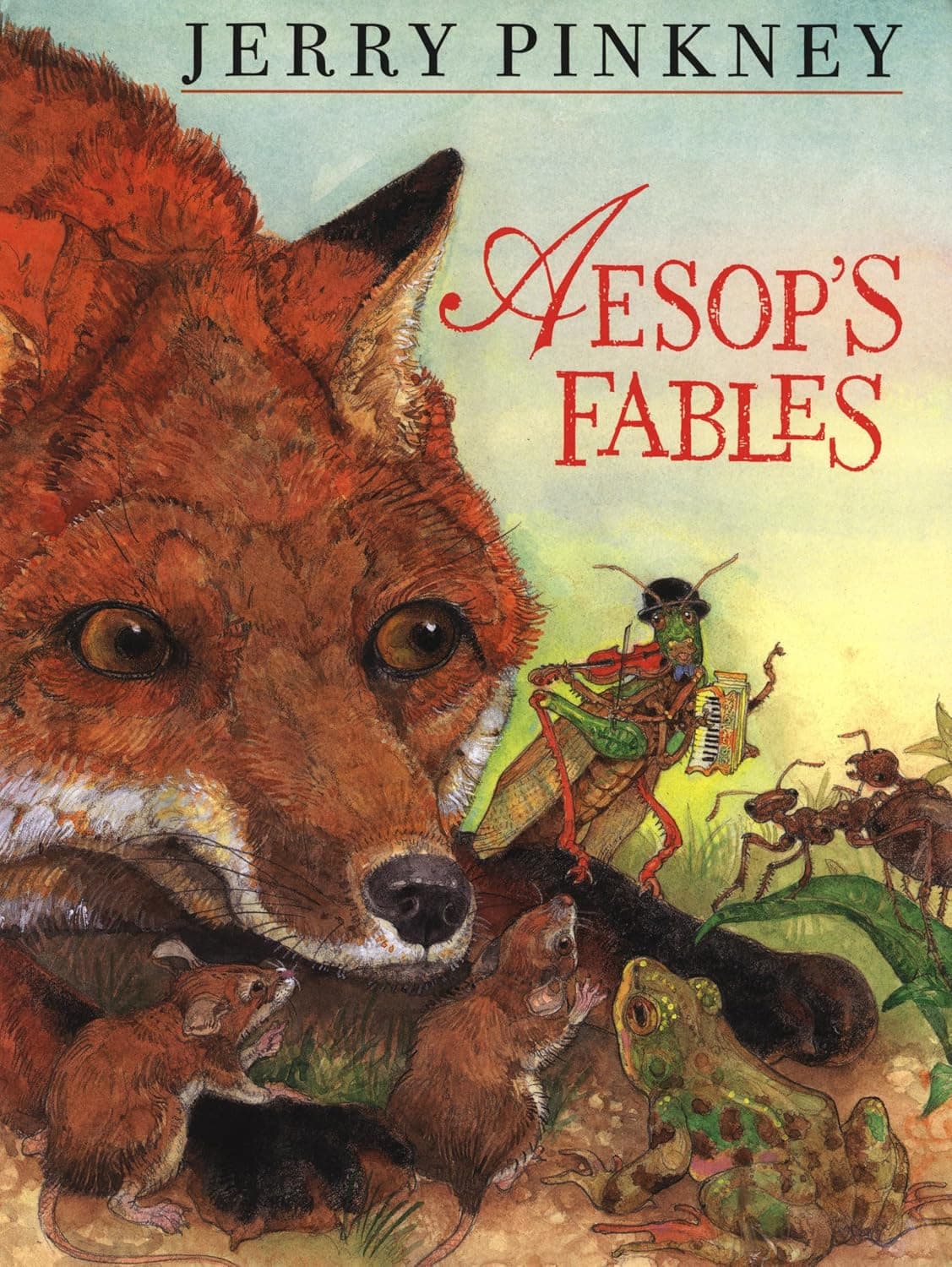
Talking animals carry the moral instruction the West grew up on: the tortoise outlasts the hare, the fox decides the grapes were sour. Aesop was a slave, and the lessons show it.

Raising an imaginary boy from infancy to marriage, Rousseau insists children learn from things rather than books and should not be reasoned with too early. Our whole picture of childhood descends from it.
Seeing a child about to fall into a well, anyone feels alarm before thinking. Human nature is therefore good, Mencius argues, and a ruler who starves his people forfeits the throne.

Man is born free, and everywhere he is in chains. Nobody holds natural authority over anyone, Rousseau argues, so law binds you only if you helped make it. Geneva burned the book.

People are born free and equal, Locke argues, own what their labor makes, and create government by consent. One that breaks the trust may be thrown out. Jefferson took the argument whole.

Look inside for a self and you find only a rush of sensations. Look for cause and effect and you find only habit. Reason itself, Hume concludes, is the slave of the passions.

Awaiting execution, Boethius is visited by a woman called Philosophy, who explains why fortune's wheel turns and how God's foreknowledge still leaves you free. Medieval Europe read nothing more closely.
Persuasion runs on three things, Aristotle found: the speaker's character, the listener's emotions, and the argument. He shows how to make an audience angry or ashamed, and you notice the machinery everywhere afterward.

English schoolboys are marooned on an island without adults, hold a vote, and are soon hunting each other. Golding tells it so plainly that you believe every step of the descent.
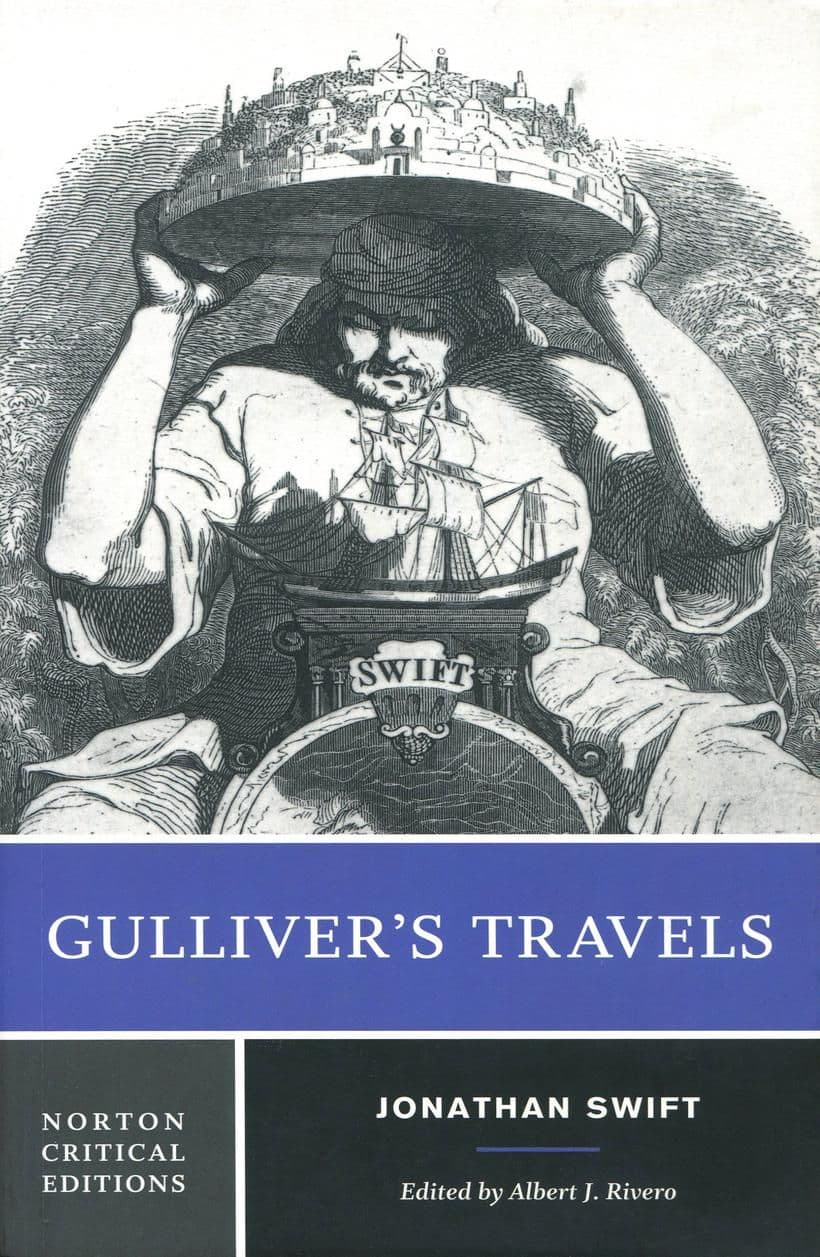
Swift's ship's surgeon washes up among people six inches tall, then among giants, then among rational horses who find humans repulsive. Each voyage is funnier than the last and angrier about us.
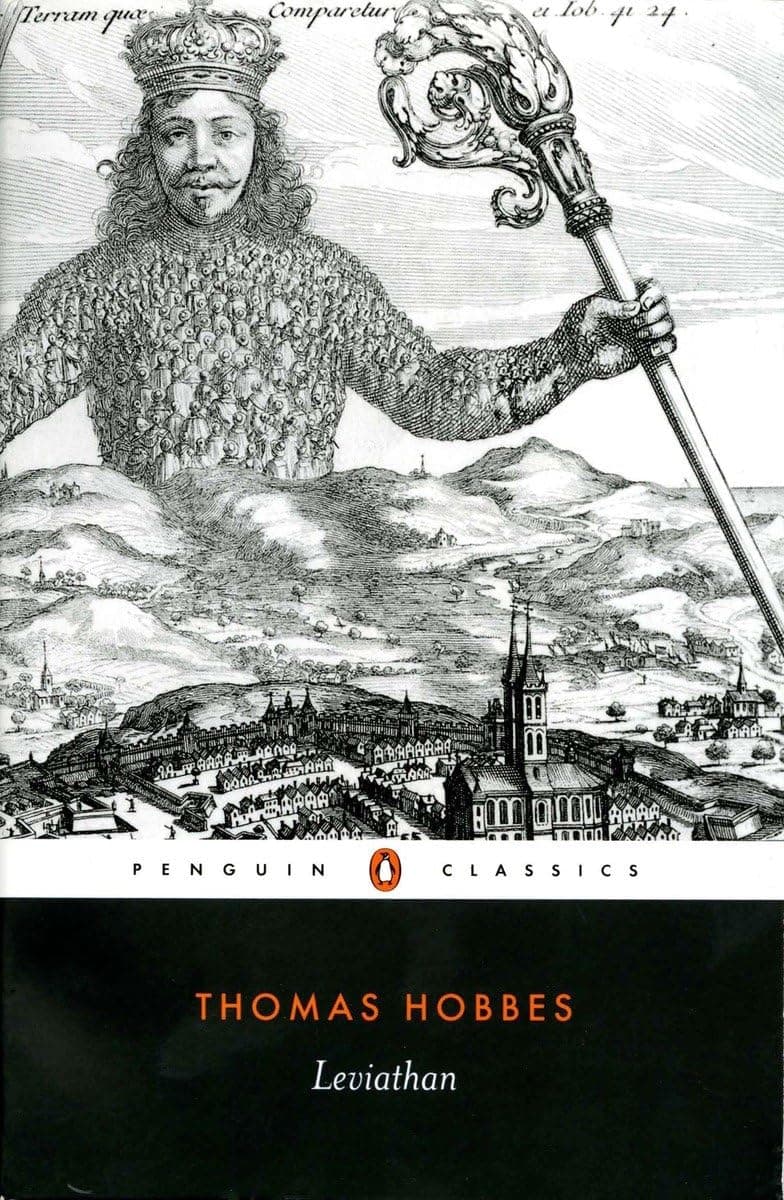
Strip away the state, Hobbes argues, and life becomes a war of everyone against everyone, nasty, brutish, and short. The remedy is to hand all our power to one sovereign.
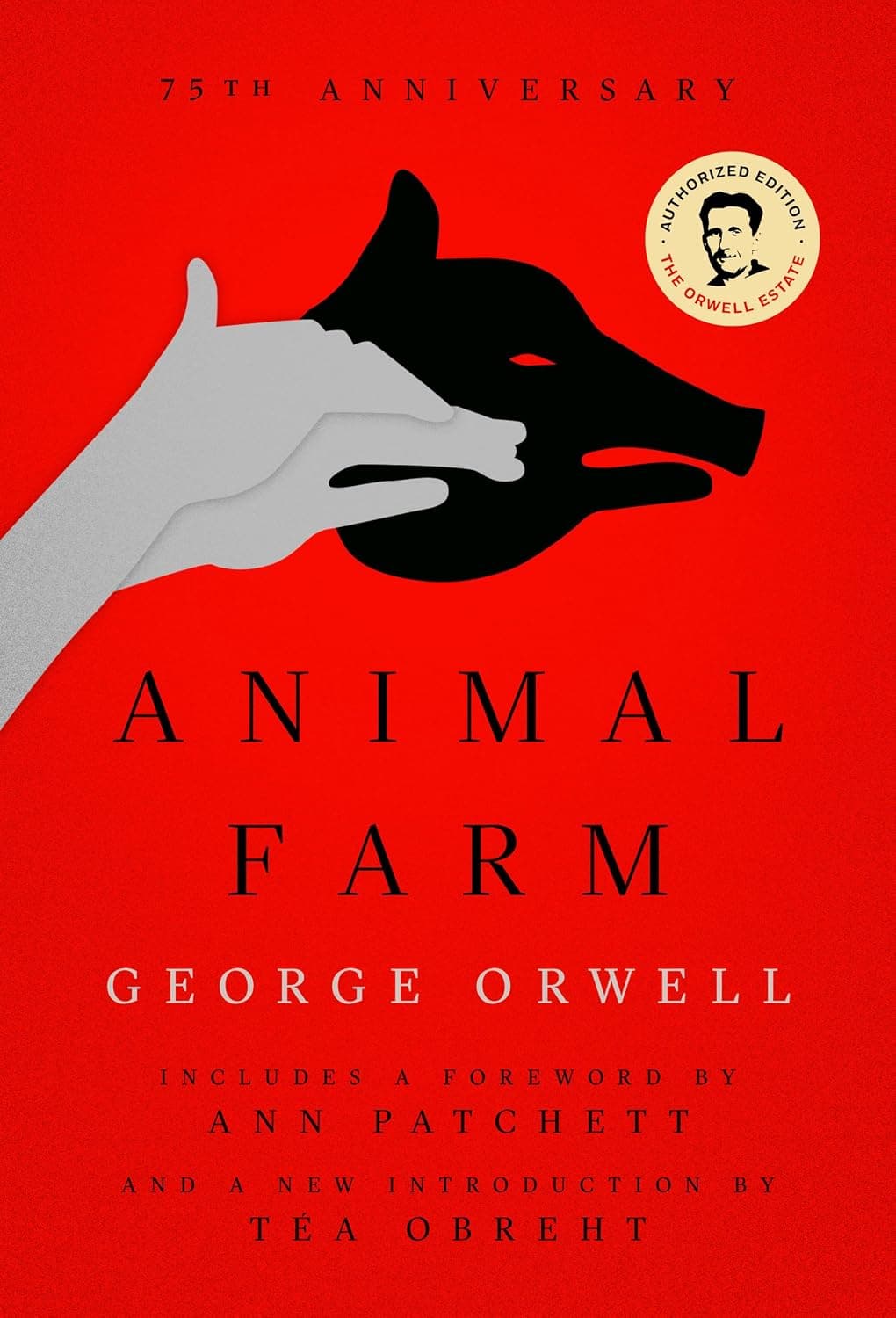
The animals drive out the farmer and run the place themselves, until the rules painted on the barn wall start changing. Orwell reduced the Russian Revolution to a fable no adult forgets.
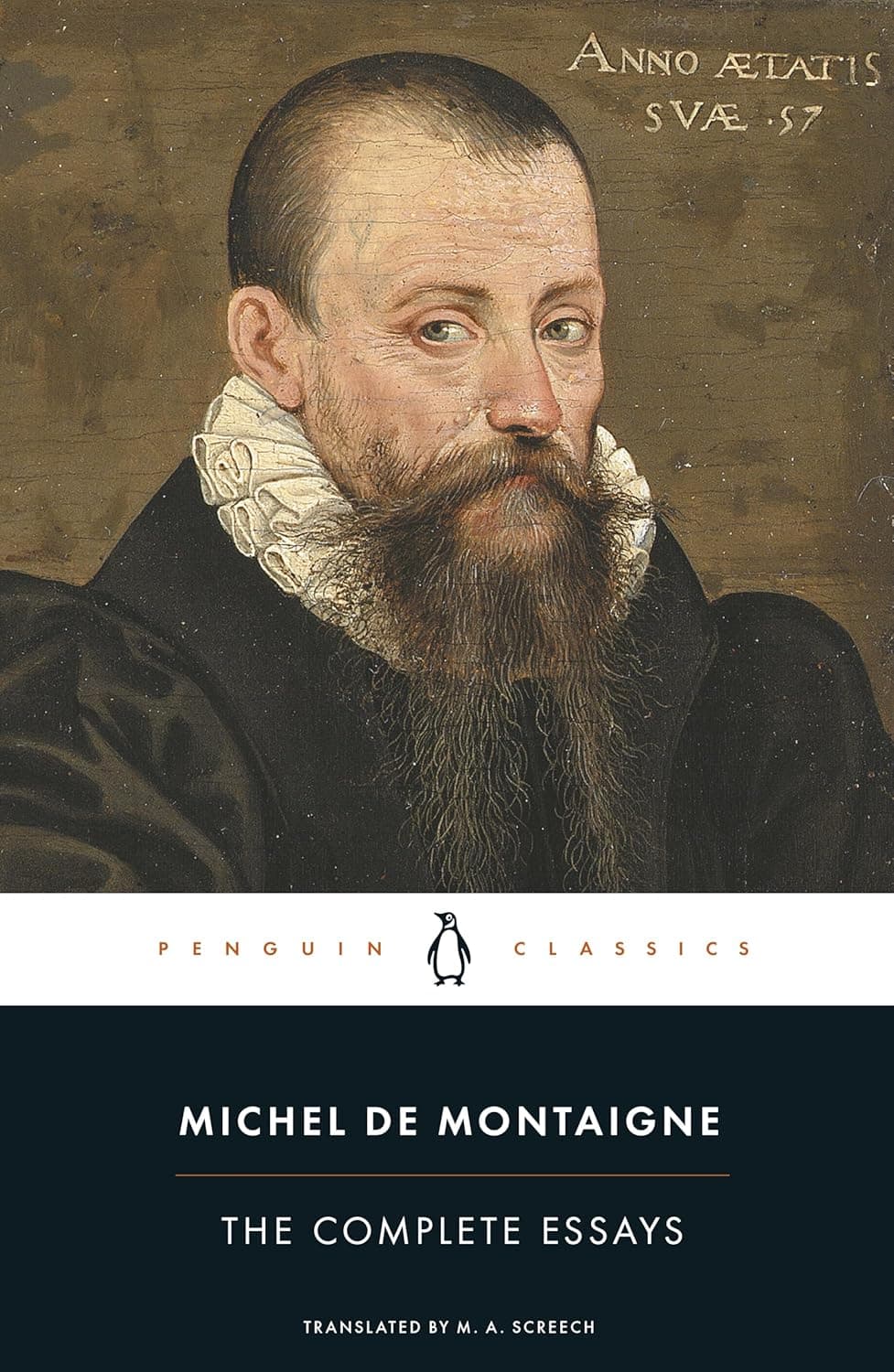
Montaigne wrote short pieces on friendship, fear, sleep, and his kidney stones, and invented the essay doing it. As company on the page he remains unmatched in four centuries.