
The Chill
1964 · 279 pages
A husband hires Lew Archer to find the bride who fled their honeymoon, and the trail runs back decades into two families' history. In Macdonald's California, crimes are inherited rather than committed.
★ 4.6
 skopia
A husband hires Lew Archer to find the bride who fled their honeymoon, and the trail runs back decades into two families' history. In Macdonald's California, crimes are inherited rather than committed.

Tradition forbids the youngest daughter to marry, so Tita cooks, and everything she feels enters the food. Her quail in rose petal sauce sends a sister off naked with a Mexican revolutionary.

Berlin cleaned houses, worked emergency rooms, raised four sons, and drank. Forty-three stories out of that life, Alaska to Mexico City, written so plainly and fast you miss how much is inside them.
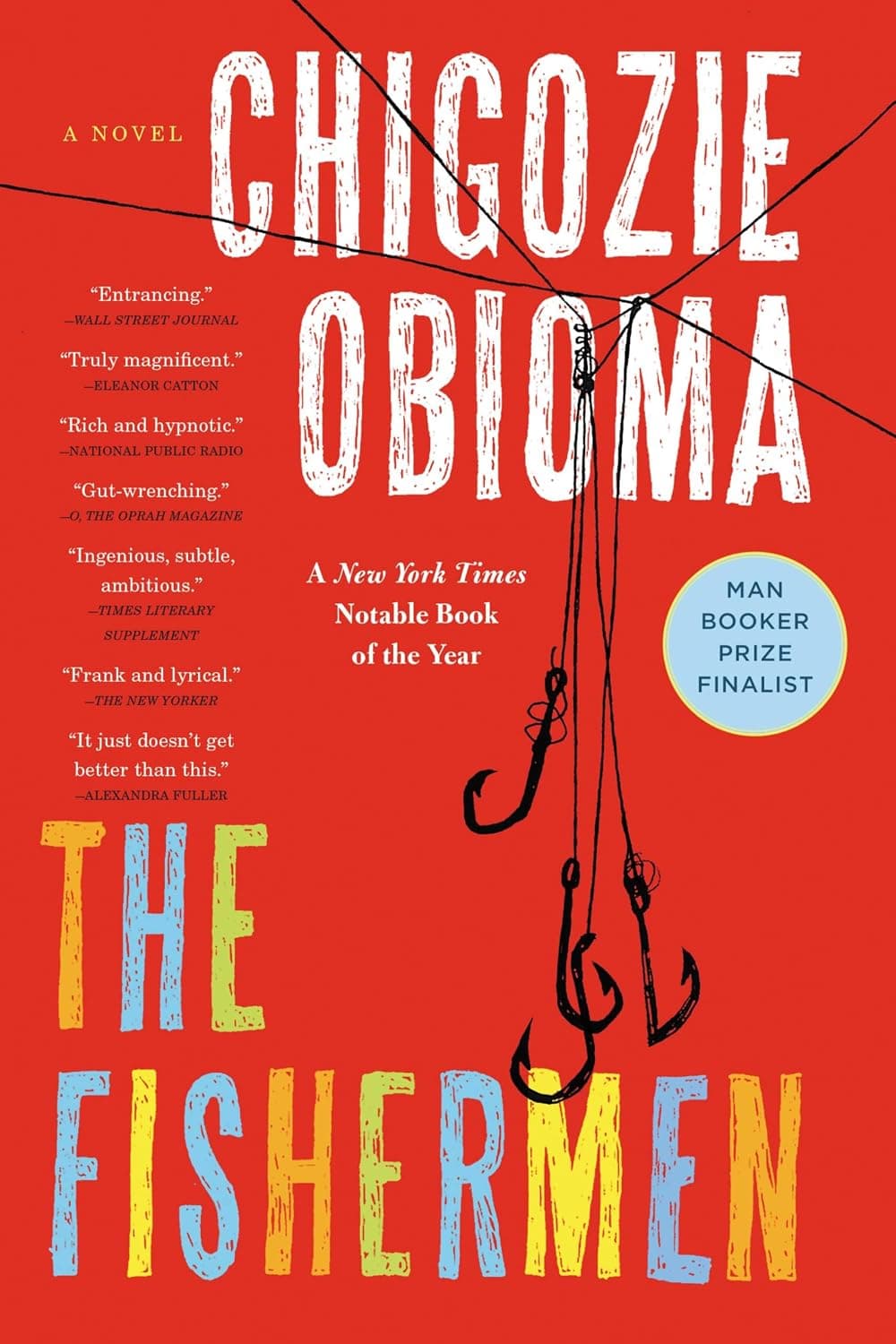
Four brothers fish a forbidden Nigerian river, and a madman tells the eldest he will die at a fisherman's hand. Obioma takes the family apart with the inevitability of Greek tragedy.

On Corfu in the 1930s a boy hunts scorpions and owls while his mother and three grown siblings supply the chaos. Durrell describes every creature exactly and every relative without mercy.

Sent to a Cascade logging town to live with a violent stepfather, a boy who calls himself Jack lies and steals his way toward escape. Wolff renders his adolescence with merciless clarity.

Uncle Matthew hunts his children across the Oxfordshire fields with bloodhounds. Linda Radlett escapes that house into two bad marriages and a French duke, in the funniest English novel of the interwar aristocracy.

Cal Stephanides was born a girl in Detroit and became a boy at fourteen, and traces the gene responsible back through Asia Minor to grandparents who were brother and sister.

Ernaux's father ran a café and grocery in Normandy, terrified all his life of using the wrong word. Educated out of his class, she writes him in flat sentences that never condescend.

Theobald Pontifex beats piety into his son with perfect Christian conviction, and Ernest spends the novel working free of him. Butler handed the revolt against Victorian respectability its sharpest and funniest weapon.

Clara predicts the future and moves furniture without touching it, while three generations of her family reach from the era of the great estates to the 1973 coup that comes for them.

Rezzori rebuilds vanished Czernowitz, the eastern edge of the Habsburg world, through the five people who filled his childhood. His father hunts, his mother panics, and his nursemaid teaches him about death.
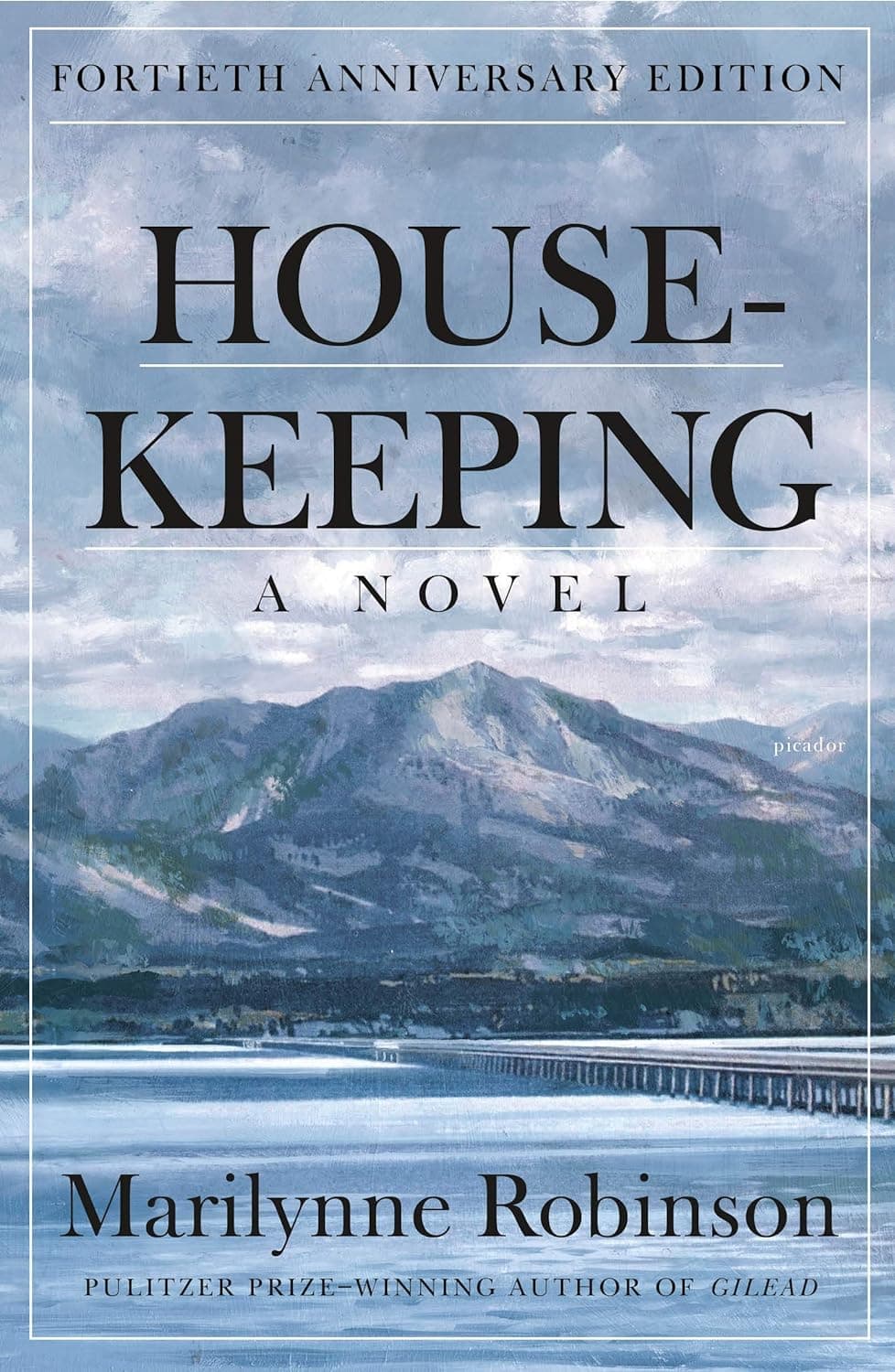
Two sisters in an Idaho lake town are raised by a drifter aunt who leaves the doors open and lets leaves blow through the house. Robinson makes transience a form of faith.
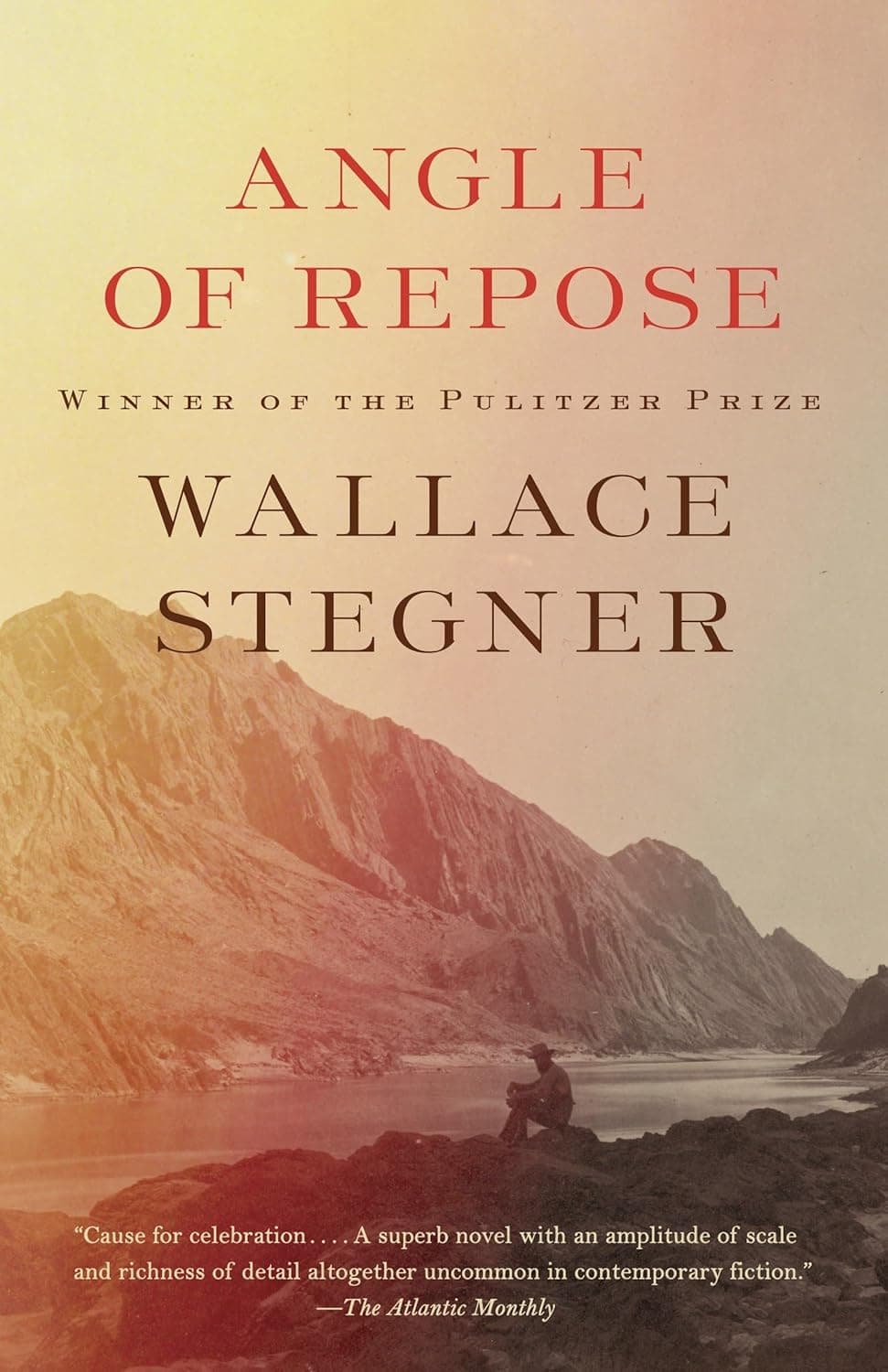
From his wheelchair a historian rebuilds his grandmother's life from her letters: a New York illustrator who followed a mining engineer west. Stegner's Pulitzer novel holds a region in one marriage.

In a decaying Old Delhi house, two sisters reopen everything the family did to each other in 1947, the year of Partition. Desai makes still summer afternoons unbearable.

Kingston's aunt drowned herself in the family well, and no one may say her name. Out of that silence and the legend of a woman warrior, Kingston remade what American memoir could do.
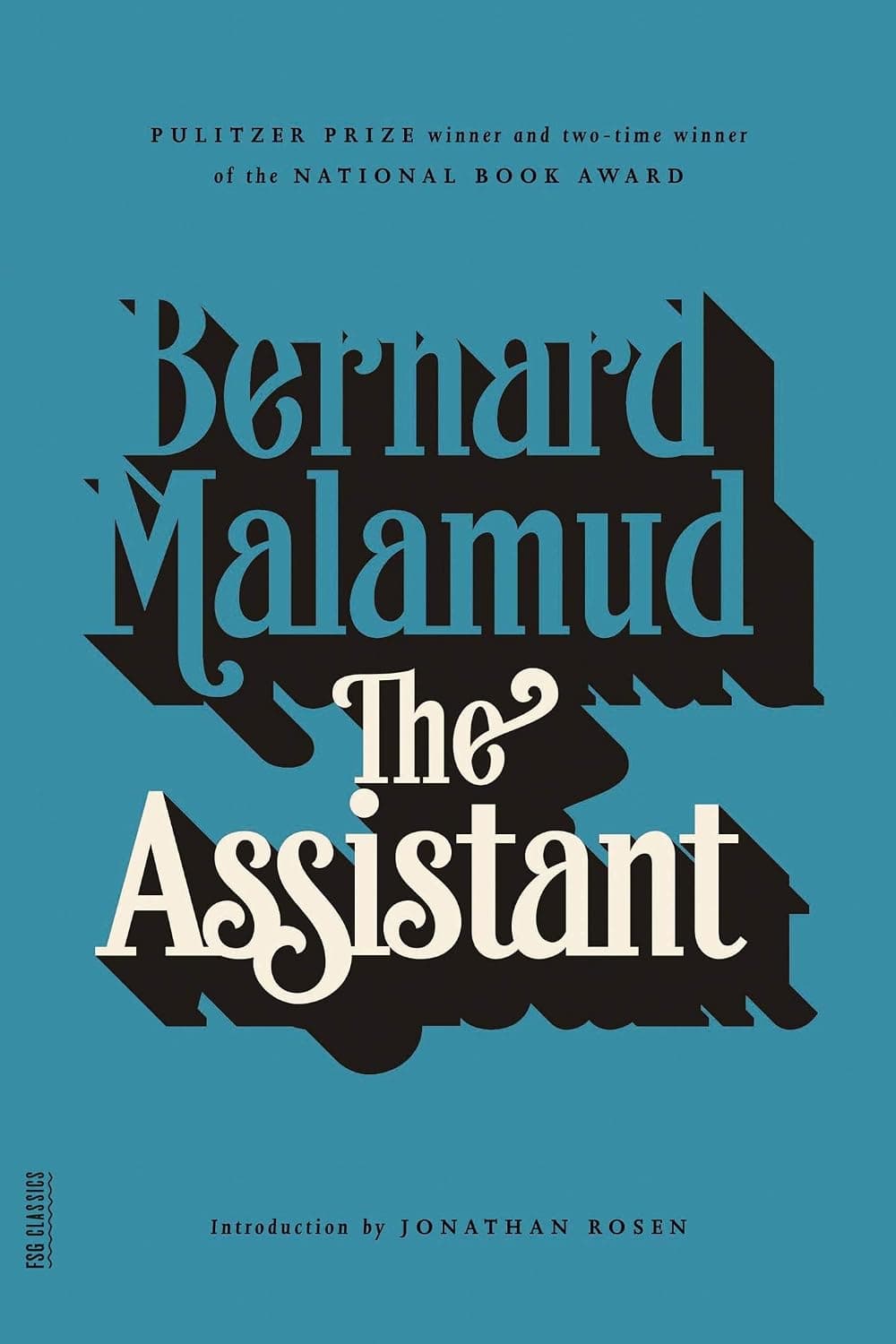
In a failing Brooklyn grocery, the drifter who helped rob the place returns to work for the Jewish owner without pay. Malamud turned that store into the moral center of Jewish American fiction.

McCourt's father drank the wages and his mother begged for coal in a Limerick lane, and three of his siblings died before he turned seven. He tells it laughing.

Gornick walks Manhattan with her widowed mother, arguing the argument they have had since the Bronx tenement of her girlhood. Writing programs teach it as how a memoir is built.
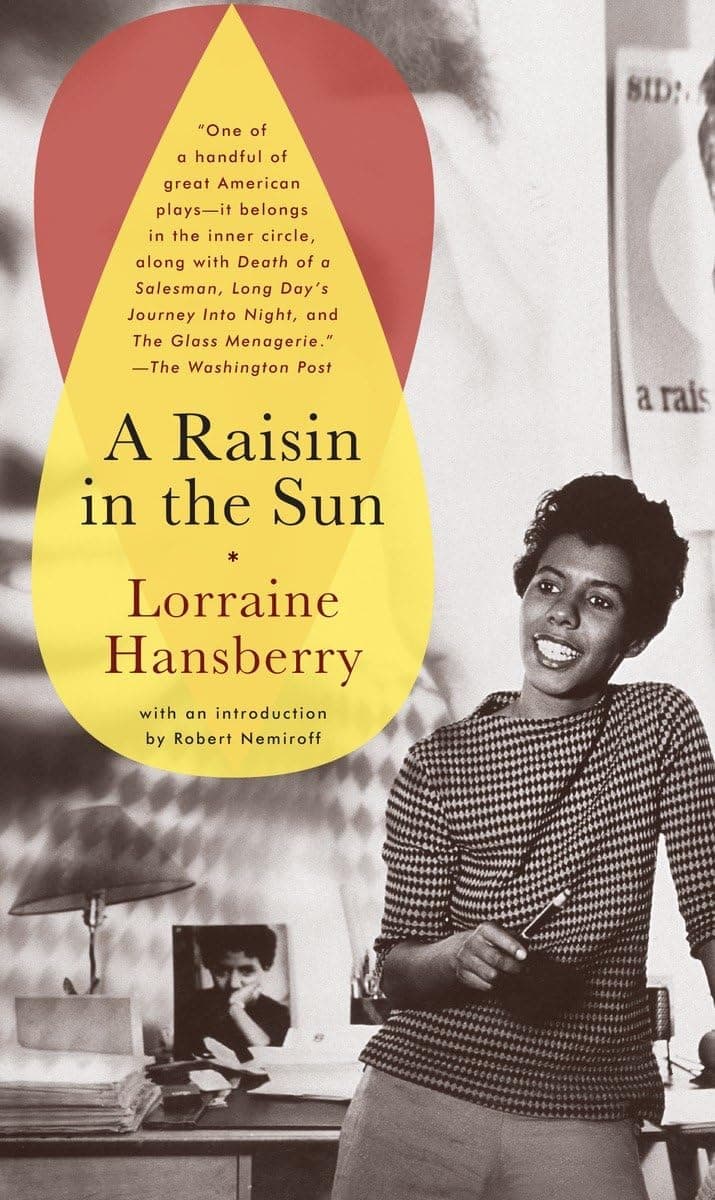
Ten thousand dollars of insurance money reaches a Chicago apartment and a Black family goes to war over what it is for. Broadway had never staged a play by a Black woman before.