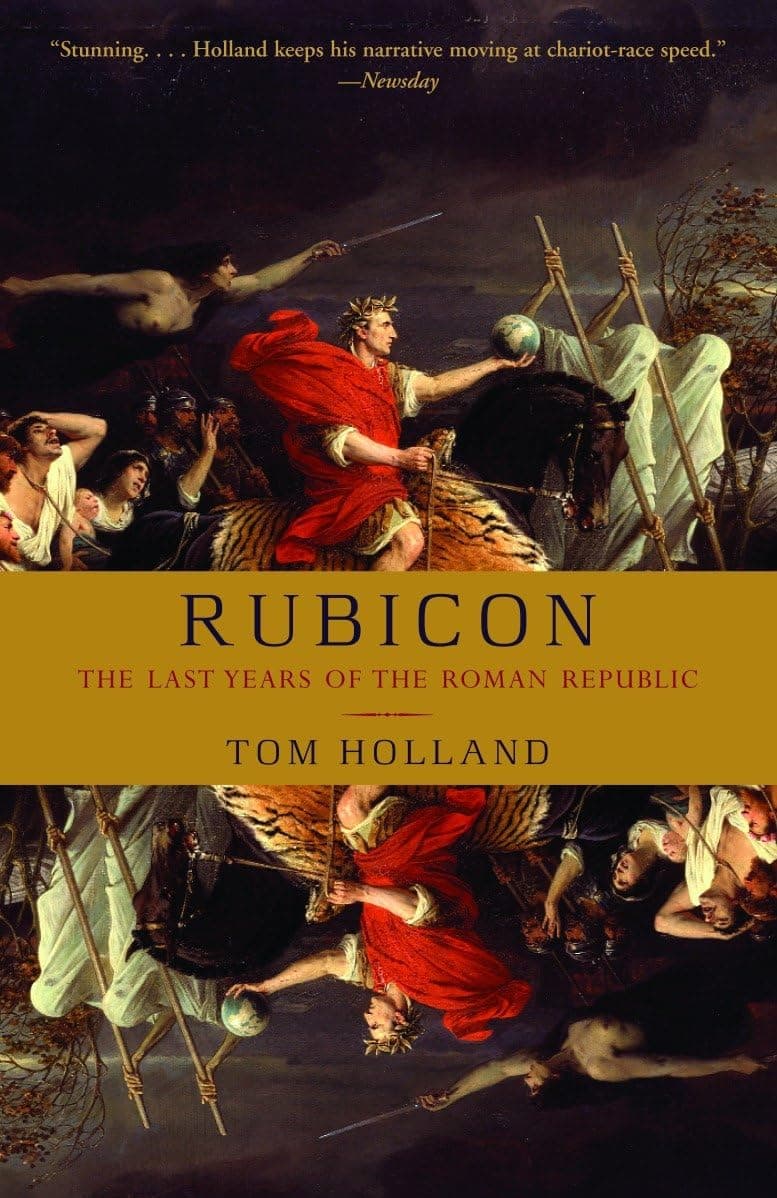
Rubicon
2003 · 464 pages
The Roman Republic destroyed itself, and Tom Holland tells it at the pace of a thriller. Caesar reaches the Rubicon with a single legion, knowing crossing it means war against his own state.
★ 6.0
 skopia
The Roman Republic destroyed itself, and Tom Holland tells it at the pace of a thriller. Caesar reaches the Rubicon with a single legion, knowing crossing it means war against his own state.

Beard covers a thousand years of Rome, opening on Catiline's conspiracy and closing the day Caracalla made every free inhabitant a citizen, and she cares as much about slaves as emperors.
Rome's first emperor assembled from other people's letters: soldiers, poets, conspirators, and the daughter he sends into exile. Williams shows how a sickly boy became master of the world and what it cost.
Brutus is persuaded that killing his friend will save the republic. Antony stands over the body, says he comes to bury Caesar and not to praise him, and turns Rome around.
Plautus stole Greek plots and made them Roman, vulgar and fast. Shakespeare lifted his mistaken twins for The Comedy of Errors, Moliere lifted his miser, and farce has run on that machinery since.
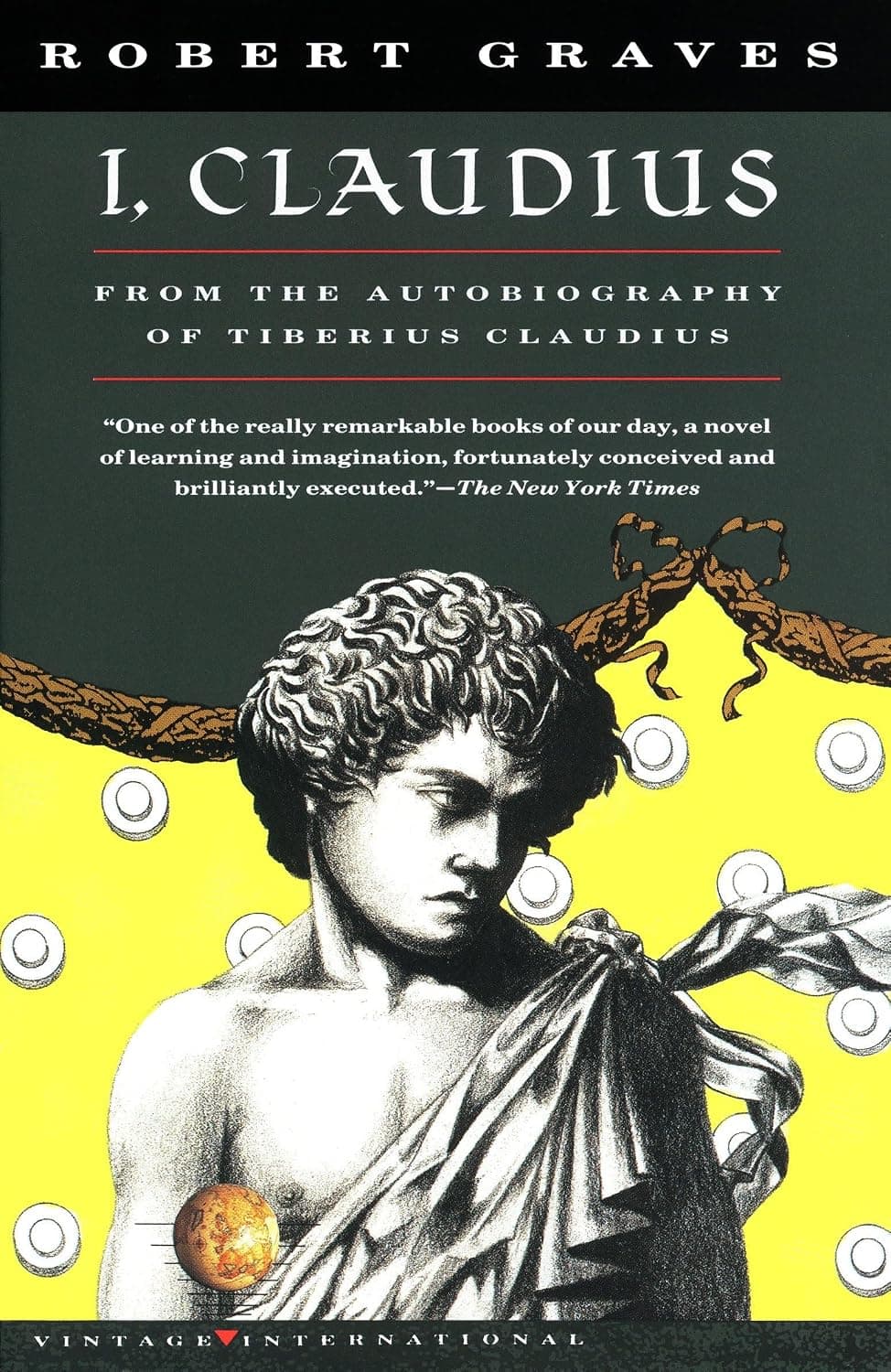
Stammering, limping, and dismissed as an idiot, Claudius survives the Roman imperial family as it murders its way through Augustus, Tiberius, and Caligula, then sets down the secret history of what he watched.
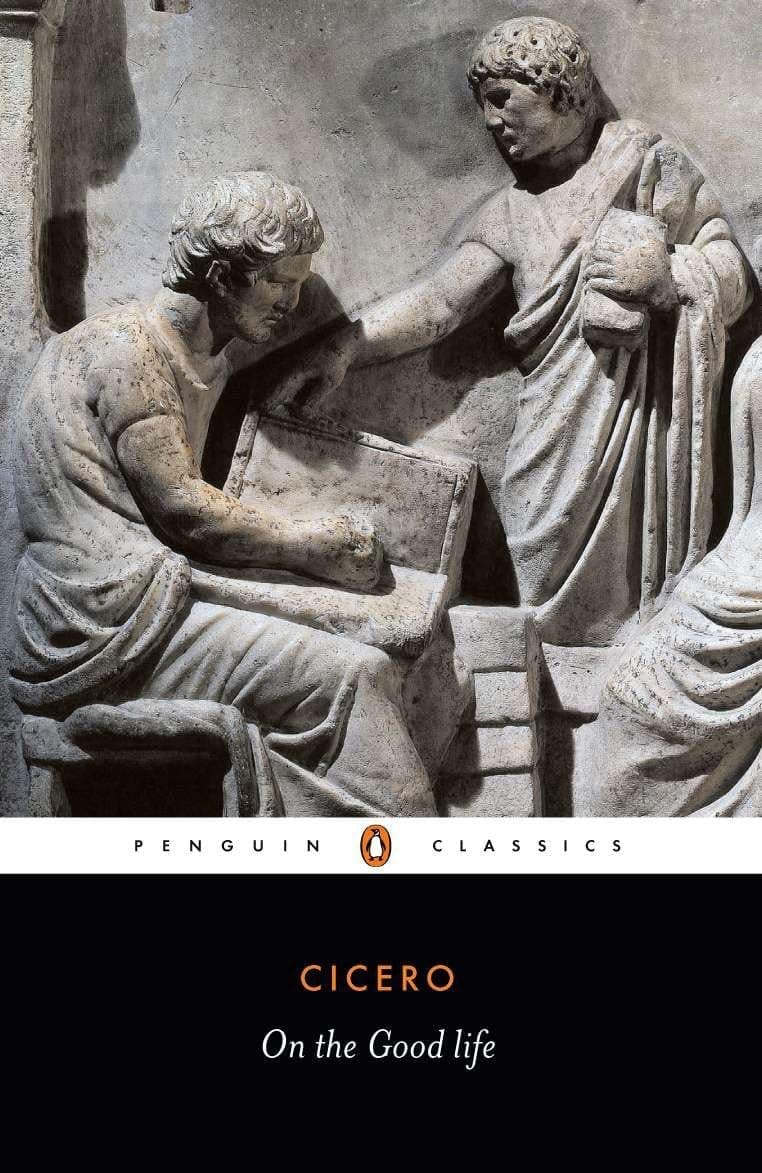
Cicero gives the argument to Laelius, a statesman grieving his dead friend: real friendship binds only good men, is wanted for nothing beyond itself, and makes fortune brighter and hardship lighter.
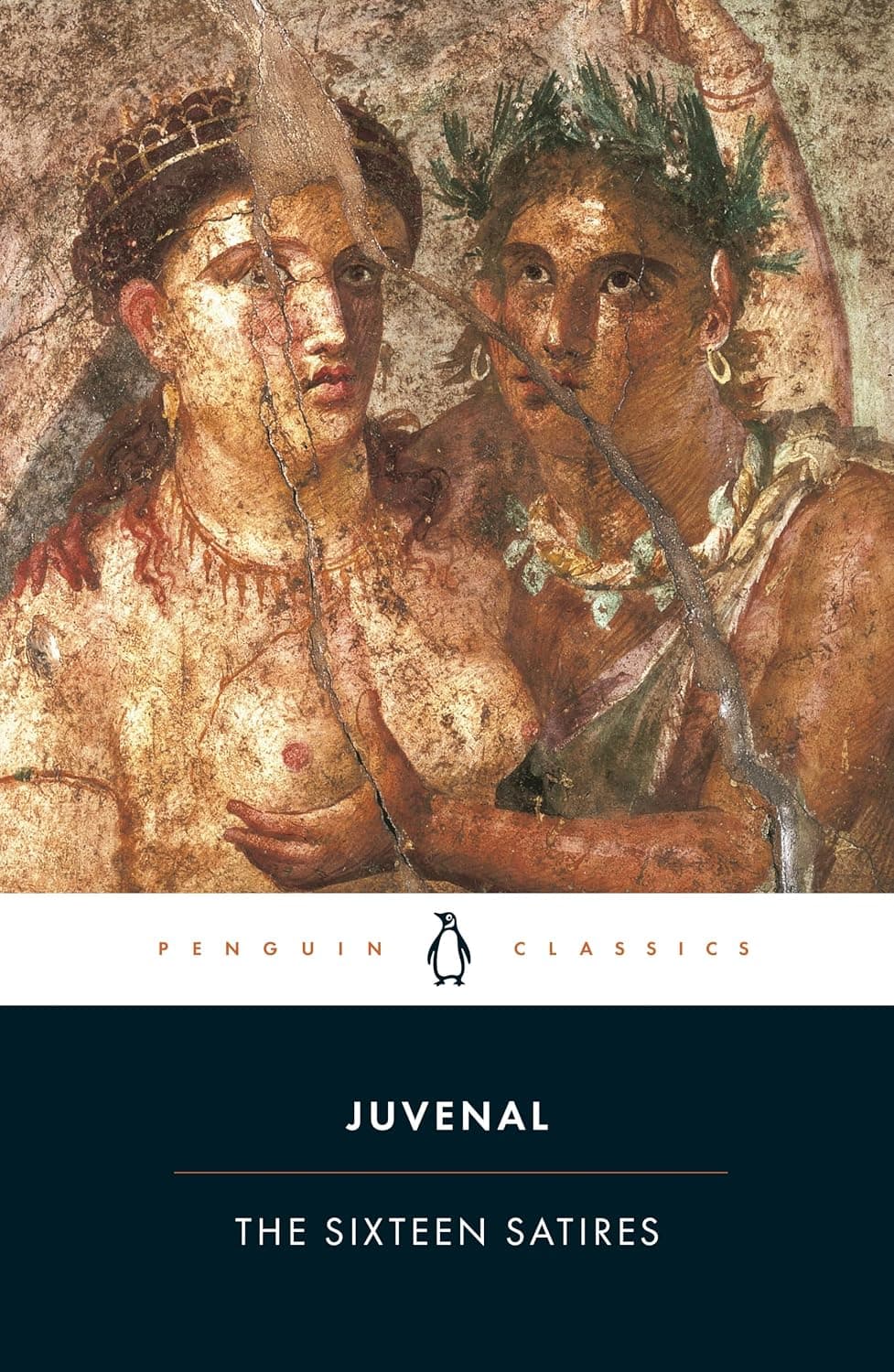
Bread and circuses came from here, and so did the line about guarding the guards. Juvenal turns sixteen poems of fury on imperial Rome, where an honest man cannot afford to live.
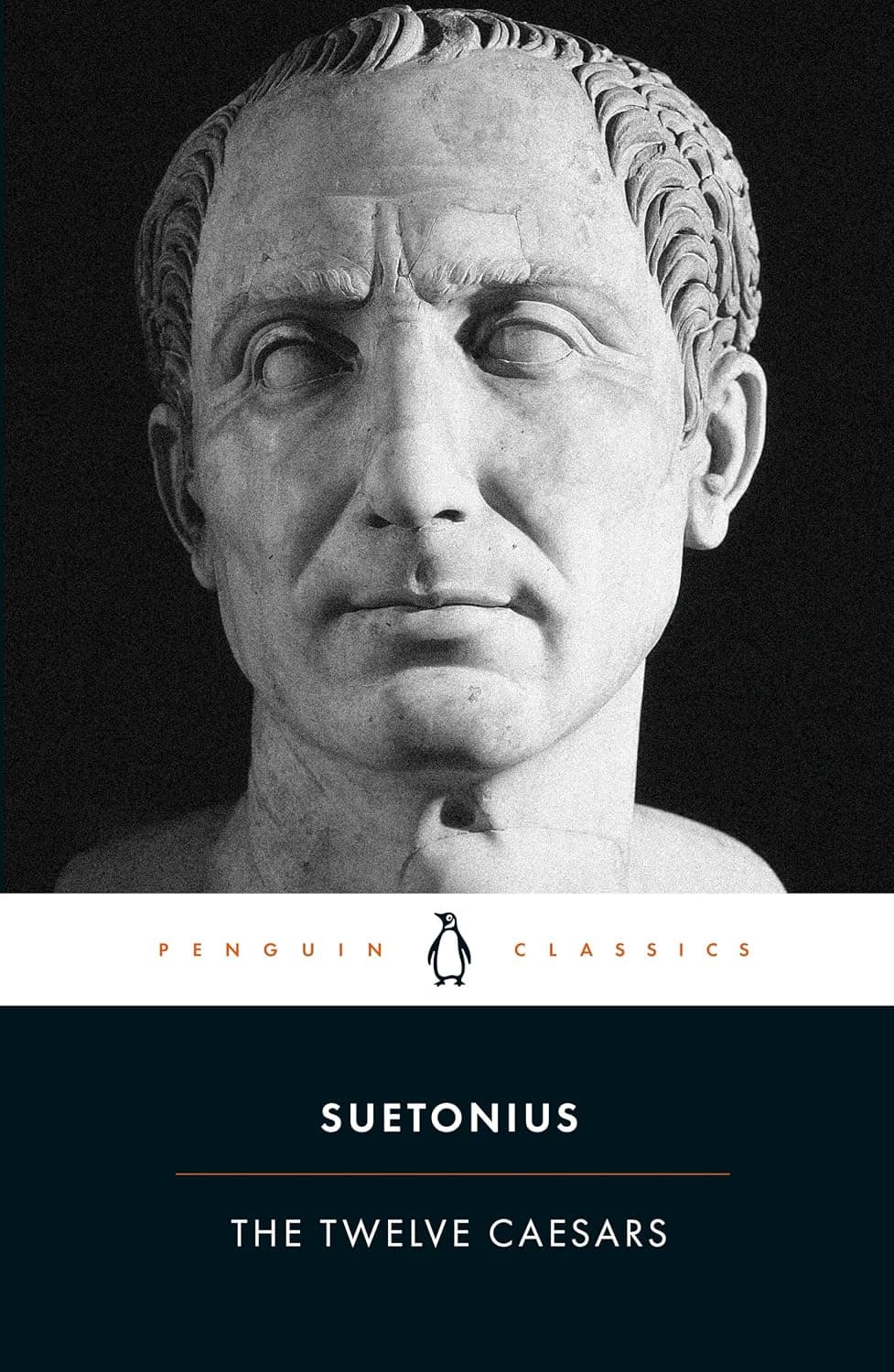
Secretary to the emperor Hadrian, Suetonius wrote the lives of Julius Caesar and eleven emperors after him, omens, gossip, last words and all. Our picture of Nero comes straight from these pages.
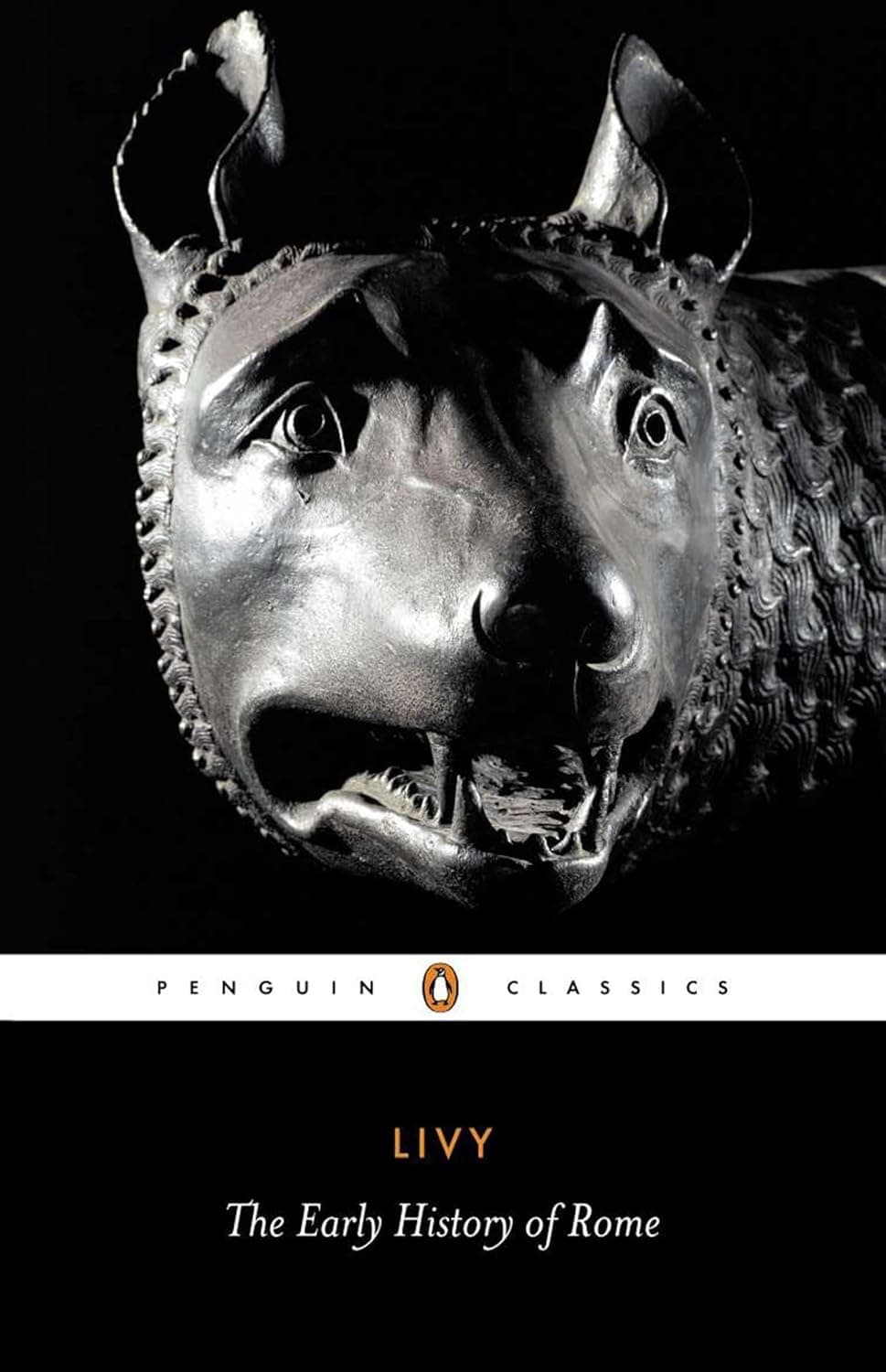
Livy tells Rome's story from the wolf and the twins onward, pausing on the people whose conduct he believes made the city. These are the legends Europe retold for two thousand years.
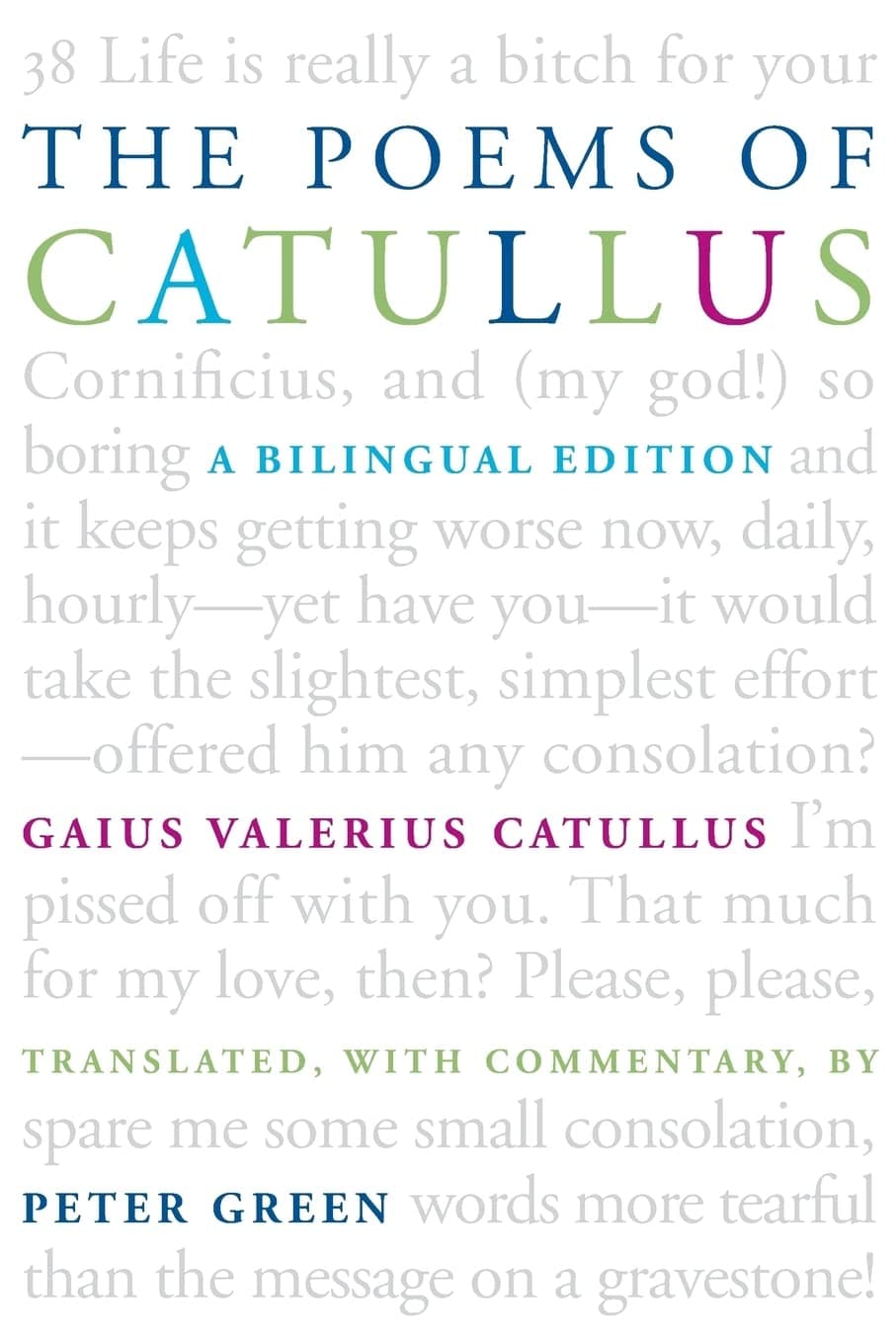
Latin love poetry begins with Catullus, counting kisses by the thousand for the aristocrat he calls Lesbia and then admitting he hates and loves her at once. The obscenity still stings.
Cicero tells his son what a decent person owes everyone: keep your word, harm nobody, and stop believing a shameful act can pay. Real Roman cases of profit against honesty carry the argument.

Rome fell to the Goths in 410 and pagans blamed the Christians. Augustine answers by sorting all history into two cities, one built on love of God and one on love of self.
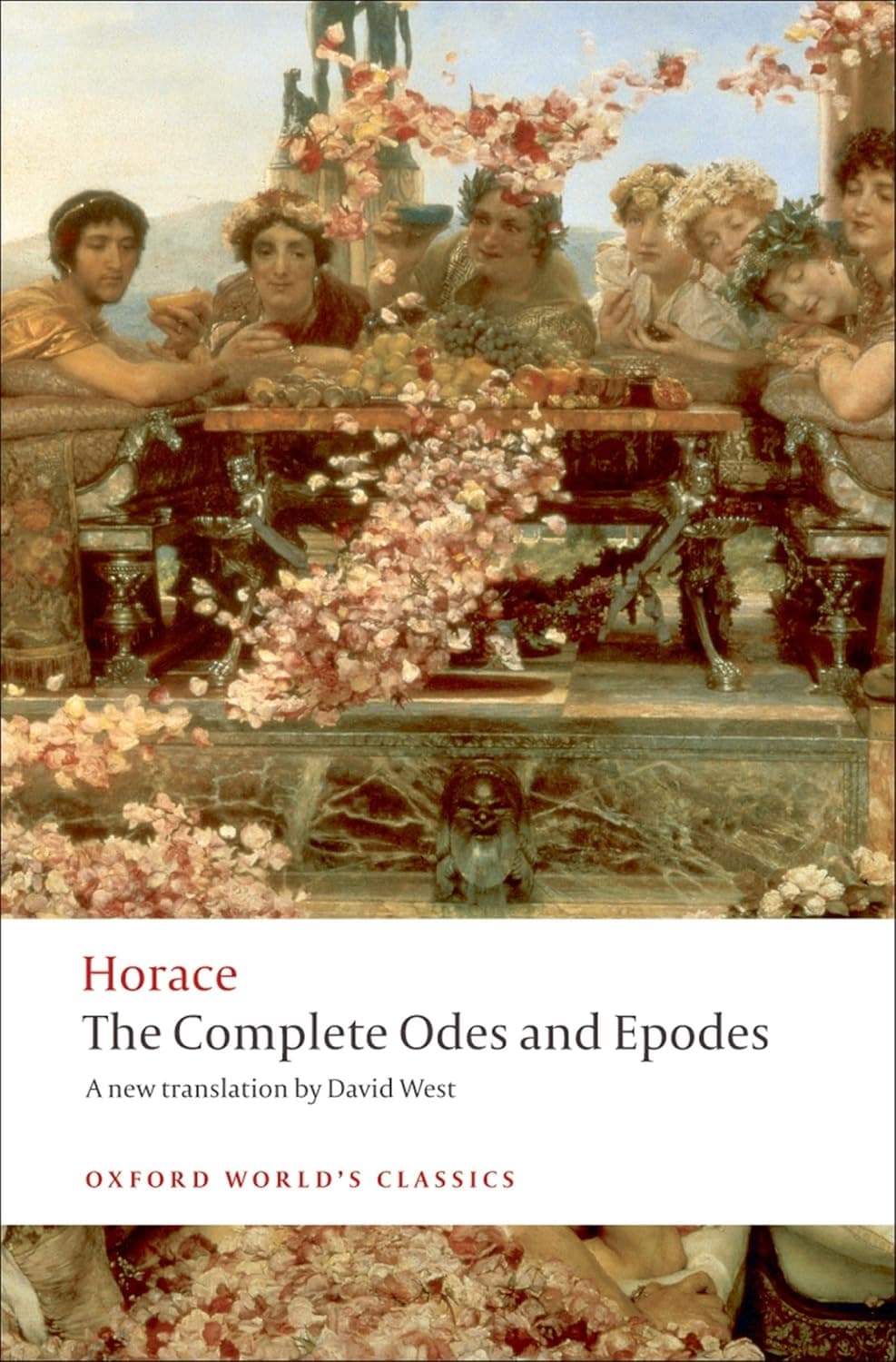
Horace compresses wine, friendship, and the certainty of death into stanzas of exact and unhurried form, the summit of Latin lyric. Carpe diem is his line, and in context it is not cheerful.
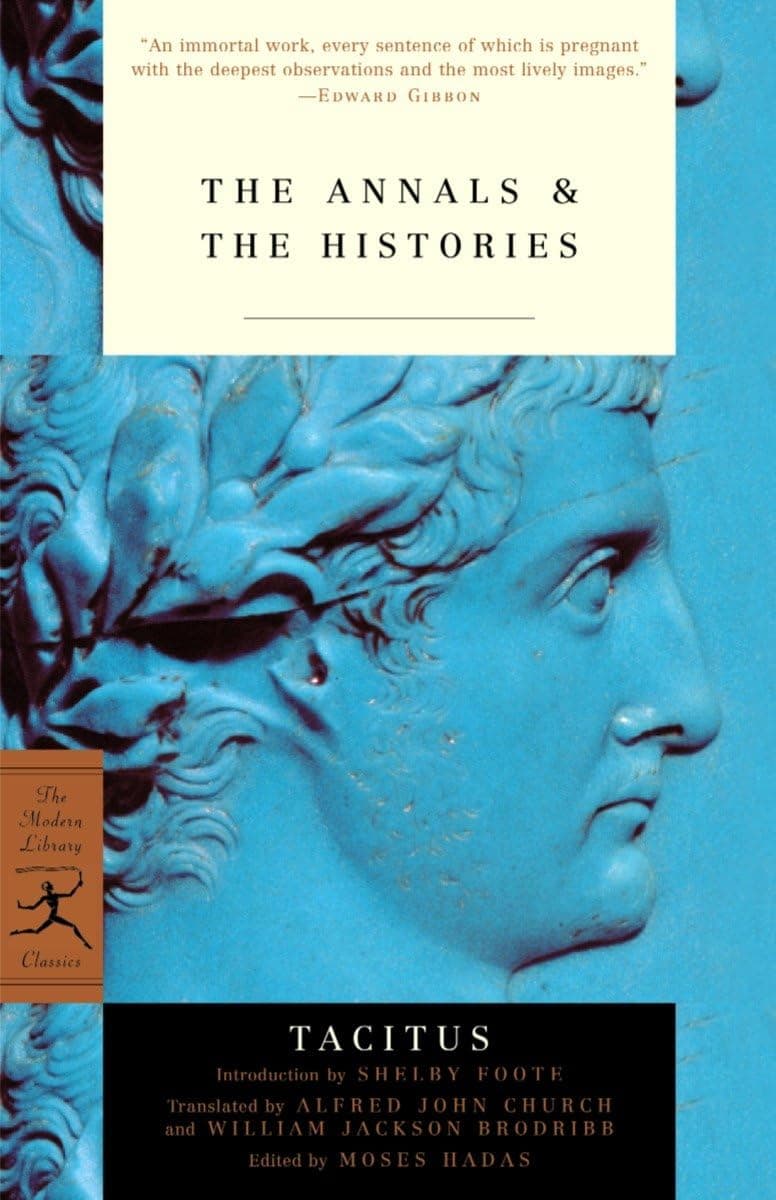
Tacitus promises to write without anger or partiality, then follows Rome from Augustus through Tiberius, Claudius, and Nero, ruining each of them in half a sentence. Power has never had a colder witness.

Gibbon follows Rome from its imperial peak to the fall of Constantinople thirteen centuries later, in the finest prose English history possesses. His contempt for Christianity still makes readers laugh.