
Philosophy in the Boudoir
1795 · 173 pages
Two libertines take a girl of fifteen through atheism, pleasure and cruelty, pausing for a pamphlet urging the Republic to abolish God with the king. Sade takes reason to its worst conclusion.
★ 4.2
 skopia
Two libertines take a girl of fifteen through atheism, pleasure and cruelty, pausing for a pamphlet urging the Republic to abolish God with the king. Sade takes reason to its worst conclusion.
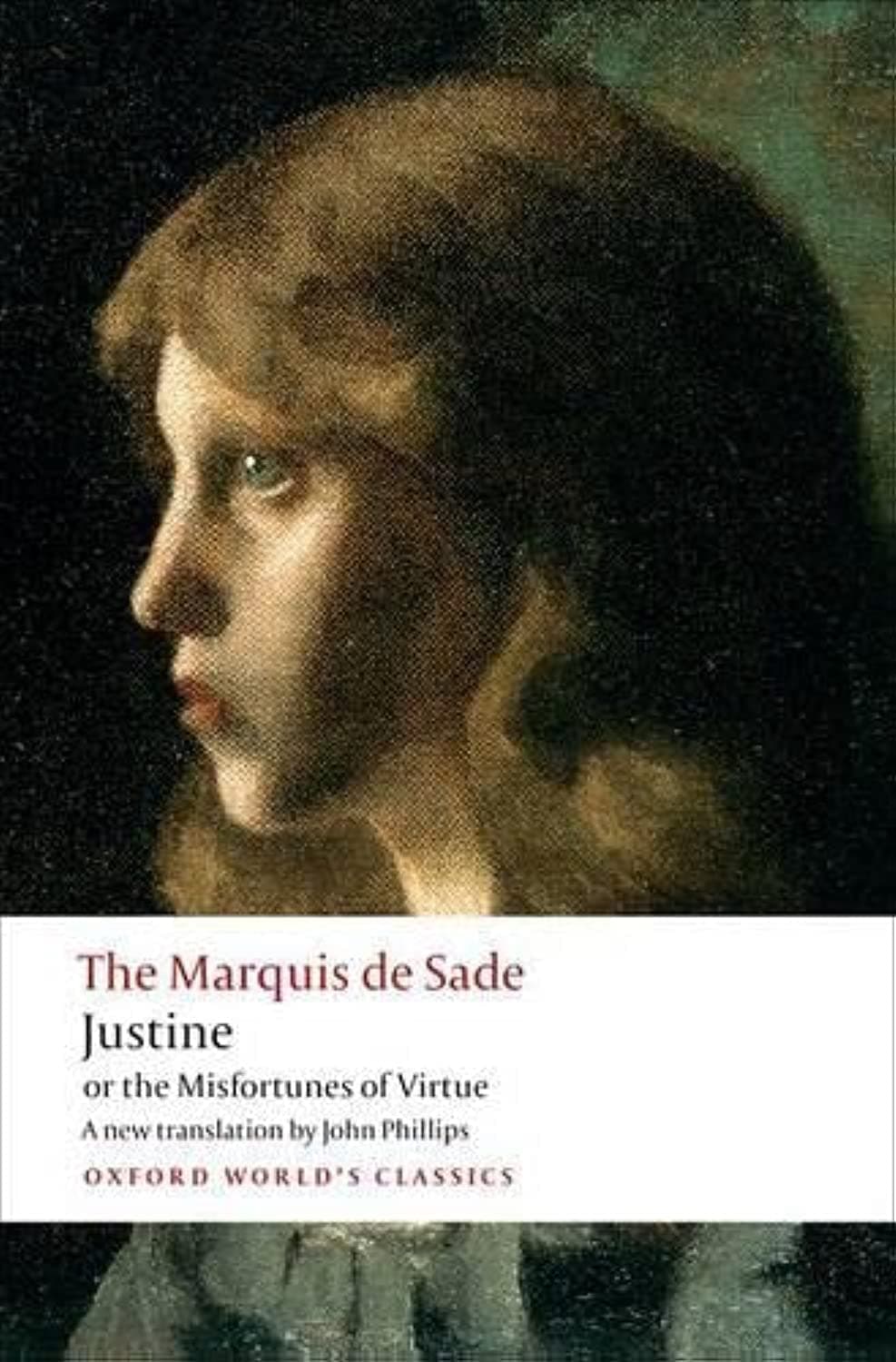
Twelve years old and orphaned, Justine chooses virtue and is punished for it by monks, surgeons, and noblemen who argue at length that nature rewards cruelty. Napoleon had Sade arrested for writing it.

Hergé sent his boy reporter into a Soviet Union he had never visited, cribbed from one anti-Bolshevik tract of rigged elections and staged factories. Crude work, and the series it opened conquered Europe.

A Berkeley merchant drives France cellar by cellar, buying from small growers and arguing that filtering a wine bright strips out what you want to drink. Lynch taught Americans to taste for place.

A war widow receives photographs of the husband she buried. The trail runs into a London fog where the killer Jack Havoc is loose, and Allingham makes the thriller an argument about evil.
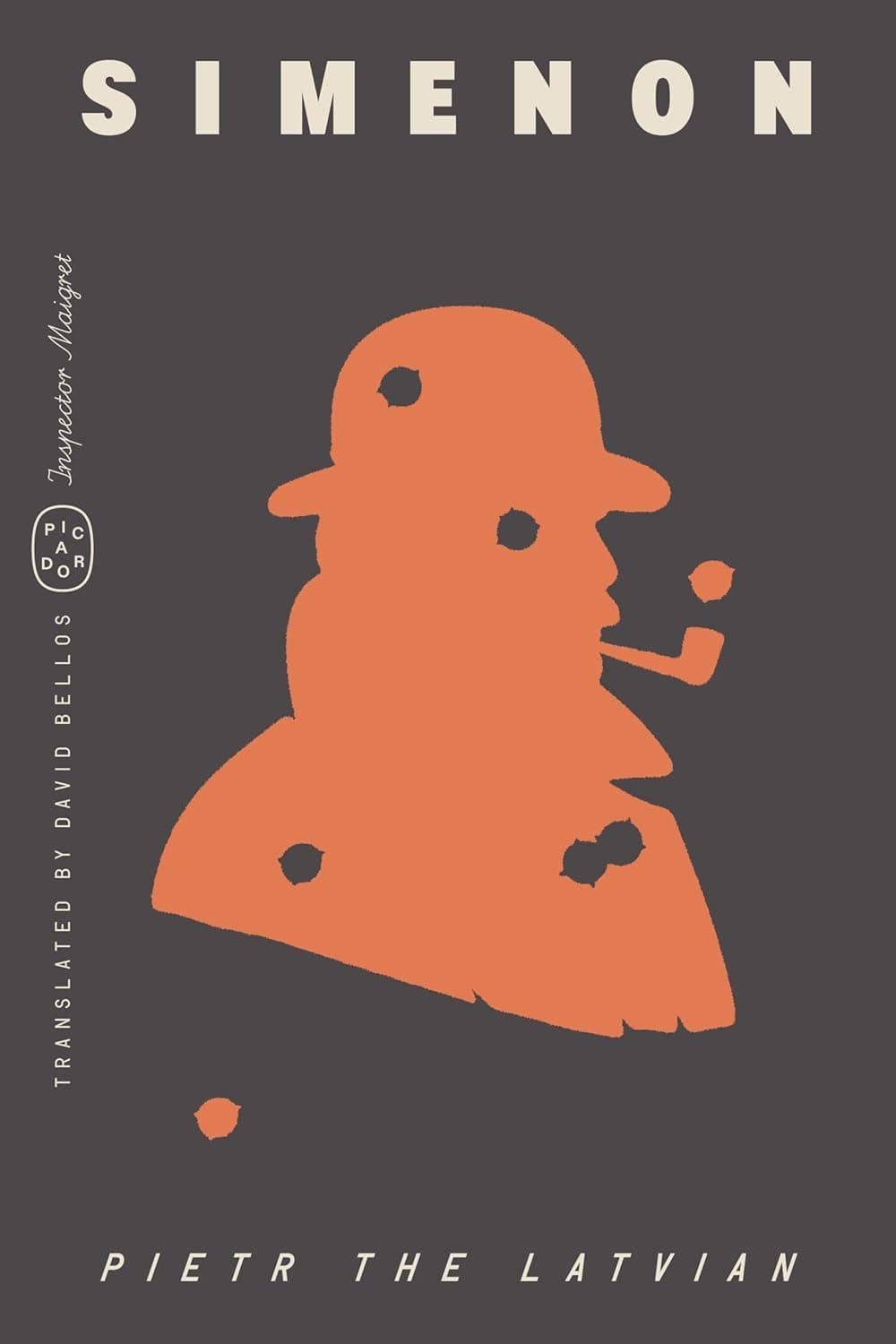
Inspector Maigret arrives fully formed in his first case, following a con man off the Paris express to a Normandy fishing port. He solves people rather than puzzles, and Simenon wrote seventy-four more.

Le Carré called Ambler the source on which we all draw. An English novelist is shown a body from the Bosphorus and traces the dead man through Balkan assassination and Paris drug trafficking.

Bored in a hospital bed, a Scotland Yard inspector studies a portrait of Richard III and reopens the murder of the two princes, working entirely from chronicles and documents fetched to his bedside.

Marcella Hazan taught America what Italians actually eat, region by region, and her rule is exacting: buy well, do less, wait. Her tomato sauce is a can, an onion halved, and butter.
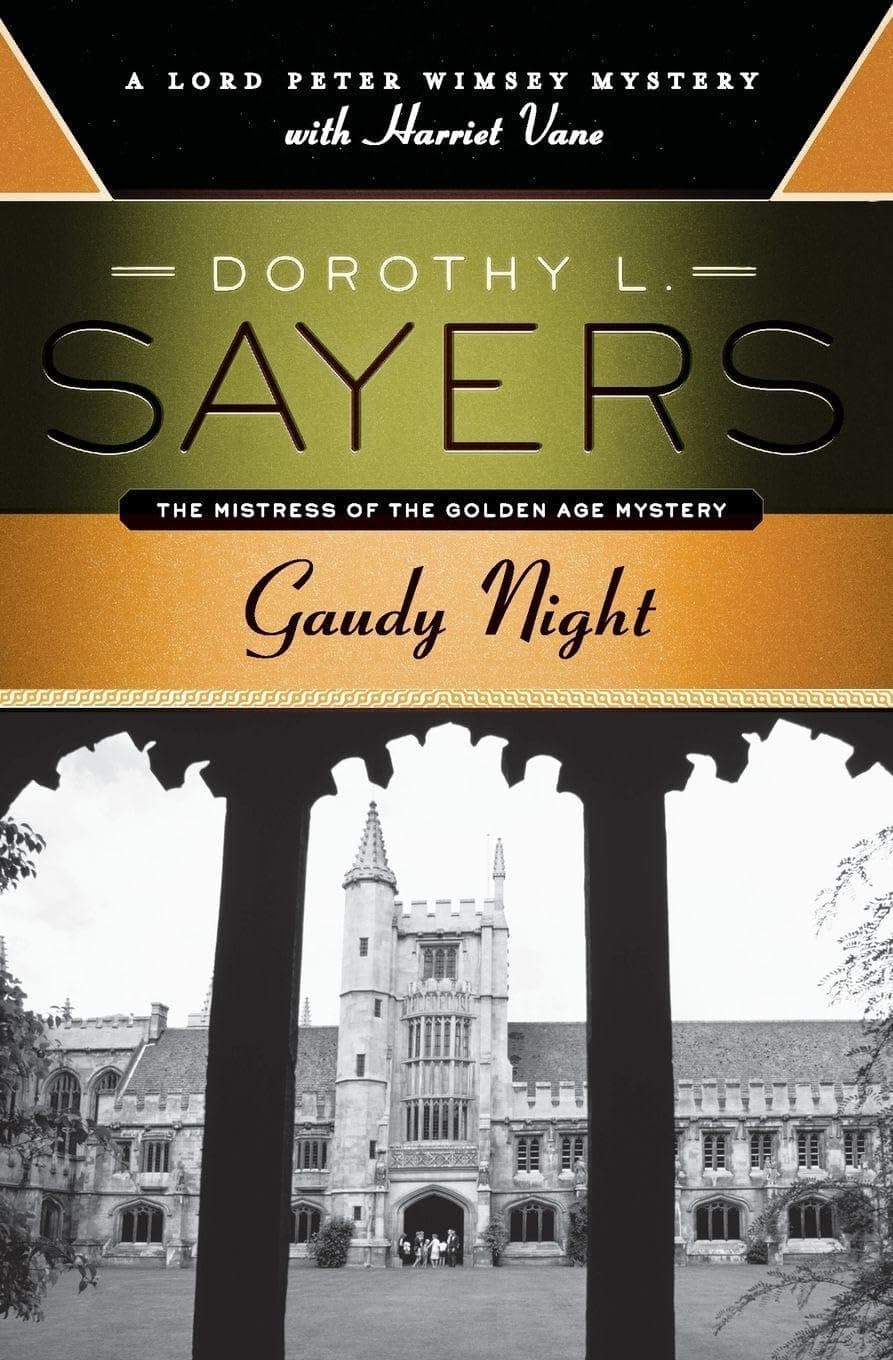
Harriet Vane, mystery novelist, returns to her Oxford women's college, where someone is sending obscene letters and destroying scholarship. Nobody dies. The question is whether a woman can have both work and love.
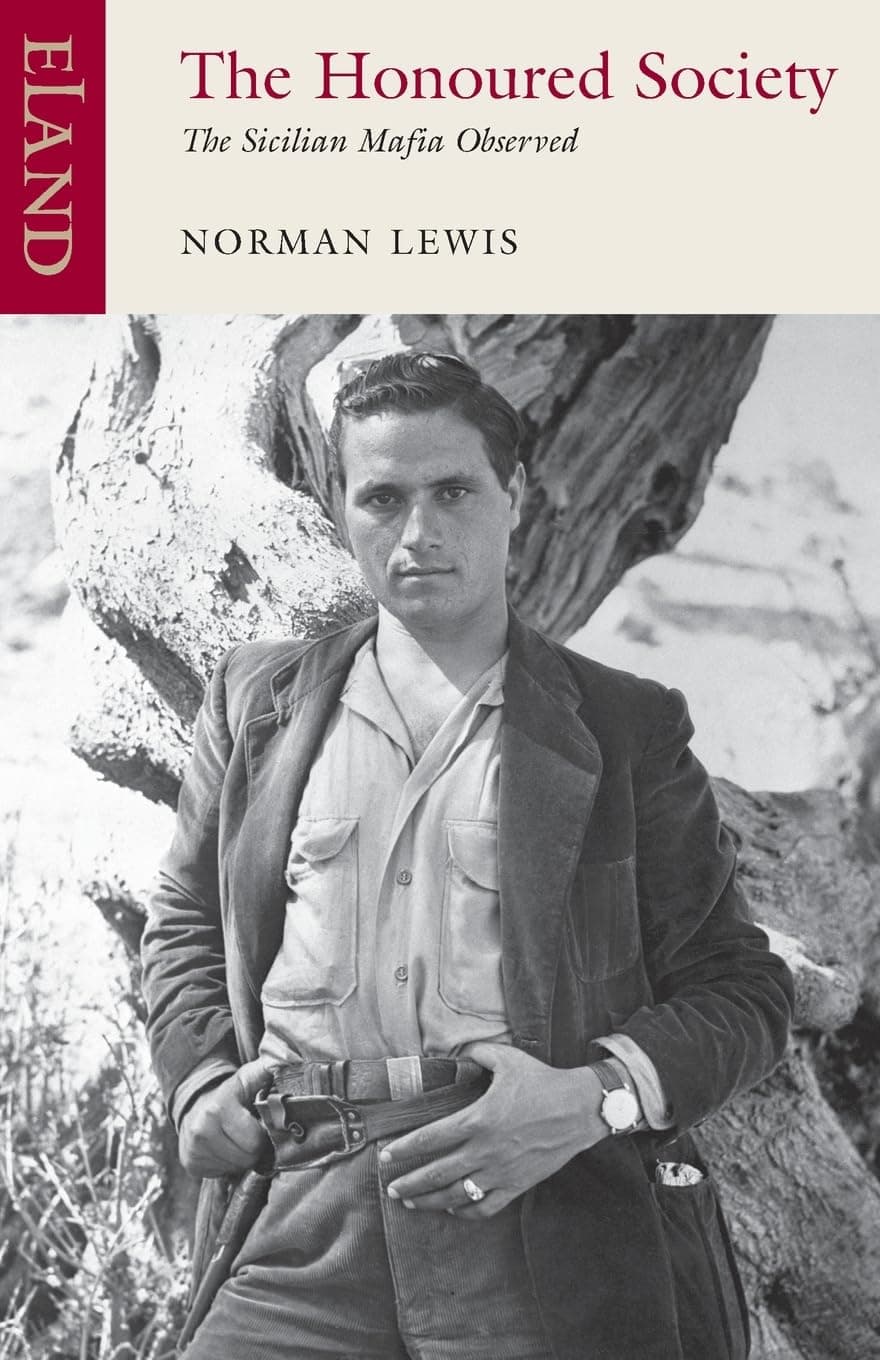
Lewis walked postwar Sicily and found monks running extortion from the confessional and Mafia bosses installed as mayors by American liberators, whose invasion, he argues, restored what Mussolini had nearly destroyed.
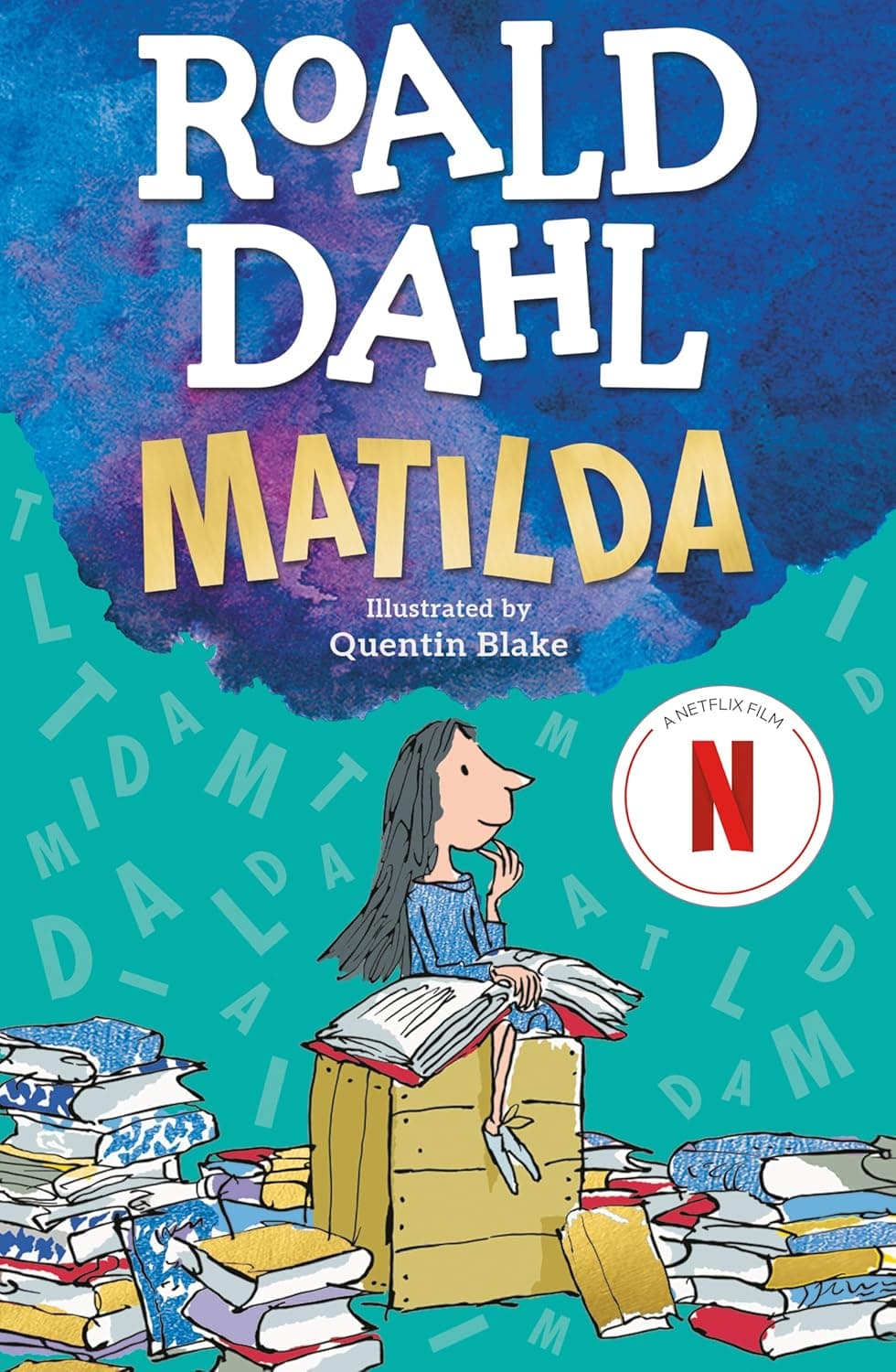
Matilda finished Great Expectations at four, which her parents treat as an insult. Her headmistress at school throws children by the pigtails, and Matilda discovers she can move objects with her eyes.

Wanted for a murder in his own flat, Richard Hannay bolts across the Scottish moors with a dead spy's coded notebook. Hitchcock filmed it, and the innocent fugitive became the thriller's engine.

Pippi is nine, lives alone with a monkey and a horse she can lift with one arm, and answers to no adult. Lindgren handed children a heroine no grown-up can manage.

Charles Pooter, a London clerk of vast unearned dignity, records every slight from tradesmen and every dinner-party triumph. He paints his bath red with enamel and mistakes the dissolving water for blood.
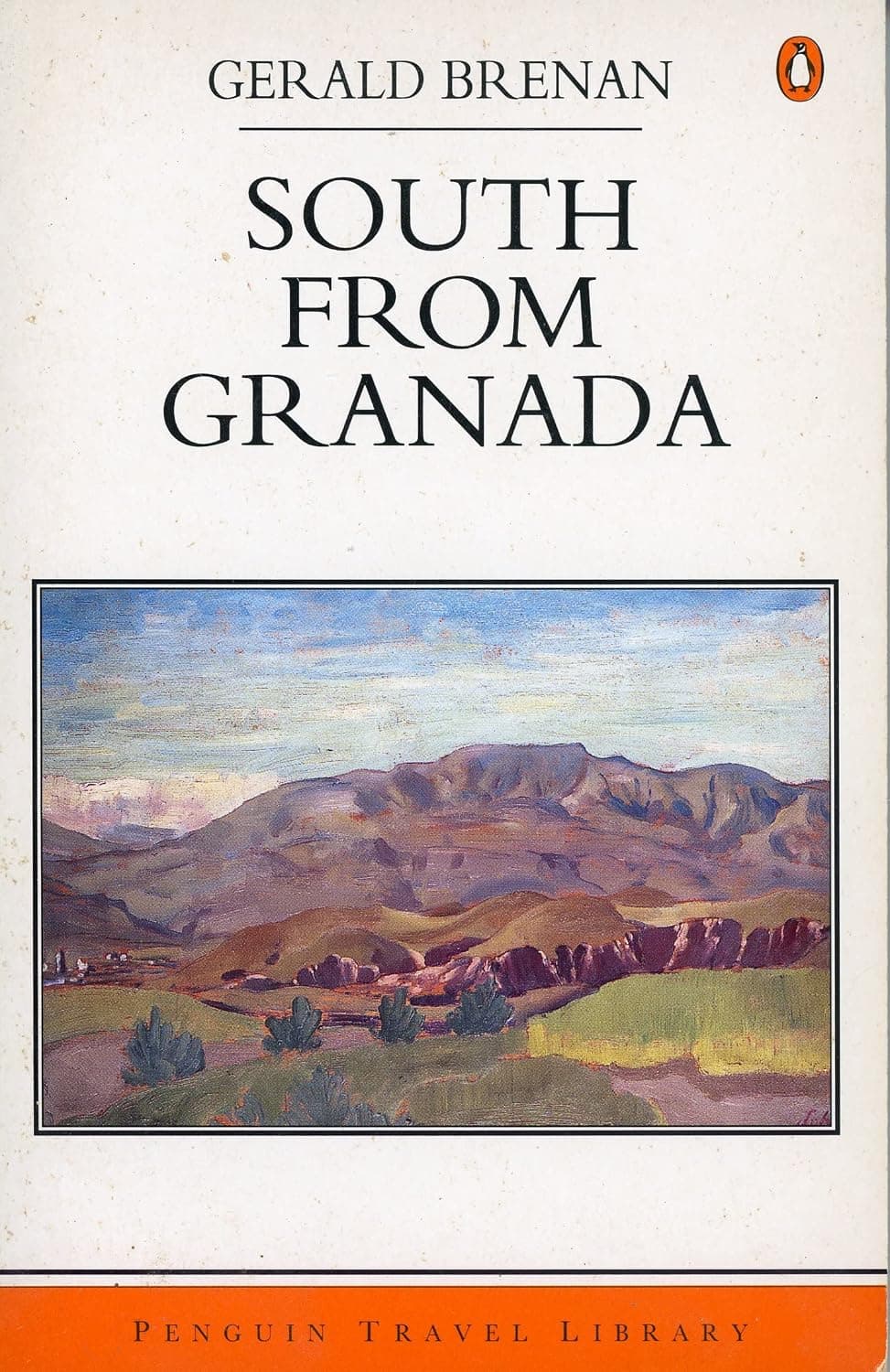
In 1920 an Englishman settled in the mountains south of Granada, in a village called Yegen. Brenan sets down its customs, its poverty and its gossip, an Andalusia the Civil War would erase.

Three Victorians and a fox terrier row up the Thames, and Jerome turns the holiday into English comedy: a tin of pineapple nobody can open, a Hampton Court maze that traps everyone.
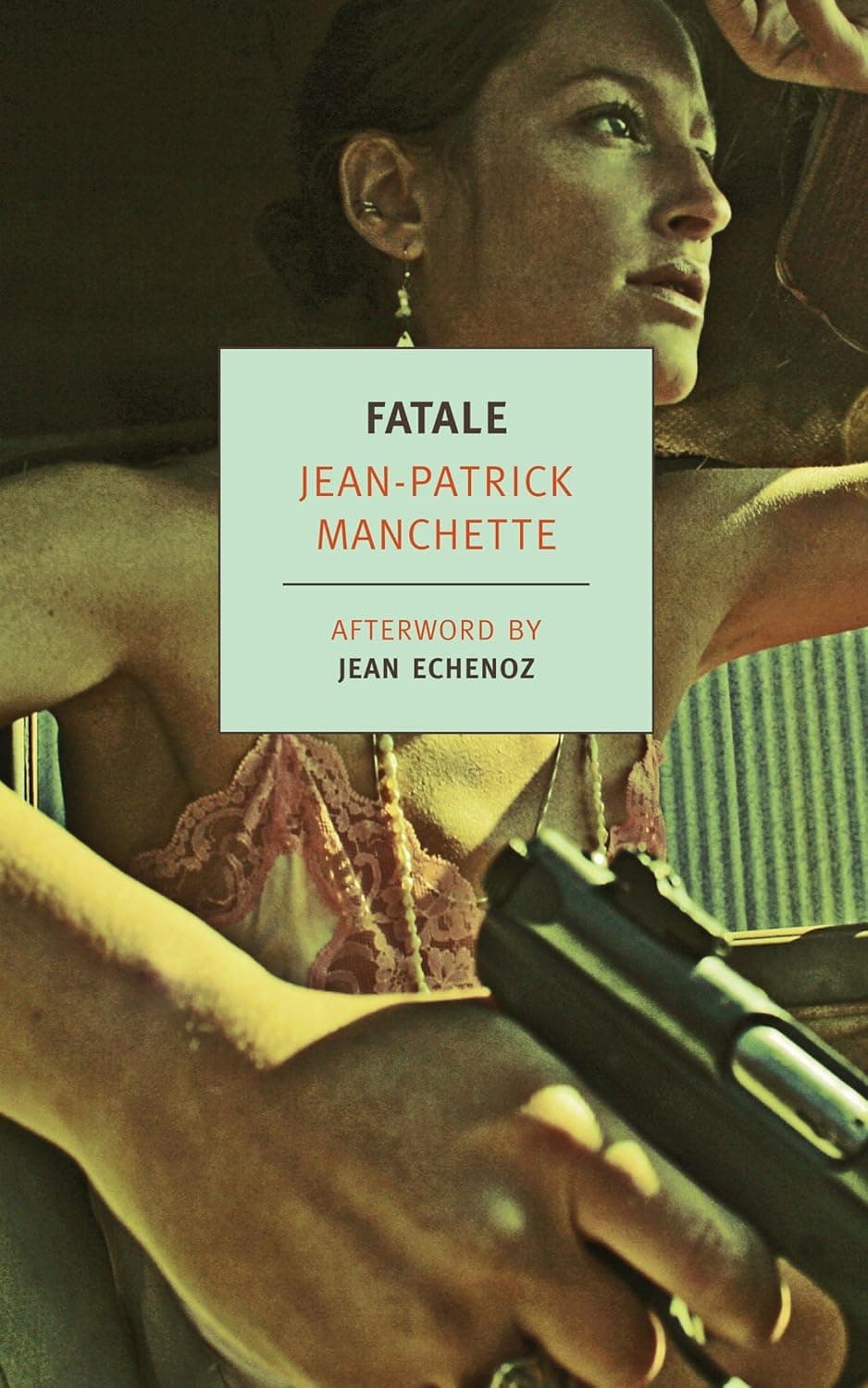
Aimee Joubert kills for hire. She arrives in a smug French seaside town, learns everyone's secrets over dinner, and sets the notables to destroying each other. Manchette writes crime as class war.

On a rainy Stockholm night a gunman empties a submachine gun into a bus, killing a detective from Martin Beck's own squad. Sjöwall and Wahlöö make Swedish social democracy the real suspect.
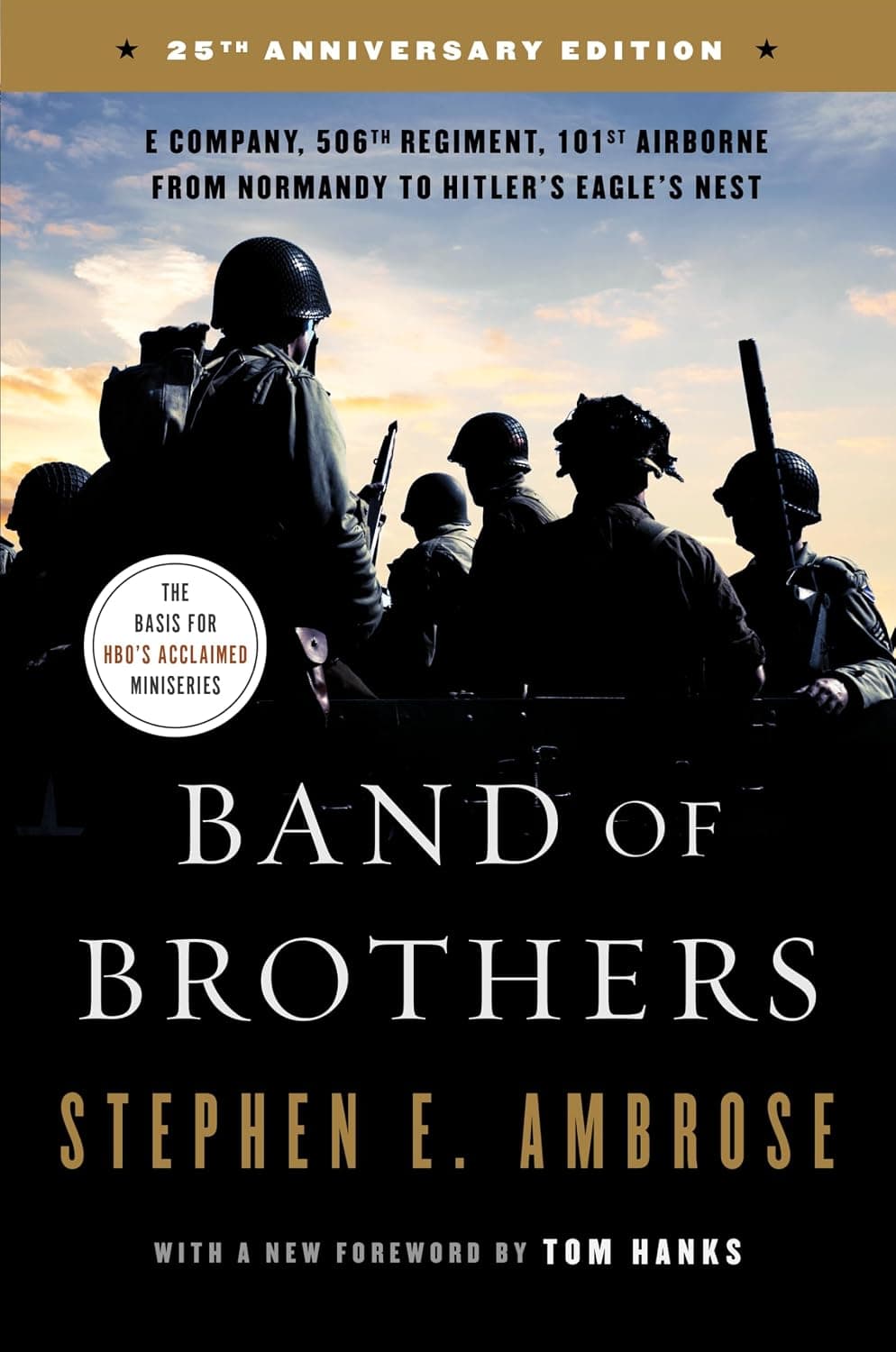
Easy Company jumped into Normandy on D-Day, held Bastogne through the snow short of ammunition and coats, and finished the war at Hitler's alpine retreat. Ambrose built it from the men's own accounts.