
The Chill
1964 · 279 pages
A husband hires Lew Archer to find the bride who fled their honeymoon, and the trail runs back decades into two families' history. In Macdonald's California, crimes are inherited rather than committed.
★ 4.6
 skopia
A husband hires Lew Archer to find the bride who fled their honeymoon, and the trail runs back decades into two families' history. In Macdonald's California, crimes are inherited rather than committed.

Tradition forbids the youngest daughter to marry, so Tita cooks, and everything she feels enters the food. Her quail in rose petal sauce sends a sister off naked with a Mexican revolutionary.

Berlin cleaned houses, worked emergency rooms, raised four sons, and drank. Forty-three stories out of that life, Alaska to Mexico City, written so plainly and fast you miss how much is inside them.
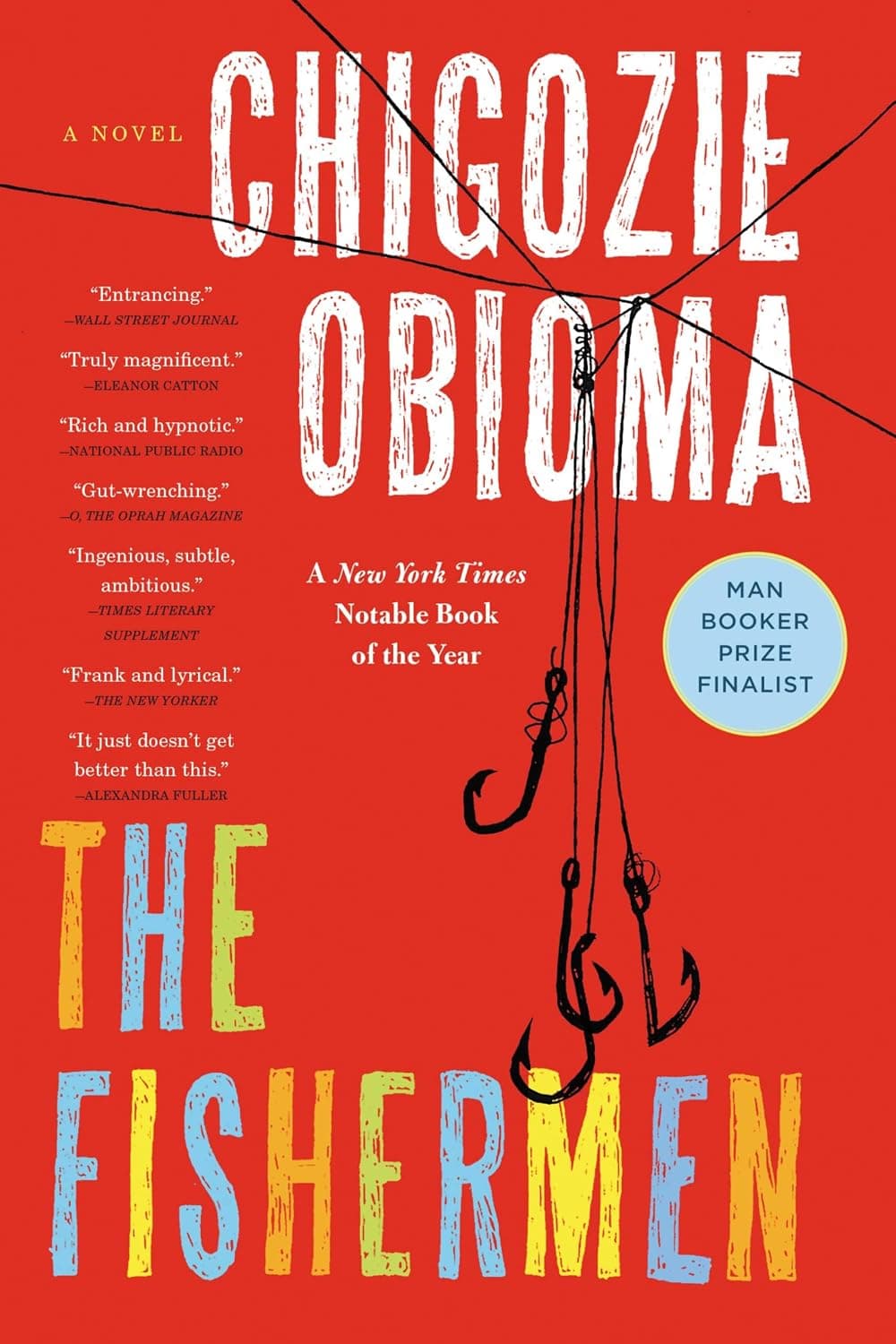
Four brothers fish a forbidden Nigerian river, and a madman tells the eldest he will die at a fisherman's hand. Obioma takes the family apart with the inevitability of Greek tragedy.

On Corfu in the 1930s a boy hunts scorpions and owls while his mother and three grown siblings supply the chaos. Durrell describes every creature exactly and every relative without mercy.

Sent to a Cascade logging town to live with a violent stepfather, a boy who calls himself Jack lies and steals his way toward escape. Wolff renders his adolescence with merciless clarity.

Uncle Matthew hunts his children across the Oxfordshire fields with bloodhounds. Linda Radlett escapes that house into two bad marriages and a French duke, in the funniest English novel of the interwar aristocracy.

Cal Stephanides was born a girl in Detroit and became a boy at fourteen, and traces the gene responsible back through Asia Minor to grandparents who were brother and sister.

Ernaux's father ran a café and grocery in Normandy, terrified all his life of using the wrong word. Educated out of his class, she writes him in flat sentences that never condescend.

Theobald Pontifex beats piety into his son with perfect Christian conviction, and Ernest spends the novel working free of him. Butler handed the revolt against Victorian respectability its sharpest and funniest weapon.

Clara predicts the future and moves furniture without touching it, while three generations of her family reach from the era of the great estates to the 1973 coup that comes for them.

Rezzori rebuilds vanished Czernowitz, the eastern edge of the Habsburg world, through the five people who filled his childhood. His father hunts, his mother panics, and his nursemaid teaches him about death.
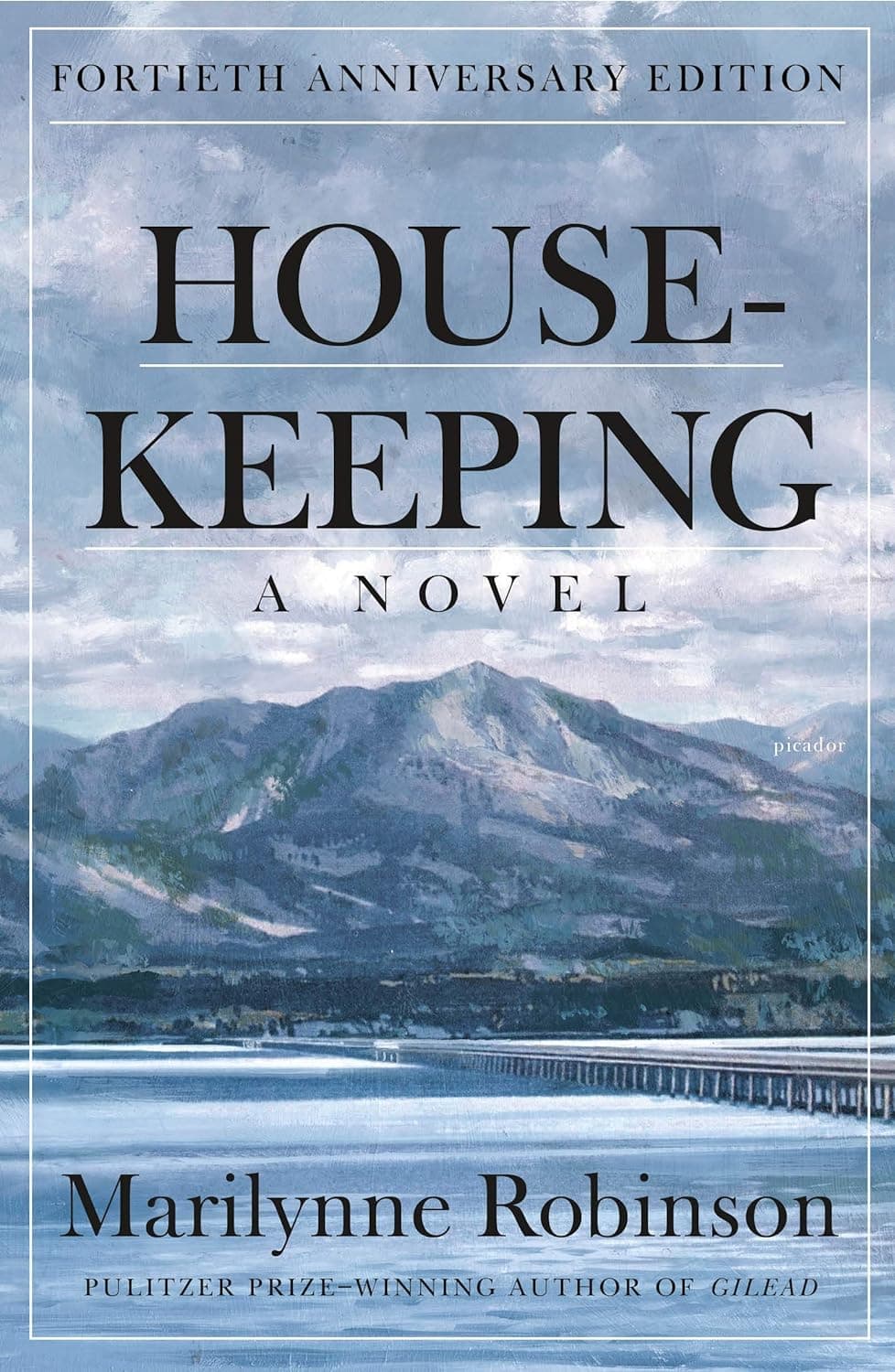
Two sisters in an Idaho lake town are raised by a drifter aunt who leaves the doors open and lets leaves blow through the house. Robinson makes transience a form of faith.
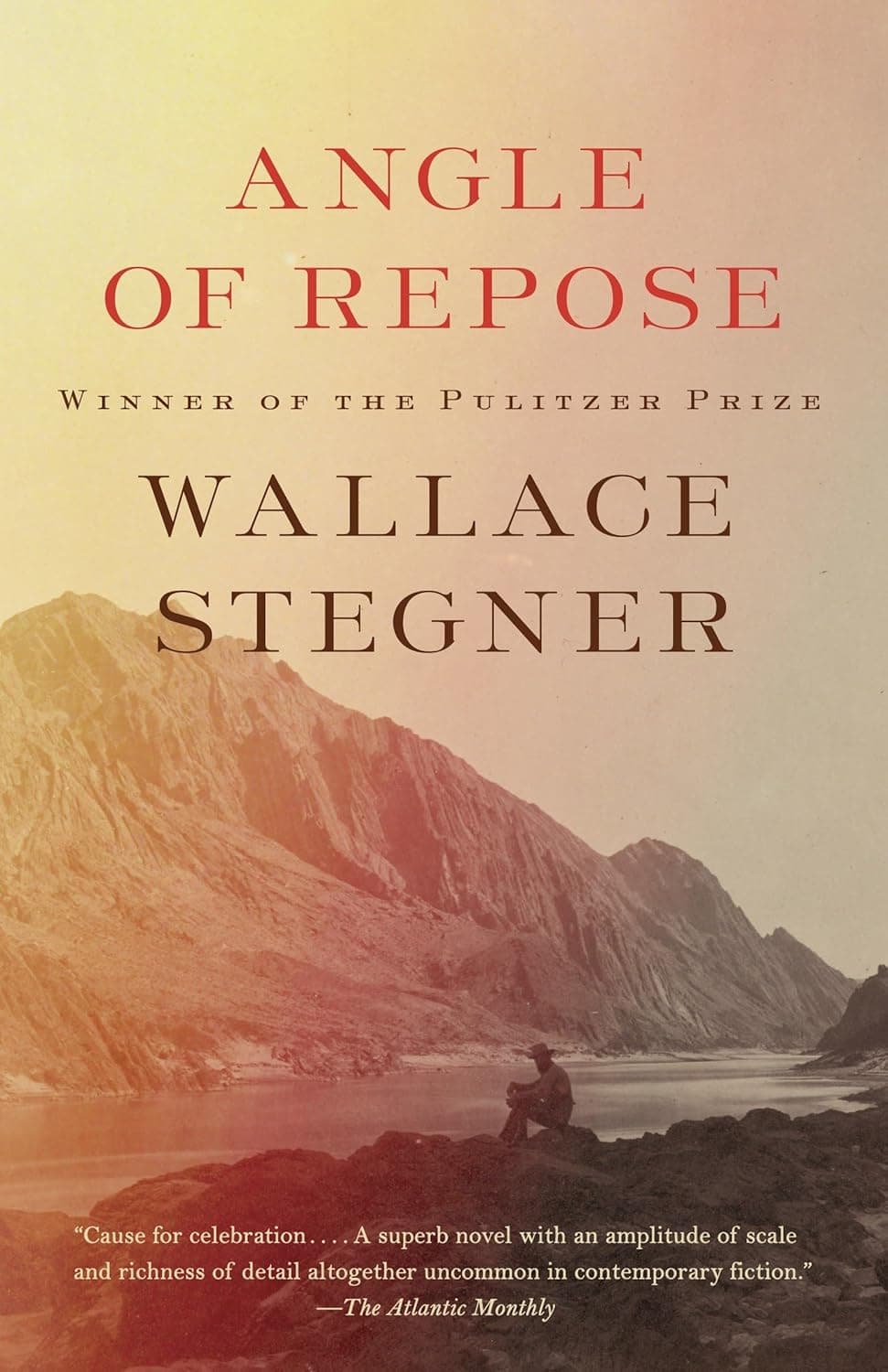
From his wheelchair a historian rebuilds his grandmother's life from her letters: a New York illustrator who followed a mining engineer west. Stegner's Pulitzer novel holds a region in one marriage.

In a decaying Old Delhi house, two sisters reopen everything the family did to each other in 1947, the year of Partition. Desai makes still summer afternoons unbearable.

Kingston's aunt drowned herself in the family well, and no one may say her name. Out of that silence and the legend of a woman warrior, Kingston remade what American memoir could do.
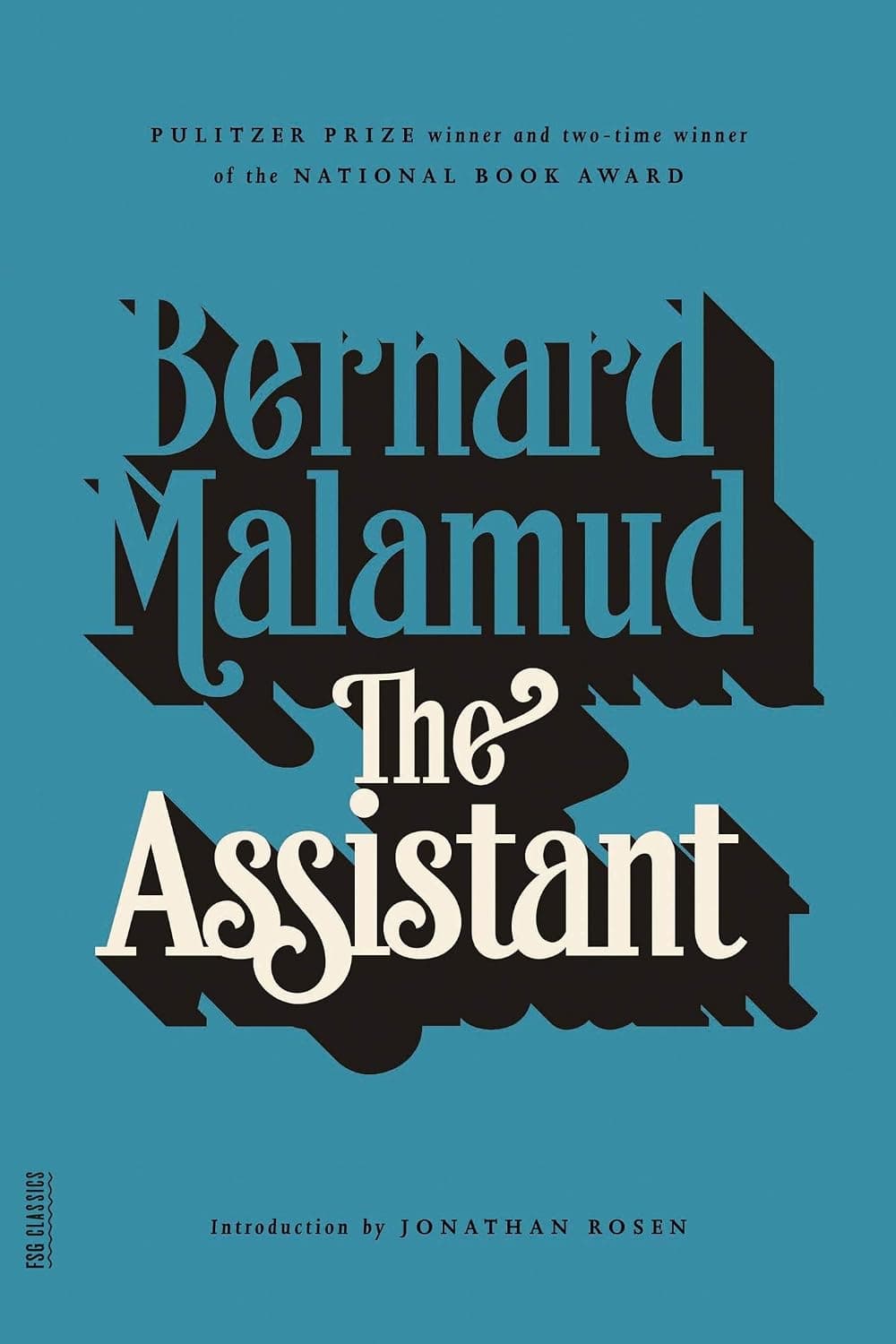
In a failing Brooklyn grocery, the drifter who helped rob the place returns to work for the Jewish owner without pay. Malamud turned that store into the moral center of Jewish American fiction.

McCourt's father drank the wages and his mother begged for coal in a Limerick lane, and three of his siblings died before he turned seven. He tells it laughing.

Gornick walks Manhattan with her widowed mother, arguing the argument they have had since the Bronx tenement of her girlhood. Writing programs teach it as how a memoir is built.

Ten thousand dollars of insurance money reaches a Chicago apartment and a Black family goes to war over what it is for. Broadway had never staged a play by a Black woman before.

Leander Wapshot pilots a decrepit ferry while his rich cousin dangles the family fortune at his sons, payable only if they father sons. Cheever sends the boys into an America that baffles them.

Hadji Murat quits the rebel imam Shamil for the Russians, hoping to free his captive family, and both sides use him. The critic Harold Bloom ranked it the best story in the world.

Two generations of a Salinas Valley family repeat Cain and Abel, and Steinbeck stakes everything on one Hebrew word: timshel, thou mayest, which leaves a man free to choose against his blood.

In our family, Maclean writes, there was no clear line between religion and fly fishing. Two brothers and their minister father on the Big Blackfoot, and a love that cannot save anyone.

Falstaff ages and the king dies while Prince Hal waits for the crown. Shakespeare wrote no colder scene than the new king telling his old tavern friend that he does not know him.

A governess at a country house becomes certain that two dead servants are working on the children in her care. James engineered the ambiguity so precisely that critics have argued for a century.

Spanish Golden Age drama peaks here. King Basilio locks his newborn son in a tower to outrun a prophecy, then has him drugged, brought to court, and told it was a dream.
Charles Ryder, an officer billeted at a requisitioned country house, remembers the Catholic family who owned it: the ruined son he loved at Oxford, the sister he wanted later, and grace closing in.

Tom narrates the St. Louis apartment he escaped, where his mother relives the seventeen gentlemen callers of her girlhood and his limping sister tends her glass animals. Everything turns on one visitor.
Clarissa refuses the suitor her family has chosen, and a charming predator named Lovelace offers to rescue her. Told entirely in letters, it puts you inside both minds while the dread builds.

Nabokov reassembles a Russian childhood of tutors and butterfly nets, the revolution that took it, and a father shot dead in Berlin. He handles his own memory like a specimen under glass.

In a shabby Paris boarding house, an old man sells off everything for two daughters ashamed to be seen with him. Balzac counts every franc and shows what money does to love.

Falstaff is the greatest comic creation in English, a fat knight who lies about everything, and Prince Hal wastes his youth drinking with him while rebellion gathers against his father the king.

Samuel Johnson pronounced this book already dead. Two hundred and sixty years on, Tristram is still failing to get himself born, derailed by his father's theories and his uncle's toy fortress.

Outnumbered in France, a young king talks his army into fighting at Agincourt, promising that whoever survives will remember the day forever. After the battle he reads out the names of the dead.

Five brothers gamble away a kingdom and their wife, then return from exile to a war that swallows their world. Carole Satyamurti's English verse holds the whole Sanskrit epic, Krishna's counsel included.

Somewhere there is a film so entertaining that anyone who watches it stops eating. Wallace chases it through a tennis academy and a halfway house full of addicts he writes with real love.

Mohun Biswas is born unlucky in rural Trinidad, marries into a large domineering family, and spends his life trying to own a house. Naipaul makes those small defeats as large as any tragedy.

A Cairo merchant rules his household as a tyrant and drinks his nights away with singers while his wife may not step outside. Over three generations, revolution and war reach inside that house.
In 1959 two ex-convicts murdered a Kansas farm family of four they had never met. Capote spent years with the killers and turned reporting into a novel, patient and entirely without comfort.