A Manual for Cleaning Women
Berlin cleaned houses, worked emergency rooms, raised four sons, and drank. Forty-three stories out of that life, Alaska to Mexico City, written so plainly and fast you miss how much is inside them.

Berlin cleaned houses, worked emergency rooms, raised four sons, and drank. Forty-three stories out of that life, Alaska to Mexico City, written so plainly and fast you miss how much is inside them.

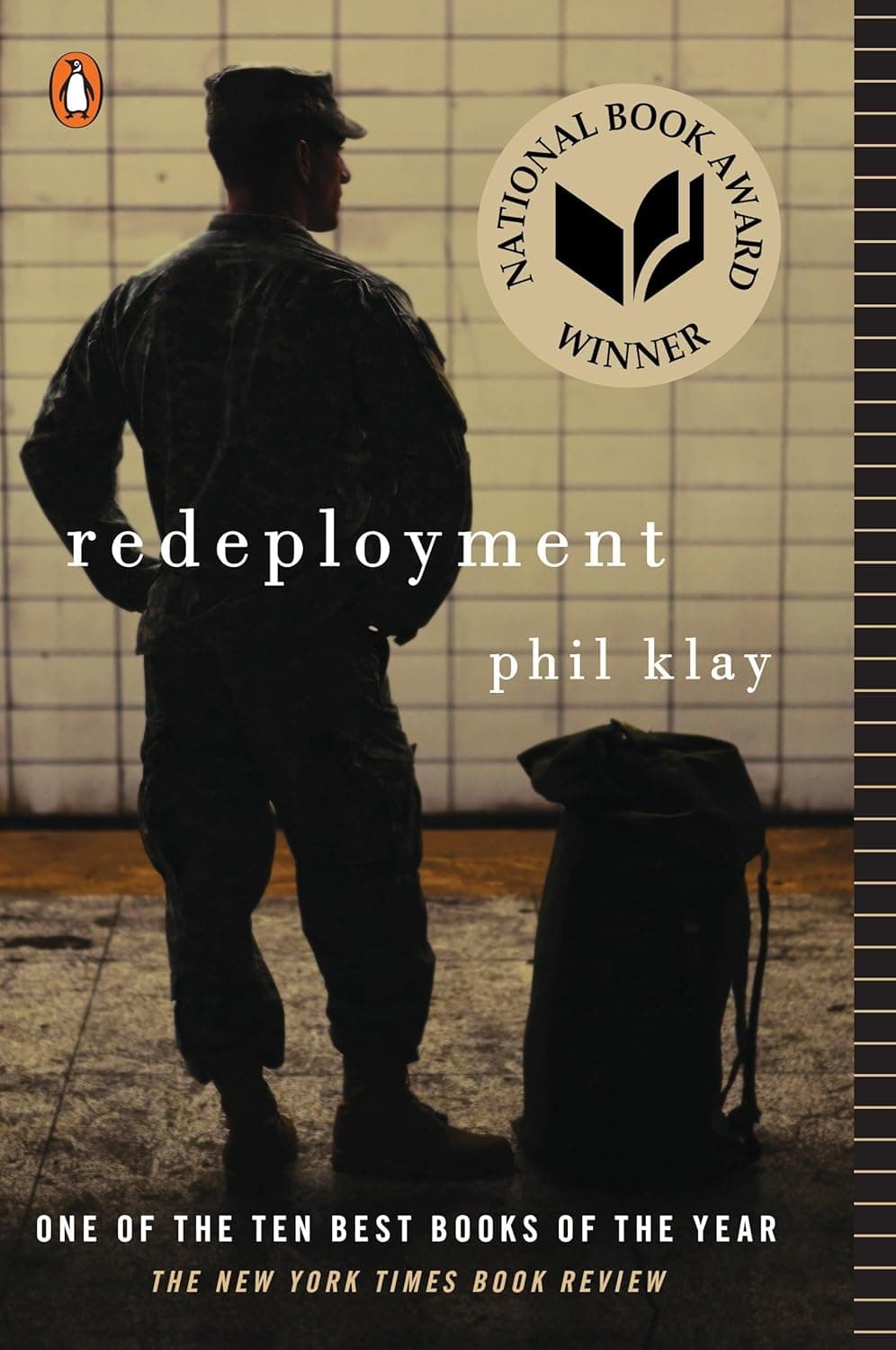
Twelve narrators tell their own Iraq, from a Marine who shot dogs in the street to a diplomat ordered to teach Iraqi children baseball. Klay is sharpest on coming home.

Bertie Wooster's friend Bingo Little falls in love in chapter after chapter, and Bertie's cousins run a betting book on which country vicar preaches longest. Jeeves repairs the damage in a sentence.

In a dead Provencal valley a shepherd pushes acorns into the ground, one at a time. Thirty years and two wars later the forest holds ten thousand people who never learn his name.

An economy that uses up land and people is not efficient but suicidal, Berry argues. He writes from a Kentucky hillside he farms with horses, and insists eating is an agricultural act.

A woman bargains with God to make the telephone ring, and Parker's comedy runs on exactly that much desperation. Her Manhattan drinkers and discarded women are hilarious until suddenly they are not.

A balloon settles over forty-five blocks of Manhattan and New Yorkers read meanings into it. Barthelme's deadpan collages taught two generations of American writers that a story need not make ordinary sense.

Paley wrote as people talk, in the Bronx Yiddish and Greenwich Village argument of women raising children alone, and got more life into three slim collections than most novelists manage in a career.

Sick of Moscow, a young nobleman soldiers in the Caucasus and sets about living like the Cossacks he admires, wanting a girl promised to one of them. Turgenev called it his favorite Tolstoy.

Carter opened the old fairy tales and took out what was always inside: appetite, blood, and women who want things. Her Bluebeard is a French Marquis, and her Beauty walks toward the tiger.

A dumpy Catholic priest with an umbrella solves crimes by imagining himself into the criminal until he could have done it. Chesterton answered Sherlock Holmes with conscience rather than forensics.

A Greenwich Village couple hire a young Black man as gardener and painter's model, and cannot see the person. Fourteen stories in which Hughes strips white kindness down to appetite and cruelty.

Three Palestinian men pay a driver to smuggle them from Iraq into Kuwait inside a water tanker. Kanafani turned those hours in the metal into the defining image of Palestinian exile.

Robots run on three laws: never harm a human, obey orders, survive. Asimov's stories hunt the cracks in those rules, and roboticists still argue about the Three Laws when drafting AI ethics.

Nine stories of Indians and Indian Americans living between two countries, told with a calm that makes the losses land late. A married couple confess things to each other during nightly power cuts.

Pushkin cut Russian storytelling down to speed and clarity. An officer bullies an old countess for the secret of three winning cards, and a young soldier is swept into Pugachev's peasant rebellion.

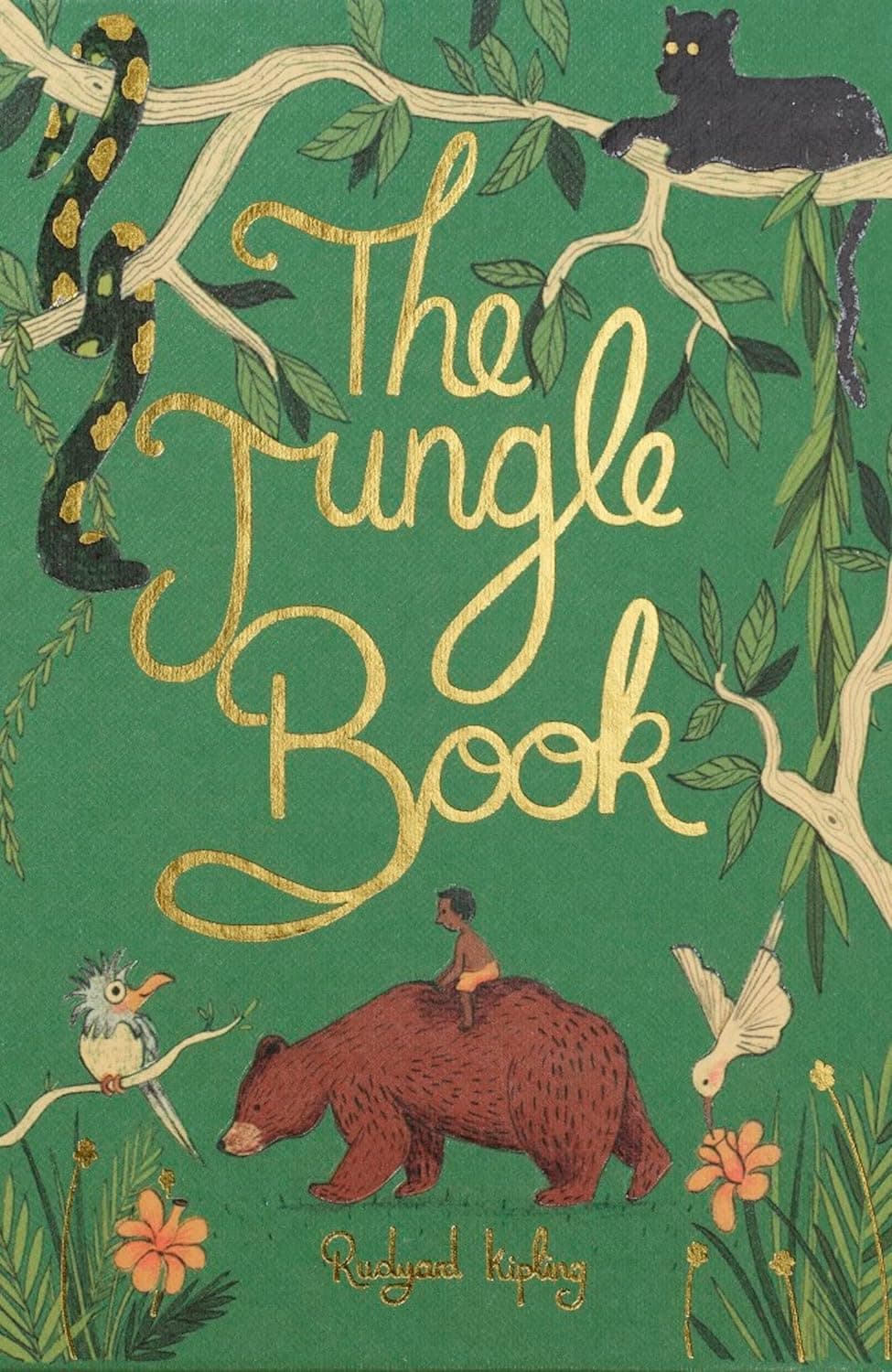
Raised by wolves and schooled by a bear and a black panther, Mowgli lives hunted by the tiger Shere Khan. Kipling's Law of the Jungle went into English as a phrase everyone uses.

Félicité serves one Norman household for half a century, loses everyone she loves, and fastens her faith to a stuffed parrot. Flaubert grants her a dignity the world never did.

Hari Seldon predicts the Galactic Empire's fall and thirty thousand years of darkness, then founds a colony to cut the wait to one thousand. Paul Krugman went into economics wanting Seldon's job.

Shot by a Gestapo officer in 1942, Schulz left stories that turn a Galician backwater into a world where his father breeds birds in the attic and the calendar grows a thirteenth month.