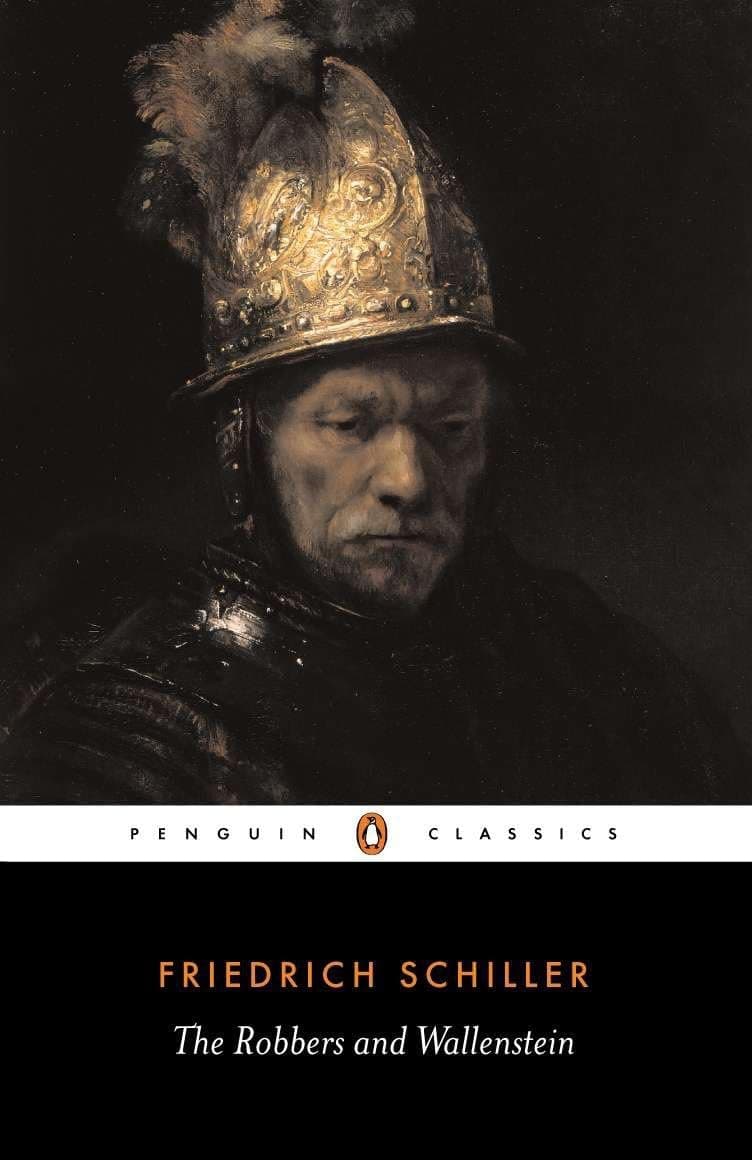
The Robbers
1781 · 472 pages
Karl Moor, disinherited by his brother's forged letter, takes a robber band into the Bohemian forests and learns that idealism under arms turns to butchery. Romantic literature has been rewriting him ever since.
★ 6.0
 skopia
Karl Moor, disinherited by his brother's forged letter, takes a robber band into the Bohemian forests and learns that idealism under arms turns to butchery. Romantic literature has been rewriting him ever since.

Lope de Vega wrote hundreds of plays and handed Spain a national theater. In Fuente Ovejuna a village murders its tyrant lord, and under torture every villager claims the killing for the town.

Harpagon keeps a cash box buried in his garden, intends to marry his son's beloved himself, and gives his daughter to whoever asks no dowry. Moliere made him Europe's byword for greed.
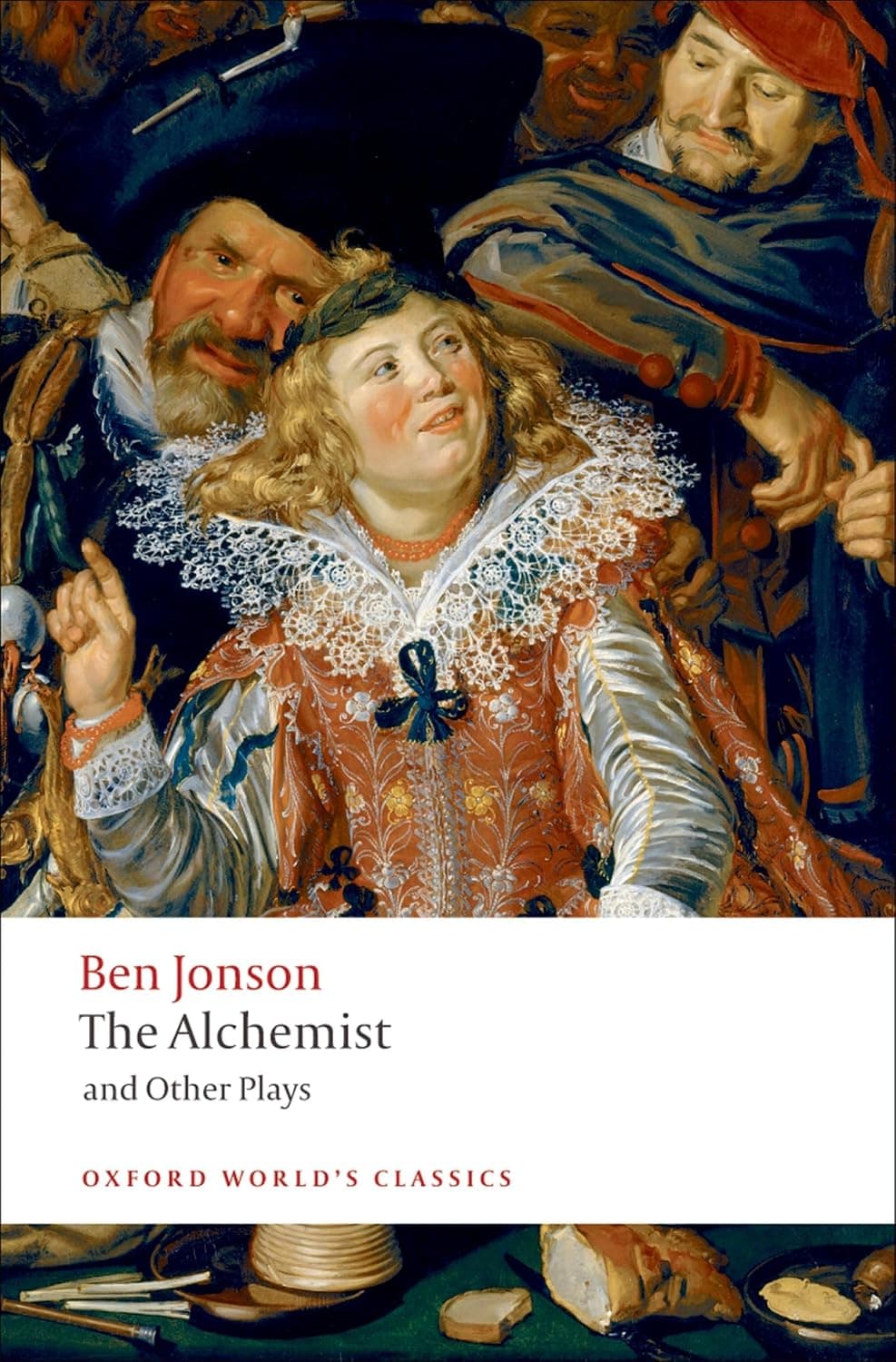
Plague empties London, a master flees, and his butler turns the house into a con shop, selling the philosopher's stone to every greedy fool who knocks. Jonson built the swindle like clockwork.

Two minor courtiers from Hamlet wait in the wings of a play they cannot follow, flipping a coin that lands heads ninety two times running. Stoppard wrings comedy and dread from their helplessness.
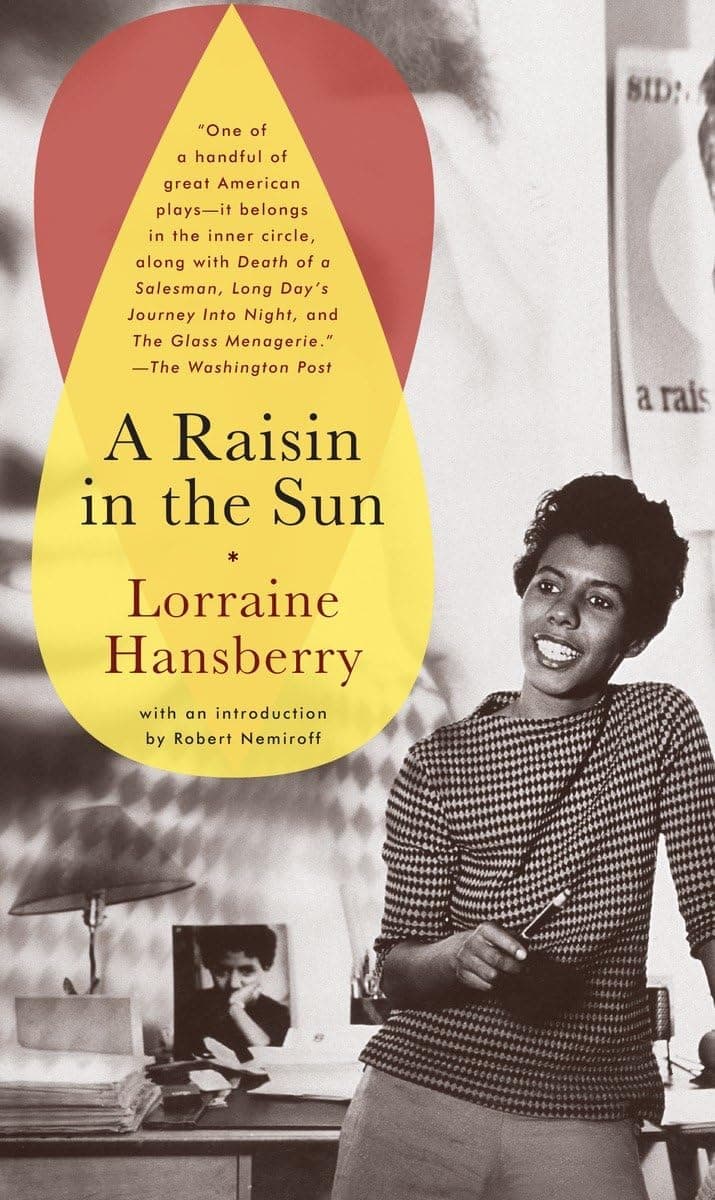
Ten thousand dollars of insurance money reaches a Chicago apartment and a Black family goes to war over what it is for. Broadway had never staged a play by a Black woman before.
Hell is other people, and Sartre proves it by locking a coward, a seducer, and a mother who drowned her baby in one bright room with no mirrors and no sleep.

Two in the morning, a history professor and his wife receive a younger couple after a faculty party, and the drinking turns into a night of games designed to strip them bare.
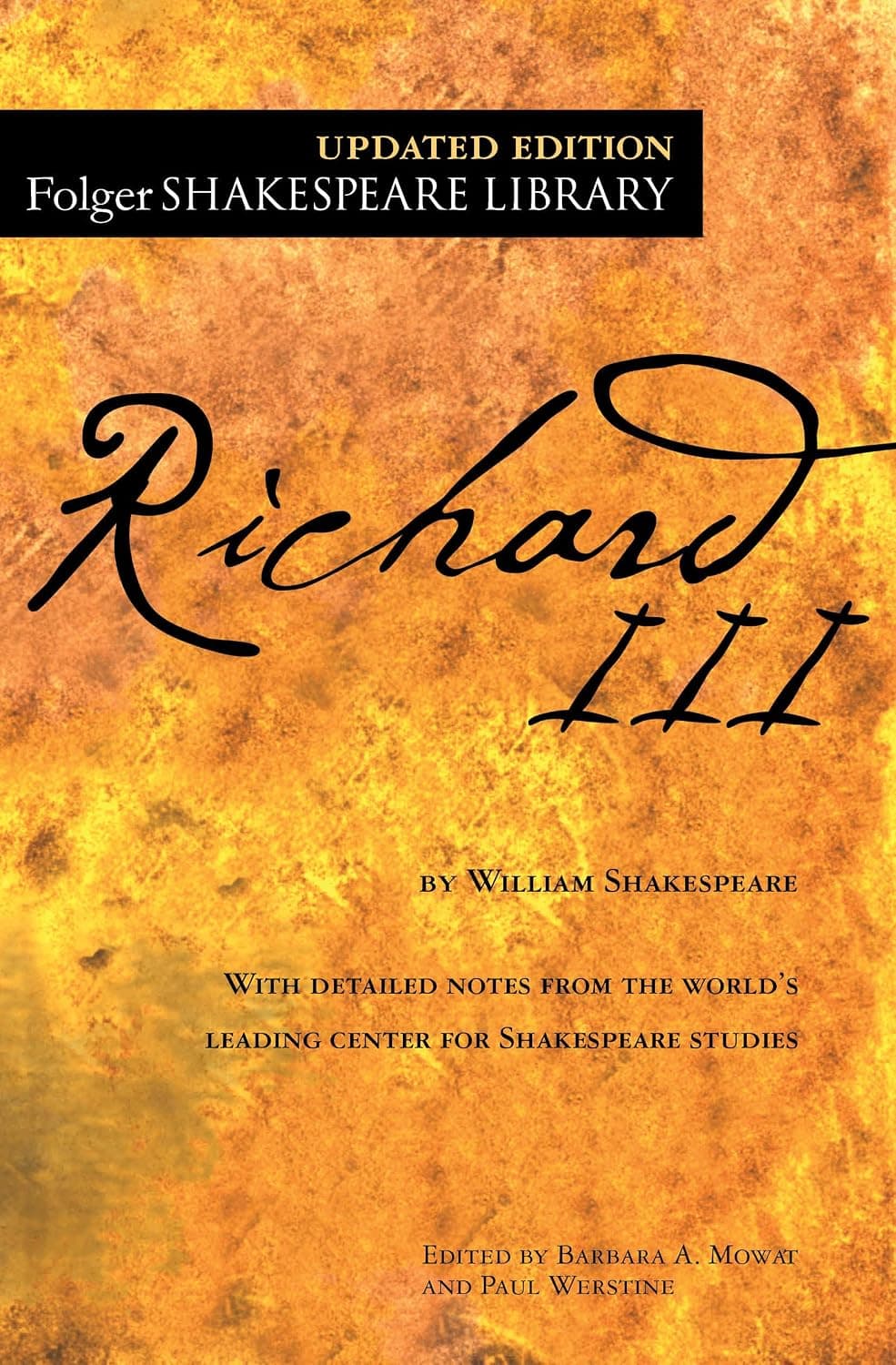
Richard tells the audience in his first speech that he means to be a villain, then makes them accomplices. He courts a widow beside the corpse of the king he murdered.
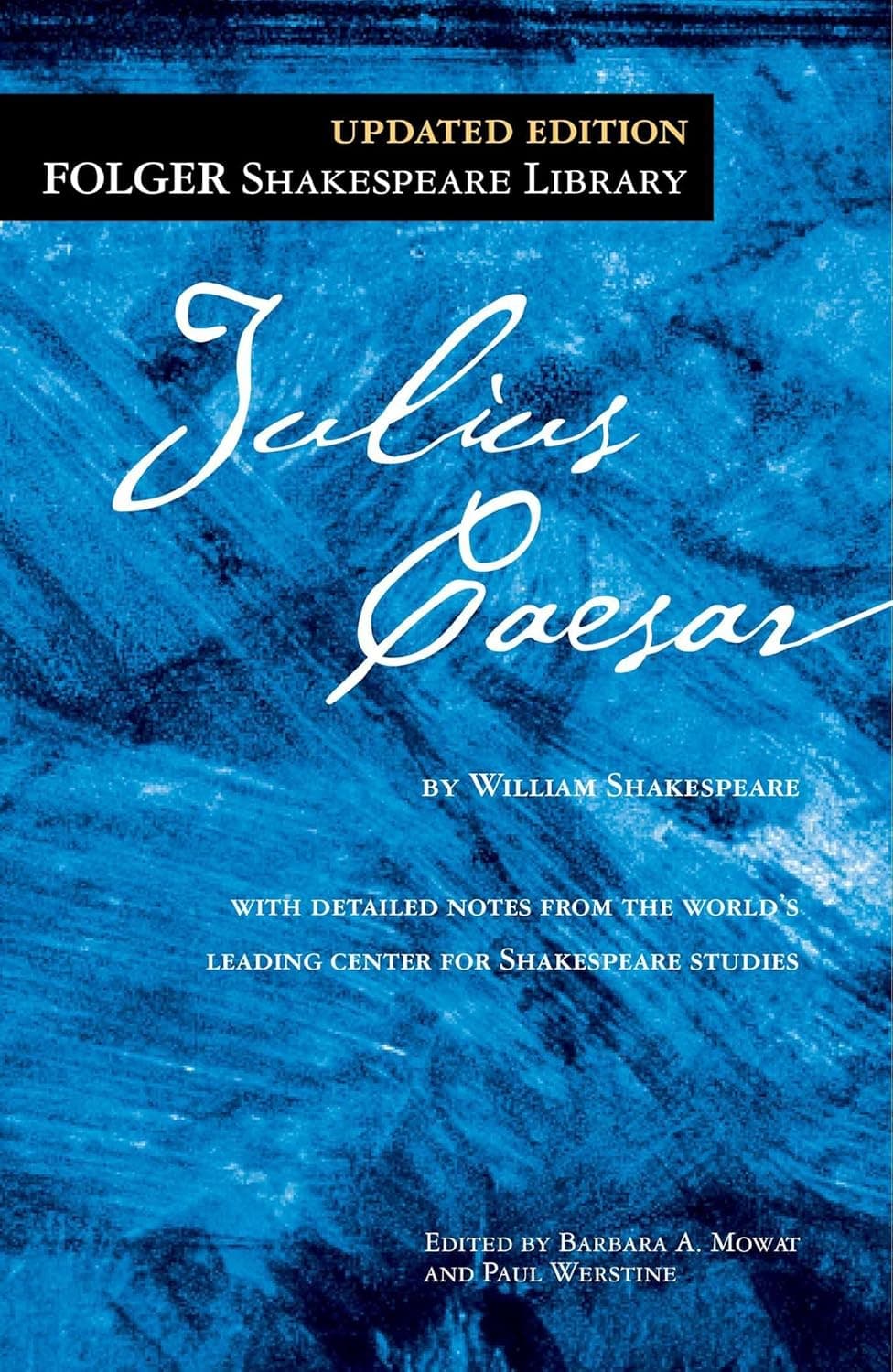
Brutus is persuaded that killing his friend will save the republic. Antony stands over the body, says he comes to bury Caesar and not to praise him, and turns Rome around.

The greatest of the epic-theater plays follows Anna Fierling, a canteen woman hauling her wagon through the Thirty Years' War, selling to whichever army is winning and losing all three children to it.

Faustus signs away his soul for twenty-four years of power, Tamburlaine the shepherd burns his way across Asia, and Barabas poisons a convent. Marlowe gave English drama its first tragic grandeur.
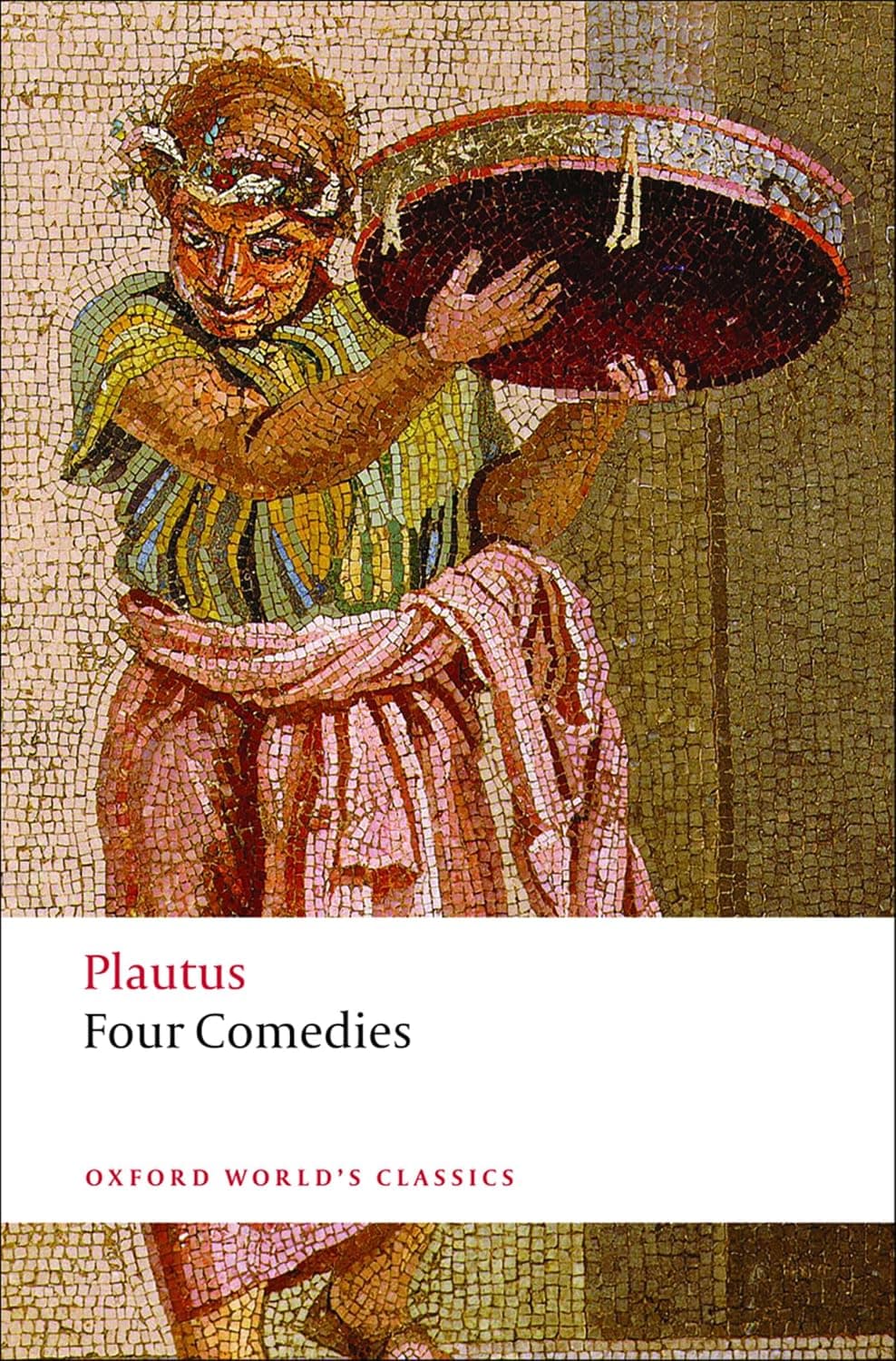
Plautus stole Greek plots and made them Roman, vulgar and fast. Shakespeare lifted his mistaken twins for The Comedy of Errors, Moliere lifted his miser, and farce has run on that machinery since.

Falstaff ages and the king dies while Prince Hal waits for the crown. Shakespeare wrote no colder scene than the new king telling his old tavern friend that he does not know him.

Spanish Golden Age drama peaks here. King Basilio locks his newborn son in a tower to outrun a prophecy, then has him drugged, brought to court, and told it was a dream.

Alceste cannot tell a lie and is destroying himself over a woman who lives on flattery. Tartuffe, the fake holy man eating his host's house, is hypocrisy caught whole and played for laughs.

Salem, 1692: girls caught dancing in the woods begin naming witches, and the town learns that an accusation cannot be answered. Miller wrote it while Congress hunted Communists, and audiences understood immediately.

Tom narrates the St. Louis apartment he escaped, where his mother relives the seventeen gentlemen callers of her girlhood and his limping sister tends her glass animals. Everything turns on one visitor.

Don Juan seduces, dodges his creditors, and believes in nothing, while his servant argues feebly for God and a stone statue accepts an invitation to dinner. Moliere never wrote anything more dangerous.
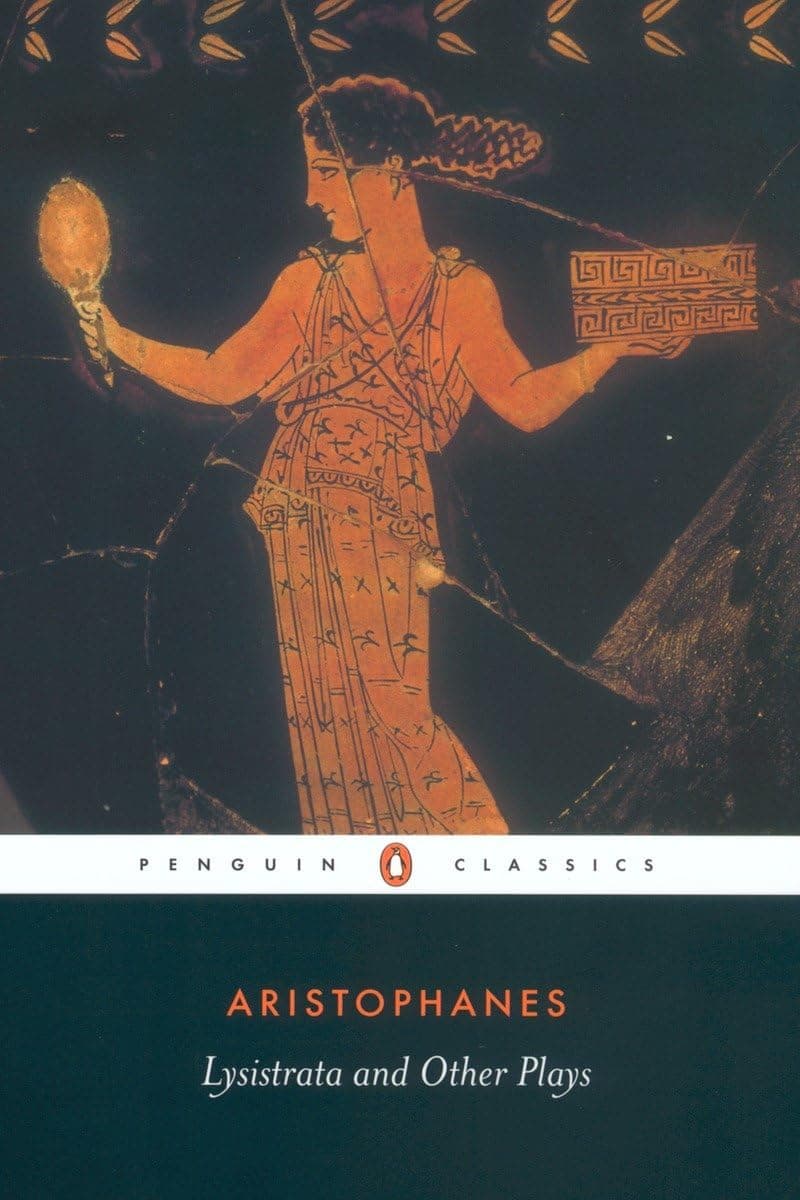
Twenty years into a war they never voted for, the women of Greece refuse their husbands until the men make peace. Aristophanes also hoists Socrates over the stage in a basket.