The Books canon

Sourced and shelved.

Every book chosen by hand and annotated for why it matters.
Browse all 1,178 books or filter by subject, era, place, and author.

There and Back

Photographs from the Edge
2021 · 320 pages

Chin skied from the summit of Everest and hung off El Capitan to film Alex Honnold climbing it without a rope. His photographs come with what it cost to stand there.

★ 4.2

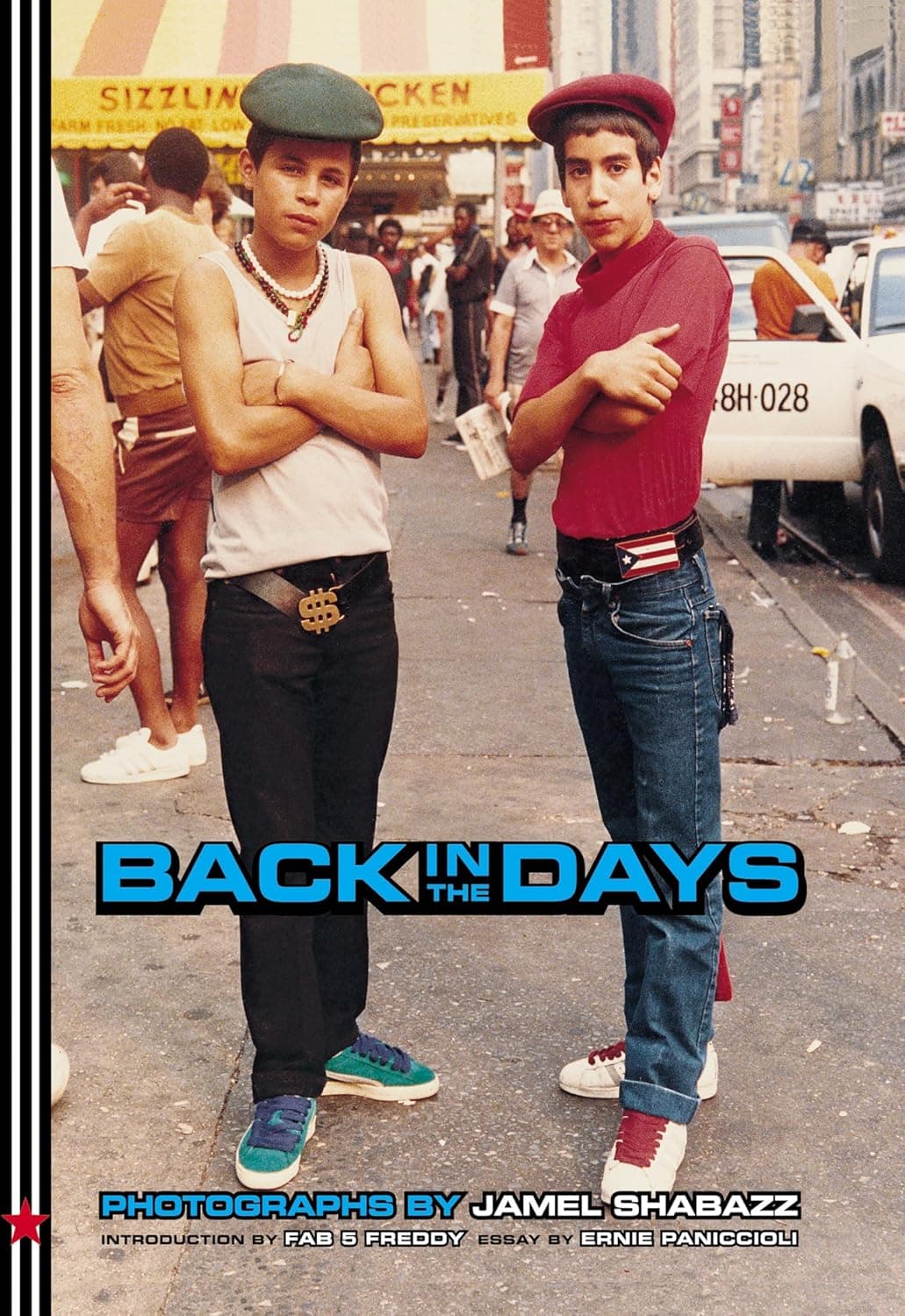
Back in the Days

2001 · 128 pages

Between 1980 and 1989, Shabazz stopped young New Yorkers on the street and photographed them in shell-toe Adidas, sheepskin coats, and gold ropes. Everything hip hop later sold the world is already here.

★ 4.3

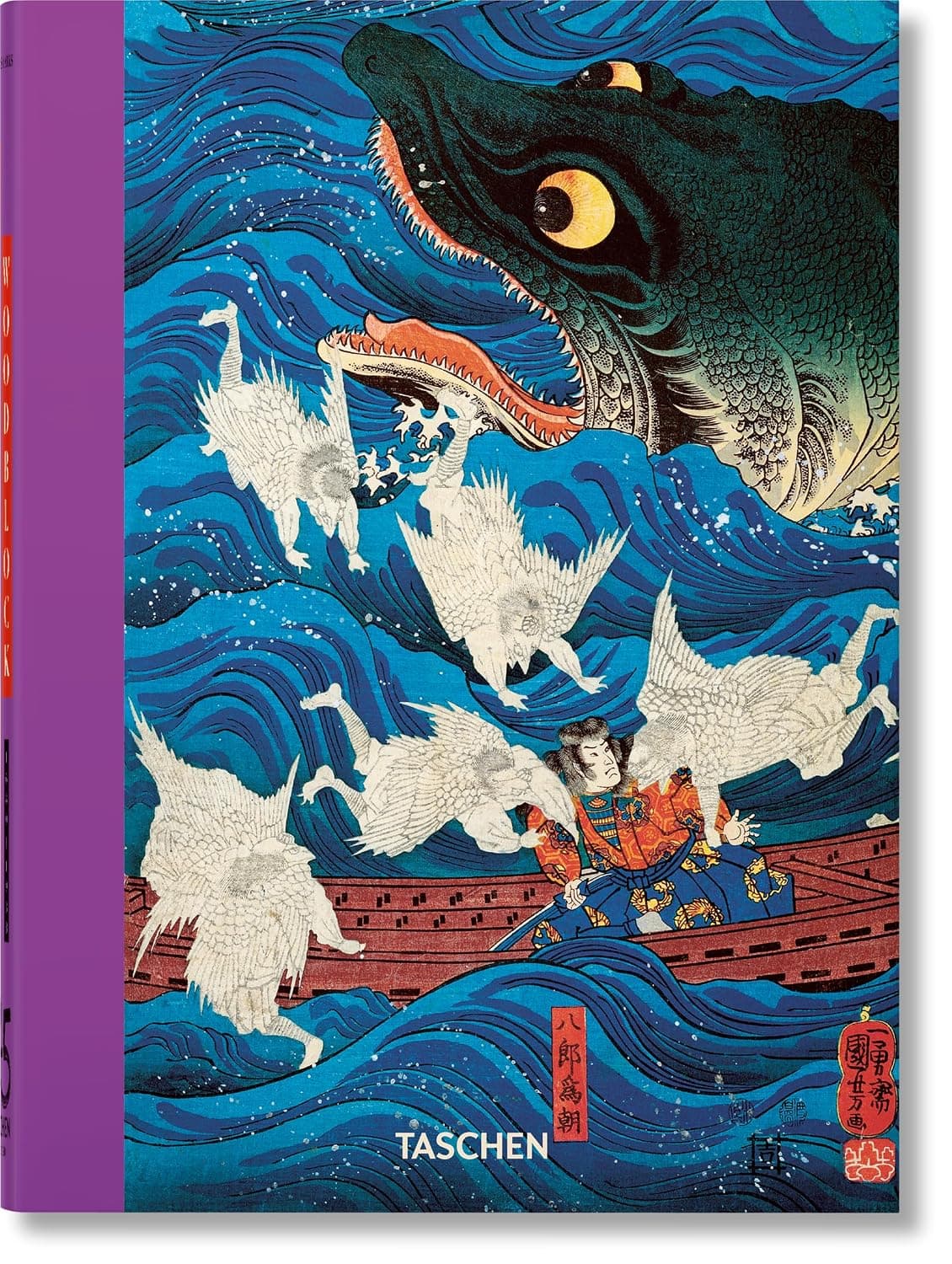
Japanese Woodblock Prints

2019 · 512 pages

Two hundred prints run chronologically from 1680 to 1938, black-and-white sheets giving way to the full-color glut of Utamaro's beauties, Hiroshige's roads, and Hokusai's wave. Marks names the publisher behind every design.

★ 4.3

Case Study Houses

Elizabeth A. T. Smith
2002 · 440 pages

A Los Angeles magazine asked architects how postwar America should live, and Eames, Koenig, and Neutra answered in steel and glass on hillsides. Julius Shulman's photographs sold California modernism to the world.

★ 4.3

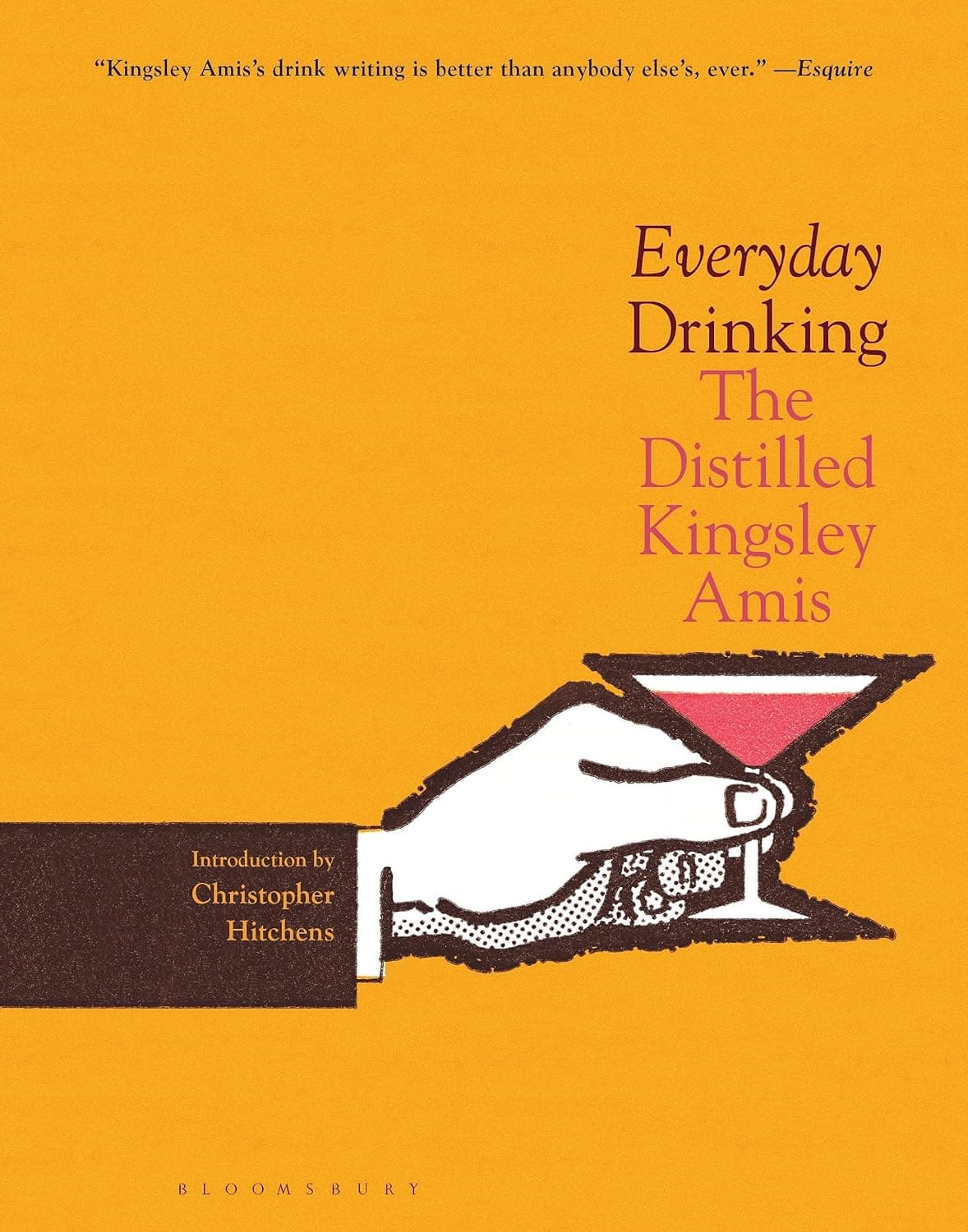
Everyday Drinking

The Distilled Kingsley Amis
2008 · 336 pages

Nobody has written funnier prose about drink. Kingsley Amis separates the physical hangover from the metaphysical one, calculates what a party will actually consume, and hands down recipes he plainly tested.

★ 4.3

Business Adventures

1969 · 464 pages

Twelve New Yorker reports on how companies behave: Ford burning millions on the Edsel, a grocer trying to corner his own stock. Bill Gates calls it the best business book he has read.

★ 4.3

Uncommon Grounds

The History of Coffee and How It Transformed Our World
1999 · 480 pages

Pendergrast traces coffee from an Ethiopian hillside to the corner cafe, through Brazilian slave plantations and the US-backed coup in Guatemala, and shows how grocery marketing wars made American coffee undrinkable.

★ 4.4

Thoughts on Design

1947 · 95 pages

Beauty and utility generate each other, Paul Rand argues, and the designer's job is fusing idea with image. He pulled European modernism into American advertising and made the trade take design seriously.

★ 4.5

Adventures on the Wine Route

A Wine Buyer's Tour of France
1988 · 288 pages

A Berkeley merchant drives France cellar by cellar, buying from small growers and arguing that filtering a wine bright strips out what you want to drink. Lynch taught Americans to taste for place.

★ 4.5

River of Colour

The India of Raghubir Singh
1998 · 168 pages

Serious photography meant black and white when Singh shot India in color, insisting a country this saturated demanded it. He packs pilgrims, monsoon light, and painted walls into frames borrowed from Indian painting.

★ 4.5

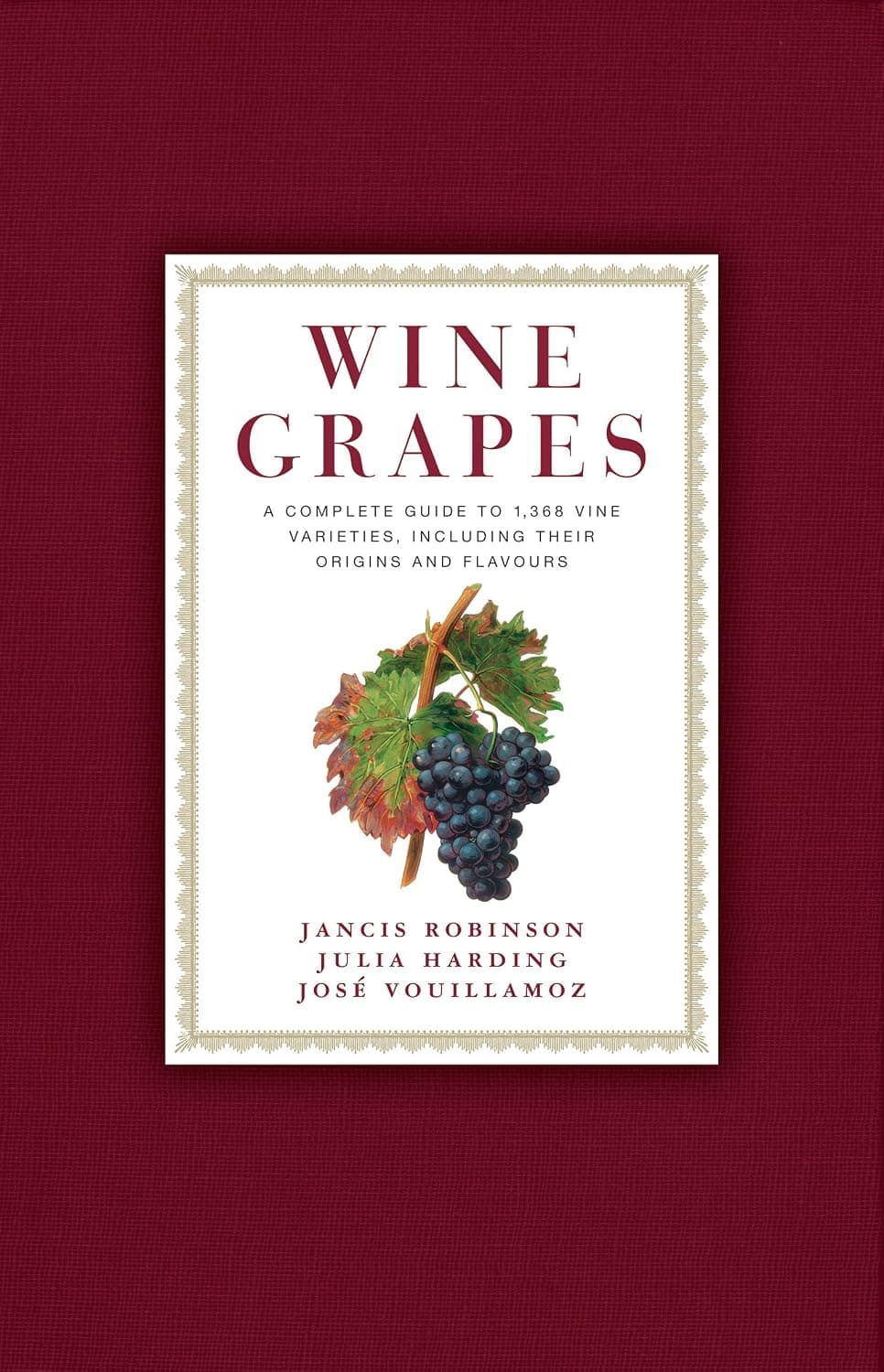
Wine Grapes

A Complete Guide to 1,368 Vine Varieties, Including Their Origins and Flavours
2012 · 1280 pages

Every grape that makes wine, 1,368 of them, traced by DNA to its parents and described by flavor. Zinfandel is revealed as a Croatian vine, and Sauvignon Blanc descends from Savagnin.

★ 4.5

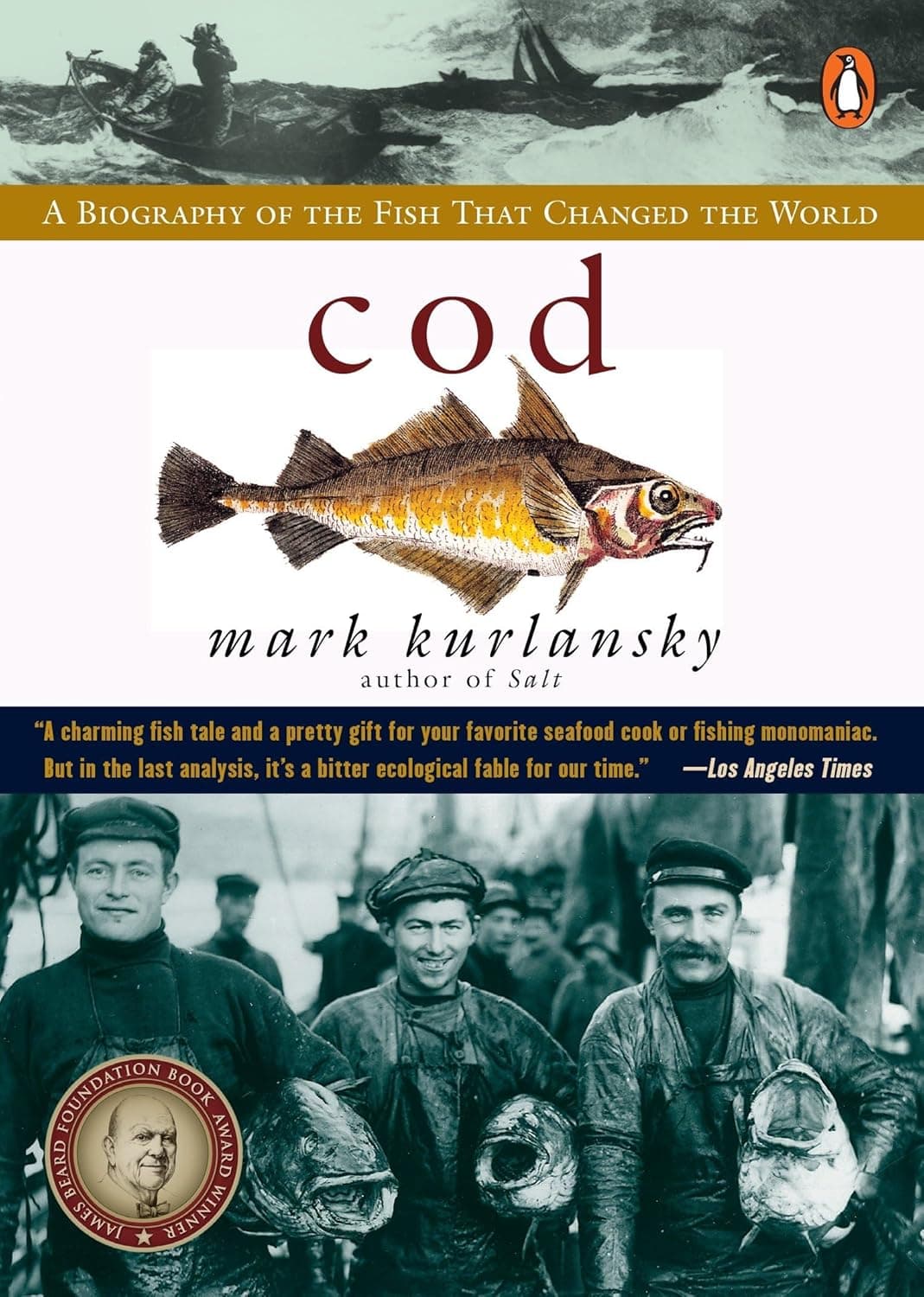
Cod

1997 · 304 pages

One fish shaped the whole Atlantic world. Kurlansky follows cod from the Basques and their secret fishing grounds through the slave-trade economies it fed to the Grand Banks collapse of 1992.

★ 4.5

Cash

The Autobiography
1997 · 320 pages

Cash tells it in his own voice: picking cotton in Dyess, Arkansas, the brother a saw killed at fifteen, the amphetamine decades, and the night he crawled into Nickajack Cave to die.

★ 4.6

Me Talk Pretty One Day

2000 · 272 pages

Speech therapy for a lisp, a methamphetamine phase of conceptual art, then a Paris classroom where a French teacher reduces grown adults to stammering. Sedaris finds humiliation funny and never spares himself.

★ 4.6

A Season on the Brink

1986 · 368 pages

Feinstein spent the 1985-86 season inside coach Bob Knight's Indiana basketball program and printed all of it, the profanity and the fury and the players absorbing both. Sports reporters still envy that access.

★ 4.6

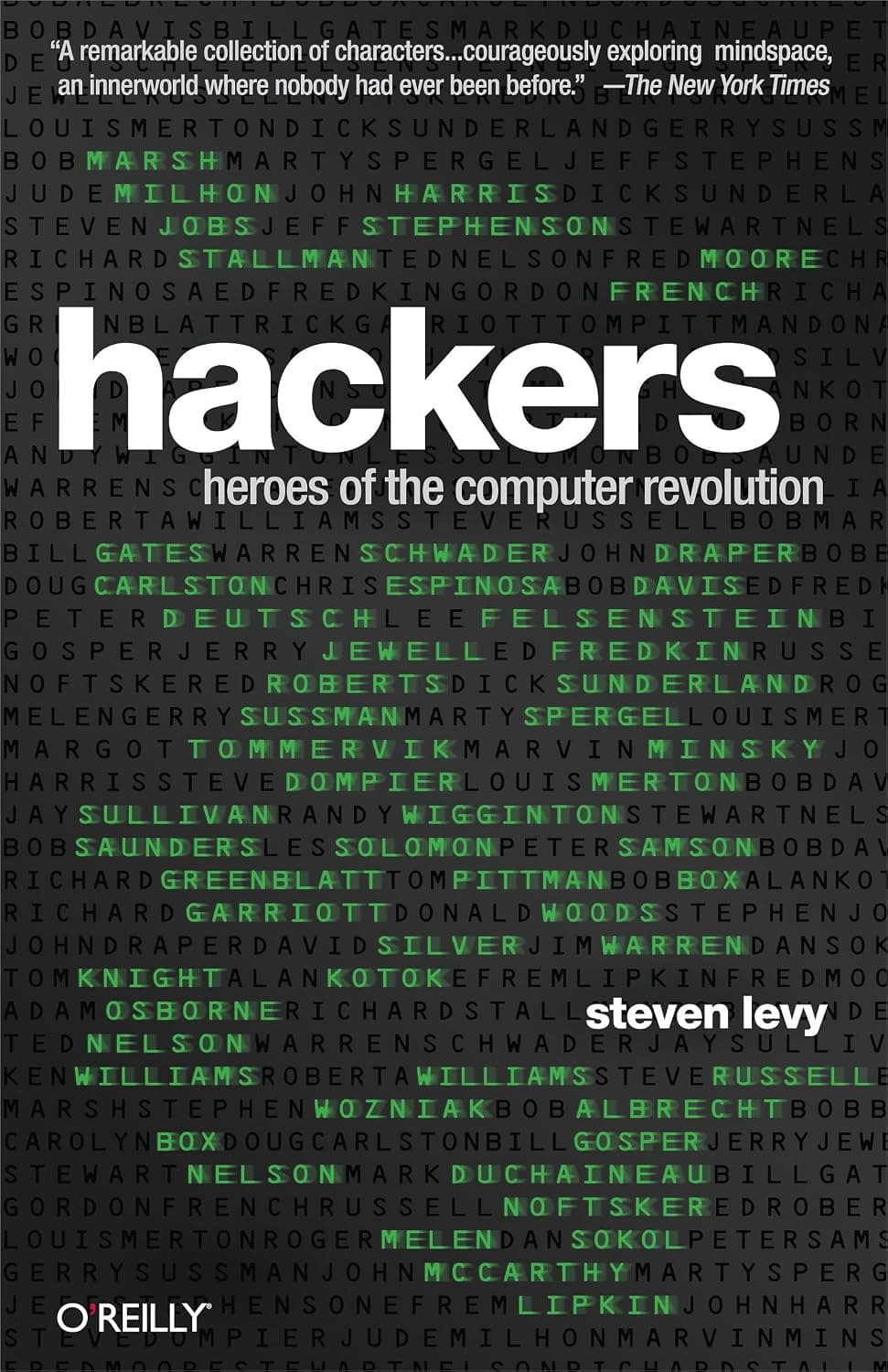
Hackers

1984 · 659 pages

Levy found the hacker ethic among MIT students who monopolized the university's computers all night: all information should be free, mistrust authority, judge a person by the code. Silicon Valley still recites it.

★ 4.7

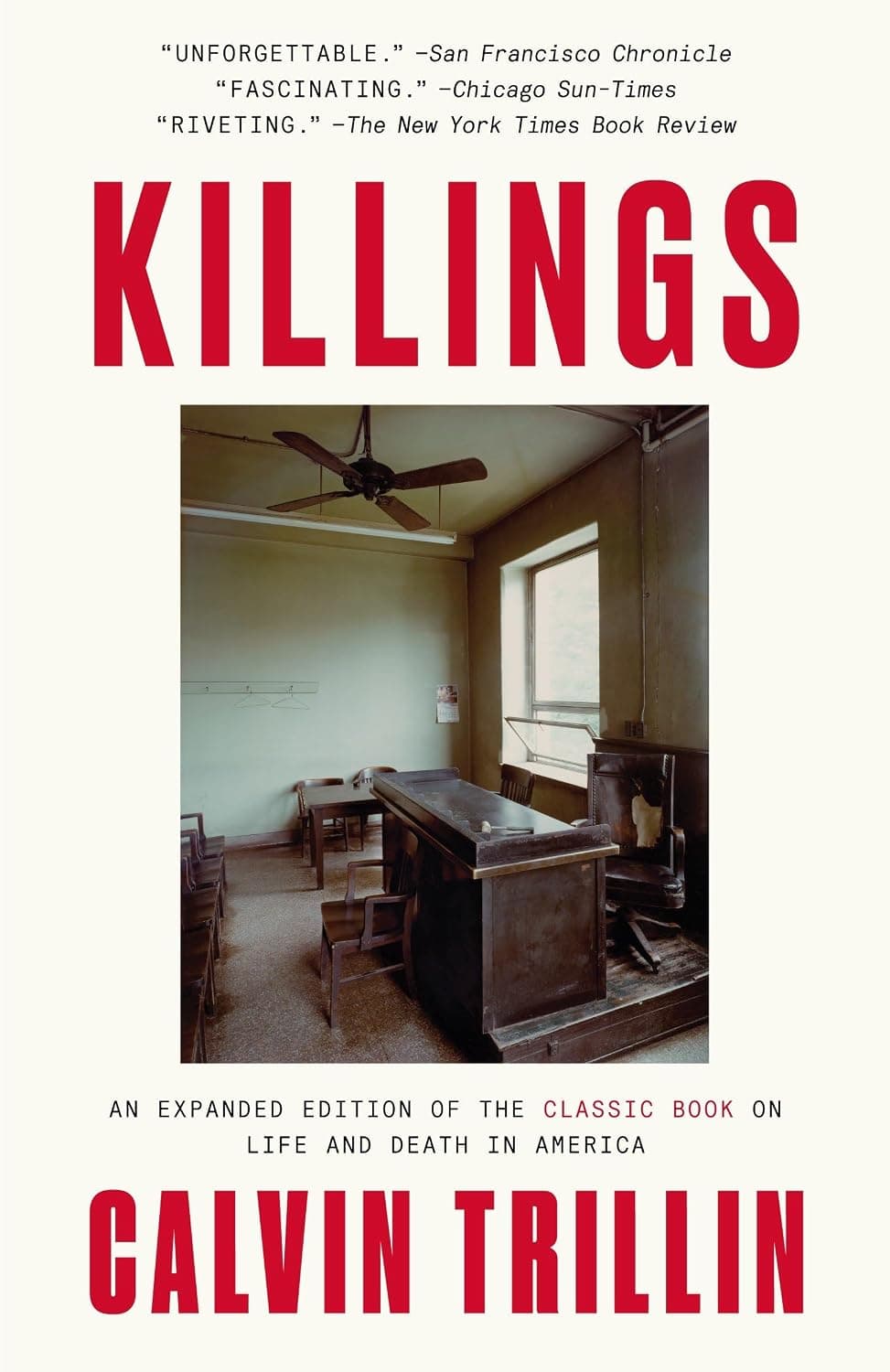
Killings

1984 · 320 pages

One killing per chapter, in towns no reporter usually visits, including a Kentucky landowner who shot a documentary filmmaker for trespassing. Trillin cares how these Americans lived, not how they died.

★ 4.7

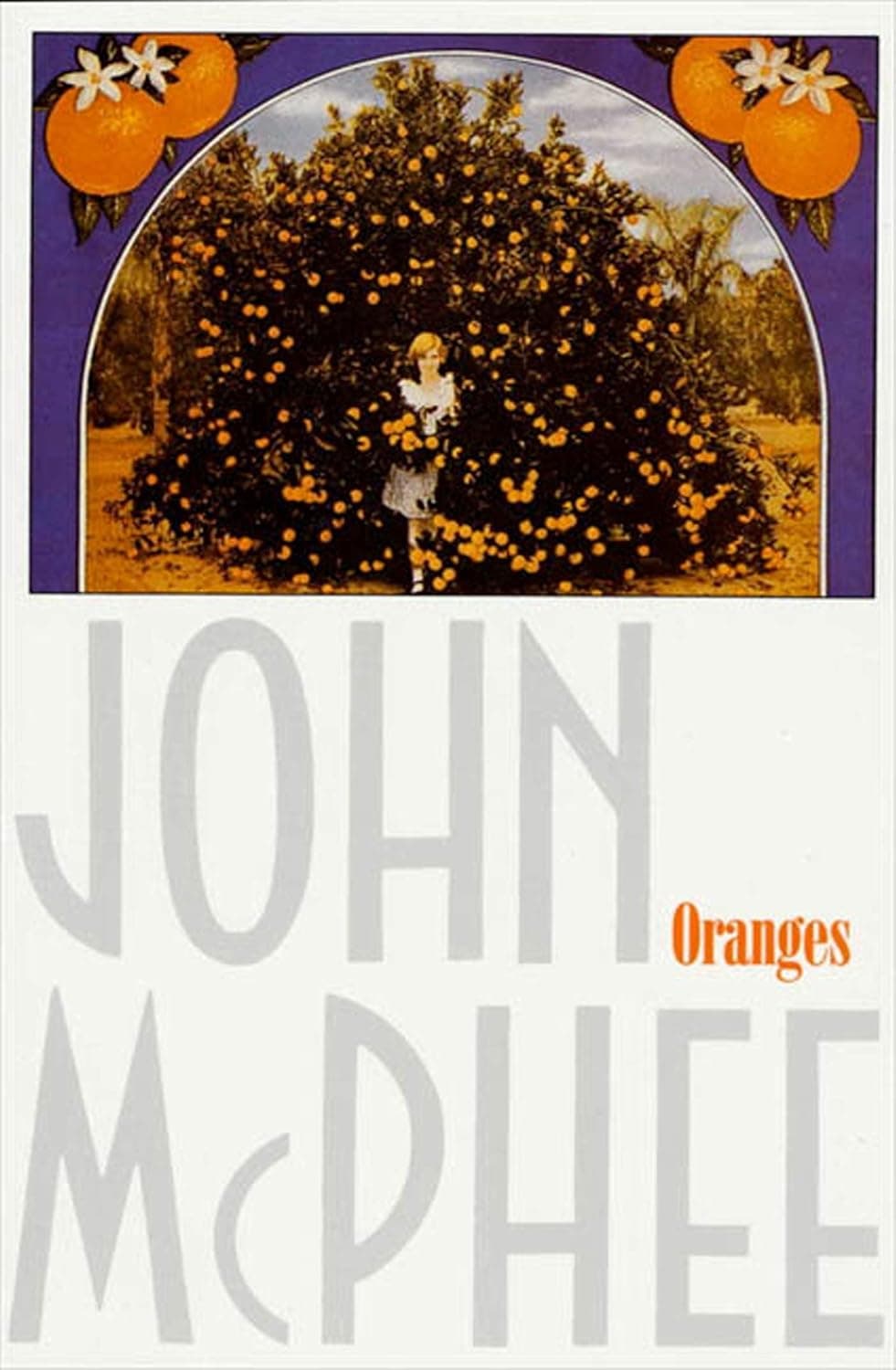
Oranges

1967 · 149 pages

Curious why the juice from a Penn Station machine changed color through the winter, McPhee went to Florida. He came back with citrus botany, grove barons, and the entire industry of frozen concentrate.

★ 4.7

Kitchen Confidential

2000 · 312 pages

Bourdain cooked for two decades, then told everything: the drugs, the immigrant crews who hold restaurants up, why you never order fish on Monday. He made the line cook a figure Americans envied.

★ 4.7

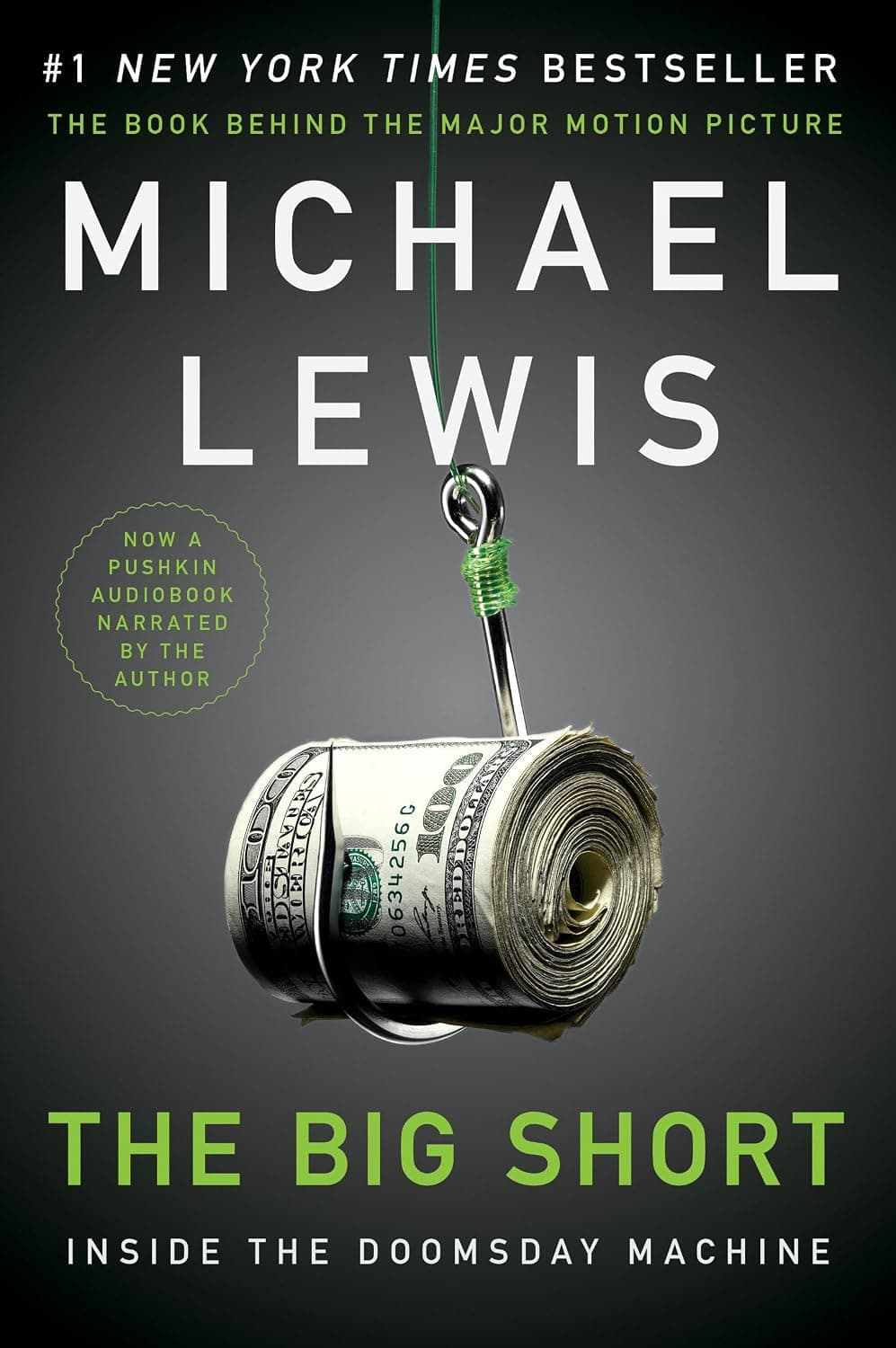
The Big Short

2010 · 291 pages

Michael Burry, a one-eyed doctor turned investor, read the mortgage documents no one else opened and bet against American housing. Lewis turns credit default swaps into a thriller about who saw it coming.

★ 4.7

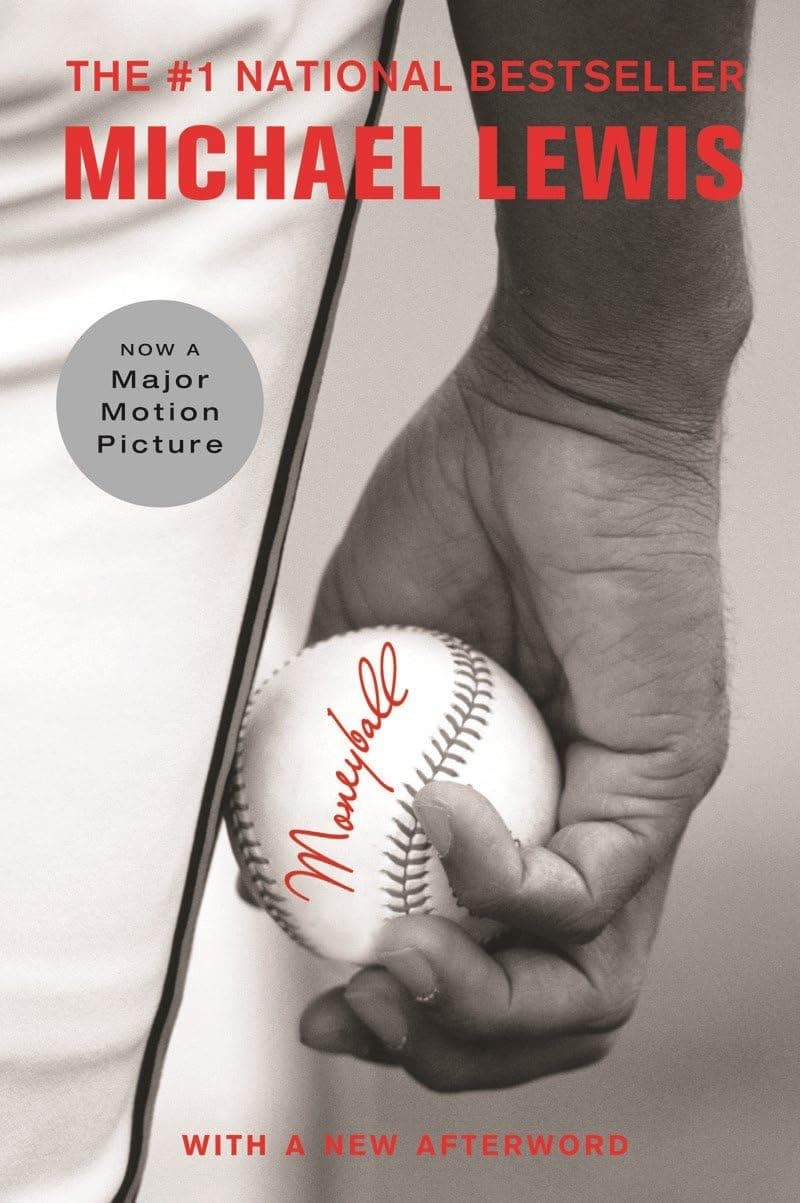
Moneyball

2003 · 320 pages

Oakland spent a third of what the Yankees spent and won as many games, buying the hitters scouts despised. Every team in baseball now runs on the arithmetic Lewis watched Billy Beane use.

★ 4.8

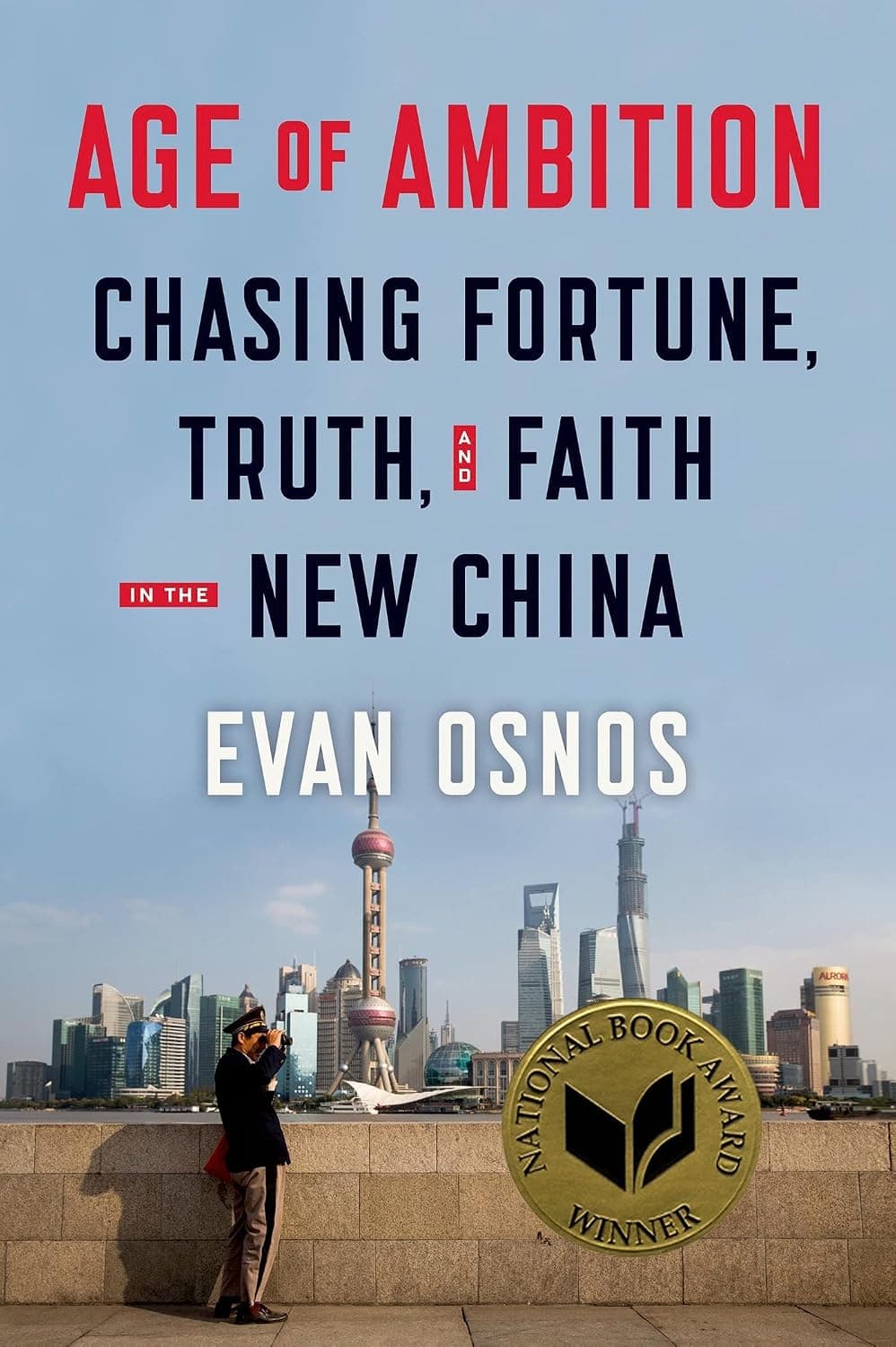
Age of Ambition

2014 · 403 pages

Osnos spent eight years watching China chase fortune faster than its politics allowed, and tells it through a soldier who swam the strait to defect and a blind lawyer who escaped house arrest.

★ 4.8

The Conscience of a Conservative

1960 · 126 pages

I have little interest in streamlining government, Goldwater declares, for I mean to reduce its size. A hundred pages of refusal that dragged the Republican Party rightward and made Reagan's presidency thinkable.

★ 4.8

The Clash of Civilizations

1996 · 367 pages

Ideology no longer divides the world, Huntington argued: culture does, along fault lines between seven or eight civilizations. After 9/11 nobody could discuss the West and Islam without answering him.

★ 4.8

A Brief History of Time

1988 · 248 pages

Twenty-five million people bought a physics book. Hawking explains black holes, the arrow of time, and whether the universe needed a beginning, carrying the argument on almost no mathematics at all.

★ 4.8

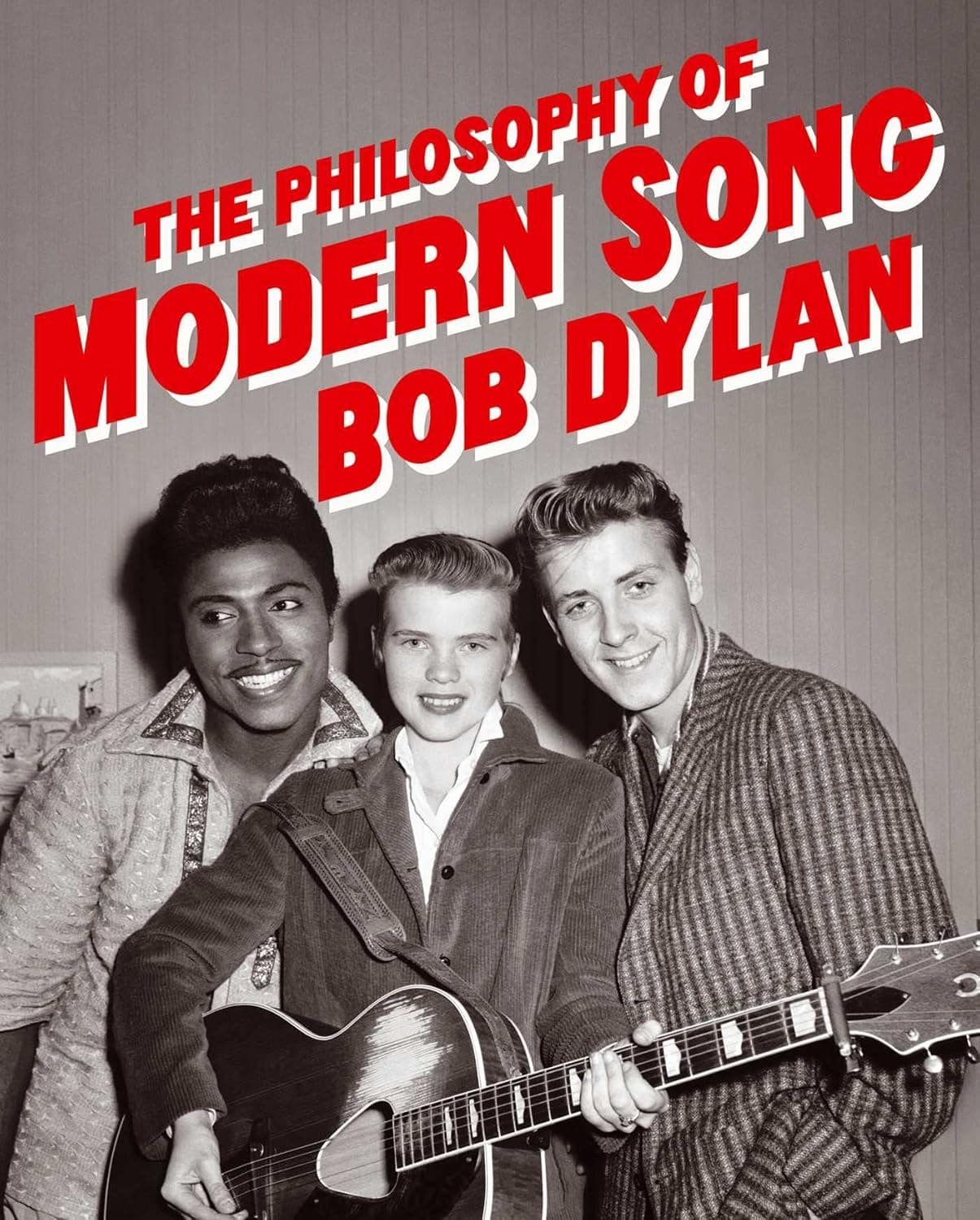
The Philosophy of Modern Song

2022 · 352 pages

Sixty-six songs, from Sinatra to the Who, each taken twice: Dylan writes his way inside the record in second person, then steps back and talks craft. Nobody listens to music this closely.

★ 4.9

Wiseguy

Life in a Mafia Family
1985 · 304 pages

Henry Hill spent twenty-five years as a Lucchese associate, from stolen cigarettes to the Lufthansa robbery, and Pileggi lets him tell it himself. Scorsese lifted whole scenes of Goodfellas straight from it.

★ 4.9

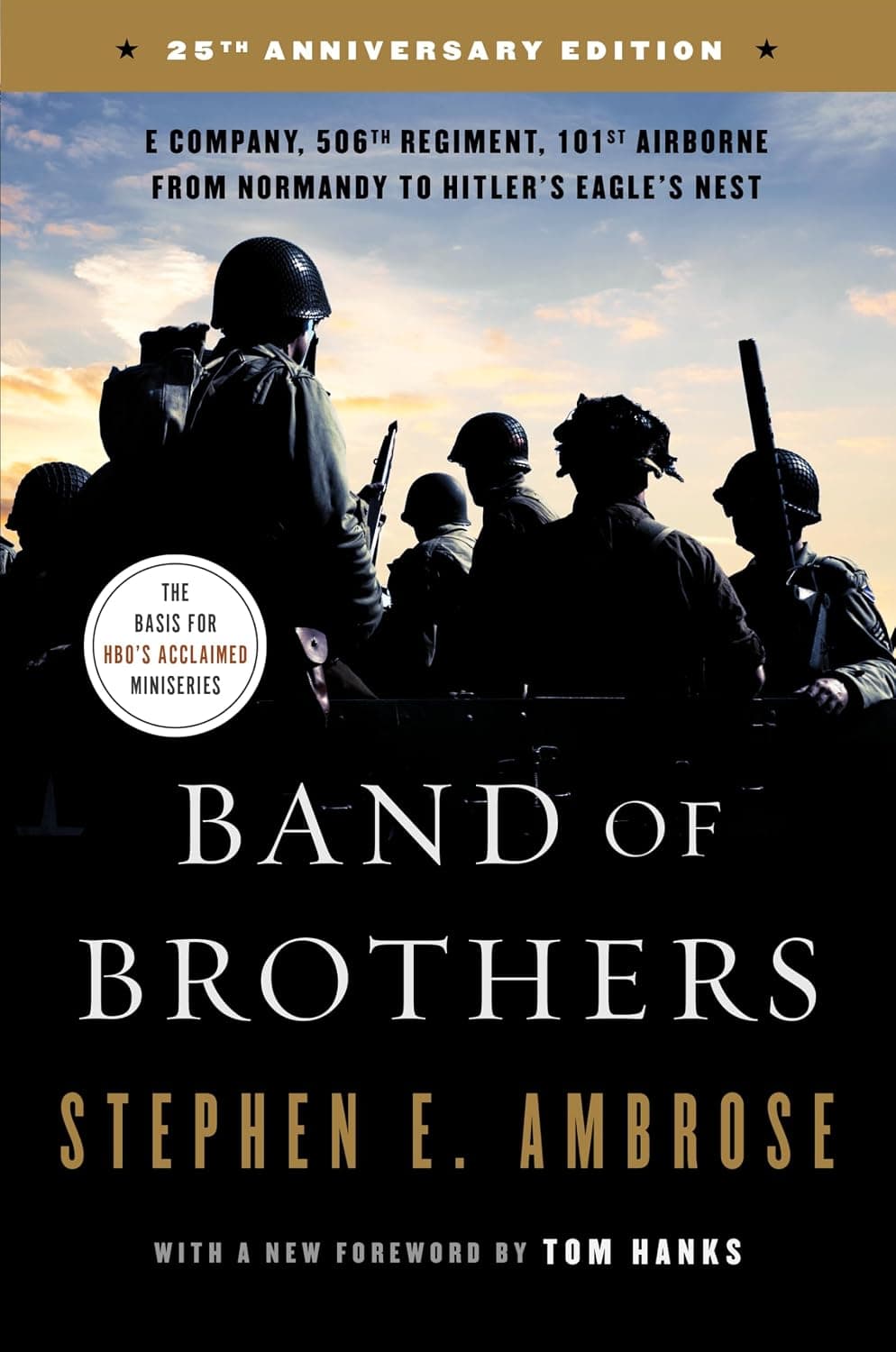
Band of Brothers

1992 · 336 pages

Easy Company jumped into Normandy on D-Day, held Bastogne through the snow short of ammunition and coats, and finished the war at Hitler's alpine retreat. Ambrose built it from the men's own accounts.

★ 4.9

Workers

An Archaeology of the Industrial Age
1993 · 400 pages

Fifty thousand men climb out of a Brazilian gold pit on wooden ladders, caked in mud. Salgado spent six years across twenty-six countries photographing manual labor as the machines took it away.

★ 4.9

Full Tilt

Ireland to India with a Bicycle
1965 · 256 pages

Murphy left Dunkirk in the frozen January of 1963 on a bicycle named Roz and rode to Delhi, fighting off wolves in Yugoslavia and thieves in Iran, and setting it down without drama.

★ 4.9

In the American West

1985 · 174 pages

Avedon spent five years photographing drifters, miners, waitresses, and slaughterhouse workers against plain white paper. Printed larger than life, the faces leave nothing to hide behind and no cowboy myth standing.

★ 4.9

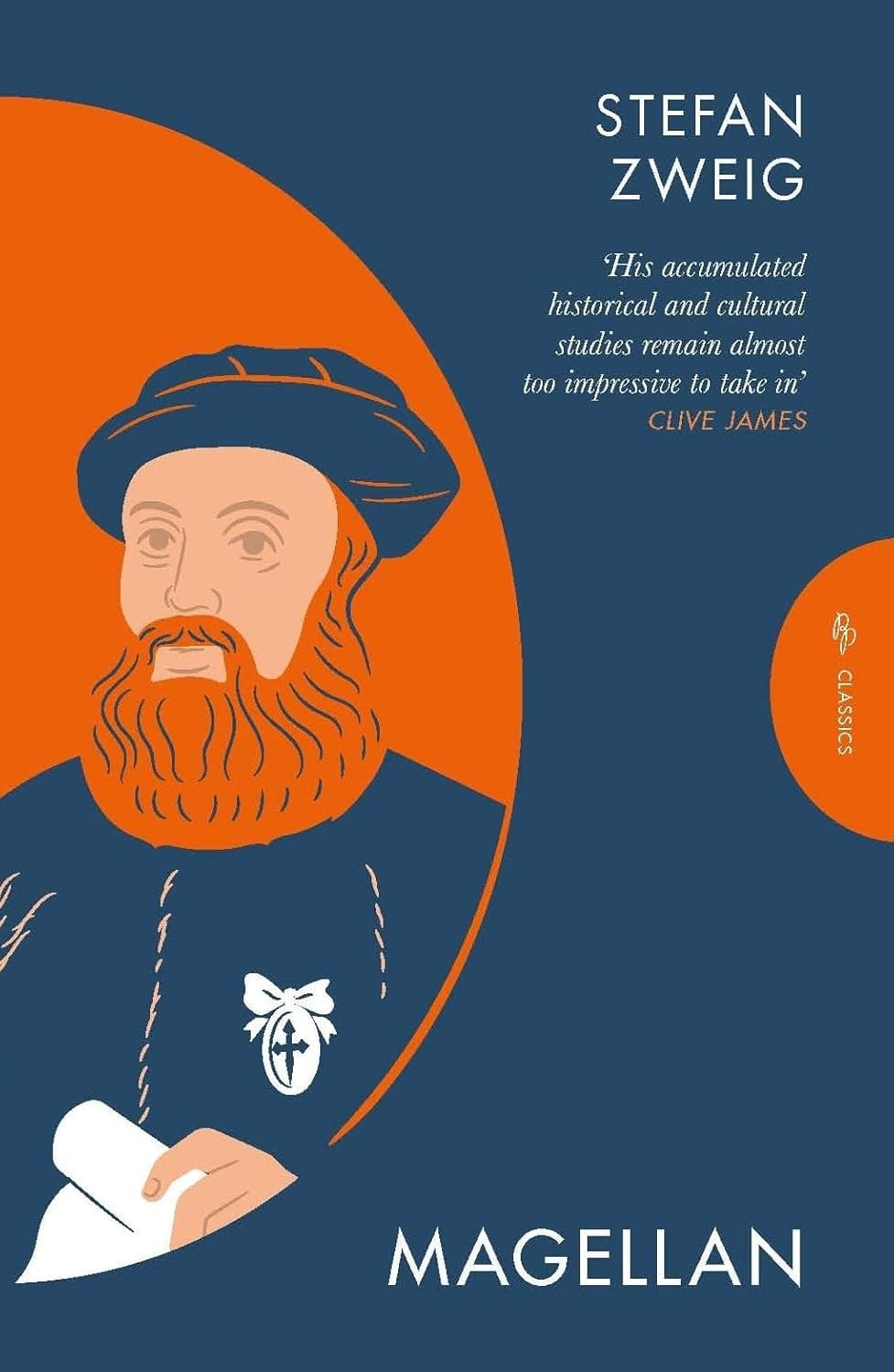
Magellan

Conqueror of the Seas
1938 · 352 pages

Five ships left Seville in 1519 and one came home three years later with eighteen men aboard. Zweig tells the circumnavigation as the story of an obstinate will set against an unmapped ocean.

★ 4.9

Gypsies

1975 · 240 pages

For a decade the Czech photographer Josef Koudelka lived among Roma families in Slovakia, waiting for his subjects to present themselves. The portraits are grave, formal, and free of pity.

★ 5.0

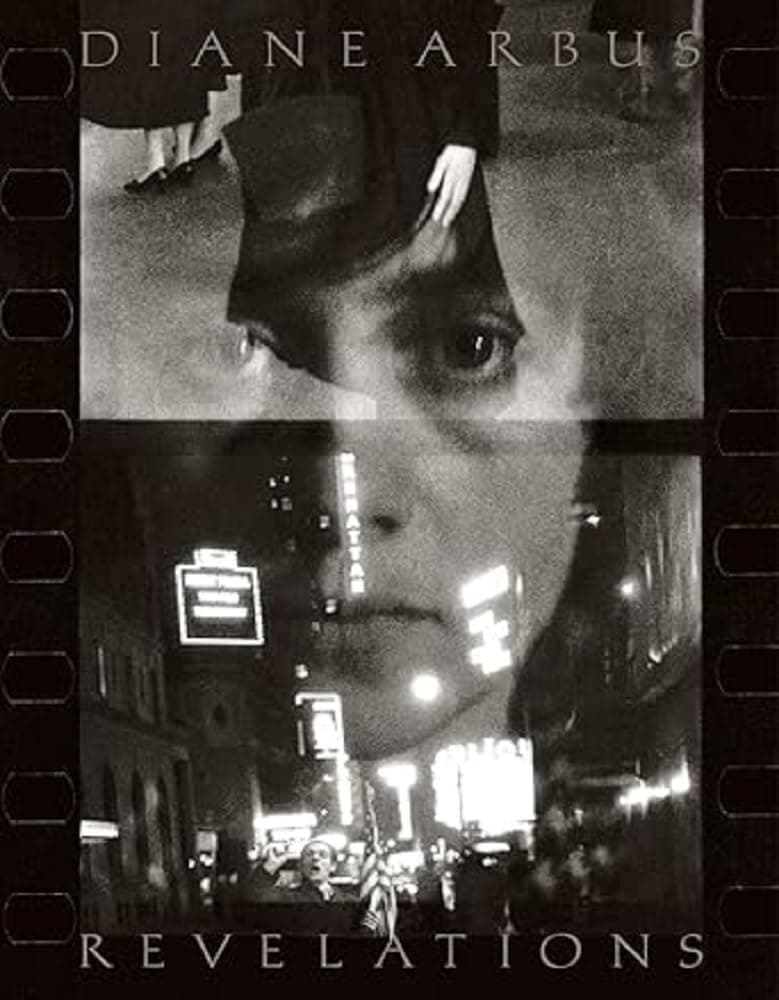
Revelations

2003 · 352 pages

Arbus met twins, giants, nudists and Westchester couples with the same level stare. Here are the prints with her notebooks and letters, and the argument American photography has never settled about her.

★ 5.0

Examples

The Making of 40 Photographs
1983 · 177 pages

Forty photographs, and Adams tells how each was made. His meter lost in New Mexico, he computed the exposure from the moon's known brightness and got one negative before the light went.

★ 5.0

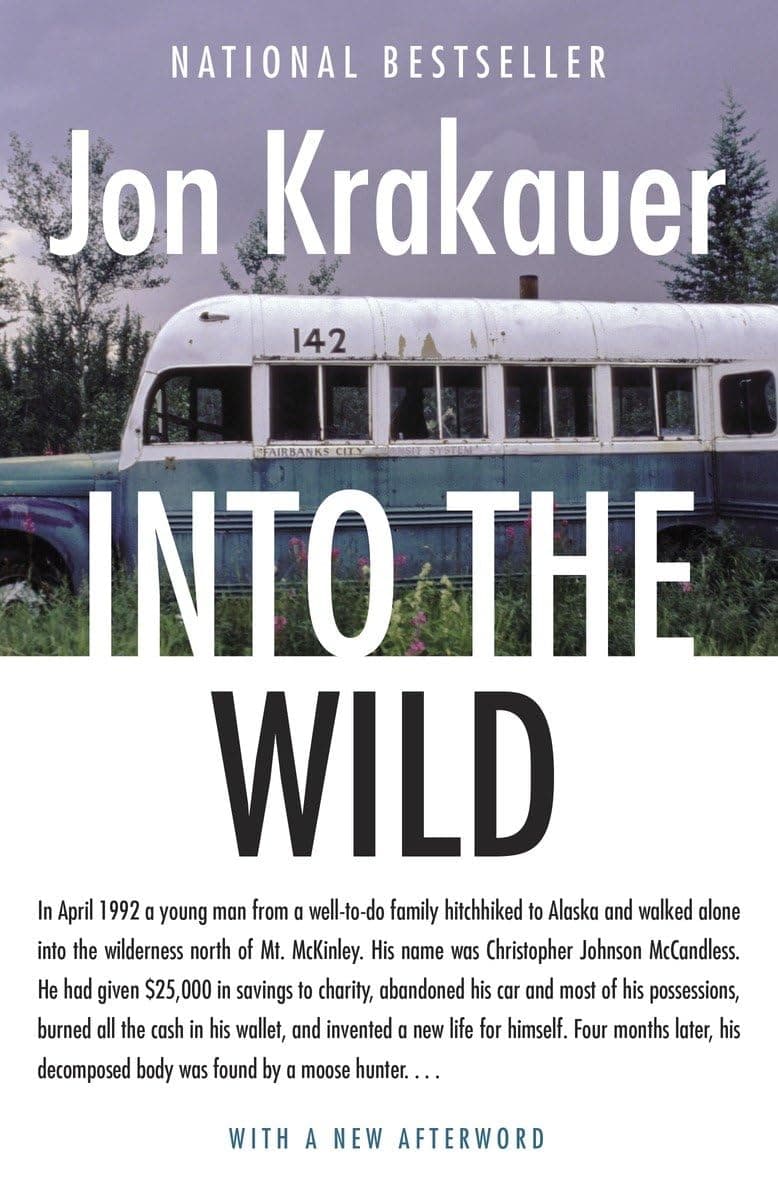
Into the Wild

1996 · 207 pages

Chris McCandless gave his savings to charity, burned the cash in his wallet, and walked into the Alaskan bush in April 1992. Krakauer refuses to file him under either fool or saint.

★ 5.0

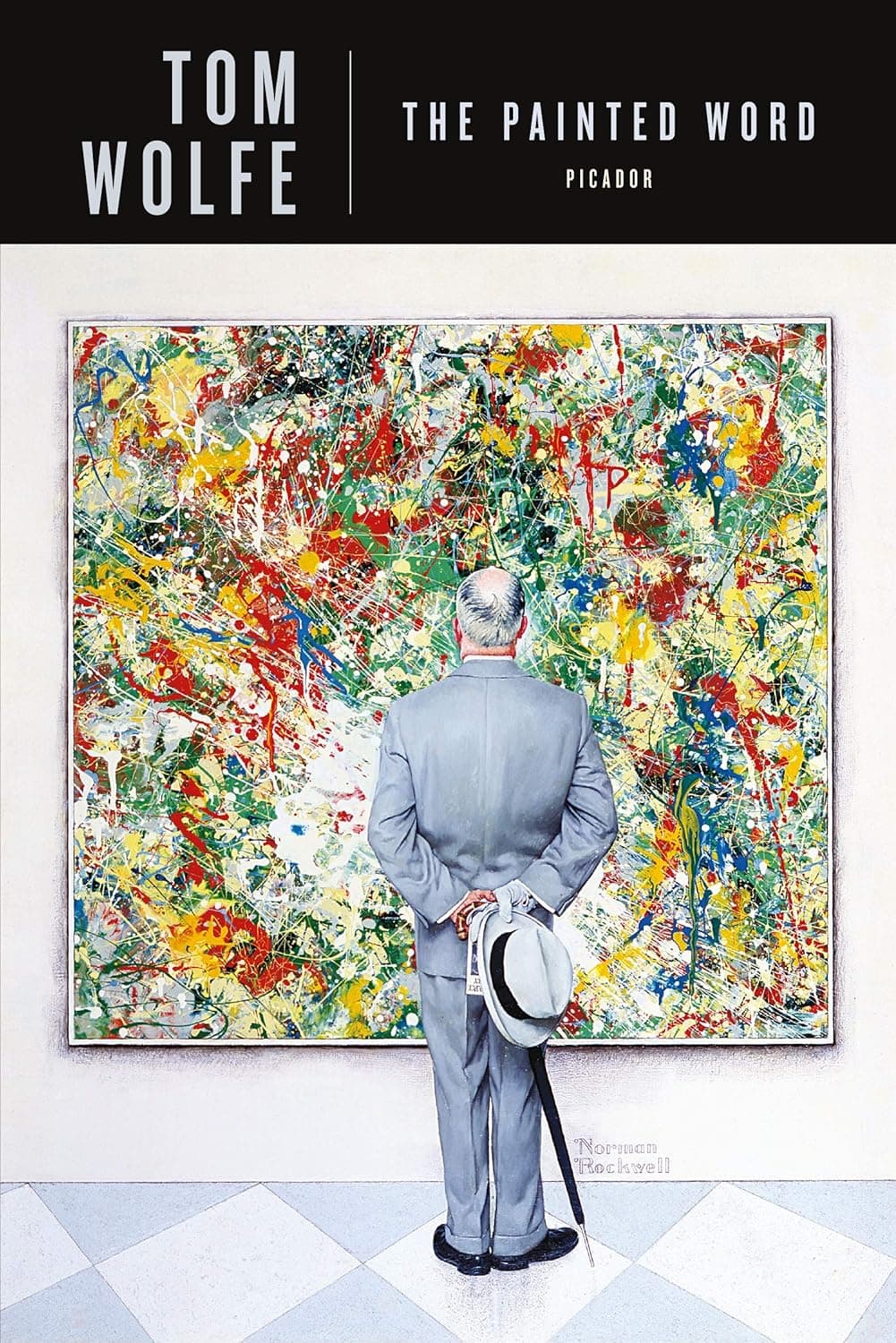
The Painted Word

1975 · 106 pages

Modern painting had become an illustration of theory, Wolfe argued, invisible without the words. He named the three critics who ruled taste in New York, and the art world came after him howling.

★ 5.1

The History of Jazz

1997 · 608 pages

Gioia plays jazz piano and writes criticism, and both show in the single history worth owning, which runs from the New Orleans brass bands through bebop and Coltrane to what is played now.

★ 5.1

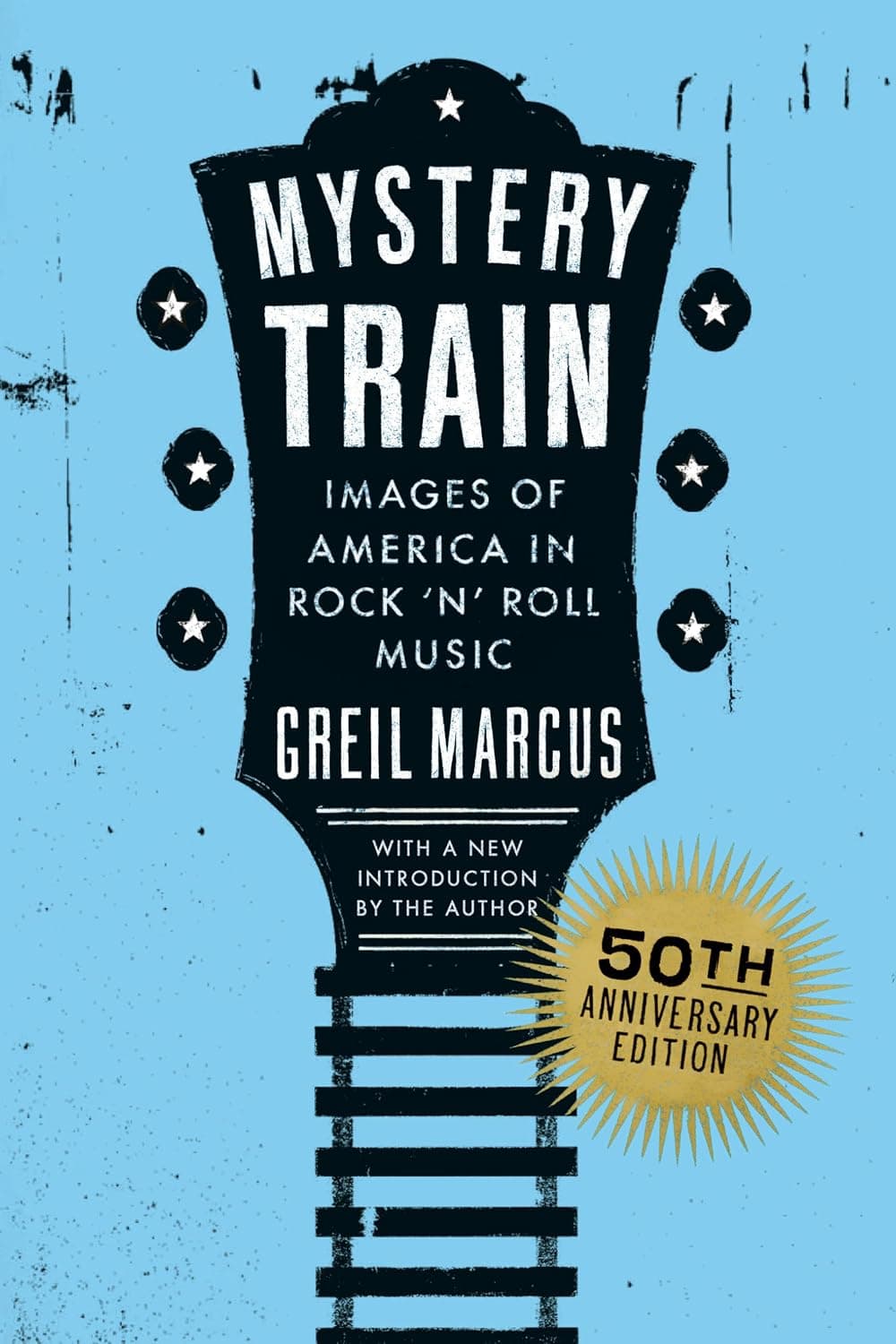
Mystery Train

1975 · 528 pages

Still the sharpest book written about rock and roll. Marcus treats Elvis, Robert Johnson, and Sly Stone as American artists on the scale of Melville, reading their records for what America is.

★ 5.1

Tally's Corner

A Study of Negro Streetcorner Men
1967 · 179 pages

Twelve months on a Washington corner with Black men without steady work. They fail as husbands and fathers, Liebow shows, not from any inherited culture but because the jobs cannot support a family.

★ 5.2

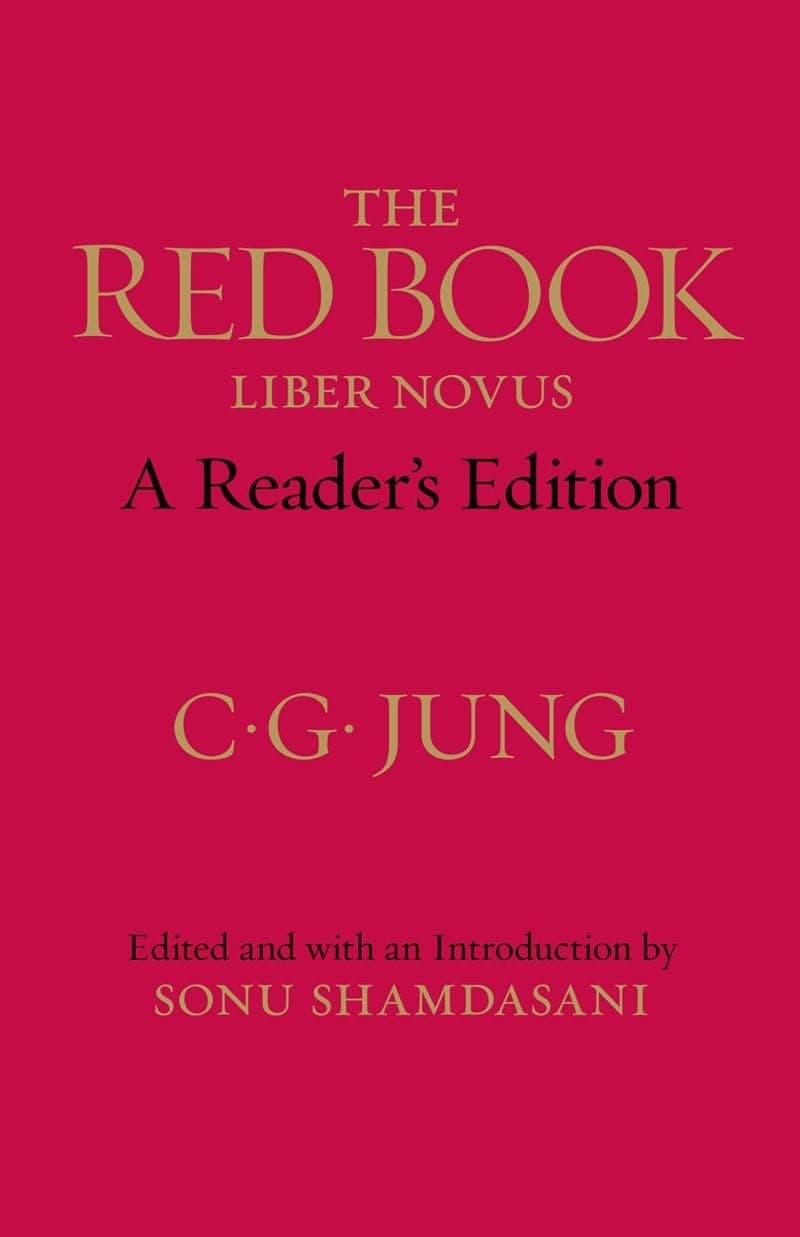
The Red Book

2009 · 582 pages

Jung induced his own visions and argued with the figures he met there, then set it down in medieval script and painted mandalas. He said everything he wrote afterward was mere elaboration.

★ 5.2
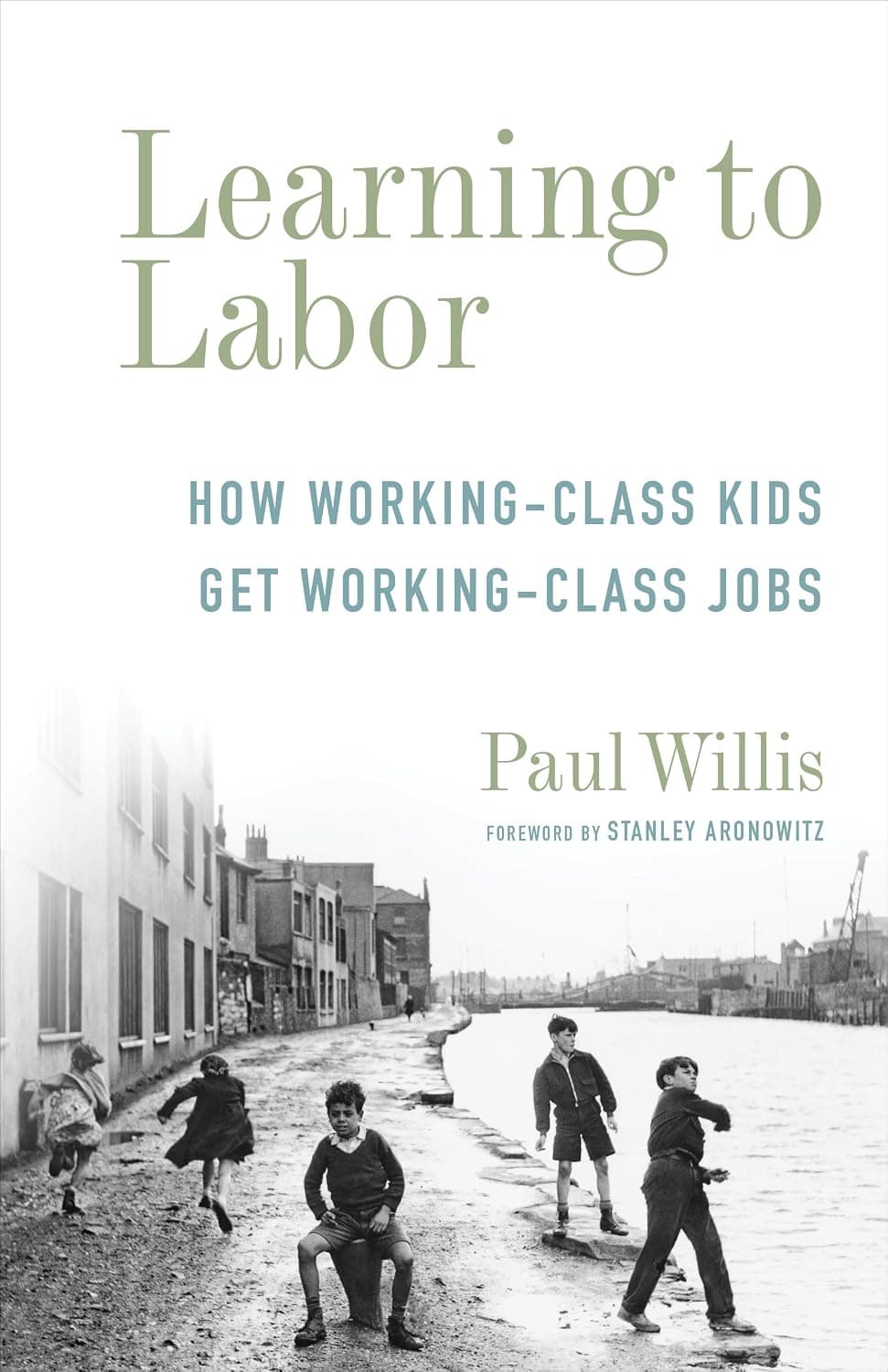
Learning to Labour

1977 · 336 pages

Working-class boys are not pushed into working-class jobs, Willis found: they choose them. Twelve lads at a Midlands comprehensive laugh their way through school and hand themselves to the factory floor.

★ 5.2
A Lover's Discourse

Fragments
1977 · 234 pages

Waiting in a café for someone who does not come, rereading a letter, saying I love you and hearing it fail: Barthes breaks obsession into figures, each spoken in the lover's voice.

★ 5.2

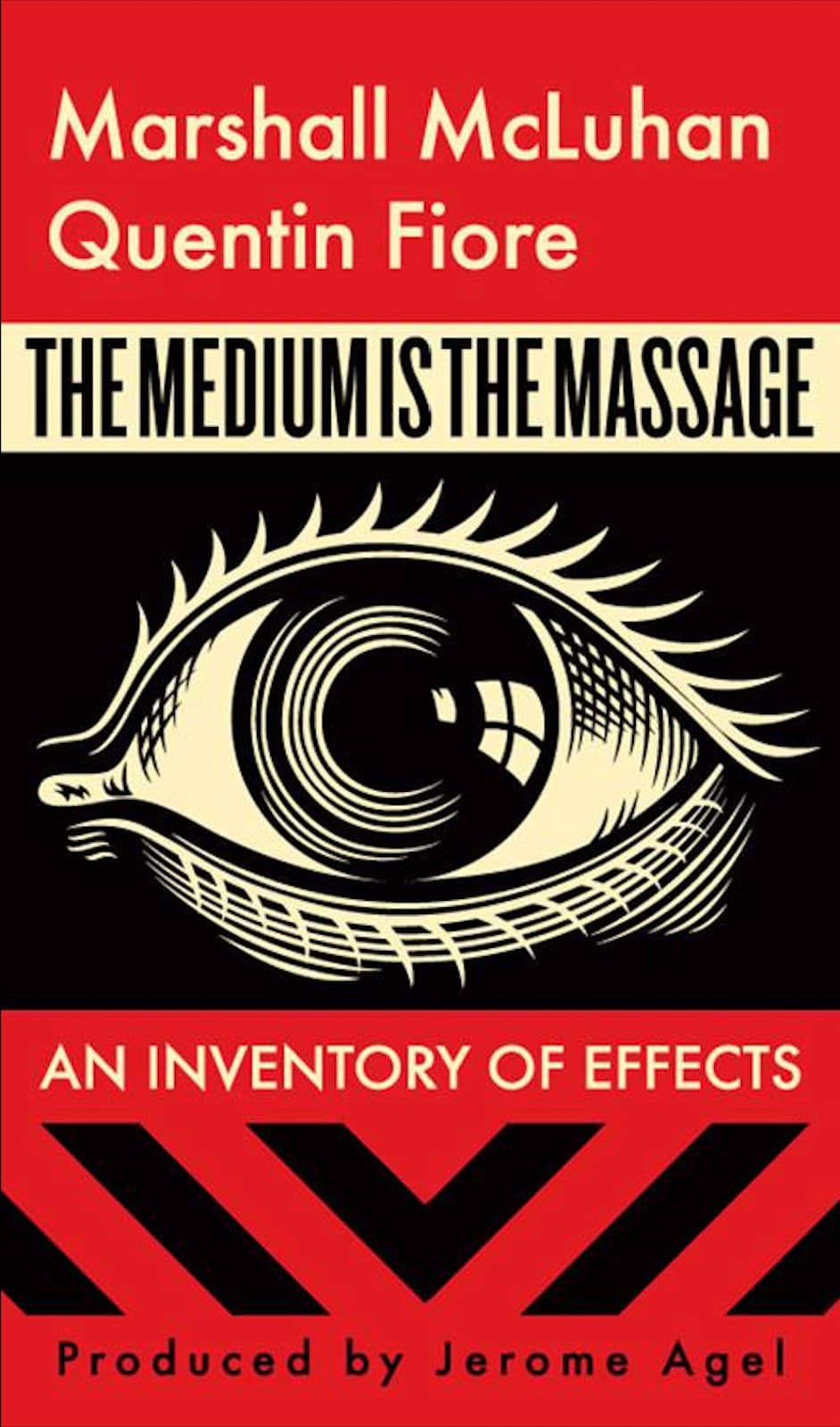
The Medium is the Massage

1967 · 159 pages

Working with the designer Quentin Fiore, McLuhan turned media theory into a paperback collage of aphorisms and pages printed backwards. Every technology remakes your senses before you notice what it carries.

★ 5.3

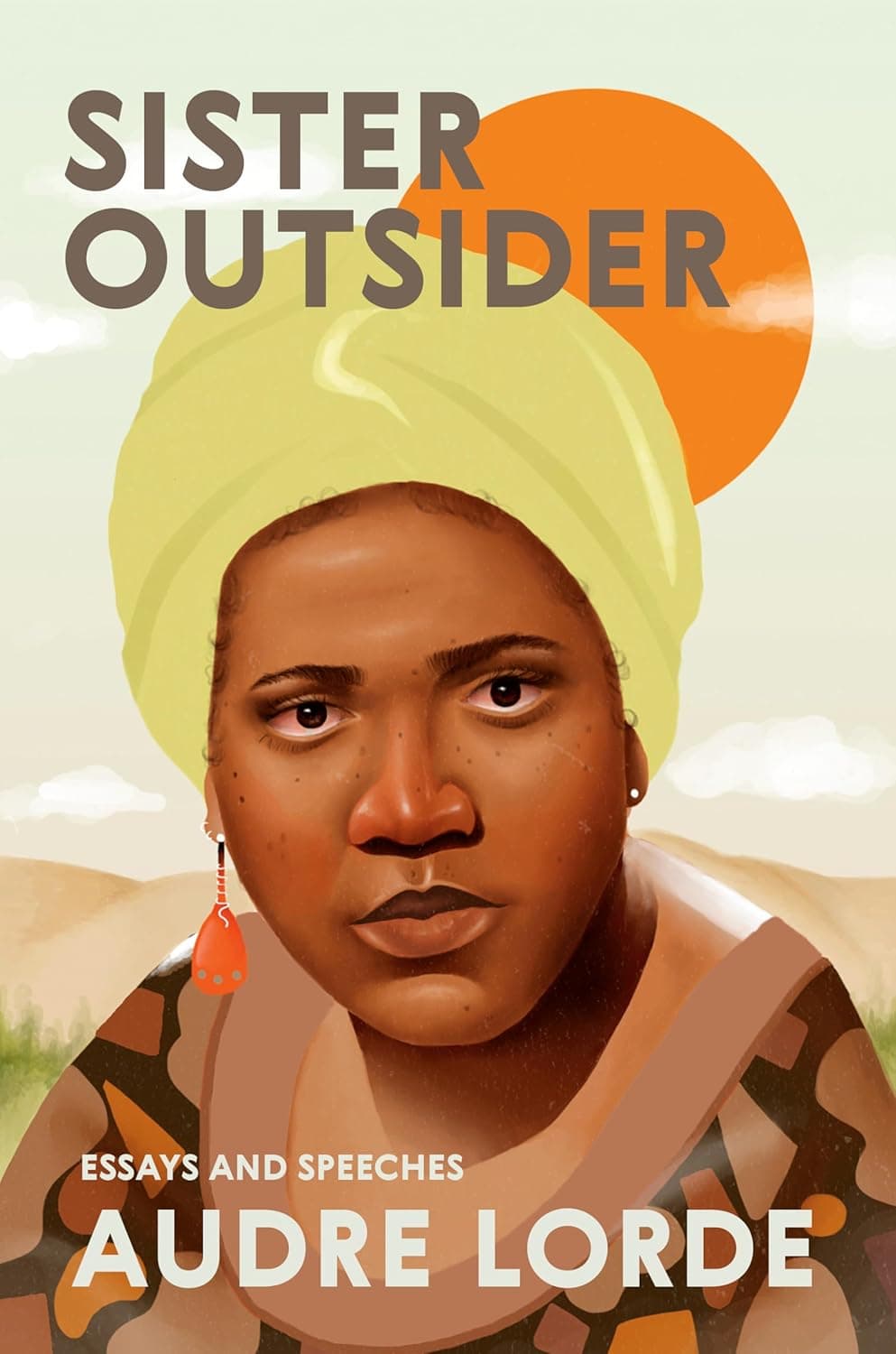
Sister Outsider

Essays and Speeches
1984 · 190 pages

At a 1979 feminist conference that had sidelined Black and lesbian women, Lorde said the master's tools will never dismantle the master's house. These essays turn anger and difference into working instruments.

★ 5.3

Honey from a Weed

1986 · 374 pages

Gray gave up an editor's job for stone quarries in Tuscany, Catalonia, Naxos, and Apulia, cooking wild greens, snails, and game over wood fires and setting down a Mediterranean already disappearing.

★ 5.3

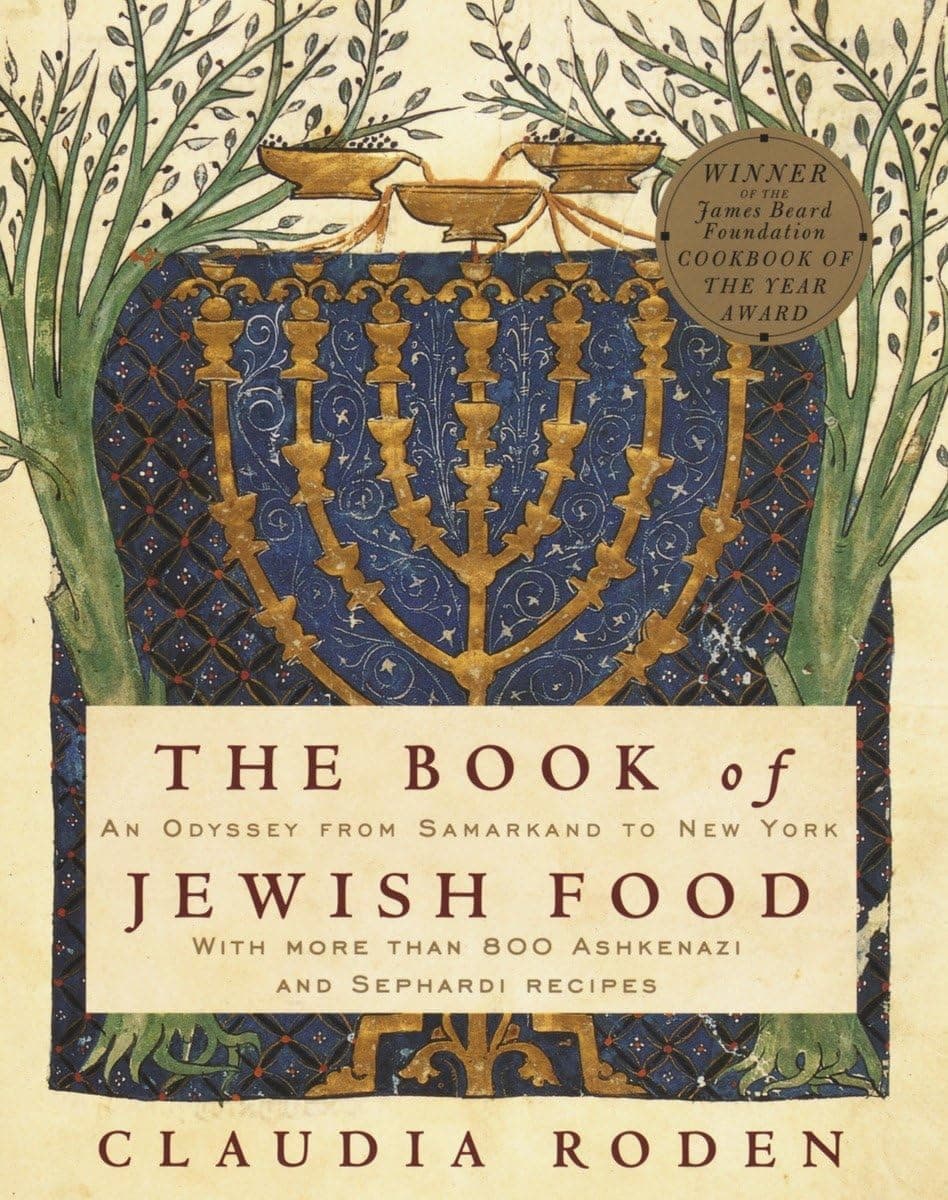
A Book of Middle Eastern Food

1968 · 513 pages

Egypt expelled its Jews after Suez, and Roden, exiled in London, collected recipes from displaced Sephardi and Arab families and the histories behind them. English-speaking kitchens learned hummus, tabbouleh, and mezze from her.

★ 5.3

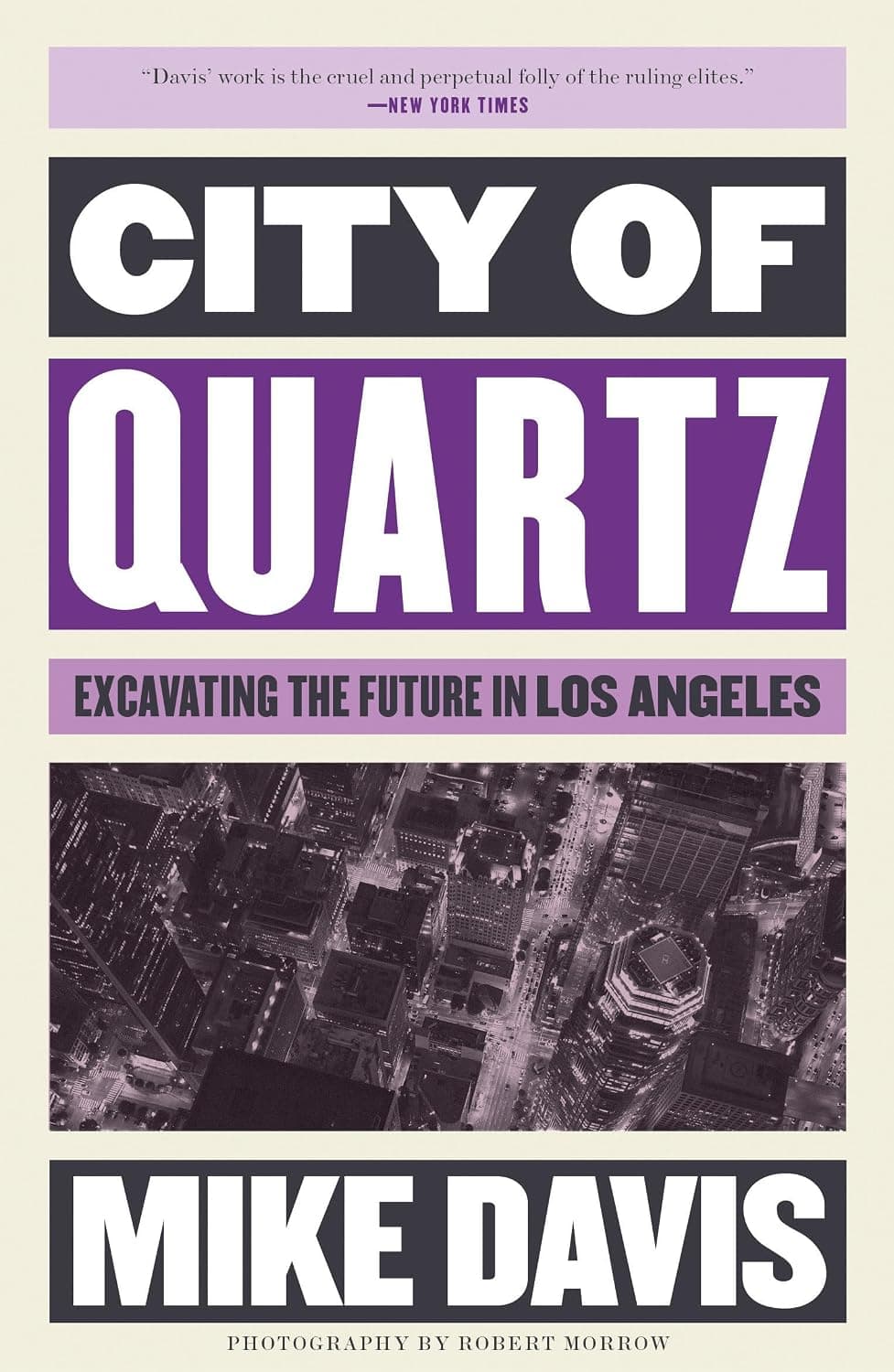
City of Quartz

Excavating the Future in Los Angeles
1990 · 512 pages

Los Angeles read as a machine for excluding people: Davis strips the sunshine myth to find speculators, bum-proof benches, and a police force patrolling from helicopters. Two years later the city burned.

★ 5.3

The House of Morgan

An American Banking Dynasty and the Rise of Modern Finance
1990 · 812 pages

Four generations of one bank, from Victorian London to the crash of 1987. Chernow's Pierpont Morgan locks New York's bankers in his library until they agree to end the Panic of 1907.

★ 5.3

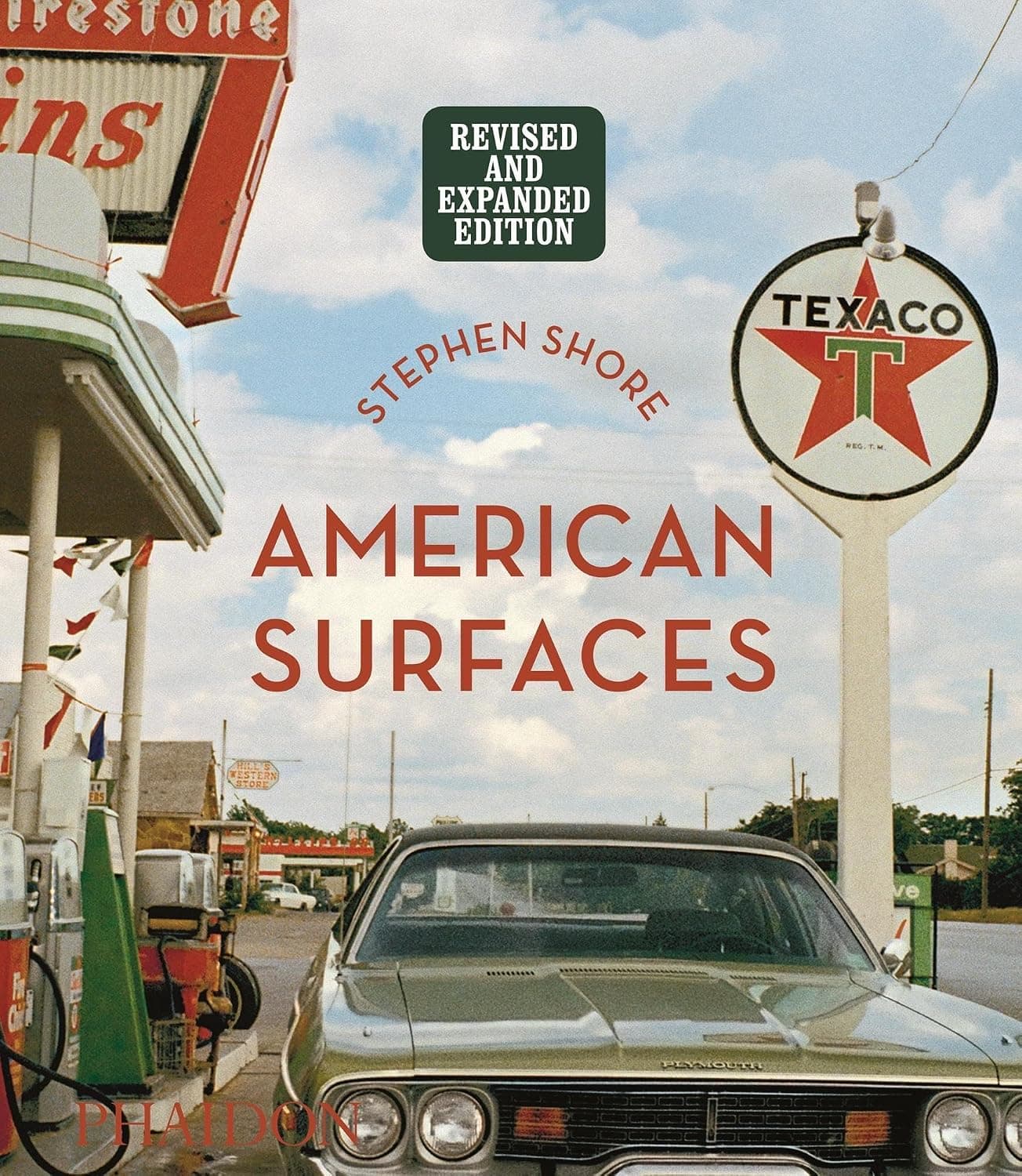
American Surfaces

1999 · 256 pages

Every meal, every motel bed, every stranger the photographer Stephen Shore met driving America in 1972, printed cheap at a drugstore. He made the throwaway snapshot into how America gets pictured.

★ 5.3

Between Meals

An Appetite for Paris
1962 · 185 pages

Sent to the Sorbonne in 1926, Liebling studied restaurants instead. Proust, he argues, simply lacked the appetite to eat properly. What follows is a young man's gluttonous education in Paris.

★ 5.3

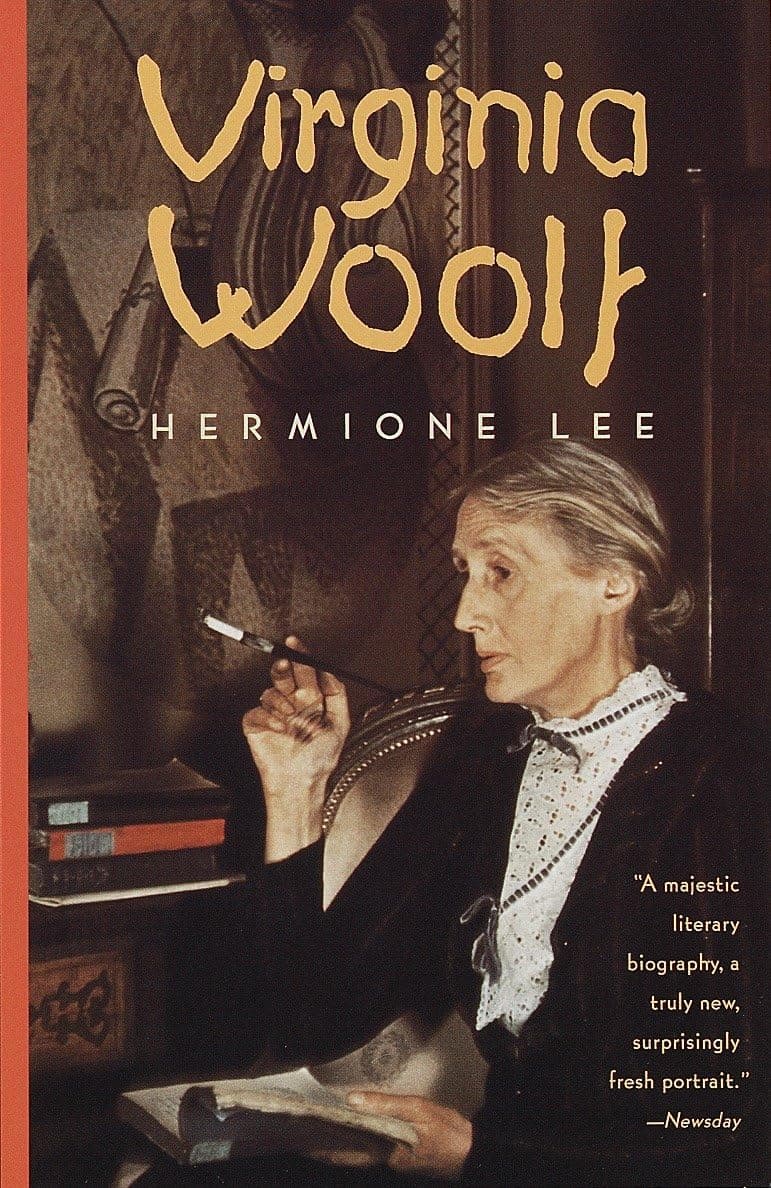
Virginia Woolf

1996 · 944 pages

Lee refuses the fragile madwoman of legend and gives back a working writer: funny, ambitious, hard on her friends. She holds the breakdowns and the novels together and lets neither explain the other.

★ 5.3

Coleridge

Early Visions
1989 · 622 pages

The finest modern life of a poet. Holmes walks Coleridge's roads and brings him back talking, from "The Ancient Mariner" and Wordsworth's company to the laudanum and the sailing for Malta.

★ 5.4

The Looming Tower

Al Qaeda and the Road to 9/11
2006 · 541 pages

The book that made 9/11 comprehensible. Wright traces al-Qaeda to an Egyptian educator radicalized in small-town Colorado, closing on the FBI's bin Laden hunter, dead in the towers he was guarding.

★ 5.4

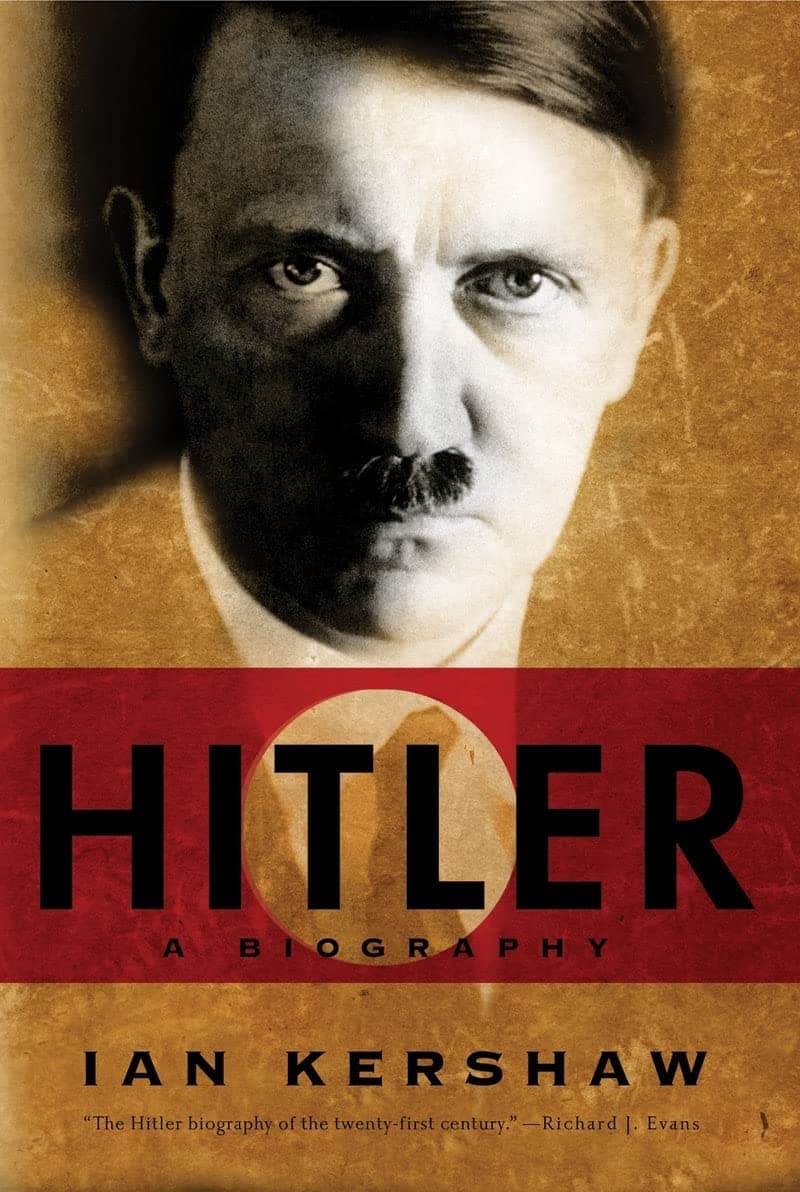
Hitler

A Biography
2008 · 1030 pages

Hitler kept lazy hours and rarely issued a written order. Kershaw explains the machine anyway: officials across Germany competing to anticipate what the Führer wanted, radicalizing policy from below into genocide.

★ 5.4

The World-Ending Fire

The Essential Wendell Berry
2017 · 368 pages

An economy that uses up land and people is not efficient but suicidal, Berry argues. He writes from a Kentucky hillside he farms with horses, and insists eating is an agricultural act.

★ 5.4

The Peace of Wild Things

2018 · 134 pages

When despair for the world wakes him at night, Berry goes down to the water where the heron feeds. Decades of farming one Kentucky hillside stand behind these poems of grief and consolation.

★ 5.4

Paul Verlaine

Selected Poems (Oxford World's Classics)
1896 · 368 pages

Music before everything else, Verlaine demanded, and wrote French verse so hushed composers could not leave it alone. Rain on the town becomes weeping in the heart, with no reason given.

★ 5.4

Ball Four

The Final Pitch
1970 · 540 pages

A knuckleballer hanging on with an expansion team, Bouton kept a diary of the 1969 season and put in the amphetamines, the womanizing, and Mantle drunk. Baseball's commissioner demanded he call it fiction.

★ 5.5

Selected Poems 1988-2013

2013 · 240 pages

Heaney's late poems turn from politics toward light and air. He writes his parents' deaths and his own stroke, and in "Postscript" an Atlantic wind off the Flaggy Shore blows the heart open.

★ 5.5

Secondhand Time

The Last of the Soviets
2013 · 496 pages

Kitchen by kitchen, Alexievich recorded Soviet citizens describing what the collapse did to them. They talk about lost savings and lost faith, and a bewildering grief for the country that jailed their parents.

★ 5.5

The Mind's Eye

1999 · 109 pages

The camera is a sketchbook, Cartier-Bresson insists, an instrument of intuition and not of art. These short essays hand you the working method that made modern photojournalism look the way it does.

★ 5.5

Being and Event

1988 · 526 pages

Set theory, Badiou insists, is the only language that can say what being is. Truth erupts as an event in politics, art, science, or love, and a subject is whoever stays faithful.

★ 5.5

A History of Christianity

The First Three Thousand Years
2009 · 1188 pages

Christianity as a three-thousand-year argument, beginning with Greece and Israel long before Christ. MacCulloch refuses to tell it as a Western story: after eight centuries, Baghdad looked a likelier capital than Rome.

★ 5.5

Against the Grain

A Deep History of the Earliest States
2017 · 336 pages

Grain built the first states, Scott argues, because it ripens on a schedule and can be counted while root crops hide underground. Early walls kept subjects in, and collapse came as relief.

★ 5.5

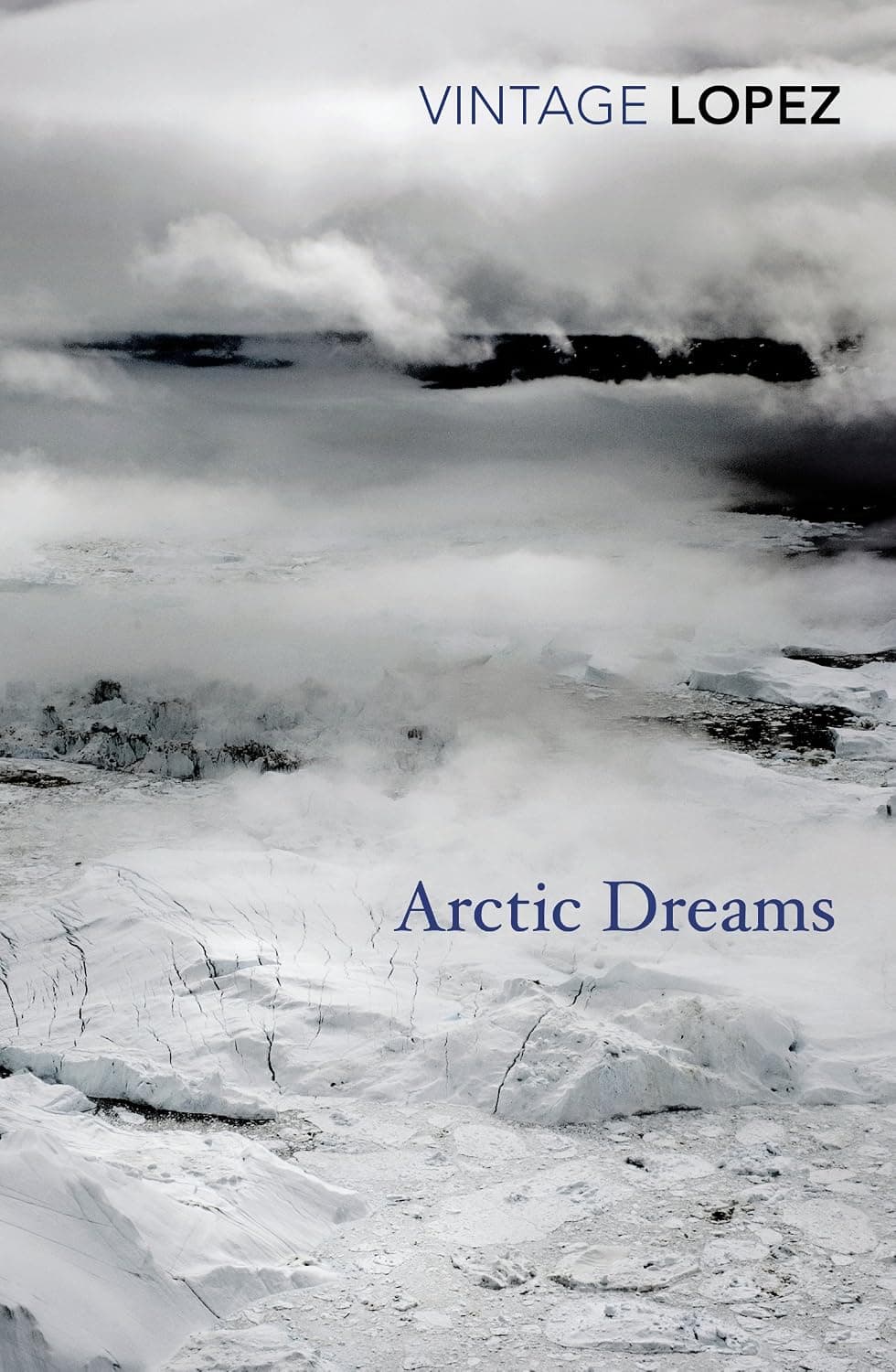
Arctic Dreams

1986 · 474 pages

Five years in the high Arctic, among narwhals and muskoxen and light that behaves like nothing further south. Lopez asks what Westerners have wanted from that country, and what the wanting cost.

★ 5.6

Marvelous Possessions

The Wonder of the New World
1991 · 202 pages

Wonder was never innocent, Greenblatt argues. Reading Columbus's landfall and the travel writers around him, he catches the moment when amazement at a new world hardens into a claim to own it.

★ 5.6

The Unwinding

An Inner History of the New America
2013 · 434 pages

Packer follows a Youngstown factory worker, a North Carolina biodiesel man and a Washington lobbyist from 1978 to 2012, and shows the institutions that once held Americans in place giving way to money.

★ 5.6

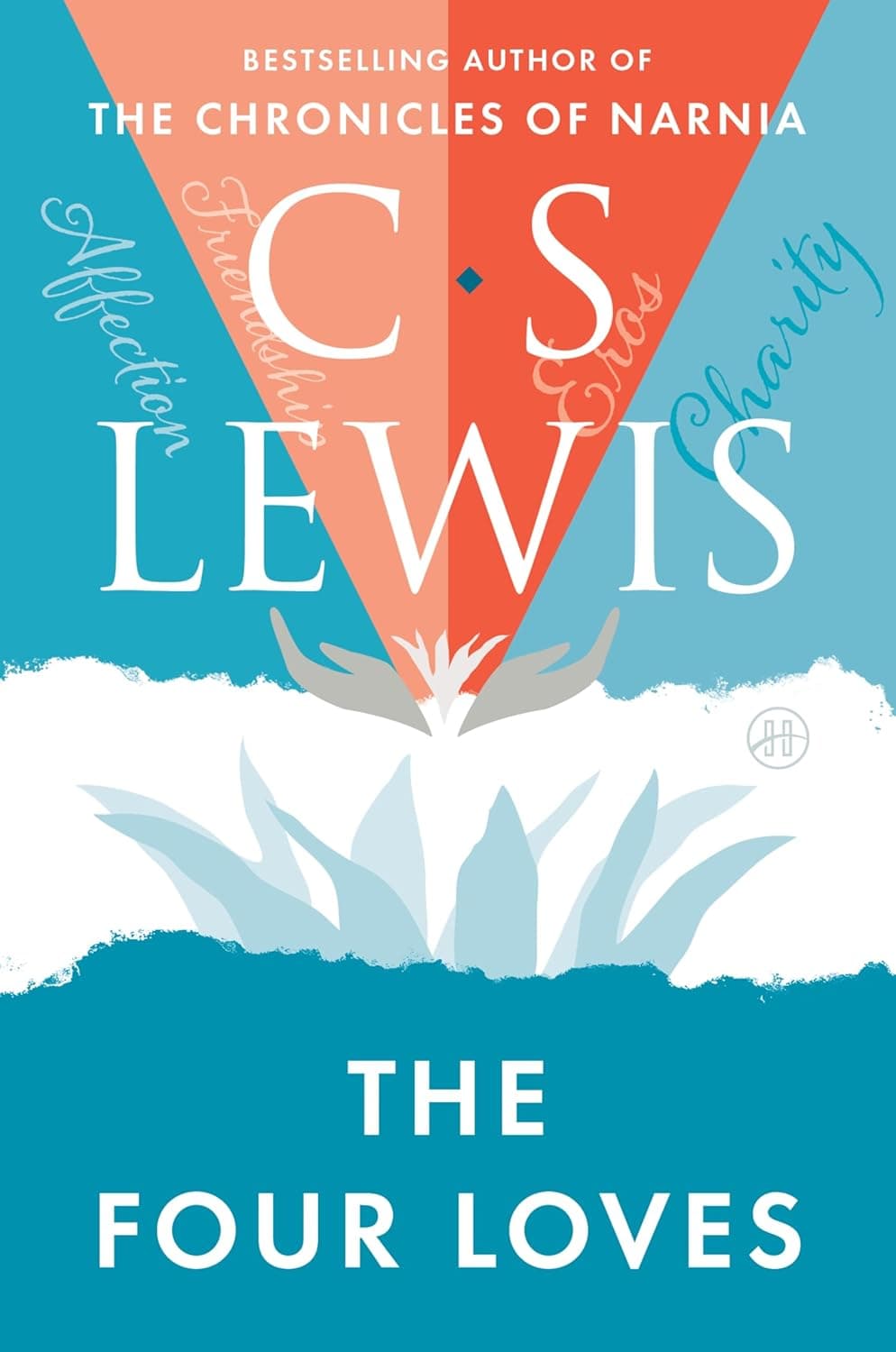
The Four Loves

1960 · 180 pages

To love at all is to be vulnerable, Lewis writes, then sorts the risk into affection, friendship, eros and charity. Each natural love turns demonic the moment it is made into a god.

★ 5.6