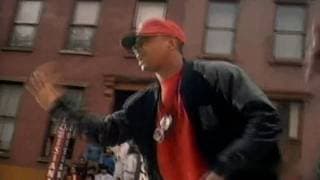
Fight the Power
1989 · From Fear of a Black Planet
Spike Lee asked for a defiant anthem, and the Bomb Squad answered with layered samples and Branford Marsalis's saxophone.
★ 9.0
 skopia
Spike Lee asked for a defiant anthem, and the Bomb Squad answered with layered samples and Branford Marsalis's saxophone.
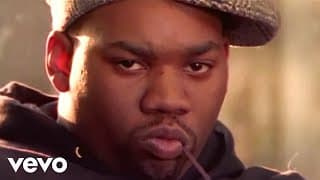
RZA looped a lonely piano figure from the Charmels, and Inspectah Deck's second verse became hip hop scripture.
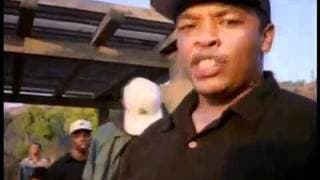
Dre built G-funk on a Leon Haywood sample, handed Snoop the mic, and gangsta rap reached number two.
Dre and Yella built it in a Torrance studio on almost no money, and Compton stopped being invisible.
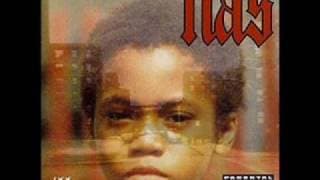
Premier built the beat on the spot; Nas nailed verse one in a take, muttering doubt into the intro.
Structured as a mock trial with Dre presiding, and it drew a warning letter from an FBI assistant director.
Pizarro built it from a Joe Sample loop and the Spinners' Sadie, and the Library of Congress later archived it.
Poke and Combs looped Mtume's Juicy Fruit, and Wallace told the rags to riches story that hip hop kept retelling.
Roger Troutman's talk box over a Joe Cocker sample, and Shakur's first single after Death Row sprang him from prison.
Waters answered Bo Diddley's answer to his own song in 1955, holding one chord and a stop-time riff throughout.
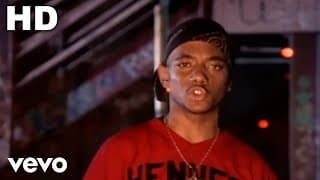
Havoc built the beat in his Queensbridge bedroom from a slowed Herbie Hancock piano figure and a Daly-Wilson drum break.
Rick Rubin's first rap production in years, a Billy Squier drum break, and a second verse about a traffic stop.
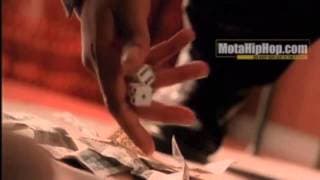
DJ Pooh looped the Isley Brothers' Footsteps in the Dark, and Ice Cube spent four minutes on an uneventful day.
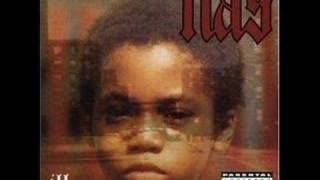
Ahmad Jamal's piano figure, a hook Pete Rock sang himself, and the most hopeful stretch of Illmatic.
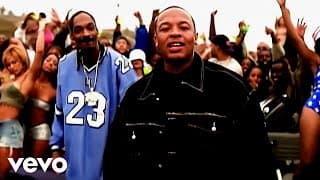
Jay-Z wrote every line of it, Scott Storch played the piano figure, and Dre's seven-year album silence ended.
Dr. Dre produced it, George McCrae supplied the sample, and Snoop's unhurried drawl became the West Coast blueprint.
His grandmother told him to knock them out; Marley Marl looped Funky Drummer, and the Grammy followed.
Sounwave and THC build the first half, Terrace Martin the second, and MC Eiht walks in from Compton's own past.
Dixon wrote it, Little Walter blew the harmonica, and that stop-time riff spread through blues and rock alike.
Eight MCs, a beat RZA scrapped and rebuilt, and a 12-inch the group pressed themselves before any label would.
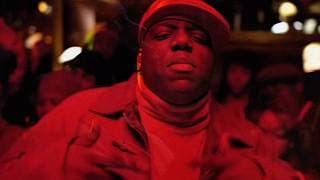
Chucky Thompson built it on the Isley Brothers' Between the Sheets, and Biggie made charm sound entirely effortless.
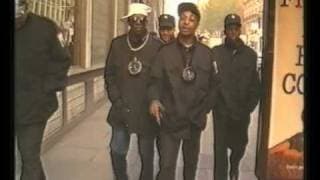
First released on the Less Than Zero soundtrack, it opens with Malcolm X and never stops arguing rap's case.
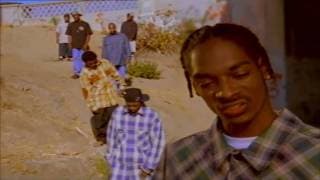
Dre stacked Atomic Dog over Parliament and Funkadelic, and Snoop's debut single walked straight into the top ten.
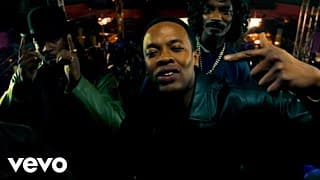
Dre and Mel-Man built it on a David McCallum orchestral cut from 1967, arranged by Axelrod, and Nate Dogg closes.
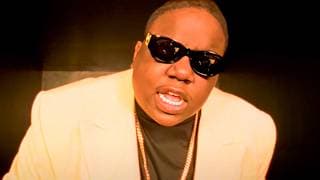
Herb Alpert's Rise looped into a strut, released five days before Wallace was killed, number one within weeks.
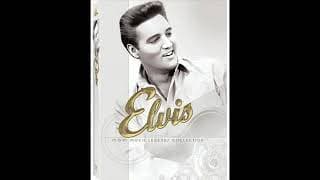
Two years after Junior Parker cut it at Sun, Moore's slapback guitar turned the same train into rockabilly.
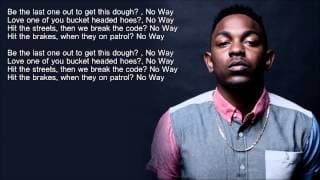
DJ Dahi slowed Beach House's guitar intro and ran it backwards, and Jay Rock's verse steals the whole record.
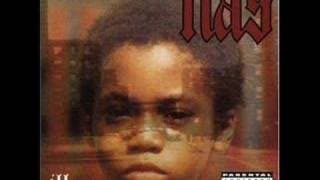
AZ's first appearance on record, the only rapper Nas let onto Illmatic, and his father Olu Dara closing on trumpet.
Ron Browz's beat, handed over before he knew its target, and a release date set on Jay-Z's birthday.
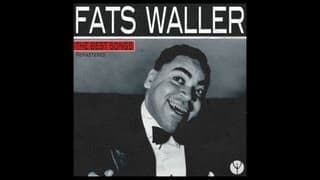
Waller sold every song in Hot Chocolates for five hundred dollars, then cut this one alone for Victor.
Timbaland looped a flute from a 1957 Egyptian record, and Pimp C nearly turned the beat down for sounding pop.
T-Minus made the beat for Trey Songz, who passed; Lamar turned the rejected demo into a study of addiction.
A Zapp groove under the Five Stairsteps hook, dedicated to Latasha Harlins, and rap's warmest tribute to Black women.
Large Professor looped Human Nature into a hush, and Nas closed Illmatic with his most dazzling stretch of technique.
Warren G looped four bars of Michael McDonald in a Long Beach bedroom, and Nate Dogg sang his half.
A Jackson 5 chop, an arena chant, and Jay-Z's first solo top ten, courtesy of a young Kanye West.
The 45 King looped an Annie showtune, and Jay-Z cleared it with a letter he admitted was a lie.
Ski looped Lonnie Liston Smith under a Nas vocal, and Jay-Z made money sound like a weary confession.
James Jamerson's bass, cut in Chicago with Funk Brothers moonlighting for cash, and Wilson sounding weightless above it.
Recorded in 1992, shelved, then remixed after his death over Bruce Hornsby's piano; a posthumous Grammy nomination followed.
Timbaland's beat is all snap and space, and in 2008 a presidential candidate borrowed the shoulder-brush on a Raleigh stage.
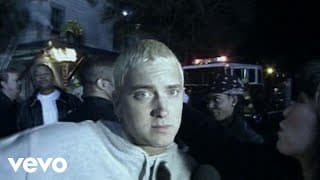
Eminem wrote the verses as a reference for Snoop Dogg, by Dre's account, and Dre kept the guide vocal.
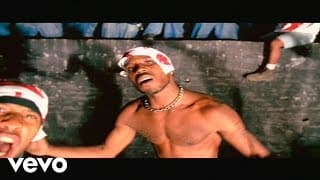
DMX turned the beat down for sounding too rock; his uncles talked him into it, and Swizz Beatz arrived.
RZA cut it at Firehouse Studio on almost no budget, Method Man co-produced, and the chorus became the Clan's motto.
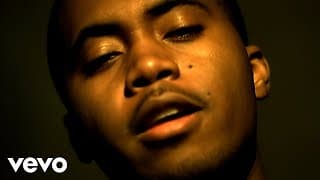
Chucky Thompson looped Phil Collins, and Nas rises from a murmur to a roar and back, verse after verse.
James Brown horns looped, an answer to MC Shan's The Bridge, and hip hop's birthplace claimed for the Bronx.
Ice Cube wrote it for a New York group who walked out; Dre pushed Eazy-E to rap it himself.
A Mothership Connection sample, RBX writing Dre's verses, and the Grammy win that turned it into a hit.
A joke about radio playlists, built on Vic Juris's "Horizon Drive," and it became Gang Starr's most recognizable record.
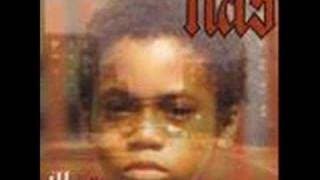
Nas was twenty and already writing memoir here, over DJ Premier's loop of a Reuben Wilson organ.
KRS-One produced it himself over a Stanley Turrentine loop, from the first album made after Scott La Rock's murder.
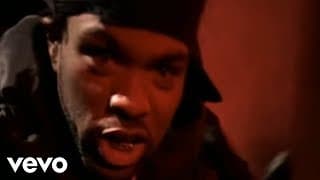
RZA's murk, Method Man's first single away from the Wu-Tang, and a title Chris Rock borrowed for his 1996 special.
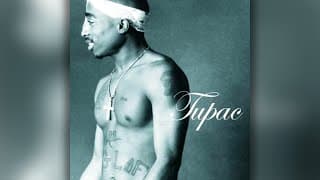
Released two days after Shakur's death, Daz Dillinger's loop of DeBarge's A Dream carrying a farewell to lost friends.
A Bobby Bland soul record from 1974, rebuilt by Kanye West, and Jay-Z sounding untouchable and unloved at the top.
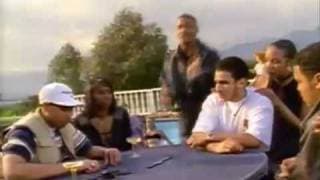
A Club Nouveau hook, Michael Marshall on the chorus, and a Bay Area anthem Jordan Peele later made sinister.
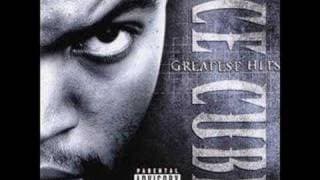
Predator-era Cube with Das EFX in tow; the remix rode the Message beat to number one R&B.
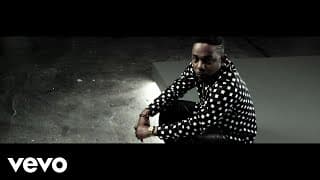
Scoop DeVille built it from Janet Jackson's "Any Time, Any Place", heard on the studio radio, and Drake glides in.
A Faustian bargain told in the first person, later expanded into an eighteen-minute film Dre co-directed with Fab Five Freddy.
First record to lift the Synthetic Substitution break, which hip hop never stopped using, with Kool Keith rhyming deliberately off-beat.
EPMD signed them off a talent show they lost, and the iggedy style swallowed hip hop for two years.