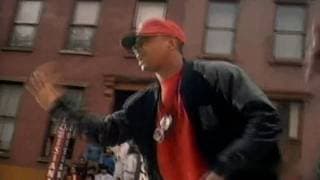
Fight the Power
1989 · From Fear of a Black Planet
Spike Lee asked for a defiant anthem, and the Bomb Squad answered with layered samples and Branford Marsalis's saxophone.
★ 9.0
 skopia
Spike Lee asked for a defiant anthem, and the Bomb Squad answered with layered samples and Branford Marsalis's saxophone.
RZA looped a lonely piano figure from the Charmels, and Inspectah Deck's second verse became hip hop scripture.
Dre built G-funk on a Leon Haywood sample, handed Snoop the mic, and gangsta rap reached number two.
Dre and Yella built it in a Torrance studio on almost no money, and Compton stopped being invisible.
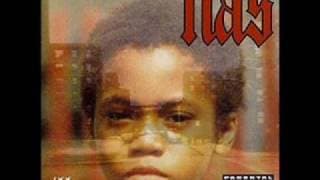
Premier built the beat on the spot; Nas nailed verse one in a take, muttering doubt into the intro.
Structured as a mock trial with Dre presiding, and it drew a warning letter from an FBI assistant director.
Pizarro built it from a Joe Sample loop and the Spinners' Sadie, and the Library of Congress later archived it.
Poke and Combs looped Mtume's Juicy Fruit, and Wallace told the rags to riches story that hip hop kept retelling.
Roger Troutman's talk box over a Joe Cocker sample, and Shakur's first single after Death Row sprang him from prison.
Waters answered Bo Diddley's answer to his own song in 1955, holding one chord and a stop-time riff throughout.
Havoc built the beat in his Queensbridge bedroom from a slowed Herbie Hancock piano figure and a Daly-Wilson drum break.
Rick Rubin's first rap production in years, a Billy Squier drum break, and a second verse about a traffic stop.
DJ Pooh looped the Isley Brothers' Footsteps in the Dark, and Ice Cube spent four minutes on an uneventful day.
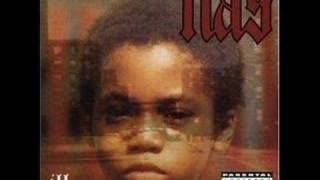
Ahmad Jamal's piano figure, a hook Pete Rock sang himself, and the most hopeful stretch of Illmatic.
Jay-Z wrote every line of it, Scott Storch played the piano figure, and Dre's seven-year album silence ended.
Dr. Dre produced it, George McCrae supplied the sample, and Snoop's unhurried drawl became the West Coast blueprint.
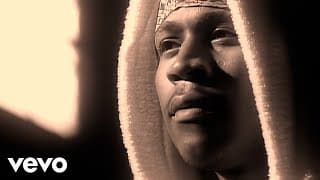
His grandmother told him to knock them out; Marley Marl looped Funky Drummer, and the Grammy followed.
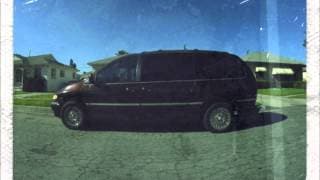
Sounwave and THC build the first half, Terrace Martin the second, and MC Eiht walks in from Compton's own past.
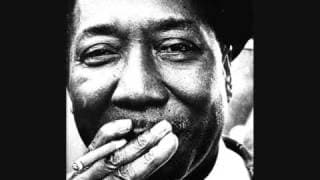
Dixon wrote it, Little Walter blew the harmonica, and that stop-time riff spread through blues and rock alike.
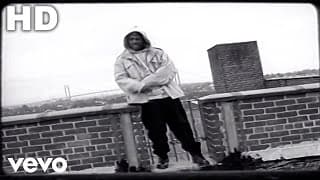
Eight MCs, a beat RZA scrapped and rebuilt, and a 12-inch the group pressed themselves before any label would.