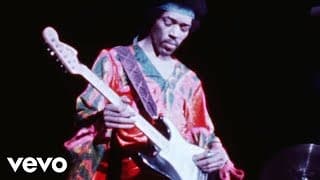
Purple Haze
1967
The intro is a tritone, medieval music's forbidden interval, and Roger Mayer's new Octavia pedal makes the solo scream.
★ 8.9
 skopia
The intro is a tritone, medieval music's forbidden interval, and Roger Mayer's new Octavia pedal makes the solo scream.
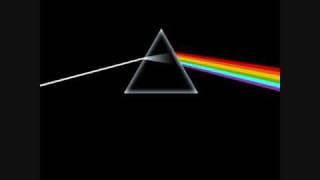
A tranquilizer shot before a 1977 Philadelphia show gave Waters the lyric; Gilmour brought the chords and the solo.
Dr. Dre produced it, George McCrae supplied the sample, and Snoop's unhurried drawl became the West Coast blueprint.
Sounwave and THC build the first half, Terrace Martin the second, and MC Eiht walks in from Compton's own past.
Recorded in Hollywood with Cale on piano, the rhythm pushing like a subway train under Reed's flat delivery.
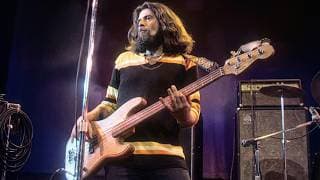
Columbia rejected the RCA session on a technicality, so McGuinn recut his Coltrane-inspired twelve-string and radio banned it anyway.
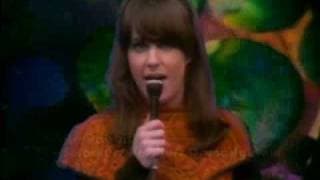
Slick borrowed the one long crescendo from Bolero and Lewis Carroll's cast, then rode both to number eight.
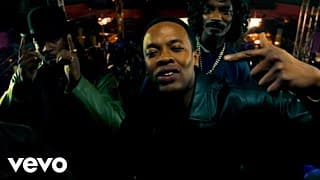
Dre and Mel-Man built it on a David McCallum orchestral cut from 1967, arranged by Axelrod, and Nate Dogg closes.
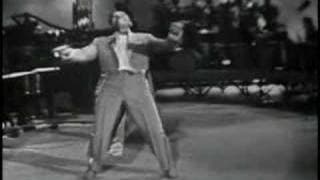
Calloway forgot the words on a Cotton Club broadcast, by his account, and the hi-de-ho call and response was born.
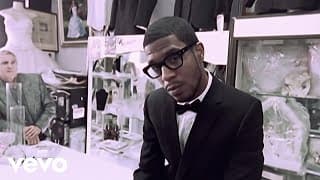
Cut in Dot da Genius's home studio in East New York, using a Geto Boys favorite as its blueprint.
Every instrument on it is D'Angelo's, cut at Battery Studios, and the groove barely bothers to move.
Busking outside a Milwaukee theatre got them discovered by the Pretenders, and Gano's riff has been filling dancefloors ever since.
Originally called Indiana Girl, until Petty decided he couldn't sing that line; Stan Lynch's last sessions with the Heartbreakers.
Densmore's bossa nova drum feel, Krieger's riff borrowed from a Butterfield blues cover, and a refrain their producer censored.
A Club Nouveau hook, Michael Marshall on the chorus, and a Bay Area anthem Jordan Peele later made sinister.

Sounwave's woozy loop, Ab-Soul in the margins, and Lamar naming a generation's numbness on his debut album.
Newman wrote it for Eric Burdon in 1966, and Cory Wells sings the bewildered party guest straight to number one.
Mann and Weil wrote it about Gerry Goffin's drug problems, by Mann's account; the Raiders took it to number four.
Jankel lifted the bass figure from Ornette Coleman's "Ramblin'"; the BBC banned the single, and Peel played it anyway.
Written for Rihanna, passed to Mike Will Made It, and the la-di-da-di hook earned Slick Rick a songwriting credit.
Two brothers wrote it in Waikiki in 1982; Sublime's 1992 cover buried the original and got misfiled under Bob Marley.