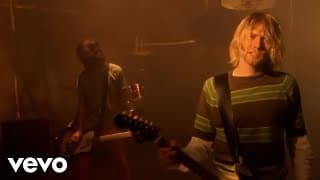
Smells Like Teen Spirit
1991 · From Nevermind
Four chords, a mumble nobody could decipher, and the riff that ended one decade of rock and started another.
★ 9.9
 skopia
Four chords, a mumble nobody could decipher, and the riff that ended one decade of rock and started another.
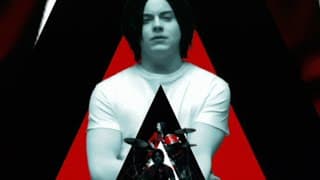
A guitar pitched down to fake a bass, and the seven-note riff every stadium on earth now sings.
Marr faked the strings on an Emulator, credited them to the Hated Salford Ensemble, and Britain waited six years.
Buck wrote the riff while teaching himself mandolin in front of the television, and R.E.M. got their biggest American hit.
Marr's shudder came from four Fender Twins with their tremolos fighting, and Morrissey put a lonely man in a nightclub.
A Small Clone chorus pedal gives the riff its underwater sound, and Cobain nearly withheld the single.
Named for a tour joke about people behaving badly, with Greenwood's piano circling and a delay unit eating the ending.
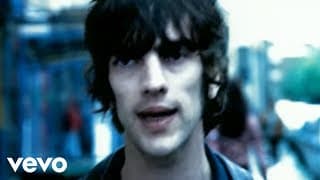
Built on an Andrew Oldham Orchestra recording of a Stones song; Jagger and Richards returned the credit in 2019.
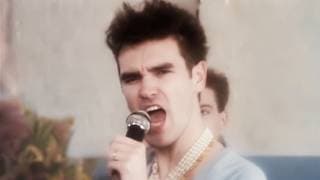
Marr stacked roughly fifteen guitar tracks and dropped a knife on the strings; Morrissey lifted a line from Sleuth.
Four sections in six minutes, named for Douglas Adams's depressed robot, cut in a sixteenth-century manor near Bath.
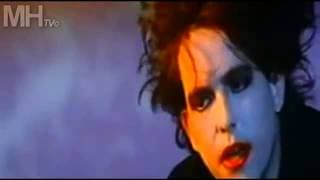
Smith traced it to a day at Beachy Head with Mary Poole; Williams sped the tempo, adding the opening fill.
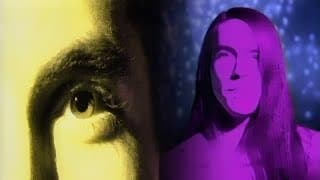
Rubin found the poem in Kiedis's notebook and pushed for it; Frusciante's mother sings in the choir at the end.
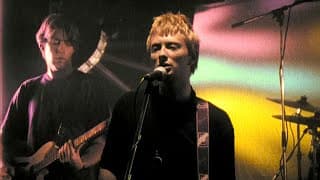
Greenwood meant those three dead notes before the chorus to wreck the song, and they are what makes it work.
Drums by Grohl, Hawkins not yet in the band, and Louise Post's backing vocals sung down a phone from Chicago.
A Leslie speaker gives the guitars their swirl, and Cornell built the title from a misheard news broadcast.
Francis traced the lyric to a fish that followed him diving; Albini taped Deal's vocal in a bathroom.

Armstrong rewrote it around his undiagnosed panic attacks, cut it at Fantasy Studios, and sold punk to the suburbs.
Gallagher wrote it in 1991, before Oasis had a record deal, pitching plain optimism against everything grunge was selling.
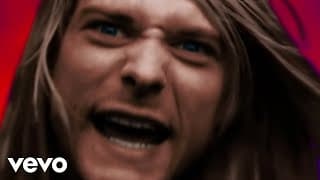
Albini recorded it at Pachyderm in a Minnesota winter, and Scott Litt later remixed it to lift Cobain's vocal.
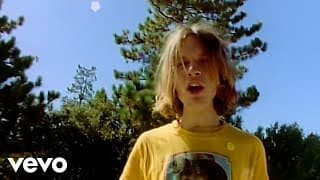
Six and a half hours in Stephenson's house, a slide guitar loop, and a hook mocking Beck's own rapping.
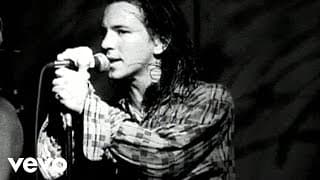
Gossard's demo was called Dollar Short until Vedder set it to learning who his real father was.
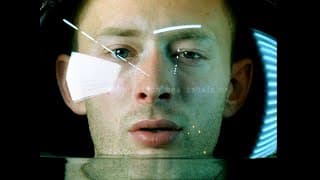
Radiohead cut version after version and kept the first take, glockenspiel and all, a lullaby about suburban despair.
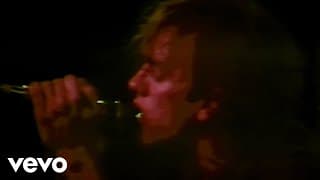
Hib-Tone pressed about a thousand copies in 1981, and Stipe mumbled lyrics he hadn't finished writing.
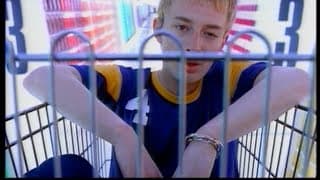
Yorke came straight from a Jeff Buckley gig, sang three takes at RAK, then burst into tears.
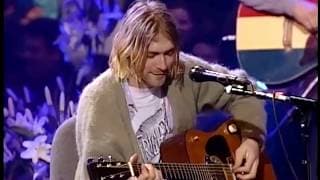
Closing the Unplugged set at Sony Studios, a Lead Belly song, and a last verse Neil Young called unearthly.
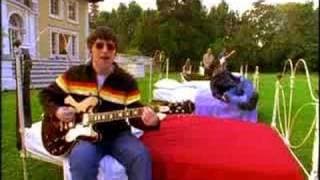
Noel's first lead vocal on an Oasis single, a phrase lifted from a Lennon tape, Manchester's anthem ever since.
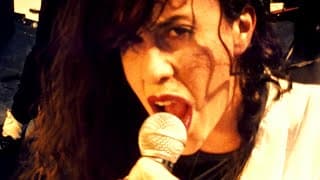
Flea on bass and Dave Navarro on guitar, recorded in Glen Ballard's home studio, behind the nineties' fiercest kiss-off.
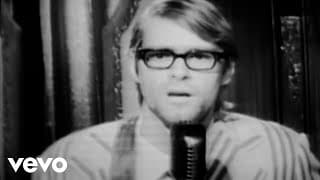
Cobain aimed it at fans who missed the point, and Kerslake's video staged them on a mock Ed Sullivan Show.
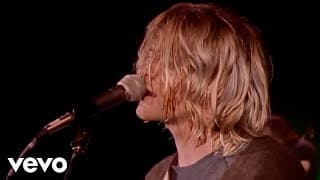
The only Nevermind track cut to a click track, and Grohl's metronome only makes the quiet-loud lurch hit harder.
Albarn built it on a melodica and an Omnichord's first preset; Del cut his verses in half an hour.
Shinoda's piano figure under Bennington's chorus took nu metal to number two, and the RIAA finally certified it diamond.
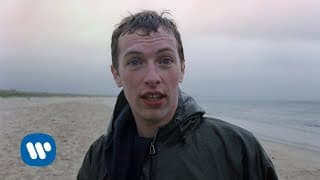
Ken Nelson pointed at the stars outside Rockfield, and Martin sang the melody in his worst Neil Young impression.
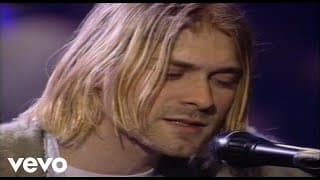
Lori Goldston's cello beside Cobain at the November 1993 Unplugged taping, months before his death, apology turned farewell.
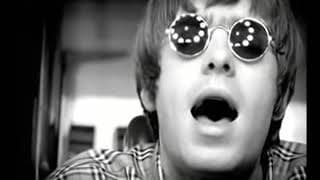
Owen Morris showed Bonehead the root notes for a Mellotron cello, and the track was largely done in a day.
Berry's chords, Buck's arrangement, and lyrics Stipe wrote at the last minute about Andy Kaufman, Elvis impression included.
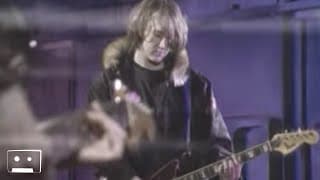
Four snare hits, then two amps facing each other with tremolos fighting, sampled and reversed into shoegaze's founding roar.
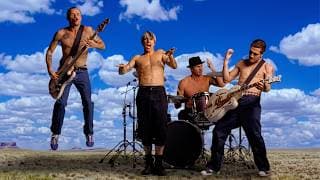
Frusciante drew the sparse riff from The Cure's "Carnage Visors" on his first album back, and Kiedis indicts Hollywood.
Seven and a half minutes, Paul Weller on lead guitar, and a lyric Noel admits he chose for the rhyme.
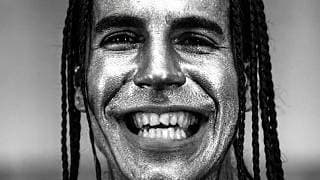
Nina Hagen handed Kiedis a jacket from her closet, and Frusciante ran his solo backwards over Flea's jam-session riff.
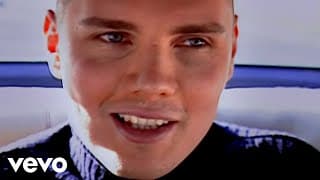
Flood said it wasn't good enough, so Corgan rewrote it that night and got the band's biggest hit.
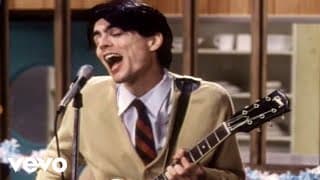
Cuomo thought it too cheesy to release; Ocasek insisted, then Spike Jonze spliced the band into Happy Days footage.
Mills cut the piano at Criteria on the instrument heard on "Layla," and John Paul Jones arranged the strings.
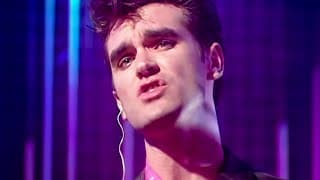
Marr's melody came from a New York hotel room, the title from Sandie Shaw, and misery never sounded so cheerful.
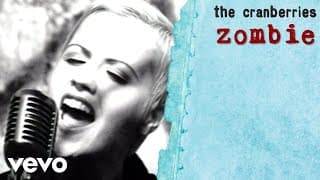
O'Riordan answering the 1993 Warrington bombing by trading jangle for distortion, then six weeks atop America's alternative chart.
Reprise rejected the album, Wilco streamed it free, and a sister Warner label put out these swooning strings instead.
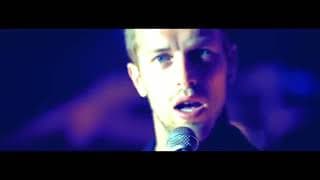
A piano riff Martin nearly saved for the next album, rescued by their manager, then Record of the Year.
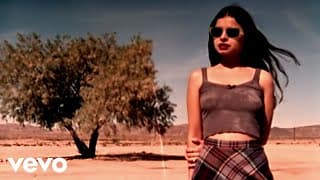
Roback's guitar and Sandoval's half-whisper, the band's only Hot 100 entry, and television's favorite shortcut to longing.
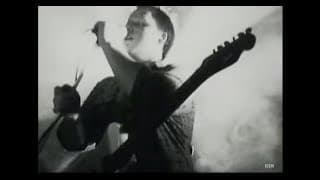
Gil Norton brought in two cellos and two violins, and Black Francis rhymed ocean pollution with borrowed numerology.
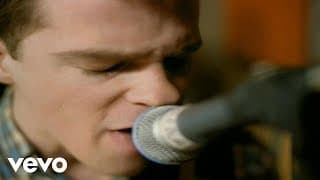
Cuomo's working title was "The Classic Rock Song"; Ocasek produced, and the clean offbeat chords carry a family's addiction.
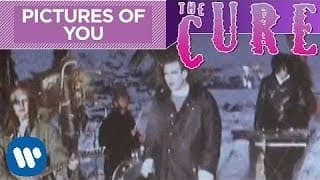
A house fire left Smith with photographs of Mary salvaged from his wallet, and one became the single's sleeve.
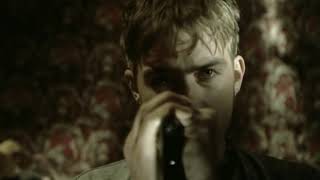
Two minutes and two seconds, track two, number two in Britain, and a whistle on the demo became that woo-hoo.
Berry wrote most of it over a drum machine, John Paul Jones scored the strings, and the words target teenagers.
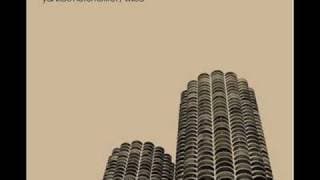
O'Rourke mixed this one song as an audition, won the whole album, and Wilco made it the opening track.
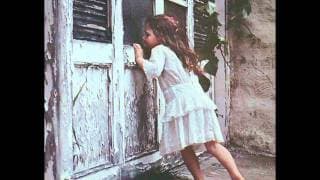
Busking outside a Milwaukee theatre got them discovered by the Pretenders, and Gano's riff has been filling dancefloors ever since.
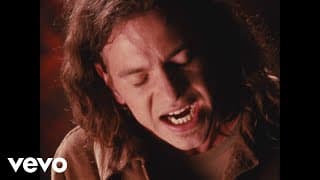
A twelve-string bass figure from Ament, a Texas newspaper item in Vedder's hands, and four VMAs in 1993.
Bob Andrews cut it in 1988 to no interest; Lillywhite's remix made it Britpop's founding jangle.
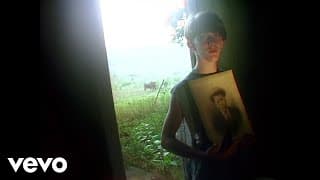
A dream about a party where every guest had Lenny Bruce's initials, sped into Document's headlong disaster list.
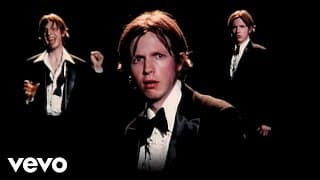
The Dust Brothers built it around a Mantronix sample, and Beck's two turntables and a microphone became a catchphrase.
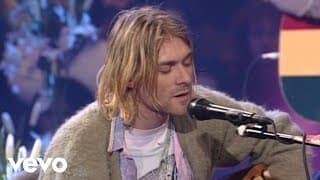
Fourteen songs, one take, November 1993; Cobain plays Bowie through an amp and makes the song permanently his.
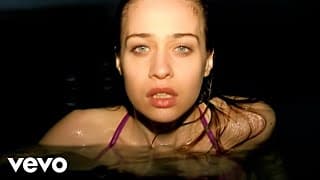
Apple wrote it in forty-five minutes to give the label its hit, then took a Grammy for the vocal.