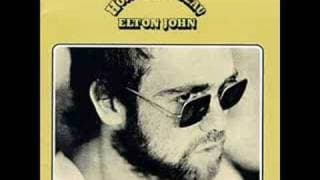
Mona Lisas and Mad Hatters
1972 · From Honky Chateau
Taupin's first New York, gunfire outside the hotel window, a rose borrowed from Spanish Harlem, all cut in France.
★ 4.3
 skopia
Taupin's first New York, gunfire outside the hotel window, a rose borrowed from Spanish Harlem, all cut in France.
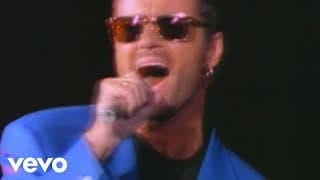
Elton John joined Michael onstage near Chicago in October 1991, and the live duet topped both charts.
Cut at AIR Montserrat with the classic band reunited, and Stevie Wonder's harmonica lifting it clean off the ground.
Ann Orson and Carte Blanche on the credits, a Motown duet pastiche that held British number one for six weeks.
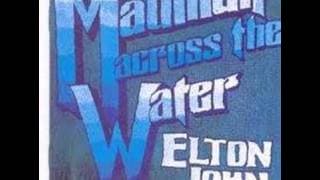
Buckmaster spilled ink across his orchestral score and rewrote all of it in a day; Spedding's electric guitar prowls underneath.
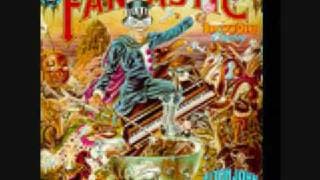
Baldry talked Elton out of a wedding in 1968, and Taupin wrote him into the chorus as Sugar Bear.
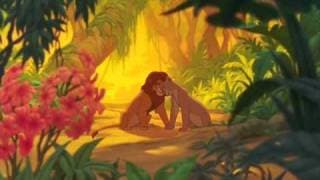
Written as a comedy number for a meerkat and a warthog until John objected, and it took the Oscar.
Taupin rewrote his Marilyn Monroe lyric for Diana, George Martin added strings hours after the funeral, and 33 million sold.
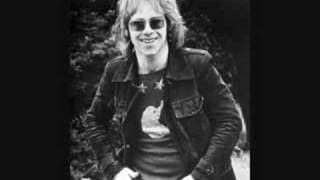
Cut in February 1971 with Paul Buckmaster conducting, a character sketch about a balloon seller and the son who leaves.
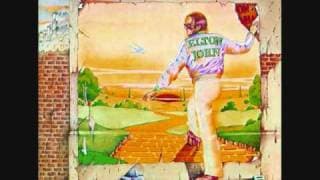
John wrote the instrumental half imagining music for his own funeral; Hentschel's ARP 2500 overdubs did the rest.
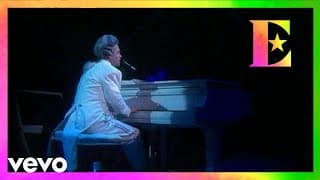
Taupin lifted the phrase from a Janis Joplin tribute and pointed it at Marilyn Monroe; the chorus does the mourning.
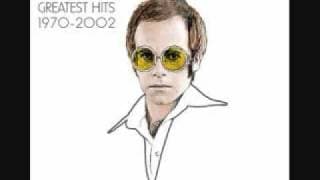
Gus Dudgeon overdubbed crowd noise from old concerts, and the fake live track topped the Hot 100.
Taupin wrote it about Maxine Feibelman, the seamstress who toured with the band, and Almost Famous made it a singalong.
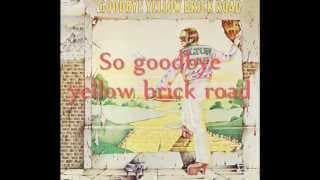
Sessions collapsed in Kingston, so the band regrouped at a French chateau and Taupin traded Oz for a Lincolnshire farm.
Taupin scribbled the lyric over breakfast at a kitchen table, and Buckmaster's strings turned it into John's first Top 10.
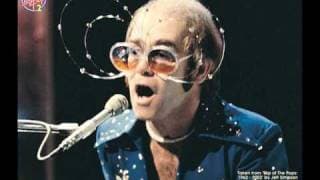
Taupin borrowed the title from a Pearls Before Swine song, and Hentschel's ARP put the loneliness in orbit.