In the City
2013
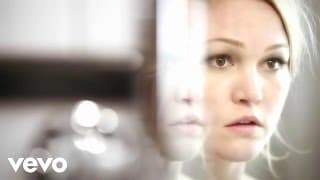
Recorded at Brooklyn's Rumpus Room with Nick Stumpf producing, and Julia Stiles stars in the video.
★ 0.9
 skopia
Recorded at Brooklyn's Rumpus Room with Nick Stumpf producing, and Julia Stiles stars in the video.
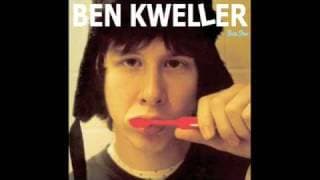
Twenty years old when Sha Sha arrived, Kweller later played this one through a nosebleed at Austin City Limits.

Track four on Writer's Block, self-produced by the trio, and its plainest study of being left behind.
Death Cab's first number one on alternative radio, and its video was performed live in one unbroken take.
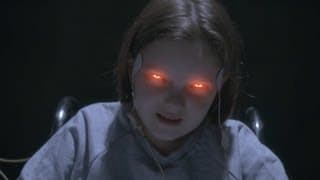
Mercer sang falsetto for the first time here at Burton's urging; Christina Hendricks plays the android in the video.
Roger Moutenot produced the album, Zach Rogue wrote every word, and a Zune advert gave this one legs.
González singing about taking responsibility over Winterkorn's organ, the track AMC used to send Breaking Bad off.
Mercer tried a falsetto in the booth, doubled the take, and Broken Bells arrived sounding like the Bee Gees.
A Korg M1 supplied most of the sounds, NPR called it the year's most divisive song, Vernon his favorite.

Seven minutes long, never a single, self-produced by the trio, and the longest slow burn on Writer's Block.
Richard Linklater put it in Boyhood and its trailer, and the Keefe brothers' harmony now sounds like growing up.

Jason McGerr shaped the drums after the Purdie Shuffle, and Gibbard turned the 2007 California wildfires into something almost calm.
Gonzalez wrote it with his brother Yann, and Ken Thomas produced an album that worships John Hughes and eighties synths.
Three sisters gave this away as a free download in February 2012; NME named it the year's fourth best track.
A four-track cassette machine in the rehearsal space Earley half lived in, and a boy who runs with wolves.
Justin Meldal-Johnsen co-produced at Sunset Sound, and Gonzalez turns unembarrassed optimism into a wall of synthesizers.
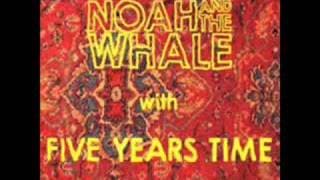
Laura Marling's ukulele and Charlie Fink's deadpan flopped in 2007; a 2008 re-release carried the sunshine to number seven.
Unhappy with the mix, Walla squashed the drums through speech-therapy hardware and rebuilt the track around a glove compartment.
Two chords written in a northeast Portland duplex, and Nate Query put the whole album on his credit card.
Five minutes of Harmer's bass riff before a word arrives, a krautrock crawl radio edits had to hack apart.
Gibbard wrote it for his girlfriend, Walla produced at a Massachusetts farm studio, ten weeks atop Adult Alternative.
Walla had to talk the band into keeping it, and Gibbard's throwaway became their singalong.
Cut first for the Up in Rags EP, all four members co-producing, a clothesline standing in for one-sided love.
Jason Schwartzman still drummed for the band when they cut it; The O.C. later made it a UK top ten.
Funkadelic's Can You Get to That, looped and sweetened, under the one Sleigh Bells song that whispers.
Mercer wrote it in his living room about his marriage, with Greg Kurstin on guitars, Mellotron and piano.
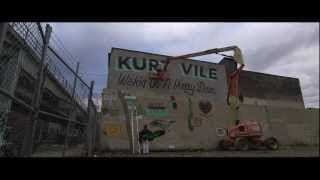
Guitar that unspools for nine and a half minutes, Stella Mozgawa on drums, Vile in no rush anywhere.
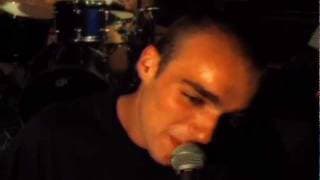
Enigk wrote it as a solo acoustic song; the band took it over, and his cracked howl carries it.
Mercer sketched a young lesbian couple stuck in a small town, then floated it on Chiccarelli's widescreen jangle.
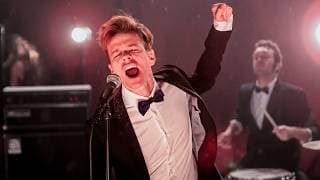
Six weeks at number one, and it began with Ruess singing the chorus, tipsy, at the Bowery Hotel.
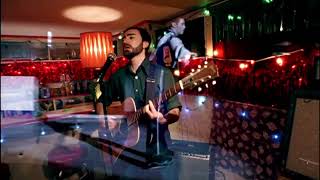
Cut in the basement of Mercer's Portland house, a breakup song that starts at a whisper and detonates.
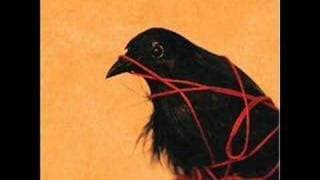
A field recording of distant Seattle freeway noise opens the album, then the guitars come crashing in behind Gibbard.
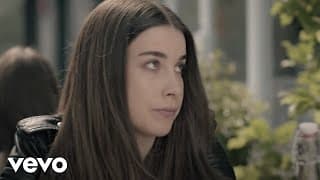
Three sisters, one kiss-off, and Ariel Rechtshaid's production splitting the difference between Laurel Canyon soft rock and nineties R&B.
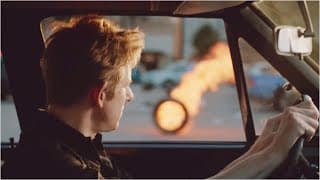
Spoon's eighth album brought in Dave Fridmann and Alex Fischel, and Daniel spends the chorus asking to be understood.
Piano, bass and a single nagging guitar figure, with Daniel making aimlessness sound like the best available plan.
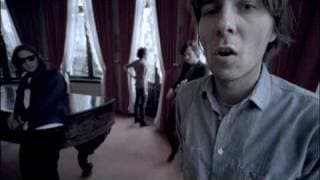
Heine coined the word for Liszt's swooning fans, and Philippe Zdar gave these guitars their chrome shine.
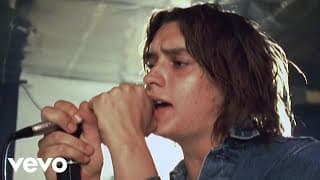
Moretti woke to hear Casablancas inventing the melody in the bathroom, and it became the warmest song on Is This It.
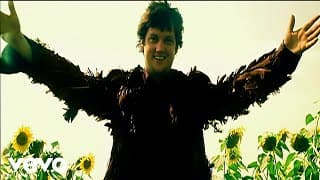
Recorded at Sweet Tea in Oxford, Mississippi, and it turns a hard look at mortality into something close to serene.
Haines wrote it on piano in Buenos Aires as a ballad; the tempo went up and panic became a hook.
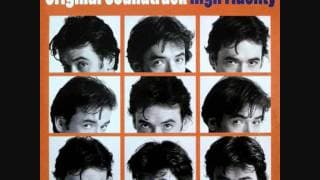
Six minutes that drift, then lift; the track Rob plays in High Fidelity to sell five copies on the spot.
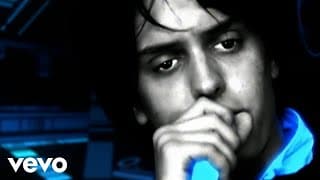
Guitars pushed to sound like synthesizers, and a Roman Coppola video that borrows its neon from Tron.
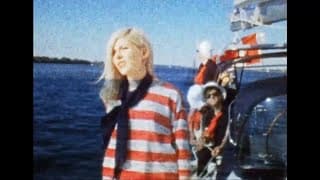
Snowed into a Prince Edward Island farmhouse, Rankin wrote a proposal song; VanGaalen cut it in Calgary.
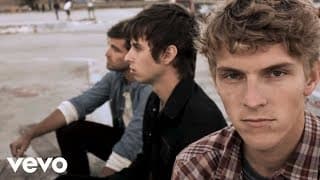
Five hours in a Los Angeles jingle studio, the demo kept as the master, its subject hidden in plain sight.
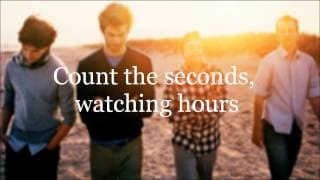
Koenig named it for a Columbia classmate from his Buddhism class, and the final minute cracks wide open.
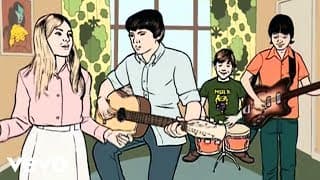
Yttling whistled a placeholder melody, ran it through tape delay, and kept it; Bergsman answers line for line.

Granduciel spent two years second-guessing these sessions, and the song still turns on one yelp before the chorus.
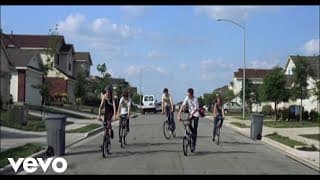
A rolling piano, Butler's boyhood in The Woodlands outside Houston, and an album he called a letter from the suburbs.
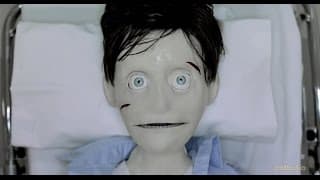
Charlie White's video put an animatronic puppet through a real emergency room, six puppeteers digitally erased; fans named it Norman.
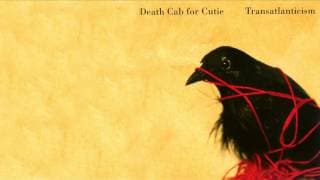
Gibbard watched goodbyes at Heathrow; the band used Weezer's Only in Dreams as the map for that closing climb.
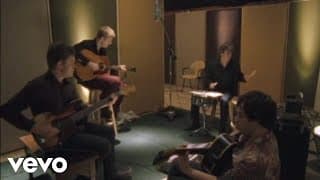
Jon Brion produced this track and no other on the album, adding mariachi-style horns and handclaps to Britt Daniel's warning.
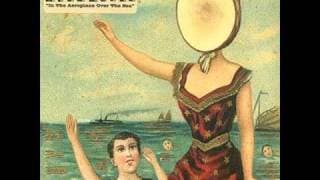
Schneider got the fuzz from tube preamps and compression, not pedals, and Mangum sings childhood into two minutes flat.
Daniel wrote it late for Gimme Fiction, cut it first, and sang in a Prince falsetto over Eno's hi-hat.
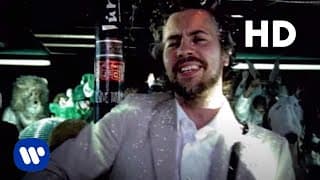
Coyne named his karate warrior after Boredoms drummer Yoshimi P-We, then cast the heroine's disease as pink robots.
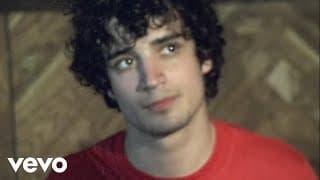
Four feet of air between hi-hat and snare mic, and a drum machine sketch reborn as live New York rock.

Rostam's harpsichord reharmonizes a melody that traveled from Bread through Grover Washington Jr. to Souls of Mischief, then here.
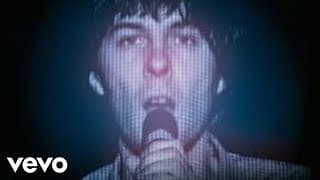
A fantasy of Belle Epoque Paris, handed out free online, that then spent thirty-one weeks climbing to alternative number one.
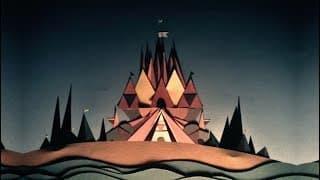
Pecknold rebuilt a piano soul demo with Phil Ek at Bear Creek, and the harmonies own the second half.
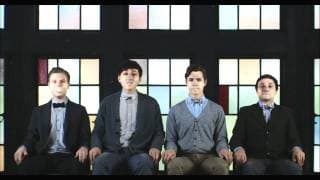
Chris Bear started the piano line on a Cape Cod weekend; Victoria Legrand's stacked harmonies make the rest glow.
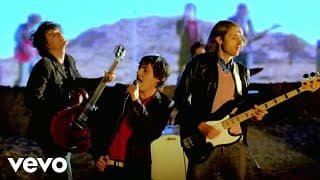
Flowers called it the story of trying to meet someone in a club; Keuning's hook does the flirting.