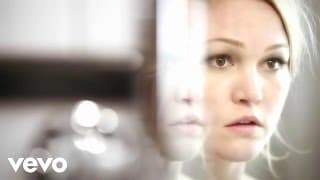
In the City
2013
Recorded at Brooklyn's Rumpus Room with Nick Stumpf producing, and Julia Stiles stars in the video.
★ 0.9
 skopia
Recorded at Brooklyn's Rumpus Room with Nick Stumpf producing, and Julia Stiles stars in the video.
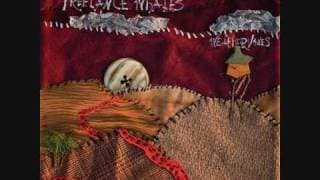
Queens kids who met on Craigslist and busked subway platforms, then made banjo and glockenspiel sound euphoric.
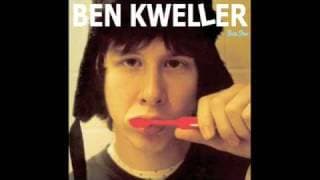
Twenty years old when Sha Sha arrived, Kweller later played this one through a nosebleed at Austin City Limits.
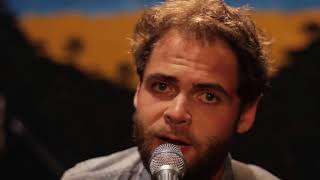
Rosenberg cut it in a Sydney studio with Australian session players, and a Dutch fan's email set it loose.
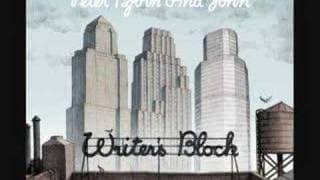
Track four on Writer's Block, self-produced by the trio, and its plainest study of being left behind.
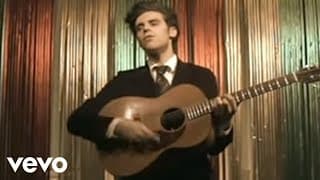
Critics heard the Kinks' Lola in the strum, and a Dancing on Ice slot lifted it to number fourteen.
Death Cab's first number one on alternative radio, and its video was performed live in one unbroken take.
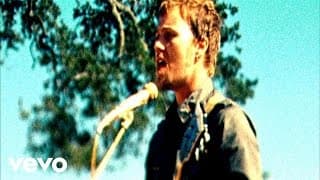
Roger Moutenot produced the album, Zach Rogue wrote every word, and a Zune advert gave this one legs.
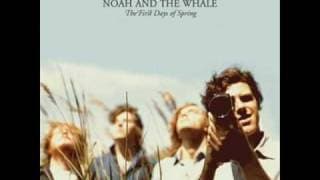
Fink wrote the whole album around his split with Laura Marling; this became its first single, and its way out.
González singing about taking responsibility over Winterkorn's organ, the track AMC used to send Breaking Bad off.
Mercer tried a falsetto in the booth, doubled the take, and Broken Bells arrived sounding like the Bee Gees.
Paul Epworth produced it, and Foster points the synth hook at everyone too eager to conform.
A Korg M1 supplied most of the sounds, NPR called it the year's most divisive song, Vernon his favorite.

Seven minutes long, never a single, self-produced by the trio, and the longest slow burn on Writer's Block.
Richard Linklater put it in Boyhood and its trailer, and the Keefe brothers' harmony now sounds like growing up.
Jason McGerr shaped the drums after the Purdie Shuffle, and Gibbard turned the 2007 California wildfires into something almost calm.

Ten winter days in a Block Island basement, a pump organ, and a hush Emmylou Harris later covered.
Cut in a converted basement on Block Island, sung in falsetto with the drums stripped out; the Mayflower never sounded lonelier.
Voice, guitar, and a 1959 Phil Phillips hit slowed to a whisper; Juno carried it to a new audience.
Three sisters gave this away as a free download in February 2012; NME named it the year's fourth best track.
A four-track cassette machine in the rehearsal space Earley half lived in, and a boy who runs with wolves.
Schultz wrote those shouts to snap indifferent Brooklyn crowds to attention; the record sat sixty-two weeks on the Hot 100.
Ruess wanted a hip hop producer and Paul Simon's harmonies; the sleeper took seven months to reach number three.
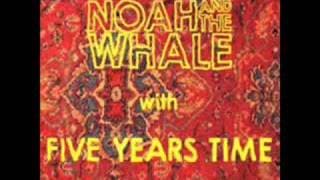
Laura Marling's ukulele and Charlie Fink's deadpan flopped in 2007; a 2008 re-release carried the sunshine to number seven.
Two minutes long, given away to fans who posted flyers, and jangling its way toward something like salvation.
Mercer and Burton met at Roskilde in 2004, then recorded in secret; the result shuffles beautifully toward resignation.
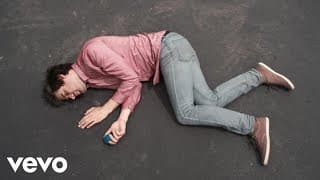
Angelakos built each verse from a man in his own family who immigrated, then set financial ruin to synths.
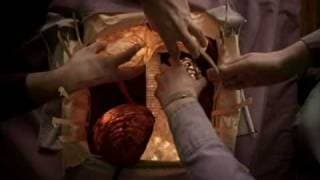
Unhappy with the mix, Walla squashed the drums through speech-therapy hardware and rebuilt the track around a glove compartment.
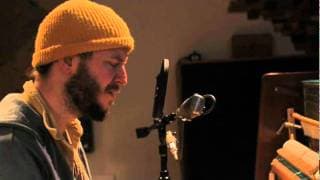
Vernon strips Reid and Shamblin's Nashville ballad to falsetto, then slips into Raitt's "Nick of Time" at the end.
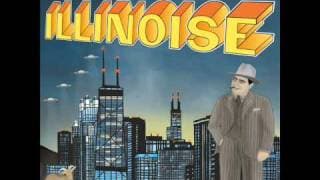
Two competing stories about who the town was named for, one a Black preacher, and Stevens sounds delighted by both.

Two chords written in a northeast Portland duplex, and Nate Query put the whole album on his credit card.
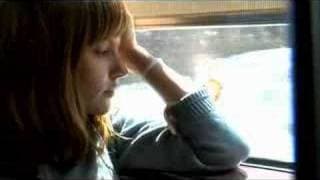
Five minutes of Harmer's bass riff before a word arrives, a krautrock crawl radio edits had to hack apart.
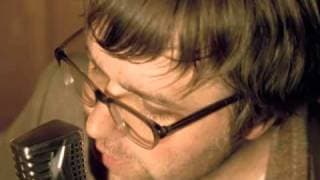
Gibbard wrote it for his girlfriend, Walla produced at a Massachusetts farm studio, ten weeks atop Adult Alternative.
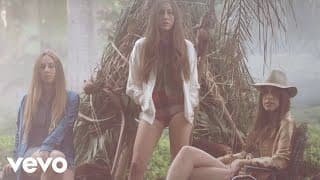
Danielle, Este and Alana wrote it with Morgan Nagler as a stay-strong pep talk, and it moves like one.
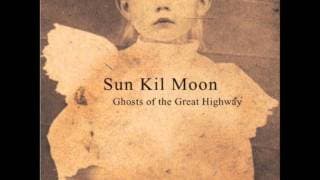
Kozelek grew up in Massillon, Ohio, and this is what he sends back: an apology set to ringing acoustic guitars.
Tamborello mailed beats from Los Angeles; Gibbard answered with a dream he would rather not wake from.
Walla had to talk the band into keeping it, and Gibbard's throwaway became their singalong.
Written at a soundcheck in an Edinburgh pub, open-D guitar and banjo climbing into a stomp that drew four Grammy nominations.
Cut first for the Up in Rags EP, all four members co-producing, a clothesline standing in for one-sided love.