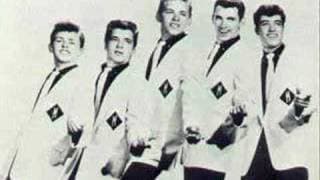
Tonight Tonight (The Mello-Kings)
1957
Five Mount Vernon high schoolers, a Billy Myles song, and Bob Scholl's lead floating over the sweetest doo-wop changes.
★ 3.4
 skopia
Five Mount Vernon high schoolers, a Billy Myles song, and Bob Scholl's lead floating over the sweetest doo-wop changes.
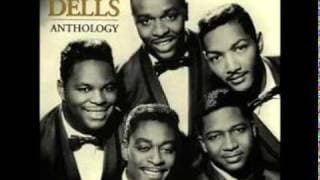
Vee-Jay released it in 1956 as doo-wop; the Dells recut it thirteen years later and reached the pop ten.
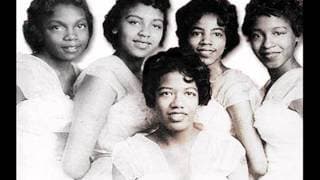
A Manhattan church studio, Richard Barrett's piano figure, and a sixteen-year-old lead vocal that opened the girl-group era.
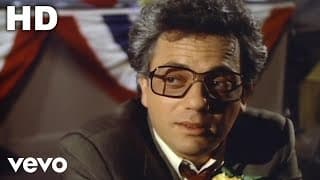
Every voice on the record is Joel's, stacked over Doug Stegmeyer's bass; doo-wop rebuilt by one man.
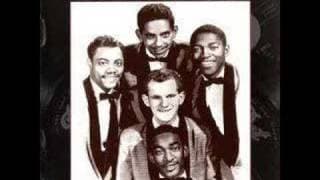
Airmen stationed in Pittsburgh, a demo cut in a DJ's basement, and bass singer Clarence Quick's nonsense-syllable hook.
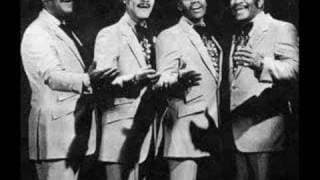
Cut as a throwaway B-side to a Patti Page cover, and doo-wop crossed into the pop top ten.
Bell Sound in 1961, the Del-Satins behind him, Ernie Maresca's co-write, and Dion's only American number one.
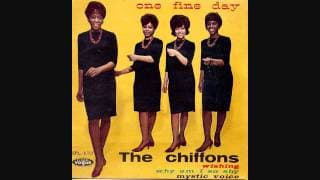
Goffin and King built it for Little Eva; the Chiffons got the track, King's piano intro intact.
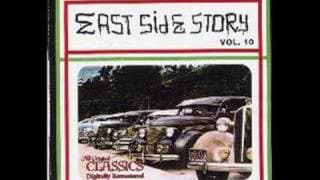
Syd Nathan hated it and fired Ralph Bass for cutting it, then rehired him when it reached R&B's top five.
Kenny's tenor floats, Jones talks the lyric back in bass, and doo-wop inherited that top-and-bottom trick wholesale.
Twenty minutes in a Las Vegas hotel washroom, by Ram's account, and Tony Williams sings heartbreak behind a smile.
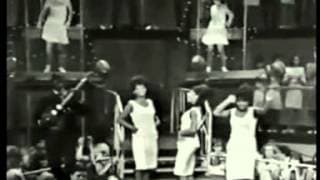
Nonsense syllables meant to be replaced by real words, La La Brooks on lead, and Spector's Gold Star thunder.
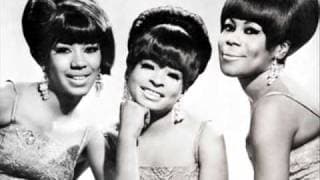
Marvin Gaye played the drums, Gladys Horton pleaded the lead, and Motown had its first Hot 100 number one.

Toni Stern wrote the words in a day after her romance with James Taylor ended, and Curtis Amy's sax answers.
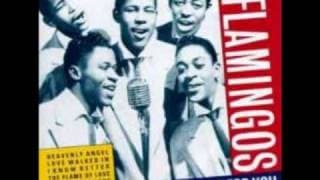
Terry Johnson dreamed the arrangement, called the group to rehearse at 4 a.m., and Goldner drowned it in reverb.
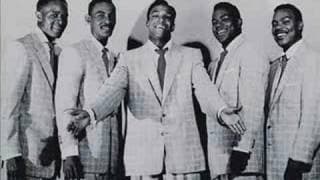
Strings, timpani and a Brazilian baion; Wexler reportedly dismissed the playback as a radio caught between two stations.
Herman Santiago built it from a neighbor's love letters; Lymon, thirteen, took the lead and the credit fight ran decades.
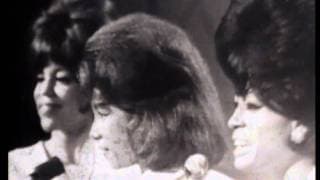
Holland and Dozier said the Marvelettes turned it down; Ross sang lower over Mike Valvano's foot stomps to number one.
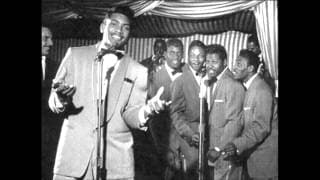
Cut as a demo in Ted Brinson's garage, pillows on the drums, then three weeks atop the R&B chart.
February 1956, a New Haven church basement, and a song Parris had written on Army guard duty.