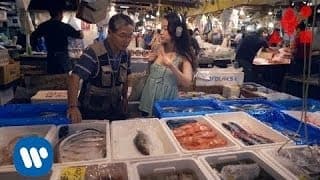
Rather Be
2014
Chatto's cello and a chiptune blip riding house four-four, with Jess Glynne's first number one on top.
★ 4.6
 skopia
Chatto's cello and a chiptune blip riding house four-four, with Jess Glynne's first number one on top.
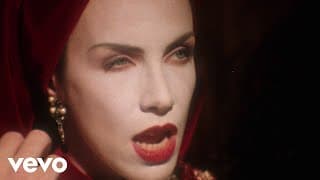
Spiccato strings, a skipping piano, and a breakup lyric; Malkovich and Hugh Laurie costar in the period video.
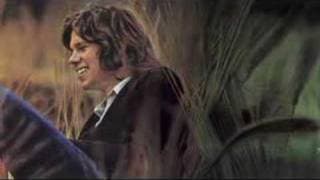
John Cale's viola and harpsichord circle Drake's plea for a second chance, and Wes Anderson later borrowed it.
Strings, harpsichord, a second take cut live, and Ronstadt the only Stone Poney anywhere on the record.
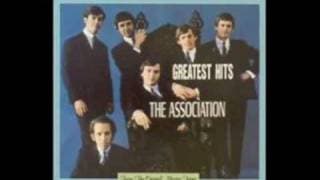
Written by the Addrisi brothers, cut by the Wrecking Crew, and named by BMI the twentieth century's second most-played song.
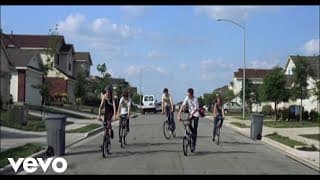
A rolling piano, Butler's boyhood in The Woodlands outside Houston, and an album he called a letter from the suburbs.
That hook is an oboe, not an ocarina, and Cher disliked the song Bono wrote for them in their basement.
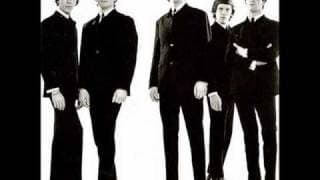
Take four, June 1967 at EMI, with a trumpet added later onto the mono mix and nowhere else.
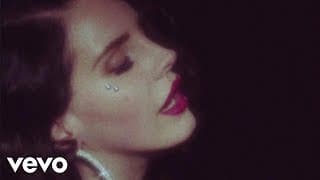
Six-times platinum for a soundtrack ballad: Rick Nowels producing, Craig Armstrong's strings, Del Rey singing Daisy Buchanan's doubt.
Pecknold rebuilt a piano soul demo with Phil Ek at Bear Creek, and the harmonies own the second half.
MacLean wrote it about waiting for a girlfriend, David Angel scored the horns, and Lee added himself in the mix.
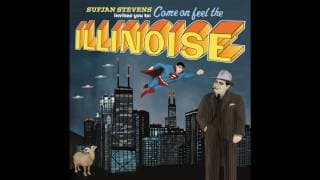
Sleigh bells, trumpets and a choir stacked into one crescendo, and Stevens cut five different versions of it.
Horns and clarinets swell over guitar in a converted Wisconsin veterinary clinic; Grammy voters nominated it for record and song.
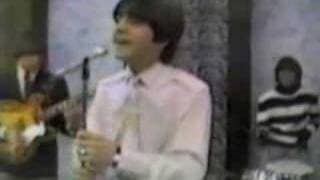
Sixteen-year-old Michael Brown's hands shook when Renee walked into the control room, so he cut the harpsichord part later, alone.
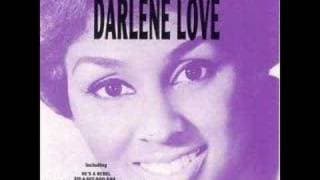
Cut at Gold Star in 1963, a commercial flop, then Love sang it for Letterman nearly every December until 2014.
Brian Jones on recorder, Wyman fingering a double bass while Richards bowed it, and the Stones' most delicate number one.
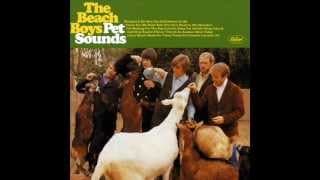
Twelve players at Western, an empty water jug for percussion, and Murry Wilson speeding the tape a semitone.
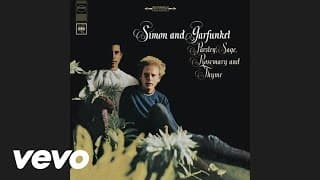
Simon learned it from Martin Carthy in London; Garfunkel wound an anti-war lyric through the ballad as counterpoint.
Eno producing, Davide Rossi's looping strings, a deposed king narrating, and Coldplay's first number one in Britain and America.
A wordless chorus half of indie rock then copied, and Bowie sang it onstage with the band in 2005.
Beamed live to 400 million on the first global satellite link, opening on La Marseillaise, its coda quoting Bach.
Fisher's Hammond nods at Bach for a bar before veering off, and Reid took the title from a party remark.
McCartney heard a piccolo trumpet on a Bach broadcast, called David Mason in, and pop had never sounded brighter.
Two accordions, a key change eight beats in, and 21 takes at Gold Star before Wilson sang about growing up.
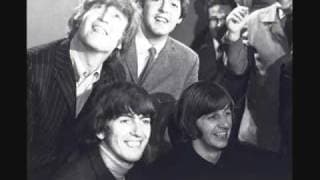
No Beatle plays an instrument on it; George Martin's string octet does everything, sawing away at two solitary lives.
Lennon's first draft listed bus stops in Liverpool; Martin's piano solo, taped at half speed, sounds baroque.
McCartney dreamt the melody, called it "Scrambled Eggs" for weeks, then let a string quartet make it immortal.
It opens by admitting doubt and spends the next two minutes refuting it; McCartney still calls it the greatest.