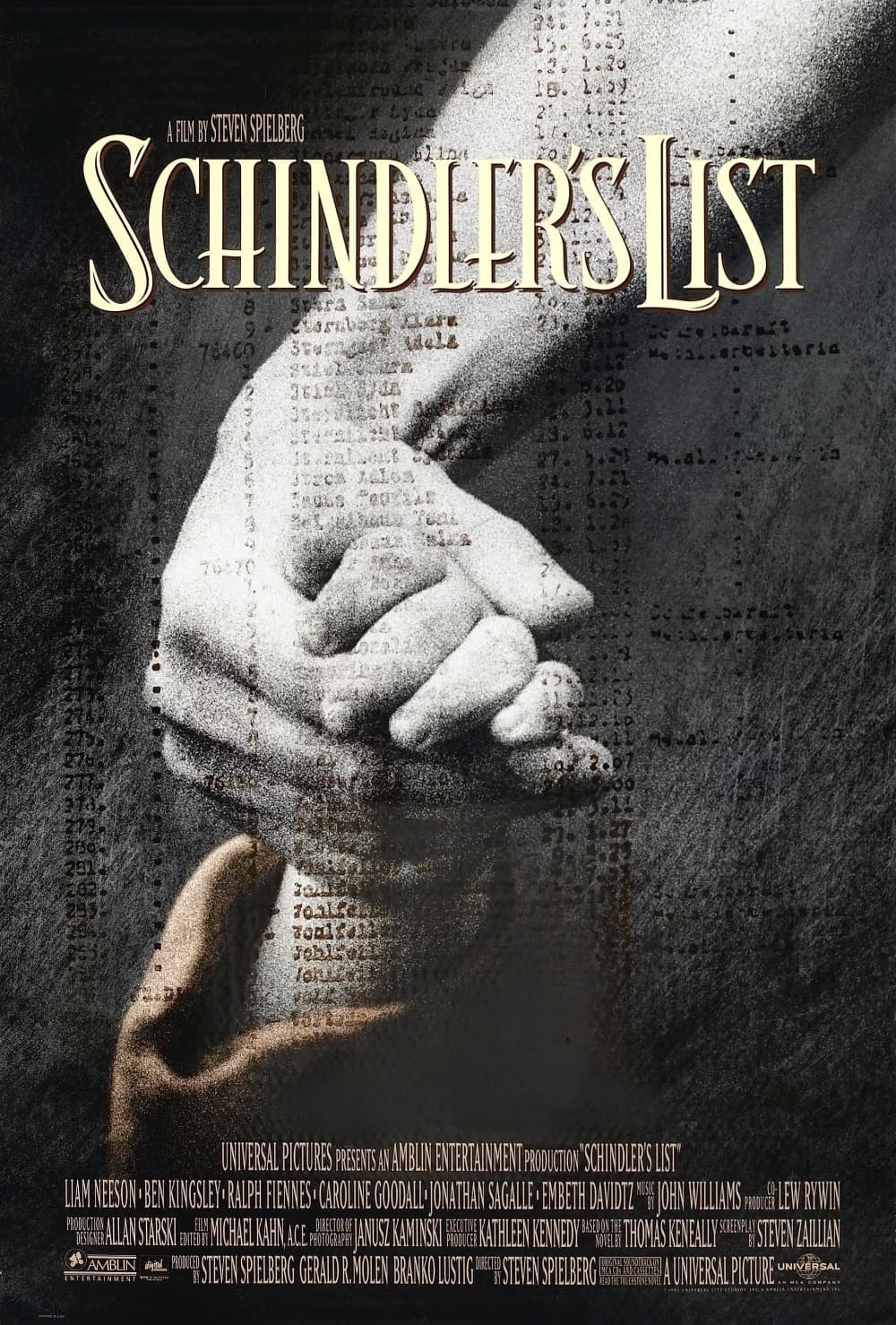
Schindler's List
Directed by Steven Spielberg
1993
More people have understood the Holocaust through this film than through any other: Spielberg took no fee, shot it in black and white, and gave the last word to the survivors.
★ 9.7
 skopia
More people have understood the Holocaust through this film than through any other: Spielberg took no fee, shot it in black and white, and gave the last word to the survivors.
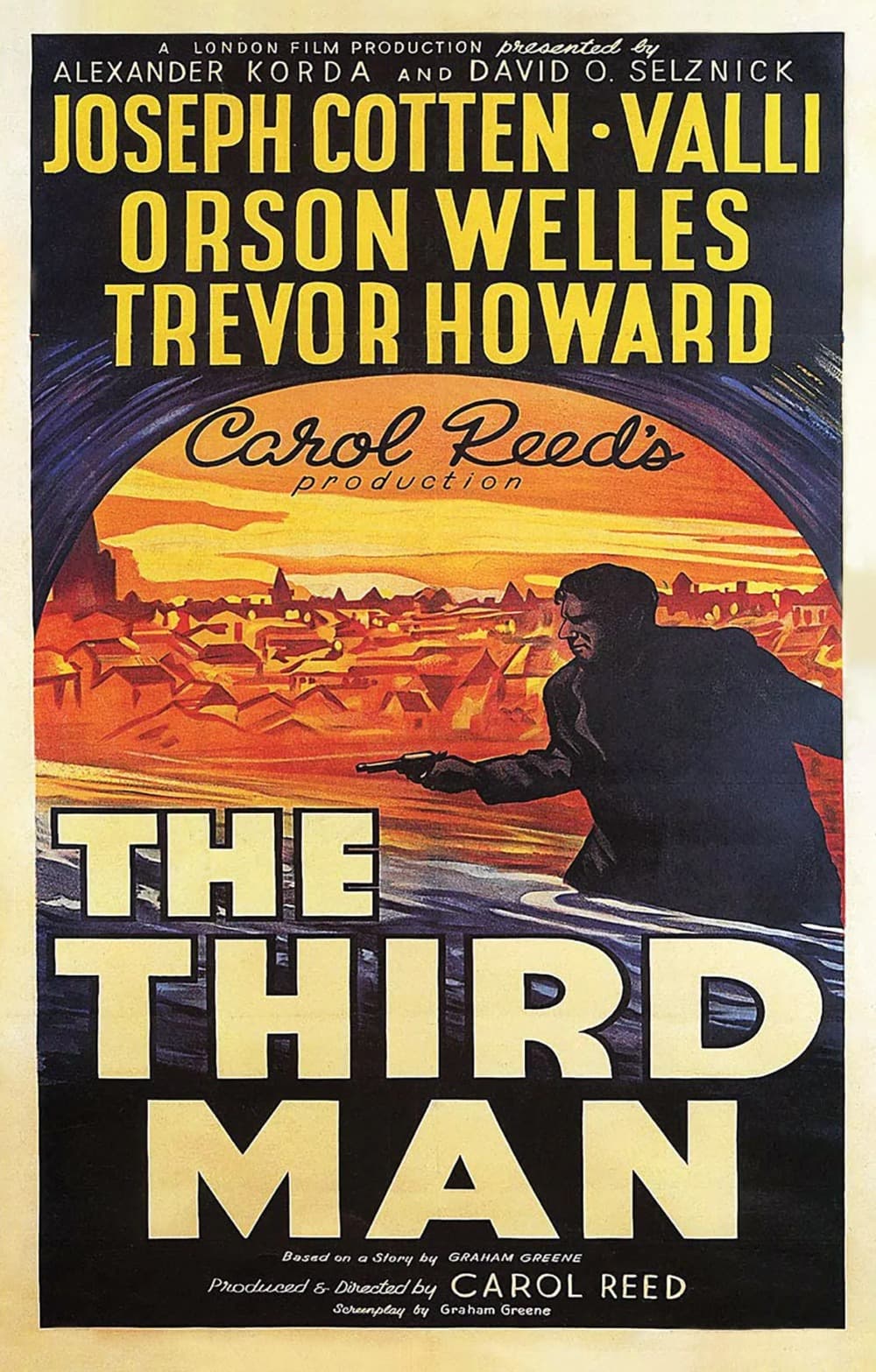
Britain has never made a better one, and nothing else sounds like it: a ruined postwar Vienna, and a zither score by a musician Reed first heard playing for the crew.
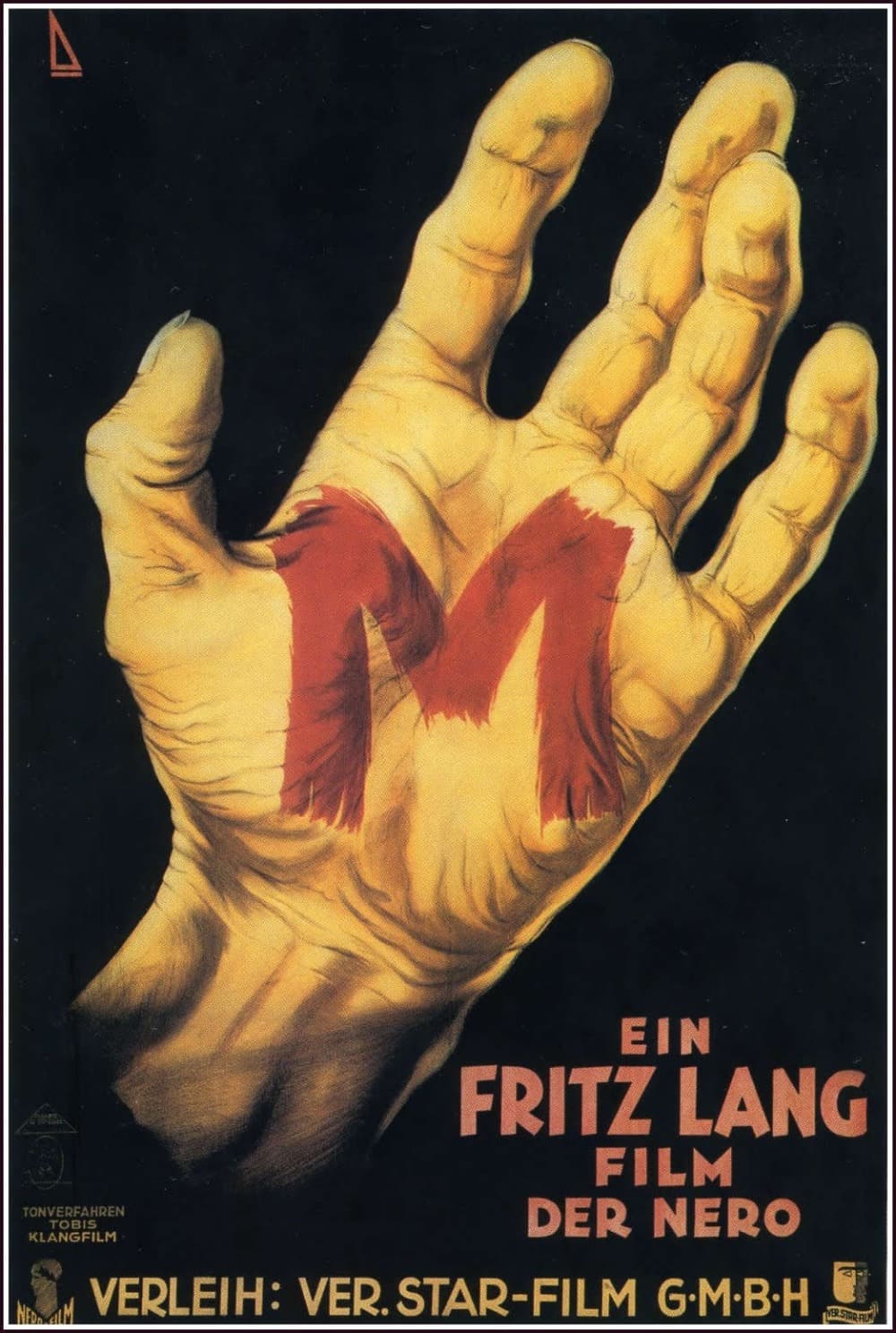
Serial killer films begin here: Lang used sound as a weapon in his first talkie, gave the murderer a whistled tune, and turned a whole city into a trap.
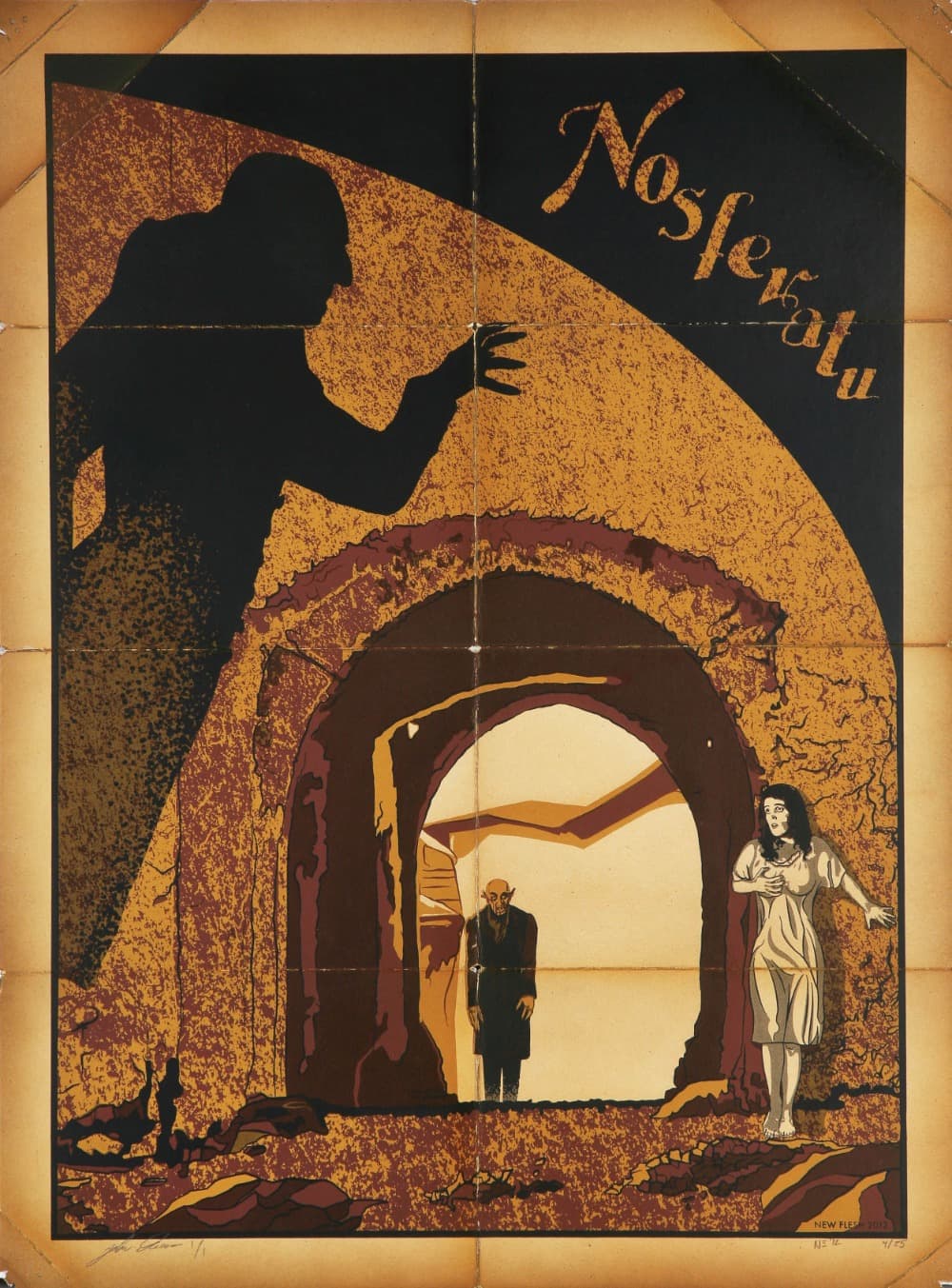
A court ordered every print destroyed and the film survived anyway: Murnau's unauthorized Dracula gave horror its first permanent image, a shadow climbing a staircase toward a door.
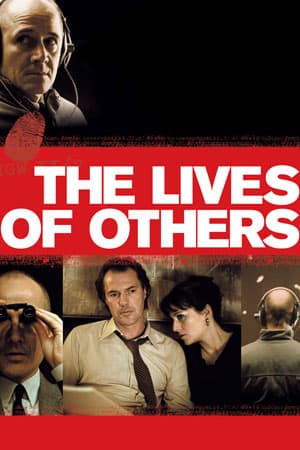
It made an entire country look at its own surveillance state: a Stasi officer listens in on a playwright's apartment, and the last line of the film lands like a blow.
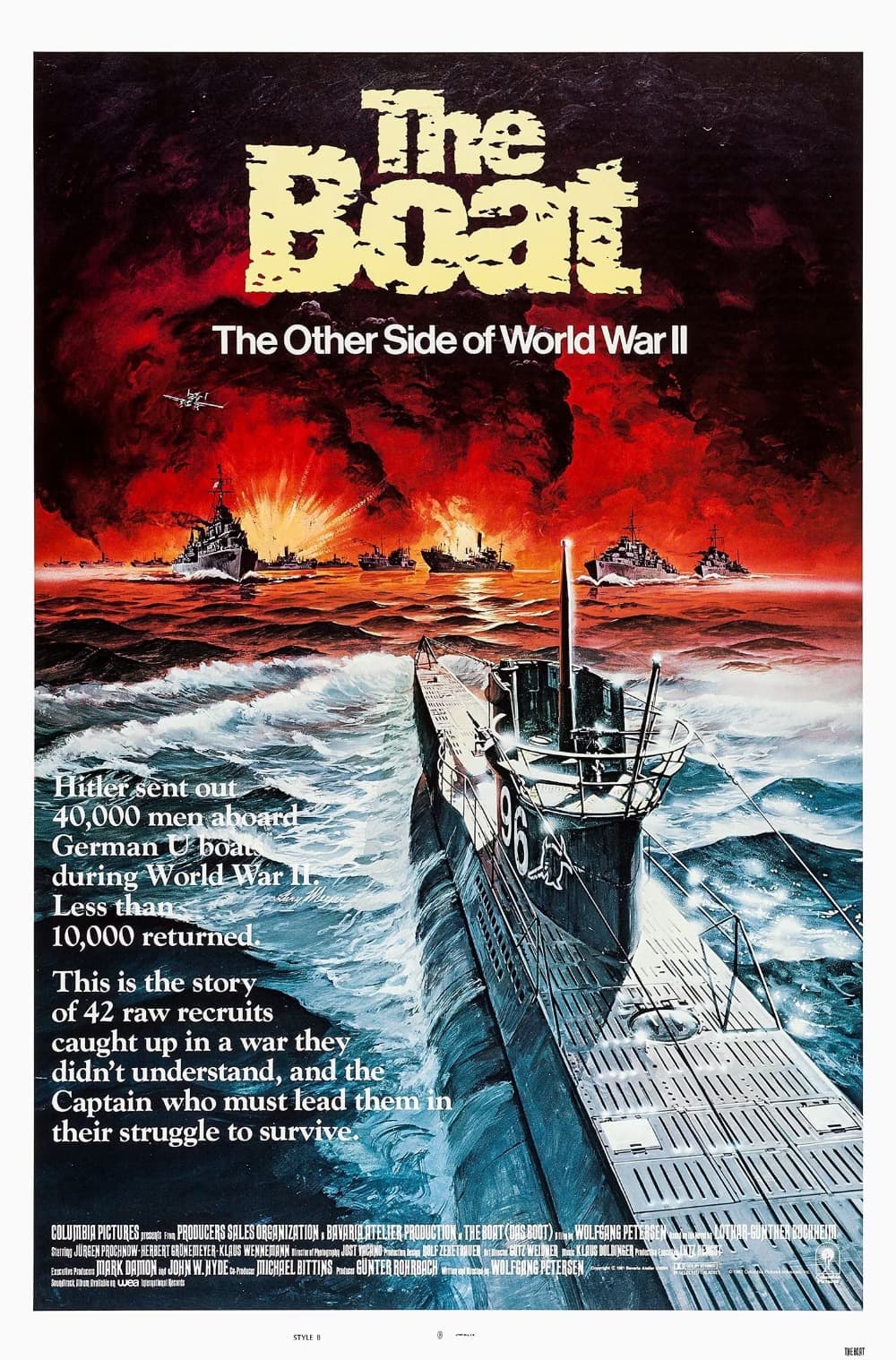
No war film has ever been this claustrophobic: Petersen ran a camera the length of a U-boat again and again until the steel walls start pressing in on you.
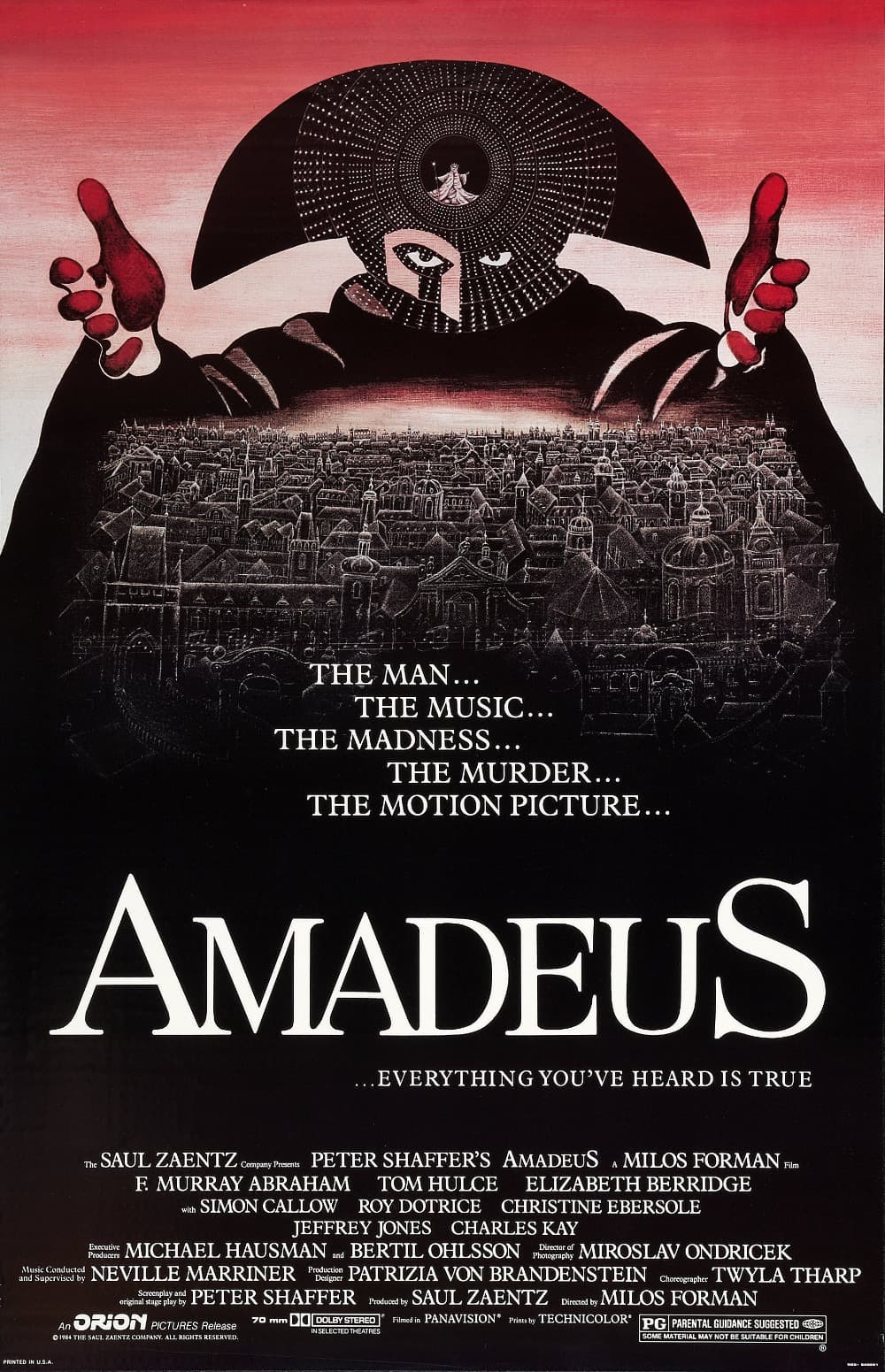
It sent a whole generation out to buy Mozart records: Salieri narrates his own jealousy from an asylum, and the music keeps making his case better than he can.
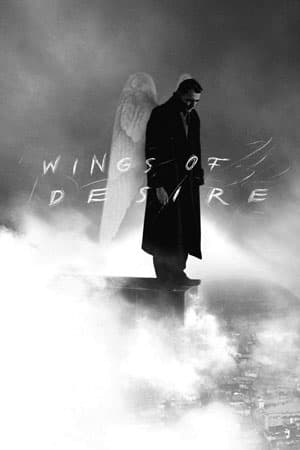
Wenders filmed a divided Berlin two years before the Wall came down and caught something nobody could stage again: angels listening in on what the people below are thinking.
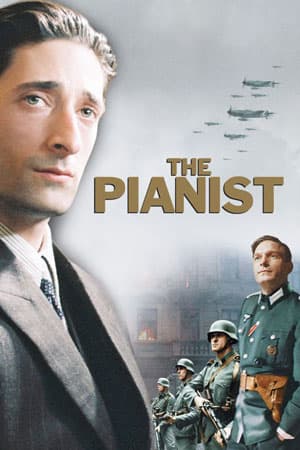
Polanski escaped the Krakow ghetto as a child and waited sixty years to film any of it: a pianist left alone in the ruins of Warsaw, and no heroism anywhere.
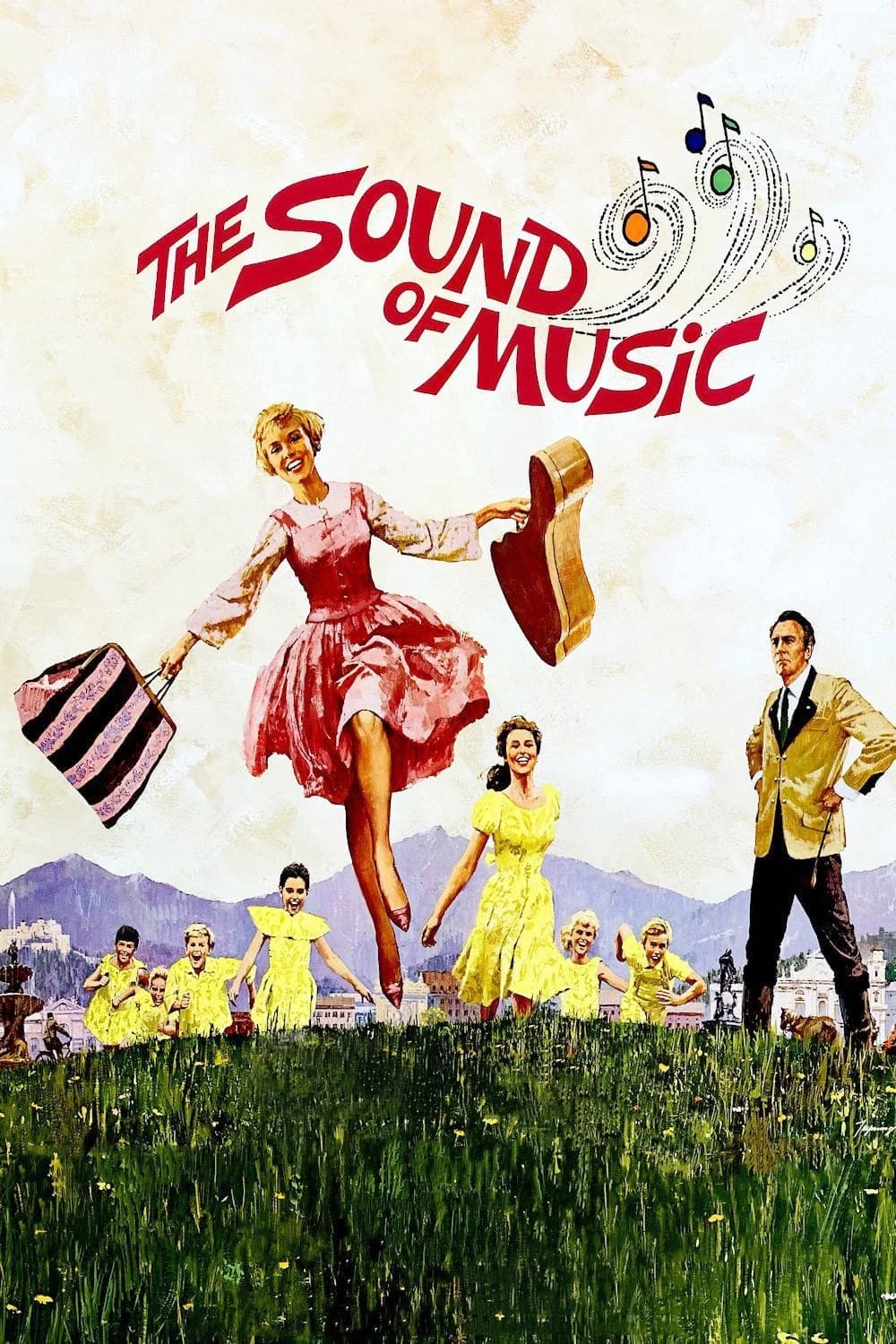
It saved a studio from bankruptcy and has never left the culture since: Salzburg in the mountains, a nun who cannot behave, and songs everyone somehow already knows.
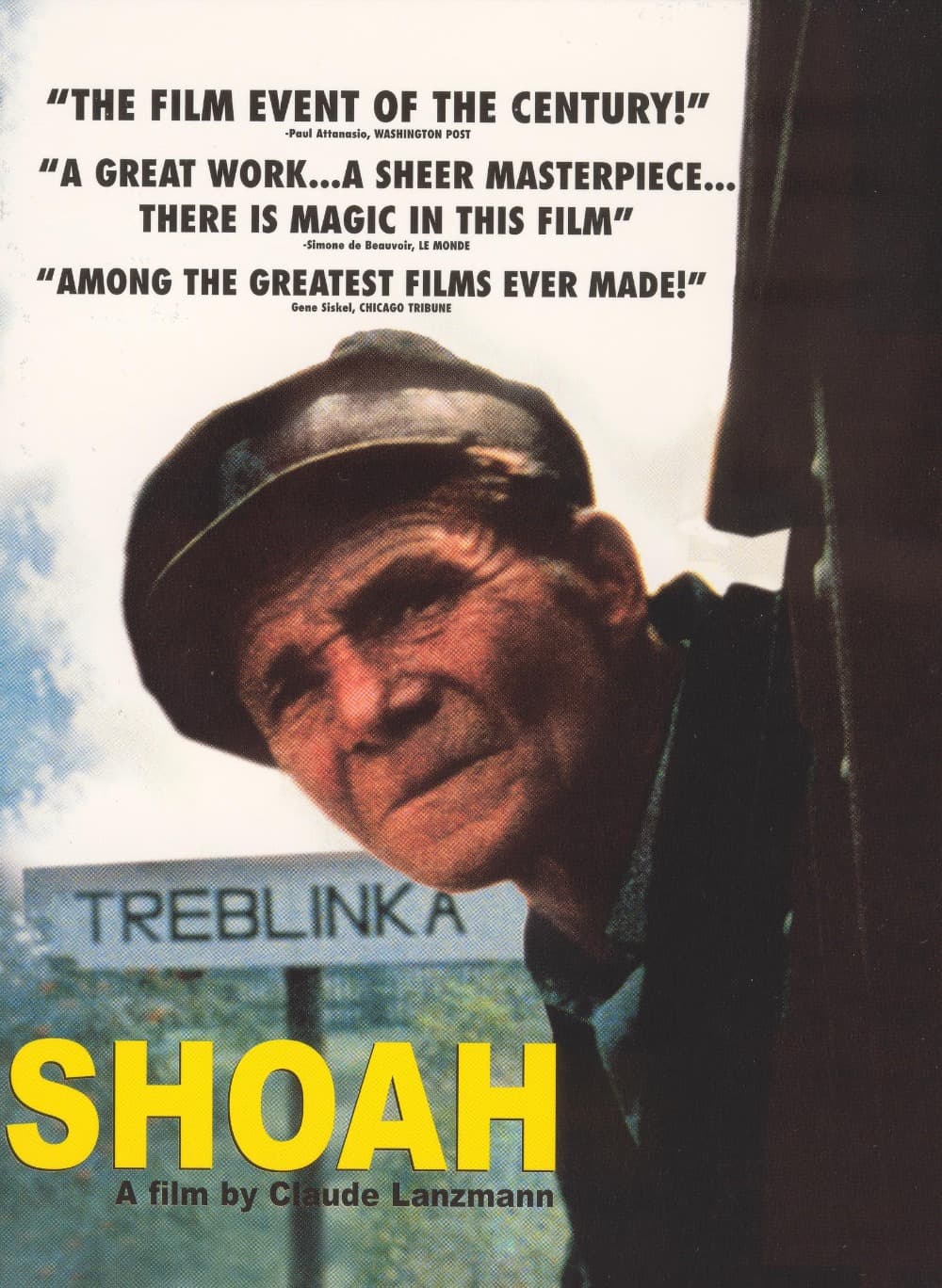
Nine hours long, with no archive footage at all: Lanzmann spent eleven years getting survivors, bystanders and perpetrators to describe what they saw, standing on the actual sites.
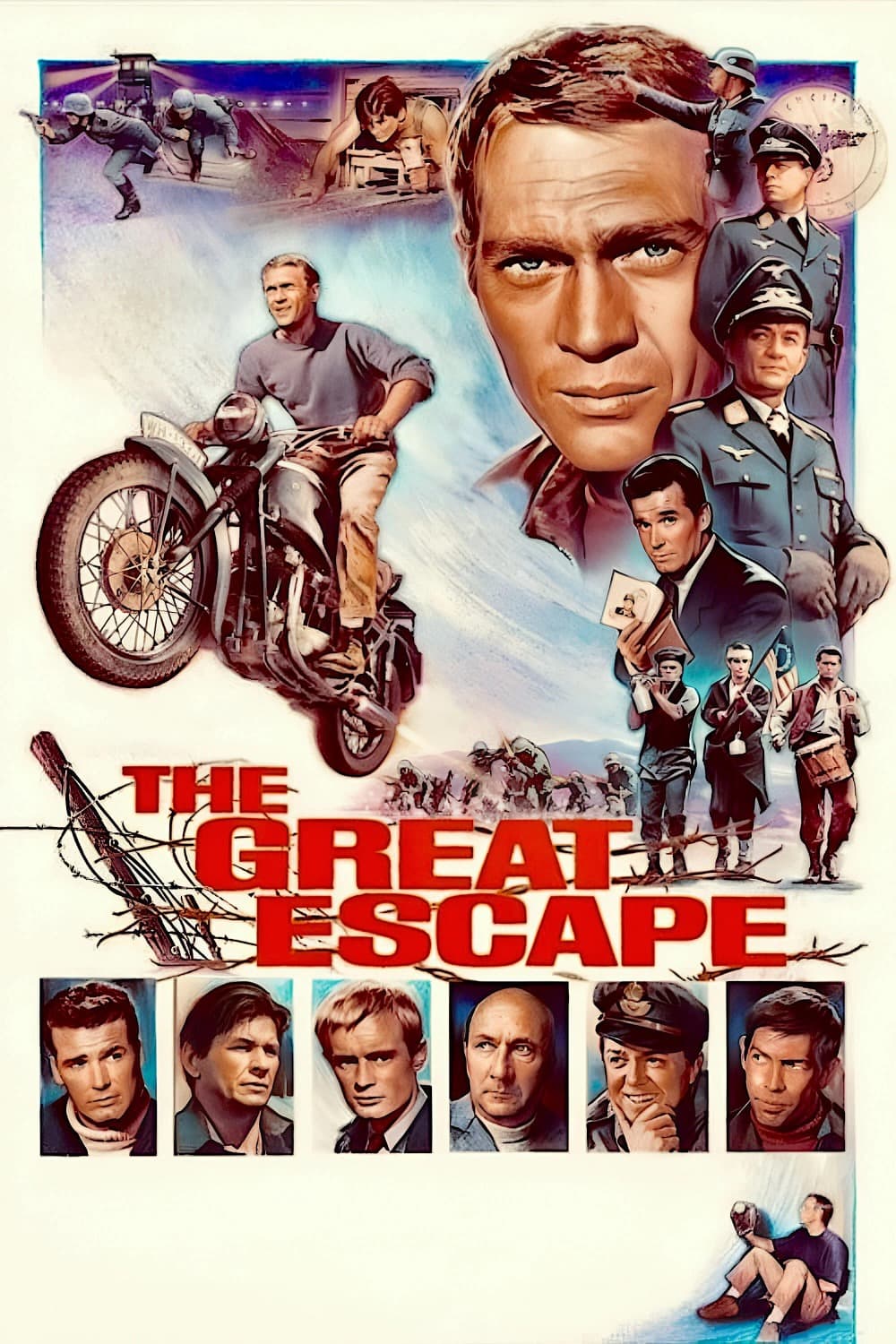
Captivity has never looked like this much fun: Sturges rebuilt a real 1944 breakout from a German camp into tunnel engineering, forged papers and men who refuse to sit still.
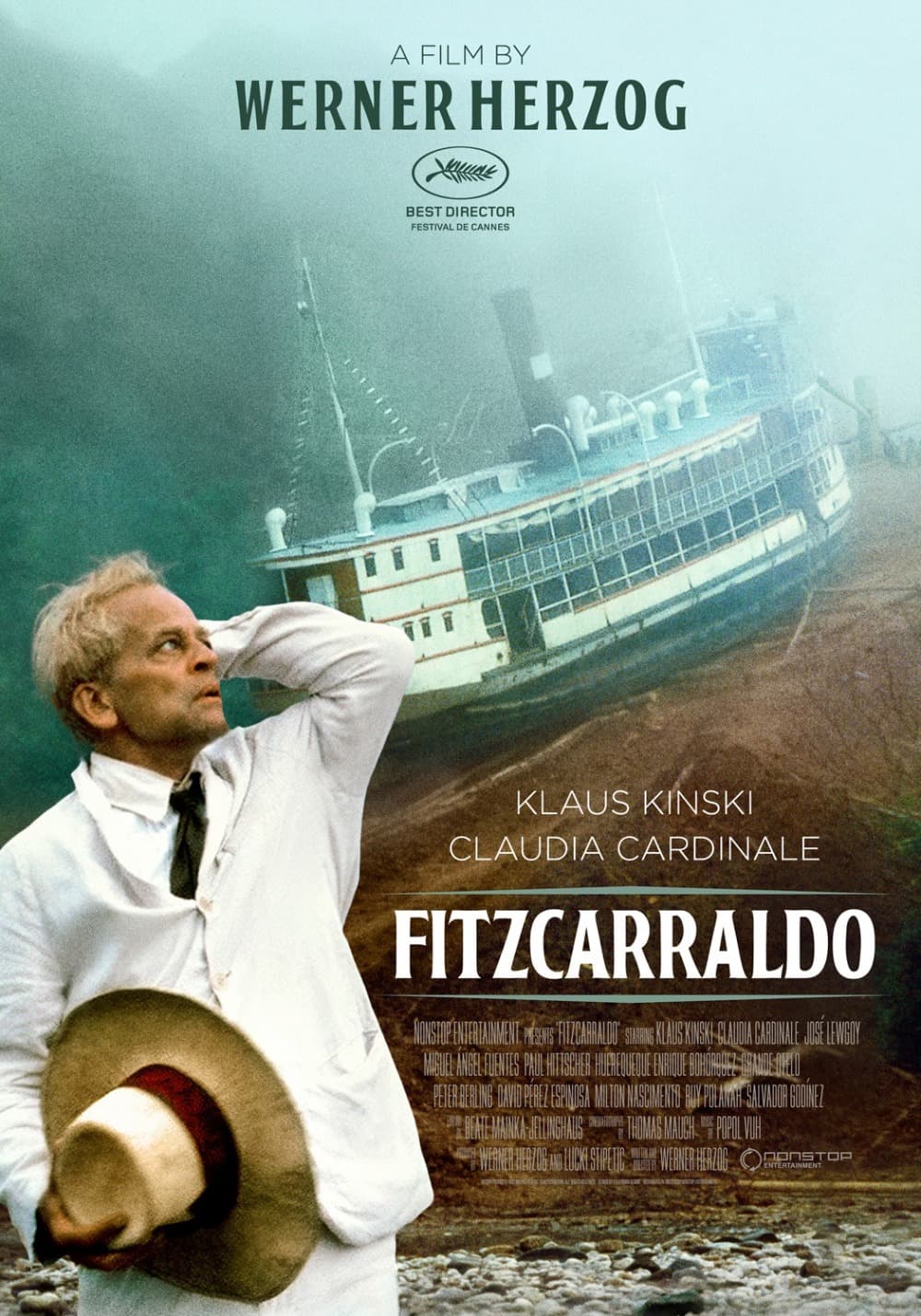
Herzog dragged a 320-ton steamship over a mountain with no models and no effects: his hero wants an opera house in the Amazon, and the production came to resemble the obsession it filmed.
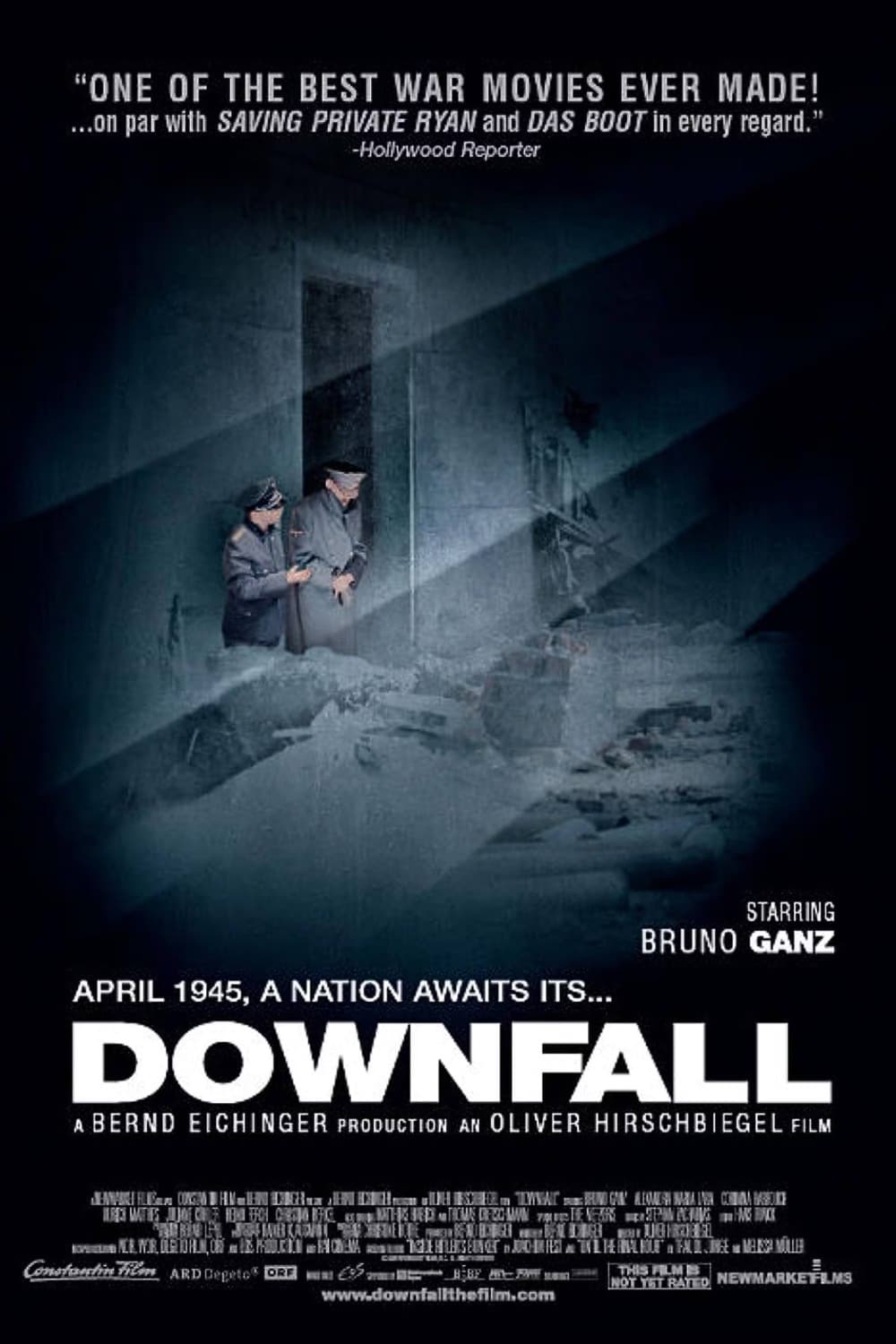
Bruno Ganz plays Hitler as a man rather than a symbol, and Germany argued about the film for a year: the last twelve days in the bunker, filmed without comment or consolation.
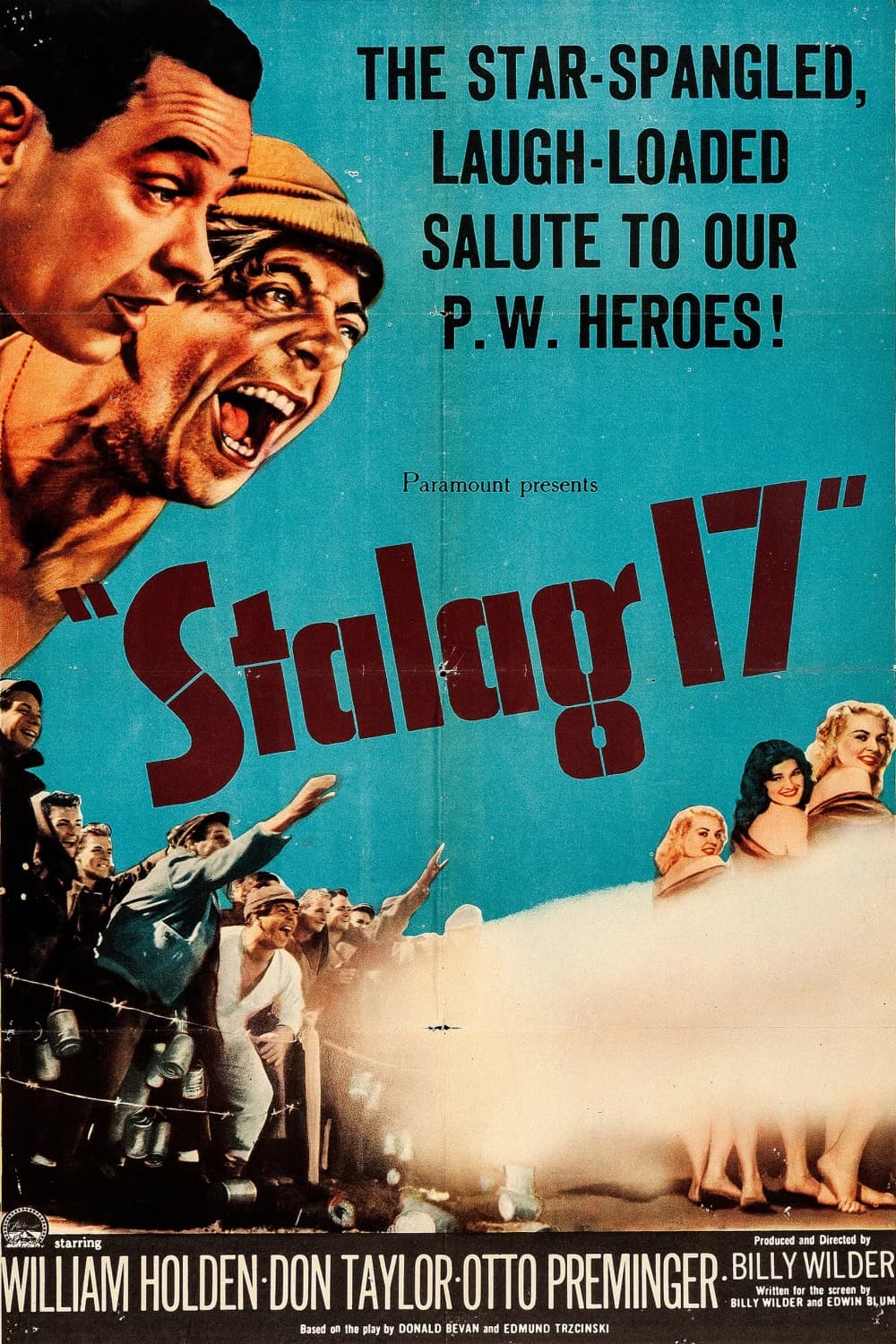
Wilder made a POW comedy in 1953 and refused to soften the Americans in it: a barracks works out that somebody inside is trading information to the Germans, and starts looking around.
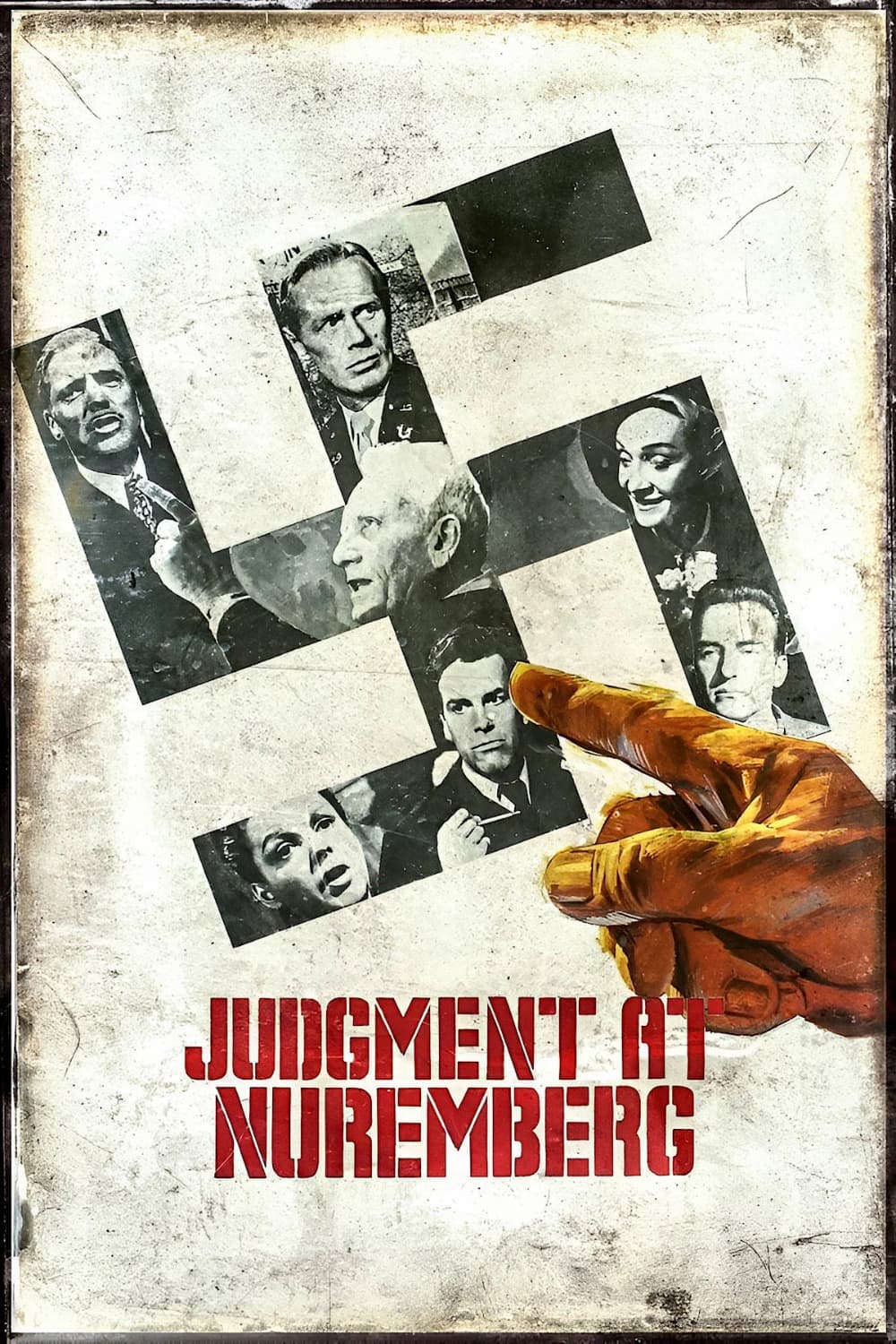
Stanley Kramer put real concentration camp footage into a Hollywood film in 1961 and made audiences sit with it: the trial is of judges, which makes the question about everybody.
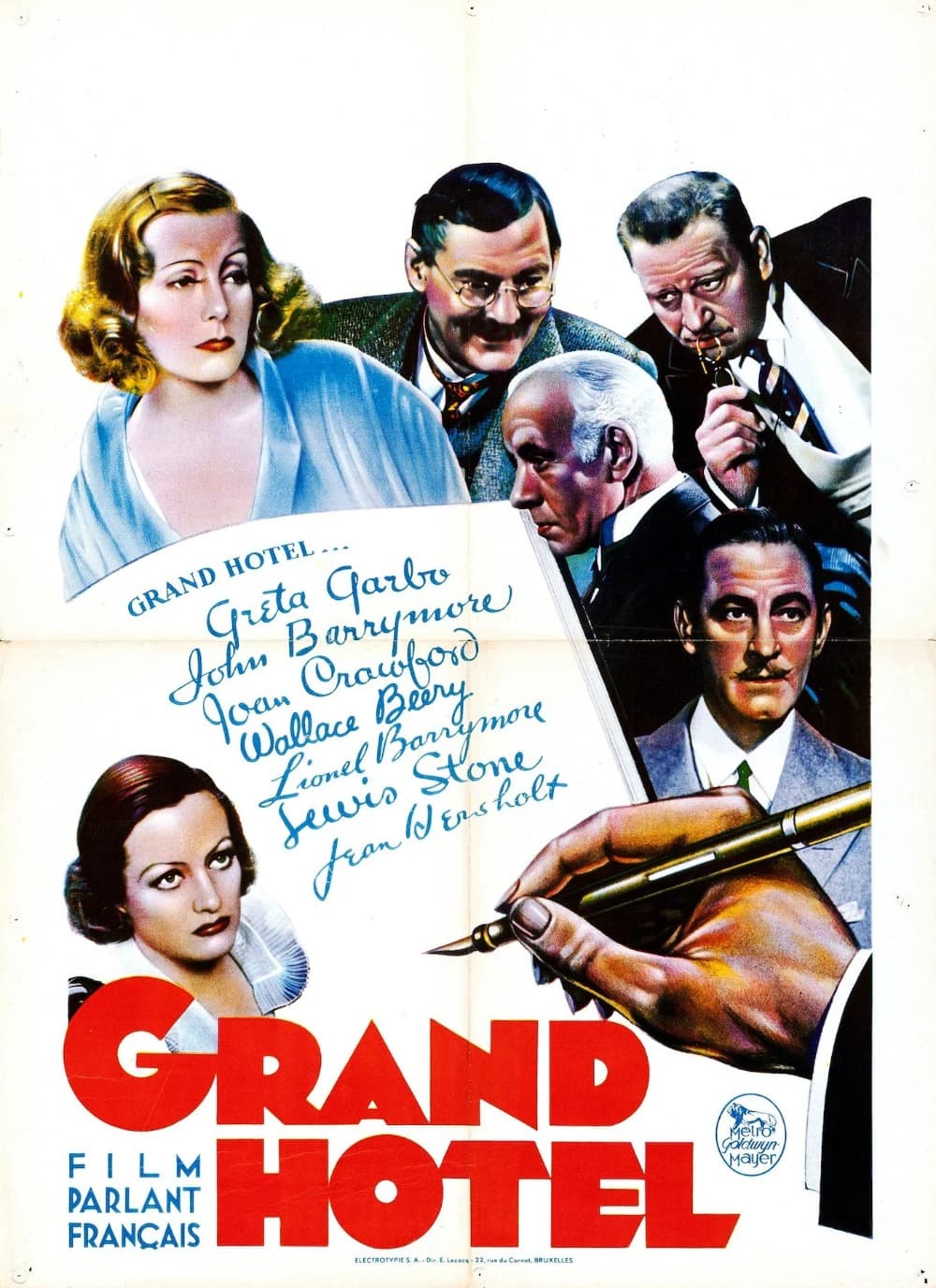
It took Best Picture without a single other nomination, which nothing else has managed: Greta Garbo says the line about wanting to be alone, and the one-building ensemble format begins here.