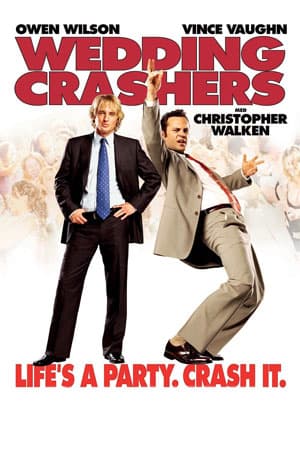
Wedding Crashers
Directed by David Dobkin
2005
Owen Wilson and Vince Vaughn talk across each other at speed and the rhythm carries the film: two divorce lawyers crash strangers' weddings as a hobby, with rules they have written down.
★ 3.9
 skopia
Owen Wilson and Vince Vaughn talk across each other at speed and the rhythm carries the film: two divorce lawyers crash strangers' weddings as a hobby, with rules they have written down.
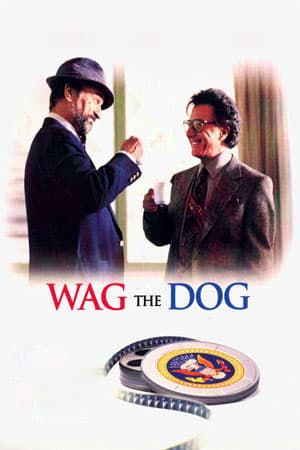
It opened a month before the Lewinsky scandal broke and eight months before Bill Clinton bombed Sudan, and the title became shorthand: a spin doctor and a producer fabricate a war.
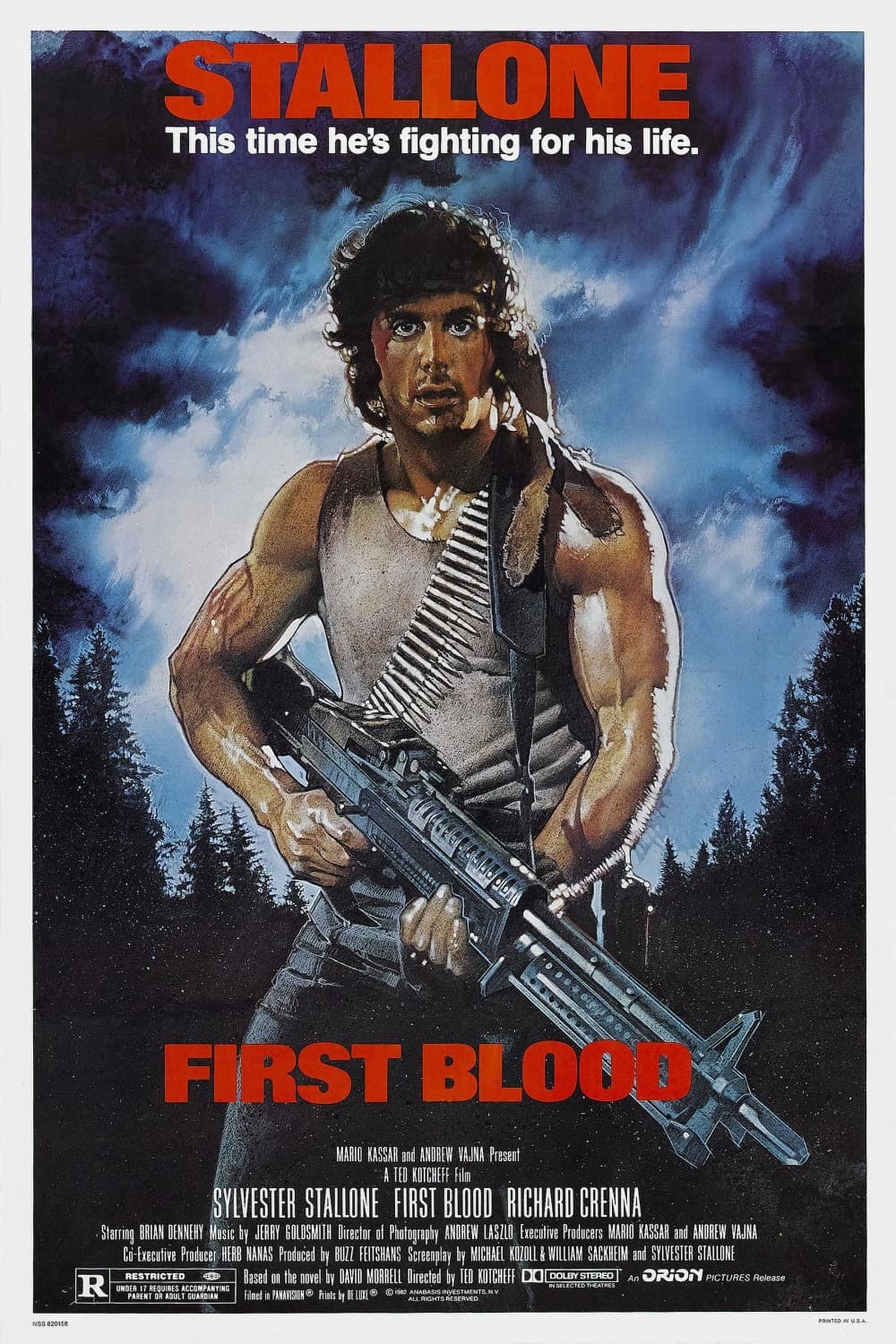
Before the sequels turned him into a cartoon, Rambo was a homeless veteran the police would not leave alone: Ted Kotcheff shot the Pacific Northwest cold and wet, and Stallone barely speaks.
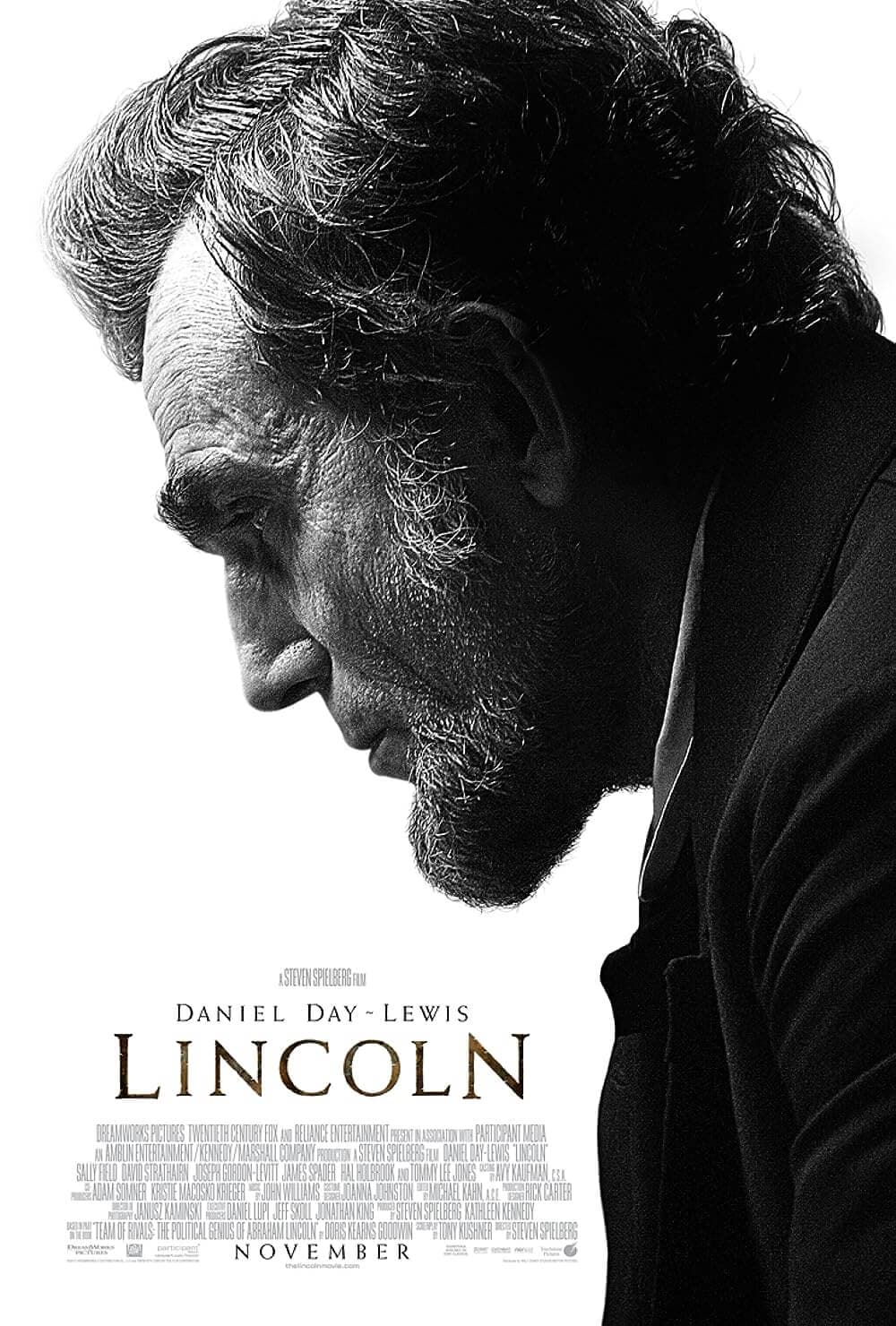
Day-Lewis found a high, reedy voice for Lincoln because the historical accounts describe one: Spielberg and Tony Kushner build a whole film out of counting votes for the Thirteenth Amendment.
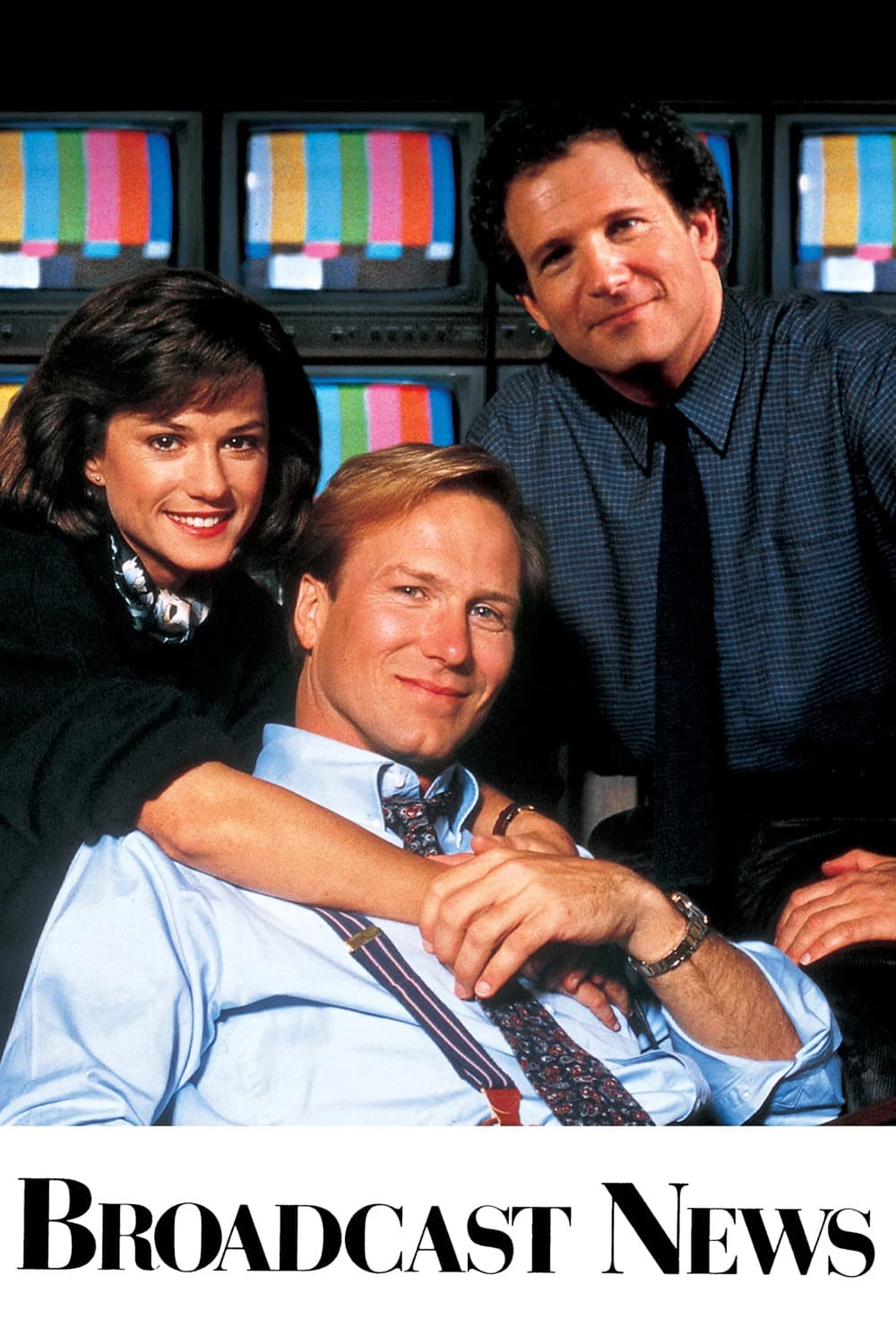
James L. Brooks got the newsroom exactly right and predicted what television news would become: three colleagues tangled up in each other, and the one who is best on camera knows the least.
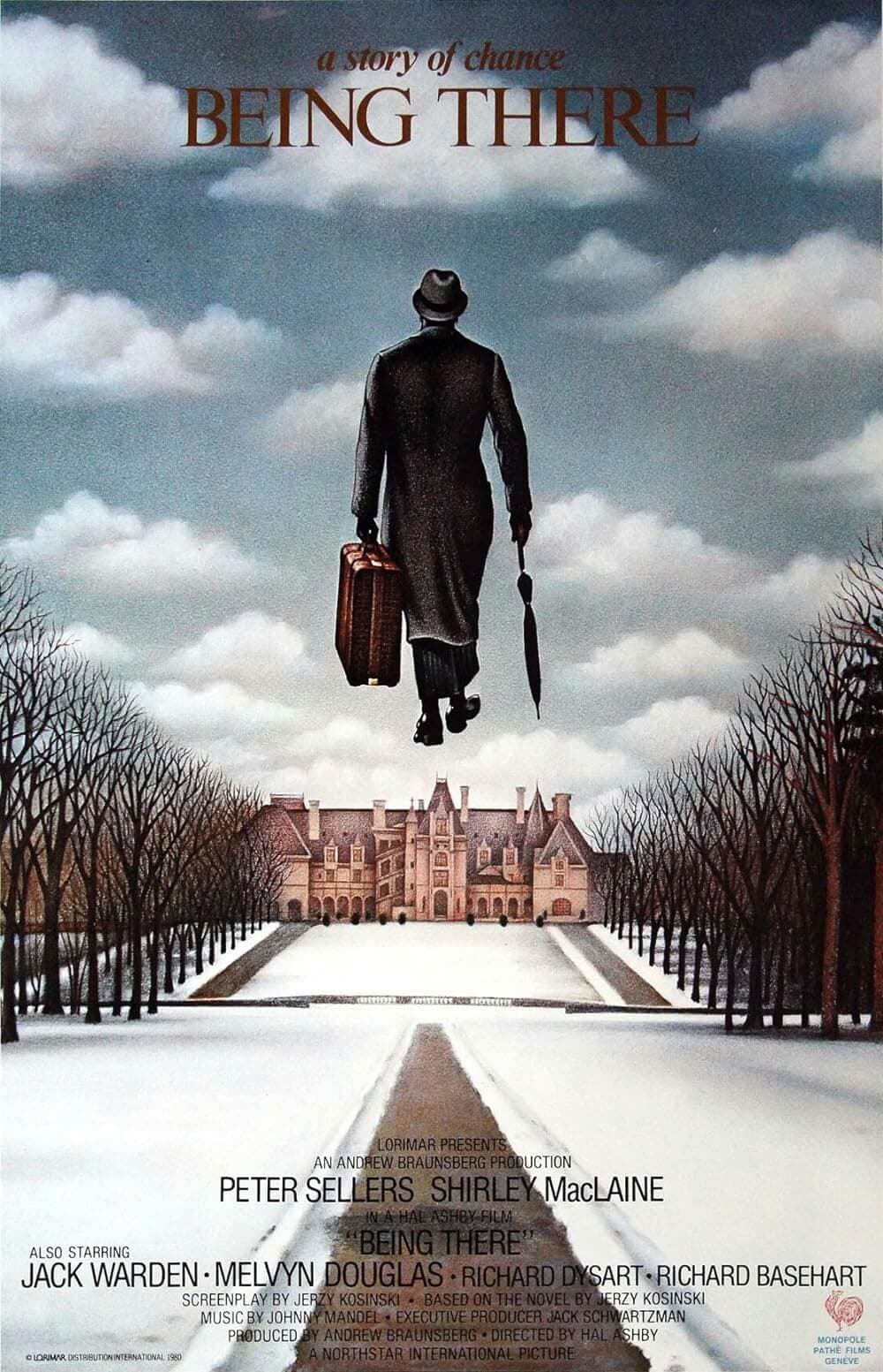
Peter Sellers chased this part for years and considered it the best work he ever did: a gardener who has only ever watched television is mistaken for a sage.
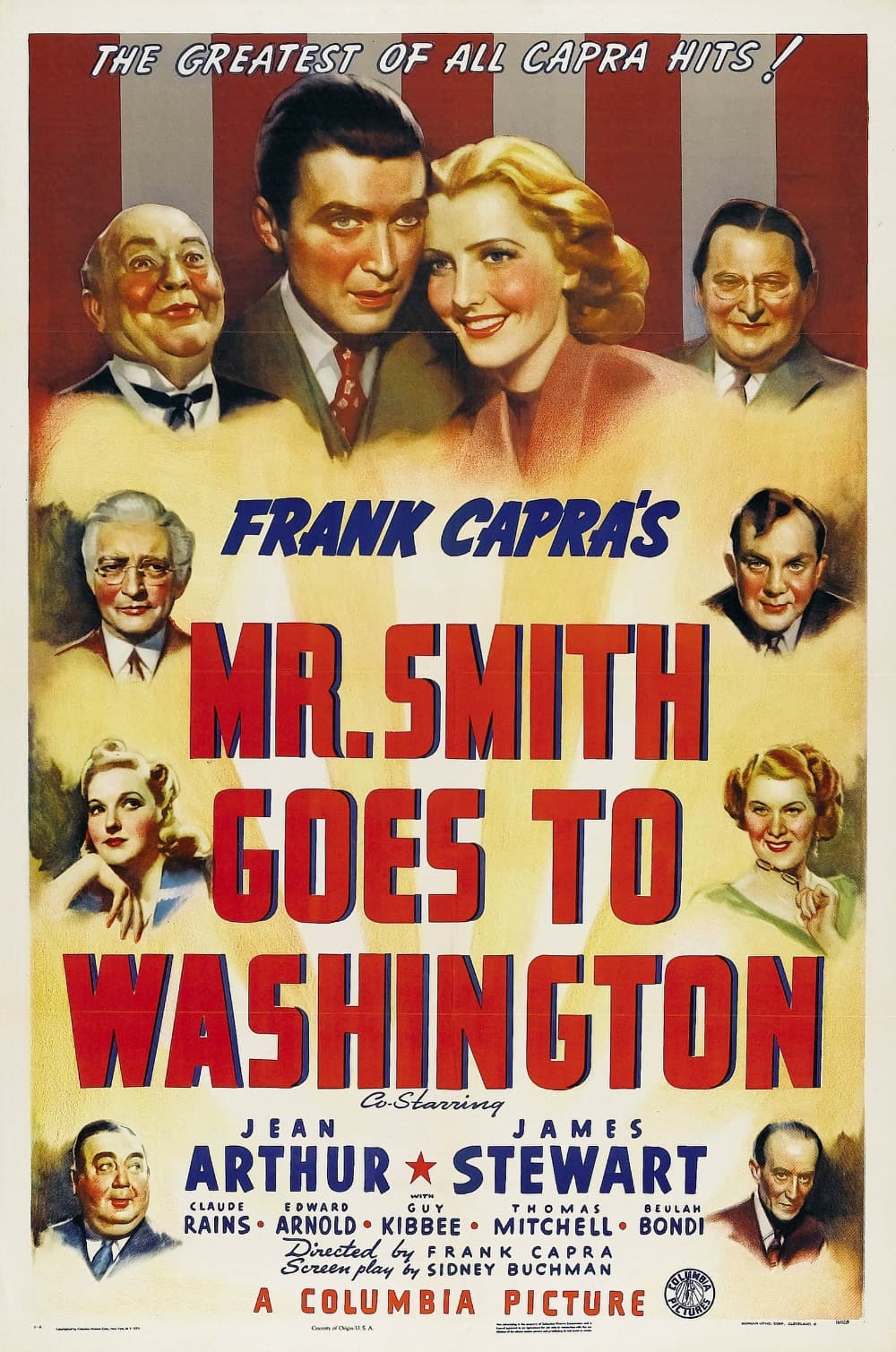
Capra built the most stirring film ever made out of parliamentary procedure: an amateur senator holds the floor with nothing but his voice and the rulebook, and Washington's press corps hated it.
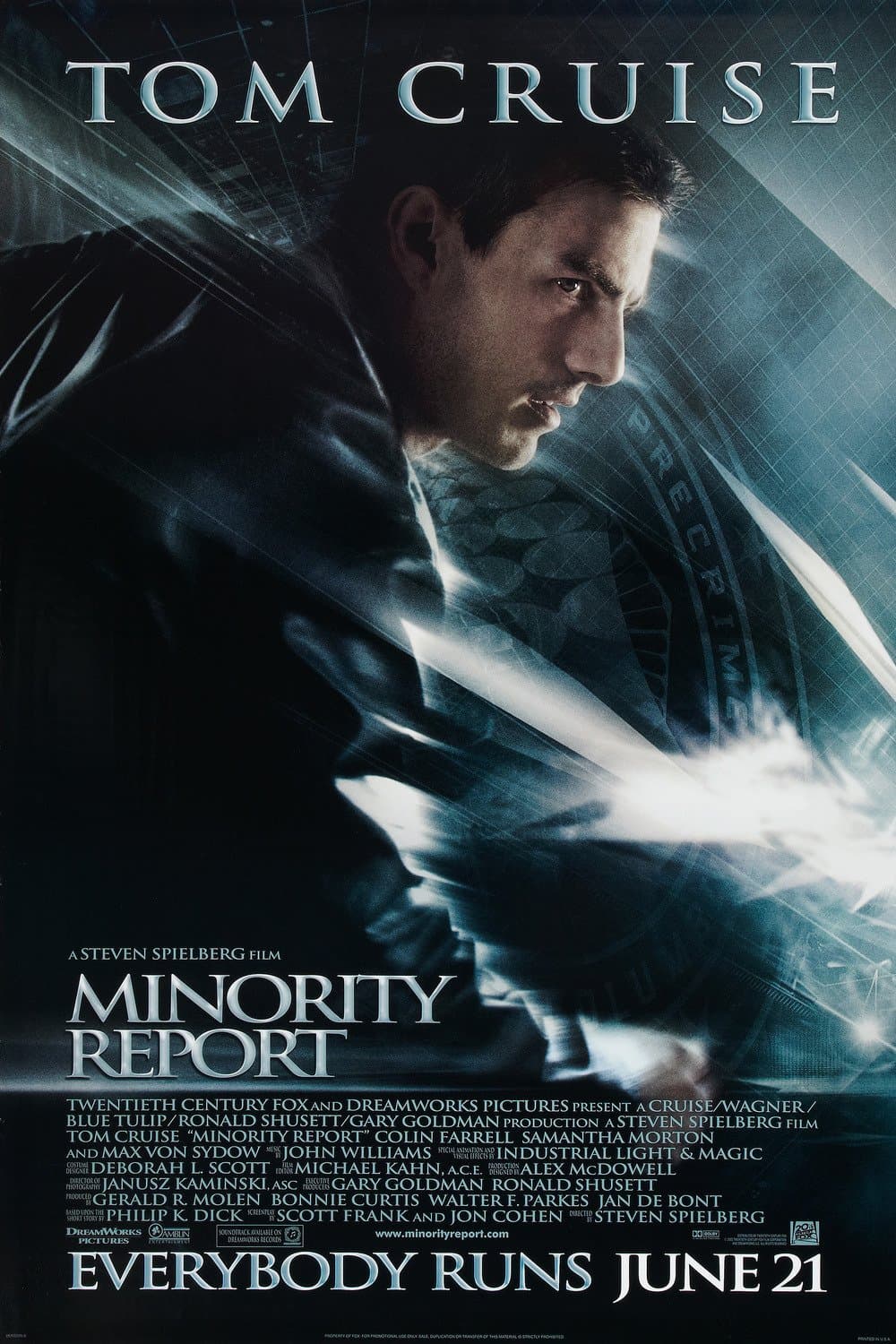
Spielberg hired futurists to design 2054 and most of what they invented has since arrived: gesture screens, targeted advertising, and a police force that arrests you beforehand.
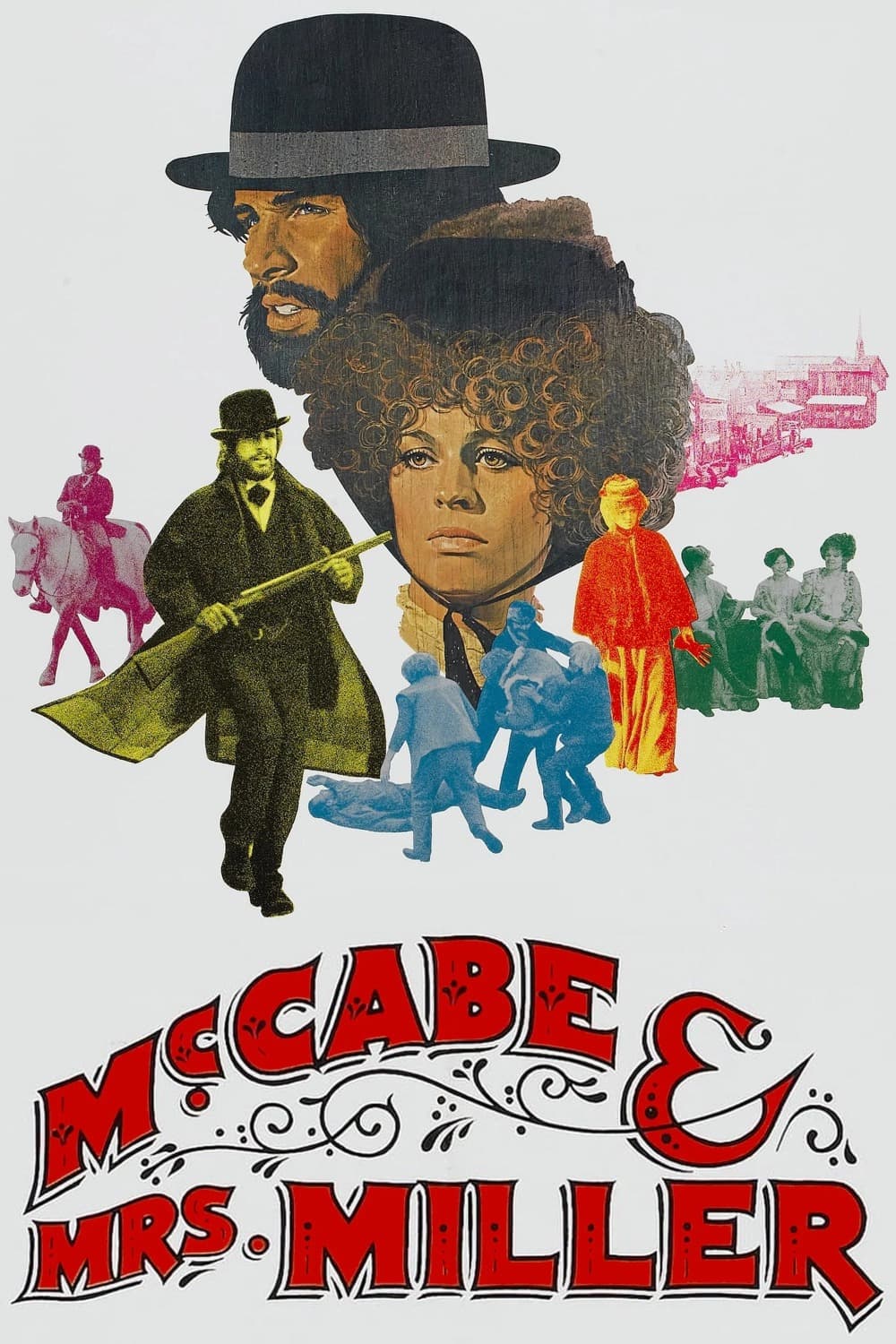
Altman made a western out of mud, snow and Leonard Cohen songs: a small-time gambler and a businesslike madam build a frontier town out of almost nothing.
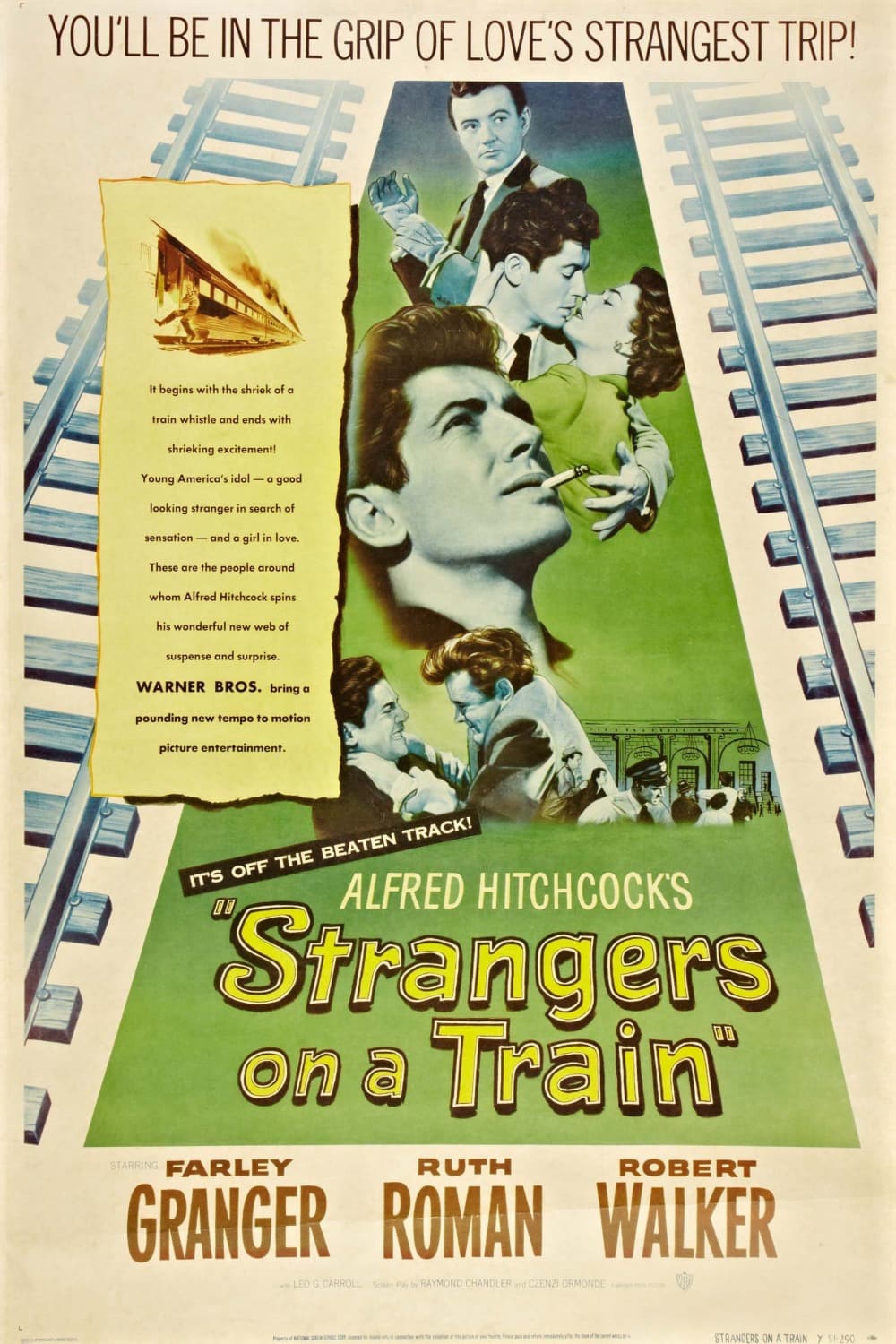
The premise is so clean that thrillers have been borrowing it for seventy years: two men meet on a train and one of them proposes swapping murders.
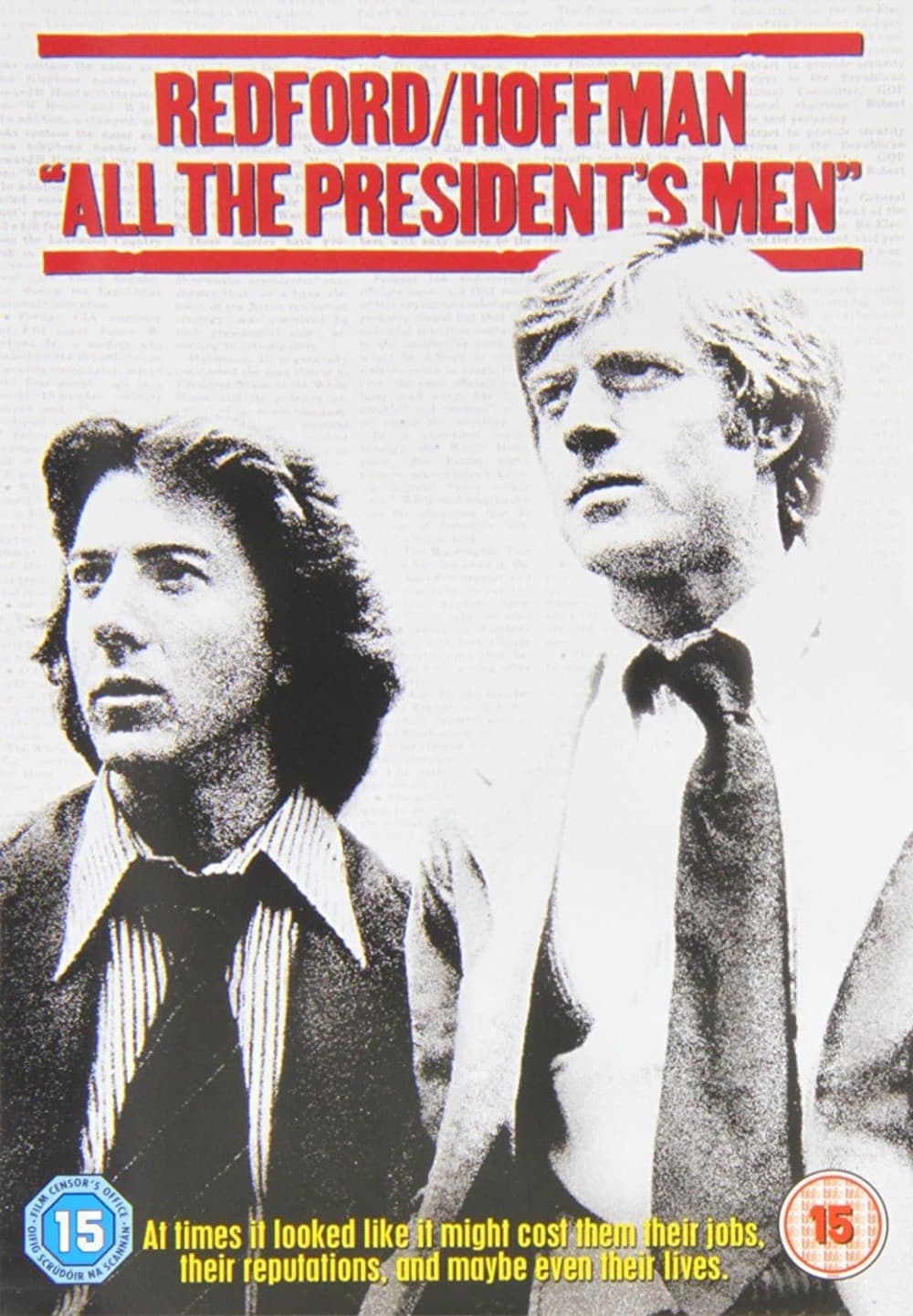
Every journalism film gets held up against this one: two reporters chase Watergate through phone calls and parking garages, and verifying a single fact becomes unbearably tense.
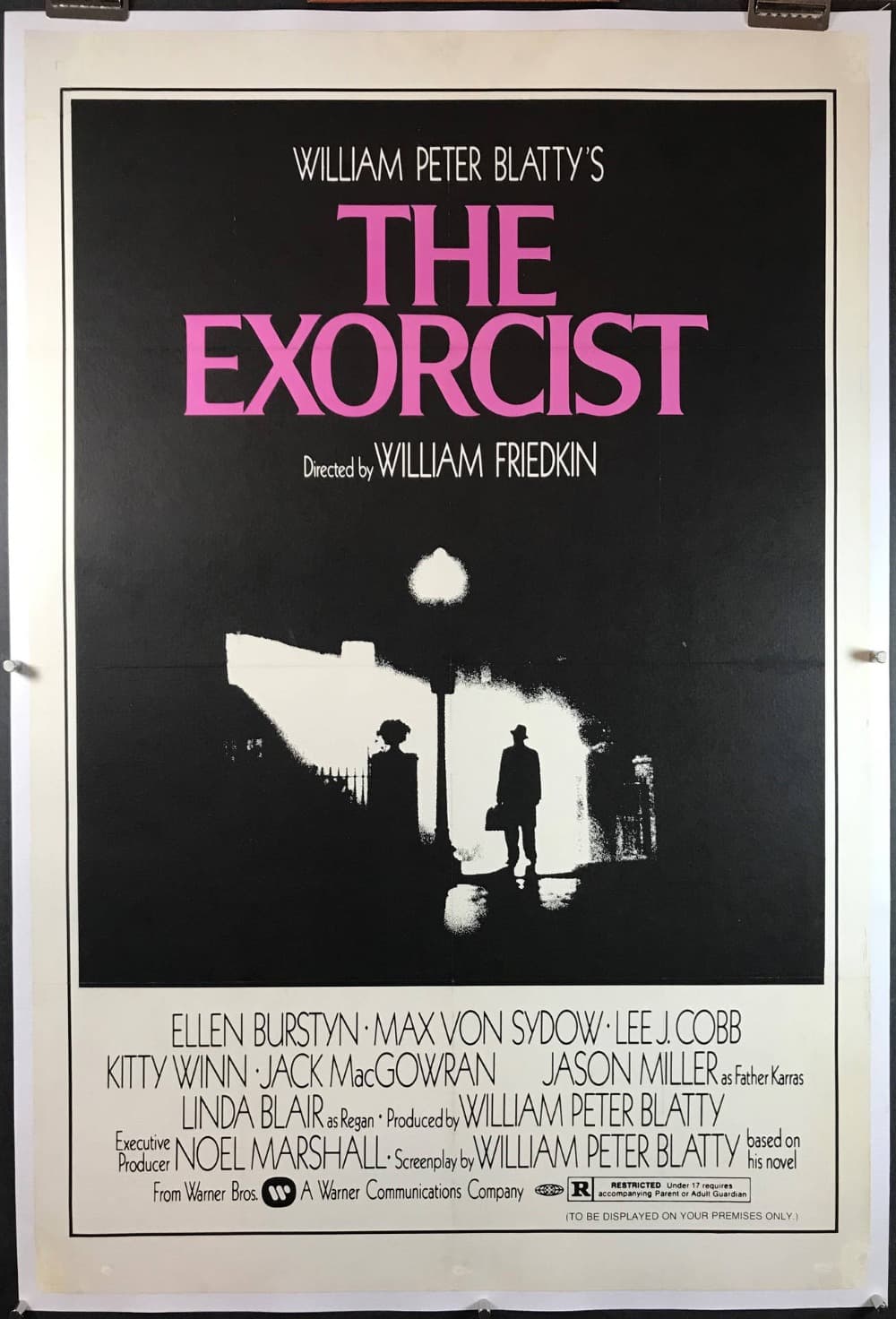
Still the one people watch with the lights on fifty years later: Friedkin shot a possession story like a documentary, and the restraint is what makes it unbearable.