Mrs. Miniver
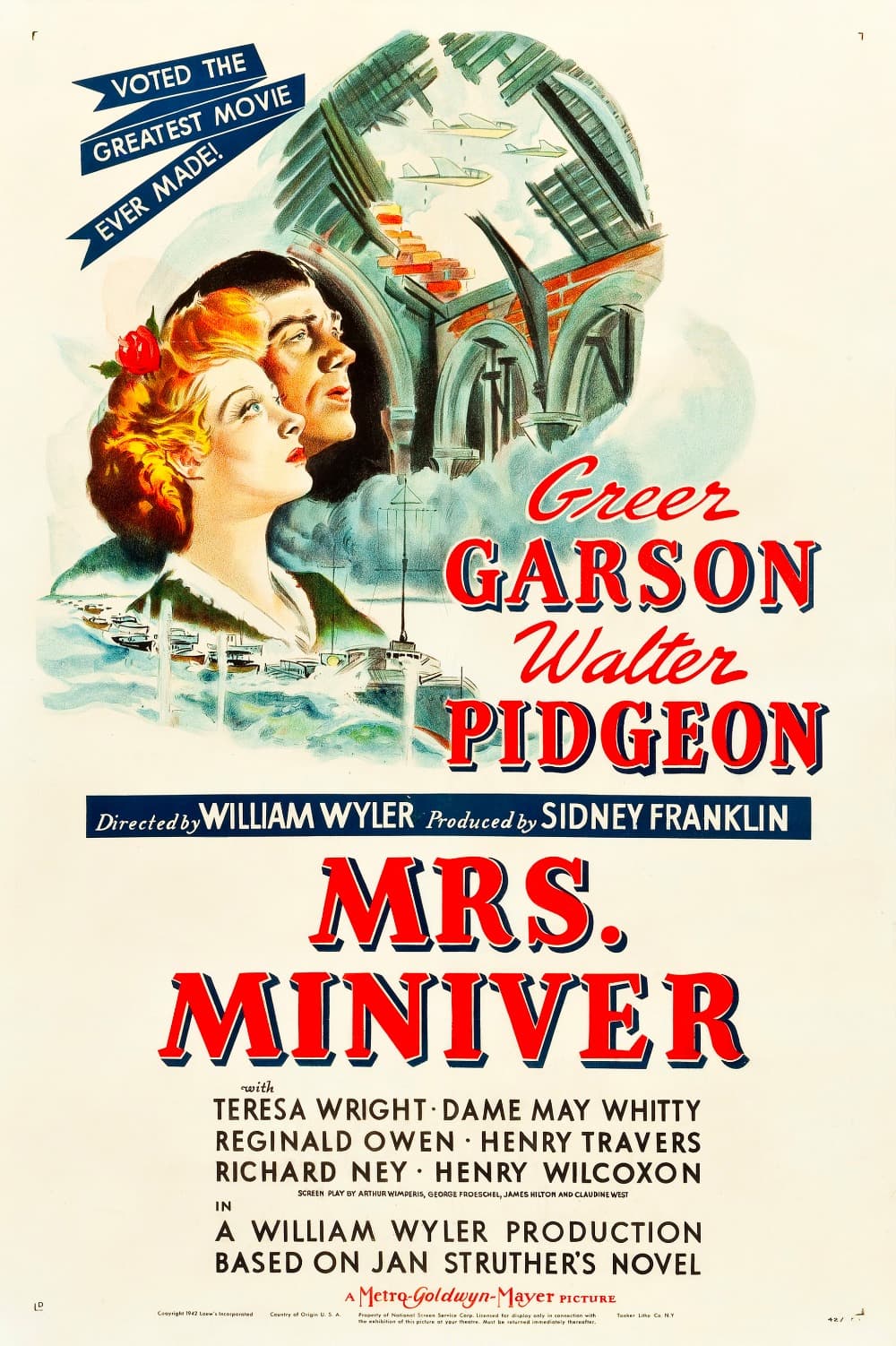
Roosevelt had the vicar's closing speech printed on leaflets and dropped over occupied Europe: an English family absorbs the first year of the war, and America was watching very closely.

Roosevelt had the vicar's closing speech printed on leaflets and dropped over occupied Europe: an English family absorbs the first year of the war, and America was watching very closely.

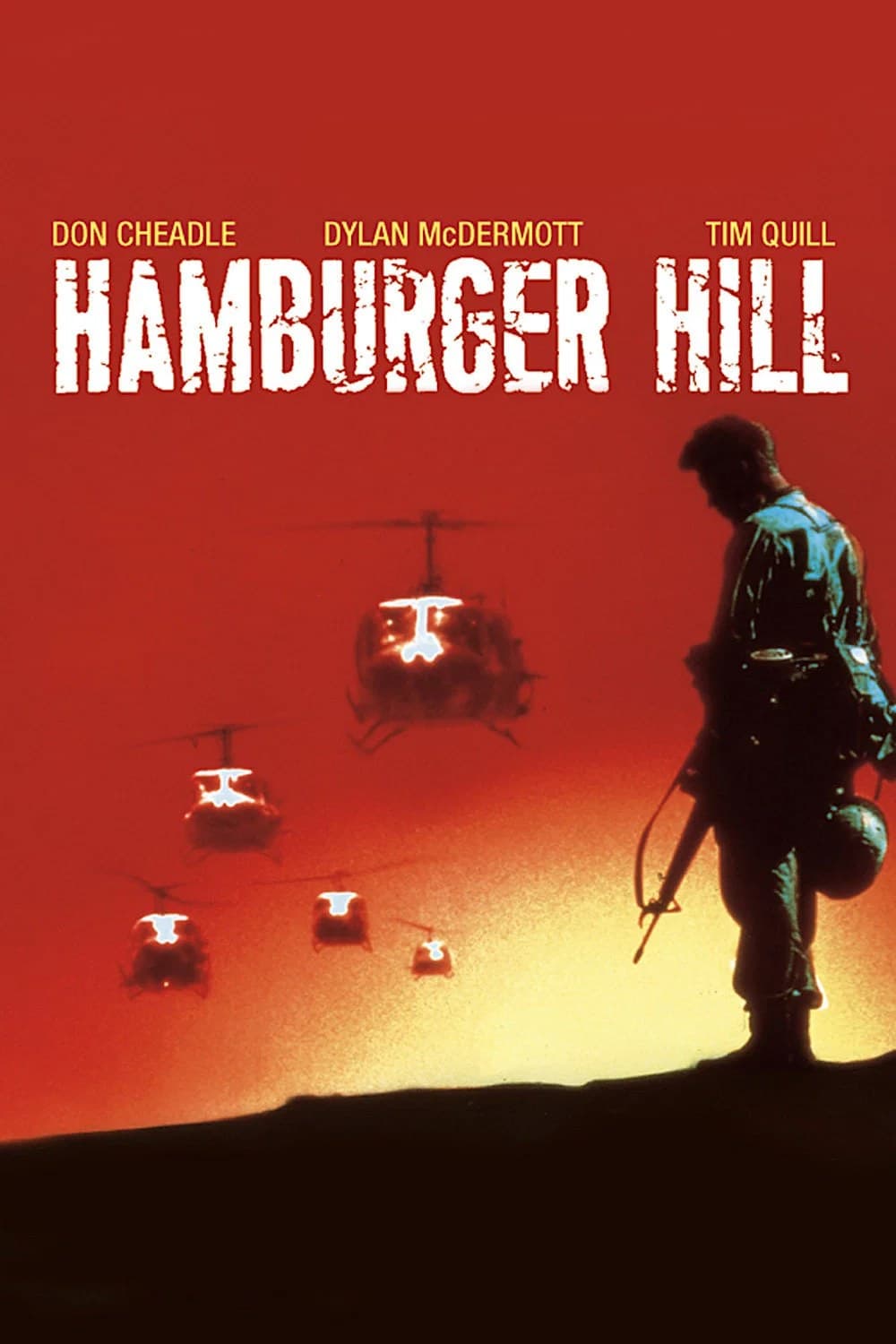
The least mythologizing Vietnam film anyone made: ten days in May 1969 taking one hill that the army abandoned immediately afterward, filmed as almost pure exhaustion and mud.

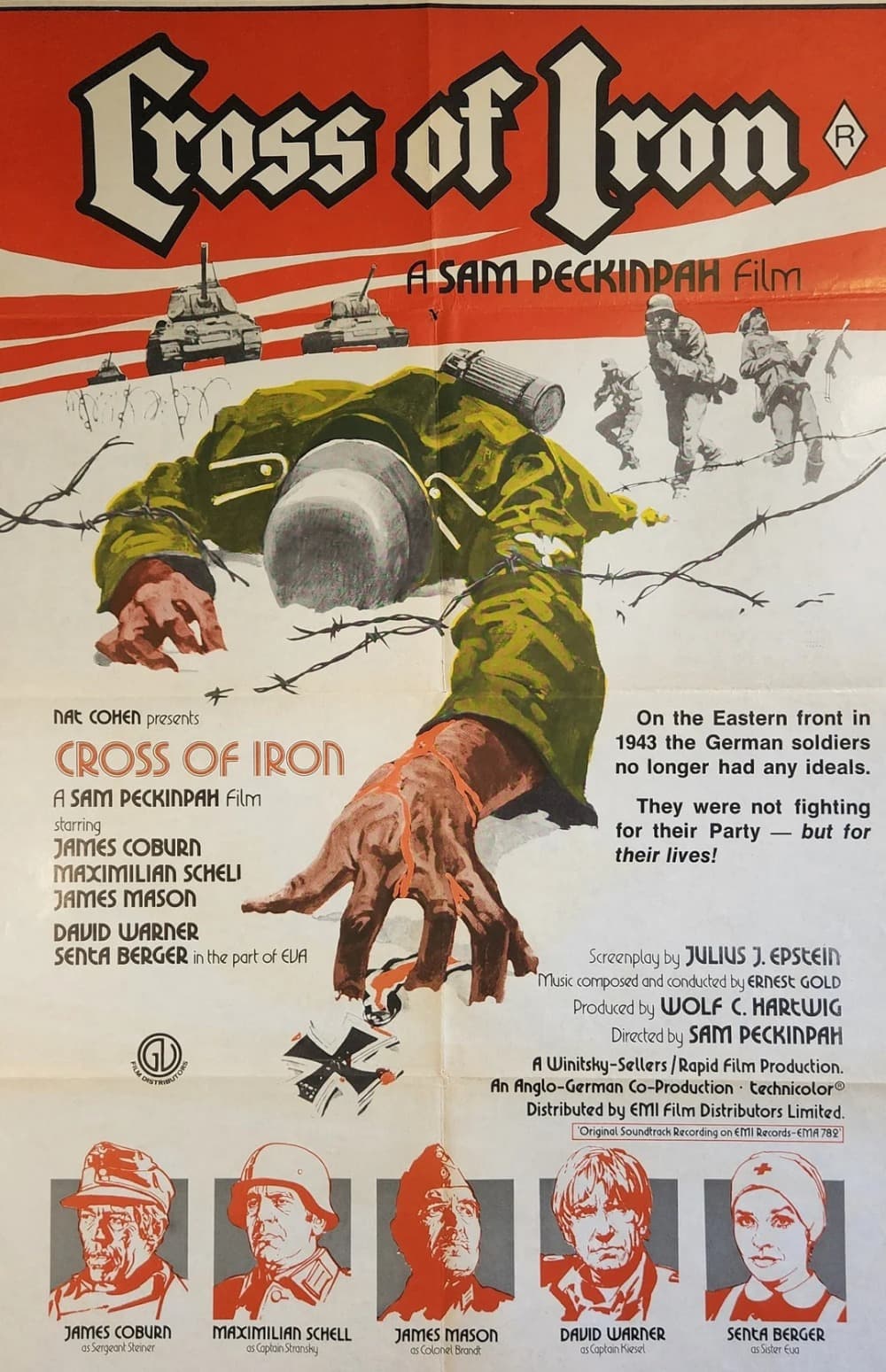
Sam Peckinpah's only war film, told entirely from the German side of the Eastern Front: Orson Welles called it the finest anti-war film since All Quiet on the Western Front.

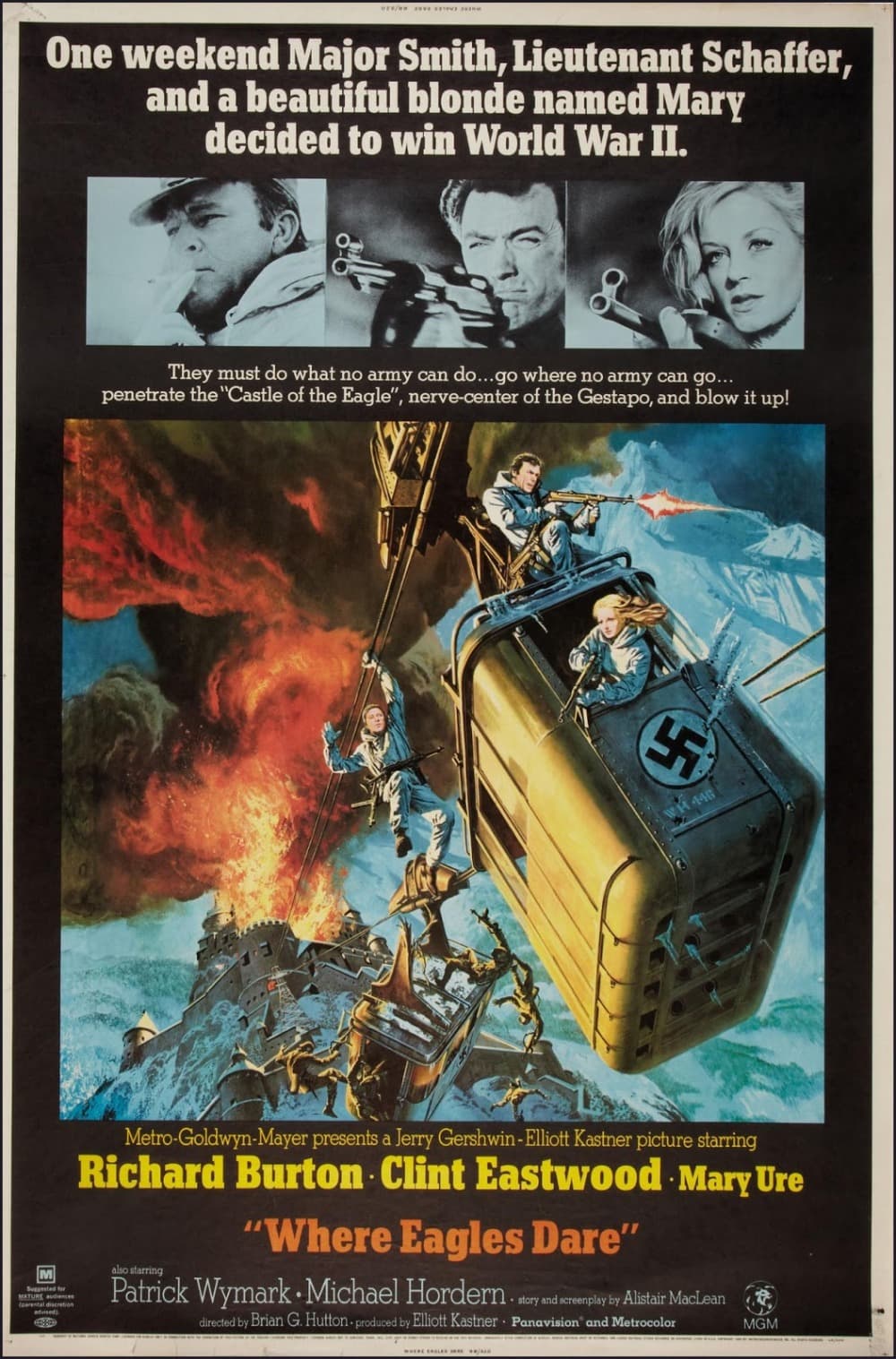
Alistair MacLean wrote it as a screenplay first and a novel second: Richard Burton and Clint Eastwood go into an Alpine castle after a captured general, and the cable car fight is superb.

Samuel Fuller fought in the division he is filming and waited thirty-five years to tell it: a squad from North Africa to Sicily to Normandy, filmed as a job that does not end.

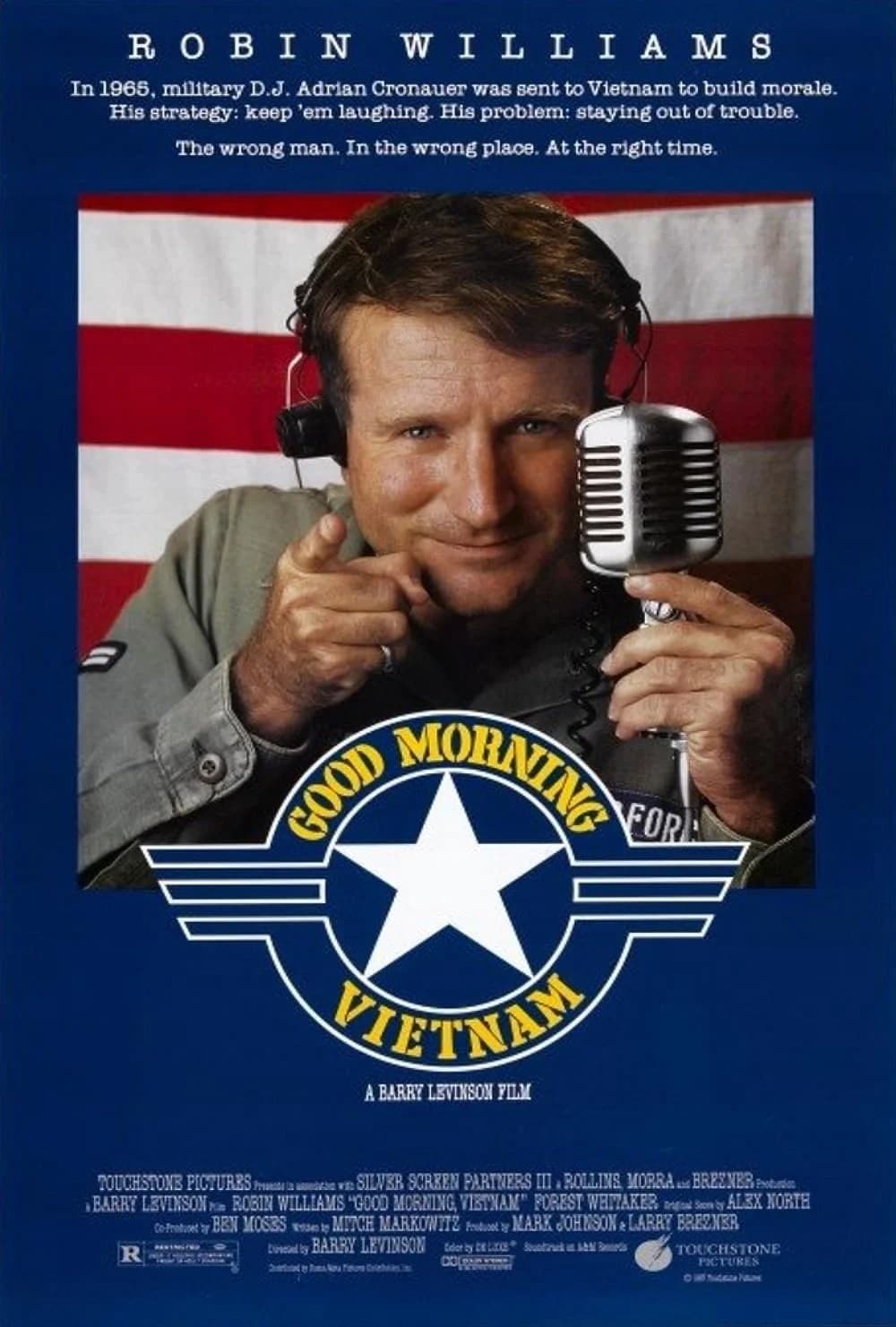
Robin Williams was handed a microphone and the cameras simply ran: an armed forces disc jockey lands in Saigon in 1965, and everyone above him wants the broadcast back the way it was.

Ron Kovic wrote the book and then the screenplay with Oliver Stone, who had been to the same war: a Long Island boy enlists in 1967, and Tom Cruise abandons his own image.

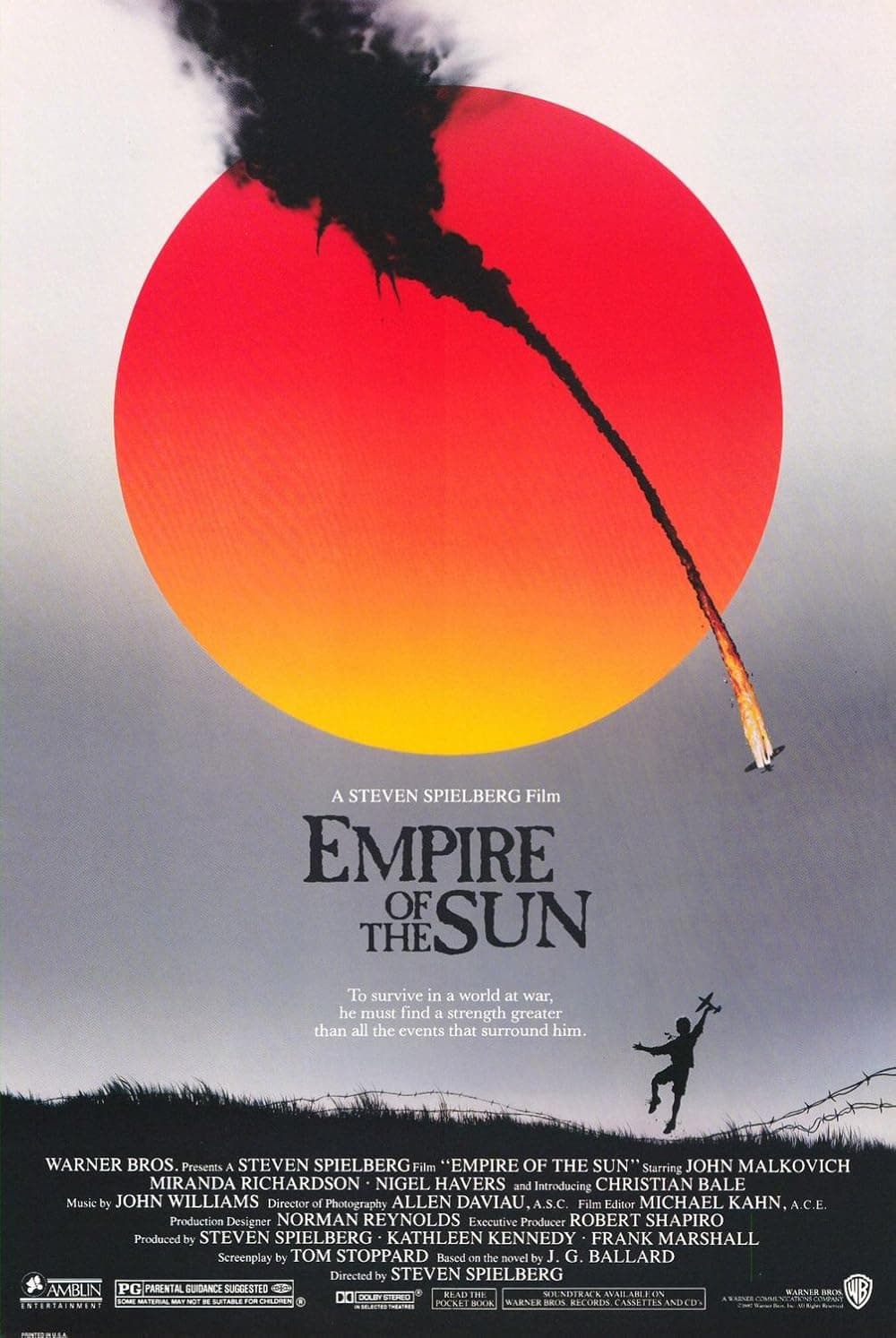
Christian Bale was thirteen and carries the entire film: Spielberg follows an English boy separated from his parents in occupied Shanghai, and never lets the war become an adventure.

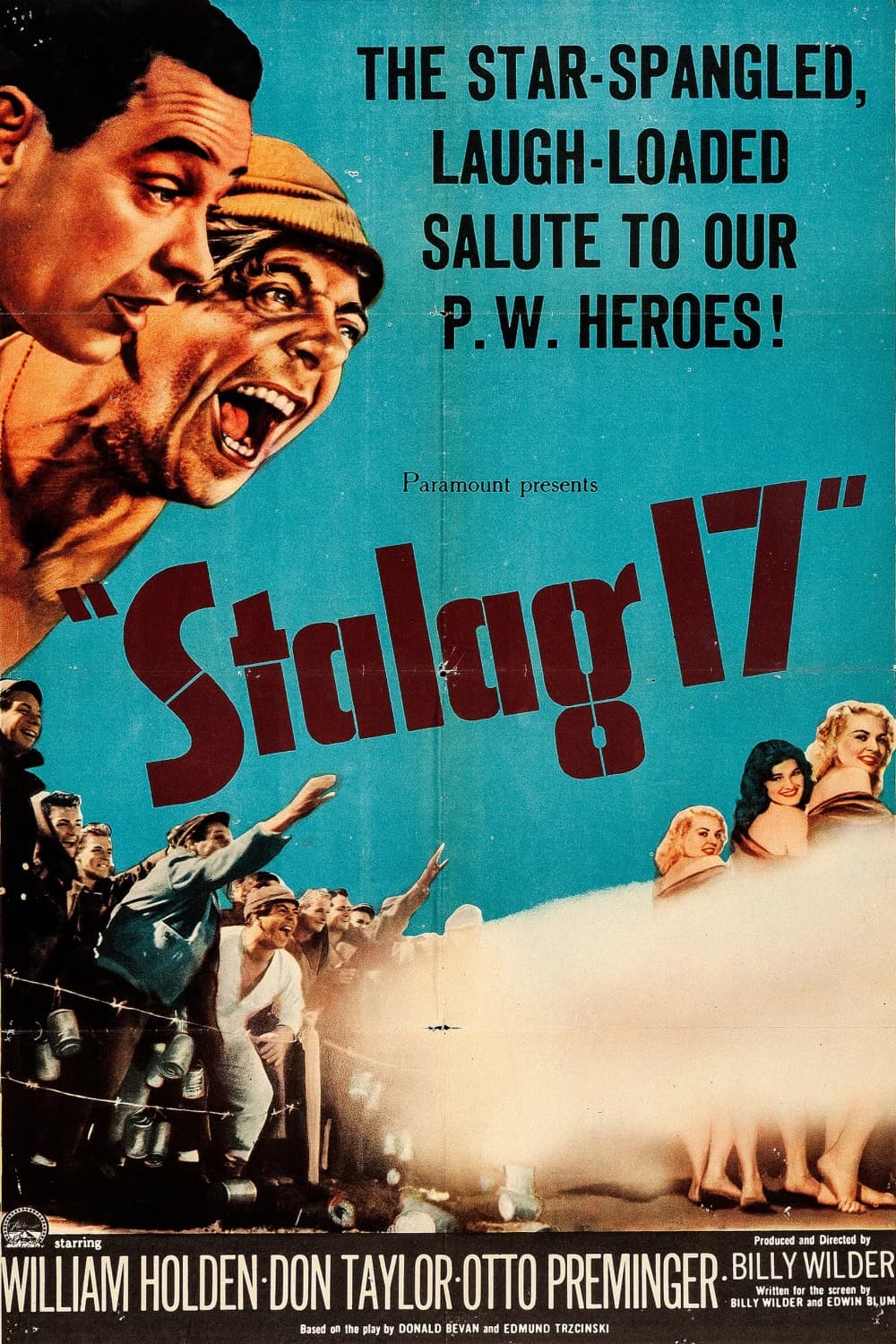
Wilder made a POW comedy in 1953 and refused to soften the Americans in it: a barracks works out that somebody inside is trading information to the Germans, and starts looking around.

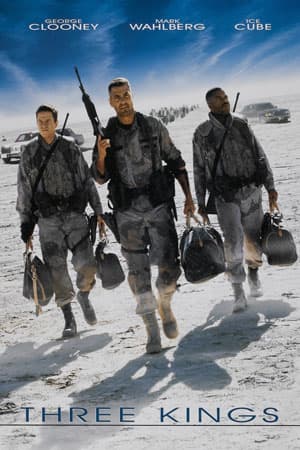
Russell shot it on bleached film stock so the desert looks radioactive: four American soldiers go looking for Kuwaiti gold in the days after the Gulf War stops, carrying a stolen map.

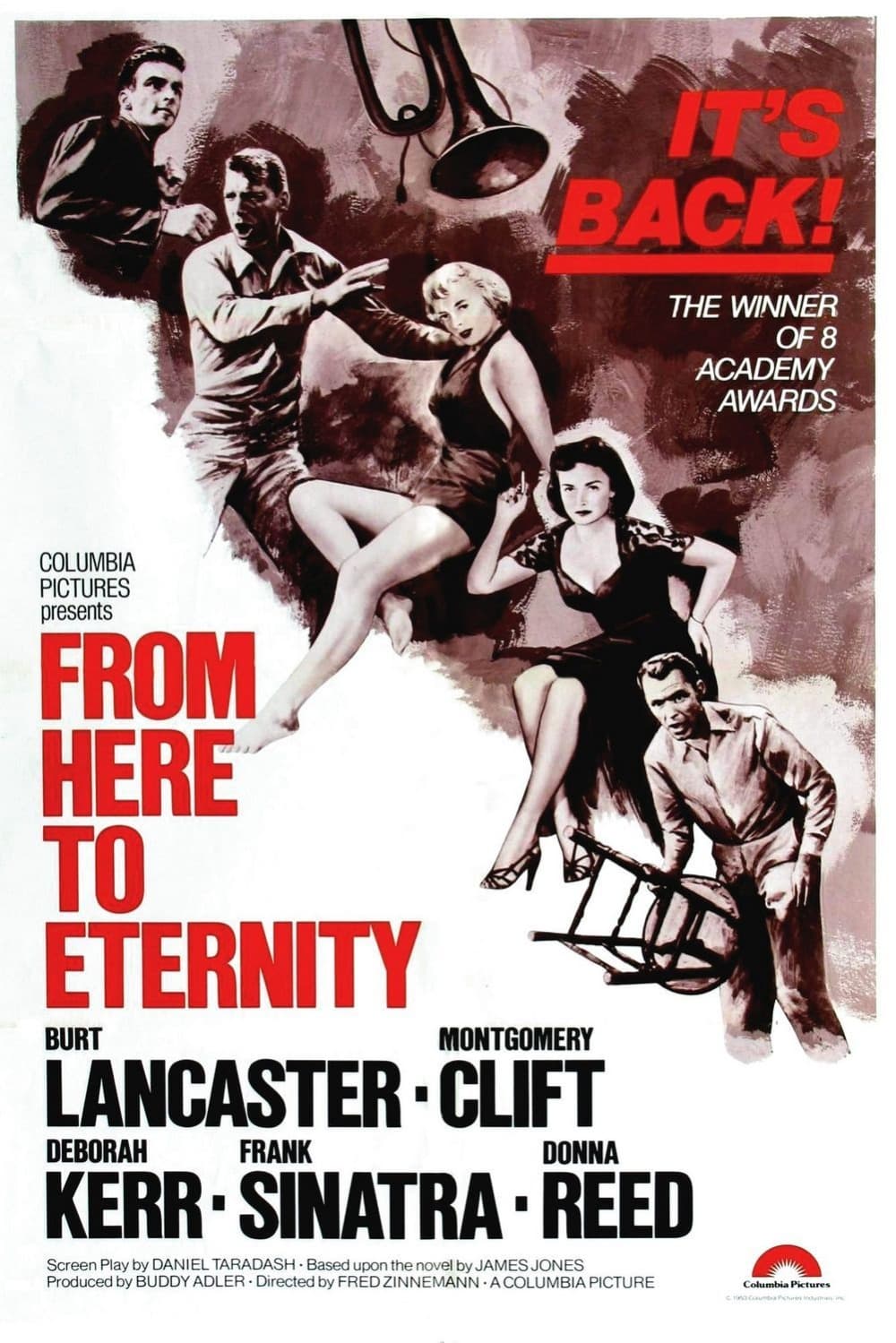
The kiss in the surf was scandalous enough to define the decade: Pearl Harbor sits at the end of it, and Sinatra took a role for almost nothing to save his career.

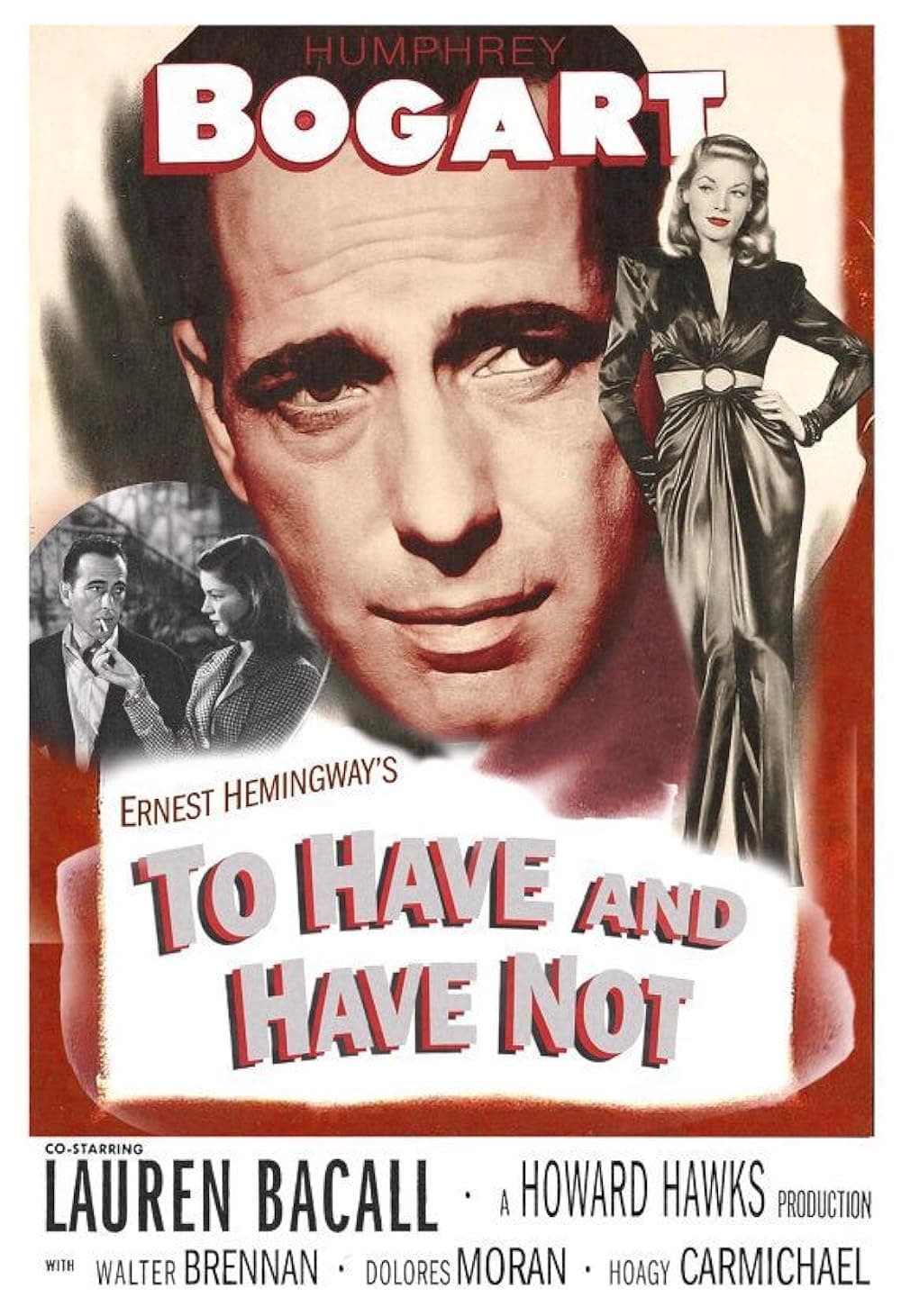
Hawks bet Hemingway he could film his worst book, and hired William Faulkner to help: Bacall was nineteen, met Bogart on set, and says the whistle line straight to him.

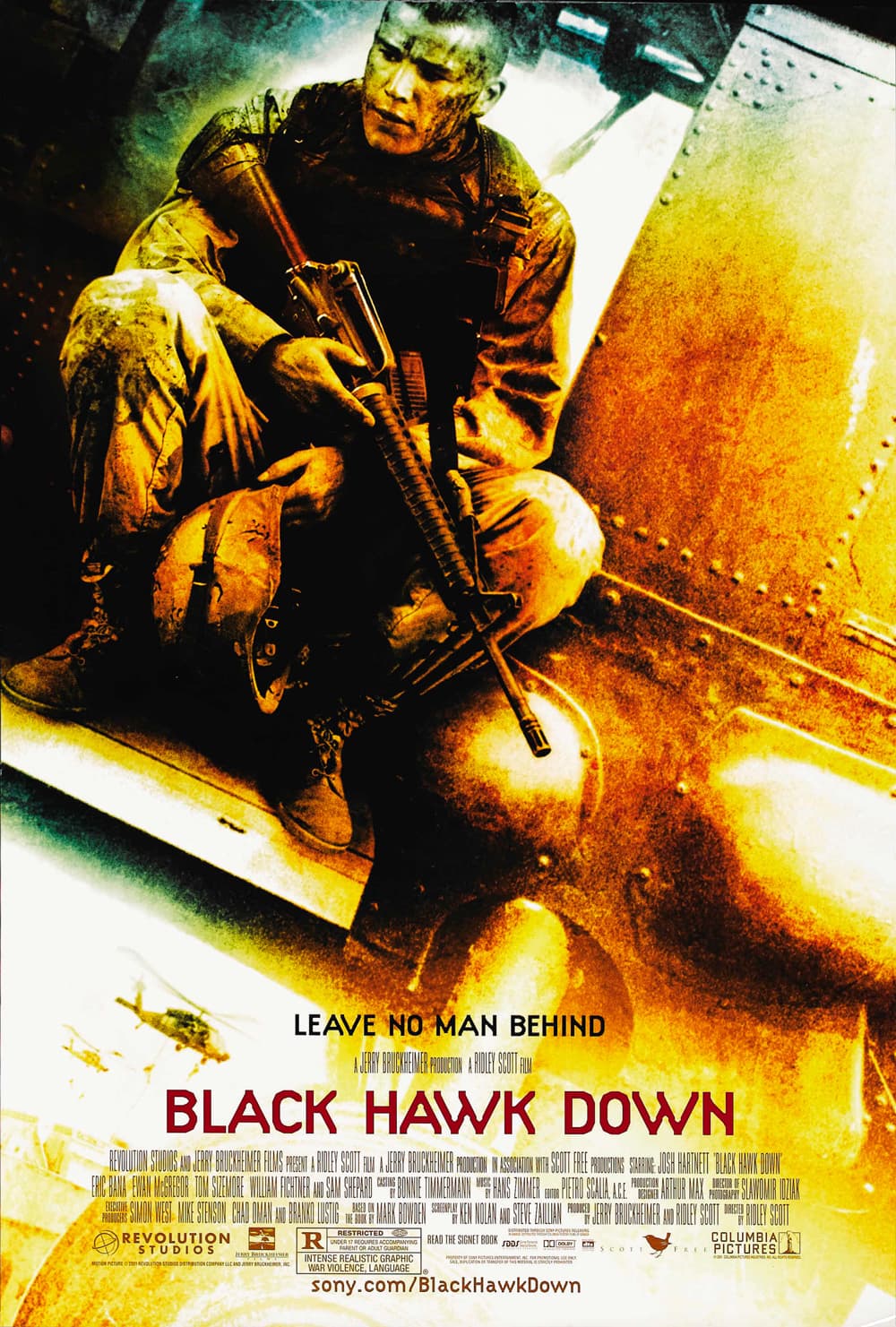
Ridley Scott stripped out almost everything a war film normally has: no arcs, barely any backstory, just eighteen hours in Mogadishu in 1993 rendered as continuous, disorienting noise and dust.

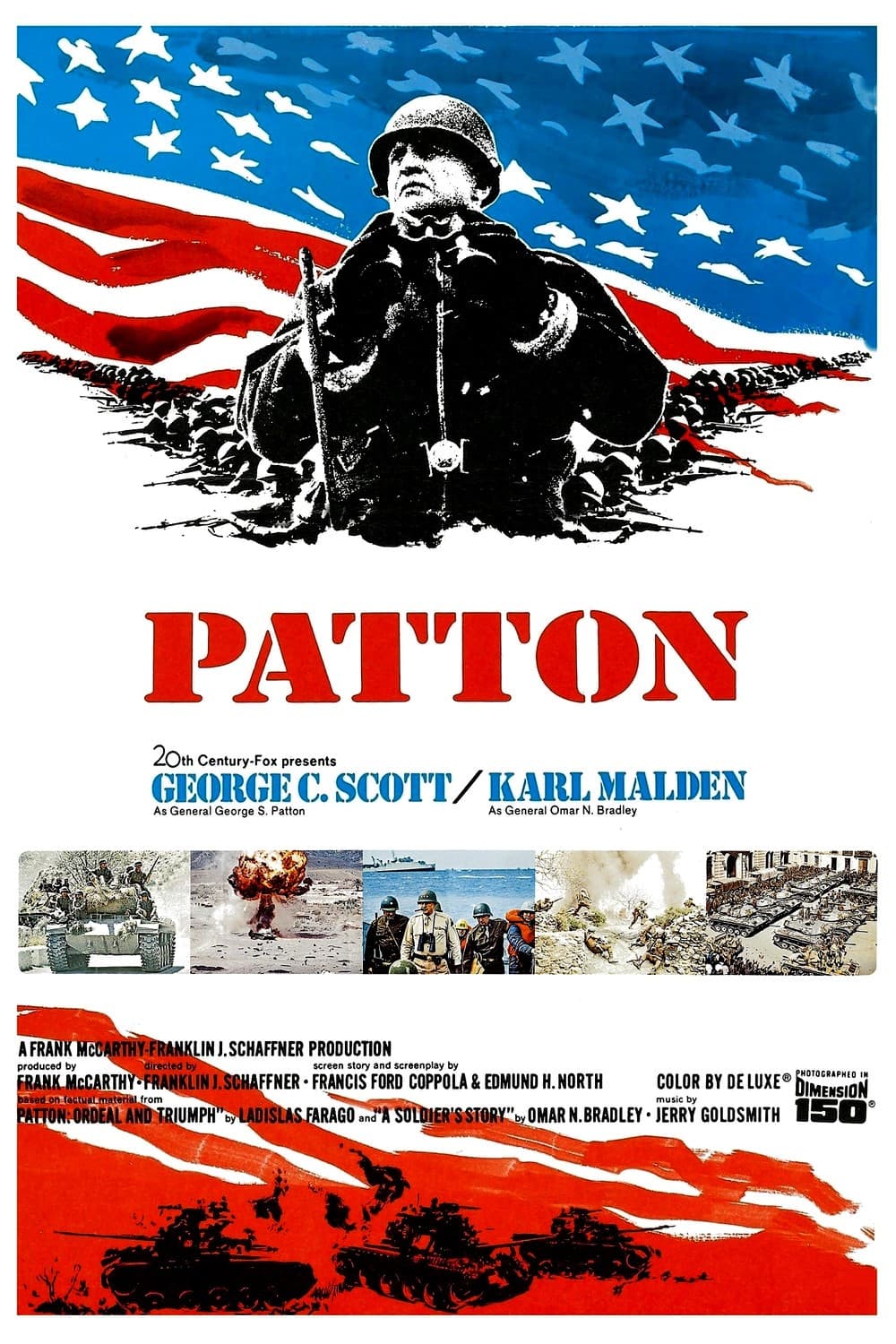
Coppola co-wrote it before The Godfather and George C. Scott refused the Oscar: a monologue in front of an enormous flag opens the most ambivalent film Hollywood ever made about a general.

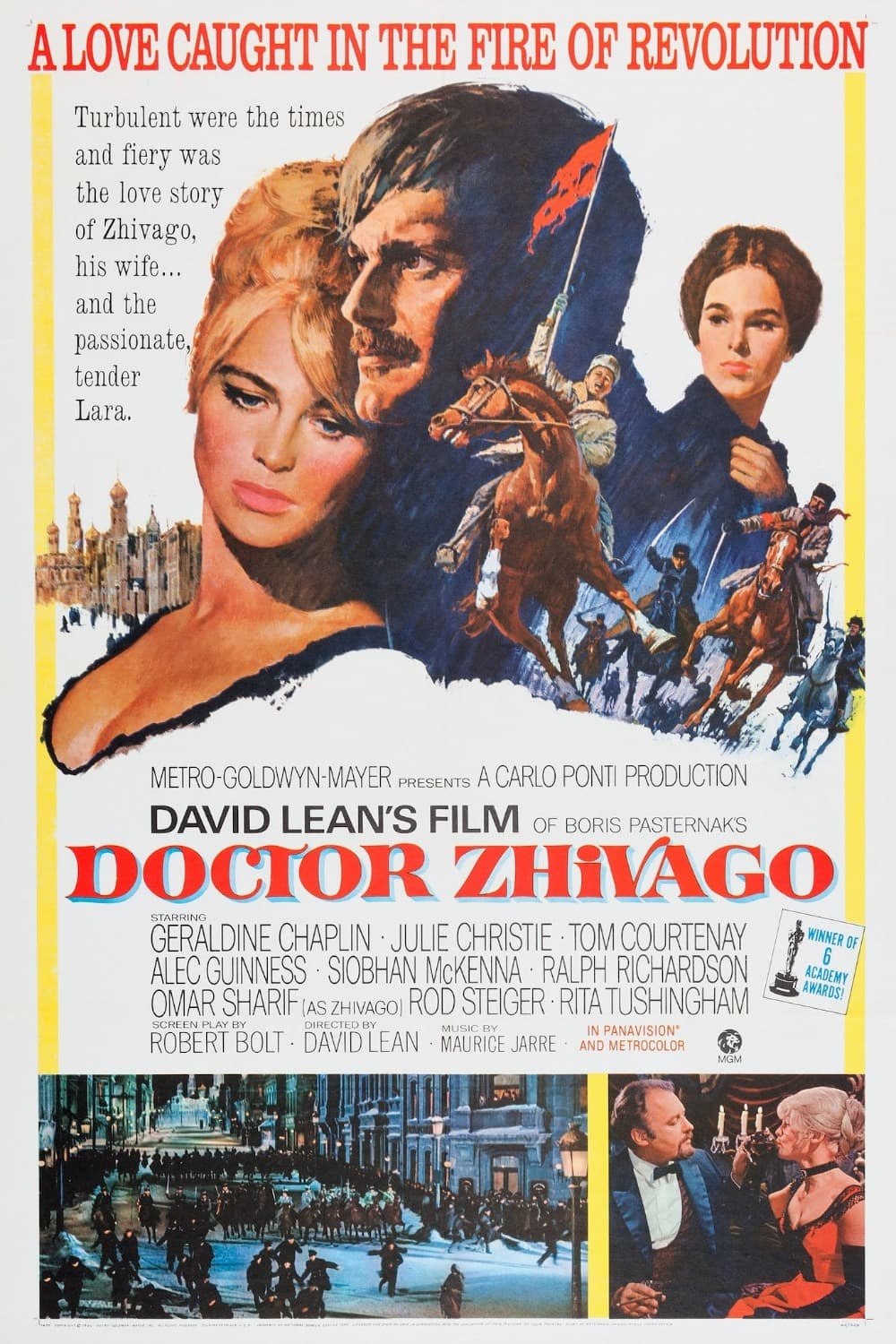
Critics savaged it on release and audiences ignored them completely: Lean shot the Russian winter in Spain, and Maurice Jarre's balalaika theme was inescapable for a decade afterward.

The Nazis sent brownshirts to disrupt its German screenings and banned it outright once in power: the first great sound film about war, told entirely from inside a German schoolboys' trench.

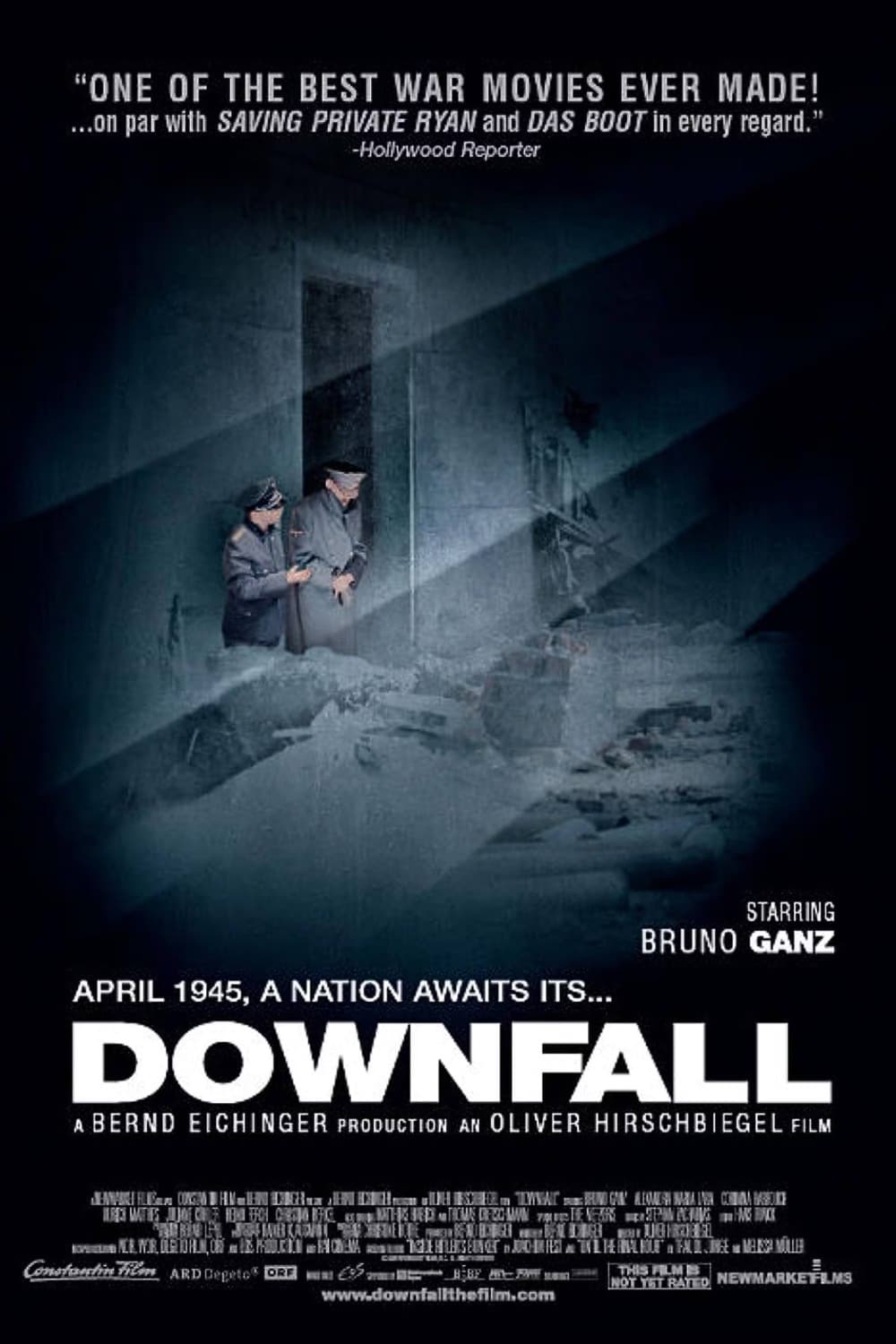
Bruno Ganz plays Hitler as a man rather than a symbol, and Germany argued about the film for a year: the last twelve days in the bunker, filmed without comment or consolation.

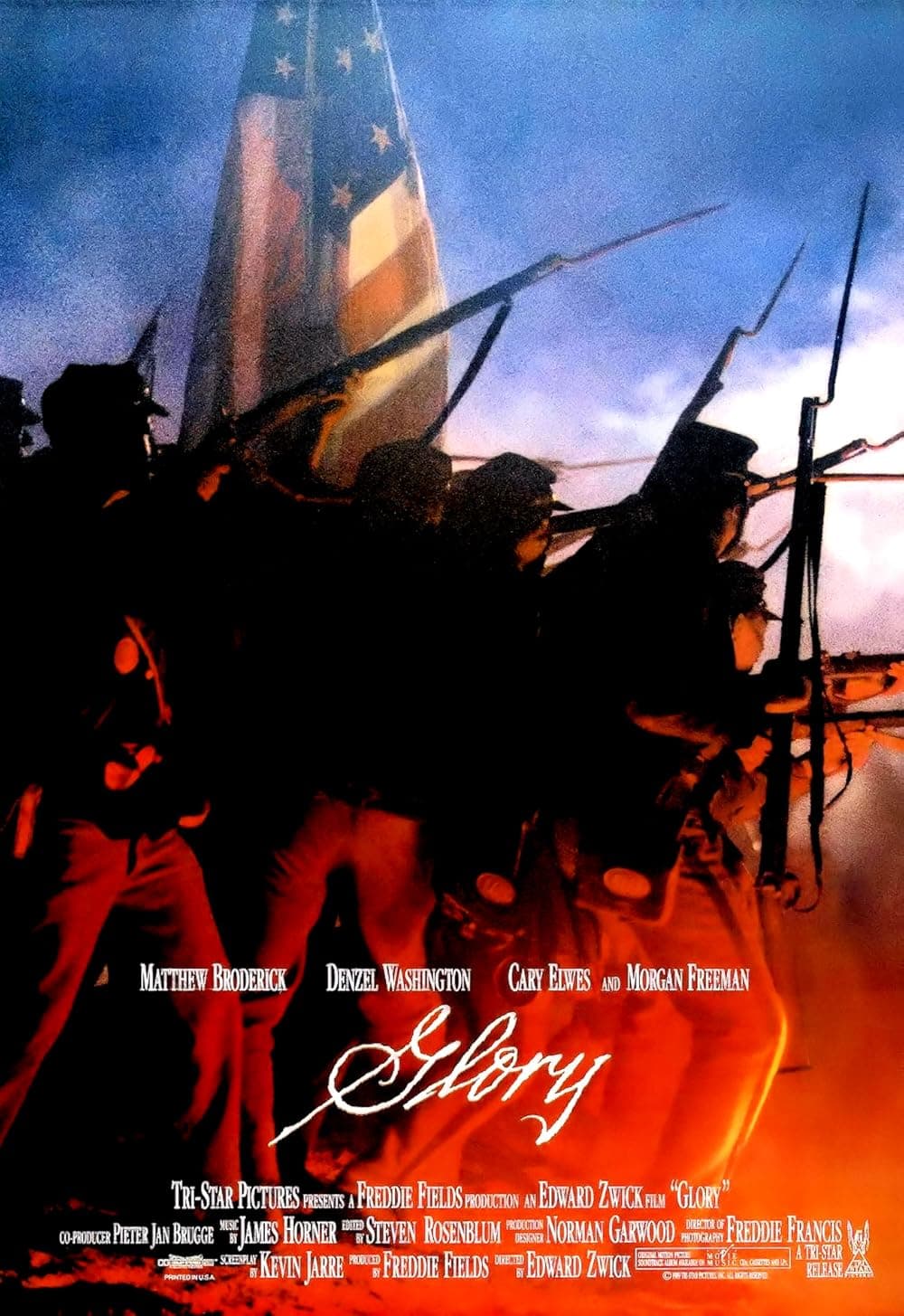
The Civil War film that finally noticed who else was fighting it: the 54th Massachusetts fights for boots, for pay equal to white soldiers, and for permission to be used at all.

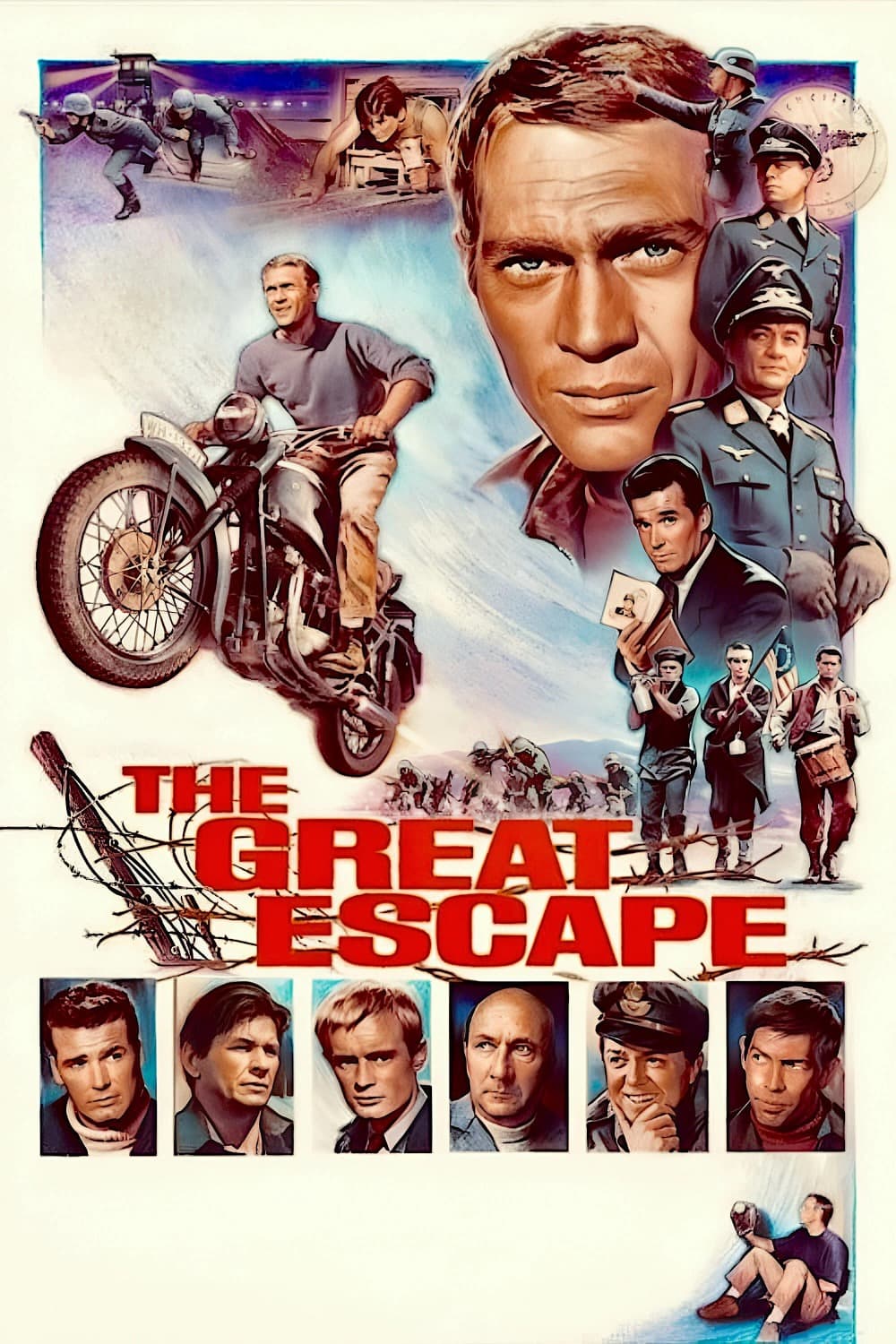
Captivity has never looked like this much fun: Sturges rebuilt a real 1944 breakout from a German camp into tunnel engineering, forged papers and men who refuse to sit still.

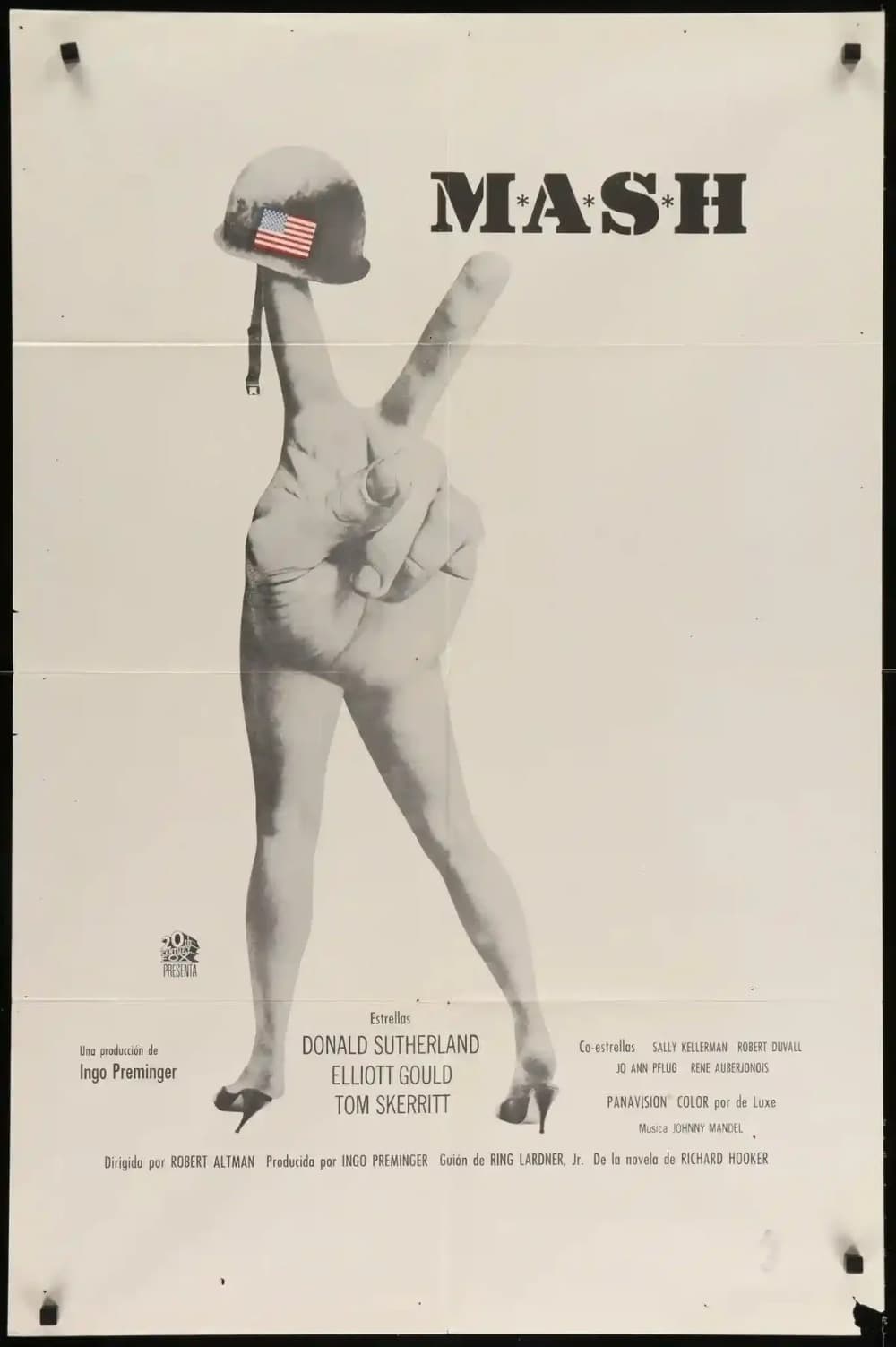
Altman's overlapping dialogue turns up fully formed: army surgeons in Korea behave appallingly in order to stay sane, and the film was really about Vietnam all along.