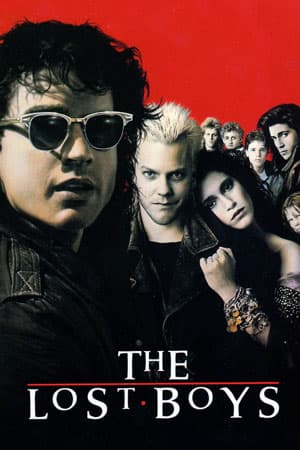
The Lost Boys
Directed by Joel Schumacher
1987
Vampires got young, good-looking and sold on a soundtrack here: Joel Schumacher put them on a California boardwalk in 1987, and the horror genre never went back to castles.
★ 3.1
 skopia
Vampires got young, good-looking and sold on a soundtrack here: Joel Schumacher put them on a California boardwalk in 1987, and the horror genre never went back to castles.
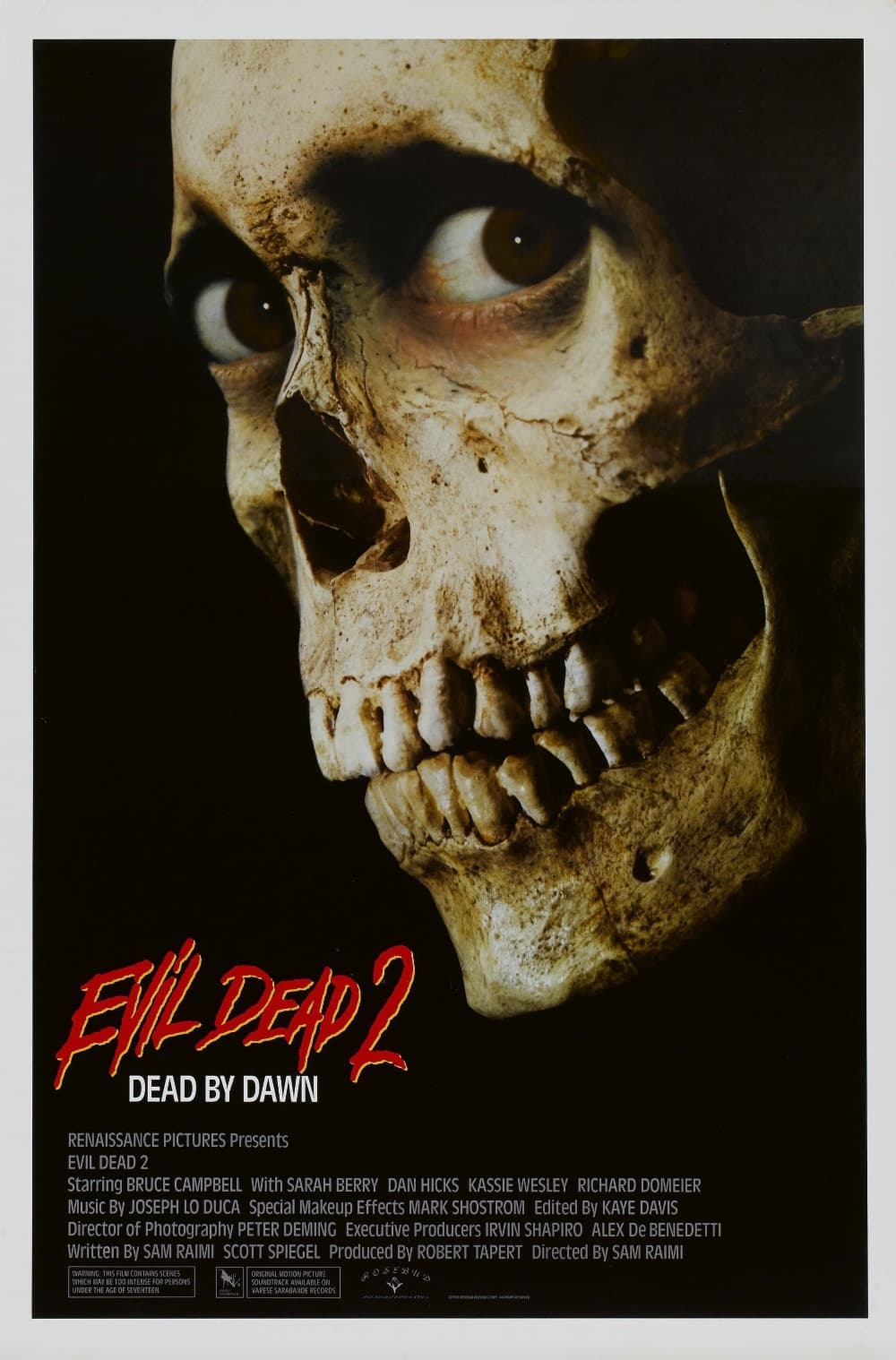
Sam Raimi rebuilt his own debut as a Three Stooges routine with blood: Bruce Campbell spends an entire sequence fighting his own hand, and the camera moves like something chasing him.
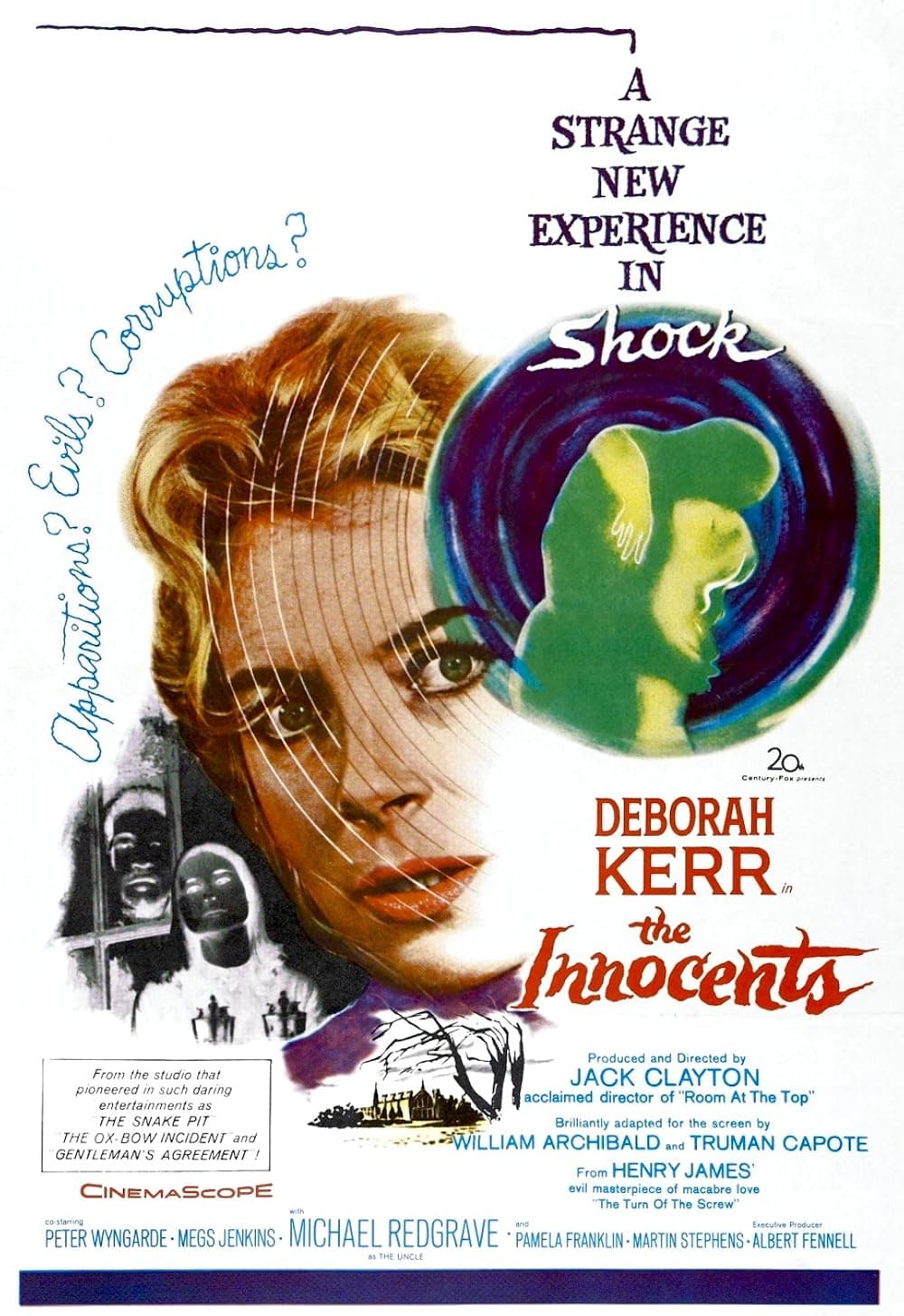
Freddie Francis lit it so the corners of every frame stay dark and you keep looking into them: a governess with two children in a huge house becomes certain they are being visited.
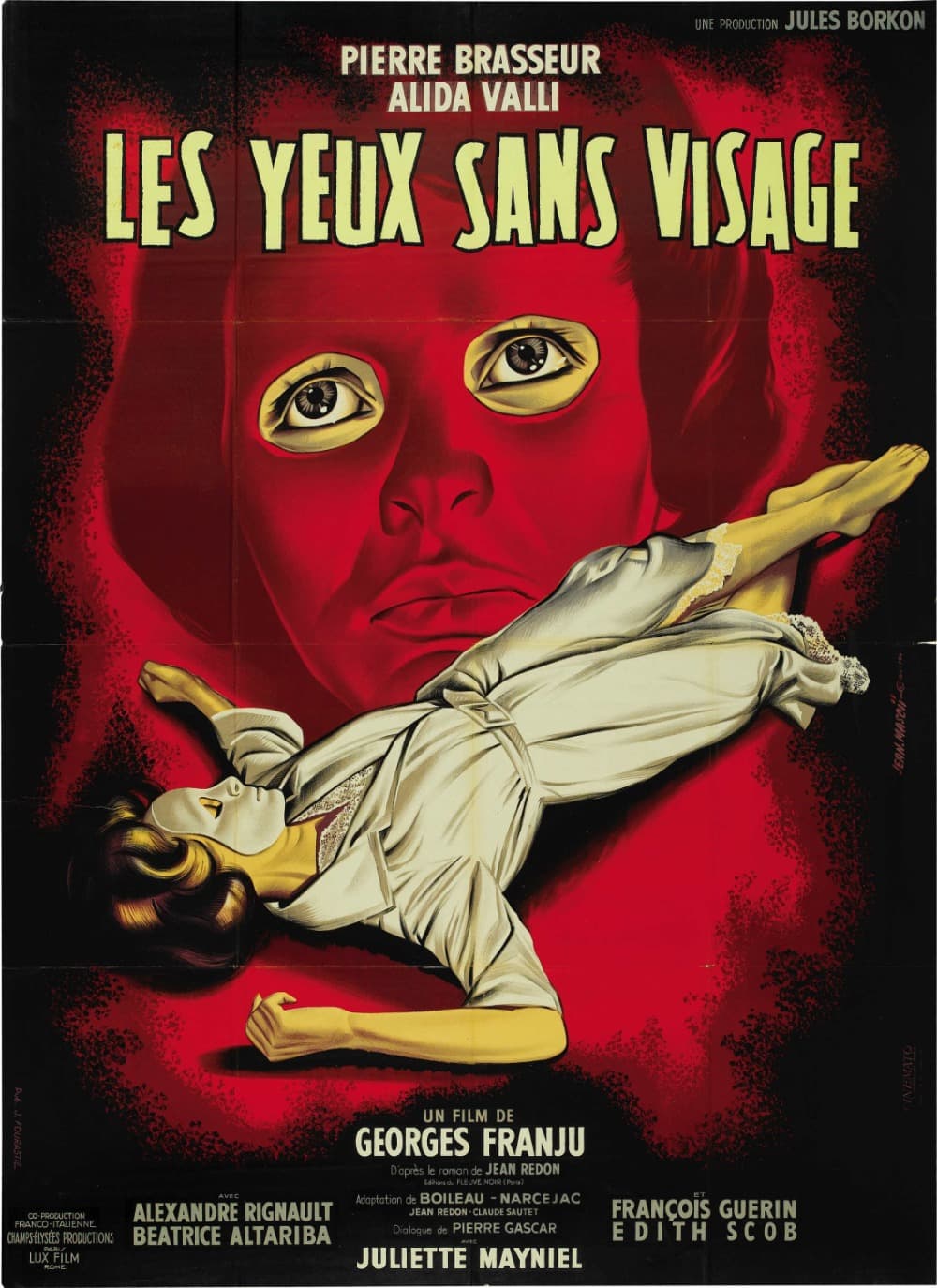
Viewers fainted at its first festival screenings and horror has been quietly borrowing from it ever since: a surgeon keeps trying to give his daughter a face, and her mask is unforgettable.
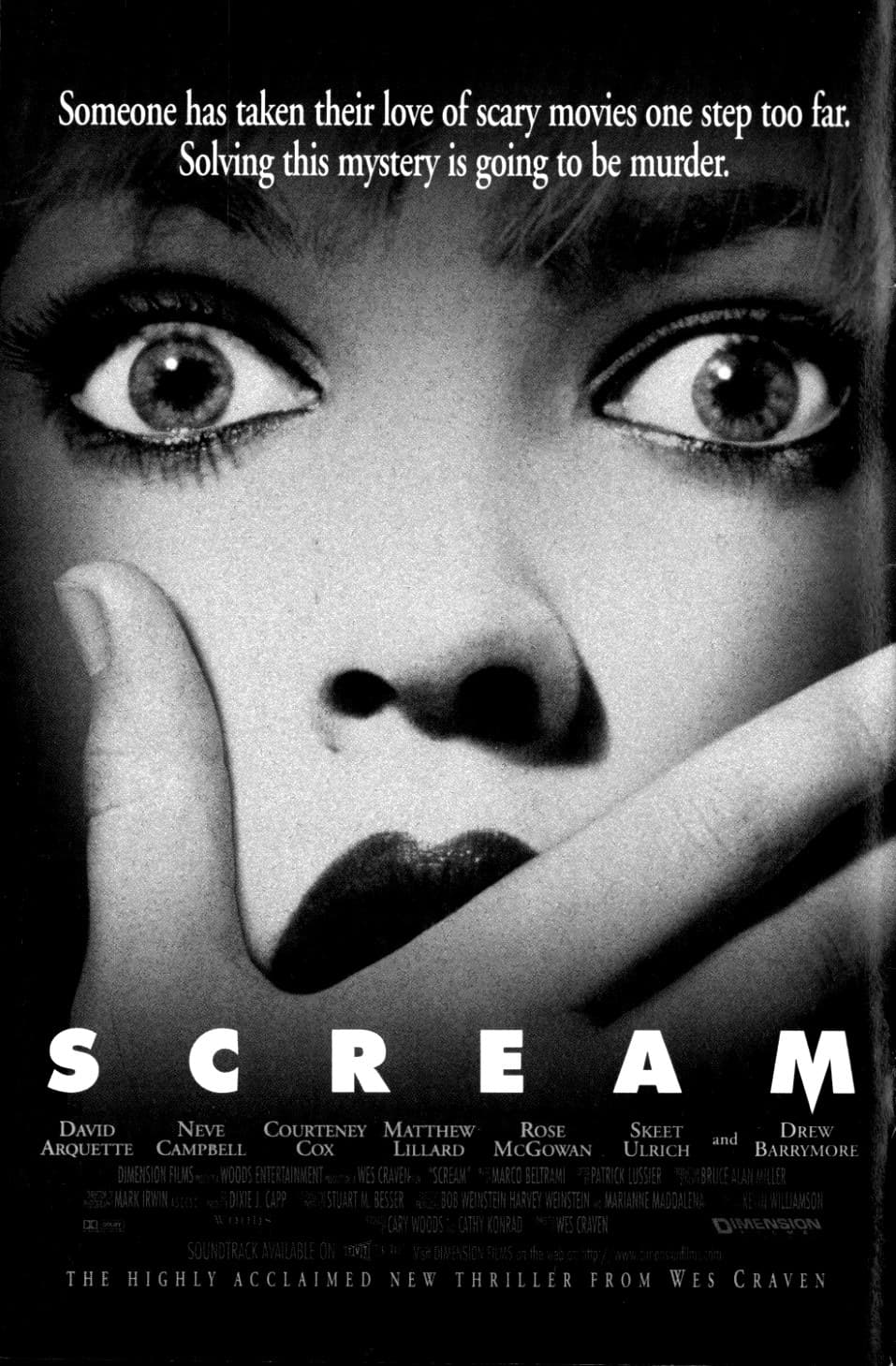
Wes Craven revived a dead genre by having the characters name its rules out loud: the opening twelve minutes tell you this film knows every slasher convention and intends to use them anyway.
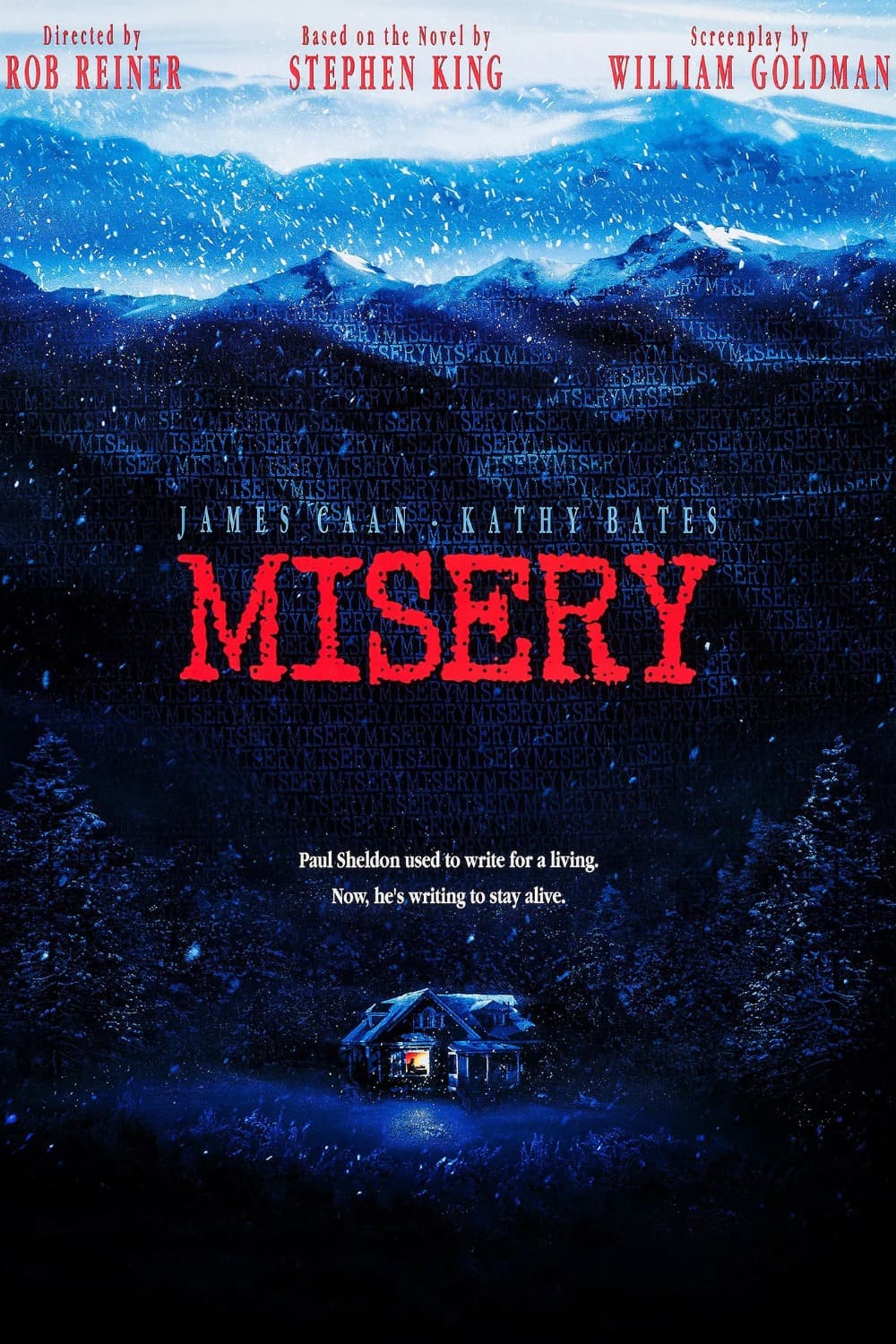
Kathy Bates turned a fan into the most frightening character of the decade: a novelist wakes up in the house of the reader who saved him, and she has opinions about his ending.
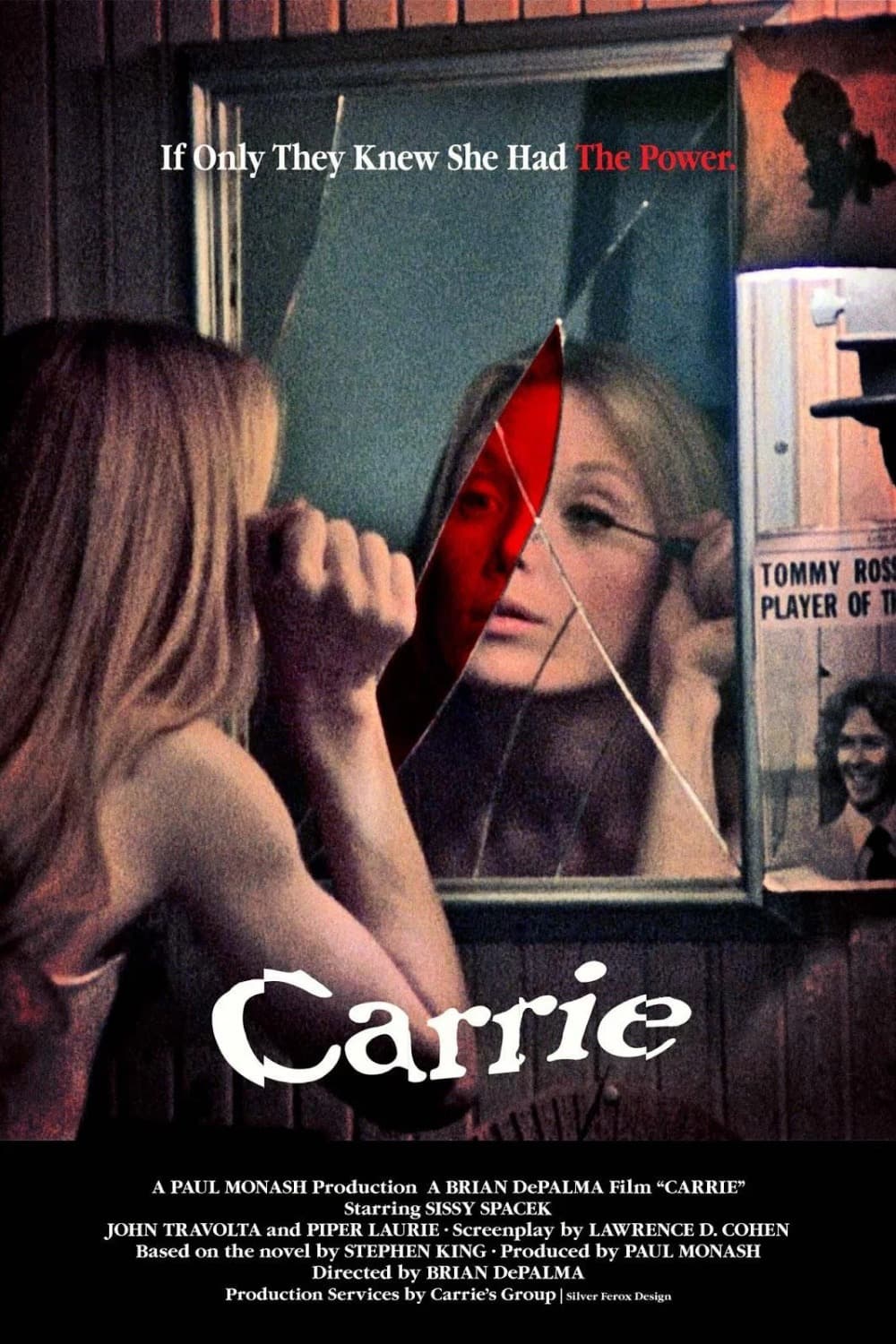
Stephen King's first novel became this, and no adaptation since has been meaner: De Palma films high-school cruelty in slow motion and split screen, and the prom is a fifteen-minute held breath.
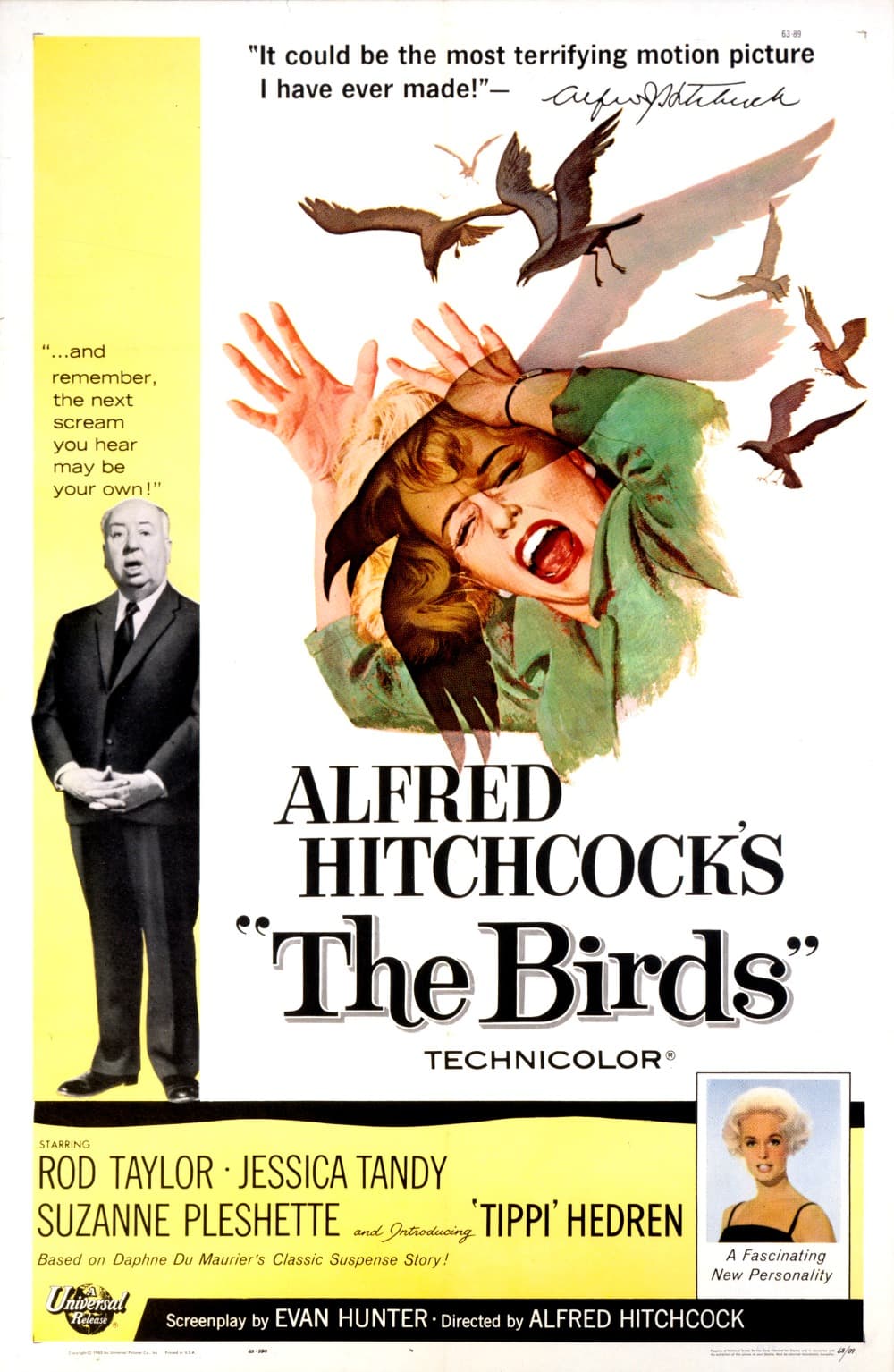
Alfred Hitchcock threw live gulls at Tippi Hedren for five days and gave the film no conventional score: only electronic shrieks, a quiet California town, and crows gathering on a schoolyard jungle gym.
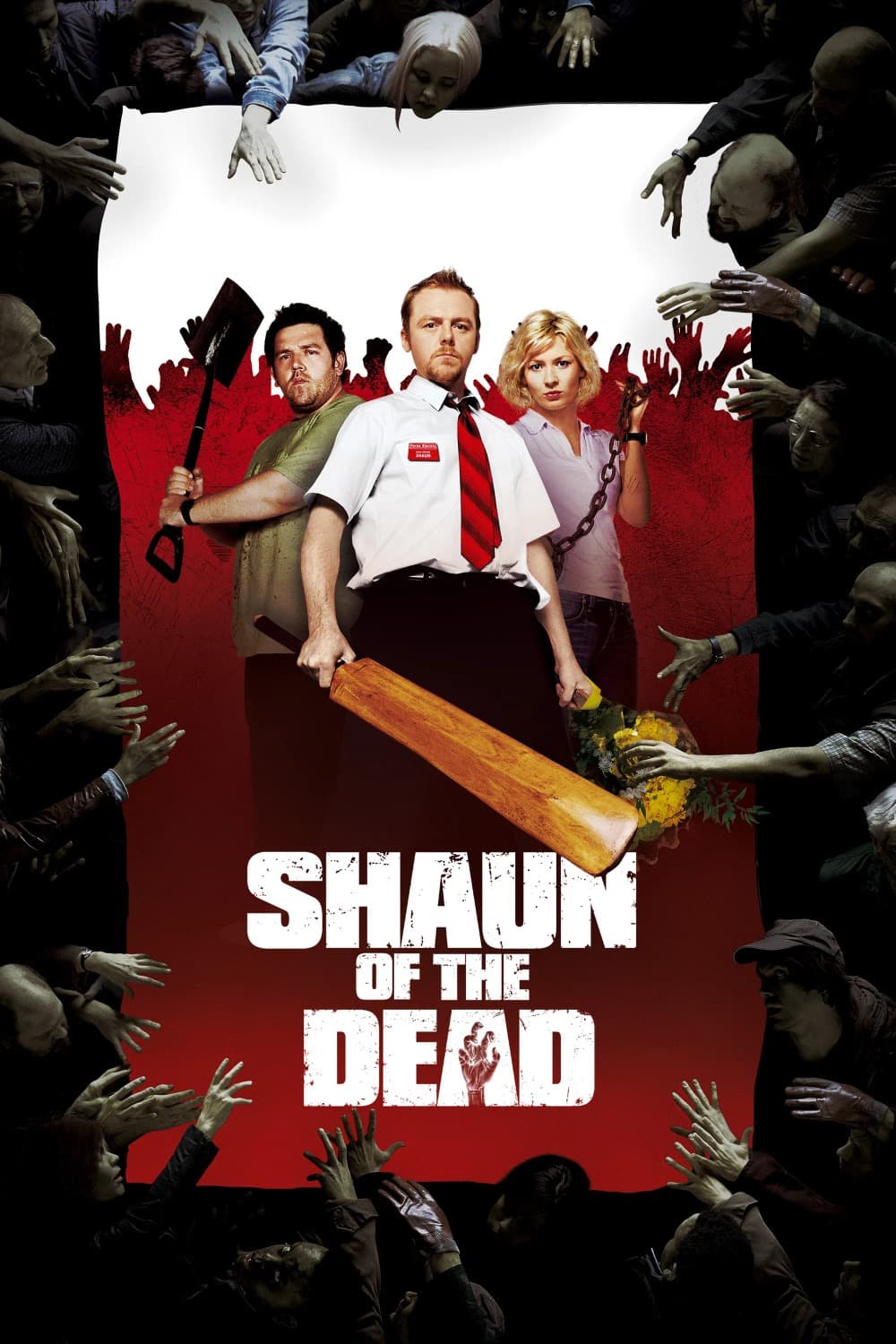
A zombie comedy that works as an actual zombie film: Wright plants every joke twice, so the second half pays off setups you laughed at an hour earlier without noticing they were setups.
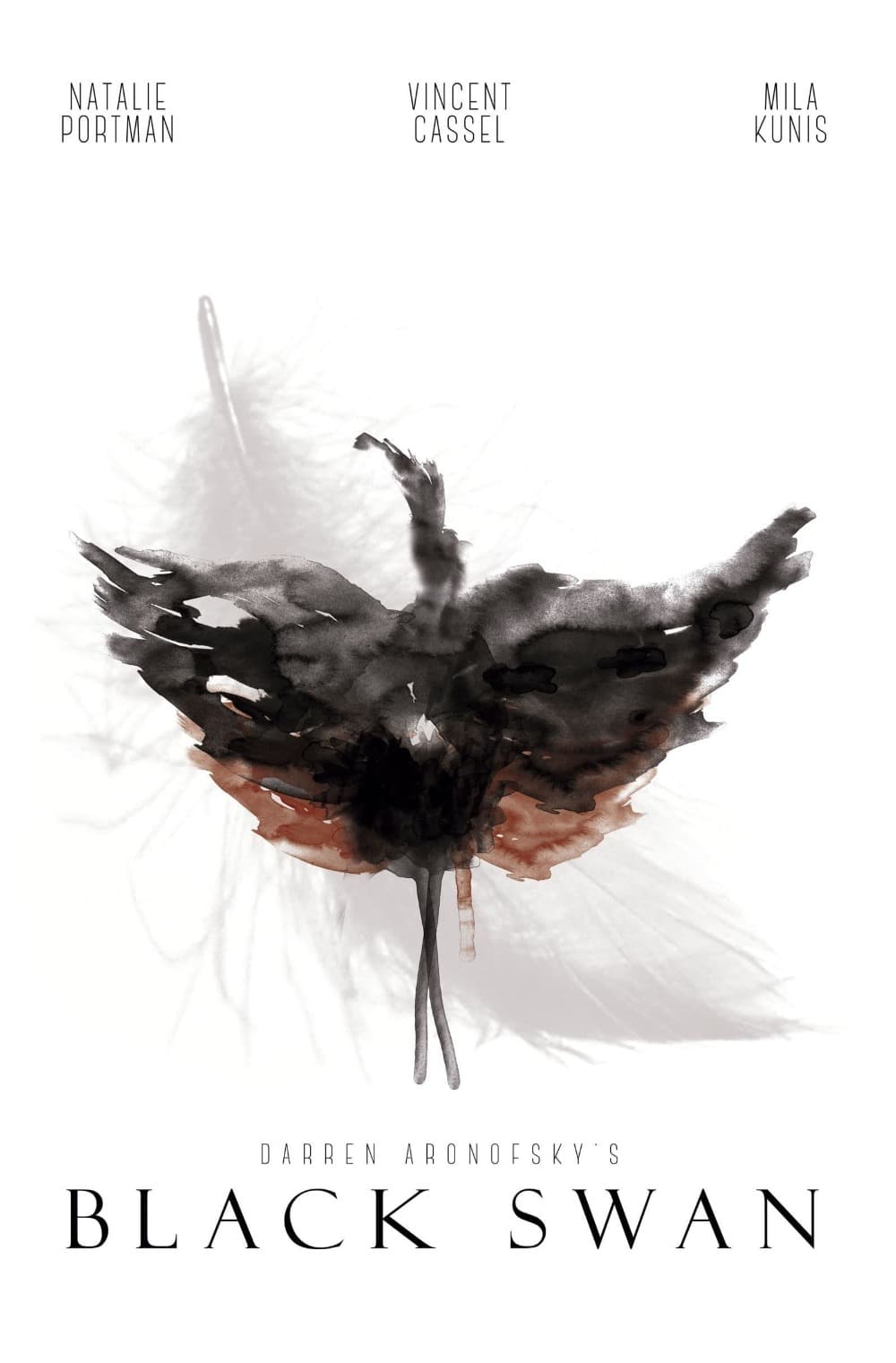
Aronofsky filmed ballet as body horror and somehow made it work: a dancer's discipline turns on her, and Natalie Portman trained for a year to make it convincing.
The ending changed how an entire generation watched films, and it is genuinely unguessable: a child psychologist takes on a boy who is frightened of something very specific.
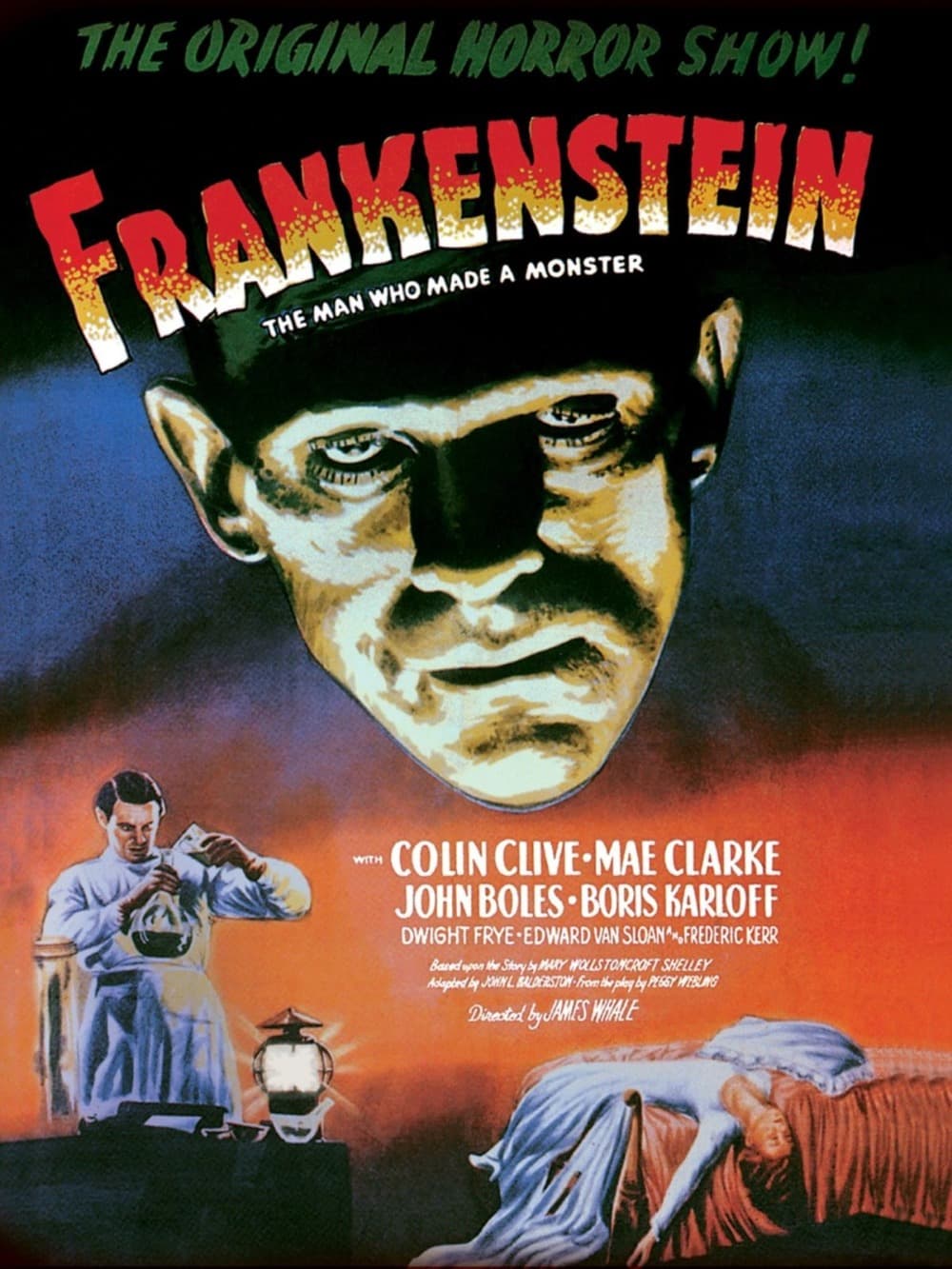
Karloff's monster became the face everyone pictures, which is not what Mary Shelley wrote: Whale made a horror film that keeps asking who the actual monster is.
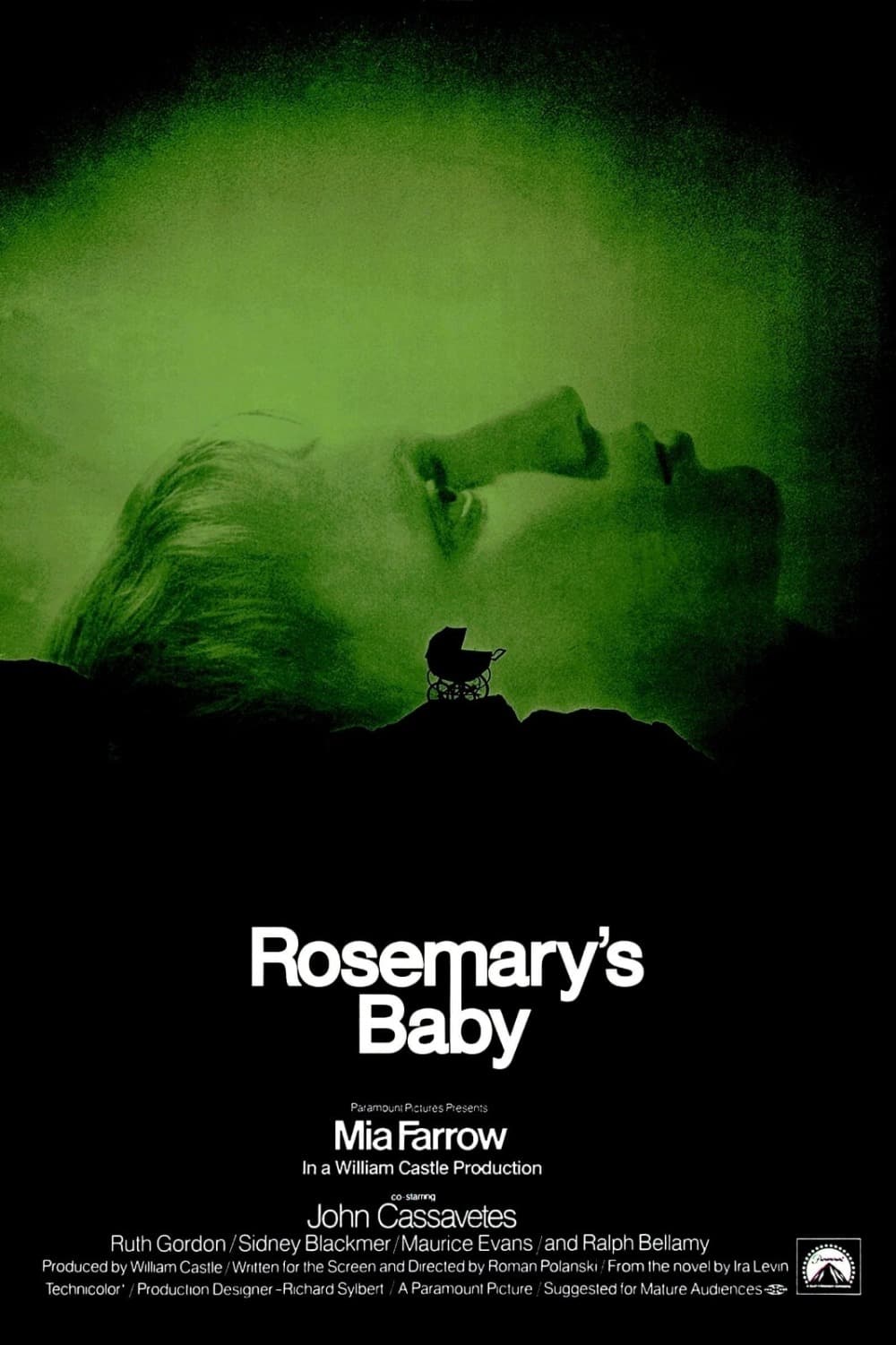
Horror discovered it did not need monsters: Polanski built two hours out of a young wife nobody believes, and the dread comes entirely from politeness and closed doors.
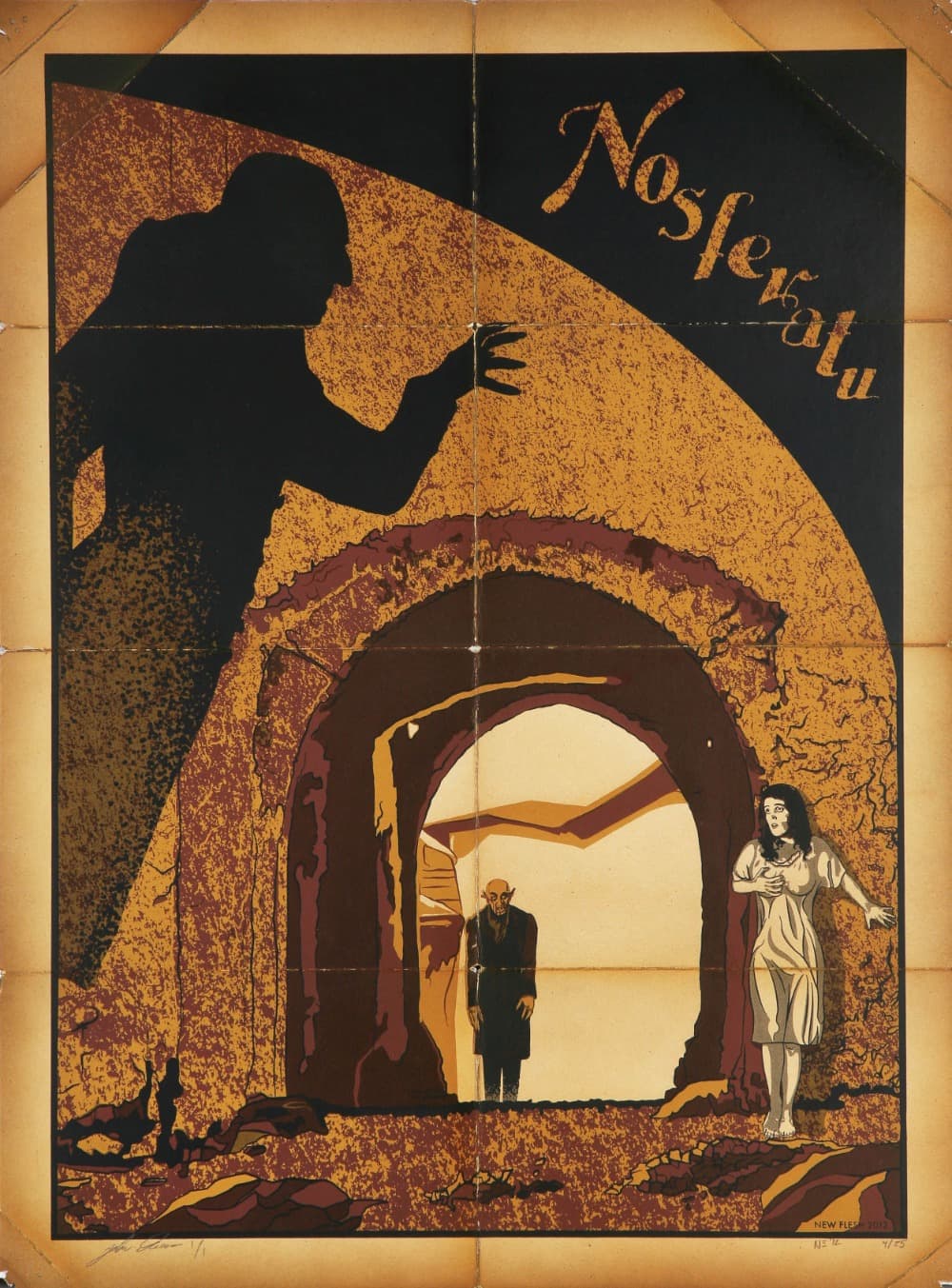
A court ordered every print destroyed and the film survived anyway: Murnau's unauthorized Dracula gave horror its first permanent image, a shadow climbing a staircase toward a door.
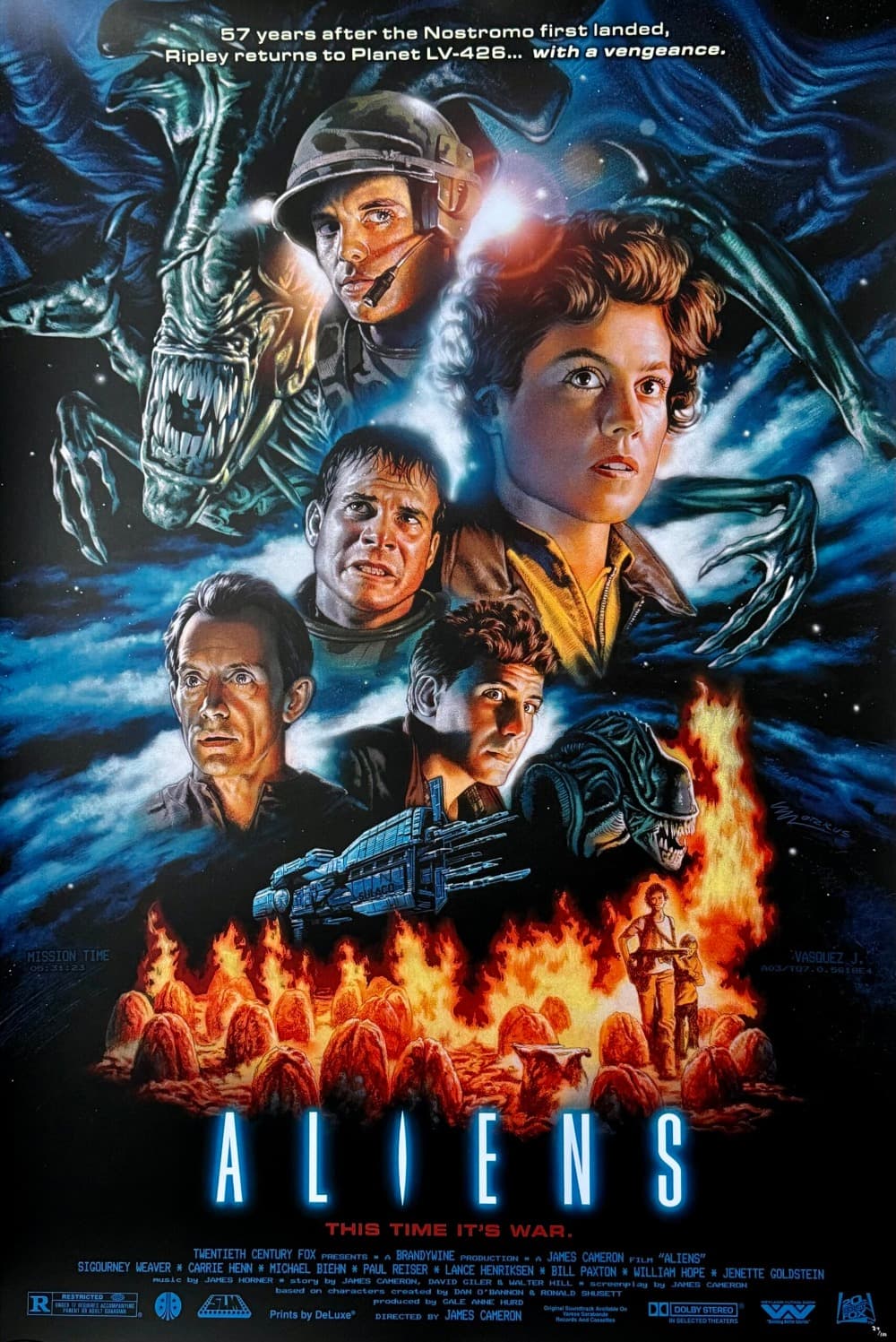
Almost no sequel changes genre and survives it: Cameron turned Scott's haunted house into a war picture, and an action performance drew a rare Academy Award nomination.
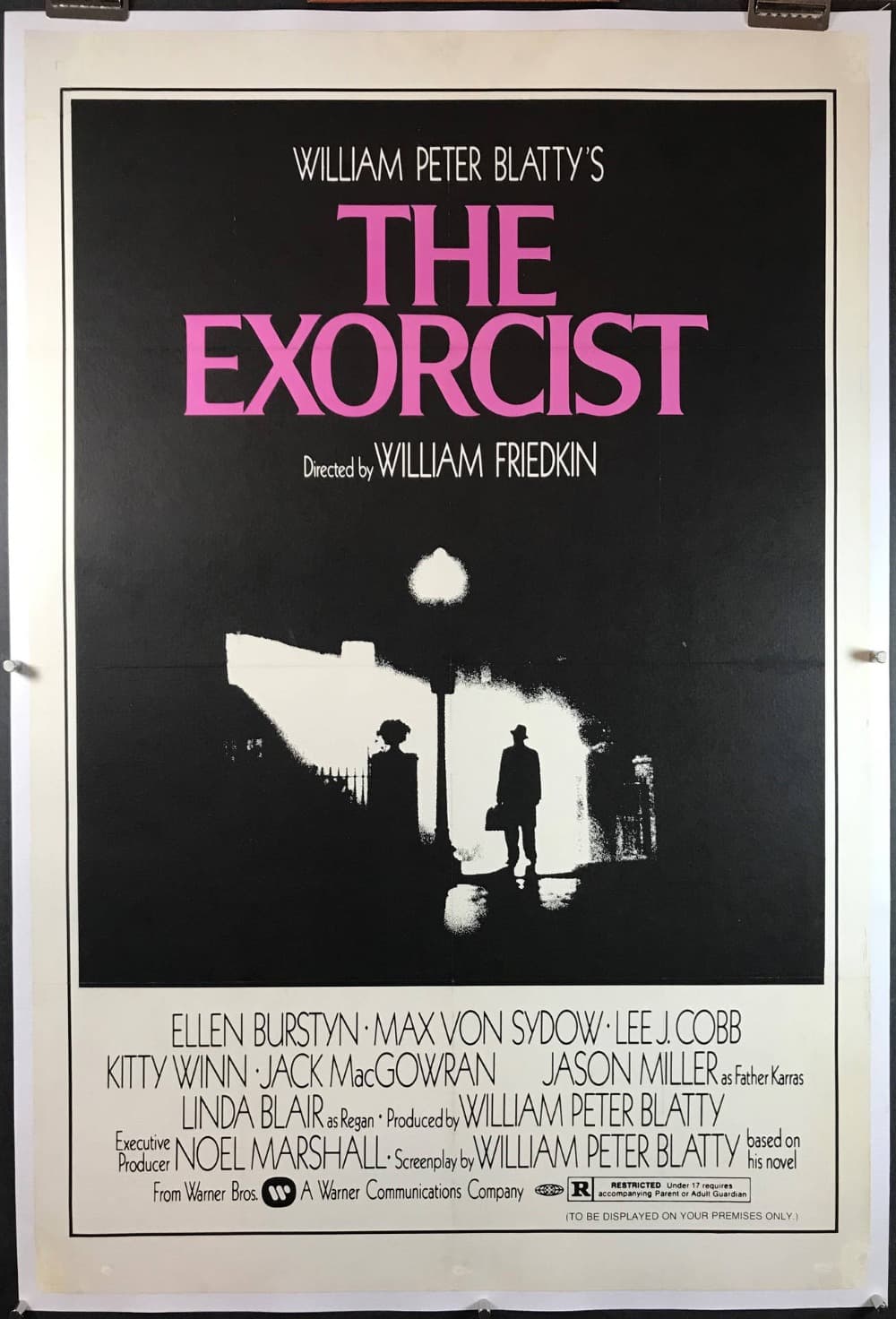
Still the one people watch with the lights on fifty years later: Friedkin shot a possession story like a documentary, and the restraint is what makes it unbearable.
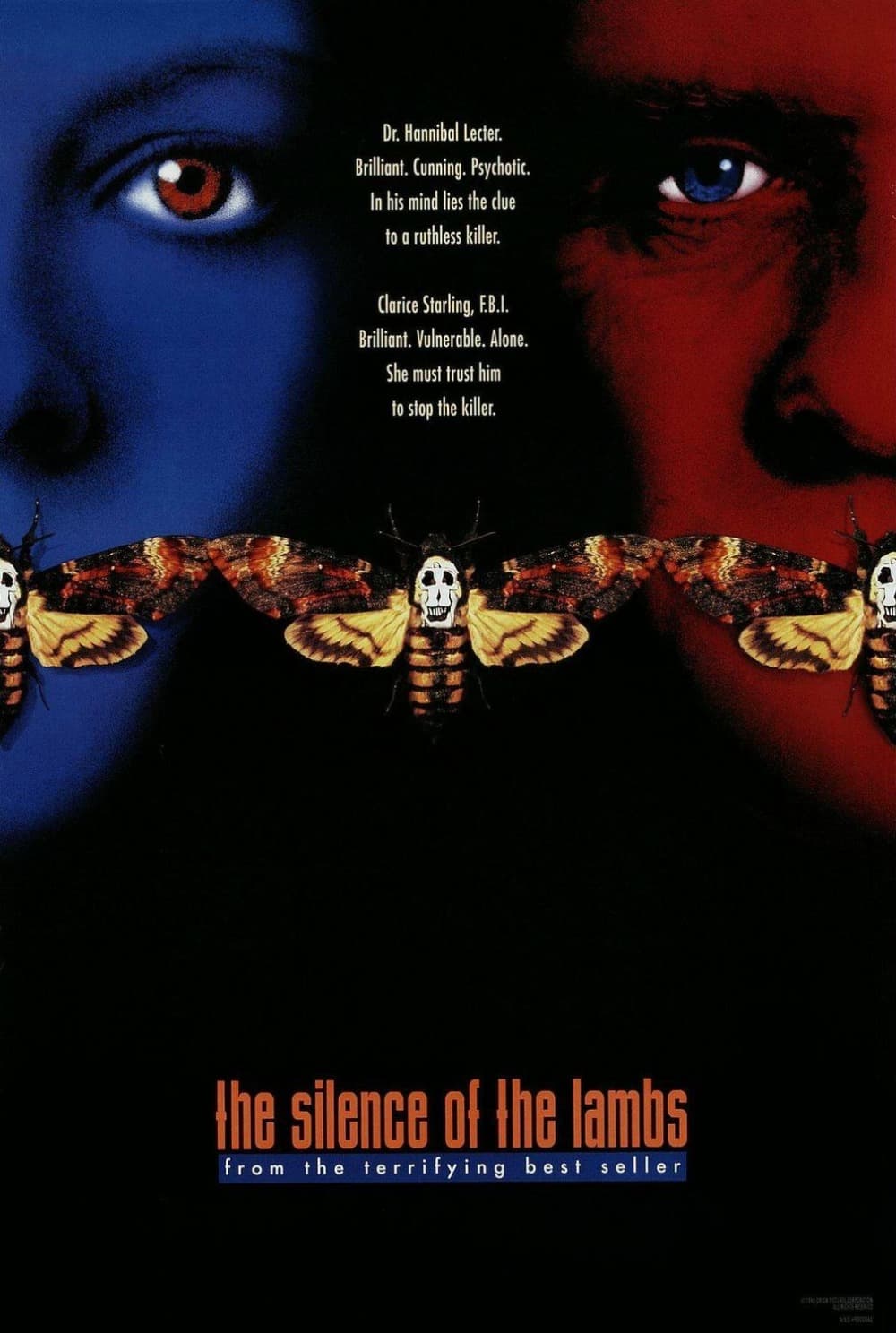
Hopkins is on screen for a fraction of the film and won an Oscar anyway: Demme shot the interviews straight down the lens so Lecter looks directly at you.
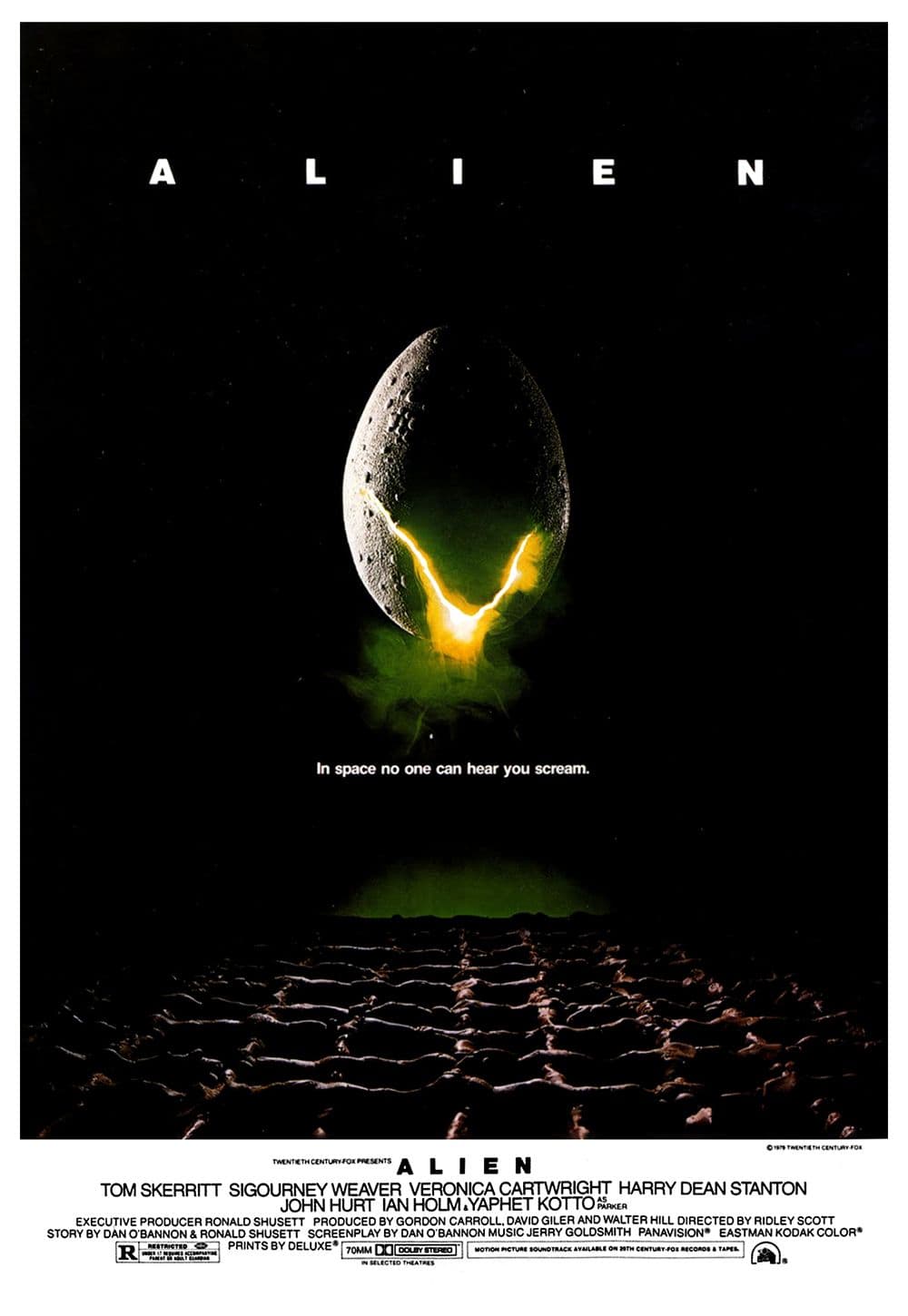
Giger's creature is still the most frightening thing anyone has designed for a screen: Scott fused haunted house and space opera, and put a woman at the center of both.
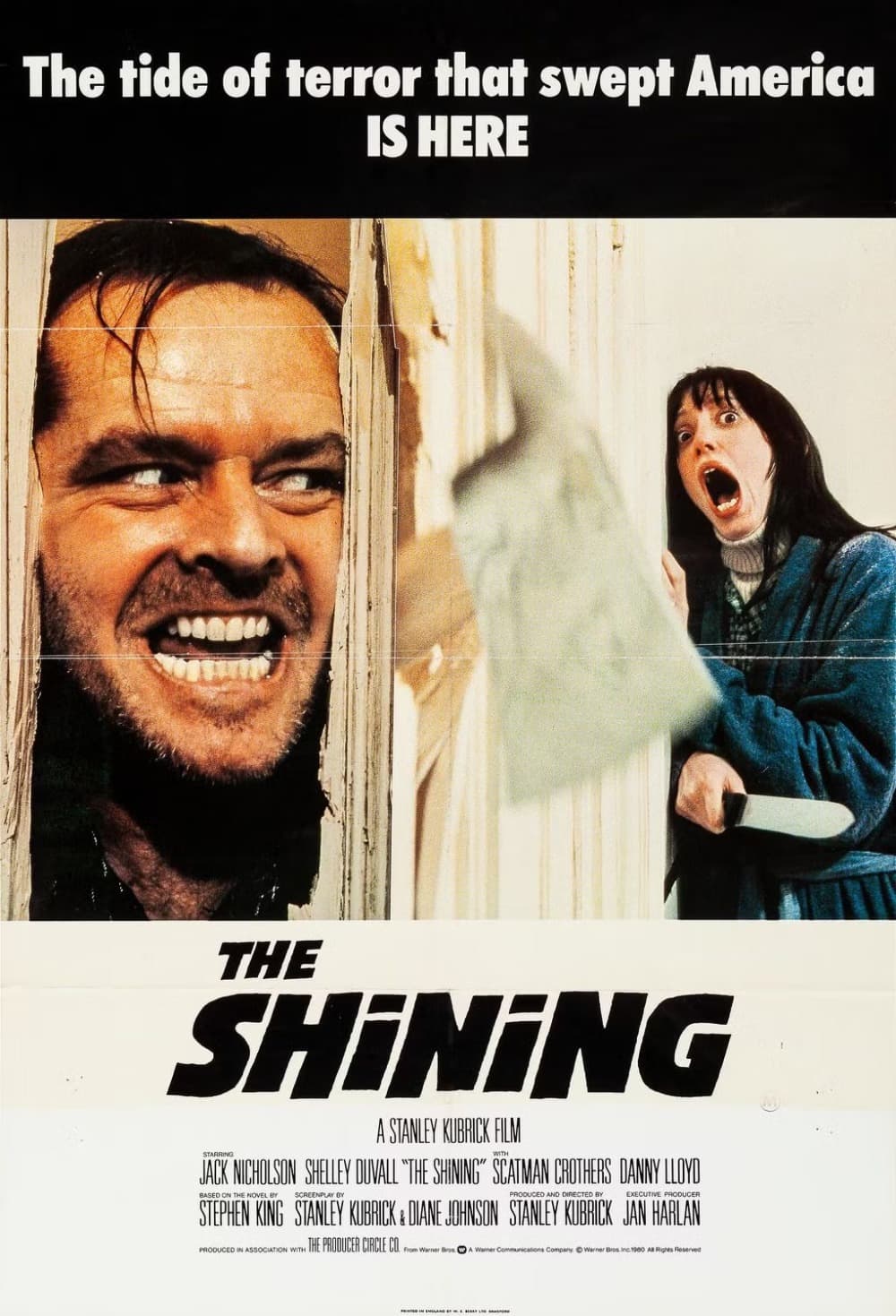
Whole documentaries exist about what this film means: Kubrick threw out most of King's novel, sent a Steadicam gliding down those corridors, and left a dread nobody can explain away.
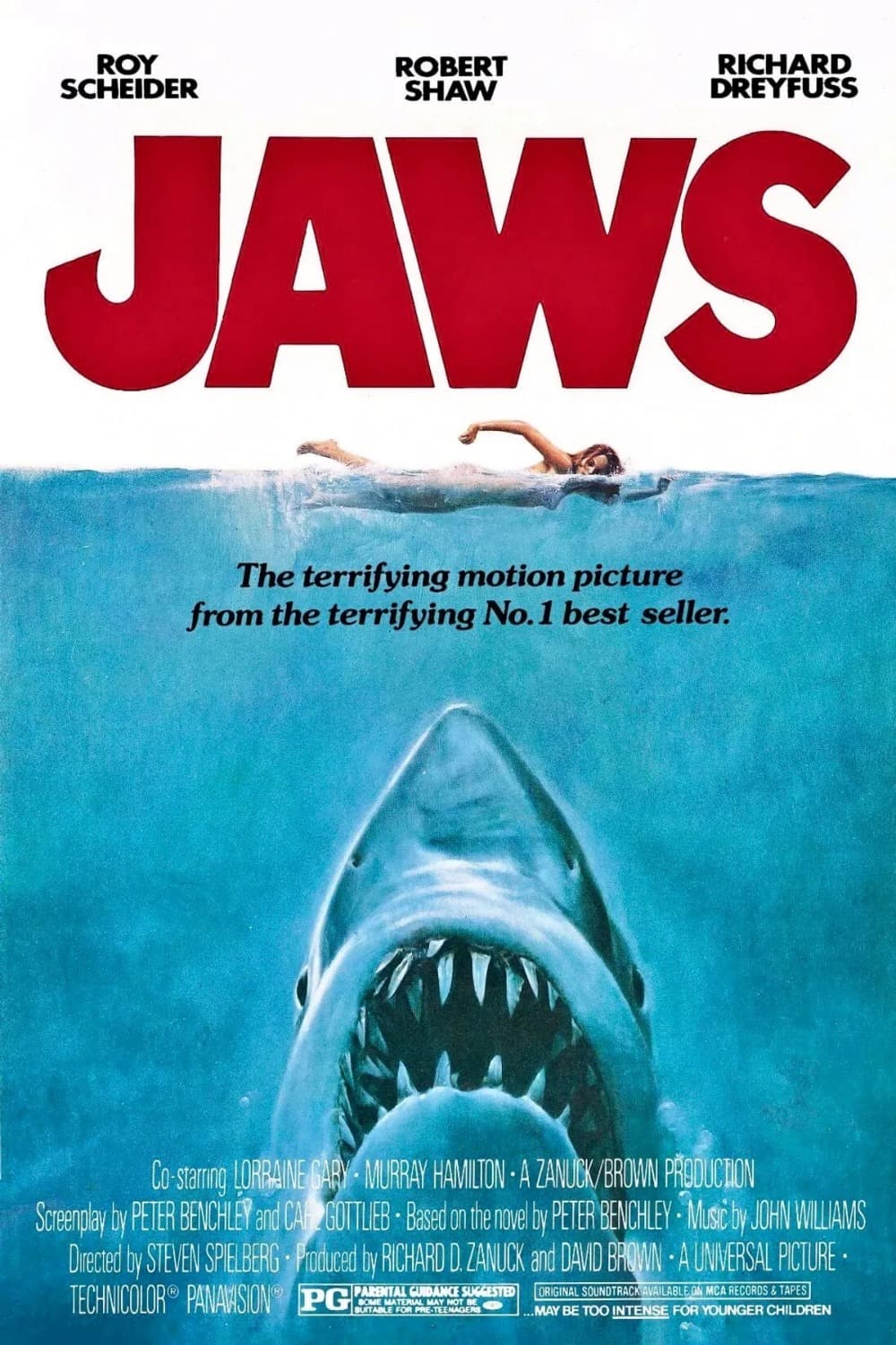
Summer blockbusters start here: the mechanical shark kept breaking, so Spielberg hid it, and accidentally proved that what you cannot see is worse than what you can.