Mrs. Miniver
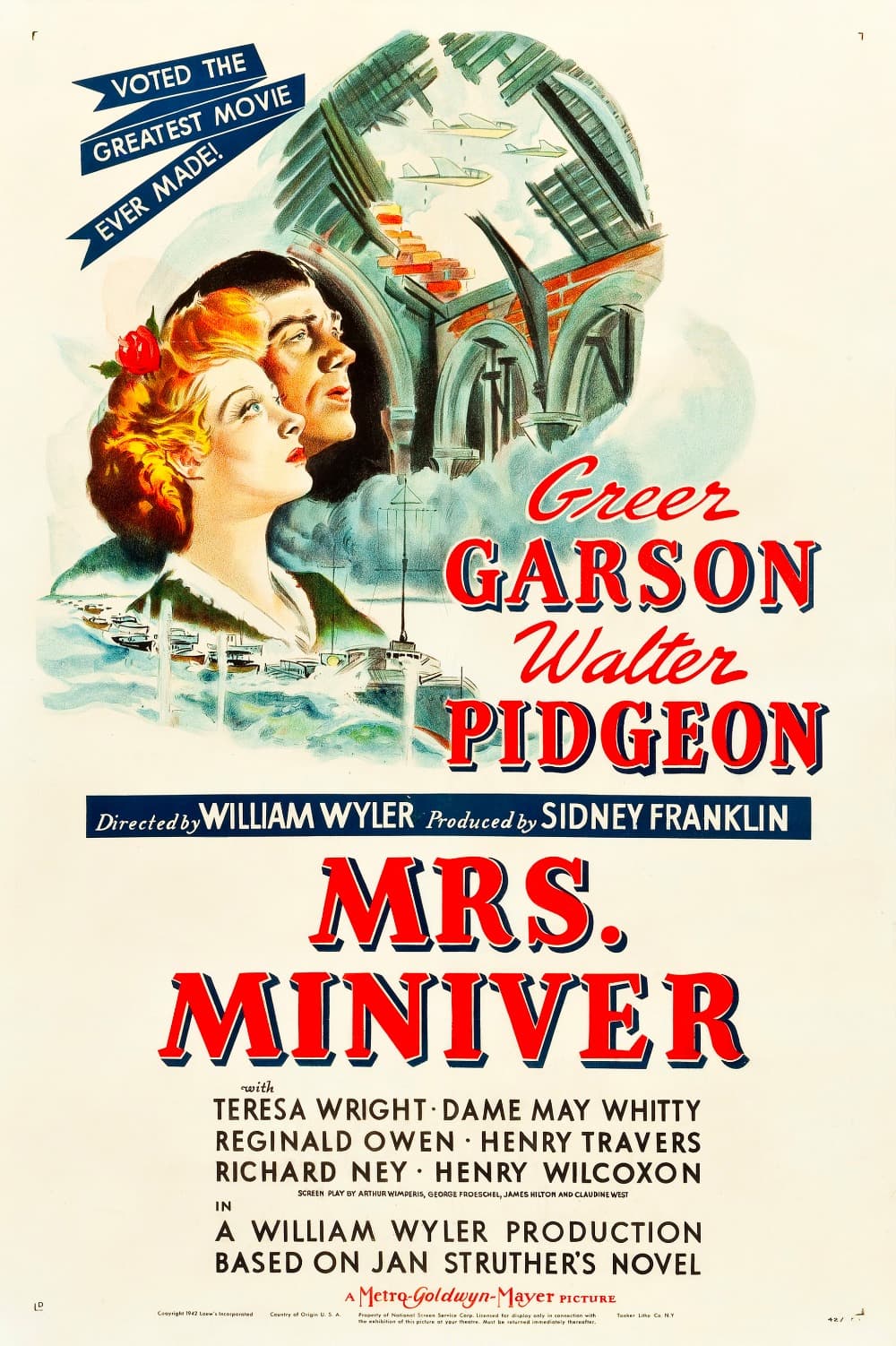
Roosevelt had the vicar's closing speech printed on leaflets and dropped over occupied Europe: an English family absorbs the first year of the war, and America was watching very closely.

Roosevelt had the vicar's closing speech printed on leaflets and dropped over occupied Europe: an English family absorbs the first year of the war, and America was watching very closely.

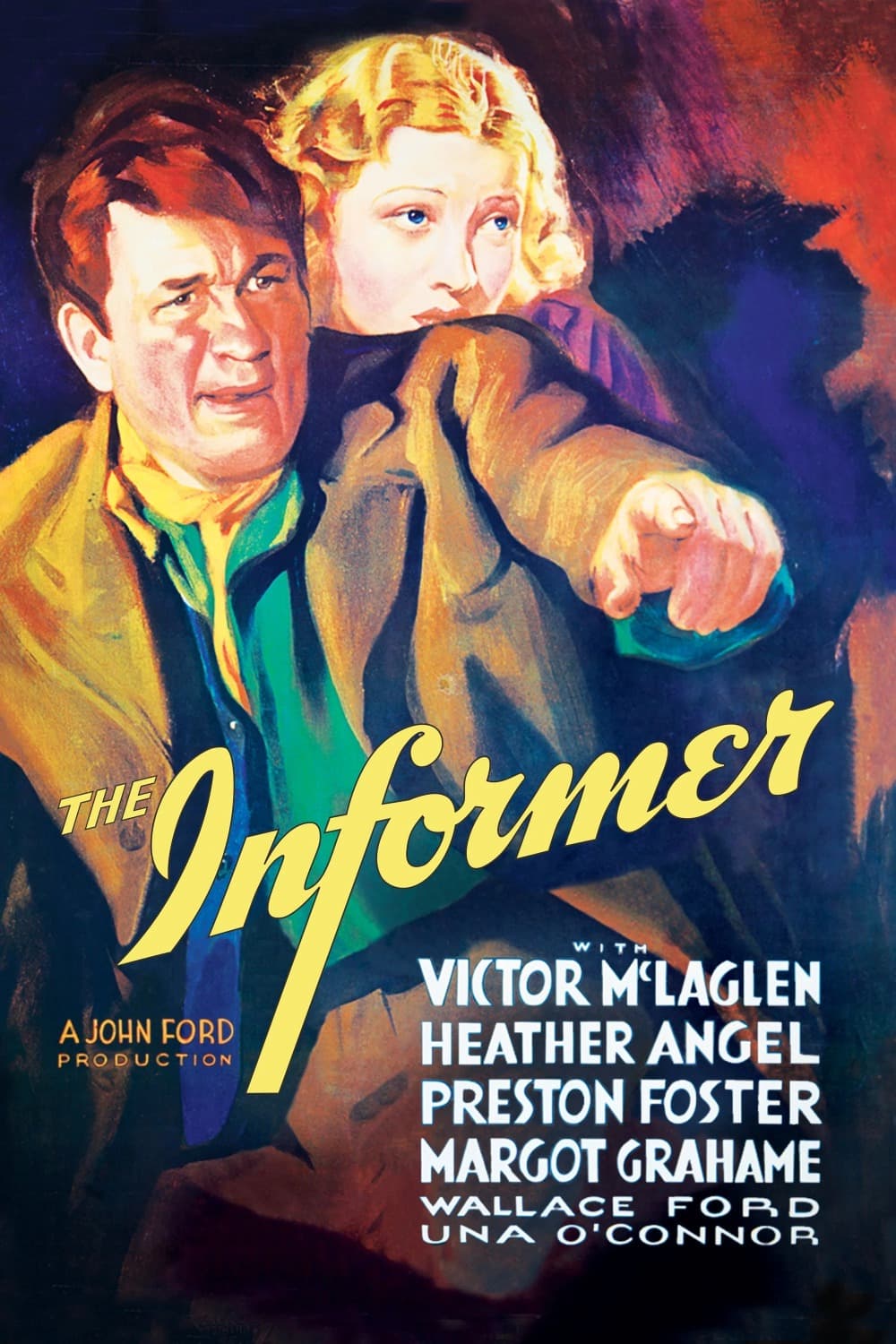
Dublin in 1922, shot entirely on a fogged soundstage: John Ford won his first directing Oscar for it, and a slow-witted man sells out a friend for twenty pounds.

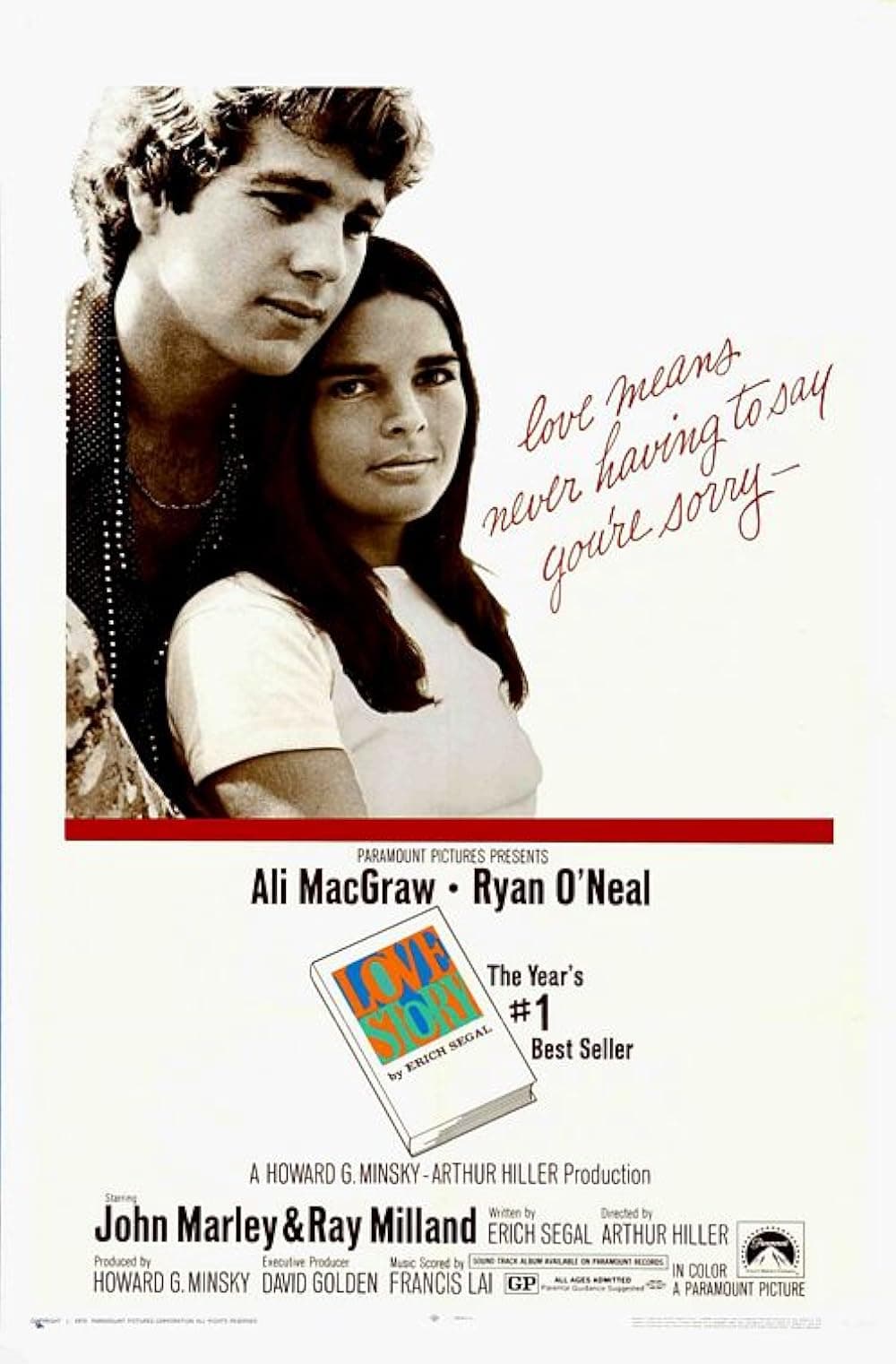
The novel was written from the screenplay and not the other way around: a Harvard hockey player and a Radcliffe music student marry against his father, and one line became inescapable.

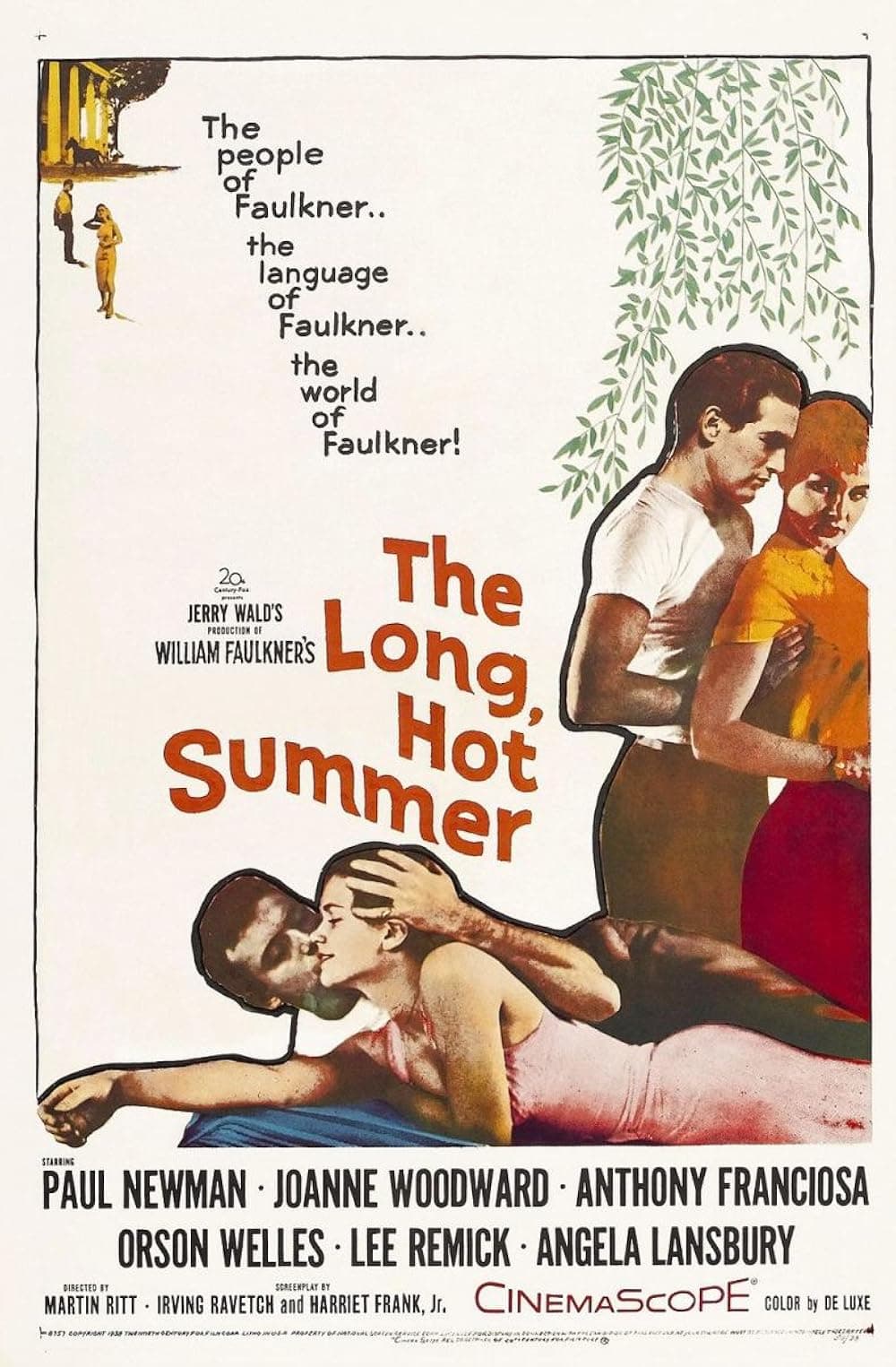
Paul Newman and Joanne Woodward fell in love making this and married before it opened: William Faulkner boiled down into one Mississippi town, and the heat is doing most of the acting.

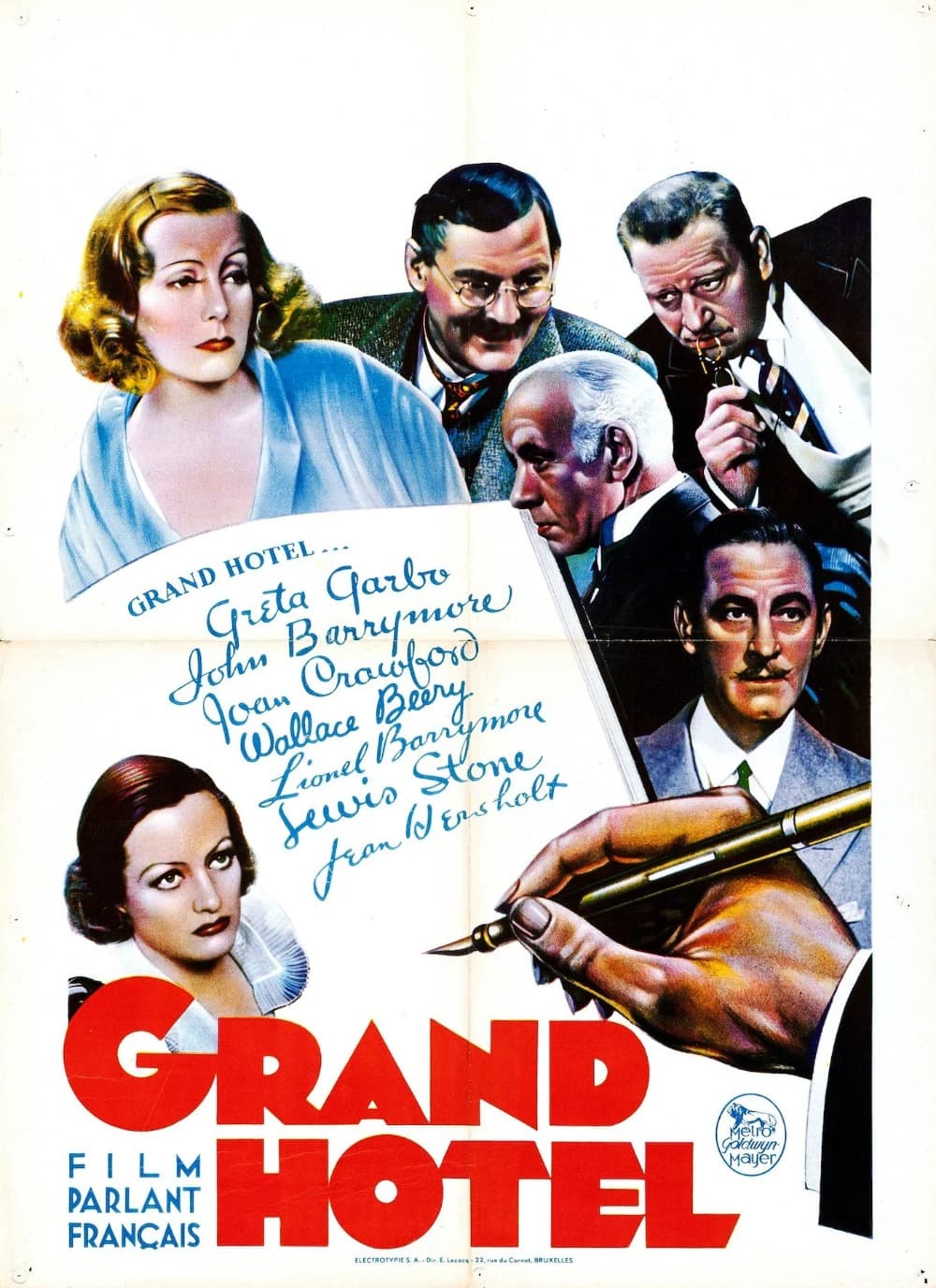
It took Best Picture without a single other nomination, which nothing else has managed: Greta Garbo says the line about wanting to be alone, and the one-building ensemble format begins here.

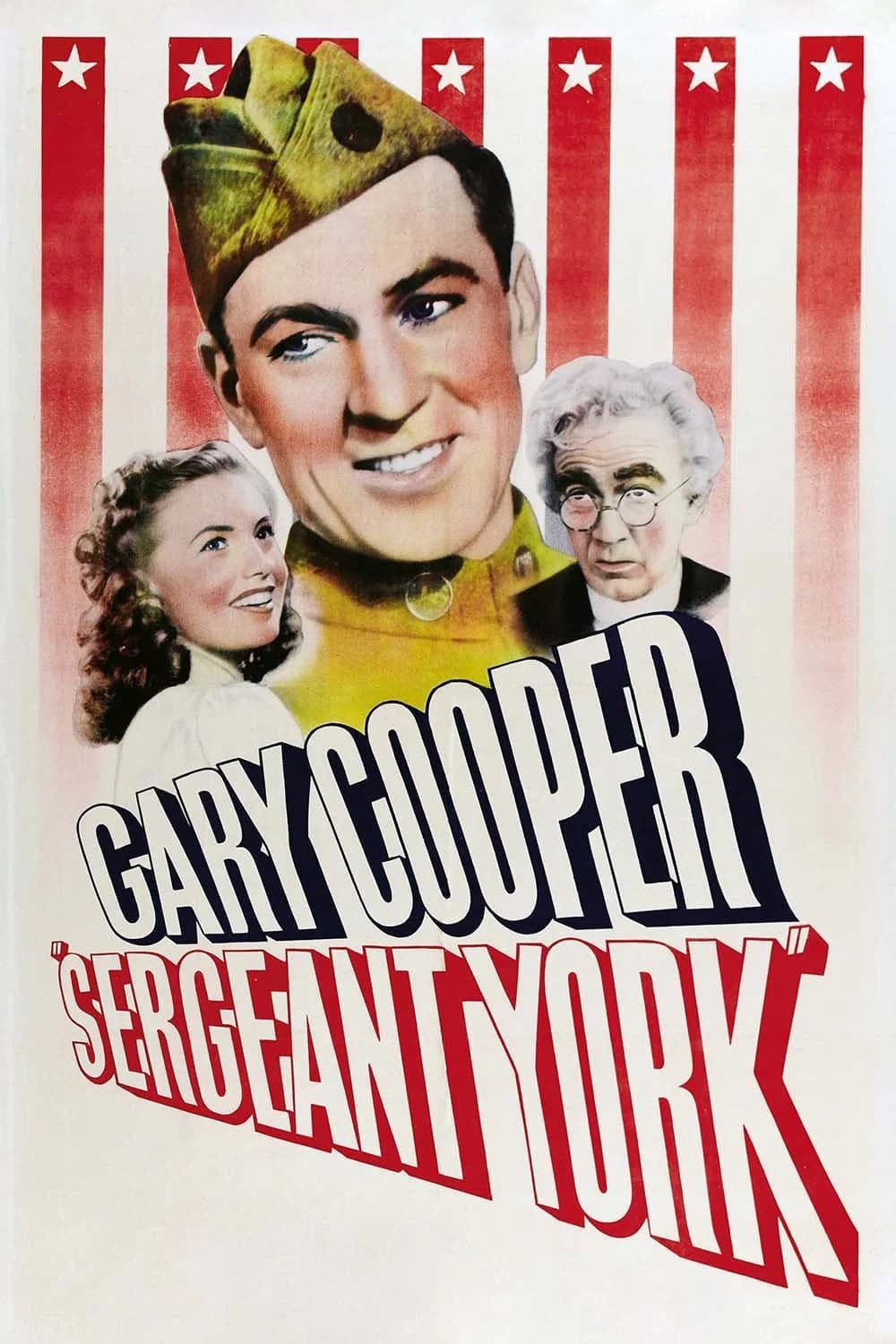
Alvin York blocked a film about himself for two decades and gave in only to fund a Bible school: a Tennessee pacifist wins the Medal of Honor and Gary Cooper wins Best Actor.

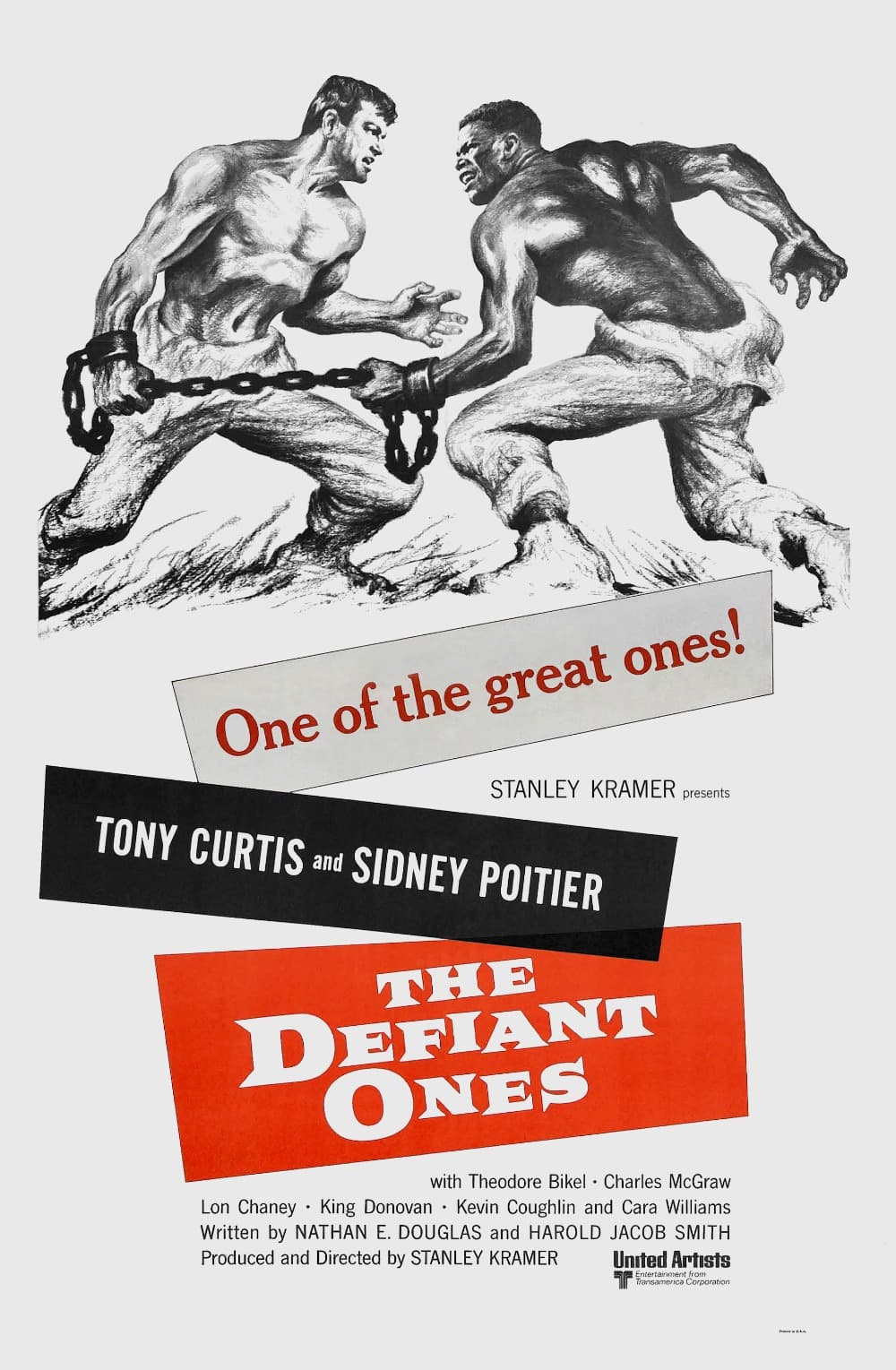
Sidney Poitier and Tony Curtis are chained together at the wrist, which was the entire argument in 1958: two convicts break out of a crash in the South and cannot move separately.

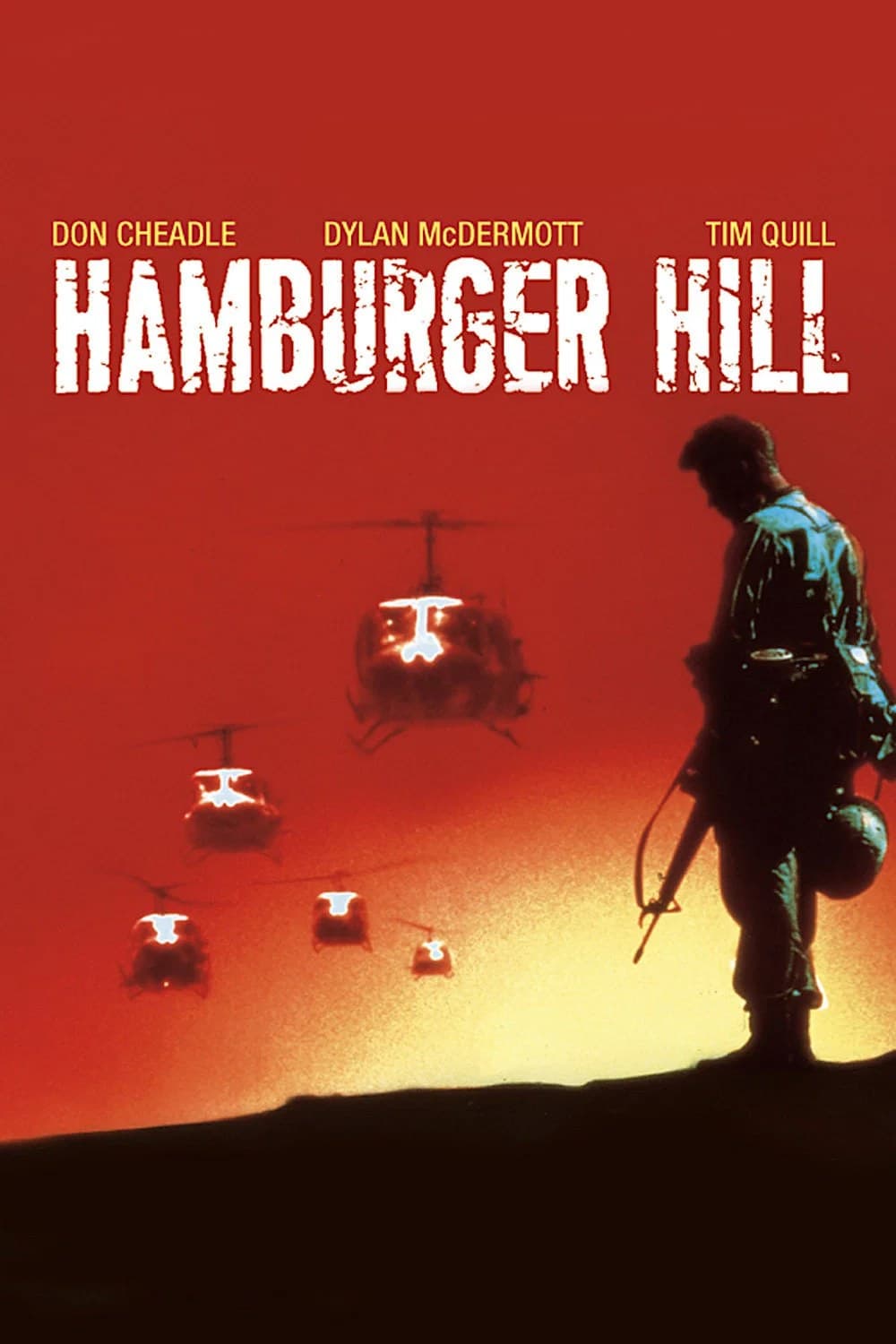
The least mythologizing Vietnam film anyone made: ten days in May 1969 taking one hill that the army abandoned immediately afterward, filmed as almost pure exhaustion and mud.

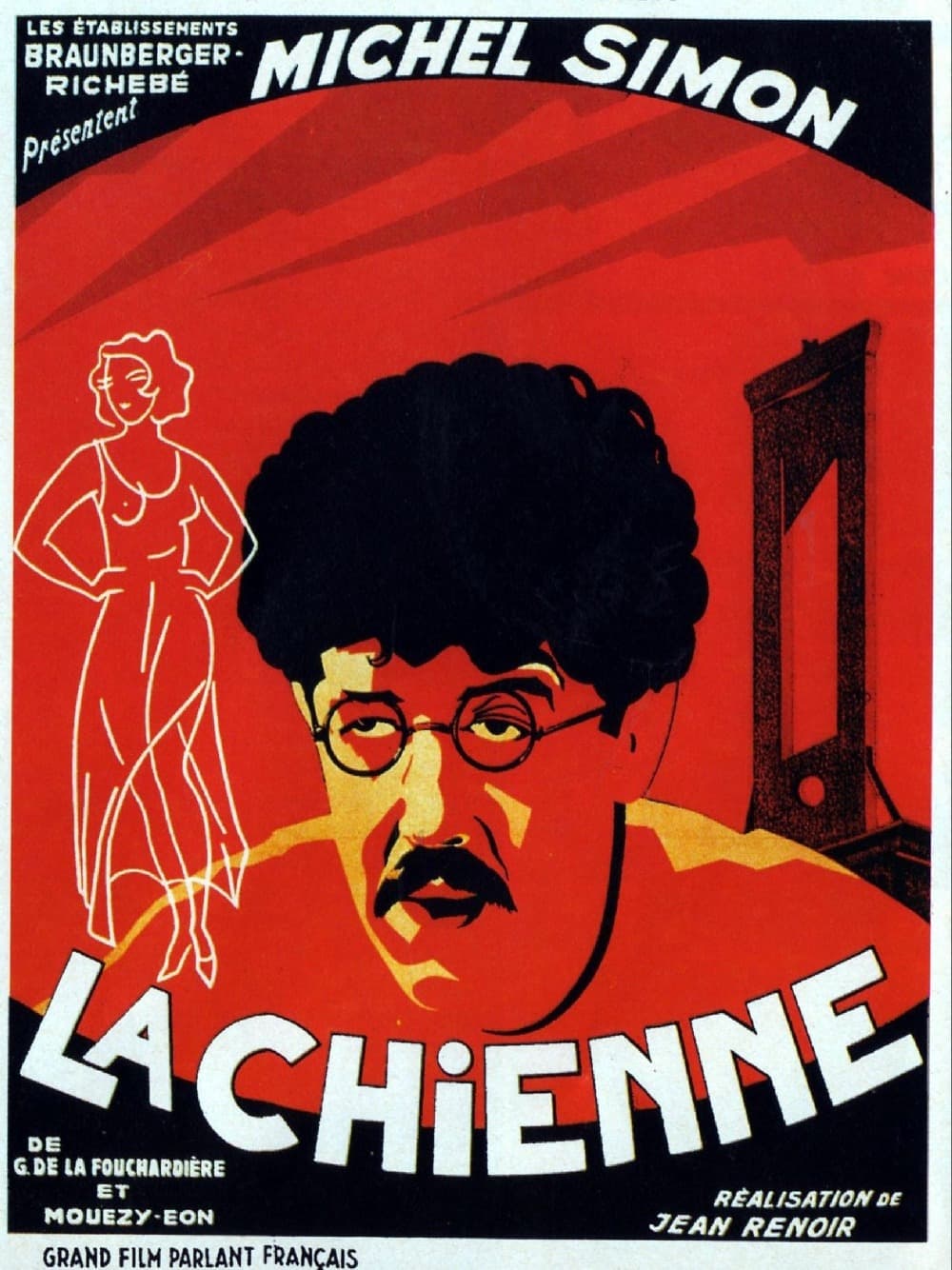
Jean Renoir was recording live street sound in 1931 when almost nobody could: a meek bank cashier who paints on Sundays falls for a woman he meets one night in Montmartre.

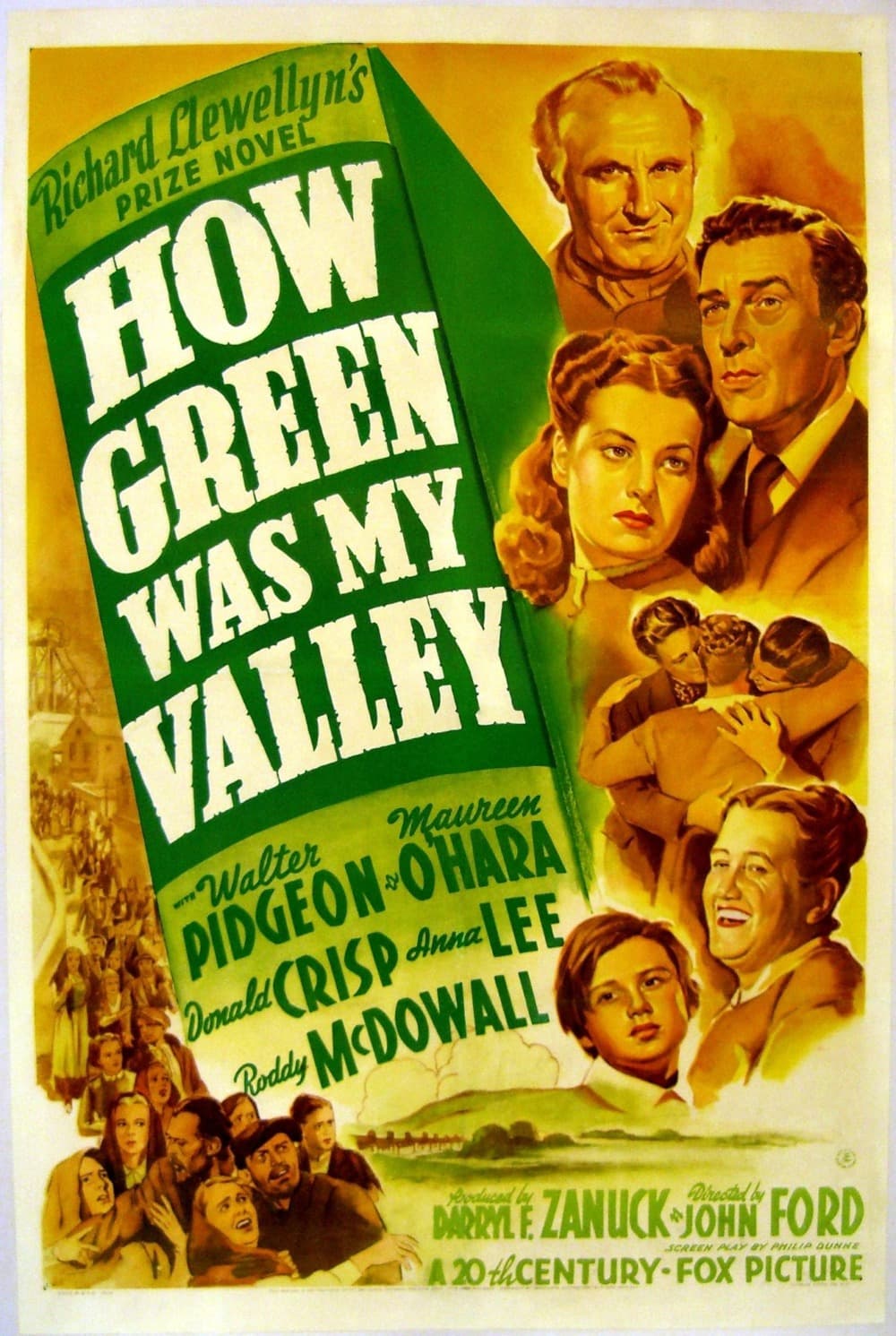
John Ford built an entire Welsh mining village in the California hills and shot it like memory: a colliery family in a valley the pit is slowly ruining, narrated by the youngest son.

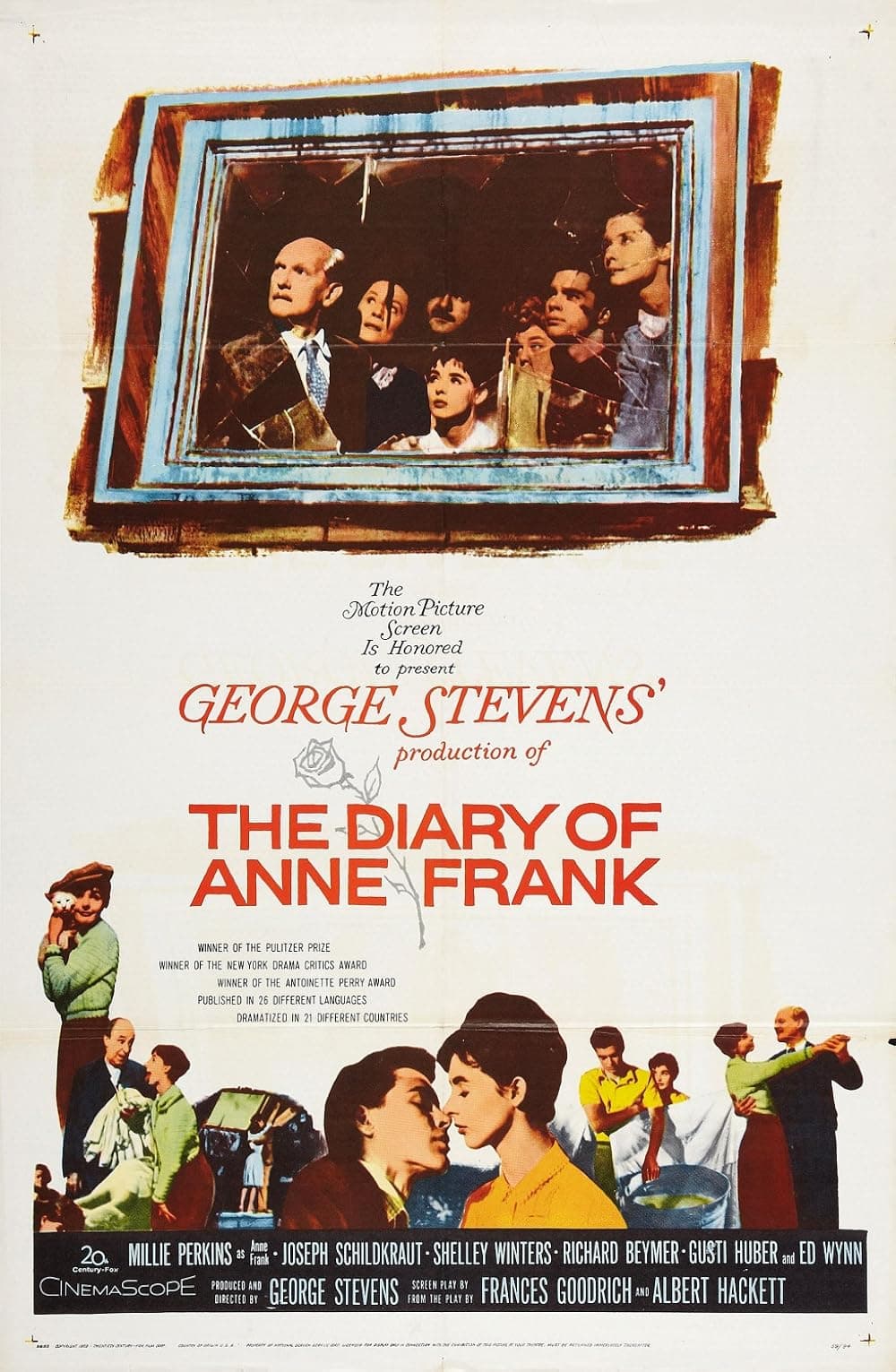
George Stevens built the annex to the actual dimensions so the cast would feel it: two years in a few rooms above a warehouse, and nothing outside them is ever shown.

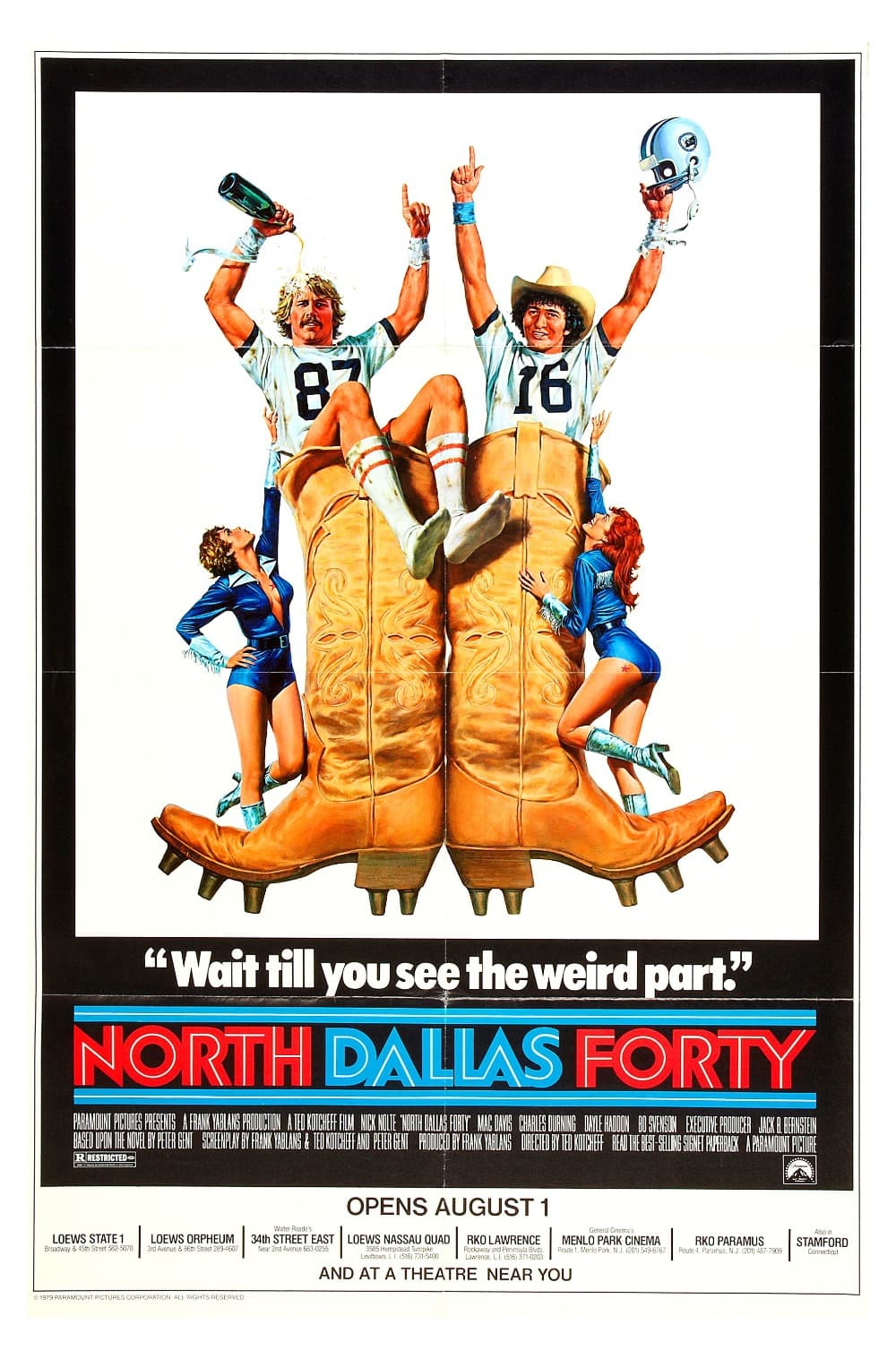
The NFL refused all cooperation and players said it was the only accurate football film ever made: Nick Nolte plays a receiver held together by painkillers and stubbornness for one more season.

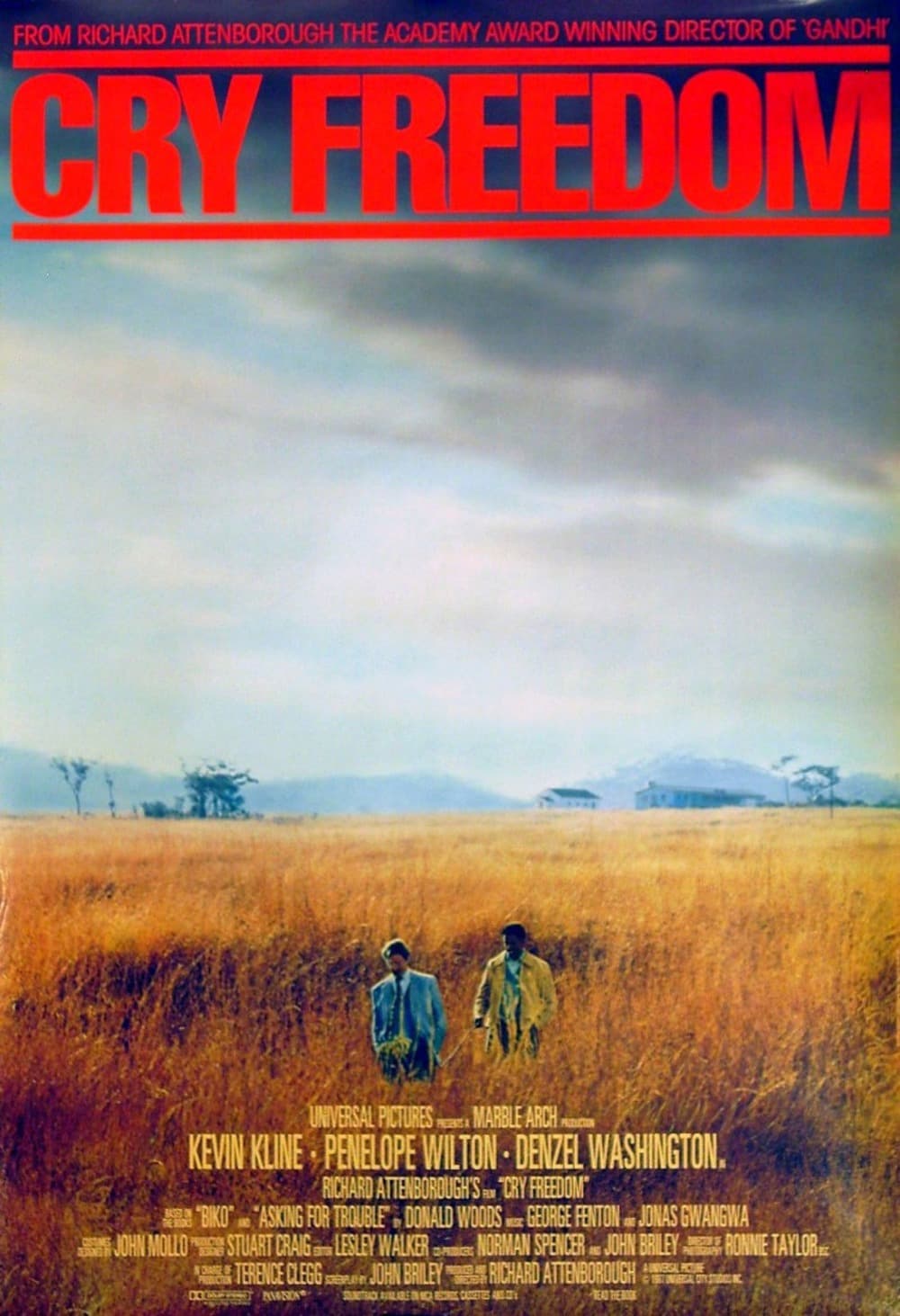
Richard Attenborough got Steve Biko into cinemas while apartheid was still standing: Denzel Washington's first Oscar nomination, and a white newspaper editor learning what Black South Africans already knew.

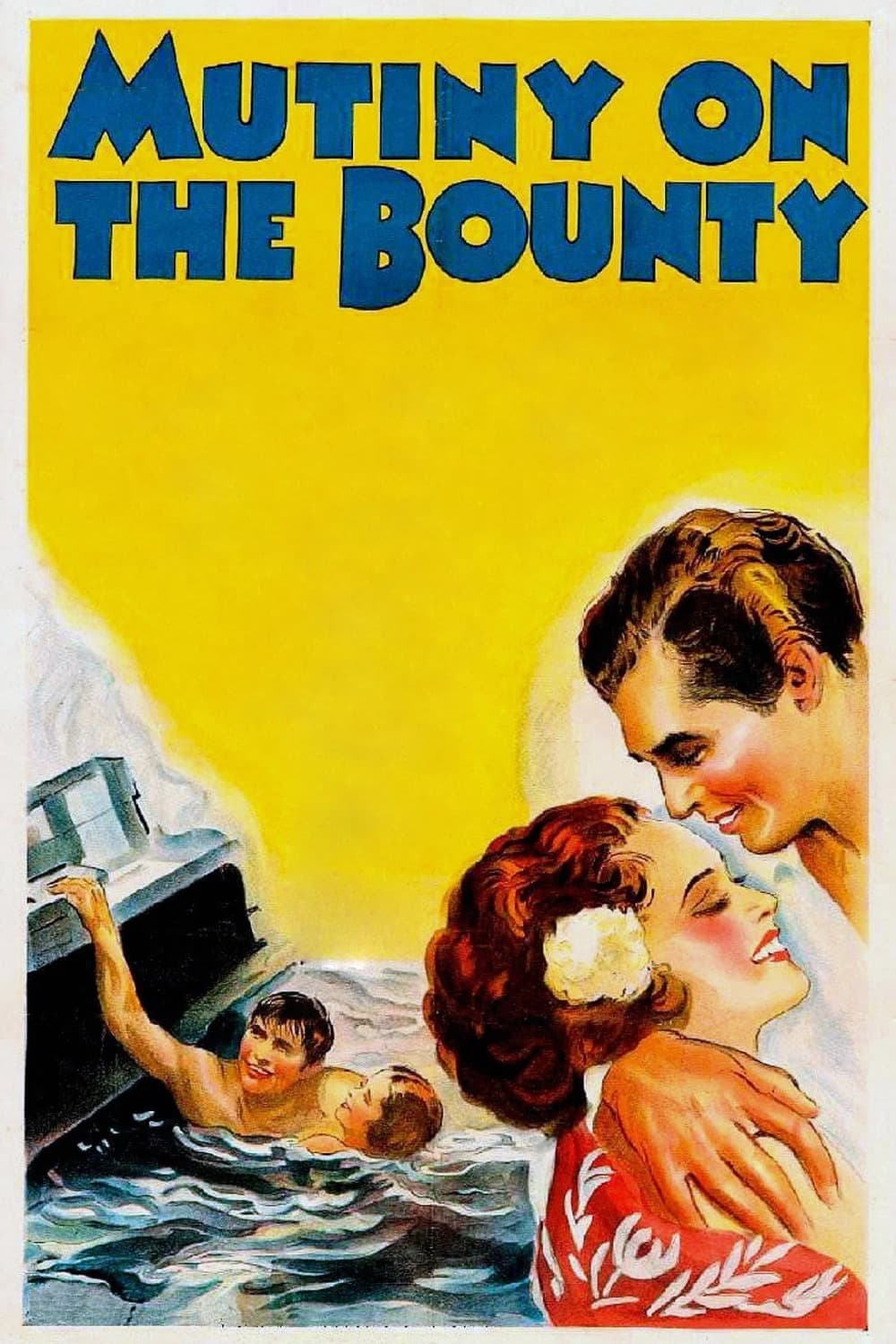
Three of its actors were nominated for Best Actor in the same year, and the supporting categories were created the next: Charles Laughton's Captain Bligh remains the definition of a tyrant.

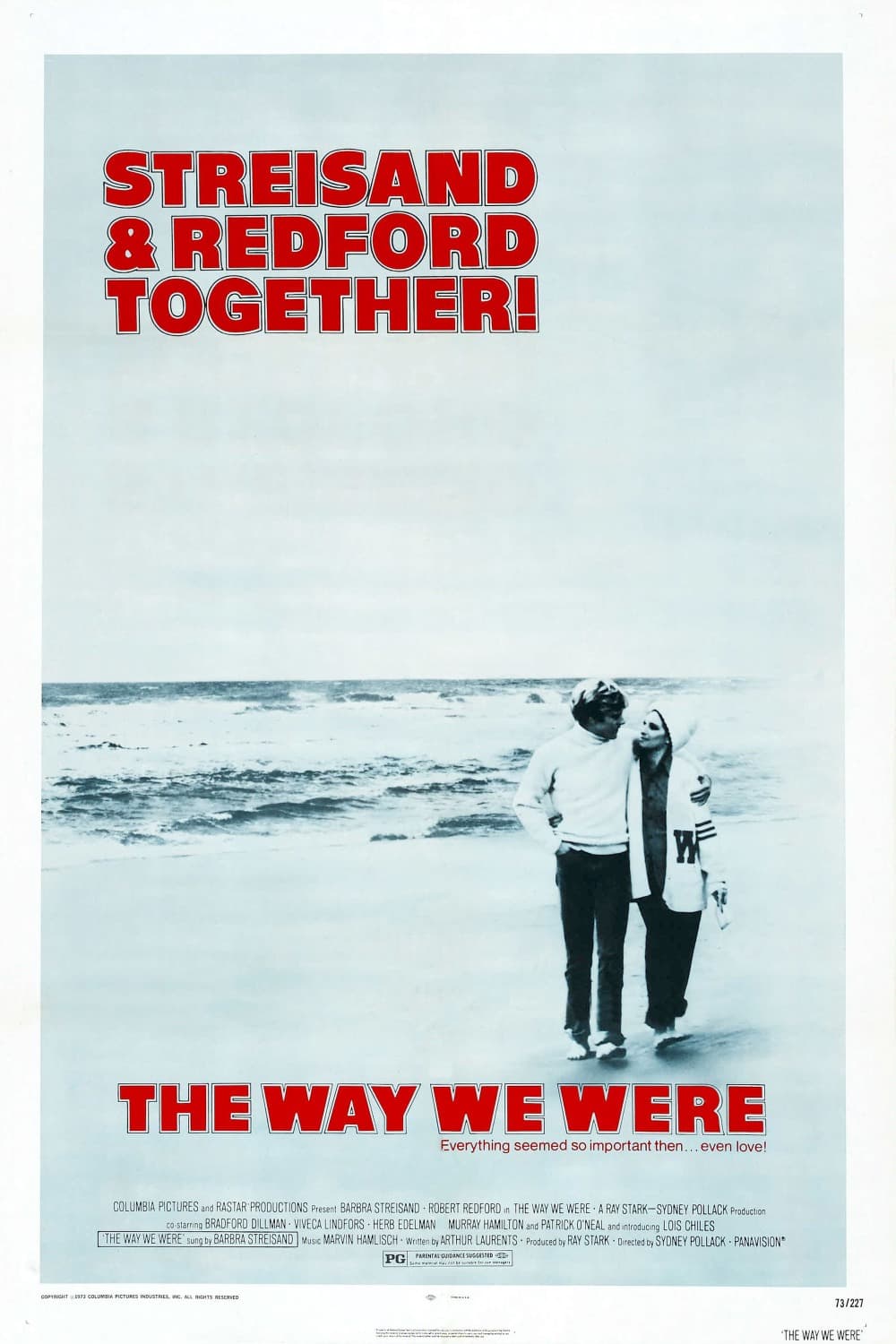
The blacklist plot was cut to almost nothing and Sydney Pollack called that his biggest regret: Barbra Streisand and Robert Redford are mismatched enough that the romance runs on friction alone.

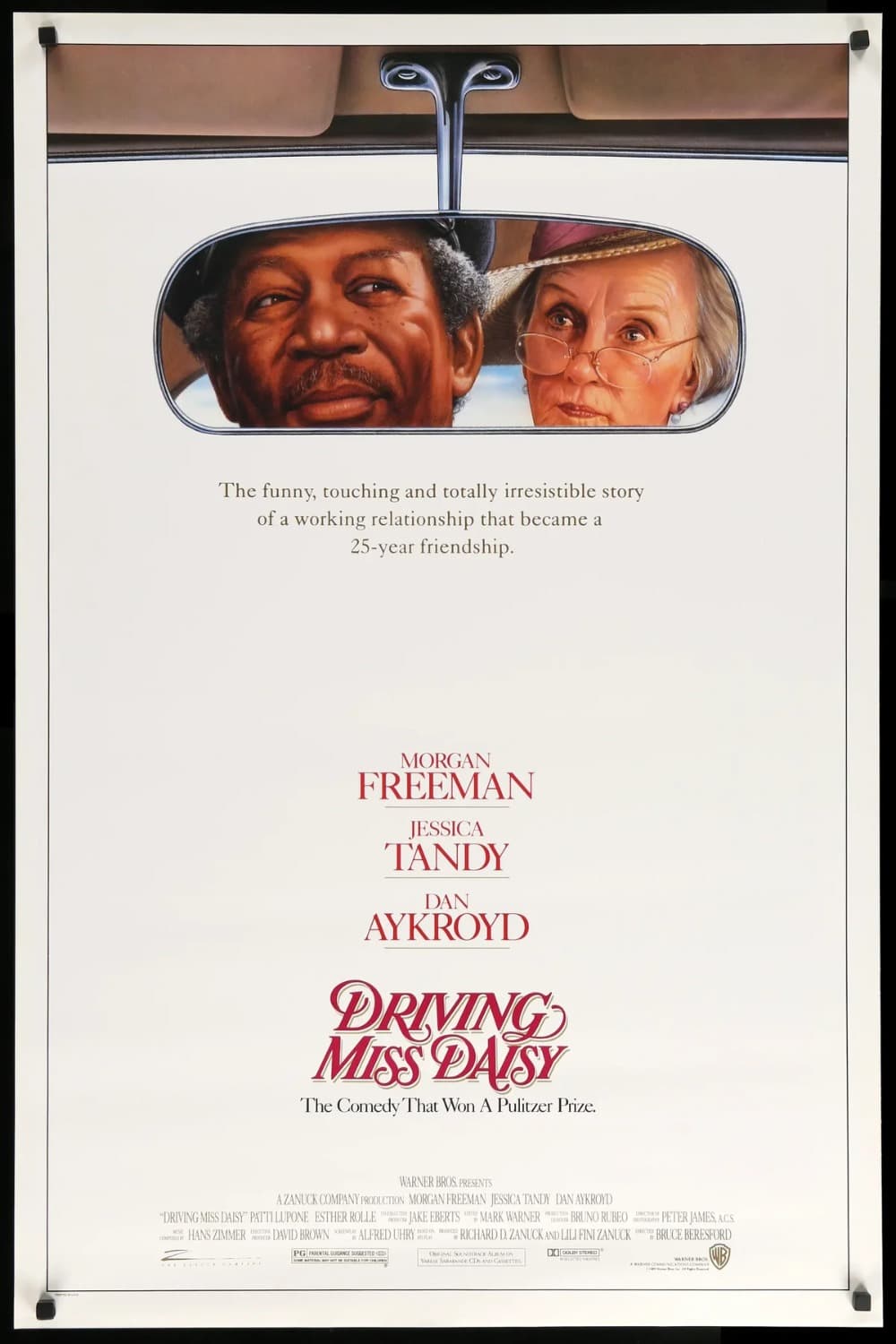
Jessica Tandy was eighty when she won Best Actress, the oldest ever: twenty-five years of an Atlanta employer and her chauffeur, played so lightly that people underrate what the film is doing.

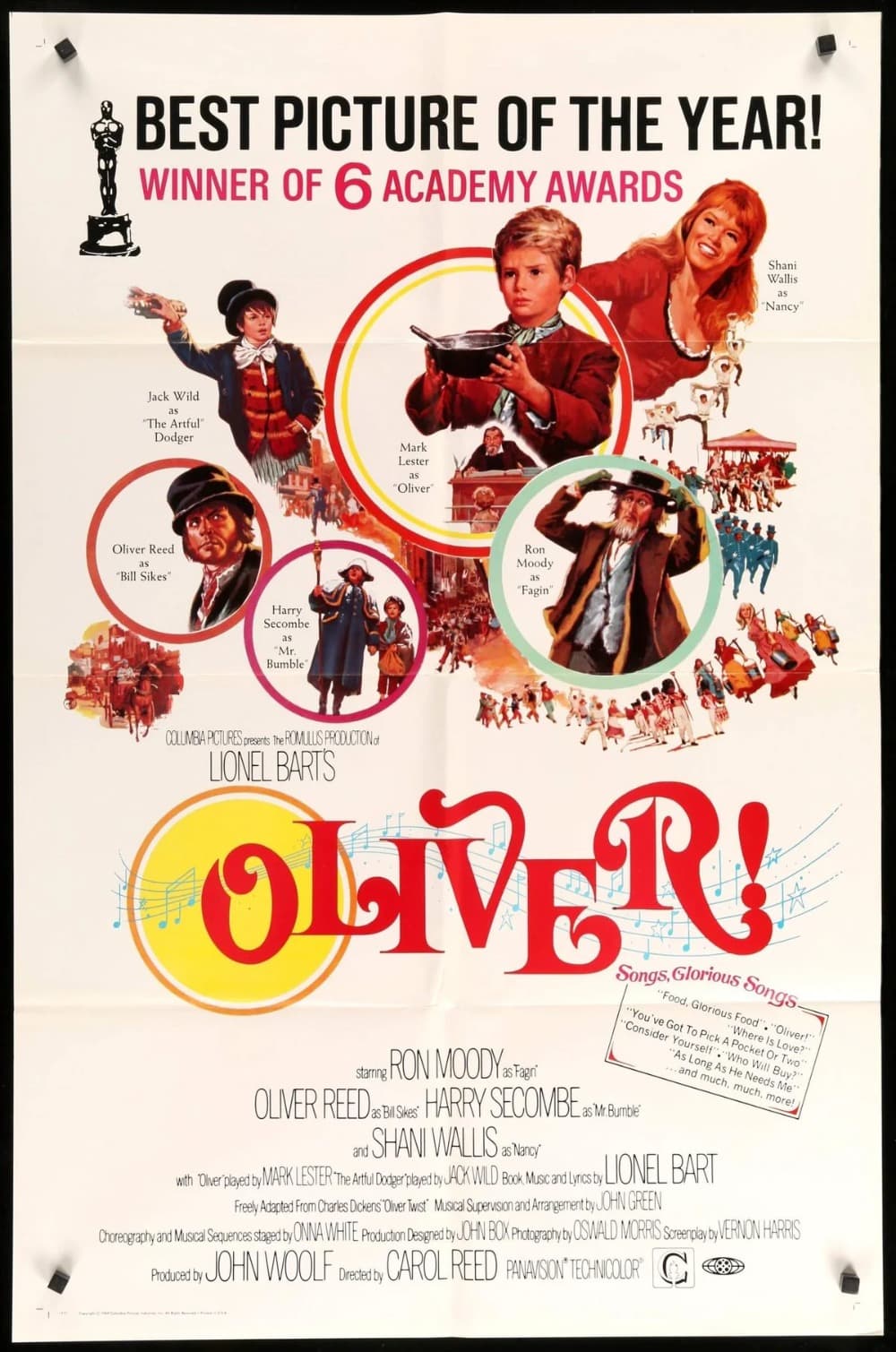
The last musical to hold Best Picture for thirty-four years, and the last G-rated winner: Carol Reed turns Dickens into an enormous street spectacle and the songs never let up.

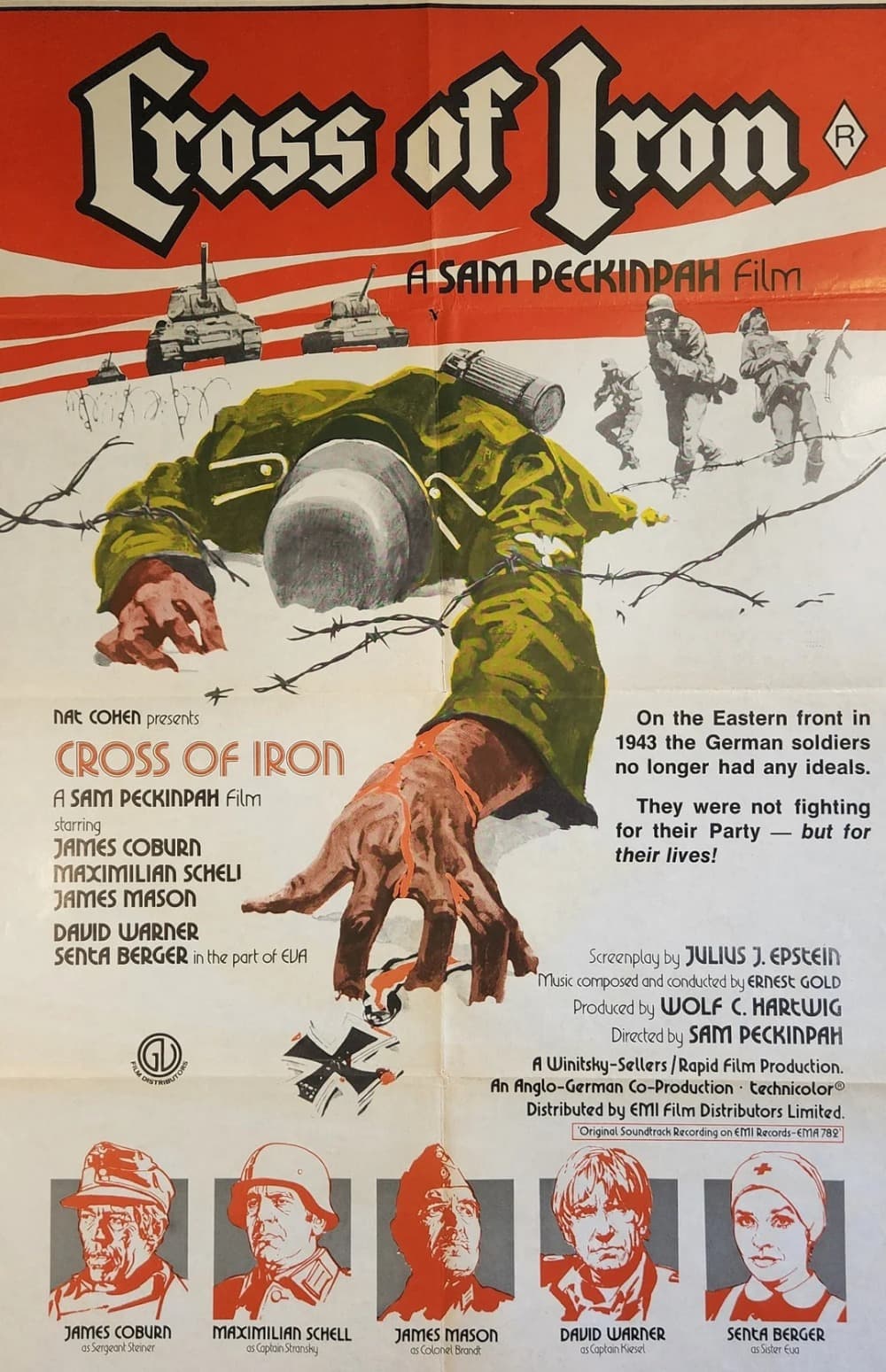
Sam Peckinpah's only war film, told entirely from the German side of the Eastern Front: Orson Welles called it the finest anti-war film since All Quiet on the Western Front.

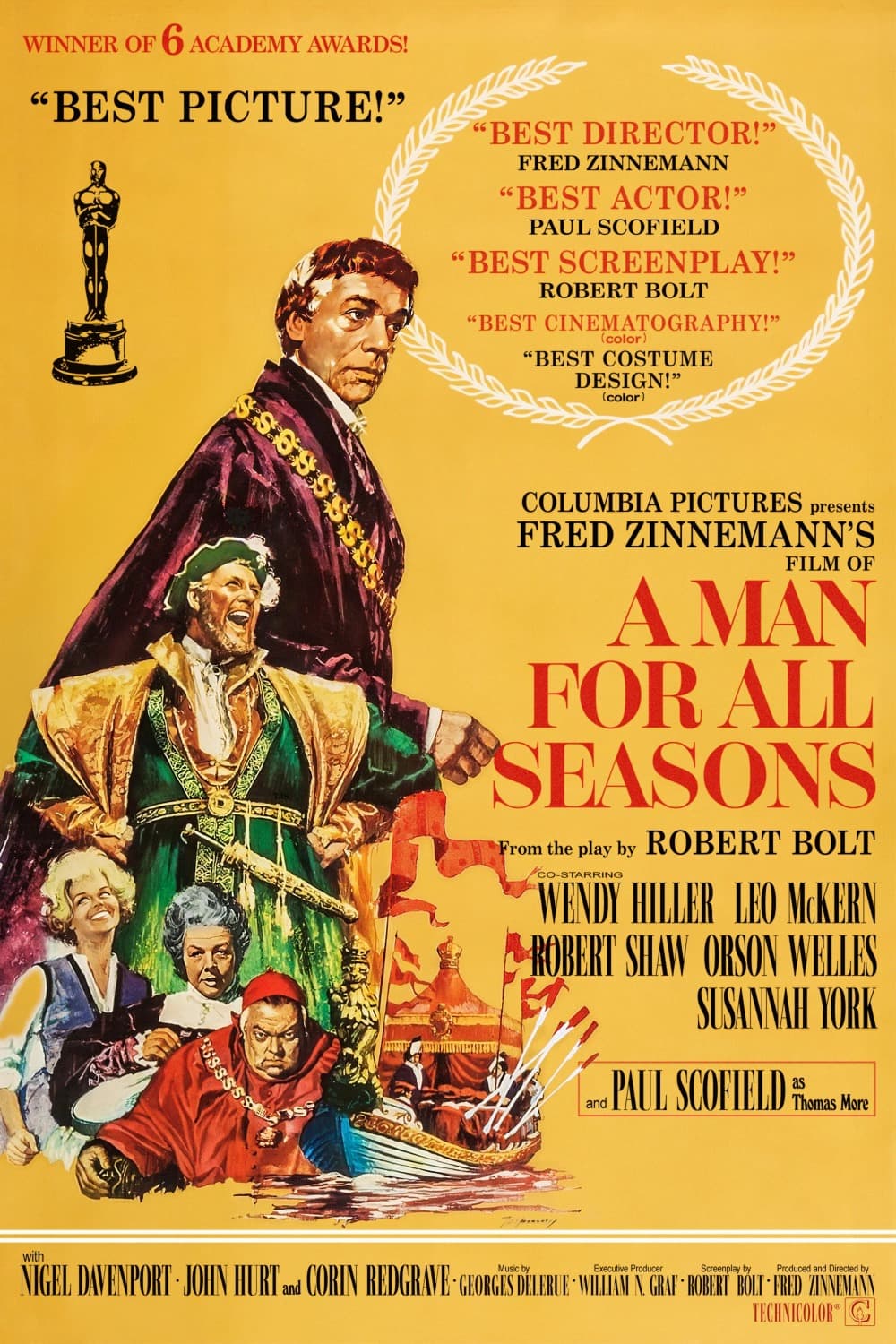
Paul Scofield had played it on stage and was not a film star, and he won anyway: Thomas More refuses to say one sentence, and the whole English state comes for him.

South Africa's first Academy Award for a foreign language film: a Johannesburg gang member steals a car and finds a baby in the back, and the film gives him no easy way out.

Robert Duvall wrote and sang his own songs, then took Best Actor for the quietest work of his life: a broken country singer stops drinking at a Texas motel and stays.

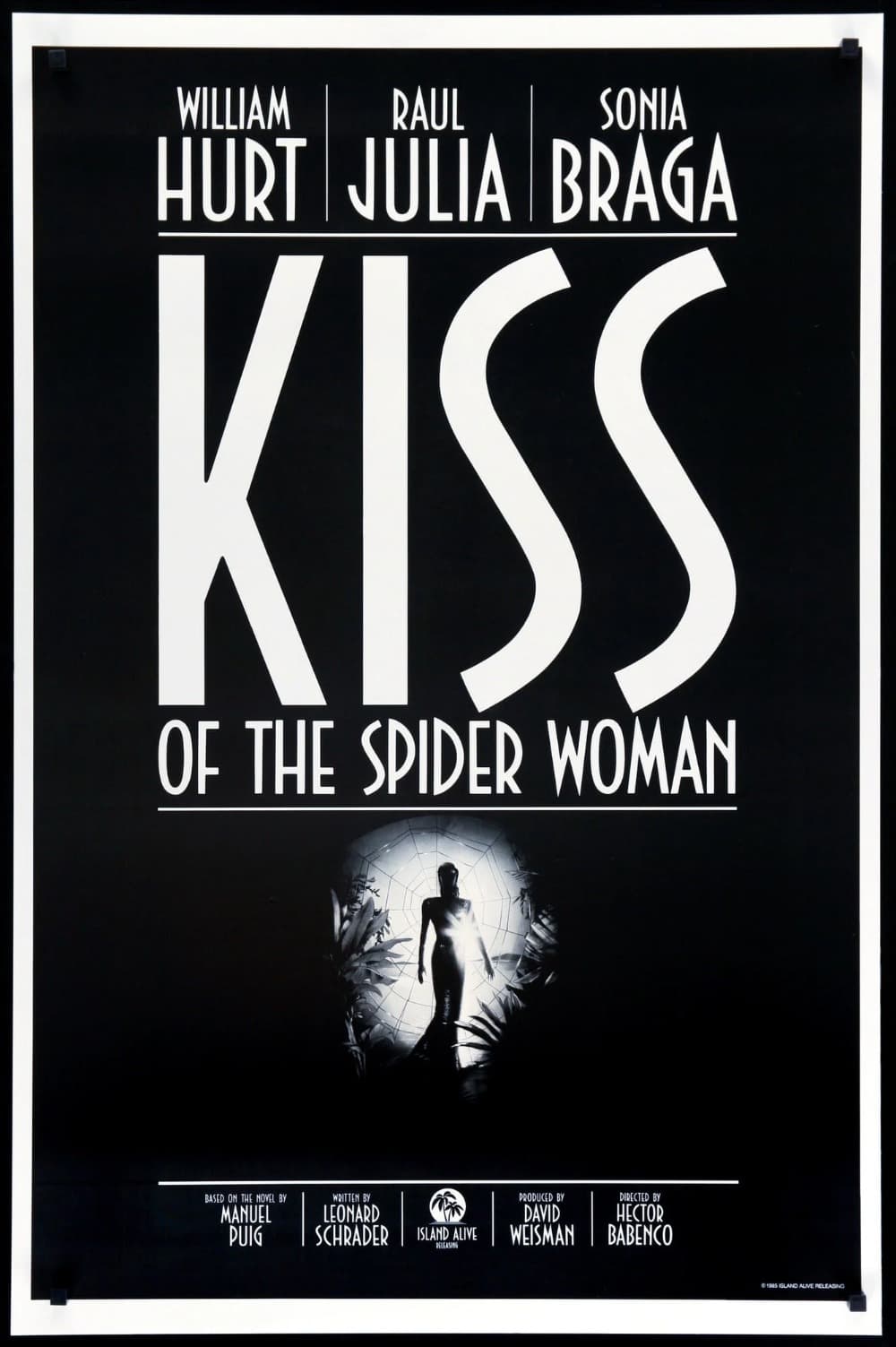
William Hurt took Best Actor and the film became the first independent production nominated for Best Picture: two cellmates in a Brazilian prison, one political and one who describes old movies.

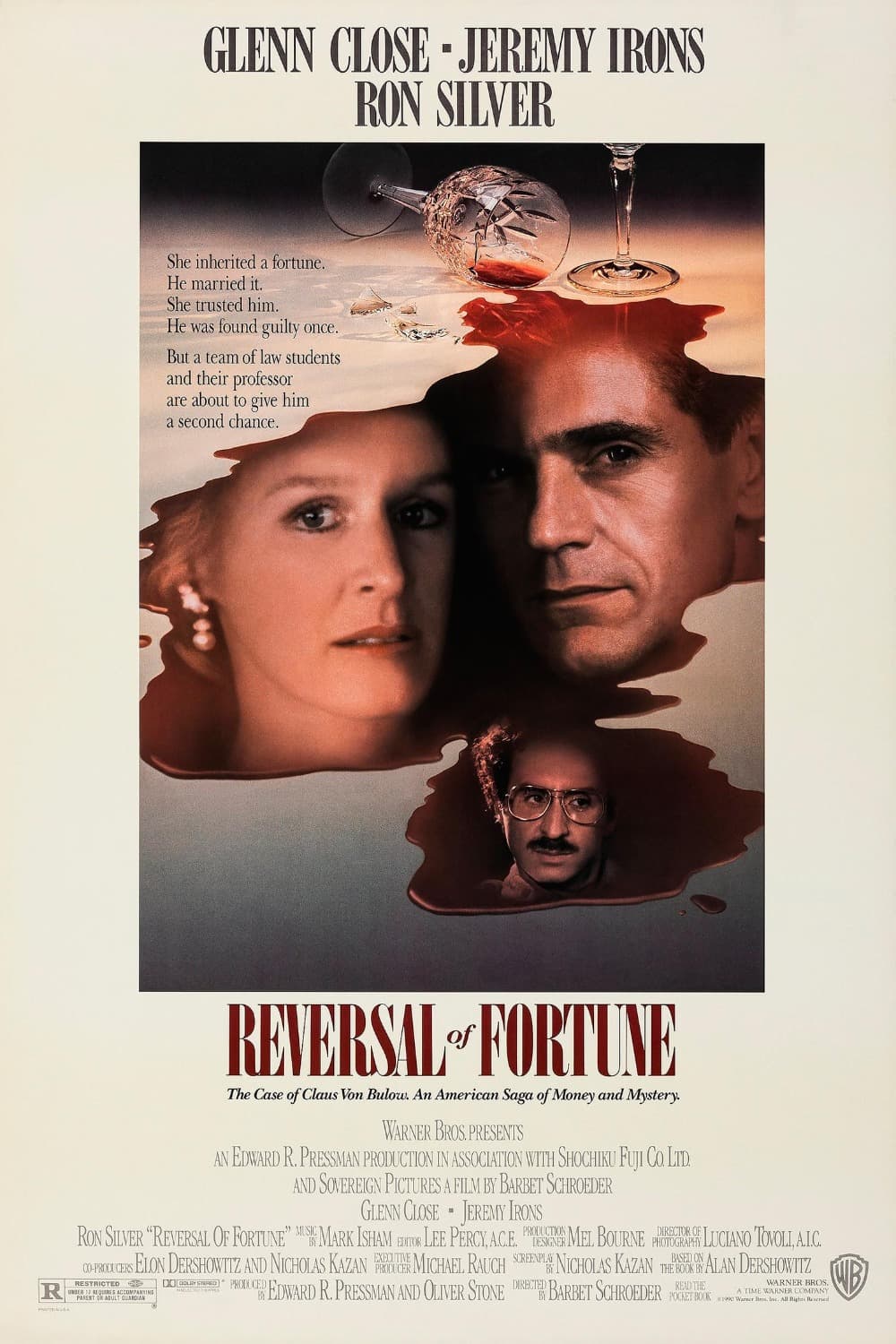
Jeremy Irons plays Claus von Bulow as completely unreadable and was rewarded for it: the film is narrated by his wife from the coma she never woke from, and takes no position.

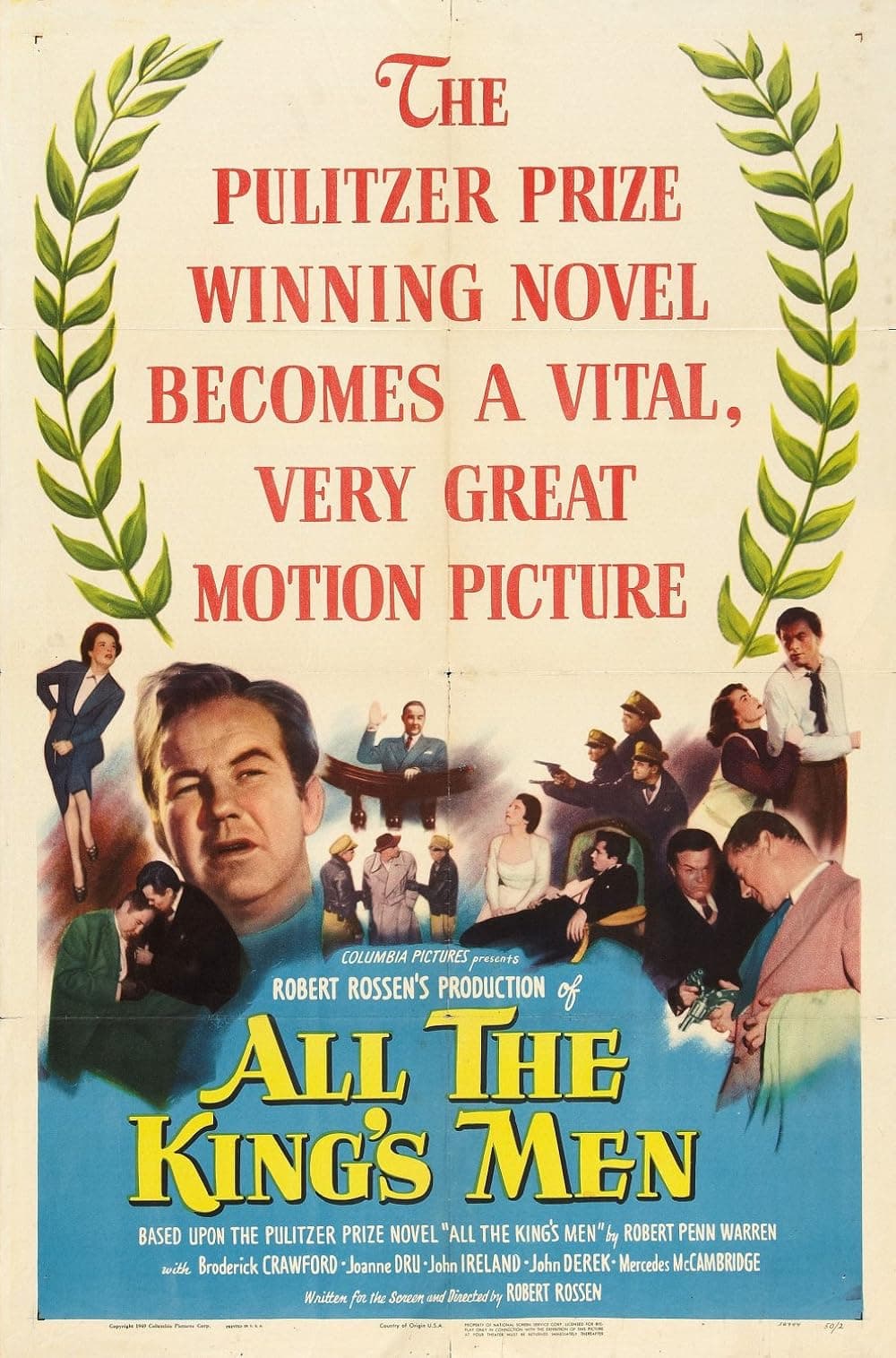
Robert Penn Warren's novel about Huey Long, filmed with real Californians pulled off the street as extras: a country lawyer discovers what he can do with a crowd.

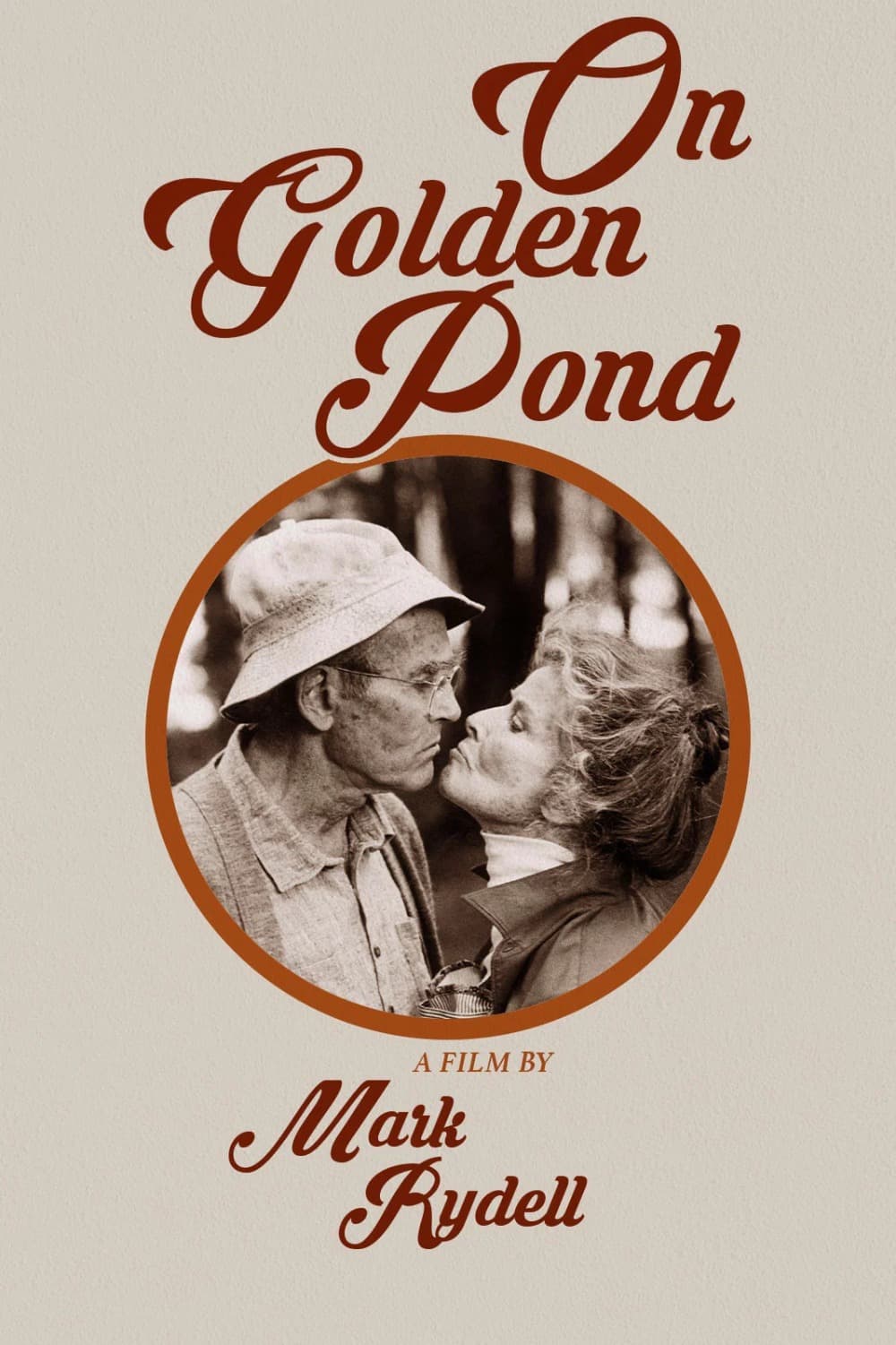
Henry Fonda won his only competitive Oscar at seventy-six and died four months later: he and Jane Fonda play an estranged father and daughter, which was not much of a stretch for either.

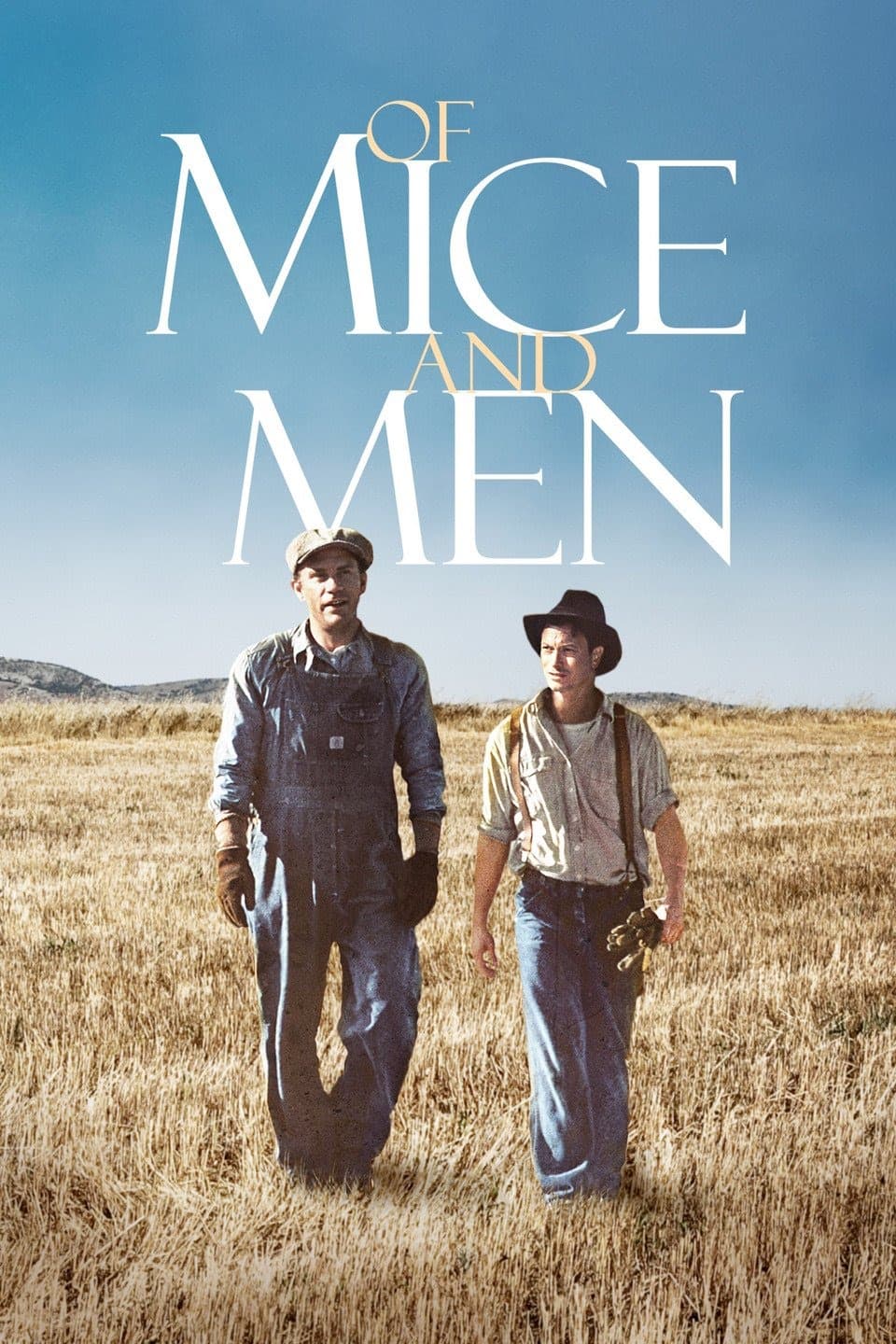
Gary Sinise directed it and played George opposite John Malkovich, the best casting the book has ever had: two migrant workers and one plan they will not stop describing.

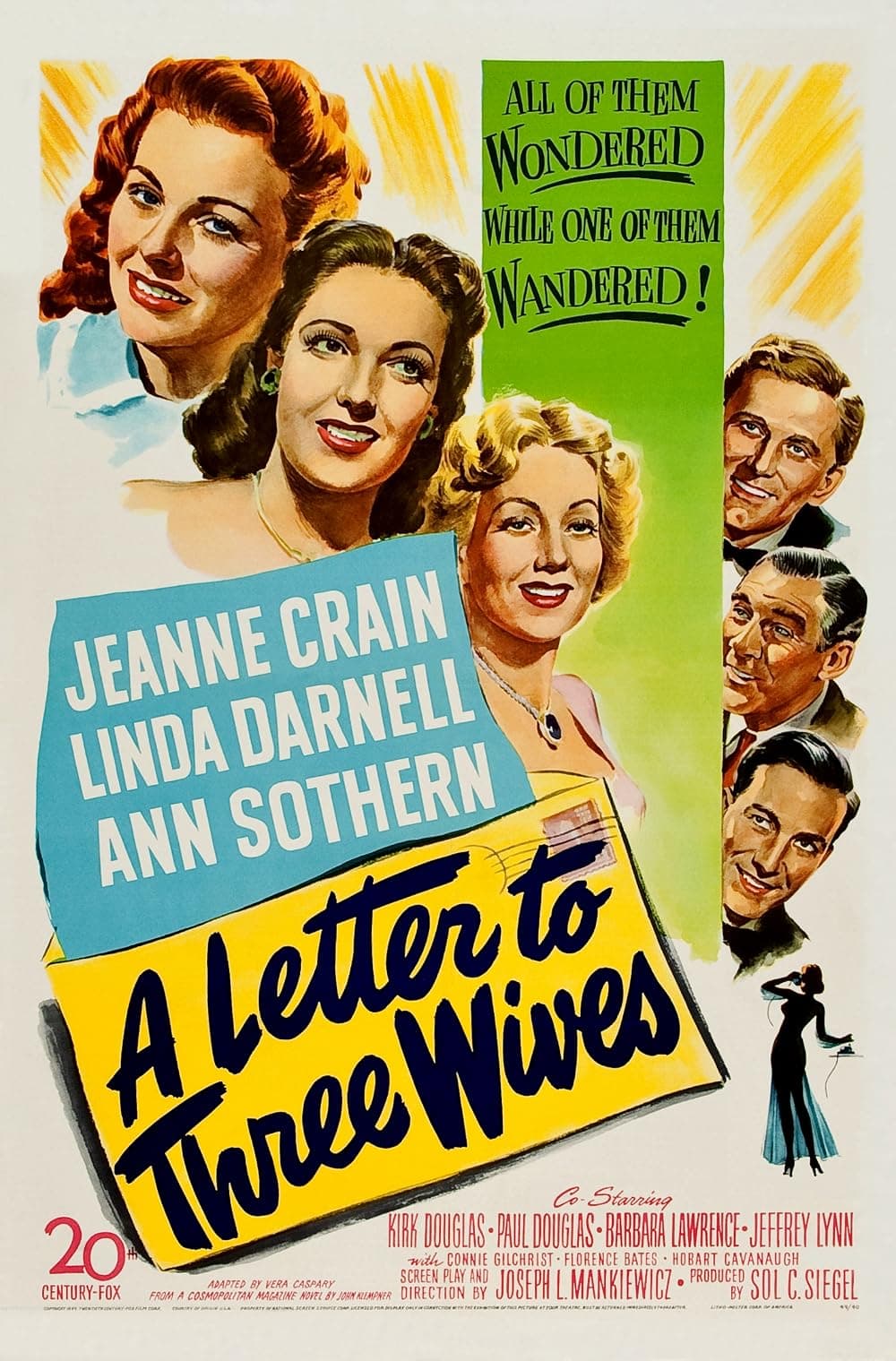
Joseph Mankiewicz won for both writing and directing it: three women receive a single letter announcing that a woman they all know has left town with somebody's husband.

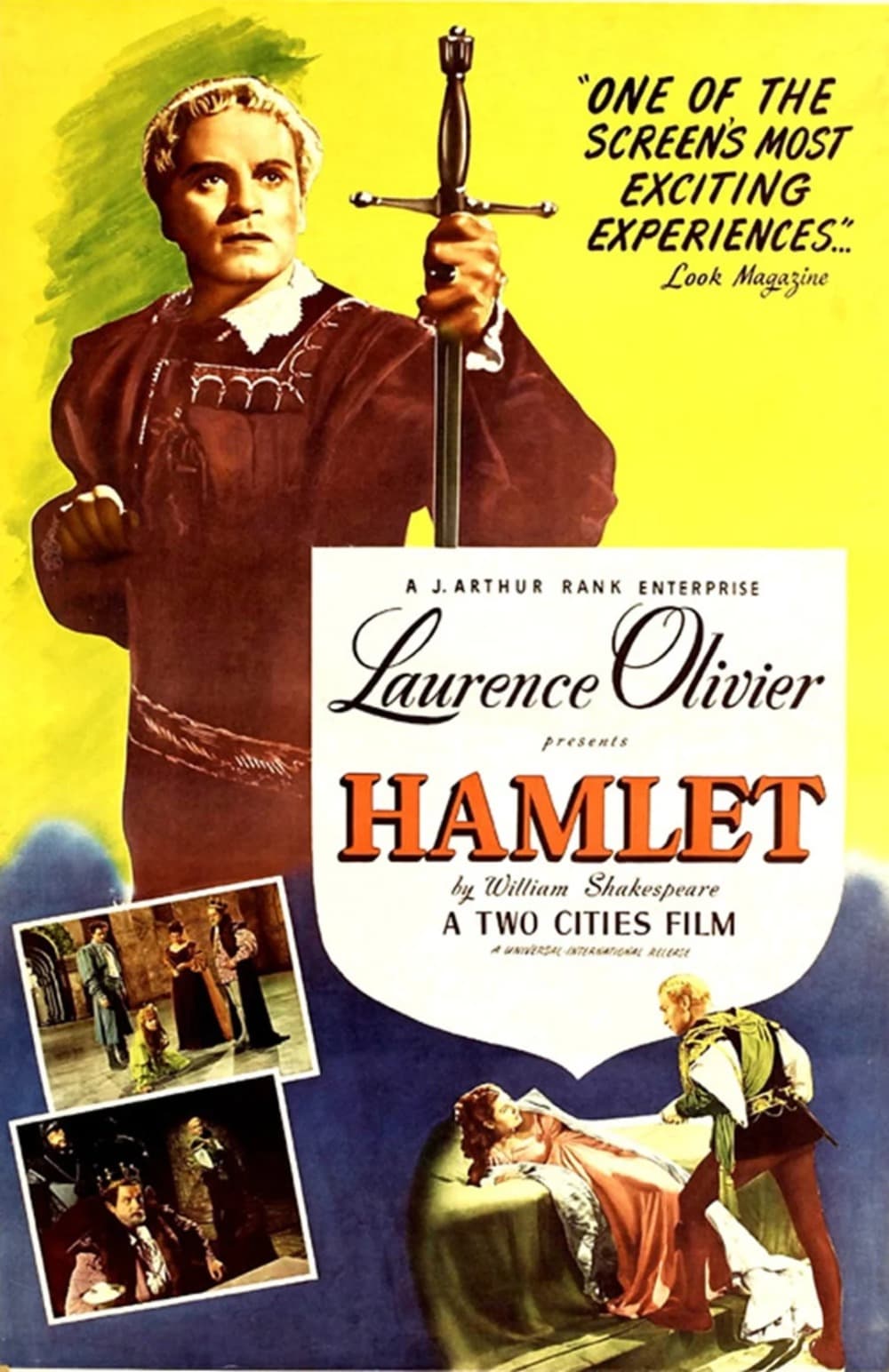
The first film made outside America to be named Best Picture: Laurence Olivier cut half the play, shot it in high-contrast monochrome, and moves the camera through Elsinore like a ghost.

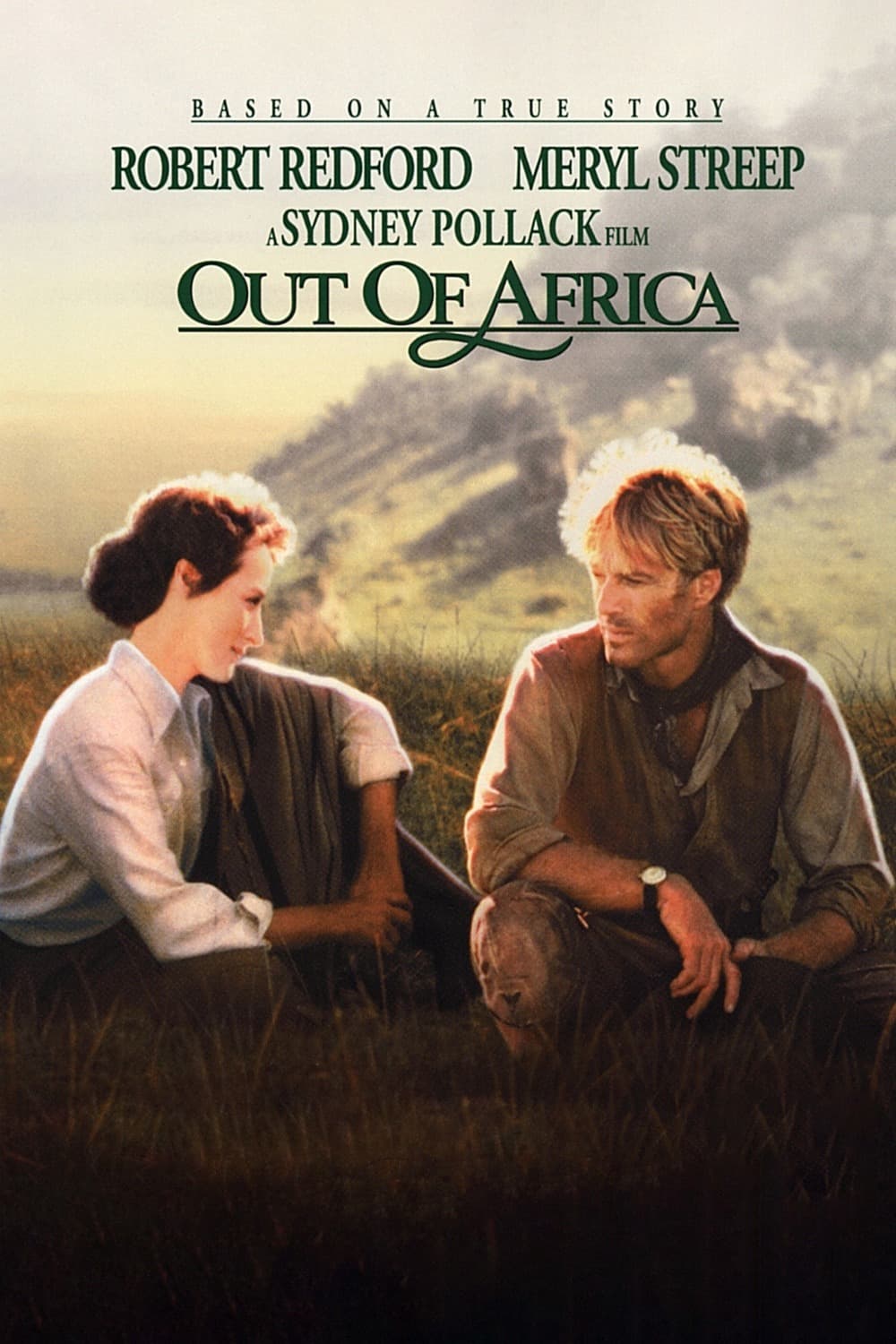
The flight over the Rift Valley is why anyone remembers it: Meryl Streep built Karen Blixen's Danish accent from recordings, and the film takes its time in a way nothing does now.

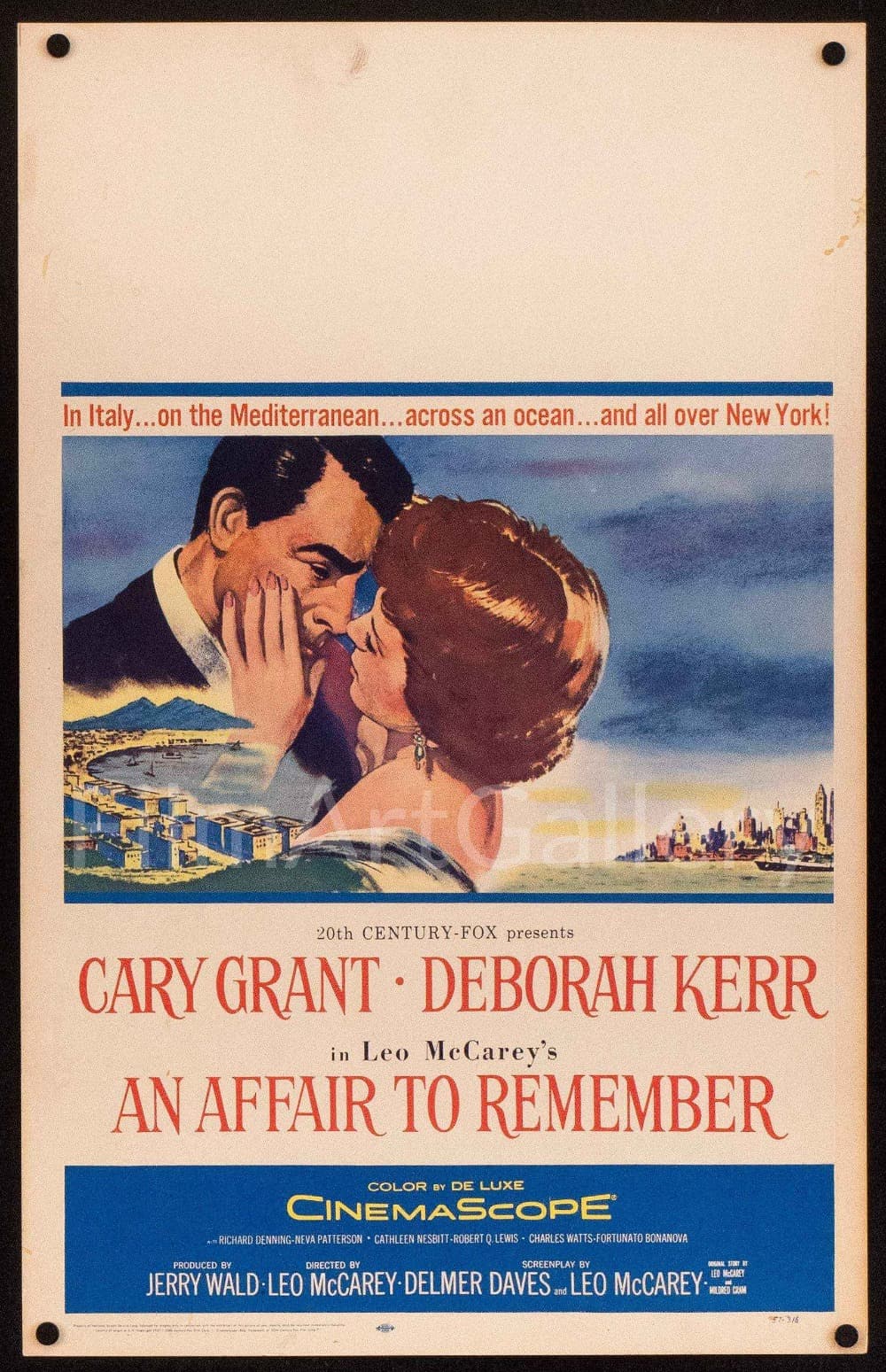
Sleepless in Seattle sent an entire generation back to it: Cary Grant and Deborah Kerr agree to meet on the Empire State Building observation deck in six months, and then wait.

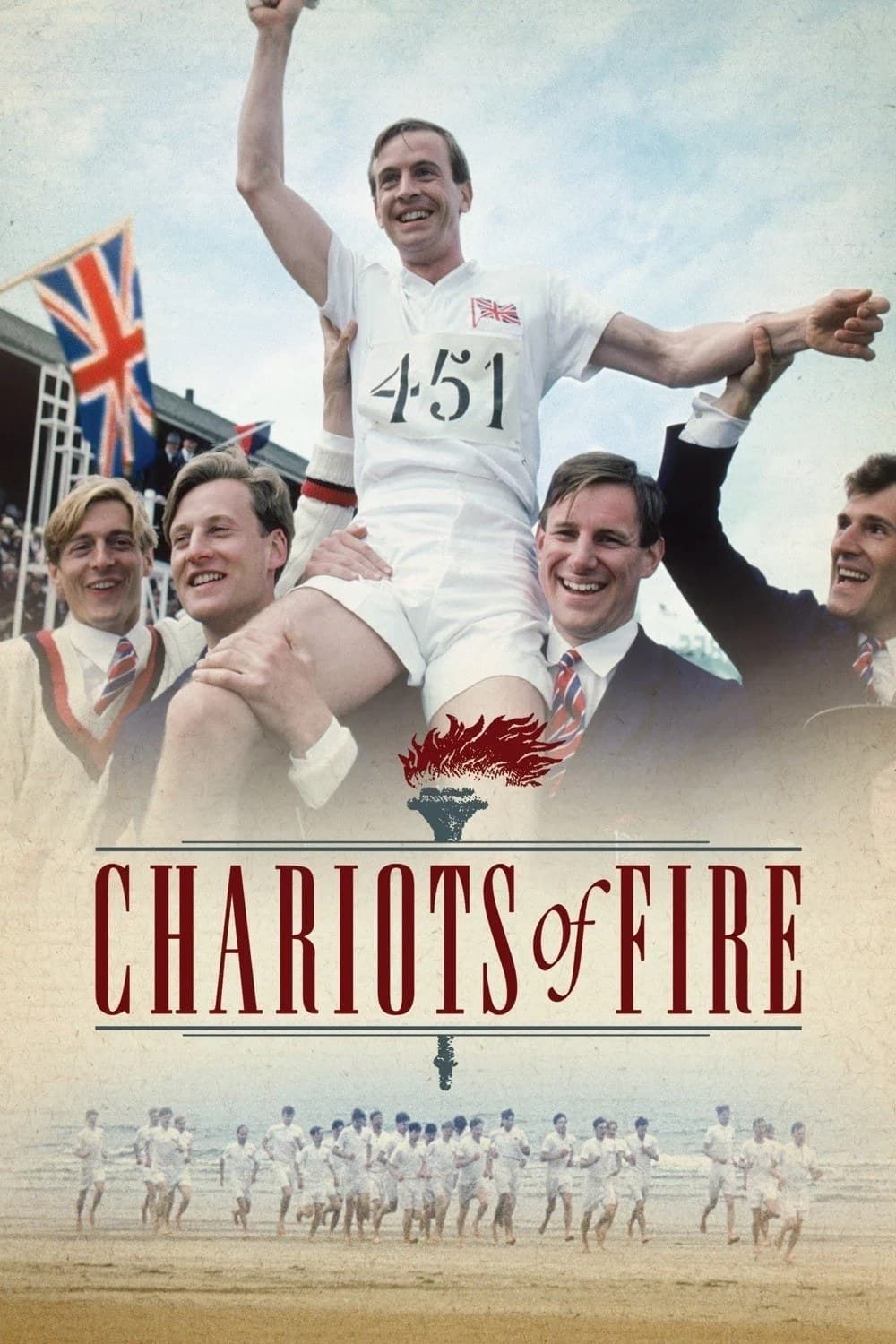
The Vangelis theme is so famous that people forget the film underneath is about religion: two runners at the 1924 Olympics, one running for God and one against English antisemitism.
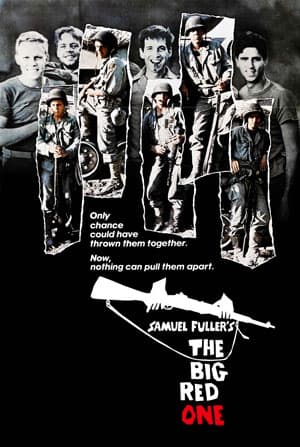
Samuel Fuller fought in the division he is filming and waited thirty-five years to tell it: a squad from North Africa to Sicily to Normandy, filmed as a job that does not end.

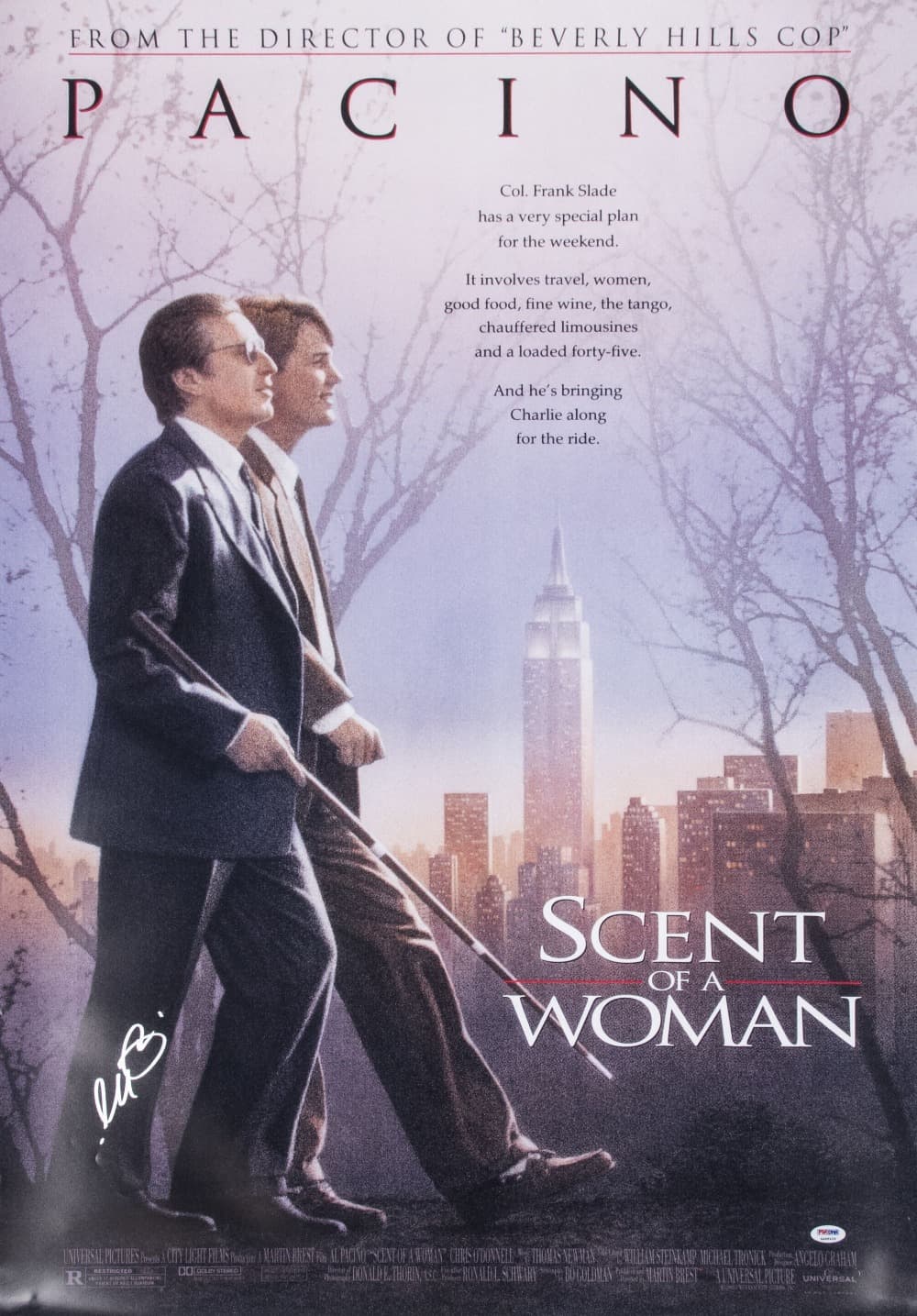
Al Pacino spent months learning to hold his eyes unfocused and never once looks at anything: a blind retired colonel hires a prep school student for one enormous weekend in New York.

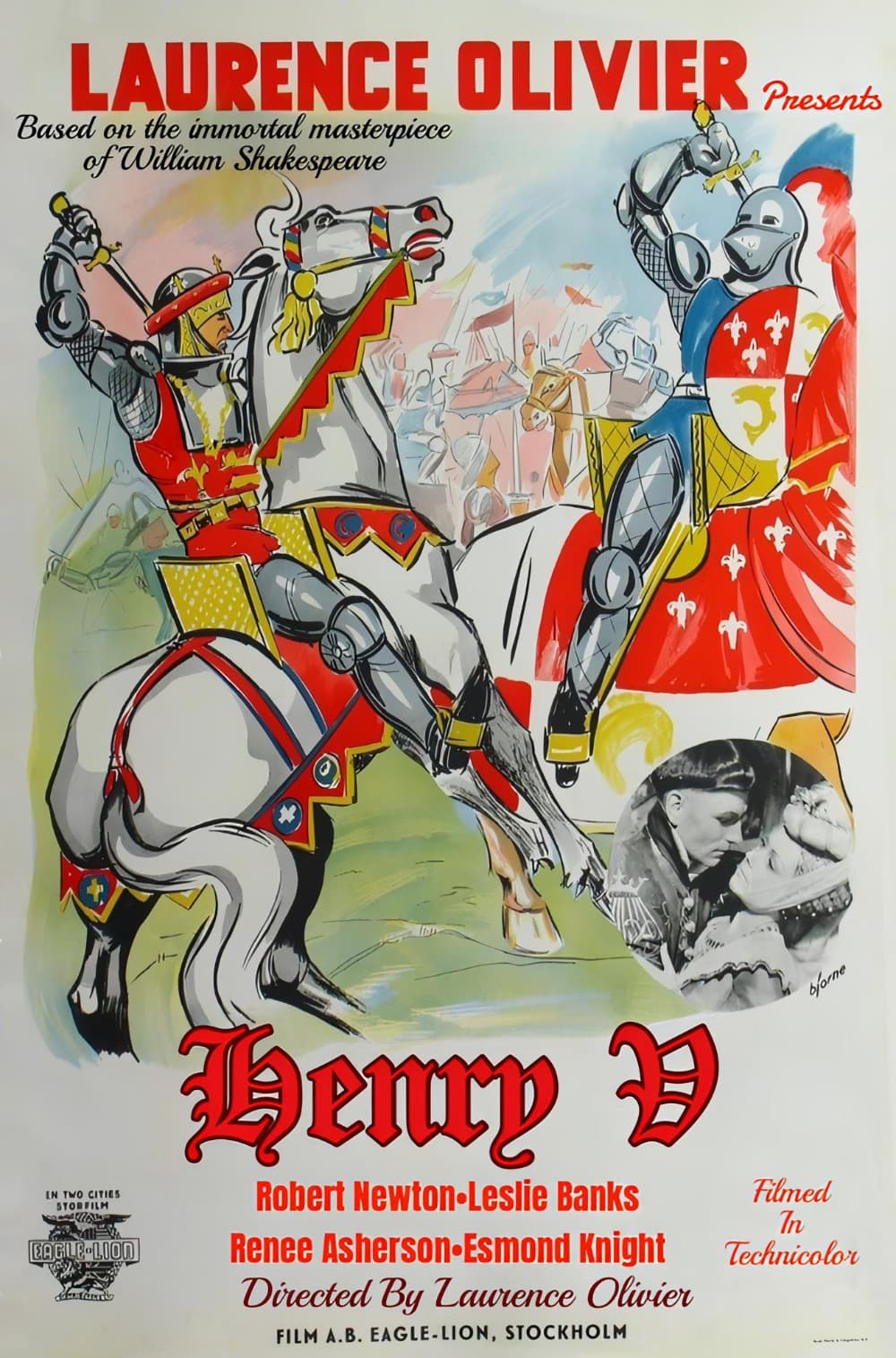
Made during the war and dedicated to the commandos and airborne troops of Britain: Laurence Olivier opens inside the Globe and then simply walks the film out into the real world.

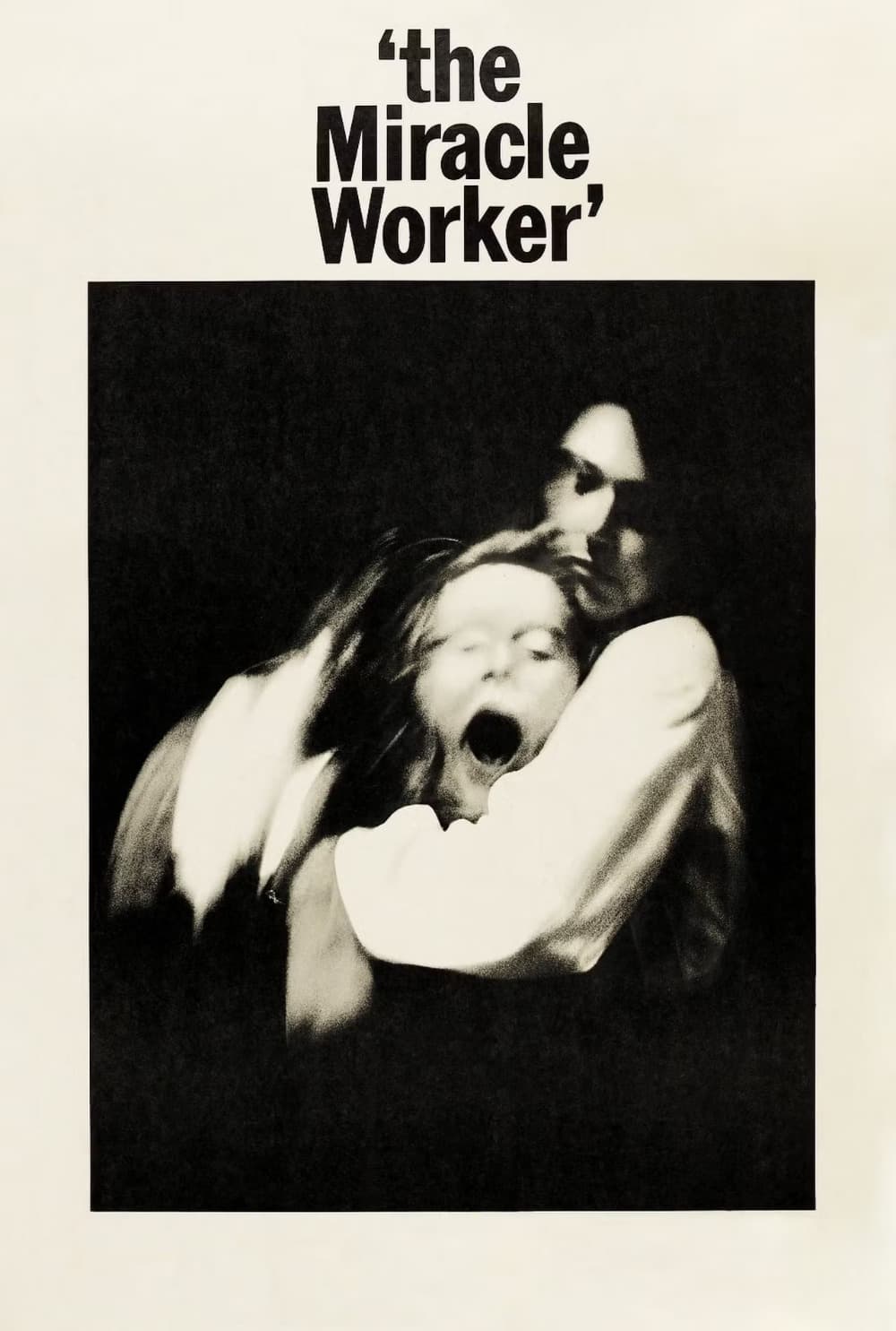
The dining room fight took five days to shoot: Anne Bancroft and Patty Duke both took Oscars, and neither Helen Keller nor her teacher gives an inch anywhere in it.

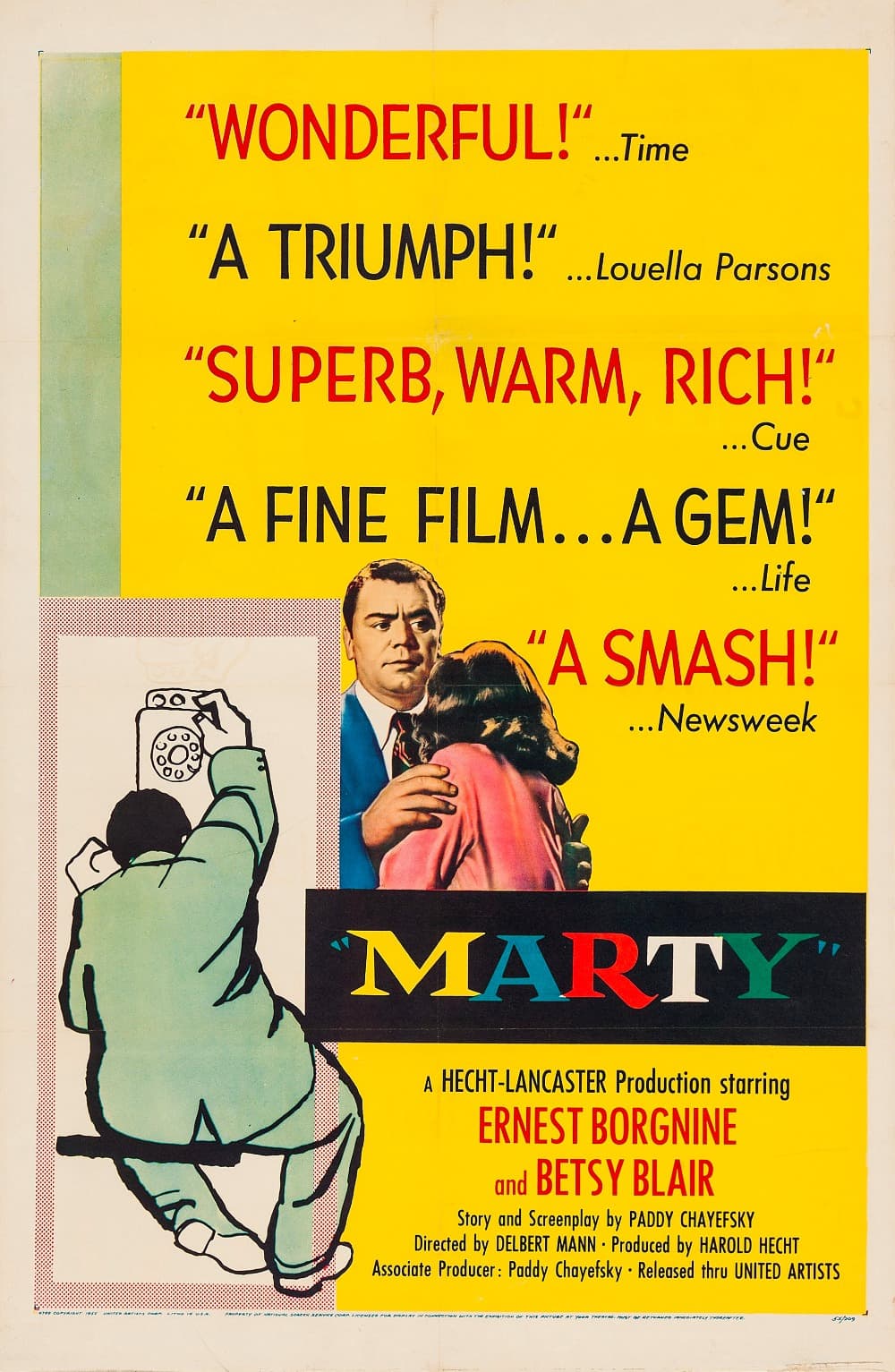
It holds both Best Picture and the Palme d'Or, which only three other films manage: a Bronx butcher who has given up on meeting anybody meets somebody, and it runs ninety-three minutes.

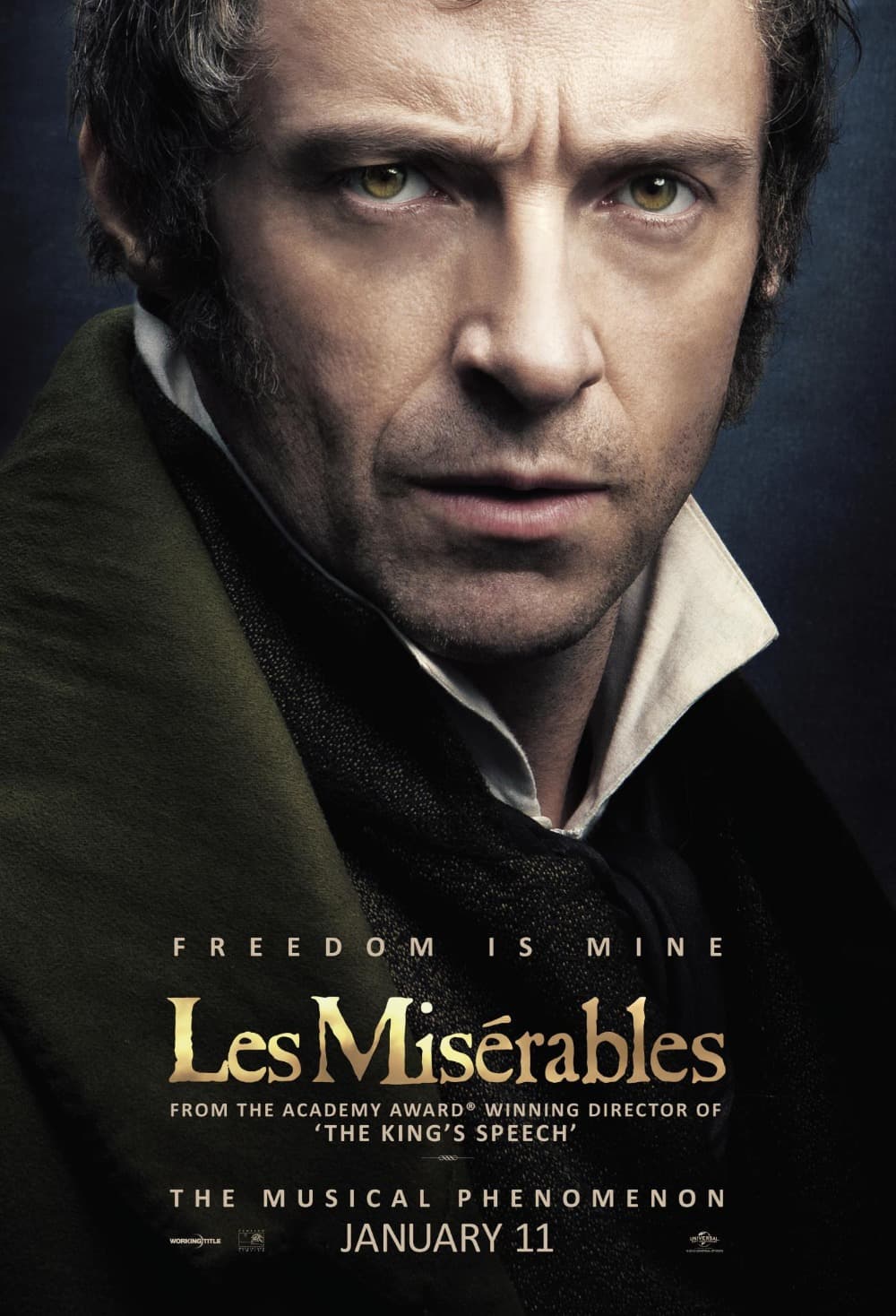
Every note was sung live on set instead of lip-synced to a recording, which nobody had attempted at this scale: the camera sits inches from faces the entire time.

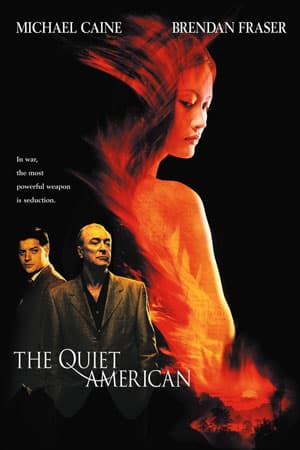
Miramax delayed releasing it after September 11 because the politics looked unpatriotic: Graham Greene's novel about American certainty in 1952 Saigon, with Michael Caine giving his best late performance.

Bob Dylan wrote the score, appears in it, and gave the world Knockin on Heaven's Door: MGM cut Peckinpah's version to pieces, and the restoration is a great elegiac western.

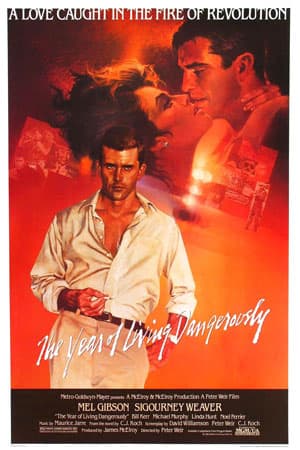
Linda Hunt is the only person ever to win an Oscar for playing someone of another sex: Jakarta in 1965, and an Australian correspondent who understands almost nothing about it.