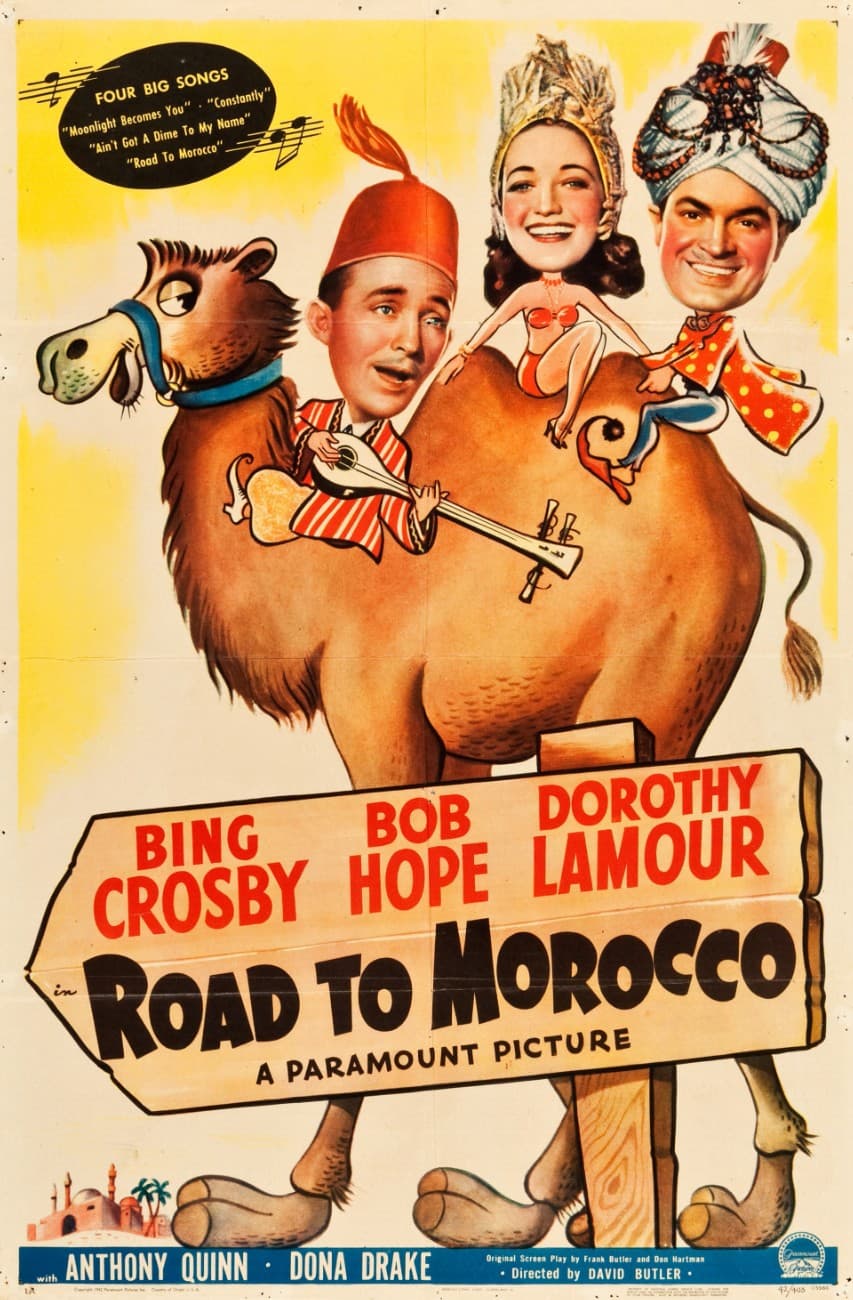
Road to Morocco
Directed by David Butler
1942
Bob Hope and Bing Crosby keep telling the audience it is only a film, and a camel gets a line: the fourth wall came down here long before anyone named it.
★ 1.1
 skopia
Bob Hope and Bing Crosby keep telling the audience it is only a film, and a camel gets a line: the fourth wall came down here long before anyone named it.
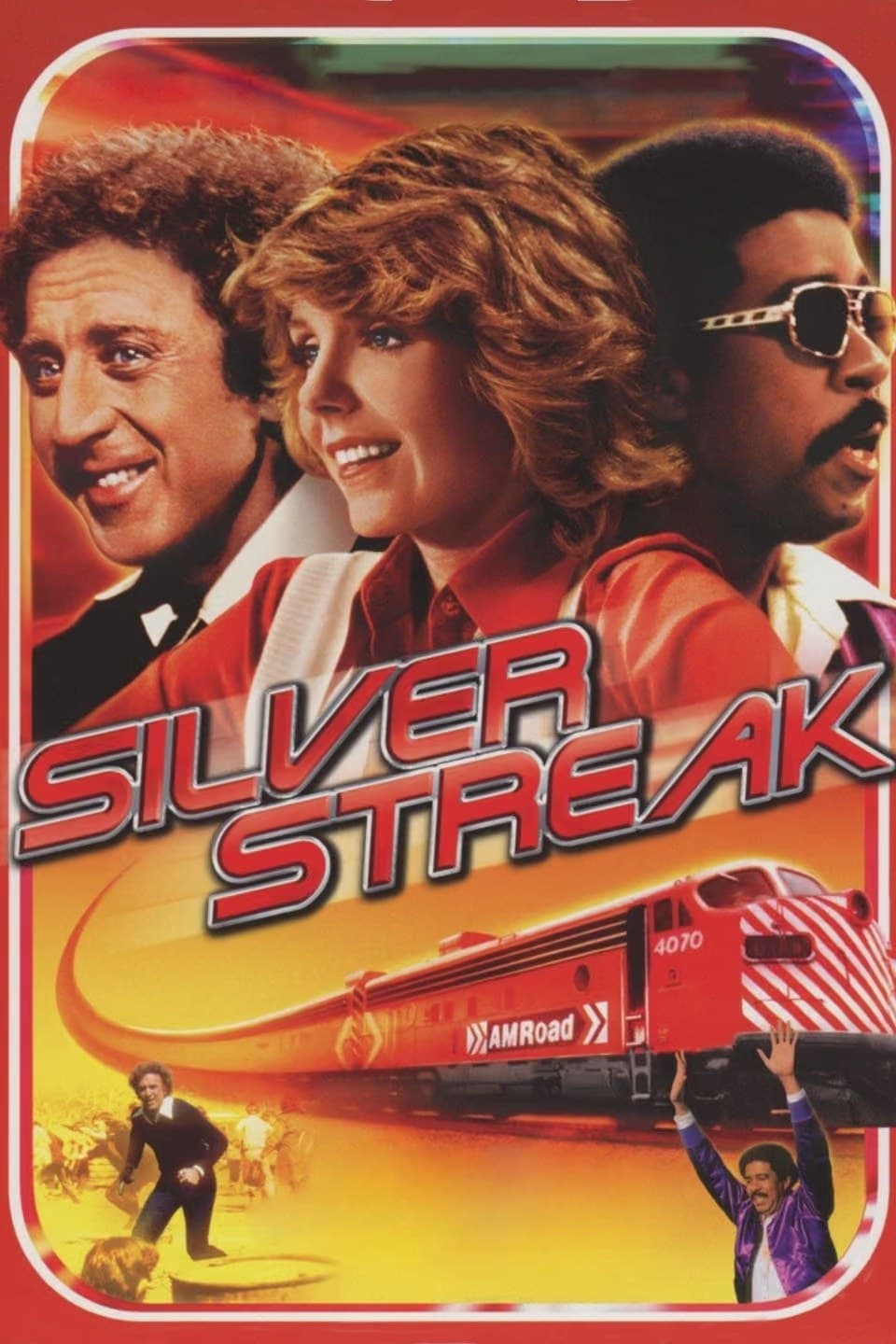
Gene Wilder and Richard Pryor met on this and made three more together: a book editor takes a slow train from Los Angeles to Chicago and sees something through a window.
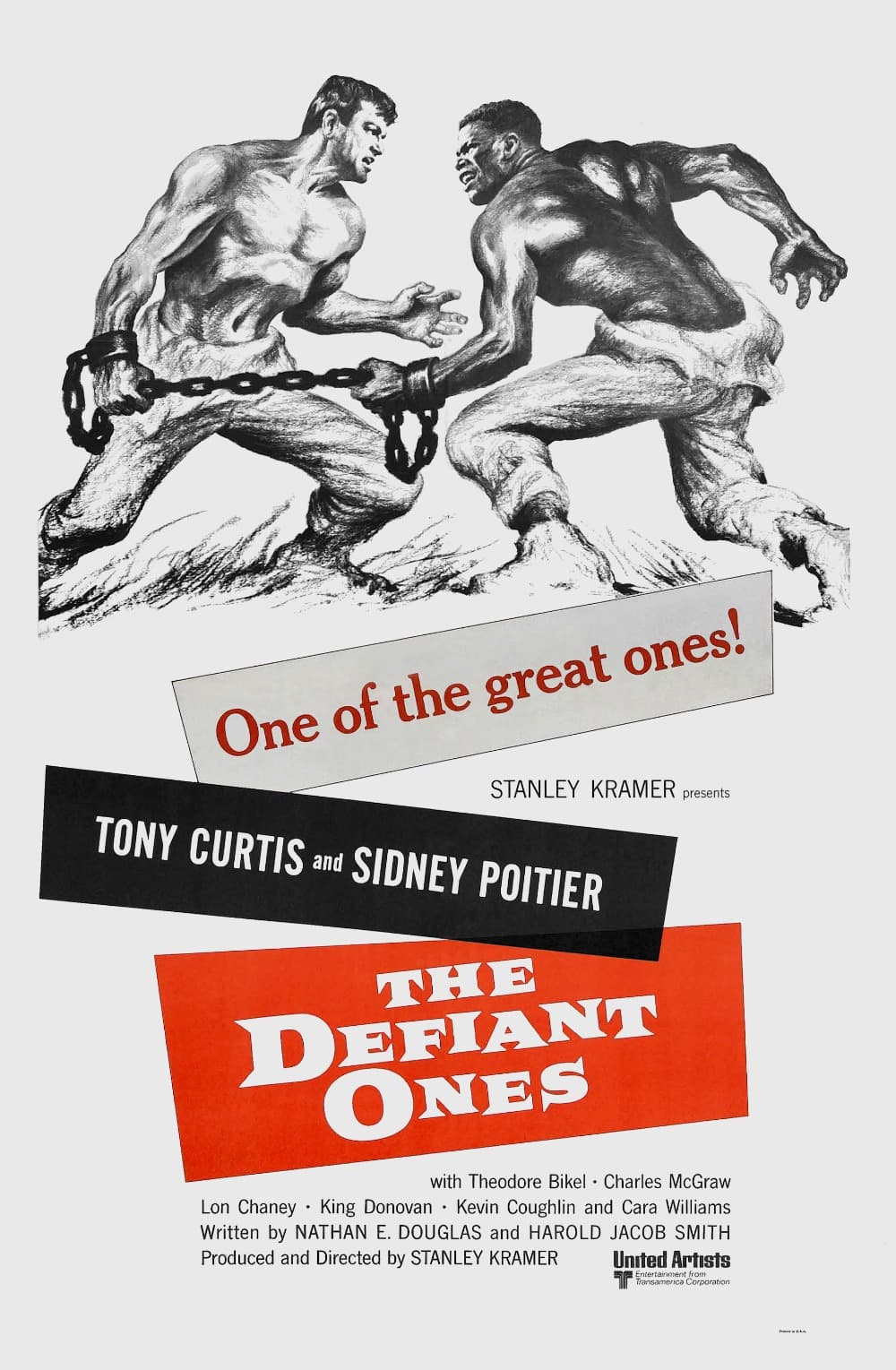
Sidney Poitier and Tony Curtis are chained together at the wrist, which was the entire argument in 1958: two convicts break out of a crash in the South and cannot move separately.
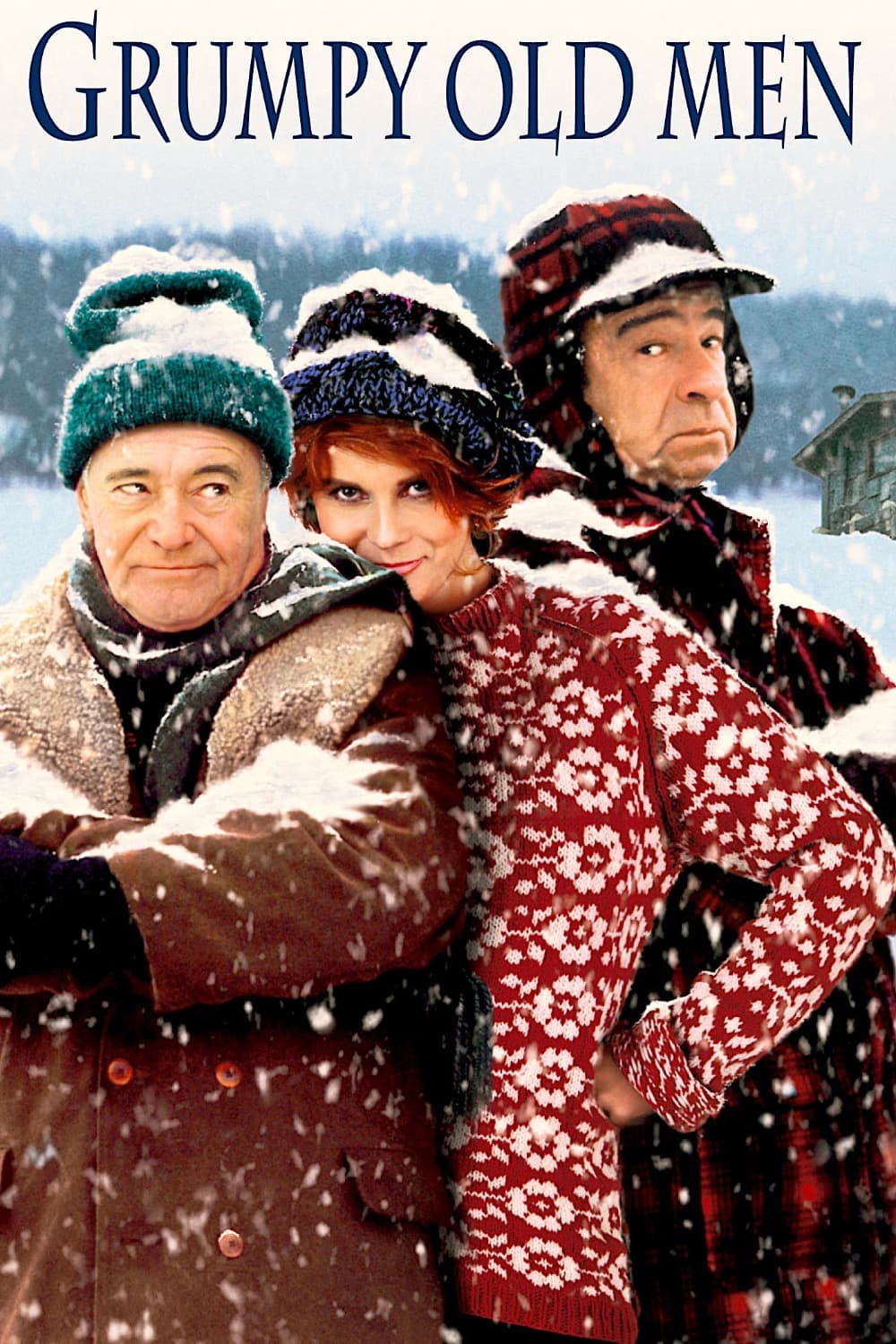
Walter Matthau and Jack Lemmon had been perfecting this act for twenty-five years and it still lands: two Minnesota neighbors have hated each other since one married the other's girl.
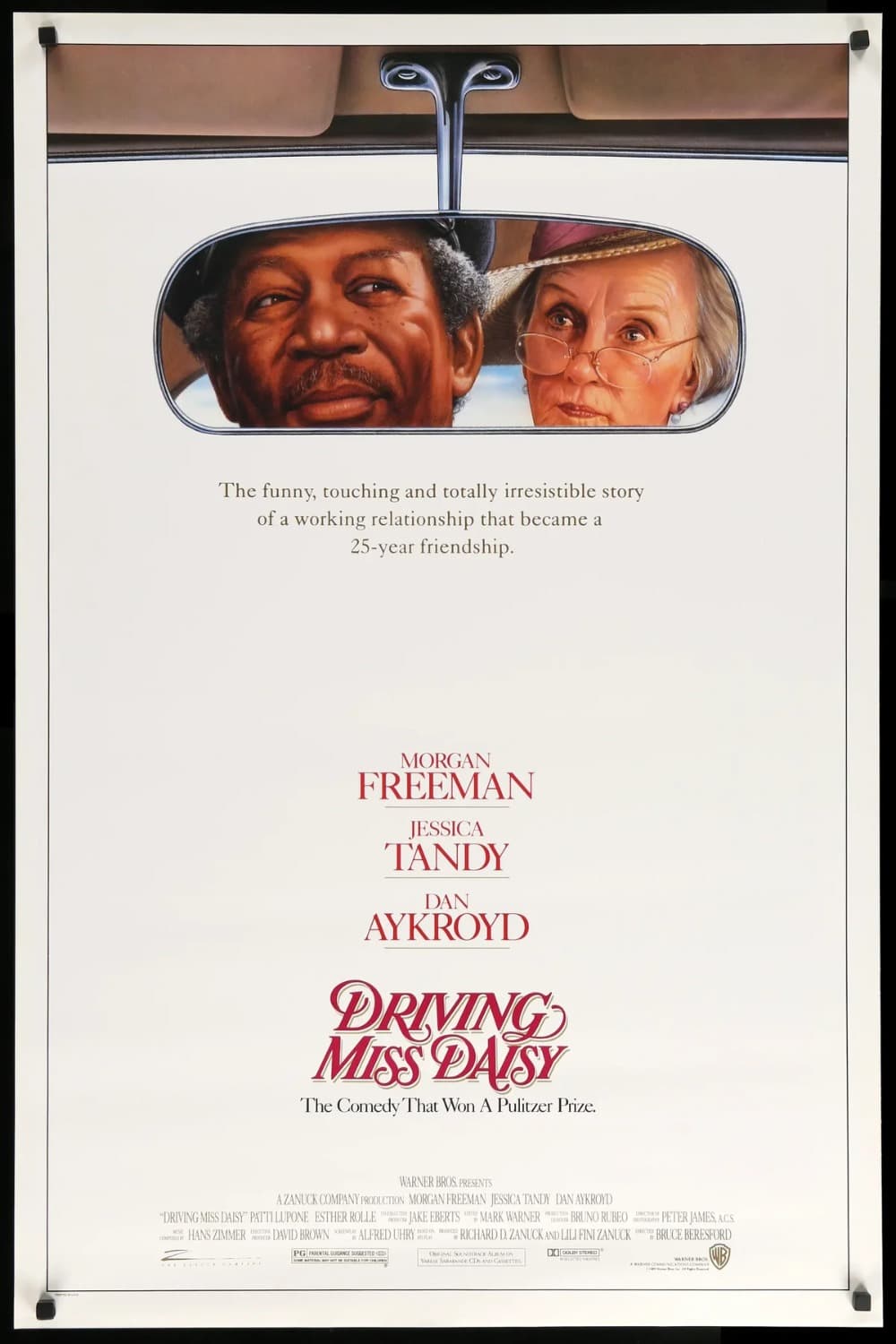
Jessica Tandy was eighty when she won Best Actress, the oldest ever: twenty-five years of an Atlanta employer and her chauffeur, played so lightly that people underrate what the film is doing.
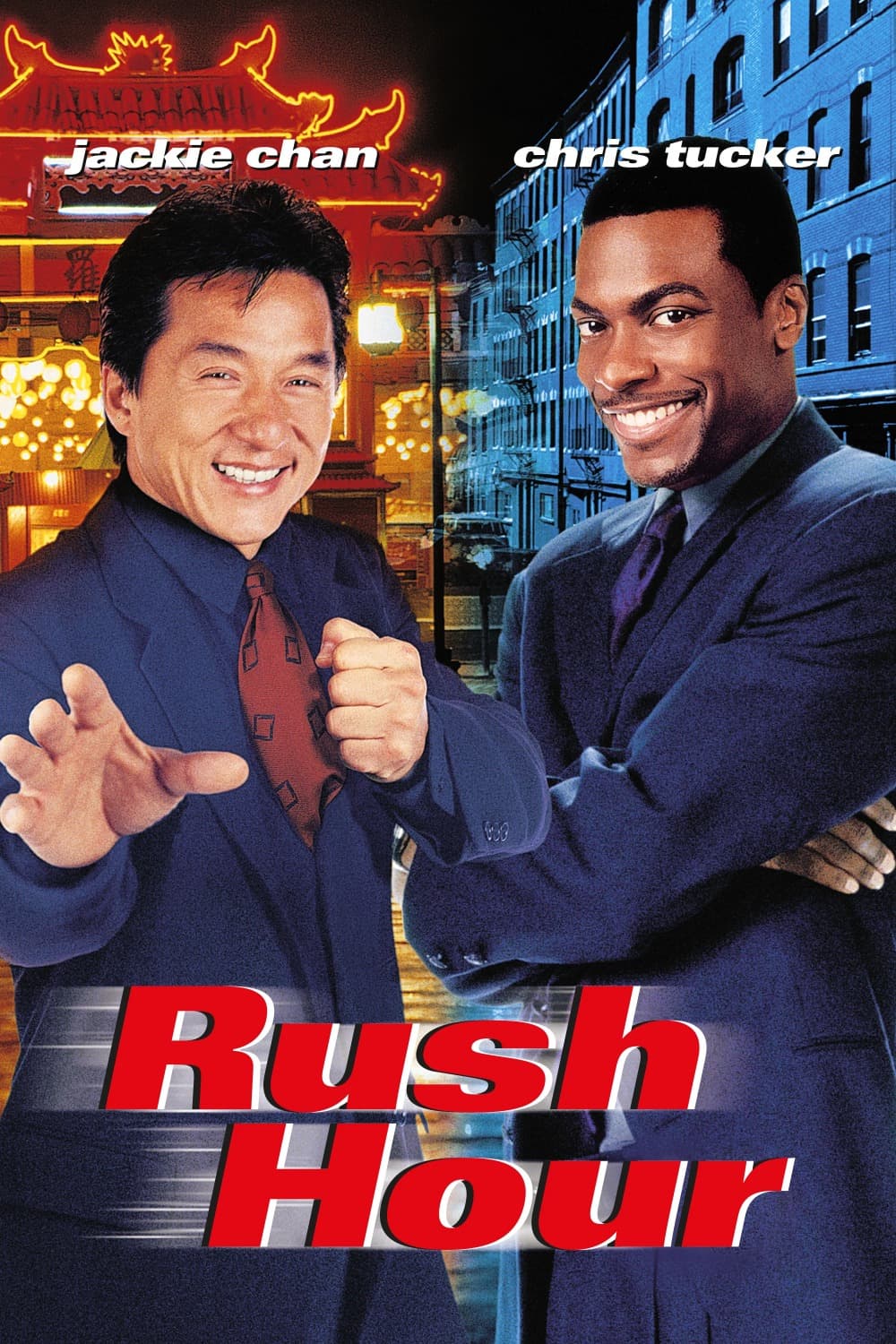
Jackie Chan had been a superstar everywhere except America and this finally fixed that: he does all his own stunts, and Chris Tucker talks at a frequency nobody else reaches.
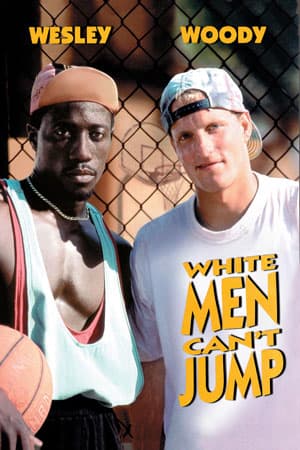
Nobody has ever written trash talk this well: Wesley Snipes and Woody Harrelson hustle Los Angeles playground courts, and the insults are more athletic than the basketball.
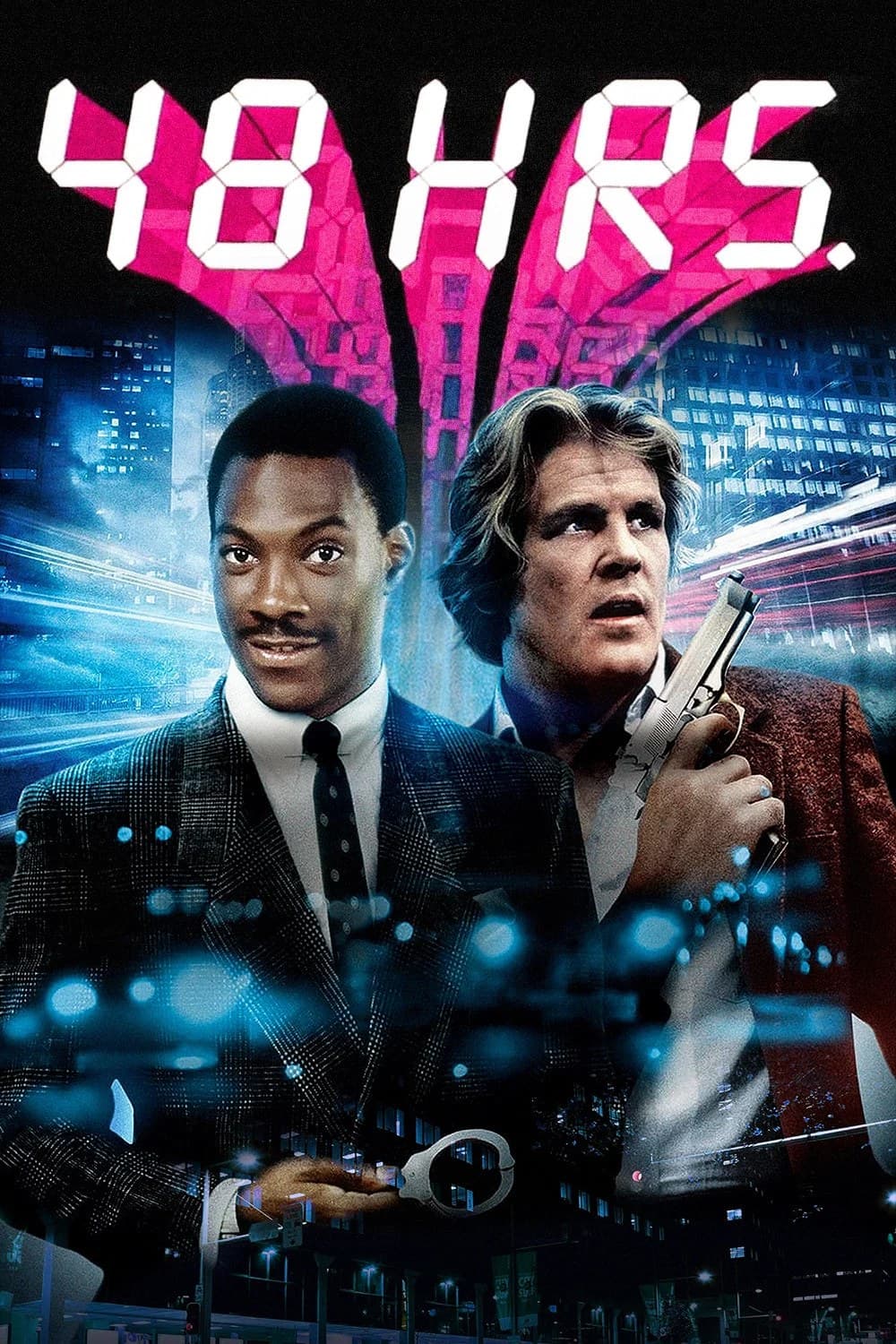
Eddie Murphy's first film role and he takes the whole thing over: Walter Hill built the interracial buddy-cop formula here, and the bar scene made a twenty-one-year-old a movie star overnight.
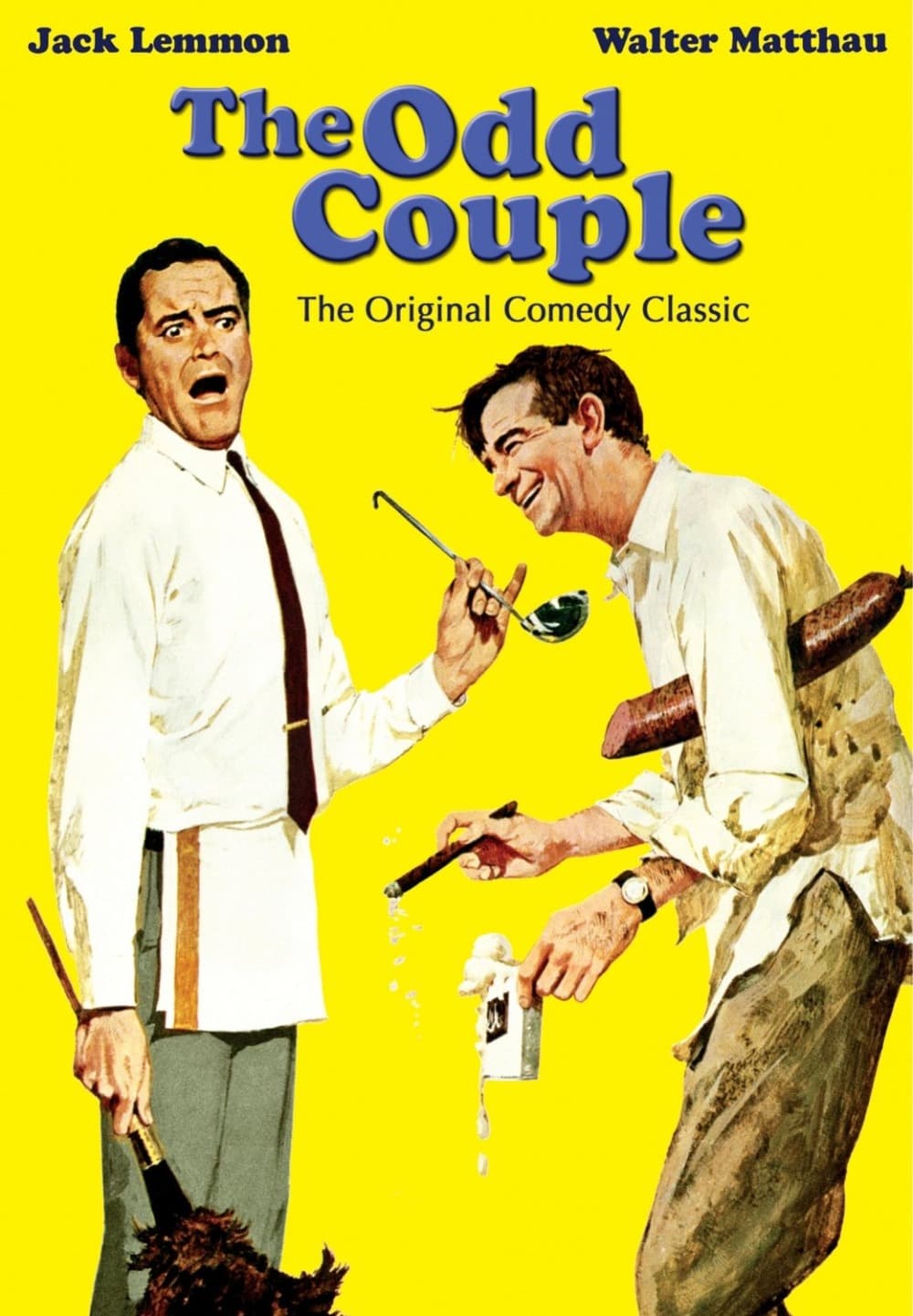
Neil Simon's play handed American comedy a permanent shape: Jack Lemmon and Walter Matthau share an apartment badly, and the television series that followed ran for five years.
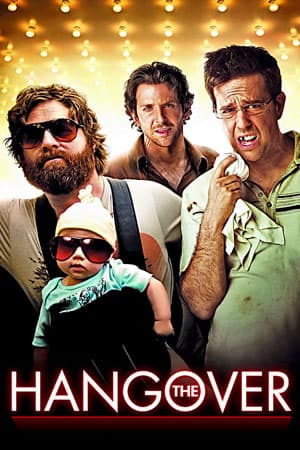
It withholds the night itself and works entirely on reconstruction: four men wake in a wrecked Las Vegas suite with the groom missing, and piece the evening back together from the evidence.
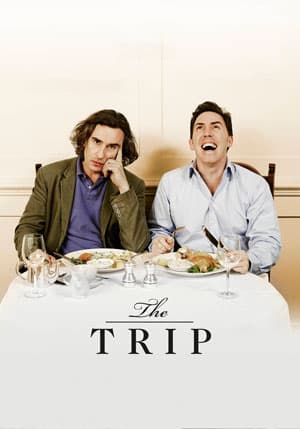
Two comedians play unpleasant versions of themselves and improvise the whole thing: Steve Coogan and Rob Brydon drive around northern England eating well and competing over Michael Caine impressions.
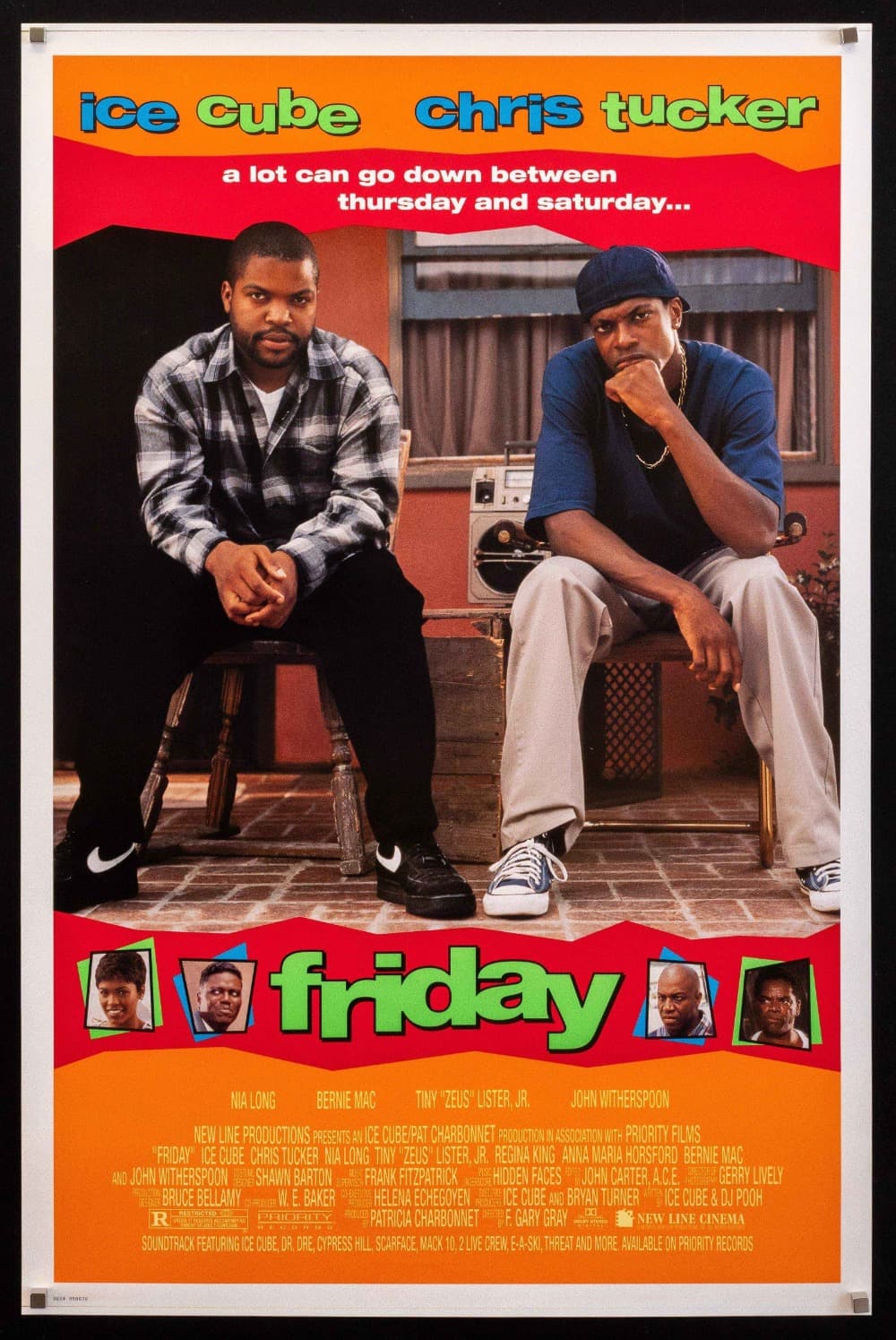
Ice Cube wrote it because he was tired of films that made his neighborhood look like a war zone: one Friday, one porch, and a comedy built out of nothing happening.
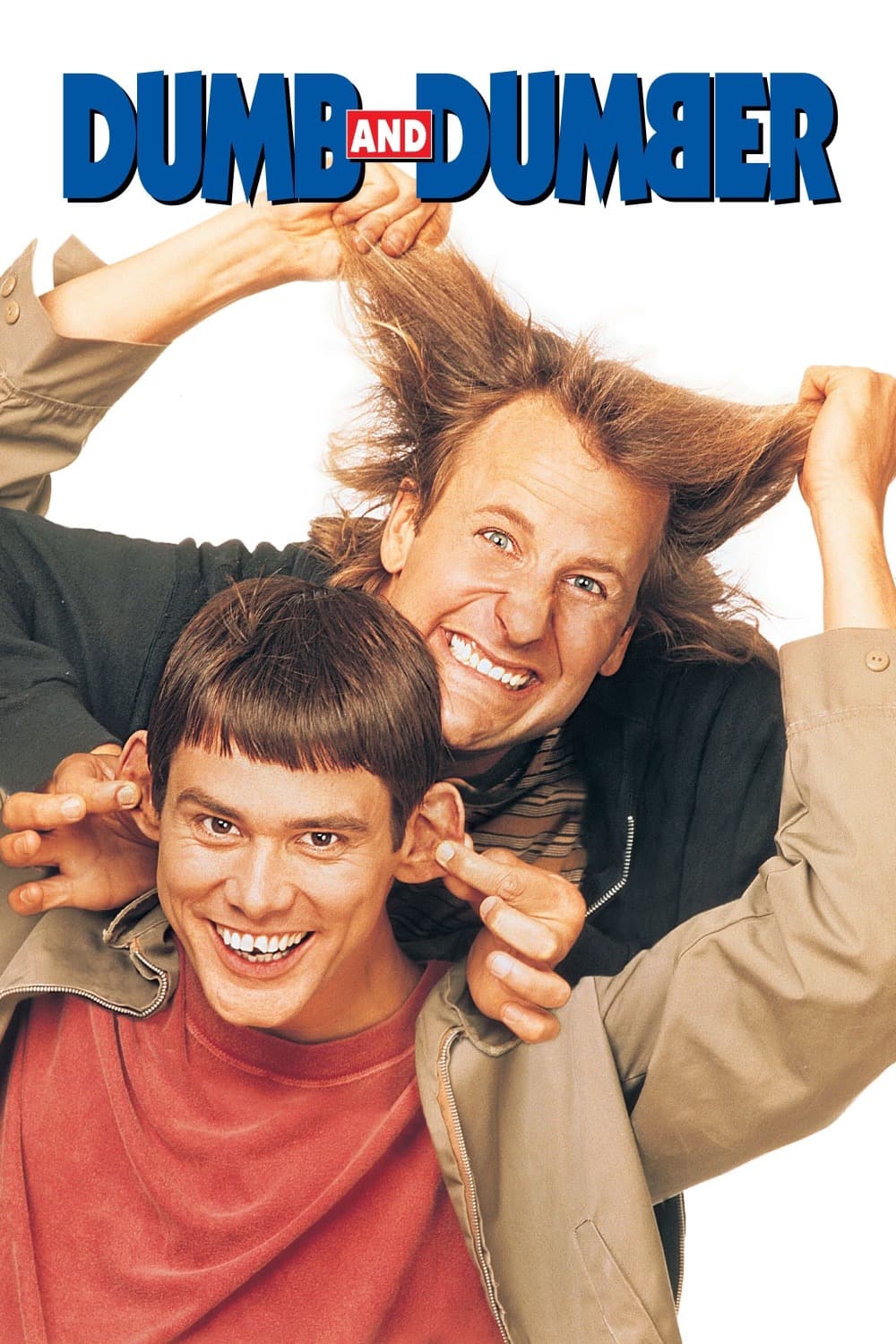
Jim Carrey had three hits in a single year and this one has aged best: two men drive to Aspen to return a briefcase, understanding nothing about anything at any point.
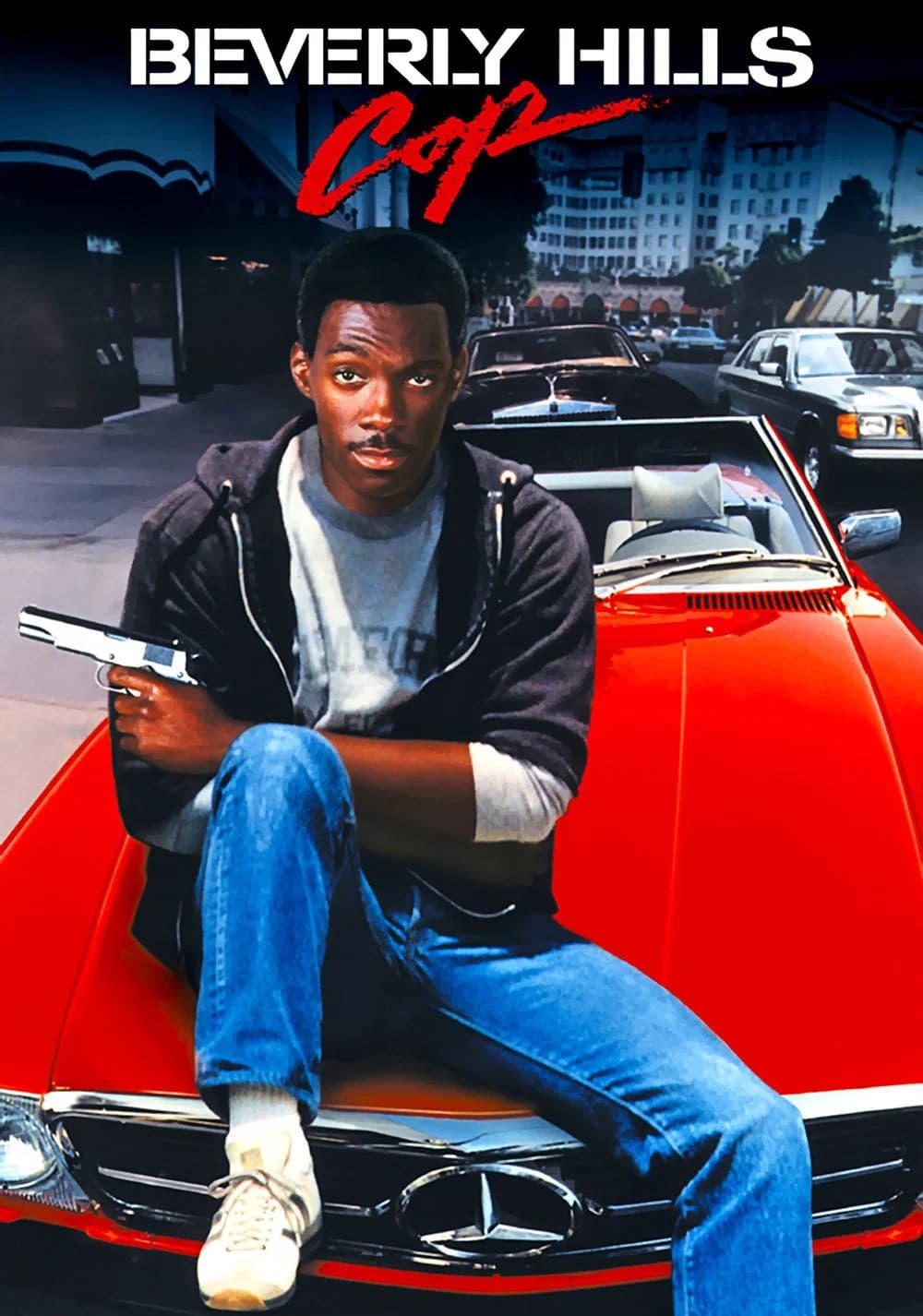
Sylvester Stallone rewrote the script into an action picture, then quit two weeks before shooting: Eddie Murphy came in days later, and nobody escaped that synthesizer theme for years.
Jon Favreau wrote it about his own bad year and they shot in real bars without permits: two hundred thousand dollars total, and the answering machine scene is unbearable in the best way.
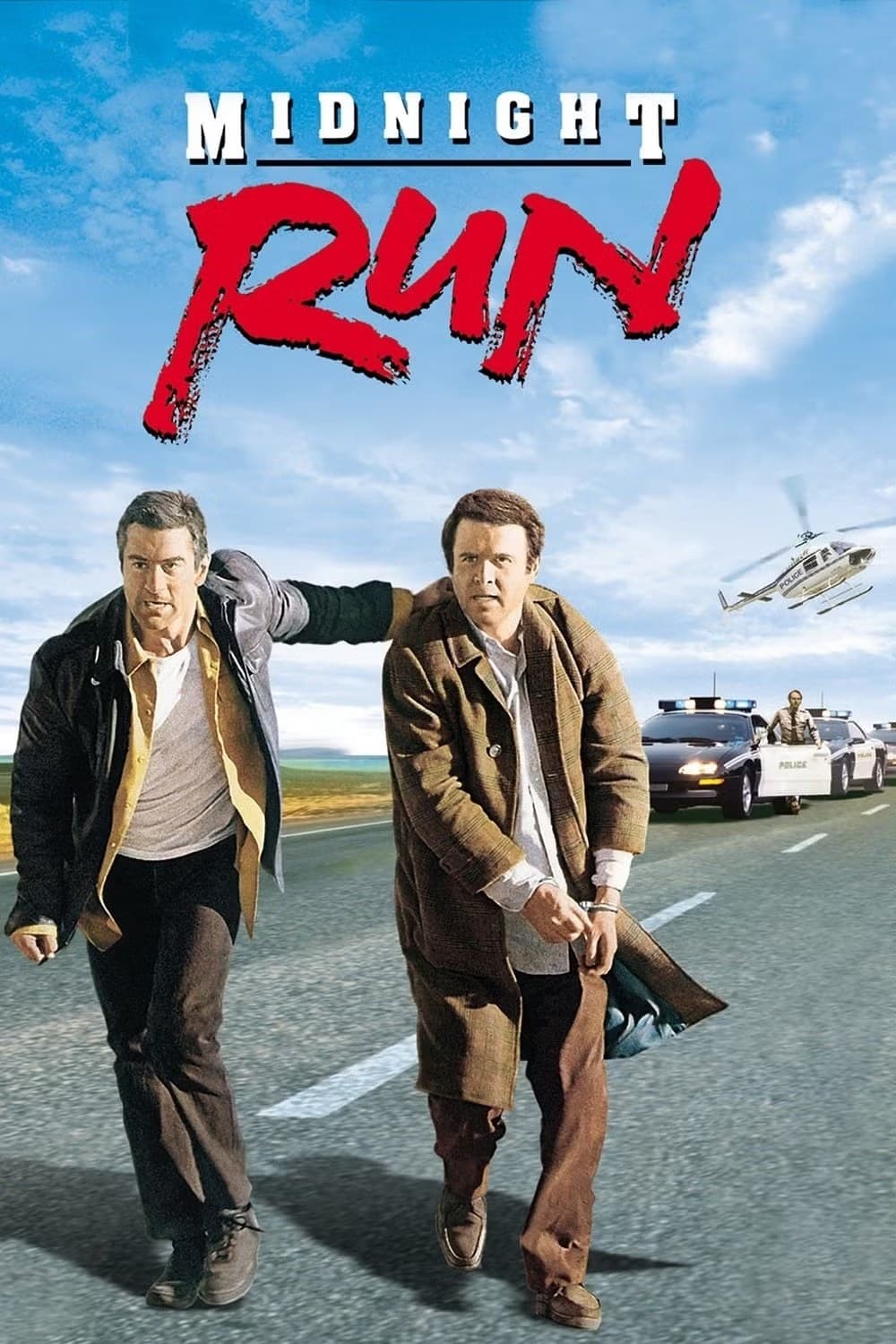
De Niro is funnier here than in any comedy he tried to be funny in: a bounty hunter has to move an embezzling accountant coast to coast, and the accountant never stops talking.
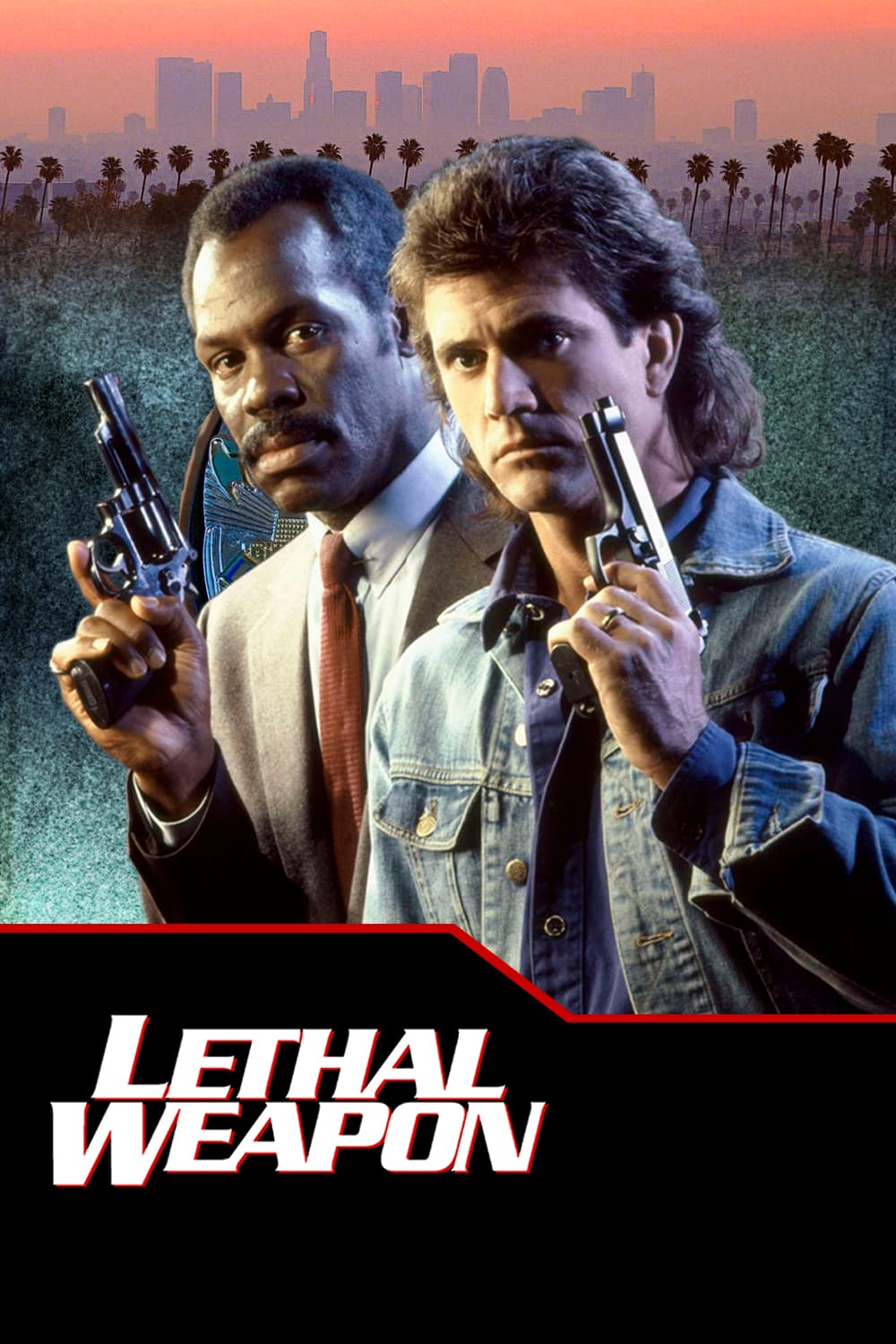
Shane Black sold the script at twenty-three and set the buddy-cop template for two decades: one cop is counting down to his pension, the other is a widower nobody trusts to be careful.
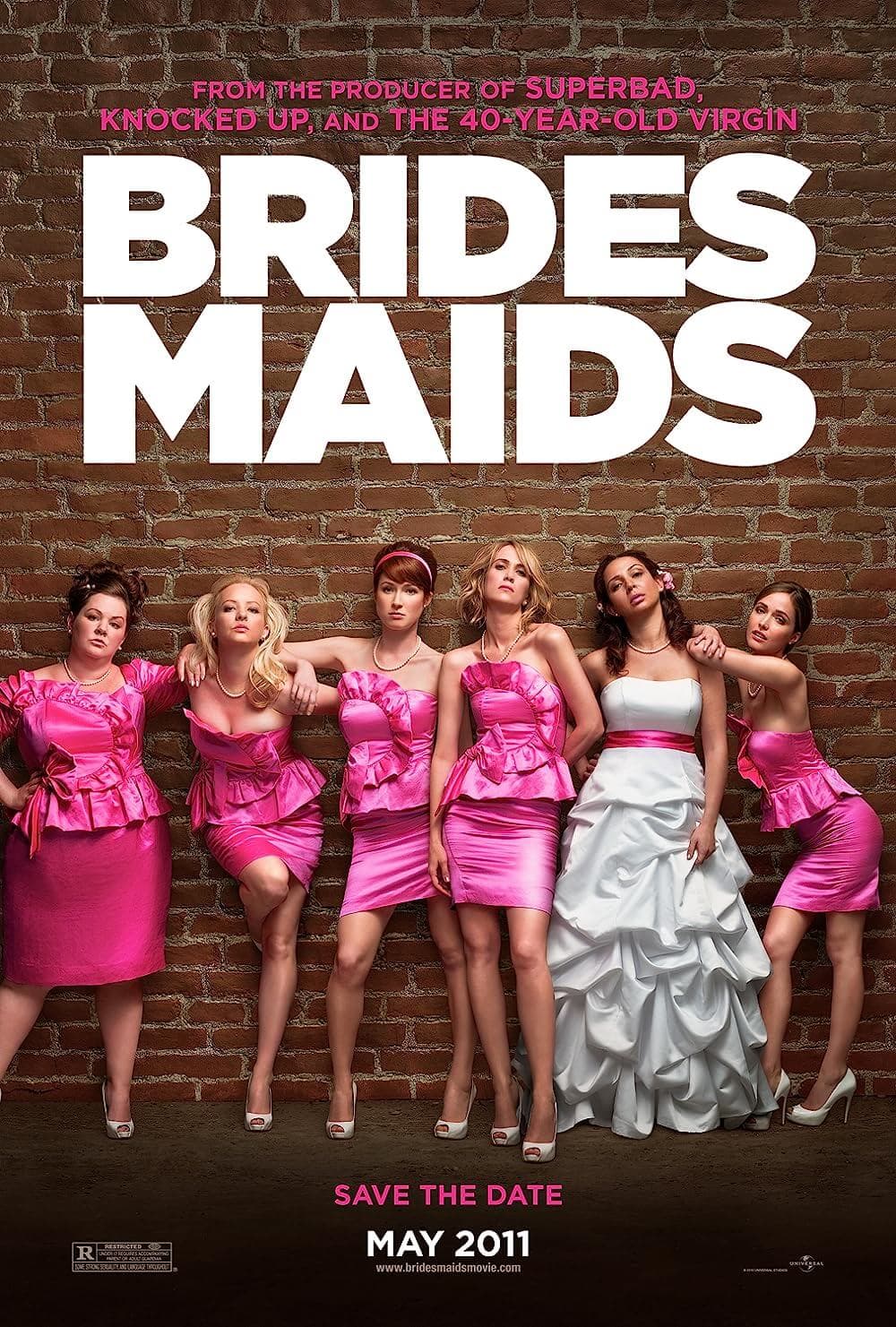
Studios genuinely believed women would not carry a raunchy comedy, and this ended the argument in one weekend: Kristen Wiig and Annie Mumolo wrote it, and the real romance is between friends.
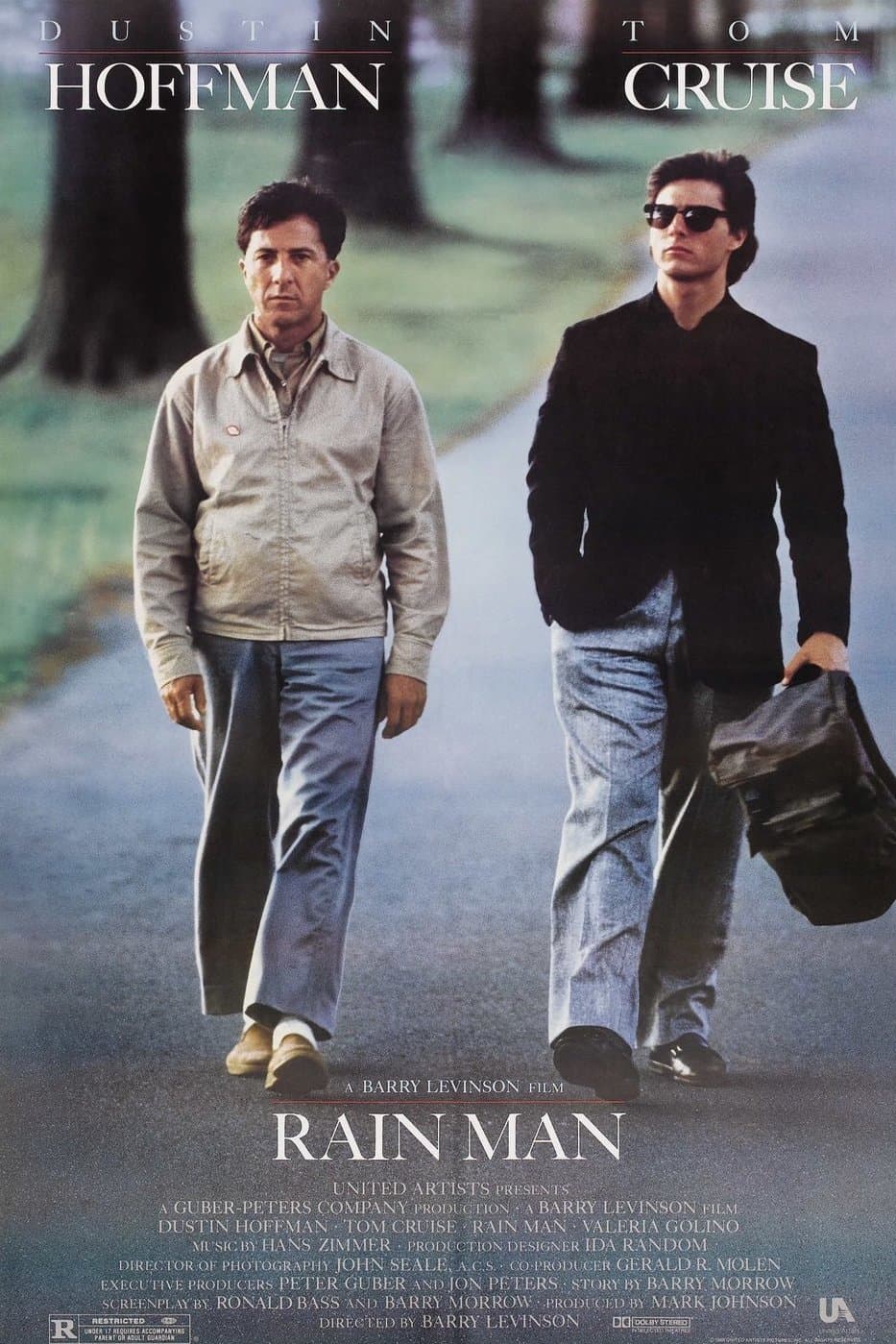
Hoffman spent a year with autistic men before shooting and the film changed what most people thought autism was: two brothers, one Buick, and a drive across America neither of them wanted.
Richard E. Grant does not drink and had to be taught to be convincing: two unemployed actors leave London for a cottage in 1969 with no money, no food and no plan whatsoever.