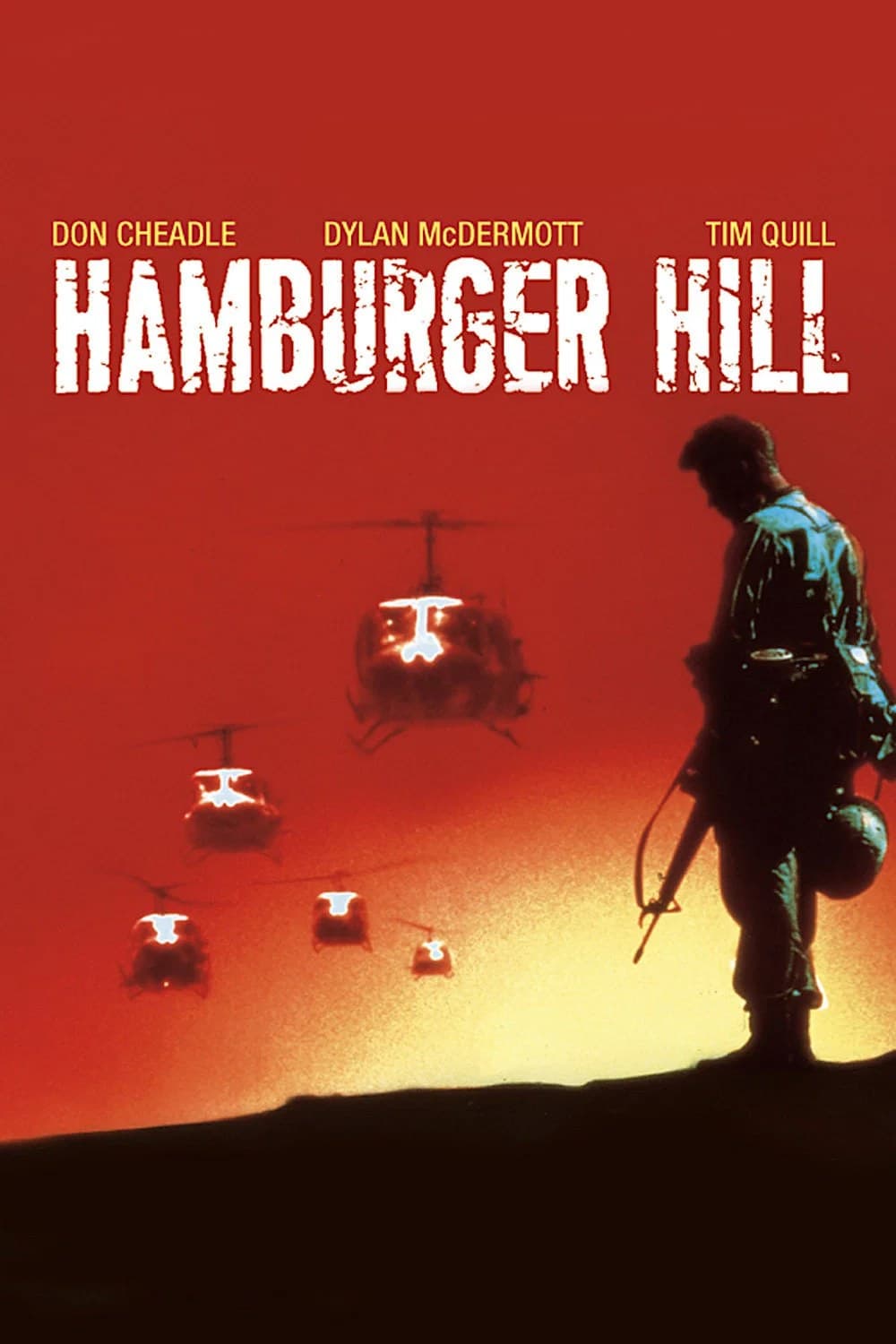
Hamburger Hill
Directed by John Irvin
1987
The least mythologizing Vietnam film anyone made: ten days in May 1969 taking one hill that the army abandoned immediately afterward, filmed as almost pure exhaustion and mud.
★ 2.0
 skopia
The least mythologizing Vietnam film anyone made: ten days in May 1969 taking one hill that the army abandoned immediately afterward, filmed as almost pure exhaustion and mud.
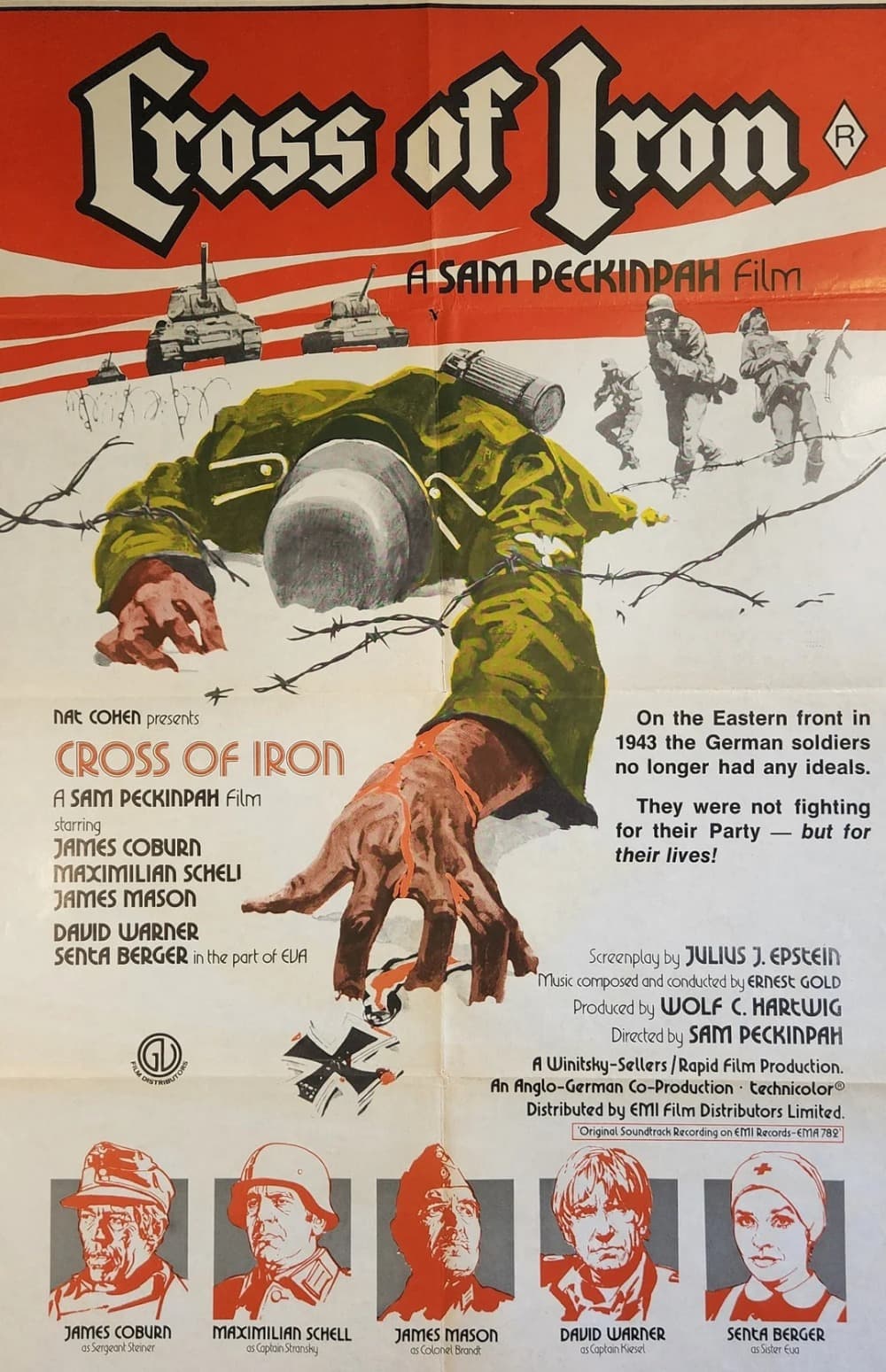
Sam Peckinpah's only war film, told entirely from the German side of the Eastern Front: Orson Welles called it the finest anti-war film since All Quiet on the Western Front.

Ron Kovic wrote the book and then the screenplay with Oliver Stone, who had been to the same war: a Long Island boy enlists in 1967, and Tom Cruise abandons his own image.
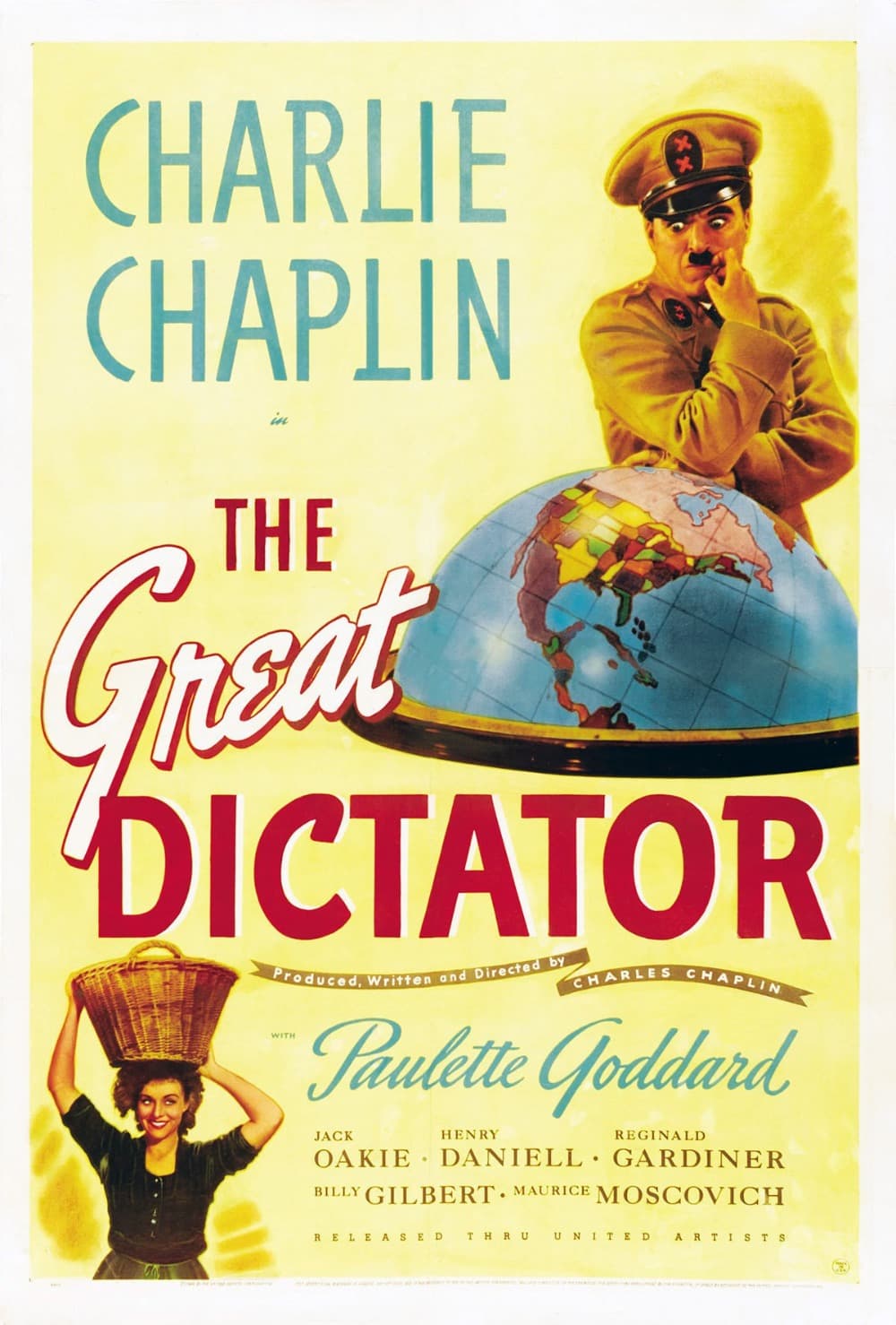
Chaplin attacked Hitler while America was still neutral, in his first talking picture: the two men were born four days apart, and the globe dance is the cruelest joke he ever staged.
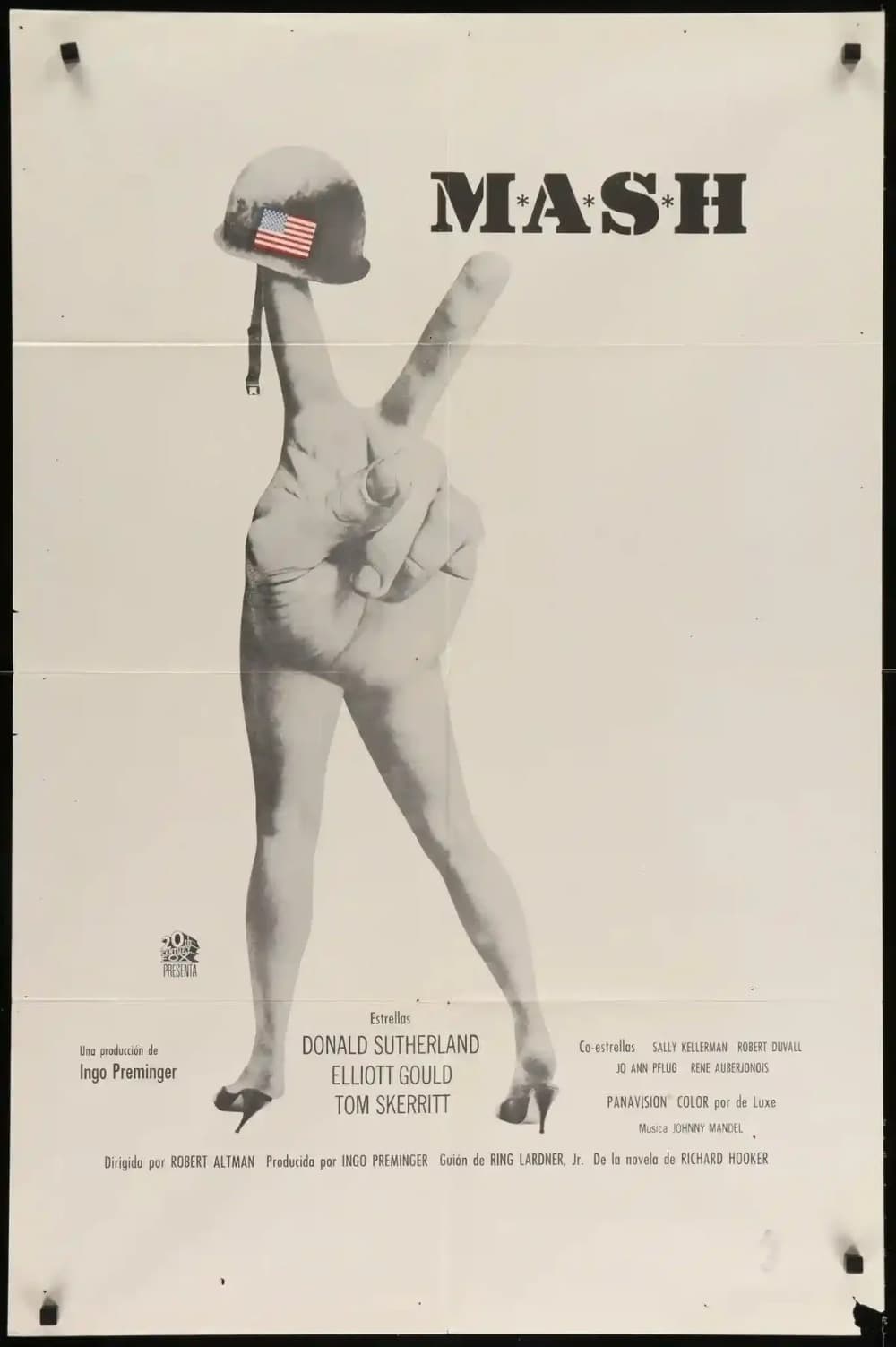
Altman's overlapping dialogue turns up fully formed: army surgeons in Korea behave appallingly in order to stay sane, and the film was really about Vietnam all along.
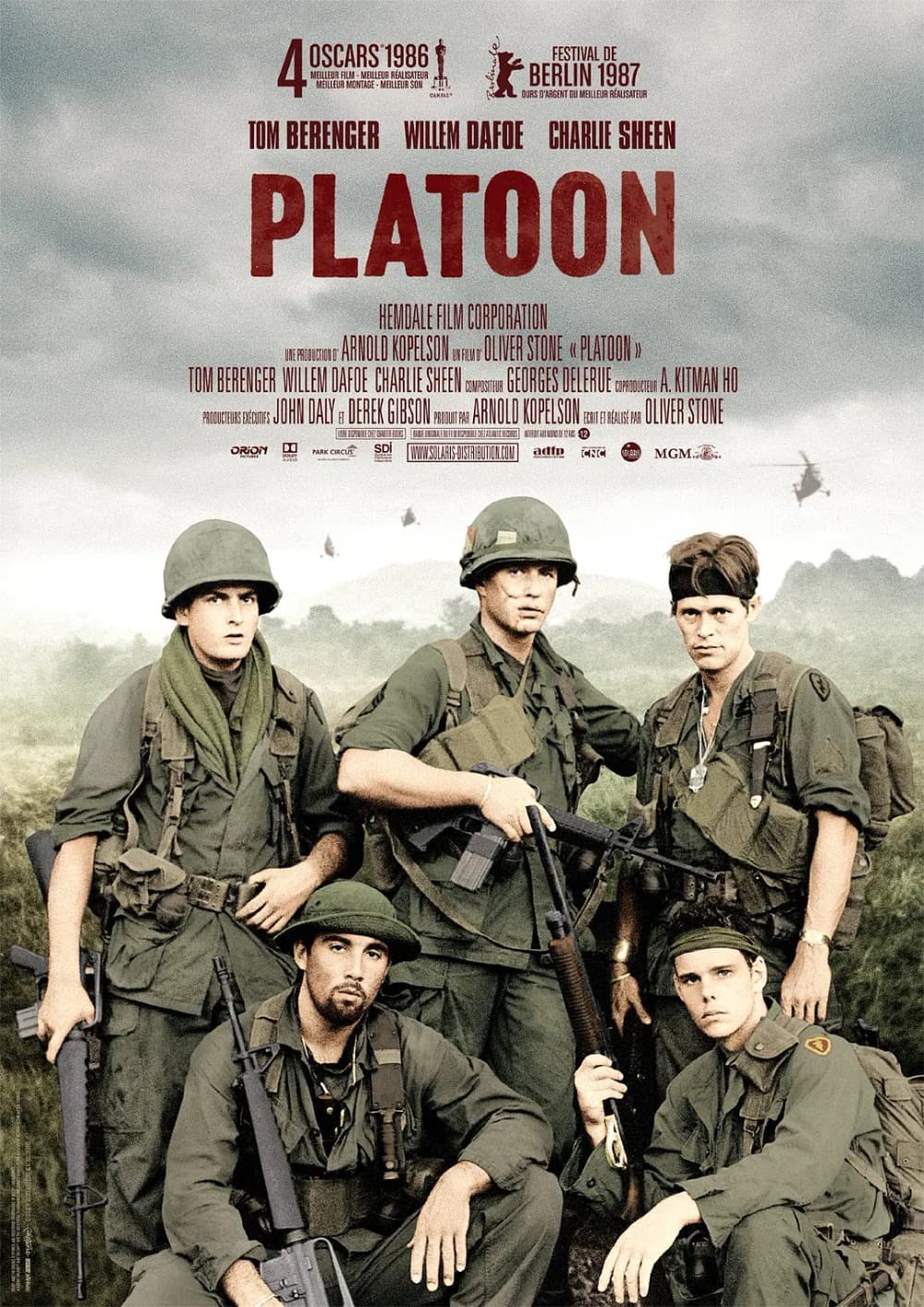
Oliver Stone served in Vietnam and made this to correct everyone else's version: no glamour, no clarity, and a platoon that splits between two sergeants and stays split.
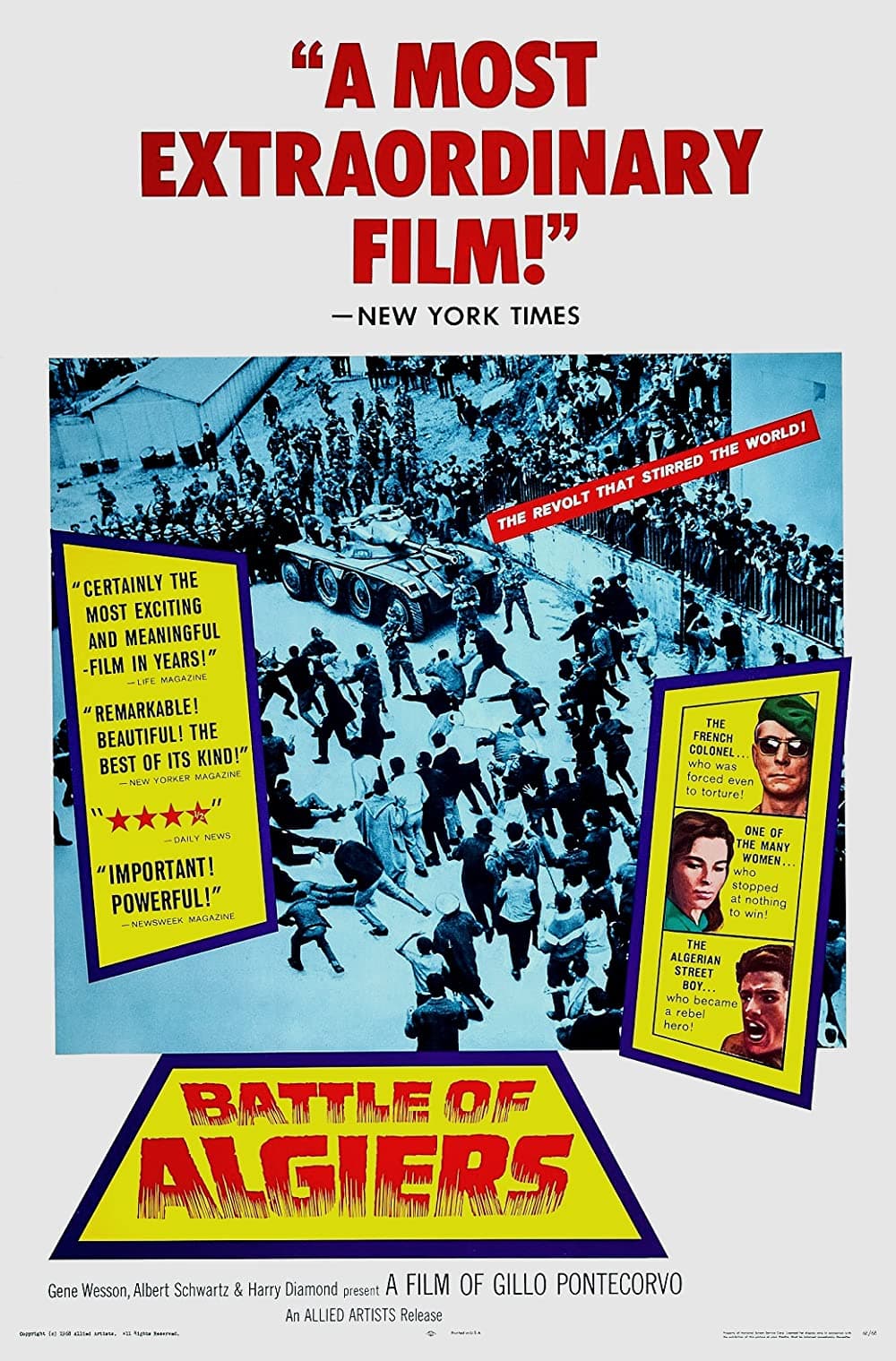
Both armies and revolutionaries have studied it as a manual: Pontecorvo staged the Algerian insurgency so plainly that audiences have always mistaken parts of it for newsreel footage.
Cimino spends a whole first act on a steel town and a wedding, so that when the war arrives it lands on people you already know by name.
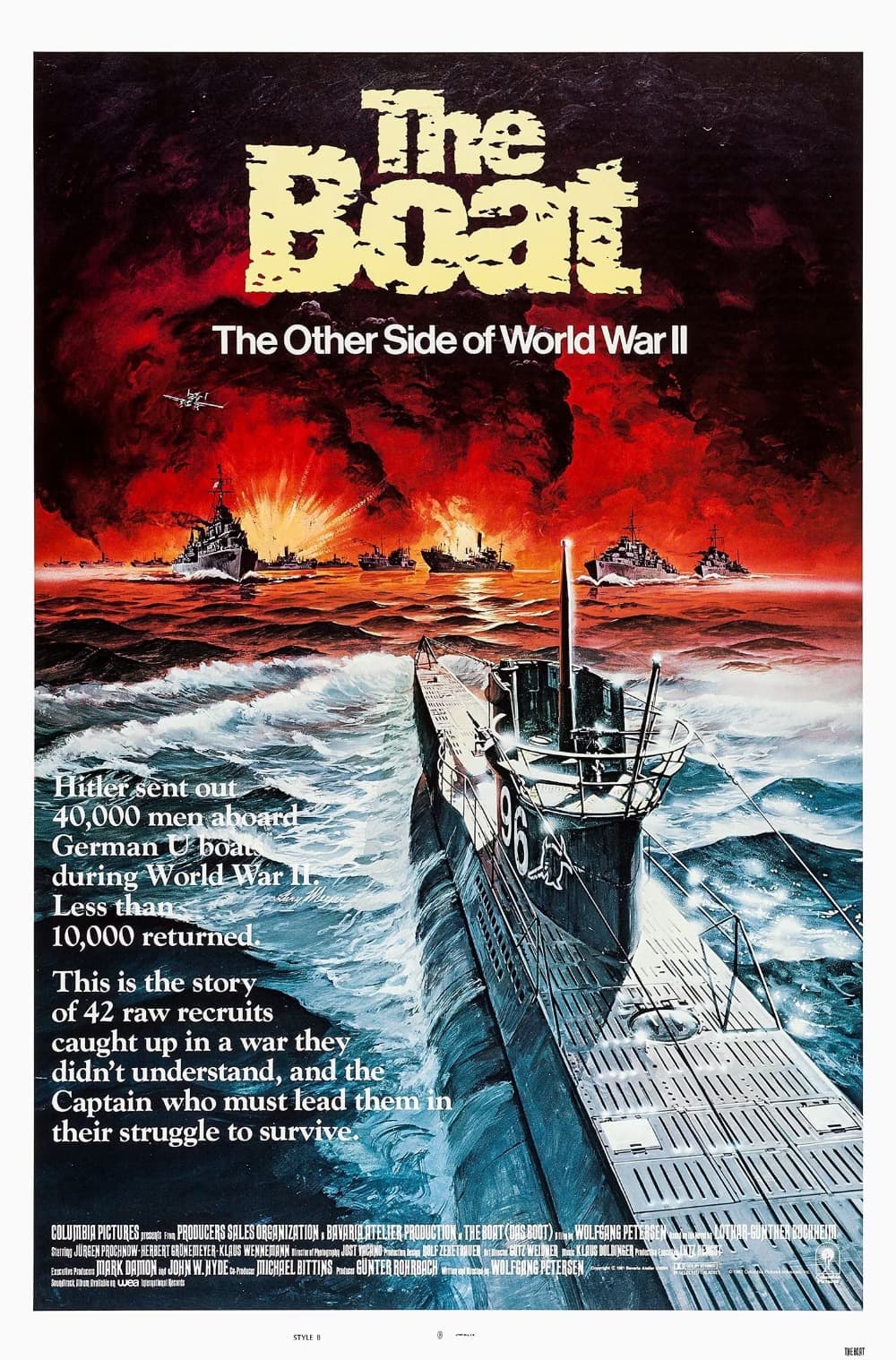
No war film has ever been this claustrophobic: Petersen ran a camera the length of a U-boat again and again until the steel walls start pressing in on you.
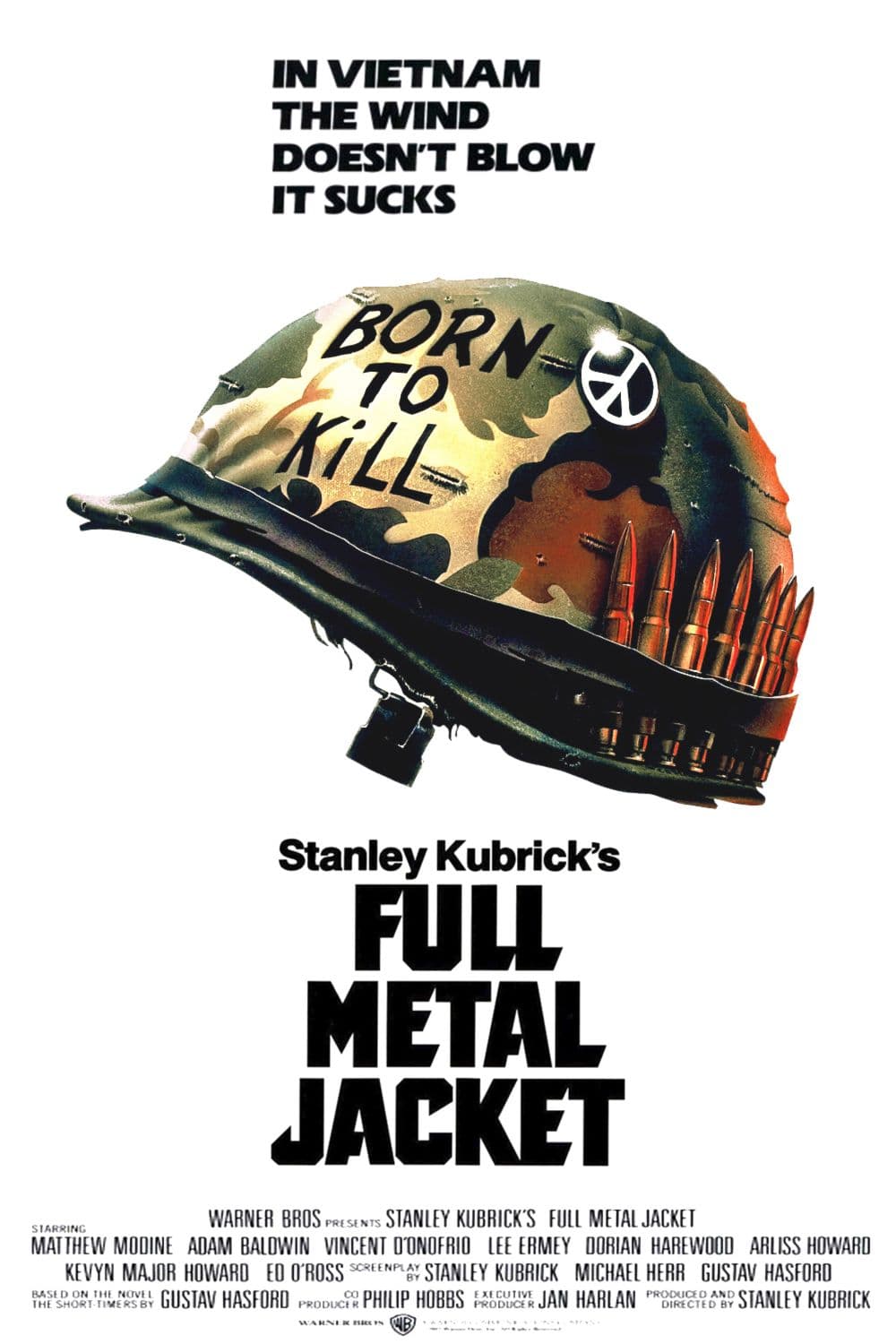
The first half is the most quoted boot camp ever filmed: Kubrick found a real Marine drill instructor, let him write half his own material, and made basic training terrifying.
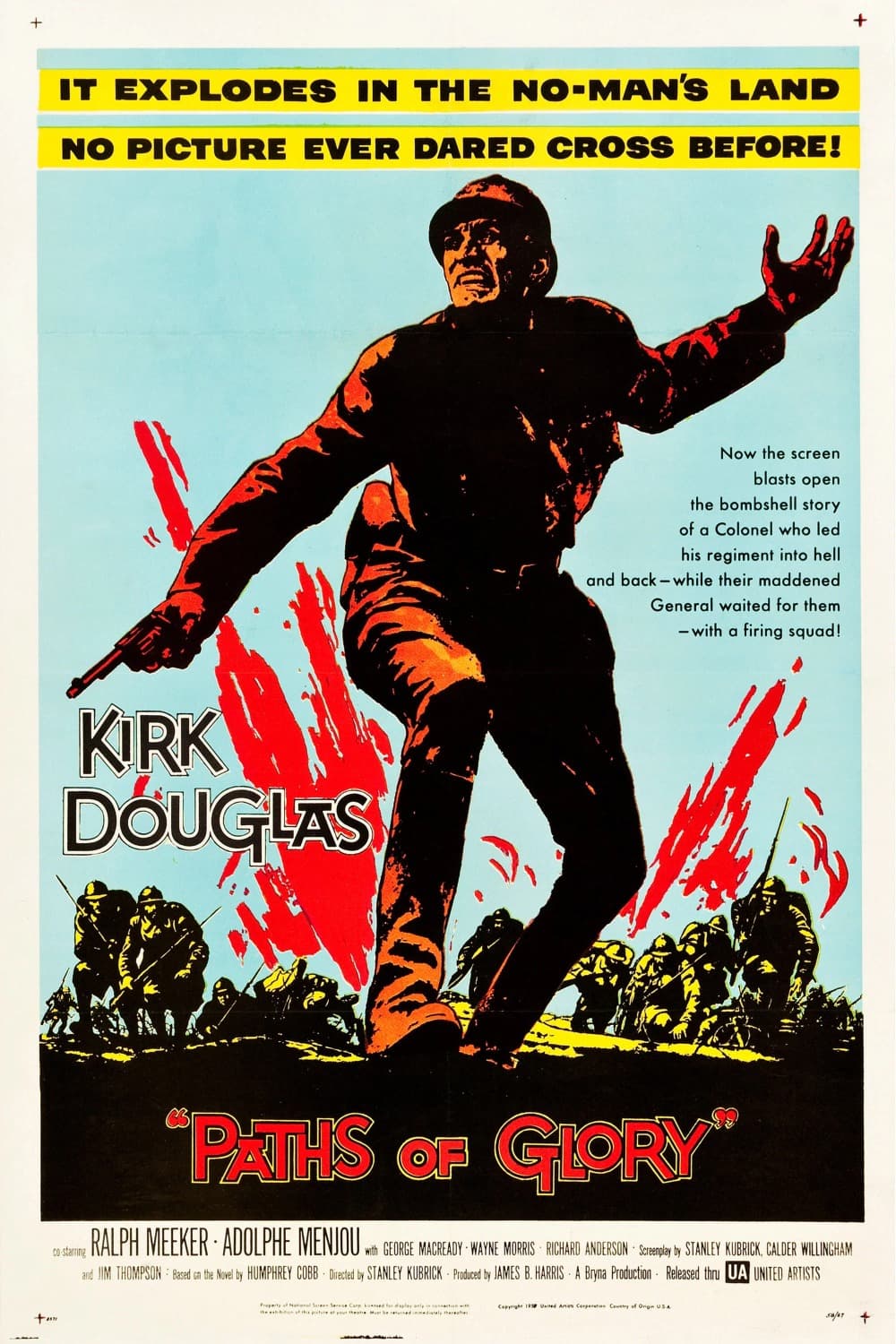
France stayed uncomfortable enough to keep it out of cinemas for eighteen years: Kubrick tracked the camera down the trenches and staged an injustice that still makes people furious.
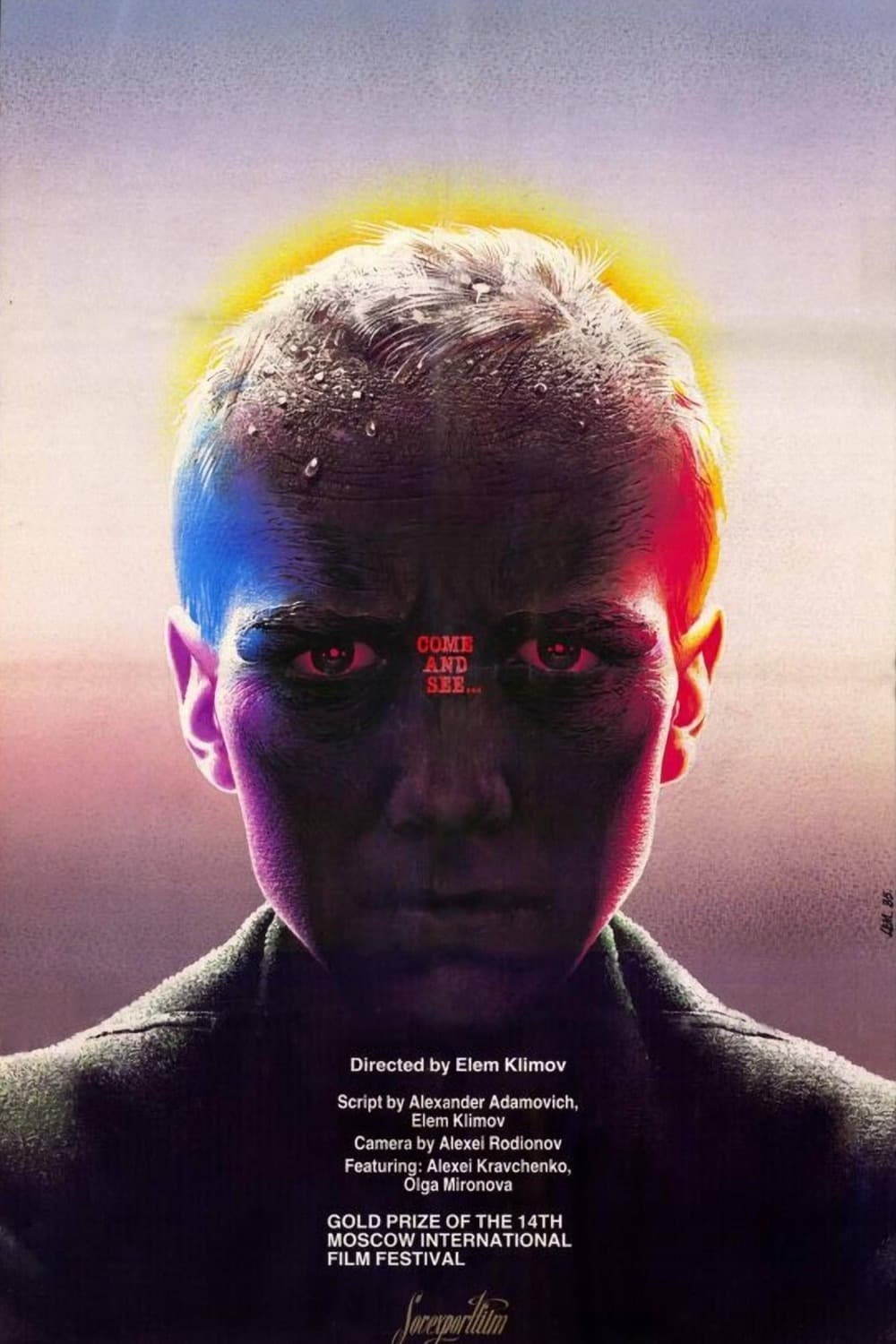
No other war film can follow it: Klimov put a boy's face through the destruction of Belarus and let it age visibly, and nobody watches it twice lightly.
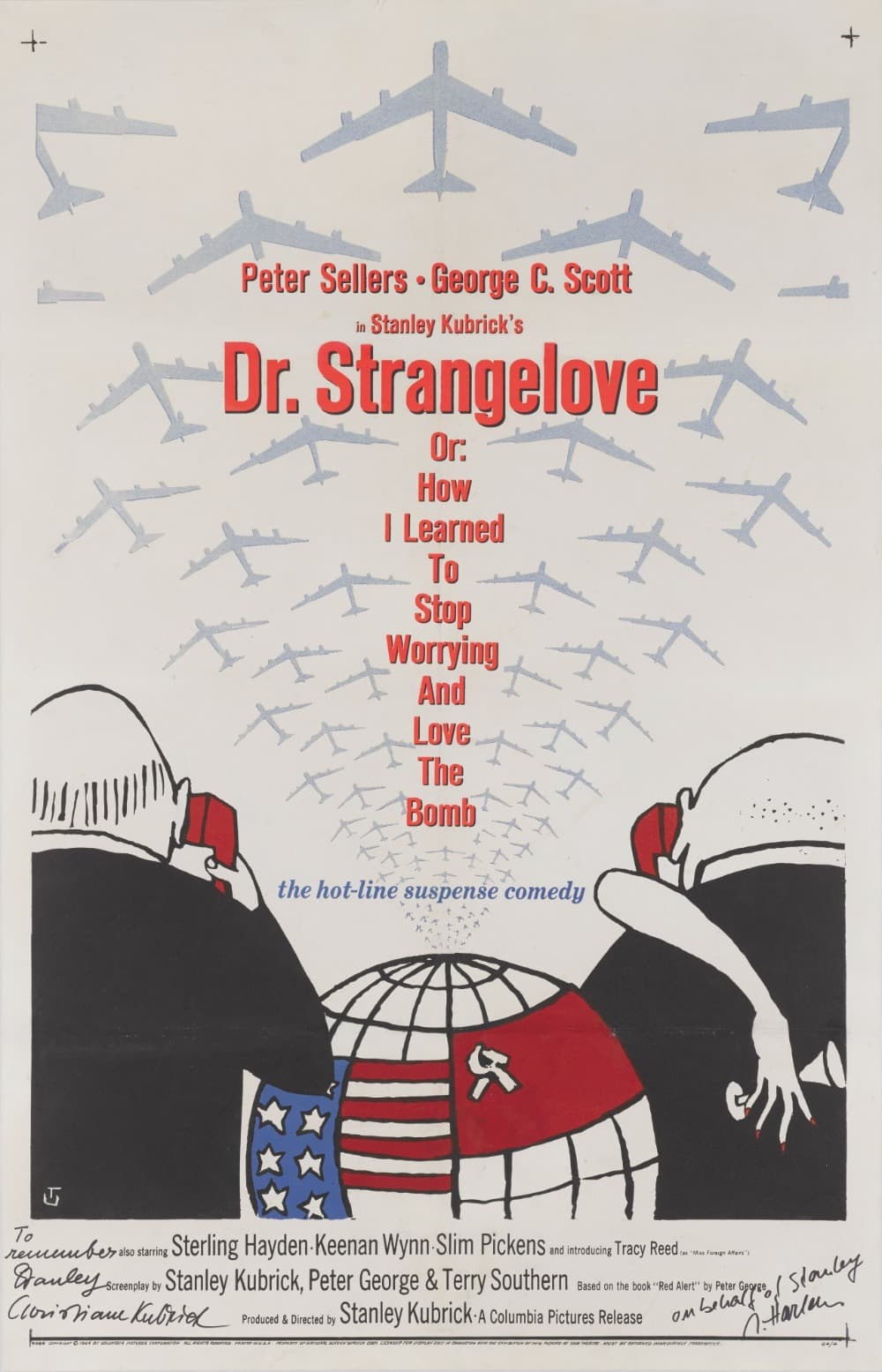
Nuclear annihilation has never been this funny, and never will be again: Kubrick worked out that the strategy was already absurd, and simply let his generals talk.