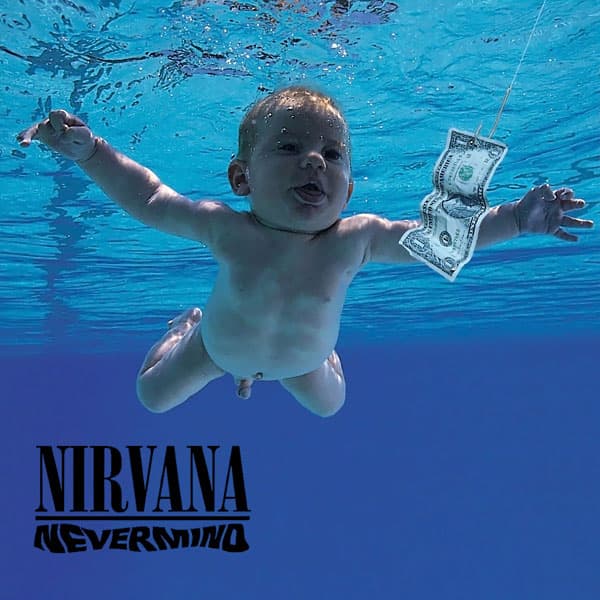
Nevermind
1991
The baby on the cover was paid two hundred dollars. Four months after release it knocked Michael Jackson off the top of the chart.
★ 9.7
 skopia
The baby on the cover was paid two hundred dollars. Four months after release it knocked Michael Jackson off the top of the chart.
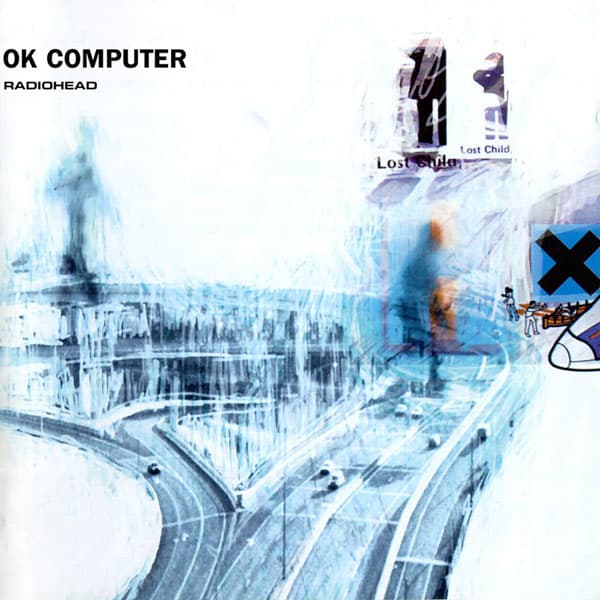
Recorded in a fifteenth-century mansion the band rented from an actress, with one track narrated entirely by the computer voice on a Macintosh.
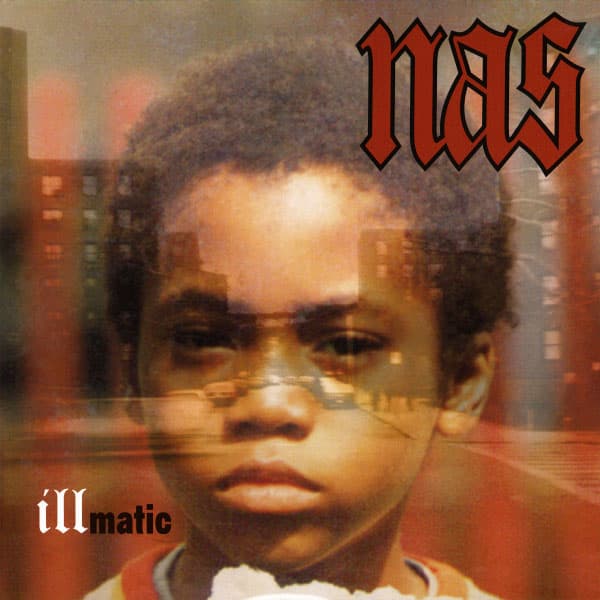
Ten tracks, under forty minutes, made by a twenty-year-old with the best producers in New York each giving him one beat.

The opening traces his life from the delivery room to prison in about three minutes. Puffy made him rewrite half of it for radio.
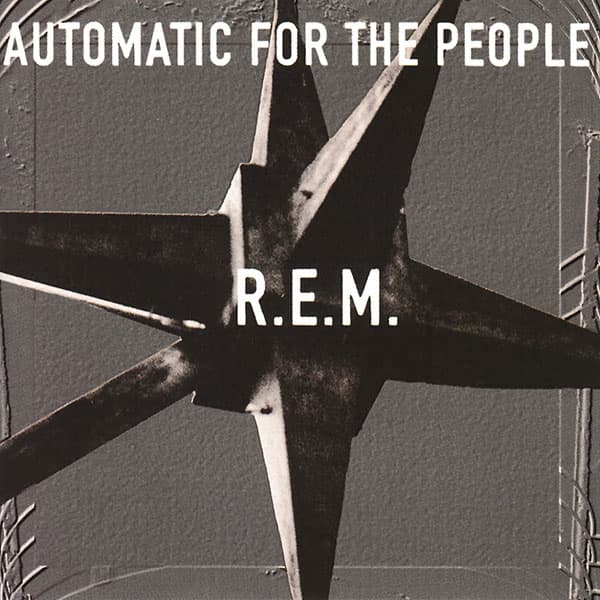
They set out to make a loud record and ended up with a quiet one. John Paul Jones of Led Zeppelin wrote the string parts.

RZA negotiated a deal letting every member sign solo elsewhere, then recorded the group in a basement on deliberately cheap, muddy equipment.
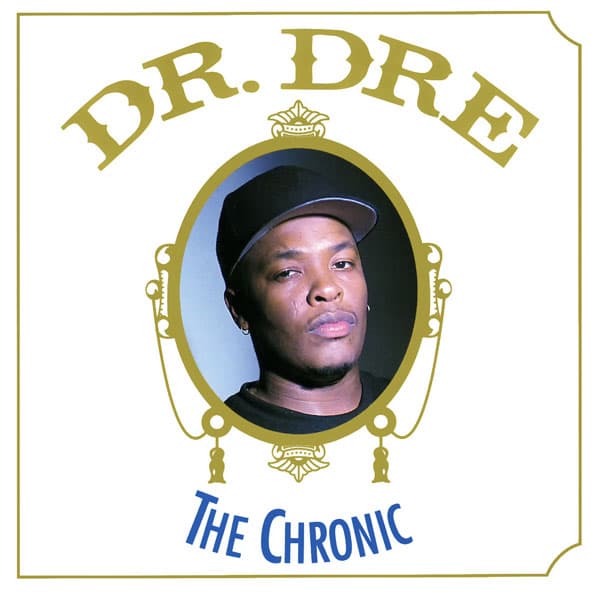
Dre had session players replay the funk records rather than sample them, which sidestepped clearance and made everything sound warmer and slower.

Ron Carter, who played bass with Miles Davis, appears on one track and made them promise there would be no swearing on it.
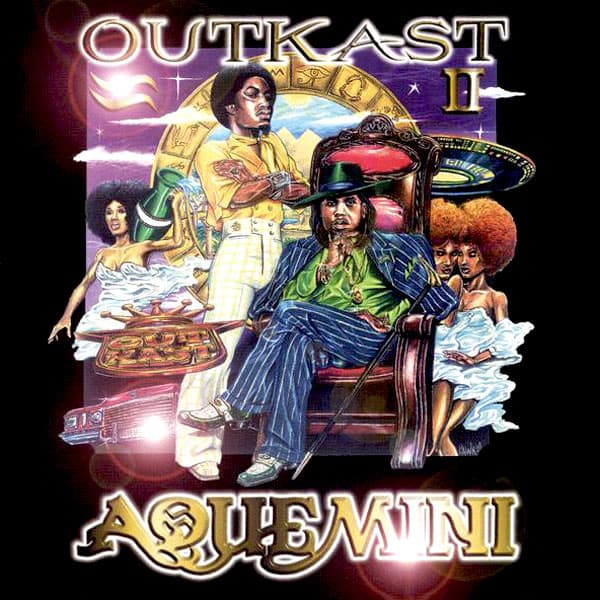
Rosa Parks sued them over the song named after her, and the case ran for a decade. The record itself goes everywhere at once.

It came out sixteen days after Biggie was shot dead in Los Angeles, a double album he had finished and titled beforehand.
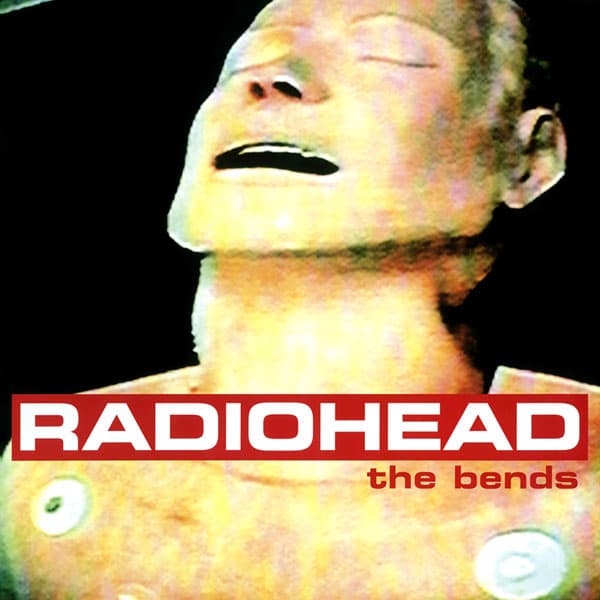
They were exhausted and sick of being the Creep band, and nearly fell apart making it. Nothing on it sounds anything like Creep.

Producer Rick Rubin moved the band into a Hollywood mansion they were convinced was haunted. Guitarist John Frusciante quit within a year of its release.
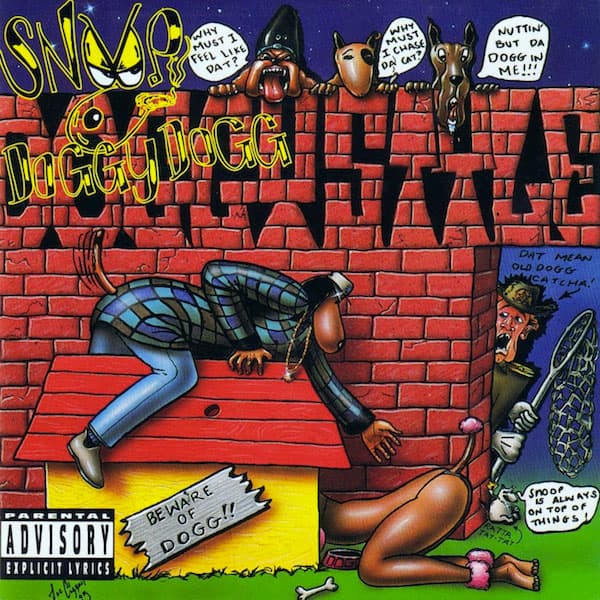
Snoop was on trial for murder while promoting it. It was the first debut album in history to enter the chart at number one.

Their production team piled so many samples into each track that the record could not legally be made today. Nothing since sounds this crowded.
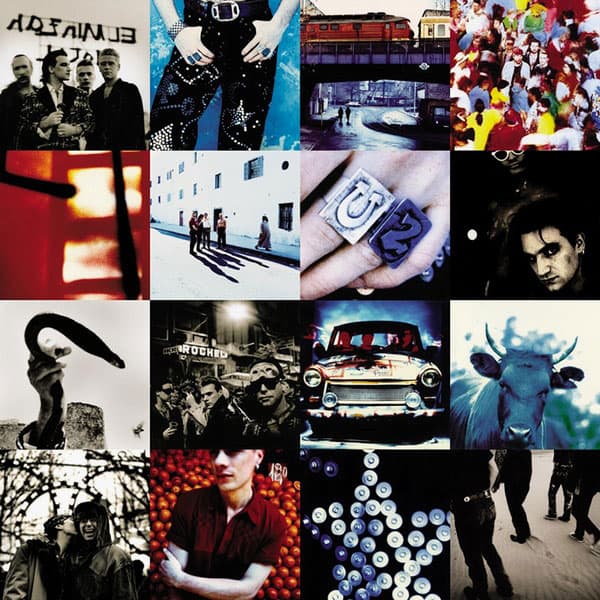
They went to Berlin just after the Wall came down, argued badly enough to nearly break up, and got the song One out of it.
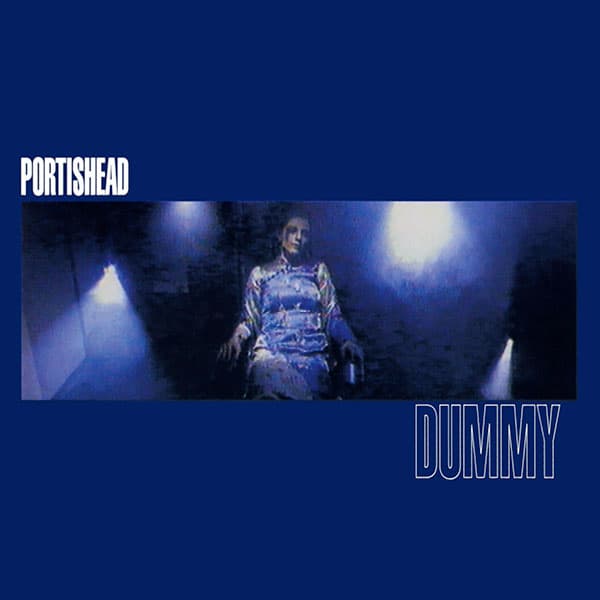
They recorded their own samples, pressed them onto vinyl, and scratched the records up so the finished album would crackle like something older.
The producer Bob Rock made them play together in one room instead of tracking separately, which took a year and nearly ended the band.

A synthesized voice introduces the tracks like a museum tour guide, and the cover is a grid of about seventy other rappers' faces.
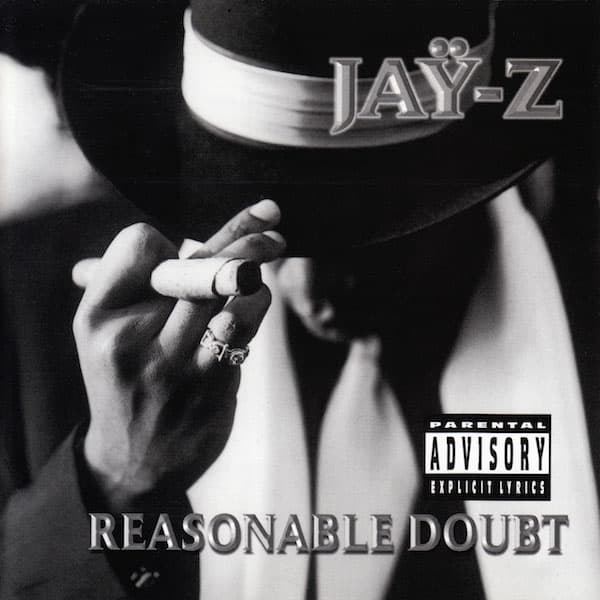
No label would sign him, so Jay-Z started his own with two friends and sold the CDs out of the trunk of a car.
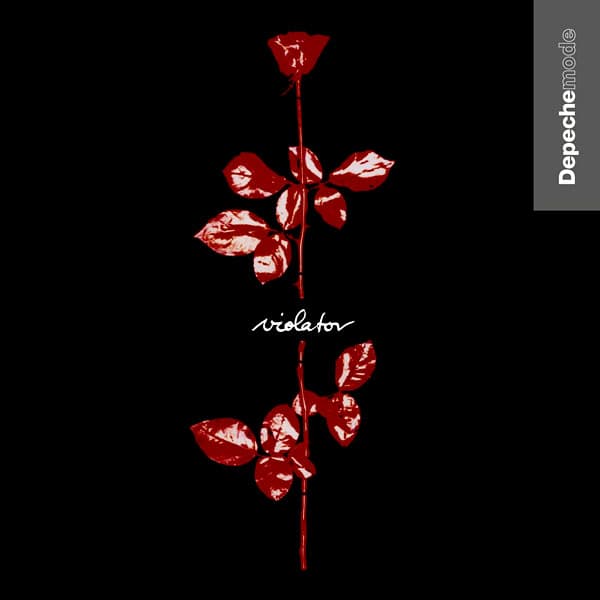
The band announced a signing at a Los Angeles record shop and around seventeen thousand people came, which ended with riot police.
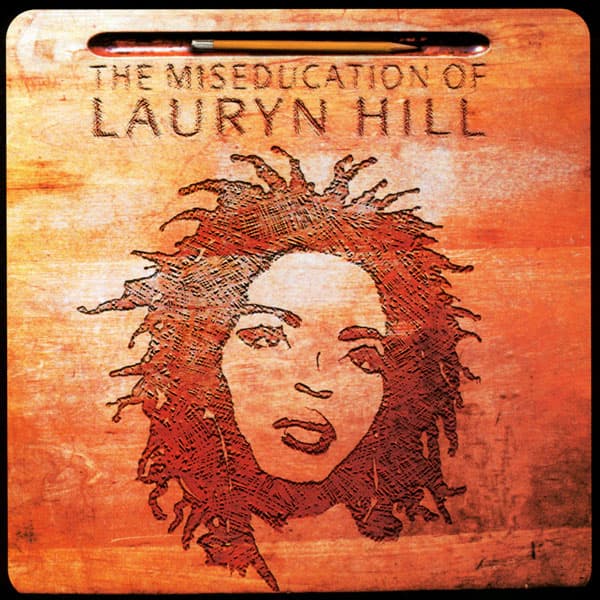
Hill recorded much of it in Bob Marley's old studio in Kingston, and the classroom scenes between songs use actual schoolchildren.
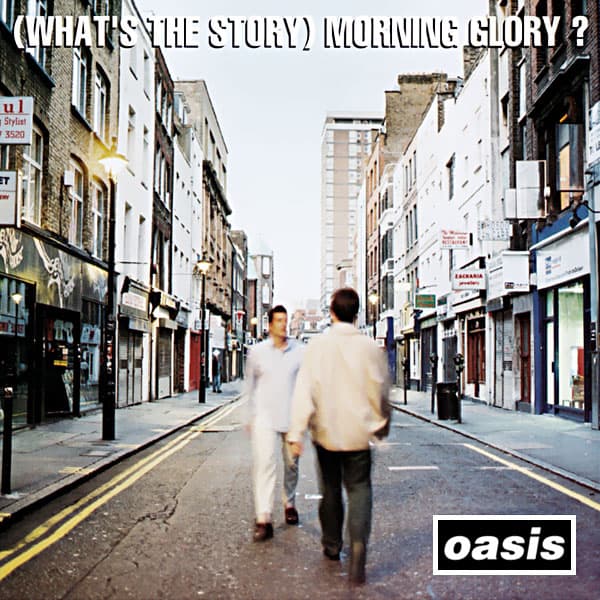
Noel Gallagher wrote most of these songs in a fortnight. A year later, two and a half million people applied to see the band at Knebworth.
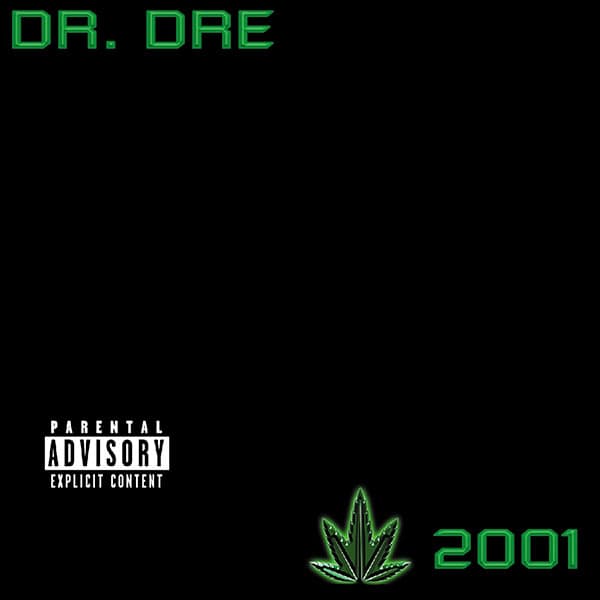
Dre hired live musicians instead of sampling, and had Jay-Z write the words to Still D.R.E. for him. Eminem turns up throughout.
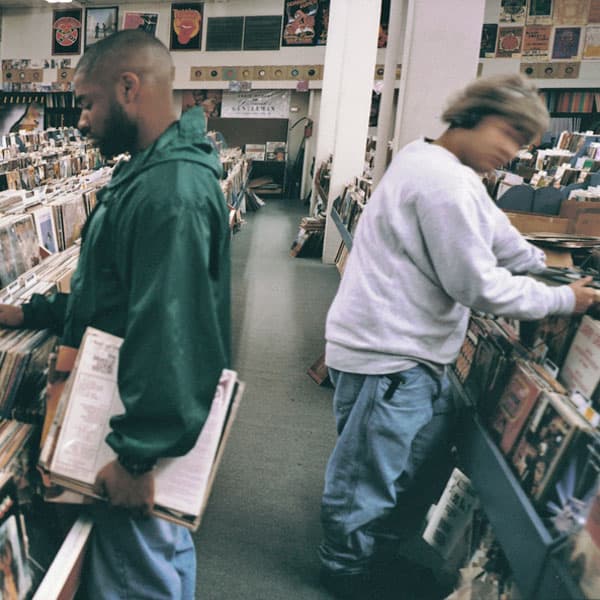
Built entirely out of other people's records, on a single sampler, in the basement of a Sacramento record shop full of unsorted vinyl.
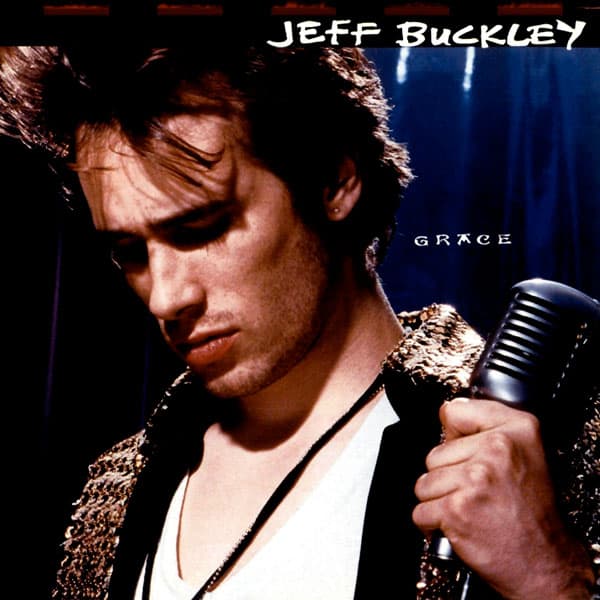
Buckley's voice covers about four octaves and he uses most of them. He drowned in the Mississippi three years later, aged thirty.

Jeff Mangum wrote it after reading Anne Frank's diary, played a musical saw on it, and then more or less disappeared for a decade.
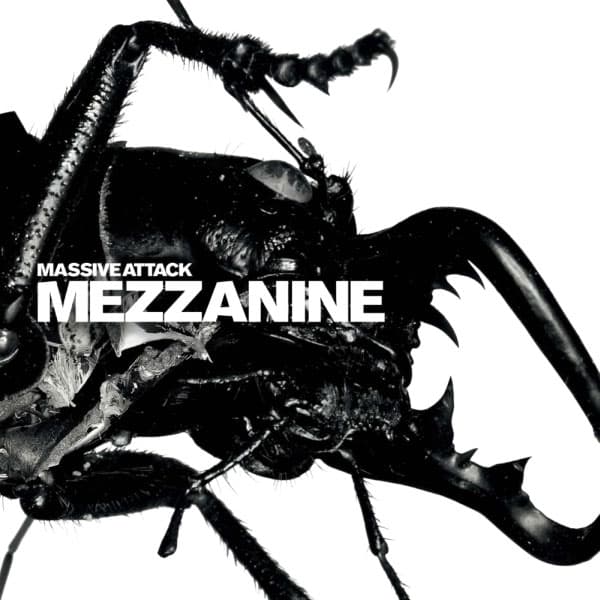
The three of them fell out badly making it, and Elizabeth Fraser sang Teardrop while grieving for Jeff Buckley, who had just drowned.

Cobain asked for lilies and candles on the set, refused to play the hits, and was dead five months later.
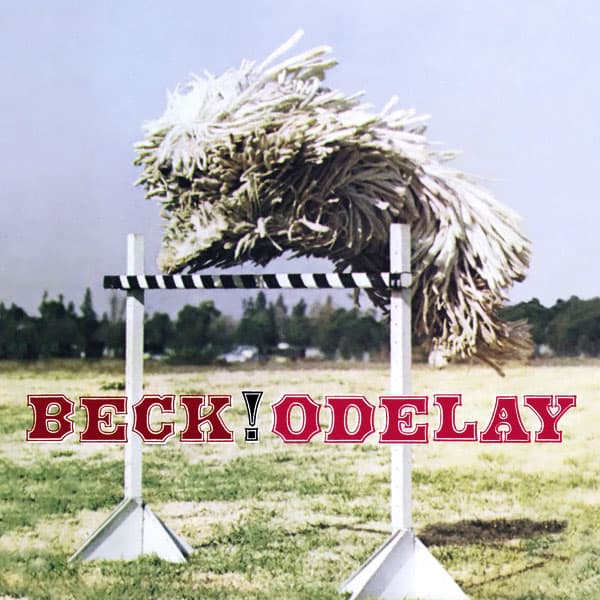
The Dust Brothers spent two years layering it out of junk-shop records. The dog on the cover is a Komondor caught mid-jump.
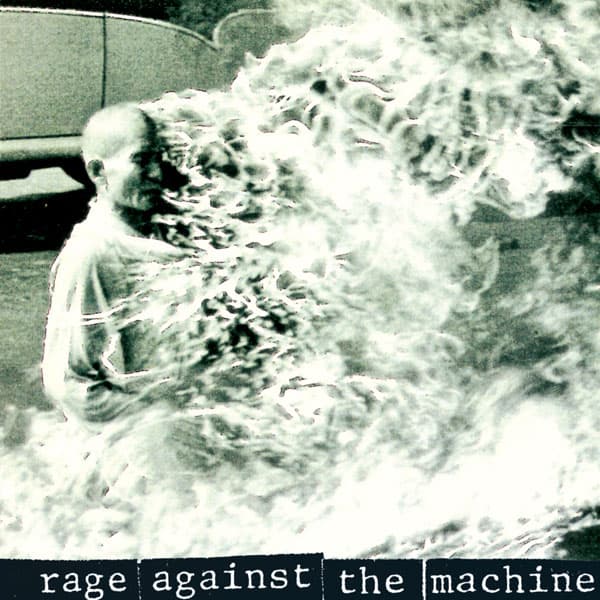
The sleeve insists there are no samples or keyboards anywhere. Every strange noise is Tom Morello working the pickup switch and scraping the strings.
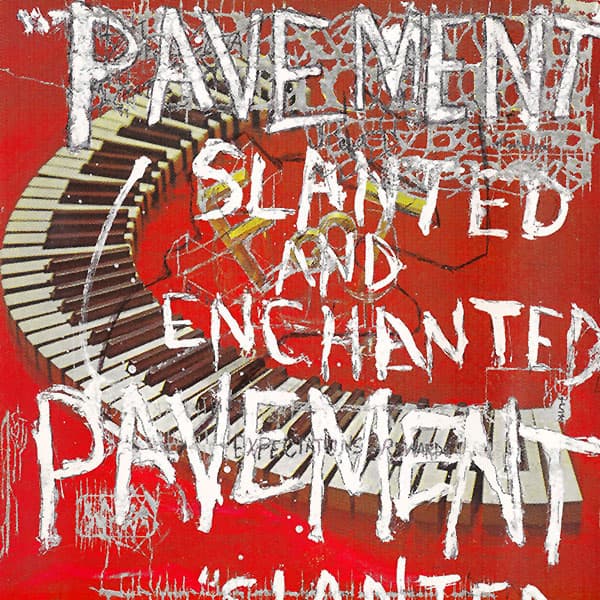
Recorded for about eight hundred dollars in the drummer's garage in Stockton. He later took to greeting the audience with handstands.
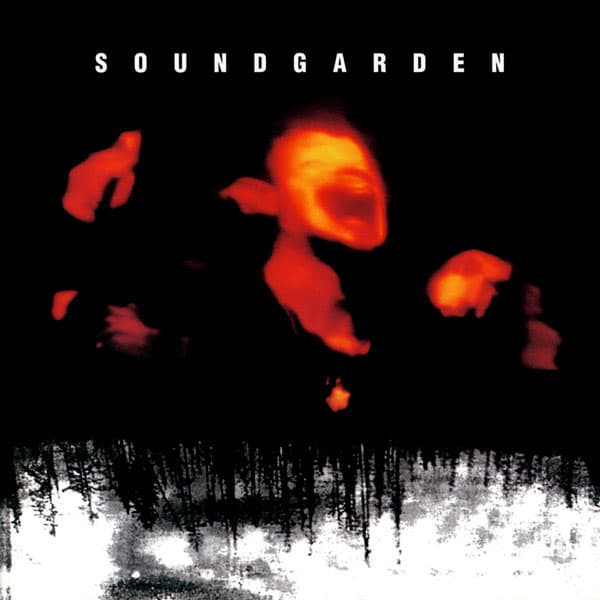
Singer Chris Cornell wrote Black Hole Sun in about fifteen minutes. Much of the rest is in time signatures that make nodding along hard.
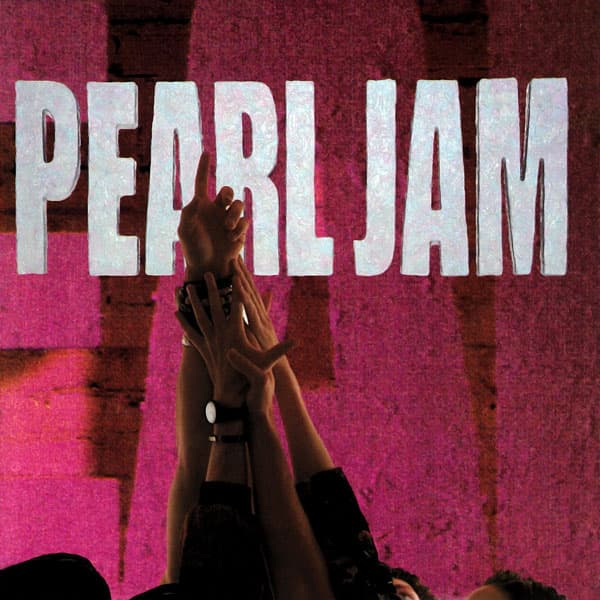
The band were called Mookie Blaylock after a basketball player until the label objected, and the album is named for his shirt number.

Trent Reznor made almost all of it alone. Johnny Cash covered Hurt nine years later and Reznor said the song no longer felt like his.
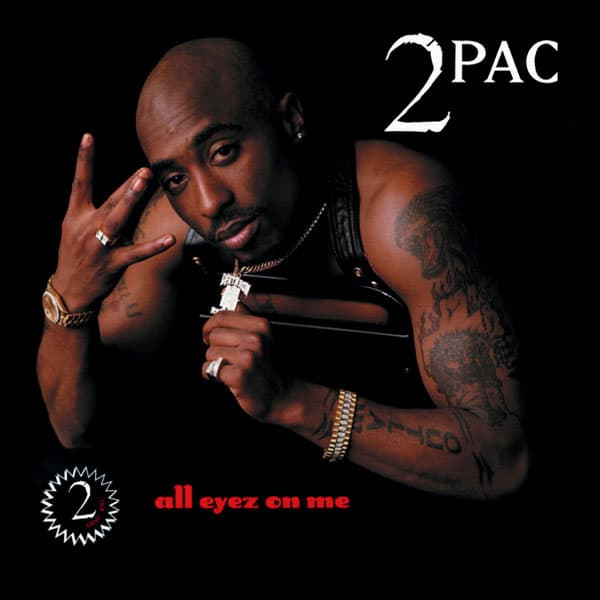
Recorded in a hurry after Suge Knight bailed him out of prison, hip hop's first great double album. He was dead within the year.
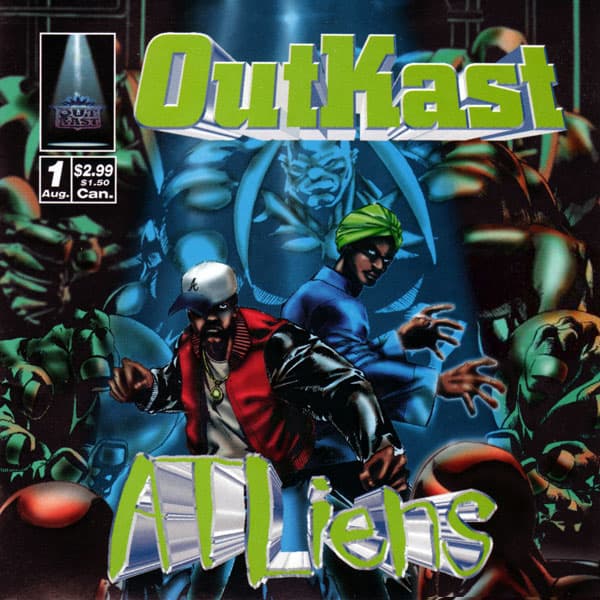
André 3000 had stopped drinking and eating meat, and the change shows: the record is cooler and stranger than anything Atlanta had made before.
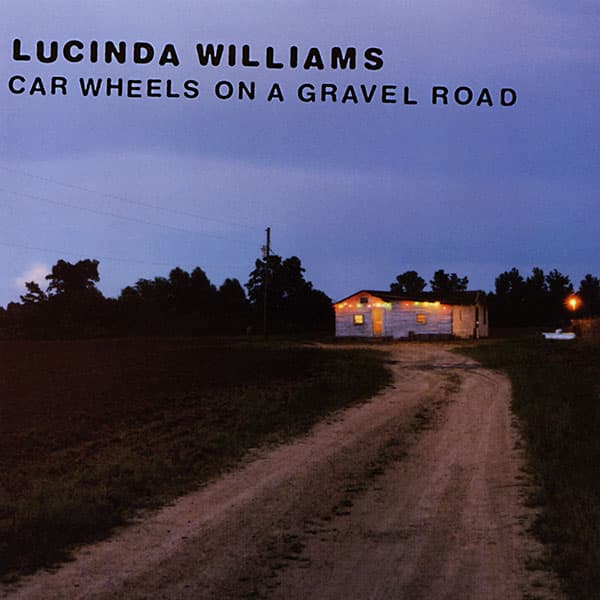
Williams spent six years on it, scrapped a finished version, and fell out with two producers before she would let anyone release it.
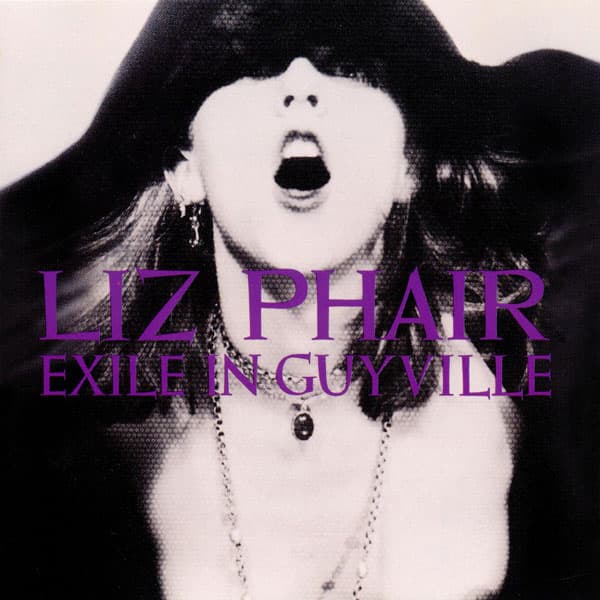
Phair wrote it as a song-by-song answer to Exile on Main St., in the same running order, from home cassettes she had made alone.
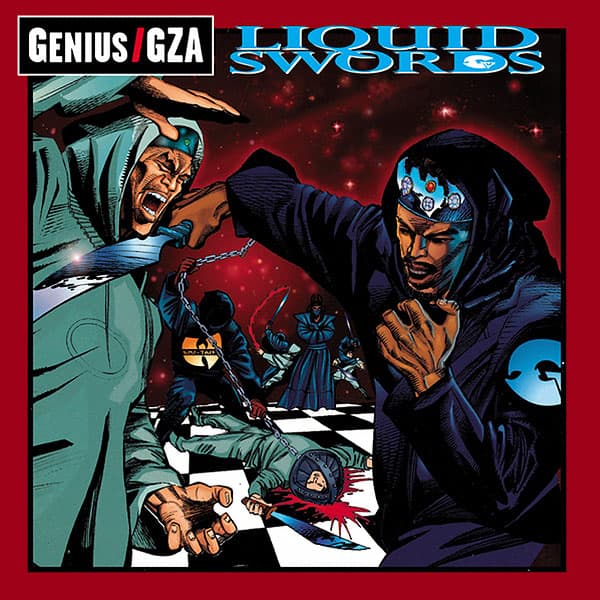
Dialogue from a dubbed samurai film runs between the tracks, spoken by a child, which is where the record gets its atmosphere.
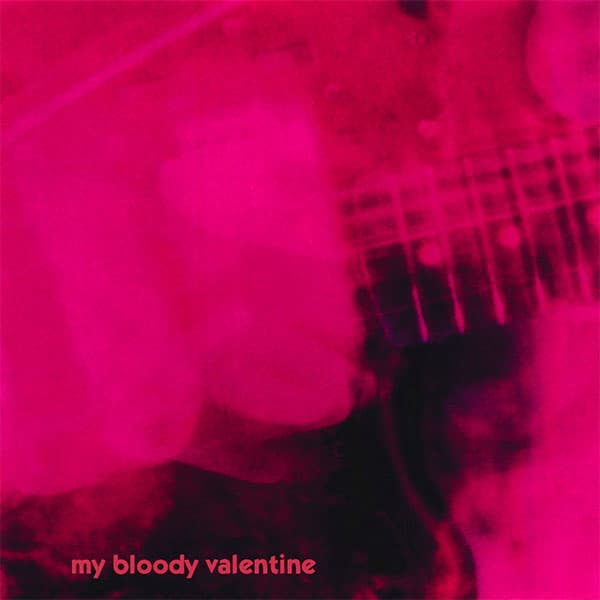
Kevin Shields plays with the tremolo arm held bent while he strums, which is what makes the chords sag. It nearly bankrupted the label.