
Pine Trees (Shorin-zu byobu)
1595 · Tokyo National Museum, Tokyo
A few pines loom and dissolve on two screens where the bare paper does the work of mist. Japan's finest ink painting, by most accounts.
★ 9.1
 skopia
A few pines loom and dissolve on two screens where the bare paper does the work of mist. Japan's finest ink painting, by most accounts.

At a party in Verona two teenagers from feuding families meet, marry the next day, and are gone inside a week. Everything they say to each other still sounds newly invented.
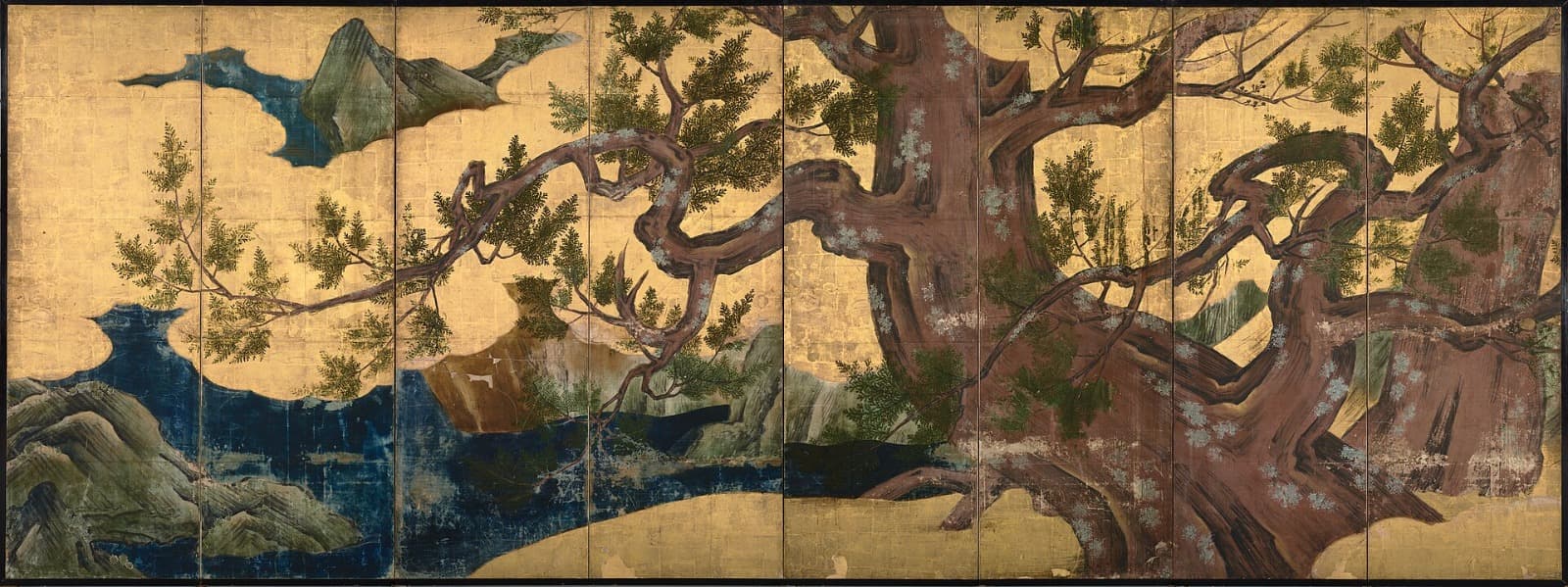
One ancient cypress sprawls across the screen against solid gold, painted by the man who decorated the castles of Nobunaga and Hideyoshi.

The table runs off on a steep diagonal into a smoky hall where servants clear plates and the lamp smoke thickens into angels.
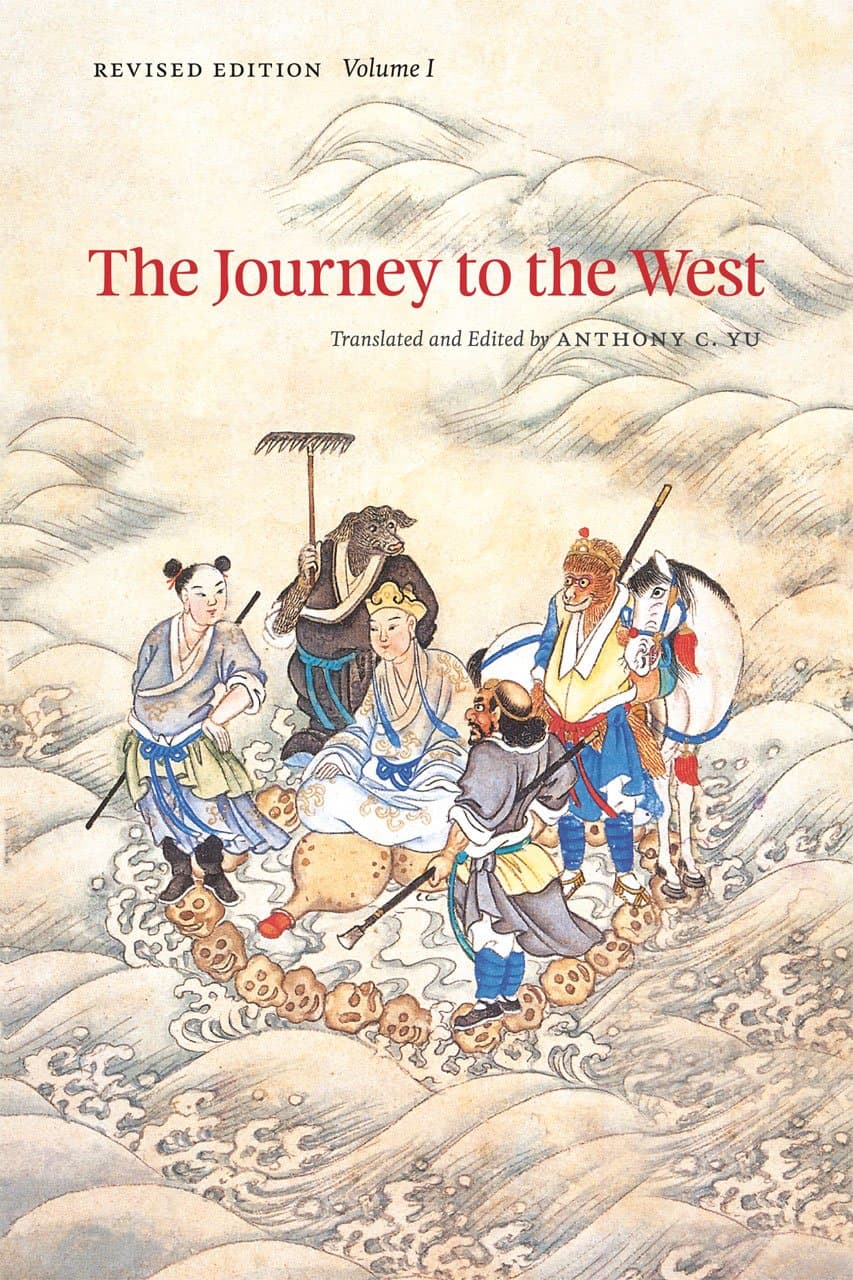
A monkey born from stone storms heaven, is pinned under a mountain for five hundred years, then escorts a monk to India for Buddhist scriptures. Eighty-one disasters later it is still funny.

Four Athenians run into the woods to escape a forced marriage, a fairy potion lands on the wrong eyelids, and a weaver acquires a donkey's head. Shakespeare makes desire look gloriously stupid.
Outnumbered in France, a young king talks his army into fighting at Agincourt, promising that whoever survives will remember the day forever. After the battle he reads out the names of the dead.
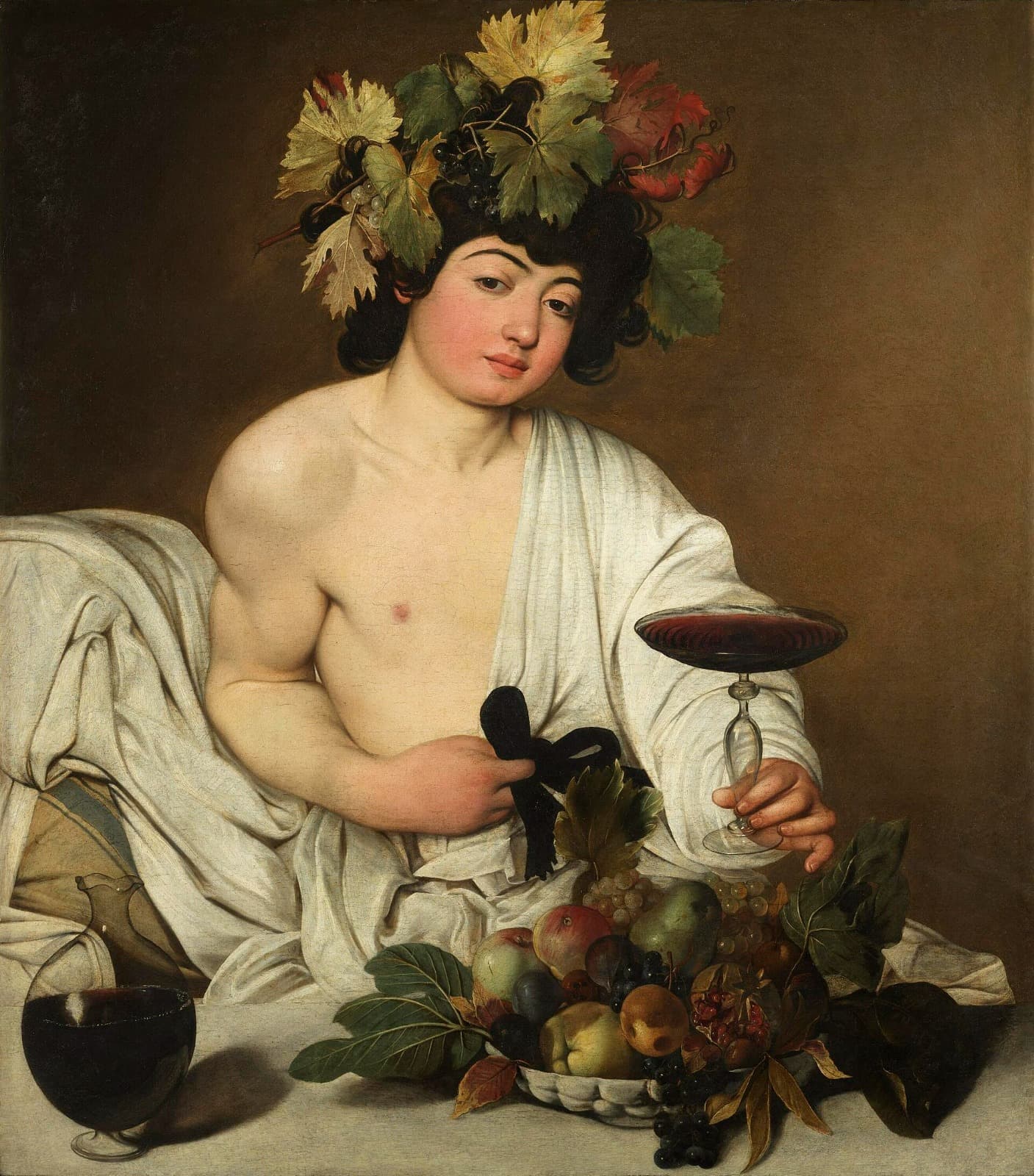
A real Roman boy dressed up as the wine god, heavy-lidded and slightly flushed, holding out a glass while the fruit beside him bruises.
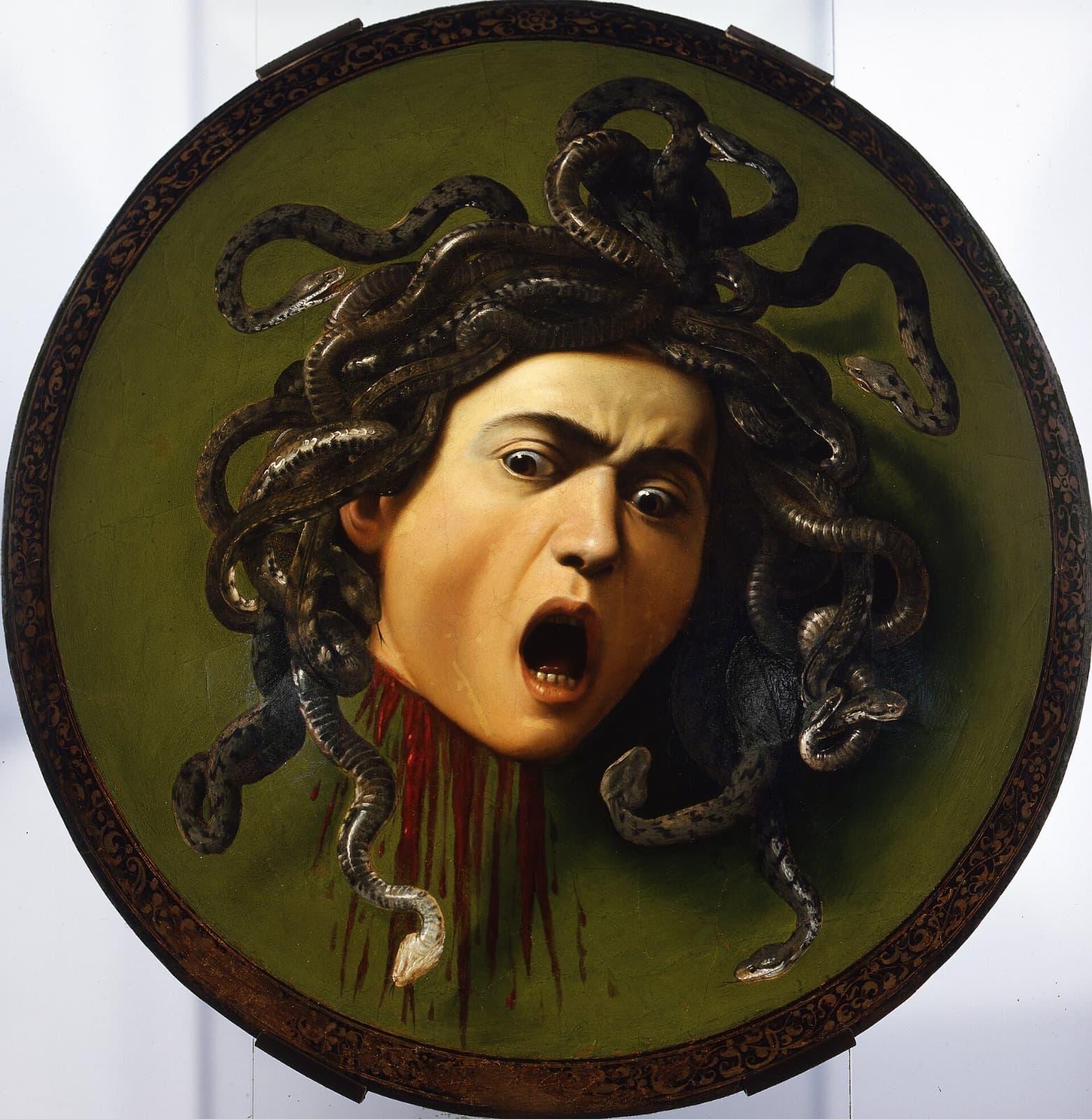
Painted on a convex parade shield, so the head bulges toward you at the exact instant of the scream. A showpiece gift for the Medici.
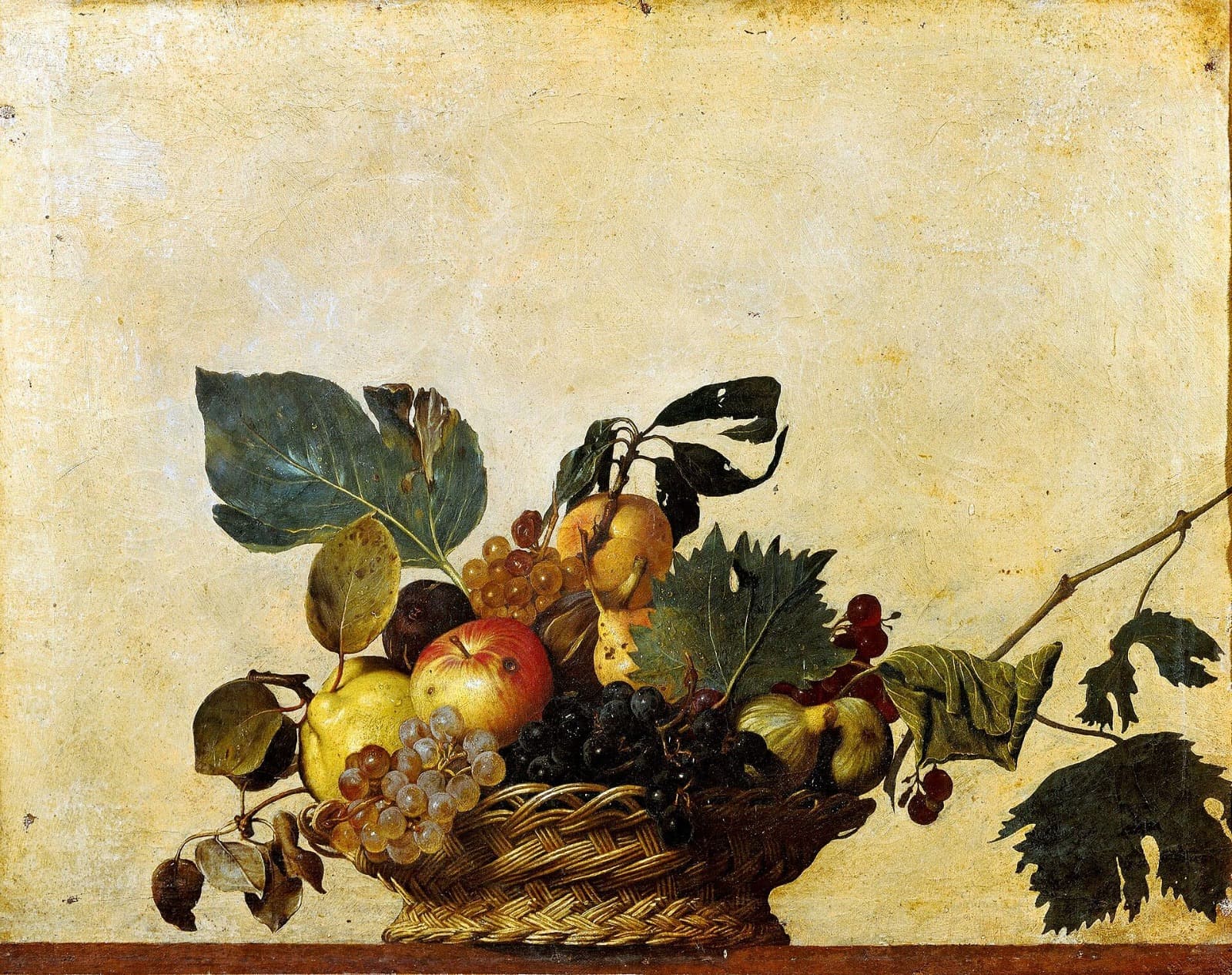
The leaves are curling and worm-eaten and the fig has burst. Caravaggio painted the rot as carefully as the ripeness and called it enough.

Falstaff is the greatest comic creation in English, a fat knight who lies about everything, and Prince Hal wastes his youth drinking with him while rebellion gathers against his father the king.

In Venice a merchant borrows from Shylock, a Jewish moneylender he has spat on, pledging a pound of his flesh. Shylock asks whether a Jew does not bleed, and the comedy never recovers.
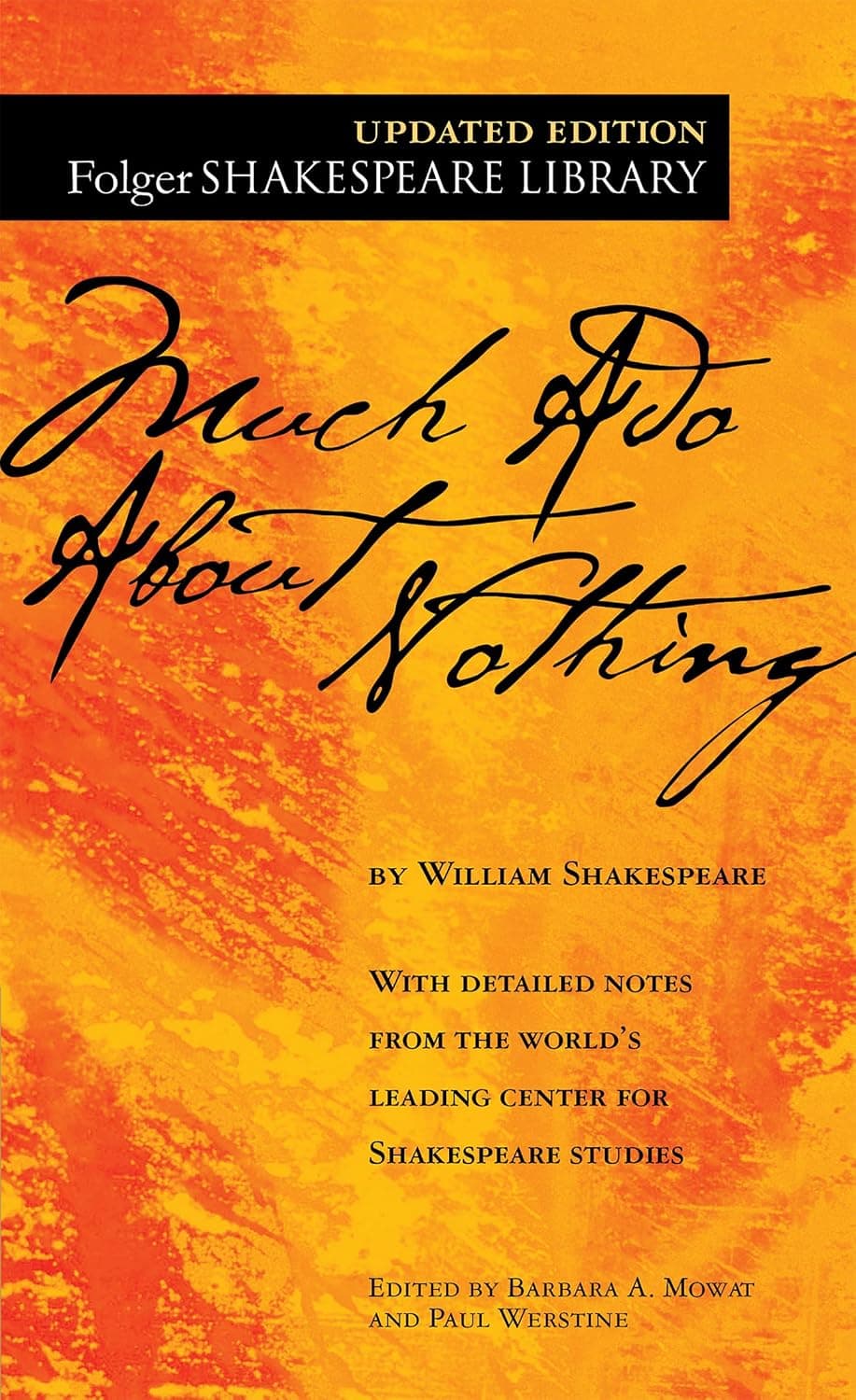
Beatrice and Benedick insult each other so expertly that their friends trick each into believing the other is secretly in love. Their war of words gave English comedy its model for courtship.

Falstaff ages and the king dies while Prince Hal waits for the crown. Shakespeare wrote no colder scene than the new king telling his old tavern friend that he does not know him.

Faustus signs away his soul for twenty-four years of power, Tamburlaine the shepherd burns his way across Asia, and Barabas poisons a convent. Marlowe gave English drama its first tragic grandeur.
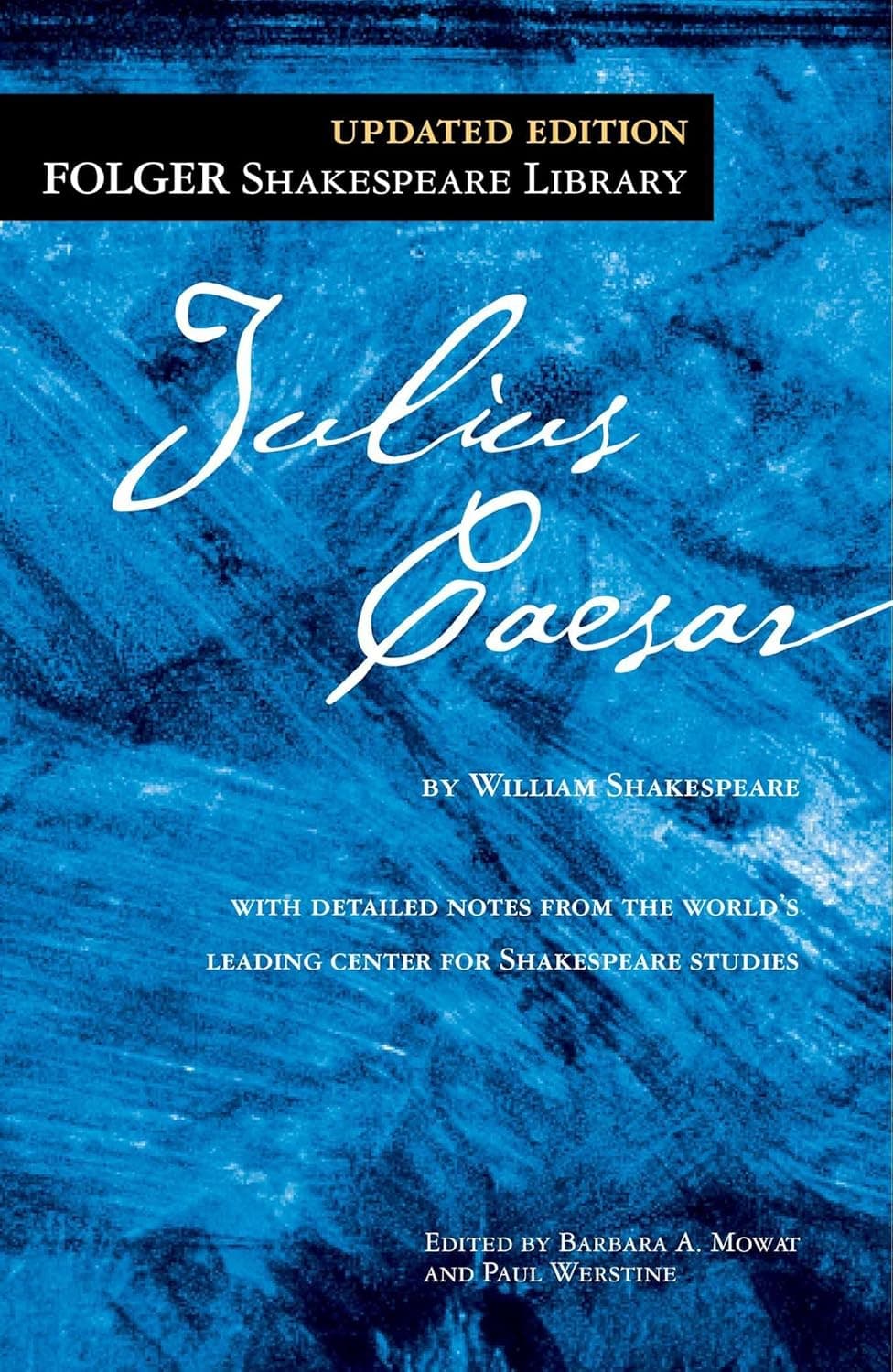
Brutus is persuaded that killing his friend will save the republic. Antony stands over the body, says he comes to bury Caesar and not to praise him, and turns Rome around.
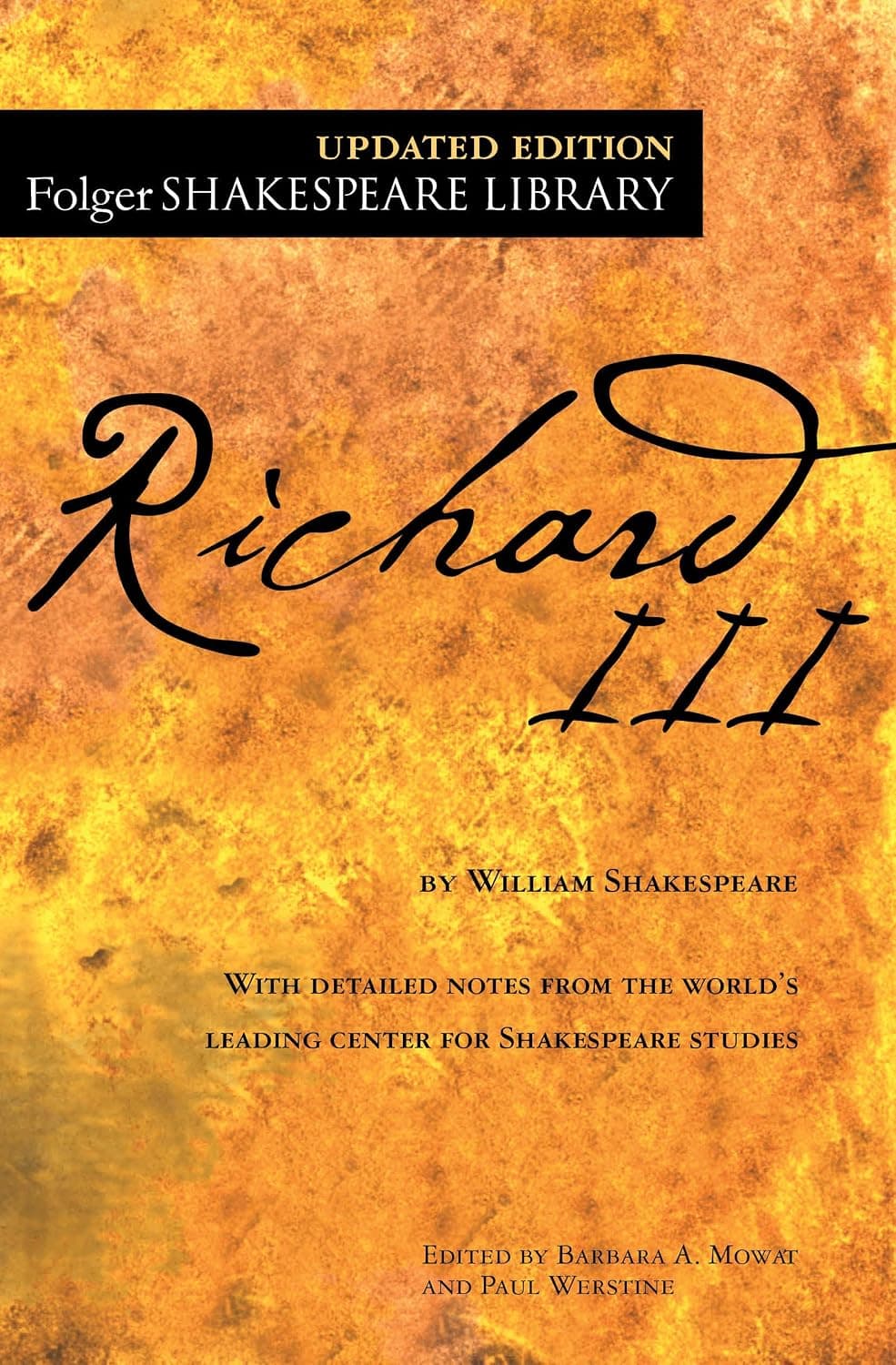
Richard tells the audience in his first speech that he means to be a villain, then makes them accomplices. He courts a widow beside the corpse of the king he murdered.
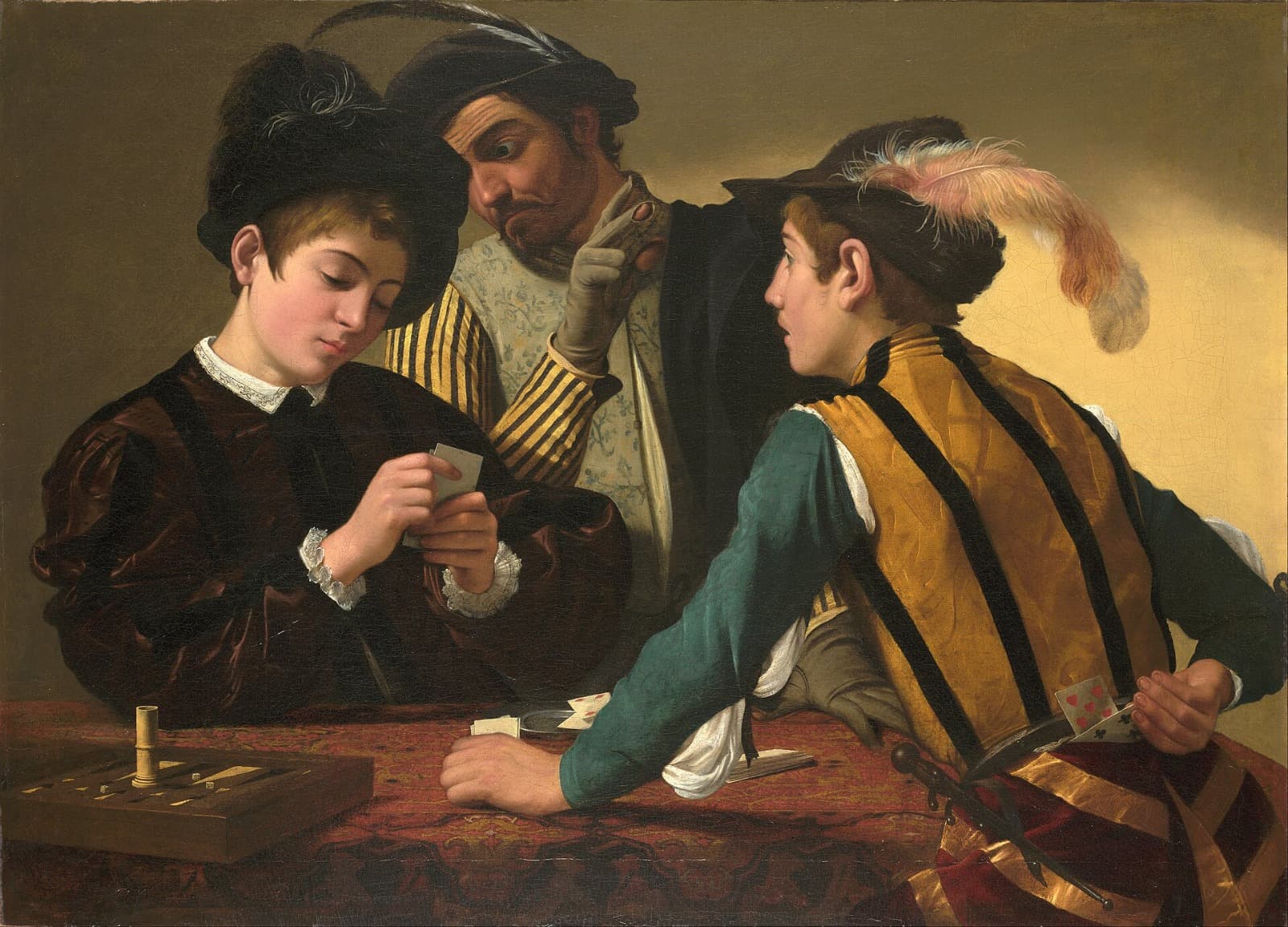
One boy has a card hidden behind his back and his older partner signals the count on his fingers. It got Caravaggio his first patron.
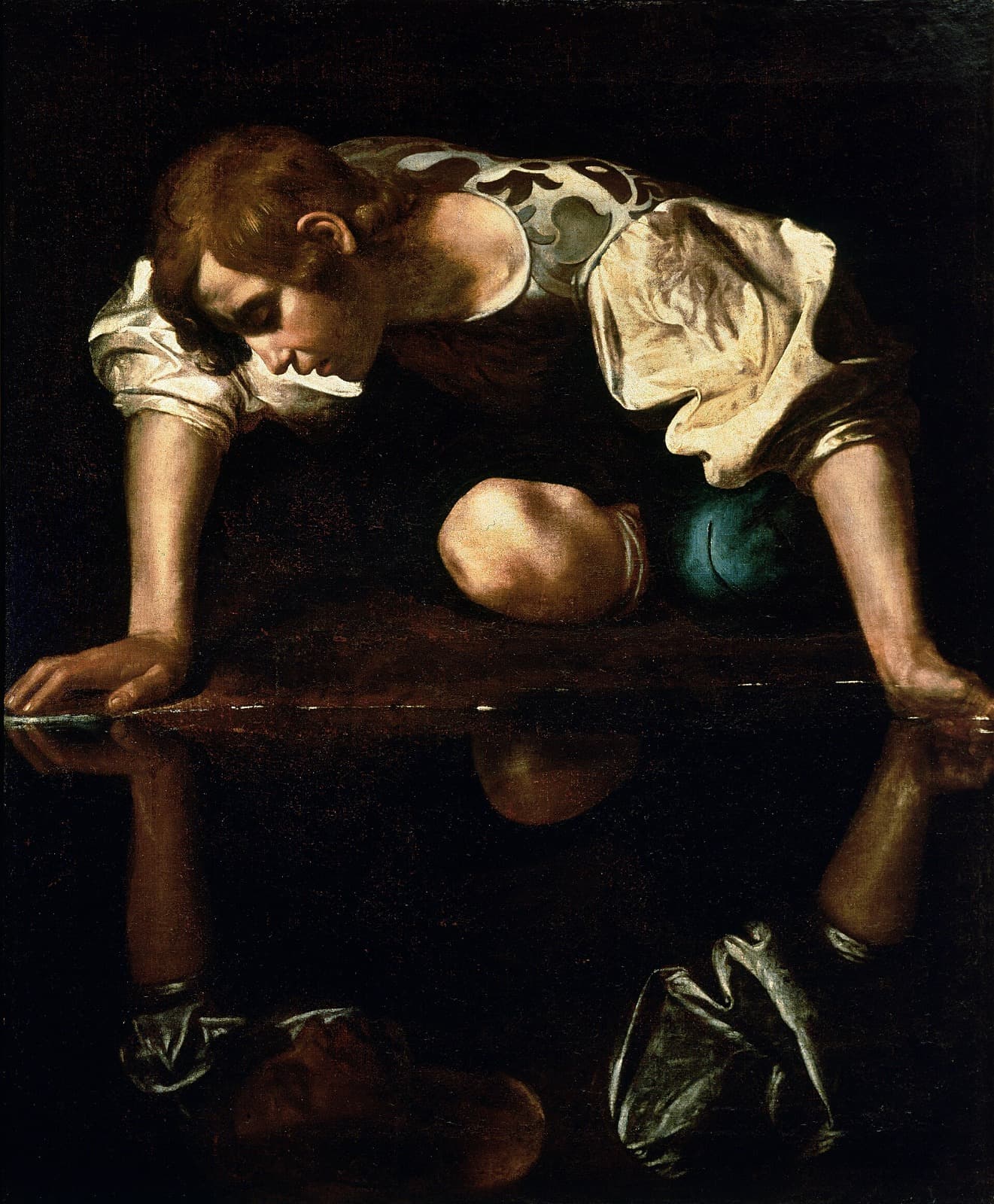
Narcissus and his reflection close into a circle around a band of black water, and nothing else exists in the picture.
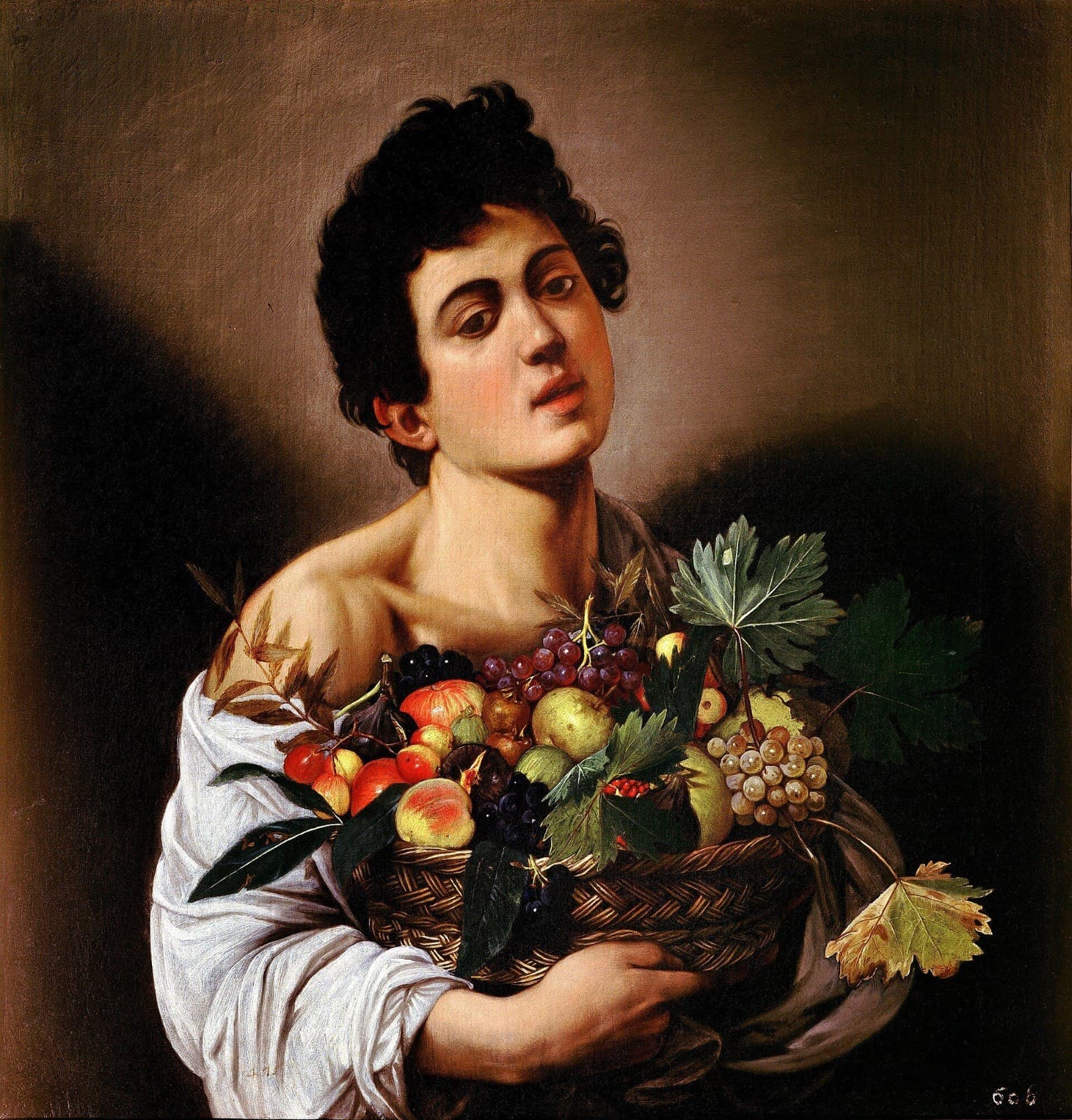
Fruit already spotting toward rot, painted with the same attention as the boy holding it. An early statement of what Caravaggio intended.

She reads his palm and takes the ring off his finger while she does it, and he is too busy looking at her to notice.
A jest's prosperity lies in the ear Of him that hears it, never in the tongue Of him that makes it.
How far that little candle throws his beams! So shines a good deed in a naughty world.
But miserable most, to love unloved? This you should pity rather than despise.
The brain may devise laws for the blood, but a hot temper leaps o'er a cold decree.
No profit grows where is no pleasure ta'en. In brief, sir, study what you most affect.
Against my soul's pure truth why labor you To make it wander in an unknown field?
It easeth some, though none it ever cur'd, To think their dolour others have endur'd.
But love is blind, and lovers cannot see The pretty follies that themselves commit.
I do know of these That therefore only are reputed wise For saying nothing.